Search Result
Results for "
low hERG
" in MedChemExpress (MCE) Product Catalog:
3
Isotope-Labeled Compounds
| Cat. No. |
Product Name |
Target |
Research Areas |
Chemical Structure |
-
- HY-17504
-
|
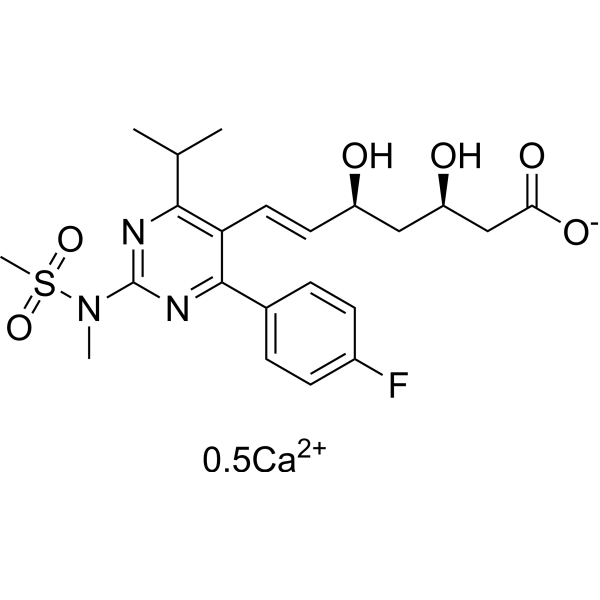
Rosuvastatin hemicalcium; ZD 4522 Calcium
|
HMG-CoA Reductase (HMGCR)
Autophagy
Potassium Channel
Bacterial
|
Cardiovascular Disease
Metabolic Disease
Cancer
|
|
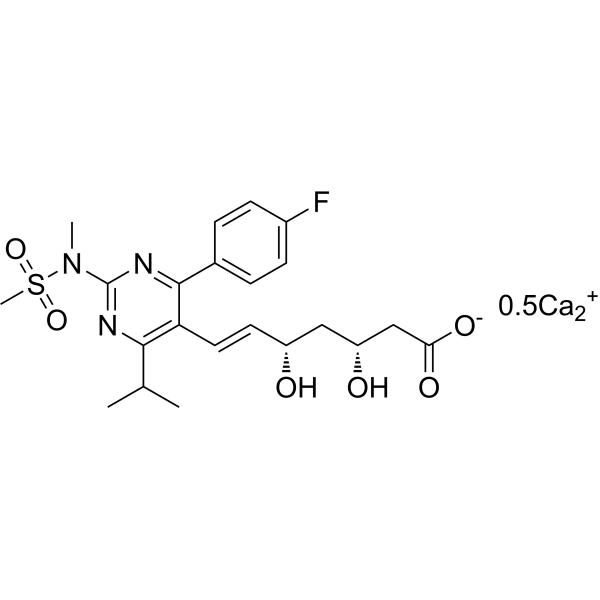
Rosuvastatin Calcium is a competitive HMG-CoA reductase (HMGCR) inhibitor, with an IC50 of 11 nM. Rosuvastatin Calcium potently blocks hERG current with an IC50 of 195 nM . Rosuvastatin Calcium reduces the expression of the mature hERG and the interaction of heat shock protein 70 (Hsp70) with the hERG protein. Rosuvastatin Calcium effectively lowers low-density lipoprotein (LDL) cholesterol, triglycerides, and C-reactive protein levels .
|
-
-
- HY-17504A
-
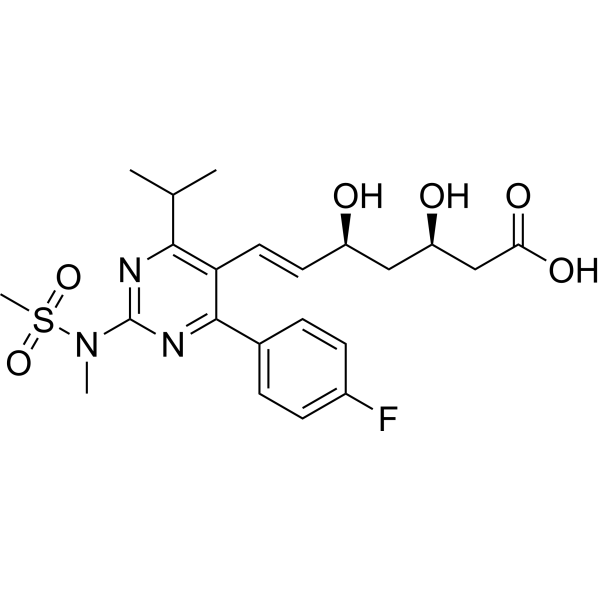
Rosuvastatin
Maximum Cited Publications
24 Publications Verification
ZD 4522
|
HMG-CoA Reductase (HMGCR)
Autophagy
Potassium Channel
Bacterial
|
Cardiovascular Disease
Metabolic Disease
Cancer
|
|
Rosuvastatin (ZD 4522) is a competitive HMG-CoA reductase inhibitor with an IC50 of 11 nM. Rosuvastatin potently blocks hERG current with an IC50 of 195 nM, delayed cardiac repolarization, and thereby prolonged action potential durations (APDs) and corrected QT interval (QTc) intervals. Rosuvastatin reduces the expression of the mature hERG and the interaction of heat shock protein 70 (Hsp70) with the hERG protein. Rosuvastatin effectively lowers low-density lipoprotein (LDL) cholesterol, triglycerides, and C-reactive protein levels .
|
-
-
- HY-17504B
-
|
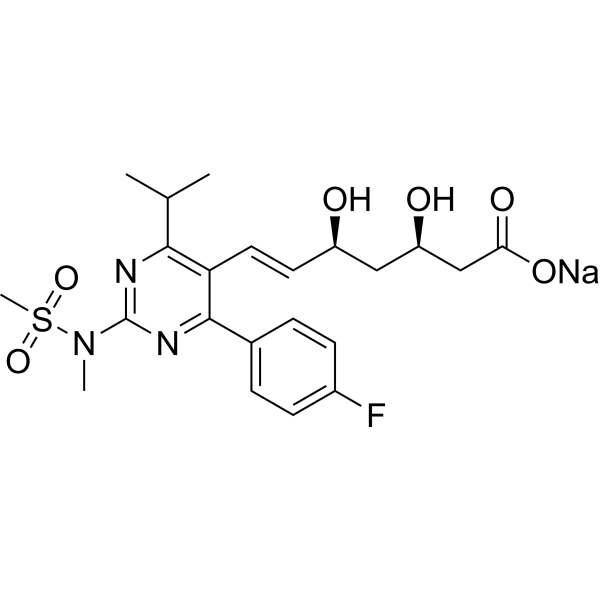
ZD 4522 Sodium; X-Plended Sodium; Crestor Sodium
|
HMG-CoA Reductase (HMGCR)
Potassium Channel
Autophagy
Bacterial
|
Cardiovascular Disease
Metabolic Disease
Cancer
|
|
Rosuvastatin Sodium is a competitive HMG-CoA reductase (HMGCR) inhibitor, with an IC50 of 11 nM. Rosuvastatin Sodium potently blocks hERG current with an IC50 of 195 nM . Rosuvastatin Sodium reduces the expression of the mature hERG and the interaction of heat shock protein 70 (Hsp70) with the hERG protein. Rosuvastatin Sodium effectively lowers low-density lipoprotein (LDL) cholesterol, triglycerides, and C-reactive protein levels .
|
-
-
- HY-162877
-
|
|
NOD-like Receptor (NLR)
Interleukin Related
Potassium Channel
|
Inflammation/Immunology
|
|
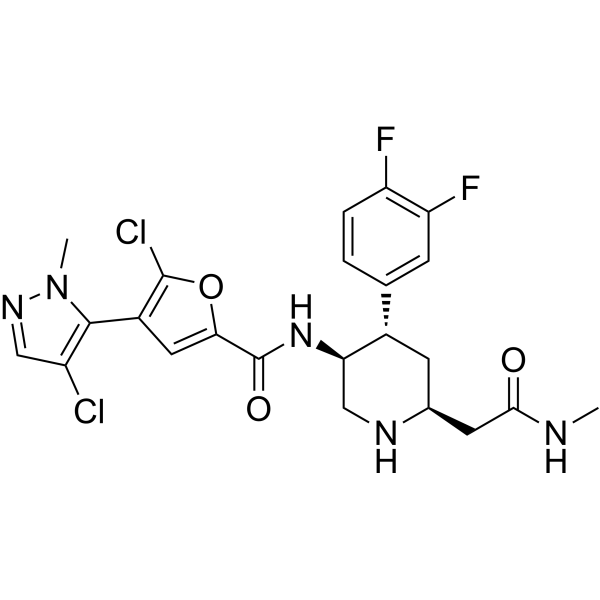
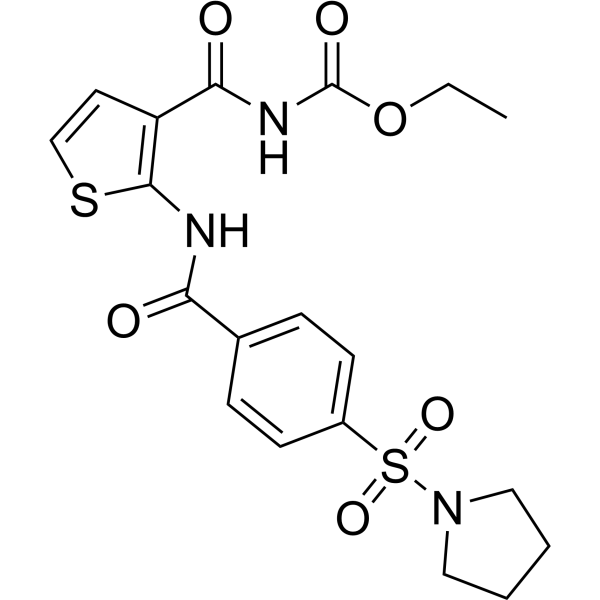
AZD4144 is an orally active NLRP3 inhibitor (EC50: 0.082 μM). AZD4144 effectively inhibits the release of IL-1β when NLRP3 is overactivated, exerting an anti-inflammatory effect. AZD4144 has low inhibitory effect on hERG and low cardiotoxicity. AZD4144 has the potential to study diseases and conditions associated with NLRP3 inflammasome activation .
|
-
-
- HY-109968
-
|
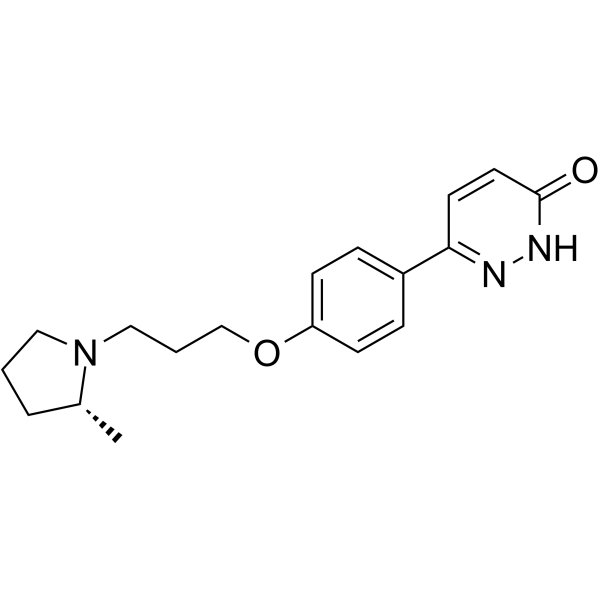
CEP-26401
|
Histamine Receptor
|
Neurological Disease
Metabolic Disease
|
|
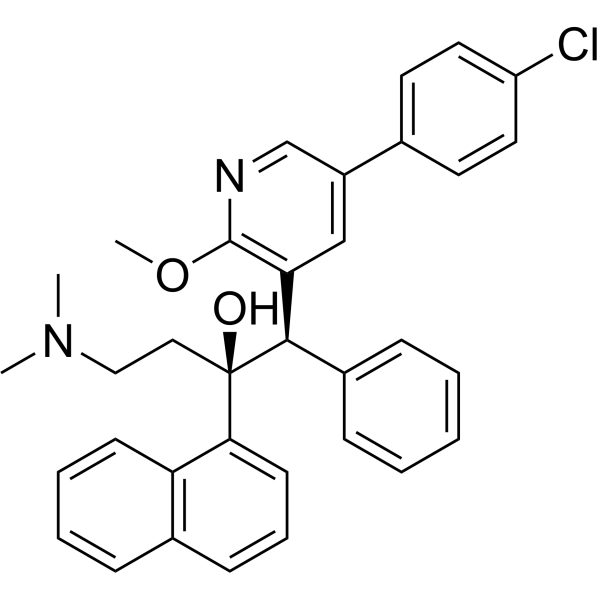
Irdabisant (CEP-26401) is a selective, orally active and blood-brain barrier (BBB) penetrant histamine H3 receptor (H3R) inverse agonist/inverse agonist with Ki values of 7.2 nM and 2.0 nM for rat H3R and human H3R, respectively. Irdabisant has relatively low inhibitory activity against hERG current with an IC50 of 13.8 μM. Irdabisant has cognition-enhancing and wake-promoting activities in the rat social recognition model. Irdabisant can be used to research schizophrenia or cognitive impairment .
|
-
-
- HY-122351A
-
|
|
Taste Receptor
|
Others
|
|
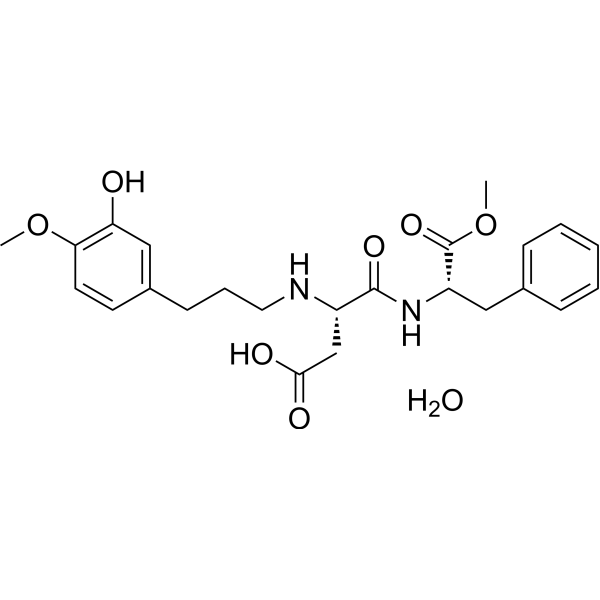
Advantame is an N-substituted derivative of aspartame. Advantame is a high-intensity, low calorie sweetener. Advantame can interact with plasma protein. Advantame has the potential to produce hypotension and inhibit hERG K + channel to produce carditoxicity. Advantame binds to T1R2/T1R3 taste GPCR to form an oligomeric functional selectivity of biased heteromers with NMBR to induce a significant sialidase activity in vitro. Advantame has maternal toxicity (gastrointestinal disturbances) in the prenatal developmental toxicity study in rabbits .
|
-
-
- HY-128601
-
|
|
Checkpoint Kinase (Chk)
|
Cardiovascular Disease
Cancer
|
|
CHK1-IN-3 is a potent and selective CHK1 inhibitor with an IC50 of 0.4 nM. CHK1-IN-3 effectively inhibits the growth of malignant hematopathy cell lines and displays low affinity for hERG (IC50 > 40 μM). CHK1-IN-3 significantly suppresses the tumor growth in vivo. CHK1-IN-3 can be used for the study of hematologic malignancies .
|
-
-
- HY-17504R
-
|
Rosuvastatin hemicalcium (Standard); ZD 4522 Calcium (Standard)
|
Reference Standards
HMG-CoA Reductase (HMGCR)
Autophagy
Potassium Channel
Bacterial
|
Cardiovascular Disease
Metabolic Disease
Cancer
|
|
Rosuvastatin (Calcium) (Standard) is the analytical standard of Rosuvastatin (Calcium). This product is intended for research and analytical applications. Rosuvastatin Calcium is a competitive HMG-CoA reductase (HMGCR) inhibitor, with an IC50 of 11 nM. Rosuvastatin Calcium potently blocks hERG current with an IC50 of 195 nM . Rosuvastatin Calcium reduces the expression of the mature hERG and the interaction of heat shock protein 70 (Hsp70) with the hERG protein. Rosuvastatin Calcium effectively lowers low-density lipoprotein (LDL) cholesterol, triglycerides, and C-reactive protein levels .
|
-
-
- HY-17504AS1
-
|
ZD 4522-d6
|
Isotope-Labeled Compounds
Autophagy
Bacterial
HMG-CoA Reductase (HMGCR)
Potassium Channel
|
Cardiovascular Disease
Metabolic Disease
Cancer
|
|
Rosuvastatin-d6 (ZD 4522-d6) is deuterium labeled Rosuvastatin. Rosuvastatin (ZD 4522) is a competitive HMG-CoA reductase inhibitor with an IC50 of 11 nM. Rosuvastatin potently blocks hERG current with an IC50 of 195 nM, delayed cardiac repolarization, and thereby prolonged action potential durations (APDs) and corrected QT interval (QTc) intervals. Rosuvastatin reduces the expression of the mature hERG and the interaction of heat shock protein 70 (Hsp70) with the hERG protein. Rosuvastatin effectively lowers low-density lipoprotein (LDL) cholesterol, triglycerides, and C-reactive protein levels .
|
-
-
- HY-126257
-
|
|
Akt
Apoptosis
|
Cancer
|
|
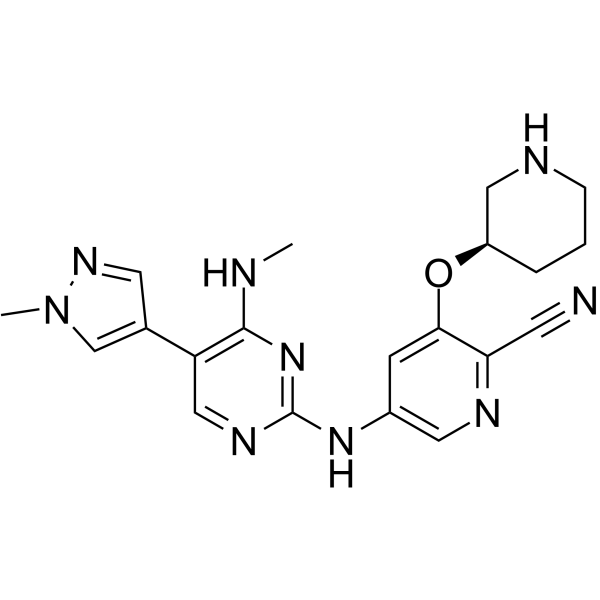
AKT-IN-3 (compound E22) is a potent, orally active low hERG blocking Akt inhibitor, with 1.4 nM, 1.2 nM and 1.7 nM for Akt1, Akt2 and Akt3, respectively. AKT-IN-3 (compound E22) also exhibits good inhibitory activity against other AGC family kinases, such as PKA, PKC, ROCK1, RSK1, P70S6K, and SGK. AKT-IN-3 (compound E22) induces apoptosis and inhibits metastasis of cancer cells .
|
-
-
- HY-17504BS1
-
|
|
HMG-CoA Reductase (HMGCR)
Autophagy
|
Cardiovascular Disease
Metabolic Disease
|
|
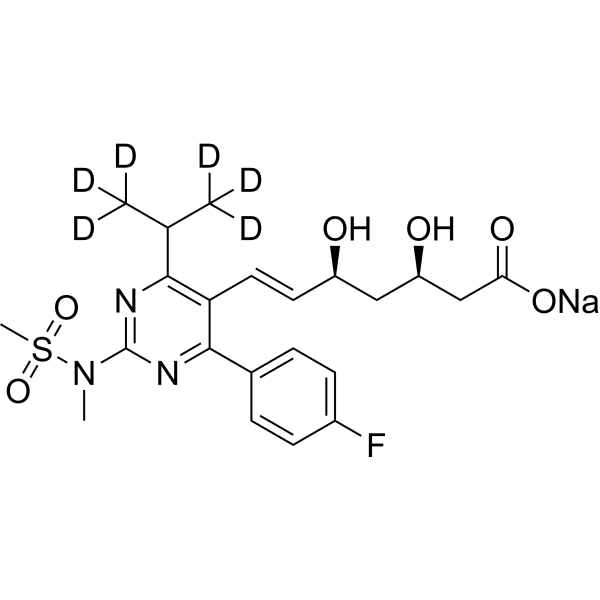
Rosuvastatin-d6 sodium is deuterium labeled Rosuvastatin sodium (HY-17504B). Rosuvastatin Sodium is a competitive HMG-CoA reductase (HMGCR) inhibitor, with an IC50 of 11 nM. Rosuvastatin Sodium potently blocks hERG current with an IC50 of 195 nM. Rosuvastatin Sodium reduces the expression of the mature hERG and the interaction of heat shock protein 70 (Hsp70) with the hERG protein. Rosuvastatin Sodium effectively lowers low-density lipoprotein (LDL) cholesterol, triglycerides, and C-reactive protein levels.
|
-
-
- HY-144341
-
|
|
Bacterial
|
Infection
|
|
DprE1-IN-1 is a potent, orally active DprE1 inhibitor with favorable hepatocyte stability, low cytotoxicity and low hERG channel inhibition. DprE1-IN-1 displays potent activity against both agent-susceptible and clinically isolated drug-resistant Tuberculosis strains with MICs10 CFU reduction in macrophages.
|
-
-
- HY-149431
-
|
|
HSP
Potassium Channel
|
Cancer
|
|
NDNA4 (compound 17) is a selective inhibitor of Hsp90α (IC50: 0.34 μM). NDNA4 is a permanently charged analog with low membrane permeability and low cytotoxicity against Ovcar-8 and MCF-10A ((IC50 >100 μM)). NDNA4 prevents disruption of hERG channel maturation without generating a heat shock response or causing degradation of Hsp90α-dependent client proteins .
|
-
-
- HY-146158
-
|
WX-081
|
Bacterial
Potassium Channel
Antibiotic
|
Infection
|
|
Fudapirine, an anti-tuberculosis agent, displays excellent anti-mycobacterial activity against M. tuberculosis H37Rv and low cytotoxicity. Fudapirine exhibits potent activity with MIC50s of 0.083 and 0.11 μg/mL for agent susceptible tuberculosis (DS-TB) and multidrug resistant tuberculosis (MDR-TB) strains. Fudapirine also inhibits hERG channel with the IC50 of 1.89 μM.
|
-
-
- HY-W064918
-
|
|
Bacterial
|
Infection
|
|
NITD-304 is an orally active anti-tuberculosis agent. NITD-304 exerts inhibitory and bactericidal activities gainst Mycobacterium tuberculosis and multidrug-resistant Mycobacterium tuberculosis. NITD-304 inhibits mycobacterial cell wall biosynthesis and demonstrates synergistic or additive growth inhibitory activity with select antibacterial agents. NITD-304 shows low risk of cardiotoxicity and drug-drug interactions, with no inhibition of major cytochrome P-450 enzymes or hERG channel. NITD-304 can be used for the research of tuberculosis and multidrug-resistant tuberculosis .
|
-
-
- HY-17504BR
-
|
ZD 4522 Sodium (Standard); X-Plended Sodium (Standard); Crestor Sodium (Standard)
|
HMG-CoA Reductase (HMGCR)
Potassium Channel
Autophagy
Bacterial
Reference Standards
|
Cardiovascular Disease
Metabolic Disease
Cancer
|
|
Rosuvastatin (Sodium) (Standard) is the analytical standard of Rosuvastatin (Sodium). This product is intended for research and analytical applications. Rosuvastatin Sodium is a competitive HMG-CoA reductase (HMGCR) inhibitor, with an IC50 of 11 nM. Rosuvastatin Sodium potently blocks hERG current with an IC50 of 195 nM . Rosuvastatin Sodium reduces the expression of the mature hERG and the interaction of heat shock protein 70 (Hsp70) with the hERG protein. Rosuvastatin Sodium effectively lowers low-density lipoprotein (LDL) cholesterol, triglycerides, and C-reactive protein levels .
|
-
-
- HY-17504BS2
-
|
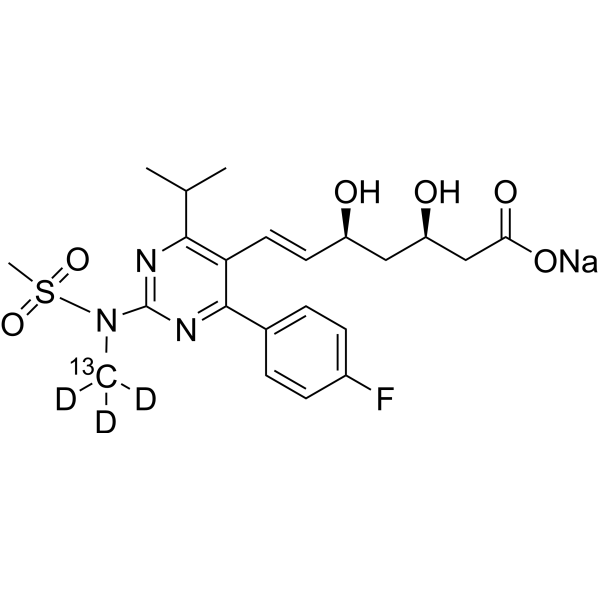
ZD 4522-13C,d3 sodium; X-Plended-13C,d3 sodium; Crestor-13C,d3 sodium
|
Autophagy
Bacterial
HMG-CoA Reductase (HMGCR)
Potassium Channel
Isotope-Labeled Compounds
|
Cardiovascular Disease
Metabolic Disease
|
|
Rosuvastatin- 13C,d3 sodium is 13C and deuterated labeled Rosuvastatin sodium (HY-17504B). Rosuvastatin Sodium is a competitive HMG-CoA reductase (HMGCR) inhibitor, with an IC50 of 11 nM. Rosuvastatin Sodium potently blocks hERG current with an IC50 of 195 nM . Rosuvastatin Sodium reduces the expression of the mature hERG and the interaction of heat shock protein 70 (Hsp70) with the hERG protein. Rosuvastatin Sodium effectively lowers low-density lipoprotein (LDL) cholesterol, triglycerides, and C-reactive protein levels .
|
-
-
- HY-17504C
-
|
|
HMG-CoA Reductase (HMGCR)
Potassium Channel
Autophagy
|
Cardiovascular Disease
Metabolic Disease
|
|
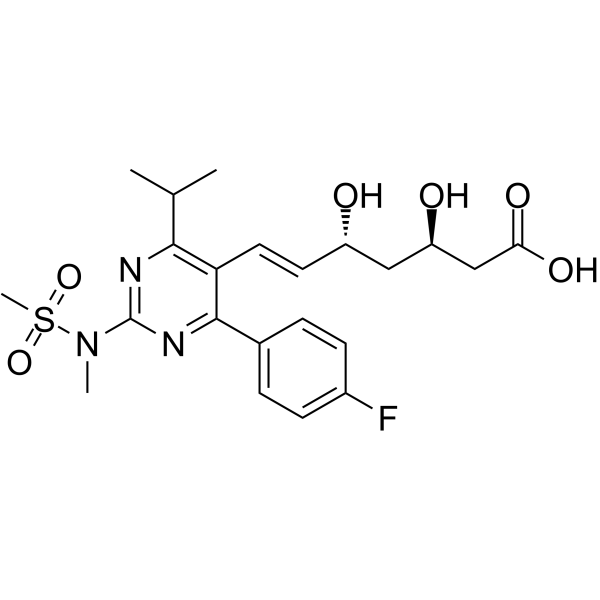
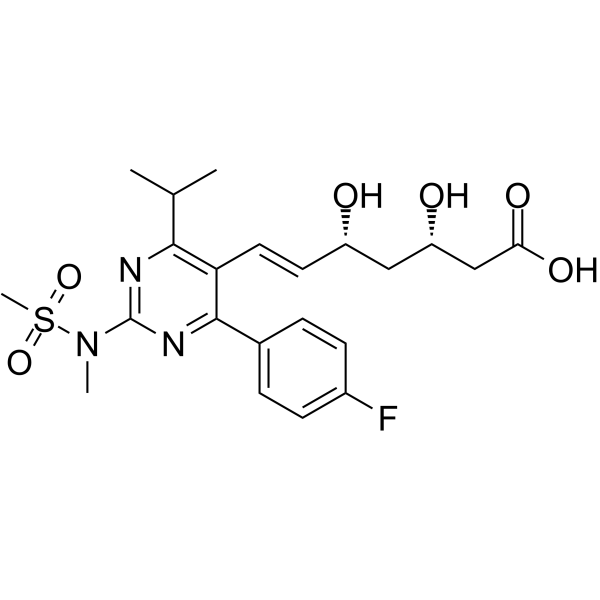
(3R,5R)-Rosuvastatin is the (3R,5R)-enantiomer of Rosuvastatin. Rosuvastatin is a competitive HMG-CoA reductase inhibitor with an IC50 of 11 nM . Rosuvastatin potently blocks human ether-a-go-go related gene (hERG) current with an IC50 of 195 nM . Rosuvastatin reduces the expression of the mature hERG and the interaction of heat shock protein 70 (Hsp70) with the hERG protein. Rosuvastatin is very effective in lowering low-density lipoprotein (LDL) cholesterol, triglycerides, and C-reactive protein levels .
|
-
-
- HY-17504D
-
|
|
HMG-CoA Reductase (HMGCR)
Potassium Channel
Autophagy
|
Cardiovascular Disease
Metabolic Disease
|
|
(3S,5R)-Rosuvastatin is the (3S,5R)-enantiomer of Rosuvastatin. Rosuvastatin is a competitive HMG-CoA reductase inhibitor with an IC50 of 11 nM . Rosuvastatin potently blocks human ether-a-go-go related gene (hERG) current with an IC50 of 195 nM . Rosuvastatin reduces the expression of the mature hERG and the interaction of heat shock protein 70 (Hsp70) with the hERG protein. Rosuvastatin is very effective in lowering low-density lipoprotein (LDL) cholesterol, triglycerides, and C-reactive protein levels .
|
-
-
- HY-160031
-
|
|
GLP Receptor
|
Cardiovascular Disease
|
|
GLP-1R agonist 19 (M3190) is a potent and selective GLP-1R agonist. GLP-1R agonist 19 has excellent plasma stability, liver microsomal stability, and low hERG toxicity .
|
-
-
- HY-161873
-
|
|
Sigma Receptor
|
Neurological Disease
|
|
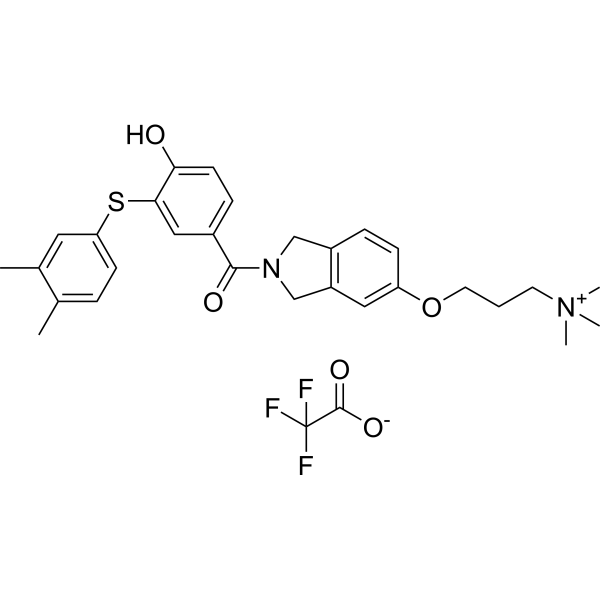
PW507 is a potent, brain-penetrant and selective sigma 1 receptor (S1R) antagonist with a Ki of 7.5 nM for human S1R. PW507 displays a low binding affinity to S2R and hERG. PW507 can be used for the study of painful diabetic neuropathy (PDN) .
|
-
-
- HY-179447
-
|
|
PD-1/PD-L1
|
Cancer
|
|
PD-L1-IN-8 is a PD-L1 inhibitor (IC50 = 0.89 nM). PD-L1-IN-8 shows low CYP inhibition and minimal hERG activity. PD-L1-IN-8 can be used for the study of colon cancer .
|
-
-
- HY-178775
-
|
|
PI4K
Parasite
MAP4K
PI3K
|
Infection
|
|
PI4K-IN-3 (Compound 27) is an orally active PI4K inhibitor with an IC50 of 1.9 nM for Plasmodium vivax PI4K. PI4K-IN-3 has no hERG channel inhibition and mammalian cytotoxicity. PI4K-IN-3 has significant selectivity against the human MINK1 and MAP4K4 kinases but with low selectivity against human PI3Kα and PI4Kβ. PI4K-IN-3 has potent antimalarial activity and significantly reduces parasitaemia in NSG mice mouse models of Plasmodium falciparum malaria .
|
-
-
- HY-176547
-
|
|
FGFR
Cytochrome P450
|
Endocrinology
|
|
FGFR2/3-IN-3 is a dual-target FGFR2/3 inhibitor with IC50s of 2.7 nM (TEL-FGFR2) and 3.9 nM (TEL-FGFR3), respectively. FGFR2/3-IN-3 has effective activity against both wild-type and mutant FGFR3. FGFR2/3-IN-3 has low CYP3A4 inhibitory effect and hERG toxicity. FGFR2/3-IN-3 improves the imbalance between chondrocyte proliferation and differentiation and promotes bone growth by inhibiting the signaling pathway mediated by mutant FGFR3. FGFR2/3-IN-3 shows a growth-promoting effect in a dwarfism mouse model and has the potential to study bone development disorder-related diseases such as achondroplasia (ACH) .
|
-
-
- HY-147841
-
|
|
HIV
Reverse Transcriptase
|
Infection
|
|
HIV-1 inhibitor-41 (Compound B23) is an orally active non-nucleoside HIV-1 reverse transcriptase inhibitor with EC50 values of 20.8 nM and 50 nM against HIV-1 WT and mutant E138K strain, respectively. HIV-1 inhibitor-41 shows low hERG, no apparent CYP enzymatic inhibition and no acute toxicity .
|
-
-
- HY-153690
-
|
|
TNF Receptor
|
Others
|
|
Progranulin modulator-1 (Compound 60) is an orally active enhancer of progranulin (PGRN) secretion. Progranulin modulator-1 enhances the potency of BV-2 cell to increase PGRN levels, has inhibitory effect on hERG and Low cytotoxicity, the PGRN EC50 and hERG IC50 were 83 and 3100 nM, respectively .
|
-
-
- HY-149013
-
|
|
Bacterial
|
Infection
|
|
Anti-MRSA agent 5 (B14) is a potent MRSAagent with MIC50 values of 0.38 μg/mL and has low hERG activity with an IC50 values of >40 μM. Anti-MRSA agent 5 (B14) also has low cytotoxicity to mammal cells and unlikely to acquire bacterial resistance .
|
-
-
- HY-149432
-
|
|
HSP
Potassium Channel
|
Cancer
|
|
NDNA3 (compound 14) is a selective inhibitor of Hsp90α (IC50: 0.51 μM). NDNA3 is a permanently charged analog with low membrane permeability and low toxicity to Ovcar-8 (IC50: 12.66 μM) and MCF-10A (IC50: 11.72 μM) cells. NDNA3 prevents disruption of hERG channel maturation without generating a heat shock response or causing degradation of Hsp90α-dependent client proteins .
|
-
-
- HY-157303
-
|
|
Somatostatin Receptor
|
Cardiovascular Disease
|
|
SSTR5 antagonist 3 (Compound 23) is an orally active somatostatin receptor subtype 5 (SSTR5) antagonist with low hERG inhibition. SSTR5 antagonist 3 exhibits potency with IC50 values of 2.8 nM and 1.4 nM in human and mouse, respectively. SSTR5 antagonist 3 can be used for the research of anti-gallstone .
|
-
-
- HY-150562
-
|
|
CDK
|
Cancer
|
|
CDK9-IN-19 is a highly potent and selective CDK9 inhibitor with an IC50 value of 2.0 nM. CDK9-IN-19 has excellent cellular antiproliferative activity, moderate pharmacokinetic property and low hERG inhibition. CDK9-IN-19 significantly induces tumour growth inhibition in an MV4-11 xenograft mice model. CDK9-IN-19 can be used for researching acute myeloid leukaemia (AML) .
|
-
-
- HY-178471
-
|
|
FABP
Interleukin Related
|
Metabolic Disease
Inflammation/Immunology
|
|
FABP4/5-IN-6 is an orally active, potent FABP4/5 inhibitor (Ki = 0.41/2.53 μM), showing low selectivity over FABP3 (Ki = 59.72 μM). FABP4/5-IN-6 inhibits the secretion of MCP-1 and IL-6 in Lipopolysaccharides (HY-D1056) (LPS)-induced THP-1 macrophage. FABP4/5-IN-6 exhibits significant anti-inflammatory effects and attenuates LPS-induced liver injury. FABP4/5-IN-6 has low hERG inhibition (LD50 > 2000 mg/kg). FABP4/5-IN-6 can be used for the study of Inflammation-related diseases .
|
-
-
- HY-109968A
-
|
CEP-26401 hydrochloride
|
Histamine Receptor
|
Neurological Disease
|
|
Irdabisant (CEP-26401) hydrochloride is a selective, orally active and blood-brain barrier (BBB) penetrant histamine H3 receptor (H3R) inverse agonist/inverse agonist with Ki values of 7.2 nM and 2.0 nM for rat H3R and human H3R, respectively. Irdabisant hydrochloride has relatively low inhibitory activity against hERG current with an IC50 of 13.8 μM. Irdabisant hydrochloride has cognition-enhancing and wake-promoting activities in the rat social recognition model. Irdabisant hydrochloride can be used to research schizophrenia or cognitive impairment .
|
-
-
- HY-122351
-
|
|
Drug Derivative
Taste Receptor
|
Others
|
|
Advantame is an N-substituted derivative of aspartame. Advantame is a high-intensity, low calorie sweetener. Advantame can interact with plasma protein. Advantame has the potential to produce hypotension and inhibit hERG K + channel to produce carditoxicity. Advantame binds to T1R2/T1R3 taste GPCR to form an oligomeric functional selectivity of biased heteromers with NMBR to induce a significant sialidase activity in vitro. Advantame has maternal toxicity (gastrointestinal disturbances) in the prenatal developmental toxicity study in rabbits .
|
-
-
- HY-157425
-
|
|
5-HT Receptor
|
Neurological Disease
|
|
5-HT2CR agonist 1 (compound 8), a 7-chloro analogue, is a selective 5-HT2CR partial agonist (Emax=71.09%) with an EC50 value of 121.5 nM and no observed activity toward 5-HT2AR or 5-HT2BR. 5-HT2CR agonist 1 exhibits no recruitment activity for β-arrestin and shows low inhibition of hERG at 10 μM .
|
-
-
- HY-122351AR
-
|
|
Reference Standards
Taste Receptor
|
Others
|
|
Advantame (Standard) is the analytical standard of Advantame. This product is intended for research and analytical applications. Advantame is an N-substituted derivative of aspartame. Advantame is a high-intensity, low calorie sweetener. Advantame can interact with plasma protein. Advantame has the potential to produce hypotension and inhibit hERG K + channel to produce carditoxicity. Advantame binds to T1R2/T1R3 taste GPCR to form an oligomeric functional selectivity of biased heteromers with NMBR to induce a significant sialidase activity in vitro. Advantame has maternal toxicity (gastrointestinal disturbances) in the prenatal developmental toxicity study in rabbits .
|
-
-
- HY-10861
-
|
|
5-HT Receptor
Dopamine Receptor
|
Neurological Disease
|
|
D3/5-HT receptor modulator-1 (compound 5i) is a selective dopamine D3 receptor and 5-HT2A receptor antagonist and a partial 5-HT1A receptor agonist. D3/5-HT receptor modulator-1 shows Ki values of 4.5 nM, 11.9 nM, and 15.3 nM for dopamine D3, 5-HT2A, and 5-HT2A receptors. D3/5-HT receptor modulator-1 has a low affinity for dopamine D2 receptors, 5-HT2C receptors, and hERG channels. D3/5-HT receptor modulator-1 has an atypical antipsychotic profile .
|
-
-
- HY-182735
-
|
|
CCR
Cytochrome P450
5-HT Receptor
Dopamine Receptor
Serotonin Transporter
|
Inflammation/Immunology
|
|
BMS-570520 is an orally bioavailable CCR3 antagonist with an IC50 of 1.9 nM against hCCR3 and an IC50 of 1300 nM against hCYP2D6. BMS-570520 inhibits CYP2D6, but shows low activity against off-target G protein-coupled receptors, biogenic amine transporters, and the hERG potassium channel. BMS-570520 regulates chemotaxis, calcium mobilization, and anti-inflammatory pathways. BMS-570520 can be used in research related to asthma, allergic rhinitis, and contact dermatitis .
|
-
-
- HY-179580
-
|
|
PPAR
Phosphodiesterase (PDE)
|
Inflammation/Immunology
|
|
EL244 is a dua Autotaxin (ATX) (IC50 = 50 nM) inhibitor and PPARγ (IC50 = 1.3 μM; Kd = 1.3 μM) agonist. EL244 demonstrates low cytotoxicity in human HepG2 cells (EC50 = 81.2 μM) with minimal inhibition of the cardiac hERG potassium channel (12% at 25 μM). EL244 significantly reduces pulmonary Lysophosphatidic Acid (LPA) levels, attenuates fibrosis, and restores respiratory function with limited systemic absorption in vivo. EL244 can be used for idiopathic pulmonary fibrosis and interstitial lung disease (ILD) research .
|
-
-
- HY-181034
-
|
|
Reverse Transcriptase
HIV
|
Infection
|
|
NNRT-IN-15 (Compound 16a) is a potent non-nucleoside reverse transcriptase (NNRT) inhibitor. NNRT-IN-15 shows an EC50 of 3 nM for WT HIV-1 and inhibits seven mutant strains (L100I, K103N, Y181C, etc.) (EC50 = 8.2-43.4 nM). NNRT-IN-15 has low cytotoxicity against MT-4 cells (CC50 = 196.46 μM). NNRT-IN-15 also inhibit WTHIV-1RT and hERG with IC50 values of 0.7599 μM and 27.455 μM. NNRT-IN-15 can be used for research of HIV-1 infection .
|
-
| Cat. No. |
Product Name |
Chemical Structure |
-
- HY-17504AS1
-
|
|
|
Rosuvastatin-d6 (ZD 4522-d6) is deuterium labeled Rosuvastatin. Rosuvastatin (ZD 4522) is a competitive HMG-CoA reductase inhibitor with an IC50 of 11 nM. Rosuvastatin potently blocks hERG current with an IC50 of 195 nM, delayed cardiac repolarization, and thereby prolonged action potential durations (APDs) and corrected QT interval (QTc) intervals. Rosuvastatin reduces the expression of the mature hERG and the interaction of heat shock protein 70 (Hsp70) with the hERG protein. Rosuvastatin effectively lowers low-density lipoprotein (LDL) cholesterol, triglycerides, and C-reactive protein levels .
|
-
-
- HY-17504BS1
-
|
|
|
Rosuvastatin-d6 sodium is deuterium labeled Rosuvastatin sodium (HY-17504B). Rosuvastatin Sodium is a competitive HMG-CoA reductase (HMGCR) inhibitor, with an IC50 of 11 nM. Rosuvastatin Sodium potently blocks hERG current with an IC50 of 195 nM. Rosuvastatin Sodium reduces the expression of the mature hERG and the interaction of heat shock protein 70 (Hsp70) with the hERG protein. Rosuvastatin Sodium effectively lowers low-density lipoprotein (LDL) cholesterol, triglycerides, and C-reactive protein levels.
|
-
-
- HY-17504BS2
-
|
|
|
Rosuvastatin- 13C,d3 sodium is 13C and deuterated labeled Rosuvastatin sodium (HY-17504B). Rosuvastatin Sodium is a competitive HMG-CoA reductase (HMGCR) inhibitor, with an IC50 of 11 nM. Rosuvastatin Sodium potently blocks hERG current with an IC50 of 195 nM . Rosuvastatin Sodium reduces the expression of the mature hERG and the interaction of heat shock protein 70 (Hsp70) with the hERG protein. Rosuvastatin Sodium effectively lowers low-density lipoprotein (LDL) cholesterol, triglycerides, and C-reactive protein levels .
|
-
Your information is safe with us. * Required Fields.
Inquiry Information
- Product Name:
- Cat. No.:
- Quantity:
- MCE Japan Authorized Agent:

