
1. Search Result
Search Result
Pathways Recommended: Stem Cell/Wnt Cell Cycle/DNA Damage
Results for "

microbial cell wall

" in MedChemExpress (MCE) Product Catalog:

10

Inhibitors & Agonists

1

Biochemical Assay Reagents

7

Natural
Products

Cat. No. Product Name Target Research Areas Chemical Structure
  • HY-P1956
    Human serum albumin
    4 Publications Verification

    HSA

    NF-κB NO Synthase Cardiovascular Disease Inflammation/Immunology Cancer
    Human serum albumin (HSA) is the most abundant protein in plasma and is a major determinant of plasma oncotic pressure. Human serum albumin exhibits antioxidant, anticoagulant, anti-inflammatory, anti-platelet aggregation activities as well as colloid osmotic action. Human serum albumin can block the inhibitory effect of GML on human T cells, providing protective function for T cells. Human serum albumin is also associated with cardiovascular diseases and can partially prevent the LPS (HY-D1056) induced oxidative stress, as well as the upregulation of NF-κB, NF-κB, and peroxynitrite (ONOO ) in the vascular wall, contributing to the reduction of blood pressure .
    This product is recombinant Human Serum Albumin expressed in a microbial expression system.
    Human serum albumin
  • HY-W342604
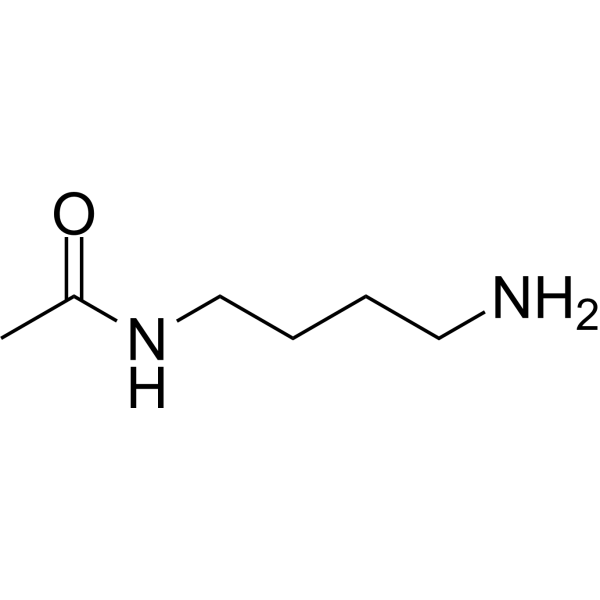
    N-Acetylputrescine
    1 Publications Verification

    NAP

    Endogenous Metabolite Neurological Disease Cancer
    N-Acetylputrescine is a polyamine metabolite that regulates cell proliferation and signal transduction mainly by participating in polyamine acetylation modification. N-Acetylputrescine may reduce the positive charge of polyamines, affect protein-nucleic acid interactions, and promote cell growth. The concentration changes of N-Acetylputrescine can help disease diagnosis (such as early screening and efficacy evaluation of lung cancer) and microbial cell wall structure research. N-Acetylputrescine can be used as a potential biomarker for the progression of squamous cell carcinoma of the lung (SCCL) and Parkinson's disease (PD) .
    N-Acetylputrescine
  • HY-Y0079

    Endogenous Metabolite Infection
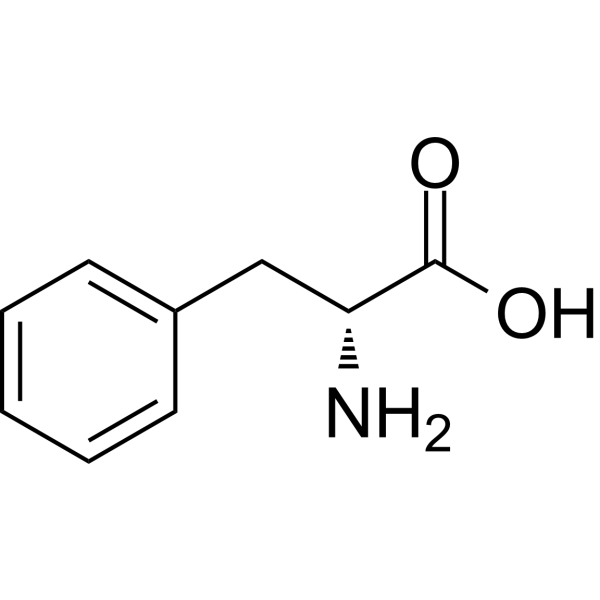
    D-Phenylalanine is an atypical D-amino acid and an inhibitor of bacterial biofilm formation. D-Phenylalanine mainly replaces D-alanine (D-Ala) by incorporating into the fourth and fifth positions of bacterial peptidoglycan (PG), changing the cell wall structure, enhancing bacterial acid resistance and affecting biofilm formation. D-Phenylalanine may promote the secretion of peptide tyrosine tyrosine (PYY) in mammals by activating the intestinal GPR109B receptor. D-Phenylalanine can inhibit the maturation of microbial biofilms and promote the release of specific hormones. It can be used for antibacterial preservation, improving the yield of probiotics in the food industry, and studying appetite regulation and blood sugar control in metabolic diseases such as diabetes .
    D-Phenylalanine
  • HY-128746

    Endogenous Metabolite Metabolic Disease
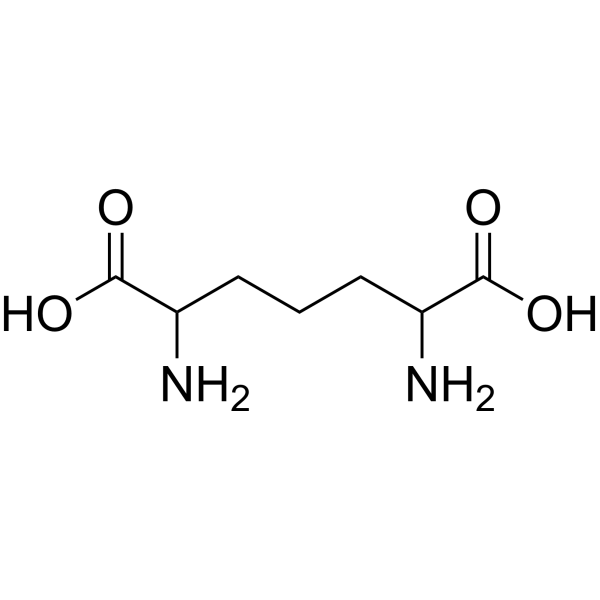
    2,6-Diaminopimelic acid is a endogenous metabolite produced in bacteria and is a component of cell wall. 2,6-Diaminopimelic acid is essential for microbial metabolism and is a potential marker for quantification of microbial proteins .
    2,6-Diaminoheptanedioic acid
  • HY-113100
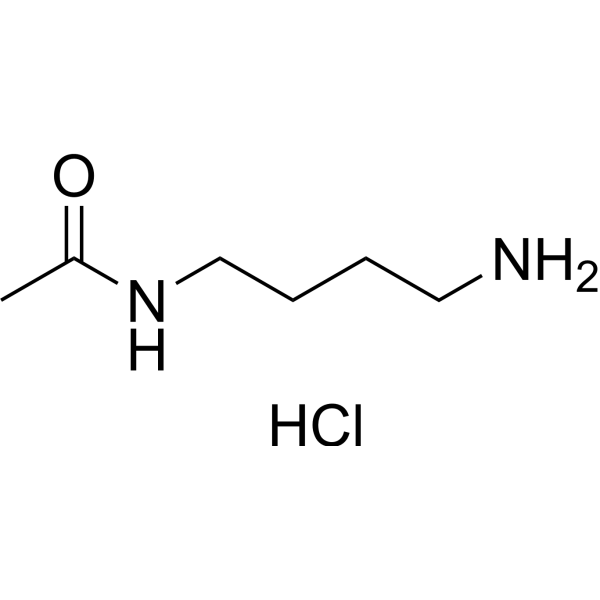
    N-Acetylputrescine hydrochloride
    1 Publications Verification

    Endogenous Metabolite Neurological Disease Cancer
    N-Acetylputrescine hydrochloride is a polyamine metabolite that regulates cell proliferation and signal transduction mainly by participating in polyamine acetylation modification. N-Acetylputrescine hydrochloride may reduce the positive charge of polyamines, affect protein-nucleic acid interactions, and promote cell growth. The concentration changes of N-Acetylputrescine hydrochloride can help disease diagnosis (such as early screening and efficacy evaluation of lung cancer) and microbial cell wall structure research. N-Acetylputrescine hydrochloride can be used as a potential biomarker for the progression of squamous cell carcinoma of the lung (SCCL) and Parkinson's disease (PD) .
    N-Acetylputrescine hydrochloride
  • HY-W109613

    Bacterial PPAR Fungal Infection Metabolic Disease
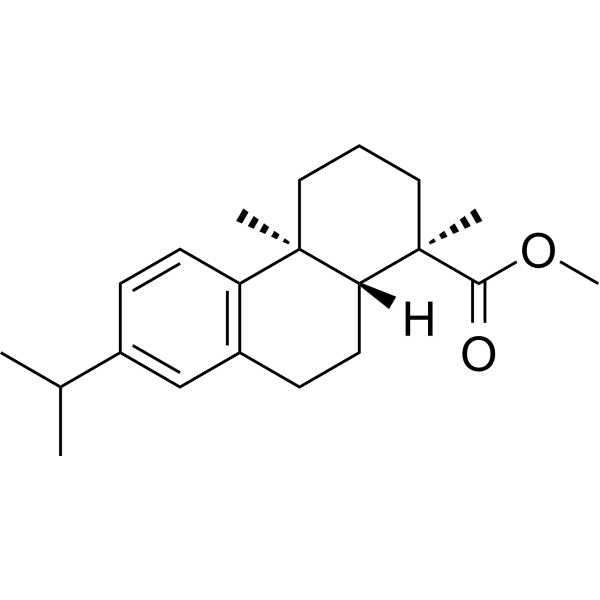
    Methyl dehydroabietate is an orally active resin acid. Methyl dehydroabietate disrupts microbial cell walls and exhibits significant antibacterial activity. Methyl dehydroabietate induces the expression of PPARα in the liver and PPARγ in adipose tissue, and promotes adipocyte differentiation. Methyl dehydroabietate improves insulin resistance, reduces TNFα levels, and alleviates adipocyte hypertrophy and hepatic steatosis in obese mice. Methyl dehydroabietate can be used in research related to obesity, insulin resistance and hepatic steatosis .
    Methyl dehydroabietate
  • HY-P2890A

    Endogenous Metabolite Others
    Laccase, Recombinant Microbial (High activity) is a multicopper oxidase. Laccase, Recombinant Microbial (High activity) catalyzes the oxidation of multiple substrates, including phenolic compounds, polyphenolic compounds, lignin, etc. Laccase, Recombinant Microbial (High activity) is involved in the lignin degradation, cell wall synthesis, pigment synthesis, and antioxidant/immune defense. Laccase, Recombinant Microbial (High activity) can be used in paper/textile/food industry, bioremediation, biomedicine and agriculture .
    Laccase, Recombinant Microbial (High activity)
  • HY-N15356

    Bacterial Infection
    9-Oxooctadecanedioic acid is an α,ω-dicarboxylic fatty acid monomer found in the cork suberin of Quercus suber. It contributes to the formation of the hydrophobic barrier structure in plant cell walls and may play an important role in functions such as water resistance and protection against microbial penetration .
    9-Oxooctadecanedioic acid
  • HY-113100R

    Reference Standards Endogenous Metabolite Neurological Disease Cancer
    N-Acetylputrescine hydrochloride (Standard) is the analytical standard for N-Acetylputrescine hydrochloride (HY-113100). This product is intended for research and analytical applications. N-Acetylputrescine hydrochloride is a polyamine metabolite that regulates cell proliferation and signal transduction mainly by participating in polyamine acetylation modification. N-Acetylputrescine hydrochloride may reduce the positive charge of polyamines, affect protein-nucleic acid interactions, and promote cell growth. The concentration changes of N-Acetylputrescine hydrochloride can help disease diagnosis (such as early screening and efficacy evaluation of lung cancer) and microbial cell wall structure research. N-Acetylputrescine hydrochloride can be used as a potential biomarker for the progression of squamous cell carcinoma of the lung (SCCL) and Parkinson's disease (PD) .
    N-Acetylputrescine hydrochloride (Standard)
  • HY-W110755

    Bacterial Infection
    Poly diallyldimethylammonium chloride is a cationic antimicrobial polymer with quaternary ammonium side chains, and it exhibits microbicidal activity. Poly diallyldimethylammonium (chloride) can be used in studies of bacterial and fungal infections (E. coli, S. aureus, C. albicans infections) .
    Poly diallyldimethylammonium chloride

Inquiry Online

Your information is safe with us. * Required Fields.

Salutation


Country or Region *

Applicant Name *


Organization Name *

Department *


Email Address *


Product Name *

Cat. No.


Requested quantity *

Phone Number *


Remarks

Inquiry Online

Inquiry Information

Product Name:
Cat. No.:
Quantity:
MCE Japan Authorized Agent:

