1. Search Result
Search Result
Results for "

microtubule stabilization

" in MedChemExpress (MCE) Product Catalog:

24

Inhibitors & Agonists

2

Peptides

2

Natural
Products

Cat. No. Product Name Target Research Areas Chemical Structure
  • HY-10222
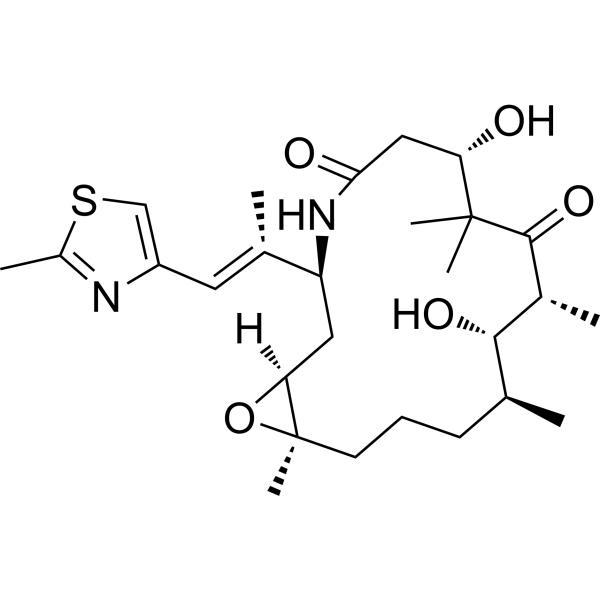
    Ixabepilone
    Maximum Cited Publications
    9 Publications Verification

    BMS-247550; Aza-epothilone B

    Microtubule/Tubulin Apoptosis Bacterial Cancer
    Ixabepilone (BMS-247550) is an orally bioavailable microtubule inhibitor, which binds to tubulin and promotes tubulin polymerization and microtubule stabilization, thereby arrests cells in the G2-M phase of the cell cycle and induces tumor cell apoptosis.
    Ixabepilone
  • HY-B0413
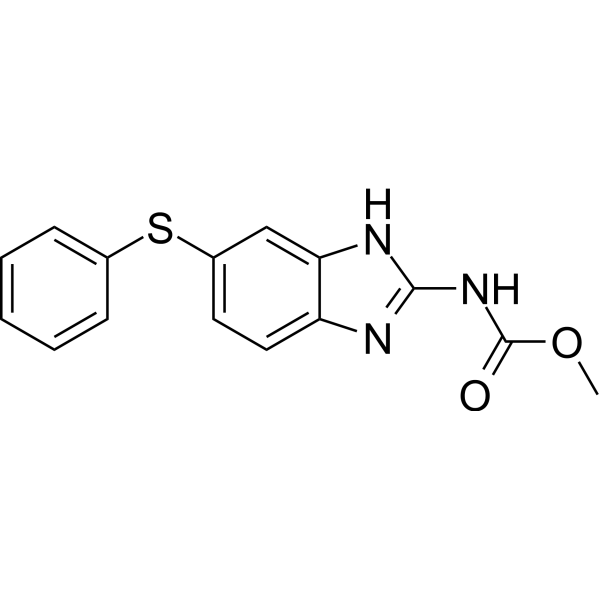
    Fenbendazole
    Maximum Cited Publications
    9 Publications Verification

    Parasite HIF/HIF Prolyl-Hydroxylase Microtubule/Tubulin Antibiotic Infection Cancer
    Fenbendazole is an orally active benzimidazole anthelmintic agent, with a broad antiparasitic range. Fenbendazole is a microtubule destabilizing agent and acts on helminthes primarily by binding to tubulin and disrupting the tubulin microtubule equilibrium. Fenbendazole stabilizes the transcriptional activator HIF-1α. Fenbendazole possesses an efficient anti-proliferative activity and induces apoptosis. Fenbendazole causes cell-cycle arrest and mitotic cell death, and has antitumor activity in mice xenografted with wild-type p53 .
    Fenbendazole
  • HY-20584

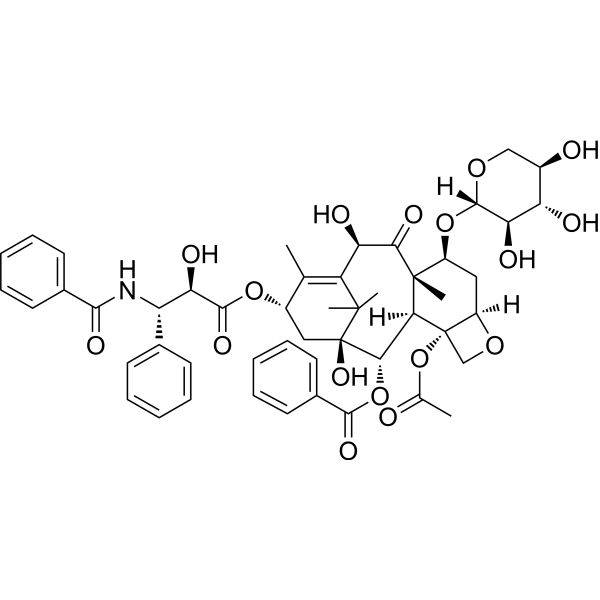
    10-Deacetyl-7-xylosyltaxol; 10-Deacetylpaclitaxel 7-Xyloside; 10-Deacetyltaxol 7-Xyloside

    Microtubule/Tubulin ADC Payload Cancer
    10-Deacetyl-7-xylosyl paclitaxel is a Paclitaxel (a microtubule stabilizing agent; enhances tubulin polymerization) derivative with improved pharmacological features.
    10-Deacetyl-7-xylosyl paclitaxel
  • HY-110208
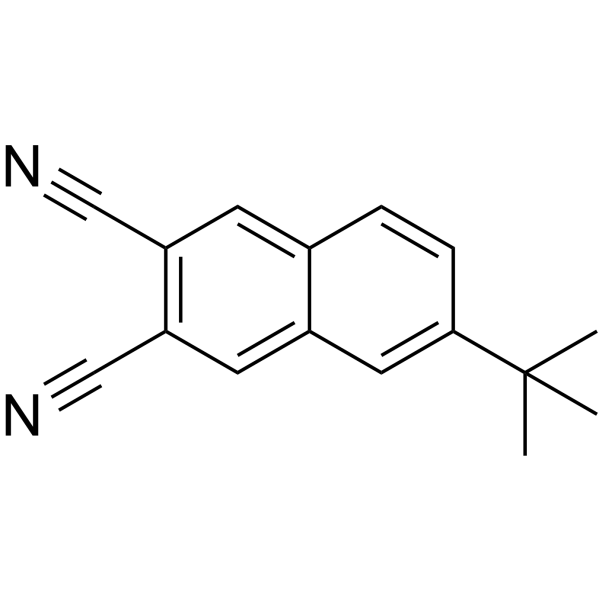
    BRD9876
    1 Publications Verification

    Kinesin Microtubule/Tubulin Cancer
    BRD9876 is the “rigor” inhibitor that locks kinesin-5 (Eg5) in a state with enhanced microtubules (MTs) binding, leading to bundling and stabilization of MTs. BRD9876 interacts with the tyrosine 104 residue that is part of the α4-α6 allosteric binding pocket. BRD9876 specifically targets microtubule-bound Eg5 and selectively inhibits myeloma over CD34 cells. BRD9876 has the potential for multiple myeloma (MM) research .
    BRD9876
  • HY-105066
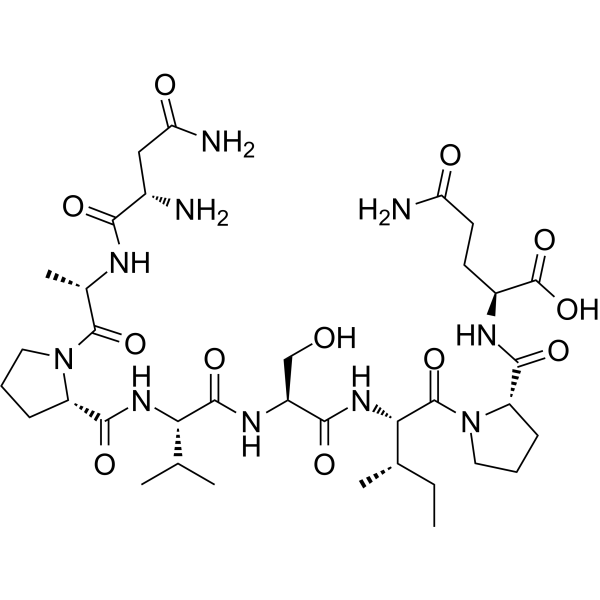
    Davunetide
    1 Publications Verification

    Microtubule/Tubulin Amyloid-β Neurological Disease
    Davunetide is an eight amino acid snippet derived from activity-dependent neuroprotective protein (ADNP), a neurotrophic factor that exists in the mammalian CNS. Davunetide possesses neuroprotective, neurotrophic and cognitive protective roperties. Davunetide, a microtubule-stabilizing peptide, interacts with and stabilises neuron-specific βIII-tubulin in vitro. Davunetide penetrates the blood-brain barrier and is non-toxic. Davunetide inhibits Aβ aggregation and Aβ-induced neurotoxicity .
    Davunetide
  • HY-N4208
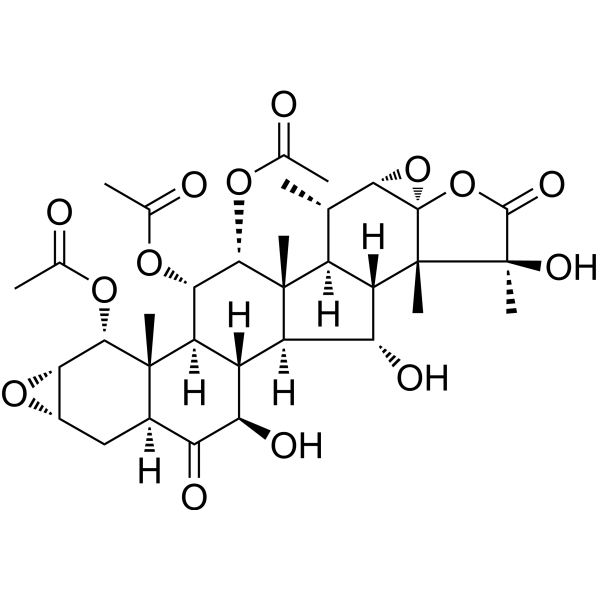
    Taccalonolide AJ
    1 Publications Verification

    Microtubule/Tubulin Cancer
    Taccalonolide AJ is a semi-synthesis compound with cellular microtubule stabilizing activity. Taccalonolide AJ exhibits high potency antiproliferative activity against cancer cells, with an IC50 of 4.2 nM for HeLa cells .
    Taccalonolide AJ
  • HY-B0413R

    Reference Standards Parasite HIF/HIF Prolyl-Hydroxylase Microtubule/Tubulin Antibiotic Infection
    Fenbendazole (Standard) is the analytical standard of Fenbendazole. This product is intended for research and analytical applications. Fenbendazole is an orally active benzimidazole anthelmintic agent, with a broad antiparasitic range. Fenbendazole is a microtubule destabilizing agent and acts on helminthes primarily by binding to tubulin and disrupting the tubulin microtubule equilibrium. Fenbendazole stabilizes the transcriptional activator HIF-1α. Fenbendazole possesses an efficient anti-proliferative activity and induces apoptosis. Fenbendazole causes cell-cycle arrest and mitotic cell death, and has antitumor activity in mice xenografted with wild-type p53 .
    Fenbendazole (Standard)
  • HY-125374

    XRP9881

    Apoptosis Cancer
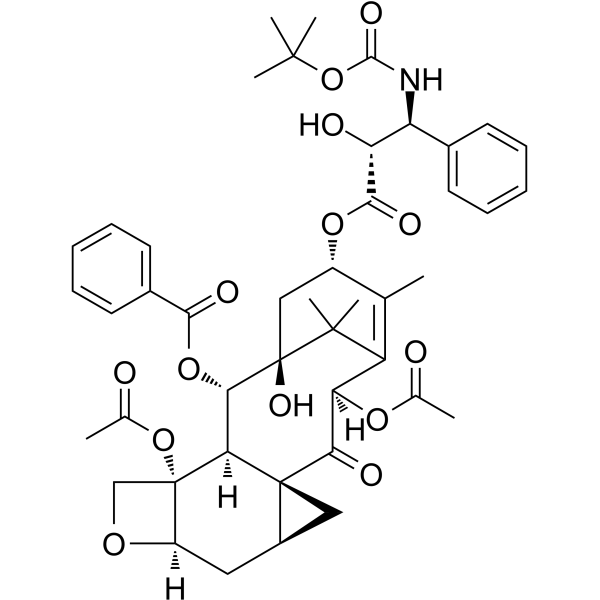
    Larotaxel (XRP9881) is a taxane analogue with preclinical activity against taxane-resistant breast cancer. Larotaxel (XRP9881) exerts its cytotoxic effect by promoting tubulin assembly and stabilizing microtubules, ultimately leading to cell death by apoptosis. It presents the ability to cross the blood brain barrier and has a much lower affinity for P-glycoprotein 1 than Docetaxel .
    Larotaxel
  • HY-106219

    Microtubule/Tubulin P-glycoprotein Cancer
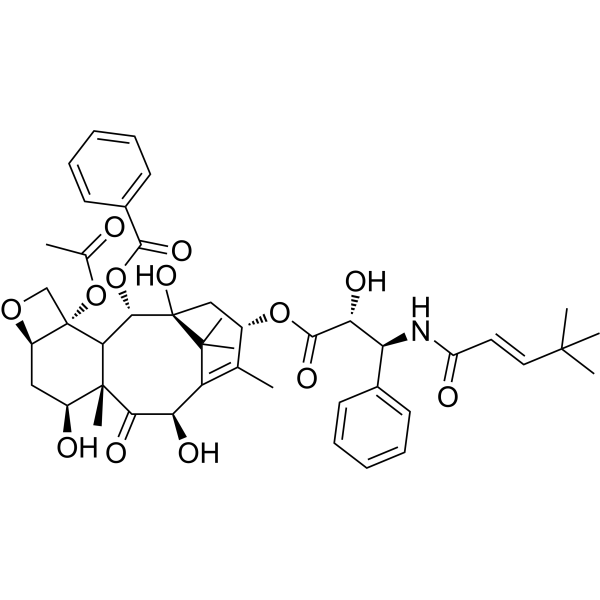
    BMS 275183 is a potent, orally active analogue of Paclitaxel (HY-B0015). BMS 275183 can stabilize microtubules and exhibits antitumor activity in in vivo tumor models. BMS 275183 is active in vitro against Paclitaxel-resistant tumors including those harboring tubulin mutations or overexpressing P-glycoprotein. BMS 275183 can be used for cancer research, such as non-small cell lung cancer (NSCLC) and prostate carcinoma .
    BMS 275183
  • HY-174427

    LRRK2 Neurological Disease
    RN341 is a specific type II kinase inhibitor of LRRK2 (IC50: 296 nM). RN341 inhibits LRRK2 phosphorylation and avoids S935 dephosphorylation by stabilizing the open conformation. RN341 rescues LRRK2-mediated kinesin motility block by preventing microtubule binding. RN341 effectively inhibits LRRK2 wild-type and G2019S mutant at the cellular level. RN341 provides a new direction for Parkinson's disease research.
    RN341
  • HY-178441

    Pyruvate Kinase Reactive Oxygen Species (ROS) Apoptosis Microtubule/Tubulin Metabolic Disease Cancer
    PKM2-IN-11 is a PKM2 inhibitor (IC50 = 0.363 μM). PKM2-IN-11 has dual mechanisms involving pyruvate kinase M2 (PKM2) inhibition and microtubule stabilization. PKM2-IN-11 can decrease PKM2 protein levels in MCF-7 cells. PKM2-IN-11 can slightly reduce reactive oxygen species (ROS) levels and significantly increase early apoptotic cells. PKM2-IN-11 induces G2/M phase arrest. PKM2-IN-11 can be used for the study of breast cancer .
    PKM2-IN-11
  • HY-155647

    Microtubule/Tubulin Cancer
    Microtubule stabilizing agent-1 (compound 3l) is a Paclitaxel derivative that efficiently promotes tubulin polymerization. Microtubule stabilizing agent-1 shows antitumor efficacy .
    Microtubule stabilizing agent-1
  • HY-105409

    NVP-XAA-296; XAA 296

    Microtubule/Tubulin Apoptosis Cancer
    Discodermolide (NVP-XAA-296) is a potent microtubule-stabilizing agent with a Ki of 0.4 μM. Discodermolide stabilizes microtubules, induces G2 or M phase cell cycle arrest and apoptosis, leading to inhibition of cancer cell proliferation. Discodermolide competitively inhibits the binding of Paclitaxel (HY-B0015) to tubulin polymers, and inhibits the growth of Paclitaxel-resistant cells. Discodermolide can be used for breast and colon cancer research .
    Discodermolide
  • HY-10222R

    BMS-247550 (Standard); Aza-epothilone B (Standard)

    Reference Standards Microtubule/Tubulin Apoptosis Bacterial Cancer
    Ixabepilone (Standard) is the analytical standard of Ixabepilone. This product is intended for research and analytical applications. Ixabepilone (BMS-247550) is an orally bioavailable microtubule inhibitor, which binds to tubulin and promotes tubulin polymerization and microtubule stabilization, thereby arrests cells in the G2-M phase of the cell cycle and induces tumor cell apoptosis.
    Ixabepilone (Standard)
  • HY-N6997

    Microtubule/Tubulin Cancer
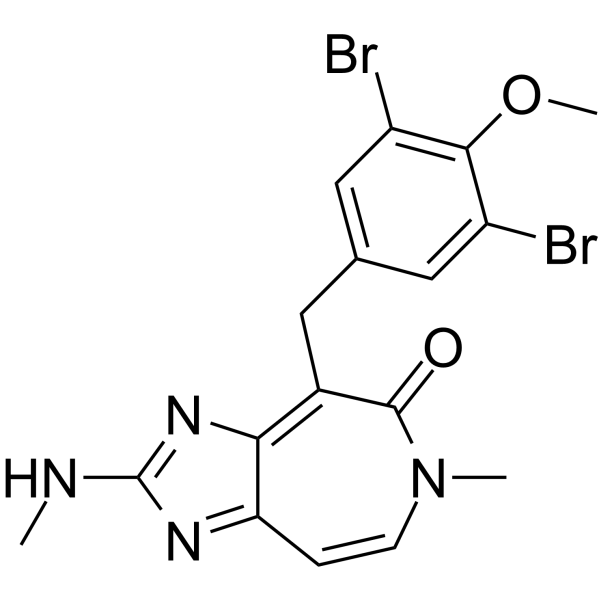
    Ceratamine A is an antimitotic heterocyclic alkaloid isolated from the marine sponge Pseudoceratina sp., acts as a microtubule-stabilizing agent. Ceratamine A exhibits cytotoxicity against human cancer cell lines .
    Ceratamine A
  • HY-121634

    Polo-like Kinase (PLK) Others
    DAP-81 is an inhibitory agent targeting Polo-like kinases (Plks), a class of evolutionarily conserved serine/threonine kinases. DAP-81 dose-dependently increases the number of monopolar spindles in treated cells. High-resolution live-cell microscopy revealed that Plk activity is required for the assembly and maintenance of bipolar mitotic spindles. Plk inhibition destabilizes centromeric microtubules while stabilizing other spindle microtubules, leading to the formation of monopolar spindles. Further testing of compounds based on "privileged scaffolds" such as the DAP scaffold may lead to the discovery of new cell division probes and anti-microtubule agents.
    DAP-81
  • HY-121490

    Apoptosis Cancer
    IMM-02 is a DID-DAD binding inhibitor with activity promoting actin assembly and microtubule stabilization. IMM-02 is able to trigger serum response factor-mediated gene expression and lead to cell cycle arrest and apoptosis. IMM-02 has shown the ability to slow tumor growth in a mouse colon cancer xenograft model .
    IMM-02
  • HY-177482

    Drug Intermediate Cancer
    Pro-PTX is a Pd-sensitive Paclitaxel (HY-B0015) prodrug with anticancer activity 200 to 700-fold lower than that of the parent compound. Pro-PTX triggers intramolecular cyclization via Pd-catalyzed depropargylation to release active Paclitaxel (HY-B0015) and a non-toxic byproduct. Pro-PTX diffuses efficiently through porous agarose and alginate hydrogel networks, reacts with embedded Pd nanosheets and gets activated. Pro-PTX exhibits significantly reduced cytotoxicity and antiproliferative activity in cancer cells and non-cancerous human cerebrovascular pericytes. Pro-PTX is applicable for research related to non-small cell lung cancer, glioblastoma and lung cancer .
    Pro-PTX
  • HY-185269

    Microtubule/Tubulin Drug Derivative Cancer
    2'-Deoxy-PTX is a Paclitaxel (HY-B0015) derivative and microtubule assembly inducer. 2'-Deoxy-PTX binds to GMPcPP-stabilized microtubules, with a Kaapp of 0.50 × 10 6 M -1. 2′-Deoxy-PTX induces Tubulin to assemble into normal microtubules. 2'-Deoxy-PTX can be used for the research of prostate cancer .
    2'-Deoxy-PTX
  • HY-182602

    Microtubule/Tubulin Cytochrome P450 Cancer
    KOSN 1724 is an anticancer agent. KOSN 1724 disrupts tubulin activity, stabilizes microtubules, and inhibits cancer cells proliferation. KOSN 1724 inhibits cytochrome P450 3A4, CYP2C9, and CYP2C19 activity. KOSN 1724 can be used for the research of cancer .
    KOSN 1724
  • HY-181046

    α-synuclein Bcr-Abl GSK-3 DYRK LRRK2 Microtubule/Tubulin Neurological Disease
    Multi-kinase-IN-14 is an orally active and blood-brain barrier-permeable multi-kinase inhibitor. Multi-kinase-IN-14 reduces the excessive phosphorylation of α-synuclein by inhibiting four kinases (ABL1, DYRK1A, GSK3β, and LRRK2) and stabilizing microtubules. Multi-kinase-IN-14 is applicable for research on neurodegenerative diseases such as Parkinson’s disease and Alzheimer’s disease .
    Multi-kinase-IN-14
  • HY-105066R

    Reference Standards Microtubule/Tubulin Amyloid-β Neurological Disease
    Davunetide (Standard) is the analytical standard of Davunetide (HY-105066). This product is intended for research and analytical applications. Davunetide is an eight amino acid snippet derived from activity-dependent neuroprotective protein (ADNP), a neurotrophic factor that exists in the mammalian CNS. Davunetide possesses neuroprotective, neurotrophic and cognitive protective roperties. Davunetide, a microtubule-stabilizing peptide, interacts with and stabilises neuron-specific βIII-tubulin in vitro. Davunetide penetrates the blood-brain barrier and is non-toxic. Davunetide inhibits Aβ aggregation and Aβ-induced neurotoxicity .
    Davunetide (Standard)
  • HY-16457

    MST 997

    Microtubule/Tubulin Caspase Apoptosis Cancer
    Simotaxel (MST 997) is an orally active derivative of the taxane class. Simotaxel binds to β-tubulin and promotes tubulin polymerization (EC₅₀ = 0.9 μM), inhibits tubulin depolymerization, and causes cell cycle arrest at the G₂-M phase. Simotaxel disrupts the formation of the mitotic spindle and triggers the caspase-dependent apoptotic pathway (apoptosis). Simotaxel has inhibitory effects on Paclitaxel (HY-B0015) sensitive cell lines and overcomes drug resistance. Simotaxel can be used to study Paclitaxel / Docetaxel (HY-B0011) resistant solid tumors .
    Simotaxel
  • HY-183831

    MDM-2/p53 PARP Caspase Apoptosis Cancer
    GPS167 is a CLK kinase inhibitor that potently and selectively inhibits recombinant human CLK1, CLK2 and CLK4. By inhibiting CLK-mediated phosphorylation of SRSF10, GPS167 upregulates the protein-binding ability of CLK1 and CLK4 with SRSF10, downregulates oncogenic BCLAF1-L and upregulates tumor-suppressive BCLAF1-S, regulates alternative splicing of genes such as MDM2 and MDM4, stabilizes p53 protein and induces DNA damage, ultimately triggering tumor cell apoptosis. GPS167 can block the epithelial-mesenchymal transition process of tumors, activate intracellular double-stranded RNA-mediated antiviral immune responses, and produce synergistic cytotoxicity when combined with microtubule-targeting drugs. GPS167 can be used in research related to various cancers including colorectal cancer .
    GPS167

Inquiry Online

Your information is safe with us. * Required Fields.

Salutation


Country or Region *

Applicant Name *


Organization Name *

Department *


Email Address *


Product Name *

Cat. No.


Requested quantity *

Phone Number *


Remarks

Inquiry Online

Inquiry Information

Product Name:
Cat. No.:
Quantity:
MCE Japan Authorized Agent:

