1. Search Result
Search Result
Results for "

mitochondrial structures

" in MedChemExpress (MCE) Product Catalog:

25

Inhibitors & Agonists

6

Screening Libraries

2

Fluorescent Dyes

1

Peptides

5

Natural
Products

1

Isotope-Labeled Compounds

1

Oligonucleotides

Cat. No. Product Name Target Research Areas Chemical Structure
  • HY-128483

    TGF-beta/Smad PI3K NF-κB Akt Apoptosis Dopamine β-hydroxylase mTOR Adrenergic Receptor Cardiovascular Disease Endocrinology Cancer
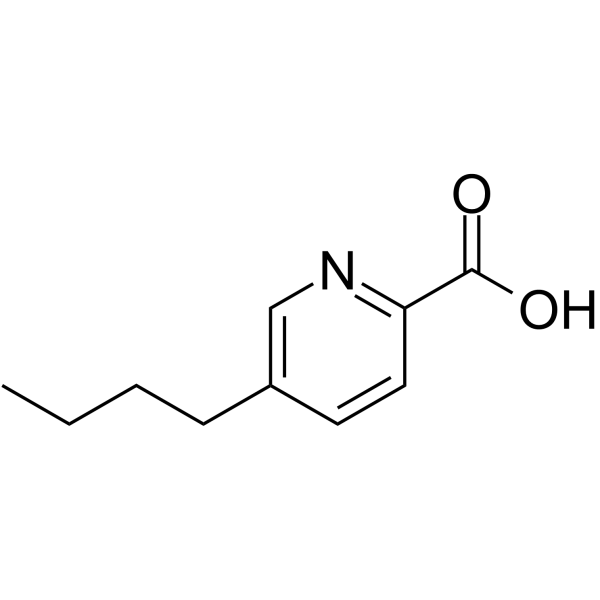
    Fusaric acid is an orally active multi-pathway inhibitor with the activity of inducing oxidative stress and apoptosis. Fusaric acid can chelate divalent metal cations, damage mitochondrial membrane structure, and activate apoptosis-related proteases such as Caspase-3/7, -8, and -9. Fusaric acid also regulates Bax/Bcl-2 protein, inhibits fibrosis-related signaling pathways such as NF-κB, TGF-β1/SMADs, and PI3K/AKT/mTOR, and reduces collagen deposition. Fusaric acid is also a dopamine β-hydroxylase inhibitor, which reduces endogenous levels of norepinephrine and epinephrine in the brain, heart, spleen, and adrenal glands. Fusaric acid can play a role in myocardial fibrosis and improve cardiac hypertrophy in heart disease, and can also be used in the study of esophageal cancer and liver cancer .
    Fusaric acid
  • HY-W094758A

    Fluorescent Dye Cancer
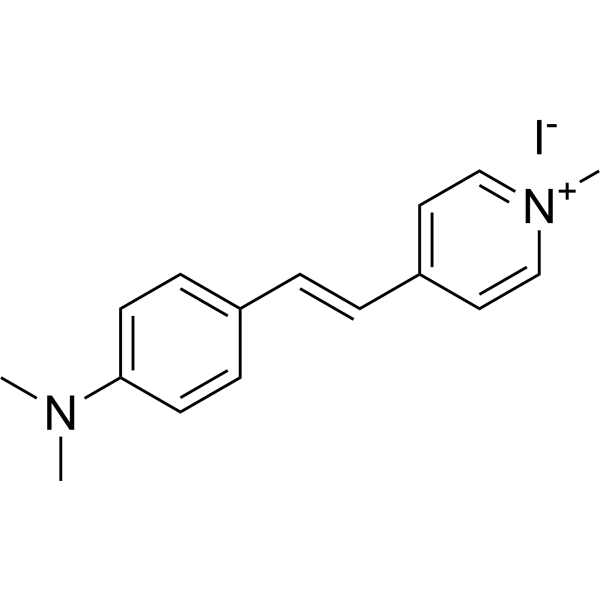
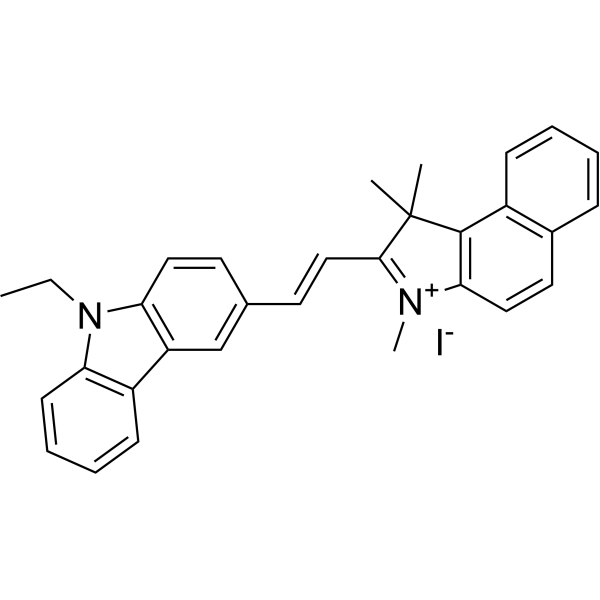
    4-Di-1-ASP is a styryl dye used to stain glioma cells in living brain tissue for analysis of cell structure, viability, proliferation and endocytosis, cytokinesis and phagocytosis, as well as for observation of mitochondrial structures in living cells. 4-Di-1-ASP fluoresces green when imaged microscopically (λexem = 475/606 nm) .
    4-Di-1-ASP
  • HY-N1255

    (-)-Scoulerine; Discretamine

    Bcl-2 Family Apoptosis mTOR GABA Receptor PI3K Adrenergic Receptor Beta-secretase Akt Cancer
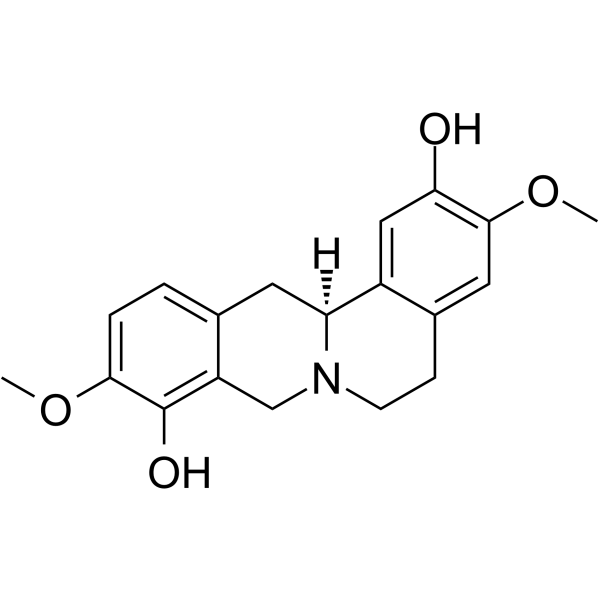
    Scoulerine ((-)-Scoulerine; Discretamine) hydrochloride is a multi-target inhibitor with anti-tumor and antioxidant activities. Scoulerine mainly targets the PI3K/Akt/mTOR signaling axis and α1D-adrenergic receptor, disrupts microtubule structure, and induces cell cycle arrest and apoptosis. Scoulerine effectively inhibits mitochondrial dehydrogenase activity, targets GABA receptors and BACE1, and suppresses the proliferation, migration, invasion, epithelial-mesenchymal transition and stem cell properties of cancer cells. Scoulerine also exhibits multiple pharmacological activities including anti-Plasmodium falciparum, antibacterial, antiemetic and antitussive effects, and regulates endoplasmic reticulum stress and mitochondrial function (modulates Bax, Bcl-2 and cytochrome c). Scoulerine is applicable to research related to leukemia, ovarian cancer, and colorectal cancer .
    Scoulerine
  • HY-W040194

    Environmental Pollutants Herbicide Metabolic Disease
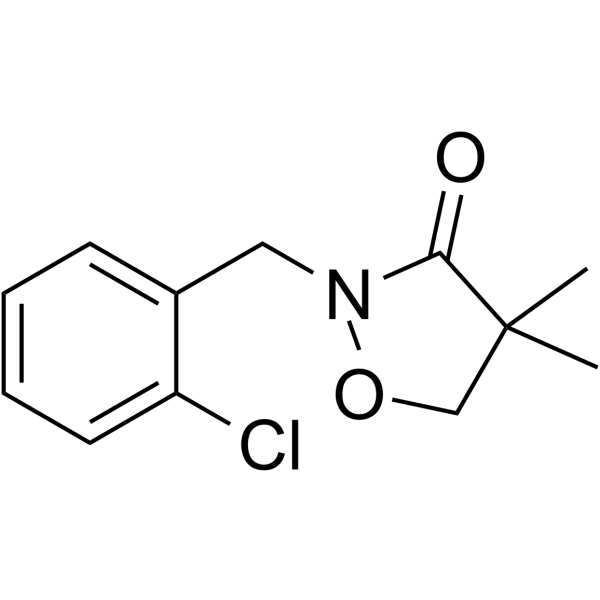
    Clomazone is a broad spectrum herbicide, mainly used to control annual broadleaf weeds and grass weeds in various crops such as rice, soybeans, and peanuts. Clomazone inhibits carotenoid biosynthesis, and treated plants show typical "albinism" symptoms due to the destruction of chloroplast membrane structure leading to chlorophyll degradation. Clomazone exhibits multiple toxic effects on non-target organisms, including aquatic lethality, developmental malformations, liver damage, mitochondrial dysfunction, and hematotoxicity .
    Clomazone
  • HY-W130236

    Cholinesterase (ChE) Cancer
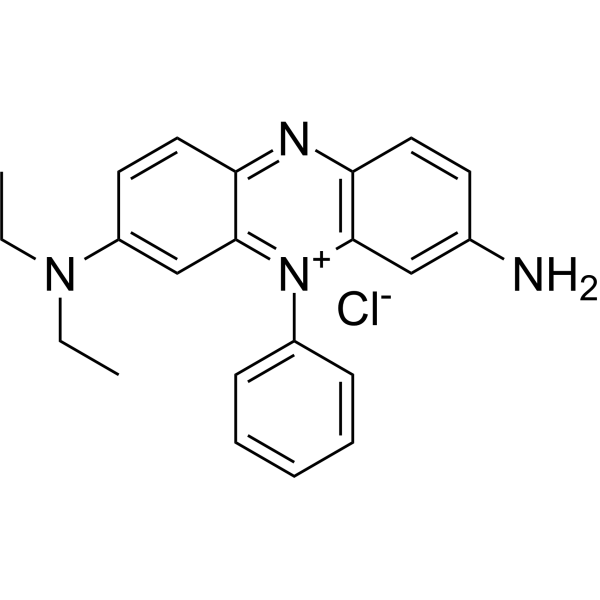
    Methylene Violet 3RAX is a phenazine dye to stain the mitochondria of cells. Methylene Violet 3RAX can change the molecular structure of DNA, undermine the module of DNA, and induce the generation of the reactive singlet oxygen. Methylene Violet 3RAX shows inhibition for human erythrocyte AChE and human plasma BChE with an Kis of 1.58, 0.51 μM, respectively. Methylene Violet 3RAX has the potential for the research of potential photosensitizers for mitochondrial targeting action in PDT (photodynamic therapy) .
    Methylene Violet 3RAX
  • HY-P11005

    Dynamin ATP Synthase Neurological Disease
    P259 is a Drp1-Mff inhibitor. P259 distinguishes physiological from pathological fission by specifically inhibiting Drp1-Mff interaction. P259 elongates cell mitochondria and disrupts mitochondrial function and motility. P259 reduces ATP levels and alters mitochondrial structure in the brain, resulting in behavioral deficits in wild-type mice and a short lifespan in Huntington's disease (HD) mice model .
    P259
  • HY-124609

    AMPK Acetyl-CoA Carboxylase Neurological Disease
    CAD031 is an orally active AMPK/ACC1 signaling pathway activator and a derivative of the Alzheimer's disease (AD) targeted agent J147 (HY-13779) (more active than J147 in human neural stem cell assays). CAD031 can cross the blood-brain barrier, activate AMPK and inhibit ACC1, thereby increasing ac-CoA levels, improving mitochondrial function and reducing free fatty acid synthesis. CAD031 has neuroprotective, neurogenesis-promoting and memory-improving activities and can be used in the study of Alzheimer's disease and aging-related neurodegenerative diseases. CAD031 effectively enhances the memory of mice, improves dendritic structure, and stimulates cell division in the germinal zone of the brain of elderly mice .
    CAD031
  • HY-W010203

    Fungal Infection
    2-Decanone is an antifungal agent. 2-Decanone inhibits pathogen mycelial growth, spore germination, and appressorium formation. 2-Decanone downregulates spore germination-related genes (MfBmp1) and penetration structure formation genes (MfPls1), inducing reactive oxygen species (ROS) accumulation to trigger mitochondrial damage and subsequent spore apoptosis. 2-Decanone is promising for research of postharvest disease control in fruits and vegetables .
    2-Decanone
  • HY-162084

    Autophagy Apoptosis Cancer
    BKN-1 is a bifunctional ligand that can not only track the formation of mtG4s (G-quadruplexes, four-stranded DNA structures containing Hoogsteen bonds) through far-red emission, but can also induce mitochondrial dysfunction. BKN-1 has anti-tumor activity and may cause mtDNA loss, damage mitochondrial integrity, reduce ATP levels, and trigger ROS imbalance, leading to apoptosis and autophagy .
    BKN-1
  • HY-112749B

    Heme Oxygenase (HO) Reactive Oxygen Species (ROS) Mitochondrial Metabolism Cancer
    (3S,4R)-ME-344 is the (3S,4R)-enantiomer of ME-344 (HY-112749). ME-344 is a mitochondrial Heme oxygenase 1 (HO-1) inhibitor. ME-344 specifically binds and alters HO-1 structure, and increases HO-1 translocation from the rough endoplasmic reticulum to mitochondria, but only in drug-sensitive cells (such as H460 and SHP-77 cells). ME-344 decreases mitochondrial ATP production and induces ROS, with subsequent disruption of redox homeostasis and mitochondrial function. ME-344 has significant antitumor activity, and can be used for cancers like breast cancer research .
    (3S,4R)-ME-344
  • HY-176746

    Fungal Infection
    CMLD009688 is a cationic amphiphilic antifungal agent. CMLD009688 selectively inhibits plant pathogenic fungi such as Fusarium graminearum. CMLD009688 interacts with biological membranes, perturbing vacuolar and mitochondrial membrane structures to induce fungal cell death. CMLD009688 is promising for research of plant fungal diseases (e.g., wheat head blight, gray mold) .
    CMLD009688
  • HY-119196

    SP-233

    Amyloid-β Sigma Receptor Others
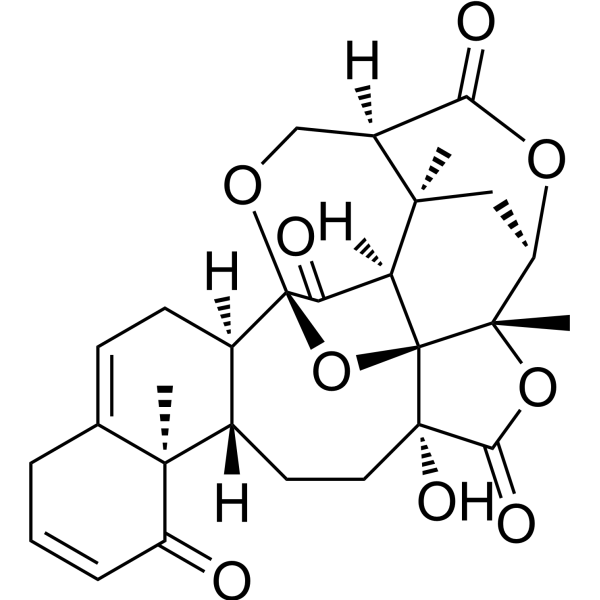
    Caprospinol (SP-233) is a steroid compound candidate based on the structure of 22R-hydroxycholesterol. It has multiple mechanisms of neuroprotection, including binding to β-amyloid protein (Aβ(42)), interacting with the mitochondrial respiratory chain, clearing Aβ(42) monomers, and acting as a σ-1 receptor ligand. It can cross the blood-brain barrier in vivo and restore cognitive impairment, and has the potential to inhibit Alzheimer's disease.
    Caprospinol
  • HY-W040194R

    Herbicide Reference Standards Metabolic Disease
    Clomazone (Standard) is the analytical standard of Clomazone (HY-W040194). This product is intended for research and analytical applications. Clomazone is a broad spectrum herbicide, mainly used to control annual broadleaf weeds and grass weeds in various crops such as rice, soybeans, and peanuts. Clomazone inhibits carotenoid biosynthesis, and treated plants show typical "albinism" symptoms due to the destruction of chloroplast membrane structure leading to chlorophyll degradation. Clomazone exhibits multiple toxic effects on non-target organisms, including aquatic lethality, developmental malformations, liver damage, mitochondrial dysfunction, and hematotoxicity.
    Clomazone (Standard)
  • HY-162688

    Telomerase G-quadruplex Apoptosis Ferroptosis Others
    Anticancer agent 239 (Compound 5) is a ligand of hTERT promoter G-quadruplex DNA structures (hTERT G4) (Kd = 1.1 μM), and downregulates hTERT expression. Anticancer agent 239 decreases telomerase activity, shortens telomere length, and induces DNA damage, acute cellular senescence, and apoptosis. Anticancer agent 239 causes mitochondrial dysfunction, disrupts iron metabolism and activates ferroptosis in cancer cells. Anticancer agent 239 inhibits tumor growth in MDA-MB-231 xenograft mouse model .
    Anticancer agent 239
  • HY-172804

    Succinate Dehydrogenase Fungal Apoptosis Infection
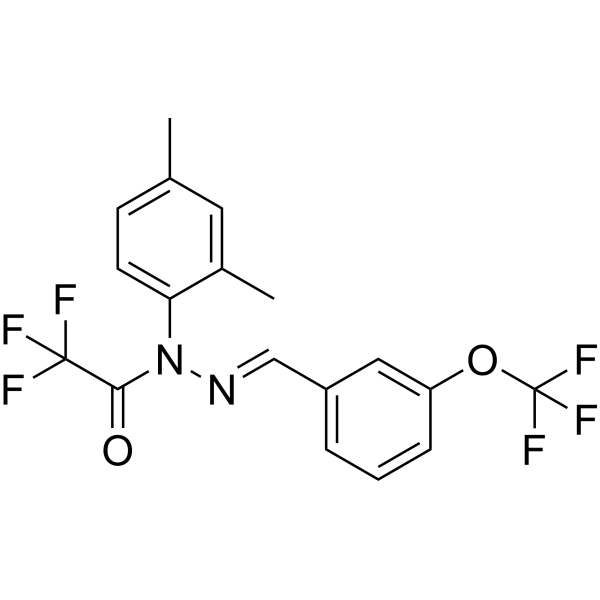
    SDH-IN-26 (Compound C3) is a succinate dehydrogenase (SDH) inhibitor. SDH-IN-26 exhibits significant inhibitory activity against multiple phytopathogenic fungi, such as Rhizoctonia solani and Botrytis cinerea, with an EC50 value of 0.270 μg/mL against Rhizoctonia solani. SDH-IN-26 damages the integrity of the fungal cell membrane, increases membrane permeability, disrupts cell structure, and reduces the number of mitochondria, thus affecting the normal growth of mycelia. SDH-IN-26 leads to a decrease in mitochondrial membrane potential, and induces cell apoptosis. SDH-IN-26 is promising for research of plant diseases caused by fungi .
    SDH-IN-26
  • HY-128483R

    TGF-beta/Smad PI3K NF-κB Akt Apoptosis Dopamine β-hydroxylase mTOR Adrenergic Receptor Reference Standards Cardiovascular Disease Endocrinology Cancer
    Fusaric acid (Standard) is the analytical standard of Fusaric acid (HY-128483). This product is intended for research and analytical applications. Fusaric acid is an orally active multi-pathway inhibitor with the activity of inducing oxidative stress and apoptosis. Fusaric acid can chelate divalent metal cations, damage mitochondrial membrane structure, and activate apoptosis-related proteases such as Caspase-3/7, -8, and -9. Fusaric acid also regulates Bax/Bcl-2 protein, inhibits fibrosis-related signaling pathways such as NF-κB, TGF-β1/SMADs, and PI3K/AKT/mTOR, and reduces collagen deposition. Fusaric acid is also a dopamine β-hydroxylase inhibitor, which reduces endogenous levels of norepinephrine and epinephrine in the brain, heart, spleen, and adrenal glands. Fusaric acid can play a role in myocardial fibrosis and improve cardiac hypertrophy in heart disease, and can also be used in the study of esophageal cancer and liver cancer .
    Fusaric acid (Standard)
  • HY-D3446

    Fluorescent Dye Others
    PA-SiR-Halo is a photoactivatable fluorophore targeting HaloTag. When bound to HaloTag, PA-SiR-Halo stabilizes its fluorescent form under physiological pH. After conjugation and photoactivation, it exhibits enhanced resistance to nucleophiles, and enables live-cell confocal imaging, fixed-cell single-molecule localization microscopy imaging, live-cell single-particle tracking, as well as live-cell single-molecule localization microscopy imaging of dynamic mitochondrial structures without the need for washing .
    PA-SiR-Halo
  • HY-156600A

    SBT-272 trihydrochloride

    Mitochondrial Metabolism Neurological Disease
    Bevemipretide trihydrochloride (SBT-272 trihydrochloride) is a blood-brain barrier-permeable mitochondrial function repair agent. Bevemipretide trihydrochloride stabilizes cardiolipin in the inner mitochondrial membrane, restores mitochondrial structure, respiratory function, motor capacity and upper motor neuron health. Bevemipretide trihydrochloride reduces astrogliosis and microgliosis in mice with amyotrophic lateral sclerosis. Bevemipretide trihydrochloride prevents stroke-induced mitochondrial dysfunction . Bevemipretide trihydrochloride is applicable to research related to amyotrophic lateral sclerosis, Parkinson's disease, dementia with Lewy bodies and Huntington's disease .
    Bevemipretide trihydrochloride
  • HY-181934

    ClpP Reactive Oxygen Species (ROS) Mitochondrial Metabolism Cancer
    ClpP activator-2 (Compound GU18) is a ClpP activator with a Kd of 5.01 μM for HsClpP. ClpP activator-2 enhances the proteolytic activity of HsClpP and promotes the degradation of α-casein by HsClpP, with an EC50 of 1.09 μM. ClpP activator-2 induces the accumulation of mitochondrial reactive oxygen species (ROS), leading to damage to mitochondrial structure and function. ClpP activator-2 exhibits significant in vivo anti-multiple myeloma activity .
    ClpP activator-2
  • HY-181599

    Mitochondrial Metabolism DNA/RNA Synthesis Reactive Oxygen Species (ROS) Apoptosis Autophagy Caspase Bcl-2 Family Atg8/LC3 Cancer
    XAN-5 is a mitochondrial DNA G-quadruplex (mtG4) ligand with a Kd of 3.8 μM. XAN-5 selectively binds and stabilizes mtG4 structures, disrupting mitochondrial gene transcription and DNA replication. XAN-5 triggers mitochondrial dysfunction, ROS overproduction, G0 phase arrest and caspase-dependent apoptosis. XAN-5 inhibits autophagy and induces immunogenic cell death. XAN-5 inhibits tumor growth in a mouse liver cancer model while enhancing tumor-infiltrating CD4 + and CD8 + T cells. XAN-5 targets two cancer resistance mechanisms simultaneously. XAN-5 can be used for the research of liver cancer .
    XAN-5
  • HY-178196

    Fungal MMP Apoptosis Infection
    SDH-IN-32 is a succinate dehydrogenase (SDH) inhibitor with an IC50 of 2.74 μM. SDH-IN-32 exhibits excellent antifungal activity. SDH-IN-32 can destroy the cell membrane structure and increase the permeability of the cell membrane. SDH-IN-32 can decrease the mitochondrial membrane potential (MMP), thereby inducing cell apoptosis and inhibiting the normal growth of mycelia. SDH-IN-32 can be used for the research of infection .
    SDH-IN-32
  • HY-N1255A

    (-)-Scoulerine hydrochloride; Discretamine hydrochloride

    Apoptosis PI3K Akt mTOR Adrenergic Receptor GABA Receptor Beta-secretase Bcl-2 Family Cancer
    Scoulerine ((-)-Scoulerine; Discretamine) hydrochloride is a multi-target inhibitor with anti-tumor and antioxidant activities. Scoulerine hydrochloride mainly targets the PI3K/Akt/mTOR signaling axis and α1D-adrenergic receptor, disrupts microtubule structure, and induces cell cycle arrest and apoptosis. Scoulerine hydrochloride effectively inhibits mitochondrial dehydrogenase activity, targets GABA receptors and BACE1, and suppresses the proliferation, migration, invasion, epithelial-mesenchymal transition and stem cell properties of cancer cells. Scoulerine hydrochloride also exhibits multiple pharmacological activities including anti-Plasmodium falciparum, antibacterial, antiemetic and antitussive effects, and regulates endoplasmic reticulum stress and mitochondrial function (modulates Bax, Bcl-2 and cytochrome c). Scoulerine hydrochloride is applicable to research related to leukemia, ovarian cancer, and colorectal cancer .
    Scoulerine hydrochloride
  • HY-W010203S1

    Isotope-Labeled Compounds Fungal Infection
    2-Decanone-d5-1 is the deuterium labeled 2-Decanone (HY-W010203). 2-Decanone is an antifungal agent. 2-Decanone inhibits pathogen mycelial growth, spore germination, and appressorium formation. 2-Decanone downregulates spore germination-related genes (MfBmp1) and penetration structure formation genes (MfPls1), inducing reactive oxygen species (ROS) accumulation to trigger mitochondrial damage and subsequent spore apoptosis. 2-Decanone is promising for research of postharvest disease control in fruits and vegetables .
    2-Decanone-d5-1
  • HY-181610

    Succinate Dehydrogenase Fungal Infection
    SDH-IN-45 is a succinate dehydrogenase BcSDH inhibitor and mycelial growth inhibitor targeting Botrytis cinerea, with an IC50 of 5.97 μg/mL against Botrytis cinerea. SDH-IN-45 inhibits succinate dehydrogenase, a component of the mitochondrial electron transport chain, via a unique binding mode, thereby regulating fungal energy metabolism. SDH-IN-45 causes morphological damage to Botrytis cinerea mycelia, leading to collapse and shrinkage of mycelial structures. SDH-IN-45 exhibits in vitro fungicidal activity against Botrytis cinerea. SDH-IN-45 can be used in research related to cucumber gray mold .
    SDH-IN-45
  • HY-182586

    Fungal Bcl-2 Family Infection
    Decyl gallate is an antifungal (fungal) agent. Decyl gallate downregulates the expression of the pro-apoptotic (apoptosis) protein Bak, upregulates the expression of the anti-apoptotic protein Bcl-2, and inhibits DNA damage. Decyl gallate disrupts ALG12-mediated N-glycosylation, overactivates the UPR pathway, and simultaneously reduces fungal cell wall enzyme activity, chitin levels, mitochondrial activity, budding ability, cell viability, and host cell adhesion capacity. Decyl gallate reduces inflammatory responses induced by fungal infection and disrupts fungal membrane structure. Decyl gallate can be used in studies related to paracoccidioidomycosis and invasive fungal infections .
    Decyl gallate

Inquiry Online

Your information is safe with us. * Required Fields.

Salutation


Country or Region *

Applicant Name *


Organization Name *

Department *


Email Address *


Product Name *

Cat. No.


Requested quantity *

Phone Number *


Remarks

Inquiry Online

Inquiry Information

Product Name:
Cat. No.:
Quantity:
MCE Japan Authorized Agent:

