
1. Search Result
Search Result
Results for "

mucolytic

" in MedChemExpress (MCE) Product Catalog:

19

Inhibitors & Agonists

4

Natural
Products

5

Isotope-Labeled Compounds

Cat. No. Product Name Target Research Areas Chemical Structure
  • HY-B0215
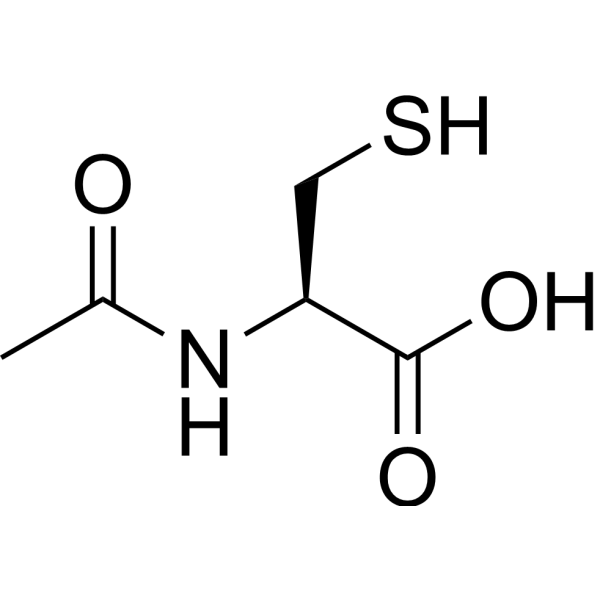
    Acetylcysteine
    660+ Cited Publications

    N-Acetylcysteine; N-Acetyl-L-cysteine; NAC

    Reactive Oxygen Species (ROS) Endogenous Metabolite Apoptosis Ferroptosis Influenza Virus Disulfidptosis Infection Neurological Disease Inflammation/Immunology Cancer
    Acetylcysteine (N-Acetylcysteine) is a mucolytic agent that can cross the blood-brain barrier, which reduces the thickness of the mucus. Acetylcysteine is a ROS inhibitor. Acetylcysteine is a cysteine precursor, prevents hemin-induced ferroptosis by neutralizing toxic lipids generated by arachidonate-dependent activity of 5-lipoxygenases. Acetylcysteine induces cell apoptosis. Acetylcysteine also has anti-influenza virus activities. In addition, Acetylcysteine ​​is the most stable form of cysteine ​​during drug delivery and can be used in disulfidptosis studies .
    Acetylcysteine
  • HY-134495
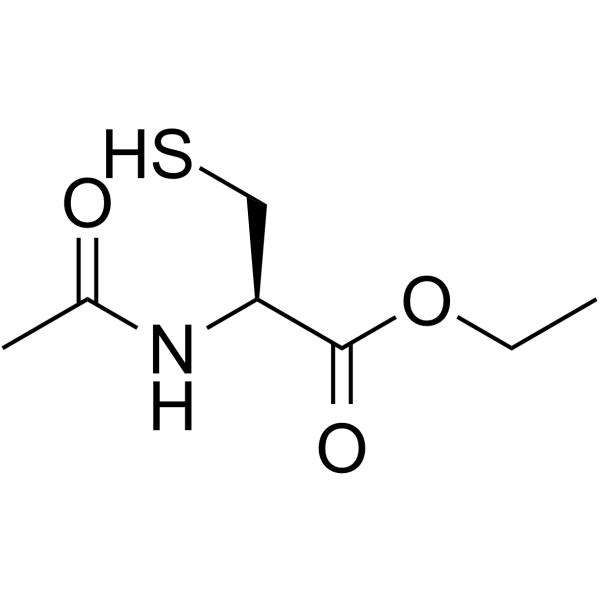
    N-Acetyl-L-cysteine ethyl ester
    10+ Cited Publications

    N-Acetylcysteine ethyl ester; NACET

    Reactive Oxygen Species (ROS) Metabolic Disease
    N-Acetyl-L-cysteine ethyl ester is an esterified form of N-acetyl-L-cysteine (NAC). N-Acetyl-L-cysteine ethyl ester exhibits enhanced cell permeability, and produce NAC and cysteine. N-Acetyl-L-cysteine ethyl ester increases circulating hydrogen sulfide (H2S) and can be used as an H2S producer. N-Acetyl-L-cysteine ethyl ester has the potential to substitute NAC as a mucolytic agent, and as a GSH-related antioxidant .
    N-Acetyl-L-cysteine ethyl ester
  • HY-D0205A

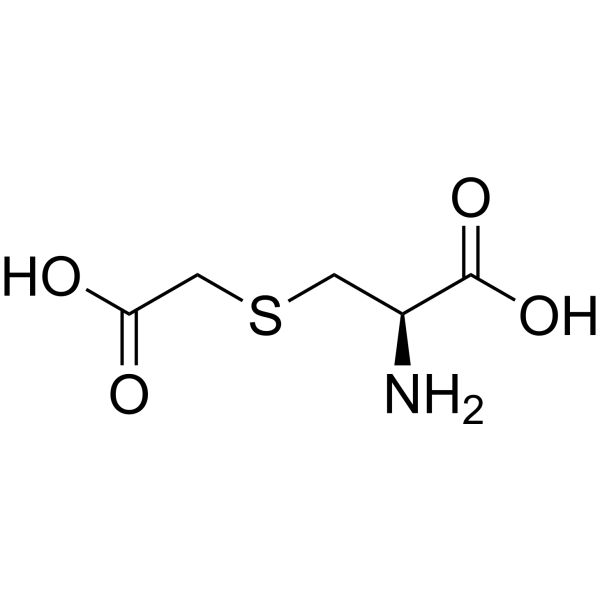
    Carbocysteine

    NF-κB PERK Keap1-Nrf2 Apoptosis Infection Inflammation/Immunology
    Carbocisteine is an orally active mucolytic agent. Carbocisteine attenuates the phosphorylation of NF-κB p65 and ERK1/2. Carbocisteine modulates Nrf2/HO-1 and NFκB interplay. Carbocisteine inhibits Apoptosis. Carbocisteine is used in chronic obstructive pulmonary disease (COPD) research .
    Carbocisteine
  • HY-B0372A
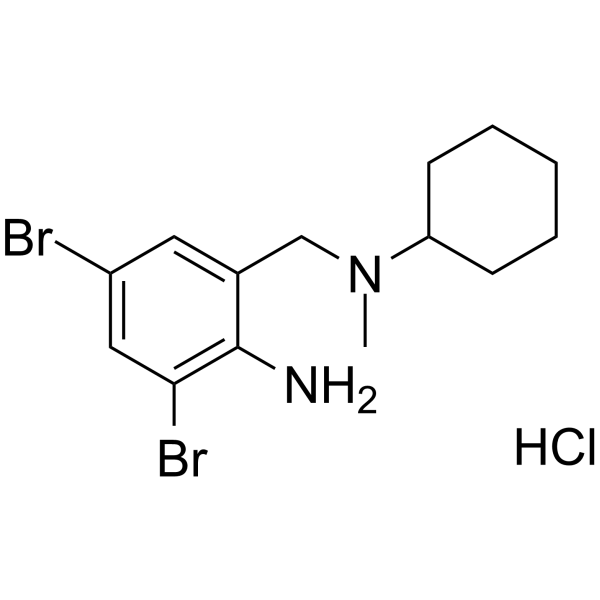
    Bromhexine hydrochloride
    3 Publications Verification

    SARS-CoV Autophagy HIV Metabolic Disease
    Bromhexine hydrochloride is a potent and specific TMPRSS2 protease inhibitor with an IC50 of 0.75 μM. Bromhexine hydrochloride can prevent and manage SARS-CoV-2 infection. Bromhexine hydrochloride is an autophagy agonist. Bromhexine hydrochloride is a mucolytic cough suppressant and has the potential for a range of respiratory conditions .
    Bromhexine hydrochloride
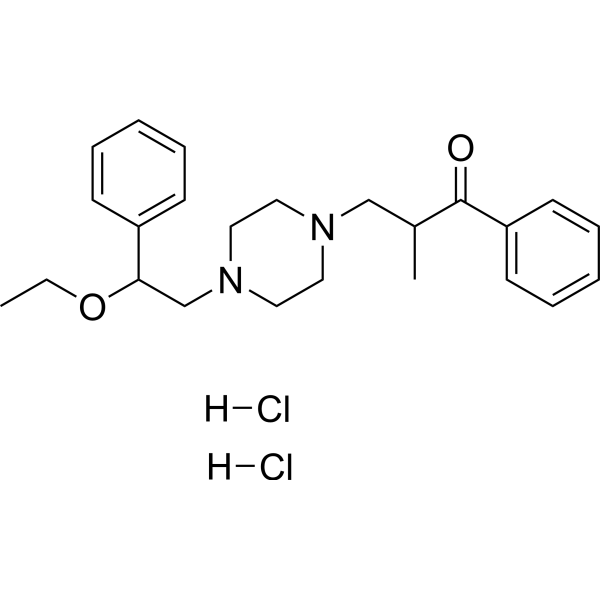
  • HY-B2078A

    Neurokinin Receptor Inflammation/Immunology
    Eprazinone dihydrochloride is a gent with mucolytic, secretolytic, antitussive, and bronchial antispasmodic properties. Eprazinone dihydrochloride is a neurokinin 1 receptor (NK1R) ligand. Eprazinone dihydrochloride has the potential for chronic bronchitis treatment that improved pulmonary function and arterial partial pressure of oxygen .
    Eprazinone dihydrochloride
  • HY-E70127

    Brasan; Dasen

    Ser/Thr Protease COX Bacterial Prostaglandin Receptor Interleukin Related Cardiovascular Disease Infection Neurological Disease Inflammation/Immunology Cancer
    Serratiopeptidase (Brasan; Dasen) is an orally active zinc-containing metalloprotease belonging to the serralysin family. Serratiopeptidase reduces the release of inflammatory mediators such as prostaglandins, thromboxanes and interleukins by inhibiting COX, thereby relieving pain, swelling and redness. Serratiopeptidase exhibits antibiofilm, mucolytic and wound-healing activities. As a serine protease, Serratiopeptidase has the ability to dissolve blood clots, fibrin and atherosclerotic plaques. Serratiopeptidase degrades amyloid fibrils and has potential anti-Alzheimer's effects. Serratiopeptidase shows cytotoxicity against colon cancer cells .
    Serratiopeptidase
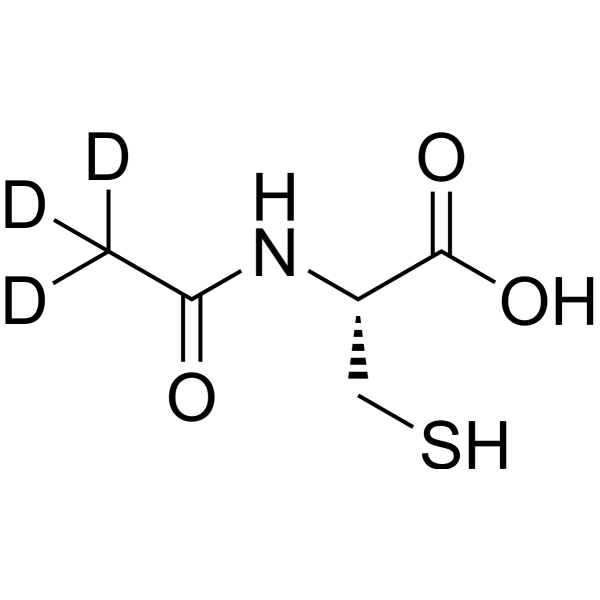
  • HY-B0215S

    N-Acetylcysteine-d3; N-Acetyl-L-cysteine-d3; NAC-d3

    Isotope-Labeled Compounds Reactive Oxygen Species (ROS) Endogenous Metabolite Apoptosis Ferroptosis Influenza Virus Disulfidptosis Infection Neurological Disease
    Acetylcysteine-d3 is the deuterium labeled Acetylcysteine. Acetylcysteine (N-Acetylcysteine) is a mucolytic agent which reduces the thickness of the mucus. Acetylcysteine is a ROS inhibitor. Acetylcysteine is a cysteine precursor, prevents hemin-induced ferroptosis by neutralizing toxic lipids generated by arachidonate-dependent activity of 5-lipoxygenases. Acetylcysteine induces cell apoptosis. Acetylcysteine also has anti-influenza virus activities. In addition, Acetylcysteine is the most stable form of cysteine during drug delivery and can be used in disulfidptosis studies .
    Acetylcysteine-d3
  • HY-168973

    AER-01; MUC-031

    Mucin Inflammation/Immunology
    Fexlamose (AER-01) is a thiol-modified carbohydrate agent with mucolytic property. Fexlamose cleaves disulfides to cause mucolysis. Fexlamose can be used for researchs of chronic obstructive pulmonary disease (COPD) and muco-obstructive lung diseases (MOLD) .
    Fexlamose
  • HY-B0215R

    N-Acetylcysteine (Standard); N-Acetyl-L-cysteine (Standard); NAC (Standard)

    Reference Standards Reactive Oxygen Species (ROS) Endogenous Metabolite Apoptosis Ferroptosis Influenza Virus Disulfidptosis Infection Neurological Disease Cancer
    Acetylcysteine (Standard) is the analytical standard of Acetylcysteine. This product is intended for research and analytical applications. Acetylcysteine (N-Acetylcysteine) is a mucolytic agent which reduces the thickness of the mucus. Acetylcysteine is a ROS inhibitor . Acetylcysteine is a cysteine precursor, prevents hemin-induced ferroptosis by neutralizing toxic lipids generated by arachidonate-dependent activity of 5-lipoxygenases . Acetylcysteine induces cell apoptosis . Acetylcysteine also has anti-influenza virus activities . In addition, Acetylcysteine is the most stable form of cysteine during drug delivery and can be used in disulfidptosis studies .
    Acetylcysteine (Standard)
  • HY-B0372AR

    Reference Standards SARS-CoV Autophagy HIV Metabolic Disease
    Bromhexine (hydrochloride) (Standard) is the analytical standard of Bromhexine (hydrochloride). This product is intended for research and analytical applications. Bromhexine hydrochloride is a potent and specific TMPRSS2 protease inhibitor with an IC50 of 0.75 μM. Bromhexine hydrochloride can prevent and manage SARS-CoV-2 infection. Bromhexine hydrochloride is an autophagy agonist. Bromhexine hydrochloride is a mucolytic cough suppressant and has the potential for a range of respiratory conditions .
    Bromhexine hydrochloride (Standard)
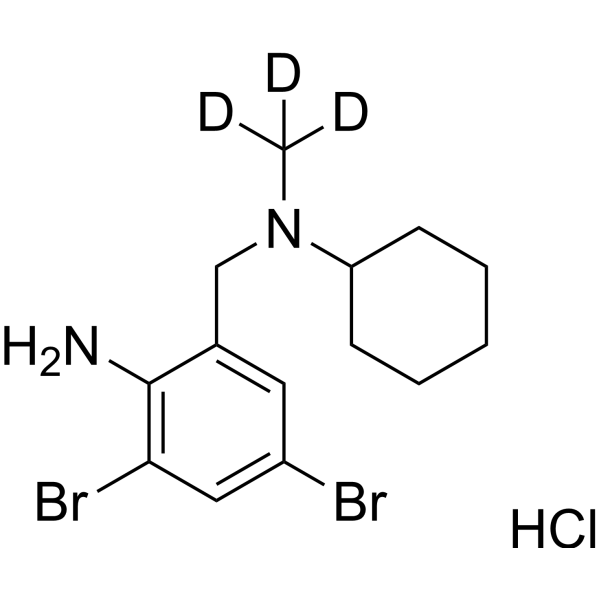
  • HY-B0372AS

    Isotope-Labeled Compounds SARS-CoV Autophagy HIV Metabolic Disease
    Bromhexine-d3 (hydrochloride) is deuterium labeled Bromhexine (hydrochloride). Bromhexine hydrochloride is a potent and specific TMPRSS2 protease inhibitor with an IC50 of 0.75 μM. Bromhexine hydrochloride can prevent and manage SARS-CoV-2 infection. Bromhexine hydrochloride is an autophagy agonist. Bromhexine hydrochloride is a mucolytic cough suppressant and has the potential for a range of respiratory conditions .
    Bromhexine-d3 hydrochloride
  • HY-165407

    Elastase CFTR Inflammation/Immunology
    Neltenexine, a mucolytic agent, is an Elastase inhibitor. Neltenexine diminishes anion secretion in in bronchial epithelial cells by inhibiting the Cl− and HCO3- uptake via Na/K/2Cl++− and Na+/HCO3- cotransporter without blockade of the CFTR channel, and also diminishes anion secretion via stimulation of Cl−/HCO3- exchanger. Neltenexine significantly prevents pulmonary emphysema with a reduction of alveolar deformation in rat models induced by Elastase. Neltenexine can be used for lung diseases such as chronic obstructive pulmonary disease (COPD) research .
    Neltenexine
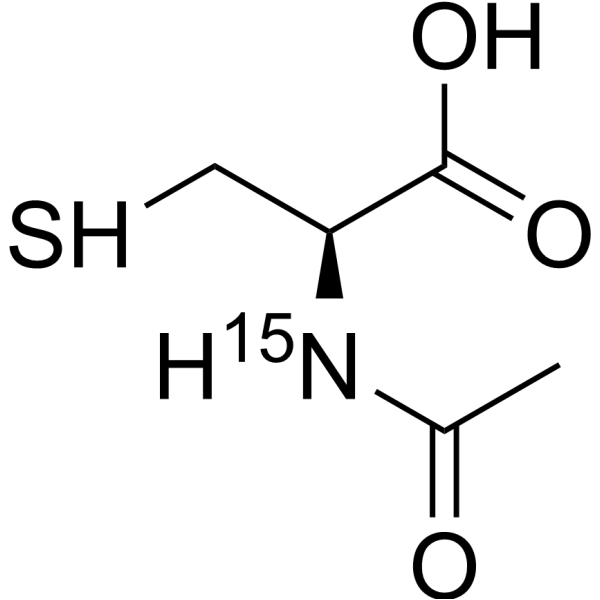
  • HY-B0215S1

    N-Acetylcysteine-15N; N-Acetyl-L-cysteine-15N; NAC-15N

    Isotope-Labeled Compounds Reactive Oxygen Species (ROS) Endogenous Metabolite Apoptosis Ferroptosis Influenza Virus Disulfidptosis Infection Neurological Disease
    Acetylcysteine- 15N (N-Acetylcysteine- 15N) is the 15N-labeled Acetylcysteine. Acetylcysteine (N-Acetylcysteine) is a mucolytic agent which reduces the thickness of the mucus. Acetylcysteine is a ROS inhibitor. Acetylcysteine is a cysteine precursor, prevents hemin-induced ferroptosis by neutralizing toxic lipids generated by arachidonate-dependent activity of 5-lipoxygenases. Acetylcysteine induces cell apoptosis. Acetylcysteine also has anti-influenza virus activities. In addition, Acetylcysteine is the most stable form of cysteine during drug delivery and can be used in disulfidptosis studies .
    Acetylcysteine-15N
  • HY-119579

    Drug Derivative Infection
    Adamexine is a mucolytic drug. Adamexine exhibits sympathomimetic and antiviral properties .
    Adamexine
  • HY-158333

    Mucin Others
    Tasuldine is a mucolytic agent, which decreases the sialomucin content of mucus, improves mucociliary and cough clearance .
    Tasuldine
  • HY-D0205AR

    Carbocysteine (Standard)

    Reference Standards Enterovirus Infection Inflammation/Immunology
    Carbocisteine (Standard) is the analytical standard of Carbocisteine. This product is intended for research and analytical applications. Carbocisteine, a mucolytic agent, can be used for the research of chronic obstructive pulmonary disease (COPD) .
    Carbocisteine (Standard)
  • HY-105940

    Amino Acid Derivatives Cardiovascular Disease
    IQB-782 is a cysteine derivative. IQB-782 has inhibition for thrombin activatable fibrinolysis inhibitor (TAFI), with an Ki(app) of 0.14 μM. IQB-782 shows a potent mucolytic-expectorant activity .
    IQB-782
  • HY-D0205AS1

    Carbocysteine-13C3-1

    Isotope-Labeled Compounds Keap1-Nrf2 NF-κB PERK Apoptosis Infection Inflammation/Immunology
    Carbocisteine- 13C3-1 (Carbocysteine- 13C3-1) is 13C labeled Carbocisteine. Carbocisteine is an orally active mucolytic agent. Carbocisteine attenuates the phosphorylation of NF-κB p65 and ERK1/2. Carbocisteine modulates Nrf2/HO-1 and NFκB interplay. Carbocisteine inhibits Apoptosis. Carbocisteine is used in chronic obstructive pulmonary disease (COPD) research .
    Carbocisteine-13C3-1
  • HY-D0205AS2

    Carbocysteine-d3

    Isotope-Labeled Compounds Infection Inflammation/Immunology
    Carbocisteine-d3 (Carbocysteine-d3) is deuterium labeled Carbocisteine. Carbocisteine is an orally active mucolytic agent. Carbocisteine attenuates the phosphorylation of NF-κB p65 and ERK1/2. Carbocisteine modulates Nrf2/HO-1 and NFκB interplay. Carbocisteine inhibits Apoptosis. Carbocisteine is used in chronic obstructive pulmonary disease (COPD) research .
    Carbocisteine-d3

Inquiry Online

Your information is safe with us. * Required Fields.

Salutation


Country or Region *

Applicant Name *


Organization Name *

Department *


Email Address *


Product Name *

Cat. No.


Requested quantity *

Phone Number *


Remarks

Inquiry Online

Inquiry Information

Product Name:
Cat. No.:
Quantity:
MCE Japan Authorized Agent:

