1. Search Result
Search Result
Results for "

mycelia

" in MedChemExpress (MCE) Product Catalog:

42

Inhibitors & Agonists

1

Biochemical Assay Reagents

21

Natural
Products

1

Isotope-Labeled Compounds

Cat. No. Product Name Target Research Areas Chemical Structure
  • HY-N6798
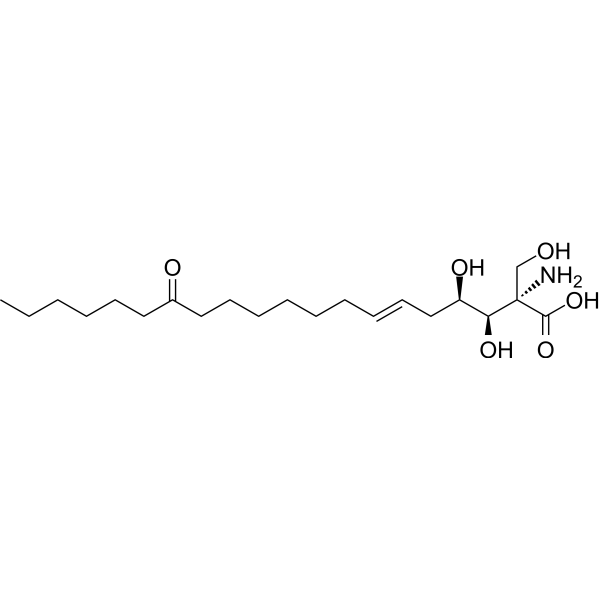
    Myriocin
    Maximum Cited Publications
    11 Publications Verification

    Thermozymocidin; ISP-I

    HCV Antibiotic Infection
    Myriocin (Thermozymocidin), a fungal metabolite could be isolated from Myriococcum albomyces, Isaria sinclairi and Mycelia sterilia, is a potent inhibitor of serine-palmitoyl-transferase (SPT) and a key enzyme in de novo synthesis of sphingolipids. Myriocin suppresses replication of both the subgenomic HCV-1b replicon and the JFH-1 strain of genotype 2a infectious HCV, with an IC50 of 3.5 μg/mL for inhibiting HCV infection .
    Myriocin
  • HY-B1747
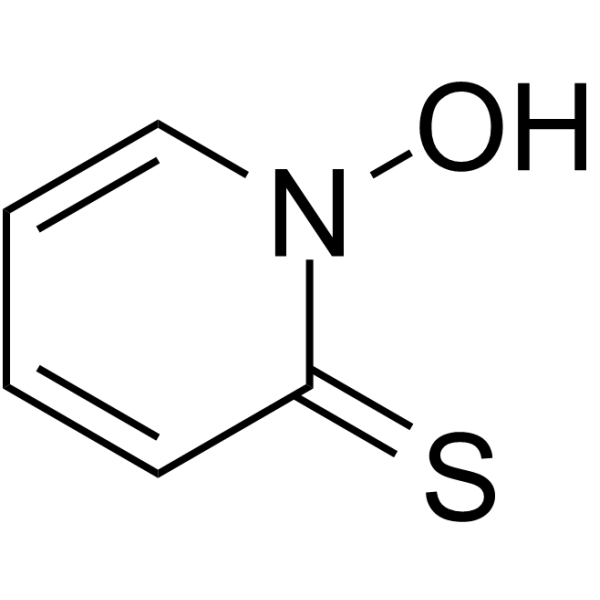
    Pyrithione
    5 Publications Verification

    Antibiotic Bacterial Fungal Infection
    Pyrithione is an inhibitor of membrane transport processes in fungi. Pyrithione is a potent antibiotic aspergillic acid. Pyrithion incubated Penicillium mycelia would have a marked decrease in the activities of a variety of independently regulated transport systems .
    Pyrithione
  • HY-W133982

    Environmental Pollutants Biochemical Assay Reagents Infection
    Corn steep liquor, a food industrial by-product, is a nutritional additive in the liquid culture medium of fungus. Corn steep liquor can increase the production of fairy chemicals and mycelia .
    Corn steep liquor
  • HY-135549
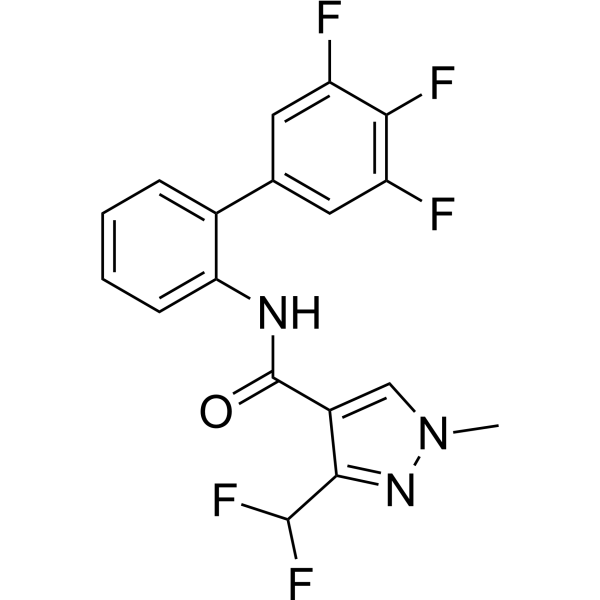
    Fluxapyroxad
    1 Publications Verification

    Environmental Pollutants Antibiotic Cytochrome P450 Fungal Succinate Dehydrogenase Infection Inflammation/Immunology
    Fluxapyroxad is a synthetic broad-spectrum fungicide for the control of fungal diseases. Fluxapyroxad inhibits succinate dehydrogenase in complex II of the mitochondrial respiratory chain, resulting in inhibition of spore germination, germ tubes and mycelia growth within the fungus target species .
    Fluxapyroxad
  • HY-12361
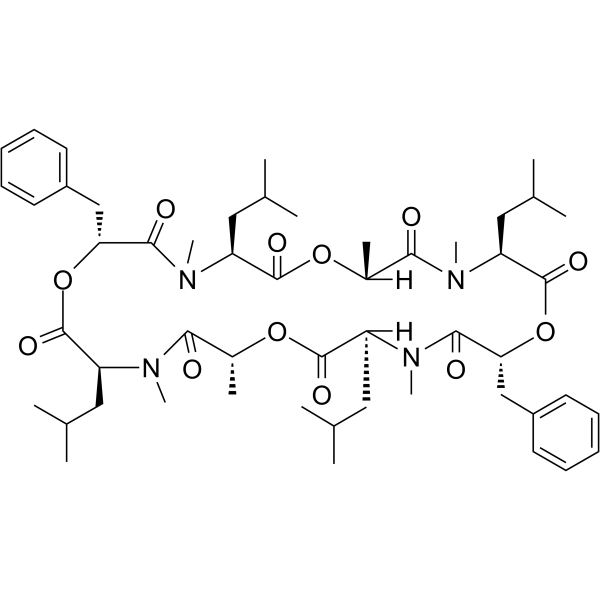
    PF 1022A
    1 Publications Verification

    Parasite Infection
    PF 1022A is a cyclooctadepsipeptide with broadspectrum anthelmintic properties produced by fermentation of the fungus Mycelia sterilia. PF 1022A is a channel-forming ionophore. PF 1022A showes strong anthelmintic activities against Ascaridia galli in chickens. PF 1022A also can be used for angiostrongyliasis research .
    PF 1022A
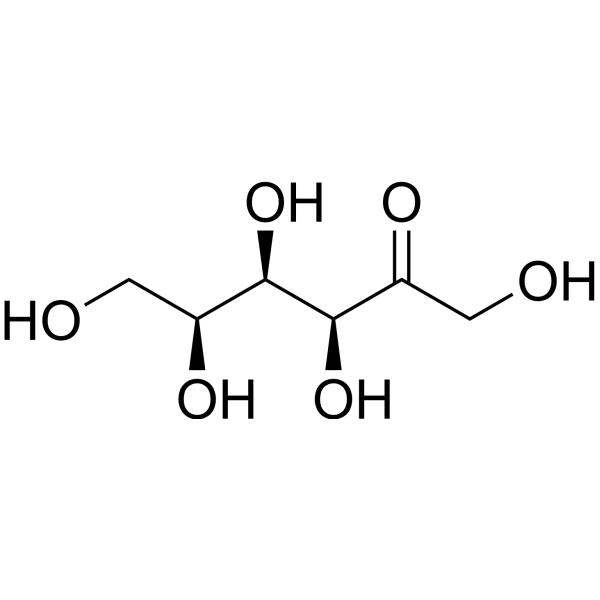
  • HY-W040240

    Endogenous Metabolite Infection
    L-(-)-Sorbose (L-Sorbose) is a monosaccharide that induces the production of cellulase. L-(-)-Sorbose regulates the coordinated transcription of 6 cellulase genes (including egl3) in Trichoderma reesei strains. L-(-)-Sorbose is currently the only monosaccharide reported to exhibit cellulase-inducing activity .
    L-(-)-Sorbose
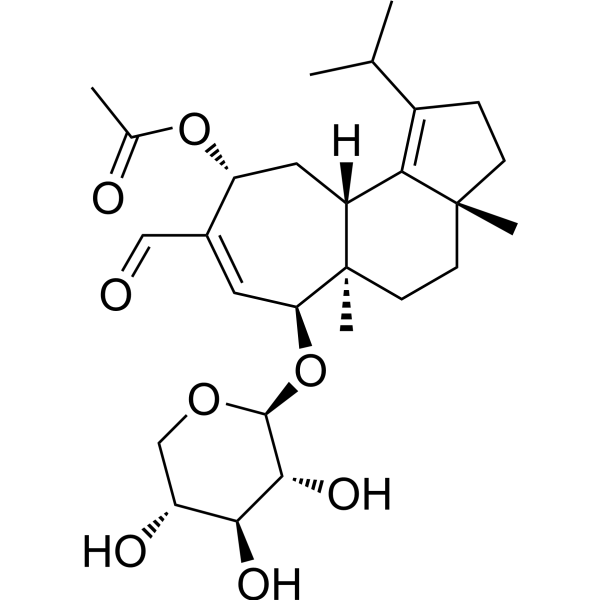
  • HY-N11019
    Erinacine P
    1 Publications Verification

    Bacterial Infection
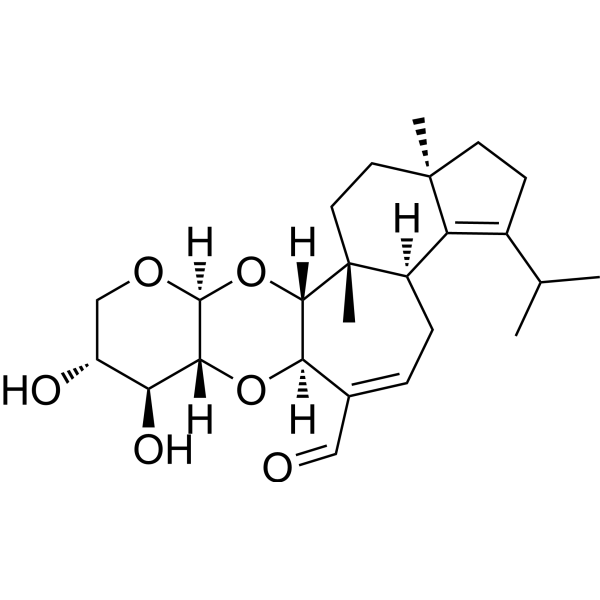
    Erinacine P is a cyathane-type diterpenoid antibacterial agent. Erinacine P is isolated from the biosynthesis of mycelia and submerged cultures of Hericium erinaceum. Erinacine P serves as a precursor for the production of important active components such as Erinacine C, A and B. Erinacine P exhibits significant antibacterial activity against Aliivibrio fischeri .
    Erinacine P
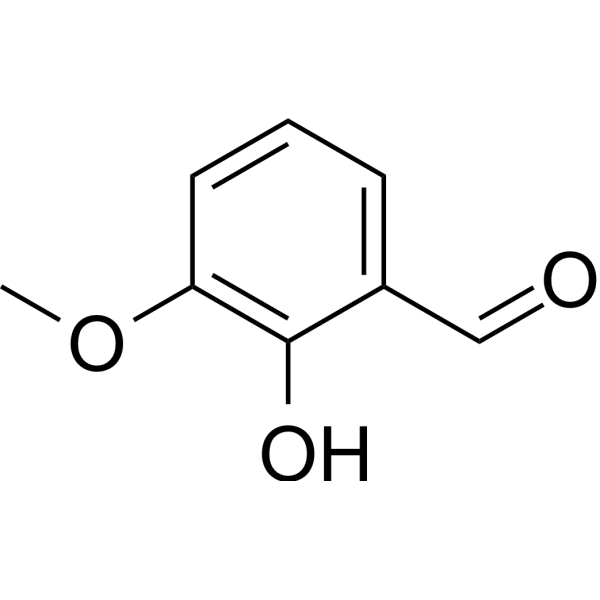
  • HY-Y1832

    3-Methoxysalicylaldehyde

    Fungal Infection Cancer
    o-Vanillin (2-Vanillin) is a nature product, could be extracted from Vanilla planifolia, Pinus koraiensis fruit. o-Vanillin is a potent antifungal agent. o-Vanillin inhibits the growth of mycelia by disrupting the integrity of cell walls and cell membranes. o-Vanillin inhibits Doxorubicin (HY-15142A)- and 4-hydroperoxycyclophosphamide-induced NF-κB activation .
    o-Vanillin
  • HY-N2990

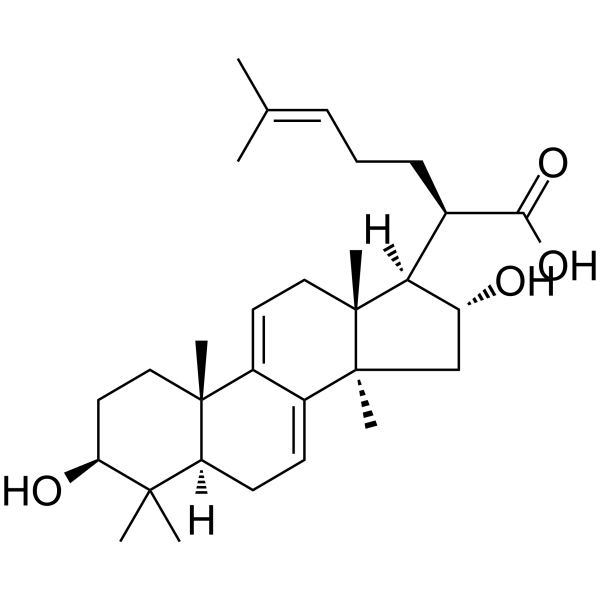
    3β,16α-Dihydroxylanosta-7,9(11),24-trien-21-oic acid

    Others Inflammation/Immunology
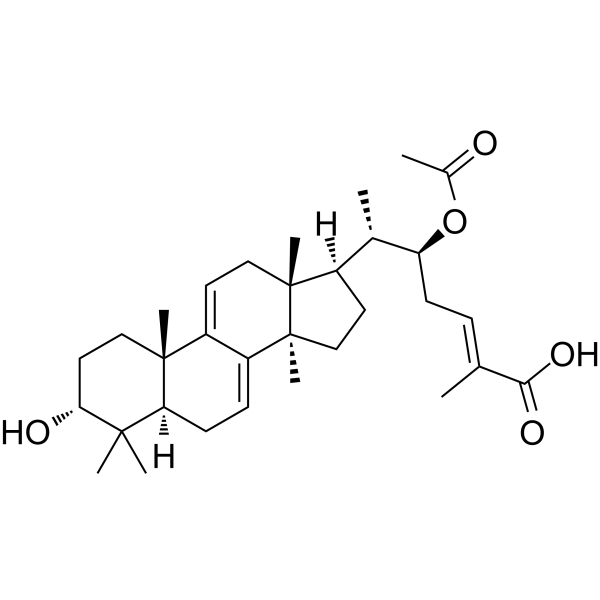
    16α-Hydroxydehydrotrametenolic acid is a triterpene Acid in fermented mycelia of edible fungus Poria cocos .
    16α-Hydroxydehydrotrametenolic acid
  • HY-N8492

    Bacterial Calcium Channel Infection Inflammation/Immunology Cancer
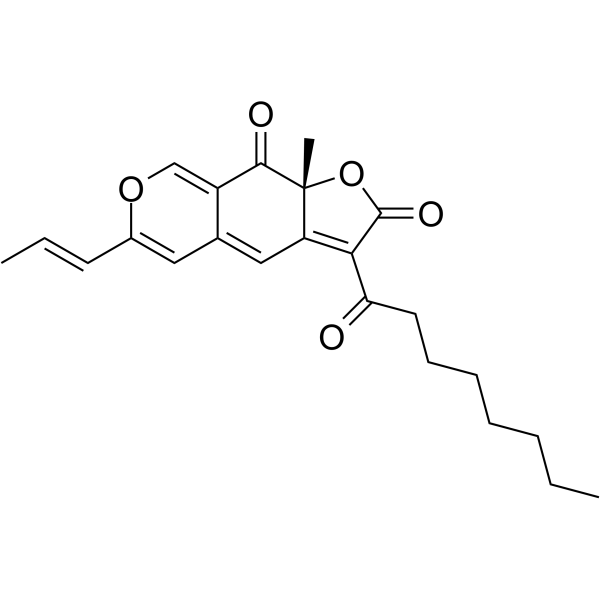
    Monascorubrin is a compound that can be isolated from Monascus mycelia. Monascorubrin has activities such as anti-inflammatory, anti-tumor, antibacterial, and immunomodulatory. Monascorubrin also has certain embryotoxicity, with an ED50 of 4.3 μg for chicken embryos. Monascorubrin can be used for the research of tumors and inflammatory diseases .
    Monascorubrin
  • HY-N11591

    Apoptosis DNA/RNA Synthesis Mitochondrial Metabolism Cancer
    Ganoderic acid T is a lanostane triterpenoid. Ganoderic acid T is isolated from Ganoderma lucidum mycelia. Ganoderic acid T induces Mitochondria-mediated Apoptosis and inhibits DNA synthesis. Ganoderic acid T exhibits anticancer activity against cervical cancer, liver cancer and lung cancer .
    Ganoderic acid T
  • HY-N12566

    Others Neurological Disease
    Erinacin B is a active product that can be extracts from the mycelia of Hericium erinaceum. Erinacin B shows potent stimulating activity of nerve growth factor (NGF)-synthesis .
    Erinacin B
  • HY-W009168R

    Reference Standards Bacterial Antibiotic Infection Cancer
    Flutianil (Standard) is the analytical standard of Flutianil. This product is intended for research and analytical applications. Flutianil is a fungicide, which specifically inhibits the powdery mildew species. Flutianil inhibits the haustorium formation and subsequent mycelia growth .
    Tazobactam sodium (Standard)
  • HY-W017611

    Environmental Pollutants Reactive Oxygen Species (ROS) Fungal DNA/RNA Synthesis Infection
    4-Propylphenol is a plant-derived phenolic compound. 4-Propylphenol causes an increase in ROS within the Fusarium graminearum cells, leading to damage to the DNA and cell membranes of the mycelia, effectively inhibiting the growth of the mycelia. 4-Propylphenol also has a growth inhibitory effect on walnut pathogenic fungi (C. gloeosporioides, C. siamense, A. alternata), with its EC50 ranging from 29.11 to 31.89 mg/L, and it also inhibits spore germination, with EC50 being 55.04-71.85 mg/L. 4-Propylphenol can be used in the research of fungal diseases in walnuts and wheat Fusarium head blight .
    4-Propylphenol
  • HY-N10958

    Fungal HIV Microtubule/Tubulin Infection
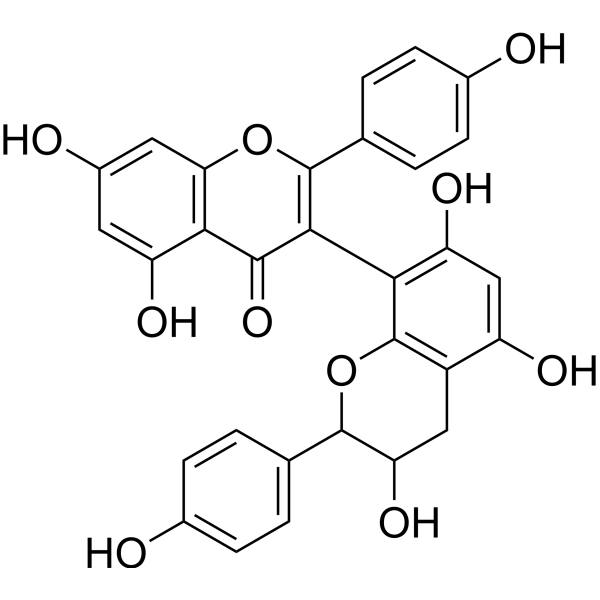
    Wikstrol A is a potent antifungal, antimitotic and anti-HIV-1 Agent. Wikstrol A induces morphological deformation of P. oryzae mycelia with an MMDC value of 70.1 µM. Wikstrol A shows activity against microtubule polymerization with an IC50 value of 131 µM. Wikstrol A shows anti-HIV-1 activity with an IC50 value of 67.8 µM .
    Wikstrol A
  • HY-N12777

    Endogenous Metabolite Metabolic Disease Inflammation/Immunology Cancer
    Coixenolide can be isolated from coix seeds, and exhibits anti-inflammatory, anti-tumor and pain-reducing activities. Coixenolide stimulates the lung, heart, striated and smooth muscles at low doses, while inhibits at high doses. Coixenolide dilates pulmonary veins and improves pulmonary blood circulation. Coixenolide can also be used as nutraceuticals and functional foods. Coixenolide enhances the prodcutionof mycelia biomass and polysaccharides when added to the media of submerged culture of G. lucidum. Coixenolide affects the synthesis level of phosphoglucose isomerase and α-phosphoglucomutase .
    Coixenolide
  • HY-178778

    Fungal Infection
    SDH-IN-38 (Compound IIIe) is a Succinate dehydrogenase inhibitor. SDH-IN-38 is an antifungal agent, with an EC50 value of 0.009 μg/mL against R. solani mycelia. SDH-IN-38 inhibits mycelial growth by affecting mycelial respiration. SDH-IN-38 induces cellular senescenc and reduces mitochondrial membrane potential in mycelia .
    SDH-IN-38
  • HY-W021040R

    CGA-173506 (Standard)

    Reference Standards Fungal Infection
    Fludioxonil (Standard) is the analytical standard of Fludioxonil. This product is intended for research and analytical applications. Fludioxonil, a phenylpyrrole fungicide, has a strong inhibition on mycelia growth of S. sclerotiorum .
    Fludioxonil (Standard)
  • HY-N11636

    Apoptosis Cancer
    Ganoderic acid S is a positional isomer of ganoderic acids, that can be isolated from the fermented mycelia of Ganoderma lucidum. Ganoderic acid S can induce apoptosis in HeLa cells through the mitochondria pathway .
    Ganoderic acid S
  • HY-N10267

    Fungal Infection
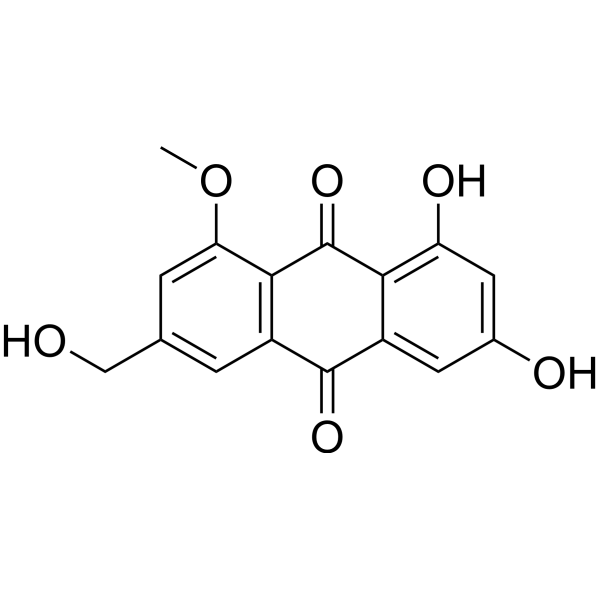
    Carviolin is a compound isolated from the mycelia of the ascomycete Neobulgaria pura. Carviolin inhibits the formation of appressoria in germinating conidia of Magnaporthe grisea on inductive (hydrophobic) surface. Carviolin exhibits moderate cytotoxic, but no antifungal, antibacterial, or phytotoxic activities .
    Carviolin
  • HY-155702

    Fungal Infection
    Antifungal agent 66 (compound 10) has antifungal activity. Antifungal agent 66 has a broad-spectrum antifungal activity against seven phytopathogenic fungal mycelia. Antifungal agent 66 has pronounced inhibitory activity against the spore of B. cinerea with an IC50 value of 47.7 μg/mL .
    Antifungal agent 66
  • HY-155769

    Fungal Infection
    Antimicrobial agent-24 (compound E8) is a hydrazide compound with excellent and broad-spectrum fungicidal activities. Antimicrobial agent-24 affects the normal function of the plasma membrane, further generating changes in the morphology and subcellular structure of mycelia .
    Antimicrobial agent-24
  • HY-172804

    Succinate Dehydrogenase Fungal Apoptosis Infection
    SDH-IN-26 (Compound C3) is a succinate dehydrogenase (SDH) inhibitor. SDH-IN-26 exhibits significant inhibitory activity against multiple phytopathogenic fungi, such as Rhizoctonia solani and Botrytis cinerea, with an EC50 value of 0.270 μg/mL against Rhizoctonia solani. SDH-IN-26 damages the integrity of the fungal cell membrane, increases membrane permeability, disrupts cell structure, and reduces the number of mitochondria, thus affecting the normal growth of mycelia. SDH-IN-26 leads to a decrease in mitochondrial membrane potential, and induces cell apoptosis. SDH-IN-26 is promising for research of plant diseases caused by fungi .
    SDH-IN-26
  • HY-N6798R

    Thermozymocidin (Standard); ISP-I (Standard)

    Reference Standards HCV Antibiotic Infection
    Myriocin (Standard) is the analytical standard of Myriocin. This product is intended for research and analytical applications. Myriocin (Thermozymocidin), a fungal metabolite could be isolated from Myriococcum albomyces, Isaria sinclairi and Mycelia sterilia, is a potent inhibitor of serine-palmitoyl-transferase (SPT) and a key enzyme in de novo synthesis of sphingolipids. Myriocin suppresses replication of both the subgenomic HCV-1b replicon and the JFH-1 strain of genotype 2a infectious HCV, with an IC50 of 3.5 μg/mL for inhibiting HCV infection[1][2][3].
    Myriocin (Standard)
  • HY-N8409

    Others Others
    FD-838 is a Alkaloids product that can be isolated from the mycelia of the basidiomycete Hericium erinaceum. .
    FD-838
  • HY-126724

    Fungal Infection
    Flutianil is a fungicide, which specifically inhibits the powdery mildew species. Flutianil inhibits the haustorium formation and subsequent mycelia growth .
    Flutianil
  • HY-162500

    Fungal Infection
    Antifungal agent 99 (Compound E1) is a fungal succinate dehydrogenase (SDH) inhibitor. Antifungal agent 99 reduces mycelial density and significantly increase the mitochondrial number in mycelia cytoplasm .
    Antifungal agent 99
  • HY-126724R

    Reference Standards Fungal Infection
    Flutianil (Standard) is the analytical standard of Flutianil. This product is intended for research and analytical applications. Flutianil is a fungicide, which specifically inhibits the powdery mildew species. Flutianil inhibits the haustorium formation and subsequent mycelia growth .
    Flutianil (Standard)
  • HY-N11643

    GA-Mk

    Apoptosis Reactive Oxygen Species (ROS) MMP Caspase Cancer
    Ganoderic acid Mk (GA-Mk) is a triterpenoid acid, that can be isolated from the mycelia of Ganoderma lucidum. Ganoderic acid Mk is efficiently anti-proliferative and can induce apoptosis of HeLa cells by mitochondria-mediated pathway. Ganoderic acid Mk can be used for cervical cancer research .
    Ganoderic acid Mk
  • HY-W017611S

    Isotope-Labeled Compounds Fungal Reactive Oxygen Species (ROS) DNA/RNA Synthesis Infection
    4-Propylphenol-d12 is the deuterium labeled 4-Propylphenol. 4-Propylphenol is a plant-derived phenolic compound. 4-Propylphenol causes an increase in ROS within the Fusarium graminearum cells, leading to damage to the DNA and cell membranes of the mycelia, effectively inhibiting the growth of the mycelia. 4-Propylphenol also has a growth inhibitory effect on walnut pathogenic fungi (C. gloeosporioides, C. siamense, A. alternata), with its EC50 ranging from 29.11 to 31.89 mg/L, and it also inhibits spore germination, with EC50 being 55.04-71.85 mg/L. 4-Propylphenol can be used in the research of fungal diseases in walnuts and wheat Fusarium head blight.
    4-Propylphenol-d12
  • HY-135549R

    Reference Standards Antibiotic Fungal Succinate Dehydrogenase Cytochrome P450 Infection Inflammation/Immunology
    Fluxapyroxad (Standard) is the analytical standard of Fluxapyroxad. This product is intended for research and analytical applications. Fluxapyroxad is a synthetic broad-spectrum fungicide for the control of fungal diseases. It works by inhibiting succinate dehydrogenase in complex II of the mitochondrial respiratory chain, resulting in inhibition of spore germination, germ tubes and mycelia growth within the fungus target species .
    Fluxapyroxad (Standard)
  • HY-178340

    Cytochrome P450 Fungal Reactive Oxygen Species (ROS) Infection
    Antifungal agent 137 (Compound 4S) is an antifungal agent. Antifungal agent 137 inhibits Phomopsis sp. (PS), with an EC50 of 0.15 μg/mL. Antifungal agent 137 inhibits lanosterol 14α-demethylase (CYP51), with an IC50 of 5.00 μg/mL. Antifungal agent 137 disrupts the morphology of PS mycelia, impairs cell membrane integrity, and induces an increase in intracellular ROS levels, triggering oxidative stress. Antifungal agent 137 can be used for the study of fungal infection .
    Antifungal agent 137
  • HY-149067

    Fungal Infection
    Antifungal agent 47 (compound 3b) shows the highest and broad-spectrum fungicidal activity, strong respiratory inhibition activity, and adenosine 5′-triphosphate synthesis inhibition activity. Antifungal agent 47 is potential as a fungicide .
    Antifungal agent 47
  • HY-172777

    Succinate Dehydrogenase Fungal Reactive Oxygen Species (ROS) MMP Infection
    SDH-IN-25 is a succinate dehydrogenase (SDH) inhibitor (IC50 = 4.82 mg/L). SDH-IN-25 exhibited broad-spectrum and potent antifungal activity. SDH-IN-25 mimics the interaction pattern of commercial fungicide Fluxapyroxad (HY-135549) through binding to SDH amino acid residues (TRP173, TYR58, and ARG43). SDH-IN-25 can induce hyphal morphology, interfere with respiratory metabolism by binding to complex II, generate reactive oxygen species (ROS), and affect mitochondrial membrane potential (MMP) in mycelia. SDH-IN-25 can be studied in research for agricultural disease control .
    SDH-IN-25
  • HY-N18989A

    Biochemical Assay Reagents Others
    Cyclo(D-Ile-D-Leu) is a cyclic dipeptide found in the fermented mycelia of Flammulina velutipes .
    Cyclo(D-Ile-D-Leu)
  • HY-N10237

    Others Cancer
    Mycestericin C is a compound isolated from the culture broth of Mycelia sterilia ATCC 20349. Mycestericin C suppresses the proliferation of lymphocytes in the mouse allogeneic mixed lymphocyte reaction .
    Mycestericin C
  • HY-178196

    Fungal MMP Apoptosis Infection
    SDH-IN-32 is a succinate dehydrogenase (SDH) inhibitor with an IC50 of 2.74 μM. SDH-IN-32 exhibits excellent antifungal activity. SDH-IN-32 can destroy the cell membrane structure and increase the permeability of the cell membrane. SDH-IN-32 can decrease the mitochondrial membrane potential (MMP), thereby inducing cell apoptosis and inhibiting the normal growth of mycelia. SDH-IN-32 can be used for the research of infection .
    SDH-IN-32
  • HY-N3104

    Daphnilongeranine A N-oxide

    Others Others
    Paxiphylline E (Daphnilongeranine A N-oxide) is a Alkaloids product that can be isolated from the mycelia of the basidiomycete Hericium erinaceum. .
    Paxiphylline E
  • HY-N19314

    Endogenous Metabolite Fungal Cancer
    4-Acetylantroquinonol B is a benzoquinone derivative and a hepatocellular carcinoma cell proliferation inhibitor. 4-Acetylantroquinonol B can be isolated from the mycelia of Antrodia cinnamomea cultured via submerged fermentation. 4-Acetylantroquinonol B exhibits selective activity against hepatocellular carcinoma cells and can be used in hepatocellular carcinoma research .
    4-Acetylantroquinonol B
  • HY-12361R

    Reference Standards Parasite Infection
    PF 1022A (Standard) is the analytical standard of PF 1022A. This product is intended for research and analytical applications. PF 1022A is a cyclooctadepsipeptide with broadspectrum anthelmintic properties produced by fermentation of the fungus Mycelia sterilia. PF 1022A is a channel-forming ionophore. PF 1022A showes strong anthelmintic activities against Ascaridia galli in chickens. PF 1022A also can be used for angiostrongyliasis research[1][2][3].
    PF 1022A (Standard)
  • HY-181610

    Succinate Dehydrogenase Fungal Infection
    SDH-IN-45 is a succinate dehydrogenase BcSDH inhibitor and mycelial growth inhibitor targeting Botrytis cinerea, with an IC50 of 5.97 μg/mL against Botrytis cinerea. SDH-IN-45 inhibits succinate dehydrogenase, a component of the mitochondrial electron transport chain, via a unique binding mode, thereby regulating fungal energy metabolism. SDH-IN-45 causes morphological damage to Botrytis cinerea mycelia, leading to collapse and shrinkage of mycelial structures. SDH-IN-45 exhibits in vitro fungicidal activity against Botrytis cinerea. SDH-IN-45 can be used in research related to cucumber gray mold .
    SDH-IN-45
  • HY-N16867

    8-HPODE; PsiBα

    Fungal Others
    8(R)-Hydroxylinoleic acid (8-HPODE; PsiBα) is an oxygenated unsaturated C18 fatty acid that regulates fungal sporulation. 8(R)-Hydroxylinoleic acid increases the level of ascospores and decreases the level of conidia in fungi. 8(R)-Hydroxylinoleic acid can be used in studies related to fungi .
    8(R)-Hydroxylinoleic acid

Inquiry Online

Your information is safe with us. * Required Fields.

Salutation


Country or Region *

Applicant Name *


Organization Name *

Department *


Email Address *


Product Name *

Cat. No.


Requested quantity *

Phone Number *


Remarks

Inquiry Online

Inquiry Information

Product Name:
Cat. No.:
Quantity:
MCE Japan Authorized Agent:

