

1. Search Result
Search Result
Results for "

nude mouse model

" in MedChemExpress (MCE) Product Catalog:

26

Inhibitors & Agonists

1

Fluorescent Dyes

2

Biochemical Assay Reagents

3

Peptides

1

Inhibitory Antibodies

4

Natural
Products

1

Oligonucleotides

Cat. No. Product Name Target Research Areas Chemical Structure
  • HY-N0841
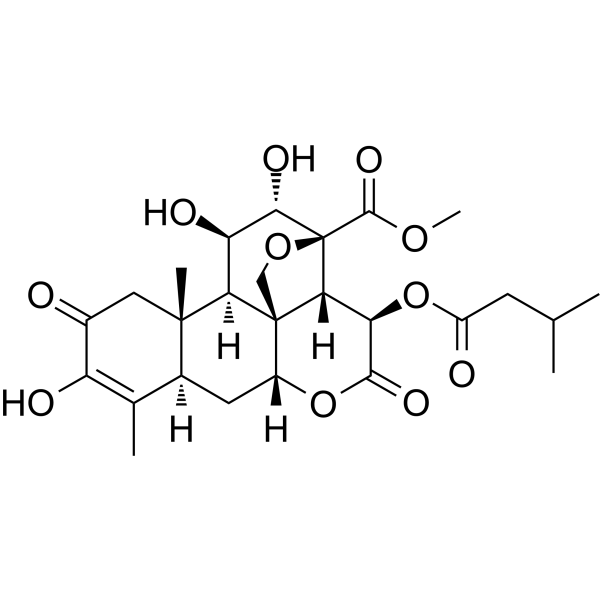
    Bruceine A
    3 Publications Verification

    Dihydrobrusatol; NSC310616

    Parasite NF-κB p38 MAPK Phosphatase Apoptosis Infection Cancer
    Bruceine A (Dihydrobrusatol) is a natural quassinoid. Bruceine A is an inhibitor of parasites, NF-κB, and PFKFB4 (Kd: 44 nM). Bruceine A is an activator of P38α MAPK. Bruceine A has antiparasitic activity. Bruceine A has antitumor activity and inhibits cancer cell migration. Bruceine A blocks the cell cycle and induces apoptosis. Bruceine A can be used in parasites, pancreatic cancer, and breast cancer research .
    Bruceine A
  • HY-15163
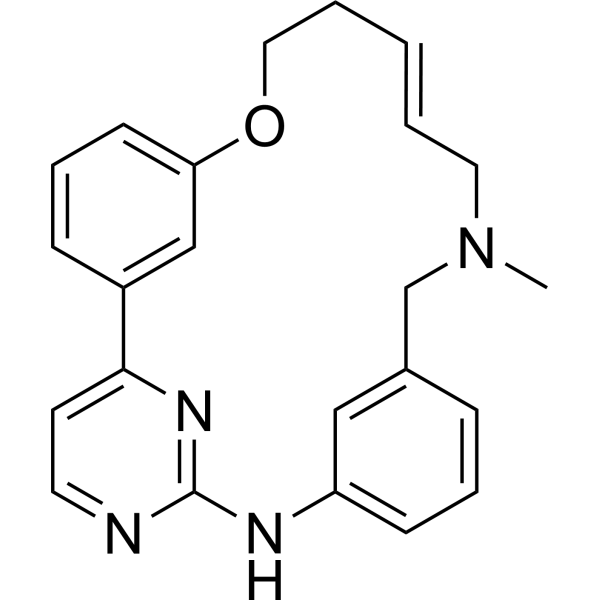
    Zotiraciclib
    2 Publications Verification

    TG02; SB1317

    JAK CDK FLT3 Cancer
    Zotiraciclib (TG02; SB1317) is an orally active JAK2/FLT3/CDK2 inhibitor with IC50 values of 13 nM, 73 nM and 56 nM , respectively. Zotiraciclib inhibits cancer cell proliferation, tumor growth and the activity of CYP2D6. Zotiraciclib exhibits high plasma protein binding rate, Caco-2 permeability and tissue distribution capacity, as well as metabolic stability in human and canine liver microsomes. Zotiraciclib achieves tumor growth inhibition in nude mouse models of colon cancer and lymphoma xenografts. Zotiraciclib can be used for research related to colon cancer, B-cell lymphoma, advanced leukemia, acute leukemia and multiple myeloma .
    Zotiraciclib
  • HY-N2217

    Akt mTOR p38 MAPK Apoptosis Phosphatase Interleukin Related NF-κB PI3K Keap1-Nrf2 Heme Oxygenase (HO) Toll-like Receptor (TLR) Reactive Oxygen Species (ROS) Metabolic Disease Inflammation/Immunology Cancer
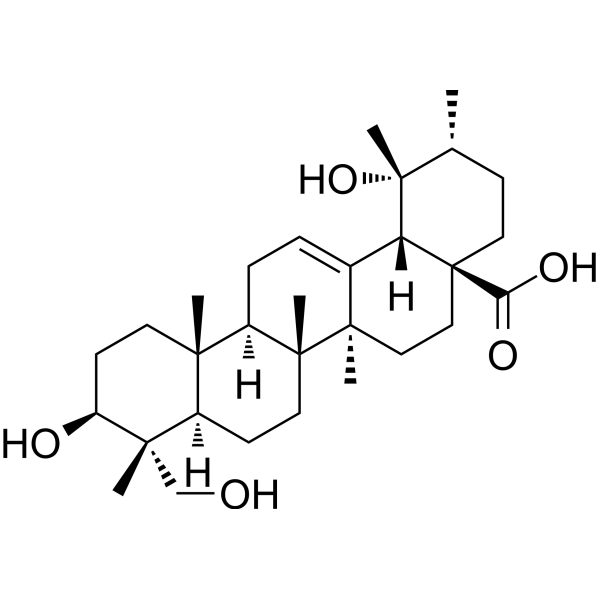
    Rotundic acid is an orally effective triterpenoid with a Kd value of 51.3 µM for PTP1B. Rotundic acid downregulates the AKT/mTOR pro-survival pathway and modulates the MAPK pathway. Rotundic acid induces cell cycle S-phase arrest, DNA damage and apoptosis; it inhibits migration, invasion, angiogenesis and proliferation of cancer cells. Rotundic acid improves leptin sensitivity, regulates gut microbiota and reduces cellular senescence. Rotundic acid can be used in research related to hepatocellular carcinoma, obesity, aging, acute lung injury and type 2 diabetes .
    Rotundic acid
  • HY-P991550

    CD22 Cancer
    RFB4 is an anti-CD22 monoclonal antibody. RFB4 can be fused with Pseudomonas aeruginosa exotoxin (PE38) via disulfide bonds to construct recombinant immunotoxins, such as RFB4 (dsFv)-PE38. RFB4 is applicable to the research of cancers including lymphoma .
    RFB4
  • HY-163001
    Microcolin H
    1 Publications Verification

    Autophagy p62 Atg8/LC3 Cancer
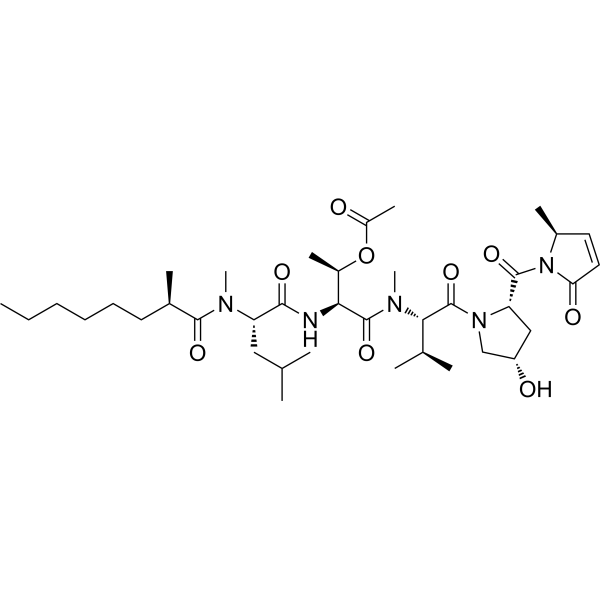
    Microcolin H is a marine lipopeptide and phosphatidylinositol transfer protein ligand that targets PITPα/β. Microcolin H increases the conversion of LC3I to LC3II and reduces p62 levels in cancer cells, leading to autophagy cell death (Autophagy). Microcolin H effectively inhibits tumor development and has anti-proliferative activity in nude mouse subcutaneous tumor models .
    Microcolin H
  • HY-D2062

    Fluorescent Dye Integrin Cancer
    ATTO 740 NHS ester is a near-infrared fluorescent dye and a multimodal fluorescence/photoacoustic contrast agent with excellent near-infrared emission properties and extremely high photostability. The photoacoustic signal of ATTO 740 NHS ester shows no significant decrease after continuous irradiation with a 750 nm laser for 30 min, making it suitable for in vivo fluorescence imaging and photoacoustic contrast imaging. When conjugated with the cystine knot peptide R01, ATTO 740 NHS ester enables precise detection of integrin αvβ6-positive cells and tumors in nude mouse xenograft models .
    ATTO 740 NHS ester
  • HY-106892

    348U87

    DNA/RNA Synthesis Infection
    BW 348U87 is an inhibitor for ribonucleotide reductase, which exhibits synergistic effect with Acyclovir (HY-17422), potentiate the antiviral activity of Acyclovir against herpes simplex virus (HSV) in athymic nude mouse model .
    BW 348U87
  • HY-157169

    AMU302

    Pim mTOR Akt PI3K Cancer
    IBL-302 (AMU302) is an orally available dual-signaling inhibitor of PIM and PI3K/AKT/mTOR with activity against breast cancer and neuroblastoma. IBL-302 demonstrated in vivo efficacy in a nude mouse xenograft model, inhibiting trastuzumab (HY-P9907) resistance challenges. IBL-302 also enhances the effects of common cytotoxic chemotherapy drugs cisplatin (HY-17394), doxorubicin (HY-15142A), and etoposide (HY-13629) .
    IBL-302
  • HY-155887

    DSPE-PEG-NH2, MW 3400 ammonium

    Liposome Cancer
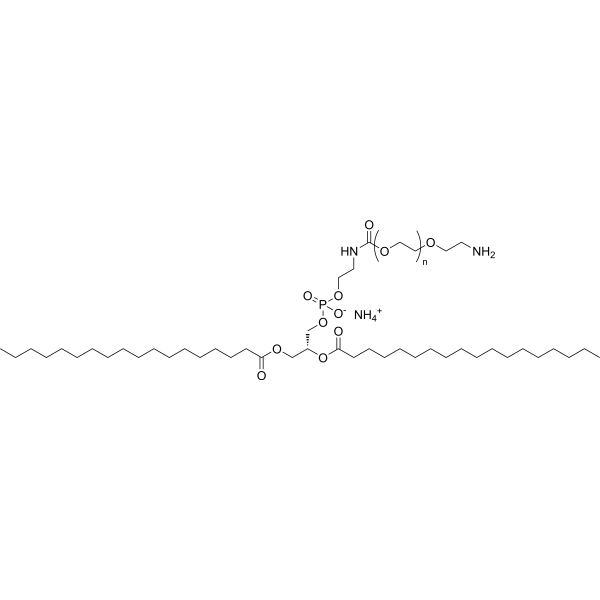
    DSPE-PEG-Amine (DSPE-PEG-NH2), MW 3400 ammonium is an amino-functionalized PEGylated phospholipid. It serves not only as a key component for preparing σ receptor-targeted liposomes (such as anisamide-modified lipids) but also as a starting material for synthesizing click chemistry- and tumor-targeted lipids including DSPE-PEG-DBCO (HY-155788) and DSPE-PEG2000-TCO (HY-170704). DSPE-PEG-Amine, MW 3400 ammonium effectively modulates the ζ potential of nanoparticles, enables complexation with nucleic acids or proteins to protect DNA from nuclease degradation, and supports ligand conjugation on the nanoparticle surface. It is used in studies related to DU-145 tumors, breast cancer, and other relevant research .
    DSPE-PEG-Amine, MW 3400 ammonium
  • HY-178472

    PROTACs Aurora Kinase Cancer
    AurAP14 is an Aurora A PROTAC degrader (DC50 = 120 nM). AurAP14 shows significant inhibitory activity against various tumor cell lines, with IC50s of 0.294 μM in A549 cells and 0.534 μM in MCF-7 cells. AurAP14 induces apoptosis and arrests A549 cells in the S and G2/M phases. AurAP14 demonstrates anti-tumor efficacy in nude mouse xenograft models of A549 and A549/PTR. AurAP14can be used in the research on the treatment of Aurora A-overexpressing NSCLC. (Pink: Aurora A ligand (HY-10971), Blue: E3 ligase Ligand (HY-W437598), Black: Linker) .
    AurAP14
  • HY-N4308

    Hexa-O-methylquercetagetin; Quercetagetin hexamethyl ether; 3,5,6,7,3',4'-Hexamethoxyflavone

    NF-κB IKK Bcl-2 Family Cancer
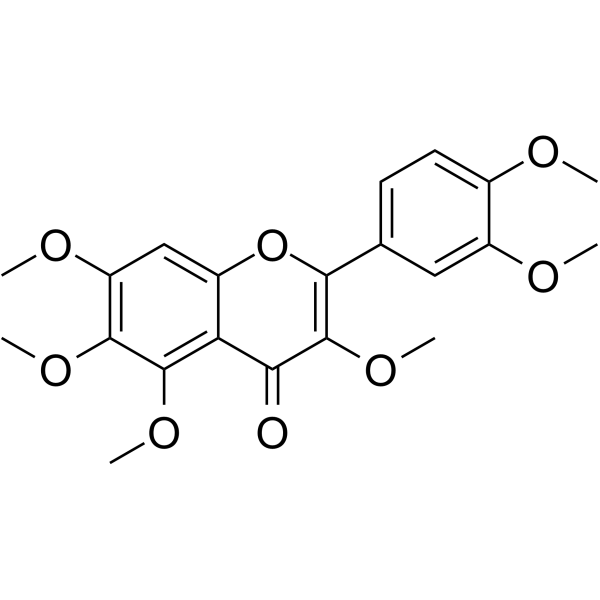
    Hexamethylquercetagetin (Hexa-O-methylquercetagetin; Quercetagetin hexamethyl ether; 3,5,6,7,3',4'-Hexamethoxyflavone) is an orally active NF-κB inhibitor. Hexamethylquercetagetin inhibits NF-κB-derived luciferase activity, reduces phosphorylated p65 and IκBα, Cyclin D1, Bcl-2 and blocks TNFα-induced NF-κB activation. Hexamethylquercetagetin inhibits survival and proliferation of cervical carcinoma cells. Hexamethylquercetagetin suppresses tumor volume and weight in BALB/c nude mouse xenograft models of cervical carcinoma. Hexamethylquercetagetin can be used for the research of cancer, such as cervical carcinoma .
    Hexamethylquercetagetin
  • HY-148839

    c-Myc Cancer
    c-Myc inhibitor 9 (compound 332) is a c-Myc inhibitor with an logEC50 of ≥6. c-Myc inhibitor 9 inhibits tumor growth in nude mouse models. c-Myc inhibitor 9 can be used for cancer research .
    c-Myc inhibitor 9
  • HY-177021

    Microtubule/Tubulin Apoptosis Cancer
    Tubulin-IN-51 is an orally available, potent tubulin inhibitor (IC50 = 31 nM). Tubulin-IN-51 promotes tubulin polymerization in vitro and does not compete with Paclitaxel (HY-B0015) for binding. Tubulin-IN-51 inhibits the binding of Vinblastine (HY-13780) to tubulin. Tubulin-IN-51 downregulates the proportion of cells in the G1 phase and induces apoptosis. Tubulin-IN-51 inhibits tumor growth in multiple nude mouse xenograft models .
    Tubulin-IN-51
  • HY-174086

    Glutathione Peroxidase Ferroptosis ROS Kinase PROTACs Cancer
    PROTAC GPX4 degrader-4 is a GPX4 PROTAC degrader (DC50: 5.32 nM). PROTAC GPX4 degrader-4 inhibits the activity of RT4, T24, and J82 cancer cells (IC50 values are 0.09, 2.97, and 7.58 μM, respectively). PROTAC GPX4 degrader-4 increases lipid ROS levels and induces ferroptosis in T24 and RT4 cells. PROTAC GPX4 degrader-4 has antitumor activity in T24 tumor-bearing BALB/c nude mouse model. PROTAC GPX4 degrader-4 can be used for bladder cancer research. (Pink: target protein ligand (HY-N0193); blue: E3 ligase ligand (HY-1035960); black: linker (HY-W013907); E3 ligase ligand + linker (HY-174087)) .
    PROTAC GPX4 degrader-4
  • HY-P10775A

    MMP Cancer
    BT1769 acetate is a conjugate and antitumor agent targeting MT1-MMP, with a Kd value of 3.35 nM against human targets. BT1769 acetate exhibits favorable pharmacokinetic properties. BT1769 acetate specifically binds to MT1-MMP via its bicyclic peptide component, delivering the cytotoxic agent MMAE (HY-15162) to antigen-expressing cells. It effectively inhibits tumor growth, induces complete responses, and significantly prolongs event-free survival in osteosarcoma patient-derived xenograft models. BT1769 acetate shows extremely low activity in Ewing sarcoma models and can be used in osteosarcoma-related research .
    BT1769 acetate
  • HY-149092

    TAM Receptor Cancer
    Anticancer agent 109 (compound 6-15) is an inhibitor of the Gas6-Axl axis with anti-cancer activity. Anticancer agent 109 inhibits the expression of Gas6 and Axl, and the expression p-PI3K and p-AKT in cancer cells, leads to G1 phase arrest and promotes cancer cells apoptosis, and inhibits tumor growth significantly in nude mouse tumor bearing models .
    Anticancer agent 109
  • HY-117991

    VEGFR Cancer
    DW10075 is a highly selective and orally active VEGFR inhibitor targeting the VEGF/VEGFR pathway. DW10075 selectively inhibits VEGFR-1, VEGFR-2, and VEGFR-3, but has no effect on FGFR and PDGFR. DW10075 inhibits VEGF-induced HUVEC proliferation, migration, and tube formation. And DW10075 inhibits angiogenesis in both the rat aortic ring model and the chick chorionic membrane model. DW10075 also exhibits antiproliferative activity against human cancer cell lines, with IC50s of 2.2 μM and 22.2 μM against U87-MG human glioblastoma cells and A375 melanoma cells, respectively. In the nude mouse U87-MG xenograft tumor model, DW10075 (po) significantly inhibits tumor growth and reduces the expression of CD31 and Ki67 in tumor tissues.
    DW10075
  • HY-179049

    EGFR Microtubule/Tubulin Akt ERK Autophagy Atg8/LC3 p62 Ferroptosis Reactive Oxygen Species (ROS) Cancer
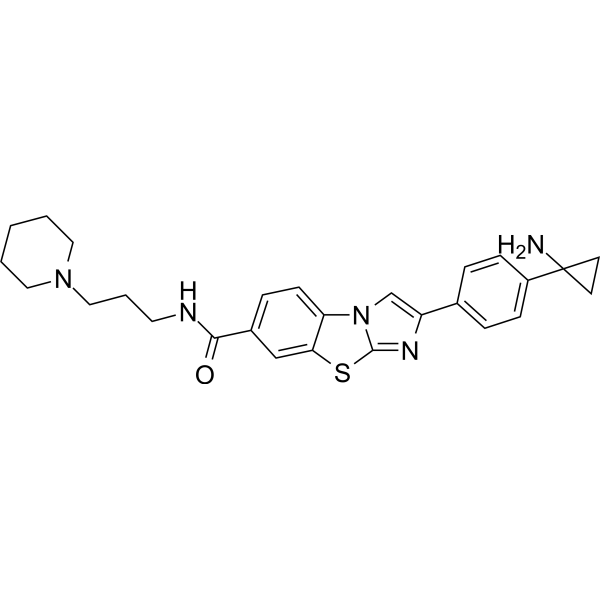
    EGFR/tubulin-IN-1 (Compound 26) is a dual-target inhibitor of EGFR and tubulin. EGFR/tubulin-IN-1 significantly reduces the levels of p-EGFR, p-AKT, and p-ERK in cells, disrupting the microtubule structure of the cells. EGFR/tubulin-IN-1 significantly inhibits the proliferation of H1975 cells and significantly blocks the cells in the G2/M phase. EGFR/tubulin-IN-1 induces the expression of autophagy markers LC3B-II and Beclin-1, while down-regulating the expression of p62. EGFR/tubulin-IN-1 induces ferroptosis, with increased ROS content and depletion of glutathione (GSH). EGFR/tubulin-IN-1 inhibits epithelial-mesenchymal transition (EMT) and tumor metastasis. EGFR/tubulin-IN-1 has a significant tumor-suppressing effect in the H1975 transplanted tumor nude mouse model. EGFR/tubulin-IN-1 can be used for the study of non-small cell lung cancer .
    EGFR/tubulin-IN-1
  • HY-183592

    Orthopoxvirus Drug Derivative Infection
    Anti-virus agent 2 is an orally active and selective anti-orthopoxvirus (poxvirus) agent, with EC50 values of 6.1 μM and 47.1 μM against VTT-Fluc and MPXV clade IIb, respectively. Anti-virus agent 2 covalently binds to viral A17L protein and mRNA methyltransferase, blocks viral membrane fusion and intracellular biosynthesis, and acts on multiple stages of the viral replication cycle. Anti-virus agent 2 achieves viral inhibition in nude mouse models. Anti-virus agent 2 can be used for the research of orthopoxvirus infections such as monkeypox and smallpox .
    Anti-virus agent 2
  • HY-P11624

    Apoptosis Cancer
    PP-60 is an apoptosis inducer. PP-60 inhibits the proliferation of cancer cells and induces cancer cell apoptosis. PP-60 exerts anti-tumor effects in nude mouse liver tumor models. PP-60 is applicable to research related to cancers such as liver cancer, lung cancer, and prostate cancer .
    PP-60
  • HY-180850

    PROTACs Estrogen Receptor/ERR Reactive Oxygen Species (ROS) Apoptosis Cancer
    ERB-2 is a selective ERβ PROTAC degrader. ERB-2 removes the inhibitory effect of ERβ on ROS, leading to the accumulation of ROS, mitochondrial damage, and ultimately triggering cell apoptosis (apoptosis). ERB-2 significantly inhibits tumor growth in the nude mouse model of NCI-H1975OR tumors. ERB-2 can be used for the study of non-small cell lung cancer .
    ERB-2
  • HY-180117

    MMP STAT Apoptosis Cancer
    MMP-2/9-IN-2 (Compound 6k) is a MMP-2 and MMP-9 inhibitor, with IC50 values of 29.27 and 24.87 μM respectively. MMP-2/9-IN-2 exhibits good selective toxicity against multiple human hepatoma cell lines. MMP-2/9-IN-2 induces cell cycle arrest and apoptosis, significantly inhibits cell migration and invasion. MMP-2/9-IN-2 inhibits the phosphorylation of the STAT3 signaling pathway. MMP-2/9-IN-2 shows strong anti-tumor activity in a nude mouse xenograft model of HepG2 liver cancer cells .
    MMP-2/9-IN-2
  • HY-183284

    FAK ERK Apoptosis Neurological Disease Cancer
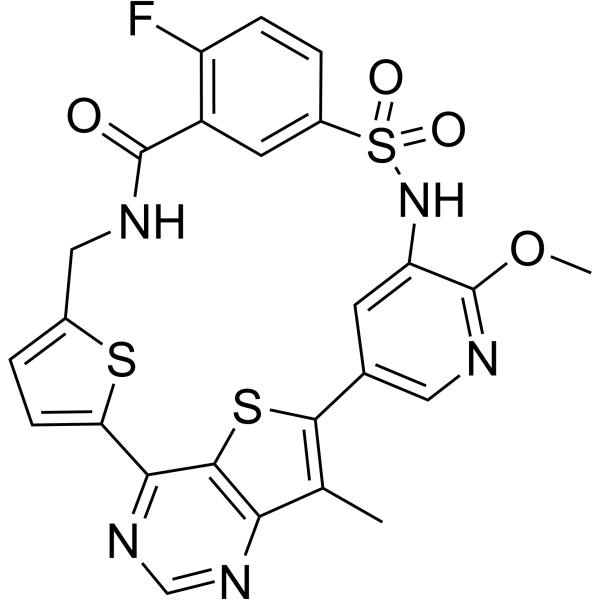
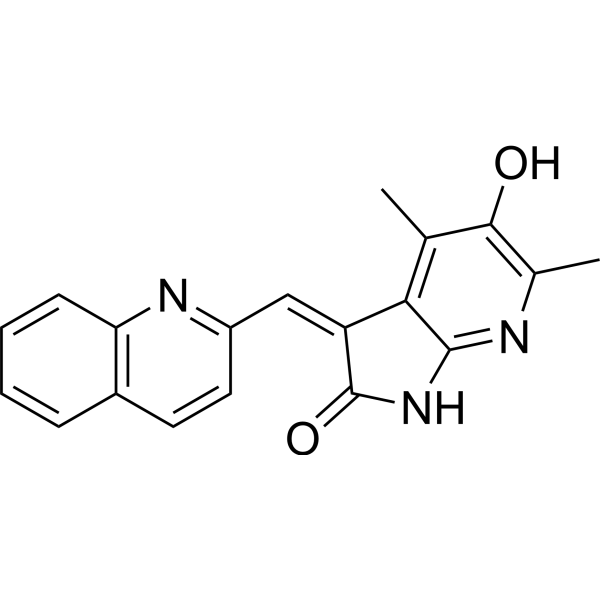
    GZD-552 is a potent orally active FAK inhibitor with a human FAK IC50 of 5.8 nM. GZD-552 suppresses FAK phosphorylation activation and downstream ERK signaling. GZD-552 induces apoptosis and G2/M cell cycle arrest, and exhibits antiproliferative activities in glioblastoma multiforme cells. GZD-552 exhibits antitumor efficacy in mice xenograft model. GZD-552 can be used for the research of glioblastoma multiforme .
    GZD-552
  • HY-182378

    Cancer
    Vps34-IN-5 is an orally active VPS34 inhibitor, 98% target inhibition, and an IC50 categorized as B. Vps34-IN-5 induces additive or synergistic anti-proliferative activity with EGFR inhibitors in cancer cells. Vps34-IN-5 is administered orally alone or with Erlotinib (HY-50896) in mouse xenograft models. Vps34-IN-5 can be used for the research of non-small cell lung cancer .
    Vps34-IN-5
  • HY-123238

    CDK Cancer
    AG-024104 is a CDK inhibitor with Ki values of 2.3 nM (CDK1/cyclinB), 1.8 nM (CDK2/cyclinA), and 0.67 nM (CDK4/cyclinD). AG-024104 functionally inhibits kinase activity of CDK1/cyclinB, CDK2/cyclinA, and CDK4/cyclinD. AG-024104 serves as a negative control for peripheral leukocyte toxicity studies in preclinical development .
    AG-024104
  • HY-W1123937C

    Biochemical Assay Reagents Others
    Biotin-PEG-CHO (with a molecular weight of 5000) is a biotin-attached PEG derivative that can be used for biotinylation of biological molecules or other material surfaces. Biotin can be easily detected through the biotin/streptavidin binding test, and is widely used in molecular targeted detection.
    Biotin-PEG5000-CHO

Inquiry Online

Your information is safe with us. * Required Fields.

Salutation


Country or Region *

Applicant Name *


Organization Name *

Department *


Email Address *


Product Name *

Cat. No.


Requested quantity *

Phone Number *


Remarks

Inquiry Online

Inquiry Information

Product Name:
Cat. No.:
Quantity:
MCE Japan Authorized Agent:

