
From 11:00 pm to 12:00 pm EST ( 8:00 pm to 9:00 pm PST ) on January 6th, the website will be under maintenance. We are sorry for the inconvenience. Please arrange your schedule properly.
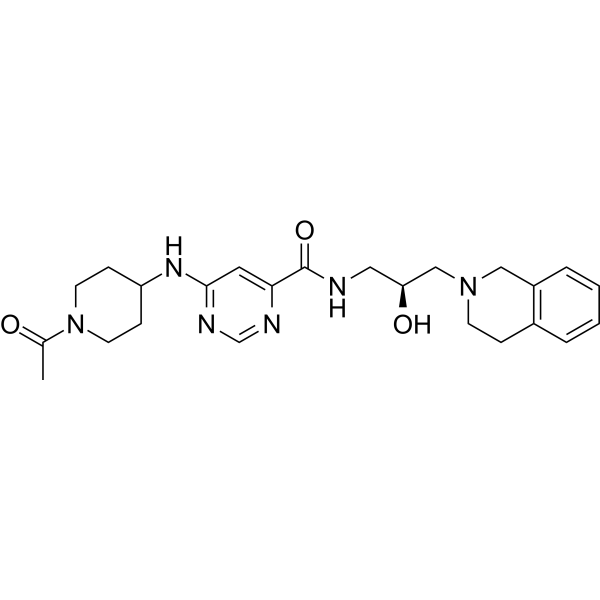
GSK3326595 is a protein arginine methyltransferase 5 (PRMT5) inhibitor. GSK3326595 decreases SARS-CoV-2 infection, inhibits cancer cell proliferation and induces pro-inflammatory macrophage polarization and increases hepatic triglyceride levels without affecting atherosclerosis. GSK3326595 can be used for research of relapsed/refractory mantle cell lymphoma .
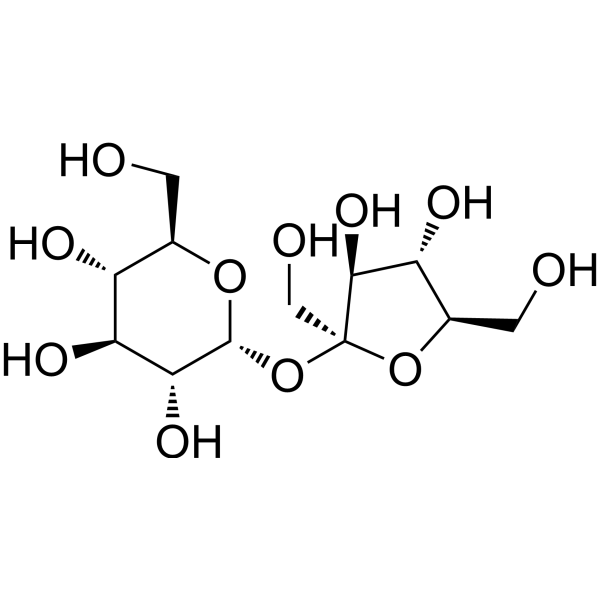
Sucrose (D-(+)-Saccharose) is a disaccharide which is composed of two monosaccharides, glucose and fructose. Sucrose can be applied in some animal models, including metabolic disease, obesity, diet on preference, and diabetes, et al .
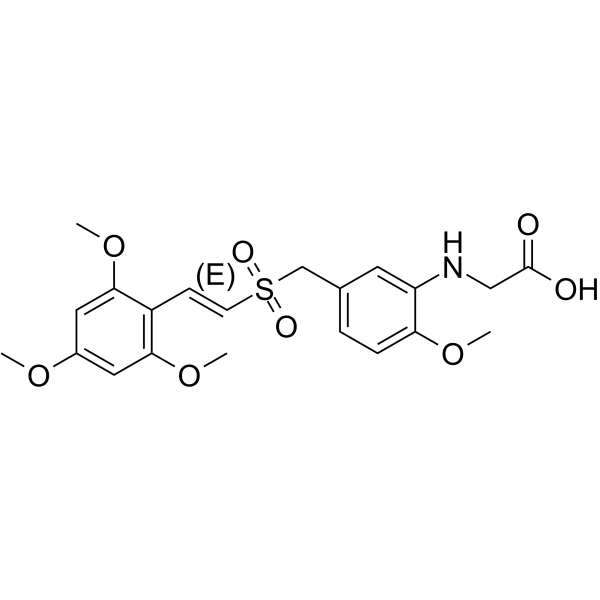
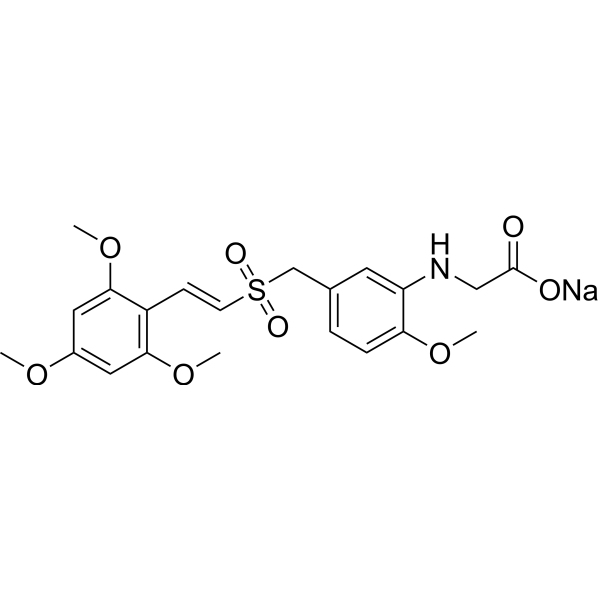
Rigosertib (ON-01910) is a multi-kinase inhibitor and a selective anti-cancer agent, which induces apoptosis by inhibition the PI3 kinase/Akt pathway, promots the phosphorylation of histone H2AX and induces G2/M arrest in cell cycle . Rigosertib is a selective and non-ATP-competitive inhibitor of PLK1 with an IC50 of 9 nM .
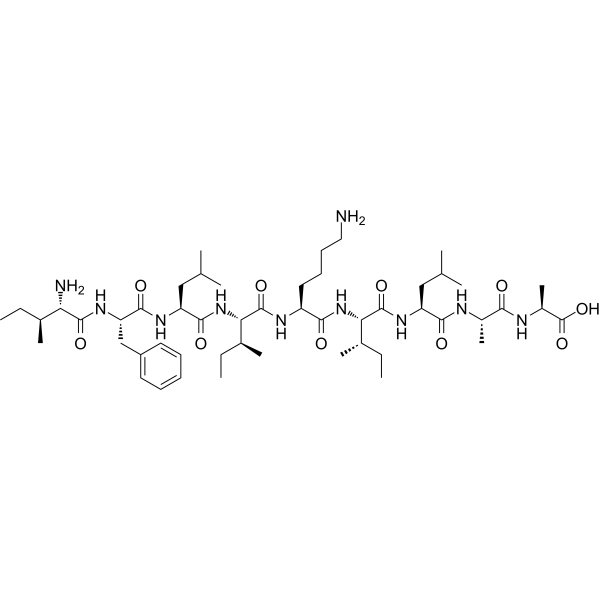
IA9 (human TREM-2 182-190) is a potent, CNS-penetrant TREM-2 inhibitor. IA9 can diminish the release of proinflammatory cytokines and suppress joint inflammation and damage in a Collagen (HY-P5003)-induced arthritis (CIA) mouse model. IA9 can be used for neuroinflammation PET imaging. IA9 can be used for Rheumatoid arthritis (RA) and neuroinflammation research .
Tislelizumab is a monoclonal antibody that specifically binds to programmed cell death receptor 1 (PD-1), blocking its interaction with programmed death ligand 1 (PD-L1) and programmed death ligand 2 (PD-L2). Tislelizumab can reactivate immune cells such as T lymphocytes and enhance anti-tumor activity. Tislelizumab can be used for the research of a variety of tumors including typical Hodgkin's lymphoma, urothelial carcinoma, non-small cell lung cancer and hepatocellular carcinoma .
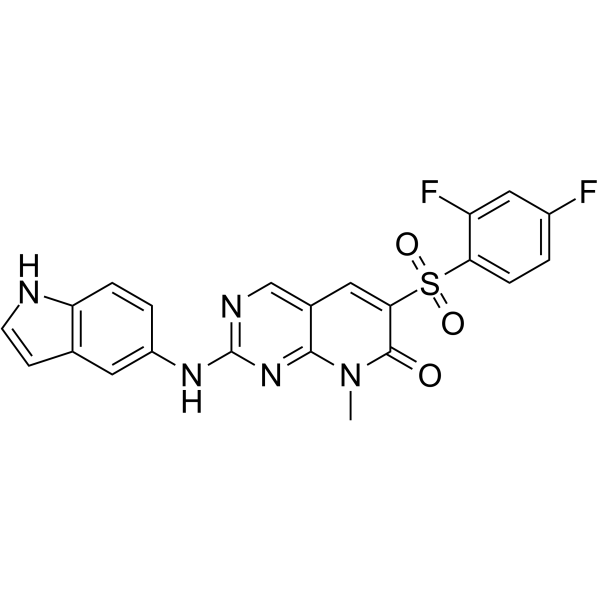
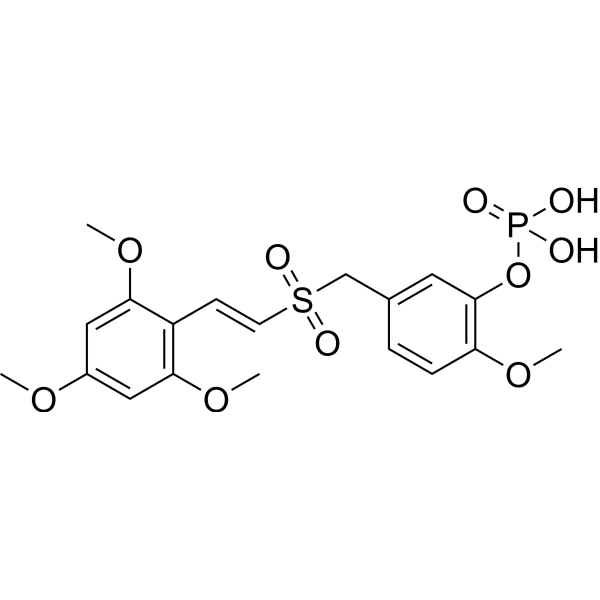
ON1231320 is a highly specific polo like kinase 2 (PLK2) inhibitor with an IC50 of 0.31 μM. ON1231320 blocks tumor cell cycle progression in the G2/M phase in mitosis, causing apoptotic cell death. ON1231320, an arylsulfonyl pyrido-pyrimidinone, has antitumor activity .
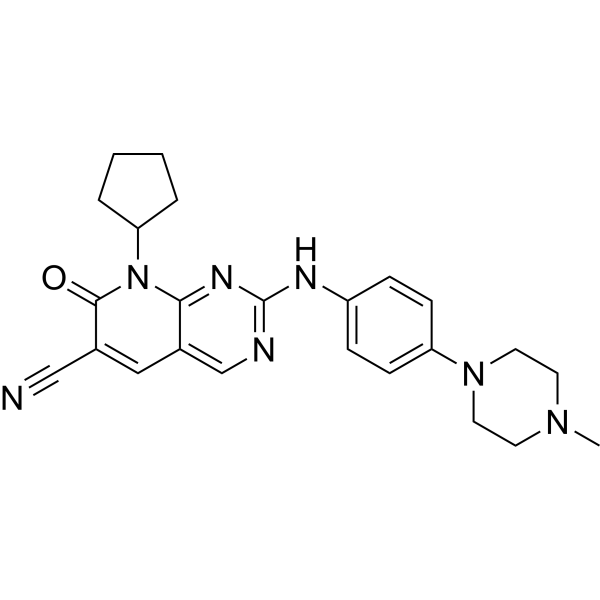
Narazaciclib (ON123300), a strong and brain-penetrant multi-kinase inhibitor, inhibits CDK4 (IC50=3.9 nM), Ark5 (IC50=5 nM), PDGFRβ (IC50=26 nM), FGFR1 (IC50=26 nM), RET (IC50=9.2 nM), and FYN (IC50=11 nM). Single agent Narazaciclib causes a dose-dependent suppression of phosphorylation of Akt as well as activation of Erk in brain tumors . Narazaciclib inhibits CDK6 with an IC50 of 9.82 nM .
Lipase,Candida antarctica (Immobilized on hydrophilic carrier) (Candida antarctica lipase B) is a lipase derived from Candida antarctica and immobilized on a hydrophilic carrier. Lipase,Candida antarctica (Immobilized on hydrophilic carrier) is a green catalyst that can be used to catalyze polymer synthesis .
Briciclib (ON 014185) is a eukaryotic translation initiation factor 4E (eIF4E) inhibitor. Briciclib exhibits broad-spectrum anti-cancer activity, including in mantle cell leukemia, breast cancer, gastric cancer, and esophageal cancer cells. Briciclib reduces the expression of cyclin D1 and c-Myc, and enhances the expression of P53 and Cleaved Caspase 3 pro-apoptotic proteins. Briciclib can be used for the study of hematological system tumors and solid tumors .
Rigosertib sodium (ON-01910 sodium) is a multi-kinase inhibitor and a selective anti-cancer agent, which induces apoptosis by inhibition the PI3K/Akt pathway, promotes the phosphorylation of histone H2AX and induces G2/M arrest in cell cycle . Rigosertib sodium is a selective and non-ATP-competitive inhibitor of PLK1 with an IC50 of 9 nM .
Sucrose (Standard) is the analytical standard of Sucrose. This product is intended for research and analytical applications. Sucrose (D-(+)-Saccharose) is a disaccharide which is composed of two monosaccharides, glucose and fructose. Sucrose?can be applied in some animal models, including metabolic disease, obesity,?diet on preference,?and diabetes, et al .
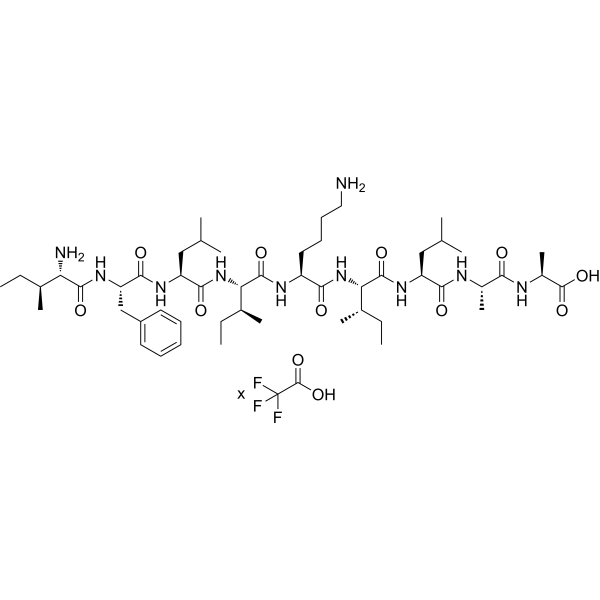
IA9 TFA (human TREM-2 182-190 TFA) is a potent, CNS-penetrant TREM-2 inhibitor. IA9 TFA can diminish the release of proinflammatory cytokines and suppress joint inflammation and damage in a Collagen (HY-P5003)-induced arthritis (CIA) mouse model. IA9 TFA can be used for neuroinflammation PET imaging. IA9 TFA can be used for Rheumatoid arthritis (RA) and neuroinflammation research .
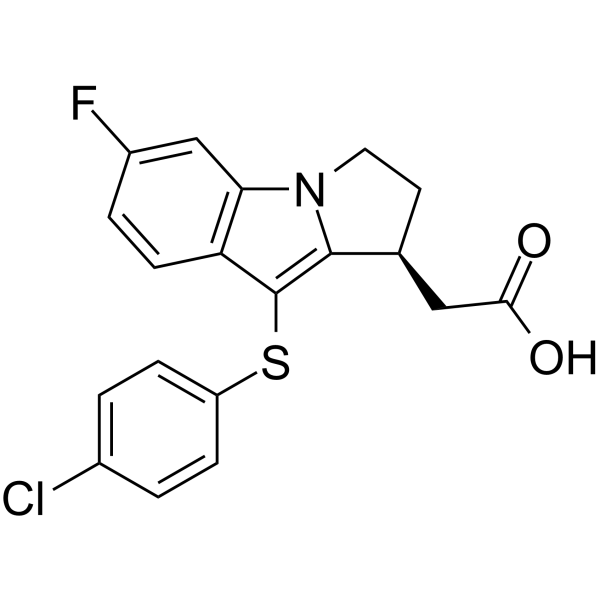
L 888607 is a potent, selective, stable and orally active CRTH2 agonist. L 888607 has high affinity for the human CRTH2 receptor with a Ki value of 4 nM. L 888607 can be used for the research of several physiological events and metabolite .
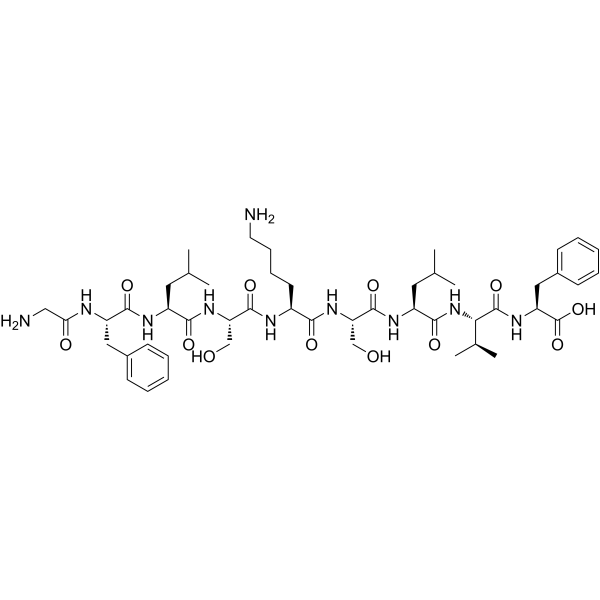
TREM-1 inhibitory peptide GF9 (Human TREM-1 (213-221)) is a TREM-1 inhibitor. TREM-1 inhibitory peptide GF9 blocks the TREM-1 signaling pathway via a ligand-independent mechanism, spontaneously inserts into the cell membrane to dissociate TREM-1 from DAP-12, and functions through the Signaling Chain Homooligomerization (SCHOOL) model. TREM-1 inhibitory peptide GF9 reduces the levels of TNFα, IL-1β, IL-6, and M-CSF. TREM-1 inhibitory peptide GF9 inhibits tumor growth, prolongs the survival of mice with pancreatic cancer models, ameliorates collagen-induced arthritis, and exerts protective effects on bone and cartilage simultaneously. TREM-1 inhibitory peptide GF9 can be used in research related to arthritis, pancreatic cancer, retinopathy, alcoholic liver disease, and liver cancer .
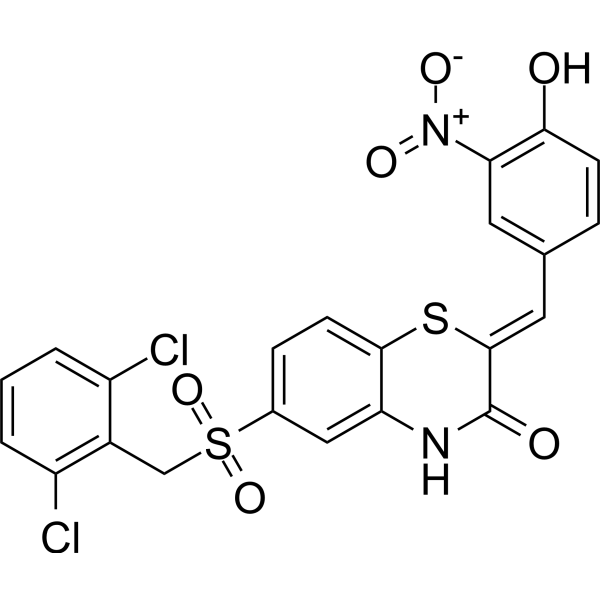
ON 108600 is a inhibitor for CK2 (Casein Kinase2)/TNIK/DYRK1 , with the IC50s for DYRK1A/DYRKB, DYRK2, CK2α1/CK2α2, and TNIK of 0.016 μm/0.007 μM, 0.028 μM, 0.05 μM/0.005 μM, and 0.005 μM, respectively. ON 108600 has antitumor activity .
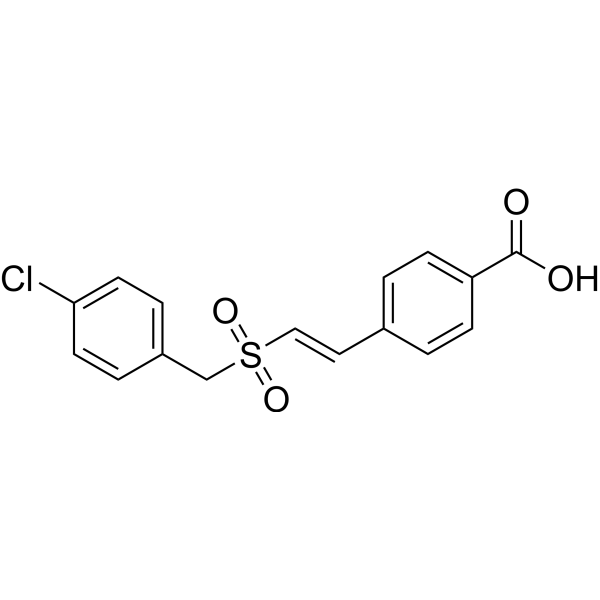
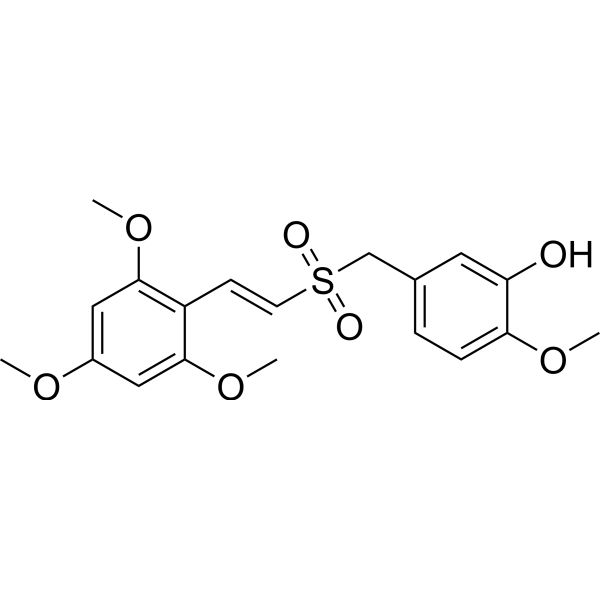
ON044580, an α-benzoyl styryl benzyl sulfide, is a potent and non-ATP-competitive JAK2 kinase inhibitor with IC50s of 1.23 μM, 1.09 μM for WT and V617F mutant JAK2, respectively. ON044580 inhibits the JAK2 kinase activity either by binding to the STAT-5 binding domain of JAK2 or by binding to an allosteric site. ON044580 exerts its antiproliferative effect in JAK2 V617F-positive leukemic cells. ON044580 effectively induces apoptosis of Imatinib (HY-15463)-resistant chronic myelogenous leukemia (CML) cells. ON044580 also inhibits both WT and T315I mutant forms of the BCR-ABL kinase. ON044580 has the potential for myeloproliferative disorders typified by aberrant JAK/STAT signaling .
Sucrose- 13C is 13C labeled Sucrose. Sucrose (D-(+)-Saccharose) is a disaccharide which is composed of two monosaccharides, glucose and fructose. Sucrose can be applied in some animal models, including metabolic disease, obesity, diet on preference, and diabetes, et al .
High-efficiency lipase,Candida antarctica (Immobilized on hydrophilic carrier) is a biocatalyst and a key enzyme in new biocatalyst technology. Enzyme engineering focuses on enhancing enzyme reaction kinetics, substrate selectivity, and activity under harsh conditions such as low or high pH. By introducing stimulus responsiveness to these enzyme modifications, dynamic control of activity is also possible .
Sucrose- 13C6-1 is 13C labeled Sucrose. Sucrose (D-(+)-Saccharose) is a disaccharide which is composed of two monosaccharides, glucose and fructose. Sucrose can be applied in some animal models, including metabolic disease, obesity, diet on preference, and diabetes, et al .
ON 01500 is a tubulin inhibitor with a Kd of 21 nM. ON 01500 exerts microtubule-destabilizing effects in cells. ON 01500 can be used the study of cancers .
VX-148 is an orally active immunosuppressant, which is a non-competitive inosine-5'-monophosphate dehydrogenase (IMPDH) inhibitor with Ki values for IMPDH Ⅱ and IMPDH Ⅰ of 6 and 14 nM respectively. VX-148 can significantly inhibit the proliferation of human peripheral blood mononuclear cells (PBMC) stimulated by T-cell mitogen (PHA) or B-cell mitogen (SPAS). VX-148 has high selectivity for lymphocytes (such as L1210, Jurkat T cells, and Raji B cells), but has no significant toxicity to non-lymphoid cells. VX-148 can inhibit antibody responses in mouse models and significantly prolong the survival time of transplanted skin in allogeneic skin transplantation models. VX-148 can be used in the research of autoimmune diseases (such as rheumatoid arthritis, psoriasis) and organ transplantation anti-rejection .
CytoRed (7-(Isobutyloxycarbonyloxy)-3H-phenoxazin-3-on) is a multifunctional dye. Dyes are important tools in biological experiments. They can help researchers observe and analyze cell structures, track biomolecules, evaluate cell functions, distinguish cell types, detect biomolecules, study tissue pathology and monitor microorganisms. Their applications range from basic scientific research to clinical A wide range of diagnostics. Dyes are also widely used in traditional fields such as textile dyeing, as well as in emerging fields such as functional textile processing, food pigments and dye-sensitized solar cells.
Sparc Mouse Pre-designed siRNA Set A contains three designed siRNAs for Sparc gene (Mouse), as well as a negative control, a positive control, and a FAM-labeled negative control.
SPARC Human Pre-designed siRNA Set A contains three designed siRNAs for SPARC gene (Human), as well as a negative control, a positive control, and a FAM-labeled negative control.
T3SS-IN-4 (Compound Z-8) is a T3SS inhibitor that can inhibit the expression of Xanthomonas oryzae pv oryzae (Xoo) T3SS-related genes without affecting bacterial growth. T3SS-IN-4 can effectively reduce the hypersensitive response (HR) induced by Xoo in tobacco and lower the pathogenicity of Xoo in rice .
CRTh2 antagonist 3 is a potent chemoattractant receptor-homologous molecule expressed on Th2 cells (CRTh2) antagonist . CRTh2 antagonist 3 enhances the activity of PDK1 toward a short peptide substrate, with an EC50 of 2 μM and a Kd of 8.4 μM. CRTh2 antagonist 3 has the potential for cardiovascular inflammation .
(R)-L 888607 is the isomer of L 888607 (HY-111271), and can be used as an experimental control. L 888607 is a potent, selective, stable and orally active CRTH2 agonist. L 888607 has high affinity for the human CRTH2 receptor with a Ki value of 4 nM. L 888607 can be used for the research of several physiological events and metabolite .
Panax saponin C is a ginsenoside found in Ginseng with biological activities including regulatory effects on immunomodulation, protection functions in the central nervous and cardiovascular systems, anti-diabetic, anti-aging, anti-carcinogenic, anti-fatigue, anti-pyretic, anti-stress, boosting physical vitality, and promotion of DNA, RNA, and protein synthesis activities .
Briciclib (ON 014185) sodium is a eukaryotic translation initiation factor 4E (eIF4E) inhibitor. Briciclib sodium exhibits broad-spectrum anti-cancer activity, including in mantle cell leukemia, breast cancer, gastric cancer, and esophageal cancer cells. Briciclib sodium reduces the expression of cyclin D1 and c-Myc, and enhances the expression of P53 and Cleaved Caspase 3 pro-apoptotic proteins. Briciclib sodium can be used for the study of hematological system tumors and solid tumors .
Recilisib (Standard) is the analytical standard of Recilisib (HY-101625). This product is intended for research and analytical applications. Recilisib (ON 01210) is a radioprotectant, which can activate AKT, PI3K activities in cells .
ON1231320 (Standard) is the analytical standard of ON1231320 (HY-100789). This product is intended for research and analytical applications. ON1231320 is a highly specific polo like kinase 2 (PLK2) inhibitor with an IC50 of 0.31 μM. ON1231320 blocks tumor cell cycle progression in the G2/M phase in mitosis, causing apoptotic cell death. ON1231320, an arylsulfonyl pyrido-pyrimidinone, has antitumor activity .
Anti-Human/Monkey NKG2D Antibody (ON72) is an antibody targeting human/monkey NKG2D. The isotype control for Anti-Human/Monkey NKG2D Antibody (ON72) can be referenced as Mouse IgG1 kappa, Isotype Control (HY-P99977).
β-(isoxazolin-5-on-4-yl)-L-Alanine synthase (EC 2.5.1.119) catalyse EC 2.5.1.118 (β-(isoxazolin-5-on-2-yl)-L-alanine synthase) also catalyse this reaction in vitro, but not in vivo.
β-(isoxazolin-5-on-2-yl)-L-Alanine synthase (EC 2.5.1.118) forms 3-(5-oxoisoxazolin-4-yl)-L-alanine in vitro (cf. EC 2.5.1.119) . However, only 3-(5-oxoisoxazolin-2-yl)-L-alanine is formed in vivo.
TREM2 modulator-1 is a TREM2 modulator with an EC50 categorized as A and Emax of ++, and can be found in relevant research contexts. TREM2 modulator-1 modulates Triggering Receptor Expressed on Myeloid Cells 2. TREM2 modulator-1 can be used for the research of neurodegenerative diseases .
GSK3326595 (Standard) is the analytical standard of GSK3326595 (HY-101563). This product is intended for research and analytical applications. GSK3326595 is a protein arginine methyltransferase 5 (PRMT5) inhibitor. GSK3326595 decreases SARS-CoV-2 infection, inhibits cancer cell proliferation and induces pro-inflammatory macrophage polarization and increases hepatic triglyceride levels without affecting atherosclerosis. GSK3326595 can be used for research of relapsed/refractory mantle cell lymphoma .
CytoRed (7-(Isobutyloxycarbonyloxy)-3H-phenoxazin-3-on) is a multifunctional dye. Dyes are important tools in biological experiments. They can help researchers observe and analyze cell structures, track biomolecules, evaluate cell functions, distinguish cell types, detect biomolecules, study tissue pathology and monitor microorganisms. Their applications range from basic scientific research to clinical A wide range of diagnostics. Dyes are also widely used in traditional fields such as textile dyeing, as well as in emerging fields such as functional textile processing, food pigments and dye-sensitized solar cells.
IA9 (human TREM-2 182-190) is a potent, CNS-penetrant TREM-2 inhibitor. IA9 can diminish the release of proinflammatory cytokines and suppress joint inflammation and damage in a Collagen (HY-P5003)-induced arthritis (CIA) mouse model. IA9 can be used for neuroinflammation PET imaging. IA9 can be used for Rheumatoid arthritis (RA) and neuroinflammation research .
IA9 TFA (human TREM-2 182-190 TFA) is a potent, CNS-penetrant TREM-2 inhibitor. IA9 TFA can diminish the release of proinflammatory cytokines and suppress joint inflammation and damage in a Collagen (HY-P5003)-induced arthritis (CIA) mouse model. IA9 TFA can be used for neuroinflammation PET imaging. IA9 TFA can be used for Rheumatoid arthritis (RA) and neuroinflammation research .
TREM-1 inhibitory peptide GF9 (Human TREM-1 (213-221)) is a TREM-1 inhibitor. TREM-1 inhibitory peptide GF9 blocks the TREM-1 signaling pathway via a ligand-independent mechanism, spontaneously inserts into the cell membrane to dissociate TREM-1 from DAP-12, and functions through the Signaling Chain Homooligomerization (SCHOOL) model. TREM-1 inhibitory peptide GF9 reduces the levels of TNFα, IL-1β, IL-6, and M-CSF. TREM-1 inhibitory peptide GF9 inhibits tumor growth, prolongs the survival of mice with pancreatic cancer models, ameliorates collagen-induced arthritis, and exerts protective effects on bone and cartilage simultaneously. TREM-1 inhibitory peptide GF9 can be used in research related to arthritis, pancreatic cancer, retinopathy, alcoholic liver disease, and liver cancer .
Tislelizumab is a monoclonal antibody that specifically binds to programmed cell death receptor 1 (PD-1), blocking its interaction with programmed death ligand 1 (PD-L1) and programmed death ligand 2 (PD-L2). Tislelizumab can reactivate immune cells such as T lymphocytes and enhance anti-tumor activity. Tislelizumab can be used for the research of a variety of tumors including typical Hodgkin's lymphoma, urothelial carcinoma, non-small cell lung cancer and hepatocellular carcinoma .
Anti-Human/Monkey NKG2D Antibody (ON72) is an antibody targeting human/monkey NKG2D. The isotype control for Anti-Human/Monkey NKG2D Antibody (ON72) can be referenced as Mouse IgG1 kappa, Isotype Control (HY-P99977).
Sucrose (D-(+)-Saccharose) is a disaccharide which is composed of two monosaccharides, glucose and fructose. Sucrose can be applied in some animal models, including metabolic disease, obesity, diet on preference, and diabetes, et al .
Sucrose (Standard) is the analytical standard of Sucrose. This product is intended for research and analytical applications. Sucrose (D-(+)-Saccharose) is a disaccharide which is composed of two monosaccharides, glucose and fructose. Sucrose?can be applied in some animal models, including metabolic disease, obesity,?diet on preference,?and diabetes, et al .
Panax saponin C is a ginsenoside found in Ginseng with biological activities including regulatory effects on immunomodulation, protection functions in the central nervous and cardiovascular systems, anti-diabetic, anti-aging, anti-carcinogenic, anti-fatigue, anti-pyretic, anti-stress, boosting physical vitality, and promotion of DNA, RNA, and protein synthesis activities .
SPARC proteins are essential for lipid transport and are involved in the production, transformation, and clearance of plasma lipoproteins. It interacts with different particles, shows a preference for HDL, and binds to cellular receptors such as LDLR and VLDLR to promote the uptake of APOE-containing lipoproteins. SPARC Protein, Human (HEK293, His) is the recombinant human-derived SPARC protein, expressed by HEK293 , with C-6*His labeled tag.
SPARC protein is involved in the regulation of cell growth and may play a regulatory role by affecting the interaction of extracellular matrix and cytokines. SPRC protein can bind calcium and copper, several types of collagen, albumin, thrombospondin, PDGF and cell membranes. It has two calcium binding sites: one is an acidic domain that can bind 5-8 Ca2+ with low affinity, and the other is an EF-hand loop that can bind Ca2+ ions with high affinity. SPARC Protein, Rat (HEK293, His) is the recombinant rat-derived SPARC protein, expressed by HEK293 , with C-His labeled tag.
SPARC protein is involved in the regulation of cell growth and may play a regulatory role by affecting the interaction of extracellular matrix and cytokines. SPRC protein can bind calcium and copper, several types of collagen, albumin, thrombospondin, PDGF and cell membranes. It has two calcium binding sites: one is an acidic domain that can bind 5-8 Ca2+ with low affinity, and the other is an EF-hand loop that can bind Ca2+ ions with high affinity. SPARC Protein, Cynomolgus (HEK293, His) is the recombinant cynomolgus-derived SPARC protein, expressed by HEK293 , with C-His labeled tag.
SPARC Protein, Human is a Ca2+-binding glycoprotein that is differentially associated with morphogenesis, remodeling, cellular migration, and proliferation.
TREM-2 Protein is a receptor for amyloid beta protein 42, lipoprotein particles, and apolipoprotein. TREM-2 Protein is involved in cell proliferation and apoptosis through Wnt/β, MTOR, PI3K and NF-kappa-B signaling pathways. TREM-2 Protein is expressed by macrophages, immature monocyte-derived dendritic cells, osteoclasts, and microglia to activate the immune response. TREM-2 Protein, Human (HEK293, His) is the recombinant human-derived TREM-2 protein, expressed by HEK293 , with C-6*His labeled tag.
The TREM-1 protein is a cell surface receptor that critically regulates innate and adaptive immunity by enhancing inflammatory responses. TREM-1 plays a crucial role in acute and chronic inflammatory diseases, acting as a decoy receptor to balance its pro-inflammatory effects. TREM-1 Protein, Human (HEK293, His) is the recombinant human-derived TREM-1 protein, expressed by HEK293 , with C-6*His labeled tag.
TREM-2 protein forms a signaling complex with TYROBP, activates cells upon ligand binding, and acts as a receptor for amyloid beta, lipoproteins, and apolipoproteins. It promotes their uptake by microglia, triggering activation, proliferation, migration, apoptosis and cytokine expression. TREM-2 Protein, Mouse (HEK293, His) is the recombinant mouse-derived TREM-2 protein, expressed by HEK293 , with C-6*His labeled tag.
EBAG9 Protein induces apoptotic cell death and suppresses cell proliferation by activating interleukin-1-beta converting enzyme (ICE)-like proteases. It forms homodimers in its functional processes. EBAG9 Protein, Human (His) is the recombinant human-derived EBAG9 protein, expressed by E. coli , with N-His labeled tag.
The TREM-1 protein is a key cell surface receptor that amplifies inflammatory responses in innate and adaptive immunity. Ligands such as PGLYRP1, HMGB1 or HSP70 activate TREM-1, leading to multimerization and complex formation with TYROBP/DAP12. TREM-1 Protein, Mouse (HEK293, His) is the recombinant mouse-derived TREM-1 protein, expressed by HEK293 , with C-6*His labeled tag.
TREM-2 protein forms a signaling complex with TYROBP, activates cells upon ligand binding, and acts as a receptor for amyloid beta, lipoproteins, and apolipoproteins. It promotes their uptake by microglia, triggering activation, proliferation, migration, apoptosis and cytokine expression. TREM-2 Protein, Cynomolgus (HEK293, His) is the recombinant cynomolgus-derived TREM-2 protein, expressed by HEK293 , with C-6*His labeled tag.
VSTM1 interacts with S100A10 protein, inducing the dimerization of ANXA2/p36. This suggests a regulatory role in protein phosphorylation, with ANXA2 monomer being the preferred target for tyrosine-specific kinase in vitro. The resulting heterotetramer comprises two light chains of S100A10/p11 and two heavy chains of ANXA2/p36. Furthermore, VSTM1 engages with SCN10A and TASOR, indicating its participation in diverse molecular interactions. VSTM1 Protein, Human (HEK293, Fc) is the recombinant human-derived VSTM1 protein, expressed by HEK293 , with C-hFc labeled tag.
VSTM1 interacts with S100A10 protein, inducing the dimerization of ANXA2/p36. This suggests a regulatory role in protein phosphorylation, with ANXA2 monomer being the preferred target for tyrosine-specific kinase in vitro. The resulting heterotetramer comprises two light chains of S100A10/p11 and two heavy chains of ANXA2/p36. Furthermore, VSTM1 engages with SCN10A and TASOR, indicating its participation in diverse molecular interactions. VSTM1 Protein, Human (119a.a, HEK293, His) is the recombinant human-derived VSTM1 protein, expressed by HEK293 , with C-6*His labeled tag.
TREML1 (triggering receptor expressed on myeloid cells, like 1) is a cell surface receptor that may play a role in innate and adaptive immune responses. When phosphorylated, TREML1 interacts with the proteins PTPN6 and PTPN11, suggesting that it may be involved in regulating signaling pathways related to immune processes. TREML1 Protein, Human (HEK293, His) is the recombinant human-derived TREML1 protein, expressed by HEK293 , with C-6*His labeled tag.
TREML2 protein acts as a cell surface receptor for SEMA6A and affects key intercellular signaling in cerebellar development. It regulates granule cell migration, coordinates actin cytoskeletal reorganization, and contributes significantly to axonal guidance in the central nervous system. TREML2 Protein, Mouse (HEK293, His) is the recombinant mouse-derived TREML2 protein, expressed by HEK293 , with C-6*His labeled tag.
TREML2 protein acts as a cell surface receptor, interacting with CD276 on T-cells to enhance T-cell activation and modulate immune responses, particularly in regulating T-cell activation during immune reactions. TREML2 Protein, Human (HEK293, Fc) is the recombinant human-derived TREML2 protein, expressed by HEK293 , with C-hFc labeled tag.
The USP25 protein acts as a deubiquitinating enzyme and plays a key role in the hydrolysis of the ubiquitin moiety conjugated to the substrate. This function enables processing of newly synthesized ubiquitin, recycling of ubiquitin molecules, and editing of polyubiquitin chains, thus preventing proteasomal degradation of substrates. USP25 Protein, Human is the recombinant human-derived USP25 protein, expressed by E. coli , with tag free.
The USP25 protein acts as a deubiquitinating enzyme and plays a key role in the hydrolysis of the ubiquitin moiety conjugated to the substrate. This function enables processing of newly synthesized ubiquitin, recycling of ubiquitin molecules, and editing of polyubiquitin chains, thus preventing proteasomal degradation of substrates. USP25 Protein, Human (His) is the recombinant human-derived USP25 protein, expressed by E. coli , with N-6*His labeled tag.
ANO1/Anoctamin-1 protein, a calcium-activated chloride channel (CaCC), is involved in ion transport, smooth muscle contraction, and mucus secretion. ANO1/Anoctamin-1 Protein, Human (N-His, C-Myc) is the recombinant human-derived ANO1/Anoctamin-1 protein, expressed by E. coli , with C-Myc, N-10*His labeled tag.
Sucrose- 13C is 13C labeled Sucrose. Sucrose (D-(+)-Saccharose) is a disaccharide which is composed of two monosaccharides, glucose and fructose. Sucrose can be applied in some animal models, including metabolic disease, obesity, diet on preference, and diabetes, et al .
Sucrose- 13C6-1 is 13C labeled Sucrose. Sucrose (D-(+)-Saccharose) is a disaccharide which is composed of two monosaccharides, glucose and fructose. Sucrose can be applied in some animal models, including metabolic disease, obesity, diet on preference, and diabetes, et al .
Sucrose (D-(+)-Saccharose) is a disaccharide which is composed of two monosaccharides, glucose and fructose. Sucrose can be applied in some animal models, including metabolic disease, obesity, diet on preference, and diabetes, et al .
Sparc Mouse Pre-designed siRNA Set A contains three designed siRNAs for Sparc gene (Mouse), as well as a negative control, a positive control, and a FAM-labeled negative control.
SPARC Human Pre-designed siRNA Set A contains three designed siRNAs for SPARC gene (Human), as well as a negative control, a positive control, and a FAM-labeled negative control.
Inquiry Online
Your information is safe with us. * Required Fields.
Western blot analysis of extracts from THP-1(lane 2(20μg), Jurkat (lane 3(20μg) and NIH3T3(lane 4(20μg) using FOXO1A (HY-P80132) Rabbit mAb. Proteins were transferred
to a PVDF membrane and blocked with 5% non-fat milk in TBST for 2 hour at room temperature. The primary antibody (1/1000) and Loading control antibody (Beta Actin, HY-P80438, 1/10000) was
used in 5% non-fat milk in TBST at 4°C overnight. Goat Anti-Mouse/Rabbit IgG-HRP Secondary Antibody (1/10000) was used for 1 hour at room temperature.
Western blot analysis of extracts from THP-1(lane 2(20μg), Jurkat (lane 3(20μg) and NIH3T3(lane 4(20μg) using FOXO1A (HY-P80132) Rabbit mAb. Proteins were transferred
to a PVDF membrane and blocked with 5% non-fat milk in TBST for 2 hour at room temperature. The primary antibody (1/1000) and Loading control antibody (Beta Actin, HY-P80438, 1/10000) was
used in 5% non-fat milk in TBST at 4°C overnight. Goat Anti-Mouse/Rabbit IgG-HRP Secondary Antibody (1/10000) was used for 1 hour at room temperature.
Western blot analysis of extracts from THP-1(lane 2(20μg), Jurkat (lane 3(20μg) and NIH3T3(lane 4(20μg) using FOXO1A (HY-P80132) Rabbit mAb. Proteins were transferred
to a PVDF membrane and blocked with 5% non-fat milk in TBST for 2 hour at room temperature. The primary antibody (1/1000) and Loading control antibody (Beta Actin, HY-P80438, 1/10000) was
used in 5% non-fat milk in TBST at 4°C overnight. Goat Anti-Mouse/Rabbit IgG-HRP Secondary Antibody (1/10000) was used for 1 hour at room temperature.
Western blot analysis of extracts from THP-1(lane 2(20μg), Jurkat (lane 3(20μg) and NIH3T3(lane 4(20μg) using FOXO1A (HY-P80132) Rabbit mAb. Proteins were transferred
to a PVDF membrane and blocked with 5% non-fat milk in TBST for 2 hour at room temperature. The primary antibody (1/1000) and Loading control antibody (Beta Actin, HY-P80438, 1/10000) was
MedchemExpress Validation 03
Western blot analysis of extracts from THP-1(lane 2(20μg), Jurkat (lane 3(20μg) and NIH3T3(lane 4(20μg) using FOXO1A (HY-P80132) Rabbit mAb. Proteins were transferred
MedchemExpress Validation 04
Western blot analysis of extracts from THP-1(lane 2(20μg), Jurkat (lane 3(20μg) and NIH3T3(lane 4(20μg) using FOXO1A (HY-P80132) Rabbit mAb. Proteins were transferred
to a PVDF membrane and blocked with 5% non-fat milk in TBST for 2 hour at room temperature. The primary antibody (1/1000) and Loading control antibody (Beta Actin, HY-P80438, 1/10000) was
used in 5% non-fat milk in TBST at 4°C overnight. Goat Anti-Mouse/Rabbit IgG-HRP Secondary Antibody (1/10000) was used for 1 hour at room temperature.
MedchemExpress Validation
Western blot analysis of extracts from THP-1(lane 2(20μg), Jurkat (lane 3(20μg) and NIH3T3(lane 4(20μg) using FOXO1A (HY-P80132) Rabbit mAb. Proteins were transferred
to a PVDF membrane and blocked with 5% non-fat milk in TBST for 2 hour at room temperature. The primary antibody (1/1000) and Loading control antibody (Beta Actin, HY-P80438, 1/10000) was
used in 5% non-fat milk in TBST at 4°C overnight. Goat Anti-Mouse/Rabbit IgG-HRP Secondary Antibody (1/10000) was used for 1 hour at room temperature.
Western blot analysis of extracts from THP-1(lane 2(20μg), Jurkat (lane 3(20μg) and NIH3T3(lane 4(20μg) using FOXO1A (HY-P80132) Rabbit mAb. Proteins were transferred
to a PVDF membrane and blocked with 5% non-fat milk in TBST for 2 hour at room temperature. The primary antibody (1/1000) and Loading control antibody (Beta Actin, HY-P80438, 1/10000) was
used in 5% non-fat milk in TBST at 4°C overnight. Goat Anti-Mouse/Rabbit IgG-HRP Secondary Antibody (1/10000) was used for 1 hour at room temperature.
MedchemExpress Validation
Western blot analysis of extracts from THP-1(lane 2(20μg), Jurkat (lane 3(20μg) and NIH3T3(lane 4(20μg) using FOXO1A (HY-P80132) Rabbit mAb. Proteins were transferred
to a PVDF membrane and blocked with 5% non-fat milk in TBST for 2 hour at room temperature. The primary antibody (1/1000) and Loading control antibody (Beta Actin, HY-P80438, 1/10000) was
used in 5% non-fat milk in TBST at 4°C overnight. Goat Anti-Mouse/Rabbit IgG-HRP Secondary Antibody (1/10000) was used for 1 hour at room temperature.
MedchemExpress Validation
Western blot analysis of extracts from THP-1(lane 2(20μg), Jurkat (lane 3(20μg) and NIH3T3(lane 4(20μg) using FOXO1A (HY-P80132) Rabbit mAb. Proteins were transferred
to a PVDF membrane and blocked with 5% non-fat milk in TBST for 2 hour at room temperature. The primary antibody (1/1000) and Loading control antibody (Beta Actin, HY-P80438, 1/10000) was
used in 5% non-fat milk in TBST at 4°C overnight. Goat Anti-Mouse/Rabbit IgG-HRP Secondary Antibody (1/10000) was used for 1 hour at room temperature.
MedchemExpress Validation
Western blot analysis of extracts from THP-1(lane 2(20μg), Jurkat (lane 3(20μg) and NIH3T3(lane 4(20μg) using FOXO1A (HY-P80132) Rabbit mAb. Proteins were transferred
to a PVDF membrane and blocked with 5% non-fat milk in TBST for 2 hour at room temperature. The primary antibody (1/1000) and Loading control antibody (Beta Actin, HY-P80438, 1/10000) was
used in 5% non-fat milk in TBST at 4°C overnight. Goat Anti-Mouse/Rabbit IgG-HRP Secondary Antibody (1/10000) was used for 1 hour at room temperature.
MedchemExpress Validation
Western blot analysis of extracts from THP-1(lane 2(20μg), Jurkat (lane 3(20μg) and NIH3T3(lane 4(20μg) using FOXO1A (HY-P80132) Rabbit mAb. Proteins were transferred
to a PVDF membrane and blocked with 5% non-fat milk in TBST for 2 hour at room temperature. The primary antibody (1/1000) and Loading control antibody (Beta Actin, HY-P80438, 1/10000) was
used in 5% non-fat milk in TBST at 4°C overnight. Goat Anti-Mouse/Rabbit IgG-HRP Secondary Antibody (1/10000) was used for 1 hour at room temperature.
MedchemExpress Validation
Western blot analysis of extracts from THP-1(lane 2(20μg), Jurkat (lane 3(20μg) and NIH3T3(lane 4(20μg) using FOXO1A (HY-P80132) Rabbit mAb. Proteins were transferred
to a PVDF membrane and blocked with 5% non-fat milk in TBST for 2 hour at room temperature. The primary antibody (1/1000) and Loading control antibody (Beta Actin, HY-P80438, 1/10000) was
used in 5% non-fat milk in TBST at 4°C overnight. Goat Anti-Mouse/Rabbit IgG-HRP Secondary Antibody (1/10000) was used for 1 hour at room temperature.
MedchemExpress Validation
Western blot analysis of extracts from THP-1(lane 2(20μg), Jurkat (lane 3(20μg) and NIH3T3(lane 4(20μg) using FOXO1A (HY-P80132) Rabbit mAb. Proteins were transferred
to a PVDF membrane and blocked with 5% non-fat milk in TBST for 2 hour at room temperature. The primary antibody (1/1000) and Loading control antibody (Beta Actin, HY-P80438, 1/10000) was
used in 5% non-fat milk in TBST at 4°C overnight. Goat Anti-Mouse/Rabbit IgG-HRP Secondary Antibody (1/10000) was used for 1 hour at room temperature.
MedChemExpress values your privacy and your trust is important to us. We use cookies to enhance your website experience. Some cookies are necessary to run the website.
Privacy and Cookie Policy

