



1. Search Result
Search Result
Results for "

osmotic

" in MedChemExpress (MCE) Product Catalog:

60

Inhibitors & Agonists

1

Screening Libraries

3

Fluorescent Dyes

15

Biochemical Assay Reagents

5

Peptides

1

Inhibitory Antibodies

14

Natural
Products

12

Isotope-Labeled Compounds

4

Oligonucleotides

2

GMP Molecules

Cat. No. Product Name Target Research Areas Chemical Structure
  • HY-B0710
    Betaine
    5 Publications Verification

    Trimethylglycine; carboxy-N,N,N-trimethylmethanaminium

    Environmental Pollutants Endogenous Metabolite Metabolic Disease
    Betaine (Trimethylglycine) is a natural compound found in many foods and also an active methyl-donor which can maintain normal DNA methylation patterns [1,2]. Betaine is found ubiquitously in plants, animals, microorganisms, and rich dietary sources including seafood, spinach, and wheat bran. Betaine also acts as an osmolyte, to maintain the avian’s cellular water and ion balance to improve the avian’s capacity against heat stress via preventing dehydration and osmotic inactivation. It helps in maintaining the protective osmolytic activity, especially in heat-stressed birds. Betaine may promote various intestinal microbes against osmotic variations and thus improve microbial fermentation activity .
    Betaine
  • HY-N0378
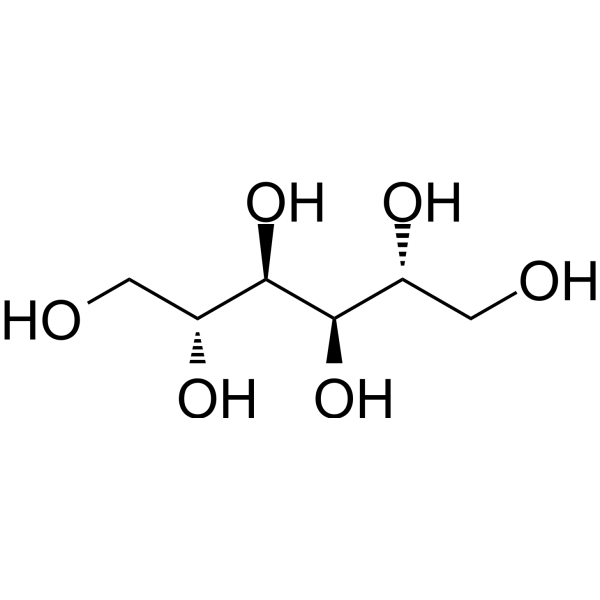
    D-Mannitol
    Maximum Cited Publications
    13 Publications Verification

    Mannitol; Mannite

    Environmental Pollutants Endogenous Metabolite Apoptosis PGC-1α PKA Adrenergic Receptor Cardiovascular Disease Metabolic Disease Cancer
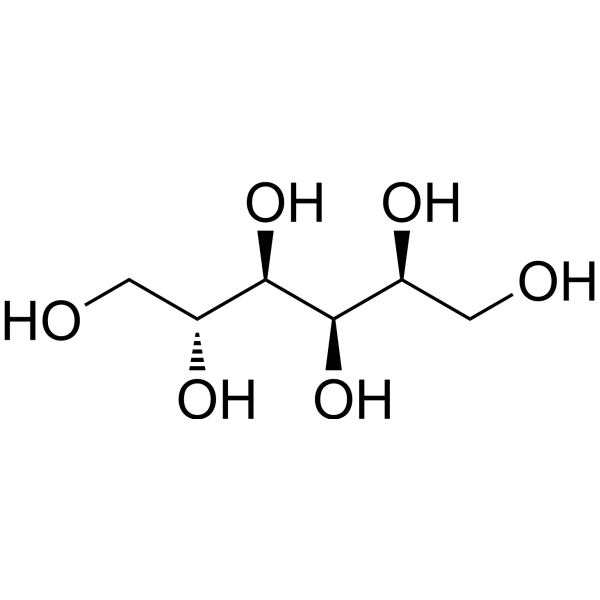
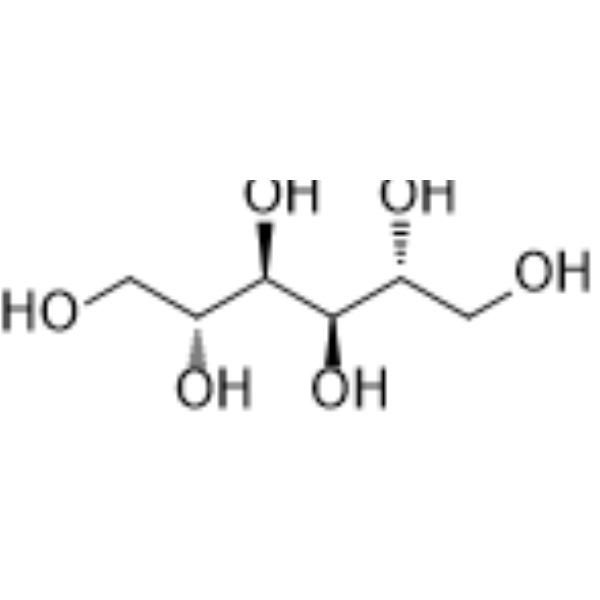
    D-Mannitol (Mannitol) is an oral, resistant sugar widely used in the food and pharmaceutical industries to promote the absorption and retention of calcium and magnesium through cecal fermentation, while acting as a osmotic diuretic to reduce tissue edema. D-Mannitol can enhance brown fat formation, improve insulin effect, reduce blood sugar levels, And through the start the β3-adrenergic receptor (β3-AR), PGC1α and PKA induced by means of white fat cells into brown fat cells . D-Mannitol is commonly used to maintain osmotic pressure between the plant cytoplasm and the culture medium and protect cells when the cell wall is weakened or even removed .
    D-Mannitol
  • HY-B1411
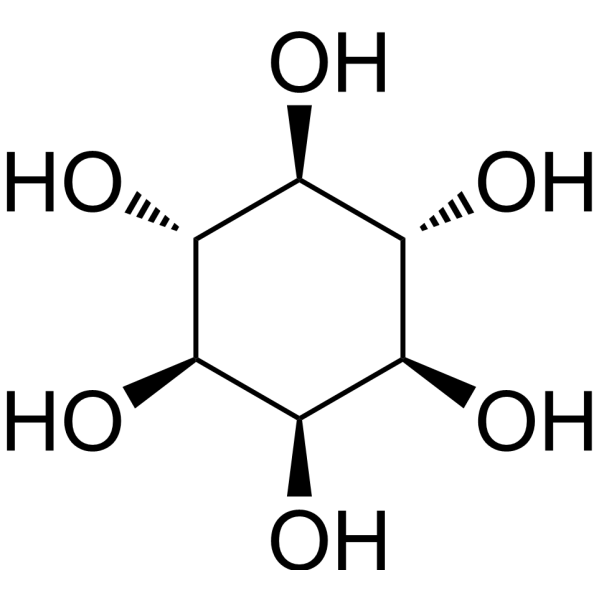
    i-Inositol
    5+ Cited Publications

    myo-Inositol; meso-Inositol

    Endogenous Metabolite Others
    i-Inositol (myo-Inositol) is a compound of sugar alcohols. i-Inositol is involved in a series of biological processes such as insulin signal transduction and cytoskeletal transduction. i-Inositol mainly exists in glial cells and plays an osmotic role .
    i-Inositol
  • HY-P1956
    Human serum albumin
    4 Publications Verification

    HSA

    NF-κB NO Synthase Cardiovascular Disease Inflammation/Immunology Cancer
    Human serum albumin (HSA) is the most abundant protein in plasma and is a major determinant of plasma oncotic pressure. Human serum albumin exhibits antioxidant, anticoagulant, anti-inflammatory, anti-platelet aggregation activities as well as colloid osmotic action. Human serum albumin can block the inhibitory effect of GML on human T cells, providing protective function for T cells. Human serum albumin is also associated with cardiovascular diseases and can partially prevent the LPS (HY-D1056) induced oxidative stress, as well as the upregulation of NF-κB, NF-κB, and peroxynitrite (ONOO ) in the vascular wall, contributing to the reduction of blood pressure .
    This product is recombinant Human Serum Albumin expressed in a microbial expression system.
    Human serum albumin
  • HY-112624P
    Dextran T500 (MW 500,000)
    1 Publications Verification

    Dextran 500; Dextran D500; Dextran T500(MW 440000-560000)

    Biochemical Assay Reagents Others
    Dextran T500 MW 500,000 (Dextran 500; Dextran D500; Dextran T500 MW 440000-560000) is a polymer of anhydroglucose with the average molecular weight of 500,000. Dextran T500 MW 500,000 exhibits good biodegradability and good biocompatibility, that is utilized in food, pharmaceutics, cosmetics, and research area .
    Dextran T500 (MW 500,000)
  • HY-N2024
    Maltose
    1 Publications Verification

    Endogenous Metabolite Glycosidase Metabolic Disease
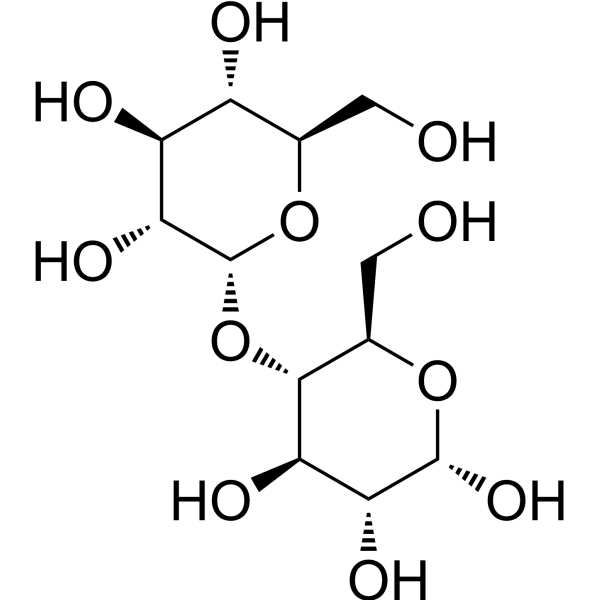
    Maltose is a disaccharide composed of two glucose molecules linked together. Maltose is an endogenous metabolic product in plants, yeast, or bacteria, and it participates in carbon source storage and metabolism. Maltose is a key core metabolite and main transport form in the temporary starch degradation, carbon output, and subsequent sucrose synthesis metabolism of the night chloroplast. In X. dendrorhous, maltose can act as a sugar donor and is converted into isomaltulose by α-glucosidase). Maltose can act as a osmotic agent, supporting continuous capillary ultrafiltration and preventing severe metabolic disorders .
    Maltose
  • HY-112624B

    Dextran 70; Dextran D70; Dextran T70(MW 64000-76000)

    Bacterial Others
    Dextran 70,000 is a high molecular weight polysaccharide formed by glucose linked by α-(1→6) glycosidic bonds. Dextran 70,000 can expand blood volume through colloidal osmotic pressure effect and inhibit cell adhesion and platelet aggregation through steric hindrance. At the same time, Dextran 70,000 can be used as a drug carrier to achieve targeted delivery through endocytosis. Dextran 70,000 is biologically inert and has low immunogenicity. It can be used for clinical blood volume expansion, anti-thrombotic research, and evaluation of vascular permeability in in vitro experiments. It can also be combined with fluorescent dyes for cell tracking and drug delivery research. The Dextran series of compounds are also natural polysaccharide drug carriers that can be connected to drugs through covalent bonding methods such as ester bonds, amide bonds or click chemistry, or self-assembled to form carriers such as nanoparticles and hydrogels. Dextran is biodegradable and biocompatible, and can achieve targeted delivery and controlled release of drugs. Dextran derivatives can prolong the half-life of drugs, increase local concentrations, and reduce the activity of immune clearance.
    Dextran T70 (MW 70,000)
  • HY-P1956A

    HSA (Cell culture grade, Endotoxin<0.125 EU/mg)

    NF-κB NO Synthase Cardiovascular Disease Inflammation/Immunology
    Human serum albumin (Cell culture grade, Endotoxin<0.125 EU/mg) (HSA) is the most abundant protein in plasma and is a major determinant of plasma oncotic pressure. Human serum albumin (Cell culture grade, Endotoxin<0.125 EU/mg) exhibits antioxidant, anticoagulant, anti-inflammatory, anti-platelet aggregation activities as well as colloid osmotic action. Human serum albumin (Cell culture grade, Endotoxin<0.125 EU/mg) can block the inhibitory effect of GML on human T cells, providing protective function for T cells. Human serum albumin (Cell culture grade, Endotoxin<0.125 EU/mg) is also associated with cardiovascular diseases and can partially prevent the LPS (HY-D1056) induced oxidative stress, as well as the upregulation of NF-κB, iNOS, and peroxynitrite (ONOO ) in the vascular wall, contributing to the reduction of blood pressure. Human serum albumin (Cell culture grade, Endotoxin<0.125 EU/mg) can be used for in vitro cell culture .
    This product is human serum albumin recombinantly expressed in an Escherichia coli expression system.
    Human serum albumin (Cell culture grade, Endotoxin<0.125 EU/mg)
  • HY-111355B

    Sirtuin Endogenous Metabolite PKC AMPK DOCK Metabolic Disease Inflammation/Immunology Cancer
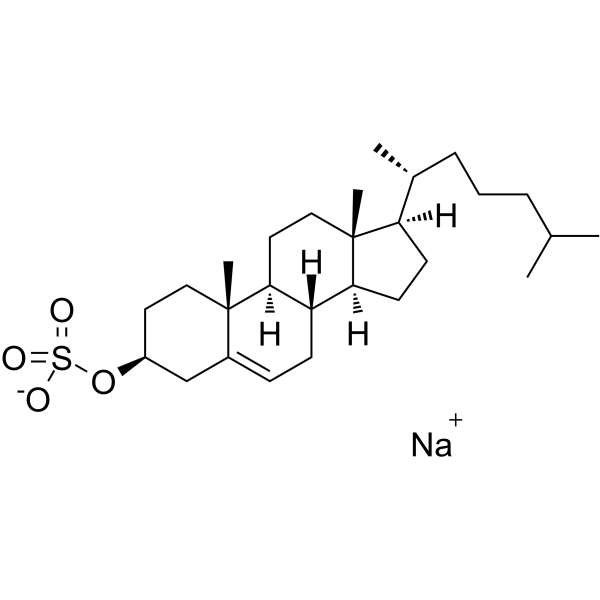
    Cholesterol sulfate sodium is a naturally occurring, orally active cholesterol derivative that is widely distributed in various tissues and body fluids. Cholesterol sulfate sodium acts as a DOCK2 inhibitor, with IC50 values of 2 μM and 2.9 μM against mouse and human targets, respectively. Cholesterol sulfate sodium restricts excessive neutrophil infiltration and alleviates intestinal inflammation and damage. Cholesterol sulfate sodium serves as an activator of protein kinase C (PKC), which promotes squamous cell differentiation and inhibits skin carcinogenesis. Cholesterol sulfate sodium regulates cholesterol homeostasis and cellular metabolism by activating the AMPK-Sirt1 pathway. Cholesterol sulfate sodium can be used in research related to actinic keratitis, ulcerative colitis, skin cancer, and other conditions .
    Cholesteryl sulfate sodium
  • HY-Y0308

    Environmental Pollutants Biochemical Assay Reagents Others
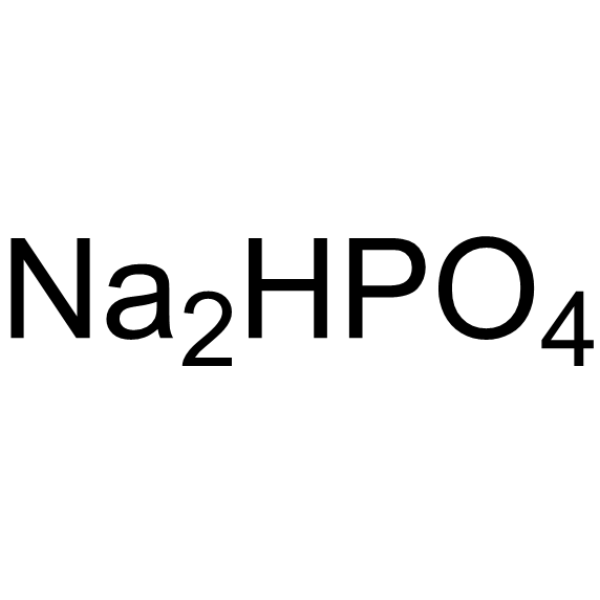
    Disodium phosphate is commonly used as a food additive, buffer and laboratory reagent. Disodium phosphate has unique chemical properties that make it an important ingredient in the manufacture of fertilizers, detergents and water treatment products. Additionally, it is used in various medical applications such as osmotic laxatives and electrolyte replacement solutions.
    Disodium phosphate
  • HY-N2024A
    Maltose monohydrate
    1 Publications Verification

    Endogenous Metabolite Glycosidase Metabolic Disease
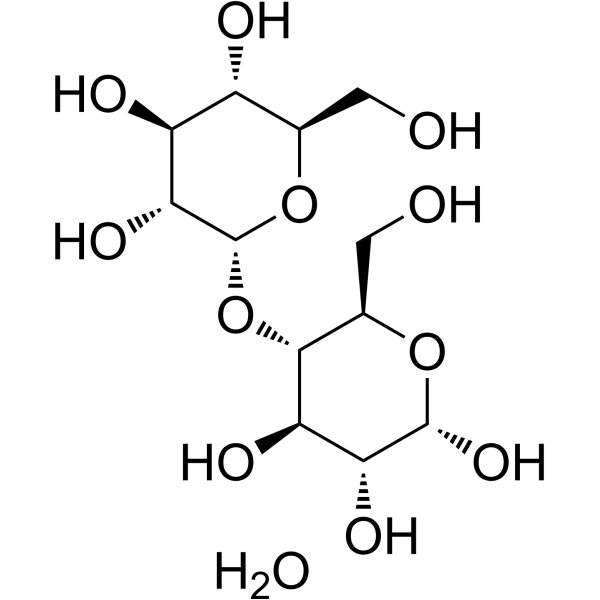
    Maltose monohydrate is a disaccharide composed of two glucose molecules linked together. Maltose monohydrate is an endogenous metabolic product in plants, yeast, or bacteria, and it participates in carbon source storage and metabolism. Maltose monohydrate is a key core metabolite and main transport form in the temporary starch degradation, carbon output, and subsequent sucrose synthesis metabolism of the night chloroplast. In X. dendrorhous, maltose can act as a sugar donor and is converted into isomaltulose by α-glucosidase. Maltose monohydrate can act as a osmotic agent, supporting continuous capillary ultrafiltration and preventing severe metabolic disorders .
    Maltose monohydrate
  • HY-150097

    Biochemical Assay Reagents Metabolic Disease Inflammation/Immunology Cancer
    Recombinant Human Serum Albumin (rHSA) is a non-glycosylated monomeric plasma protein that acts as a core factor for maintaining plasma colloid osmotic pressure. Recombinant Human Serum Albumin (rHSA) possesses multiple physiological functions including carrier, metabolic regulation, detoxification, antioxidation and enzyme mimicking. Recombinant Human Serum Albumin (rHSA) not only scavenges reactive oxygen and nitrogen species via specific residues and binds a variety of endogenous and exogenous compounds to maintain redox homeostasis, but also serves as a biomarker for multiple diseases such as cancer and inflammation. Recombinant Human Serum Albumin (rHSA) broadly supports the development of implantable materials, surgical adhesives and ligand capture, and can be used for research on critical illnesses including hypovolemia, liver failure, severe sepsis and various types of trauma resuscitation .
    Recombinant Human Serum Albumin(rHSA)
  • HY-112624J

    Dextran 4; Dextran D4; Dextran T4(MW 3200-4800)

    Bacterial Others
    Dextran 4,000 is a mucus rheology modifier. The dextran molecules in Dextran 4,000 can reduce the cross-link density of mucus through osmotic effects and hydrogen bond substitution, and reduce viscoelasticity and improve the mucociliary/cough clearance index by destroying the DNA-mucin network structure in mucus. Dextran 4,000 has the ability to improve the rheological properties and clearance ability of cystic fibrosis (CF) sputum, and can be used in the study of inhalation therapy or aerosol delivery of mucostatic respiratory diseases. The Dextran series of compounds are also natural polysaccharide drug carriers that can be connected to drugs through covalent bonding methods such as ester bonds, amide bonds or click chemistry, or self-assembled to form carriers such as nanoparticles and hydrogels. Dextran is biodegradable and biocompatible, and can achieve targeted delivery and controlled release of drugs. Dextran derivatives can prolong the half-life of drugs, increase local concentrations, and reduce the activity of immune clearance .
    Dextran T4 (MW 4,000)
  • HY-A0080
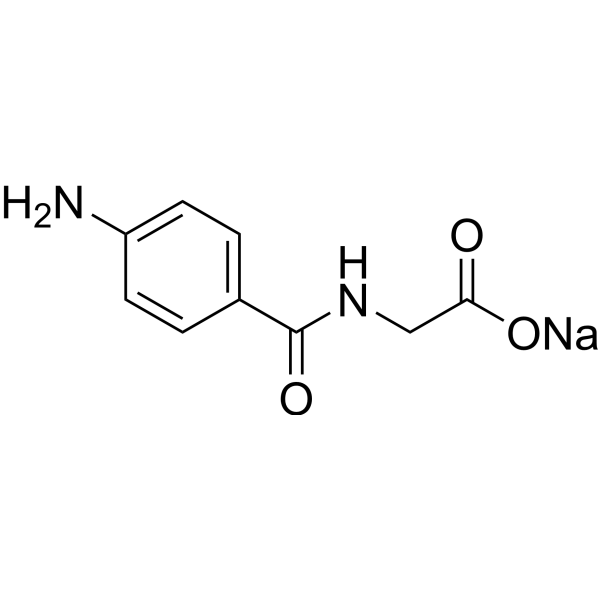
    Aminohippurate sodium
    4 Publications Verification

    Sodium p-aminohippurate; p-Aminohippuric acid sodium salt

    Biochemical Assay Reagents
    Aminohippurate sodium is a renal tubular transport inhibitor and a substrate for organic anion transporters. Aminohippurate sodium inhibits renal tubular reabsorption of phosphate and promotes increased urinary phosphate excretion. Aminohippurate sodium inhibits renal tubular reabsorption of vitamin C as well as the transport of glucose .
    Aminohippurate sodium
  • HY-112624D

    Dextran 60; Dextran D60; Dextran T60(MW 54000-66000)

    Biochemical Assay Reagents Others
    Dextran T60 MW 60,000 (Dextran 60; Dextran D60; Dextran T60 MW 54000-66000) is a polymer of anhydroglucose with the average molecular weight of 60,000. Dextran T60 MW 60,000 exhibits good biodegradability and good biocompatibility, that is utilized in food, pharmaceutics, cosmetics, and research area .
    Dextran T60 (MW 60,000)
  • HY-N0378R
    D-Mannitol (Standard)
    Maximum Cited Publications
    13 Publications Verification

    Mannitol(Standard); Mannite (Standard)

    Reference Standards Endogenous Metabolite Apoptosis PGC-1α Adrenergic Receptor PKA Cardiovascular Disease Metabolic Disease Cancer
    D-Mannitol (Standard) is the analytical standard of D-Mannitol (HY-N0378). This product is intended for research and analytical applications. D-Mannitol (Mannitol) is an oral, resistant sugar widely used in the food and pharmaceutical industries to promote the absorption and retention of calcium and magnesium through cecal fermentation, while acting as a osmotic diuretic to reduce tissue edema. D-Mannitol can enhance brown fat formation, improve insulin effect, reduce blood sugar levels, And through the start the β3-adrenergic receptor (β3-AR), PGC1α and PKA induced by means of white fat cells into brown fat cells . D-Mannitol is commonly used to maintain osmotic pressure between the plant cytoplasm and the culture medium and protect cells when the cell wall is weakened or even removed .
    D-Mannitol (Standard)
  • HY-N2024AS1

    Isotope-Labeled Compounds Endogenous Metabolite Glycosidase Metabolic Disease
    Maltose monohydrate- 13C12 is the 13C labeled isotope of Maltose monohydrate. Maltose monohydrate is a disaccharide composed of two glucose molecules linked together. Maltose monohydrate is an endogenous metabolic product in plants, yeast, or bacteria, and it participates in carbon source storage and metabolism. Maltose monohydrate is a key core metabolite and main transport form in the temporary starch degradation, carbon output, and subsequent sucrose synthesis metabolism of the night chloroplast. In X. dendrorhous, maltose can act as a sugar donor and is converted into isomaltulose by α-glucosidase. Maltose monohydrate can act as a osmotic agent, supporting continuous capillary ultrafiltration and preventing severe metabolic disorders.
    Maltose-13C12 monohydrate
  • HY-112624Q

    Dextran 800; Dextran D800; Dextran T800(MW 750000-850000)

    Biochemical Assay Reagents Others
    Dextran T800 MW 800,000 (Dextran 800; Dextran D800; Dextran T800 MW 750000-850000) is a polymer of anhydroglucose with the average molecular weight of 800,000. Dextran T800 MW 800,000 exhibits good biodegradability and good biocompatibility, that is utilized in food, pharmaceutics, cosmetics, and research area .
    Dextran T800 (MW 800,000)
  • HY-174166

    Aquaporin Metabolic Disease
    AqF026 is an aquaporin 1 (AQP1) agonist. AqF026 enhances the channel activity of human AQP1 in the Xenopus laevis oocyte system. AqF026 enhances the osmotic transport of water across the peritoneum in a mouse model of peritoneal dialysis. AqF026 can be used in studies related to ultrafiltration failure in peritoneal dialysis .
    AqF026
  • HY-P5255

    Bacterial Infection Inflammation/Immunology
    Oligopeptide-10 is a bioactive peptide with antimicrobial activity. Oligopeptide-10 exhibits broad-spectrum bactericidal effects against Gram-positive bacteria including Propionibacterium acnes and Staphylococcus aureus. Oligopeptide-10 targets lipoteichoic acid (LTA) on the surface of bacterial cell membranes, induces bacterial osmotic imbalance by disrupting the integrity of bacterial membranes, and reduces the release of pro-inflammatory cytokines induced by bacteria. Oligopeptide-10 possesses skin-protective activity. Oligopeptide-10 can be applied in research related to acne vulgaris, dandruff, seborrheic dermatitis, and tinea pedis .
    Oligopeptide-10
  • HY-B0293A
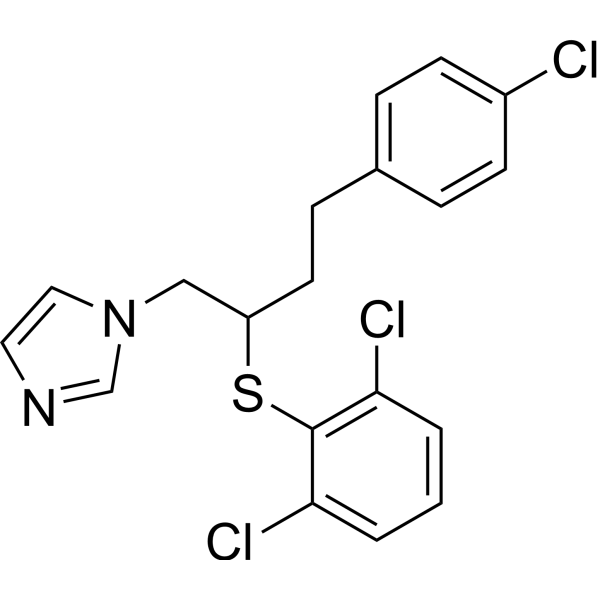
    Butoconazole
    2 Publications Verification

    Fungal Infection
    Butoconazole, an imidazole antifungal agent, is active against Candida spp. and effective against vaginal infections due to Candida albicans. Butoconazole is presumed to function as other imidazole derivatives via inhibition of steroid synthesis .
    Butoconazole
  • HY-B0400B

    Sorbito, for cell culture; D-Glucitol, for cell culture

    Environmental Pollutants Biochemical Assay Reagents Others
    D-Sorbitol (D-Glucitol), for cell culture is a six-carbon sugar alcohol that can be used as a sugar substitute. D-Sorbitol, for cell culture serves as an osmotic regulator, cryoprotectant and carbon source in various plant and microbial cell culture media .
    D-Sorbitol, for cell culture
  • HY-154636

    Biochemical Assay Reagents Endocrinology
    Liquid Paraffin is a petroleum-derived mixture of saturated hydrocarbons and an orally active fecal lubricant. Liquid Paraffin is widely used in studies of constipation and fecal incontinence in children through its lubricating effect and the osmotic effect generated by its conversion to hydroxy fatty acids. Liquid Paraffin has high safety, is non-carcinogenic, and does not affect fat-soluble vitamin levels with long-term use. Liquid Paraffin does not cause abdominal pain or electrolyte disorders, but may lead to lipoid pneumonia and granulomas caused by rectal administration. Liquid Paraffin can also be used as a phase change material for thermal energy storage, or combined with nanoparticles to form a protective boundary film to reduce mechanical wear .
    Liquid Paraffin
  • HY-W105506

    s,s-Dimethyl-β-propionic acid thetine

    Drug Intermediate Others
    Dimethylpropiothetin hydrochloride is a dimethylsulfide precursor. Dimethylpropiothetin hydrochloride can be isolated from the marine coccolithophore Hymenomonas carterae. Dimethylpropiothetin hydrochloride participates in the maintenance of cellular osmotic pressure .
    Dimethylpropiothetin hydrochloride
  • HY-156045C

    Biochemical Assay Reagents Others
    Cross-linked dextran G 200 is a hydrophilic gel based on molecular size exclusion and targeted macromolecular separation. Cross-linked dextran G 200 works through the gel permeation mechanism, and the cross-linked structure forms a three-dimensional network with a specific pore size, achieving separation based on the molecular hydrodynamic volume. Cross-linked dextran G 200 can be used to adjust the osmotic solute distribution coefficient and the ability to maintain osmotic equilibrium, such as in gel filtration chromatography for purification and analysis of biomacromolecules such as proteins and nucleic acids . Cross-linked dextran G 200 can also be used as a gel filtration filler (particle size range: 40-120 μm; globular protein separation range: 5-600 kDa) .
    Cross-linked dextran G 200
  • HY-B1411R

    myo-Inositol (Standard); meso-Inositol (Standard)

    Reference Standards Endogenous Metabolite Others
    i-Inositol (Standard) is the analytical standard of i-Inositol. This product is intended for research and analytical applications. i-Inositol (myo-Inositol) is a compound of sugar alcohols. i-Inositol is involved in a series of biological processes such as insulin signal transduction and cytoskeletal transduction. i-Inositol mainly exists in glial cells and plays an osmotic role .
    i-Inositol (Standard)
  • HY-W094517

    Biochemical Assay Reagents Endocrinology
    Sodium phosphate dibasic heptahydrate is an orally active and osmotic laxative, often used as a component of over-the-counter gastrointestinal lavage drugs. Sodium phosphate dibasic heptahydrate draws water into the intestinal lumen, maintains electrical neutrality by retaining cations in the intestinal lumen, and thereby alters fecal volume, consistency and phosphate levels. Sodium phosphate dibasic heptahydrate can be used to generate self-assembled calcium phosphate tubular scaffolds, which support the adhesion, survival and elongation of mesenchymal stem cells. Sodium phosphate dibasic heptahydrate can be applied to research on factitious disorders and related fields .
    Sodium phosphate dibasic heptahydrate
  • HY-N2024R

    Reference Standards Endogenous Metabolite Glycosidase Metabolic Disease
    Maltose (Standard) is the analytical standard of Maltose. This product is intended for research and analytical applications. Maltose is a disaccharide composed of two glucose molecules linked together. Maltose is an endogenous metabolic product in plants, yeast, or bacteria, and it participates in carbon source storage and metabolism. Maltose is a key core metabolite and main transport form in the temporary starch degradation, carbon output, and subsequent sucrose synthesis metabolism of the night chloroplast. In X. dendrorhous, maltose can act as a sugar donor and is converted into isomaltulose by α-glucosidase (α-Glucosidase). Maltose can act as a osmotic agent, supporting continuous capillary ultrafiltration and preventing severe metabolic disorders.
    Maltose (Standard)
  • HY-W342021

    H-Thr-Leu-OH; L-Threonyl-L-leucine

    Amino Acid Derivatives Others
    Thr-Leu is a dipeptide composed of threonine and leucine. Thr-Leu can be hydrolyzed in the peritoneal cavity to generate constituent amino acids, thereby increasing the osmotic pressure of the dialysate. Thr-Leu can be used for the kinetic study of amino acid-based peritoneal dialysis fluids .
    Thr-Leu
  • HY-B0710R

    Trimethylglycine (Standard); carboxy-N,N,N-trimethylmethanaminium (Standard)

    Endogenous Metabolite Metabolic Disease
    Betaine (Standard) is the analytical standard of Betaine. This product is intended for research and analytical applications. Betaine (Trimethylglycine) is a natural compound found in many foods and also an active methyl-donor which can maintain normal DNA methylation patterns [1,2]. Betaine is found ubiquitously in plants, animals, microorganisms, and rich dietary sources including seafood, spinach, and wheat bran. Betaine also acts as an osmolyte, to maintain the avian’s cellular water and ion balance to improve the avian’s capacity against heat stress via preventing dehydration and osmotic inactivation. It helps in maintaining the protective osmolytic activity, especially in heat-stressed birds. Betaine may promote various intestinal microbes against osmotic variations and thus improve microbial fermentation activity .
    Betaine (Standard)
  • HY-108798

    VEGFR Cardiovascular Disease Cancer
    Ziv-aflibercept is a soluble inhibitor of vascular endothelial growth factor (VEGF). Ziv-aflibercept is an adaptive variant of Aflibercept (HY-108801), Ziv-aflibercept has a low PH value and high osmotic pressure when compared to Aflibercept. Ziv-aflibercept has potential applications in metastatic colorectal carcinoma and retinal diseases .
    Ziv-aflibercept
  • HY-N0378S1

    Mannitol-13C; Mannite-13C

    Isotope-Labeled Compounds Endogenous Metabolite Apoptosis PGC-1α Adrenergic Receptor PKA Cardiovascular Disease Metabolic Disease Cancer
    D-Mannitol- 13C is the 13C labeled D-Mannitol (HY-N0378). D-Mannitol (Mannitol) is an oral, resistant sugar widely used in the food and pharmaceutical industries to promote the absorption and retention of calcium and magnesium through cecal fermentation, while acting as a osmotic diuretic to reduce tissue edema. D-Mannitol can enhance brown fat formation, improve insulin effect, reduce blood sugar levels, And through the start the β3-adrenergic receptor (β3-AR), PGC1α and PKA induced by means of white fat cells into brown fat cells . D-Mannitol is commonly used to maintain osmotic pressure between the plant cytoplasm and the culture medium and protect cells when the cell wall is weakened or even removed .
    D-Mannitol-13C
  • HY-N2024B

    Endogenous Metabolite Glycosidase Metabolic Disease
    Maltose solution, 20% in H2O is a 20% aqueous maltose solution. Maltose is a disaccharide composed of two glucose molecules linked together. Maltose is an endogenous metabolic product in plants, yeast, or bacteria, and it participates in carbon source storage and metabolism. Maltose is a key core metabolite and main transport form in the temporary starch degradation, carbon output, and subsequent sucrose synthesis metabolism of the night chloroplast. In X. dendrorhous, maltose can act as a sugar donor and is converted into isomaltulose by α-glucosidase. Maltose can act as a osmotic agent, supporting continuous capillary ultrafiltration and preventing severe metabolic disorders .
    Maltose solution, 20% in H2O
  • HY-150137

    Biochemical Assay Reagents Others
    Iomeprol is a nonionic X-ray contrast agent with low osmotic pressure, stable chemical properties, and can withstand high temperature sterilization. Iomeprol can be widely used in vascular, body cavity, and gastrointestinal angiography examinations .
    Iomeprol
  • HY-B0710S

    Trimethylglycine-13C3; Carboxy-N,N,N-trimethylmethanaminium-13C3

    Isotope-Labeled Compounds Metabolic Disease
    Betaine- 13C3 (Trimethylglycine- 13C3) is the 13C labeled isotope of Betaine (HY-B0710). Betaine (Trimethylglycine) is a natural compound found in many foods and also an active methyl-donor which can maintain normal DNA methylation patterns [1,2]. Betaine is found ubiquitously in plants, animals, microorganisms, and rich dietary sources including seafood, spinach, and wheat bran. Betaine also acts as an osmolyte, to maintain the avian’s cellular water and ion balance to improve the avian’s capacity against heat stress via preventing dehydration and osmotic inactivation. It helps in maintaining the protective osmolytic activity, especially in heat-stressed birds. Betaine may promote various intestinal microbes against osmotic variations and thus improve microbial fermentation activity .
    Betaine-13C3
  • HY-N0378S2

    Mannitol-13C6; Mannite-13C6

    Isotope-Labeled Compounds Endogenous Metabolite Apoptosis PGC-1α Adrenergic Receptor PKA Cardiovascular Disease Metabolic Disease Cancer
    D-Mannitol- 13C6 is the 13C labeled D-Mannitol (HY-N0378). D-Mannitol (Mannitol) is an oral, resistant sugar widely used in the food and pharmaceutical industries to promote the absorption and retention of calcium and magnesium through cecal fermentation, while acting as a osmotic diuretic to reduce tissue edema. D-Mannitol can enhance brown fat formation, improve insulin effect, reduce blood sugar levels, And through the start the β3-adrenergic receptor (β3-AR), PGC1α and PKA induced by means of white fat cells into brown fat cells . D-Mannitol is commonly used to maintain osmotic pressure between the plant cytoplasm and the culture medium and protect cells when the cell wall is weakened or even removed .
    D-Mannitol-13C6
  • HY-N2024AS

    Isotope-Labeled Compounds Endogenous Metabolite Glycosidase Metabolic Disease
    Maltose monohydrate-d14 is the deuterium labeled Maltose monohydrate. Maltose monohydrate is a disaccharide composed of two glucose molecules linked together. Maltose monohydrate is an endogenous metabolic product in plants, yeast, or bacteria, and it participates in carbon source storage and metabolism. Maltose monohydrate is a key core metabolite and main transport form in the temporary starch degradation, carbon output, and subsequent sucrose synthesis metabolism of the night chloroplast. In X. dendrorhous, maltose can act as a sugar donor and is converted into isomaltulose by α-glucosidase. Maltose monohydrate can act as a osmotic agent, supporting continuous capillary ultrafiltration and preventing severe metabolic disorders.
    Maltose monohydrate-d14
  • HY-W134328B

    Dextran blue (MW 10000)

    Biochemical Assay Reagents Others
    Blue dextran (Dextran blue) (MW 10000) is a 10 kDa osmotic dextran. Blue dextran (MW 10000) penetrates all sublayers of the pre-epithelial mucus gel layer in the rat distal colon and is taken up by the nuclei of surface cells in the rat distal colonic mucosa. Blue dextran (MW 10000) is not blocked by the pre-epithelial mucus gel layer of the rat distal colon, which acts as a diffusion barrier .
    Blue dextran (MW 10000)
  • HY-D1701

    Fluorescent Dye Others
    Calcium is an important part of the human body, usually in the form of calcium, a large number of bones and teeth of the human body, a small amount of blood and tissues. MCE calcium ion detection probe can specifically identify intracellular calcium ions, with high sensitivity, low cytotoxicity, increased AM acetylmethyl ester can enter the cell well, after being sheared by the intracellular esterase stay in the cell to bind to calcium ions, produce strong fluorescence, in addition, Mag-indo-1/AM and Mag-Fluo-4 AM at a certain concentration (usually 5 mM) can effectively identify intracellular magnesium ions .
    Mag-Fura-2 AM
  • HY-P1542B

    Catostomus urotensin I TFA

    CRFR Cardiovascular Disease Endocrinology
    Urotensin I (Catostomus urotensin I) TFA, a CRF-like neuropeptide, acts as an agonist of CRF receptor with pEC50s of 11.46, 9.36 and 9.85 for human CRF1, human CRF2 and rat CRF receptors in CHO cells, and Kis of 0.4, 1.8, and 5.7 nM for hCRF1, rCRF and mCRF receptors, respectively .
    Urotensin I TFA
  • HY-P1542

    Catostomus urotensin I

    CRFR Cardiovascular Disease Endocrinology
    Urotensin I (Catostomus urotensin I), a CRF-like neuropeptide, acts as an agonist of CRF receptor with pEC50s of 11.46, 9.36 and 9.85 for human CRF1, human CRF2 and rat CRF receptors in CHO cells, and Kis of 0.4, 1.8, and 5.7 nM for hCRF1, rCRF and mCRF receptors, respectively .
    Urotensin I
  • HY-N0378S4

    Mannitol-d2; Mannite-d2

    Isotope-Labeled Compounds Endogenous Metabolite Apoptosis PGC-1α Adrenergic Receptor PKA Cardiovascular Disease Metabolic Disease Cancer
    D-Mannitol-d2 is the deuterium labeled D-Mannitol (HY-N0378). D-Mannitol (Mannitol) is an oral, resistant sugar widely used in the food and pharmaceutical industries to promote the absorption and retention of calcium and magnesium through cecal fermentation, while acting as a osmotic diuretic to reduce tissue edema. D-Mannitol can enhance brown fat formation, improve insulin effect, reduce blood sugar levels, And through the start the β3-adrenergic receptor (β3-AR), PGC1α and PKA induced by means of white fat cells into brown fat cells . D-Mannitol is commonly used to maintain osmotic pressure between the plant cytoplasm and the culture medium and protect cells when the cell wall is weakened or even removed .
    D-Mannitol-d2
  • HY-N2024AR

    Reference Standards Endogenous Metabolite Glycosidase Metabolic Disease
    Maltose monohydrate (Standard) is the analytical standard of Maltose monohydrate. This product is intended for research and analytical applications. Maltose monohydrate is a disaccharide composed of two glucose molecules linked together. Maltose monohydrate is an endogenous metabolic product in plants, yeast, or bacteria, and it participates in carbon source storage and metabolism. Maltose monohydrate is a key core metabolite and main transport form in the temporary starch degradation, carbon output, and subsequent sucrose synthesis metabolism of the night chloroplast. In X. dendrorhous, maltose can act as a sugar donor and is converted into isomaltulose by α-glucosidase. Maltose monohydrate can act as a osmotic agent, supporting continuous capillary ultrafiltration and preventing severe metabolic disorders.
    Maltose monohydrate (Standard)
  • HY-N0378AGL

    Mannitol, M200 (GMP Like); Mannite, M200 (GMP Like)

    Endogenous Metabolite Apoptosis Adrenergic Receptor PGC-1α PKA Cardiovascular Disease Metabolic Disease Cancer
    D-Mannitol, M200 (GMP Like) (Mannitol, M200 (GMP Like)) is the GMP Like class D-Mannitol that can be used as pharmaceutical excipients. D-Mannitol (Mannitol) is an oral, resistant sugar widely used in the food and pharmaceutical industries to promote the absorption and retention of calcium and magnesium through cecal fermentation, while acting as a osmotic diuretic to reduce tissue edema. D-Mannitol can enhance brown fat formation, improve insulin effect, reduce blood sugar levels, And through the start the β3-adrenergic receptor (β3-AR), PGC1α and PKA induced by means of white fat cells into brown fat cells .
    D-Mannitol, M200 (GMP Like)
  • HY-118265

    Endogenous Metabolite Others
    N-Acetylglutaminylglutamine amide is a dipeptide previously reported only in osmotically stressed Rhizobium meliloti and Pseudomonas fluorescens .
    N-Acetylglutaminylglutamine amide
  • HY-W105506R

    s,s-Dimethyl-β-propionic acid thetine (Standard)

    Reference Standards Endogenous Metabolite Others
    Dimethylpropiothetin hydrochloride (Standard) is the analytical standard of Dimethylpropiothetin hydrochloride. This product is intended for research and analytical applications. Dimethylpropiothetin hydrochloride (s,s-Dimethyl-β-propionic acid thetine) is the hydrochloride form of dimethylpropiothetin. Dimethylpropiothetin can be isolated in marine algae, and is a precursor to dimethylsulfide (DMS). Dimethylpropiothetin is involved in osmoregulation in Hymenomonas carterae .
    Dimethylpropiothetin hydrochloride (Standard)
  • HY-W342021R

    H-Thr-Leu-OH (Standard); L-Threonyl-L-leucine (Standard)

    Reference Standards Others Others
    Thr-Leu is a dipeptide composed of threonine and leucine. Thr-Leu can be hydrolyzed in the peritoneal cavity to generate constituent amino acids, thereby increasing the osmotic pressure of the dialysate. Thr-Leu can be used for the kinetic study of amino acid-based peritoneal dialysis fluids .
    Thr-Leu (Standard)
  • HY-E70800

    Mixed Lineage Kinase Cancer
    MLK2 is a kinase for phosphorylation of H3 at threonine 3 and is associated with the osmotic stress response. MLK2 is involved in multiple signaling pathways in the developmental process. Biotin-MLK2 Recombinant Human Active Protein Kinase is obtained by expressing MLK2 proteins and is biotinylated .
    Biotin-MLK2 Recombinant Human Active Protein Kinase
  • HY-E70799

    Mixed Lineage Kinase Cancer
    MLK1 is a kinase for phosphorylation of H3 at threonine 3 and is associated with the osmotic stress response. MLK1 is involved in multiple signaling pathways in the developmental process. Biotin-MLK1 Recombinant Human Active Protein Kinase is obtained by expressing MLK1 proteins and is biotinylated .
    Biotin-MLK1 Recombinant Human Active Protein Kinase
  • HY-N0378S

    Mannitol-d8; Mannite-d8

    Isotope-Labeled Compounds Endogenous Metabolite Apoptosis PGC-1α Adrenergic Receptor PKA Cardiovascular Disease Metabolic Disease Cancer
    D-Mannitol-d8 is the deuterium labeled D-Mannitol (HY-N0378). D-Mannitol (Mannitol) is an oral, resistant sugar widely used in the food and pharmaceutical industries to promote the absorption and retention of calcium and magnesium through cecal fermentation, while acting as a osmotic diuretic to reduce tissue edema. D-Mannitol can enhance brown fat formation, improve insulin effect, reduce blood sugar levels, And through the start the β3-adrenergic receptor (β3-AR), PGC1α and PKA induced by means of white fat cells into brown fat cells . D-Mannitol is commonly used to maintain osmotic pressure between the plant cytoplasm and the culture medium and protect cells when the cell wall is weakened or even removed .
    D-Mannitol-d8

Inquiry Online

Your information is safe with us. * Required Fields.

Salutation


Country or Region *

Applicant Name *


Organization Name *

Department *


Email Address *


Product Name *

Cat. No.


Requested quantity *

Phone Number *


Remarks

Inquiry Online

Inquiry Information

Product Name:
Cat. No.:
Quantity:
MCE Japan Authorized Agent:

