1. Search Result
Search Result
Results for "

pathogenic fungi

" in MedChemExpress (MCE) Product Catalog:

83

Inhibitors & Agonists

1

Fluorescent Dyes

2

Peptides

40

Natural
Products

5

Isotope-Labeled Compounds

1

Oligonucleotides

Cat. No. Product Name Target Research Areas Chemical Structure
  • HY-43520

    Fluorescent Dye Others
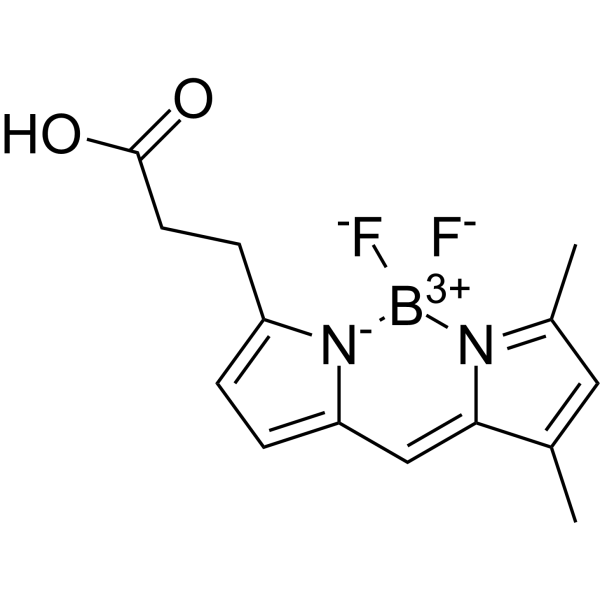
    BODIPY-FL is a green fluorescent dye that can be used to label probes or primers. BODIPY-FL fluorescence can be quenched after interacting with uniquely positioned guanine, making it useful for quantifying specific DNA or RNA molecules. The maximum absorption wavelength of BODIPY-FL is 505 nm, and the maximum emission wavelength is 513 nm .
    BODIPY-FL
  • HY-N1970
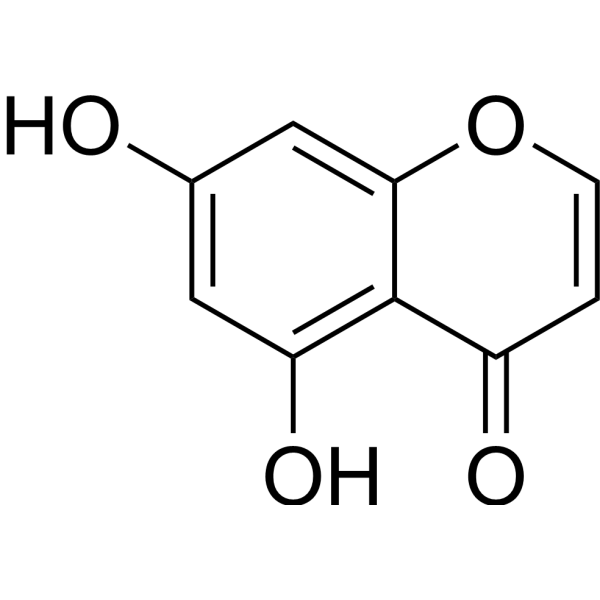
    5,7-Dihydroxychromone
    2 Publications Verification

    Keap1-Nrf2 Caspase PARP Fungal Infection Neurological Disease Metabolic Disease Inflammation/Immunology Cancer
    5,7-Dihydroxychromone is a flavonoid compound with antioxidant properties. 5,7-Dihydroxychromone induces Nrf2 nuclear translocation, increases Nrf2/ARE binding activity, and up-regulates Nrf2-dependent antioxidant genes HO-1, NQO1, GCLc. 5,7-Dihydroxychromone attenuates excessive ROS generation, inhibits activated caspase-3, caspase-9, cleaved PARP expression, and prevents neuronal apoptosis and cell death. 5,7-Dihydroxychromone increases LXRα and PPARγ mRNA expression, induces preadipocyte differentiation, and regulates blood glucose levels. 5,7-Dihydroxychromone inhibits radial growth of soil pathogenic fungi, radicle elongation of select seedlings, and transiently inhibits Bradyrhizobium sp. growth in high mannitol medium. 5,7-Dihydroxychromone can be used for the research of Parkinson’s disease, type 2 diabetes mellitus and pathogenic fungal infection .
    5,7-Dihydroxychromone
  • HY-116214

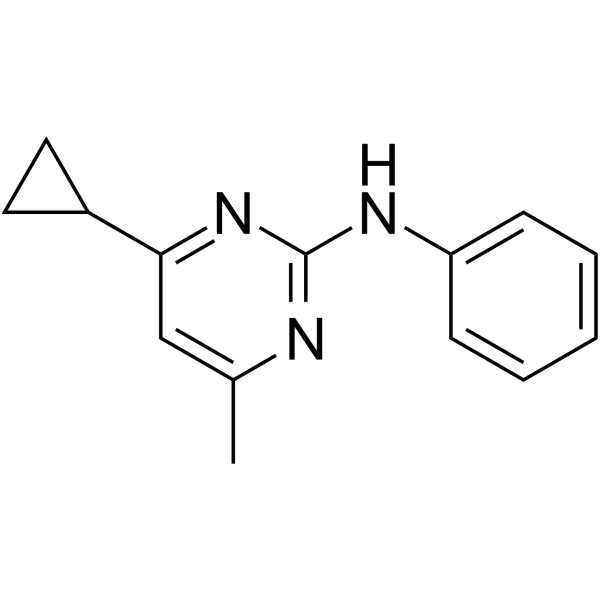
    CGA-219417

    Environmental Pollutants Aryl Hydrocarbon Receptor Androgen Receptor Fungal PERK Cytochrome P450 Infection Endocrinology
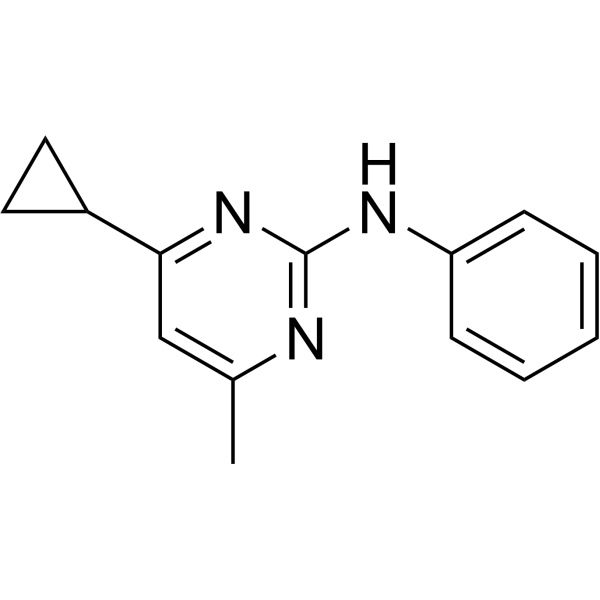
    Cyprodinil (CGA-219417) is a broad-spectrum anilinopyrimidine fungicide and an activator of the aryl hydrocarbon receptor. Cyprodinil also has anti-androgenic and androgenic activities. Cyprodinil can inhibit the biosynthesis of methionine in plant-pathogenic fungi and protect fruits and vegetables from a variety of pathogens .
    Cyprodinil
  • HY-168398

    Endogenous Metabolite Infection
    9(S),12(S),13(S)-TriHODE is a plant oxylipin and trihydroxylated fatty acid. 9(S),12(S),13(S)-TriHODE can be used in research on bacterial infection and fungal infection .
    9(S),12(S),13(S)-TriHODE
  • HY-W020043

    Fungal Infection
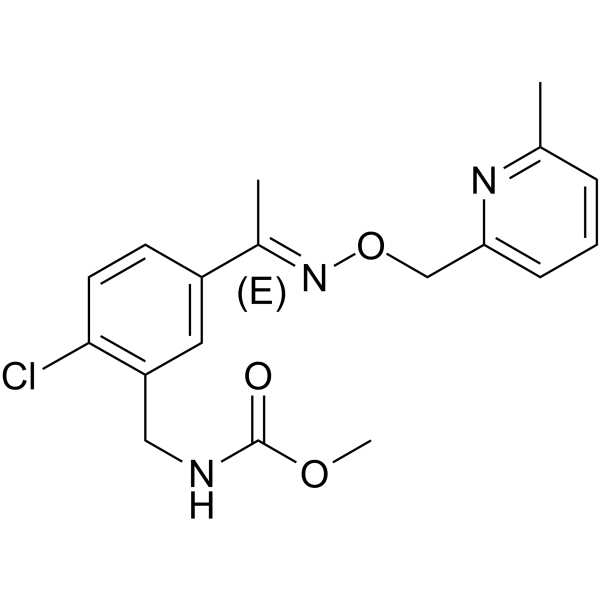
    Pyribencarb is a benzylcarbamate-type fungicide, which is active against a wide range of plant pathogenic fungi. Pyribencarb is a potent Qo inhibitor of cytochrome b. Pyribencarb is especially active against Botrytis cinerea and Sclerotinia sclerotirum .
    Pyribencarb
  • HY-112176
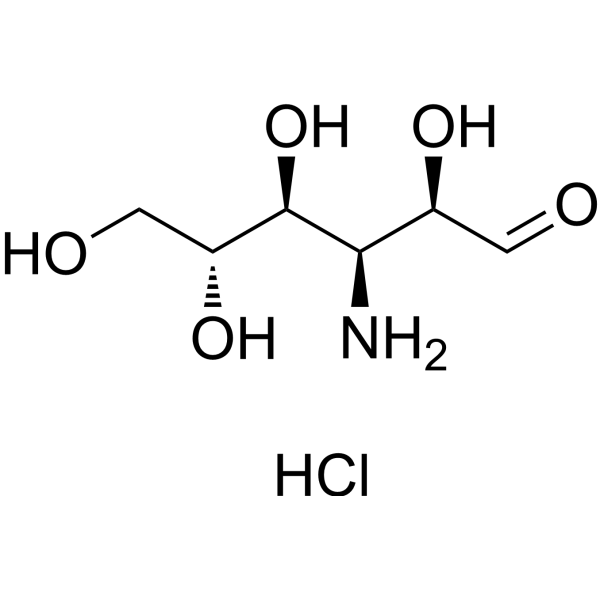
    Kanosamine hydrochloride
    2 Publications Verification

    Fungal Bacterial Antibiotic Infection
    Kanosamine hydrochloride is an antibiotic which inhibits the growth of plant-pathogenic oomycetes, certain fungi and a few bacterial species. Kanosamine inhibits Phytophthora medicaginis M2913 and Aphanomyces euteiches WI-98 with MICs of 25 and 60 μg/mL, respectively.
    Kanosamine hydrochloride
  • HY-126200

    Environmental Pollutants Fungal Infection
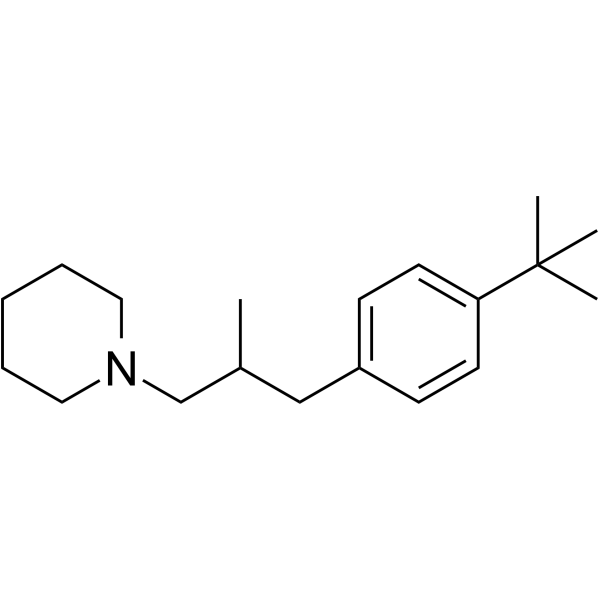
    Fenpropidin, a piperidine, is a fungicide used to control a range of diseases in cereals. Fenpropidin shows antifungal activity against different human pathogenic yeasts and filamentous fungi .
    Fenpropidin
  • HY-N10311

    Fungal Infection
    Neosartoricin B is the secondary metabolite, which can be produced by Aspergillus nidulans. Neosartoricin B may regulate immunomodulatory effects with the host during infection and colonization by pathogenic fungi .
    Neosartoricin B
  • HY-W774934

    Fungal
    Isopyrazam is a plant protection product with fungal activity. Isopyrazam exhibits excellent disease resistance on crops and effectively inhibits the growth of multiple plant pathogenic fungi. The application of Isopyrazam can significantly improve the yield and quality of crops.
    Isopyrazam
  • HY-W054064

    Fungal Infection
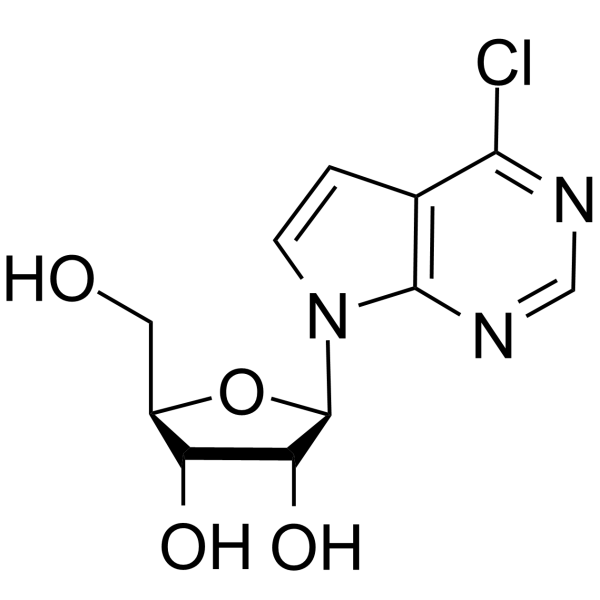
    6-Chloro-7-deazapurine-β-D-riboside, a nucleoside derivative, exerts antifungal effects. 6-Chloro-7-deazapurine-β-D-riboside shows activity against plant pathogenic fungi .
    6-Chloro-7-deazapurine-β-D-riboside
  • HY-N17260

    Bacterial Infection
    Phellandral is an aldehyde compound that can be found in Eucalyptus camaldulensis and Thymus seravschanicus. The phellandral-containing eucalyptus essential oil exhibits significant inhibitory effects on various plant pathogenic fungi, especially on Aspergillus flavus. Phellandral, together with other oxygenated monoterpenoids, constitutes an important basis for the antibacterial activity of the essential oil .
    Phellandral
  • HY-N2573

    L-Corydalmine; TLZ-16

    Fungal CXCR Infection Neurological Disease
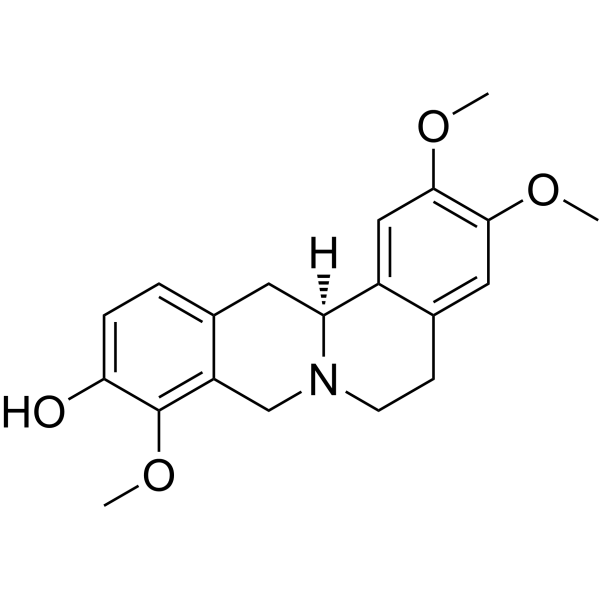
    Corydalmine (L-Corydalmine) inhibits spore germination of some plant pathogenic as well as saprophytic fungi . Corydalmine acts as an oral analgesic agent, exhibiting potent analgesic activity . Corydalmine alleviates Vincristine-induced neuropathic pain in mice by inhibiting an NF-κB-dependent CXCL1/CXCR2 signaling pathway .
    Corydalmine
  • HY-N12201

    Antibiotic Fungal Infection
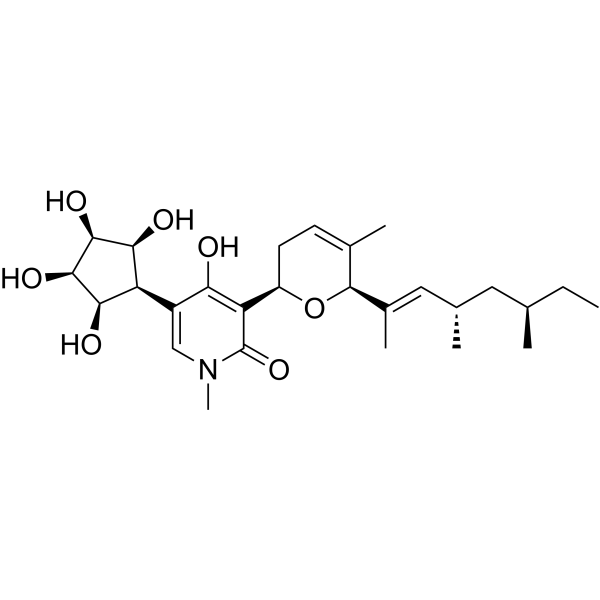
    Funiculosin is a neutral lipophilic antibiotic that inhibits DNA and RNA viruses. Funiculosin also has antifungal activity. Funiculosin inhibits infections caused by pathogenic fungi in primary chicken embryo fibroblasts .
    Funiculosin
  • HY-W150903

    p-Oxybenzoesaureheptylester

    Fungal Bacterial Infection
    N-Heptyl 4-hydroxybenzoate (p-Oxybenzoesaureheptylester) is an antimicrobial agent that inhibits S. aureus with MIC of 12.5 μg/mL. N-Heptyl 4-hydroxybenzoate also against plant pathogenic fungi, such as Alternaria brassicicola, F. solani, C. dematium and C. acutatum .
    N-Heptyl 4-hydroxybenzoate
  • HY-116214R

    CGA-219417 (Standard)

    Reference Standards Fungal Androgen Receptor Aryl Hydrocarbon Receptor PERK Cytochrome P450 Infection Endocrinology
    Cyprodinil (Standard) (CGA-219417 (Standard)) is the analytical standard of Cyprodinil (HY-116214). This product is intended for research and analytical applications. Cyprodinil (CGA-219417) is a broad-spectrum anilinopyrimidine fungicide and an activator of the aryl hydrocarbon receptor. Cyprodinil also has anti-androgenic and androgenic activities. Cyprodinil can inhibit the biosynthesis of methionine in plant-pathogenic fungi and protect fruits and vegetables from a variety of pathogens.
    Cyprodinil (Standard)
  • HY-W017611

    Environmental Pollutants Reactive Oxygen Species (ROS) Fungal DNA/RNA Synthesis Infection
    4-Propylphenol is a plant-derived phenolic compound. 4-Propylphenol causes an increase in ROS within the Fusarium graminearum cells, leading to damage to the DNA and cell membranes of the mycelia, effectively inhibiting the growth of the mycelia. 4-Propylphenol also has a growth inhibitory effect on walnut pathogenic fungi (C. gloeosporioides, C. siamense, A. alternata), with its EC50 ranging from 29.11 to 31.89 mg/L, and it also inhibits spore germination, with EC50 being 55.04-71.85 mg/L. 4-Propylphenol can be used in the research of fungal diseases in walnuts and wheat Fusarium head blight .
    4-Propylphenol
  • HY-106371

    Antibiotic Fungal Infection
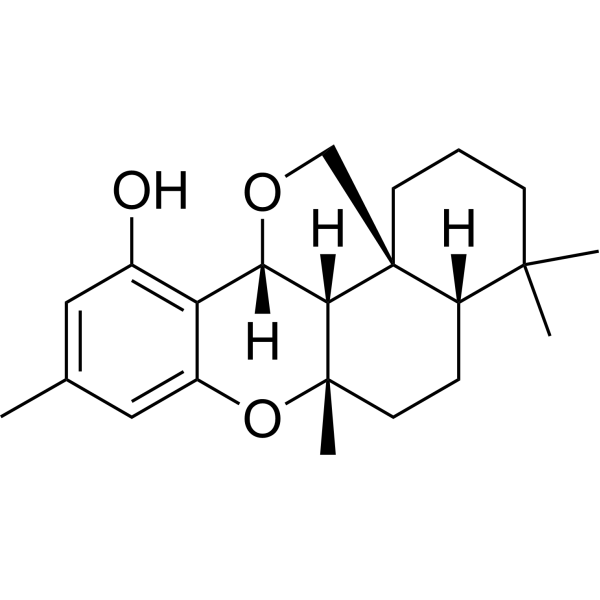
    Siccanin is a succinate dehydrogenase (SDH) inhibitor (IC50=0.9 μM) with species-selective activity. Siccanin also is a antibiotic against pathogenic fungi .
    Siccanin
  • HY-129260

    3-Amino-3-deoxyglucose

    Fungal Infection
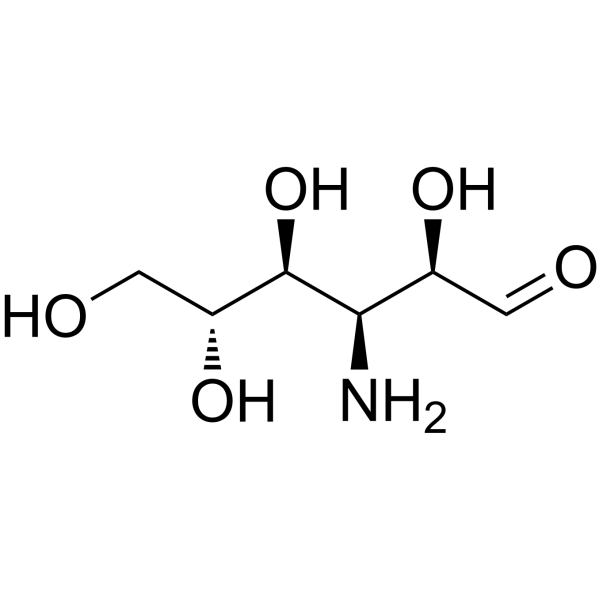
    Kanosamine (3-Amino-3-deoxyglucose) is an antibiotic against Saccharomyces cerevisiae and human pathogenic fungi Candida albicans. Kanosamine exhibits antifungal activity through inhibition of cell wall synthesis and inhibition of GlcN-6-P synthase with phosphorylated kanosamine-6-phosphate in cytoplasma .
    Kanosamine
  • HY-105751

    Kalamycin; U-19718

    Antibiotic Bacterial Beta-lactamase Fungal Infection
    Kalafungin is an antibiotic, antimicrobial agent and a β-lactamase inhibitor from marine Streptomyces, with IC50 of 225.37 μM. Kalafungin destroys cell membranes. Kalafungin shows inhibitory activities against a variety of pathogenic fungi, yeasts, protozoa, gram-positive bacteria (such as S. aureus ATCC 33591 and S. aureus ATCC 23591), and, to a lesser extent, gram-negative bacteria .
    Kalafungin
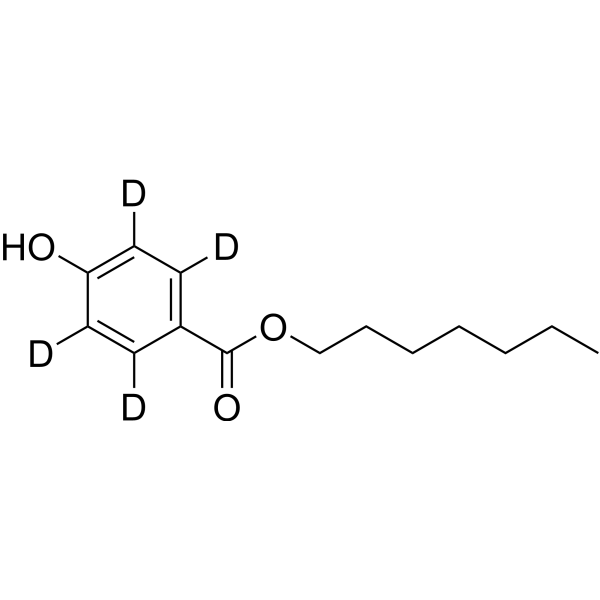
  • HY-W150903S

    p-Oxybenzoesaureheptylester [German]-d4

    Isotope-Labeled Compounds Fungal Bacterial Infection
    N-Heptyl 4-hydroxybenzoate-d4 is the deuterium labeled N-Heptyl 4-hydroxybenzoate (HY-W150903) . N-Heptyl 4-hydroxybenzoate (p-Oxybenzoesaureheptylester) is an antimicrobial agent that inhibits S. aureus with MIC of 12.5 μg/mL. N-Heptyl 4-hydroxybenzoate also against plant pathogenic fungi, such as Alternaria brassicicola, F. solani, C. dematium and C. acutatum .
    N-Heptyl 4-hydroxybenzoate-d4
  • HY-N1970R

    Reference Standards Keap1-Nrf2 Caspase PARP Fungal Infection Neurological Disease Metabolic Disease Inflammation/Immunology Cancer
    5,7-Dihydroxychromone (Standard) is the analytical standard of 5,7-Dihydroxychromone (HY-N1970). This product is intended for research and analytical applications. 5,7-Dihydroxychromone is a flavonoid compound with antioxidant properties. 5,7-Dihydroxychromone induces Nrf2 nuclear translocation, increases Nrf2/ARE binding activity, and up-regulates Nrf2-dependent antioxidant genes HO-1, NQO1, GCLc. 5,7-Dihydroxychromone attenuates excessive ROS generation, inhibits activated caspase-3, caspase-9, cleaved PARP expression, and prevents neuronal apoptosis and cell death. 5,7-Dihydroxychromone increases LXRα and PPARγ mRNA expression, induces preadipocyte differentiation, and regulates blood glucose levels. 5,7-Dihydroxychromone inhibits radial growth of soil pathogenic fungi, radicle elongation of select seedlings, and transiently inhibits Bradyrhizobium sp. growth in high mannitol medium. 5,7-Dihydroxychromone can be used for the research of Parkinson’s disease, type 2 diabetes mellitus and pathogenic fungal infection .
    5,7-Dihydroxychromone (Standard)
  • HY-155279

    Fungal Infection
    Antifungal agent 73 (compound A32) is an antifungal agent for azole-resistant candidiasis. Antifungal agent 73 disrupts the fungal cell wall and cell membrane. Antifungal agent 73 shows potent in vivo antifungal activity against pathogenic fungi and fluconazole-resistant strains .
    Antifungal agent 73
  • HY-N2573A

    L-Corydalmine hydrochloride; TLZ-16-CL

    Fungal CXCR Infection Neurological Disease
    Corydalmine hydrochloride inhibits spore germination of some plant pathogenic as well as saprophytic fungi . Corydalmine hydrochloride acts as an oral analgesic agent, exhibiting potent analgesic activity . Corydalmine hydrochloride alleviates Vincristine-induced neuropathic pain in mice by inhibiting an NF-κB-dependent CXCL1/CXCR2 signaling pathway .
    Corydalmine hydrochloride
  • HY-N8474

    Others Others
    Pyrenocine A is an acyl phytotoxin isolated from plant pathogenic fungi .
    Pyrenocine A
  • HY-B2056

    CELA W 524

    Fungal Infection Inflammation/Immunology
    Triforine (CELA W 524), a systemic fungicide, was shown to display a moderate to distinct fungitoxic activity in vitro towards several pathogenic and non-pathogenic fungi .
    Triforine
  • HY-N15091

    Fungal Infection
    Formamicin has broad spectrum and strong anti-plant pathogenic fungi activity .
    Formamicin
  • HY-N14818

    Fungal Infection
    O-Acetylbenzeneamidinocarboxylic acid is a fungal metabolite that shows inhibitory to variety of plant pathogenic fungi .
    O-Acetylbenzeneamidinocarboxylic acid
  • HY-B2056R

    CELA W 524 (Standard)

    Reference Standards Fungal Infection Inflammation/Immunology
    Triforine (Standard) is the analytical standard of Triforine. This product is intended for research and analytical applications. Triforine (CELA W 524), a systemic fungicide, was shown to display a moderate to distinct fungitoxic activity in vitro towards several pathogenic and non-pathogenic fungi .
    Triforine (Standard)
  • HY-N15062

    Antibiotic Fungal Infection
    2-Hydroxymethylclavam is a β-lactam antibiotic. 2-Hydroxymethylclavam has antifungal activity, especially for plant pathogenic fungi .
    2-Hydroxymethylclavam
  • HY-19584

    Fungal Infection
    Variotin is an Anti-Fungal Agent. Variotin has a strong antibiotic activity on dermatophytes such as Trichophyton, Microsporum, and Epidermophyton, and also pathogenic fungi in internal mycosis such as Blastomyces and Cryptococcus .
    Variotin
  • HY-N14133

    Bacterial Infection
    Enaminomycin A has activity against Gram-positive bacteria, Gram-negative bacteria and plant pathogenic fungi (weak), and it has the inhibitory effect of L-1210 .
    Enaminomycin A
  • HY-N14019

    Antibiotic Bacterial Infection Cancer
    Glidobactin B is an anti-tumor antibiotic. Glidobactin B has the activity against pathogenic fungi and yeast. Glidobactin B also extends the survival of mice inoculated with leukemia P388 cells .
    Glidobactin B
  • HY-N14023

    Antibiotic Fungal Infection Cancer
    Glidobactin G is an anti-tumor antibiotic. Glidobactin G has the activity against pathogenic fungi and yeast. Glidobactin G also extends the survival of mice inoculated with leukemia P388 cells .
    Glidobactin G
  • HY-N14022

    Antibiotic Fungal Infection Cancer
    Glidobactin F is an anti-tumor antibiotic. Glidobactin F has the activity against pathogenic fungi and yeast. Glidobactin F also extends the survival of mice inoculated with leukemia P388 cells .
    Glidobactin F
  • HY-148968

    Carbathion

    Fungal Infection
    Metham sodium (Carbathion) is a broad-spectrum soil microbial suppressant. Metham sodium controls soil-borne pests and weeds. Metham sodium inhibits weed seeds, plant-parasitic nematodes, plant pathogenic fungi and soil insects .
    Metham sodium
  • HY-N11528

    7-Noreugenitin

    Others Infection
    Eugenitol (Compound 3) is an antifungal metabolite isolated and purified from Diaporthe eucalyptorum. Eugenitol has inhibitory effect on four plant pathogenic fungi (Alternaria solani, Botrytis cinerea, Fusarium solani and Gibberella saubinettii) .
    Eugenitol
  • HY-N1300

    Fungal Infection Cancer
    Shizukanolide F is a dimeric sesquiterpene, which is derivated from Chloranthus japonicus Sieb. Shizukanolide F exhibits potent antifungal activities against various plant pathogenic fungi and anti-metastasis breast cancer .
    Shizukanolide F
  • HY-N10292

    Fungal Endogenous Metabolite Infection
    Chaetosemin J, an antifungal metabolite, exhibits inhibitory activity against plant pathogenic fungi Botrytis cinerea, Alternaria solani, Magnaporthe oryzae, and Gibberella saubinettii, with MIC values ranging from 12.5-25 μM .
    Chaetosemin J
  • HY-N14763

    Antibiotic Fungal Infection
    3'-O-Decarbamoylirumamycin is a 20-membered macrolide antibiotic produced by Streptomyces subflavus subsp.Irumaensis . 3'-O-Decarbamoylirumamycin has certain inhibitory effect on plant pathogenic fungi such as Piricularia oryzae, and Sclerotinia cinerea .
    3'-O-Decarbamoylirumamycin
  • HY-W774918

    Fungal
    Oxaziclomefone is a broad-spectrum pesticide with fungal activity. Oxaziclomefone effectively controls a variety of crop diseases and has significant effects against plant pathogenic fungi. Oxaziclomefone is widely used in agriculture to protect crops from diseases and improve crop yield and quality.
    Oxaziclomefone
  • HY-W708510

    Isotope-Labeled Compounds Fungal Infection
    Fenpropidin-d10 is the deuterium labeled Fenpropidin (HY-126200). Fenpropidin, a piperidine, is a fungicide used to control a range of diseases in cereals. Fenpropidin shows antifungal activity against different human pathogenic yeasts and filamentous fungi .
    Fenpropidin-d10
  • HY-162256

    Fungal Infection
    Antibacterial agent 184 (compound 4j) is a fungal inhibitor that is toxic to the plant pathogenic fungus Sclerotinia sclerotiorum. Antibacterial agent 184 can effectively inhibit Sclerotinia sclerotiorum (IR>97%) .
    Antibacterial agent 184
  • HY-171540

    Fungal Infection
    AnCDA-IN-1 (Compound J075-4187) is an inhibitor of chitin deacetylase (CDA) with antifungal activity. It has an IC50 of 4.24 μM against AnCDA of A. nidulans, a minimum inhibitory concentration (MIC) of 260 μg/mL against food spoilage fungi and plant pathogenic fungi, and a minimum fungicidal concentration (MFC) of 520 μg/mL. AnCDA-IN-1 can be used in the research of the antifungal field .
    AnCDA-IN-1
  • HY-126200R

    Reference Standards Fungal Infection
    Fenpropidin (Standard) is the analytical standard of Fenpropidin (HY-126200). This product is intended for research and analytical applications. Fenpropidin, a piperidine, is a fungicide used to control a range of diseases in cereals. Fenpropidin shows antifungal activity against different human pathogenic yeasts and filamentous fungi .
    Fenpropidin (Standard)
  • HY-N14195

    Fungal Infection
    Mathemycin A has an inhibitory effect on pathogenic fungi. Mathemycin A inhibits the Phytophthora infestans JO8 in vitro (MIC is 7.8 μg/mL), and it inhibits JO8 in greenhouse (LD50 is 42 X 10 -6, LC90 is 500 X 10 -6) .
    Mathemycin A
  • HY-N15653

    Endogenous Metabolite Fungal NF-κB Infection Cancer
    Heveadride is a fungal metabolite and an antifungal agent. Heveadride is active against various filamentous fungi and some human pathogenic yeasts. Heaveadride induces down-regulation of TNFα-induced NF-κB activity in human chronic myeloid leukemia cells with an IC50 of 82.7 μM .
    Heveadride
  • HY-W020043R

    Reference Standards Fungal Infection
    Pyribencarb (Standard) is the analytical standard of Pyribencarb. This product is intended for research and analytical applications. Pyribencarb is a benzylcarbamate-type fungicide, which is active against a wide range of plant pathogenic fungi. Pyribencarb is a potent Qo inhibitor of cytochrome b. Pyribencarb is especially active against Botrytis cinerea and Sclerotinia sclerotirum .
    Pyribencarb (Standard)
  • HY-W741555

    7-Dechlorogriseofulvin

    Antibiotic Fungal Infection
    Dechlorogriseofulvin (7-Dechlorogriseofulvin) is an antibiotic, and exhibits inhibitory activity against various plant pathogenic fungi. Dechlorogriseofulvin inhibits Botrytis cinerea, Rhizoctonia solani, Pythium ultimum, and Sclerotinia sclerotiorum with MIC of 40.0 µg/ml, 43.9 µg/ml, 81.7 µg/ml, and 28.5 µg/ml, respectively .
    Dechlorogriseofulvin
  • HY-137085

    Antibiotic Fungal Infection
    Antibiotic AB023b is part of macrocyclic pentaene antibiotic complex, forming the main components with Antibiotic AB023a (HY-137084). Antibiotic AB023b exhibits antifungal activity against Candida albicans, and plant pathogenic fungi, Botrytis cinerea, Fusarium moniliforme and Pythium ultimum .
    Antibiotic AB023b
  • HY-B1838A

    Fungal Infection
    Asulam (potassium salt) is a chitin synthase inhibitor against plant pathogenic fungi. Asulam (potassium salt) interferes with the biosynthesis of chitin in the fungal cell wall to destroy the integrity and normal growth and reproduction of fungal cells, thereby exerting bacteriostatic activity. Asulam (potassium salt) is promising for research of fungal diseases such as downy mildew and gray mold in spinach, tulips, daffodils and lilies .
    Asulam potassium

Inquiry Online

Your information is safe with us. * Required Fields.

Salutation


Country or Region *

Applicant Name *


Organization Name *

Department *


Email Address *


Product Name *

Cat. No.


Requested quantity *

Phone Number *


Remarks

Inquiry Online

Inquiry Information

Product Name:
Cat. No.:
Quantity:
MCE Japan Authorized Agent:

