1. Search Result
Search Result
Results for "

peripheral nerve

" in MedChemExpress (MCE) Product Catalog:

55

Inhibitors & Agonists

4

Biochemical Assay Reagents

6

Peptides

1

Inhibitory Antibodies

9

Natural
Products

4

Isotope-Labeled Compounds

1

Click Chemistry

1

Oligonucleotides

Cat. No. Product Name Target Research Areas Chemical Structure
  • HY-Y0850

    Environmental Pollutants Biochemical Assay Reagents Neurological Disease
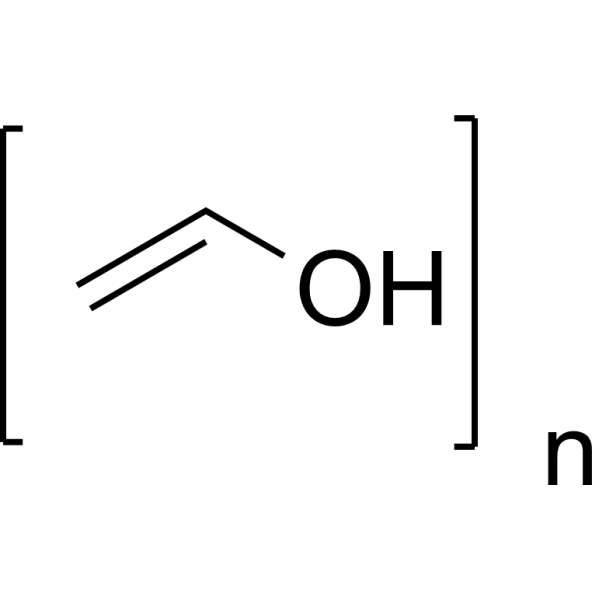
    Polyvinyl alcohol (Mw 146000-186000, 99+% hydrolyzed) is a non-biodegradable, hydrophilic, odorless biomedical polymer with cell adhesion/proliferation inhibition, peripheral nerve regeneration induction, dissolution enhancement, and non-toxic, biocompatible properties .
    Polyvinyl alcohol (Mw 146000-186000, 99+% hydrolyzed)
  • HY-W012788
    Maltol
    2 Publications Verification

    Environmental Pollutants Endogenous Metabolite Apoptosis Infection Neurological Disease
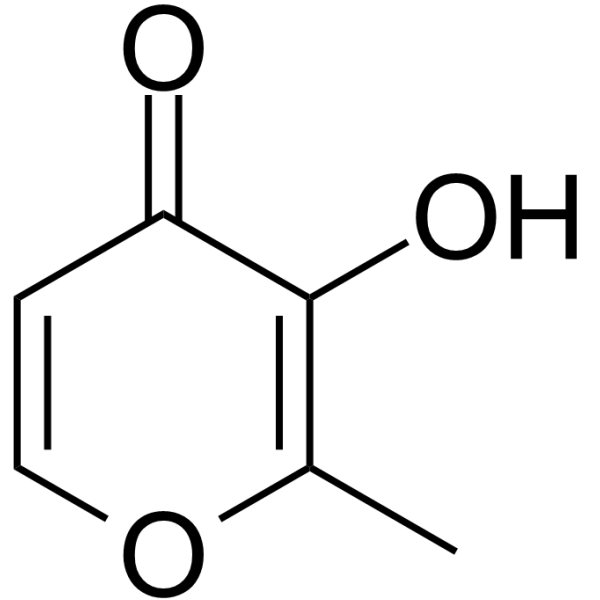
    Maltol, a type of aromatic compound, is an antioxidant agent. Maltol enhances neural function by mitigating oxidative stress and cell apoptosis. Maltol is an inhibitor of oxidative damage in nerve cells and is effective in preventing diabetic peripheral neuropathy (DPN). Maltol is used extensively as a safe flavoring agent and food preservative. Maltol is a metal ion chelator that can be used in the field of catalysis, cosmetics, and medicine .
    Maltol
  • HY-N0837
    Veratramine
    1 Publications Verification

    NSC17821; NSC23880

    PI3K Akt mTOR Autophagy Apoptosis Neurological Disease Metabolic Disease Inflammation/Immunology Cancer
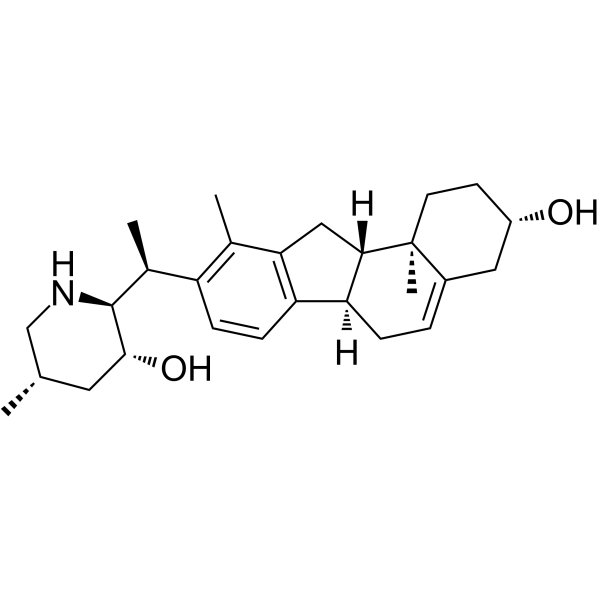
    Veratramine (NSC17821; NSC23880) is an orally active inhibitor of the PI3K/Akt/mTOR signaling pathway and a SIGMAR1 modulator. Veratramine induces autophagic apoptosis of tumor cells, arrests the cell cycle at the G0/G1 phase, and inhibits epithelial-mesenchymal transition (EMT)-related proteins to reduce tumor migration. Veratramine reduces spinal cord and sciatic nerve pathological damage in a neuropathy model by inhibiting SIGMAR1 binding to NMDAR and phosphorylation of NMDAR Ser896. Veratramine has anti-tumor proliferation, apoptosis induction, anti-inflammatory and neuroprotective activities, and can be used in the study of cancers such as liver cancer and osteosarcoma, as well as diabetic peripheral neuropathy .
    Veratramine
  • HY-P4154

    ALM-488

    Fluorescent Dye Neurological Disease Cancer
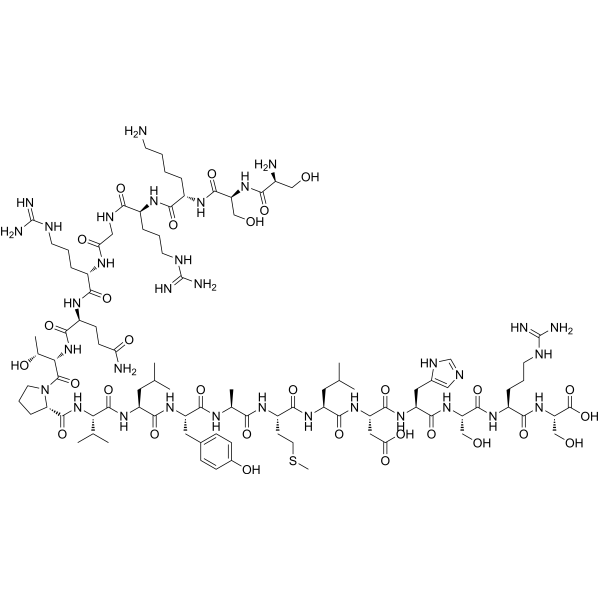
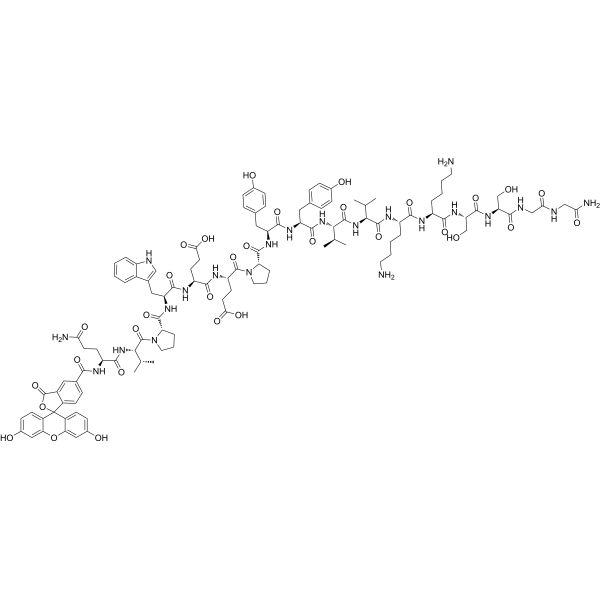
    Bevonescein (ALM-488) is a fluorescein-conjugated peptide that facilitates the targeted delivery of a fluorescent moiety (5-FAM (HY-66022)) to nerves after intravenous (IV) administration. Bevonescein binds nerve-associated connective tissue, labels peripheral nerves under real-time fluorescence imaging (FL) in living mice and human ex vivo nerve tissue. Bevonescein is a peptide-linked tracer which fluorescently labeled both intact and degenerated nerves (Ex/Em = 480/530 nm) .
    Bevonescein
  • HY-B0197A
    Naratriptan hydrochloride
    2 Publications Verification

    GR-85548A hydrochloride

    5-HT Receptor Cardiovascular Disease Neurological Disease Inflammation/Immunology
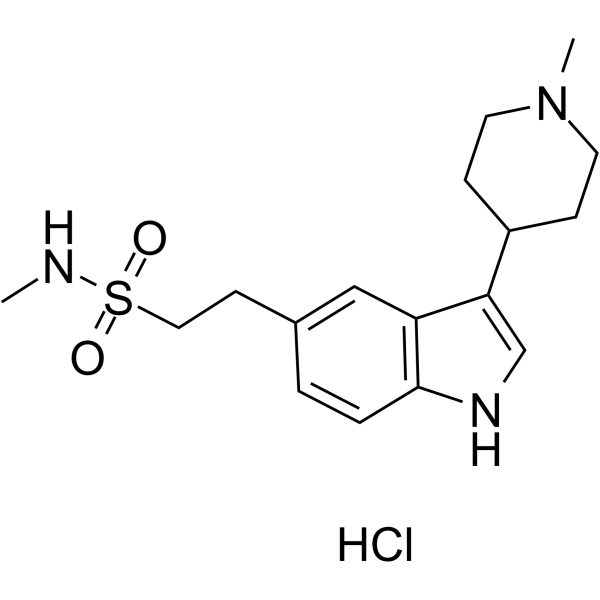
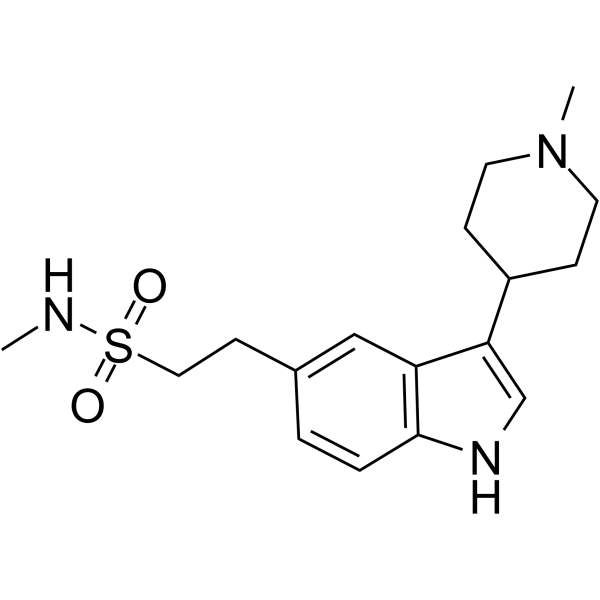
    Naratriptan (GR-85548A) hydrochloride is a selective 5-HT1B/1D receptor agonist. Naratriptan hydrochloride is peripherally active and has good oral bioavailability, inducing cranial artery vasoconstriction by activating 5-HT1B/1D receptors (EC50=0.11 μM for dog basilar artery). Naratriptan hydrochloride also inhibits trigeminal nerve-mediated dural neurogenic plasma extravasation and reduces sterile inflammation. Naratriptan hydrochloride is mainly used in the research of acute migraine, targeting cranial vascular and neuroinflammatory mechanisms .
    Naratriptan hydrochloride
  • HY-15322
    PRT062607
    4 Publications Verification

    P505-15; PRT-2607; BIIB-057

    Syk Apoptosis Caspase Inflammation/Immunology Cancer
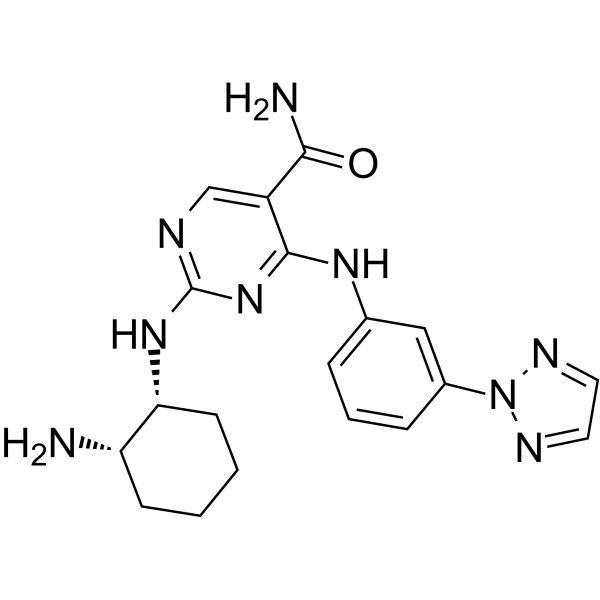
    PRT062607 (P505-15; PRT-2607) is an orally active ATP-competitive Syk inhibitor with an IC50 value of 1 nM, and exhibits at least 80-fold selectivity over other kinases. PRT062607 blocks B cell antigen receptor-mediated activation, Fcε receptor 1-mediated basophil degranulation and microglial phagocytosis, and induces caspase-dependent apoptosis and microglial death. PRT062607 inhibits tumor growth and peripheral nerve injury-induced mechanical allodynia, and prevents neuronal loss. PRT062607 can be used in research related to rheumatoid arthritis, chronic lymphocytic leukemia, non-Hodgkin's lymphoma, neurodegenerative diseases and neuropathic pain .
    PRT062607
  • HY-108328

    PF-04937319

    Glucokinase Neurological Disease Metabolic Disease
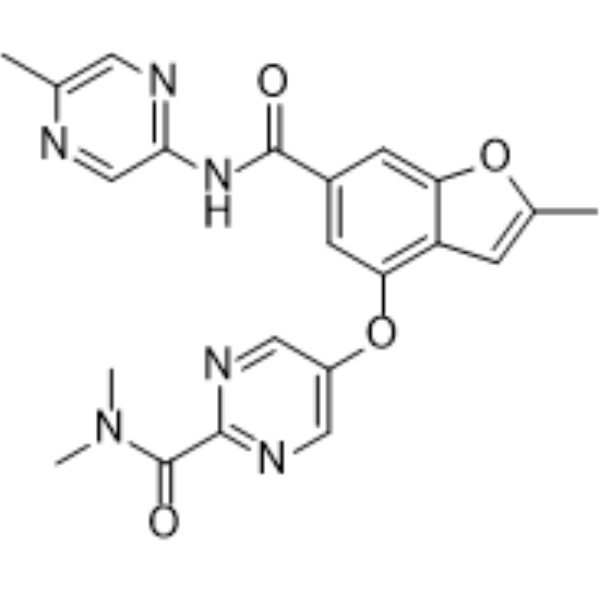
    Nerigliatin (PF-04937319) is a orally active glucokinase activator (GKA) with EC50 value of 154.4 μM. Nerigliatin maintains glucose-lowering efficacy. Nerigliatin causes peripheral nerve degeneration. Nerigliatin can be used in type 2 diabetes research.
    Nerigliatin
  • HY-W027553

    NIK-247 free base; Amiridine free base

    Cholinesterase (ChE) Potassium Channel Sodium Channel Neurological Disease Metabolic Disease
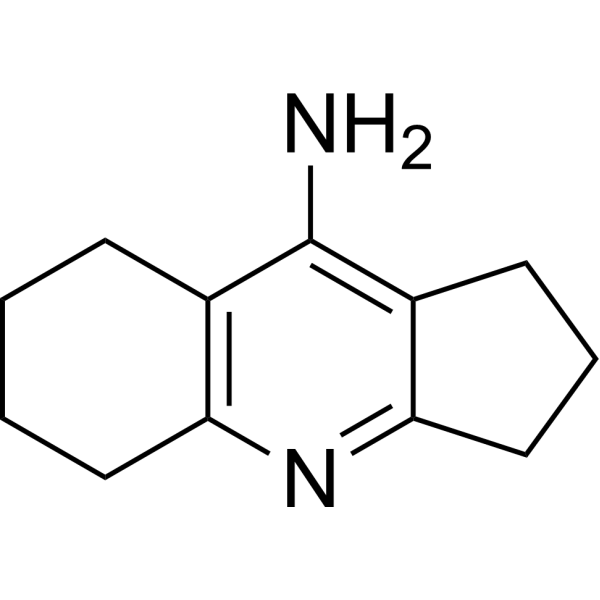
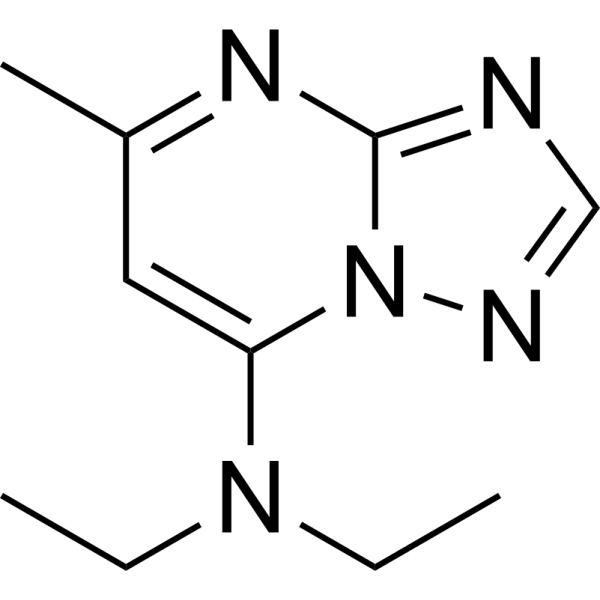
    Ipidacrine is orally active and brain-penetrant AChE and BuChE inhibitors with IC50 values of 1 μM and 1.9 μM, respectively, which is also a partial agonist of M2-cholinergic receptors and a reversible cholinesterase inhibitor. Ipidacrine has a stimulating effect on neuromuscular transmission and excitation along the nerve fibres with a moderately anti-pain effect. Ipidacrine is an aminopyridines and is structurally similar to Tacrine (HY-111338). Ipidacrine is effective in various amnesia models, improves erectile function and inhibits K + and Na +-channels in the neuronal membrane in diabetic rats. Ipidacrine is promising for research of Alzheimer’s disease, ischaemic stroke, idiopathic neuropathy of the facial nerve, diabetes mellitus-induced erectile dysfunction and other deficits in central or peripheral cholinergic deseases .
    Ipidacrine
  • HY-B1016

    AR-12008

    PDGFR Phosphodiesterase (PDE) Prostaglandin Receptor Cardiovascular Disease Neurological Disease
    Trapidil (AR-12008) is an orally active vasodilator and antiplatelet agent. Trapidil antagonizes platelet-derived growth factor (PDGF), inhibits phosphodiesterase, thromboxane A2 synthesis and pro-inflammatory cytokine production. Trapidil promotes prostacyclin biosynthesis, reduces lipid peroxidation, regulates nitric oxide metabolism, and inhibits cell proliferation and migration. Trapidil exerts tissue-protective effects, regulates bone turnover, and inhibits pyroptosis via the GPX3/Nrf2 pathway. Trapidil is applicable to research related to renal ischemia-reperfusion injury, chronic stable angina, restenosis, meningioma, diabetic cardiomyopathy and peripheral nerve crush injury .
    Trapidil
  • HY-P0244

    Opioid Receptor Neurological Disease
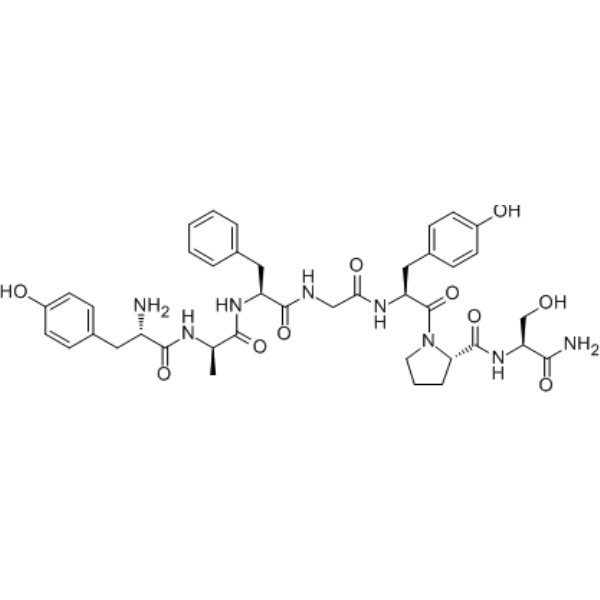
    Dermorphin is a natural heptapeptide μ-opioid receptor (MOR) agonist found in amphibian skin. Inhibition of neuropathic pain .
    Dermorphin
  • HY-124778
    SW106065
    1 Publications Verification

    Apoptosis Cancer
    SW106065 is an apoptosis inducer in malignant peripheral nerve sheath tumors (MPNST). SW106065 inhibits ATP consumption of sMPNST and other models of MPNST with an EC50 of 1 µM. SW106065 can be used for MPNST research .
    SW106065
  • HY-128775

    Drug Derivative Cancer
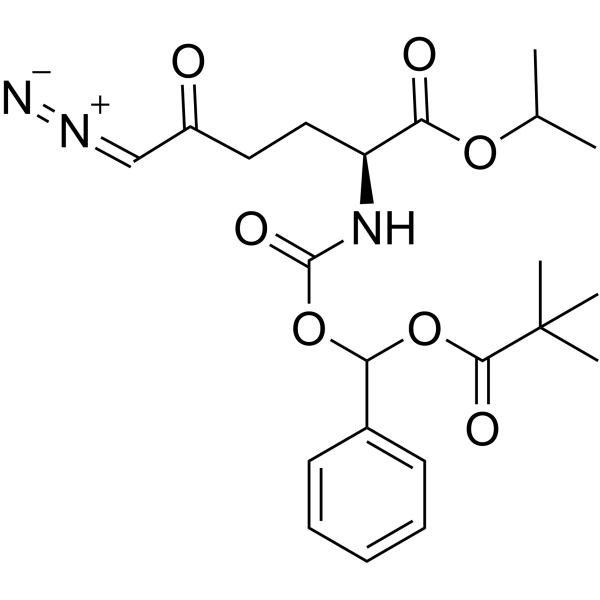
    JHU395 is an orally-bioavailable and a plasma stable lipophilic glutamine antagonists (GA) proagent. JHU395 delivers 6-diazo-5-oxo-L-norleucine (DON) to malignant peripheral nerve sheath tumor (MPNST) in vitro and in vivo, and has antitumor activity in MPNST .
    JHU395
  • HY-B0197

    GR-85548A

    5-HT Receptor Cardiovascular Disease Neurological Disease Inflammation/Immunology
    Naratriptan is an orally active and selective 5-HT1B/1D receptor agonist. Naratriptan is peripherally active and has good oral bioavailability, inducing cranial artery vasoconstriction by activating 5-HT1B/1D receptors (EC50=0.11 μM for dog basilar artery). Naratriptan also inhibits trigeminal nerve-mediated dural neurogenic plasma extravasation and reduces sterile inflammation. Naratriptan is mainly used in the research of acute migraine, targeting cranial vascular and neuroinflammatory mechanisms .
    Naratriptan
  • HY-A0144A

    Adrenergic Receptor AMPK Akt Cardiovascular Disease
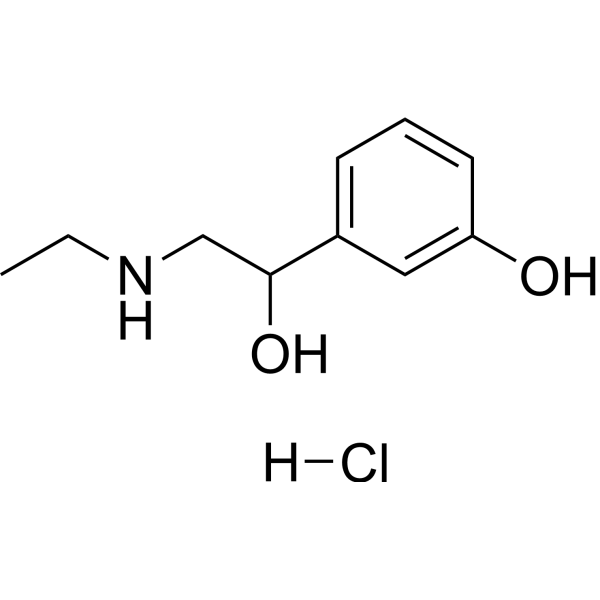
    Etilefrine hydrochloride is a sympathetic nerve agonist and AMPK activator that selectively targets α1/β1 adrenergic receptors. Etilefrine hydrochloride stimulates α1 adrenergic receptors, leading to contraction of vascular smooth muscle and increased peripheral resistance. Etilefrine hydrochloride also stimulates β1 receptors to enhance myocardial contractility and increase heart rate, thereby increasing blood pressure and improving cardiac output. Etilefrine hydrochloride also bidirectionally regulates the AMPK/Akt pathway and modulates the phosphorylation levels. Etilefrine hydrochloride can be used in cardiovascular research, such as postural hypotension, chylothorax, and improving low cardiac output .
    Etilefrine hydrochloride
  • HY-A0144

    Adrenergic Receptor AMPK Akt Cardiovascular Disease
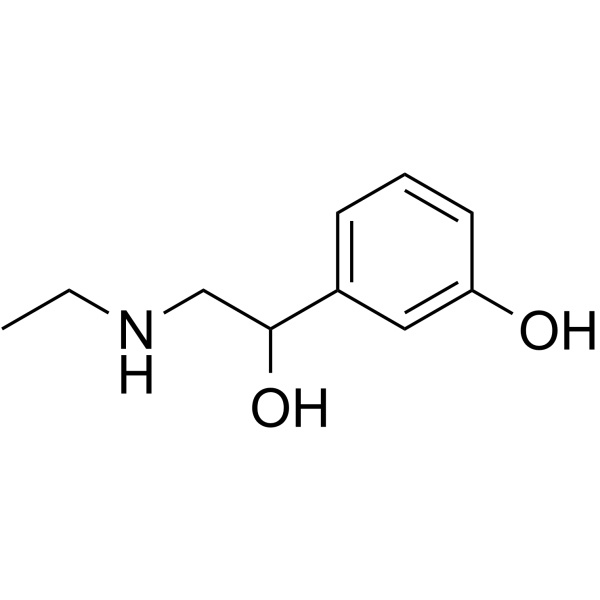
    Etilefrine is a sympathetic nerve agonist and AMPK activator that selectively targets α1/β1 adrenergic receptors. Etilefrine stimulates α1 adrenergic receptors, leading to contraction of vascular smooth muscle and increased peripheral resistance. Etilefrine also stimulates β1 receptors to enhance myocardial contractility and increase heart rate, thereby increasing blood pressure and improving cardiac output. Etilefrine also bidirectionally regulates the AMPK/Akt pathway and modulates the phosphorylation levels. Etilefrine can be used in cardiovascular research, such as postural hypotension, chylothorax, and improving low cardiac output .
    Etilefrine
  • HY-B1604

    2-Chloroprocaine hydrochloride

    Na+/K+ ATPase Neurological Disease
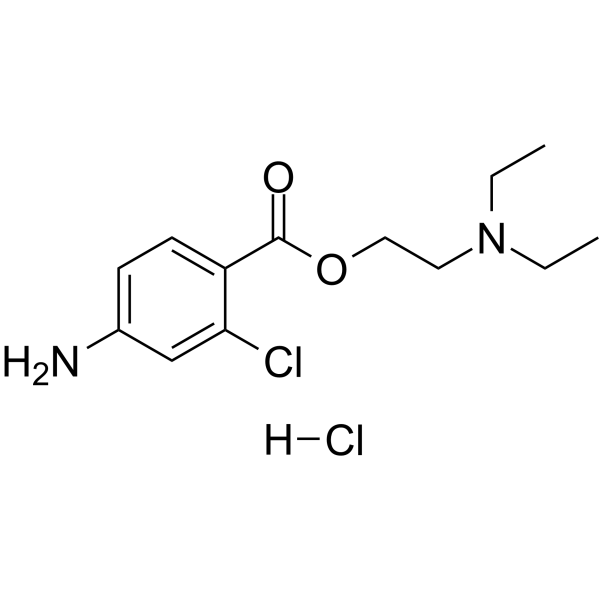
    Chloroprocaine hydrochloride (2-Chloroprocaine hydrochloride) is a potent inhibitor of Na,K-ATPase activity with an IC50 of 13 mM. Chloroprocaine hydrochloride blocks peripheral nerve .
    Chloroprocaine hydrochloride
  • HY-108960

    P2X Receptor Interleukin Related Neurological Disease
    PPADS is a P2X receptor (P2X Receptor) antagonist and a reversible competitive antagonist of NAADP receptors, with IC50 values of 68 nM (P2X1) and 214 nM (P2X3), respectively. PPADS alleviates pain-related behaviors in the central and peripheral nervous systems of mice after peripheral neuropathy, inhibits the overproduction of IL-1β, IL-6, iNOS and nNOS, and suppresses the hydrolytic activity of extracellular ATPase. PPADS blocks ATP-mediated inward currents on recombinant rat P2X1 and P2X3 receptors, and inhibits purinergic nerve stimulation-induced contraction of rabbit bladder detrusor muscle. PPADS is applicable to research related to neuropathic pain .
    PPADS
  • HY-NP192

    Reactive Oxygen Species (ROS) Bacterial COX NO Synthase Toll-like Receptor (TLR) p38 MAPK NF-κB Interleukin Related Cholinesterase (ChE) Bcl-2 Family Tyrosinase PI3K Akt Infection Neurological Disease Metabolic Disease Inflammation/Immunology Cancer
    Sericin is an orally active globular protein produced by silkworm cocoons. Sericin inhibits the expression of COX2, iNOS, TLR4, MAPK and NF-κB; reduces the levels of IL-18, IL-1 and CCL2; antagonizes the activity of AChE; and downregulates the expression of Bcl-2. Sericin enhances the PI3K/AKT-mediated insulin signaling pathway. Sericin inhibits the activity of tyrosinase (Tyrosinase), scavenges ROS, chelates metal ions, and increases the levels of antioxidant enzymes. Sericin induces apoptosis and arrests the cell cycle. Sericin exhibits antibacterial, moisturizing, cardioprotective and anticoagulant properties. Sericin can be used in research related to type 2 diabetes, hyperlipidemia, obesity, Alzheimer's disease, colon cancer, peripheral nerve injury and ischemic myocardial infarction .
    Sericin
  • HY-B1604A

    2-Chloroprocaine

    Na+/K+ ATPase Neurological Disease
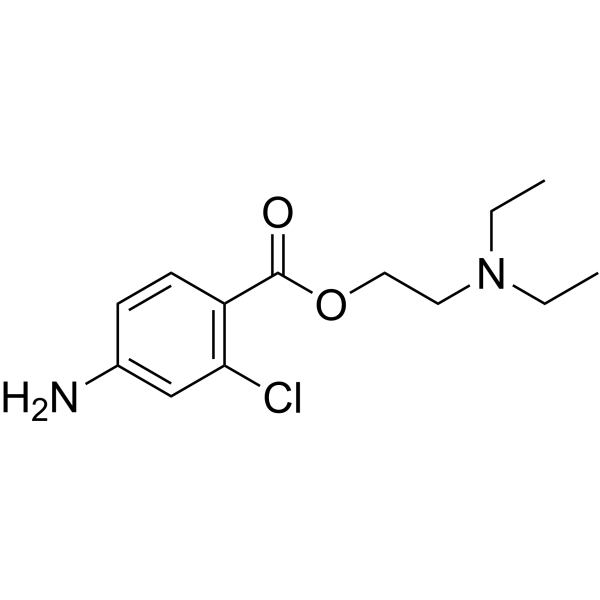
    Chloroprocaine (2-Chloroprocaine) is a potent inhibitor of Na,K-ATPase activity with an IC50 of 13 mM. Chloroprocaine blocks peripheral nerve .
    Chloroprocaine
  • HY-116018

    Phospholipase Neurological Disease Inflammation/Immunology Cancer
    FKGK11 is a potent and selective inhibitor of GVIA iPLA2 (Group VIA calcium-independent phospholipase A2). FKGK11 can be used for the research of ovarian cancer and neurological disorders such as peripheral nerve injury and multiple sclerosis .
    FKGK11
  • HY-161712

    IMPDH Cancer
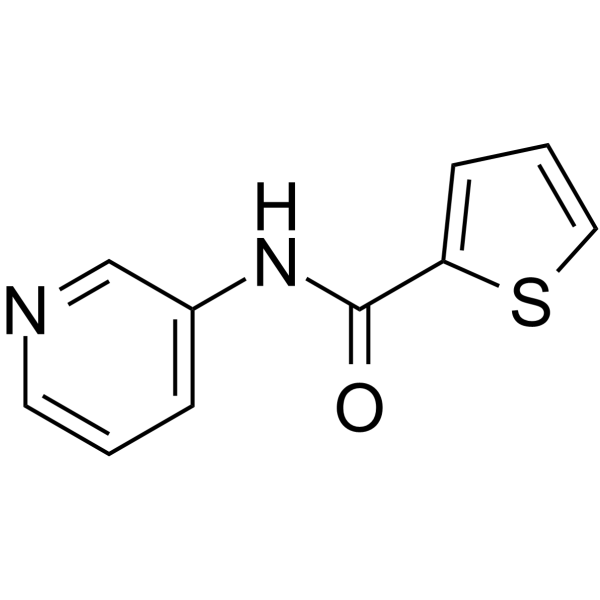
    IMPDH-IN-4 is a derivative of N-pyridinylthiophene carboxamid that exhibits activity against peripheral nerve sheath carcinoma cells. IMPDH-IN-4 is metabolized by NAMPT and NMNAT1 to an adenine dinucleotide (AD) derivative, which is an NAD analog and can inhibit inosine monophosphate dehydrogenase (IMPDH), leading to the accumulation of inosine monophosphate (IMP) in cells. IMPDH-IN-4 has good blood-brain barrier permeability and can be used in the study of central and peripheral nervous system cancers .
    IMPDH-IN-4
  • HY-P1220A

    Sodium Channel Neurological Disease
    Huwentoxin-IV TFA is a potent and selective sodium channel blocker, inhibits neuronal Nav1.7, Nav1.2, Nav1.3 and Nav1.4 with IC50s of 26, 150, 338 and 400 nM, respectively. Huwentoxin-IV TFA preferentially blocks peripheral nerve subtype Nav1.7 by binding neurotoxin receptor site 4. Huwentoxin-IV TFA has analgesic effects on animal models of inflammatory and neuropathic pain .
    Huwentoxin-IV TFA
  • HY-N0837R

    NSC17821 (Standard); NSC23880 (Standard)

    Reference Standards PI3K Akt mTOR Autophagy Apoptosis Neurological Disease Metabolic Disease Cancer
    Veratramine (NSC17821; NSC23880) (Standard) is the analytical standard of Veratramine (HY-N0837). This product is intended for research and analytical applications. Veratramine (NSC17821; NSC23880) is an orally active inhibitor of the PI3K/Akt/mTOR signaling pathway and a SIGMAR1 modulator. Veratramine induces autophagic apoptosis of tumor cells, arrests the cell cycle at the G0/G1 phase, and inhibits epithelial-mesenchymal transition (EMT)-related proteins to reduce tumor migration. Veratramine reduces spinal cord and sciatic nerve pathological damage in a neuropathy model by inhibiting SIGMAR1 binding to NMDAR and phosphorylation of NMDAR Ser896. Veratramine has anti-tumor proliferation, apoptosis induction, anti-inflammatory and neuroprotective activities, and can be used in the study of cancers such as liver cancer and osteosarcoma, as well as diabetic peripheral neuropathy .
    Veratramine (Standard)
  • HY-P2898

    Biochemical Assay Reagents Neurological Disease
    Chondroitinase C degrades chondroitin sulfate glycosaminoglycans that inhibit axonal growth within the endoneurium of peripheral nerve. Chondroitinase C selectively enhances the axon growth-promoting properties of the endoneurial basal lamina .
    Chondroitinase C
  • HY-W129456

    Biochemical Assay Reagents Neurological Disease
    Isaxonine acts as a modifier of the surface pH of the bilayer . Isaxonine accelerates the rate of peripheral nerve regeneration, stimulate axonal sprouting and promote motor and sensory function recovery . Isaxonine is a neurotrophic agent .
    Isaxonine
  • HY-117404

    MEK ERK Cancer
    LLS30 is an anticancer agent. LLS30 suppresses MEK/ERK pathway. LLS30 has anti-cancer effects against ovarian cancer, prostate cancer, and malignant peripheral nerve sheath tumors. LLS30 shows synergistic anti-cancer effect with Enzalutamide (HY-70002) or Docetaxel (HY-B0011) .
    LLS30
  • HY-W012788R

    Reference Standards Endogenous Metabolite Apoptosis Infection Neurological Disease
    Maltol (Standard) is the analytical standard of Maltol. This product is intended for research and analytical applications. Maltol, a type of aromatic compound, is an antioxidant agent. Maltol enhances neural function by mitigating oxidative stress and cell apoptosis. Maltol is an inhibitor of oxidative damage in nerve cells and is effective in preventing diabetic peripheral neuropathy (DPN). Maltol is used extensively as a safe flavoring agent and food preservative. Maltol is a metal ion chelator that can be used in the field of catalysis, cosmetics, and medicine .
    Maltol (Standard)
  • HY-P1220

    Sodium Channel Neurological Disease
    Huwentoxin-IV is a potent and selective sodium channel blocker, inhibits neuronal Nav1.7, Nav1.2, Nav1.3 and Nav1.4 with IC50s of 26, 150, 338 and 400 nM, respectively. Huwentoxin-IV preferentially blocks peripheral nerve subtype Nav1.7 by binding neurotoxin receptor site 4. Huwentoxin-IV has analgesic effects on animal models of inflammatory and neuropathic pain .
    Huwentoxin-IV
  • HY-W027553R

    NIK-247 free base (Standard); Amiridine free base (Standard)

    Reference Standards Cholinesterase (ChE) Potassium Channel Sodium Channel Neurological Disease Metabolic Disease
    Ipidacrine (Standard) is the analytical reference standard of Ipidacrine. This product is used for research and analytical applications. Ipidacrine is orally active and blood-brain-barrier-penetrant AChE and BuChE inhibitors with IC50 values of 1 μM and 1.9 μM, respectively, which is also a partial agonist of M2-cholinergic receptors and a reversible cholinesterase inhibitor. Ipidacrine has a stimulating effect on neuromuscular transmission and excitation along the nerve fibres with a moderately anti-pain effect. Ipidacrine is an aminopyridines and is structurally similar to Tacrine (HY-111338). Ipidacrine is effective in various amnesia models, improves erectile function and inhibits K + and Na +-channels in the neuronal membrane in diabetic rats. Ipidacrine is promising for research of Alzheimer’s disease, ischaemic stroke, idiopathic neuropathy of the facial nerve, diabetes mellitus-induced erectile dysfunction and other deficits in central or peripheral cholinergic deseases .
    Ipidacrine (Standard)
  • HY-B0197AS

    GR-85548A d3

    5-HT Receptor Cardiovascular Disease Neurological Disease Inflammation/Immunology
    Naratriptan-d3 (GR-85548A-d3) is the deuterium labeled Naratriptan hydrochloride (HY-B0197A). Naratriptan hydrochloride is a selective 5-HT1B/1D receptor agonist. Naratriptan hydrochloride is peripherally active and has good oral bioavailability, inducing cranial artery vasoconstriction by activating 5-HT1B/1D receptors (EC50=0.11 μM for dog basilar artery). Naratriptan hydrochloride also inhibits trigeminal nerve-mediated dural neurogenic plasma extravasation and reduces sterile inflammation. Naratriptan hydrochloride is mainly used in the research of acute migraine, targeting cranial vascular and neuroinflammatory mechanisms .
    Naratriptan-d3 hydrochloride
  • HY-B1016R

    AR-12008 (Standard)

    Reference Standards PDGFR Phosphodiesterase (PDE) Prostaglandin Receptor Cardiovascular Disease Cancer
    Trapidil (Standard) (AR-12008 (Standard)) is the analytical standard of Trapidil (HY-B1016R). This product is intended for research and analytical applications. Trapidil (AR-12008) is an orally active vasodilator and antiplatelet agent. Trapidil antagonizes platelet-derived growth factor (PDGF), inhibits phosphodiesterase, thromboxane A2 synthesis and pro-inflammatory cytokine production. Trapidil promotes prostacyclin biosynthesis, reduces lipid peroxidation, regulates nitric oxide metabolism, and inhibits cell proliferation and migration. Trapidil exerts tissue-protective effects, regulates bone turnover, and inhibits pyroptosis via the GPX3/Nrf2 pathway. Trapidil is applicable to research related to renal ischemia-reperfusion injury, chronic stable angina, restenosis, meningioma, diabetic cardiomyopathy and peripheral nerve crush injury.
    Trapidil (Standard)
  • HY-P0244A

    Opioid Receptor Neurological Disease
    Dermorphin TFA is a natural heptapeptide μ-opioid receptor (MOR) agonist found in amphibian skin. Inhibition of neuropathic pain .
    Dermorphin TFA
  • HY-101086R

    ACh iodide (Standard)

    Reference Standards Endogenous Metabolite mAChR Neurological Disease Endocrinology
    Acetylcholine (iodide) (Standard) is the analytical standard of Acetylcholine (iodide). This product is intended for research and analytical applications. Acetylcholine iodide (ACh iodide) is a common neurotransmitter found in the central and peripheral nerve system .
    Acetylcholine iodide (Standard)
  • HY-B1604R

    2-Chloroprocaine hydrochloride (Standard)

    Reference Standards Na+/K+ ATPase Neurological Disease
    Chloroprocaine (hydrochloride) (Standard) is the analytical standard of Chloroprocaine (hydrochloride). This product is intended for research and analytical applications. Chloroprocaine hydrochloride (2-Chloroprocaine hydrochloride) is a potent inhibitor of Na,K-ATPase activity with an IC50 of 13 mM. Chloroprocaine hydrochloride blocks peripheral nerve .
    Chloroprocaine hydrochloride (Standard)
  • HY-N12141

    Apoptosis Inflammation/Immunology
    Flaccidoside II inhibits proliferation and induces apoptosis in Malignant peripheral nerve sheath tumors (MPNSTs) cell lines. Flaccidoside II ameliorates collagen-induced arthritis in mice. Flaccidoside II is an active triterpenoid saponin constituent from Anemone flaccida rhizome .
    Flaccidoside II
  • HY-B1382A

    1,2,2,6,6-Pentamethylpiperidine hydrochloride

    nAChR Cardiovascular Disease Neurological Disease
    Pempidine (1,2,2,6,6-Pentamethylpiperidine) hydrochloride is an orally active ganglionic blocking agent used in the treatment of hypertension. Pempidine hydrochloride blocks the effects of intravenously administered addictive drugs and peripheral vagal nerve stimulation on blood pressure, and reduces the output of acetylcholine .
    Pempidine hydrochloride
  • HY-108328R

    PF-04937319 (Standard)

    Glucokinase Reference Standards Neurological Disease Metabolic Disease
    Nerigliatin (Standard) is the analytical standard of Nerigliatin. This product is intended for research and analytical applications. Nerigliatin (PF-04937319) is a orally active glucokinase activator (GKA) with EC50 value of 154.4 μM. Nerigliatin maintains glucose-lowering efficacy. Nerigliatin causes peripheral nerve degeneration. Nerigliatin can be used in type 2 diabetes research.
    Nerigliatin (Standard)
  • HY-W012788S

    Isotope-Labeled Compounds Endogenous Metabolite Apoptosis Infection Neurological Disease
    Maltol-d3 is a deuterium labeled Maltol (HY-W012788). Maltol, a type of aromatic compound, is an antioxidant agent. Maltol enhances neural function by mitigating oxidative stress and cell apoptosis. Maltol is an inhibitor of oxidative damage in nerve cells and is effective in preventing diabetic peripheral neuropathy (DPN). Maltol is used extensively as a safe flavoring agent and food preservative. Maltol is a metal ion chelator that can be used in the field of catalysis, cosmetics, and medicine .
    Maltol-d3
  • HY-155995

    MK-905

    Biochemical Assay Reagents Cancer
    Pro-905 is a phosphite peptide with antitumor activity. Pro-905 delivers the active nucleotide antimetabolite thioguanosine monophosphate (TGMP) to the tumor. Pro-905 effectively prevents incorporation of purine salvage substrates into nucleic acids and inhibits colony formation in human malignant peripheral nerve sheath tumors (MPNST) cells. Pro-905 inhibits purine salvage incorporation to nucleic acids and prevents cell growth. Pro-905 inhibits the growth of MPNST and enhances the anti-tumor efficacy of JHU395 (HY-124778) .
    PRO-905
  • HY-W027553S1

    NIK-247-d9 free base

    Isotope-Labeled Compounds Cholinesterase (ChE) Potassium Channel Sodium Channel Metabolic Disease
    Ipidacrine-d9 (NIK-247-d9 (free base)) is the deuterium labeled Ipidacrine (HY-W027553). Ipidacrine is orally active and brain-penetrant AChE and BuChE inhibitors with IC50 values of 1 μM and 1.9 μM, respectively, which is also a partial agonist of M2-cholinergic receptors and a reversible cholinesterase inhibitor. Ipidacrine has a stimulating effect on neuromuscular transmission and excitation along the nerve fibres with a moderately anti-pain effect. Ipidacrine is an aminopyridines and is structurally similar to Tacrine (HY-111338). Ipidacrine is effective in various amnesia models, improves erectile function and inhibits K+ and Na+-channels in the neuronal membrane in diabetic rats. Ipidacrine is promising for research of Alzheimer’s disease, ischaemic stroke, idiopathic neuropathy of the facial nerve, diabetes mellitus-induced erectile dysfunction and other deficits in central or peripheral cholinergic deseases .
    Ipidacrine-d9
  • HY-B0197S

    GR-85548A-d3-1

    5-HT Receptor Cardiovascular Disease Neurological Disease Inflammation/Immunology
    Naratriptan-d3 (GR-85548A-d3) is the deuterium labeled Naratriptan (HY-B0197). Naratriptan is a selective 5-HT1B/1D receptor agonist. Naratriptan is peripherally active and has good oral bioavailability, inducing cranial artery vasoconstriction by activating 5-HT1B/1D receptors (EC50=0.11 μM for dog basilar artery). Naratriptan also inhibits trigeminal nerve-mediated dural neurogenic plasma extravasation and reduces sterile inflammation. Naratriptan is mainly used in the research of acute migraine, targeting cranial vascular and neuroinflammatory mechanisms .
    Naratriptan-d3
  • HY-A0144AR

    Reference Standards AMPK Adrenergic Receptor Akt Cardiovascular Disease
    Etilefrine hydrochloride (Standard) is the analytical standard of Etilefrine hydrochloride (HY-A0144A). This product is intended for research and analytical applications. Etilefrine hydrochloride is a sympathetic nerve agonist and AMPK activator that selectively targets α1/β1 adrenergic receptors. Etilefrine hydrochloride stimulates α1 adrenergic receptors, leading to contraction of vascular smooth muscle and increased peripheral resistance. Etilefrine hydrochloride also stimulates β1 receptors to enhance myocardial contractility and increase heart rate, thereby increasing blood pressure and improving cardiac output. Etilefrine hydrochloride also bidirectionally regulates the AMPK/Akt pathway and modulates the phosphorylation levels. Etilefrine hydrochloride can be used in cardiovascular research, such as postural hypotension, chylothorax, and improving low cardiac output .
    Etilefrine hydrochloride (Standard)
  • HY-B0197AR

    GR-85548A hydrochloride (Standard)

    Reference Standards 5-HT Receptor Cardiovascular Disease Neurological Disease Inflammation/Immunology
    Naratriptan (GR-85548A) hydrochloride (Standard) is the analytical standard of Naratriptan hydrochloride (HY-B0197A). This product is intended for research and analytical applications. Naratriptan is a selective 5-HT1B/1D receptor agonist. Naratriptan is peripherally active and has good oral bioavailability, inducing cranial artery vasoconstriction by activating 5-HT1B/1D receptors (EC50=0.11 μM for dog basilar artery). Naratriptan also inhibits trigeminal nerve-mediated dural neurogenic plasma extravasation and reduces sterile inflammation. Naratriptan is mainly used in the research of acute migraine, targeting cranial vascular and neuroinflammatory mechanisms .
    Naratriptan hydrochloride (Standard)
  • HY-A0144R

    Adrenergic Receptor AMPK Akt Reference Standards Cardiovascular Disease
    Etilefrine (Standard) is the analytical standard of Etilefrine. This product is intended for research and analytical applications. Etilefrine is a sympathetic nerve agonist and AMPK activator that selectively targets α1/β1 adrenergic receptors. Etilefrine stimulates α1 adrenergic receptors, leading to contraction of vascular smooth muscle and increased peripheral resistance. Etilefrine also stimulates β1 receptors to enhance myocardial contractility and increase heart rate, thereby increasing blood pressure and improving cardiac output. Etilefrine also bidirectionally regulates the AMPK/Akt pathway and modulates the phosphorylation levels. Etilefrine can be used in cardiovascular research, such as postural hypotension, chylothorax, and improving low cardiac output .
    Etilefrine (Standard)
  • HY-W714852

    Insecticide Sodium Channel Infection
    Zeta-Cypermethrin is a type II pyrethroid insecticide. Zeta-Cypermethrin primarily acts on voltage-gated sodium channels in nerve cells, causing delayed channel closure, persistent nerve excitation and convulsions. In Drosophila, Zeta-Cypermethrin rapidly induces extremely high metabolic resistance that can be screened, and exhibits in vitro genotoxicity to human peripheral blood lymphocytes .
    Zeta-Cypermethrin
  • HY-106390A

    Adrenergic Receptor Neurological Disease
    GYKI 12743 is a vasoselective, postsynaptic α-adrenoceptor blocker. GYKI 12743 inhibits but does not completely eliminate the cutaneous microcirculatory blood flow reduction evoked by electrical stimulation of the peripheral stump of the cut saphenous nerve in rats. GYKI 12743 can be used for the study of neurological diseases .
    GYKI 12743
  • HY-181482

    DAGL Neurological Disease
    A1480LS is a peripherally restricted, orally active covalent and irreversible inhibitor of DAGLα and DAGLβ, with IC50 values of 6 nM and 4 nM against human targets, respectively, and IC50 values ≤15 nM across mouse, rat, dog, monkey and human systems. A1480LS reduces the levels of 2-arachidonoylglycerol, arachidonic acid, and cyclooxygenase- and lipoxygenase-derived eicosanoids. A1480LS inhibits injury-induced production of 2-arachidonoylglycerol and arachidonic acid in the peripheral sciatic nerve, and suppresses the responses of high-threshold and wide-dynamic-range-like dorsal horn neurons to mechanical stimulation. A1480LS alleviates pain behaviors in rat models of inflammatory pain, neuropathic pain and chemotherapy-induced peripheral neuropathy .
    A1480LS
  • HY-180382

    Cholinesterase (ChE) Cardiovascular Disease
    Trimethidinium methosulfate is an orally active ganglionic blocker with central antihypertensive activity. Trimethidinium methosulfate inhibits the conduction of sympathetic ganglia and reduces vascular contraction. Trimethidinium methosulfate acts on the cerebrovascular motor center and lowers peripheral vascular resistance. Trimethidinium methosulfate has cholinergic nerve inhibitory side effects, but they are relatively mild. Trimethidinium methosulfate can be used in hypertension research .
    Trimethidinium methosulfate
  • HY-183853

    mAChR Reactive Oxygen Species (ROS) DNA/RNA Synthesis Apoptosis SOD Sirtuin Cardiovascular Disease Neurological Disease Cancer
    Arecaidine-propargyl ester is a selective M2 muscarinic receptor agonist with blood-brain barrier permeability, with a pKi of 5.91 for hm1, 7.06 for hm2, 6.07 for hm3, 6.01 for hm4, and 6.03 for hm5. Arecaidine-propargyl ester stimulates central and peripheral muscarinic receptors. Arecaidine-propargyl ester increases intracellular ROS, induces DNA damage and Apoptosis, and upregulates the expression of MnSOD and SIRT1. Arecaidine-propargyl ester reduces sympathetic nerve outflow, induces dose-dependent hypotension, and triggers negative chronotropic effects at high peripheral doses. Arecaidine-propargyl ester can be used in research related to Alzheimer's disease and glioblastoma .
    Arecaidine-propargyl ester
  • HY-183857

    TRP Channel Neurological Disease
    DD-161515 is a TRPV1/VR1 inhibitor with an IC50 of 0.7 μM in rats. DD-161515 binds to an allosteric site of TRPV1 distinct from that of capsaicin, blocks channel opening, inhibits receptor-mediated calcium ion influx, reduces the excitability of peripheral sensory nerve fibers, and thereby inhibits nociception induced by heat and transmission of chemically induced pain signals. DD-161515 can be used in studies related to inflammatory pain .
    DD-161515

Inquiry Online

Your information is safe with us. * Required Fields.

Salutation


Country or Region *

Applicant Name *


Organization Name *

Department *


Email Address *


Product Name *

Cat. No.


Requested quantity *

Phone Number *


Remarks

Inquiry Online

Inquiry Information

Product Name:
Cat. No.:
Quantity:
MCE Japan Authorized Agent:

