1. Search Result
Search Result
Results for "

polymerases I

" in MedChemExpress (MCE) Product Catalog:

33

Inhibitors & Agonists

2

Biochemical Assay Reagents

2

MCE Kits

4

Natural
Products

6

Isotope-Labeled Compounds

2

Antibodies

3

Oligonucleotides

Cat. No. Product Name Target Research Areas Chemical Structure
  • HY-13323
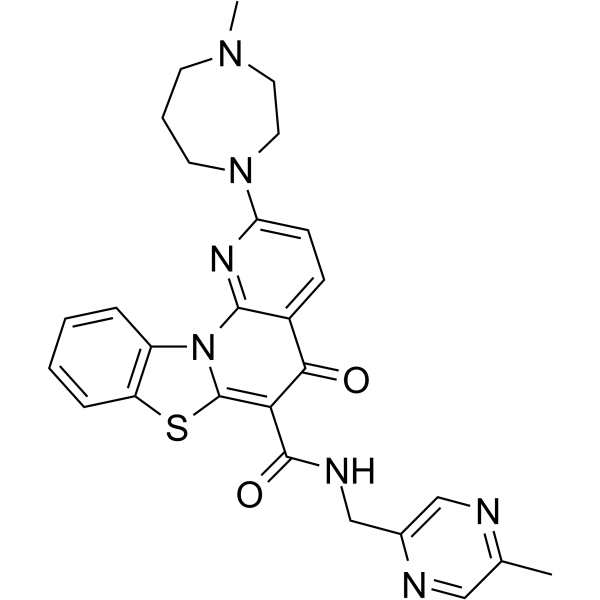
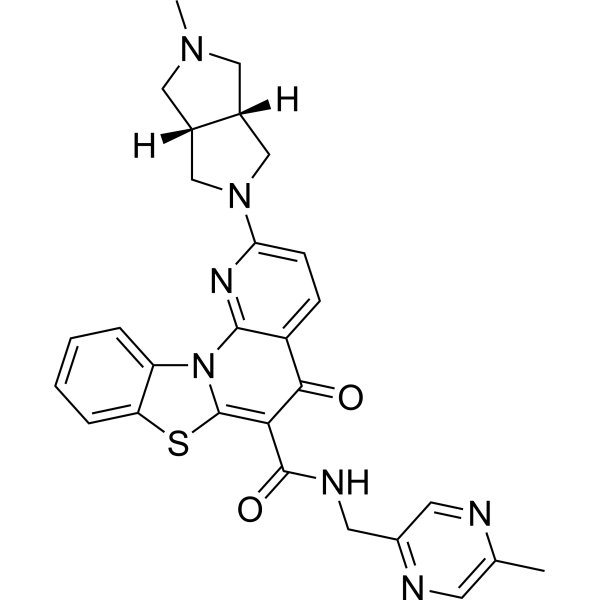
    CX-5461
    Maximum Cited Publications
    66 Publications Verification

    DNA/RNA Synthesis Cancer
    CX-5461 is a potent and oral rRNA synthesis inhibitor. It inhibits RNA polymerase I-driven transcription of rRNA with IC50s of 142, 113, and 54 nM in HCT-116, A375, and MIA PaCa-2 cells, respectively .
    CX-5461
  • HY-12484
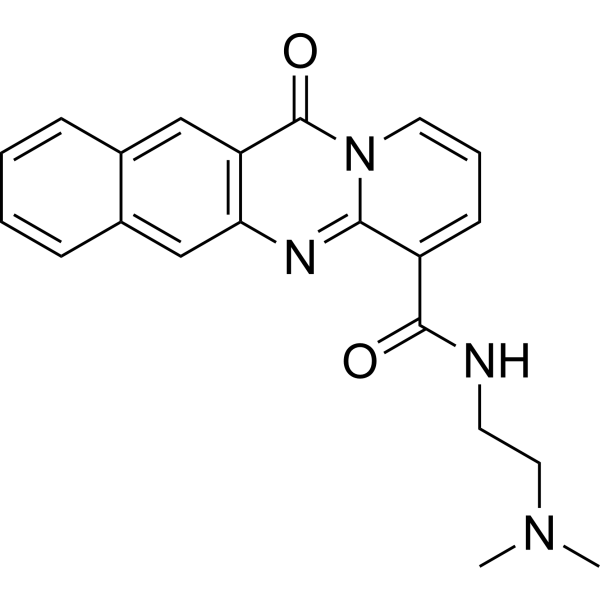
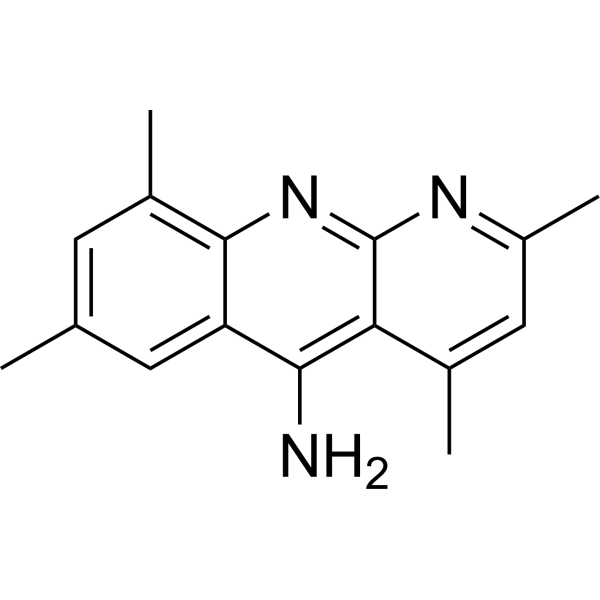
    BMH-21
    10+ Cited Publications

    DNA/RNA Synthesis Cancer
    BMH-21 is a first-in-class DNA intercalator which inhibits RNA polymerase I (Pol I) transcription. BMH-21 possesses anticancer activity .
    BMH-21
  • HY-W001951

    Tetrakis(acetato)dirhodium(II); Rhodium(II) acetate dimer

    DNA/RNA Synthesis Cancer
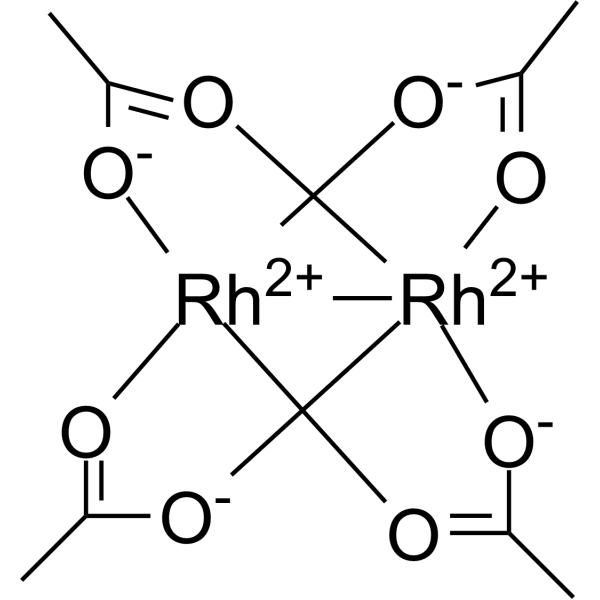
    Dirhodium tetraacetate (Tetrakis (acetato) dirhodium (II)) is an anticancer agent. Dirhodium tetraacetate functionally inhibits the activities of DNA polymerase I and RNA polymerase. It also acts as a catalyst and can be used to construct rhodium-based artificial metalloenzymes .
    Dirhodium tetraacetate
  • HY-120118

    ML246

    DNA/RNA Synthesis Cancer
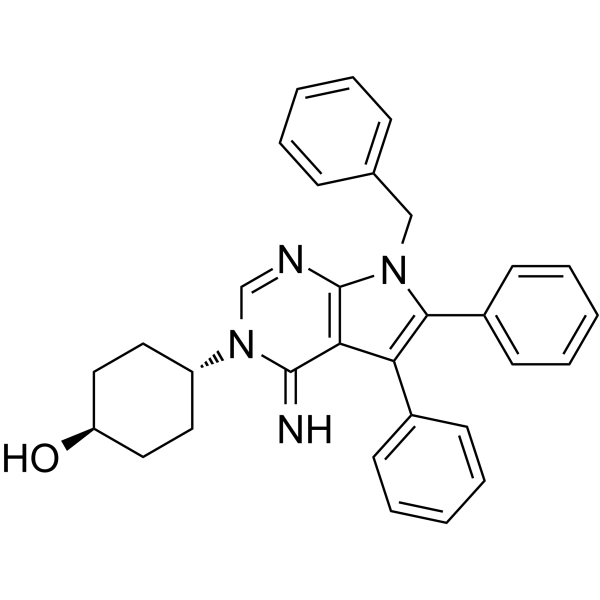
    Metarrestin (ML246) is an orally active, first-in-class and specific perinucleolar compartment inhibitor. Metarrestin disrupts the nucleolar structure and inhibits RNA polymerase (Pol) I transcription, at least in part by interacting with the translation elongation factor eEF1A2. Metarrestin blocks metastatic development and extends survival in mouse cancer models .
    Metarrestin
  • HY-109056
    Elsulfavirine
    2 Publications Verification

    R-1206

    Drug Intermediate HIV Reverse Transcriptase Carbonic Anhydrase Infection Cancer
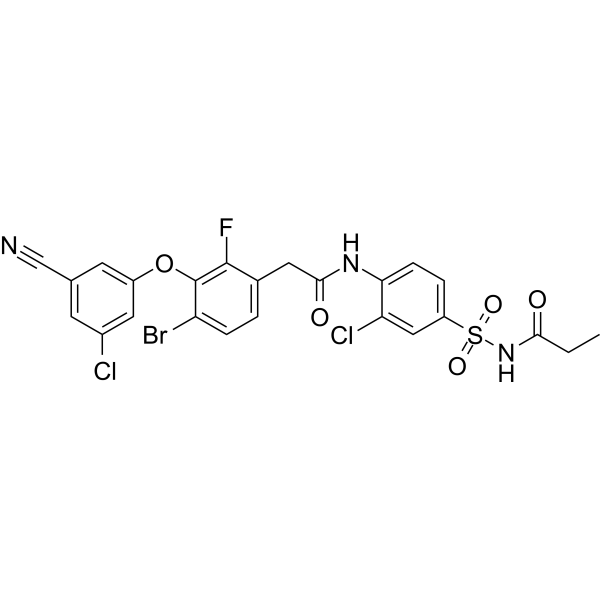
    Elsulfavirine (R-1206) is an orally active human carbonic anhydrase (carbonic anhydrase, CA) inhibitor and an allosteric inhibitor of HIV-1 non-nucleoside reverse transcriptase (NNRT). Elsulfavirine also targets and blocks the interaction between adenylosuccinate lyase (ADSL) and insulin-induced gene proteins INSIG1/2, blocks SREBP-1-mediated de novo lipid synthesis, and inhibits the proliferation of liver cancer cells. The combination of Elsulfavirine and Lenvatinib (HY-10981) produces a synergistic anti-tumor effect. Elsulfavirine is converted into the active metabolite VM1500A in vivo, blocks the DNA polymerase activity of reverse transcriptase, and inhibits HIV-1 replication. Elsulfavirine exhibits a Ki of 1960 nM-52400 nM against human carbonic anhydrase isoforms including I, VII, VI, VA, VB, IX, XIII, XIV. Elsulfavirine is used in studies related to HIV-1 infection and liver cancer .
    Elsulfavirine
  • HY-113225

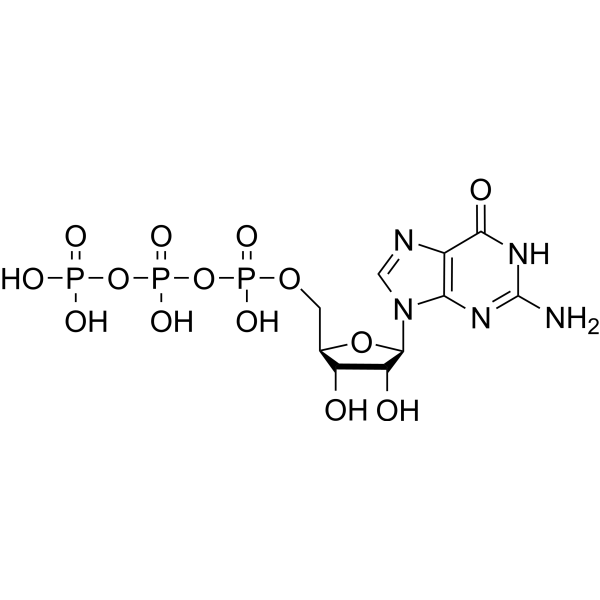
    GTP

    Endogenous Metabolite DNA/RNA Synthesis Apoptosis Mitosis Cancer
    Guanosine triphosphate (GTP) is a critical nucleotide and regulator of cellular metabolism. Guanosine triphosphate promotes ribosomal DNA localization, pre-rRNA transcription and ribosome biogenesis by binding to RNA polymerase I and GPN proteins (GPN1/3). Guanosine triphosphate links MYC-dependent ribosome biogenesis to nucleotide sufficiency, acts as a metabolic gatekeeper supporting protein synthesis, DNA/RNA synthesis and cellular signal transduction, while also participating in the physiological activities of pancreatic β-cells and serving as an oxidative substrate for reactive oxygen species. In small cell lung cancer with high MYC expression, Guanosine triphosphate accumulates through the IMPDH-driven synthetic pathway, thereby affecting apoptosis and mitotic processes. Guanosine triphosphate is used in the research of small cell lung cancer, hepatoblastoma and cellular metabolism .
    Guanosine triphosphate
  • HY-16200
    Ethynylcytidine
    2 Publications Verification

    ECyD; TAS-106; 3'-C-Ethynylcytidine

    DNA/RNA Synthesis Nucleoside Antimetabolite/Analog Cancer
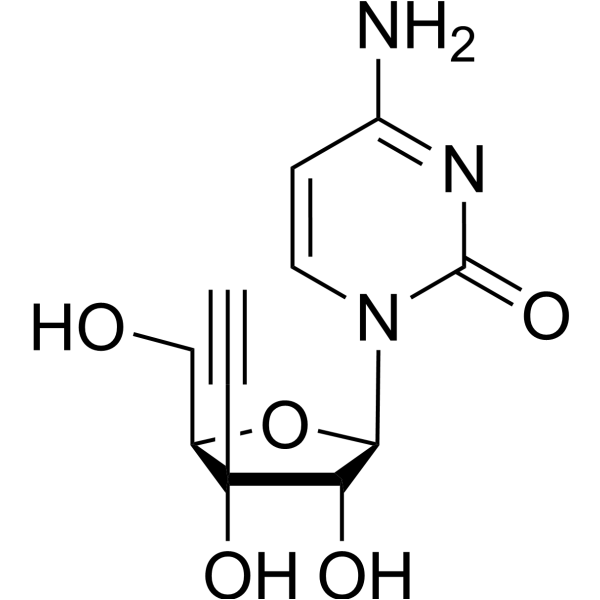
    Ethynylcytidine (ECyD), a nucleoside analog and a potent inhibitor of RNA synthesis, inhibits RNA polymerases I, II and II. Ethynylcytidine has robust antitumor activity in a wide range of models of cancer . Ethynylcytidine is a click chemistry reagent, it contains an Alkyne group and can undergo copper-catalyzed azide-alkyne cycloaddition (CuAAc) with molecules containing Azide groups.
    Ethynylcytidine
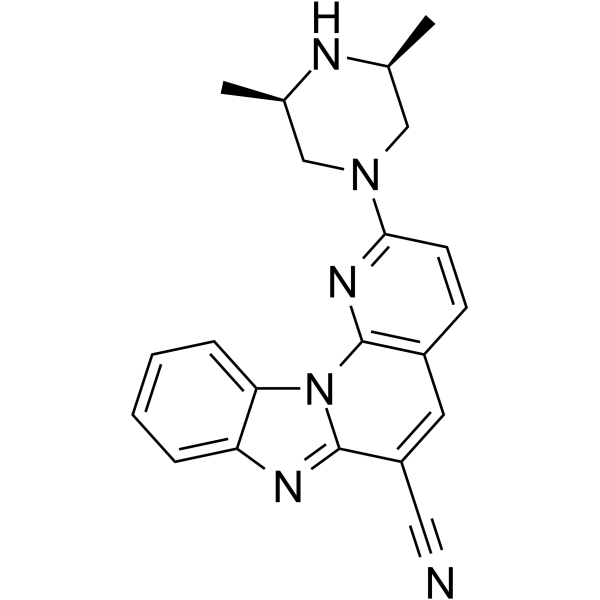
  • HY-112062

    DNA/RNA Synthesis Cancer
    POL1-IN-1 is a RNA polymerase 1 (POL1, also known as Pol I) inhibitor with an IC50 of less than 0.5 uM. POL1-IN-1 inhibits ribosome biogenesis by inhibiting POL1 transcription .
    POL1-IN-1
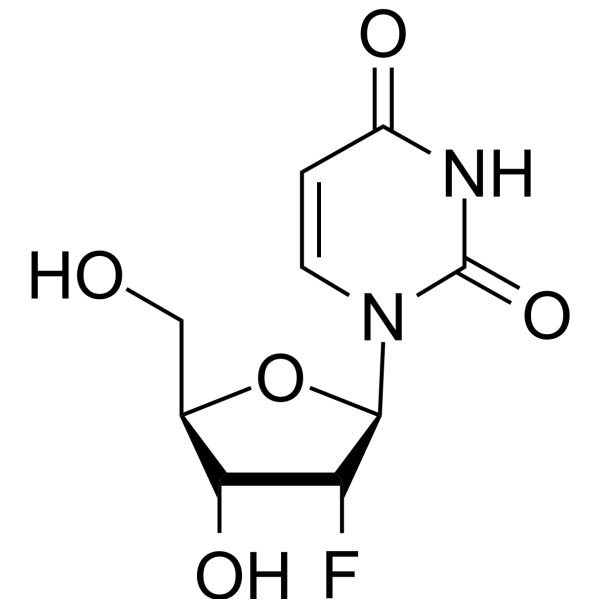
  • HY-W013403

    IFNAR Infection
    2'-Deoxy-2'-fluorouridine is a derivative of the pyrimidine nucleoside uridine. 2'-Deoxy-2'-fluorouridine is a nucleoside analog that inhibits the replication of wild-type viruses by binding to the viral RNA. Hepatitis C polyU/UC RNA strands containing 2'-Deoxy-2'-fluorouridine, bind to RIG-I but do not activate RIG-I signaling in a reporter assay using Huh7 cells. 2'-Deoxy-2'-fluorouridine also has been used as a starting material in the synthesis of respiratory syncytial virus (RSV) polymerase inhibitors. 2'-Deoxy-2'-fluorouridine can incorporate into DNA and RNA in rat and woodchuck model upon administration. 2'-Deoxy-2'-fluorouridine can be studied in anti-viral research .
    2'-Deoxy-2'-fluorouridine
  • HY-148953

    G-quadruplex DNA/RNA Synthesis Apoptosis Cancer
    MTR-106 is a potent and orally active G-quadruplex stabilizer and RNA polymerase I inhibitor. MTR-106 induces apoptosis and inhibits cell growth. MTR-106 can be used in research of cancer .
    MTR-106
  • HY-135780A

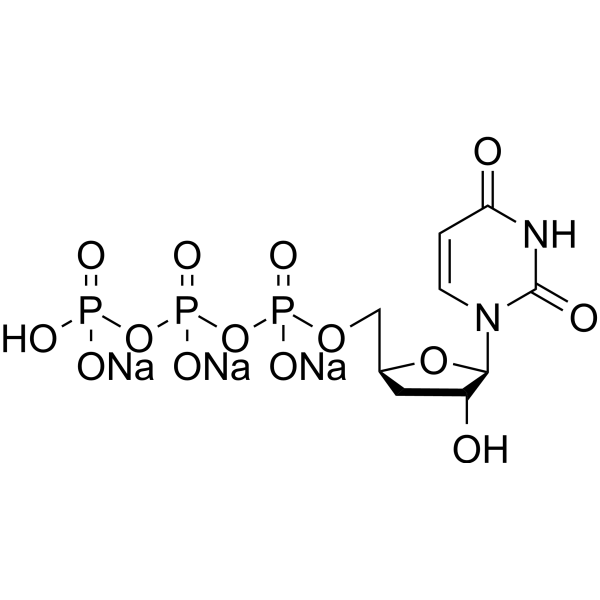
    3'-dUTP trisodium

    Nucleoside Antimetabolite/Analog DNA/RNA Synthesis Endogenous Metabolite Metabolic Disease
    3'-Deoxyuridine-5'-triphosphate trisodium (3'-dUTP trisodium) is a nucleotide analogue that inhibits DNA-dependent RNA polymerases I and II. 3'-Deoxyuridine-5'-triphosphate trisodium strongly and competitively inhibits the incorporations of UTP into RNA with a Ki value of 2.0 μM .
    3'-Deoxyuridine-5'-triphosphate trisodium
  • HY-153118

    ctDNA sodium, Type I, fibers; DNA sodium, from calf thymus, Type I, fibers; Thymonucleic acid sodium, Type I, fibers

    Biochemical Assay Reagents Others Cancer
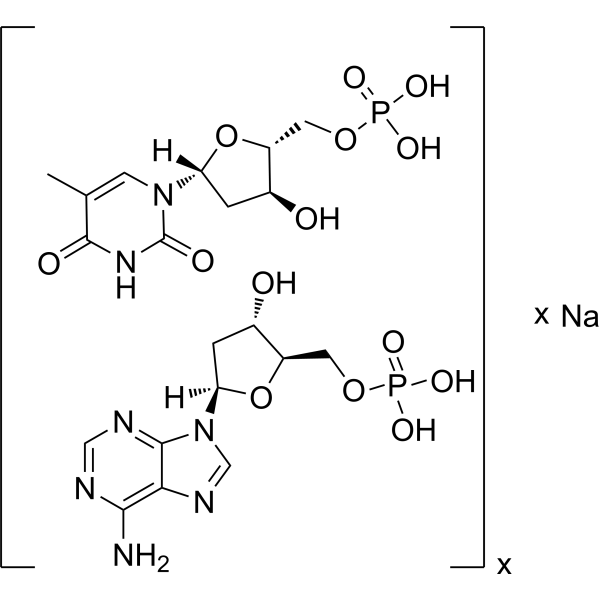
    Deoxyribonucleic acid sodium, from calf thymus, Type I, fibers is the sodium salts form of Calf thymus DNA (HY-109517). Calf thymus DNA is a double-stranded template DNA isolated from calf thymus. It can be used to study the interaction between DNA and DNA binding agents, as well as the structure and function of DNA, for DNA quantification and used as a substrate for DNA polymerase analysis, etc​ .
    Deoxyribonucleic acid sodium, from calf thymus, Type I, fibers
  • HY-118723

    DNA/RNA Synthesis Cancer
    BMH-22, a benzonaphthyridin, is a RNA polymerase I (Pol I) transcription inhibitor independent of p53 function. BMH-22 causes reorganization of nucleolar marker proteins consistent with segregation of the nucleolus. BMH-22 destabilizes RPA194 in a proteasome-dependent manner and inhibits nascent rRNA synthesis and expression of the 45S rRNA precursor. BMH-22 shows potent anticancer activity across many tumor types .
    BMH-22
  • HY-D1021

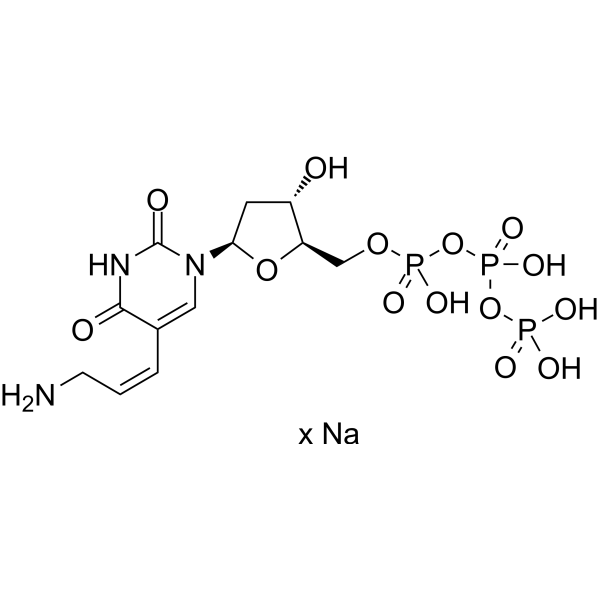
    Aminoallyl-dUTP sodium salt

    DNA/RNA Synthesis Others
    AA-dUTP (Aminoallyl-dUTP) sodium salt is a reverse transcriptase and DNA polymerase I substrate with probe precursor activity. AA-dUTP sodium salt undergoes enzymatic incorporation into DNA during cDNA synthesis and nick translation. AA-dUTP sodium salt generates amine-modified DNA, which can be used for labeling with amine-reactive fluorescent dyes .
    AA-dUTP sodium salt
  • HY-138646

    Poly(dA:dT) sodium

    Cyclic GMP-AMP Synthase STING Inflammation/Immunology
    Poly(deoxyadenylic-thymidylic) acid (Poly(dA:dT)) sodium is a double-stranded DNA stimulant. Poly(deoxyadenylic-thymidylic) acid sodium is recognized by the intracellular DNA sensor DDX41 and activates the innate immune pathway via the adaptor protein STING, inducing the production of cytokines such as type I interferons. Poly(deoxyadenylic-thymidylic) acid sodium also serves as an in vitro transcription template for free RNA polymerase .
    Poly(deoxyadenylic-thymidylic) acid sodium
  • HY-113225S2

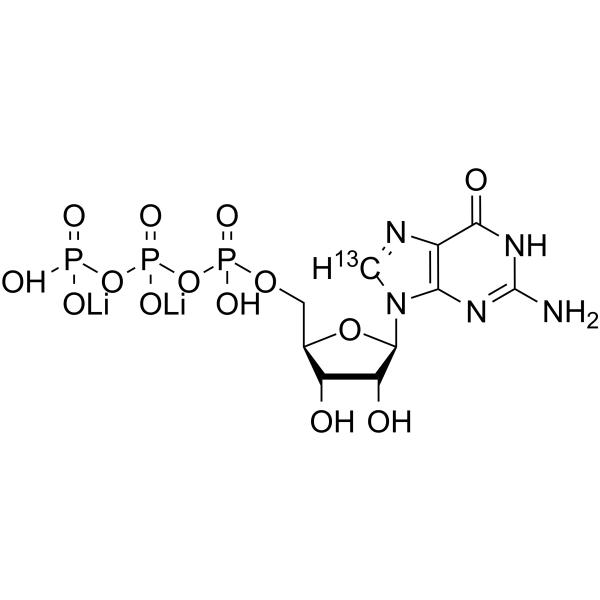
    GTP-13C dilithium

    Isotope-Labeled Compounds Endogenous Metabolite Mitosis Apoptosis DNA/RNA Synthesis Infection Cancer
    Guanosine triphosphate- 13C (GTP- 13C) dilithium is 13C-labeled Guanosine triphosphate (HY-113225). Guanosine triphosphate (GTP) is a critical nucleotide and regulator of cellular metabolism. Guanosine triphosphate promotes ribosomal DNA localization, pre-rRNA transcription and ribosome biogenesis by binding to RNA polymerase I and GPN proteins (GPN1/3). Guanosine triphosphate links MYC-dependent ribosome biogenesis to nucleotide sufficiency, acts as a metabolic gatekeeper supporting protein synthesis, DNA/RNA synthesis and cellular signal transduction, while also participating in the physiological activities of pancreatic β-cells and serving as an oxidative substrate for reactive oxygen species. In small cell lung cancer with high MYC expression, Guanosine triphosphate accumulates through the IMPDH-driven synthetic pathway, thereby affecting apoptosis and mitotic processes. Guanosine triphosphate is used in the research of small cell lung cancer, hepatoblastoma and cellular metabolism .
    Guanosine triphosphate-13C dilithium
  • HY-113225S3

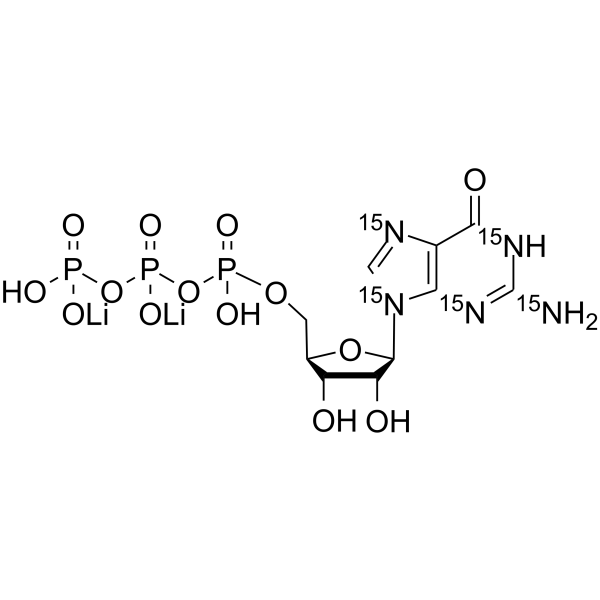
    GTP-15N5 dilithium

    Isotope-Labeled Compounds Endogenous Metabolite Mitosis Apoptosis DNA/RNA Synthesis Infection Cancer
    Guanosine triphosphate- 15N5 (GTP- 15N5) dilithium is 15N labeled Guanosine triphosphate (HY-113225). Guanosine triphosphate dilithium (GTP) is a critical nucleotide and regulator of cellular metabolism. Guanosine triphosphate dilithium promotes ribosomal DNA localization, pre-rRNA transcription and ribosome biogenesis by binding to RNA polymerase I and GPN proteins (GPN1/3). Guanosine triphosphate dilithium links MYC-dependent ribosome biogenesis to nucleotide sufficiency, acts as a metabolic gatekeeper supporting protein synthesis, DNA/RNA synthesis and cellular signal transduction, while also participating in the physiological activities of pancreatic β-cells and serving as an oxidative substrate for reactive oxygen species. In small cell lung cancer with high MYC expression, Guanosine triphosphate dilithium accumulates through the IMPDH-driven synthetic pathway, thereby affecting apoptosis and mitotic processes. Guanosine triphosphate dilithium is used in the research of small cell lung cancer, hepatoblastoma and cellular metabolism .
    Guanosine triphosphate-15N5 dilithium
  • HY-113225S5

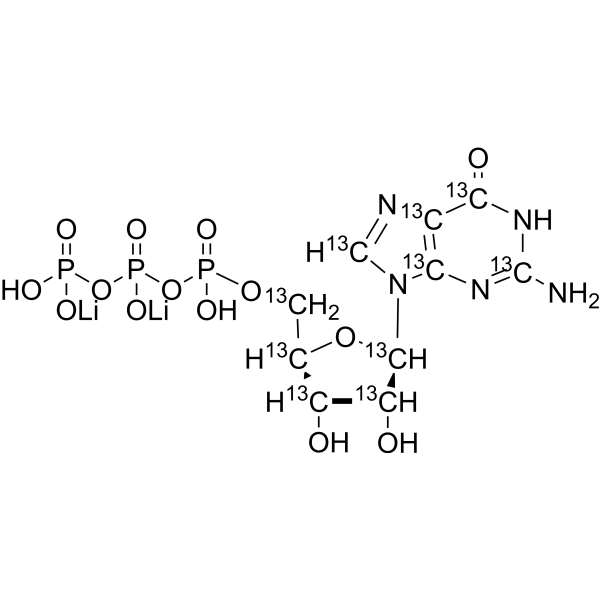
    GTP-13C10 dilithium

    Isotope-Labeled Compounds Endogenous Metabolite Mitosis Apoptosis DNA/RNA Synthesis Infection Cancer
    Guanosine triphosphate- 13C10 (GTP- 13C10) dilithium is 13C-labeled Guanosine triphosphate (HY-113225). Guanosine triphosphate dilithium (GTP) is a critical nucleotide and regulator of cellular metabolism. Guanosine triphosphate dilithium promotes ribosomal DNA localization, pre-rRNA transcription and ribosome biogenesis by binding to RNA polymerase I and GPN proteins (GPN1/3). Guanosine triphosphate dilithium links MYC-dependent ribosome biogenesis to nucleotide sufficiency, acts as a metabolic gatekeeper supporting protein synthesis, DNA/RNA synthesis and cellular signal transduction, while also participating in the physiological activities of pancreatic β-cells and serving as an oxidative substrate for reactive oxygen species. In small cell lung cancer with high MYC expression, Guanosine triphosphate dilithium accumulates through the IMPDH-driven synthetic pathway, thereby affecting apoptosis and mitotic processes. Guanosine triphosphate dilithium is used in the research of small cell lung cancer, hepatoblastoma and cellular metabolism .
    Guanosine triphosphate-13C10 dilithium
  • HY-135780

    3'-dUTP

    Nucleoside Antimetabolite/Analog DNA/RNA Synthesis Endogenous Metabolite Metabolic Disease
    3'-Deoxyuridine-5'-triphosphate (3'-dUTP) is a nucleotide analogue that inhibits DNA-dependent RNA polymerases I and II. 3'-Deoxyuridine-5'-triphosphate strongly and competitively inhibits the incorporations of UTP into RNA with a Ki value of 2.0 μM .
    3'-Deoxyuridine-5'-triphosphate
  • HY-145840

    DNA/RNA Synthesis Cancer
    Pol I-IN-1 is a potent RNA polymerase I (Pol I) inhibitor with IC50 0.21 µM for the Pol I large catalytic subunit RPA194 .
    Pol I-IN-1
  • HY-N11522

    5-Methyl-UTP

    Nucleoside Antimetabolite/Analog Others
    5-Methyluridine 5′-triphosphate (5-Methyl-UTP) is a UTP (HY-107372) analog. 5-Methyluridine 5′-triphosphate stimulates incorporation of [ 3H]-GMP by RNA polymerase I much better than UTP .
    5-Methyluridine 5′-triphosphate
  • HY-13323R

    Reference Standards DNA/RNA Synthesis Cancer
    CX-5461 (Standard) is the analytical standard of CX-5461. This product is intended for research and analytical applications. CX-5461 is a potent and oral rRNA synthesis inhibitor. It inhibits RNA polymerase I-driven transcription of rRNA with IC50s of 142, 113, and 54 nM in HCT-116, A375, and MIA PaCa-2 cells, respectively .
    CX-5461 (Standard)
  • HY-113225S1

    GTP-13C10,15N5 tetraammonium

    Endogenous Metabolite Mitosis Apoptosis DNA/RNA Synthesis Cancer
    Guanosine triphosphate- 13C10, 15N5 tetraammonium is the 13C and 15N labeled Guanosine triphosphate tetraammonium. Guanosine triphosphate tetraammonium (GTP) is a critical nucleotide and regulator of cellular metabolism. Guanosine triphosphate tetraammonium promotes ribosomal DNA localization, pre-rRNA transcription and ribosome biogenesis by binding to RNA polymerase I and GPN proteins (GPN1/3). Guanosine triphosphate tetraammonium links MYC-dependent ribosome biogenesis to nucleotide sufficiency, acts as a metabolic gatekeeper supporting protein synthesis, DNA/RNA synthesis and cellular signal transduction, while also participating in the physiological activities of pancreatic β-cells and serving as an oxidative substrate for reactive oxygen species. In small cell lung cancer with high MYC expression, Guanosine triphosphate tetraammonium accumulates through the IMPDH-driven synthetic pathway, thereby affecting apoptosis and mitotic processes. Guanosine triphosphate tetraammonium is used in the research of small cell lung cancer, hepatoblastoma and cellular metabolism .
    Guanosine triphosphate-13C10,15N5 tetraammonium solution (100 mM)
  • HY-113225S4

    GTP-15N5,d14 dilithium

    Isotope-Labeled Compounds Endogenous Metabolite Mitosis Apoptosis DNA/RNA Synthesis Infection Cancer
    Guanosine triphosphate- 15N5,d14 (GTP- 15N5,d14) dilithium is deuterium and 15N labeled Guanosine triphosphate (HY-113225). Guanosine triphosphate dilithium (GTP) is a critical nucleotide and regulator of cellular metabolism. Guanosine triphosphate dilithium promotes ribosomal DNA localization, pre-rRNA transcription and ribosome biogenesis by binding to RNA polymerase I and GPN proteins (GPN1/3). Guanosine triphosphate dilithium links MYC-dependent ribosome biogenesis to nucleotide sufficiency, acts as a metabolic gatekeeper supporting protein synthesis, DNA/RNA synthesis and cellular signal transduction, while also participating in the physiological activities of pancreatic β-cells and serving as an oxidative substrate for reactive oxygen species. In small cell lung cancer with high MYC expression, Guanosine triphosphate dilithium accumulates through the IMPDH-driven synthetic pathway, thereby affecting apoptosis and mitotic processes. Guanosine triphosphate dilithium is used in the research of small cell lung cancer, hepatoblastoma and cellular metabolism .
    Guanosine triphosphate-15N5,d14 dilithium
  • HY-115755

    6-Thioinosine 5′-triphosphate; 6-Mercaptopurine-riboside-5'-triphosphate; 6-Thio-ITP

    DNA/RNA Synthesis Cancer
    Thio-ITP (6-Thioinosine 5′-triphosphate) is an RNA polymerase activity competitive inhibitor. Thio-ITP has a high apparent affinity for the polymerases (RNA polymerase I Ki: 40.9 μM; RNA polymerase II Ki: 38.0 μM) .
    Thio-ITP
  • HY-122532

    Histone Methyltransferase Cancer
    Fagaronine chloride is an alkaloid with inhibitory activity against reverse transcriptase and topoisomerase I. Fagaronine chloride can effectively inhibit the reverse transcriptase of RSii tumor virus at a concentration of 6-60 μg/mL. Fagaronine chloride rapidly blocks the synthesis of DNA polymerase by interacting with the template primer. Fagaronine chloride has shown anti-tumor potential, especially in the study of retroviral infection .
    Fagaronine chloride
  • HY-163147

    Influenza Virus DNA/RNA Synthesis Infection
    PAN endonuclease-IN-1 (Compound 23) is a potent PAN endonuclease inhibitor, with Kd values of 277 μM, 384 μM and 328 μM for WT, I38T and E23K PAN endonucleases, respectively. The RNA-dependent RNA polymerase acidic N-terminal (PAN) endonuclease, a critical component of influenza viral replication machinery, is an antiviral target .
    PAN endonuclease-IN-1
  • HY-146365

    DNA/RNA Synthesis HIV Infection Inflammation/Immunology
    HIV-1 inhibitor-30 (compound 10i) is a potent HIV-1 inhibitor with an EC50 value of 40 nM and an IC50 value of 80 nM for HIV-1 RT DNA polymerase. HIV-1 inhibitor-30 has highly antiretroviral activity against seven non-nucleoside reverse transcriptase inhibitor (NNRTI)-resistant HIV-1 strains (RT-K103N; RT-Y181C; RT-K103N,Y181C; RT-L100I,K103N; RT-Y188L; RT-K103N,G190A; RT-K103N,V108I) with IC50s of 0.04~1.42 μM. HIV-1 inhibitor-30 can be used for researching AIDS .
    HIV-1 inhibitor-30
  • HY-W013403S

    IFNAR Infection
    2'-Deoxy-2'-fluorouridine-d2 is the deuterium labeled 2'-Deoxy-2'-fluorouridine . 2'-Deoxy-2'-fluorouridine is a derivative of the pyrimidine nucleoside uridine. 2'-Deoxy-2'-fluorouridine is a nucleoside analog that inhibits the replication of wild-type viruses by binding to the viral RNA. Hepatitis C polyU/UC RNA strands containing 2'-Deoxy-2'-fluorouridine, bind to RIG-I but do not activate RIG-I signaling in a reporter assay using Huh7 cells. 2'-Deoxy-2'-fluorouridine also has been used as a starting material in the synthesis of respiratory syncytial virus (RSV) polymerase inhibitors. 2'-Deoxy-2'-fluorouridine can incorporate into DNA and RNA in rat and woodchuck model upon administration. 2'-Deoxy-2'-fluorouridine can be studied in anti-viral research .
    2'-Deoxy-2'-fluorouridine-d2
  • HY-182499

    PARP Cancer
    PARP1-IN-56 (Compound RCY) is an I-labeled poly(ADP−ribose) polymerase (PARP1) inhibitor. PARP1-IN-56 can be radiolabeled with 211At or 125I for use as an α-emitting radiotherapeutic agent. PARP1-IN-56 can be used for the research of cancer .
    PARP1-IN-56
  • HY-160968

    Drug Derivative Antibiotic Bacterial DNA/RNA Synthesis Infection Cancer
    4-Demethoxy-7,9-di-epi-daunorubicin, a derivative of Daunorubicin (HY-13062A), is an anthracycline antibiotics. 4-Demethoxy-7,9-di-epi-daunorubicin can bind to calf thymus DNA and forms a complex with the stacked DNA base pairs. 4-Demethoxy-7,9-di-epi-daunorubicin can inhibit prokaryotic nucleic acid polymerases, including E. coli DNA polymerase I and RNA polymerase. 4-Demethoxy-7,9-di-epi-daunorubicin can be used for researches of cancer and infection .
    4-Demethoxy-7,9-di-epi-daunorubicin
  • HY-109056A

    R-1206 sodium

    HIV Drug Intermediate Reverse Transcriptase Carbonic Anhydrase Infection Cancer
    Elsulfavirine sodium (R-1206) is an orally active human carbonic anhydrase (carbonic anhydrase, CA) inhibitor and an allosteric inhibitor of HIV-1 non-nucleoside reverse transcriptase (NNRT). Elsulfavirine sodium also targets and blocks the interaction between adenylosuccinate lyase (ADSL) and insulin-induced gene proteins INSIG1/2, blocks SREBP-1-mediated de novo lipid synthesis, and inhibits the proliferation of liver cancer cells. The combination of Elsulfavirine sodium and Lenvatinib (HY-10981) produces a synergistic anti-tumor effect. Elsulfavirine sodium is converted into the active metabolite VM1500A in vivo, blocks the DNA polymerase activity of reverse transcriptase, and inhibits HIV-1 replication. Elsulfavirine sodium exhibits a Ki of 1960 nM-52400 nM against human carbonic anhydrase isoforms including I, VII, VI, VA, VB, IX, XIII, XIV. Elsulfavirine sodium is used in studies related to HIV-1 infection and liver cancer .
    Elsulfavirine sodium
  • HY-109056R

    R-1206 (Standard)

    Reference Standards Drug Intermediate HIV Reverse Transcriptase Carbonic Anhydrase Infection Cancer
    Elsulfavirine (Standard) is the analytical standard of Elsulfavirine (HY-109056). This product is intended for research and analytical applications. Elsulfavirine (R-1206) is an orally active human carbonic anhydrase (carbonic anhydrase, CA) inhibitor and an allosteric inhibitor of HIV-1 non-nucleoside reverse transcriptase (NNRT). Elsulfavirine also targets and blocks the interaction between adenylosuccinate lyase (ADSL) and insulin-induced gene proteins INSIG1/2, blocks SREBP-1-mediated de novo lipid synthesis, and inhibits the proliferation of liver cancer cells. The combination of Elsulfavirine and Lenvatinib (HY-10981) produces a synergistic anti-tumor effect. Elsulfavirine is converted into the active metabolite VM1500A in vivo, blocks the DNA polymerase activity of reverse transcriptase, and inhibits HIV-1 replication. Elsulfavirine exhibits a Ki of 1960 nM-52400 nM against human carbonic anhydrase isoforms including I, VII, VI, VA, VB, IX, XIII, XIV. Elsulfavirine is used in studies related to HIV-1 infection and liver cancer .
    Elsulfavirine (Standard)

Inquiry Online

Your information is safe with us. * Required Fields.

Salutation


Country or Region *

Applicant Name *


Organization Name *

Department *


Email Address *


Product Name *

Cat. No.


Requested quantity *

Phone Number *


Remarks

Inquiry Online

Inquiry Information

Product Name:
Cat. No.:
Quantity:
MCE Japan Authorized Agent:

