


1. Search Result
Search Result
Pathways Recommended: Stem Cell/Wnt Cell Cycle/DNA Damage
Results for "

primary human T cells

" in MedChemExpress (MCE) Product Catalog:

38

Inhibitors & Agonists

2

Biochemical Assay Reagents

3

Peptides

8

Inhibitory Antibodies

1

Natural
Products

6

Oligonucleotides

Cat. No. Product Name Target Research Areas Chemical Structure
  • HY-148842

    Liposome Others
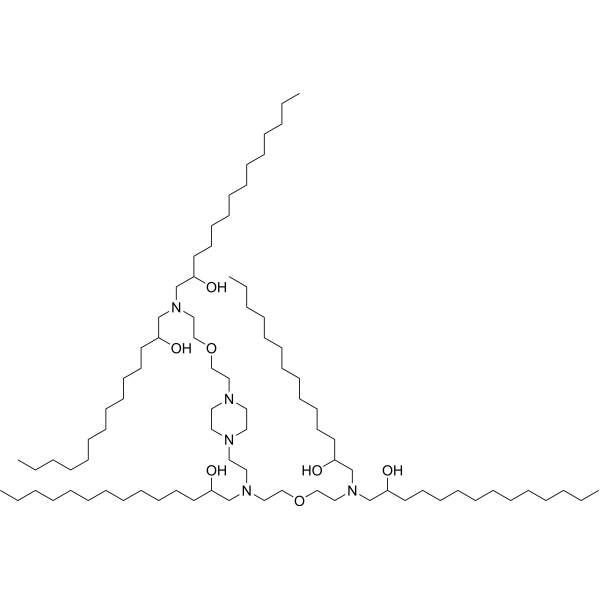
    C14-4 is an ionizable lipid utilized for the synthesis of lipid nanoparticles (LNPs). C14-4 enhances mRNA delivery, enabling the effective transport of mRNA to primary human T cells, which in turn induces functional protein expression. C14-4 demonstrates high transfection efficiency while maintaining low cytotoxicity .
    C14-4
  • HY-111964
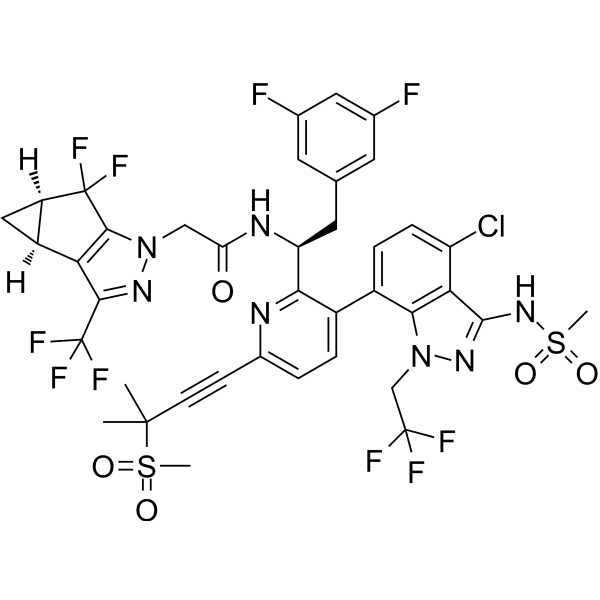
    Lenacapavir
    Maximum Cited Publications
    19 Publications Verification

    GS-6207

    HIV Infection
    Lenacapavir (GS-6207) is an HIV-1 capsid inhibitor. Lenacapavir binds to the interface between capsid hexamers and CA monomers, disrupts capsid assembly and viral maturation, inhibits nuclear translocation of HIV-1 DNA, interferes with CA-mediated protein-protein interactions, reduces the formation of 2-LTR circles and pre-integration proviruses, induces aberrant capsids, and decreases the production of mature HIV-1. Lenacapavir exhibits activity against a variety of HIV-1 subtypes and clinical isolates. Lenacapavir is applicable to research related to human immunodeficiency virus type 1 (HIV-1) infection .
    Lenacapavir
  • HY-153220

    NX-2127

    PROTACs Btk Inflammation/Immunology Cancer
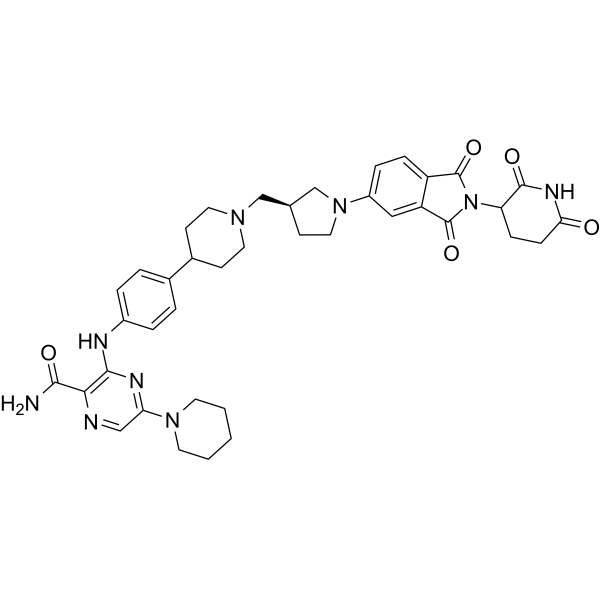
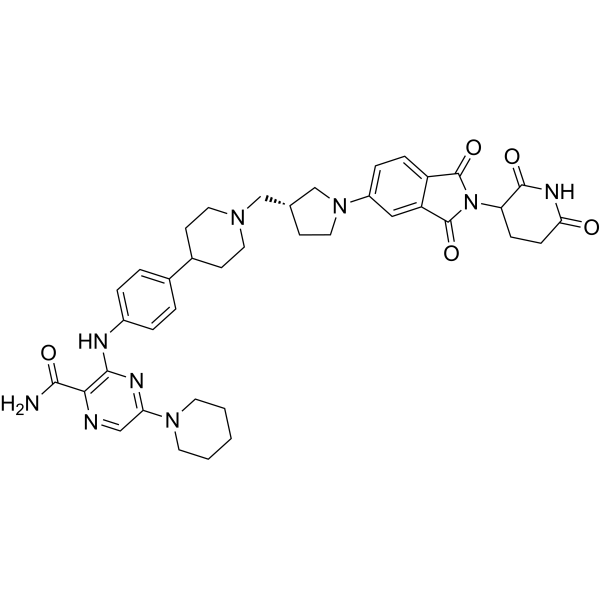
    Zelebrudomide (NX-2127) (Compound 28) is an orally active PROTAC deggrader, targeting to Bruton’s Tyrosine Kinase (Btk). Zelebrudomide inhibits proliferation of BTK C481S mutant TMD8 cells, more effectively than Ibrutinib (HY-10997). Zelebrudomide catalyzes the degradation of Ikaros (IKZF1) and Aiolos (IKZF3) with of 25 nM and 54 nM, respectively. Zelebrudomide stimulates T cell activation and increases IL-2 production in primary human T Cells . (Pink: BTK ligand 10 (HY-168302); Black: (R)-4-(1-(Pyrrolidin-3-ylmethyl)piperidin-4-yl)aniline (HY-168348); Blue: Thalidomide 5-fluoride (HY-W087383)
    Zelebrudomide
  • HY-P5307

    INF7-A5K-TAT

    Biochemical Assay Reagents Others
    Peptide A5K (INF7-A5K-TAT) is an amphiphilic peptide derived from the HA2-TAT fusion scaffold. Peptide A5K can non-covalently bind to CRISPR ribonucleoproteins and efficiently deliver them to cells, such as primary human T cells, B cells, and NK cells. Peptide A5K enables low-toxicity, precise, and multiplex genome editing, holding great application potential in the field of cell therapy .
    Peptide A5K
  • HY-160041A

    NOX-A12 sodium

    CXCR Cancer
    Olaptesed pegol (NOX-A12) sodium is a L-oligoribonucleotide aptamer targeting CXCL12 based on a pegylated structure. Olaptesed pegol sodium neutralizes CXCL12, and CXCL12 inhibition mobilizes chronic lymphocytic leukemia cells into the circulation and prevents their homing into the protective microenvironment. Olaptesed pegol sodium can enhances the infiltration of human primary T cells and NK cells and inhibit tumor growth companied with anti-PD-1 antibody. Olaptesed pegol sodium can be used for researches of colon cancer and lymphocytic leukemia .
    Olaptesed pegol sodium
  • HY-160041

    NOX-A12

    CXCR Cancer
    Olaptesed pegol (NOX-A12) is a L-oligoribonucleotide aptamer targeting CXCL12 based on a pegylated structure. Olaptesed pegol neutralizes CXCL12, and CXCL12 inhibition mobilizes chronic lymphocytic leukemia cells into the circulation and prevents their homing into the protective microenvironment. Olaptesed pegol can enhances the infiltration of human primary T cells and NK cells and inhibit tumor growth companied with anti-PD-1 antibody. Olaptesed pegol can be used for researches of colon cancer and lymphocytic leukemia .
    Olaptesed pegol
  • HY-173011

    PROTACs Cyclophilin HIV HCV Infection
    RJS308 is a selective Cyclophilin A (CypA) PROTAC degrader. RJS308 induces ubiquitin-dependent CypA degradation by recruiting the VHL E3 ligase complex, and forms a ternary complex with CypA and VHL/elongin C/elongin B. RJS308 exhibits anti-HIV-1 and anti-HCV activities. RJS308 can be used in studies related to viral infections .
    RJS308
  • HY-117878
    ML345
    1 Publications Verification

    IDE NOD-like Receptor (NLR) Interleukin Related Inflammation/Immunology Endocrinology
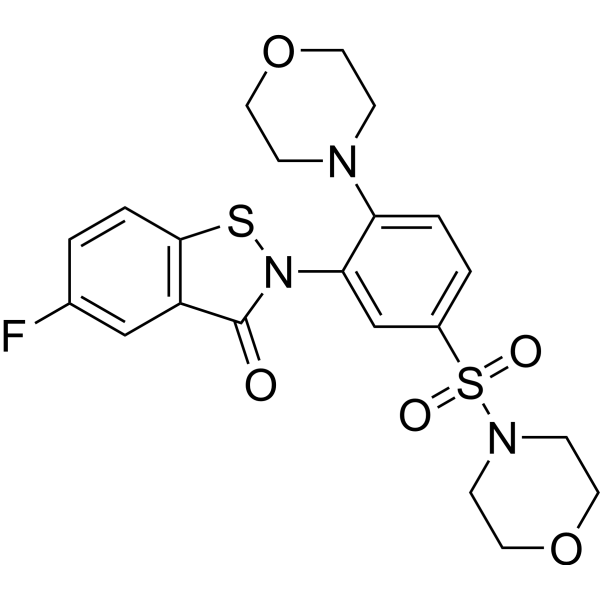
    ML345 is a potent and selective inhibitor of insulin-degrading enzyme (IDE) and NLRP3, with an IC50 of 188 nM against IDE. ML345 targets the Cys819 residue of IDE to inhibit IDE. ML345 selectively binds to NLRP3 in a non-covalent manner. ML345 inhibits inflammatory cytokines (IL-1β, IL-6) and exhibits potent anti-inflammatory activity. ML345 exerts a protective effect against miscarriage .
    ML345
  • HY-111964A
    Lenacapavir sodium
    Maximum Cited Publications
    19 Publications Verification

    GS-6207 sodium

    HIV Infection
    Lenacapavir (GS-6207) sodium is an HIV-1 capsid inhibitor. Lenacapavir sodium binds to the interface between capsid hexamers and CA monomers, disrupts capsid assembly and viral maturation, inhibits nuclear translocation of HIV-1 DNA, interferes with CA-mediated protein-protein interactions, reduces the formation of 2-LTR circles and pre-integration proviruses, induces aberrant capsids, and decreases the production of mature HIV-1. Lenacapavir sodium exhibits activity against a variety of HIV-1 subtypes and clinical isolates. Lenacapavir sodium is applicable to research related to human immunodeficiency virus type 1 (HIV-1) infection .
    Lenacapavir sodium
  • HY-N4053

    Nuclear Factor of activated T Cells (NFAT) Inflammation/Immunology
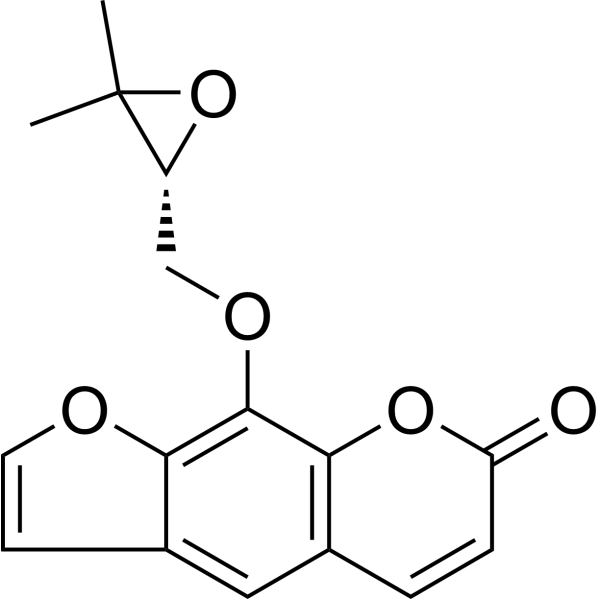
    Heraclenin, a natural furanocoumarin, significantly inhibits T cell receptor-mediated proliferation in human primary T cells in a concentration-dependent manner by targeting nuclear factor of activated T-cells (NFAT) .
    Heraclenin
  • HY-119715

    CDK Apoptosis Inflammation/Immunology Cancer
    AG-012986 is a pan-CDK inhibitor with Ki values of 44 nM (CDK1), 9.2 nM (CDK4), 94 nM (CDK2), and IC50 values of 22 nM (CDK5), 4 nM (CDK9). AG-012986 causes apoptosis of T-cells by targeting upstream kinases in the p38 Mitogen-activated protein kinase (MAPK) pathway and impairing cellular survival. AG-012986 induces cell cycle arrest, retinoblastoma protein hypophosphorylation, and reduces Ki-67 expression. AG-012986 exerts antiproliferative activity in tumor cells, demonstrates antitumor efficacy in human xenograft models, and causes retinal and peripheral neurotoxicity, plus immune cell toxicity. AG-012986 can be used for the research of colon carcinoma, non-small cell lung carcinoma, lung carcinoma, breast carcinoma, ovarian tumor, pancreatic carcinoma, osteosarcoma, lymphoma, leukemia, retinotoxicity .
    AG-012986
  • HY-159692

    IONIS-1063734

    TGF-beta/Smad Inflammation/Immunology Cancer
    AZD8701 (IONIS-1063734) is an antisense oligonucleotide targeting FOXP3 in regulatory T cells (Tregs), with a human IC50 of 65.2 nM. AZD8701 binds to intronic sites of all FOXP3 pre-mRNA isoforms and mediates dose-dependent FOXP3 knockdown via free uptake. AZD8701 can be used in cancer-related research .
    AZD8701
  • HY-P991674

    BJT-778

    HBV Infection Inflammation/Immunology
    Brelovitug (BJT-778) is a humanized IgG1 neutralizing monoclonal antibody targeting hepatitis B surface antigen (HBsAg). Brelovitug binds with high affinity to HBsAg purified from HBV serotypes ad and ay, with Kd values of 0.22 nM and 0.39 nM, respectively. Brelovitug binds with high affinity to HBsAg of HBV genotypes A, B, C and D, with IC50 values of 0.07, 0.02, 0.02 and 0.07 nM, respectively. Brelovitug can be used in research related to chronic hepatitis B and chronic hepatitis D .
    Brelovitug
  • HY-149056

    MAP4K Interleukin Related Cancer
    GNE-6893 is an orally active, selective HPK1 inhibitor with a Ki < 0.02 nM. GNE-6893 enhances T cell receptor signaling in primary human T cells. GNE-6893 increases IL2 production in stimulated primary human T cells. GNE-6893 can be used for the research of chronic refractory cancers .
    GNE-6893
  • HY-160267

    HIV DNA/RNA Synthesis Infection Neurological Disease Cancer
    iPAF1C is a inhibitor of the polymerase-associated factor 1 complex (PAF1C) with specific targeting to the PAF1 binding groove of CTR9 (a key subunit of PAF1C). iPAF1C disrupts PAF1C assembly by interfering with the PAF1-CTR9 interaction. iPAF1C selectively impairs BRD4-mediated recruitment of PAF1 to chromatin at hypoxia-responsive genes and inhibits RNA polymerase II (RNAPII) pause release. iPAF1C increases the population of HIV-1 NL4.3 Nef-IRES-GFP infected primary human CD4 +T cells in a dose-dependent manner. PAF1C can be used for the study of infection and diseases associated with abnormal hypoxic adaptation (e.g., cancers, neurological disorders) .
    iPAF1C
  • HY-175780

    CD28 IFNAR TNF Receptor Interleukin Related Cancer
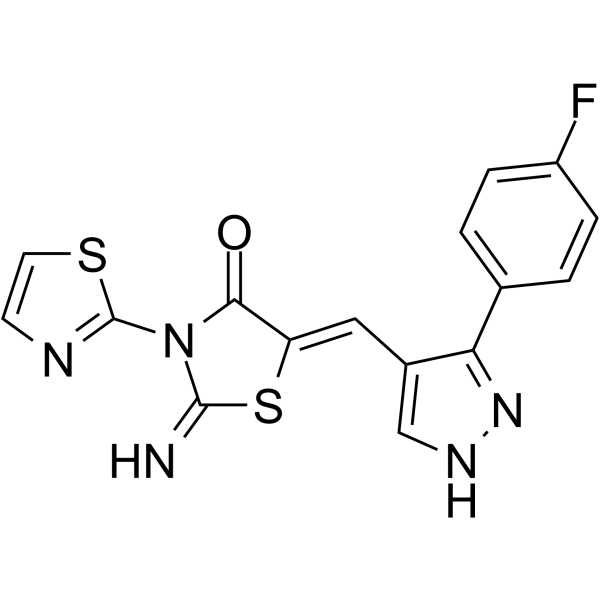
    CD28-IN-1 (Compound 19MS-5) is a CD28 inhibitor with a KD of 12.48  μM. CD28-IN-1 has a superior binding capacity to CD28 and potently inhibits CD28-B7 interactions. CD28-IN-1 inhibits CD28-driven immune activation and suppresses cytokine (IFN-γ, IL-2 and TNF-α) production in primary human T cells co-cultured with tumor spheroids and human epithelial tissues. CD28-IN-1 can be used for tumor immunity research .
    CD28-IN-1
  • HY-P991543

    CD2 Inflammation/Immunology Cancer
    BTI-322 is a human IgG1κ antibody directed against the CD2 antigen on T cells and NK cells. BTI-322 can block primary and memory alloantigen proliferative responses in vitro. BTI-322 recognizes over 90% of E-rosette-forming peripheral blood lymphocytes and T-cell leukemias. BTI-322 has immunosuppressive activity. BTI-322 effectively inhibits T cell responses in vitro to allogeneic cells. BTI-322 can be used as a T-cell deplting agent. BTI-322 can be studied in research for renal allograft rejection and steroid-refractory acute graft-versus-host disease .
    BTI-322
  • HY-175281

    PROTACs Src Discoidin Domain Receptor Bcr-Abl Apoptosis Cancer
    SJ11646 is a Dasatinib (HY-10181)-based LCK PROTAC degrader with a DC50 of 0.00838 pM. SJ11646 has potent cytotoxicity against LCK-activated T-cell acute lymphoblastic leukemia (T-ALL) cells and primary leukemia samples with drastically prolonged suppression of LCK signaling, and induces T-ALL apoptosis. SJ11646 binds to 51 human kinases with a high affinity (particularly ABL1, KIT, and DDR1). SJ11646 has superior antileukemic efficacy in T-ALL mice model. . Pink: LCK ligand (HY-107447); Blue: CRBN ligase ligand (HY-163169); Black: linker (HY-76667)
    SJ11646
  • HY-P5307A

    INF7-A5K-TAT acetate

    Biochemical Assay Reagents Others
    Peptide A5K (INF7-A5K-TAT) acetate is an amphiphilic peptide derived from the HA2-TAT fusion scaffold. Peptide A5K acetate can non-covalently bind to CRISPR ribonucleoproteins and efficiently deliver them to cells, such as primary human T cells, B cells, and NK cells. Peptide A5K acetate enables low-toxicity, precise, and multiplex genome editing, holding great application potential in the field of cell therapy .
    Peptide A5K acetate
  • HY-P10999

    P55

    Drug Derivative Biochemical Assay Reagents Others
    INF7TAT-P55 (P55) is a polypeptide derived from INF7TAT (HY-P11000) with G1K, G20L and Y22N mutations. INF7TAT-P55 serves as a delivery carrier to deliver preassembled CRISPR ribonucleases into cells for genome editing .
    INF7TAT-P55
  • HY-174760

    mRNA Inflammation/Immunology
    Human CCL22 mRNA encodes the human C-C motif chemokine ligand 22 (CCL22) protein, a cytokine that displays chemotactic activity for monocytes, dendritic cells, natural killer cells and for chronically activated T lymphocytes. CCL22 also displays a mild activity for primary activated T lymphocytes and has no chemoattractant activity for neutrophils, eosinophils and resting T lymphocytes.
    Human CCL22 mRNA
  • HY-174713

    mRNA Inflammation/Immunology
    Human FASLG mRNA encodes the human Fas ligand (FASLG) protein, a member of the tumor necrosis factor superfamily. The primary function of the FASLG is the induction of apoptosis triggered by binding to FAS. The FAS/FASLG signaling pathway is essential for immune system regulation, including activation-induced cell death (AICD) of T cells and cytotoxic T lymphocyte induced cell death. It has also been implicated in the progression of several cancers.
    Human FASLG mRNA
  • HY-NP0245

    Biochemical Assay Reagents Inflammation/Immunology
    Retinoic acid-HSA is a conjugate of Retinoic acid (HY-14649) and Human serum albumin (HSA). By conjugating the antigen with protein adjuvants, the production of antigen-specific antibodies in vaccine models can be enhanced. The conjugate does not affect protein folding or disrupt the primary epitopes, and it can enhance cross-presentation and the generation of antigen-specific T cells .
    Retinoic acid-HSA
  • HY-168074

    Amylases Glycosidase Metabolic Disease Inflammation/Immunology
    4″-C18 EGCG is a potent inhibitor of α-amylase and α-glucosidase with IC50 values of 3.74 and 0.81 μM, respectively. 4″-C18 EGCG inhibits carbohydrate hydrolases, reduces oxidative stress and inflammation, and exhibits antidiabetic activity. 4″-C18 EGCG also downregulates proinflammatory cytokines and is cytotoxic to primary human peripheral blood mononuclear cells (PBMCs), non-cancer cell lines 3T3-L1, and HEK 293 at 50 μM .
    4″-C18 EGCG
  • HY-P991328

    Notch Cancer
    MAb604.107 is a human monoclonal antibody (mAb) targeting NOTCH1. MAb604.107 inhibits the proliferation and CD34/CD44 expression of primary T-ALL cells. MAb604.107 has anti-tumor activity in four tumor xenograft mouse models: MDA-MB-231, HCC-1806, BT-474, and HCT-116. MAb604.107 can be used in T acute lymphoblastic leukemia research .
    MAb604.107
  • HY-179727

    PROTACs MAP4K Interleukin Related IFNAR Inflammation/Immunology
    PROTAC HPK1 Degrader-7 (compound D02) is a potent and selective PROTAC HPK1 degrader with an DC50 of 3.07 nM. PROTAC HPK1 Degrader-7 exhibits selectivity over GLK. PROTAC HPK1 Degrader-7 induces HPK1 degradation in a CRBN- and proteasome-dependent manner. PROTAC HPK1 Degrader-7 inhibits SLP-76 phosphorylation, induces IL-2 and IFN-γ secretion in human primary T cells. PROTAC HPK1 Degrader-7 can be used for immunology research .
    PROTAC HPK1 Degrader-7
  • HY-P991854

    Interleukin Related Inflammation/Immunology
    Anti-iNKT Cell Antibody (6B11) recognizes an epitope on T cell receptor (TCR) V alpha 24-J alpha 18. Anti-iNKT Cell Antibody is specific for cloned and primary human but not rodent iNKT and the human invariant TCR-α. Recommend Isotype Controls: Mouse IgG1 kappa, Isotype Control (HY-P99977) .
    Anti-iNKT Cell Antibody (6B11)
  • HY-P991960

    CTLA-4 Interleukin Related Cancer
    JS007 is a humanized IgG1 monoclonal antibody and also a CTLA-4 binder, with a Kd of 0.21 nM for CTLA-4. JS007 blocks the interaction between CTLA-4 and B7-1. JS007 activates T cells, promotes increased IL-2 secretion, and inhibits tumor growth in CTLA-4 knock-in mouse syngeneic tumor models. JS007 is applicable to research related to cancer and advanced solid tumors.
    JS007
  • HY-P992474

    Interleukin Related STAT CCR Fc Receptor (FcR) Inflammation/Immunology
    TAVO101 is a humanized anti-TSLP antibody with an EC50 of 0.19 nM against hTSLP. TAVO101 inhibits STAT5 activation and CCL17 release. TAVO101 carries Fc region mutations that enhance its binding to FcRn while reducing its binding to FcγRI, FcγRIIIA and C1q, thereby attenuating effector functions. TAVO101 reduces the levels of inflammatory markers, cell infiltration and histopathological damage in preclinical models of asthma, psoriasis and atopic dermatitis. TAVO101 can be used for research related to asthma, psoriasis and atopic dermatitis .
    TAVO101
  • HY-182470

    CDK
    AG-012986 (dihydrochloride) is a pan-CDK inhibitor with Ki values of 44 nM (CDK1), 9.2 nM (CDK4), 94 nM (CDK2), and IC50 values of 22 nM (CDK5), 4 nM (CDK9). AG-012986 (dihydrochloride) causes apoptosis of T-cells by targeting upstream kinases in the p38 Mitogen-activated protein kinase (MAPK) pathway and impairing cellular survival. AG-012986 (dihydrochloride) induces cell cycle arrest, retinoblastoma protein hypophosphorylation, and reduces Ki-67 expression. AG-012986 (dihydrochloride) exerts antiproliferative activity in tumor cells, demonstrates antitumor efficacy in human xenograft models, and causes retinal and peripheral neurotoxicity, plus immune cell toxicity. AG-012986 (dihydrochloride) can be used for the research of colon carcinoma, non-small cell lung carcinoma, lung carcinoma, breast carcinoma, ovarian tumor, pancreatic carcinoma, osteosarcoma, lymphoma, leukemia, retinotoxicity .
    AG-012986 dihydrochloride
  • HY-182335

    Itk Trk Receptor Interleukin Related IFNAR Inflammation/Immunology
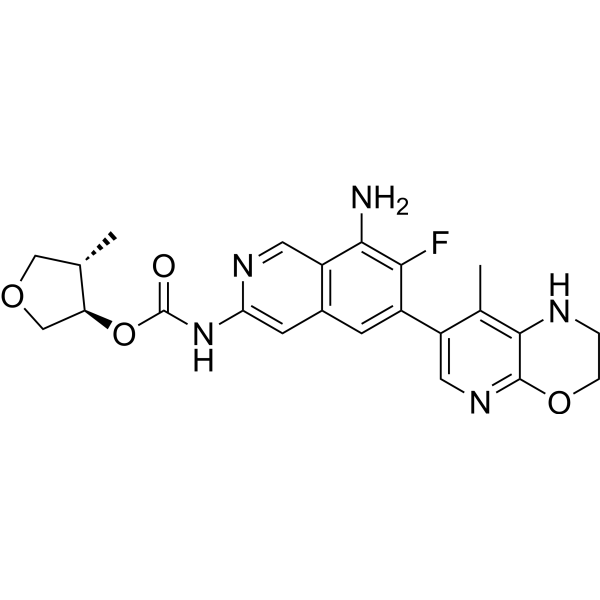
    PF-07245303 is a ITK/TRK inhibitor. PF-07245303 reduces the production of inflammatory cytokines such as IL-4 and IFNγ, and inhibits the phosphorylation of PLCγ1. PF-07245303 inhibits nerve growth factor-induced basophil activation and the phosphorylation of TRKA. PF-07245303 reduces oxazolone-induced ear swelling in mouse ear tissues. PF-07245303 is applicable to research related to atopic dermatitis .
    PF-07245303
  • HY-P992408

    TNF Receptor NF-κB MHC IFNAR Cancer
    MEDI-5083 is an Fc fusion protein that targets CD40 and is a CD40 agonist. MEDI-5083 stimulates CD40 signaling via NF-κB activation. MEDI-5083 upregulates MHCII, CD80, and CD86 expression, induces pro-inflammatory cytokine secretion, and enhances IFN-γ secretion by memory CD8+ T cells. MEDI-5083 can be used for the research of melanoma, colon carcinoma, and advanced solid tumors[1][2].
    MEDI-5083
  • HY-182299

    Phosphatase Tyrosinase ERK Inflammation/Immunology
    LYP-IN-5 is a lymphoid tyrosine phosphatase (LYP) inhibitor with an IC50 value of 20.6 μM. LYP-IN-5 enhances the phosphorylation of ZAP70 and ERK1/2 following TCR stimulation, and promotes T cell activation. LYP-IN-5 can be used in the research of autoimmune diseases .
    LYP-IN-5
  • HY-183887

    PD-1/PD-L1 Cancer
    PD-L1-IN-11 is a PD-L1 inhibitor with human PD-L1 IC50 and KD of 27.82 μM and 49.50 μM, respectively. PD-L1-IN-11 directly binds to PD-L1 via a dimer-locking mechanism, occluding the PD-1 interaction surface to disrupt PD-1/PD-L1 interaction. PD-L1-IN-11 can be used for the research of melanoma, colon carcinoma .
    PD-L1-IN-11
  • HY-206870

    Interleukin Related STAT Inflammation/Immunology
    BP79 is a potent TSLP receptor inhibitor. BP79 disrupts TSLP-mediated ternary complex formation, blocks TSLPR-IL7Rα co-localization, binds and stabilizes TSLPR, and inhibits phosphorylated STAT3/6. BP79 suppresses immune cell infiltration, secretion of IL-13, IL-4. BP79 can be used for the research of inflammation diseases, such as atopic dermatitis, allergic asthma, and allergic rhinitis .
    BP79
  • HY-182693

    PI3K IFNAR Reactive Oxygen Species (ROS) Interleukin Related Inflammation/Immunology
    CPL302-253 is a PI3Kδ inhibitor with an IC50 of 12.20 nM and a human Ka of 0.85 nM. CPL302-253 functionally regulates PI3Kδ activity, blocks the production of IFNγ, IL-33 and ROS in immune cells, and affects immune function. CPL302-253 blocks the progression of asthma-inducing inflammatory responses in a mouse model of asthma. CPL302-253 can be used for research related to asthma .
    CPL302-253
  • HY-P991961

    CTLA-4 Cancer
    REGN4659 is a fully human anti-CTLA-4 monoclonal antibody and IgG1 antibody. REGN4659 binds to the extracellular domain of human and monkey CTLA-4 with high affinity and specificity. REGN4659 blocks CTLA-4 interaction with CD80 and CD86 ligands. REGN4659 significantly suppresses MC38.Ova tumor growth in CTLA-4 knock-in mice .
    REGN4659
  • HY-186178

    CD38 Metabolic Disease Inflammation/Immunology
    CD38-IN-6 is an orally active CD38 inhibitor. CD38-IN-6 regulates NAD + metabolite levels in the liver of aged obese mice by increasing NAD + and NMN levels, and decreasing NAM and ADPR levels. CD38-IN-6 alleviates inflammatory responses in mice. CD38-IN-6 can be used for research related to obesity and inflammation .
    CD38-IN-6

Inquiry Online

Your information is safe with us. * Required Fields.

Salutation


Country or Region *

Applicant Name *


Organization Name *

Department *


Email Address *


Product Name *

Cat. No.


Requested quantity *

Phone Number *


Remarks

Inquiry Online

Inquiry Information

Product Name:
Cat. No.:
Quantity:
MCE Japan Authorized Agent:

