

1. Search Result
Search Result
Results for "

recycling

" in MedChemExpress (MCE) Product Catalog:

42

Inhibitors & Agonists

1

Screening Libraries

4

Fluorescent Dyes

3

Biochemical Assay Reagents

3

Peptides

2

Inhibitory Antibodies

9

Natural
Products

6

Isotope-Labeled Compounds

Cat. No. Product Name Target Research Areas Chemical Structure
  • HY-B0964
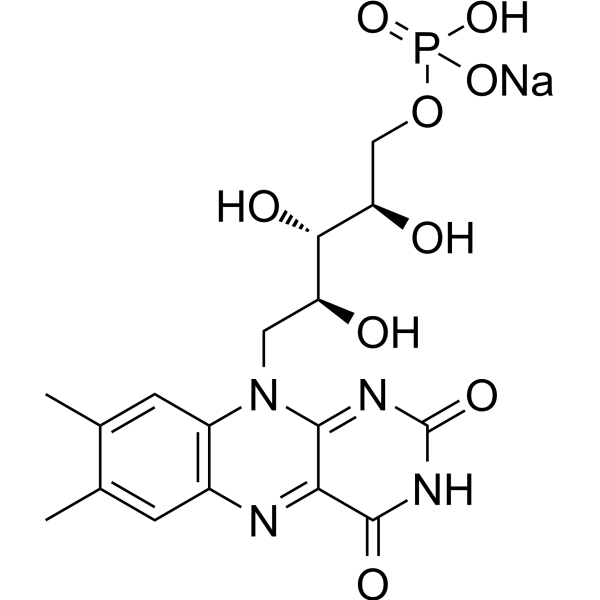
    Riboflavin phosphate sodium
    2 Publications Verification

    Riboflavine phosphate sodium; Riboflavin 5'-phosphate sodium; Riboflavine 5'-phosphate sodium

    Endogenous Metabolite Others
    Riboflavin phosphate sodium (FMN-Na) is a derivative of Riboflavin (vitamin B2) which is an essential nutrient for animals. Riboflavin phosphate sodium can be used for the research of progressive keratoconus, corneal ectasia and irregular astigmatism . Riboflavine phosphate sodium is a very effective NAD +-recycling agent .
    Riboflavin phosphate sodium
  • HY-W142119
    α-Methyl-DL-aspartic acid
    4 Publications Verification

    Ser/Thr Protease Neurological Disease
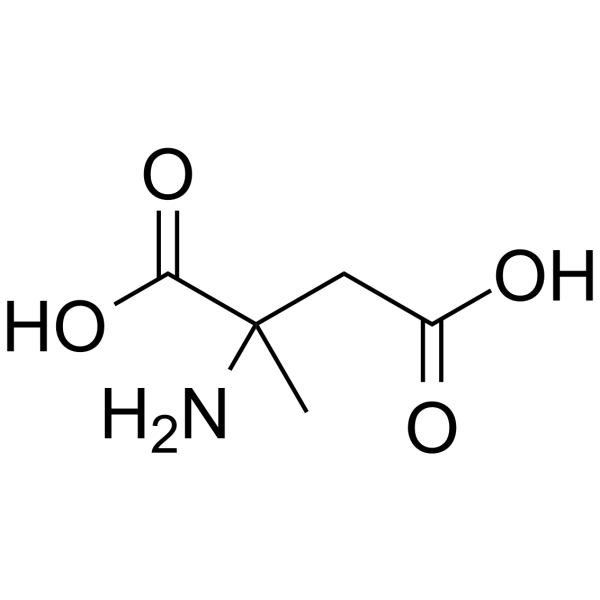
    α-Methyl-DL-aspartic acid is a specific inhibitor of argininosuccinate synthase (ASS), and also is the rate-limiting enzyme for the recycling of 1-citrulline to 1-arginine .
    α-Methyl-DL-aspartic acid
  • HY-113308
    Taurolithocholic acid
    5+ Cited Publications

    Calcium Channel Ferroptosis PI3K Akt HBV Reactive Oxygen Species (ROS) Cardiovascular Disease Infection Inflammation/Immunology
    Taurolithocholic acid is an orally active bile acid and antiviral agent. Taurolithocholic acid upregulates FADS2 by activating the TGR5-PI3K/AKT-SREBP2 signaling axis, inhibits SFTSV-induced ferroptosis (Ferroptosis), viral replication and viral entry of HBV/HDV, while reducing the release of IL-1β, lipid ROS and LDH. While exerting antiviral protective effects, Taurolithocholic acid also stimulates the recycling of hepatocellular membrane transporters, impairs canalicular bile acid secretion function, and induces hepatocyte cholestasis, apoptosis and acute hepatocellular injury. Taurolithocholic acid serves as an experimental model compound for hepatocellular cholestasis. At concentrations ≤200 μM, Taurolithocholic acid shows no cytotoxicity and does not activate the interferon pathway. Taurolithocholic acid not only protects mice from lethal SFTSV infection but also is suitable for studies related to severe fever with thrombocytopenia syndrome and cholestasis .
    Taurolithocholic acid
  • HY-W008947
    SEW​2871
    Maximum Cited Publications
    9 Publications Verification

    LPL Receptor ERK Akt Neurological Disease Metabolic Disease Inflammation/Immunology
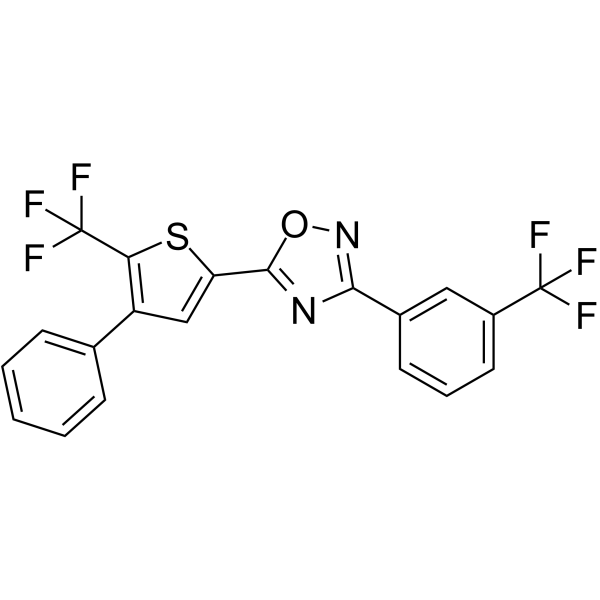
    SEW2871 is an orally active, potent, highly selective S1P1 (sphingosine-1-phosphate type 1 receptor) agonist, with an EC50 of 13.8 nM. SEW2871 activates ERK, Akt, and Rac signaling pathways and induces S1P1 internalization and recycling. SEW2871 reduces lymphocyte numbers in blood. SEW2871 can be used for the research of diabetes, Alzheimer’s disease, liver fibrosis, and inflammatory responses .
    SEW​2871
  • HY-120821
    Endosidin-2
    2 Publications Verification

    ES2

    Exosomes Others
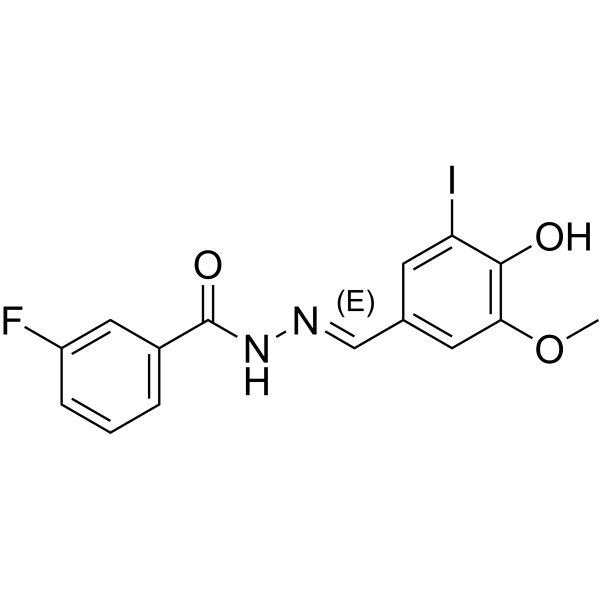
    Endosidin-2 (ES2) is a selective inhibitor targeting the conserved exosome subunit EXO70. Endosidin-2 binds to the C-terminal domain of EXO70, inhibiting exocytosis and endosomal recycling, while promoting vacuolar trafficking in plant cells. Endosidin-2 interferes with the EXO70-mediated vesicle-to-plasma membrane anchoring process, leading to abnormal aggregation of auxin transporters (such as PIN2) in the cytoplasm and redirected to vacuolar degradation, while causing abnormal Golgi structure (such as cup-shaped or ring-shaped vesicles cisternae formation). Endosidin-2 can inhibit exocytosis in plant and mammalian cells and is mainly used to study the dynamic regulation of membrane trafficking (such as polar growth, vesicle sorting) .
    Endosidin-2
  • HY-113308A

    Calcium Channel Ferroptosis PI3K Reactive Oxygen Species (ROS) Akt HBV Metabolic Disease
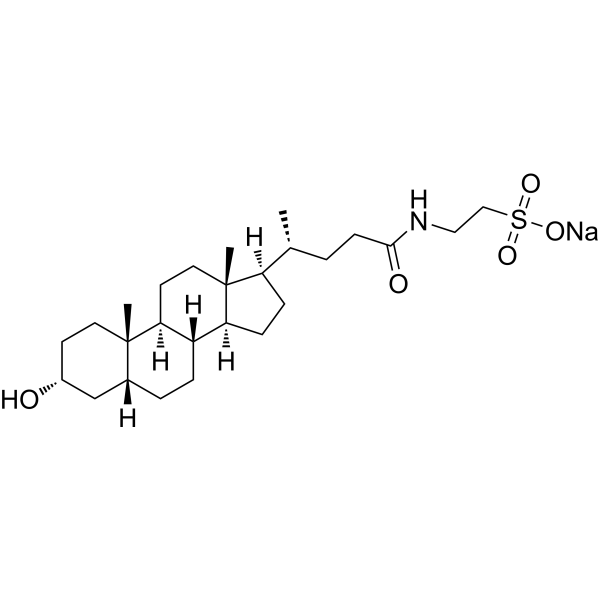
    Taurolithocholic acid sodium salt is an orally active bile acid and antiviral agent. Taurolithocholic acid sodium salt upregulates FADS2 by activating the TGR5-PI3K/AKT-SREBP2 signaling axis, inhibits SFTSV-induced ferroptosis, viral replication and viral entry of HBV/HDV, while reducing the release of IL-1β, lipid ROS and LDH. While exerting antiviral protective effects, Taurolithocholic acid sodium salt also stimulates the recycling of hepatocellular membrane transporters, impairs canalicular bile acid secretion function, and induces hepatocyte cholestasis, apoptosis and acute hepatocellular injury. Taurolithocholic acid sodium salt serves as an experimental model compound for hepatocellular cholestasis. At concentrations ≤200 μM, Taurolithocholic acid sodium salt shows no cytotoxicity and does not activate the interferon pathway. Taurolithocholic acid sodium salt not only protects mice from lethal SFTSV infection but also is suitable for studies related to severe fever with thrombocytopenia syndrome and cholestasis .
    Taurolithocholic acid sodium salt
  • HY-P99009

    RVT-1401; HBM9161; IMVT-1401

    Fc Receptor (FcR) Inflammation/Immunology
    Batoclimab (RVT-1401) is a fully humanized IgG1 monoclonal antibody targeting FcRn. Batoclimab has high affinity for the IgG-binding site on FcRn. By competitively binding to the IgG binding site on FcRn, Batoclimab blocks FcRn-mediated recycling of IgG, resulting in enhanced degradation and subsequent reductions in IgG levels. Batoclimab can be used in the research of autoimmune diseases such as myasthenia gravis and thyroid eye disease .
    Batoclimab
  • HY-W013713

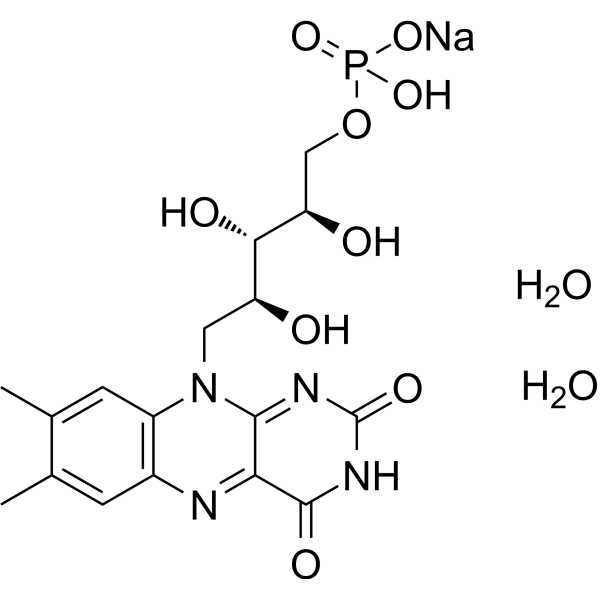
    Riboflavine phosphate sodium hydrate; Riboflavin 5'-phosphate sodium hydrate; Riboflavine 5'-phosphate sodium hydrate

    Endogenous Metabolite Others
    Riboflavine phosphate sodium hydrate (Riboflavine 5'-phosphate sodium hydrate) is a derivative of Riboflavin (vitamin B2) which is an essential nutrient for animals. Riboflavine phosphate sodium hydrate can be used for the research of progressive keratoconus, corneal ectasia and irregular astigmatism . Riboflavine phosphate sodium hydrate is a very effective NAD +-recycling agent .
    Riboflavin phosphate sodium hydrate
  • HY-P1654

    Integrin Cancer
    A20FMDV2 is a highly selective αvβ6 integrin inhibitor with human IC50 values of 3 nM and binds with at least 1000-fold selectivity over other RGD-binding integrins. A20FMDV2 binds to the integrin’s RGD-binding site, induces rapid integrin internalization, and delays post-internalization integrin recycling to the cell surface. A20FMDV2 can be used for the research of pancreatic cancer, breast cancer, colorectal cancer, ovarian cancer, oral squamous cell carcinoma .
    A20FMDV2
  • HY-W013111

    dGDP trisodium; 2'-Deoxyguanosine-5'-diphosphate trisodium

    Nucleoside Antimetabolite/Analog Parasite Infection
    2′-Deoxy-GDP (dGDP) trisodium, a guanosine monophosphate (GMP) analogue, is a hypoxanthine phosphoribosyltransferase (HGPRT) inhibitor with an IC50 of 12.5 μM. HGPRT is a central enzyme in the purine recycling pathway of all protozoan parasites .
    2′-Deoxy-GDP trisodium
  • HY-B0964A

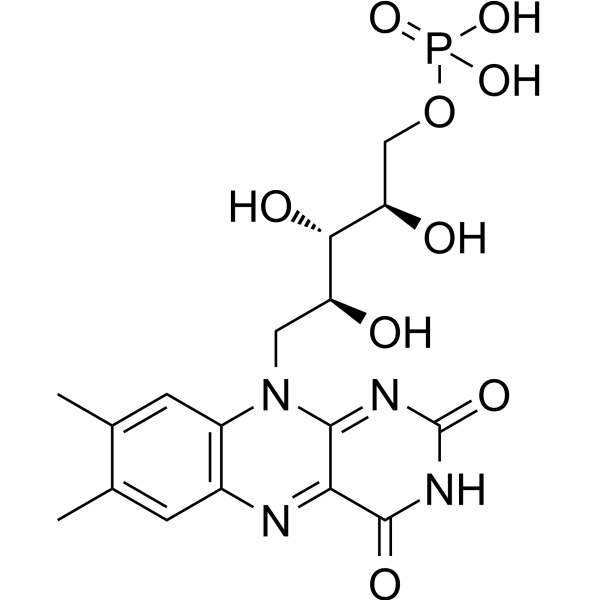
    Riboflavine phosphate; Riboflavin 5'-phosphate; Riboflavine 5'-phosphate

    Endogenous Metabolite Metabolic Disease
    Riboflavine phosphate is a derivative of Riboflavin (vitamin B2) which is an essential nutrient for animals. Riboflavin phosphate can be used for the research of progressive keratoconus, corneal ectasia and irregular astigmatism . Riboflavine phosphate is a very effective NAD +-recycling agent .
    Riboflavin phosphate
  • HY-159621

    ES5

    Annexin A Endocrinology
    Endosidine 5 (ES5) inhibits EPS (extracellular polymeric substance) secretion and cell wall expansion. Endosidine 5 alters secretion of ECM (extracellular matrix) material in Penium margaritaceum by affecting the Golgi apparatus. Endosidine 5 interferes with recycling endosomes through Annexin A6, thereby promoting the release and expression of mRNA into the cytoplasm .
    Endosidine 5
  • HY-E70042

    Endogenous Metabolite Metabolic Disease
    Nucleoside hydrolase (IAGNH) is a glycosidase. Nucleoside hydrolase (IAGNH) catalyzes the cleavage of the N-glycosidic bond in nucleosides to enable the recycling of the nucleobases and Rib .
    Nucleoside hydrolase (IAGNH)
  • HY-P2960

    Acylase I

    Biochemical Assay Reagents Others
    Aminoacylase (Acylase I) is a specific N-acetylglutamine metabolic-degrading enzyme. Aminoacylase is a key enzyme in the intracellular amino acid recycling pathway. Aminoacylase has detoxifying properties .
    Aminoacylase
  • HY-W018584

    o-Phenoxyphenol

    Drug Derivative Others
    2-Phenoxyphenol (o-Phenoxyphenol) is the main product in the photocatalytic reduction and dechlorination reaction of Triclosan (HY-B1119). 2-Phenoxyphenol has low toxicity and can be recycled and utilized as a chemical raw material .
    2-Phenoxyphenol
  • HY-B0964R

    Riboflavine phosphate sodium (Standard); Riboflavin 5'-phosphate sodium (Standard); Riboflavine 5'-phosphate sodium (Standard)

    Reference Standards Endogenous Metabolite Others
    Riboflavin phosphate (sodium) (Standard) is the analytical standard of Riboflavin phosphate (sodium). This product is intended for research and analytical applications. Riboflavin phosphate sodium (FMN-Na) is a derivative of Riboflavin (vitamin B2) which is an essential nutrient for animals. Riboflavin phosphate sodium can be used for the research of progressive keratoconus, corneal ectasia and irregular astigmatism . Riboflavine phosphate sodium is a very effective NAD+-recycling agent .
    Riboflavin phosphate sodium (Standard)
  • HY-169491

    Fluorescent Dye Metabolic Disease
    Pantothenate-AMC is a fluorogenic substrate used for detecting the enzymatic activity of vanin-1, an enzyme involved in the recycling of L-pantothenic acid. Upon enzymatic cleavage by vanin-1, 7-amino-7-methylcoumarin (AMC) is released, and its fluorescence can be used to quantify vanin-1 activity. The excitation/emission maxima of AMC are 340-360 nm and 440-460 nm, respectively .
    Pantothenate-AMC
  • HY-N0977

    Octadecane-1,18-diol

    Biochemical Assay Reagents Others
    1,18-Octadecanediol (Octadecane-1,18-diol) is a copolymer of long-chain diol monomers that has properties similar to polyethylene while being easily chemically recyclable and biodegradable .
    1,18-Octadecanediol
  • HY-113308S1

    Isotope-Labeled Compounds Calcium Channel Ferroptosis PI3K Reactive Oxygen Species (ROS) Akt HBV Others
    Taurolithocholic acid-d4 is deuterium labeled Taurolithocholic acid. Taurolithocholic acid is an orally active bile acid and antiviral agent. Taurolithocholic acid upregulates FADS2 by activating the TGR5-PI3K/AKT-SREBP2 signaling axis, inhibits SFTSV-induced ferroptosis, viral replication and viral entry of HBV/HDV, while reducing the release of IL-1β, lipid ROS and LDH. While exerting antiviral protective effects, Taurolithocholic acid also stimulates the recycling of hepatocellular membrane transporters, impairs canalicular bile acid secretion function, and induces hepatocyte cholestasis, apoptosis and acute hepatocellular injury. Taurolithocholic acid serves as an experimental model compound for hepatocellular cholestasis. At concentrations ≤200 μM, Taurolithocholic acid shows no cytotoxicity and does not activate the interferon pathway. Taurolithocholic acid not only protects mice from lethal SFTSV infection but also is suitable for studies related to severe fever with thrombocytopenia syndrome and cholestasis .
    Taurolithocholic acid-d4
  • HY-D1515

    Neurodye GH1-84

    Fluorescent Dye Neurological Disease
    FM1-84 (Neurodye GH1-84) is a fluorescent dye. FM1-84 has lipophilic and facilitates association with membranes, resulting in an increase in fluorescence intensity (λex=510 nm, λem=625 nm). FM1-84 can be used for synaptic vesicle recycling in neurons research .
    FM1-84
  • HY-N2092

    Bacterial Infection Cancer
    Atractylodinol, an antimicrobial, is a PRRSV (porcine reproductive and respiratory syndrome virus) inhibitor. Atractylodinol inhibits TGF-β receptor I recycling by binding to vimentin (KD of 454 nM) and inducing the formation of filamentous aggregates .
    Atractylodinol
  • HY-P3852

    SPR393-407

    Neurokinin Receptor Neurological Disease Inflammation/Immunology
    Neurokinin Receptor (393-407), rat (SPR393–407) is a rat neurokinin 1 receptor (NK1R) fragment. NK1R is rapidly internalized by endocytosis and recycled to the plasma membrane when binding to substance P (SP). Neurokinin Receptor (393-407), rat can be used in the research of neurogenic inflammation .
    Neurokinin Receptor (393-407), rat
  • HY-113308AR

    Reference Standards Calcium Channel Ferroptosis PI3K Reactive Oxygen Species (ROS) Akt HBV Metabolic Disease
    Taurolithocholic acid (sodium salt) (Standard) is the analytical standard of Taurolithocholic acid (sodium salt). This product is intended for research and analytical applications. Taurolithocholic acid sodium salt is an orally active bile acid and antiviral agent. Taurolithocholic acid sodium salt upregulates FADS2 by activating the TGR5-PI3K/AKT-SREBP2 signaling axis, inhibits SFTSV-induced ferroptosis, viral replication and viral entry of HBV/HDV, while reducing the release of IL-1β, lipid ROS and LDH. While exerting antiviral protective effects, Taurolithocholic acid sodium salt also stimulates the recycling of hepatocellular membrane transporters, impairs canalicular bile acid secretion function, and induces hepatocyte cholestasis, apoptosis and acute hepatocellular injury. Taurolithocholic acid sodium salt serves as an experimental model compound for hepatocellular cholestasis. At concentrations ≤200 μM, Taurolithocholic acid sodium salt shows no cytotoxicity and does not activate the interferon pathway. Taurolithocholic acid sodium salt not only protects mice from lethal SFTSV infection but also is suitable for studies related to severe fever with thrombocytopenia syndrome and cholestasis .
    Taurolithocholic acid sodium salt (Standard)
  • HY-113811

    DIXDS; Diproxide

    Biochemical Assay Reagents Others
    Diisopropyl xanthogen disulfide (DIXDS) is a superaccelerator for natural rubber and latex, styrene-butadiene rubber and latex, nitrile butadiene rubber and recycled rubber. It can also be used as a neoprene rubber modifier and an insoluble sulfur stabilizer .
    Diisopropyl xanthogen disulfide
  • HY-W008947R

    Reference Standards LPL Receptor ERK Akt Neurological Disease Metabolic Disease Inflammation/Immunology
    SEW2871 is an orally active, potent, highly selective S1P1 (sphingosine-1-phosphate type 1 receptor) agonist, with an EC50 of 13.8 nM. SEW2871 activates ERK, Akt, and Rac signaling pathways and induces S1P1 internalization and recycling. SEW2871 reduces lymphocyte numbers in blood. SEW2871 can be used for the research of diabetes, Alzheimer’s disease, liver fibrosis, and inflammatory responses .
    SEW​2871 (Standard)
  • HY-177297

    NVP-LCZ960

    Glucokinase Metabolic Disease
    LCZ960 is an orally active glucokinase (GK) activator. LCZ960 stimulates GK activity in hepatocytes in vitro and stimulates glucose uptake in vivo through hepatic GK activation. LCZ960 lowers blood glucose in mice with diet-induced obesity (DIO). LCZ960 maintains normoglycemia and improves glucose tolerance in DIO mice and rats. LCZ960 stimulates glycogen synthase flux and increases hepatic glycogen turnover in rats. LCZ960 induces increased hepatic glycogen recycling. LCZ960 can be used to study high-fat diet-induced obesity and type 2 diabetes .
    LCZ960
  • HY-113308AS1

    Isotope-Labeled Compounds Calcium Channel Ferroptosis PI3K Reactive Oxygen Species (ROS) Akt HBV Metabolic Disease
    Taurolithocholic Acid-d5 (sodium) is the deuterium labeled Taurolithocholic acid sodium salt. Taurolithocholic Acid sodium salt is an orally active bile acid and antiviral agent. Taurolithocholic Acid sodium salt upregulates FADS2 by activating the TGR5-PI3K/AKT-SREBP2 signaling axis, inhibits SFTSV-induced ferroptosis, viral replication and viral entry of HBV/HDV, while reducing the release of IL-1β, lipid ROS and LDH. While exerting antiviral protective effects, Taurolithocholic Acid sodium salt also stimulates the recycling of hepatocellular membrane transporters, impairs canalicular bile acid secretion function, and induces hepatocyte cholestasis, apoptosis and acute hepatocellular injury. Taurolithocholic Acid sodium salt serves as an experimental model compound for hepatocellular cholestasis. At concentrations ≤200 μM, Taurolithocholic Acid sodium salt shows no cytotoxicity and does not activate the interferon pathway. Taurolithocholic Acid sodium salt not only protects mice from lethal SFTSV infection but also is suitable for studies related to severe fever with thrombocytopenia syndrome and cholestasis .
    Taurolithocholic Acid-d5 sodium salt
  • HY-158471

    Biochemical Assay Reagents Others
    Core 1 O-glycan (C1) is an important O-linked glycan with core structure 1 (MUC1-M). Core 1 O-glycan (C1), 2AB labeled is related to sialylation and participates in life activities including cell recognition, protection, immune regulation and disease markers .
    Core 1 O-glycan (C1)
  • HY-W721166

    Riboflavine phosphate-d3 sodium; Riboflavin 5'-phosphate-d3 sodium; Riboflavine 5'-phosphate-d3 sodium

    Isotope-Labeled Compounds Endogenous Metabolite Others
    Riboflavin phosphate-d3 sodium (Riboflavine phosphate-d3 sodium; Riboflavin 5'-phosphate-d3 sodium; Riboflavine 5'-phosphate-d3 sodium) is the deuterium labeled Riboflavin phosphate sodium (HY-B0964). Riboflavin phosphate sodium (FMN-Na) is a derivative of Riboflavin (vitamin B2) which is an essential nutrient for animals. Riboflavin phosphate sodium can be used for the research of progressive keratoconus, corneal ectasia and irregular astigmatism . Riboflavine phosphate sodium is a very effective NAD+-recycling agent .
    Riboflavin phosphate-d3 sodium
  • HY-113308AS

    Isotope-Labeled Compounds Calcium Channel Ferroptosis PI3K Reactive Oxygen Species (ROS) Akt HBV Metabolic Disease
    Taurolithocholic acid-d4 (sodium) is the deuterium labeled Taurolithocholic acid (sodium salt). Taurolithocholic acid sodium is an orally active bile acid and antiviral agent. Taurolithocholic acid sodium upregulates FADS2 by activating the TGR5-PI3K/AKT-SREBP2 signaling axis, inhibits SFTSV-induced ferroptosis, viral replication and viral entry of HBV/HDV, while reducing the release of IL-1β, lipid ROS and LDH. While exerting antiviral protective effects, Taurolithocholic acid sodium also stimulates the recycling of hepatocellular membrane transporters, impairs canalicular bile acid secretion function, and induces hepatocyte cholestasis, apoptosis and acute hepatocellular injury. Taurolithocholic acid sodium serves as an experimental model compound for hepatocellular cholestasis. At concentrations ≤200 μM, Taurolithocholic acid sodium shows no cytotoxicity and does not activate the interferon pathway. Taurolithocholic acid sodium not only protects mice from lethal SFTSV infection but also is suitable for studies related to severe fever with thrombocytopenia syndrome and cholestasis .
    Taurolithocholic acid-d4 sodium
  • HY-113308AS2

    Isotope-Labeled Compounds Calcium Channel Ferroptosis PI3K Reactive Oxygen Species (ROS) Akt HBV Metabolic Disease
    Taurolithocholic acid-d4-1 (sodium) is the deuterium labeled Taurolithocholic acid. Taurolithocholic acid sodium is an orally active bile acid and antiviral agent. Taurolithocholic acid sodium upregulates FADS2 by activating the TGR5-PI3K/AKT-SREBP2 signaling axis, inhibits SFTSV-induced ferroptosis, viral replication and viral entry of HBV/HDV, while reducing the release of IL-1β, lipid ROS and LDH. While exerting antiviral protective effects, Taurolithocholic acid sodium also stimulates the recycling of hepatocellular membrane transporters, impairs canalicular bile acid secretion function, and induces hepatocyte cholestasis, apoptosis and acute hepatocellular injury. Taurolithocholic acid sodium serves as an experimental model compound for hepatocellular cholestasis. At concentrations ≤200 μM, Taurolithocholic acid sodium shows no cytotoxicity and does not activate the interferon pathway. Taurolithocholic acid sodium not only protects mice from lethal SFTSV infection but also is suitable for studies related to severe fever with thrombocytopenia syndrome and cholestasis .
    Taurolithocholic acid-d4-1 sodium
  • HY-113308S

    Isotope-Labeled Compounds Calcium Channel Ferroptosis PI3K Reactive Oxygen Species (ROS) Akt HBV Others
    Taurolithocholic acid-d5 is deuterium labeled Taurolithocholic acid. Taurolithocholic acid is an orally active bile acid and antiviral agent. Taurolithocholic acid upregulates FADS2 by activating the TGR5-PI3K/AKT-SREBP2 signaling axis, inhibits SFTSV-induced ferroptosis, viral replication and viral entry of HBV/HDV, while reducing the release of IL-1β, lipid ROS and LDH. While exerting antiviral protective effects, Taurolithocholic acid also stimulates the recycling of hepatocellular membrane transporters, impairs canalicular bile acid secretion function, and induces hepatocyte cholestasis, apoptosis and acute hepatocellular injury. Taurolithocholic acid serves as an experimental model compound for hepatocellular cholestasis. At concentrations ≤200 μM, Taurolithocholic acid shows no cytotoxicity and does not activate the interferon pathway. Taurolithocholic acid not only protects mice from lethal SFTSV infection but also is suitable for studies related to severe fever with thrombocytopenia syndrome and cholestasis .
    Taurolithocholic acid-d5
  • HY-D3198

    Fluorescent Dye Endogenous Metabolite Cancer
    NIR-fluorescent ceramide is a neutral near-infrared (NIF) fluorescent probe (λem=650 nm) based on the C-bridged nitrobenzoxadiazole SCOTfluor core, which enables visualization of lipid metabolic processes such as sphingolipid trafficking. The emission signal of NIR-fluorescent ceramide increases significantly in liposomal environments. NIR-fluorescent ceramide acts as an intracellular trafficking tracer, localizing to regions surrounding the endoplasmic reticulum and Golgi apparatus within a short period, and then translocating to recycling lysosomes over a longer period, thus enabling real-time visualization of sphingolipid trafficking and biological lipid functions in living cells. NIR-fluorescent ceramide also generates metabolic uptake profiles and provides multiple metabolic readouts in human cancer cell lines .
    NIR‐fluorescent ceramide
  • HY-E71334

    Biochemical Assay Reagents Others
    γ-D-Glutamyl-L-lysine dipeptidyl-peptidase (EC 3.4.14.13) , characterized from the bacterium Bacillus subtilis, is involved in the recycling of the murein peptide.
    γ-D-Glutamyl-L-lysine dipeptidyl-peptidase
  • HY-158467

    Biochemical Assay Reagents Others
    Core 1 O-glycan (C1), 2AB labeled is a 2AB (2-aminobenzamide) labeled O-linked glycan with core structure 1 (MUC1-M). Core 1 O-glycan (C1), 2AB labeled is related to sialylation and participates in life activities including cell recognition, protection, immune regulation and disease markers .
    Core 1 O-glycan (C1), 2AB labelled
  • HY-E71134

    Biochemical Assay Reagents Others
    (S)-Ureidoglycine aminohydrolase (EC 3.5.3.26) binds to Mn2+. (S)-Ureidoglycine aminohydrolase (EC 3.5.3.26) , found in plants and bacteria, is part of the ureide pathway, which enables the recycling of the nitrogen in purine compounds. In plants it is localized in the endoplasmic reticulum.
    (S)-Ureidoglycine aminohydrolase
  • HY-125862B

    Glutathione Reductase (GR) Metabolic Disease
    Glutathione Reductase,Wheat germ (EC 1.6.4.2) is a crucial flavoenzyme in the antioxidant defense system. Reduced glutathione (GSH) is used by glutathione peroxidase to detoxify hydrogen peroxide and in the precess is converted to oxidized glutathione (GSSG). The GSSG is then recycled back to GSH by glutathione reductase (GR) using NADPH that is then converted to NADP+. The regenerated GSH is then available to detoxify more hydrogen peroxide. Glutathione Reductase uses FAD as a cofactor.
    Glutathione Reductase, Spinach
  • HY-125862A

    Glutathione Reductase (GR) Metabolic Disease
    Glutathione Reductase,Wheat germ (EC 1.6.4.2) is a crucial flavoenzyme in the antioxidant defense system. Reduced glutathione (GSH) is used by glutathione peroxidase to detoxify hydrogen peroxide and in the precess is converted to oxidized glutathione (GSSG). The GSSG is then recycled back to GSH by glutathione reductase (GR) using NADPH that is then converted to NADP+. The regenerated GSH is then available to detoxify more hydrogen peroxide. Glutathione Reductase uses FAD as a cofactor.
    Glutathione Reductase,Wheat germ
  • HY-D3387

    Fluorescent Dye Others
    TBI is a fluorescence enhancer with a Kd of 71 nM for the Broccoli fluorogenic RNA aptamer. TBI binds to the Broccoli fluorogenic RNA aptamer to activate its fluorescence.TBI undergoes photobleaching of its trans form, which dissociates rapidly, while cis-TBI from the media replaces the dissociated fluorophore to enable fluorophore recycling.TBI enables enhanced fluorescence of Broccoli during continuous cellular imaging (Ex/Em = 485/527 nm) .
    TBI
  • HY-134505

    Ras Phospholipase ERK Akt Cancer
    Avicin G is a sphingomyelinase inhibitor and plasma membrane disruptor. Avicin G inhibits the enzymatic activities of neutral sphingomyelinases (SMPD2/3) and acid sphingomyelinase (SMPD1), elevates intracellular sphingomyelin levels, and alters the distribution of sphingomyelin. Avicin G interferes with the lateral segregation of GTP- and GDP-bound H-Ras, inhibits the signal output of oncogenic K-Ras and H-Ras, reduces the phosphorylation of ERK and Akt, increases lysosomal pH, and inhibits the endocytic recycling of epidermal growth factor receptor. Avicin G can be used in research related to pancreatic ductal adenocarcinoma and non-small cell lung cancer .
    Avicin G
  • HY-P992146

    MYTX-011 Antibody; Q-397

    ADC Antibody c-Met/HGFR Cancer
    Zevontabart (MYTX-011 Antibody; Q-397) is a pH-dependent anti-c-MET antibody. Zevontabart regulates the trafficking process of c-MET to reduce receptor recycling, and enhances its own endocytosis and accumulation in c-MET-expressing cells. Zevontabart induces cytotoxicity in solid tumor cells and exerts anti-tumor activity in a non-small cell lung cancer xenograft mouse model. Zevontabart can be used to synthesize ADC, such as: MYTX-011. Zevontabart can be used in studies related to non-small cell lung cancer, with its corresponding isotype control being Human IgG1 kappa, Isotype Control (HY-P99001) .
    Zevontabart
  • HY-D3394

    Fluorescent Dye Others
    SGC5 is a fluorescence enhancer and membrane dissociator with millisecond-scale membrane dissociation kinetics, with an emission spectrum of 500-650 nm. SGC5 produces strong fluorescence upon binding to lipid membranes, exhibits fast partitioning dissociation kinetics at higher temperatures, and is unaffected by pH or cholesterol. SGC5 does not belong to the FM dye family and shows the highest membrane-bound fluorescence intensity among the tested styryl/FM dyes. SGC5 can be used to study synaptic vesicle cycling in neurons .
    SGC5

Inquiry Online

Your information is safe with us. * Required Fields.

Salutation


Country or Region *

Applicant Name *


Organization Name *

Department *


Email Address *


Product Name *

Cat. No.


Requested quantity *

Phone Number *


Remarks

Inquiry Online

Inquiry Information

Product Name:
Cat. No.:
Quantity:
MCE Japan Authorized Agent:

