




Search Result
Results for "
separation
" in MedChemExpress (MCE) Product Catalog:
37
Biochemical Assay Reagents
1
Isotope-Labeled Compounds
| Cat. No. |
Product Name |
Target |
Research Areas |
Chemical Structure |
-
- HY-P0319
-
|
|
Biochemical Assay Reagents
|
Others
|
|
3X FLAG peptides are FLAG-tagged peptides containing three repeats of the Asp-Tyr-Lys-Xaa-Xaa-Asp motif. 3X FLAG peptide can be used for protein separation and purification, and competitive elution with target proteins.
|
-
-
- HY-W134422
-
|
Polyoxyethylene octylphenol ether
|
Environmental Pollutants
Biochemical Assay Reagents
|
Others
|
|
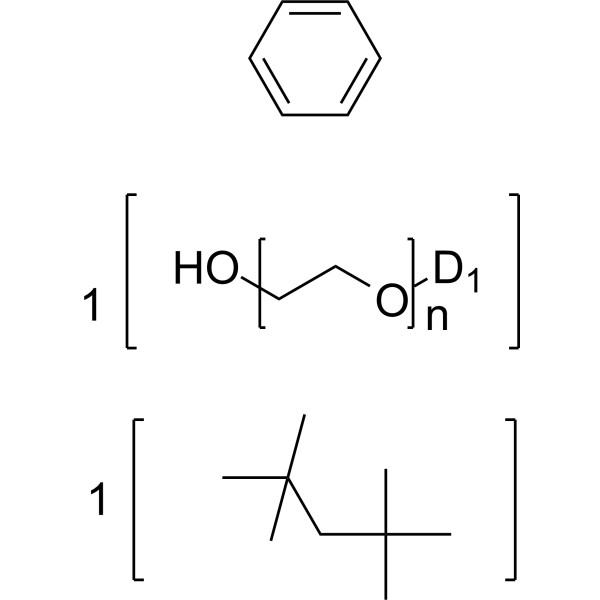
(1,1,3,3-Tetramethylbutyl)phenyl-polyethylene glycol X-114 is a surfactant. (1,1,3,3-Tetramethylbutyl)phenyl-polyethylene glycol X-114 is used to solubilize membranes and whole cells. A solution of (1,1,3,3-Tetramethylbutyl)phenyl-polyethylene glycol X-114 is homogeneous at 0 degrees C but separates in an aqueous phase and a detergent phase above 20 degrees C. (1,1,3,3-Tetramethylbutyl)phenyl-polyethylene glycol X-114 can be used in phase separation studies .
|
-
-
- HY-Y0316B
-
|
Sodium lauryl sulfate for electrophoresis; Laurylsulfuric acid sodium salt for electrophoresis
|
Environmental Pollutants
Biochemical Assay Reagents
|
Others
|
|
Sodium dodecyl sulfate for electrophoresis is a high purity sodium dodecyl sulfate (SDS) with a minimum purity of 98.5%. It is an anionic detergent commonly used in electrophoretic procedures to denature and impart a negative charge to proteins, allowing separation based on size and charge. Sodium dodecyl sulfate for electrophoresis has unique chemical properties that make it an effective ingredient in many laboratory applications, helping to improve the resolution and sensitivity of protein analysis.
|
-
-
- HY-P0294
-
|
6X His Tag
|
Biochemical Assay Reagents
|
Others
|
|
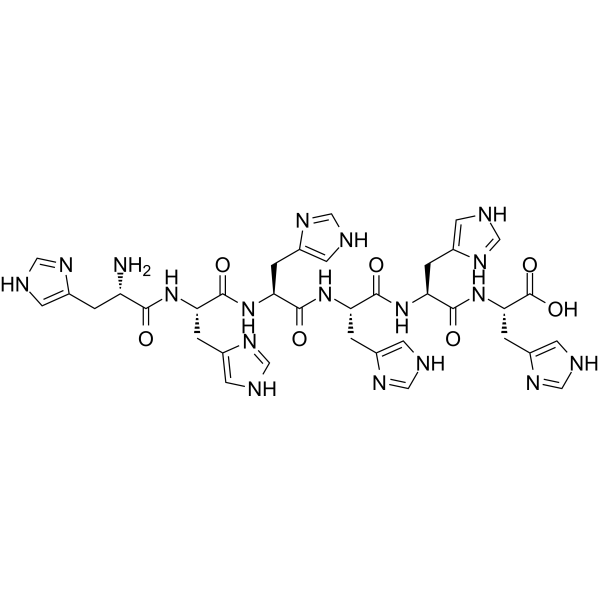
Hexa-His (6X His Tag) is a commonly used affinity tag made up of six histidine residues. HEXA-HIS can bind to affinity chromatography media containing transition metal ions like nickel (Ni 2+) or cobalt (Co 2+), making it useful for protein purification .
|
-
-
- HY-108294
-
|
Nonaoxyethylene monododecyl ether
|
Biochemical Assay Reagents
|
Others
|
|
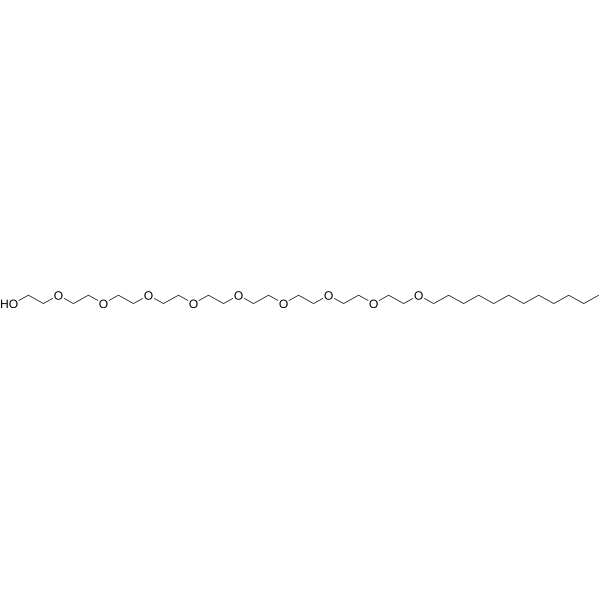
Nonaethylene glycol monododecyl ether (Nonaoxyethylene monododecyl ether) is a nonionic surfactant and polyethylene glycol (PEG) detergent that can be used to form initial coalesced O/W emulsion droplets, as well as for protein separation and purification .
|
-
-
- HY-W134327A
-
|
Diethylaminoethyl dextran (MW 500000)
|
Biochemical Assay Reagents
|
Others
|
|
DEAE-Dextran (MW 500000) is a complex carbohydrate polymer consisting of glucose molecules linked by glycosidic bonds and modified with diethylaminoethyl (DEAE) groups. DEAE-Dextran is a cationic molecule that can be used as a transfection reagent to deliver nucleic acids such as DNA or RNA into cells. Its positive charge interacts with negatively charged cell membranes, facilitating the uptake of nucleic acids. DEAE-Dextran can also be used as an ion-exchange chromatography resin, allowing the separation and purification of biomolecules based on their charge.
|
-
-
- HY-126437A
-
|
|
Bacterial
|
Infection
Inflammation/Immunology
|
|
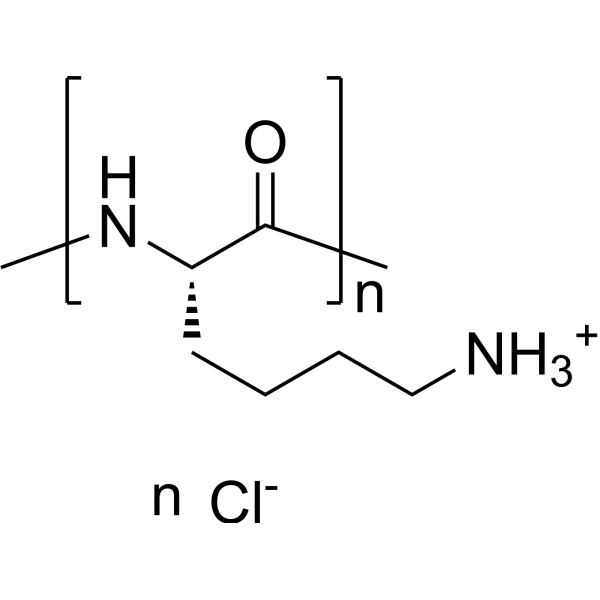
Poly-L-lysine hydrochloride is a nonspecific attachment factor for cells useful in promoting cell adhesion to solid substrates by enhancing electrostatic interaction between negatively charged ions of the cell membrane and the culture surface. Poly-L-lysine hydrochloride is a strong-attraction regulator that promotes liquid-liquid phase separation (LLPS) at low concentrations but suppresses LLPS at high concentrations. Antibacterial cationic peptide. .
|
-
-
- HY-162543
-
|
18:1 Lissamine rhodamine PE
|
Fluorescent Dye
|
Others
|
|
18:1 Liss Rhod (18:1 Lissamine rhodamine) PE is a fluorescent phospholipid and fluorescent probe.18:1 Liss Rhod PE admixes into phospholipid inks for large-scale monitoring of dip-pen nanolithography-generated lithographic structures via fluorescence microscopy.18:1 Liss Rhod PE undergoes phase separation or self-quenching under certain conditions in thin lipid membrane stacks .
|
-
-
- HY-W129394
-
|
|
Biochemical Assay Reagents
|
Others
|
|
6-Amino-6-deoxy-β-cyclodextrin is a cyclodextrin derivative that can be used to prepare other cyclodextrin derivatives. 6-Amino-6-deoxy-β-cyclodextrin can also be used as a chiral selector for chiral separation of α-amino acid derivatives by capillary electrophoresis .
|
-
-
- HY-W007656
-
|
|
Biochemical Assay Reagents
|
Others
|
|
Cyclen is a macrocyclic tetraamine chelating agent. Cyclen is the aza analogue of crown ether, used as a precursor for MRI contrast agents, and is an intermediate for the preparation of effective macrocyclic chelates. Cyclen is employed as a structural regulator through interfacial polymerization of polyethleneimine (PEI) and trimesoyl chloride (TMC) to develop polyamide NF membrane with efficient Li +/Mg 2+ separation performance. Cyclen has specific cavity structure and exhibits selective coordination properties for Li + ions [1][2].
|
-
-
- HY-D1571
-
|
|
DNA Stain
|
Others
|
|
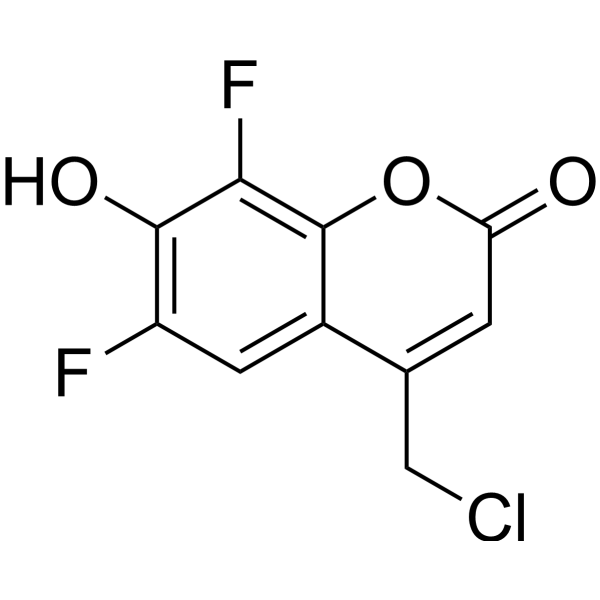
CellTracker Blue CMF2HC Dye is a blue dye, can be used in two-channel nuclei acid sequencing, with blue and purple excitation light (450-460 nm/400-405nm or 415-450 nm/480-525nm). CellTracker Blue CMF2HC Dye can be used to rapid determination of antibiotic sensitivity of microorganisms .
|
-
-
- HY-30152
-
-
-
- HY-W076543
-
|
|
Transglutaminase
|
Others
|
|
5-(Biotinamido)pentylamine is an amine donor substrate for transglutaminase. 5-(Biotinamido)pentylamine can be used as a biotin-labeled probe to specifically participate in the calcium-dependent reaction catalyzed by TG, bind to the γ-carboxamide group of the glutamine residue in the protein, introduce the biotin tag into the target protein, and form a biotinylated protein product. 5-(Biotinamido)pentylamine can be used for the labeling, separation, and detection of TG amine receptor protein substrates .
|
-
-
- HY-131960A
-
|
|
Biochemical Assay Reagents
|
Others
|
|
Polysucrose 70 is a branched polysaccharide polymer with a high molecular weight. Polysucrose 70 is formed by the copolymerization of sucrose and epichlorohydrin, which can be used for cell separation .
|
-
-
- HY-148140
-
|
|
Biochemical Assay Reagents
|
Others
|
|
Cross-linked dextran G 25 is a dextran chromatography medium. Cross-linked dextran G 25 separates from 1 to 5 kD (spherical proteins) and can be used for the separation of peptides as well as for the desalting and buffer replacement of large molecule proteins .
|
-
-
- HY-174801
-
|
|
Cyclic GMP-AMP Synthase
|
Inflammation/Immunology
|
|
XL-3156 is a cGAS inhibitor. XL-3156 occupies both allosteric and orthosteric sites simultaneously, and inhibits the interaction and phase separation between cGAS and DNA by stabilizing the closed conformation of the activation loop. XL-3156 can be used in the research of diseases such as autoimmune diseases and inflammation .
|
-
-
- HY-148139
-
|
|
Biochemical Assay Reagents
|
Others
|
|
Cross-linked dextran G 75 is a Gel-filtration media. Cross-linked dextran G 75 also is a dextran-based matrix and used for Gel-filtration chromatography (Particle size range: 40-120 μm; Sphere protein separation range: 3K-80K Da; Polysaccharide separation range: 1K-50K Da) .
|
-
-
- HY-W105681
-
|
|
Biochemical Assay Reagents
|
Others
|
|
Bis-Tris hydrochloride is an amine buffer suitable for protein and nucleic acid systems with a pH buffer range of 5.8-7.2. Bis-Tris hydrochloride can also be mixed with HEPES and cacodylic acid buffer to create a pH 8 environment and monitor fluorescence emission intensity at 305 nm. Gels formulated with Bis-Tris also avoid protein degradation in samples prepared at higher pH (pH 8.5) .
|
-
-
- HY-P10304
-
|
Cyclo(Pro-Arg)
|
Fungal
|
Others
|
|
Cyclo(Arg-Pro) (Cyclo(Pro-Arg)) is an inhibitor for chitinase. Cyclo(Arg-Pro) inhibits cell separation of Saccharomyces cerevisiae, without affecting its growth. Cyclo(Arg-Pro) inhibits the morphological change of Candida albicans from yeast form to filamentous form .
|
-
-
- HY-P0325
-
|
|
Biochemical Assay Reagents
|
Others
|
|
V5 Epitope Tag Peptide TFA is a tag peptide derived from a small epitope present on the P and V proteins of the paramyxovirus of simian virus 5. V5 Epitope Tag Peptide TFA can be used for protein separation and purification, and competitive elution with target proteins .
|
-
-
- HY-D0947
-
|
|
DNA Stain
|
Others
|
|
Azure A chloride is a phenothiazine dye. Azure A chloride is an alternative DNA dye used for the separation of DNA and protein fragments in agarose gel electrophoresis and PAGE. Azure A chloride can be chemisorbed on the surface of mild steel according to the Langmuir adsorption isotherm to form a protective film. Azure A chloride binds to double-stranded DNA in a non-cooperative manner via weak intercalation, triggering molecular conformational disturbance, restricted rotational motion, and changes in optical activity .
|
-
-
- HY-W133920
-
|
PPG 2000
|
Environmental Pollutants
Biochemical Assay Reagents
|
Others
|
|
Polypropylene glycol 2000 (PPG 2000) is a polyether produced by ring-opening polymerization of propylene oxide. Polypropylene glycol 2000 has low toxicity, and acts as a dispersant for leather finishing materials, as well as a surfactant and wetting agent for pharmaceutical preparations .
|
-
-
- HY-129811
-
|
|
Microtubule/Tubulin
|
Neurological Disease
|
|
Bis-ANS dipotassium is a fluorescent probe of hydrophobic protein. Bis-ANS binds to tubulin with a Kd of 2 μM . Bis-ANS dipotassium is a potent biphasic modulator of protein liquid-liquid phase separation (LLPS). Bis-ANS dipotassium promotes LLPS at low concentrations but suppresses LLPS at high concentrations .
|
-
-
- HY-141522
-
|
|
Biochemical Assay Reagents
|
Others
|
|
Cross-linked dextran G 100 is a gel filtration medium that can be used for protein purification (Sphere protein separation range: 4K-150K Da; Polysaccharide separation range: 1K-100K Da) .
|
-
-
- HY-138560
-
|
|
Biochemical Assay Reagents
|
Others
|
|
Cross-linked dextran G 50 is a gel filtration medium. Cross-linked dextran G 50 can be used in gel permeation chromatography for fractionation of the glycopeptide mixture (Sphere protein separation range: 1.5K-30K Da; Polysaccharide separation range: 500-10K Da) .
|
-
-
- HY-W012683
-
|
|
Biochemical Assay Reagents
|
Cancer
|
|
Iminodiacetic acid is a metal ion chelator targeting Cr 6+, Cd 2+, Ni 2+, and Pb 2+. Iminodiacetic acid selectively and irreversibly binds metal ions through the coordination of carboxyl and imino groups, reduces the toxicity of metal ions and promotes their adsorption and separation. Iminodiacetic acid has the functions of heavy metal ion removal and coordination complex stabilization. Iminodiacetic acid is often used in environmental pollution control (such as heavy metal adsorption in water) and coordination chemistry (such as metal ion detection and separation) research .
|
-
-
- HY-P2776
-
|
|
Endogenous Metabolite
|
Metabolic Disease
|
|
Hexokinase (ScHEX1) (EC 2.7.1.1) is a glycolytic enzyme hexokinase that is inhibited by n-acetylglucosamine. Inhibition of Hexokinase (ScHEX1) by n-acetylglucosamine leads to its separation from the mitochondrial outer membrane, resulting in activation of NLRP3 inflammasome .
|
-
-
- HY-D0172
-
|
AP 6G; Actiron 43-65; Aliquat 100
|
Biochemical Assay Reagents
|
Others
|
|
Tetrabutylammonium bromide is an organic ammonium compound, which is often used in catalytic reactions and separation and purification processes. It has a significant catalytic effect in some organic synthesis reactions, and can be used as a surfactant, stabilizer and antibacterial agent, etc. In addition, in some laboratory studies, this compound has also been used as an ion exchanger, solvent extractant, etc.
|
-
-
- HY-139601
-
|
|
Histone Demethylase
|
Cancer
|
|
KDM2B-IN-4 (Compound 182b) is a histone demethylase KDM2B inhibitor with an IC50 of 1.12 nM. KDM2B-IN-4 can be used for the research of hyperproliferative diseases such as cancers .
|
-
-
- HY-W015993
-
|
n-Nonyl-β-D-glucopyranoside
|
Biochemical Assay Reagents
|
Others
|
|
Nonyl β-D-glucopyranoside (n-Nonyl-β-D-glucopyranoside) is a surfactant that can be used in studies on interactions with lipid monolayers. Nonyl β-D-glucopyranoside can also be used for the enantiomer separation of phenoxy acid herbicides and amino acid derivatives .
|
-
-
- HY-156045C
-
|
|
Biochemical Assay Reagents
|
Others
|
|
Cross-linked dextran G 200 is a hydrophilic gel based on molecular size exclusion and targeted macromolecular separation. Cross-linked dextran G 200 works through the gel permeation mechanism, and the cross-linked structure forms a three-dimensional network with a specific pore size, achieving separation based on the molecular hydrodynamic volume. Cross-linked dextran G 200 can be used to adjust the osmotic solute distribution coefficient and the ability to maintain osmotic equilibrium, such as in gel filtration chromatography for purification and analysis of biomacromolecules such as proteins and nucleic acids . Cross-linked dextran G 200 can also be used as a gel filtration filler (particle size range: 40-120 μm; globular protein separation range: 5-600 kDa) .
|
-
-
- HY-112552
-
|
DSG; 1,2-Dioctadecanoyl-sn-glycerol
|
Endogenous Metabolite
Biochemical Assay Reagents
|
Others
|
|
1,2-Distearoyl-sn-glycerol (DSG) is a glyceride compound. 1,2-Distearoyl-sn-glycerol can be used as an internal standard for the analysis of molecular species of diacylglycerol (DAG) and other phospholipids in rat brain .
|
-
-
- HY-P5997
-
|
|
Autophagy
Cyclic GMP-AMP Synthase
|
Inflammation/Immunology
|
|
XQ2B is a specific cGAS inhibitor targeting protein-DNA interaction and phase separation. XQ2B markedly reduces ISD-induced Autophagy. XQ2B inhibits herpes simplex virus 1 (HSV-1)-induced antiviral immune responses and enhances HSV-1 infection .
|
-
-
- HY-W067358
-
-
-
- HY-W016993
-
|
|
Amylases
|
Others
|
|
2,3,4-Trihydroxybenzoic acid is an internal standard in separation of phenolic acids by HPLC.
|
-
-
- HY-156045B
-
|
|
Biochemical Assay Reagents
|
Others
|
|
Cross-linked dextran G 150 is a hydrophilic gel based on molecular size exclusion and targeted for the separation of macromolecules. Cross-linked dextran G 150 functions through the gel permeation mechanism, where the cross-linked structure forms a three-dimensional network with specific pore diameters, achieving separation based on the molecular volumetric flow. Cross-linked dextran G 150 can be used to regulate the distribution coefficient of permeating solutes and maintain the permeation balance, such as in gel filtration chromatography for the purification and analysis of biological macromolecules like proteins and nucleic acids. Cross-linked dextran G 150 can also be used as a gel filtration filler (particle size range: 40-120 μm; spherical protein separation range: 5-300 kDa) .
|
-
-
- HY-P10304A
-
|
Cyclo(Pro-Arg) TFA
|
Fungal
|
Infection
|
|
Cyclo (Arg-Pro) TFA is a chitinase inhibitor. Cyclo (Arg-Pro) TFA disrupts cell separation and morphological transition of yeast by inhibiting chitinase activity. Cyclo (Arg-Pro) TFA prevents cell separation of Saccharomyces cerevisiae, leading to the formation of grape-like cell clusters, without inhibiting cell growth. Cyclo (Arg-Pro) TFA blocks the morphological transition of Candida albicans from yeast form to hyphal form, without inhibiting cell growth .
|
-
-
- HY-D1225
-
|
|
Fluorescent Dye
|
|
|
Reactive red 180 is common textile dyes that can be adsorbed onto single-walled carbon nanotubes (SWCNTs) through electrostatic interactions, allowing the separation of residual dyes.
|
-
-
- HY-D1138
-
|
|
Fluorescent Dye
|
|
|
Reactive red 120 is common textile dyes that can be adsorbed onto single-walled carbon nanotubes (SWCNTs) through electrostatic interactions, allowing the separation of residual dyes.
|
-
-
- HY-D0216
-
|
|
Biochemical Assay Reagents
|
Cancer
|
|
Salicylaldoxime is an organic compound, that has been used as a reagent for the gravimetric determination and separation of Cooper, Nickel, Palladium, Lead, Bismuth and Zine. The copper complex of Salicylaldoxime has anticancer activity .
|
-
-
- HY-P10304C
-
|
|
Fungal
|
Infection
|
|
Cyclo(Pro-dArg) is an inhibitor of chitinase. Cyclo(Pro-dArg) inhibits the cell separation of Saccharomyces cerevisiae but does not affect its growth. Cyclo(Pro-dArg) inhibits the transition of Candida albicans from yeast to filamentous morphology.
|
-
-
- HY-W111436
-
|
N,N,N-tributylbutan-1-aminium tetraphenylborate(1-)
|
Biochemical Assay Reagents
|
Others
|
|
Tetrabutylammonium tetraphenylborate is a quaternary ammonium salt belonging to the class of alkylammonium salts. This compound is commonly used as an ion-pairing reagent in chromatography and analytical chemistry, facilitating the separation and identification of various organic compounds. Its unique chemical properties make it an important ingredient in a variety of scientific applications, including pharmaceuticals, agrochemicals, and materials science products.
|
-
-
- HY-E70564
-
|
|
Biochemical Assay Reagents
|
Others
|
|
Endoproteinase Arg-C is a serine endoproteinase that hydrolyzes peptide bonds on the carboxyl side of arginyl residues and has esterase and amidase activities. Endoproteinase Arg-C can be isolated from Clostridium histolyticum. Endoproteinase Arg-C is of mass spectrometry grade and can be used for peptide mapping, sequence analysis, cell separation .
|
-
-
- HY-W016993R
-
-
-
- HY-NP155A
-
|
|
Endogenous Metabolite
|
Others
|
|
Histone H1 (calf thymus) is a linker histone subtype found in the deoxyribonucleoprotein of calf thymus and can be obtained by separation and purification from total calf thymus histones .
|
-
-
- HY-W127746
-
|
|
Biochemical Assay Reagents
|
Others
|
|
Picrolonic acid is the reagent for the separation of amines as crystalline π-complexes. Pyrrolic acid is an analytical reagent for the determination of calcium, magnesium, lead, strontium and thorium. It is also used for the analysis of alkaloids, tryptophan and phenylalanine.
|
-
-
- HY-W099576
-
|
EHDA bromide
|
Environmental Pollutants
Biochemical Assay Reagents
|
Others
|
|
Ethylhexadecyldimethylammonium (EHDA) bromide, a surfactant, has been used in a number of adsorptive separational methods, such as the removal of nickel, zinc and chromium ions. Ethylhexadecyldimethylammonium (EHDA) bromide also can be used to prepare dye of staining intracellular ions .
|
-
-
- HY-W040184
-
|
TMAHS
|
Biochemical Assay Reagents
|
Others
|
|
Tetramethylammonium hydrogensulfate, sometimes abbreviated as TMAHS, is a quaternary ammonium salt commonly used as a catalyst and phase transfer agent in chemical reactions, especially in organic synthesis. In addition, it is used as an electrolyte additive in electrochemical and rechargeable batteries. TMAHSs have also been investigated for their potential use in various applications such as wastewater treatment, gas separation, and fuel cells.
|
-
-
- HY-159925
-
|
|
Cyclic GMP-AMP Synthase
|
Infection
Inflammation/Immunology
|
|
QKY-613 is a prodrug that enhances immune surveillance by targeting nucleic acid modification pathways. QKY-613 promotes the selective incorporation of 6mdA (N6-methyldeoxyadenosine) into viral DNA, enhancing the phase separation potential of DNA, thereby increasing the activation of cGAS and strengthening host immune surveillance. In virus-infected mouse models, QKY-613 significantly reduced mortality in aged mice. QKY-613 holds promise for research on nucleic acid modification-based immune surveillance mechanisms .
|
-
-
- HY-157236
-
|
|
Biochemical Assay Reagents
|
Others
|
|
AEX Anion-exchange resin 1 is a strong anion exchange chromatography resin, based on monodisperse polystyrene/divinylbenzene (PS-DVB), with a particle size of 50 μm and an ionic ligand of –CH2N + (CH3)3. AEX Anion-exchange resin 1 can be used for the separation and purification of biological macromolecules such as proteins, antibodies, and viral vaccines.
|
-
- HY-D0622
-
|
|
Fluorescent Dye
|
|
|
Reactive Green 19 is common textile dyes that can be adsorbed onto single-walled carbon nanotubes (SWCNTs) through electrostatic interactions, allowing the separation of residual dyes.
|
-
- HY-D0514
-
|
|
Fluorescent Dye
|
|
|
Reactive blue 5 is common textile dyes that can be adsorbed onto single-walled carbon nanotubes (SWCNTs) through electrostatic interactions, allowing the separation of residual dyes.
|
-
- HY-D0661
-
|
|
Fluorescent Dye
|
|
|
Reactive red 45 is common textile dyes that can be adsorbed onto single-walled carbon nanotubes (SWCNTs) through electrostatic interactions, allowing the separation of residual dyes.
|
-
- HY-138560A
-
|
|
Biochemical Assay Reagents
|
Others
|
|
Cross-linked dextran G 50, medium is a gel filtration medium. Cross-linked dextran G 50, medium can be used in gel permeation chromatography for fractionation of the glycopeptide mixture (Sphere protein separation range: 1.5K-30K Da; Polysaccharide separation range: 500-10K Da). Cross-linked dextran G 50, medium are microspheres with an average particle size of D50 = 220-250 μm .
|
-
- HY-138560B
-
|
|
Biochemical Assay Reagents
|
Others
|
|
Cross-linked dextran G 50, fine is a gel filtration medium. Cross-linked dextran G 50, fine can be used in gel permeation chromatography for fractionation of the glycopeptide mixture (Sphere protein separation range: 1.5K-30K Da; Polysaccharide separation range: 500-10K Da). Cross-linked dextran G 50, fineThe average particle size is D50=110-130 μmof microspheres .
|
-
- HY-W012683R
-
|
|
Biochemical Assay Reagents
Reference Standards
|
Cancer
|
|
Iminodiacetic acid is a metal ion chelator targeting Cr6+, Cd2+, Ni2+, and Pb2+. Iminodiacetic acid selectively and irreversibly binds metal ions through the coordination of carboxyl and imino groups, reduces the toxicity of metal ions and promotes their adsorption and separation. Iminodiacetic acid has the functions of heavy metal ion removal and coordination complex stabilization. Iminodiacetic acid is often used in environmental pollution control (such as heavy metal adsorption in water) and coordination chemistry (such as metal ion detection and separation) research .
|
-
- HY-145416
-
|
|
Bacterial
|
Infection
|
|
G247 is a specific MsbA inhibitor. G247 acts as a transmembrane domains (TMDs) wedge, symmetrically increasing nucleotide-binding domains (NBDs) separation and preventing conformational transition of MsbA. G247 suppresses ATPase activity by increasing inter-NBD distance .
|
-
- HY-W017224
-
|
Sodium 1-butanesulfonate
|
Biochemical Assay Reagents
|
Others
|
|
Sodium butane-1-sulfonate (Sodium 1-butanesulfonate) is an ion-pair reagent. Sodium butane-1-sulfonate is often used in combination with tetramethylammonium hydroxide, malonic acid, etc. in reversed-phase ion-pair chromatography, and can improve the separation efficiency of species of elements such as arsenic and selenium .
|
-
- HY-179074C
-
|
|
Fluorescent Dye
|
Others
|
|
FITC-Polysucrose 70 is FITC-labeled Polysucrose 70 (HY-131960A). Polysucrose 70 is a high molecular weight branched polysaccharide polymer. Polysucrose 70 is a copolymer of sucrose and epichlorohydrin and can be used for cell separation. FITC-Polysucrose 70 is mainly used for permeability and microcirculation studies (Ex/Em = 488/525 nm) .
|
-
- HY-P990274
-
|
|
Transmembrane Glycoprotein
|
Others
|
|
Anti-Canine CD34 Antibody (1H6) is a mouse-derived IgG1 κ type antibody inhibitor, targeting to canine CD34. Anti-Canine CD34 Antibody (1H6) reacts with canine CD34. Anti-Canine CD34 Antibody (1H6) can be used for the separation and identification of CD34 + cells. Anti-Canine CD34 Antibody (1H6) can be used for detections of western blot, immunohistochemistry and flow cytometry .
|
-
- HY-157244
-
|
|
Biochemical Assay Reagents
|
Others
|
|
Proteins separation resin is a hydrophobic interaction chromatography resin that can be used in the monoclonal antibody purification (Particle size: 65 μm) .
|
-
- HY-147180
-
|
|
Biochemical Assay Reagents
|
Others
|
|
Dansyl-DL-valine cyclohexylammonium is a salt form of Dansyl-DL-valine. Dansyl-DL-valine cyclohexylammonium can be used as analyte in chromatographic separation and separation column for the separation of enantiomers and diastereomers for dansyl amino acids, aromatic carboxylic acids, and isoxazolines .
|
-
- HY-157241
-
|
|
Biochemical Assay Reagents
|
Others
|
|
CEX Cation-exchange resin 1 is an ion exchange chromatography resin based on monodisperse polystyrene/divinylbenzene (PS-DVB). The particle size of CEX Cation-exchange resin 1 is 50μm and the ligand is -CH2CH2CH2SO3-. CEX Cation-exchange resin 1 can be used for the separation and purification of antibodies, VLPs, viruses and proteins .
|
-
- HY-156045
-
|
|
Biochemical Assay Reagents
|
Others
|
|
Cross-linked dextran G 15 is a hydrophilic gel that can be used as a gel filter filler (Sphere protein separation range: >1500 Da; Polysaccharide separation range: >1500 Da) .
|
-
- HY-156045A
-
|
|
Biochemical Assay Reagents
|
Others
|
|
Cross-linked dextran G 10 is a weak cation exchanger and a hydrophilic gel that can be used as a gel filter filler (Sphere protein separation range: >700 Da; Polysaccharide separation range: >700 Da) .
|
-
- HY-N15586
-
|
|
Others
|
Others
|
|
Vanilloloside is a compound found in Dendrobium moniliforme. Vanilloloside has the ability to stimulate B cell proliferation and inhibit T cell proliferation in vitro .
|
-
- HY-Y1005
-
|
|
Biochemical Assay Reagents
|
Others
|
|
Triammonium phosphate trihydrate interacts with the magnesium ions to form a precipitate, which can be used for magnesium separation from lithium in salt-lake brines .
|
-
- HY-D0584
-
|
|
Fluorescent Dye
|
|
|
Reactive orange 86 is common textile dyes that can be adsorbed onto single-walled carbon nanotubes (SWCNTs) through electrostatic interactions, allowing the separation of residual dyes.
|
-
- HY-D0668
-
|
|
Fluorescent Dye
|
|
|
Reactive orange 13 is common textile dyes that can be adsorbed onto single-walled carbon nanotubes (SWCNTs) through electrostatic interactions, allowing the separation of residual dyes.
|
-
- HY-D1243
-
|
|
Fluorescent Dye
|
|
|
Reactive yellow 3 is common textile dyes that can be adsorbed onto single-walled carbon nanotubes (SWCNTs) through electrostatic interactions, allowing the separation of residual dyes.
|
-
- HY-D0653
-
|
|
Fluorescent Dye
|
|
|
Reactive orange 35 is common textile dyes that can be adsorbed onto single-walled carbon nanotubes (SWCNTs) through electrostatic interactions, allowing the separation of residual dyes.
|
-
- HY-D0691
-
|
|
Fluorescent Dye
|
|
|
Reactive yellow 25 is common textile dyes that can be adsorbed onto single-walled carbon nanotubes (SWCNTs) through electrostatic interactions, allowing the separation of residual dyes.
|
-
- HY-D0522
-
|
|
Fluorescent Dye
|
|
|
Reactive orange 16 is common textile dyes that can be adsorbed onto single-walled carbon nanotubes (SWCNTs) through electrostatic interactions, allowing the separation of residual dyes.
|
-
- HY-D0639
-
|
|
Fluorescent Dye
|
|
|
Reactive Brown 23 is common textile dyes that can be adsorbed onto single-walled carbon nanotubes (SWCNTs) through electrostatic interactions, allowing the separation of residual dyes.
|
-
- HY-D0669
-
|
|
Fluorescent Dye
|
|
|
Reactive orange 4 is common textile dyes that can be adsorbed onto single-walled carbon nanotubes (SWCNTs) through electrostatic interactions, allowing the separation of residual dyes.
|
-
- HY-D0692
-
|
|
Fluorescent Dye
|
|
|
Reactive red 124 is common textile dyes that can be adsorbed onto single-walled carbon nanotubes (SWCNTs) through electrostatic interactions, allowing the separation of residual dyes.
|
-
- HY-D0700
-
|
|
Fluorescent Dye
|
|
|
Reactive red 24:1 is common textile dyes that can be adsorbed onto single-walled carbon nanotubes (SWCNTs) through electrostatic interactions, allowing the separation of residual dyes.
|
-
- HY-176048
-
|
|
Androgen Receptor
|
Cancer
|
|
ChEMBL22003 is a potential phase separation modulator of ARV7 that can bind to the ARV7 binding sites. ChEMBL22003 has potential for use in the research of prostate cancer .
|
-
- HY-115844
-
-
- HY-N11947
-
|
|
Others
|
Others
|
|
Schisanligone B is a lignan isolated from Schisandra chinensis seeds .
|
-
- HY-W039920
-
|
β-D-Galactosylamine, 98%
|
Biochemical Assay Reagents
|
Others
|
|
1-Amino-1-deoxy-β-D-galactose, 98% is a galactose analog used as a competitive inhibitor to aid in the separation, purification, identification, differentiation, and characterization of β-D-galactosidase and galactose oxidase.
|
-
- HY-NP077A
-
|
|
Biochemical Assay Reagents
|
Inflammation/Immunology
|
|
Phaseolus vulgaris Lectin-P is the protein form of Phytohemagglutinin before the separation and purification of Phytohemagglutinin-L (PHA-L) and PHA-E. Phaseolus vulgaris Lectin-P can be used to stimulate the proliferation of peripheral mononuclear cells, promote the production of certain cytokines and the expression of membrane surface proteins .
|
-
- HY-W153917
-
|
|
Biochemical Assay Reagents
|
|
|
Diatrizoic acid EP impurity A is an organic compound with potential effects on biological systems and specific pharmacological activities. Diatrizoic acid EP impurity A can be used as a contrast agent in imaging examinations to enhance the clarity of images such as X-rays and CT scans. Diatrizoic acid EP impurity A has also been studied for the separation and analysis of compounds.
|
-
- HY-116664
-
|
|
Apoptosis
Ras
Raf
Caspase
|
Cancer
|
|
DPQZ is an anti-tubulin agent that inhibits cell separation and induces cell cycle arrest at the G2/M phase. In addition, DPQZ induces caspase-dependent apoptosis of HSC-3 cells by inhibiting Ras/Raf and activating MAP kinase. DPQZ can be used in the study of oral cancer .
|
-
- HY-157232
-
|
|
Biochemical Assay Reagents
|
Others
|
AC Antibody purification resin 2 is based on spherical, highly cross-linked agarose beads with a narrow size distribution and high mechanical stability. Used for the separation and purification of complex antibodies such as monoclonal antibody, double antibody, multi-antibody and Fc fusion protein .
Substrate: highly crosslinked agarose microspheres; Particle size: 65μm; Ligand: alkali-resistant recombinant Protein A; ADC purified resin.
|
-
- HY-17626B
-
|
WCK-2349 hydrochloride
|
Antibiotic
|
Infection
|
|
Alalevonadifloxacin (hydrochloride) (WCK-2349 (hydrochloride)) is a oraaly active anti-methicillin-resistant Staphylococcus aureus (MRSA) antibiotic .
|
-
- HY-Y0316BR
-
|
Sodium lauryl sulfate (Standard); Laurylsulfuric acid sodium (Standard)
|
Biochemical Assay Reagents
Reference Standards
|
Others
|
|
Sodium dodecyl sulfate (Standard) is the analytical standard of Sodium dodecyl sulfate. This product is intended for research and analytical applications. Sodium dodecyl sulfate is a high purity sodium dodecyl sulfate (SDS) with a minimum purity of 98.5%. It is an anionic detergent commonly used in electrophoretic procedures to denature and impart a negative charge to proteins, allowing separation based on size and charge. Sodium dodecyl sulfate has unique chemical properties that make it an effective ingredient in many laboratory applications, helping to improve the resolution and sensitivity of protein analysis.
|
-
- HY-167734
-
|
AY-30715
|
COX
|
Inflammation/Immunology
|
|
Pemedolac (AY-30715) is a potent analgesic with significant pain-relief efficacy against chemically induced and inflammatory pain in animal models. Pemedolac displays a notable separation between analgesic effects and anti-inflammatory activity, achieving effective pain relief at much lower doses than those required for anti-inflammatory or gastric irritant effects. Pemedolac also shows low ulcerogenic potential, indicating a safer profile compared to standard NSAIDs while being utilized for the treatment of neurological, skin, and musculoskeletal disorders.
|
-
- HY-W425671
-
-
- HY-W008952
-
|
|
Environmental Pollutants
Biochemical Assay Reagents
|
Others
|
|
Tributyltetradecyl phosphonium chloride is a quaternary phosphonium salt cation. Tributyltetradecyl phosphonium chloride can form an acidic aqueous biphasic system with acid and water, exhibits temperature-induced phase separation behavior with a lower critical solution temperature, enables the partitioning of Co 2+, Fe 3+, Pt 4+ and Ni 2+ between the two phases, and also promotes the separation of Co 2+ and Ni 2+ .
|
-
- HY-171819
-
|
|
|
Infection
|
|
O157 Medium powder can be used to prepare a colorimetric medium for the separation and differentiation of Escherichia coli O157.
|
-
- HY-P10304D
-
|
|
Fungal
|
Infection
|
|
Cyclo(Pro-dArg) acetate is a chitinase inhibitor. Cyclo(Pro-dArg) acetate inhibits the cell separation of Saccharomyces cerevisiae but does not affect its growth. Cyclo(Pro-dArg) acetate inhibits the transition of Candida albicans from yeast to filamentous morphology .
|
-
- HY-P11504
-
|
|
Biochemical Assay Reagents
|
Others
|
|
Fmoc-Lys-Gly-Dopa-OH is a tripeptide. Fmoc-Lys-Gly-Dopa-OH forms coacervates in aqueous solution via phase separation. Fmoc-Lys-Gly-Dopa-OH coacervates, with the assistance of Fe 3+, provide a viable material to engineer the surface of mammalian cells .
|
-
- HY-179390
-
|
|
Adrenergic Receptor
|
Neurological Disease
|
|
KMCA-0011 is an orally active ɑ2C adrenoceptor antagonist (Ki = 56.7 nM). KMCA-0011 alleviates depressive behaviors by enhancing BDNF and synaptic plasticity. KMCA-0011 displays favorable metabolic stability, including high plasma stability (99.8% after 120 min). KMCA-0011 can be used for the research of depression .
|
-
- HY-179073B
-
|
|
Fluorescent Dye
|
Others
|
|
TRITC-Polysucrose 70 is TRITC-labeled Polysucrose 70 (HY-131960A). Polysucrose 70 is a high molecular weight branched polysaccharide polymer. Polysucrose 70 is a copolymer of sucrose and epichlorohydrin and can be used for cell separation. TRITC-Polysucrose 70 is mainly used for permeability and microcirculation studies (Ex/Em = 544/570 nm) .
|
-
- HY-N9808
-
|
|
Others
|
Others
|
|
Creoside III is a glycoside compound, mainly used as a component of natural product libraries for potential activity screening studies in the field of natural product chemistry. Creoside III can be naturally extracted from the dried roots of Rhodiola crenulata (a plant of the genus Rhodiola in the Crassulaceae family) through methanol reflux extraction, column chromatography separation, and high-performance liquid chromatography purification .
|
-
- HY-108294R
-
|
Nonaoxyethylene monododecyl ether (Standard)
|
Biochemical Assay Reagents
Reference Standards
|
Others
|
|
Nonaethylene glycol monododecyl ether (Standard) is the analytical standard of Nonaethylene glycol monododecyl ether (HY-108294). This product is intended for research and analytical applications. Nonaethylene glycol monododecyl ether (Nonaoxyethylene monododecyl ether) is a nonionic surfactant and polyethylene glycol (PEG) detergent that can be used to form initial coalesced O/W emulsion droplets, as well as for protein separation and purification .
|
-
- HY-N16714
-
|
|
Others
|
Cancer
|
|
Clausine K is a carbazole alkaloid anticancer agent. Clausine K exhibits strong cytotoxicity against human hepatoma HepG2 cells (IC50 = 1.05 μg/mL), superior to the standard drug Etoposide (HY-13629) (IC50 13.40 μg/mL). Clausine K can be naturally extracted from the dried stems of Clausena excavata (a plant of the Rutaceae family) through chromatographic separation and other methods .
|
-
- HY-182440
-
|
|
5-HT Receptor
|
Neurological Disease
|
|
AZD3783 is an orally active, blood-brain barrier-penetrant 5-HT1B receptor antagonist. AZD3783 reverses agonist-induced hypothermia, inhibits separation-induced vocalizations in guinea pig pups, and acts as a moderately permeable glycoprotein substrate with moderate clearance. AZD3783 inhibits hERG channel activity. AZD3783 is applicable for research on depression, anxiety disorders, and other psychiatric diseases associated with serotonergic neurotransmission .
|
-
- HY-W724290
-
|
AP 6G-d36 bromide; Actiron 43-65-d36 bromide; Aliquat 100-d36 bromide
|
Isotope-Labeled Compounds
Biochemical Assay Reagents
|
Others
|
|
Tetrabutylammonium-d36 bromide (AP 6G-d36 bromide) is the deuterium labeled Tetrabutylammonium bromide (HY-D0172). Tetrabutylammonium bromide is an organic ammonium compound, which is often used in catalytic reactions and separation and purification processes. It has a significant catalytic effect in some organic synthesis reactions, and can be used as a surfactant, stabilizer and antibacterial agent, etc. In addition, in some laboratory studies, this compound has also been used as an ion exchanger, solvent extractant, etc.
|
-
- HY-30152R
-
|
8-Hydroxypsoralen (Standard)
|
Reference Standards
5-HT Receptor
Reactive Oxygen Species (ROS)
Endogenous Metabolite
|
Neurological Disease
Inflammation/Immunology
|
|
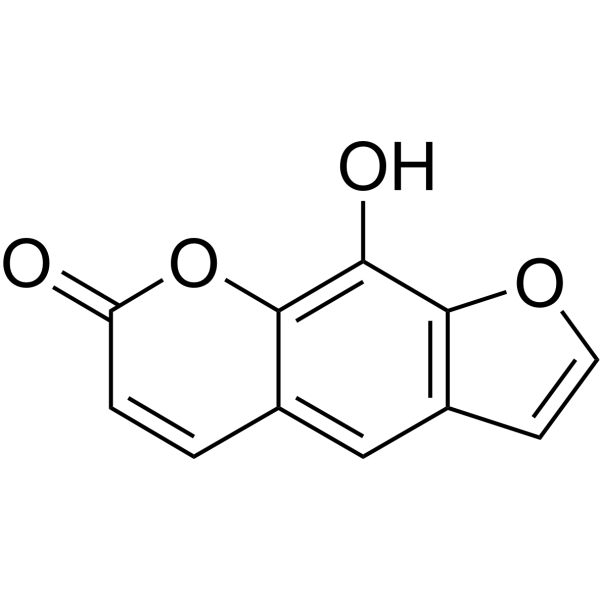
Xanthotoxol (Standard) is the analytical standard of Xanthotoxol. This product is intended for research and analytical applications. Xanthotoxol (8-Hydroxypsoralen) It is a kind of fragrant bean substance, and it is a CYP450 inhibitor. Xanthotoxol has anti-inflammatory, anti-inflammatory, and 5-HT antagonistic and protective effects. Xanthotoxol inhibited CYP3A4 sum CYP1A2 IC50s separation 7.43 μM sum 27.82 μM. Xanthotoxol can pass through MAPK and NF-κB, inhibiting inflammation .
|
-
- HY-W099581
-
|
SB3-14; DMAPS
|
Biochemical Assay Reagents
|
Others
|
|
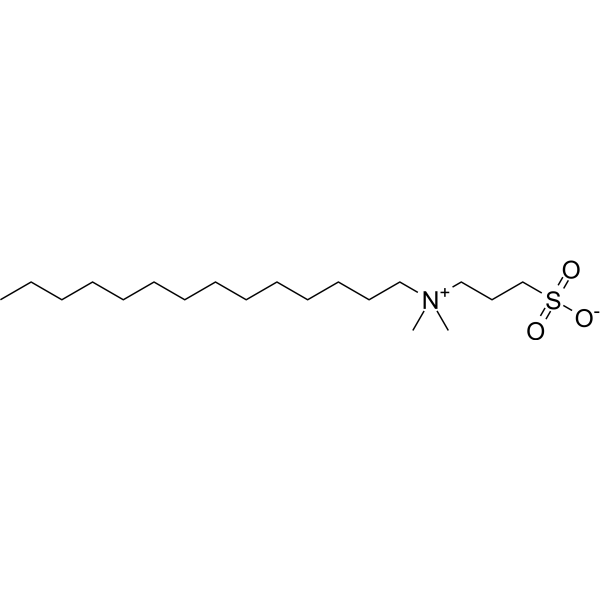
Zwittergent 3-14 (DMAPS) is a zwitterionic detergent commonly used in biochemistry and molecular biology for the solubilization and purification of membrane-bound proteins and other hydrophobic biomolecules, which have both hydrophilic and hydrophobic moieties , so that it has good detergency properties, making it suitable for stabilizing membrane proteins in aqueous solutions. In addition, DMAPS has been used in various techniques such as electrophoresis and chromatography for the separation and analysis of biomolecules. The long The hydrocarbon chains provide it with good membrane penetration and solubilization capabilities, while the sulfonate and quaternary ammonium groups ensure water solubility and charge neutrality.
|
-
- HY-D0006
-
|
|
Fluorescent Dye
|
Others
|
|
Bathophenanthroline is a nitrogen-containing organic ligand that can form stable complexes with transition metal ions such as Ru 2+. In proteomics, Bathophenanthroline is often used for in-gel protein staining. The negatively charged sulfonic acid groups of Bathophenanthroline interact electrostatically with the positively charged amino acid residues of proteins, thereby achieving specific binding to proteins and enhancing the fluorescent signal of detection. Bathophenanthroline can be used for protein separation and detection in SDS-PAGE gels in the field of proteomics, as well as other fluorescence studies[1]. Ex/Em=532 nm/610 nm[1].
|
-
- HY-W007656R
-
|
|
Reference Standards
|
Others
|
|
Cyclen (Standard) is the analytical standard substance of Cyclen. This product is used for research and analytical applications. Cyclen is a macrocyclic tetrathiolate chelating agent. Cyclen is a nitrogen-containing analogue of crown ethers and can be used as a precursor for MRI contrast agents, as well as an intermediate for preparing highly efficient macrocyclic chelates. As a structural regulator, Cyclen can be prepared into polyamide nanofiltration membranes with efficient Li +/Mg 2+ separation performance through the interfacial polymerization of polyethyleneimine (PEI) and meta-benzotriazole chloride (TMC). Cyclen has a unique cavity structure and exhibits selective coordination properties for Li + ions .
|
-
- HY-W009048
-
|
DCH18C6; Perhydrodibenzo-18-crown-6
|
Biochemical Assay Reagents
|
Others
|
|
Dicyclohexano-18-crown-6-ether (DCH18C6) is an excellent strontium chelating agent. Dicyclohexano-18-crown-6-ether exhibits favorable extraction capacity and selectivity toward Sr (II). After chemical modification, Dicyclohexano-18-crown-6-ether is covalently bonded to an organosilicon matrix via co-condensation. DCH18C6-functionalized organosilicon materials are expected to be applied to the extraction and separation of strontium from radioactive waste liquid .
|
-
- HY-174802
-
|
|
Cyclic GMP-AMP Synthase
IKK
IFNAR
|
Neurological Disease
Inflammation/Immunology
Cancer
|
|
XL-3158 is a selective and cross-species Cyclic GMP-AMP synthase (cGAS) inhibitor (IC50: 11.1 μM for human cGAS, 2.19 μM for mouse cGAS). XL-3158 simultaneously occupy allosteric and orthosteric sites, stabilizing the activation loop in a closed, inactive conformation and thereby attenuating the cGAS-DNA interactions. XL-3158 inhibits cGAS by targeting phase separation. XL-3158 efficiently penetrates cells by inhibiting aggregate formation, effectively reducing the local concentration of cGAS within cells. XL-3158 can be used for the study of cGAS-dependent inflammatory diseases.
|
-
- HY-W007223
-
|
D-5-HTP; 5-Hydroxy-D-tryptophan
|
5-HT Receptor
|
Neurological Disease
|
|
D-5-Hydroxytryptophan (D-5-HTP) is the D-isomer of 5-HTP and can be isolated from DL-5-hydroxytryptophan by continuous separation. Compared with intraperitoneal administration of L-5-Hydroxytryptophan, which can induce dose-dependent backward walking behavior in mice, D-5-Hydroxytryptophan has no significant effect on mouse behavior and is a negative control. D-5-Hydroxytryptophan is also a 5-HT ligand, capable of binding to the 5-HT site with affinity in the micromolar range .
|
-
- HY-D0877
-
|
|
Biochemical Assay Reagents
Connexin
|
Others
|
|
TAPS is an aminosulfonate-based lysozyme stabilizer and connexin channel inhibitor. TAPS maintains the native structure of lysozyme in aqueous solution at pH 7.0 and significantly protects it from heat-induced denaturation. TAPS directly inhibits the activity of heteromeric connexin 32/connexin 26 channels (Cx32/Cx26) via its protonated form, and this inhibitory effect is dependent on the presence of connexin 26. TAPS reduces connexin channel-mediated solute exchange in a recombinant liposome system, resulting in a decreased degree of liposome density shift in transport-specific separation assays. TAPS is a critical compound for investigating the structure and function of connexin channels .
|
-
- HY-W016638
-
|
1-Butyl-1-methylpyrrolidin-1-ium chloride
|
Biochemical Assay Reagents
|
Others
|
|
1-Butyl-1-methylpyrrolidin-1-ium chloride, also known as BMIM chloride, belongs to the class of ionic liquids and consists of a positively charged pyrrolidine cation and a negatively charged chloride anion. This compound is commonly used as a solvent for various chemical reactions, especially those involving organic compounds and metals. Its unique physical and chemical properties, such as low volatility, high thermal stability, and tunable solubility, make it useful in a range of applications in catalysis, electrochemistry, and separation science. Furthermore, 1-butyl-1-methylpyrrolidin-1-ium chloride may have potential applications as a green solvent in energy storage devices and various industrial processes.
|
-
- HY-W099581R
-
|
SB3-14 (Standard); DMAPS (Standard)
|
Biochemical Assay Reagents
Reference Standards
|
Others
|
|
Sulfobetaine-14 (Standard) is the analytical standard of Sulfobetaine-14. This product is intended for research and analytical applications. Zwittergent 3-14 (DMAPS) is a zwitterionic detergent commonly used in biochemistry and molecular biology for the solubilization and purification of membrane-bound proteins and other hydrophobic biomolecules, which have both hydrophilic and hydrophobic moieties , so that it has good detergency properties, making it suitable for stabilizing membrane proteins in aqueous solutions. In addition, DMAPS has been used in various techniques such as electrophoresis and chromatography for the separation and analysis of biomolecules. The long The hydrocarbon chains provide it with good membrane penetration and solubilization capabilities, while the sulfonate and quaternary ammonium groups ensure water solubility and charge neutrality.
|
-
- HY-150286A
-
|
|
Prion Protein
|
Infection
|
|
(R)-SM875 is a degrader targeting the intermediate folding form of prion protein (PrP). (R)-SM875 significantly reduces the PrP level, with an IC50 of 3 μM. (R)-SM875 can be used for the study of prion diseases .
|
-
- HY-W099535
-
|
|
Biochemical Assay Reagents
|
Others
|
|
Lithium dodecyl sulfate is an anionic hydrocarbon surfactant with both surface tension reduction and interfacial adsorption capabilities. Lithium dodecyl sulfate induces low surface viscosity; it forms micelles in aqueous solutions through entropy-driven (low temperature) and enthalpy-driven (high temperature) mechanisms. When acting synergistically with tetrabutylammonium bromide, Lithium dodecyl sulfate exhibits cloud point behavior due to micelle aggregation and phase separation. Lithium dodecyl sulfate can form an adsorption layer at the air-water interface with quantifiable surface excess and minimum area per molecule, and it has higher equilibrium surface tension and foamability compared to other dodecyl sulfate counterion variants. The foam stability of Lithium dodecyl sulfate above its critical micelle concentration is low, and its dynamic surface tension pattern changes dynamically with bubble frequency .
|
-
- HY-W1113135
-
|
|
Biochemical Assay Reagents
|
Others
|
|
Carboxymethyl-β-cyclodextrin sodium salt is a negatively charged β-cyclodextrin derivative, as well as a metal ion chelator and solubilizing reagent. Carboxymethyl-β-cyclodextrin sodium salt forms stable aqueous complexes with Ba 2+, Ca 2+, Cd 2+, Ni 2+, Pb 2+, Sr 2+, and Zn 2+ ions. Carboxymethyl-β-cyclodextrin sodium salt derived hydrogel carriers support oral insulin delivery via paracellular permeation across Caco-2 monolayers and produce sustained hypoglycemic effects in diabetic mice. Carboxymethyl-β-cyclodextrin sodium salt can be conjugated onto folate-modified BSA nanoparticles to boost folate receptor-mediated endocytosis, elevate intracellular anticancer drug uptake and trigger cell apoptosis. Carboxymethyl-β-cyclodextrin sodium salt can be utilized for chiral separation in capillary electrophoresis, development of nanoscale drug carriers and nucleic acid transfection research .
|
-
- HY-15435
-
CHAPS
4 Publications Verification
|
Exosomes
Biochemical Assay Reagents
|
Others
|
|
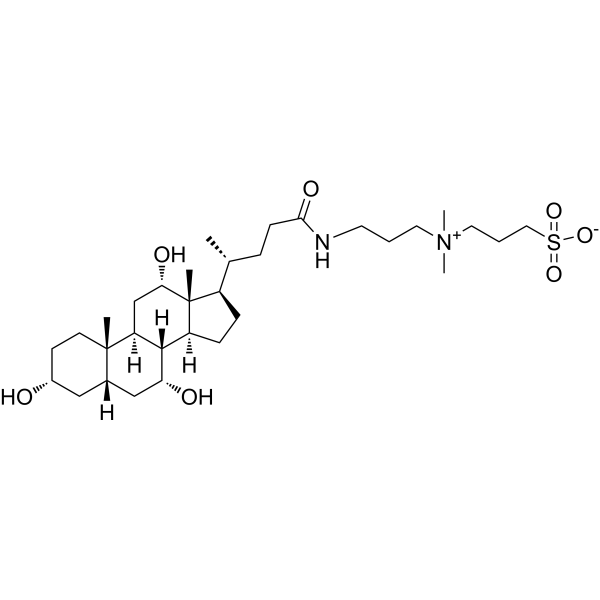
CHAPS is a cholic acid-derived, sulfobetaine-type zwitterionic detergent and micelle-forming agent. CHAPS exhibits properties of weak cationic or nonionic surfactants in different solution systems, undergoes micellization, and forms small, loose hydrophilic aggregates that are temperature-dependent. CHAPS stabilizes mononucleosomes under different ionic strengths, reduces nucleosome sequence specificity, promotes sliding of histone cores along DNA, solubilizes Tamm-Horsfall protein to reduce its interference with urinary exosome isolation, and maintains vesicle structure and the activity of related proteins at the same time. CHAPS is used to recover native folded fusion proteins, enhance the binding capacity of GST fusion proteins, and restore GST enzyme activity. However, CHAPS cannot refold proteins denatured by urea, guanidine hydrochloride or heat, nor can it construct the structure of intrinsically disordered proteins. CHAPS is commonly used in research on the separation and purification of membrane proteins .
|
-
- HY-15435A
-
|
|
Biochemical Assay Reagents
Exosomes
|
Others
|
|
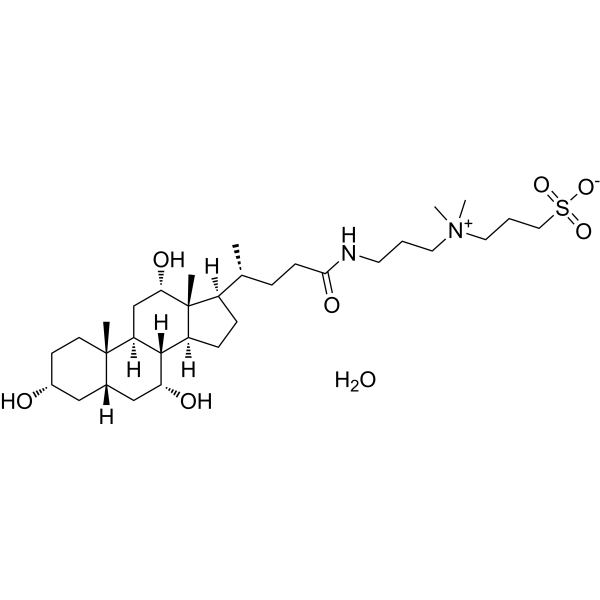
CHAPS hydrate is a cholic acid-derived, sulfobetaine-type zwitterionic detergent and micelle-forming agent. CHAPS hydrate exhibits properties of weak cationic or nonionic surfactants in different solution systems, undergoes micellization, and forms small, loose hydrophilic aggregates that are temperature-dependent. CHAPS hydrate stabilizes mononucleosomes under different ionic strengths, reduces nucleosome sequence specificity, promotes sliding of histone cores along DNA, solubilizes Tamm‑Horsfall protein to reduce its interference with urinary exosome isolation, and maintains vesicle structure and the activity of related proteins at the same time. CHAPS hydrate is used to recover native folded fusion proteins, enhance the binding capacity of GST fusion proteins, and restore GST enzyme activity. However, CHAPS hydrate cannot refold proteins denatured by urea, guanidine hydrochloride or heat, nor can it construct the structure of intrinsically disordered proteins. CHAPS hydrate is commonly used in research on the separation and purification of membrane proteins .
|
-
- HY-116470
-
|
|
Mps1
|
Cancer
|
|
Mps1/TTK-IN-1 (Compound cpd-5), a derivative of NMS-P715 (HY-12382), is a Mps1 kinase inhibitor with an IC50 of 9.2 nM and a Kd of 1.6 nM. Mps1/TTK-IN-1 specifically targets the ATP-binding pocket of the Mps1 kinase. Mps1/TTK-IN-1 maintains inhibitory activity against Mps1 drug-resistant mutants (C604Y, C604W) with IC50 values of 170 and 19 nM and Kd values of 471 and 349 nM. Mps1/TTK-IN-1 can block the phosphorylation of kinetochore protein KNL1 mediated by Mps1, interfere with the spindle assembly checkpoint function, prevent the correct separation of chromosomes, and thereby inhibit the mitosis and proliferation of tumor cells .
|
-
- HY-W075708
-
|
Cu(II) Meso-Tetra(4-carboxyphenyl)porphyrin
|
MOFs
|
Others
|
|
Cu (II) MTCPP (Cu (II) Meso-Tetra (4-carboxyphenyl) porphyrin) is a copper coordination complex. Cu (II) MTCPP-sensitized TiO2 nanotubes are a type of visible-light photocatalyst. Cu (II) MTCPP-sensitized TiO2 nanotubes can expand the wavelength response range, transfer excited electrons more efficiently, and separate photogenerated electron-hole pairs .
|
-
| Cat. No. |
Product Name |
Type |
-
- HY-D1571
-
|
|
Fluorescent Dye
|
|
CellTracker Blue CMF2HC Dye is a blue dye, can be used in two-channel nuclei acid sequencing, with blue and purple excitation light (450-460 nm/400-405nm or 415-450 nm/480-525nm). CellTracker Blue CMF2HC Dye can be used to rapid determination of antibiotic sensitivity of microorganisms .
|
-
- HY-D0947
-
|
|
Fluorescent Dye
|
|
Azure A chloride is a phenothiazine dye. Azure A chloride is an alternative DNA dye used for the separation of DNA and protein fragments in agarose gel electrophoresis and PAGE. Azure A chloride can be chemisorbed on the surface of mild steel according to the Langmuir adsorption isotherm to form a protective film. Azure A chloride binds to double-stranded DNA in a non-cooperative manner via weak intercalation, triggering molecular conformational disturbance, restricted rotational motion, and changes in optical activity .
|
-
- HY-D0006
-
|
|
Fluorescent Dye
|
|
Bathophenanthroline is a nitrogen-containing organic ligand that can form stable complexes with transition metal ions such as Ru 2+. In proteomics, Bathophenanthroline is often used for in-gel protein staining. The negatively charged sulfonic acid groups of Bathophenanthroline interact electrostatically with the positively charged amino acid residues of proteins, thereby achieving specific binding to proteins and enhancing the fluorescent signal of detection. Bathophenanthroline can be used for protein separation and detection in SDS-PAGE gels in the field of proteomics, as well as other fluorescence studies[1]. Ex/Em=532 nm/610 nm[1].
|
-
- HY-129811
-
|
|
Fluorescent Dye
|
|
Bis-ANS dipotassium is a fluorescent probe of hydrophobic protein. Bis-ANS binds to tubulin with a Kd of 2 μM . Bis-ANS dipotassium is a potent biphasic modulator of protein liquid-liquid phase separation (LLPS). Bis-ANS dipotassium promotes LLPS at low concentrations but suppresses LLPS at high concentrations .
|
-
- HY-D1225
-
|
|
Fluorescent Dye
|
|
Reactive red 180 is common textile dyes that can be adsorbed onto single-walled carbon nanotubes (SWCNTs) through electrostatic interactions, allowing the separation of residual dyes.
|
-
- HY-D1138
-
|
|
Fluorescent Dye
|
|
Reactive red 120 is common textile dyes that can be adsorbed onto single-walled carbon nanotubes (SWCNTs) through electrostatic interactions, allowing the separation of residual dyes.
|
-
- HY-D0622
-
|
|
Fluorescent Dye
|
|
Reactive Green 19 is common textile dyes that can be adsorbed onto single-walled carbon nanotubes (SWCNTs) through electrostatic interactions, allowing the separation of residual dyes.
|
-
- HY-D0514
-
|
|
Fluorescent Dye
|
|
Reactive blue 5 is common textile dyes that can be adsorbed onto single-walled carbon nanotubes (SWCNTs) through electrostatic interactions, allowing the separation of residual dyes.
|
-
- HY-D0661
-
|
|
Fluorescent Dye
|
|
Reactive red 45 is common textile dyes that can be adsorbed onto single-walled carbon nanotubes (SWCNTs) through electrostatic interactions, allowing the separation of residual dyes.
|
-
- HY-D0584
-
|
|
Fluorescent Dye
|
|
Reactive orange 86 is common textile dyes that can be adsorbed onto single-walled carbon nanotubes (SWCNTs) through electrostatic interactions, allowing the separation of residual dyes.
|
-
- HY-D0668
-
|
|
Fluorescent Dye
|
|
Reactive orange 13 is common textile dyes that can be adsorbed onto single-walled carbon nanotubes (SWCNTs) through electrostatic interactions, allowing the separation of residual dyes.
|
-
- HY-D1243
-
|
|
Fluorescent Dye
|
|
Reactive yellow 3 is common textile dyes that can be adsorbed onto single-walled carbon nanotubes (SWCNTs) through electrostatic interactions, allowing the separation of residual dyes.
|
-
- HY-D0653
-
|
|
Fluorescent Dye
|
|
Reactive orange 35 is common textile dyes that can be adsorbed onto single-walled carbon nanotubes (SWCNTs) through electrostatic interactions, allowing the separation of residual dyes.
|
-
- HY-D0691
-
|
|
Fluorescent Dye
|
|
Reactive yellow 25 is common textile dyes that can be adsorbed onto single-walled carbon nanotubes (SWCNTs) through electrostatic interactions, allowing the separation of residual dyes.
|
-
- HY-D0522
-
|
|
Fluorescent Dye
|
|
Reactive orange 16 is common textile dyes that can be adsorbed onto single-walled carbon nanotubes (SWCNTs) through electrostatic interactions, allowing the separation of residual dyes.
|
-
- HY-D0639
-
|
|
Fluorescent Dye
|
|
Reactive Brown 23 is common textile dyes that can be adsorbed onto single-walled carbon nanotubes (SWCNTs) through electrostatic interactions, allowing the separation of residual dyes.
|
-
- HY-D0669
-
|
|
Fluorescent Dye
|
|
Reactive orange 4 is common textile dyes that can be adsorbed onto single-walled carbon nanotubes (SWCNTs) through electrostatic interactions, allowing the separation of residual dyes.
|
-
- HY-D0692
-
|
|
Fluorescent Dye
|
|
Reactive red 124 is common textile dyes that can be adsorbed onto single-walled carbon nanotubes (SWCNTs) through electrostatic interactions, allowing the separation of residual dyes.
|
-
- HY-D0700
-
|
|
Fluorescent Dye
|
|
Reactive red 24:1 is common textile dyes that can be adsorbed onto single-walled carbon nanotubes (SWCNTs) through electrostatic interactions, allowing the separation of residual dyes.
|
| Cat. No. |
Product Name |
Type |
-
- HY-W134422
-
|
Polyoxyethylene octylphenol ether
|
Biochemical Assay Reagents
|
|
(1,1,3,3-Tetramethylbutyl)phenyl-polyethylene glycol X-114 is a surfactant. (1,1,3,3-Tetramethylbutyl)phenyl-polyethylene glycol X-114 is used to solubilize membranes and whole cells. A solution of (1,1,3,3-Tetramethylbutyl)phenyl-polyethylene glycol X-114 is homogeneous at 0 degrees C but separates in an aqueous phase and a detergent phase above 20 degrees C. (1,1,3,3-Tetramethylbutyl)phenyl-polyethylene glycol X-114 can be used in phase separation studies .
|
-
- HY-Y0316B
-
|
Sodium lauryl sulfate for electrophoresis; Laurylsulfuric acid sodium salt for electrophoresis
|
Biochemical Assay Reagents
|
|
Sodium dodecyl sulfate for electrophoresis is a high purity sodium dodecyl sulfate (SDS) with a minimum purity of 98.5%. It is an anionic detergent commonly used in electrophoretic procedures to denature and impart a negative charge to proteins, allowing separation based on size and charge. Sodium dodecyl sulfate for electrophoresis has unique chemical properties that make it an effective ingredient in many laboratory applications, helping to improve the resolution and sensitivity of protein analysis.
|
-
- HY-W099535
-
|
|
Biochemical Assay Reagents
|
|
Lithium dodecyl sulfate is an anionic hydrocarbon surfactant with both surface tension reduction and interfacial adsorption capabilities. Lithium dodecyl sulfate induces low surface viscosity; it forms micelles in aqueous solutions through entropy-driven (low temperature) and enthalpy-driven (high temperature) mechanisms. When acting synergistically with tetrabutylammonium bromide, Lithium dodecyl sulfate exhibits cloud point behavior due to micelle aggregation and phase separation. Lithium dodecyl sulfate can form an adsorption layer at the air-water interface with quantifiable surface excess and minimum area per molecule, and it has higher equilibrium surface tension and foamability compared to other dodecyl sulfate counterion variants. The foam stability of Lithium dodecyl sulfate above its critical micelle concentration is low, and its dynamic surface tension pattern changes dynamically with bubble frequency .
|
-
- HY-W134327A
-
|
Diethylaminoethyl dextran (MW 500000)
|
Biochemical Assay Reagents
|
|
DEAE-Dextran (MW 500000) is a complex carbohydrate polymer consisting of glucose molecules linked by glycosidic bonds and modified with diethylaminoethyl (DEAE) groups. DEAE-Dextran is a cationic molecule that can be used as a transfection reagent to deliver nucleic acids such as DNA or RNA into cells. Its positive charge interacts with negatively charged cell membranes, facilitating the uptake of nucleic acids. DEAE-Dextran can also be used as an ion-exchange chromatography resin, allowing the separation and purification of biomolecules based on their charge.
|
-
- HY-W099581
-
|
SB3-14; DMAPS
|
Biochemical Assay Reagents
|
|
Zwittergent 3-14 (DMAPS) is a zwitterionic detergent commonly used in biochemistry and molecular biology for the solubilization and purification of membrane-bound proteins and other hydrophobic biomolecules, which have both hydrophilic and hydrophobic moieties , so that it has good detergency properties, making it suitable for stabilizing membrane proteins in aqueous solutions. In addition, DMAPS has been used in various techniques such as electrophoresis and chromatography for the separation and analysis of biomolecules. The long The hydrocarbon chains provide it with good membrane penetration and solubilization capabilities, while the sulfonate and quaternary ammonium groups ensure water solubility and charge neutrality.
|
-
- HY-126437A
-
|
|
Biochemical Assay Reagents
|
|
Poly-L-lysine hydrochloride is a nonspecific attachment factor for cells useful in promoting cell adhesion to solid substrates by enhancing electrostatic interaction between negatively charged ions of the cell membrane and the culture surface. Poly-L-lysine hydrochloride is a strong-attraction regulator that promotes liquid-liquid phase separation (LLPS) at low concentrations but suppresses LLPS at high concentrations. Antibacterial cationic peptide. .
|
-
- HY-D0877
-
|
|
Biochemical Assay Reagents
|
|
TAPS is an aminosulfonate-based lysozyme stabilizer and connexin channel inhibitor. TAPS maintains the native structure of lysozyme in aqueous solution at pH 7.0 and significantly protects it from heat-induced denaturation. TAPS directly inhibits the activity of heteromeric connexin 32/connexin 26 channels (Cx32/Cx26) via its protonated form, and this inhibitory effect is dependent on the presence of connexin 26. TAPS reduces connexin channel-mediated solute exchange in a recombinant liposome system, resulting in a decreased degree of liposome density shift in transport-specific separation assays. TAPS is a critical compound for investigating the structure and function of connexin channels .
|
-
- HY-15435A
-
|
|
Biochemical Assay Reagents
|
|
CHAPS hydrate is a cholic acid-derived, sulfobetaine-type zwitterionic detergent and micelle-forming agent. CHAPS hydrate exhibits properties of weak cationic or nonionic surfactants in different solution systems, undergoes micellization, and forms small, loose hydrophilic aggregates that are temperature-dependent. CHAPS hydrate stabilizes mononucleosomes under different ionic strengths, reduces nucleosome sequence specificity, promotes sliding of histone cores along DNA, solubilizes Tamm‑Horsfall protein to reduce its interference with urinary exosome isolation, and maintains vesicle structure and the activity of related proteins at the same time. CHAPS hydrate is used to recover native folded fusion proteins, enhance the binding capacity of GST fusion proteins, and restore GST enzyme activity. However, CHAPS hydrate cannot refold proteins denatured by urea, guanidine hydrochloride or heat, nor can it construct the structure of intrinsically disordered proteins. CHAPS hydrate is commonly used in research on the separation and purification of membrane proteins .
|
-
- HY-131960A
-
|
|
Biochemical Assay Reagents
|
|
Polysucrose 70 is a branched polysaccharide polymer with a high molecular weight. Polysucrose 70 is formed by the copolymerization of sucrose and epichlorohydrin, which can be used for cell separation .
|
-
- HY-148139
-
|
|
Biochemical Assay Reagents
|
|
Cross-linked dextran G 75 is a Gel-filtration media. Cross-linked dextran G 75 also is a dextran-based matrix and used for Gel-filtration chromatography (Particle size range: 40-120 μm; Sphere protein separation range: 3K-80K Da; Polysaccharide separation range: 1K-50K Da) .
|
-
- HY-W105681
-
|
|
Biochemical Assay Reagents
|
|
Bis-Tris hydrochloride is an amine buffer suitable for protein and nucleic acid systems with a pH buffer range of 5.8-7.2. Bis-Tris hydrochloride can also be mixed with HEPES and cacodylic acid buffer to create a pH 8 environment and monitor fluorescence emission intensity at 305 nm. Gels formulated with Bis-Tris also avoid protein degradation in samples prepared at higher pH (pH 8.5) .
|
-
- HY-W133920
-
|
PPG 2000
|
Biochemical Assay Reagents
|
|
Polypropylene glycol 2000 (PPG 2000) is a polyether produced by ring-opening polymerization of propylene oxide. Polypropylene glycol 2000 has low toxicity, and acts as a dispersant for leather finishing materials, as well as a surfactant and wetting agent for pharmaceutical preparations .
|
-
- HY-141522
-
|
|
Biochemical Assay Reagents
|
|
Cross-linked dextran G 100 is a gel filtration medium that can be used for protein purification (Sphere protein separation range: 4K-150K Da; Polysaccharide separation range: 1K-100K Da) .
|
-
- HY-138560
-
|
|
Biochemical Assay Reagents
|
|
Cross-linked dextran G 50 is a gel filtration medium. Cross-linked dextran G 50 can be used in gel permeation chromatography for fractionation of the glycopeptide mixture (Sphere protein separation range: 1.5K-30K Da; Polysaccharide separation range: 500-10K Da) .
|
-
- HY-D0172
-
|
AP 6G; Actiron 43-65; Aliquat 100
|
Biochemical Assay Reagents
|
|
Tetrabutylammonium bromide is an organic ammonium compound, which is often used in catalytic reactions and separation and purification processes. It has a significant catalytic effect in some organic synthesis reactions, and can be used as a surfactant, stabilizer and antibacterial agent, etc. In addition, in some laboratory studies, this compound has also been used as an ion exchanger, solvent extractant, etc.
|
-
- HY-W015993
-
|
n-Nonyl-β-D-glucopyranoside
|
Biochemical Assay Reagents
|
|
Nonyl β-D-glucopyranoside (n-Nonyl-β-D-glucopyranoside) is a surfactant that can be used in studies on interactions with lipid monolayers. Nonyl β-D-glucopyranoside can also be used for the enantiomer separation of phenoxy acid herbicides and amino acid derivatives .
|
-
- HY-156045C
-
|
|
Biochemical Assay Reagents
|
|
Cross-linked dextran G 200 is a hydrophilic gel based on molecular size exclusion and targeted macromolecular separation. Cross-linked dextran G 200 works through the gel permeation mechanism, and the cross-linked structure forms a three-dimensional network with a specific pore size, achieving separation based on the molecular hydrodynamic volume. Cross-linked dextran G 200 can be used to adjust the osmotic solute distribution coefficient and the ability to maintain osmotic equilibrium, such as in gel filtration chromatography for purification and analysis of biomacromolecules such as proteins and nucleic acids . Cross-linked dextran G 200 can also be used as a gel filtration filler (particle size range: 40-120 μm; globular protein separation range: 5-600 kDa) .
|
-
- HY-156045B
-
|
|
Biochemical Assay Reagents
|
|
Cross-linked dextran G 150 is a hydrophilic gel based on molecular size exclusion and targeted for the separation of macromolecules. Cross-linked dextran G 150 functions through the gel permeation mechanism, where the cross-linked structure forms a three-dimensional network with specific pore diameters, achieving separation based on the molecular volumetric flow. Cross-linked dextran G 150 can be used to regulate the distribution coefficient of permeating solutes and maintain the permeation balance, such as in gel filtration chromatography for the purification and analysis of biological macromolecules like proteins and nucleic acids. Cross-linked dextran G 150 can also be used as a gel filtration filler (particle size range: 40-120 μm; spherical protein separation range: 5-300 kDa) .
|
-
- HY-W111436
-
|
N,N,N-tributylbutan-1-aminium tetraphenylborate(1-)
|
Biochemical Assay Reagents
|
|
Tetrabutylammonium tetraphenylborate is a quaternary ammonium salt belonging to the class of alkylammonium salts. This compound is commonly used as an ion-pairing reagent in chromatography and analytical chemistry, facilitating the separation and identification of various organic compounds. Its unique chemical properties make it an important ingredient in a variety of scientific applications, including pharmaceuticals, agrochemicals, and materials science products.
|
-
- HY-W009048
-
|
DCH18C6; Perhydrodibenzo-18-crown-6
|
Biochemical Assay Reagents
|
|
Dicyclohexano-18-crown-6-ether (DCH18C6) is an excellent strontium chelating agent. Dicyclohexano-18-crown-6-ether exhibits favorable extraction capacity and selectivity toward Sr (II). After chemical modification, Dicyclohexano-18-crown-6-ether is covalently bonded to an organosilicon matrix via co-condensation. DCH18C6-functionalized organosilicon materials are expected to be applied to the extraction and separation of strontium from radioactive waste liquid .
|
-
- HY-W016638
-
|
1-Butyl-1-methylpyrrolidin-1-ium chloride
|
Biochemical Assay Reagents
|
|
1-Butyl-1-methylpyrrolidin-1-ium chloride, also known as BMIM chloride, belongs to the class of ionic liquids and consists of a positively charged pyrrolidine cation and a negatively charged chloride anion. This compound is commonly used as a solvent for various chemical reactions, especially those involving organic compounds and metals. Its unique physical and chemical properties, such as low volatility, high thermal stability, and tunable solubility, make it useful in a range of applications in catalysis, electrochemistry, and separation science. Furthermore, 1-butyl-1-methylpyrrolidin-1-ium chloride may have potential applications as a green solvent in energy storage devices and various industrial processes.
|
-
- HY-W099581R
-
|
SB3-14 (Standard); DMAPS (Standard)
|
Biochemical Assay Reagents
|
|
Sulfobetaine-14 (Standard) is the analytical standard of Sulfobetaine-14. This product is intended for research and analytical applications. Zwittergent 3-14 (DMAPS) is a zwitterionic detergent commonly used in biochemistry and molecular biology for the solubilization and purification of membrane-bound proteins and other hydrophobic biomolecules, which have both hydrophilic and hydrophobic moieties , so that it has good detergency properties, making it suitable for stabilizing membrane proteins in aqueous solutions. In addition, DMAPS has been used in various techniques such as electrophoresis and chromatography for the separation and analysis of biomolecules. The long The hydrocarbon chains provide it with good membrane penetration and solubilization capabilities, while the sulfonate and quaternary ammonium groups ensure water solubility and charge neutrality.
|
-
- HY-NP155A
-
|
|
Biochemical Assay Reagents
|
|
Histone H1 (calf thymus) is a linker histone subtype found in the deoxyribonucleoprotein of calf thymus and can be obtained by separation and purification from total calf thymus histones .
|
-
- HY-W127746
-
|
|
Biochemical Assay Reagents
|
|
Picrolonic acid is the reagent for the separation of amines as crystalline π-complexes. Pyrrolic acid is an analytical reagent for the determination of calcium, magnesium, lead, strontium and thorium. It is also used for the analysis of alkaloids, tryptophan and phenylalanine.
|
-
- HY-W040184
-
|
TMAHS
|
Biochemical Assay Reagents
|
|
Tetramethylammonium hydrogensulfate, sometimes abbreviated as TMAHS, is a quaternary ammonium salt commonly used as a catalyst and phase transfer agent in chemical reactions, especially in organic synthesis. In addition, it is used as an electrolyte additive in electrochemical and rechargeable batteries. TMAHSs have also been investigated for their potential use in various applications such as wastewater treatment, gas separation, and fuel cells.
|
-
- HY-138560A
-
|
|
Biochemical Assay Reagents
|
|
Cross-linked dextran G 50, medium is a gel filtration medium. Cross-linked dextran G 50, medium can be used in gel permeation chromatography for fractionation of the glycopeptide mixture (Sphere protein separation range: 1.5K-30K Da; Polysaccharide separation range: 500-10K Da). Cross-linked dextran G 50, medium are microspheres with an average particle size of D50 = 220-250 μm .
|
-
- HY-138560B
-
|
|
Biochemical Assay Reagents
|
|
Cross-linked dextran G 50, fine is a gel filtration medium. Cross-linked dextran G 50, fine can be used in gel permeation chromatography for fractionation of the glycopeptide mixture (Sphere protein separation range: 1.5K-30K Da; Polysaccharide separation range: 500-10K Da). Cross-linked dextran G 50, fineThe average particle size is D50=110-130 μmof microspheres .
|
-
- HY-W017224
-
|
Sodium 1-butanesulfonate
|
Biochemical Assay Reagents
|
|
Sodium butane-1-sulfonate (Sodium 1-butanesulfonate) is an ion-pair reagent. Sodium butane-1-sulfonate is often used in combination with tetramethylammonium hydroxide, malonic acid, etc. in reversed-phase ion-pair chromatography, and can improve the separation efficiency of species of elements such as arsenic and selenium .
|
-
- HY-179074C
-
|
|
Biochemical Assay Reagents
|
|
FITC-Polysucrose 70 is FITC-labeled Polysucrose 70 (HY-131960A). Polysucrose 70 is a high molecular weight branched polysaccharide polymer. Polysucrose 70 is a copolymer of sucrose and epichlorohydrin and can be used for cell separation. FITC-Polysucrose 70 is mainly used for permeability and microcirculation studies (Ex/Em = 488/525 nm) .
|
-
- HY-156045
-
|
|
Biochemical Assay Reagents
|
|
Cross-linked dextran G 15 is a hydrophilic gel that can be used as a gel filter filler (Sphere protein separation range: >1500 Da; Polysaccharide separation range: >1500 Da) .
|
-
- HY-156045A
-
|
|
Biochemical Assay Reagents
|
|
Cross-linked dextran G 10 is a weak cation exchanger and a hydrophilic gel that can be used as a gel filter filler (Sphere protein separation range: >700 Da; Polysaccharide separation range: >700 Da) .
|
-
- HY-Y1005
-
|
|
Biochemical Assay Reagents
|
|
Triammonium phosphate trihydrate interacts with the magnesium ions to form a precipitate, which can be used for magnesium separation from lithium in salt-lake brines .
|
-
- HY-W039920
-
|
β-D-Galactosylamine, 98%
|
Biochemical Assay Reagents
|
|
1-Amino-1-deoxy-β-D-galactose, 98% is a galactose analog used as a competitive inhibitor to aid in the separation, purification, identification, differentiation, and characterization of β-D-galactosidase and galactose oxidase.
|
-
- HY-NP077A
-
|
|
Biochemical Assay Reagents
|
|
Phaseolus vulgaris Lectin-P is the protein form of Phytohemagglutinin before the separation and purification of Phytohemagglutinin-L (PHA-L) and PHA-E. Phaseolus vulgaris Lectin-P can be used to stimulate the proliferation of peripheral mononuclear cells, promote the production of certain cytokines and the expression of membrane surface proteins .
|
-
- HY-Y0316BR
-
|
Sodium lauryl sulfate (Standard); Laurylsulfuric acid sodium (Standard)
|
Biochemical Assay Reagents
|
|
Sodium dodecyl sulfate (Standard) is the analytical standard of Sodium dodecyl sulfate. This product is intended for research and analytical applications. Sodium dodecyl sulfate is a high purity sodium dodecyl sulfate (SDS) with a minimum purity of 98.5%. It is an anionic detergent commonly used in electrophoretic procedures to denature and impart a negative charge to proteins, allowing separation based on size and charge. Sodium dodecyl sulfate has unique chemical properties that make it an effective ingredient in many laboratory applications, helping to improve the resolution and sensitivity of protein analysis.
|
-
- HY-171819
-
|
|
Biochemical Assay Reagents
|
|
O157 Medium powder can be used to prepare a colorimetric medium for the separation and differentiation of Escherichia coli O157.
|
-
- HY-179073B
-
|
|
Biochemical Assay Reagents
|
|
TRITC-Polysucrose 70 is TRITC-labeled Polysucrose 70 (HY-131960A). Polysucrose 70 is a high molecular weight branched polysaccharide polymer. Polysucrose 70 is a copolymer of sucrose and epichlorohydrin and can be used for cell separation. TRITC-Polysucrose 70 is mainly used for permeability and microcirculation studies (Ex/Em = 544/570 nm) .
|
| Cat. No. |
Product Name |
Target |
Research Area |
-
- HY-P0319
-
|
|
Biochemical Assay Reagents
|
Others
|
|
3X FLAG peptides are FLAG-tagged peptides containing three repeats of the Asp-Tyr-Lys-Xaa-Xaa-Asp motif. 3X FLAG peptide can be used for protein separation and purification, and competitive elution with target proteins.
|
-
- HY-P0319A
-
|
|
Peptides
|
Others
|
|
3X FLAG peptide TFA is a FLAG-tagged peptide containing three repeats of the Asp-Tyr-Lys-Xaa-Xaa-Asp motif. 3X FLAG peptide TFA can be used for protein separation and purification, and competitive elution with target proteins.
|
-
- HY-P0294
-
|
6X His Tag
|
Biochemical Assay Reagents
|
Others
|
|
Hexa-His (6X His Tag) is a commonly used affinity tag made up of six histidine residues. HEXA-HIS can bind to affinity chromatography media containing transition metal ions like nickel (Ni 2+) or cobalt (Co 2+), making it useful for protein purification .
|
-
- HY-P10304
-
|
Cyclo(Pro-Arg)
|
Fungal
|
Others
|
|
Cyclo(Arg-Pro) (Cyclo(Pro-Arg)) is an inhibitor for chitinase. Cyclo(Arg-Pro) inhibits cell separation of Saccharomyces cerevisiae, without affecting its growth. Cyclo(Arg-Pro) inhibits the morphological change of Candida albicans from yeast form to filamentous form .
|
-
- HY-P0325
-
|
|
Biochemical Assay Reagents
|
Others
|
|
V5 Epitope Tag Peptide TFA is a tag peptide derived from a small epitope present on the P and V proteins of the paramyxovirus of simian virus 5. V5 Epitope Tag Peptide TFA can be used for protein separation and purification, and competitive elution with target proteins .
|
-
- HY-P5997
-
|
|
Autophagy
Cyclic GMP-AMP Synthase
|
Inflammation/Immunology
|
|
XQ2B is a specific cGAS inhibitor targeting protein-DNA interaction and phase separation. XQ2B markedly reduces ISD-induced Autophagy. XQ2B inhibits herpes simplex virus 1 (HSV-1)-induced antiviral immune responses and enhances HSV-1 infection .
|
-
- HY-P10304A
-
|
Cyclo(Pro-Arg) TFA
|
Fungal
|
Infection
|
|
Cyclo (Arg-Pro) TFA is a chitinase inhibitor. Cyclo (Arg-Pro) TFA disrupts cell separation and morphological transition of yeast by inhibiting chitinase activity. Cyclo (Arg-Pro) TFA prevents cell separation of Saccharomyces cerevisiae, leading to the formation of grape-like cell clusters, without inhibiting cell growth. Cyclo (Arg-Pro) TFA blocks the morphological transition of Candida albicans from yeast form to hyphal form, without inhibiting cell growth .
|
-
- HY-P10304C
-
|
|
Fungal
|
Infection
|
|
Cyclo(Pro-dArg) is an inhibitor of chitinase. Cyclo(Pro-dArg) inhibits the cell separation of Saccharomyces cerevisiae but does not affect its growth. Cyclo(Pro-dArg) inhibits the transition of Candida albicans from yeast to filamentous morphology.
|
-
- HY-W007223
-
|
D-5-HTP; 5-Hydroxy-D-tryptophan
|
5-HT Receptor
|
Neurological Disease
|
|
D-5-Hydroxytryptophan (D-5-HTP) is the D-isomer of 5-HTP and can be isolated from DL-5-hydroxytryptophan by continuous separation. Compared with intraperitoneal administration of L-5-Hydroxytryptophan, which can induce dose-dependent backward walking behavior in mice, D-5-Hydroxytryptophan has no significant effect on mouse behavior and is a negative control. D-5-Hydroxytryptophan is also a 5-HT ligand, capable of binding to the 5-HT site with affinity in the micromolar range .
|
-
- HY-P11103
-
|
|
Peptides
|
Others
|
|
WSHPQFEK has a high affinity for Streptavidin and can be used as a tag peptide for recombinant protein separation, purification, and detection .
|
-
- HY-P10304D
-
|
|
Fungal
|
Infection
|
|
Cyclo(Pro-dArg) acetate is a chitinase inhibitor. Cyclo(Pro-dArg) acetate inhibits the cell separation of Saccharomyces cerevisiae but does not affect its growth. Cyclo(Pro-dArg) acetate inhibits the transition of Candida albicans from yeast to filamentous morphology .
|
-
- HY-P11504
-
|
|
Biochemical Assay Reagents
|
Others
|
|
Fmoc-Lys-Gly-Dopa-OH is a tripeptide. Fmoc-Lys-Gly-Dopa-OH forms coacervates in aqueous solution via phase separation. Fmoc-Lys-Gly-Dopa-OH coacervates, with the assistance of Fe 3+, provide a viable material to engineer the surface of mammalian cells .
|
-
- HY-K3023
-
|
|
|
MCE Cell Separation Medium (Density Gradient) is a low-density gradient medium characterized by its broad applicability, operational simplicity, and gentle separation performance.It is primarily composed of silica particles (15-30 nm in diameter) coated with a monolayer of polyvinylpyrrolidone (PVP).
|
-
- HY-K0230
-
|
|
|
MCE Protein A/G Agarose is an affinity chromatography medium for separation and purification of immunoglobulins.
|
-
- HY-K1111
-
|
|
|
MCE GelHP Protein Gel offers a safe, convenient, and high‑performance solution for protein separation, suitable for both PAGE and Western blot analysis.
|
-
- HY-K1112
-
|
|
|
MCE GelHP Protein Gel offers a safe, convenient, and high‑performance solution for protein separation, suitable for both PAGE and Western blot analysis.
|
-
- HY-K1113
-
|
|
|
MCE GelHP Protein Gel offers a safe, convenient, and high‑performance solution for protein separation, suitable for both PAGE and Western blot analysis.
|
-
- HY-K1114
-
|
|
|
MCE GelHP Protein Gel offers a safe, convenient, and high‑performance solution for protein separation, suitable for both PAGE and Western blot analysis.
|
-
- HY-K1115
-
|
|
|
MCE GelHP Protein Gel offers a safe, convenient, and high‑performance solution for protein separation, suitable for both PAGE and Western blot analysis.
|
-
- HY-K1116
-
|
|
|
MCE GelHP Protein Gel offers a safe, convenient, and high‑performance solution for protein separation, suitable for both PAGE and Western blot analysis.
|
-
- HY-K1117
-
|
|
|
MCE GelHP Protein Gel offers a safe, convenient, and high‑performance solution for protein separation, suitable for both PAGE and Western blot analysis.
|
-
- HY-K1118
-
|
|
|
MCE GelHP Protein Gel offers a safe, convenient, and high‑performance solution for protein separation, suitable for both PAGE and Western blot analysis.
|
-
- HY-K1119
-
|
|
|
MCE GelHP Protein Gel offers a safe, convenient, and high‑performance solution for protein separation, suitable for both PAGE and Western blot analysis.
|
-
- HY-K1120
-
|
|
|
MCE GelHP Protein Gel offers a safe, convenient, and high‑performance solution for protein separation, suitable for both PAGE and Western blot analysis.
|
-
- HY-K1121
-
|
|
|
MCE GelHP Protein Gel offers a safe, convenient, and high‑performance solution for protein separation, suitable for both PAGE and Western blot analysis.
|
-
- HY-K1122
-
|
|
|
MCE GelHP Protein Gel offers a safe, convenient, and high‑performance solution for protein separation, suitable for both PAGE and Western blot analysis.
|
-
- HY-K1123
-
|
|
|
MCE GelHP Protein Gel offers a safe, convenient, and high‑performance solution for protein separation, suitable for both PAGE and Western blot analysis.
|
-
- HY-K1124
-
|
|
|
MCE GelHP Protein Gel offers a safe, convenient, and high‑performance solution for protein separation, suitable for both PAGE and Western blot analysis.
|
-
- HY-K1140
-
|
|
|
MCE GelHP Protein Gel offers a safe, convenient, and high‑performance solution for protein separation, suitable for both PAGE and Western blot analysis.
|
-
- HY-K1125
-
|
|
|
MCE GelHP Protein Gel offers a safe, convenient, and high‑performance solution for protein separation, suitable for both PAGE and Western blot analysis.
|
-
- HY-K1126
-
|
|
|
MCE GelHP Protein Gel offers a safe, convenient, and high‑performance solution for protein separation, suitable for both PAGE and Western blot analysis.
|
-
- HY-K1127
-
|
|
|
MCE GelHP Protein Gel offers a safe, convenient, and high‑performance solution for protein separation, suitable for both PAGE and Western blot analysis.
|
-
- HY-K1128
-
|
|
|
MCE GelHP Protein Gel offers a safe, convenient, and high‑performance solution for protein separation, suitable for both PAGE and Western blot analysis.
|
-
- HY-K1129
-
|
|
|
MCE GelHP Protein Gel offers a safe, convenient, and high‑performance solution for protein separation, suitable for both PAGE and Western blot analysis.
|
-
- HY-K1130
-
|
|
|
MCE GelHP Protein Gel offers a safe, convenient, and high‑performance solution for protein separation, suitable for both PAGE and Western blot analysis.
|
-
- HY-K1131
-
|
|
|
MCE GelHP Protein Gel offers a safe, convenient, and high‑performance solution for protein separation, suitable for both PAGE and Western blot analysis.
|
-
- HY-K1133
-
|
|
|
MCE GelHP Protein Gel offers a safe, convenient, and high‑performance solution for protein separation, suitable for both PAGE and Western blot analysis.
|
-
- HY-K1134
-
|
|
|
MCE GelHP Protein Gel offers a safe, convenient, and high‑performance solution for protein separation, suitable for both PAGE and Western blot analysis.
|
-
- HY-K1135
-
|
|
|
MCE GelHP Protein Gel offers a safe, convenient, and high‑performance solution for protein separation, suitable for both PAGE and Western blot analysis.
|
-
- HY-K1136
-
|
|
|
MCE GelHP Protein Gel offers a safe, convenient, and high‑performance solution for protein separation, suitable for both PAGE and Western blot analysis.
|
-
- HY-K1137
-
|
|
|
MCE GelHP Protein Gel offers a safe, convenient, and high‑performance solution for protein separation, suitable for both PAGE and Western blot analysis.
|
-
- HY-K1138
-
|
|
|
MCE GelHP Protein Gel offers a safe, convenient, and high‑performance solution for protein separation, suitable for both PAGE and Western blot analysis.
|
-
- HY-K1142
-
|
|
|
MCE GelHP Protein Gel offers a safe, convenient, and high‑performance solution for protein separation, suitable for both PAGE and Western blot analysis.
|
-
- HY-K1143
-
|
|
|
MCE GelHP Protein Gel offers a safe, convenient, and high‑performance solution for protein separation, suitable for both PAGE and Western blot analysis.
|
-
- HY-K1141
-
|
|
|
MCE GelHP Protein Gel offers a safe, convenient, and high‑performance solution for protein separation, suitable for both PAGE and Western blot analysis.
|
-
- HY-K1132
-
|
|
|
MCE GelHP Protein Gel offers a safe, convenient, and high‑performance solution for protein separation, suitable for both PAGE and Western blot analysis.
|
-
- HY-K1018
-
|
|
|
MCE Tris-MES-SDS Powder (1 L of 1×) consists of Tris, MES, EDTA and SDS, and is mainly used for separation of small- to medium-sized proteins. The 10 pouches are defined as the base specification. All larger sizes correspond to incremental volumes of this base.
|
-
- HY-K1019
-
|
|
|
MCE Tris-MOPS-SDS Powder (1 L of 1×) consists of Tris, MOPS, EDTA and SDS, and is mainly used for separation of medium- to large-sized proteins. The 10 pouches are defined as the base specification. All larger sizes correspond to incremental volumes of this base.
|
-
- HY-K0253
-
|
|
|
MCE Heparin Agarose 6FF is suitable for the separation and purification of heparin-binding biomolecules, including antithrombin III, coagulation factors, other plasma proteins, DNA-binding proteins, lipoproteins, protein synthesis factors, nucleic acid-related enzymes, and steroid receptors.
|
-
- HY-K0218A
-
|
|
|
MCE Streptavidin Agarose 6FF, a 6% highly cross-linked agarose reagent coupled with recombinant streptavidin, is an affinity chromatography medium for separation and purification of biotinylated peptides, antibodies, lectins, etc. The total binding capacity of Streptavidin Agarose 6FF is more than 200 nmol of D-Biotin/mL settled resin.
|
-
- HY-K0200A
-
|
|
|
MCE Magnetic Stand Plus features an upgraded design that is compatible with multiple centrifuge tube formats, including 200 μL, 1.5 mL, 2 mL, 5 mL, 10 mL, and 15 mL tubes. It adopts a detachable strong magnetic block design, allowing flexible operation for samples of different volumes and improving both convenience and separation efficiency during experiments.
|
| Cat. No. |
Product Name |
Target |
Research Area |
Image |
-
- HY-P990274
-
|
|
Transmembrane Glycoprotein
|
Others
|
|
Anti-Canine CD34 Antibody (1H6) is a mouse-derived IgG1 κ type antibody inhibitor, targeting to canine CD34. Anti-Canine CD34 Antibody (1H6) reacts with canine CD34. Anti-Canine CD34 Antibody (1H6) can be used for the separation and identification of CD34 + cells. Anti-Canine CD34 Antibody (1H6) can be used for detections of western blot, immunohistochemistry and flow cytometry .
|
-
(5)
| Cat. No. |
Product Name |
Category |
Target |
Chemical Structure |
| Cat. No. |
Product Name |
Chemical Structure |
-
- HY-W724290
-
|
|
|
Tetrabutylammonium-d36 bromide (AP 6G-d36 bromide) is the deuterium labeled Tetrabutylammonium bromide (HY-D0172). Tetrabutylammonium bromide is an organic ammonium compound, which is often used in catalytic reactions and separation and purification processes. It has a significant catalytic effect in some organic synthesis reactions, and can be used as a surfactant, stabilizer and antibacterial agent, etc. In addition, in some laboratory studies, this compound has also been used as an ion exchanger, solvent extractant, etc.
|
-
| Cat. No. |
Product Name |
|
Classification |
-
- HY-108294
-
|
Nonaoxyethylene monododecyl ether
|
|
Solvents
|
|
Nonaethylene glycol monododecyl ether (Nonaoxyethylene monododecyl ether) is a nonionic surfactant and polyethylene glycol (PEG) detergent that can be used to form initial coalesced O/W emulsion droplets, as well as for protein separation and purification .
|
-
- HY-126437A
-
|
|
|
Polymers
|
|
Poly-L-lysine hydrochloride is a nonspecific attachment factor for cells useful in promoting cell adhesion to solid substrates by enhancing electrostatic interaction between negatively charged ions of the cell membrane and the culture surface. Poly-L-lysine hydrochloride is a strong-attraction regulator that promotes liquid-liquid phase separation (LLPS) at low concentrations but suppresses LLPS at high concentrations. Antibacterial cationic peptide. .
|
-
- HY-162543
-
|
18:1 Lissamine rhodamine PE
|
|
Phospholipids
|
|
18:1 Liss Rhod (18:1 Lissamine rhodamine) PE is a fluorescent phospholipid and fluorescent probe.18:1 Liss Rhod PE admixes into phospholipid inks for large-scale monitoring of dip-pen nanolithography-generated lithographic structures via fluorescence microscopy.18:1 Liss Rhod PE undergoes phase separation or self-quenching under certain conditions in thin lipid membrane stacks .
|
Your information is safe with us. * Required Fields.
Inquiry Information
- Product Name:
- Cat. No.:
- Quantity:
- MCE Japan Authorized Agent:

