3207 Results for "

substrate

" in MedChemExpress (MCE) Product Catalog:
Products (3207)

3207 Results for "substrate" in MCE Product Catalog:

191
191 Publications Verification
Cat. No.: HY-15924
CAS No.: 298-93-1
Synonyms: MTT; Thiazolyl Blue Tetrazolium bromide; Methylthiazolyldiphenyl-tetrazolium bromide
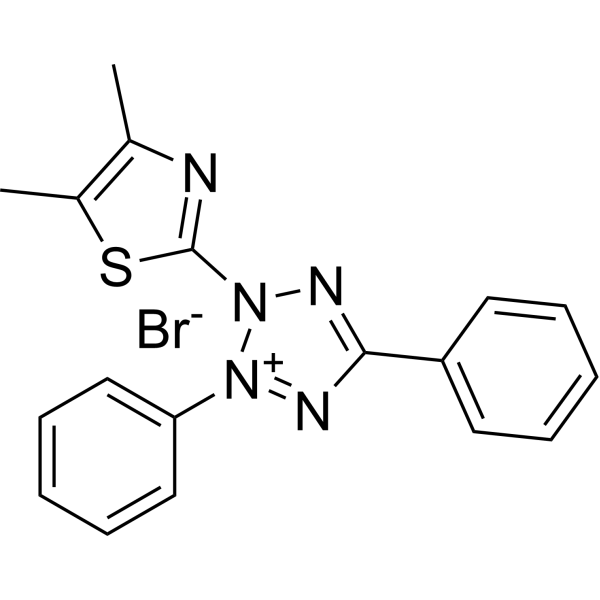
Thiazolyl Blue (MTT) is a cell-permeable and positively charged tetrazolium dye that is used to detect reductive metabolism in cells. Thiazolyl Blue is taken up by cells through the plasma membrane and then reduced to formazan by intracellular NAD (P) H-oxidoreductases. Thiazolyl Blue is frequently used in colorimetric assays to measure cell proliferation, cytotoxicity, and apoptosis .
loading...
    loading...
187
187 Cited Publications
Cat. No.: HY-K1005

MCE Ultra High Sensitivity ECL Kit is an ultra-sensitive, luminol-based enhanced chemiluminescent substrate for detecting horseradish peroxidase (HRP) labeled antibodies on western blots. The 100 mL is defined as the base specification. All larger sizes correspond to incremental volumes of this base.

loading...
    loading...
143
143 Cited Publications
Cat. No.: HY-12008
CAS No.: 183319-69-9
Purity:  99.94%
Synonyms: CP-358774 hydrochloride; NSC 718781 hydrochloride; OSI-774 hydrochloride
Target:  

EGFR OAT ERK GSK-3 β-catenin

Research Areas:  

Endocrinology Cancer

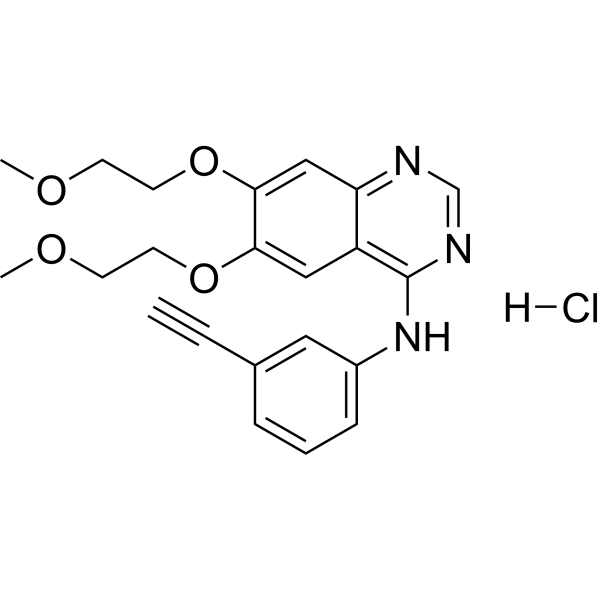
Erlotinib (CP-358774) Hydrochloride is a selective, orally active EGFR tyrosine kinase inhibitor. Erlotinib Hydrochloride also acts as a substrate and inhibitor of OATP2B1, with an IC50 of approximately 0.079 μM for inhibiting OATP2B1-mediated uptake of estrone 3-sulfate. Erlotinib Hydrochloride blocks EGFR phosphorylation, downstream signal transduction, as well as the growth and proliferation of cancer cells. Erlotinib Hydrochloride inhibits MMP-10-mediated renal injury, fibrotic lesions, the ERK1/2, GSK-3β and β-catenin signaling pathways, as well as the deposition of fibronectin, α-SMA, collagen and renal injury markers. Erlotinib Hydrochloride is metabolized via CYP3A to produce the active metabolite OSI-420. Erlotinib Hydrochloride can be used in research related to non-small cell lung cancer, gastric cancer, papillary renal cell carcinoma, EGFR inhibitor resistance and renal fibrosis .
loading...
    loading...
143
143 Cited Publications
Cat. No.: HY-50896
CAS No.: 183321-74-6
Synonyms: CP-358774; NSC 718781; OSI-774
Target:  

EGFR OAT ERK GSK-3 β-catenin

Research Areas:  

Endocrinology Cancer

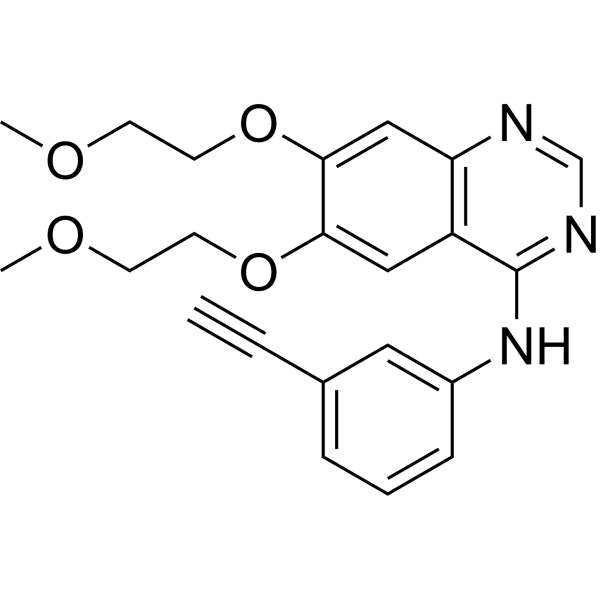
Erlotinib (CP-358774) is a selective, orally active EGFR tyrosine kinase inhibitor. Erlotinib also acts as a substrate and inhibitor of OATP2B1, with an IC50 of approximately 0.079 μM for inhibiting OATP2B1-mediated uptake of estrone 3-sulfate. Erlotinib blocks EGFR phosphorylation, downstream signal transduction, as well as the growth and proliferation of cancer cells. Erlotinib inhibits MMP-10-mediated renal injury, fibrotic lesions, the ERK1/2, GSK-3β and β-catenin signaling pathways, fibronectin, α-SMA, collagen deposition, and renal injury markers. Erlotinib is metabolized via CYP3A to produce the active metabolite OSI-420. Erlotinib can be used in research related to non-small cell lung cancer, gastric cancer, papillary renal cell carcinoma, pancreatic cancer, renal fibrosis, and other conditions .
loading...
    loading...
123
123 Cited Publications
Cat. No.: HY-12591
CAS No.: 103404-75-7
Purity:  99.92%
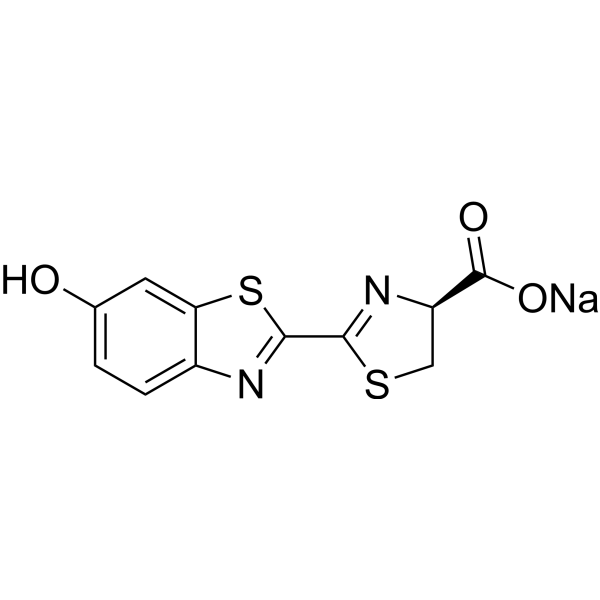
Synonyms: D-(-)-Luciferin sodium; Firefly luciferin sodium; Beetle Luciferin sodium
D-luciferin sodium is the natural substrate of the enzyme luciferase (Luc) that catalyzes the production of the typical yellowgreen light of fireflies. The 560 nm chemiluminescence from this reaction peaks within seconds, with light output that is proportional to luciferase concentration when the substrate luciferin is present in excess. The luciferase (luc) gene is a popular reporter gene for research and agent screening. Chemiluminescent techniques are virtually background-free, making the luc reporter gene ideal for detecting low-level gene expression. As little as 0.02 pg of luciferase can be reliably measured in a standard scintillation counter. In addition to its role as a reporter of gene expression, luciferase is commonly used in an extremely sensitive assay for ATP . We of er the firefly luciferase (HY-P1004A), luciferin free acid (HY-12591A), as well as its water-soluble sodium salts (HY-12591) and potassium salts (HY-12591B) .
loading...
    loading...
123
123 Cited Publications
Cat. No.: HY-12591A
CAS No.: 2591-17-5
Purity:  99.54%
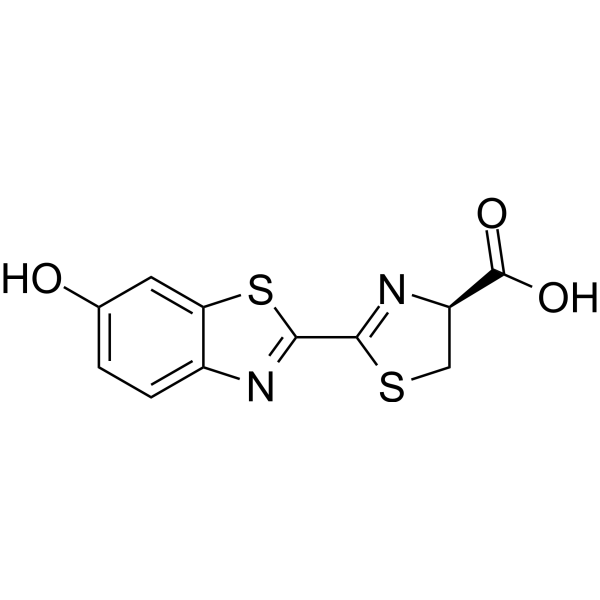
Synonyms: D-(-)-Luciferin; Firefly luciferin; Beetle Luciferin
D-luciferin is the natural substrate of the enzyme luciferase (Luc) that catalyzes the production of the typical yellowgreen light of fireflies. The 560 nm chemiluminescence from this reaction peaks within seconds, with light output that is proportional to luciferase concentration when the substrate luciferin is present in excess. The luciferase (luc) gene is a popular reporter gene for research and agent screening. Chemiluminescent techniques are virtually background-free, making the luc reporter gene ideal for detecting low-level gene expression. As little as 0.02 pg of luciferase can be reliably measured in a standard scintillation counter. In addition to its role as a reporter of gene expression, luciferase is commonly used in an extremely sensitive assay for ATP . We of er the firefly luciferase (HY-P1004A), luciferin free acid (HY-12591A), as well as its water-soluble sodium salts (HY-12591) and potassium salts (HY-12591B) .
loading...
    loading...
123
123 Cited Publications
Cat. No.: HY-12591B
CAS No.: 115144-35-9
Purity:  99.97%
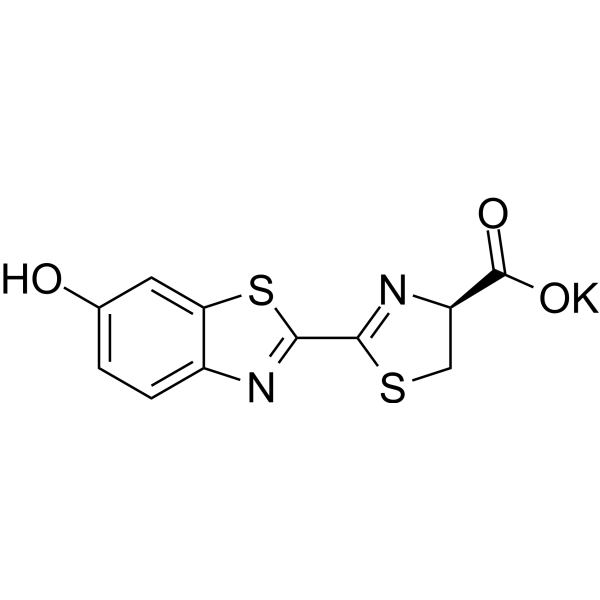
Synonyms: D-(-)-Luciferin potassium; Firefly luciferin potassium; Beetle Luciferin potassium
D-luciferin potassium is the natural substrate of the enzyme luciferase (Luc) that catalyzes the production of the typical yellowgreen light of fireflies. The 560 nm chemiluminescence from this reaction peaks within seconds, with light output that is proportional to luciferase concentration when the substrate luciferin is present in excess. The luciferase (luc) gene is a popular reporter gene for research and agent screening. Chemiluminescent techniques are virtually background-free, making the luc reporter gene ideal for detecting low-level gene expression. As little as 0.02 pg of luciferase can be reliably measured in a standard scintillation counter. In addition to its role as a reporter of gene expression, luciferase is commonly used in an extremely sensitive assay for ATP . We offer the firefly luciferase (HY-P1004A), luciferin free acid (HY-12591A), as well as its water-soluble sodium salts (HY-12591) and potassium salts (HY-12591B) .
loading...
    loading...
60
60 Cited Publications
Cat. No.: HY-109590
CAS No.: 506-32-1
Purity:  99.73%
Synonyms: Immunocytophyt
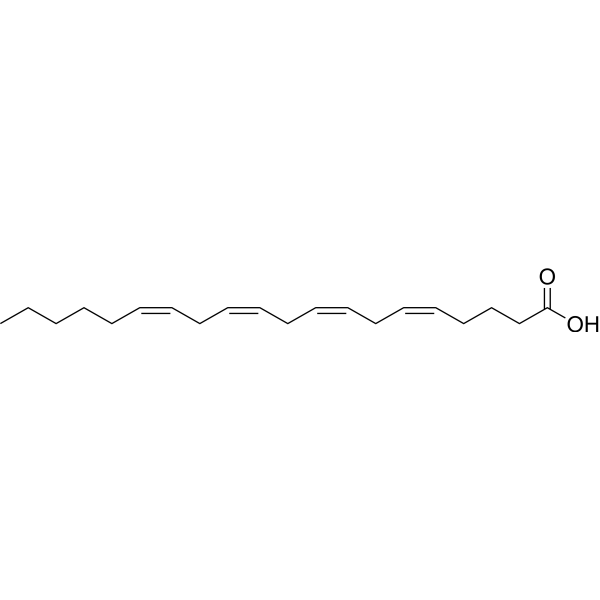
Arachidonic acid (Immunocytophyt) is a polyunsaturated omega-6 fatty acid and a major constituent of biomembranes. Arachidonic acid also acts as the substrate for various lipid mediators, such as prostaglandins (PGs). Arachidonic acid improves cognitive response and cardiovascular function .
loading...
    loading...
60
60 Cited Publications
Cat. No.: HY-109590A
CAS No.: 6610-25-9
Purity:  99.3%
Synonyms: Immunocytophyt sodium salt
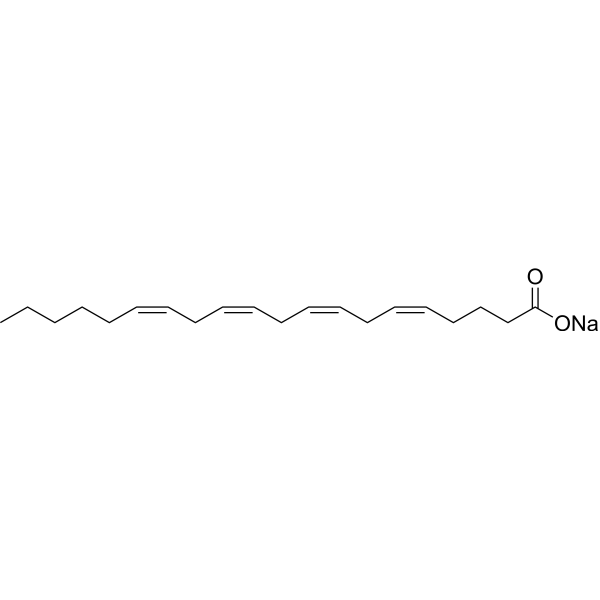
Arachidonic acid (Immunocytophyt) sodium salt is a polyunsaturated omega-6 fatty acid and a major constituent of biomembranes. Arachidonic acid sodium salt also acts as the substrate for various lipid mediators, such as prostaglandins (PGs). Arachidonic acid sodium salt improves cognitive response and cardiovascular function .
loading...
    loading...
50
50 Cited Publications
Cat. No.: HY-B0445A
CAS No.: 20111-18-6
Synonyms: β-DPN sodium; β-NAD sodium; β-Nicotinamide Adenine Dinucleotide sodium
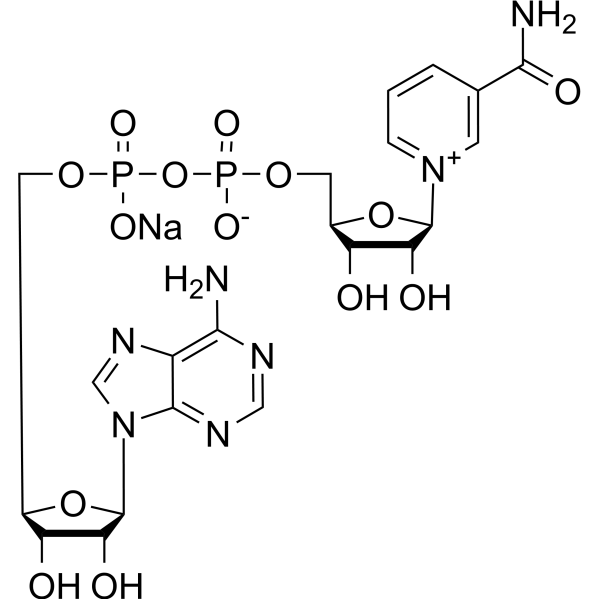
NAD sodium is an orally effective cofactor and homeostatic regulator. NAD sodium can be reduced to β-nicotinamide adenine dinucleotide (NADH) during coupling with reactions that oxidize organic substrates. NAD sodium can be converted to β-nicotinamide adenine dinucleotide (NADH) and passes to the inside of mitochondria, which indirectly generates ATP. NAD sodium can be used for the research of non-alcoholic fatty liver disease, obesity, and glucose intolerance .
loading...
    loading...
37
37 Cited Publications
Cat. No.: HY-W008719
CAS No.: 36913-39-0
Research Areas:  

Neurological Disease

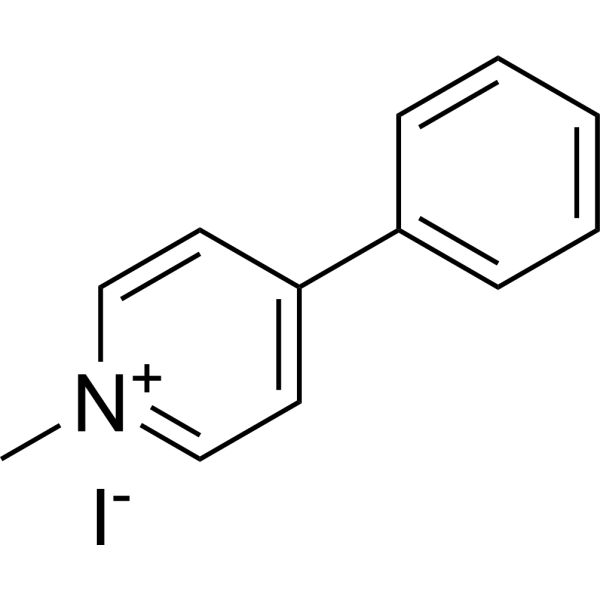
MPP+ iodide, a toxic metabolite of the neurotoxin MPTP, causes symptom of Parkinson's disease in animal models by selectively destroying dopaminergic neurons in substantia nigra. MPP+ iodide is taken up by the dopamine transporter into dopaminergic neurons where it exerts its neurotoxic action on mitochondria by affecting complex I of the respiratory chain. MPP+ iodide is also a high affinity substrate for the serotonin transporter (SERT) .
loading...
    loading...
31
31 Cited Publications
Cat. No.: HY-13687
CAS No.: 873225-46-8
Purity:  99.88%
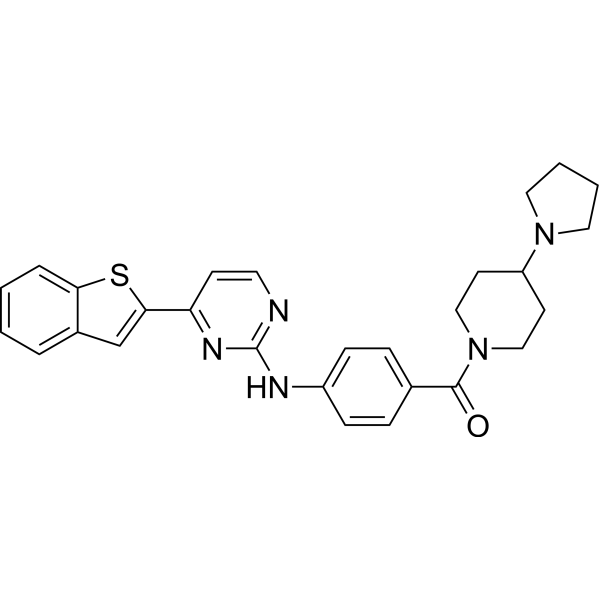
IKK 16 is an orally active IKK inhibitor. IKK 16 shows IC50s of 40 nM, 70 nM, 200 nM, and 50 nM for IKK2, IKK complex, IKK1, and LRRK 2, respectively. IKK 16 is also a pan-PKD inhibitor, inhibiting PKD1, PKD2, and PKD3 with IC50s of 153.9, 115, and 99.7 nM, respectively. IKK 16 is also an ABCB1 inhibitor, interfering with the binding of ABCB1 to its substrates. IKK 16 protects against LPS (HY-D1056)-induced multiple organ dysfunction by reducing the acute inflammatory response induced by endotoxin exposure. IKK 16 can restore renal function and alleviate fibrosis in acute kidney injury. IKK 16 attenuates cardiac dysfunction associated with polymicrobial sepsis in mice with type 2 diabetes mellitus (T2DM) by inhibiting the NF-κB pathway .
loading...
    loading...
31
31 Cited Publications
Cat. No.: HY-13687A
CAS No.: 1186195-62-9
Purity:  99.95%
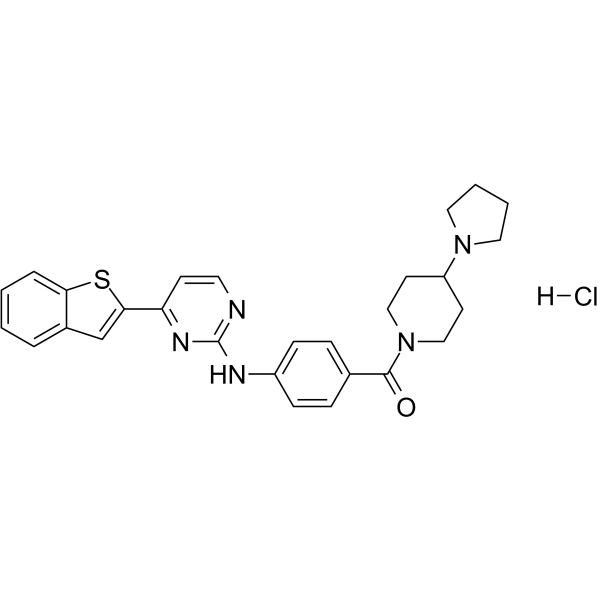
IKK 16 hydrochloride is an orally active IKK inhibitor. IKK 16 hydrochloride shows IC50s of 40 nM, 70 nM, 200 nM, and 50 nM for IKK2, IKK complex, IKK1, and LRRK 2, respectively. IKK 16 hydrochloride is also a pan-PKD inhibitor, inhibiting PKD1, PKD2, and PKD3 with IC50s of 153.9, 115, and 99.7 nM, respectively. IKK 16 hydrochloride is also an ABCB1 inhibitor, interfering with the binding of ABCB1 to its substrates. IKK 16 hydrochloride protects against LPS (HY-D1056)-induced multiple organ dysfunction by reducing the acute inflammatory response induced by endotoxin exposure. IKK 16 hydrochloride can restore renal function and alleviate fibrosis in acute kidney injury. IKK 16 hydrochloride attenuates cardiac dysfunction associated with polymicrobial sepsis in mice with type 2 diabetes mellitus (T2DM) by inhibiting the NF-κB pathway .
loading...
    loading...
27
27 Cited Publications
Cat. No.: HY-108341
CAS No.: 1469284-78-3
Purity:  99.89%
Target:  

Acyltransferase

Research Areas:  

Metabolic Disease

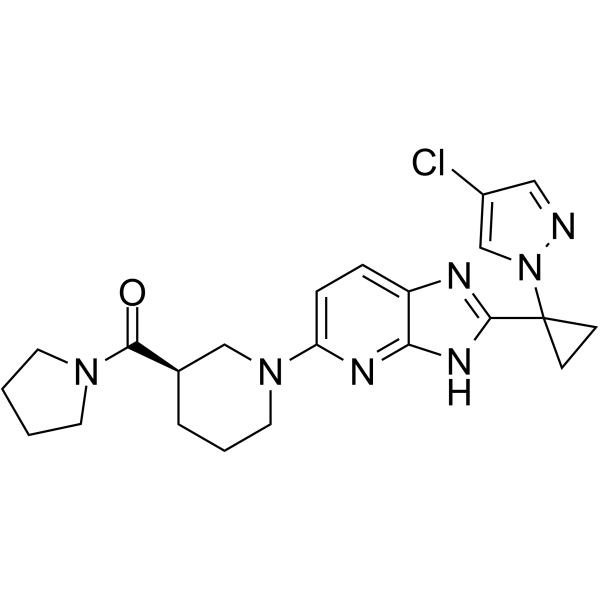
PF-06424439 is an oral, potent and selective imidazopyridine diacylglycerol acyltransferase 2 (DGAT2) inhibitor with an IC50 of 14 nM . PF-06424439 is slowly reversible, time-dependent inhibitor, which inhibits DGAT2 in a noncompetitive mode with respect to the acyl-CoA substrate .
loading...
    loading...
27
27 Cited Publications
Cat. No.: HY-108341A
CAS No.: 1469284-79-4
Purity:  99.85%
Target:  

Acyltransferase

Research Areas:  

Metabolic Disease

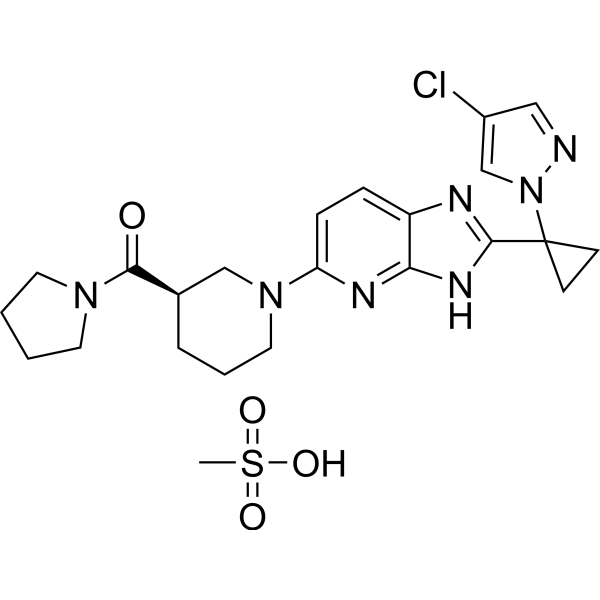
PF-06424439 methanesulfonate is an oral, potent and selective imidazopyridine diacylglycerol acyltransferase 2 (DGAT2) inhibitor with an IC50 of 14 nM . PF-06424439 methanesulfonate is slowly reversible, time-dependent inhibitor, which inhibits DGAT2 in a noncompetitive mode with respect to the acyl-CoA substrate .
loading...
    loading...
27
27 Cited Publications
Cat. No.: HY-10587
CAS No.: 935693-62-2
Purity:  98.44%
Research Areas:  

Cancer

BIX-01294 is a reversible and highly selective G9a and GLP Histone Methyltransferase inhibitor, with IC50s of of 1.7 μM and 0.9 μM, respectively. BIX-01294 inhibits G9a/GLP by competing for binding with the amino acids N-terminal of the substrate lysine residue. BIX-01294, a (1H-1,4-diazepin-1-yl)-quinazolin-4-yl amine derivative, induces necroptosis and autophagy. BIX-01294 has antitumor activity in recurrent tumor cells .
loading...
    loading...
27
27 Cited Publications
Cat. No.: HY-108239
CAS No.: 1392399-03-9
Research Areas:  

Cancer

BIX-01294 trihydrochloride is a reversible and highly selective G9a and GLP Histone Methyltransferase inhibitor, with IC50s of of 1.7 μM and 0.9 μM, respectively. BIX-01294 trihydrochloride inhibits G9a/GLP by competing for binding with the amino acids N-terminal of the substrate lysine residue. BIX-01294 trihydrochloride, a (1H-1,4-diazepin-1-yl)-quinazolin-4-yl amine derivative, induces necroptosis and autophagy. BIX-01294 trihydrochloride has antitumor activity in recurrent tumor cells .
loading...
    loading...
27
27 Cited Publications
Cat. No.: HY-103586
CAS No.: 1191237-69-0
Purity:  99.89%
Research Areas:  

Infection

GS-441524 is a potent, orally active and CNS-penetrant viral RNA-dependent RNA polymerase inhibitor. GS-441524 competes with natural nucleosides to block viral RNA transcription as an alternative substrate and RNA chain terminator. GS-441524 inhibits the replication of feline infectious peritonitis virus, African swine fever virus, and severe acute respiratory syndrome coronavirus 2. GS-441524 reduces viral RNA levels in cats. GS-441524 can be used in research related to feline infectious peritonitis, African swine fever, and coronavirus disease 2019 (COVID-19) .
loading...
    loading...
27
27 Cited Publications
Cat. No.: HY-103586A
CAS No.: 2378280-82-9
Research Areas:  

Infection

GS-441524 hydrochloride is a potent, orally active and CNS-penetrant viral RNA-dependent RNA polymerase inhibitor. GS-441524 hydrochloride competes with natural nucleosides to block viral RNA transcription as an alternative substrate and RNA chain terminator. GS-441524 hydrochloride inhibits the replication of feline infectious peritonitis virus, African swine fever virus, and severe acute respiratory syndrome coronavirus 2. GS-441524 hydrochloride reduces viral RNA levels in cats. GS-441524 hydrochloride can be used in research related to feline infectious peritonitis, African swine fever, and coronavirus disease 2019 (COVID-19) .
loading...
    loading...
26
26 Cited Publications
Cat. No.: HY-D0861
CAS No.: 67-42-5
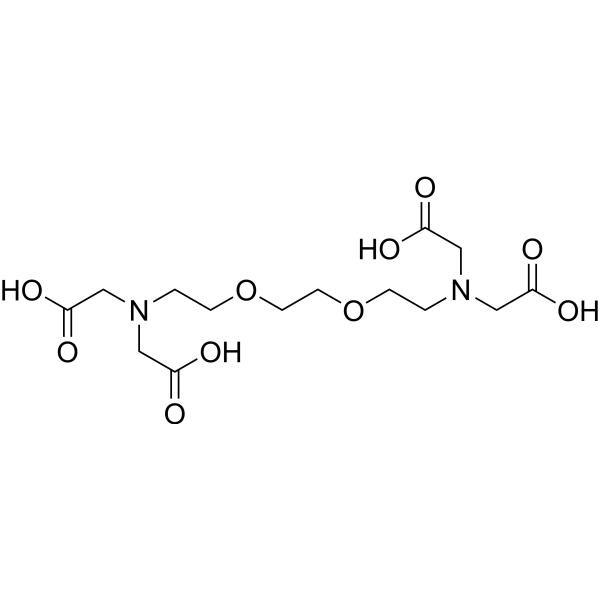
EGTA is a cell-impermeant specific calcium ion chelator. EGTA has an apparent calcium dissociation constant (Kd) of 60.5 nM at physiological pH (7.4) and has very high specificity for Ca 2+ over Mg 2+ (Mg 2+ Kd 1-10 mM). EGTA significantly inhibits the substrate adherence capacity of inflammatory macrophages .
loading...
    loading...

