Search Result
Results for "
substrate binding site
" in MedChemExpress (MCE) Product Catalog:
3
Biochemical Assay Reagents
1
Isotope-Labeled Compounds
| Cat. No. |
Product Name |
Target |
Research Areas |
Chemical Structure |
-
- HY-131042
-
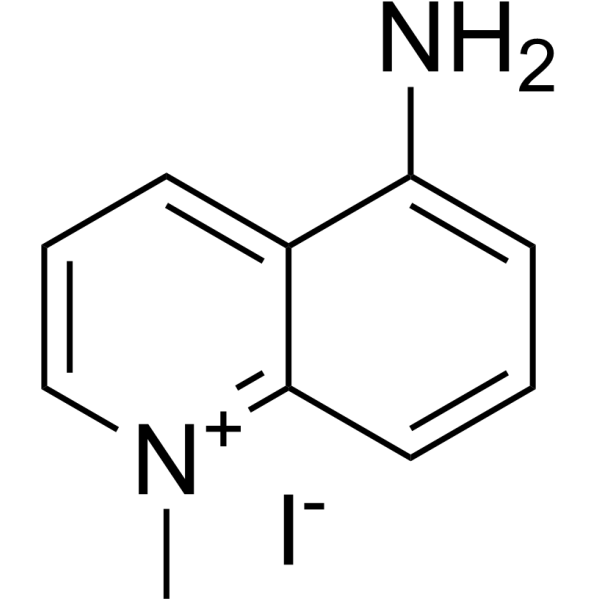
NNMTi
Maximum Cited Publications
10 Publications Verification
|
Amine N-methyltransferase
|
Metabolic Disease
|
|
NNMTi is a potent nicotinamide N-methyltransferase (NNMT) inhibitor (IC50=1.2 μM) and selectively binds to the NNMT substrate-binding site residues . NNMTi promotes myoblast differentiation in vitro and enhances fusion and regenerative capacity of muscle stem cells (muSCs) in aged mice .
|
-
-
- HY-109061
-
|
YH25448; GNS-1480
|
Apoptosis
Akt
TRP Channel
EGFR
ERK
|
Infection
Neurological Disease
Metabolic Disease
Cancer
|
|
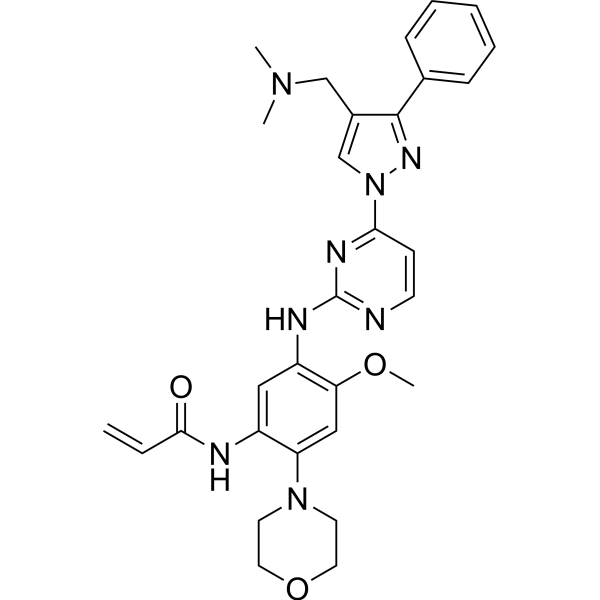
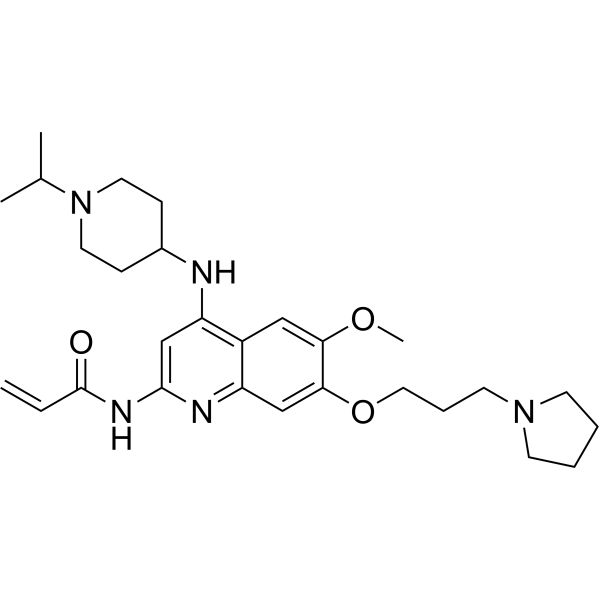
Lazertinib (YH25448; GNS-1480) is an orally active, blood-brain barrier permeable third-generation EGFR tyrosine kinase inhibitor, as well as an ABCB1/ABCG2 inhibitor and a TRPA1 activator. Lazertinib exhibits IC50 values of 0.4 mM and 0.2 mM against human ABCB1 and ABCG2, respectively. By inhibiting mutant EGFR signaling, EGFR phosphorylation and the downstream ERK/AKT pathway, as well as upregulating surface expression of EGFR/MET, Lazertinib induces cell cycle arrest, apoptosis, spontaneous calcium responses, hyperexcitability of dorsal root ganglion (DRG) neurons, and TRPA1-dependent pain-like behaviors. Lazertinib competitively binds to the substrate-binding sites of ABCB1/ABCG2, stimulates their ATPase activity without altering their expression or plasma membrane localization, thereby enhancing ADCC activity, acting as a chemosensitizer, and reversing ABCB1-mediated multidrug resistance. It exerts antitumor activity as a single agent or in combination with other drugs. Lazertinib is applicable to research related to non-small cell lung cancer, multidrug-resistant cancers, and paresthesia .
|
-
-
- HY-111832
-
|
TeGG
|
UGT
|
Infection
Metabolic Disease
|
|
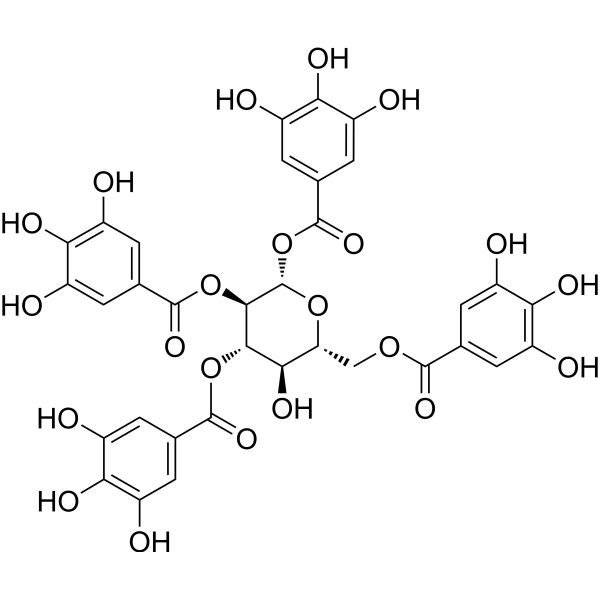
1,2,3,6-Tetragalloylglucose (TEgG) is a competitive inhibitor of UDP-glucuronyltransferase UGT1A1, targeting the competitive substrate binding site of UGT1A1. 1,2,3,6-Tetragalloylglucose inhibits UGT1A1-mediated β-estradiol 3-glucuronidation and SN-38 glucuronidation with IC50 of 6.01 μM and 4.31 μM, respectively, and binds to UGT1A1 with Ki of 3.55 μM. 1,2,3,6-Tetragalloylglucose also induces tumor cell apoptosis, inhibit cell proliferation, activates caspase-3 and induces DNA fragmentation in HL-60 cells. 1,2,3,6-Tetragalloylglucose also inhibits HIV integrase and reverse transcriptase, and inhibits HCV protease .
|
-
-
- HY-P1315
-
|
Glycylglycyl-L-tyrosyl-L-arginine
|
Cathepsin
|
Others
|
|
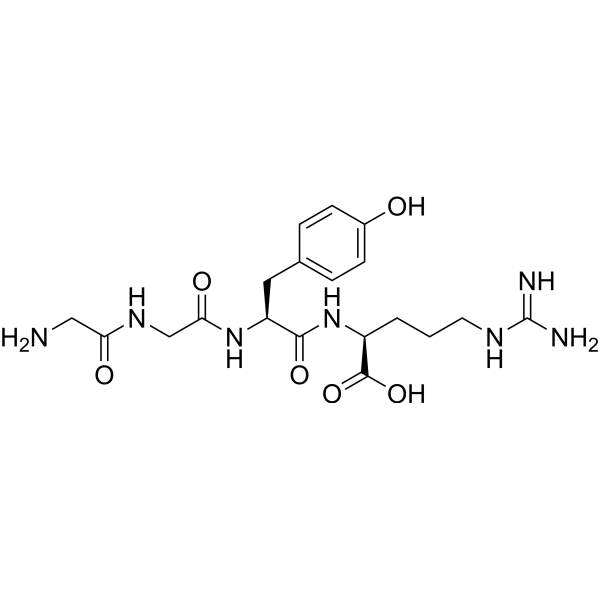
Papain inhibitor (Glycylglycyl-L-tyrosyl-L-arginine) is a competitive papain-targeting enzyme inhibitor with a Ki of 9 μM. Papain inhibitor binds directly to the substrate binding site of papain, inhibiting substrate hydrolysis by the enzyme. Papain inhibitor functions as a component of an electrochemical probe for the detection of papain .
|
-
-
- HY-163316
-
|
|
Sirtuin
Glutamate Dehydrogenase (GLDH)
PDHK
|
Metabolic Disease
Cancer
|
|
SIRT4-IN-1 is a selective and potent Sirtuin 4 (Sirt4) inhibitor with an IC50 of 16 μM for hSirt4. SIRT4-IN-1 also inhibits hSirt1, hSirt2, hSirt3, hSirt4 and hSirt6. SIRT4-IN-1 competes with acyl peptide substrate for Sirt4's acyl binding site, and is noncompetitive with NAD +. SIRT4-IN-1 increases glutamate dehydrogenase (GDH) activity and rescues pyruvate dehydrogenase (PDH) activity. SIRT4-IN-1 inhibits adipocyte differentiation and suppresses Sirt4 overexpression-induced increased differentiation. SIRT4-IN-1 can be used for the researches of cancer and metabolic disease .
|
-
-
- HY-119323
-
|
|
Fluorescent Dye
|
Others
|
|
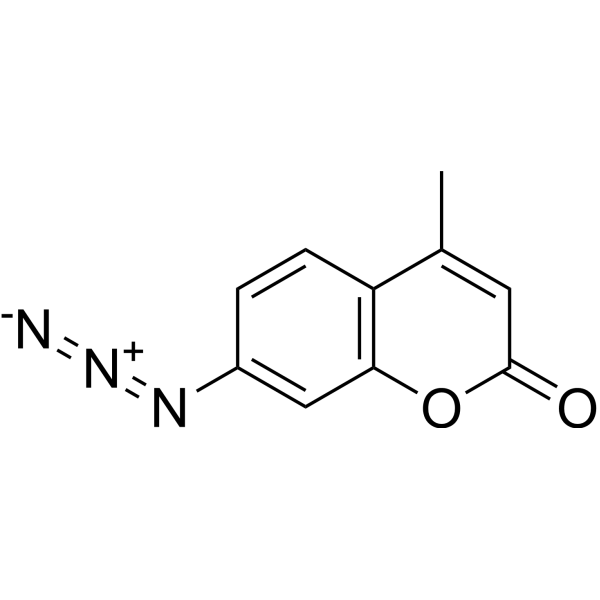
7-Azido-4-methylcoumarin is a selective coumarin-based fluorescent probe for hydrogen sulfide (H2S). In the presence of H2S, the aromatic azido group of 7-Azido-4-methylcoumarin is selectively reduced to produce the fluorescently active 7-amino-4-methylcoumarin (AMC). 7-Azido-4-methylcoumarin binds to the coumarin/phenol-binding site of BSA, the aglycone-binding site of UGT1A6, and the substrate-binding site of SULT1A1, respectively. 7-Azido-4-methylcoumarin retains its fluorescent properties after covalent binding, acts as a fluorescent H2S probe, and does not react with cysteine, homocysteine or glutathione (Ex/Em = 340/445 nm) .
|
-
-
- HY-W003969
-
|
Ascensil; 2-Amino-4-methylpyridine
|
NO Synthase
|
Inflammation/Immunology
|
|
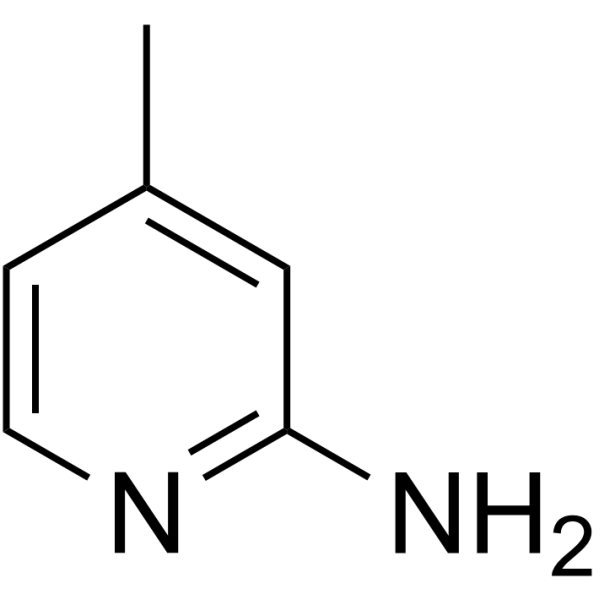
Aminopicoline (Ascensil) is a potent and non-selective inhibitor of nitric oxide synthase (NOS) isoenzymes (iNOS, nNOS, eNOS). Aminopicoline competes with arginine at the substrate-binding site of nitric oxide synthase, reduces cellular nitric oxide production, inhibits the elevation of plasma nitrate, increases mean arterial pressure at high doses, and also serves as a basis for radiolabeled ligands to localize nitric oxide synthase binding sites. Aminopicoline can be used in the research of diseases associated with septic shock, joint inflammation, intestinal inflammation, and CNS inflammation .
|
-
-
- HY-48999A
-
|
|
EGFR
|
Cancer
|
|
FSK hydrochloride is fluorosulfonyloxybenzoyl-L-lysine, which features a long, flexible aryl fluorosulfate-containing side chain that can reach protein sites inaccessible to covalent conjugation. FSK hydrochloride modifies nanomolecules to target epidermal growth factor receptor (EGFR), resulting in irreversibly bound covalent interactions. Through genetically encoded chemical crosslinking, FSK hydrochloride captures unknown enzyme-substrate interactions in living cells, targets residues other than Cys, and mediates crosslinking at the binding periphery. FSK hydrochloride enables the construction of a bioreactive SuFEx system for generating covalent bonds in various proteins both in vitro and in vivo .
|
-
-
- HY-109061B
-
|
YH25448 mesylate; GNS-1480 mesylate
|
TRP Channel
EGFR
Akt
ERK
Apoptosis
|
Cancer
|
|
Lazertinib (YH25448; GNS-1480) mesylate is an orally active, blood-brain barrier permeable third-generation EGFR tyrosine kinase inhibitor, as well as an ABCB1/ABCG2 inhibitor and a TRPA1 activator. Lazertinib mesylate exhibits IC50 values of 0.4 mM and 0.2 mM against human ABCB1 and ABCG2, respectively. By inhibiting mutant EGFR signaling, EGFR phosphorylation and the downstream ERK/AKT pathway, as well as upregulating surface expression of EGFR/MET, Lazertinib mesylate induces cell cycle arrest, apoptosis, spontaneous calcium responses, hyperexcitability of dorsal root ganglion (DRG) neurons, and TRPA1-dependent pain-like behaviors. Lazertinib mesylate competitively binds to the substrate-binding sites of ABCB1/ABCG2, stimulates their ATPase activity without altering their expression or plasma membrane localization, thereby enhancing ADCC activity, acting as a chemosensitizer, and reversing ABCB1-mediated multidrug resistance. It exerts antitumor activity as a single agent or in combination with other drugs. Lazertinib mesylate is applicable to research related to non-small cell lung cancer, multidrug-resistant cancers, and paresthesia .
|
-
-
- HY-D1078
-
|
|
Fluorescent Dye
Reactive Oxygen Species (ROS)
P-glycoprotein
|
Others
|
|
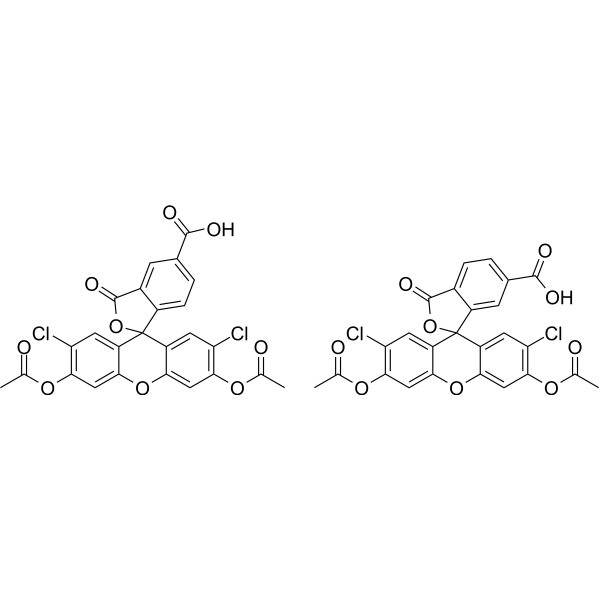
5 (6)-Carboxy-2',7'-dichlorofluorescein diacetate is a fluorescein-based reactive oxygen species (ROS) probe and also a MRP2 substrate. 5 (6)-Carboxy-2',7'-dichlorofluorescein diacetate serves as a substrate for intracellular esterases, which cleave its acetate groups to generate a fluorescent product capable of detecting intracellular ROS. 5 (6)-Carboxy-2',7'-dichlorofluorescein diacetate is ATP-dependent and is transported via a single MRP2 binding site; it competes with LTC4 for MRP2 binding sites and inhibits MRP2-mediated LTC4 transport (Ex/Em = 496/525 nm) .
|
-
-
- HY-N7136
-
-
-
- HY-P10856
-
|
|
P-glycoprotein
|
Cancer
|
|
CPI1 is a multidrug resistance protein 1 (MRP1) inhibitor with a Ki value of 100 nM. CPI1 binds to the same substrate-binding site as leukotriene C4, stabilizes MRP1 in an apo-like inward-facing conformation, blocks the conformational changes required for ATP hydrolysis and substrate transport, and inhibits the ATPase activity of human and bovine MRP1. CPI1 serves as a tool for investigating the substrate transport mechanism of MRP1. CPI1 is applicable to research related to cancer multidrug resistance .
|
-
-
- HY-119171
-
|
|
KMO
|
Neurological Disease
Inflammation/Immunology
|
|
GSK 366 is a type II kynurenine-3-monooxygenase (KMO) inhibitor with IC50 values of 2.3 nM and 0.7 nM for human KMO and P. fluorescens-KMO (Pf-KMO). GSK 366 binds to KMO’s substrate site, prevents productive NADPH association, substrate binding, and FAD hydroperoxy species formation. GSK 366 does not stimulate hydrogen peroxide (H2O2) production and reduces H2O2 levels. GSK 366 can be used for the researches of inflammation and neurological disease, such as acute pancreatitis multiple organ dysfunction syndrome and Alzheimer’s disease .
|
-
-
- HY-146248B
-
|
|
Poly(ADP-ribose) Glycohydrolase (PARG)
SARS-CoV
Protease Activated Receptor (PAR)
|
Metabolic Disease
|
|
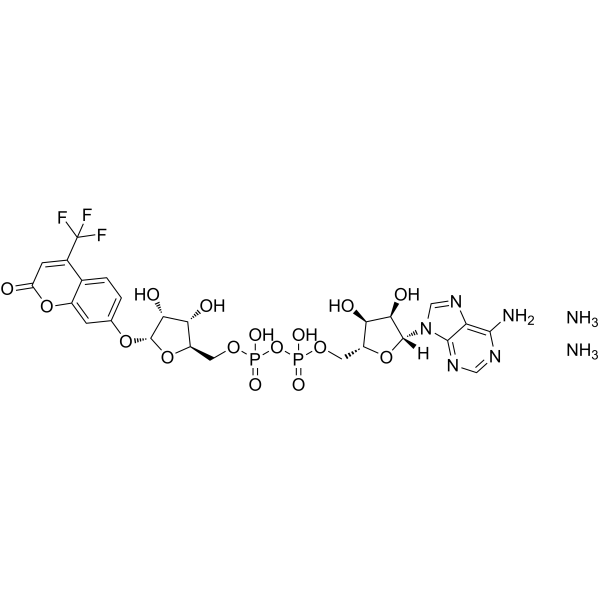
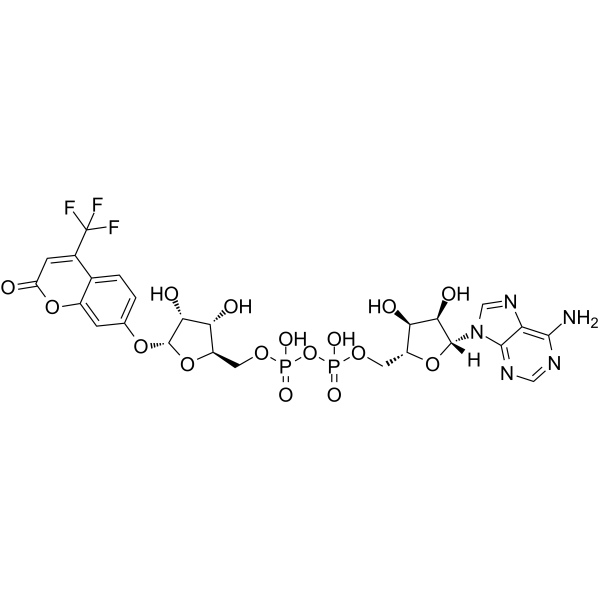
TFMU-ADPr diammonium is a selective reporter substrate of SARS-CoV-2 Macro1 (IC50=0.59 μM), with an excitation wavelength (λEx) of 385 nm, and an emission wavelength (λEm) of 502 nm (or 495 nm). TFMU-ADPr diammonium can also undergo enzymatic hydrolysis with Poly(ADP-ribose) Glycohydrolase (PARG) sourced from human, Tetrahymena thermophila and ADP-ribosylhydrolase 3 from human to release fluorophores, thereby directly reporting total poly (ADP-ribose) hydrolase activity. TFMU-ADPr diammonium binds to the ADPr-binding site of SARS-CoV-2 Macro1, and its TFMU moiety inserts into the narrow hydrophobic groove of this protein. TFMU-ADPr diammonium can thus be used to evaluate small-molecule inhibitors targeting PAR hydrolases under in vitro conditions, to investigate the regulatory mechanisms of ADP-ribosyl catabolic enzymes, or to detect PAR hydrolase activity in whole-cell lysate assays. TFMU-ADPr diammonium is also applicable to COVID-19-related research .
|
-
-
- HY-178124
-
|
|
Deubiquitinase
|
Neurological Disease
Cancer
|
|
Huib32 is a potent small-molecule inhibitor of USP32 (IC50 = 21.2 nM), exhibiting high selectivity over other closely related deubiquitinating enzymes (DUBs), such as USP8/10/16, UCHL1 and OTUB2. Huib32 reversibly inhibits USP32 by covalently binding to the active site Cys743, which enhances substrate ubiquitination, alters endosomal morphology, and mimics USP32 depletion. Huib32 can be used for breast, ovarian, and lung cancer and Alzheimer's and Parkinson’s diseases research .
|
-
-
- HY-146248
-
|
|
SARS-CoV
Poly(ADP-ribose) Glycohydrolase (PARG)
Protease Activated Receptor (PAR)
|
Infection
|
|
TFMU-ADPr is a selective reporter substrate of SARS-CoV-2 Macro1 (IC50=0.59 μM), with an excitation wavelength (λEx) of 385 nm, and an emission wavelength (λEm) of 502 nm (or 495 nm). TFMU-ADPr can also undergo enzymatic hydrolysis with Poly(ADP-ribose) Glycohydrolase (PARG) sourced from human, Tetrahymena thermophila and ADP-ribosylhydrolase 3 from human to release fluorophores, thereby directly reporting total poly (ADP-ribose) hydrolase activity. TFMU-ADPr binds to the ADPr-binding site of SARS-CoV-2 Macro1, and its TFMU moiety inserts into the narrow hydrophobic groove of this protein. TFMU-ADPr can thus be used to evaluate small-molecule inhibitors targeting PAR hydrolases under in vitro conditions, to investigate the regulatory mechanisms of ADP-ribosyl catabolic enzymes, or to detect PAR hydrolase activity in whole-cell lysate assays. TFMU-ADPr is also applicable to COVID-19-related research .
|
-
-
- HY-167920
-
|
S-Sulfoglutathione
|
Endogenous Metabolite
|
Cancer
|
|
Glutathione sulfonate (S-Sulfoglutathione) is a multifunctional bioactive compound that inhibits angiogenesis and tumor growth. Glutathione sulfonate is a competitive inhibitor of glutathione S-transferase and is involved in the detoxification process and the binding of a variety of exogenous and endogenous compounds. Glutathione sulfonate acts in the substrate binding site of Escherichia coli glutathione S-transferase, affecting the catalytic mechanism. The structural characteristics of Glutathione sulfonate contribute to its inhibitory effect by hydrogen bonding in the active center of the enzyme .
|
-
-
- HY-150510
-
|
|
Histone Methyltransferase
|
Neurological Disease
Cancer
|
|
MS8511 is a selective G9a/GLP covalent irreversible inhibitor by targeting a cysteine residue at the substrate binding site, with IC50 values of 100 nM (G9a) and 140 nM (GLP), and Kd values of 44 nM (G9a) and 46 nM (GLP). MS8511 reduces the cellular H3K9me2 level and enhances antiproliferation activity. MS8511 can be used for the research of several types of cancers including brain, breast, ovarian, lung, bladder, melanoma, colorectal cancer, and other disease such as Alzheimer’s disease (AD), sickle cell disease, Prader−Willi syndrome (PWS) .
|
-
-
- HY-175597
-
|
|
ClpP
|
Infection
|
|
ClpP modulator-1 (Compound BC8a), a peptidomimetic, is an allosteric ClpP modulator. ClpP modulator-1 is a ClpP activator at low concentration with EC50s of 0.35 and 0.58 μM for for Neisseria meningitides ClpP (NmClpP) and Escherichia coli ClpP (EcClpP), resepectively. ClpP modulator-1 also inhibits peptidase activity at high concentration by competitively inhibiting substrate protein (LY-AMC) binding to ClpP C sites. ClpP modulator-1 has antibacterial activity. ClpP modulator-1 can be used for bacterial infections research .
|
-
-
- HY-173162
-
|
|
P-glycoprotein
Potassium Channel
|
Cardiovascular Disease
Cancer
|
|
GPV0057 (Compound 5d) is a selective and potent P-glycoprotein (P-gp) inhibitor. GPV0057 is also a selective potassium channel Kir2.1 activator. GPV0057 competitively binds to the substrate-binding site of P-gp, inhibiting ATP-dependent drug efflux to reverse multidrug resistance in tumor cells. GPV0057 can also stabilizes the open state of Kir2.1 and promotes potassium ion influx. GPV0057 is promising for research of tumors with high P-gp expression, Kir2.1-deficient diseases such as heart failure and Andersen-Tawil Syndrome .
|
-
-
- HY-145425
-
|
|
IRE1
Apoptosis
FGFR
|
Inflammation/Immunology
|
|
PAIR2 is a highly selective inhibitor targeting the kinase domain of human IRE1α, with a Ki value of 8.8 nM against human IRE1α. PAIR2 fully occupies the ATP-binding site of the IRE1α kinase domain, partially antagonizes the ribonuclease activity of IRE1α, specifically inhibits regulated IRE1α-dependent decay (RIDD) and its mediated substrate cleavage, while preserving the splicing function of Xbp1 mRNA. PAIR2 also promotes the differentiation of B cells into plasma cells, blocks IRE1α-induced cell apoptosis, and restores the expression of Fgfr2 mRNA in AT2 cells. PAIR2 effectively reaches a steady-state concentration in the lung tissues of Mus musculus, and serves as an important tool for investigating the function of the IRE1α signaling pathway in diseases such as pulmonary fibrosis .
|
-
-
- HY-116750
-
|
|
Tyrosinase
|
Others
|
|
6-Hydroxykaempferol, a flavonoid, is a competitive tyrosinase inhibitor with an IC50 value of 124 μM. 6-Hydroxykaempferol has a Ki value of 148 μM relative to L-DOPA as a substrate and effectively inhibits the activity of the enzyme by binding to the active site of the enzyme .
|
-
-
- HY-144354S
-
|
|
Isotope-Labeled Compounds
ASCT
|
Cancer
|
|
S-Benzyl-DL-cysteine-2,3,3-d3 is a deuterium labeled Benzylcysteine. Benzylcysteine is an ASCT2 inhibitor that binds to ASCT2 with an apparent Ki of 780 μM. Benzylcysteine inhibit ASCT2 function based on a competitive mechanism, indicating that Benzylcysteine binds to the substrate-binding site of ASCT2 .
|
-
-
- HY-145779
-
|
H-γ-Glu-Met-OH; γ-Glu-Met
|
Dipeptidyl Peptidase
|
Metabolic Disease
|
|
H-Glu(Met-OH)-OH (H-γ-Glu-Met-OH; γ-Glu-Met) is a DPP-IV inhibitor with an IC50 of 2.11 mM. H-Glu(Met-OH)-OH binds to DPP-IV’s active site to block substrate binding. H-Glu(Met-OH)-OH can be used for the research of type 2 diabetes .
|
-
-
- HY-150510A
-
|
|
Histone Methyltransferase
|
Neurological Disease
Cancer
|
|
MS8511 (hydrochloride) is a selective G9a/GLP covalent irreversible inhibitor by targeting a cysteine residue at the substrate binding site, with IC50 values of 100 nM (G9a) and 140 nM (GLP), and Kd values of 44 nM (G9a) and 46 nM (GLP). MS8511 (hydrochloride) reduces the cellular H3K9me2 level and enhances antiproliferation activity. MS8511 (hydrochloride) can be used for the research of several types of cancers including brain, breast, ovarian, lung, bladder, melanoma, colorectal cancer, and other disease such as Alzheimer’s disease (AD), sickle cell disease, Prader−Willi syndrome (PWS) .
|
-
-
- HY-P3892
-
|
|
PKC
|
Inflammation/Immunology
|
|
Protein Kinase C (19-35) Peptide is the PKC pseudosubstrate inhibitor/region. Protein Kinase C (19-35) Peptide possibly blocks the substrate-binding site in its kinase domain, makes the cytoplasmic form of PKC inactive .
|
-
-
- HY-146248A
-
|
|
Poly(ADP-ribose) Glycohydrolase (PARG)
SARS-CoV
Protease Activated Receptor (PAR)
|
Others
|
|
TFMU-ADPr triethylamine is a selective reporter substrate of SARS-CoV-2 Macro1 (IC50=0.59 μM), with an excitation wavelength (λEx) of 385 nm, and an emission wavelength (λEm) of 502 nm (or 495 nm). TFMU-ADPr triethylamine can also undergo enzymatic hydrolysis with Poly(ADP-ribose) Glycohydrolase (PARG) sourced from human, Tetrahymena thermophila and ADP-ribosylhydrolase 3 from human to release fluorophores, thereby directly reporting total poly (ADP-ribose) hydrolase activity. TFMU-ADPr triethylamine binds to the ADPr-binding site of SARS-CoV-2 Macro1, and its TFMU moiety inserts into the narrow hydrophobic groove of this protein. TFMU-ADPr triethylamine can thus be used to evaluate small-molecule inhibitors targeting PAR hydrolases under in vitro conditions, to investigate the regulatory mechanisms of ADP-ribosyl catabolic enzymes, or to detect PAR hydrolase activity in whole-cell lysate assays. TFMU-ADPr triethylamine is also applicable to COVID-19-related research .
|
-
-
- HY-P1230
-
|
|
Dipeptidyl Peptidase
GLP Receptor
|
Metabolic Disease
|
|
HAEGT is the first N-terminal 1-5 residues of glucagon like peptide-1 (GLP-1) peptide, and the sequence is His-Ala-Glu-Gly-Thr. HAEGT acts as a competitive substrate for probing prime substrate binding sites of human dipeptidyl peptidase-IV (DPP-IV) 1, in which the N-terminal His-Ala is catalyzed cleavage by DPP-IV. HAEGT can be used in the research of diabetes, obesity .
|
-
-
- HY-176001
-
|
|
Dipeptidyl Peptidase
|
Inflammation/Immunology
Cancer
|
|
DPP8/9-IN-1 (Compound 16) is a selective covalent inhibitor of dipeptidyl peptidases 8 and 9 (DPP8/9) with IC50 values of 14 and 298 nM, respectively. DPP8/9-IN-1 binds irreversibly to the active site serine (S730 in DPP9) via a phosphonate warhead and blocks substrate binding to inhibit DPP8/9-mediated protein processing. DPP8/9-IN-1 is promising for research of cancers and inflammatory diseases .
|
-
-
- HY-19111
-
|
TIBO-R 82150
|
HIV
Reverse Transcriptase
|
Infection
|
|
R-82150 (TIBO-R 82150) is an HIV-1 reverse transcriptase inhibitor that blocks the reverse transcription of viral RNA by binding to the non-substrate binding site of reverse transcriptase, thereby inhibiting viral replication. R-82150 does not inhibit the replication of HIV-2, other RNA viruses, and DNA viruses .
|
-
-
- HY-W003969R
-
|
Ascensil (Standard); 2-Amino-4-methylpyridine (Standard)
|
Reference Standards
NO Synthase
|
Others
|
|
Aminopicoline (Standard) is the analytical standard of Aminopicoline. Aminopicoline (Ascensil) is a potent and non-selective inhibitor of nitric oxide synthase (NOS) isoenzymes (iNOS, nNOS, eNOS). Aminopicoline competes with arginine at the substrate-binding site of nitric oxide synthase, reduces cellular nitric oxide production, inhibits the elevation of plasma nitrate, increases mean arterial pressure at high doses, and also serves as a basis for radiolabeled ligands to localize nitric oxide synthase binding sites. Aminopicoline can be used in the research of diseases associated with septic shock, joint inflammation, intestinal inflammation, and CNS inflammation 。
|
-
-
- HY-134136
-
|
|
Endogenous Metabolite
|
Others
|
|
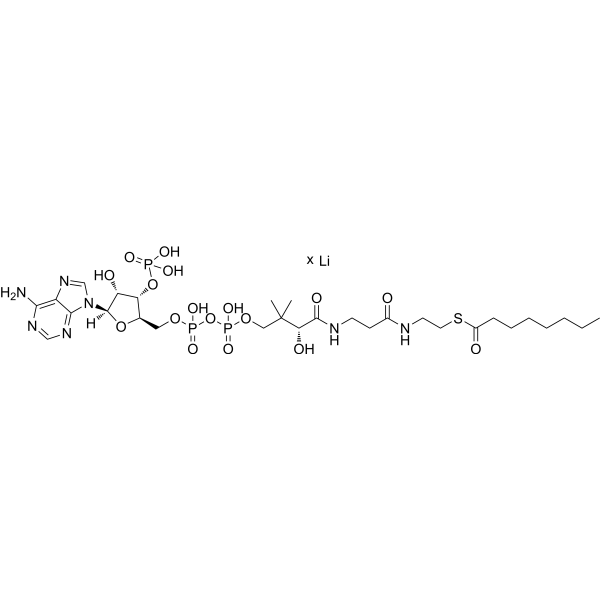
Octanoyl coenzyme A is an enoyl-CoA hydratase binder. Octanoyl coenzyme A binds to the active site of enoyl-CoA hydratase, occupies the binding pocket for the fatty acid tail of the enzyme's substrate, and induces a conformational shift in a flexible protein loop via its longer octanoyl chain, forming an open channel leading to the inter-trimer gap .
|
-
-
- HY-133233
-
|
1-Palmitylthio-2-palmitoylamido-1,2-dideoxy-sn-glycero-3-phosphorylcholine
|
Endogenous Metabolite
Phospholipase
|
Metabolic Disease
|
|
Thioetheramide-PC (1-Palmitylthio-2-palmitoylamido-1,2-dideoxy-sn-glycero-3-phosphorylcholine) is a structurally modified phospholipid that acts as a competitive, reversible inhibitor of secretory phospholipase A2 (sPLA2). Thioetheramide-PC has an IC50 value of 2 μM at a substrate concentration of 0.5 mM. In addition to binding to the catalytic site of sPLA2, Thioetheramide-PC also binds to the activation site of the enzyme. Thioetheramide-PC binds more tightly to the activation site than to the catalytic site. As a result of this dual interaction, at low concentrations, Thioetheramide-PC may activate phospholipase activity rather than inhibit it.
|
-
-
- HY-134136B
-
|
S-Octanoate-CoA triammonium; S-Octanoate-coenzyme A triammonium
|
Biochemical Assay Reagents
|
Others
|
|
Octanoyl coenzyme A triammonium is an enoyl-CoA hydratase binder. Octanoyl coenzyme A triammonium binds to the active site of enoyl-CoA hydratase, occupies the binding pocket for the fatty acid tail of the enzyme's substrate, and induces a conformational shift in a flexible protein loop via its longer octanoyl chain, forming an open channel leading to the inter-trimer gap .
|
-
-
- HY-175795
-
|
|
Tyrosinase
Bacterial
Antibiotic
|
Infection
|
|
Tyrosinase activator-1 (Compound 7A) is a Tyrosinase activator. Tyrosinase activator-1 significant antibacterial activity against gram-positive bacteria, such as MRSA, Staphylococcus aureus ATCC653 and Enterococcus faecium with MICs of 12.5-20 μM. Tyrosinase activator-1 activates tyrosinase by competitively occupying the binding site of L-DOPA on the surface of tyrosinase without interfering with the substrate binding at the active center. Tyrosinase activator-1 can be used for bacterial infections and antibiotics development research .
|
-
-
- HY-P10808
-
|
|
Angiotensin-converting Enzyme (ACE)
|
Cardiovascular Disease
|
|
RSRGVFF (FOXP3 inhibitor P60) is a mixed-type angiotensin-converting enzyme (ACE) inhibitor with blood-brain barrier permeability, boasting an IC50 value of 5.01 μM . RSRGVFF is capable of binding to both active and non-active sites of ACE and its substrate HHL complex, thus reducing the catalytic activity of ACE. RSRGVFF can be further utilized for research on lowering hypertension .
|
-
-
- HY-111158
-
|
|
c-Met/HGFR
|
Cancer
|
|
BMS-748730 is an oral tyrosine kinase inhibitor. BMS-748730 inhibits tyrosine kinase activity by competing with the ATP binding site of the tyrosine kinase, which prevents the kinase from phosphorylating the substrate protein, thereby inhibiting signaling pathways associated with cell proliferation and tumor growth. BMS-748730 can be used in the study of certain types of cancer, including chronic myeloid leukemia (CML) .
|
-
-
- HY-P10570
-
|
|
Histone Methyltransferase
|
Cancer
|
|
[Nle20] H4 peptide (16−23) is a peptide with strong inhibitory activity against histone methyltransferase SETD8 (Kd=0.14 μM), which inhibits SETD8's methylation of histone H4 by competing with SETD8's substrate binding site. [Nle20] H4 peptide (16−23) can be used as a lead compound for anticancer therapy .
|
-
-
- HY-W205529
-
|
|
Fluorescent Dye
|
Neurological Disease
|
|
RO 16-6491 Free base is a selective, reversible inhibitor of monoamine oxidase type B (MAO-B), exhibiting high affinity and specificity for binding sites in human frontal cortex mitochondria and platelet membranes. RO 16-6491 demonstrates a fast dissociation of bound radioactivity at 20 degrees C, indicating its dynamic binding properties. RO 16-6491 also acts as a substrate for MAO-B, suggesting that its oxidation may produce a stable intermediate responsible for its potent inhibitory effects. RO 16-6491 serves as an excellent radioligand probe for investigating the regional tissue distribution of MAO-B in various physiological and pathological states.
|
-
-
- HY-W736050
-
|
|
Drug Derivative
|
Others
|
|
D-Cysteic acid is a competitive inhibitor of the aspartate:alanine antiporter (AspT) from Tetragenococcus halophilus. For L-aspartate self-exchange, D-Cysteic acid has a Ki of 0.14 mM and an IC50 of 0.19 mM; for L-alanine self-exchange, it has a Ki of 5.0 mM and an IC50 of 9.0 mM . D-Cysteic acid occupies a distinct substrate-binding site within the substrate transport pathway of AspT, preventing the binding of natural substrates to the transporter . D-Cysteic acid can be used in studies related to substrate recognition and transport mechanisms of transporters .
|
-
-
- HY-E70934
-
|
|
Aminopeptidase
|
Metabolic Disease
|
|
Aminopeptidase I, Streptomyces griseus (EC 3.4.11.22), exhibits broad substrate specificity, capable of removing the N-terminal residues of most proteins, except when the penultimate residue is an imino acid. Aminopeptidase I contains two Zn 2+ binding sites.
|
-
-
- HY-180846
-
|
|
Histone Methyltransferase
|
Cancer
|
|
NT32 is a selective METTL13 stabilizer with a Kd value of 14 μM. NT32 could occupy both the SAM/SAH-binding pocket and the peptide substrate-binding site of METTL13 simultaneously. NT32 specifically targets and stabilizes METTL13. NT32 shows no inhibitory activity against non-small cell lung cancer .
|
-
-
- HY-W714186
-
|
Etaconazole
|
Bacterial
Fungal
|
Infection
|
|
Etaconazol (Etaconazole) is an azole fungicide. Etaconazol possesses endocrine-disrupting potential and inhibits placental steroidogenesis by suppressing 3β-hydroxysteroid dehydrogenase (3β-HSD1). Etaconazol binds to the NAD +/steroid-binding site of the target enzyme and acts on both the free enzyme and enzyme-substrate complex to inhibit their activity .
|
-
-
- HY-78162
-
|
|
ASCT
|
Cancer
|
|
cis-L-3-Hydroxyproline is an Alanine-Serine-Cysteine transporter 2 (ASCT2, SLC1A5) substrate that can induces inwardly-directed anion current, and forms key interactions with ASCT2 binding site residues including Asn471.cis-L-3-Hydroxyproline can be used for the research of melanoma .
|
-
-
- HY-137744
-
|
|
Adenylate Cyclase
Nucleoside Antimetabolite/Analog
|
Infection
|
|
MANT-GppNHp is a competitive adenyl cyclase (AC) inhibitor. MANT-GppNHp is a fluorescently labeled GTP (HY-113225) analogue. MANT-GppNHp interacts with the hydrophobic pocket near the AC catalytic site through its MANT group, thereby directly blocking the binding of the substrate ATP. MANT-GppNHp can be used to study diseases related to the increased activity of AC (such as cholera) .
|
-
-
- HY-181937
-
|
|
Monoamine Oxidase
Reactive Oxygen Species (ROS)
NO Synthase
Interleukin Related
|
Neurological Disease
|
|
Multi-target kinase-IN-10 (Compound 6l) is an orally active, blood-brain barrier-permeable, selective, reversible, and competitive MAO-B inhibitor with an IC50 of 0.0053 μM. Multi-target kinase-IN-10 competes with substrates for binding to the active site of MAO-B, chelates Cu 2+ ions, inhibits Cu 2+-induced ROS production, and reduces the release of NO, TNF-α, and IL-1β. Multi-target kinase-IN-10 ameliorates Parkinson's disease .
|
-
-
- HY-183147A
-
|
|
Amino acid Transporter
|
Cancer
|
|
LAT1-IN-2 hydrochloride is an orally active anticancer agent, as well as a LAT1 substrate and tubulin-binding agent. LAT1-IN-2 hydrochloride relies on LAT1 for cellular uptake, disrupts microtubule formation by binding to the colchicine site of tubulin, and induces actin depolymerization to transform cells into a spherical shape. LAT1-IN-2 hydrochloride effectively inhibits tumor growth in xenograft mice. Compared with Etoposide (HY-13629), LAT1-IN-2 hydrochloride shows higher distribution in tumor tissues, lower distribution in major organs, and better tolerability. LAT1-IN-2 hydrochloride has been applied in studies related to esophageal cancer .
|
-
-
- HY-182355
-
|
|
Methylenetetrahydrofolate Dehydrogenase (MTHFD)
|
Cancer
|
|
MTHFD2-IN-7 is an orally active, selective MTHFD2 inhibitor with IC50 values of 0.038 μM and 7.44 μM against human hMTHFD1 and hMTHFD2, respectively. MTHFD2-IN-7 exerts its function by binding to the substrate-binding site of MTHFD2 and maintaining interactions with NAD+. Verified by TSA and DARTS assays, MTHFD2-IN-7 not only binds effectively to the target protein, but also possesses Caco-2 permeability and liver microsomal metabolic stability. MTHFD2-IN-7 exhibits favorable pharmacokinetic properties in mice. MTHFD2-IN-7 also significantly inhibits cancer cell proliferation and reduces tumor volume, and serves as a promising small-molecule tool for acute myeloid leukemia research .
|
-
-
- HY-182302
-
|
|
Drug Derivative
HSP
|
Cancer
|
|
SMTIN-P01 is a TRAP1 inhibitor that is selective for cytosolic Hsp90 and accumulates in mitochondria. SMTIN-P01 binds to the ATP-binding site of TRAP1 as an ATP mimic, thereby inhibiting ATPase and foldase activities. SMTIN-P01 induces mitochondrial membrane depolarization and proteolytic degradation in cancer cells. SMTIN-P01 exhibits significant cytotoxicity, but shows extremely low toxicity to primary mouse hepatocytes, and does not interfere with SIRT3-related functions or the levels of cytosolic Hsp90 substrates. SMTIN-P01 has important application value in cancer-related research .
|
-
-
- HY-155891
-
|
|
Epigenetic Reader Domain
|
Cancer
|
|
BET-IN-18 (Compound 3) is a pan-BET bromodomain small-molecule inhibitor, with Ki values of 0.69 μM and 0.37 μM, and Kd values of 1.6 μM and 8.4 μM against BrdT (1) and Brd4 (1) bromodomains, respectively. BET-IN-18 potently and competitively inhibits the binding of the known BET inhibitor (+)-JQ1 (HY-13030) to Brd4 (1) and BrdT (1), with IC50 values of 1.0 μM and 2.3 μM, respectively. BET-IN-18 also competitively inhibits the binding of acetylated histone substrates to Brd4 (1) (IC50 = 0.90 μM). BET-IN-18 can be used in the research of multiple myeloma .
|
-
- HY-109061A
-
|
YH25448 mesylate hydrate; GNS-1480 mesylate hydrate
|
Apoptosis
Akt
TRP Channel
EGFR
ERK
|
Cancer
|
|
Lazertinib (YH25448; GNS-1480) mesylate hydrate is an orally active, blood-brain barrier permeable third-generation EGFR tyrosine kinase inhibitor, as well as an ABCB1/ABCG2 inhibitor and a TRPA1 activator. Lazertinib mesylate hydrate exhibits IC50 values of 0.4 mM and 0.2 mM against human ABCB1 and ABCG2, respectively. By inhibiting mutant EGFR signaling, EGFR phosphorylation and the downstream ERK/AKT pathway, as well as upregulating surface expression of EGFR/MET, Lazertinib mesylate hydrate induces cell cycle arrest, apoptosis, spontaneous calcium responses, hyperexcitability of dorsal root ganglion (DRG) neurons, and TRPA1-dependent pain-like behaviors. Lazertinib mesylate hydrate competitively binds to the substrate-binding sites of ABCB1/ABCG2, stimulates their ATPase activity without altering their expression or plasma membrane localization, thereby enhancing ADCC activity, acting as a chemosensitizer, and reversing ABCB1-mediated multidrug resistance. It exerts antitumor activity as a single agent or in combination with other drugs. Lazertinib mesylate hydrate is applicable to research related to non-small cell lung cancer, multidrug-resistant cancers, and paresthesia .
|
-
| Cat. No. |
Product Name |
Type |
-
- HY-D1078
-
|
|
Fluorescent Dyes
|
|
5 (6)-Carboxy-2',7'-dichlorofluorescein diacetate is a fluorescein-based reactive oxygen species (ROS) probe and also a MRP2 substrate. 5 (6)-Carboxy-2',7'-dichlorofluorescein diacetate serves as a substrate for intracellular esterases, which cleave its acetate groups to generate a fluorescent product capable of detecting intracellular ROS. 5 (6)-Carboxy-2',7'-dichlorofluorescein diacetate is ATP-dependent and is transported via a single MRP2 binding site; it competes with LTC4 for MRP2 binding sites and inhibits MRP2-mediated LTC4 transport (Ex/Em = 496/525 nm) .
|
-
- HY-146248
-
|
|
Fluorescent Dyes
|
|
TFMU-ADPr is a selective reporter substrate of SARS-CoV-2 Macro1 (IC50=0.59 μM), with an excitation wavelength (λEx) of 385 nm, and an emission wavelength (λEm) of 502 nm (or 495 nm). TFMU-ADPr can also undergo enzymatic hydrolysis with Poly(ADP-ribose) Glycohydrolase (PARG) sourced from human, Tetrahymena thermophila and ADP-ribosylhydrolase 3 from human to release fluorophores, thereby directly reporting total poly (ADP-ribose) hydrolase activity. TFMU-ADPr binds to the ADPr-binding site of SARS-CoV-2 Macro1, and its TFMU moiety inserts into the narrow hydrophobic groove of this protein. TFMU-ADPr can thus be used to evaluate small-molecule inhibitors targeting PAR hydrolases under in vitro conditions, to investigate the regulatory mechanisms of ADP-ribosyl catabolic enzymes, or to detect PAR hydrolase activity in whole-cell lysate assays. TFMU-ADPr is also applicable to COVID-19-related research .
|
| Cat. No. |
Product Name |
Type |
-
- HY-134136A
-
|
|
Biochemical Assay Reagents
|
|
Octanoyl coenzyme A lithium is an enoyl-CoA hydratase binder. Octanoyl coenzyme A lithium binds to the active site of enoyl-CoA hydratase, occupies the binding pocket for the fatty acid tail of the enzyme's substrate, and induces a conformational shift in a flexible protein loop via its longer octanoyl chain, forming an open channel leading to the inter-trimer gap .
|
-
- HY-D1078
-
|
|
Biochemical Assay Reagents
|
|
5 (6)-Carboxy-2',7'-dichlorofluorescein diacetate is a fluorescein-based reactive oxygen species (ROS) probe and also a MRP2 substrate. 5 (6)-Carboxy-2',7'-dichlorofluorescein diacetate serves as a substrate for intracellular esterases, which cleave its acetate groups to generate a fluorescent product capable of detecting intracellular ROS. 5 (6)-Carboxy-2',7'-dichlorofluorescein diacetate is ATP-dependent and is transported via a single MRP2 binding site; it competes with LTC4 for MRP2 binding sites and inhibits MRP2-mediated LTC4 transport (Ex/Em = 496/525 nm) .
|
-
- HY-134136
-
|
|
Biochemical Assay Reagents
|
|
Octanoyl coenzyme A is an enoyl-CoA hydratase binder. Octanoyl coenzyme A binds to the active site of enoyl-CoA hydratase, occupies the binding pocket for the fatty acid tail of the enzyme's substrate, and induces a conformational shift in a flexible protein loop via its longer octanoyl chain, forming an open channel leading to the inter-trimer gap .
|
| Cat. No. |
Product Name |
Target |
Research Area |
-
- HY-P1315
-
|
Glycylglycyl-L-tyrosyl-L-arginine
|
Cathepsin
|
Others
|
|
Papain inhibitor (Glycylglycyl-L-tyrosyl-L-arginine) is a competitive papain-targeting enzyme inhibitor with a Ki of 9 μM. Papain inhibitor binds directly to the substrate binding site of papain, inhibiting substrate hydrolysis by the enzyme. Papain inhibitor functions as a component of an electrochemical probe for the detection of papain .
|
-
- HY-P10856
-
|
|
P-glycoprotein
|
Cancer
|
|
CPI1 is a multidrug resistance protein 1 (MRP1) inhibitor with a Ki value of 100 nM. CPI1 binds to the same substrate-binding site as leukotriene C4, stabilizes MRP1 in an apo-like inward-facing conformation, blocks the conformational changes required for ATP hydrolysis and substrate transport, and inhibits the ATPase activity of human and bovine MRP1. CPI1 serves as a tool for investigating the substrate transport mechanism of MRP1. CPI1 is applicable to research related to cancer multidrug resistance .
|
-
- HY-145779
-
|
H-γ-Glu-Met-OH; γ-Glu-Met
|
Dipeptidyl Peptidase
|
Metabolic Disease
|
|
H-Glu(Met-OH)-OH (H-γ-Glu-Met-OH; γ-Glu-Met) is a DPP-IV inhibitor with an IC50 of 2.11 mM. H-Glu(Met-OH)-OH binds to DPP-IV’s active site to block substrate binding. H-Glu(Met-OH)-OH can be used for the research of type 2 diabetes .
|
-
- HY-P3892
-
|
|
PKC
|
Inflammation/Immunology
|
|
Protein Kinase C (19-35) Peptide is the PKC pseudosubstrate inhibitor/region. Protein Kinase C (19-35) Peptide possibly blocks the substrate-binding site in its kinase domain, makes the cytoplasmic form of PKC inactive .
|
-
- HY-P1230
-
|
|
Dipeptidyl Peptidase
GLP Receptor
|
Metabolic Disease
|
|
HAEGT is the first N-terminal 1-5 residues of glucagon like peptide-1 (GLP-1) peptide, and the sequence is His-Ala-Glu-Gly-Thr. HAEGT acts as a competitive substrate for probing prime substrate binding sites of human dipeptidyl peptidase-IV (DPP-IV) 1, in which the N-terminal His-Ala is catalyzed cleavage by DPP-IV. HAEGT can be used in the research of diabetes, obesity .
|
-
- HY-P10808
-
|
|
Angiotensin-converting Enzyme (ACE)
|
Cardiovascular Disease
|
|
RSRGVFF (FOXP3 inhibitor P60) is a mixed-type angiotensin-converting enzyme (ACE) inhibitor with blood-brain barrier permeability, boasting an IC50 value of 5.01 μM . RSRGVFF is capable of binding to both active and non-active sites of ACE and its substrate HHL complex, thus reducing the catalytic activity of ACE. RSRGVFF can be further utilized for research on lowering hypertension .
|
-
- HY-P10570
-
|
|
Histone Methyltransferase
|
Cancer
|
|
[Nle20] H4 peptide (16−23) is a peptide with strong inhibitory activity against histone methyltransferase SETD8 (Kd=0.14 μM), which inhibits SETD8's methylation of histone H4 by competing with SETD8's substrate binding site. [Nle20] H4 peptide (16−23) can be used as a lead compound for anticancer therapy .
|
| Cat. No. |
Product Name |
Category |
Target |
Chemical Structure |
-
- HY-111832
-
|
TeGG
|
other families
Classification of Application Fields
Phenols
Polyphenols
Metabolic Disease
Plants
Disease Research Fields
Source Classification
|
UGT
|
|
1,2,3,6-Tetragalloylglucose (TEgG) is a competitive inhibitor of UDP-glucuronyltransferase UGT1A1, targeting the competitive substrate binding site of UGT1A1. 1,2,3,6-Tetragalloylglucose inhibits UGT1A1-mediated β-estradiol 3-glucuronidation and SN-38 glucuronidation with IC50 of 6.01 μM and 4.31 μM, respectively, and binds to UGT1A1 with Ki of 3.55 μM. 1,2,3,6-Tetragalloylglucose also induces tumor cell apoptosis, inhibit cell proliferation, activates caspase-3 and induces DNA fragmentation in HL-60 cells. 1,2,3,6-Tetragalloylglucose also inhibits HIV integrase and reverse transcriptase, and inhibits HCV protease .
|
-
-
- HY-N7136
-
-
-
- HY-116750
-
-
-
- HY-78162
-
-
| Cat. No. |
Product Name |
Chemical Structure |
-
- HY-144354S
-
|
|
|
S-Benzyl-DL-cysteine-2,3,3-d3 is a deuterium labeled Benzylcysteine. Benzylcysteine is an ASCT2 inhibitor that binds to ASCT2 with an apparent Ki of 780 μM. Benzylcysteine inhibit ASCT2 function based on a competitive mechanism, indicating that Benzylcysteine binds to the substrate-binding site of ASCT2 .
|
-
| Cat. No. |
Product Name |
|
Classification |
-
- HY-119323
-
|
|
|
Azide
Labeling and Fluorescence Imaging
|
|
7-Azido-4-methylcoumarin is a selective coumarin-based fluorescent probe for hydrogen sulfide (H2S). In the presence of H2S, the aromatic azido group of 7-Azido-4-methylcoumarin is selectively reduced to produce the fluorescently active 7-amino-4-methylcoumarin (AMC). 7-Azido-4-methylcoumarin binds to the coumarin/phenol-binding site of BSA, the aglycone-binding site of UGT1A6, and the substrate-binding site of SULT1A1, respectively. 7-Azido-4-methylcoumarin retains its fluorescent properties after covalent binding, acts as a fluorescent H2S probe, and does not react with cysteine, homocysteine or glutathione (Ex/Em = 340/445 nm) .
|
Your information is safe with us. * Required Fields.
Inquiry Information
- Product Name:
- Cat. No.:
- Quantity:
- MCE Japan Authorized Agent:

