1. Search Result
Search Result
Results for "

synthesis ingredient

" in MedChemExpress (MCE) Product Catalog:

60

Inhibitors & Agonists

2

Screening Libraries

39

Biochemical Assay Reagents

3

Peptides

11

Natural
Products

5

Isotope-Labeled Compounds

1

Oligonucleotides

Targets Recommended:
Cat. No. Product Name Target Research Areas Chemical Structure
  • HY-B0389A
    D-Glucose-13C6
    15+ Cited Publications

    Glucose-13C6; D-(+)-Glucose-13C6; Dextrose-13C6

    Endogenous Metabolite Metabolic Disease
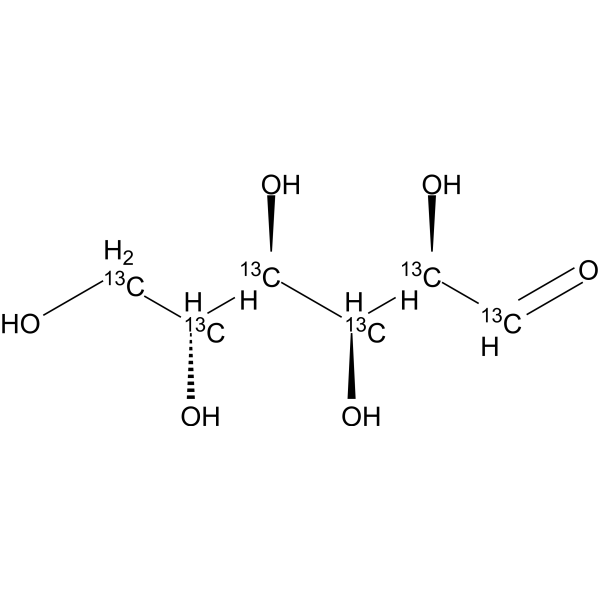
    D-Glucose- 13C6 is a stable isotope-labeled counterpart of D-glucose (HY-B0389). D-Glucose- 13C6 can be used as a metabolic tracer to trace glucose-related synthetic catabolism or as synthesis ingredient, minimal media reagent, and internal standard .
    D-Glucose-13C6
  • HY-N2577

    Others Others
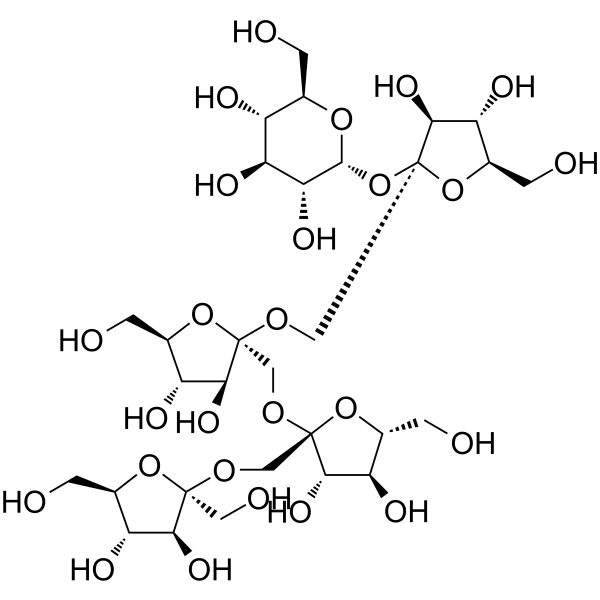
    1F-Fructofuranosylnystose can be used in the synthesis of Fructooligosaccharides (FOSs). Fructooligosaccharides exhibit lots of beneficial effects on our health and have been used as food ingredients.
    1F-Fructofuranosylnystose
  • HY-Y0335

    Dihydroxyacetone

    Bacterial Antibiotic Drug Intermediate Infection
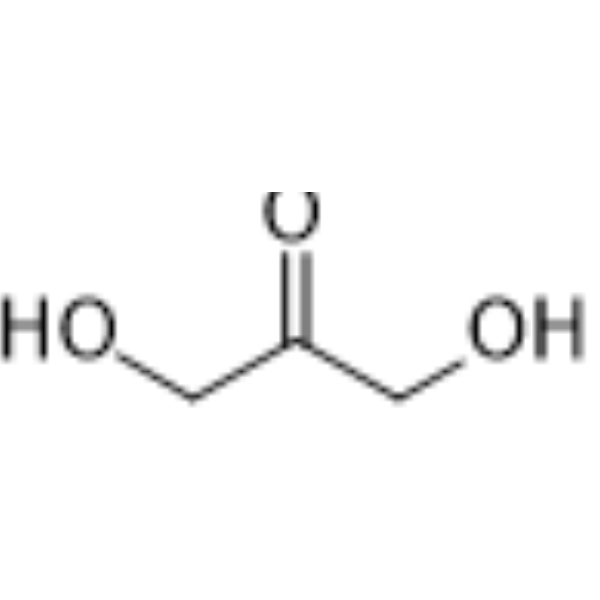
    1,3-Dihydroxyacetone (DHA), the main active ingredient in sunless tanning skin-care preparations and an important precursor for the synthesis of various fine chemicals, is produced on an industrial scale by microbial fermentation of glycerol (HY-B1659) in Gluconobacter oxydans. 1,3-Dihydroxyacetone is also used for synthesis of new biodegradable polymers by combining with lactic acid (HY-B2227) .
    1,3-Dihydroxyacetone
  • HY-N6006

    1,3,6-Tri-O-galloyl-β-D-glucose

    Others Others
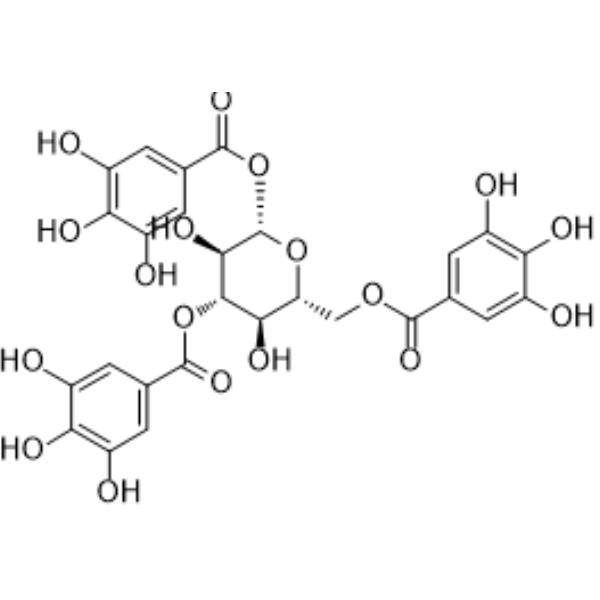
    1,3,6-Tri-O-galloyl-beta-D-glucose is a non-covalent inhibitor of tyrosinase (TYR), which can block the rate-limiting step of melanin synthesis and inhibit melanin deposition. 1,3,6-Tri-O-galloyl-beta-D-glucose has antioxidant and anti-inflammatory activities and can be used as a natural active ingredient to develop anti-freckle and whitening skin care products .
    1,3,6-Tri-O-galloyl-beta-D-glucose
  • HY-W010639

    Pent-4-en-1-ol

    Biochemical Assay Reagents Others
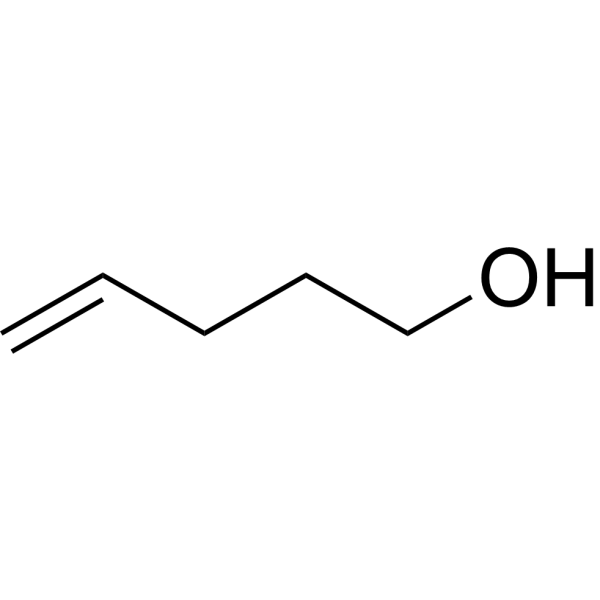
    4-Penten-1-ol is commonly used as a flavor ingredient in various products, including food, beverages, and perfumes, and can also be used as a starting material for the synthesis of various organic compounds, including pharmaceuticals and agrochemicals. In addition, 4-Penten -1-ol has been investigated for its potential use as a biobased solvent due to its low toxicity and biodegradability, and its antimicrobial properties against certain bacteria and fungi, which may make it useful for developing new Antibacterial agents.
    4-Penten-1-ol
  • HY-B1325

    Bacterial Antibiotic Infection Inflammation/Immunology
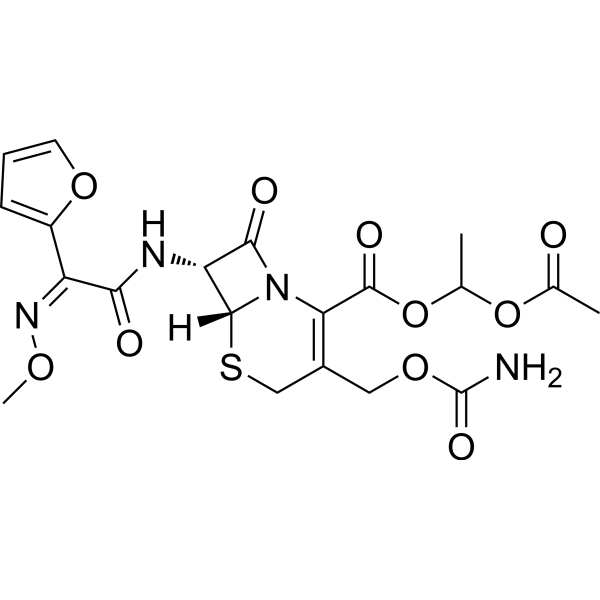
    Cefuroxime axetil is an orally effective broad-spectrum β-lactam antibiotic that targets bacterial penicillin-binding proteins (PBPs, such as PBP3 and PBP1). Cefuroxime axetil inhibits cell wall synthesis, leading to bacterial lysis and death, with a minimum inhibitory concentration (MIC) of 0.12-4 mg/L for non-typeable Haemophilus influenzae (NTHi). Cefuroxime axetil is hydrolyzed by esterase to the active ingredient Cefuroxime (HY-B1256A) after oral absorption. Topical administration of Cefuroxime via bioadhesive nanoparticles (BNPs) can prolong the drug's retention time in the middle ear (≥7 days). Cefuroxime axetil can be used in the study of otitis media (especially NTHi infection). Cefuroxime axetil can achieve precise antibacterial effects through oral or topical nano-delivery systems, reducing systemic exposure and the risk of antibiotic resistance .
    Cefuroxime axetil
  • HY-Y1426

    o-Hydroxyacetophenone; o-Acetylphenol

    Drug Intermediate Others
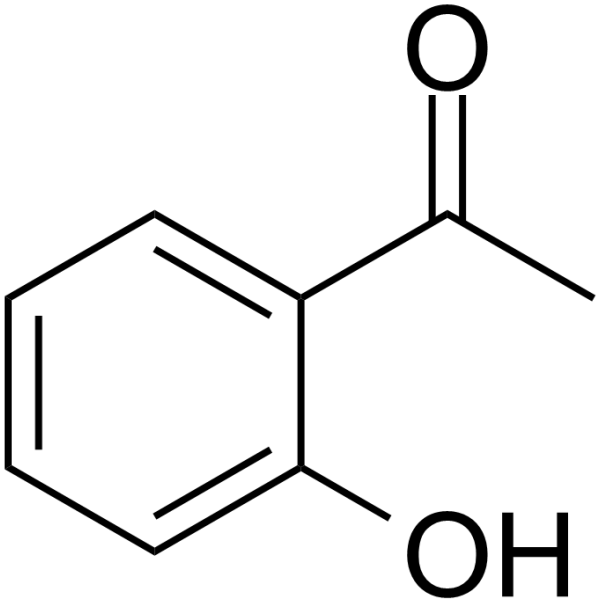
    2'-Hydroxyacetophenone is found in alcoholic beverages. 2'-Hydroxyacetophenone is present in tomato, cassia, fried beef, rum, whiskey, cocoa, coffee and black tea. 2'-Hydroxyacetophenone is a flavouring ingredient. Building block in chemical synthesis.
    2'-Hydroxyacetophenone
  • HY-Y1045

    TBAHS-MB

    Biochemical Assay Reagents Others
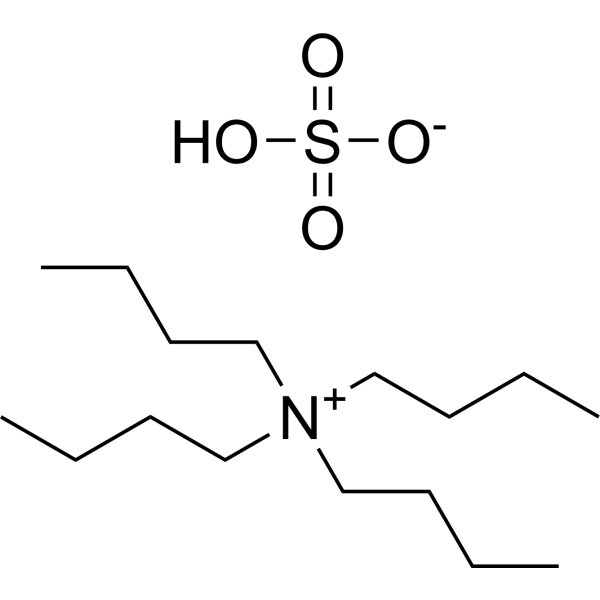
    Tetrabutylammonium hydrosulfate is a quaternary ammonium salt that is commonly used as a phase transfer catalyst, acid catalyst and reagent in various chemical reactions, especially in organic synthesis. Tetrabutylammonium hydrosulfate has unique chemical properties that allow it to facilitate the transfer of ions or molecules from one phase to another, making it an important ingredient in a variety of industrial processes.
    Tetrabutylammonium hydrogensulfate
  • HY-Y1024

    2,6-Pyridinedicarboxylic acid

    Environmental Pollutants MOFs Others
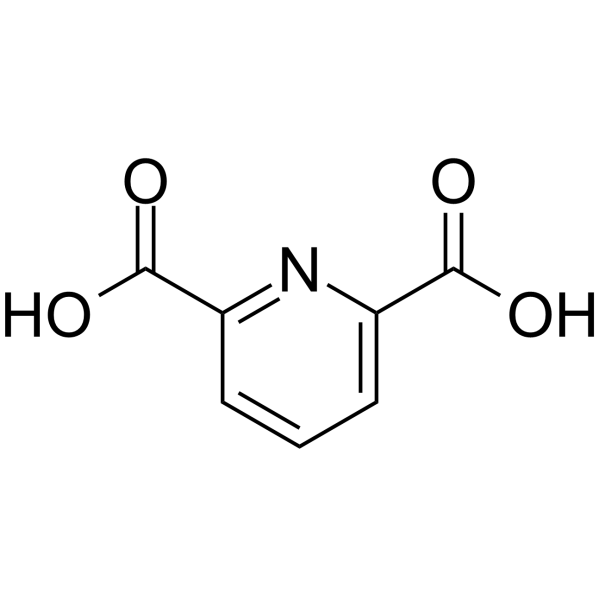
    Pyridine-2,6-dicarboxylic acid is a dicarboxylic acid containing a pyridine ring with unique chemical properties that make it an important ingredient in a variety of industrial processes. Pyridine-2,6-dicarboxylic acid is commonly used as a ligand for metal ions, a building block in the synthesis of pharmaceuticals and organic compounds, and a precursor in the production of pigments and dyes.
    Pyridine-2,6-dicarboxylic acid
  • HY-W010532

    (E)-Hex-3-enoic acid

    Biochemical Assay Reagents Others
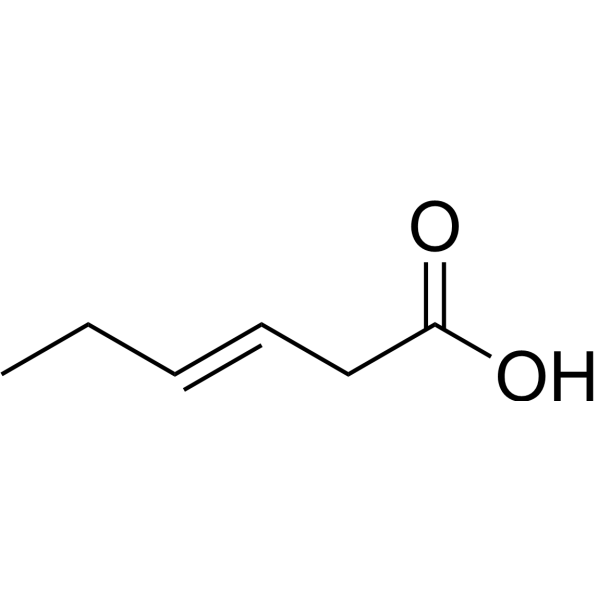
    (E)-Hex-3-enoic acid is an unsaturated organic compound. It is commonly used as a fragrance ingredient in a variety of products, including food, beverages, and personal care products, and it can also be used as a starting material for the synthesis of various organic compounds, including pharmaceuticals and agrochemicals. In addition, (E)-Hex- 3-enoic acid has been investigated for its potential use as a biobased solvent due to its low toxicity and biodegradability, as well as its potential antibacterial and antifungal properties, which may make it useful for developing new Antibacterial agents.
    trans-3-Hexenoic acid
  • HY-W127604
    Sodium myristate
    1 Publications Verification

    Myristic acid sodium

    Biochemical Assay Reagents Others
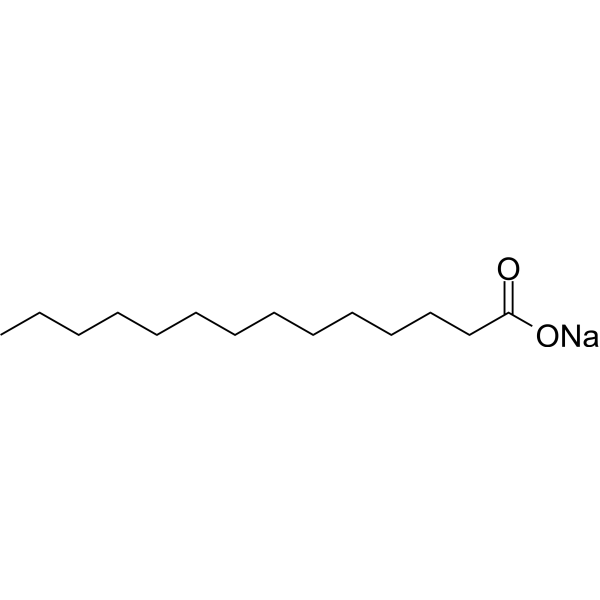
    Sodium myristate is a salt-like compound commonly used as a surfactant or emulsifier in a variety of industrial applications, including the production of detergents, soaps, and personal care products. In addition, it can be used as an intermediate in the synthesis of various organic compounds, including fragrances and pharmaceuticals. Its unique chemical properties make it an important ingredient in a variety of industrial processes, especially in the manufacture of textiles and paper products.
    Sodium myristate
  • HY-W015936

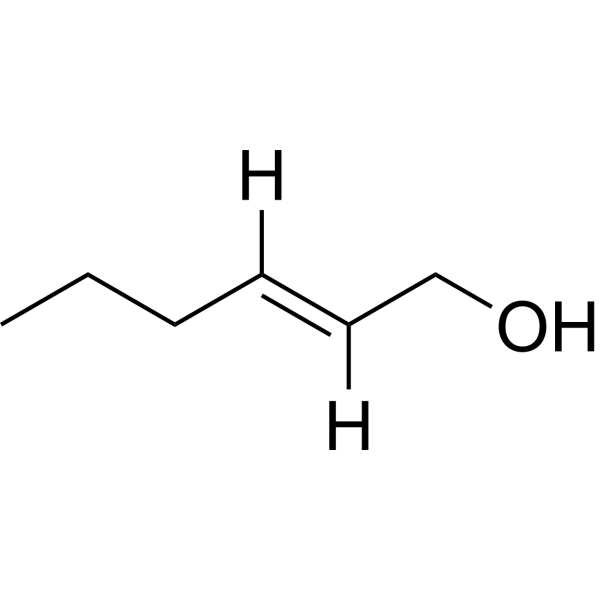
    trans-Hex-2-en-1-ol

    Environmental Pollutants Biochemical Assay Reagents Others
    (E)-Hex-2-en-1-ol belongs to the class of unsaturated alcohols consisting of a six-carbon chain with a double bond between carbon atoms 2 and 3 and a hydroxyl group attached to carbon atom 1. The compound has a grassy or herbaceous smell and is commonly used as a flavoring in foods such as baked goods, candy and beverages. It can also be used as a fragrance ingredient in personal care products and as a starting material for the synthesis of other organic compounds. Furthermore, (E)-hex-2-en-1-ol can be used as a solvent or reagent in various chemical reactions.
    (E)-Hex-2-en-1-ol
  • HY-W127507

    Environmental Pollutants Biochemical Assay Reagents Others
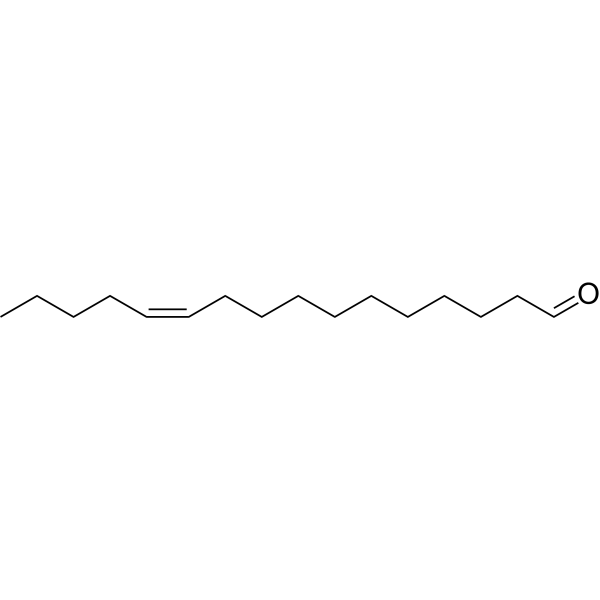
    cis-11-Hexadecenal has a fatty, waxy odor and is commonly used as a flavoring agent in the food and beverage industry. In addition, it can be used as an intermediate in the synthesis of various organic compounds, including fragrances, pharmaceuticals, and agrochemicals. Its unique chemical properties make it an important ingredient in a variety of industrial processes, notably in the production of perfumes and air fresheners.
    cis-11-Hexadecenal
  • HY-P5275

    CG-Lipoxyn

    NF-κB Histone Demethylase Metabolic Disease
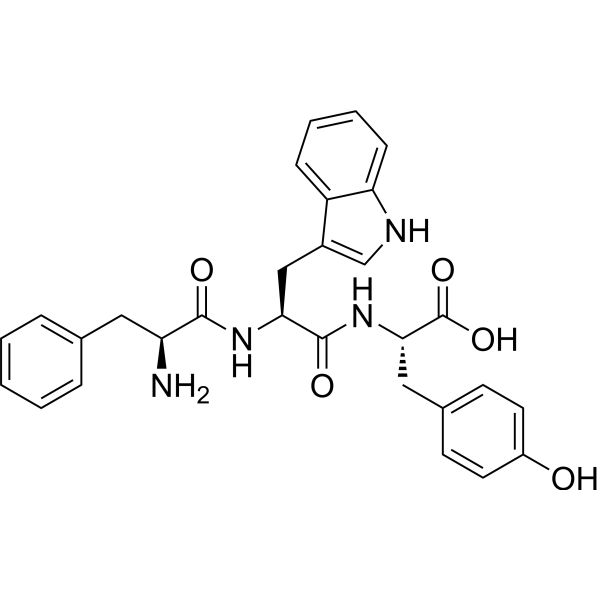
    Tripeptide-41 (CG-Lipoxyn) is a signal peptide. Tripeptide-41 activates the NF-kB signaling pathway, inhibits the expression of C/EBP and increases cAMP. Tripeptide-41 is an important intracellular signaling factor that causes lipolysis by promoting the hydrolysis of lipids into triglycerides. Tripeptide-41 can be used in cosmetics that targets fat accumulation .
    Tripeptide-41
  • HY-Y0080

    Environmental Pollutants Biochemical Assay Reagents Others
    Methyl trioctyl ammonium chloride is a quaternary ammonium salt commonly used as a surfactant, stabilizer and phase transfer catalyst in various chemical reactions, especially in organic synthesis. Methyl trioctyl ammonium chloride has unique chemical properties that facilitate the transfer of ions or molecules from one phase to another, making it an important ingredient in a variety of industrial processes.
    Methyl trioctyl ammonium chloride
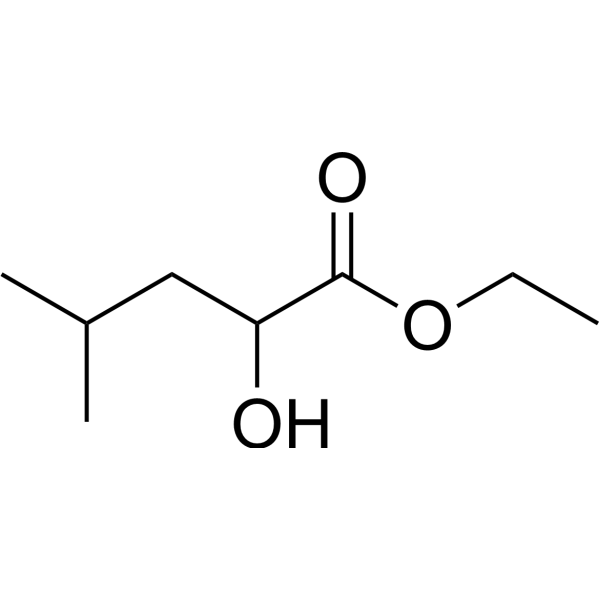
  • HY-W114581

    Biochemical Assay Reagents Others
    Ethyl2-hydroxy-4-methylpentanoate has a fruity odor and is commonly used as a flavoring agent in the food and beverage industry. In addition, it can be used as an intermediate in the synthesis of various organic compounds, including pharmaceuticals and agrochemicals. Its unique chemical properties make it an important ingredient in a variety of industrial processes, including the production of cosmetics and personal care products.
    Ethyl2-hydroxy-4-methylpentanoate
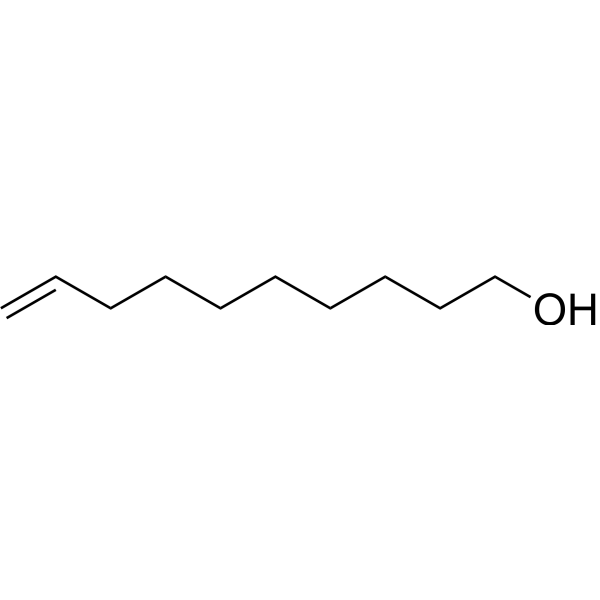
  • HY-W105359

    ω-Decen-1-ol

    Environmental Pollutants Biochemical Assay Reagents Others
    9-Decen-1-ol has a fatty odour. This compound is used in the flavor and fragrance industry for its pleasant smell, which is often described as sweet, floral and fruity. It can also be used as an intermediate in the synthesis of various organic compounds, including medicine, agricultural chemicals and polymer materials. Its unique chemical properties make it an important ingredient in many commercial products, including soaps, detergents and cosmetics.
    9-Decen-1-ol
  • HY-P5232

    Collagen Metabolic Disease
    Tetrapeptide-21 is a bioactive peptide composed of four amino acids. Tetrapeptide-21 effectively enhances the vitality of human dermal fibroblasts. Tetrapeptide-21 upregulates the expression of key extracellular matrix (ECM) genes and promotes the synthesis of ECM proteins (such as type I collagen, hyaluronic acid synthase 1, and fibronectin). Tetrapeptide-21 has the efficacy of anti-wrinkle and improving skin elasticity, and has been reported to be used as a cosmetic ingredient .
    Tetrapeptide-21
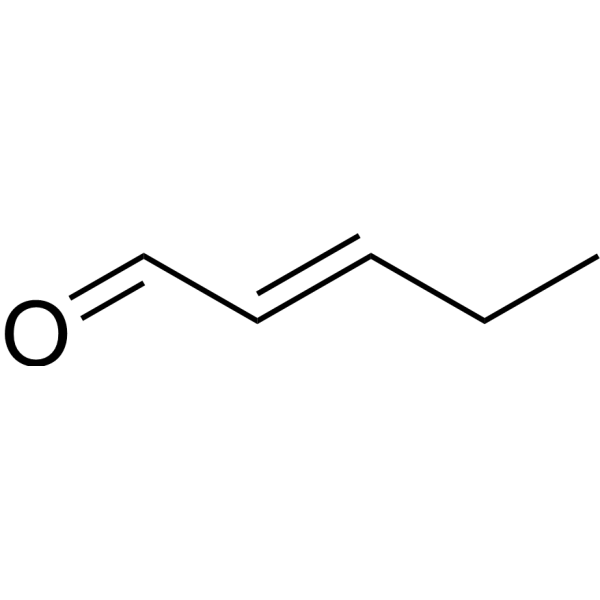
  • HY-W111375

    Biochemical Assay Reagents Others
    (E)-Pent-2-enal has a pungent fruity odor. This compound is commonly used in the flavor and fragrance industry because of its strong aroma, often described as fresh and green. Furthermore, (E)-Pent-2-enal can be used as an intermediate in the synthesis of various organic compounds, including pharmaceuticals and agrochemicals. Its unique chemical properties make it an important ingredient in many commercial products, including perfumes, air fresheners and cleaners.
    (E)-Pent-2-enal
  • HY-W014937

    Drug Intermediate Cancer
    4-Hydroxybenzophenone is an intermediate for synthesizing Tamoxifen (HY-13757A) and can be used as a source for chemical synthesis, UV protection products, and UV-absorbing ingredients in cosmetics .
    4-Hydroxybenzophenone
  • HY-W111461

    Biochemical Assay Reagents Others
    Tetrabutylammonium thiocyanateIt is a quaternary ammonium salt and belongs to the category of alkyl ammonium salts. This compound is widely used as a reagent in organic chemistry, especially for the synthesis of various organic compounds, including pharmaceuticals and agrochemicals. also, Tetrabutylammonium thiocyanateIt can also be used as an electrolyte in electrochemical devices and as a phase transfer catalyst in organic synthesis. Its unique chemical properties make it an important ingredient in a variety of industrial processes, including petrochemical refining and materials science.
    Tetrabutylammonium thiocyanate
  • HY-W105734

    Biochemical Assay Reagents Others
    15-Hydroxypentadecanoic acid is a long-chain fatty acid found in various plant and animal sources and also produced by bacteria and fungi. It has potential health benefits and is used as an intermediate in the synthesis of other organic compounds, including pharmaceuticals, agrochemicals and surfactants. Its unique chemical properties make it an essential ingredient in several industrial processes, especially in the fields of food science and nutrition.
    15-Hydroxypentadecanoic acid
  • HY-W127653

    Dimethylditetradecylammonium bromide

    Biochemical Assay Reagents Others
    Dimethyldimyristylammonium bromide is a quaternary ammonium compound commonly used as a surfactant or emulsifier in a variety of industrial applications, including the production of detergents, fabric softeners and hair conditioners. In addition, it can also be used as an intermediate in the synthesis of various organic compounds. Its unique chemical properties make it an important ingredient in a variety of industrial processes, especially in the manufacture of personal care products and pharmaceuticals.
    Dimethyldimyristylammonium bromide
  • HY-W127475

    Biochemical Assay Reagents Others
    6-Hepten-1-ol has a floral and green odor and is commonly used as a flavoring agent in the food and beverage industry. In addition, it can be used as an intermediate in the synthesis of various organic compounds, including fragrances, pharmaceuticals, and agrochemicals. Its unique chemical properties make it an important ingredient in a variety of industrial processes, notably in the production of perfumes, air fresheners and cleaning agents.
    6-Hepten-1-ol
  • HY-W101255

    MTEACl

    Biochemical Assay Reagents Others
    Triethylmethylammonium chloride is a quaternary ammonium salt belonging to the class of alkylammonium salts. This compound is widely used as a phase transfer catalyst in organic synthesis to facilitate the transfer of reactants between immiscible phases. In addition, it can be used as an electrolyte in electrochemical devices, a surfactant in emulsion polymerization, and a corrosion inhibitor. Its unique chemical properties make it an important ingredient in a variety of industrial applications, including pharmaceuticals, agrochemicals, and materials science.
    Triethylmethylammonium chloride
  • HY-78509

    Biochemical Assay Reagents Drug Intermediate Neurological Disease
    Dibenzosuberone belongs to the family of tricyclic antidepressant drugs, commonly referred to as Tricyclic antidepressants (TCAs), and is widely used in research on migraine, tension headaches, anxiety disorders, and schizophrenia. Dibenzosuberone is also a key intermediate in the synthesis of various active pharmaceutical ingredients (APIs), such as Amitriptyline (HY-B0527), Nortriptyline (HY-118620), Noxiptiline or Cyproheptadine (HY-B1622) .
    Dibenzosuberone
  • HY-W015667

    Ethyl 2-methylvalerate

    Environmental Pollutants Biochemical Assay Reagents Others
    Ethyl 2-methylpentanoate is a class of esters consisting of branched-chain isovaleric acid esterified with ethanol. The compound has a fruity, pungent smell and is commonly used as a flavoring in foods such as baked goods, dairy products and beverages. It can also be used as a fragrance ingredient in personal care products, and as a solvent or plasticizer in various industrial applications. In addition, Ethyl 2-methylpentanoate can be used as a starting material for the synthesis of other organic compounds.
    Ethyl 2-methylpentanoate
  • HY-W127678

    Tetraethylammonium (trifluoromethanesulphonate)

    Biochemical Assay Reagents Others
    Tetraethylammonium trifluoromethanesulfonate is a quaternary ammonium salt commonly used as a phase transfer catalyst in various chemical reactions, especially in organic synthesis. Tetraethylammonium trifluoromethanesulfonate has unique chemical properties that allow it to facilitate the transfer of ions or molecules from one phase to another, making it an important ingredient in a variety of industrial processes.
    Tetraethylammonium trifluoromethanesulfonate
  • HY-W015305

    Octanoic acid ethyl ester

    Environmental Pollutants Biochemical Assay Reagents Others
    Ethyl octanoate is a class of esters consisting of the medium-chain fatty acid octanoic acid esterified with ethanol. The compound has a fruity smell and is commonly used as a flavoring in foods such as baked goods, candy and beverages. It can also be used as a fragrance ingredient in personal care products, and as a solvent or plasticizer in various industrial applications. In addition, Ethyl octanoate can be used as a starting material for the synthesis of other organic compounds.
    Ethyl octanoate
  • HY-W012885

    Biochemical Assay Reagents Others
    (S)-Methyl 3-hydroxybutanoate consists of a chiral center, resulting in two enantiomers, where (S)-Methyl 3-hydroxybutanoate means that the hydroxyl group is located on the third carbon atom of the S-configuration carboxylic acid group stereoisomers. This compound is often used as a building block for the synthesis of various pharmaceuticals and natural products. Due to its fruity taste, it is also used as a flavor and fragrance ingredient.
    (S)-Methyl 3-hydroxybutanoate
  • HY-W101253

    Biochemical Assay Reagents Others
    Tetraethylammonium (iodide) is a quaternary ammonium compound belonging to the class of alkylammonium salts. This compound is commonly used as a phase-transfer catalyst in organic synthesis because it facilitates the transfer of reactants between immiscible phases. It can also be used as an electrolyte in electrochemical devices and as a surfactant in detergent formulations. Its unique chemical properties make it an important ingredient in a variety of industrial applications, including pharmaceuticals, agrochemicals, and materials science.
    Tetraethylammonium iodide
  • HY-W721119

    p38 MAPK Autophagy Inflammation/Immunology Cancer
    7-Methylsulfinylheptyl isothiocyanate is an activator for MAPK signaling pathway, which downregulates the melanogenesis related proteins and suppresses the melanin synthesis in B16-F1 cells. 7-Methylsulfinylheptyl isothiocyanate induces autophagy. 7-Methylsulfinylheptyl isothiocyanate is an inducer for phase II enzyme, which exhibits chemoprotective effect against carcinogen. 7-Methylsulfinylheptyl isothiocyanate can be used as cosmetic ingredient for skin whitening and anti-inflammation .
    7-Methylsulfinylheptyl isothiocyanate
  • HY-W010202

    3,7-Dimethyloct-6-en-3-ol

    Environmental Pollutants Others
    Dihydrolinalool, Dihydrolinalool is commonly used as a flavor ingredient in various products, including food, beverages, and perfumes, and it can also be used as a base material for the synthesis of various organic compounds, including pharmaceuticals and agrochemicals. In addition, due to Dihydrolinalool's low toxicity and Biodegradability, which has been studied for its potential use as a bio-based solvent, has also been studied for its potential antioxidant and anti-inflammatory properties, which may make it useful in the study of various diseases, including cancer and Alzheimer's disease. Alzheimer's disease.
    Dihydrolinalool
  • HY-W039379

    trans-2-Octenoic acid methyl ester

    Biochemical Assay Reagents Others
    Methyl (E)-oct-2-enoate is commonly used as an ingredient in perfume, cologne, and food flavor in the perfume and fragrance industry. Its pleasant fragrance and low volatility make it a good choice for adding fruit to various products. A popular choice for incense, in addition to its application in the fragrance and fragrance industry, Methyl (E)-oct-2-enoate is also used as a raw material for the synthesis of other organic compounds, it can be oxidized to form methyl 3-oxobutyrate, Used in the production of pharmaceuticals and agrochemicals. Overall, Methyl (E)-oct-2-enoate is a versatile compound that is used in various industries for its pleasant aroma and reactivity, its fruity and floral notes in fragrances and essences Industry is highly sought after, and its ability to serve as a starting material for other compounds makes it useful in organic synthesis.
    Methyl (E)-oct-2-enoate
  • HY-Y0667

    Biochemical Assay Reagents Others
    Benzyltriethylammonium chloride is a quaternary ammonium salt commonly used as a phase transfer catalyst, surfactant and stabilizer in various chemical reactions, especially in organic synthesis. Benzyltriethylammonium chloride has unique chemical properties that facilitate the transfer of ions or molecules from one phase to another, making it an important ingredient in a variety of industrial processes.
    Benzyltriethylammonium chloride
  • HY-W127375
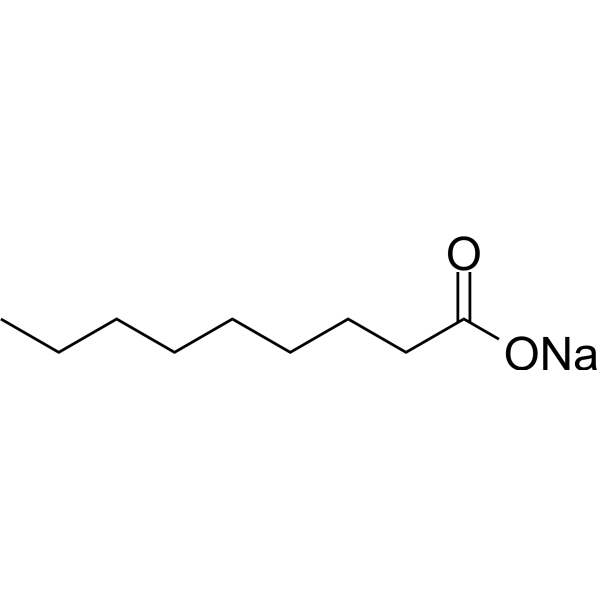
    Sodium nonanoate
    1 Publications Verification

    Sodium pelargonate

    Biochemical Assay Reagents Others
    Sodium nonanoate is a salt-like compound commonly used as a surfactant or emulsifier in a variety of industrial applications, including the production of detergents, soaps and personal care products. In addition, it can be used as an intermediate in the synthesis of various organic compounds, including pharmaceuticals and agrochemicals. Its unique chemical properties make it an important ingredient in a variety of industrial processes, especially in the manufacture of textiles and paper products.
    Sodium nonanoate
  • HY-W105516

    Phenylbenzyldimethylammonium chloride

    Biochemical Assay Reagents Others
    N-Benzyl-N,N-dimethylbenzeneminium chloride is a quaternary ammonium compound belonging to the class of alkylammonium salts. This compound is widely used as a phase transfer catalyst in organic synthesis to facilitate the transfer of reactants between immiscible phases. In addition, it is used as an emulsifier, surfactant or disinfectant in various industrial applications. Its unique chemical properties make it an important ingredient in the production of pharmaceuticals, agrochemicals and polymer materials.
    N-Benzyl-N,N-dimethylbenzenaminium chloride
  • HY-W014206

    Biochemical Assay Reagents Others
    Isopentyl octanoate is a class of esters formed by the esterification of branched-chain isoamyl alcohol, also known as isoamyl alcohol, with octanoylate. The compound has a fruity smell and is commonly used as a flavoring in foods such as baked goods, candy and beverages. It can also be used as a fragrance ingredient in personal care products, and as a solvent or plasticizer in various industrial applications. In addition, Isopentyl octanoate can be used as a starting material for the synthesis of other organic compounds.
    Isopentyl octanoate
  • HY-162883

    SHMT Others
    SHMT-IN-4 (Compound 9ay) is a herbicide that targets and inhibits serine hydroxymethyltransferase (SHMT1) with an IC50 value of 193.8 g a.i./ha (active ingredient content per hectare). SHMT-IN-4 interferes with amino acid synthesis and metabolism in plants by binding to SHMT1, thereby inhibiting plant growth. Additionally, SHMT-IN-4 shows no significant toxicity to maize and honeybees .
    SHMT-IN-4
  • HY-W013466

    Sebacic acid dimethyl ester

    Biochemical Assay Reagents Others
    Dimethyl decanedioate belongs to the class of diesters and consists of a sebacic acid backbone (also known as sebacic acid) esterified with two methyl groups. This compound has a fruity smell and is commonly used as a flavor and fragrance ingredient in a variety of products, including perfumes, soaps and cosmetics. It can also be used as a plasticizer in the production of polymers and as a neutralizer in the synthesis of certain drugs.
    Dimethyl decanedioate
  • HY-W109978

    Biochemical Assay Reagents Others
    Tetrabutylammonium perrhenate is a quaternary ammonium salt belonging to the class of alkylammonium salts. This compound is used as a catalyst in organic synthesis, especially in the production of alkenes and alcohols. Furthermore, due to its ability to bind radioisotopes, it is useful as a radiopharmaceutical in nuclear medicine. Its unique chemical properties make it an essential ingredient in a variety of industrial processes, including petrochemical refining and pharmaceuticals.
    Tetrabutylammonium perrhenate
  • HY-W127344

    Biochemical Assay Reagents Others
    Oleoyl chloride A pungent-smelling liquid commonly used as a reagent in organic synthesis, especially for the production of a variety of organic compounds, including pharmaceuticals and agrochemicals. In addition, it can also be used as a cross-linking agent or surfactant in polymer chemistry. Its unique chemical properties make it an important ingredient in a variety of industrial processes, including petrochemical refining and materials science.
    Oleoyl Chloride
  • HY-W127573

    Biochemical Assay Reagents Others
    Ethyl trans-2-decenoate has a fruity and floral aroma and is commonly used as a flavoring agent in the food and beverage industry. In addition, it can be used as an intermediate in the synthesis of various organic compounds, including fragrances and pharmaceuticals. Its unique chemical properties make it an important ingredient in a variety of industrial processes, notably in the production of perfumes and air fresheners.
    Ethyl trans-2-decenoate
  • HY-Y1426R

    o-Hydroxyacetophenone (Standard); o-Acetylphenol (Standard)

    Reference Standards Others Others
    2'-Hydroxyacetophenone (Standard) is the analytical standard of 2'-Hydroxyacetophenone. This product is intended for research and analytical applications. 2'-Hydroxyacetophenone is found in alcoholic beverages. 2'-Hydroxyacetophenone is present in tomato, cassia, fried beef, rum, whiskey, cocoa, coffee and black tea. 2'-Hydroxyacetophenone is a flavouring ingredient. Building block in chemical synthesis.
    2'-Hydroxyacetophenone (Standard)
  • HY-W100404

    Biochemical Assay Reagents Others
    Tetramethylammonium p-toluenesulfonate is a quaternary ammonium compound belonging to the class of alkylammonium salts. This compound is widely used as a phase transfer catalyst in organic synthesis to facilitate the transfer of reactants between immiscible phases. Furthermore, it can be used as a surfactant, emulsifier or stabilizer in various industrial applications. Its unique chemical properties make it an important ingredient in the production of pharmaceuticals, agrochemicals and materials science products.
    Tetramethylammonium 4-methylbenzenesulfonate
  • HY-W014207

    Biochemical Assay Reagents Others
    Ethyl undecanoate is a class of esters consisting of long-chain straight-chain fatty acids, undecanoic acid, esterified with ethanol. The compound has a fruity smell and is commonly used as a flavoring in foods such as baked goods, candy and beverages. It is also used as a fragrance ingredient in personal care products and as a lubricant or plasticizer in various industrial applications. In addition, Ethyl undecanoate can be used as a starting material for the synthesis of other organic compounds.
    Ethyl undecanoate
  • HY-W107869

    Biochemical Assay Reagents Others
    2-Heptenoic acid is an unsaturated fatty acid. It is a clear, colorless liquid with a strong odour, and is commonly used in the flavor and fragrance industry for its pungent, anise-like odor. In addition, it can be used as an intermediate in the synthesis of other organic compounds, including pharmaceuticals and agrochemicals. Its unique chemical properties make it an important ingredient in a variety of industrial applications, including food and beverage production, cosmetics and personal care products.
    2-Heptenoic acid
  • HY-W013203

    Icosanoic Acid Ethyl Ester

    Biochemical Assay Reagents Others
    Ethyl icosanoate is an ester, which is formed by the esterification of long-chain straight-chain fatty acids, eicosanoic acid and ethanol. The compound has a fruity, waxy smell and is commonly used as a flavoring in foods such as baked goods, candy and beverages. It is also used as a fragrance ingredient in personal care products and as a lubricant or plasticizer in various industrial applications. In addition, Ethyl icosanoate can be used as a starting material for the synthesis of other organic compounds.
    Ethyl icosanoate
  • HY-W101256

    Triethylmethylammonium tetrafluoroborate

    Biochemical Assay Reagents Others
    N,N-Diethyl-N-methylethanaminium tetrafluoroborate is a quaternary ammonium compound belonging to the class of alkylammonium salts. This compound is commonly used as a phase transfer catalyst in organic synthesis, facilitating the transfer of reactants between immiscible phases. Additionally, it is used as an electrolyte in electrochemical devices and as a surfactant in detergent formulations. Its unique chemical properties make it an important ingredient in a variety of industrial applications, including pharmaceuticals, agrochemicals, and materials science.
    N,N-Diethyl-N-methylethanaminium tetrafluoroborate
  • HY-W010177

    Environmental Pollutants Biochemical Assay Reagents Others
    Ethyl heptanoate, Ethyl heptanoate is commonly used as a fragrance ingredient in a variety of products, including food, beverages, and personal care products, it can also be used as a solvent, and a building block for the synthesis of various organic compounds, including pharmaceuticals and agrochemicals, in addition , due to its low toxicity and biodegradability, Ethyl heptanoate has been investigated for its potential use as a bio-based solvent, as well as for its potential antimicrobial properties against certain bacteria and fungi.
    Ethyl heptanoate

Inquiry Online

Your information is safe with us. * Required Fields.

Salutation


Country or Region *

Applicant Name *


Organization Name *

Department *


Email Address *


Product Name *

Cat. No.


Requested quantity *

Phone Number *


Remarks

Inquiry Online

Inquiry Information

Product Name:
Cat. No.:
Quantity:
MCE Japan Authorized Agent:

