

1. Search Result
Search Result
Results for "

systemic lupus

" in MedChemExpress (MCE) Product Catalog:

102

Inhibitors & Agonists

2

Biochemical Assay Reagents

6

Peptides

30

Inhibitory Antibodies

4

Natural
Products

6

Isotope-Labeled Compounds

2

Antibodies

2

Click Chemistry

7

Oligonucleotides

Cat. No. Product Name Target Research Areas Chemical Structure
  • HY-10071
    Y-27632
    Maximum Cited Publications
    533 Publications Verification

    mTOR Ras ROCK NADPH Oxidase NF-κB Reactive Oxygen Species (ROS) Akt Apoptosis Autophagy PAK Cancer
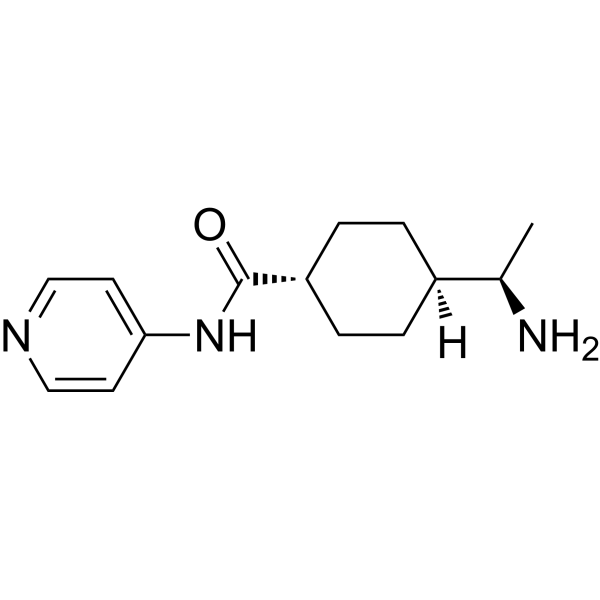
    Y-27632 is a ROCK inhibitor with Ki values of 220 nM and 300 nM for ROCK1 and ROCK2, respectively. Y-27632 exerts anti-inflammatory and immunomodulatory effects in systemic lupus erythematosus models by inhibiting the ROCK/NF-κB pathway. Y-27632 enhances autophagy by inhibiting the AKT/mTOR pathway, thereby inducing apoptosis apoptosis in oral squamous cell carcinoma. Y-27632 induces the formation of tunneling nanotubes in ARPE-19 cells and significantly enhances mitochondrial transfer through these channels. Y-27632 promotes neurite outgrowth in PC12 cells by activating the Rac1/NOX1/ROS/AKT/PAK1 signaling cascade .
    Y-27632
  • HY-W031727
    Hydroxychloroquine
    85+ Cited Publications

    Parasite Toll-like Receptor (TLR) SARS-CoV Autophagy Infection Cancer
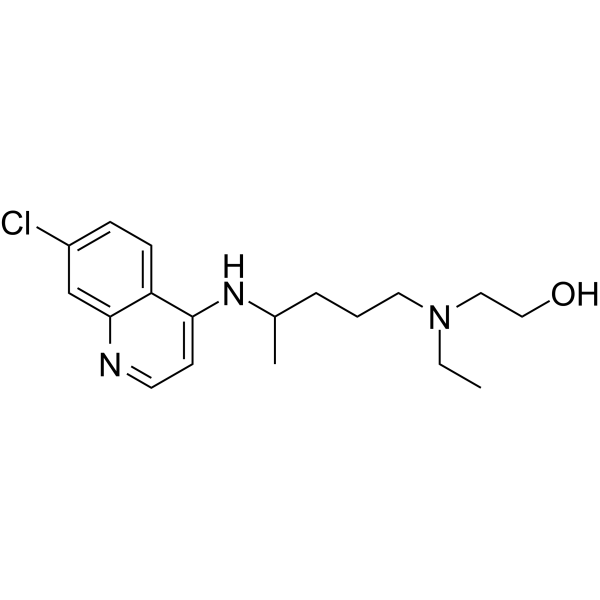
    Hydroxychloroquine (HCQ) is a synthetic oral antimalarial drug that can be used in the study of malaria and autoimmune diseases such as systemic lupus erythematosus and rheumatoid arthritis. Hydroxychloroquine is a potent autophagic flux inhibitor with antiviral activity (such as SARS-CoV-2 virus) that inhibits Toll-like receptor 7/9 (TLR7/9) signaling .
    Hydroxychloroquine
  • HY-117287
    Deucravacitinib
    30+ Cited Publications

    BMS-986165

    JAK STAT Interleukin Related IFNAR Inflammation/Immunology
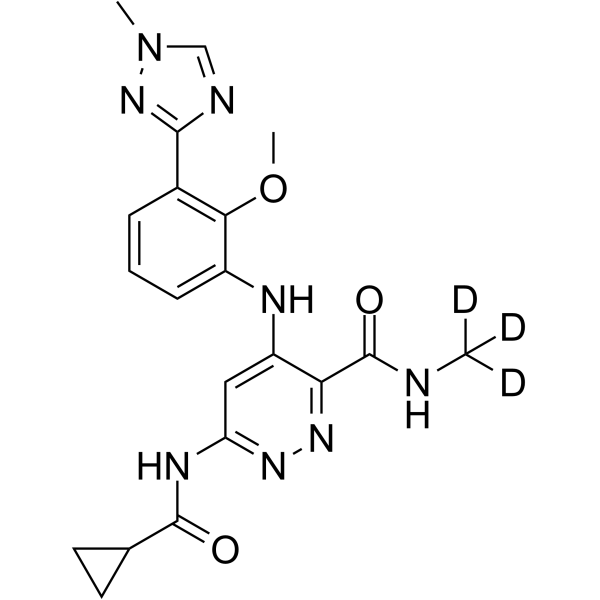
    Deucravacitinib (BMS-986165) is an orally active allosteric inhibitor of tyrosine kinase 2 (TYK2), with an IC50 of 0.2 nM and a Ki of 0.02 nM against the JH2 domain of TYK2, and it exhibits selectivity over other JAK subtypes and most of the kinome. Deucravacitinib blocks IL-23, IL-12, p-STAT1/3 and Type I IFN signaling, and inhibits Th17/Th1-mediated psoriasis inflammation . Deucravacitinib can be used in research related to moderate-to-severe plaque psoriasis, inflammatory bowel disease and systemic lupus erythematosus .
    Deucravacitinib
  • HY-B0214
    Prednisone
    15+ Cited Publications

    Dehydrocortisone

    Glucocorticoid Receptor Apoptosis Cardiovascular Disease Inflammation/Immunology Endocrinology Cancer
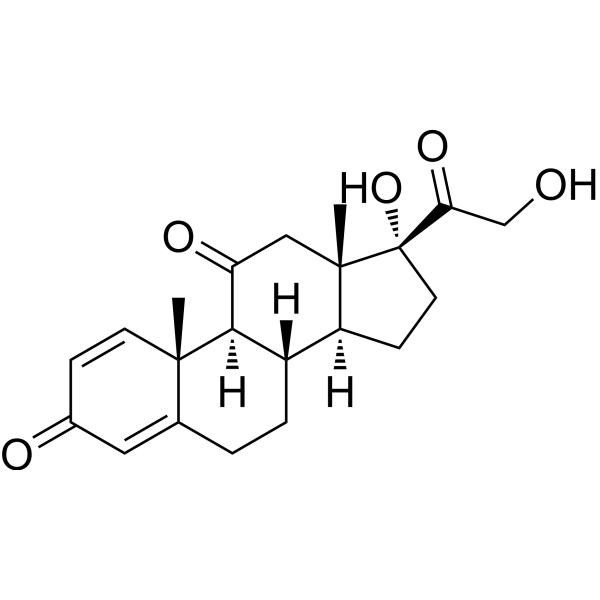
    Prednisone (Adasone) is a corticosteroid agent with anti-inflammatory and immunosuppressive effects that can be used to study diseases related to systemic lupus erythematosus .
    Prednisone
  • HY-19834
    Fenebrutinib
    10+ Cited Publications

    GDC-0853

    Btk Cancer
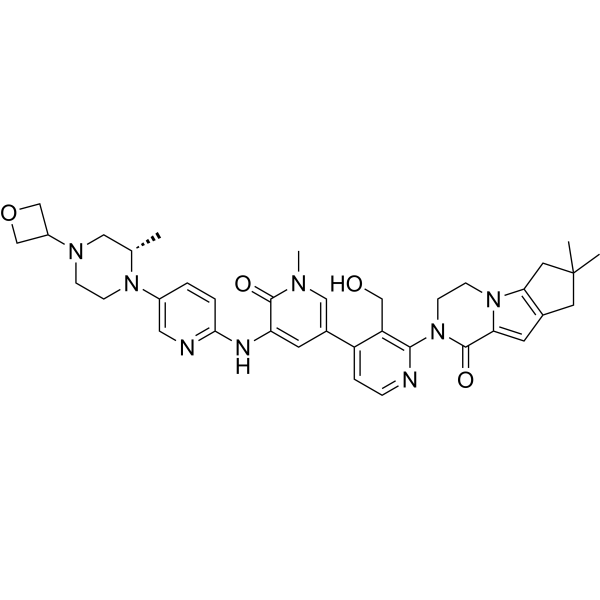
    Fenebrutinib (GDC-0853) is a potent, selective, orally available, and noncovalent bruton's tyrosine kinase (Btk) inhibitor with Kis of 0.91 nM, 1.6, 1.3, 12.6, and 3.4 nM for WT Btk, and the C481S, C481R, T474I, T474M mutants. Fenebrutinib has the potential for rheumatoid arthritis and systemic lupus erythematosus research .
    Fenebrutinib
  • HY-P99168
    Anifrolumab
    3 Publications Verification

    MDX-1333; MEDI-546

    IFNAR Inflammation/Immunology
    Anifrolumab is a type I interferon (IFN) receptor antagonist, a human monoclonal antibody. Anifrolumab blocks the activity of type I interferon. Anifrolumab can be used in systemic lupus erythematosus (SLE) research .
    Anifrolumab
  • HY-150724
    ODN 1018
    2 Publications Verification

    1018 ISS

    Toll-like Receptor (TLR) Inflammation/Immunology
    ODN 1018 (1018 ISS) is a TLR9 agonist and immune modulator. ODN 1018 exhibits adjuvant activity and augments CD8+ T cell responses with LNP-encapsulated OVA peptides. ODN 1018 triggers sustained suppression of allergic airway inflammation. ODN 1018 can be used for the research of allergic asthma and systemic lupus erythematosus .
    ODN 1018
  • HY-139567
    Afimetoran
    1 Publications Verification

    BMS-986256

    Toll-like Receptor (TLR) NF-κB Apoptosis Inflammation/Immunology
    Afimetoran (BMS-986256) is an orally active, selective, and highly bioavailable TLR7/8 antagonist. Afimetoran (BMS-986256) can inhibit TLR7/8 activation of the NF-κB pathway and reverse TLR7 mediated resistance to steroid induced apoptosis in plasma cell like dendritic cells (pDCs). Afimetoran (BMS-986256) can be used for research on inflammation and autoimmune diseases (systemic lupus erythematosus) .
    Afimetoran
  • HY-P9952
    Belimumab
    5 Publications Verification

    LymphoStat B

    TNF Receptor CD20 Inflammation/Immunology Cancer
    Belimumab (LymphoStat B) is a humanized IgG1λ monoclonal antibody against B-lymphocyte stimulator (BLyS) protein. Belimumab antagonizes BLyS activity in autoimmune diseases and B-lymphocyte malignancies. Belimumab can be used for systemic lupus erythematosus (SLE) research . The component ratio of this product is Active ingredient: Excipients = 1:1.0-1:1.2.
    Belimumab
  • HY-150095
    YE6144
    2 Publications Verification

    IFNAR Inflammation/Immunology
    YE6144 free base is a selective prototypical interferon regulatory factor 5 (IRF5) inhibitor. YE6144 free base suppresses the disease course and is especially effective in remission maintenance in a mouse model of systemic lupus erythematosus (SLE). YE6144 free base can be used for SLE research .
    YE6144
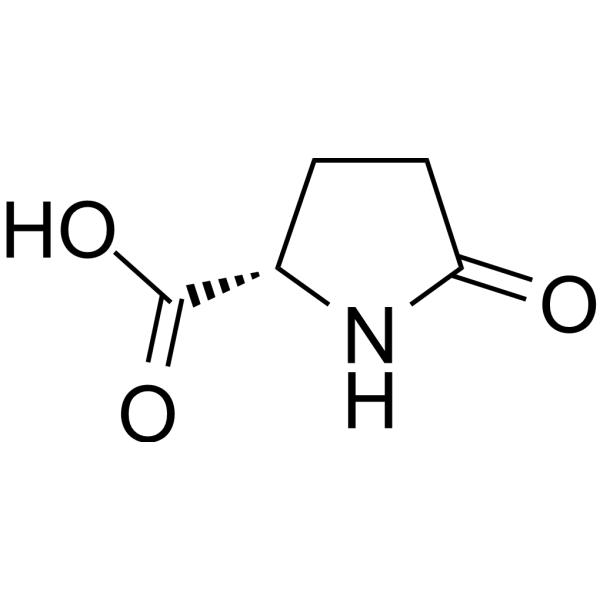
  • HY-76082
    L-Pyroglutamic acid
    3 Publications Verification

    Environmental Pollutants Endogenous Metabolite Inflammation/Immunology
    L-Pyroglutamic acid is the levo-isomer of Pyroglutamic acid. L-Pyroglutamic acid is the biologically active enantiomer in humans. Pyroglutamic acid is an intermediate in glutathione metabolism. L-Pyroglutamic acid can be used as a biomarker for systemic lupus erythematosus (SLE) .
    L-Pyroglutamic acid
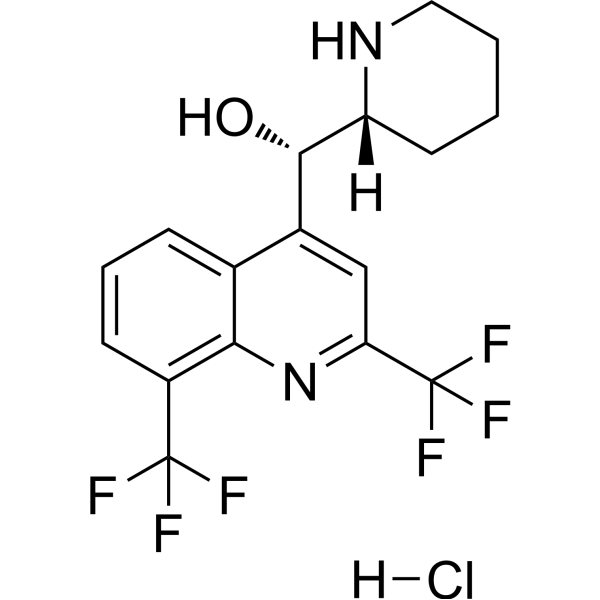
  • HY-17437A
    Mefloquine hydrochloride
    4 Publications Verification

    Mefloquin hydrochloride

    Parasite SARS-CoV Autophagy Potassium Channel ROS Kinase Infection Metabolic Disease Inflammation/Immunology Cancer
    Mefloquine hydrochloride (Mefloquin hydrochloride), a quinoline antimalarial agent, is an anti-SARS-CoV-2 entry inhibitor. Mefloquine hydrochloride is also a K + channel (KvQT1/minK) antagonist with an IC50 of ~1 μM. Mefloquine hydrochloride can be used for malaria, systemic lupus erythematosus and cancer research .
    Mefloquine hydrochloride
  • HY-P990706

    ALPN-303

    TNF Receptor Inflammation/Immunology
    Povetacicept (ALPN-303) is an engineered Fc fusion protein containing the TACI domain, and acts as a dual APRIL/BAFF antagonist. The Kd value of Povetacicept for human BAFF is 59.3 pM, while its Kd value for human APRIL is 1.00 pM. Povetacicept reduces the activation, proliferation, differentiation and survival of B cells, and inhibits the production of immunoglobulins and autoantibodies. Povetacicept can be used in research related to autoimmune hemolytic anemia, immune thrombocytopenia, systemic lupus erythematosus, lupus nephritis and myasthenia gravis .
    Povetacicept
  • HY-P991272

    PF-05230900

    Interleukin Related Inflammation/Immunology
    ATR-107 (PF-05230900) is a humanized monoclonal antibody inhibitor that targets the interleukin-21 receptor (IL-21R). The Ka value of ATR-107 is 2-4 nM in cynomolgus monkeys, 16 nM in mice, and 71 nM in rats. ATR-107 can be used in research related to systemic lupus erythematosus and air pouch inflammation .
    ATR-107
  • HY-150741
    ODN 2216
    1 Publications Verification

    Toll-like Receptor (TLR) IFNAR Interleukin Related Infection Inflammation/Immunology Cancer
    ODN 2216 is a type A CpG oligodeoxynucleotide vaccine adjuvant and a TLR9 agonist. ODN 2216 interacts with TLR9 in the lysosomes of CD4 + T cells and activates feedback-dependent signaling pathways. ODN 2216 induces the production of type I interferons, IL-6 and TGF-β via the IRAK4/IRF7 axis, while increasing intracellular ATP levels. ODN 2216 not only induces the differentiation of CD4 + T cells into anti-inflammatory Th3-like regulatory phenotypes to inhibit autologous proliferation, but also enhances the specific CD8 + T cell-mediated cytotoxicity against Mammaglobin-A in breast cancer cells. ODN 2216 is widely used in studies related to breast cancer and systemic lupus erythematosus .
    ODN 2216
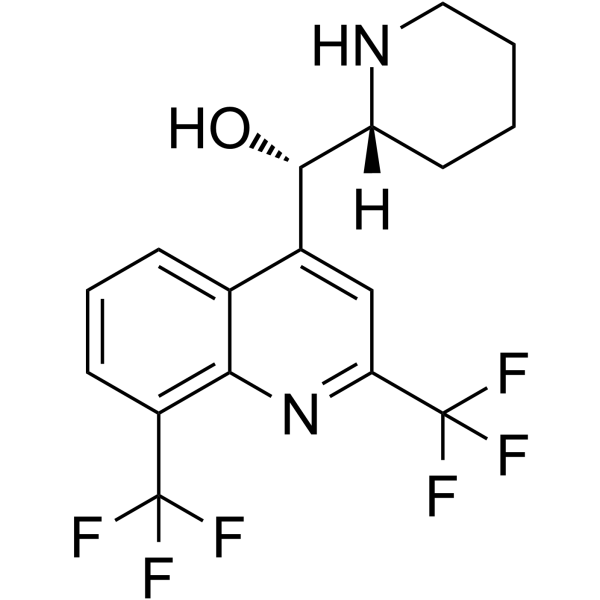
  • HY-17437
    Mefloquine
    4 Publications Verification

    Mefloquin

    Parasite Autophagy SARS-CoV Potassium Channel ROS Kinase Infection Metabolic Disease Inflammation/Immunology Cancer
    Mefloquine (Mefloquin), an orally active and potent quinoline antimalarial agent, is an anti-SARS-CoV-2 entry inhibitor. Mefloquine is also a K + channel (KvQT1/minK) antagonist with an IC50 of ~1 μM. Mefloquine can be used for malaria, systemic lupus erythematosus and cancer research .
    Mefloquine
  • HY-P99761

    XmAb5871

    CD19 Apoptosis Inflammation/Immunology
    Obexelimab (XmAb5871) is a humanized anti-CD19 antibody. Obexelimab works by inhibiting B cell receptor (BCR) mediated calcium influx and promoting the phosphorylation of Fc γ receptor IIb (FcγRIIb), which reduces B cell activation and function, leading to B cell apoptosis. Obexelimab can be used in research for rheumatoid arthritis and systemic lupus erythematosus .
    Obexelimab
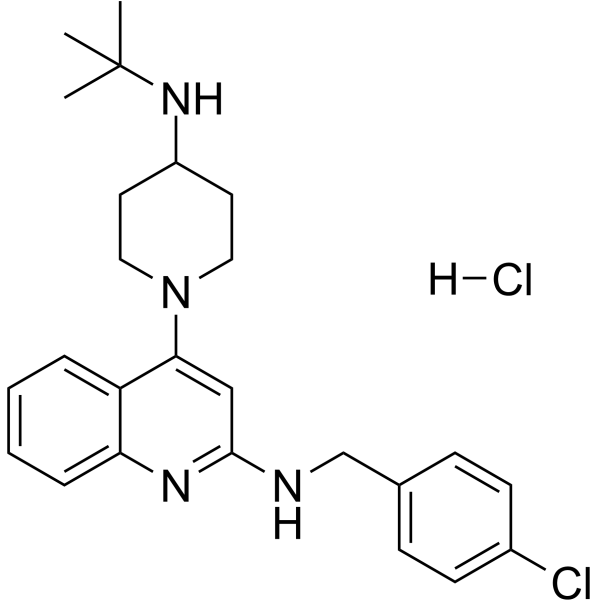
  • HY-137978A
    Ezurpimtrostat hydrochloride
    3 Publications Verification

    GNS561 hydrochloride

    SARS-CoV IFNAR Autophagy Apoptosis Metabolic Disease Inflammation/Immunology Cancer
    Ezurpimtrostat hydrochloride (GNS561 hydrochloride) is an orally active PPT1 inhibitor, autophagy inhibitor, immunomodulator, anti-inflammatory agent, and anticancer agent. Ezurpimtrostat hydrochloride inhibits PPT1, dysregulates lysosomal function, redistributes mTOR, and induces apoptosis. Ezurpimtrostat hydrochloride reduces IFN‑α, CRP, immune complex deposition, and SARS‑CoV‑2 viral load. Ezurpimtrostat hydrochloride can be used for the study of systemic lupus erythematosus, SARS‑CoV‑2, hepatocellular carcinoma, fibrosis, and related disorders .
    Ezurpimtrostat hydrochloride
  • HY-P99842A

    Transmembrane Glycoprotein Inflammation/Immunology
    Dapirolizumab is an antibody targeting CD40L (CD154). Dapirolizumab can be used in research related to systemic lupus erythematosus .
    Dapirolizumab
  • HY-P99219

    MEDI-545; MDX 1103

    IFNAR Inflammation/Immunology
    Sifalimumab (MEDI-545) is an anti-IFNα monoclonal antibody. Sifalimumab suppresses the abnormal immune activity by binding to multiple interferon-alpha (IFNα) subtypes. Sifalimumab can be used in systemic lupus erythematosus (SLE) research .
    Sifalimumab
  • HY-P990980

    CND-106; EMB-06

    CD3 Inflammation/Immunology Cancer
    Cizutamig (CND-106) is a bispecific T-cell engager targeting BCMA and CD3. Cizutamig exhibits immunostimulatory and anti-tumor activities. Cizutamig can be used in research related to relapsed or refractory multiple myeloma and systemic lupus erythematosus .
    Cizutamig
  • HY-P99315

    BG 9588; Anti-Human CD40L Recombinant Antibody; Hu5c8

    TNF Receptor Inflammation/Immunology
    Ruplizumab (BG 9588) is a humanized anti-CD40L IgG1κ monoclonal antibody. By binding to CD40L, Ruplizumab blocks its interaction with the CD40 receptor, inhibits T-B cell costimulatory signals, and mediates the depletion of activated T cells via the Fc segment. Ruplizumab has immunosuppressive effects. Ruplizumab can be used in the study of systemic lupus erythematosus, organ transplant rejection, and autoimmune diseases. Recommend Isotype Controls: Human IgG1 kappa, Isotype Control (HY-P99001) .
    Ruplizumab
  • HY-108882C

    DNA/RNA Synthesis Inflammation/Immunology
    DNase I is an enzyme that degrades DNA. DNase I is mainly produced by digestive system organs, such as the pancreas and parotid gland. Three types of DNase I are known in mammals: pancreatic type, parotid type, and pancreatico-parotid type. DNase I plays a key role in the cleavage of extracellular DNA, and is critical for limiting inflammatory responses and maintaining homeostasis. DNase I is responsible for digesting extracellular nucleoproteins, which may be essential for preventing autoimmune reactions. Decreased DNase I activity may be associated with the occurrence and development of systemic lupus erythematosus (SLE). DNase I (filtered) is filtered through a 0.22 μM membrane and is not tested for pyrogenicity .
    DNase I (filtered)
  • HY-108882B
    DNase I RNase & Protease free
    25+ Cited Publications

    DNA/RNA Synthesis Inflammation/Immunology
    DNase I is an enzyme that degrades DNA. DNase I is mainly produced by digestive system organs, such as the pancreas and parotid gland. Three types of DNase I are known in mammals: pancreatic type, parotid type, and pancreatico-parotid type. DNase I plays a key role in the cleavage of extracellular DNA, and is critical for limiting inflammatory responses and maintaining homeostasis. DNase I is responsible for digesting extracellular nucleoproteins, which may be essential for preventing autoimmune responses. Decreased DNase I activity may be associated with the onset and progression of systemic lupus erythematosus (SLE). DNase I (RNase & Protease free) is a molecular biology-grade DNase I purified by chromatography to remove RNase and protease .
    DNase I RNase & Protease free
  • HY-P11072

    Toll-like Receptor (TLR) Interleukin Related TNF Receptor Inflammation/Immunology
    IRF5-CPP5 is a cytosolic peptide that selectively targeting human IRF5 wirh a Kd of 0.53 μM. IRF5-CPP5 disrupts IRF5 homodimerization and inhibits its nuclear translocation without altering IRF5 phosphorylation levels. IRF5-CPP5 inhibits proinflammatory cytokine (IL-6, IL-1β, TNF-α) production. IRF5-CPP5 can be used for the research of systemic lupus erythematosus .
    IRF5-CPP5
  • HY-18018
    RN486
    3 Publications Verification

    Btk Inflammation/Immunology
    RN486 is a potent, selective and orally active Btk inhibitor with an IC50 of 4.0 nM and a Kd of 0.31 nM. RN486 is less active for other kinases. RN486 can be used for rheumatoid arthritis and systemic lupus erythematosus research .
    RN486
  • HY-150724C
    ODN 1018 sodium
    2 Publications Verification

    1018 ISS sodium

    Toll-like Receptor (TLR) Inflammation/Immunology
    ODN 1018 (1018 ISS) sodium is a TLR9 agonist and immune modulator. ODN 1018 sodium exhibits adjuvant activity and augments CD8+ T cell responses with LNP-encapsulated OVA peptides. ODN 1018 sodium triggers sustained suppression of allergic airway inflammation. ODN 1018 sodium can be used for the research of allergic asthma and systemic lupus erythematosus .
    ODN 1018 sodium
  • HY-NP0194A

    Complement System Cardiovascular Disease Infection Neurological Disease Metabolic Disease Inflammation/Immunology
    C1q Protein (mouse) is a complement protein and is a recognition molecule of the classical pathway, performs a diverse range of complement and non-complement functions. C1q Protein (mouse) binds various ligands derived from self, non-self, and altered self and modulate the functions of immune
    and non-immune cells. C1q Protein (mouse) can be used for the research of mutiple disease .
    C1q Protein (mouse)
  • HY-150741C
    ODN 2216 sodium
    1 Publications Verification

    Toll-like Receptor (TLR) Cancer
    ODN 2216 sodium is a type A CpG oligodeoxynucleotide vaccine adjuvant and a TLR9 agonist. ODN 2216 sodium interacts with TLR9 in the lysosomes of CD4 + T cells and activates feedback-dependent signaling pathways. ODN 2216 sodium induces the production of type I interferons, IL-6 and TGF-β via the IRAK4/IRF7 axis, while increasing intracellular ATP levels. ODN 2216 sodium not only induces the differentiation of CD4 + T cells into anti-inflammatory Th3-like regulatory phenotypes to inhibit autologous proliferation, but also enhances the specific CD8 + T cell-mediated cytotoxicity against Mammaglobin-A in breast cancer cells. ODN 2216 sodium is widely used in studies related to breast cancer and systemic lupus erythematosus .
    ODN 2216 sodium
  • HY-15374

    Amyloid-β Inflammation/Immunology
    Frentizole, an FDA-approved immunosuppressant, is a Aβ-ABAD (binding alcohol dehydrogenase) interaction inhibitor with an IC50 value of 200 μM. Frentizole is used in studies of diseases related to rheumatoid arthritis and systemic lupus erythematosus .
    Frentizole
  • HY-18620
    DZ2002
    1 Publications Verification

    STAT PI3K NF-κB MEK ERK Bacterial Antibiotic Akt Inflammation/Immunology
    DZ2002 is an orally active, reversible and low-cytotoxic type III SAHH inhibitor (Ki=17.9 nM), with good immunosuppressive activity. DZ2002 prevents the development of experimental dermal fibrosis by reversing the profibrotic phenotype of various cell types. DZ2002 can be used in studies of autoimmune diseases such as lupus syndrome and systemic sclerosis .
    DZ2002
  • HY-P99220

    LY2127399

    TNF Receptor Inflammation/Immunology Cancer
    Tabalumab (LY2127399) is a human anti-BAFF (B-cell activating factor) monoclonal antibody (IgG4 type) with neutralising activity against membrane bound and soluble BAFF. Tabalumab can be used in studies of autoimmune diseases such as rheumatoid arthritis, renal failure and systemic lupus erythematosus .
    Tabalumab
  • HY-P9990

    BIIB059

    C-type Lectin-like Receptors (CTLRs) Transmembrane Glycoprotein Inflammation/Immunology
    Litifilimab (BIIB059) is a humanized anti-BDCA2 IgG1 monoclonal antibody administered subcutaneously. Litifilimab can inhibit the production of type I interferons, cytokines and chemokines. Litifilimab can be used in the research of diseases such as systemic lupus erythematosus .
    Litifilimab
  • HY-P99414

    AMG 557

    Transmembrane Glycoprotein Interleukin Related Inflammation/Immunology
    Prezalumab (AMG 557) is a humanized IgG2 monoclonal antibody targeting ICOSL. Prezalumab inhibits T cell activation and related immune responses by binding to ICOSL and blocking the interaction between ICOS and ICOSL. Prezalumab can be used in the research of autoimmune diseases and inflammatory diseases such as systemic lupus erythematosus. Recommend Isotype Controls: Human IgG2 kappa, Isotype Control (HY-P99002) .
    Prezalumab
  • HY-P99325

    IDEC-131; Anti-Human CD40 ligand Recombinant Antibody

    TNF Receptor Inflammation/Immunology
    Toralizumab (IDEC-131) is a humanized monoclonal antibody (mAb) against CD40L (CD154) comprised of human gamma 1 heavy chains and human kappa light chains. Toralizumab binds specifically to human CD40L on T cells, thereby preventing CD40 signaling. Toralizumab is an immunosuppressive agent. Toralizumab can lead to increased thrombosis. Toralizumab can be studied in research for diseases such as multiple sclerosis, systemic lupus erythematosus (SLE), and Crohn’s disease .
    Toralizumab
  • HY-153701S

    Envudeucitinib; ESK-001

    JAK Interleukin Related IFNAR Isotope-Labeled Compounds Inflammation/Immunology
    Envudeucitinibum (Envudeucitinib) is a highly selective, allosteric and orally active TYK2 inhibitor binding to the JH2 domain of TYK2. Envudeucitinibum has no off-target effects on other kinases (JAK1-3). Envudeucitinibum reduces signaling and production of proinflammatory cytokines including IL-12, IL-23, IL-17, and type I interferons (IFNs). Envudeucitinibum can be used for the research of plaque psoriasis, systemic lupus erythematosus (SLE), and other immune-mediated diseases .
    Envudeucitinibum
  • HY-P990091

    SAR 445088

    Complement System Inflammation/Immunology
    Riliprubart (SAR 445088) is an anti-C1s humanized IgG4 monoclonal antibody that inhibits activated C1s in the proximal portion of the classical complement system. Riliprubart selectively inhibits activated C1s and prevents the enzymatic action of C1 on its substrates C4 and C2, thus inhibiting the formation of the classical pathway C3 convertase, C4b2a. Riliprubart can be used to study complement-mediated diseases such as systemic lupus erythematosus. Recommend Isotype Controls: Human IgG4 (S228P) kappa, Isotype Control (HY-P99003) .
    Riliprubart
  • HY-153460

    Toll-like Receptor (TLR) Inflammation/Immunology
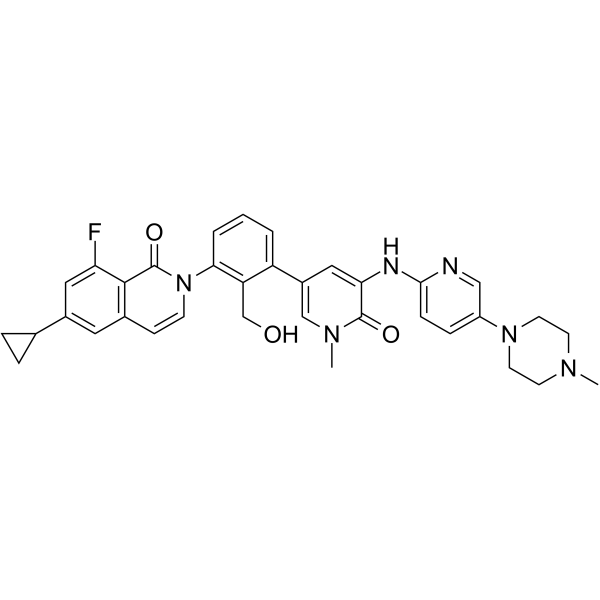
    TLR7/8/9 antagonist 2 is an orally active TLR7/8/9 antagonist. TLR7/8/9 antagonist 2 has inhibitory activities for HEK/hTLR7, HEK/hTLR8 and HEK/hTLR9 with IC50 values of 0.011 μM, 0.029 μM and 0,052 μM, respectively.TLR7/8/9 antagonist 2 has high bioavailability in vivo.TLR7/8/9 antagonist 2 can be used for the research of auto-inflammatory diseases such as systemic lupus erythematosus or lupus nephritis .
    TLR7/8/9 antagonist 2
  • HY-P99877

    AMG592

    Biochemical Assay Reagents Inflammation/Immunology
    Efavaleukin alfa (AMG592) is a IL-2 mutein fragment crystallizable fusion protein. Efavaleukin alfa drives the selective expansion of regulatory T cells. Efavaleukin alfa is applicable to research related to systemic lupus erythematosus .
    Efavaleukin alfa
  • HY-P990937

    PF-04236921; TOUR-006

    Interleukin Related Inflammation/Immunology
    Pacibekitug (PF-04236921; TOUR-006) is a fully humanized IgG2 monoclonal antibody targeting IL-6. Pacibekitug binds to and neutralizes IL-6 signaling, thereby inhibiting the pathophysiological role of this pro-inflammatory cytokine in autoimmune diseases (such as rheumatoid arthritis, Crohn's disease, and systemic lupus erythematosus) [1][2].
    Pacibekitug
  • HY-P99529

    BAX1810; TAK-752; SM101

    Fc Receptor (FcR) Inflammation/Immunology
    Valziflocept (BAX1810; TAK-752) is a recombinant soluble human FcγRIIb receptor that targets Fc and FcγR. FcγRs bind to and neutralize pathogenic IgG, thereby acting as a "decoy" or "scavenger" receptor that reduces the severity of autoimmune diseases. Valziflocept is used in research on autoimmune diseases such as systemic lupus erythematosus (SLE) .

    Valziflocept
  • HY-137978
    Ezurpimtrostat
    3 Publications Verification

    GNS561

    SARS-CoV IFNAR Autophagy Apoptosis Infection Metabolic Disease Inflammation/Immunology Cancer
    Ezurpimtrostat (GNS561) is an orally active PPT1 inhibitor, autophagy inhibitor, immunomodulator, anti-inflammatory agent, and anticancer agent. Ezurpimtrostat inhibits PPT1, dysregulates lysosomal function, redistributes mTOR, and induces apoptosis. Ezurpimtrostat reduces IFN‑α, CRP, immune complex deposition, and SARS‑CoV‑2 viral load. Ezurpimtrostat can be used for the study of systemic lupus erythematosus, SARS‑CoV‑2, hepatocellular carcinoma, fibrosis, and related disorders .
    Ezurpimtrostat
  • HY-135304

    Protein Arginine Deiminase Inflammation/Immunology Cancer
    PAD-IN-2 is a potent pad4 inhibitor (IC50: <1 μM). PAD-IN-2 can be used in the research of auto-immune diseases and cancers, such as rheumatoid arthritis, vasculitis, systemic lupus erythematosis, cutaneous lupus erythematosis, ulcerative colitis, cystic fibrosis, asthma, multiple sclerosis and psoriasis .
    PAD-IN-2
  • HY-176566

    STING Inflammation/Immunology
    H-151 Alkyne (Compound H-151-AL) is a selective STING (Stimulator of interferon genes) inhibitor. H-151 Alkyne is promising for research of autoimmune diseases such as systemic lupus erythematosus, scleroderma, and autoinflammatory diseases .
    H-151 Alkyne
  • HY-164288

    TDI-006570

    Cyclic GMP-AMP Synthase STING Neurological Disease Inflammation/Immunology
    TDI-6570 (TDI-006570) is a blood-brain barrier-permeable, orally active cGAS inhibitor with an IC50 of 1.64 μM. TDI-6570 exhibits high gastrointestinal absorption and a long brain half-life in mice, and shows no toxicity to primary neurons. By inhibiting the cGAS-STING-IFN signaling pathway, TDI-6570 reduces STING levels and the activation of TBK1, blocks double-stranded DNA-induced cGAS activation and downstream interferon-stimulated gene expression, thereby reducing tau protein spread and improving synaptic loss. TDI-6570 reverses memory deficits, increases the amplitude of long-term potentiation, enhances the MEF2C transcriptional network, restores PSD-95 and vGAT punctate structures, and significantly improves cognitive resilience. TDI-6570 can be applied to the research of Alzheimer's disease, Parkinson's disease, systemic lupus erythematosus, as well as various central nervous system and autoimmune diseases .
    TDI-6570
  • HY-P3560

    TV 4710

    Apoptosis Inflammation/Immunology
    Edratide (TV 4710) is a synthetic peptide of 19 amino acid based on the complementarity-determining region 1 (CDR1) of a human anti-DNA antibody that expresses a major idiotype denoted 16/6 Id. Edratide reduces the rates of apoptosis (Apoptosis) and down-regulates of caspase-8 and caspase-3, up-regulates Bcl-xL. Edratide has the potential for the research of systemic lupus erythematosus (SLE) .
    Edratide
  • HY-P6084

    NOD-like Receptor (NLR) p38 MAPK Apoptosis Inflammation/Immunology
    RP-220 is a renalase peptide targeting NLRP3. RP220 has anti-inflammatory and anti-apoptotic activities. RP220 inhibits renal tubular epithelial cells apoptosis with alkaline insult by activating MAPK signaling pathway. RP220 significantly inhibits NLRP3 expression and reduces macrophage infiltration and kidney tissue damage in acute kidney injury (AKI) mice model. RP-220 can be uses for systemic lupus erythematosus (SLE) and its complication lupus nephritis (LN) research .
    RP-220
  • HY-W031727R

    Reference Standards Parasite Toll-like Receptor (TLR) SARS-CoV Autophagy Infection Cancer
    Hydroxychloroquine (HCQ) is a synthetic oral antimalarial drug that can be used in the study of malaria and autoimmune diseases such as systemic lupus erythematosus and rheumatoid arthritis. Hydroxychloroquine is a potent autophagic flux inhibitor with antiviral activity (such as SARS-CoV-2 virus) that inhibits Toll-like receptor 7/9 (TLR7/9) signaling .
    Hydroxychloroquine (Standard)
  • HY-B0214R
    Prednisone (Standard)
    15+ Cited Publications

    Dehydrocortisone (Standard)

    Reference Standards Glucocorticoid Receptor Apoptosis Inflammation/Immunology Endocrinology Cancer
    Prednisone (Standard) is the analytical standard of Prednisone. This product is intended for research and analytical applications. Prednisone (Adasone) is a corticosteroid agent with anti-inflammatory and immunosuppressive effects that can be used to study diseases related to systemic lupus erythematosus .
    Prednisone (Standard)
  • HY-178037

    Toll-like Receptor (TLR) Interleukin Related TNF Receptor Inflammation/Immunology
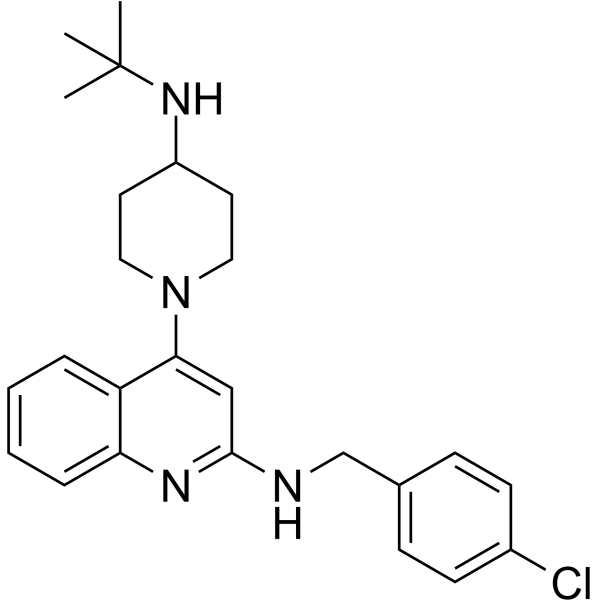
    TLR9 antagonist 1 is a selective hTLR9 antagonist with an IC50 of 0.1 nM against hTLR9. TLR9 antagonist 1 exhibits favorable pharmacokinetic and pharmacodynamic properties. TLR9 antagonist 1 can be used in the research of systemic lupus erythematosus .
    TLR9 antagonist 1

Inquiry Online

Your information is safe with us. * Required Fields.

Salutation


Country or Region *

Applicant Name *


Organization Name *

Department *


Email Address *


Product Name *

Cat. No.


Requested quantity *

Phone Number *


Remarks

Inquiry Online

Inquiry Information

Product Name:
Cat. No.:
Quantity:
MCE Japan Authorized Agent:

