
1. Search Result
Search Result
Results for "

type-II diabetes

" in MedChemExpress (MCE) Product Catalog:

44

Inhibitors & Agonists

2

Screening Libraries

3

Peptides

7

Natural
Products

1

Isotope-Labeled Compounds

1

Oligonucleotides

Cat. No. Product Name Target Research Areas Chemical Structure
  • HY-W011303
    Phytosphingosine
    4 Publications Verification

    4-Hydroxysphinganine

    Apoptosis Endogenous Metabolite Fungal Free Fatty Acid Receptor Infection Metabolic Disease Inflammation/Immunology Cancer
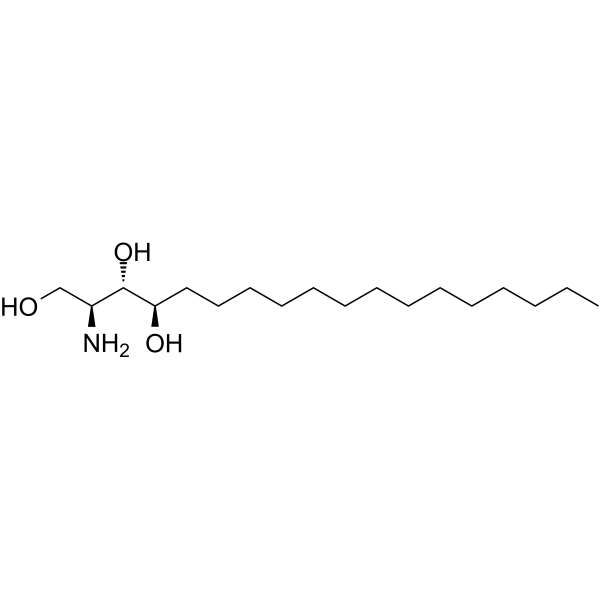
    Phytosphingosine is a phospholipid with anti-inflammatory, antibacterial, and anti-cancer activities, which can induce apoptosis. Phytosphingosine is an immune regulator and can be used in the study of inflammatory skin diseases. Phytosphingosine is also an activator of GPR120 with an IC50 value of 33.4 μM and can be used in the study of type II diabetes .
    Phytosphingosine
  • HY-13525
    CP-91149
    Maximum Cited Publications
    8 Publications Verification

    Biochemical Assay Reagents Metabolic Disease Cancer
    CP-91149 is a GP (glycogen phosphorylase) inhibitor. CP-91149 promotes glycogen resynthesis, but not its overaccumulation. CP-91149 has the potential for Type II (insulin-dependent) diabetes study .
    CP-91149
  • HY-177295

    LY3549492

    GLP Receptor Phosphodiesterase (PDE) Neurological Disease Metabolic Disease Inflammation/Immunology Cancer
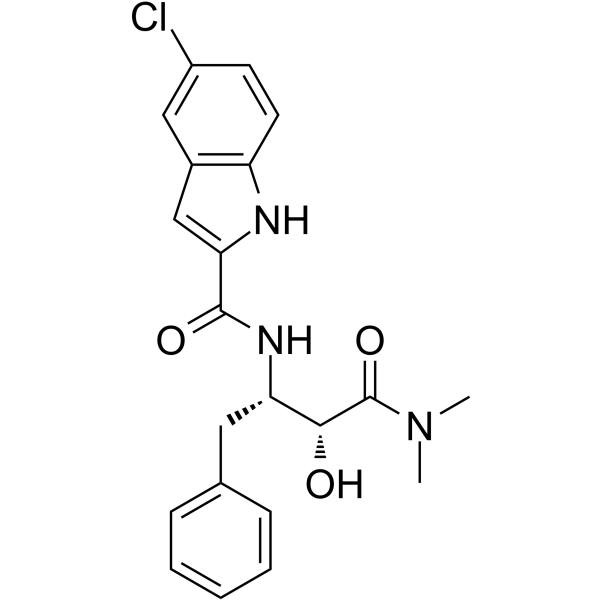
    Naperiglipron (LY3549492) is an orally active Glucagon-like peptide 1 receptor (GLP-1R) agonist with an EC50 of 1.14 nM for hGLP-1R. Naperiglipron significantly decreases the level of blood glucose in GLP-1R knock-in mouse models. Naperiglipron inhibits PDE10A1 enzyme activity (IC50: 7.43 μM) with a weak hERG inhibitory activity. Naperiglipron can be used for type II diabetes mellitus (T2DM) and obesity research .
    Naperiglipron
  • HY-113166
    Dodecanoylcarnitine
    1 Publications Verification

    (-)-Lauroylcarnitine

    Endogenous Metabolite Metabolic Disease Inflammation/Immunology
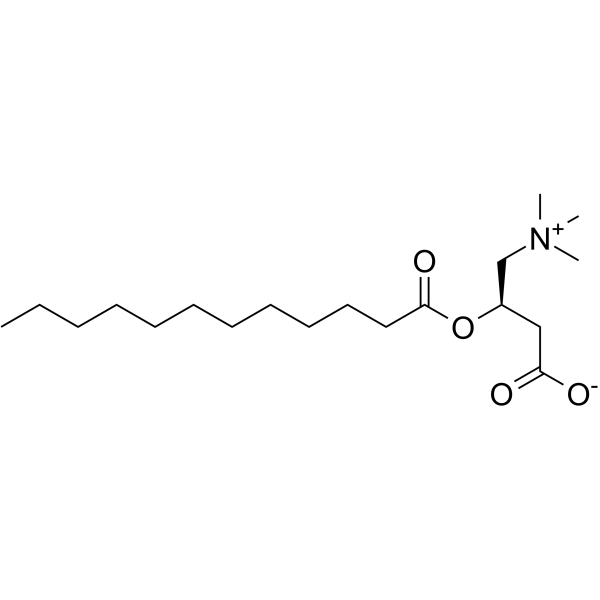
    Dodecanoylcarnitine ((-)-Lauroylcarnitine) is a medium long-chain acylcarnitine, an intermediate product in key energy metabolic pathways of fatty acid β-oxidation and amino acids catabolism. The abnormal decrease in the Dodecanoylcarnitine levels indicats that mitochondrial fuel metabolism, including fatty acid oxidation is significantly disturbed. Changes in plasma concentrations of Dodecanoylcarnitine are not only associated with type II diabetes, but also with pre-diabetes status. Dodecanoylcarnitine is present in fatty acid oxidation disorders such as long-chain acyl CoA dehydrogenase deficiency, carnitine palmitoyltransferase I/II deficiency, and is also associated with celiac disease. Dodecanoylcarnitine deomonstrates high sensitivities and specificities in predicting asthma. Combined model of Decanoylcarnitine (HY-113069), Dodecanoylcarnitine, PC (16:0/0:0), and Asp Arg Pro can be used as a potential biomarker for the diagnosis of Yin-deficiency-heat syndrome .
    Dodecanoylcarnitine
  • HY-109500

    meso-Nordihydroguaiaretic acid; meso-NDGA

    Lipoxygenase Metabolic Disease Cancer
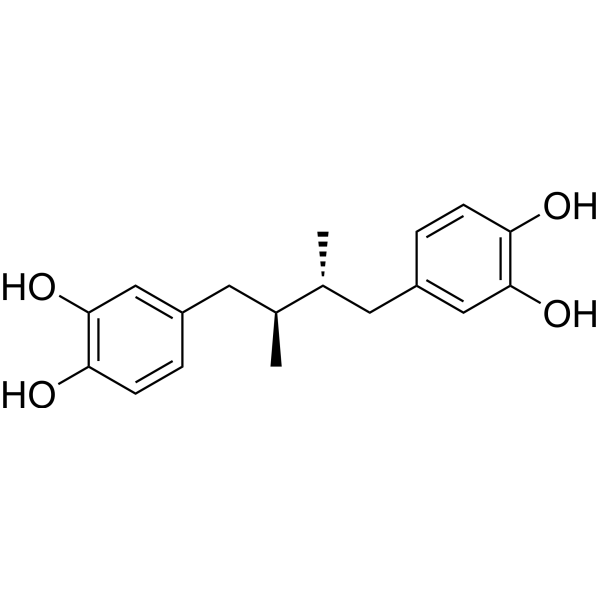
    Masoprocol (meso-Nordihydroguaiaretic acid) is a potent and orally active lipoxygenase inhibitor. Masoprocol shows antihyperglycemic activity. Masoprocol decreases the glucose concentration and hepatic triglyceride in vivo. Masoprocol has the potential for the research of type II diabetes .
    Masoprocol
  • HY-16619

    Free Fatty Acid Receptor Metabolic Disease
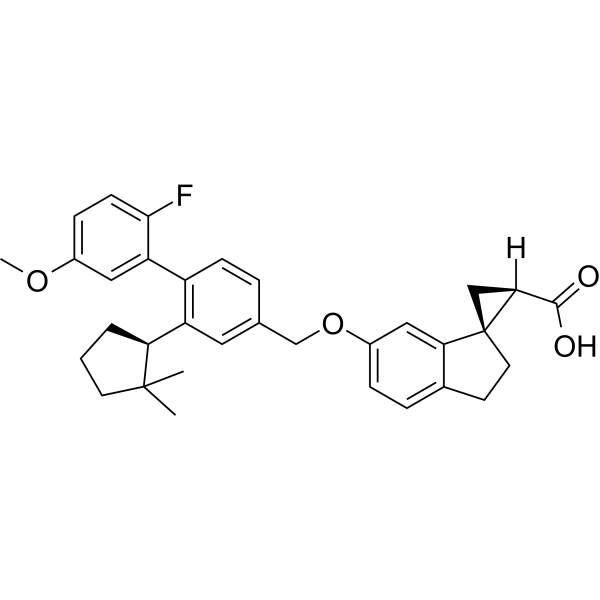
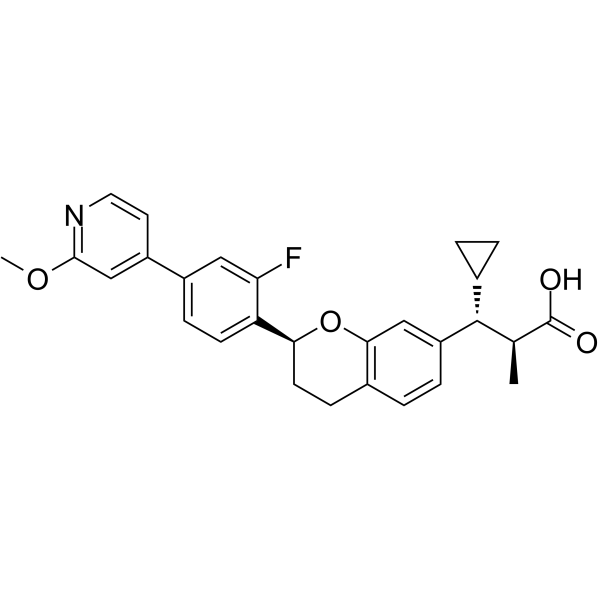
    AM-5262 is a GPR40 full agonist with an EC50 value of 0.081 μM. AM-5262 can be used for the research of type II diabetes .
    AM-5262
  • HY-114520

    Monoamine Oxidase Mitochondrial Metabolism Apoptosis Reactive Oxygen Species (ROS) Neurological Disease Metabolic Disease
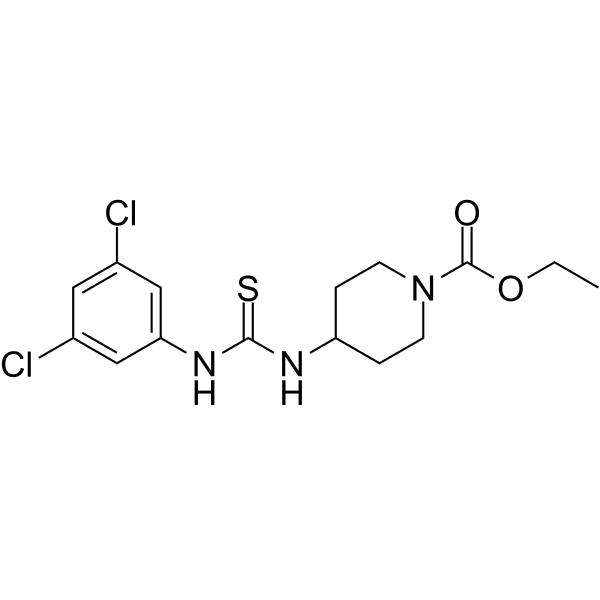
    TT01001 is a selective and orally active mitoNEET agonist and a monoamine oxidase B (MAO-B) inhibitor (IC50 = 8.84 μM). TT01001 does not activate PPARγ but interacts with MitoNEET. TT01001 attenuates oxidative stress and neuronal apoptosis by preventing mitoNEET-mediated mitochondrial dysfunction. TT01001 improves type II diabetes and ameliorates mitochondrial function of mice. TT01001 can used for the studies of type II diabetes and neurological disorders .
    TT01001
  • HY-120160

    CP-86325

    PPAR Neurological Disease Metabolic Disease
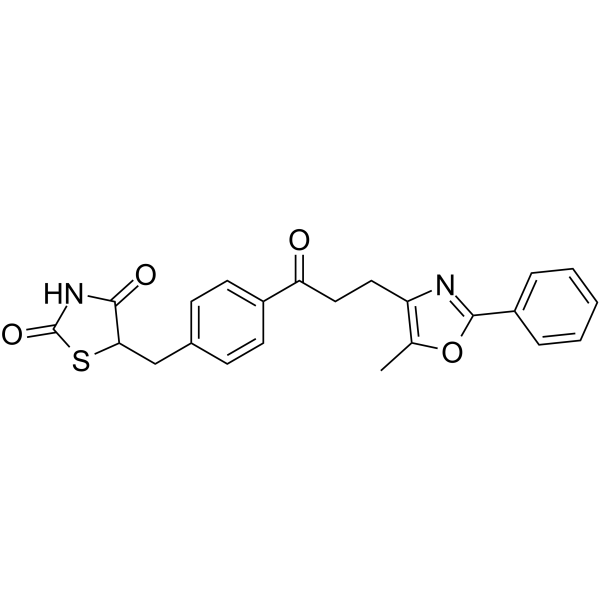
    Darglitazone (CP-86325), a thiazolidinedione, is a potent, selective, and orally active PPAR-γ agonist. Darglitazone is effective in controlling blood glucose and lipid metabolism, and can be used for type II diabetes research .
    Darglitazone
  • HY-153530

    IPK Superfamily Neurological Disease Metabolic Disease
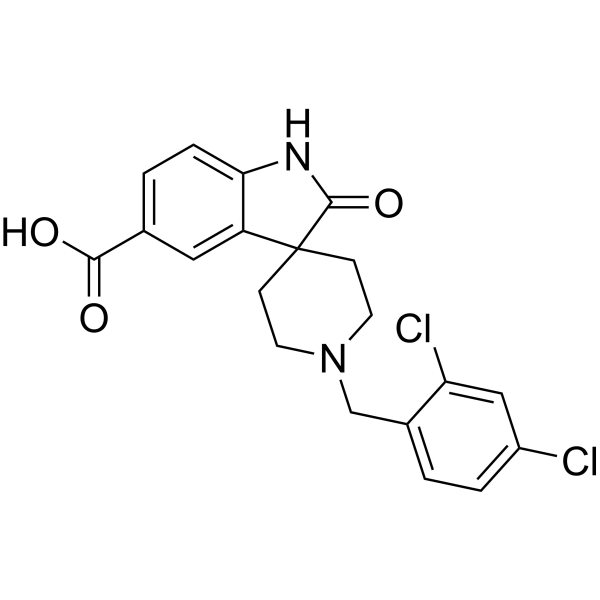
    LI-2242 is an inositol hexakisphosphate kinase (IP6K) inhibitor. LI-2242 has inhibition effect for IP6K1, IP6K2, IP6K3 and IPMK with IC50 values of 31 nM, 42 nM, 8.7 nM and 1944 nM, respectively. LI-2242 can be used for thew research of type II diabetes, obesity, metabolic complications, venous thrombosis, and psychiatric disorders .
    LI-2242
  • HY-P4767

    Amylin Receptor Metabolic Disease
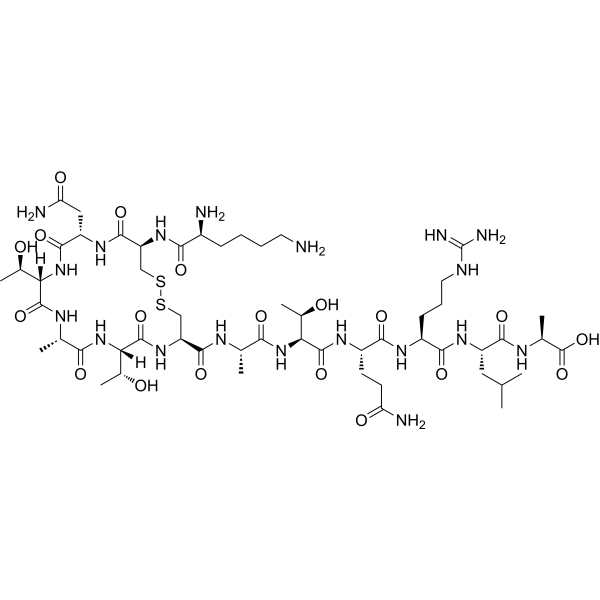
    Amylin (1-13) (human) is a fragment and a residues within amyloid cores of Amylin (human IAPP). Amylin is a glucose-regulating hormone, deposits as amyloid fibrils in condition of type II diabetes (T2D). Amylin (1-13) (human) has no effect on firbl formation, as it cannot form fibrils by itself .
    Amylin (1-13) (human)
  • HY-112603

    Free Fatty Acid Receptor Metabolic Disease
    AP5 is a potent, orlly active, and selective GPR40 receptor agonist with a positive allosteric modulation of endogenous ligand (AgoPAM). AP5 demonstrates rat and human inositol monophosphate (IP1) EC50 values of 0.49 nM and 0.8 nM against the GPR40 receptor, respectively. AP5 has the potential for type II diabetes research .
    AP5
  • HY-14728

    R1439; RO0728804

    PPAR Metabolic Disease
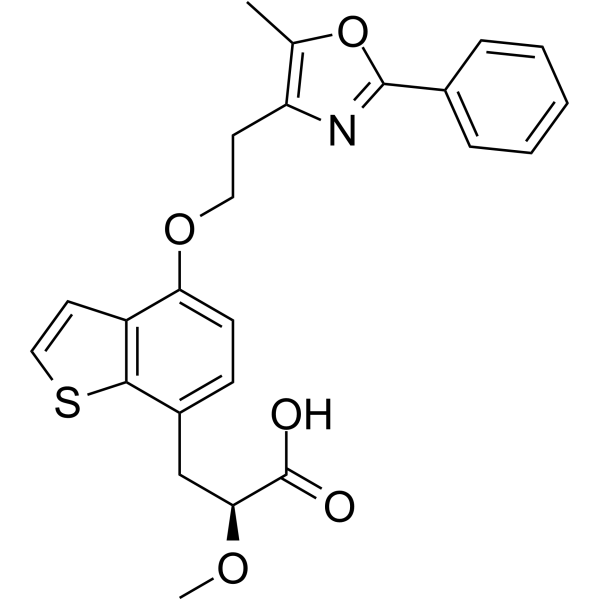
    Aleglitazar (R1439) is a potent dual PPARα/γ agonist, with IC50s of 38 nM and 19 nM for human PPARa and PPARγ, respectively. Aleglitazar can be used for the research of type II diabetes .
    Aleglitazar
  • HY-139077

    Stearoyl-CoA Desaturase (SCD) Metabolic Disease Cancer
    SCD1 inhibitor-3 is a safe, potent and orally active SCD1 inhibitor. SCD1 inhibitor-3 can be used for the research of metabolic diseases such as obesity, type II diabetes and dyslipidemia, as well as skin diseases, acne and cancer .
    SCD1 inhibitor-3
  • HY-153335

    Phosphodiesterase (PDE) Infection Cardiovascular Disease Metabolic Disease Inflammation/Immunology Cancer
    Enpp-1-IN-16 (compound 54) is an ENPP1 inhibitor. Enpp-1-IN-16 has the potential to study cancer, especially in cases of high ENPP1 expression or elevated cytoplasmic DNA levels. Enpp-1-IN-16 can also be used in other diseases mediated by ENPP1, such as bacterial or viral infections, insulin resistance and type II diabetes, chondrocalcinosis and osteoarthritis, calcium pyrophosphate deposition disorder (CPPD), low Phosphatase disease and soft tissue calcification disorders .
    Enpp-1-IN-16
  • HY-P2501

    Amylin Receptor Metabolic Disease
    Amylin (8-37), human is a fragment of human Amylin. Amylin (8-37), human has direct vasodilator effects in the isolated mesenteric resistance artery of the rat. Human Amylin is a small hormone secreted by pancreatic β-cells that forms aggregates under insulin deficiency metabolic conditions, and it constitutes a pathological hallmark of type II diabetes mellitus .
    Amylin (8-37), human
  • HY-154972

    Glycosidase Amylases Metabolic Disease
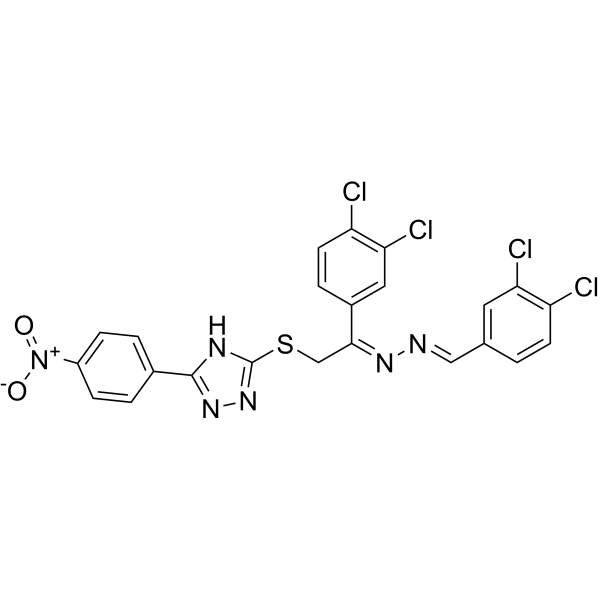
    α-Amylase/α-Glucosidase-IN-3 (Compound 17) is an α-Amylase/α-Glucosidase dual inhibitor, with IC50s of 0.70 μM and 1.10 μM. α-Amylase/α-Glucosidase-IN-3 can be used for research of type-II diabetes mellitus .
    α-Amylase/α-Glucosidase-IN-3
  • HY-114632

    PPAR Metabolic Disease
    Oxeglitazar is an orally active compound that can be used for the research of type II diabetes .
    Oxeglitazar
  • HY-141653

    Free Fatty Acid Receptor Metabolic Disease
    MK-8666 (tromethamine) is a GPR40 agonist. MK-8666 (tromethamine) can be used in the research of type II diabetes .
    MK-8666 tromethamine
  • HY-161429

    Amylases Glycosidase Metabolic Disease
    Antidiabetic agent 5 (compound S1) is a antidiabetic agent. Antidiabetic agent 5 inhibits the activity of α-glucosidase and α-amylase with IC50 values of 3.91,8.89 μM,respectively. Antidiabetic agent 5 decreases sugar levels. Antidiabetic agent 5 has the potential for the research of type-II diabetes .
    Antidiabetic agent 5
  • HY-18903

    IRE1 Metabolic Disease Cancer
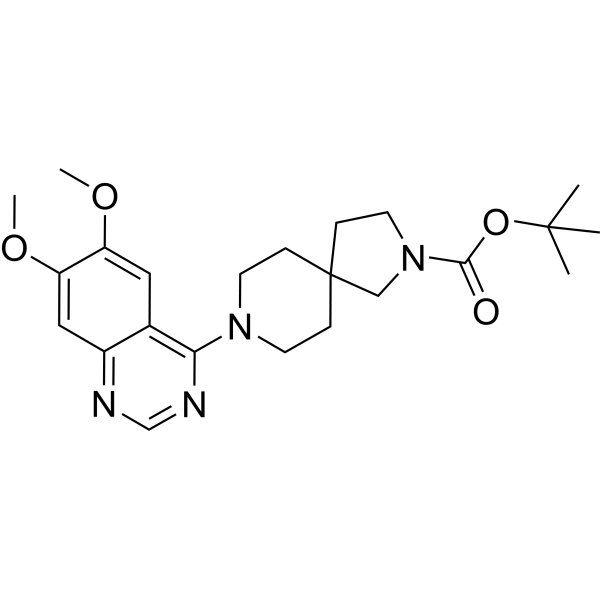
    DSA8 is a type II kinase inhibitor with IRE1 RNase modulating activity. DSA8 can be used for the research of cancer, metabolic disease, suah as diabetes .
    DSA8
  • HY-120223

    Adrenergic Receptor Metabolic Disease
    BMS-196085 is an orally active, potent and selective full agonist against human β3 adrenergic receptor with a Ki value of 21 nM. BMS-196085 also has partial agonist activity at the β1 receptor. BMS-196085 is promising for research of obesity and type-II diabetes .
    BMS-196085
  • HY-177296

    Free Fatty Acid Receptor Calcium Channel Metabolic Disease
    GPR40 agonist 8 (Compound 2) is a GPR40 agonist with an EC50 of 5 nM for hGPR40 Ca 2+. GPR40 agonist 8 can be used in the research of diseases such as Type II diabetes and obesity .
    GPR40 agonist 8
  • HY-108196

    Phosphatase Endocrinology
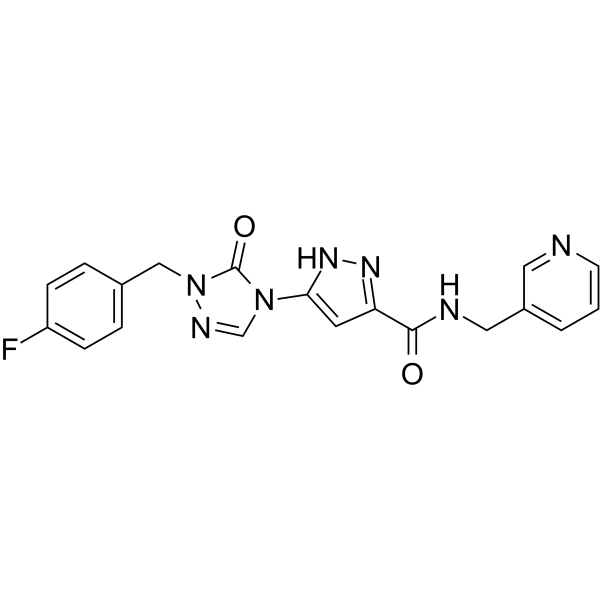
    PTP1B-IN-15 is a potent and selective inhibitor of protein tyrosine phosphatase 1B (PTP1B). PTP1B-IN-15 has the potential for the research of type II diabetes and obesity .
    PTP1B-IN-15
  • HY-W011303R

    4-Hydroxysphinganine (Standard)

    Reference Standards Apoptosis Endogenous Metabolite Fungal Free Fatty Acid Receptor Infection Metabolic Disease Inflammation/Immunology Cancer
    Phytosphingosine (Standard) is the analytical standard of Phytosphingosine. This product is intended for research and analytical applications. Phytosphingosine is a phospholipid with anti-inflammatory, antibacterial, and anti-cancer activities, which can induce apoptosis. Phytosphingosine is an immune regulator and can be used in the study of inflammatory skin diseases. Phytosphingosine is also an activator of GPR120 with an IC50 value of 33.4 μM and can be used in the study of type II diabetes[1][2][3][4].
    Phytosphingosine (Standard)
  • HY-14810

    AVE-2268

    SGLT Metabolic Disease
    Atigliflozin (AVE-2268) is an orally active and selective SGLT-2 inhibitor, with IC50s of 10 nM and 8.2 μM for hSGLT-2 and hSGLT-1) respectively. Atigliflozin can lower the blood glucose and improve the impaired oral glucose tolerance. Atigliflozin can be used for research of type II diabetes mellitus .
    Atigliflozin
  • HY-120886

    PPAR Metabolic Disease
    GW 2433 is a dual PPARα and PPARδ agonist. GW 2433 has the potential for the study of type II diabetes and dyslipidemia .
    GW 2433
  • HY-111353

    Free Fatty Acid Receptor Metabolic Disease
    GPR120 Agonist 2 (example 206) is a GPR120 agonist that can be uesd for the study of type II diabetes and diseases associated with poor glycemic control .
    GPR120 Agonist 2
  • HY-P10312

    GLP Receptor Metabolic Disease
    SPN009 (Sequence 3) is a GLP-1 Receptor agonist, with EC50 of 2.84 nM. SPN009 attenuates the type II diabetes in DB/DB mice models .
    SPN009
  • HY-110178

    MAGL Inflammation/Immunology
    WWL123, a carbamate-based compound, is a potent and selective ABHD6 inhibitor. WWL123 can be used for research of inflammation, metabolic disorders (obesity and type II diabetes mellitus) and epilepsy .
    WWL123
  • HY-162042

    AMPK Metabolic Disease
    AMPK activator 14 (compound 32) is an orally active AMPK activator. AMPK activator 14 decreases fasted glucose and insulin levels in a db/db mouse model of Type II diabetes .
    AMPK activator 14
  • HY-120160A

    CP 86325 Sodium

    PPAR Neurological Disease Metabolic Disease
    Darglitazone Sodium, a thiazolidinedione, is an orally active, potent, and selective PPAR-γ (peroxisome proliferator-activated receptor) agonist. Darglitazone Sodium is effective in controlling blood glucose and lipid metabolism, and can be used for type II diabetes research .
    Darglitazone Sodium
  • HY-147964

    Glycosidase Metabolic Disease
    α-Glucosidase-IN-9 (compound 7) is a potent α-glucosidase inhibitor, with an IC50 of 55.6 μM. α-Glucosidase-IN-9 can be used for type II diabetes research .
    α-Glucosidase-IN-9
  • HY-147965

    Glycosidase Metabolic Disease
    α-Glucosidase-IN-10 (compound 13) is a potent α-glucosidase inhibitor, with an IC50 of 92.7 μM. α-Glucosidase-IN-10 can be used for type II diabetes research .
    α-Glucosidase-IN-10
  • HY-160628

    Free Fatty Acid Receptor Metabolic Disease
    GPR120 Agonist 4 (example 1) is a GPR120 agonist,with the EC50 values of 1 μM and 0.35 μM for β-arrestin A and Calcium A. GPR120 Agonist 4 can be used for the research of type II diabetes mellitus .
    GPR120 Agonist 4
  • HY-162979

    GLP Receptor Metabolic Disease
    GLP-1R agonist 25 (compound 13) is a GLP1-R agonist, with an EC50 of 0.167 nM. GLP-1R agonist 25 can be used in type II diabetes research .
    GLP-1R agonist 25
  • HY-109500R

    meso-Nordihydroguaiaretic acid (Standard); meso-NDGA (Standard)

    Lipoxygenase Reference Standards Metabolic Disease Cancer
    Masoprocol (Standard) is the analytical standard of Masoprocol. This product is intended for research and analytical applications. Masoprocol (meso-Nordihydroguaiaretic acid) is a potent and orally active lipoxygenase inhibitor. Masoprocol shows antihyperglycemic activity. Masoprocol decreases the glucose concentration and hepatic triglyceride in vivo. Masoprocol has the potential for the research of type II diabetes .
    Masoprocol (Standard)
  • HY-N9153A

    Others Metabolic Disease
    Guaiacylglycerol-8-O-4'-(sinapyl alcohol) ether is a DGAT1 inhibitor with an IC50 of 92.7 μM and can be extracted from Eleutherococcus senticosus. Guaiacylglycerol-8-O-4'-(sinapyl alcohol) ether can be utilized in research related to type II diabetes and obesity .
    Guaiacylglycerol-8-O-4'-(sinapyl alcohol) ether
  • HY-112603A

    Free Fatty Acid Receptor Metabolic Disease
    AP5 sodium is a potent, orall active, and selective GPR40 receptor agonist with a positive allosteric modulation of endogenous ligand (AgoPAM). AP5 sodium demonstrates rat and human inositol monophosphate (IP1) EC50 values of 0.49 nM and 0.8 nM against the GPR40 receptor, respectively. AP5 sodium has the potential for type II diabetes research .
    AP5 sodium
  • HY-W011303S

    4-Hydroxysphinganine-d7

    Isotope-Labeled Compounds Fungal Free Fatty Acid Receptor Apoptosis Endogenous Metabolite Infection Metabolic Disease Inflammation/Immunology Cancer
    Phytosphingosine-d7 (4-Hydroxysphinganine-d7) is deuterium labeled Phytosphingosine. Phytosphingosine is a phospholipid with anti-inflammatory, antibacterial, and anti-cancer activities, which can induce apoptosis. Phytosphingosine is an immune regulator and can be used in the study of inflammatory skin diseases. Phytosphingosine is also an activator of GPR120 with an IC50 value of 33.4 μM and can be used in the study of type II diabetes .
    Phytosphingosine-d7
  • HY-113166R

    (-)-Lauroylcarnitine (Standard)

    Reference Standards Endogenous Metabolite Metabolic Disease Inflammation/Immunology
    Dodecanoylcarnitine (Standard) is the analytical standard of Dodecanoylcarnitine (HY-113166). This product is intended for research and analytical applications. Dodecanoylcarnitine ((-)-Lauroylcarnitine) is a medium long-chain acylcarnitine, an intermediate product in key energy metabolic pathways of fatty acid β-oxidation and amino acids catabolism. The abnormal decrease in the Dodecanoylcarnitine levels indicats that mitochondrial fuel metabolism, including fatty acid oxidation is significantly disturbed. Changes in plasma concentrations of Dodecanoylcarnitine are not only associated with type II diabetes, but also with pre-diabetes status. Dodecanoylcarnitine is present in fatty acid oxidation disorders such as long-chain acyl CoA dehydrogenase deficiency, carnitine palmitoyltransferase I/II deficiency, and is also associated with celiac disease. Dodecanoylcarnitine deomonstrates high sensitivities and specificities in predicting asthma. Combined model of Decanoylcarnitine (HY-113069), Dodecanoylcarnitine, PC (16:0/0:0), and Asp Arg Pro can be used as a potential biomarker for the diagnosis of Yin-deficiency-heat syndrome .
    Dodecanoylcarnitine (Standard)
  • HY-171302

    GLP Receptor Metabolic Disease
    GLP-1R/GIPR agonist-2 is a GIPR agonist. GLP-1R/GIPR agonist-2 potentiates GIP(1-42)-induced intracellular cAMP production in cells expressing human GIPR. GLP-1R/GIPR agonist-2 can be used for the research of type II diabetes mellitus .
    GLP-1R/GIPR agonist-2
  • HY-180489

    GLP Receptor Metabolic Disease
    GLP-1R agonist 38 (page 15, compound 1) is a glucagon-like peptide-1 receptor (GLP-1R) agonist. GLP-1R agonist 38 can be used for the study of metabolic disorders and related diseases, including but not limited to type II diabetes mellitus (T2DM), obesity and non-alcoholic fatty liver disease (NASH) .
    GLP-1R agonist 38
  • HY-108196R

    Reference Standards Phosphatase Endocrinology
    PTP1B-IN-15 (Standard) is the analytical standard of PTP1B-IN-15 (HY-108196). This product is intended for research and analytical applications. PTP1B-IN-15 is a potent and selective inhibitor of protein tyrosine phosphatase 1B (PTP1B). PTP1B-IN-15 has the potential for the research of type II diabetes and obesity .
    PTP1B-IN-15 (Standard)
  • HY-186072

    NOD-like Receptor (NLR) Interleukin Related Cytochrome P450 Neurological Disease Metabolic Disease Inflammation/Immunology
    NT-0527 is a selective, orally active, and brain-permeable NLRP3 inflammasome inhibitor. NT-0527 can specifically block the formation of the NLRP3 inflammasome, resulting in the reduction in the maturation and release of IL-1β, exhibit inhibition on CYP2C19. NT-0527 displays anti-inflammatory activity in the mouse LPS (HY-D1056) /ATP (HY-B2176)-induced peritonitis model. NT-0527 can be used for the research of neuroinflammatory disorders (Parkinson's disease, Alzheimer's disease, amyotrophic lateral sclerosis) and peripheral inflammatory disorders (type II diabetes, atherosclerosis, gout, etc.) associated with NLRP3 inflammasome .
    NT-0527

Inquiry Online

Your information is safe with us. * Required Fields.

Salutation


Country or Region *

Applicant Name *


Organization Name *

Department *


Email Address *


Product Name *

Cat. No.


Requested quantity *

Phone Number *


Remarks

Inquiry Online

Inquiry Information

Product Name:
Cat. No.:
Quantity:
MCE Japan Authorized Agent:

