

Search Result
Results for "
ubiquitously
" in MedChemExpress (MCE) Product Catalog:
5
Biochemical Assay Reagents
18
Isotope-Labeled Compounds
| Cat. No. |
Product Name |
Target |
Research Areas |
Chemical Structure |
-
- HY-B0228
-
-
-
- HY-128851
-
|
|
Endogenous Metabolite
Fatty Acid Synthase (FASN)
|
Metabolic Disease
Cancer
|
|
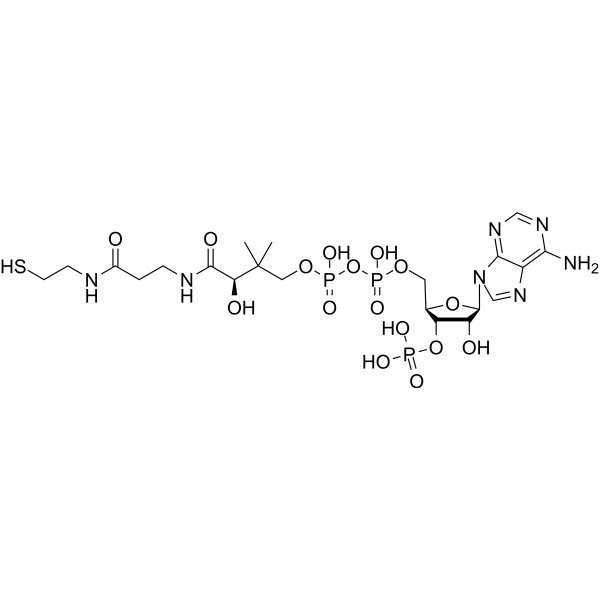
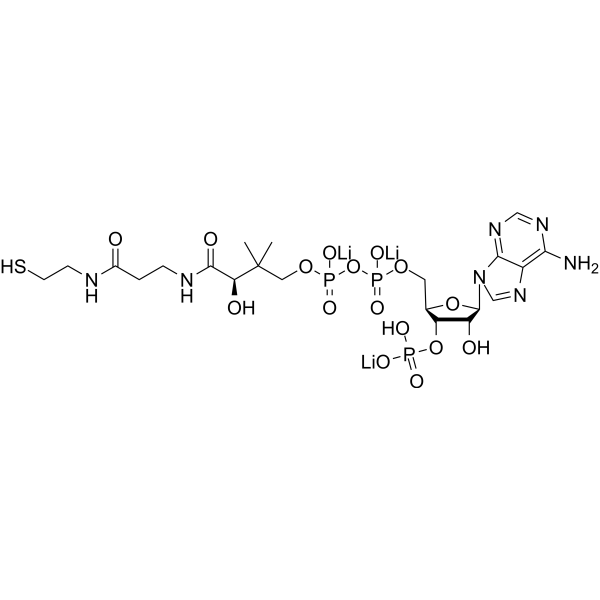
Coenzyme A (CoASH) is a ubiquitous and essential cofactor, which is an acyl group carrier and carbonyl-activating group for the citric acid cycle and fatty acid metabolism. Coenzyme A plays a central role in the oxidation of pyruvate in the citric acid cycle and the metabolism of carboxylic acids, including short- and long-chain fatty acids .
|
-
-
- HY-B0710
-
Betaine
5 Publications Verification
Trimethylglycine; carboxy-N,N,N-trimethylmethanaminium
|
Environmental Pollutants
Endogenous Metabolite
|
Metabolic Disease
|
|
Betaine (Trimethylglycine) is a natural compound found in many foods and also an active methyl-donor which can maintain normal DNA methylation patterns [1,2]. Betaine is found ubiquitously in plants, animals, microorganisms, and rich dietary sources including seafood, spinach, and wheat bran. Betaine also acts as an osmolyte, to maintain the avian’s cellular water and ion balance to improve the avian’s capacity against heat stress via preventing dehydration and osmotic inactivation. It helps in maintaining the protective osmolytic activity, especially in heat-stressed birds. Betaine may promote various intestinal microbes against osmotic variations and thus improve microbial fermentation activity .
|
-
-
- HY-128851B
-
|
|
Endogenous Metabolite
Fatty Acid Synthase (FASN)
|
Metabolic Disease
Cancer
|
|
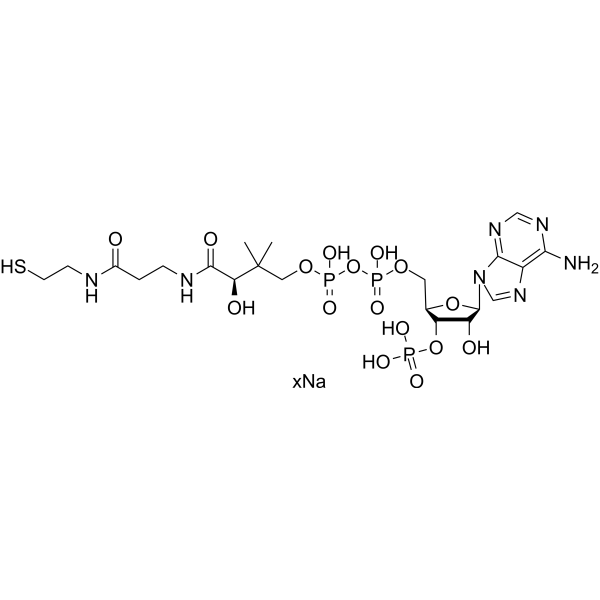
Coenzyme A (CoASH) sodium is a ubiquitous and essential cofactor, which is an acyl group carrier and carbonyl-activating group for the citric acid cycle and fatty acid metabolism. Coenzyme A plays a central role in the oxidation of pyruvate in the citric acid cycle and the metabolism of carboxylic acids, including short- and long-chain fatty acids .
|
-
-
- HY-N0848
-
|
24-Epibrassinolide; B1105; BP55
|
Environmental Pollutants
Apoptosis
|
Cancer
|
|
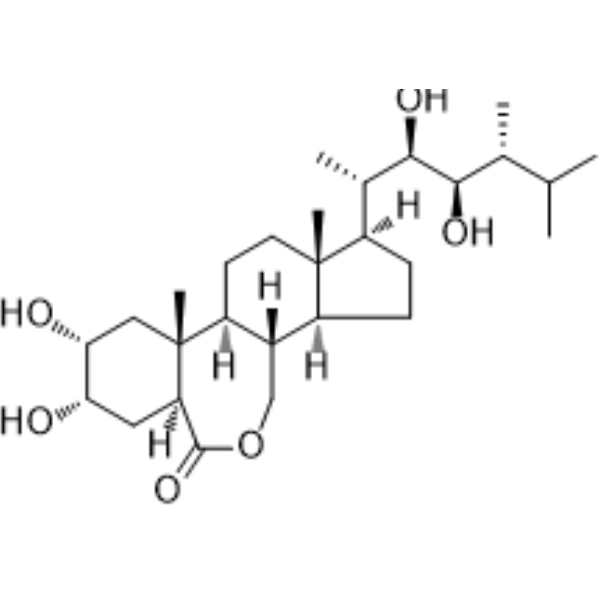
Epibrassinolide (24-Epibrassinolide) is a ubiquitously occurring plant growth hormone which shows great potential to alleviate heavy metals and pesticide stress in plants . Epibrassinolide is a potential apoptotic inducer in various cancer cells without affecting the non-tumor cell growth .
|
-
-
- HY-P99023
-
|
G250; cG250
|
Carbonic Anhydrase
|
Cancer
|
|
Girentuximab (G250) is a chimeric monoclonal antibody that binds carbonic anhydrase IX (CAIX), a cell surface glycoprotein ubiquitously expressed in clear cell renal cell carcinoma (ccRCC) .
|
-
-
- HY-P1775
-
|
EC 4.2.1.1
|
Carbonic Anhydrase
|
Neurological Disease
Metabolic Disease
Cancer
|
Carbonic anhydrase, Bovine erythrocytes (EC 4.2.1.1) is ubiquitous zinc-containing metalloenzyme present in prokaryotes and eukaryotes. Carbonic anhydrase can catalyze reversible conversion of carbon dioxide to bicarbonate and protons. Carbonic anhydrase can be used for the research of cancer, glaucoma, obesity and epilepsy .
|
-
-
- HY-126752
-
|
|
Reactive Oxygen Species (ROS)
|
Neurological Disease
Metabolic Disease
Inflammation/Immunology
|
|
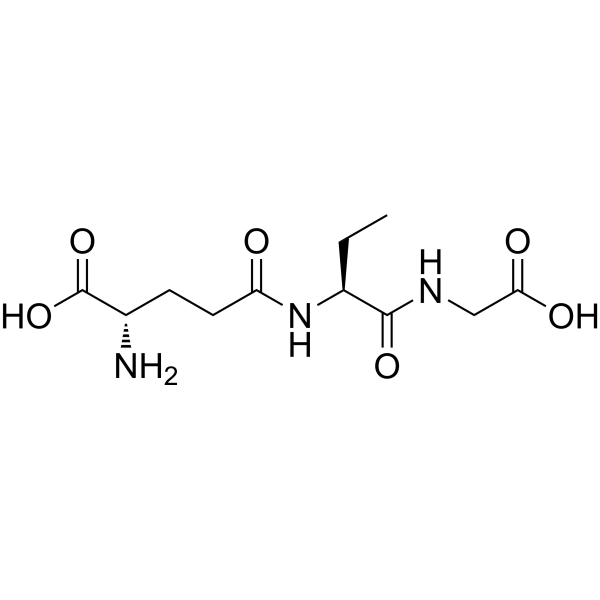
Ophthalmic acid is a ubiquitous metabolite and glutathione modulator, with a Ki of 0.95 mM for glyoxalase I. Ophthalmic acid competitively inhibits glyoxalase I, glutathione S-transferase, glutaredoxin, glutamate-cysteine ligase, protein disulfide reductase (glutathione), as well as non-selective cation channels. Ophthalmic acid is applicable in diabetes-related research .
|
-
-
- HY-128851A
-
|
|
Endogenous Metabolite
Fatty Acid Synthase (FASN)
|
Metabolic Disease
Cancer
|
|
Coenzyme A (CoASH) is a ubiquitous and essential cofactor, which is an acyl group carrier and carbonyl-activating group for the citric acid cycle and fatty acid metabolism. Coenzyme A plays a central role in the oxidation of pyruvate in the citric acid cycle and the metabolism of carboxylic acids, including short- and long-chain fatty acids .
|
-
-
- HY-P2992
-
|
PPase
|
Fungal
|
Infection
|
|
Inorganic pyrophosphatase is a ubiquitous enzyme that converts pyrophosphate (PPi) to phosphate and, in this way, controls numerous biosynthetic reactions that produce PPi as a byproduct. Inorganic pyrophosphatase, Saccharomyces cerevisiae is an Inorganic pyrophosphatase isolated from Saccharomyces cerevisiae .
|
-
-
- HY-W145496
-
|
β-D-Glc-(1-3)-D-Glc
|
Biochemical Assay Reagents
|
Others
|
|
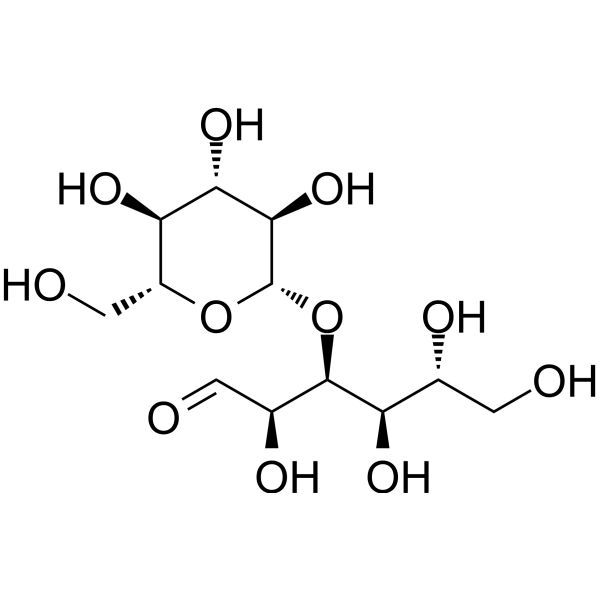
Laminaribiose is a disaccharide consisting of two glucose molecules linked by a β-1,3-glycosidic bond. It is ubiquitous in the cell walls of various plants and is a hydrolyzate of the polysaccharide laminarin. Laminaribiose has various applications in biochemical research, especially as a substrate for enzymes involved in carbohydrate metabolism. In addition, it can be used as a carbon source and dietary supplement for certain microorganisms.
|
-
-
- HY-B0228S1
-
|
Adenine riboside-13C5; D-Adenosine-13C5
|
Apoptosis
Nucleoside Antimetabolite/Analog
Autophagy
Endogenous Metabolite
|
Cancer
|
|
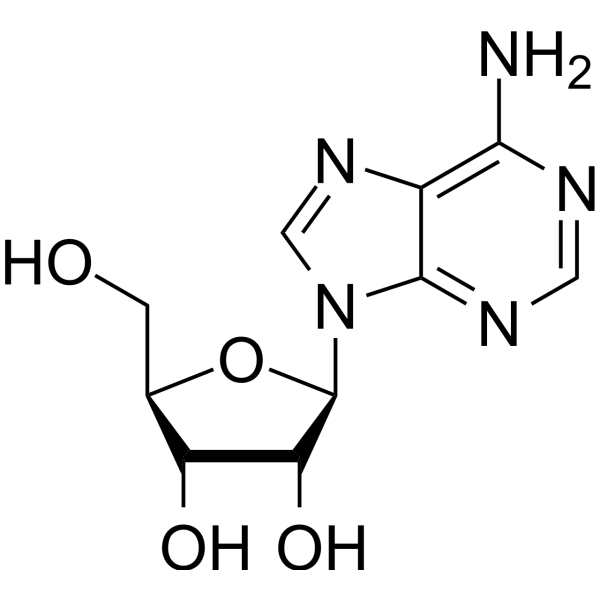
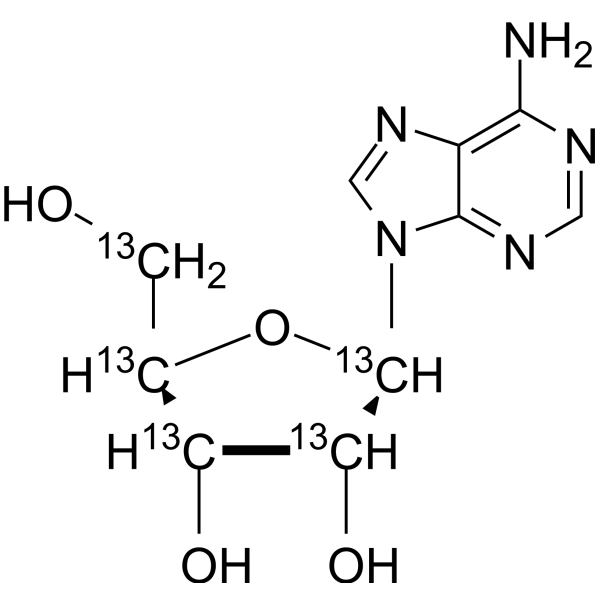
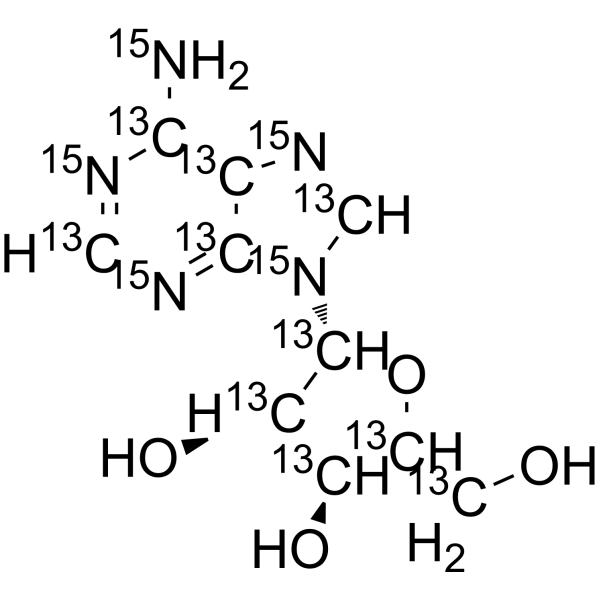
Adenosine- 13C5 is the 13C labeled Adenosine . Adenosine (Adenine riboside), a ubiquitous endogenous autacoid, acts through the enrollment of four G protein-coupled receptors: A1, A2A, A2B, and A3. Adenosine affects almost all aspects of cellular physiology, including neuronal activity, vascular function, platelet aggregation, and blood cell regulation .
|
-
-
- HY-B0228S11
-
|
Adenine riboside-15N5; D-Adenosine-15N5
|
Isotope-Labeled Compounds
|
Cancer
|
|
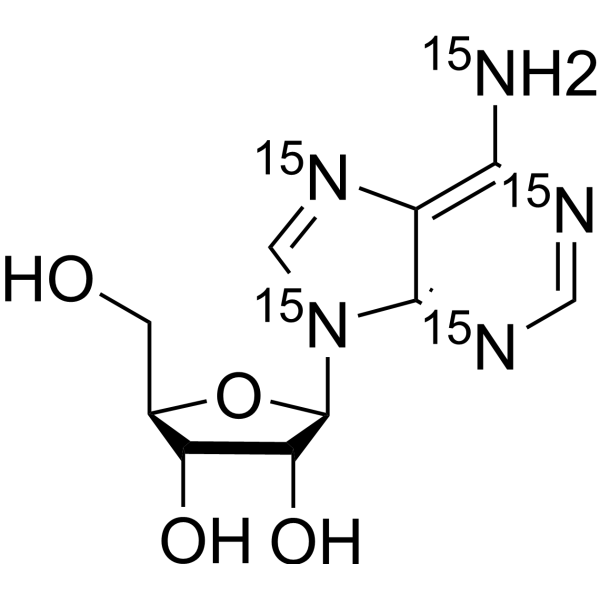
Adenosine- 15N5 (Adenine riboside- 15N5; D-Adenosine- 15N5) is the 15N labled Adenosine (HY-B0228). Adenosine (Adenine riboside), a ubiquitous endogenous autacoid, acts through the enrollment of four G protein-coupled receptors: A1, A2A, A2B, and A3. Adenosine affects almost all aspects of cellular physiology, including neuronal activity, vascular function, platelet aggregation, and blood cell regulation .
|
-
-
- HY-18398
-
-
-
- HY-B0228R
-
|
Adenine riboside (Standard); D-Adenosine (Standard)
|
Reference Standards
Nucleoside Antimetabolite/Analog
Autophagy
Apoptosis
Endogenous Metabolite
|
Metabolic Disease
Cancer
|
|
Adenosine (Standard) is the analytical standard of Adenosine. This product is intended for research and analytical applications. Adenosine (Adenine riboside), a ubiquitous endogenous autacoid, acts through the enrollment of four G protein-coupled receptors: A1, A2A, A2B, and A3. Adenosine affects almost all aspects of cellular physiology, including neuronal activity, vascular function, platelet aggregation, and blood cell regulation .
|
-
-
- HY-B0228S13
-
-
-
- HY-B0228S9
-
|
|
Isotope-Labeled Compounds
Apoptosis
Nucleoside Antimetabolite/Analog
Autophagy
Endogenous Metabolite
|
Metabolic Disease
Cancer
|
|
Adenosine- 13C10, 15N5 is the 13C and 15N labeled Adenosine (HY-B0228) . Adenosine (Adenine riboside), a ubiquitous endogenous autacoid, acts through the enrollment of four G protein-coupled receptors: A1, A2A, A2B, and A3. Adenosine affects almost all aspects of cellular physiology, including neuronal activity, vascular function, platelet aggregation, and blood cell regulation .
|
-
-
- HY-B0228S6
-
-
-
- HY-P1775A
-
|
|
Carbonic Anhydrase
|
Neurological Disease
Metabolic Disease
Cancer
|
|
Carbonic anhydrase isoenzyme is the isoenzyme of Carbonic anhydrase (HY-P1775). Carbonic anhydrase isoenzyme is ubiquitous zinc-containing metalloenzyme present in prokaryotes and eukaryotes. Carbonic anhydrase isoenzyme catalyzes reversible conversion of carbon dioxide to bicarbonate and protons, and can be used for the research of cancer, glaucoma, obesity and epilepsy .
|
-
-
- HY-N1439
-
|
Gypsogenin-3-O-(6-O-methyl)-glucoside
|
Others
|
Inflammation/Immunology
|
|
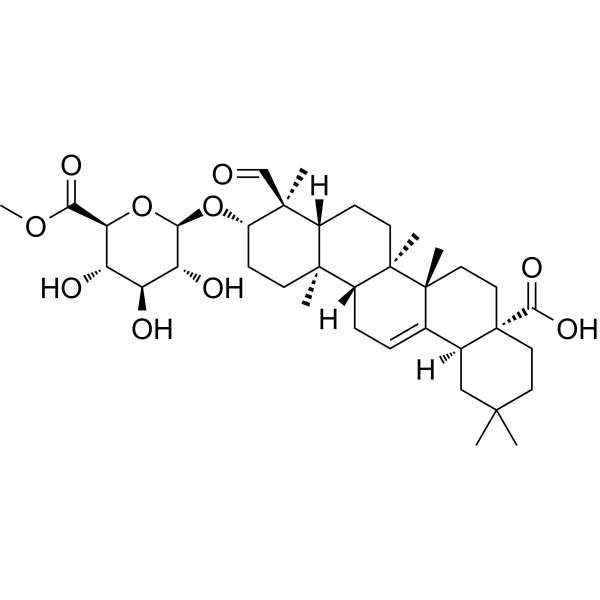
Methyl gypsogenin-3-O-glucuronide (Gypsogenin-3-O-(6-O-methyl)-glucoside) is a ubiquitous saponin precursor in plants of the genus Gypsophila .
|
-
-
- HY-W019877
-
-
-
- HY-123109
-
|
VH032-Boc
|
Ligands for E3 Ligase
|
Cancer
|
|
(S,R,S)-AHPC-Boc (VH032-Boc) is a ligand used in the recruitment of the von Hippel-Lindau (VHL) protein. (S,R,S)-AHPC-Boc is used in PROTAC technology .
|
-
-
- HY-B0228S4
-
-
-
- HY-B0228S
-
-
-
- HY-145726
-
|
|
TNF Receptor
|
Cardiovascular Disease
Inflammation/Immunology
|
|
ISIS 104838 is an antisense oligonucleotide targeting TNF-α. ISIS 104838 specifically binds to human TNF-α mRNA via Watson-Crick base pairing to form a DNA:RNA hybrid duplex, thereby recruiting the ubiquitously expressed intracellular enzyme RNase H to degrade the target mRNA and inhibit TNF-α protein synthesis at the transcriptional level. ISIS 104838 induces moderate, self-limiting thrombocytopenia in cynomolgus monkeys. ISIS 104838 can be used for the study of inflammatory diseases .
|
-
-
- HY-128851R
-
|
|
Reference Standards
Fatty Acid Synthase (FASN)
Endogenous Metabolite
|
Metabolic Disease
Cancer
|
|
Coenzyme A (Standard) is the analytical standard of Coenzyme A. This product is intended for research and analytical applications. Coenzyme A (CoASH) is a ubiquitous and essential cofactor, which is an acyl group carrier and carbonyl-activating group for the citric acid cycle and fatty acid metabolism. Coenzyme A plays a central role in the oxidation of pyruvate in the citric acid cycle and the metabolism of carboxylic acids, including short- and long-chain fatty acids[1].
|
-
-
- HY-B0228S5
-
-
-
- HY-W016103
-
|
|
Bacterial
Drug Intermediate
|
Infection
|
|
1-Hydroxy-2-naphthoic acid is a ubiquitous bicyclic intermediate metabolite in the microbial degradation process of polycyclic aromatic hydrocarbons (PAHs). 1-Hydroxy-2-naphthoic acid can be converted into 1,2-naphthalenediol, which enters the naphthalene degradation pathway and participates in the tricarboxylic acid (TCA) cycle to achieve complete mineralization .
|
-
-
- HY-B0710R
-
|
Trimethylglycine (Standard); carboxy-N,N,N-trimethylmethanaminium (Standard)
|
Endogenous Metabolite
|
Metabolic Disease
|
|
Betaine (Standard) is the analytical standard of Betaine. This product is intended for research and analytical applications. Betaine (Trimethylglycine) is a natural compound found in many foods and also an active methyl-donor which can maintain normal DNA methylation patterns [1,2]. Betaine is found ubiquitously in plants, animals, microorganisms, and rich dietary sources including seafood, spinach, and wheat bran. Betaine also acts as an osmolyte, to maintain the avian’s cellular water and ion balance to improve the avian’s capacity against heat stress via preventing dehydration and osmotic inactivation. It helps in maintaining the protective osmolytic activity, especially in heat-stressed birds. Betaine may promote various intestinal microbes against osmotic variations and thus improve microbial fermentation activity .
|
-
-
- HY-123109A
-
|
(S,S,S)-VH032-Boc
|
Ligands for E3 Ligase
|
Cancer
|
|
(S,S,S)-AHPC-Boc is the isomer of (S,R,S)-AHPC-Boc (HY-123109), and can be used as an experimental control. (S,R,S)-AHPC-Boc (VH032-Boc) is a ligand used in the recruitment of the von Hippel-Lindau (VHL) protein. (S,R,S)-AHPC-Boc is used in PROTAC technology .
|
-
-
- HY-N7106R
-
|
DMP (Standard)
|
Biochemical Assay Reagents
Reference Standards
|
Others
|
|
Dimethyl phthalate (Standard) is the analytical standard of Dimethyl phthalate. This product is intended for research and analytical applications. Dimethyl phthalate, a known endocrine disruptor and one of the phthalate esters (PAEs), is a ubiquitous pollutant. Dimethyl phthalate is commonly used as a plasticizer to impart flexibility to rigid polyvinylchloride (PVC) resins .
|
-
-
- HY-N0848R
-
|
24-Epibrassinolide (Standard); B1105 (Standard); BP55 (Standard)
|
Reference Standards
Apoptosis
|
Cancer
|
|
Epibrassinolide (Standard) is the analytical standard of Epibrassinolide. This product is intended for research and analytical applications. Epibrassinolide (24-Epibrassinolide) is a ubiquitously occurring plant growth hormone which shows great potential to alleviate heavy metals and pesticide stress in plants[1]. Epibrassinolide is a potential apoptotic inducer in various cancer cells without affecting the non-tumor cell growth[2].
|
-
-
- HY-137884
-
|
3-Acetoxyindole
|
Biochemical Assay Reagents
|
Others
|
|
3-Indolyl acetate is an ester derivative of indole that is ubiquitous in various plant tissues, especially in certain cruciferous vegetables such as broccoli and cabbage. 3-Indolyl acetate has unique chemical properties that make it an important signaling molecule in plants, regulating various physiological processes such as growth and defense against pathogens. It also has potential applications in the pharmaceutical industry, as it has been shown to have antitumor and anti-inflammatory effects in some studies.
|
-
-
- HY-145726A
-
|
|
TNF Receptor
|
Cardiovascular Disease
Inflammation/Immunology
|
|
ISIS 104838 sodium is an antisense oligonucleotide targeting TNF-α. ISIS 104838 sodium specifically binds to human TNF-α mRNA via Watson-Crick base pairing to form a DNA:RNA hybrid duplex, thereby recruiting the ubiquitously expressed intracellular enzyme RNase H to degrade the target mRNA and inhibit TNF-α protein synthesis at the transcriptional level. ISIS 104838 sodium induces moderate, self-limiting thrombocytopenia in cynomolgus monkeys. ISIS 104838 sodium can be used for the study of inflammatory diseases .
|
-
-
- HY-B0228S12
-
-
-
- HY-B0710S
-
|
Trimethylglycine-13C3; Carboxy-N,N,N-trimethylmethanaminium-13C3
|
Isotope-Labeled Compounds
|
Metabolic Disease
|
|
Betaine- 13C3 (Trimethylglycine- 13C3) is the 13C labeled isotope of Betaine (HY-B0710). Betaine (Trimethylglycine) is a natural compound found in many foods and also an active methyl-donor which can maintain normal DNA methylation patterns [1,2]. Betaine is found ubiquitously in plants, animals, microorganisms, and rich dietary sources including seafood, spinach, and wheat bran. Betaine also acts as an osmolyte, to maintain the avian’s cellular water and ion balance to improve the avian’s capacity against heat stress via preventing dehydration and osmotic inactivation. It helps in maintaining the protective osmolytic activity, especially in heat-stressed birds. Betaine may promote various intestinal microbes against osmotic variations and thus improve microbial fermentation activity .
|
-
-
- HY-W099984
-
|
|
Environmental Pollutants
|
Others
|
|
2-sec-Butylphenol is a ubiquitous pollutant found in aquatic environments and is highly lethal and accumulative to aquatic organisms .
|
-
-
- HY-W271064
-
|
|
Environmental Pollutants
Fluorescent Dye
|
Others
|
|
1-Methylpyrene is a ubiquitous environmental pollutant and rodent carcinogen. Its mutagenic activity depends on sequential activation by various CYP and sulfotransferase (SULT) enzymes. 1-Methylpyrene induces chromosome loss and mitotic disturbance, proba
|
-
-
- HY-B0228S8
-
-
-
- HY-B0228S14
-
|
Adenine riboside-d9; D-Adenosine-d9
|
Isotope-Labeled Compounds
|
Others
|
|
Adenosine-d9 is the deuterium labeled Adenosine. Adenosine (Adenine riboside), a ubiquitous endogenous autacoid, acts through the enrollment of four G protein-coupled receptors: A1, A2A, A2B, and A3. Adenosine affects almost all aspects of cellular physio .
|
-
-
- HY-B0228S2
-
-
-
- HY-P991039
-
|
AT-02
|
Amyloid-β
|
Inflammation/Immunology
|
|
Zamubafusp alfa (AT-02) is an immunoglobulin-peptide fusion protein consisting of a humanized IgG1 and the pan-amyloid reactive peptide p5R. Zamubafusp alfa binds to two ubiquitous components of all amyloids, namely amyloid fibrils and highly sulfated heparan sulfate glycans. Zamubafusp alfa enhances macrophage phagocytosis for amyloid clearance and can be used in research related to systemic amyloidosis .
|
-
-
- HY-131306B
-
|
Gaidic acid
|
Biochemical Assay Reagents
|
Others
|
|
2-Hexadecenoic acid is a natural unsaturated fatty acid. It is ubiquitously present in various animal and plant tissues, especially adipose tissue and certain vegetable oils, such as macadamia nut oil. 2-Hexadecenoic acid has unique chemical properties that make it an important component of cell membranes and storage lipids, and participates in various metabolic processes such as lipid metabolism and inflammation. It's also been linked to potential health benefits, including improved insulin sensitivity and a lower risk of heart disease.
|
-
-
- HY-P2771
-
|
|
Biochemical Assay Reagents
|
Metabolic Disease
|
|
Pectinesterase is a ubiquitous cell wall-associated enzyme. Pectinesterase is an enzyme responsible for the demethylation of galacturonyl residues in high-molecular-weight pectin .
|
-
-
- HY-145781
-
|
|
Drug Intermediate
|
Metabolic Disease
|
|
β-L-Fucopyranosyl phosphate can be used for the research of carbohydrate metabolism. Glycosyl phosphates play crucial roles in carbohydrate metabolism as metabolic regulators or ubiquitous intermediates for glycoconjugate biosynthesis .
|
-
-
- HY-N7106S1
-
|
DMP-d6
|
Isotope-Labeled Compounds
|
Others
|
|
Dimethyl phthalate-d6 is the deuterium labeled Dimethyl phthalate. Dimethyl phthalate, a known endocrine disruptor and one of the phthalate esters (PAEs), is a ubiquitous pollutant. Dimethyl phthalate is commonly used as a plasticizer to impart flexibility to rigid polyvinylchloride (PVC) resins .
|
-
-
- HY-N7106S
-
|
DMP (Ring-d4)
|
Isotope-Labeled Compounds
|
Others
|
|
Dimethyl phthalate (Ring-d4) is the deuterium labeled Dimethyl phthalate. Dimethyl phthalate, a known endocrine disruptor and one of the phthalate esters (PAEs), is a ubiquitous pollutant. Dimethyl phthalate is commonly used as a plasticizer to impart flexibility to rigid polyvinylchloride (PVC) resins .
|
-
-
- HY-E70858
-
|
|
AMPK
|
Cancer
|
|
QIK belongs to the AMPK/SNF1 kinase family. It is a ubiquitously expressed protein and is upregulated rapidly after a hormone-regulated form of Qin is activated. QIK Recombinant Human Active Protein Kinase is a recombinant QIK protein that can be used to study QIK-related functions .
|
-
-
- HY-B0228S7
-
-
-
- HY-174632
-
|
|
mRNA
|
Inflammation/Immunology
|
|
Human IL17RA mRNA encodes the human interleukin 17 receptor subunit alpha (IL17RA) protein, a ubiquitous type I membrane glycoprotein that binds with low affinity to interleukin 17A. Interleukin 17A and its receptor play a pathogenic role in many inflammatory and autoimmune diseases such as rheumatoid arthritis.
|
-
- HY-B0228S3
-
-
- HY-149942
-
|
|
Phosphatase
|
Others
|
|
PAP-IN-1 (compound 28) is an inhibitor of purple acid phosphatases (PAPs), a ubiquitous binuclear metallohydrolase. PAP-IN-1 inhibits mammalian PAP with Ki value of 168 nM. PAP-IN-1 targets to pig PAP with Kic value of 0.17 μM. PAP inhibitors can be used for research of anti-osteoporotic drugs .
|
-
- HY-W779021
-
-
- HY-W016103R
-
|
|
Reference Standards
Drug Intermediate
Bacterial
|
Infection
|
|
1-Hydroxy-2-naphthoic acid (Standard) is an analytical standard for 1-Hydroxy-2-naphthoic acid (HY-W016103). This product is intended for research and analytical applications. 1-Hydroxy-2-naphthoic acid is a ubiquitous bicyclic intermediate metabolite in the microbial degradation process of polycyclic aromatic hydrocarbons (PAHs). 1-Hydroxy-2-naphthoic acid can be converted into 1,2-naphthalenediol, which enters the naphthalene degradation pathway and participates in the tricarboxylic acid (TCA) cycle to achieve complete mineralization.
|
-
- HY-E70865
-
|
|
IKK
|
Inflammation/Immunology
|
|
TBK1 is a member of the IκB kinase (IKK) family and shows ubiquitous expression. TBK1 plays an important role in the regulation of the immune response to bacterial and viral challenges. TBK1 Recombinant Human Active Protein Kinase is a recombinant TBK1 protein that can be used to study TBK1-related functions .
|
-
- HY-E70853
-
|
|
PKC
|
Cancer
|
|
PKCδ is a PKC isoform. PKCδ is expressed ubiquitously among cells and tissues. It is activated by diacylglycerol produced by receptor-mediated hydrolysis of membrane inositol phospholipids as well as by tumor-promoting phorbol ester through the binding of these compounds to the C1 region in its regulatory domain. PKCδ Recombinant Human Active Protein Kinase is a recombinant PKCδ protein that can be used to study PKCδ-related functions .
|
-
-
-
HY-L043
-
|
|
1,266 compounds
|
|
Lipids are a diverse and ubiquitous group of compounds which have many key biological functions, such as acting as structural components of cell membranes, serving as energy storage sources and participating in signaling pathways. Several studies suggest that bioactive lipids have effects on the treatment of some mental illnesses and metabolic syndrome. For example, DHA and EPA are important for monoaminergic neurotransmission, brain development and synaptic functioning, and are also correlated with a reduced risk of cancer and cardiovascular disease in clinical and animal studies.
MCE supplies a unique collection of 1,266 lipid and lipid derivative related compounds including triglycerides, phospholipids, sphingolipids, steroids and their structural analogues or derivatives. MCE lipid compound library can be used for research in bioactive lipids, and high throughput screening (HTS) and high content screening (HCS).
|
| Cat. No. |
Product Name |
Type |
-
- HY-W271064
-
|
|
Fluorescent Dye
|
|
1-Methylpyrene is a ubiquitous environmental pollutant and rodent carcinogen. Its mutagenic activity depends on sequential activation by various CYP and sulfotransferase (SULT) enzymes. 1-Methylpyrene induces chromosome loss and mitotic disturbance, proba
|
| Cat. No. |
Product Name |
Type |
-
- HY-128851B
-
|
|
Biochemical Assay Reagents
|
|
Coenzyme A (CoASH) sodium is a ubiquitous and essential cofactor, which is an acyl group carrier and carbonyl-activating group for the citric acid cycle and fatty acid metabolism. Coenzyme A plays a central role in the oxidation of pyruvate in the citric acid cycle and the metabolism of carboxylic acids, including short- and long-chain fatty acids .
|
-
- HY-128851A
-
|
|
Biochemical Assay Reagents
|
|
Coenzyme A (CoASH) is a ubiquitous and essential cofactor, which is an acyl group carrier and carbonyl-activating group for the citric acid cycle and fatty acid metabolism. Coenzyme A plays a central role in the oxidation of pyruvate in the citric acid cycle and the metabolism of carboxylic acids, including short- and long-chain fatty acids .
|
-
- HY-W145496
-
|
β-D-Glc-(1-3)-D-Glc
|
Biochemical Assay Reagents
|
|
Laminaribiose is a disaccharide consisting of two glucose molecules linked by a β-1,3-glycosidic bond. It is ubiquitous in the cell walls of various plants and is a hydrolyzate of the polysaccharide laminarin. Laminaribiose has various applications in biochemical research, especially as a substrate for enzymes involved in carbohydrate metabolism. In addition, it can be used as a carbon source and dietary supplement for certain microorganisms.
|
-
- HY-137884
-
|
3-Acetoxyindole
|
Biochemical Assay Reagents
|
|
3-Indolyl acetate is an ester derivative of indole that is ubiquitous in various plant tissues, especially in certain cruciferous vegetables such as broccoli and cabbage. 3-Indolyl acetate has unique chemical properties that make it an important signaling molecule in plants, regulating various physiological processes such as growth and defense against pathogens. It also has potential applications in the pharmaceutical industry, as it has been shown to have antitumor and anti-inflammatory effects in some studies.
|
-
- HY-131306B
-
|
Gaidic acid
|
Biochemical Assay Reagents
|
|
2-Hexadecenoic acid is a natural unsaturated fatty acid. It is ubiquitously present in various animal and plant tissues, especially adipose tissue and certain vegetable oils, such as macadamia nut oil. 2-Hexadecenoic acid has unique chemical properties that make it an important component of cell membranes and storage lipids, and participates in various metabolic processes such as lipid metabolism and inflammation. It's also been linked to potential health benefits, including improved insulin sensitivity and a lower risk of heart disease.
|
| Cat. No. |
Product Name |
Target |
Research Area |
-
- HY-P1917A
-
|
|
Peptides
|
Inflammation/Immunology
|
|
Uty HY Peptide (246-254) TFA, derived from the ubiquitously transcribed tetratricopeptide repeat gene on the Y chromosome (UTY) protein as an H-Y epitope, H-YD b, is a male-specific transplantation antigen H-Y .
|
-
- HY-P4450
-
|
γ-Glu-Cys-β-Ala; H-γ-Glu-Cys-β-Ala-OH
|
Peptides
|
Others
|
|
Homoglutathione is a ubiquitous and indispensable tripeptide in eukaryotes with multi-facetted functions, many of which relate to cellular redox regulation. Homoglutathione has taste modifying effect .
|
-
- HY-P5436
-
|
|
Peptides
|
Others
|
|
SK-MLCK M13 is a biological active peptide. (M-13 is a peptide that represents CAM-binding domain of Calmodulin (CaM) target proteins. CaM is an ubiquitous Ca2+ binding protein.)
|
-
- HY-P1917
-
|
|
Peptides
|
Inflammation/Immunology
|
|
Uty HY Peptide (246-254), derived from the ubiquitously transcribed tetratricopeptide repeat gene on the Y chromosome (UTY) protein as an H-Y epitope, H-YD b, is a male-specific transplantation antigen H-Y .
|
| Cat. No. |
Product Name |
Target |
Research Area |
Image |
-
- HY-P99023
-
|
G250; cG250
|
Carbonic Anhydrase
|
Cancer
|
|
Girentuximab (G250) is a chimeric monoclonal antibody that binds carbonic anhydrase IX (CAIX), a cell surface glycoprotein ubiquitously expressed in clear cell renal cell carcinoma (ccRCC) .
|
-
(5)
-
- HY-P991039
-
|
AT-02
|
Amyloid-β
|
Inflammation/Immunology
|
|
Zamubafusp alfa (AT-02) is an immunoglobulin-peptide fusion protein consisting of a humanized IgG1 and the pan-amyloid reactive peptide p5R. Zamubafusp alfa binds to two ubiquitous components of all amyloids, namely amyloid fibrils and highly sulfated heparan sulfate glycans. Zamubafusp alfa enhances macrophage phagocytosis for amyloid clearance and can be used in research related to systemic amyloidosis .
|
-
(5)
| Cat. No. |
Product Name |
Category |
Target |
Chemical Structure |
-
- HY-B0228
-
-
-
- HY-128851
-
-
-
- HY-B0710
-
Betaine
5 Publications Verification
Trimethylglycine; carboxy-N,N,N-trimethylmethanaminium
|
Structural Classification
Natural Products
Microorganisms
other families
Animals
Classification of Application Fields
Disease markers
Metabolic Disease
Plants
Endogenous metabolite
Disease Research Fields
Cancer
|
Environmental Pollutants
Endogenous Metabolite
|
|
Betaine (Trimethylglycine) is a natural compound found in many foods and also an active methyl-donor which can maintain normal DNA methylation patterns [1,2]. Betaine is found ubiquitously in plants, animals, microorganisms, and rich dietary sources including seafood, spinach, and wheat bran. Betaine also acts as an osmolyte, to maintain the avian’s cellular water and ion balance to improve the avian’s capacity against heat stress via preventing dehydration and osmotic inactivation. It helps in maintaining the protective osmolytic activity, especially in heat-stressed birds. Betaine may promote various intestinal microbes against osmotic variations and thus improve microbial fermentation activity .
|
-
-
- HY-N0848
-
-
-
- HY-126752
-
-
-
- HY-B0228R
-
-
-
- HY-N1439
-
-
-
- HY-128851R
-
-
-
- HY-W016103
-
-
-
- HY-B0710R
-
|
Trimethylglycine (Standard); carboxy-N,N,N-trimethylmethanaminium (Standard)
|
Natural Products
Microorganisms
other families
Animals
Disease markers
Plants
Endogenous metabolite
Cancer
|
Endogenous Metabolite
|
|
Betaine (Standard) is the analytical standard of Betaine. This product is intended for research and analytical applications. Betaine (Trimethylglycine) is a natural compound found in many foods and also an active methyl-donor which can maintain normal DNA methylation patterns [1,2]. Betaine is found ubiquitously in plants, animals, microorganisms, and rich dietary sources including seafood, spinach, and wheat bran. Betaine also acts as an osmolyte, to maintain the avian’s cellular water and ion balance to improve the avian’s capacity against heat stress via preventing dehydration and osmotic inactivation. It helps in maintaining the protective osmolytic activity, especially in heat-stressed birds. Betaine may promote various intestinal microbes against osmotic variations and thus improve microbial fermentation activity .
|
-
-
- HY-N7106R
-
-
-
- HY-N0848R
-
-
-
- HY-145781
-
-
-
- HY-W016103R
-
-
| Cat. No. |
Compare |
Product Name |
Species |
Source |
Image |
Compare Products
|
| Products |
|
| Cat. No. |
|
| Species |
|
| Source |
|
| Tag |
|
| Accession |
|
| Gene ID |
|
| Molecular Weight |
|
| Purity |
|
| Endotoxin Level |
|
| Biological Activity |
|
| Appearance |
|
| Formulation |
|
| Storage & Stability |
|
| Shipping |
|
| Free Sample |
Yes
No
|
| Size |
* This product has been "discontinued".
Optimized version of product available:
|
| Cat. No. |
Product Name |
Chemical Structure |
-
- HY-B0228S1
-
|
|
|
Adenosine- 13C5 is the 13C labeled Adenosine . Adenosine (Adenine riboside), a ubiquitous endogenous autacoid, acts through the enrollment of four G protein-coupled receptors: A1, A2A, A2B, and A3. Adenosine affects almost all aspects of cellular physiology, including neuronal activity, vascular function, platelet aggregation, and blood cell regulation .
|
-
-
- HY-B0228S11
-
|
|
|
Adenosine- 15N5 (Adenine riboside- 15N5; D-Adenosine- 15N5) is the 15N labled Adenosine (HY-B0228). Adenosine (Adenine riboside), a ubiquitous endogenous autacoid, acts through the enrollment of four G protein-coupled receptors: A1, A2A, A2B, and A3. Adenosine affects almost all aspects of cellular physiology, including neuronal activity, vascular function, platelet aggregation, and blood cell regulation .
|
-
-
- HY-B0228S13
-
|
|
|
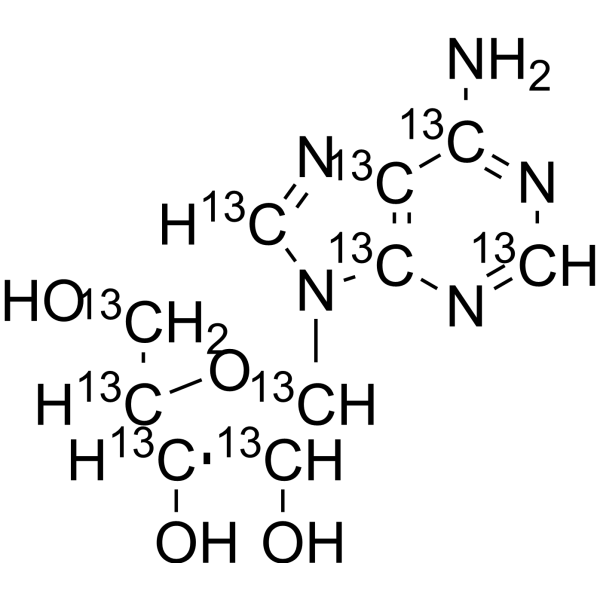
Adenosine- 13C10 (Adenine riboside- 13C10; D-Adenosine- 13C10) is 13C-labeled Adenosine (HY-B0228). Adenosine (Adenine riboside), a ubiquitous endogenous autacoid, acts through the enrollment of four G protein-coupled receptors: A1, A2A, A2B, and A3. Adenosine affects almost all aspects of cellular physiology, including neuronal activity, vascular function, platelet aggregation, and blood cell regulation.
|
-
-
- HY-B0228S9
-
|
|
|
Adenosine- 13C10, 15N5 is the 13C and 15N labeled Adenosine (HY-B0228) . Adenosine (Adenine riboside), a ubiquitous endogenous autacoid, acts through the enrollment of four G protein-coupled receptors: A1, A2A, A2B, and A3. Adenosine affects almost all aspects of cellular physiology, including neuronal activity, vascular function, platelet aggregation, and blood cell regulation .
|
-
-
- HY-B0228S6
-
|
|
|
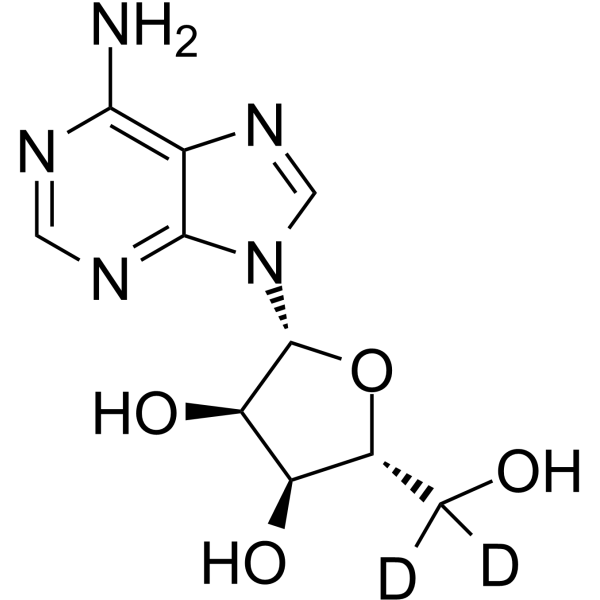
Adenosine-d2 is the deuterium labeled Adenosine. Adenosine (Adenine riboside), a ubiquitous endogenous autacoid, acts through the enrollment of four G protein-coupled receptors: A1, A2A, A2B, and A3. Adenosine affects almost all aspects of cellular physio
|
-
-
- HY-B0228S4
-
|
|
|
Adenosine-1′- 13C is the 13C labeled Adenosine. Adenosine (Adenine riboside), a ubiquitous endogenous autacoid, acts through the enrollment of four G protein-coupled receptors: A1, A2A, A2B, and A3. Adenosine affects almost all aspects of cellular physiolo
|
-
-
- HY-B0228S
-
|
|
|
Adenosine-d is the deuterium labeled Adenosine. Adenosine (Adenine riboside), a ubiquitous endogenous autacoid, acts through the enrollment of four G protein-coupled receptors: A1, A2A, A2B, and A3. Adenosine affects almost all aspects of cellular physiology, including neuronal activity, vascular function, platelet aggregation, and blood cell regulation .
|
-
-
- HY-B0228S5
-
|
|
|
Adenosine- 13C is the 13C labeled Adenosine. Adenosine (Adenine riboside), a ubiquitous endogenous autacoid, acts through the enrollment of four G protein-coupled receptors: A1, A2A, A2B, and A3. Adenosine affects almost all aspects of cellular physiology,
|
-
-
- HY-B0228S12
-
|
|
|
Adenosine-d13 (Adenine riboside-d13; D-Adenosine-d13) is deuterium labeled Adenosine (HY-B0228). Adenosine (Adenine riboside), a ubiquitous endogenous autacoid, acts through the enrollment of four G protein-coupled receptors: A1, A2A, A2B, and A3. Adenosine affects almost all aspects of cellular physiology, including neuronal activity, vascular function, platelet aggregation, and blood cell regulation.
|
-
-
- HY-B0710S
-
|
|
|
Betaine- 13C3 (Trimethylglycine- 13C3) is the 13C labeled isotope of Betaine (HY-B0710). Betaine (Trimethylglycine) is a natural compound found in many foods and also an active methyl-donor which can maintain normal DNA methylation patterns [1,2]. Betaine is found ubiquitously in plants, animals, microorganisms, and rich dietary sources including seafood, spinach, and wheat bran. Betaine also acts as an osmolyte, to maintain the avian’s cellular water and ion balance to improve the avian’s capacity against heat stress via preventing dehydration and osmotic inactivation. It helps in maintaining the protective osmolytic activity, especially in heat-stressed birds. Betaine may promote various intestinal microbes against osmotic variations and thus improve microbial fermentation activity .
|
-
-
- HY-B0228S8
-
|
|
|
Adenosine-d-2 is the deuterium labeled Adenosine. Adenosine (Adenine riboside), a ubiquitous endogenous autacoid, acts through the enrollment of four G protein-coupled receptors: A1, A2A, A2B, and A3. Adenosine affects almost all aspects of cellular phys
|
-
-
- HY-B0228S14
-
|
|
|
Adenosine-d9 is the deuterium labeled Adenosine. Adenosine (Adenine riboside), a ubiquitous endogenous autacoid, acts through the enrollment of four G protein-coupled receptors: A1, A2A, A2B, and A3. Adenosine affects almost all aspects of cellular physio .
|
-
-
- HY-B0228S2
-
|
|
|
Adenosine-2′- 13C is the 13C labeled Adenosine. Adenosine (Adenine riboside), a ubiquitous endogenous autacoid, acts through the enrollment of four G protein-coupled receptors: A1, A2A, A2B, and A3. Adenosine affects almost all aspects of cellular physiolo
|
-
-
- HY-N7106S1
-
|
|
|
Dimethyl phthalate-d6 is the deuterium labeled Dimethyl phthalate. Dimethyl phthalate, a known endocrine disruptor and one of the phthalate esters (PAEs), is a ubiquitous pollutant. Dimethyl phthalate is commonly used as a plasticizer to impart flexibility to rigid polyvinylchloride (PVC) resins .
|
-
-
- HY-N7106S
-
|
|
|
Dimethyl phthalate (Ring-d4) is the deuterium labeled Dimethyl phthalate. Dimethyl phthalate, a known endocrine disruptor and one of the phthalate esters (PAEs), is a ubiquitous pollutant. Dimethyl phthalate is commonly used as a plasticizer to impart flexibility to rigid polyvinylchloride (PVC) resins .
|
-
-
- HY-B0228S7
-
|
|
|
Adenosine-d-1 is the deuterium labeled Adenosine. Adenosine (Adenine riboside), a ubiquitous endogenous autacoid, acts through the enrollment of four G protein-coupled receptors: A1, A2A, A2B, and A3. Adenosine affects almost all aspects of cellular phys
|
-
-
- HY-B0228S3
-
|
|
|
Adenosine-3′- 13C is the 13C labeled Adenosine. Adenosine (Adenine riboside), a ubiquitous endogenous autacoid, acts through the enrollment of four G protein-coupled receptors: A1, A2A, A2B, and A3. Adenosine affects almost all aspects of cellular physiolo
|
-
-
- HY-W779021
-
|
|
|
Adenosine- 15N (Adenine riboside- 15N) is 15N labeled Adenosine. Adenosine (Adenine riboside), a ubiquitous endogenous autacoid, acts through the enrollment of four G protein-coupled receptors: A1, A2A, A2B, and A3. Adenosine affects almost all aspects of cellular physiology, including neuronal activity, vascular function, platelet aggregation, and blood cell regulation .
|
-
| Cat. No. |
Product Name |
|
Classification |
-
- HY-18398
-
|
N6-(N-Threonylcarbonyl)adenosine
|
|
Nucleoside Analogs
Adenosine
|
|
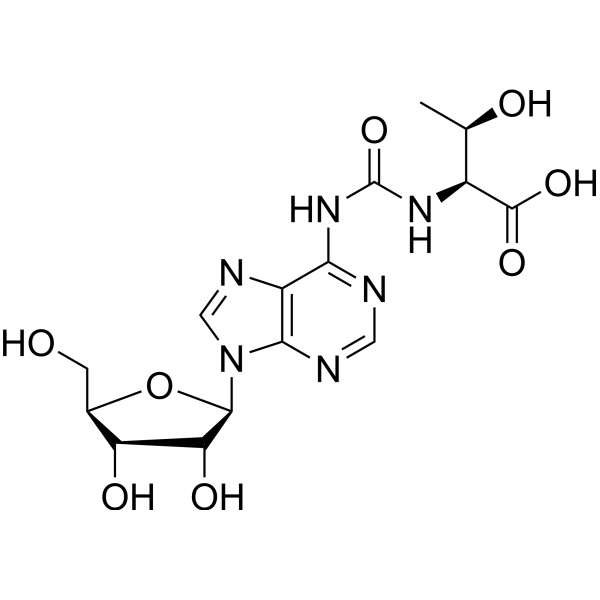
N6-Threonylcarbamoyladenosine (N6-(N-Threonylcarbonyl) adenosine) is a ubiquitous nucleoside that modifies tRNA .
|
-
- HY-145726
-
|
|
|
Antisense Oligonucleotides
|
|
ISIS 104838 is an antisense oligonucleotide targeting TNF-α. ISIS 104838 specifically binds to human TNF-α mRNA via Watson-Crick base pairing to form a DNA:RNA hybrid duplex, thereby recruiting the ubiquitously expressed intracellular enzyme RNase H to degrade the target mRNA and inhibit TNF-α protein synthesis at the transcriptional level. ISIS 104838 induces moderate, self-limiting thrombocytopenia in cynomolgus monkeys. ISIS 104838 can be used for the study of inflammatory diseases .
|
-
- HY-145726A
-
|
|
|
Antisense Oligonucleotides
|
|
ISIS 104838 sodium is an antisense oligonucleotide targeting TNF-α. ISIS 104838 sodium specifically binds to human TNF-α mRNA via Watson-Crick base pairing to form a DNA:RNA hybrid duplex, thereby recruiting the ubiquitously expressed intracellular enzyme RNase H to degrade the target mRNA and inhibit TNF-α protein synthesis at the transcriptional level. ISIS 104838 sodium induces moderate, self-limiting thrombocytopenia in cynomolgus monkeys. ISIS 104838 sodium can be used for the study of inflammatory diseases .
|
-
- HY-174632
-
|
|
|
mRNA
Interleukin & Receptors
|
|
Human IL17RA mRNA encodes the human interleukin 17 receptor subunit alpha (IL17RA) protein, a ubiquitous type I membrane glycoprotein that binds with low affinity to interleukin 17A. Interleukin 17A and its receptor play a pathogenic role in many inflammatory and autoimmune diseases such as rheumatoid arthritis.
|
Your information is safe with us. * Required Fields.
Inquiry Information
- Product Name:
- Cat. No.:
- Quantity:
- MCE Japan Authorized Agent:

