1. Search Result
Search Result
Results for "

urinary tissue

" in MedChemExpress (MCE) Product Catalog:

18

Inhibitors & Agonists

2

Peptides

1

Natural
Products

2

Isotope-Labeled Compounds

1

Oligonucleotides

Cat. No. Product Name Target Research Areas Chemical Structure
  • HY-116771A
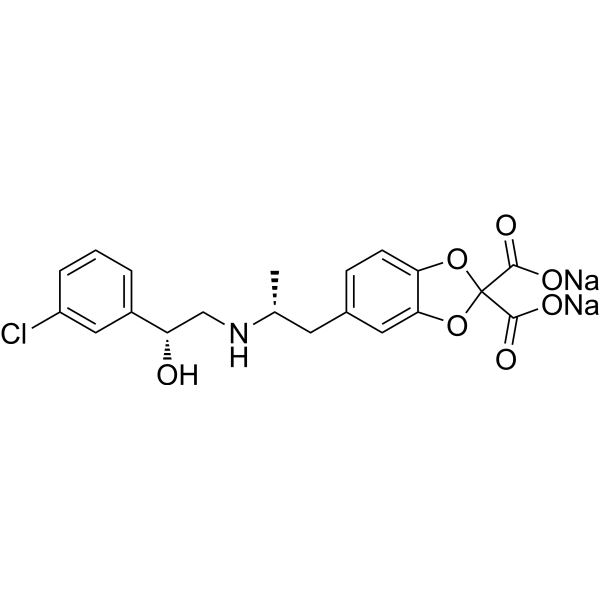
    CL 316243
    20+ Cited Publications

    Adrenergic Receptor Metabolic Disease
    CL316243 is a highly potent selective β3-adrenoceptor agonist with a EC50 of 3 nM, but is an extremely poor to β1/2- receptors .CL316243 is a effective stimulant of adipocyte lipolysis and increases brown adipose tissue thermogenesis and metabolic rate . CL316243 has the potential for the treatment obesity, diabetes and urge urinary incontinence .
    CL 316243
  • HY-B1257

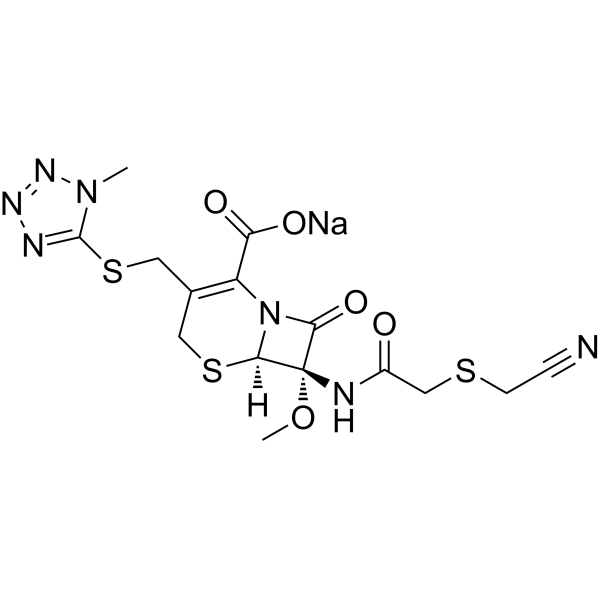
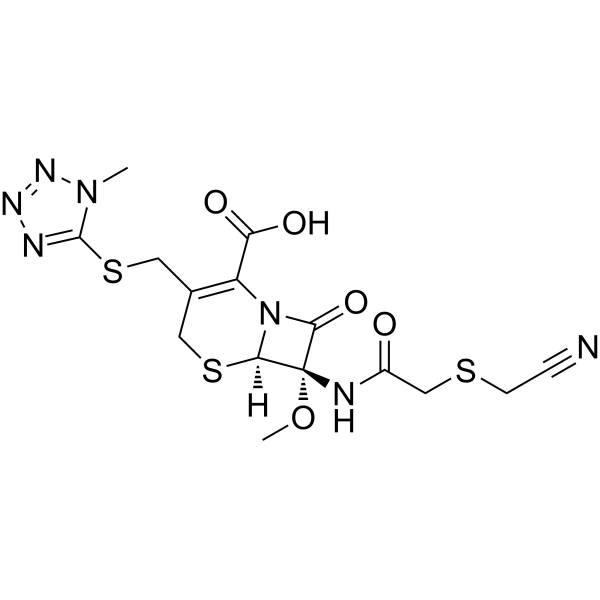
    Sodium cefmetazole

    Bacterial Antibiotic Infection Cancer
    Cefmetazole sodium (Sodium cefmetazole) is a semisynthetic cephamycin antibiotic with broad-spectrum antibacterial activity, covering gram-positive, gram-negative, and anaerobic bacteria. Cefmetazole sodium binds to penicillin binding proteins (PBPs), resulting in interfering bacterial cell wall biosynthesis. Cefmetazole sodium is used for the research of gynecologic, intraabdominal, urinary tract, respiratory tract and skin and soft tissue infections .
    Cefmetazole sodium
  • HY-135115

    3,4-DHPEA-EA

    α-synuclein HDAC Adrenergic Receptor Inflammation/Immunology
    Oleuropein Aglycone (3,4-DHPEA-EA) is a polyphenol and the aglycone form of oleuropein (HY-N0292), formed by enzymatic, acidic or acetylated hydrolysis of oleuropein. Dietary intake of oleuropein Aglycone (50 mg/kg diet) increases the number of neuronal autophagic vesicles, reverses cognitive deficits in the TgCRND8 transgenic mouse model of Alzheimer's disease, and reduces the levels of histone deacetylase 2 (HDAC2) in the cortex and hippocampus. Oleuropein Aglycone increases urinary norepinephrine, interscapular brown adipose tissue epinephrine, and UCP1 protein levels, and reduced plasma leptin levels and total abdominal adipose tissue weight in a rat model of high-fat diet-induced obesity. Oleuropein Aglycone also reduced lung neutrophil infiltration, lipid peroxidation, and IL-1β levels in a mouse model of carrageenan-induced pleurisy.
    Oleuropein Aglycone
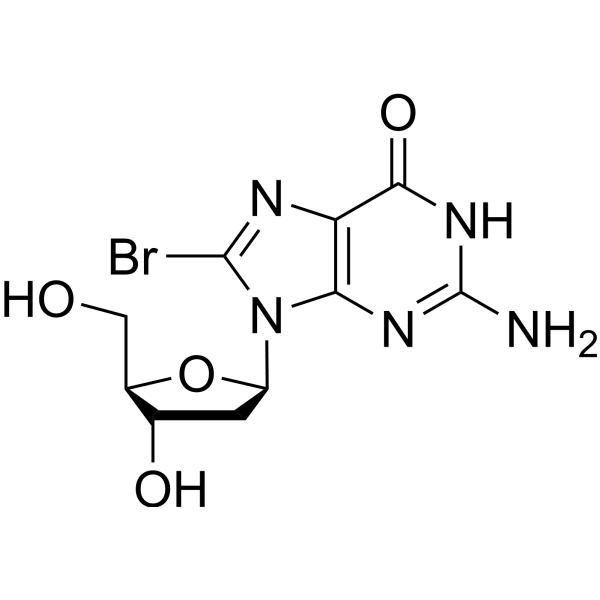
  • HY-W011168

    Nucleoside Antimetabolite/Analog DNA/RNA Synthesis Inflammation/Immunology Cancer
    8-Bromo-2'-deoxyguanosine is an inflammation-related DNA halogenated adduct and an early biomarker of inflammation-induced oxidative tissue damage. The formation of 8-Bromo-2'-deoxyguanosine precedes that of oxidative and nitrative products, and it can be generated via the MPO-H2O2-Cl --Br - system. 8-Bromo-2'-deoxyguanosine serves as the immunogen for preparing the monoclonal antibody mAb8B3, which can be used to detect early DNA modifications in preclinical models; its urinary level also increases significantly in inflammatory disease models. 8-Bromo-2'-deoxyguanosine can also be produced in the dermis of UV-B irradiated mice, and the extract of Coprinus comatus significantly reduces its level. 8-Bromo-2'-deoxyguanosine finds applications in studies related to inflammatory diseases, diabetes, hepatocellular carcinoma, and UV-B induced skin inflammation .
    8-Bromo-2'-deoxyguanosine
  • HY-B1595

    CS 1170

    Antibiotic Bacterial Infection Cancer
    Cefmetazole (CS 1170) is a semisynthetic cephamycin antibiotic with broad-spectrum antibacterial activity, covering gram-positive, gram-negative and anaerobic bacteria. Cefmetazole binds to penicillin binding proteins (PBPs), resulting in interfering bacterial cell wall biosynthesis. Cefmetazole is used for the research of gynecologic, intraabdominal, urinary tract, respiratory tract and skin and soft tissue infections .
    Cefmetazole
  • HY-116771
    CL 316243 free acid
    20+ Cited Publications

    Adrenergic Receptor Metabolic Disease
    CL316243 free acid is a highly potent selective β3-adrenoceptor agonist with a EC50 of 3 nM, but is an extremely poor to β1/2- receptors. CL316243 free acid is a effective stimulant of adipocyte lipolysis and increases brown adipose tissue thermogenesis and metabolic rate. CL316243 free acid has the potential for the treatment obesity, diabetes and urge urinary incontinence .
    CL 316243 free acid
  • HY-14825A

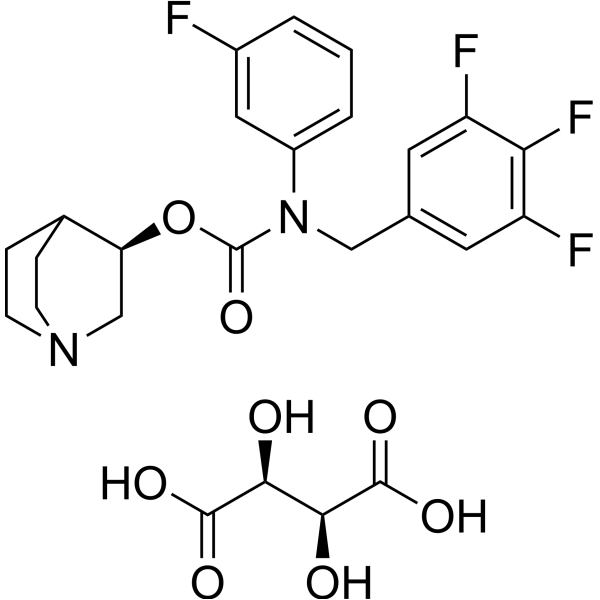
    SVT-40776 D-tartrate

    mAChR Inflammation/Immunology
    Tarafenacin (SVT-40776) D-tartrate is an orally active, selective M3 muscarinic receptor (M3 muscarinic receptor) antagonist with 203-fold selectivity over the M2 muscarinic receptor. Tarafenacin D-tartrate does not affect atrial contraction, arterial blood pressure or arterial pressure at high doses. Tarafenacin D-tartrate can be used in the research of overactive bladder .
    Tarafenacin D-tartrate
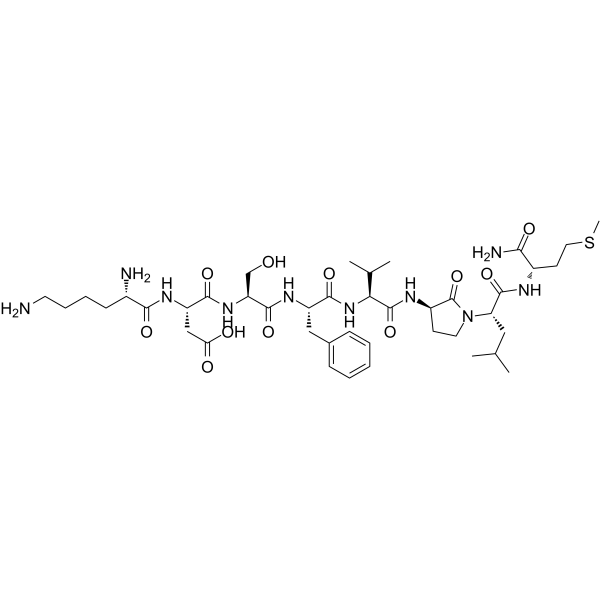
  • HY-P11162

    FGFR Akt ERK mTOR Apoptosis Inflammation/Immunology
    FGF7p is a small molecule peptide and a potential bladder protector. FGF7p can activate downstream signaling pathways of FGFR2 in the urinary tract epithelium (pFRS2α, pAKT and pERK). FGF7p alleviates cyclophosphamide induced apoptosis and tissue damage in urinary tract epithelial cells by activating AKT and its downstream anti apoptotic targets (pBAD, pS6/mTORC1). FGF7p is commonly used in the study of inflammatory conditions .
    FGF7p
  • HY-N15364

    Endogenous Metabolite Metabolic Disease
    Imidazoleacetic acid riboside is a metabolite of histamine, belonging to the riboside conjugates of imidazoleacetic acid. Imidazoleacetic acid riboside is generated by dephosphorylation of imidazoleacetic acid ribonucleotide in rats. Imidazoleacetic acid riboside can be detected in the kidney and brain tissue after administration of labeled histamine or histidine, and exists as a urinary metabolite of histamine in both rats and humans. Imidazoleacetic acid riboside is not only excreted in urine, but also can be used to capture and isolate ribose for studying the metabolic pathways of ribose synthesis from glucose or glucuronolactone via the pentose phosphate pathway or the C-6 oxidation pathway in vivo .
    Imidazoleacetic acid riboside
  • HY-B1149

    Drug Derivative Bacterial Antibiotic Infection
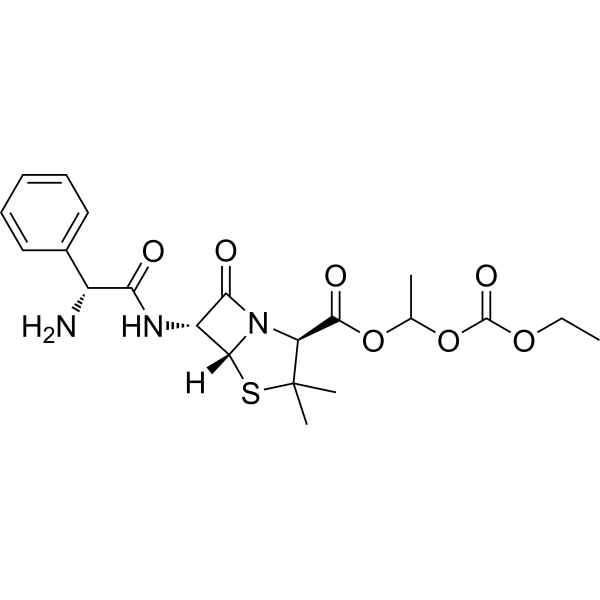
    Bacampicillin is an orally active semi-synthetic aminopenicillin derivative, prodrug and bactericide that is readily inactivated by β-lactamases. Bacampicillin is hydrolyzed by carboxylester hydrolases and non-specific esterases in the gastrointestinal wall and plasma to form Ampicillin (HY-B0522), and produces higher levels of Ampicillin in rodents in vivo. Bacampicillin exhibits bactericidal activity against Gram-positive and Gram-negative bacteria. Bacampicillin can be used in studies related to bacterial infections .
    Bacampicillin
  • HY-116379

    Adrenergic Receptor Metabolic Disease
    RS-100329 is an α1-adrenergic receptor (α1-AR) antagonist that effectively inhibits α1-adrenergic receptor-mediated contractions of lower urinary tract tissues in vitro and in vivo. RS-100329 can be used in the research of symptoms related to benign prostatic hyperplasia .
    RS-100329
  • HY-B0337S

    Sulphadimethoxine-d4

    Bacterial Infection
    Sulfadimethoxine-d4 is a deuterium labeled Sulfadimethoxine (Sulphadimethoxine). Sulfadimethoxine is a sulfonamide antibiotic used to treat many infections including treatment of respiratory, urinary tract, enteric, and soft tissue infections .
    Sulfadimethoxine-d4
  • HY-B1257R

    Sodium cefmetazole (Standard)

    Reference Standards Bacterial Antibiotic Infection Cancer
    Cefmetazole (sodium) (Standard) is the analytical standard of Cefmetazole (sodium). This product is intended for research and analytical applications. Cefmetazole sodium (Sodium cefmetazole) is a semisynthetic cephamycin antibiotic with broad-spectrum antibacterial activity, covering gram-positive, gram-negative, and anaerobic bacteria. Cefmetazole sodium binds to penicillin binding proteins (PBPs), resulting in interfering bacterial cell wall biosynthesis. Cefmetazole sodium is used for the research of gynecologic, intraabdominal, urinary tract, respiratory tract and skin and soft tissue infections .
    Cefmetazole sodium (Standard)
  • HY-14825

    SVT-40776

    mAChR Inflammation/Immunology
    Tarafenacin (SVT-40776) is an orally active, selective M3 muscarinic receptor (M3 muscarinic receptor) antagonist with 203-fold selectivity over the M2 muscarinic receptor. Tarafenacin does not affect atrial contraction, arterial blood pressure or arterial pressure at high doses. Tarafenacin can be used in the research of overactive bladder .
    Tarafenacin
  • HY-W767399

    Isotope-Labeled Compounds DNA/RNA Synthesis Nucleoside Antimetabolite/Analog Cancer
    8-Bromo-2'-deoxyguanosine- 13C, 15N2 is the 13C- and 15N-labeled 8-Bromo-2'-deoxyguanosine (HY-W011168). 8-Bromo-2'-deoxyguanosine is an inflammation-related DNA halogenated adduct and an early biomarker of inflammation-induced oxidative tissue damage. The formation of 8-Bromo-2'-deoxyguanosine precedes that of oxidative and nitrative products, and it can be generated via the MPO-H2O2-Cl --Br - system. 8-Bromo-2'-deoxyguanosine serves as the immunogen for preparing the monoclonal antibody mAb8B3, which can be used to detect early DNA modifications in preclinical models; its urinary level also increases significantly in inflammatory disease models. 8-Bromo-2'-deoxyguanosine can also be produced in the dermis of UV-B irradiated mice, and the extract of Coprinus comatus significantly reduces its level. 8-Bromo-2'-deoxyguanosine finds applications in studies related to inflammatory diseases, diabetes, hepatocellular carcinoma, and UV-B induced skin inflammation .
    8-Bromo-2'-deoxyguanosine-13C,15N2
  • HY-19279A

    Adrenergic Receptor Endocrinology
    JTH-601 Free base is a novel alpha1-adrenoceptor antagonist that exhibits potent activity in inhibiting phenylephrine-induced contractions in lower urinary tract tissues. JTH-601 Free base competitively antagonizes alpha1-adrenoceptor-mediated contractile responses, demonstrating greater potency than prazosin or tamsulosin. JTH-601 Free base is anticipated to be effective in treating urinary outlet obstruction associated with benign prostatic hyperplasia.
    JTH-601 free base
  • HY-119058

    CP-744809

    Aldose Reductase Metabolic Disease
    ARI-809 (CP-744809) is a highly selective, orally active aldose reductase inhibitor with an IC50 of 1 nM. ARI-809 blocks excessive glucose flux through the polyol pathway. ARI-809 normalizes elevated sorbitol and fructose levels in sciatic nerve tissues of diabetic rat models, inhibits sorbitol accumulation in lens tissues, and brings elevated urinary albumin excretion close to normal. ARI-809 can be used in diabetes research .
    ARI-809
  • HY-P1278B

    Neurokinin Receptor Neurological Disease Endocrinology
    GR 64349 acetate is a selective neurokinin 2 (NK2) receptor agonist. GR 64349 acetate selectively activates the NK-2 receptor subtype. GR 64349 acetate activates tonic and rhythmic bladder contractions of the micturition reflex. GR 64349 acetate does not inhibit rhythmic bladder contraction activation induced by normal saline. GR 64349 acetate induces inward currents .
    GR 64349 acetate

Inquiry Online

Your information is safe with us. * Required Fields.

Salutation


Country or Region *

Applicant Name *


Organization Name *

Department *


Email Address *


Product Name *

Cat. No.


Requested quantity *

Phone Number *


Remarks

Inquiry Online

Inquiry Information

Product Name:
Cat. No.:
Quantity:
MCE Japan Authorized Agent:

