

1. Search Result
Search Result
Results for "

urticaria

" in MedChemExpress (MCE) Product Catalog:

68

Inhibitors & Agonists

4

Inhibitory Antibodies

10

Natural
Products

13

Isotope-Labeled Compounds

Cat. No. Product Name Target Research Areas Chemical Structure
  • HY-128757
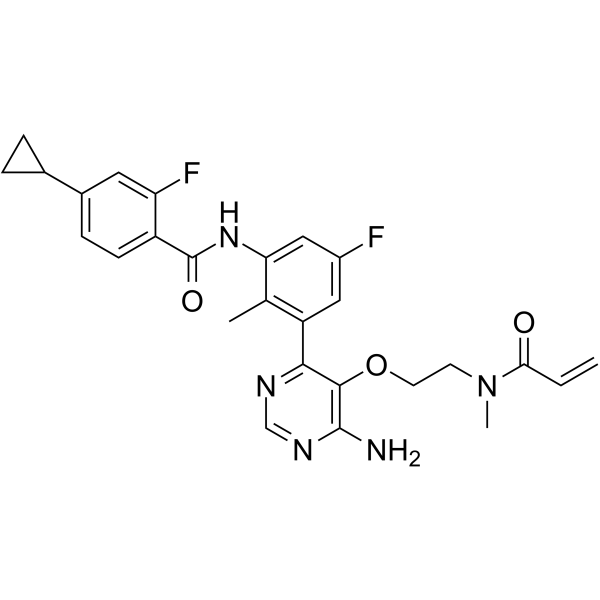
    Remibrutinib
    5 Publications Verification

    LOU064

    Btk Inflammation/Immunology Cancer
    Remibrutinib, is a potent and orally active bruton tyrosine kinase (BTK) inhibitor with an IC50 value of 1 nM. Remibrutinib inhibits BTK activity with an IC50 value of 0.023 μM in blood . Remibrutinib has the potential for Chronic urticaria (CU) treatment .
    Remibrutinib
  • HY-B0539
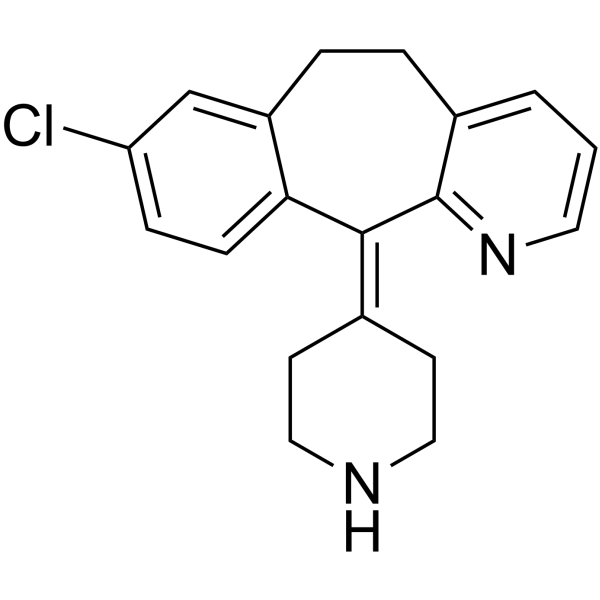
    Desloratadine
    10+ Cited Publications

    Sch34117

    Histamine Receptor TNF Receptor Leukotriene Receptor Inflammation/Immunology
    Desloratadine (Sch34117) is an orally active and selective H1 receptor antagonist (Ki=0.9 nM) with anti-inflammatory and anti-allergic activities. Desloratadine inhibits the release of histamine and LTC4 from human basophils and targets the regulatory signals of IL-4 and IL-13 production in basophils. Desloratadine significantly alleviates SAR symptoms in patients with concurrent asthma and can be used in the study of seasonal allergic rhinitis and chronic idiopathic urticaria .
    Desloratadine
  • HY-B0674
    Ebastine
    1 Publications Verification

    LAS-W 090; RP64305

    Histamine Receptor Inflammation/Immunology Endocrinology
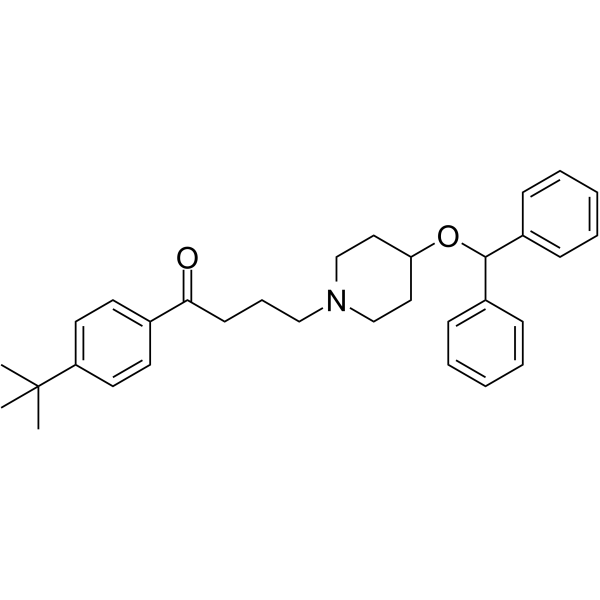
    Ebastine (LAS-W 090) is an orally active, second-generation histamine H1 receptor antagonist. Ebastine can be used for the symptoms of allergic rhinitis and chronic idiopathic urticaria research .
    Ebastine
  • HY-14447

    Histamine Receptor Inflammation/Immunology Endocrinology
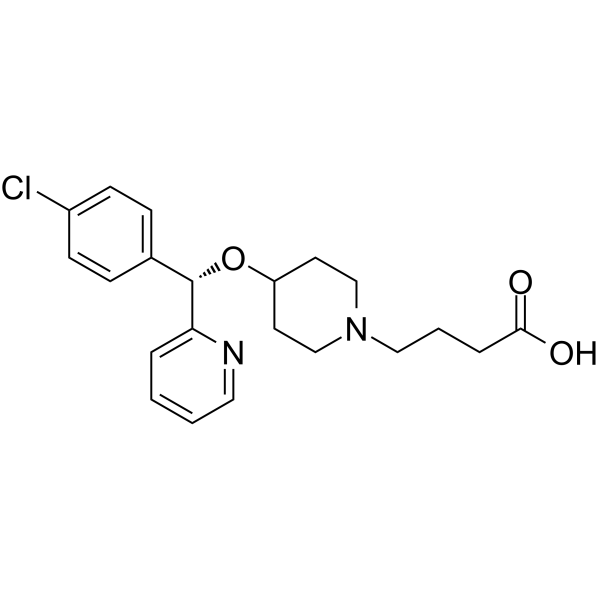
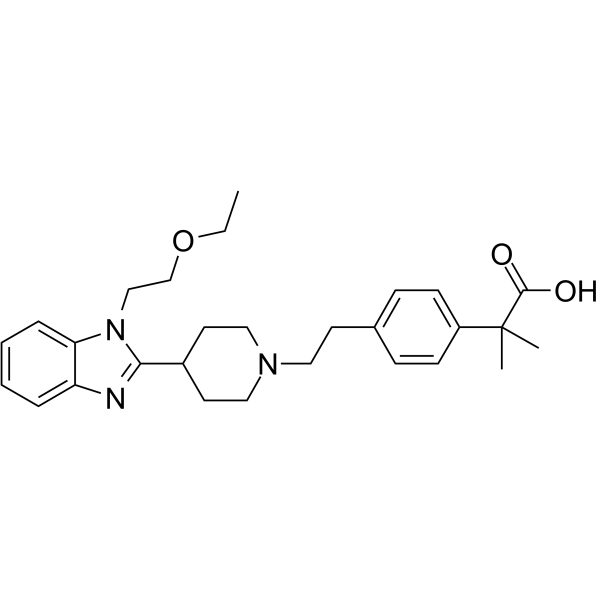
    Bilastine is an oral histamine H1-receptor antagonist. Bilastine can be used for allergic rhinitis and urticaria studies, and it also improves diabetic nephropathy in mice, showing safety for the central nervous system .
    Bilastine
  • HY-13511A
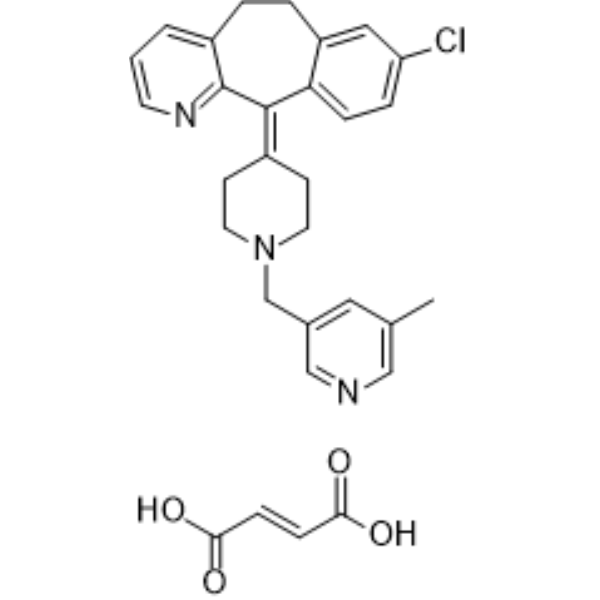
    Rupatadine Fumarate
    2 Publications Verification

    UR-12592 Fumarate

    Histamine Receptor Autophagy Inflammation/Immunology
    Rupatadine (UR-12592) Fumarate is a potent, orally active and long-lasting dual PAF/H1 antagonist, with Kis of 0.55 μM and 0.1 μM, respectively. Rupatadine Fumarate can be used for the research of allergic rhinitis and urticaria .
    Rupatadine Fumarate
  • HY-P99462

    c-Kit Inflammation/Immunology
    Barzolvolimab is a humanized anti-KIT IgG1 monoclonal antibody. Barzolvolimab specificity and potently inhibits KIT activation by SCF. Barzolvolimab can reduce skin mast cells and disease activity in chronic inducible urticaria .
    Barzolvolimab
  • HY-W010841
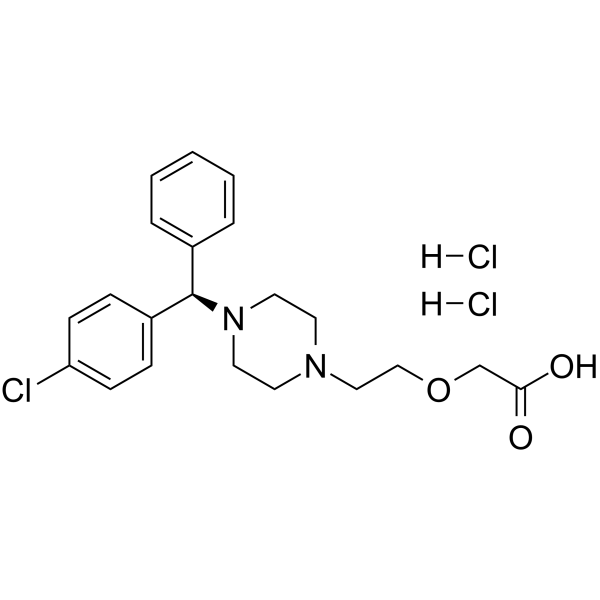
    Levocetirizine dihydrochloride
    2 Publications Verification

    (R)-Cetirizine dihydrochloride

    Histamine Receptor Inflammation/Immunology Endocrinology Cancer
    Levocetirizine dihydrochloride ((R)-Cetirizine dihydrochloride) is a third-generation peripheral H1-receptor antagonist. Levocetirizine dihydrochloride is an antihistaminic agent which is the R-enantiomer of Cetirizine. Levocetirizine dihydrochloride has a higher affinity for the histamine H1-receptor than (S)-Cetirizine and can effectively treat allergic rhinitis and chronic idiopathic urticaria .
    Levocetirizine dihydrochloride
  • HY-13511
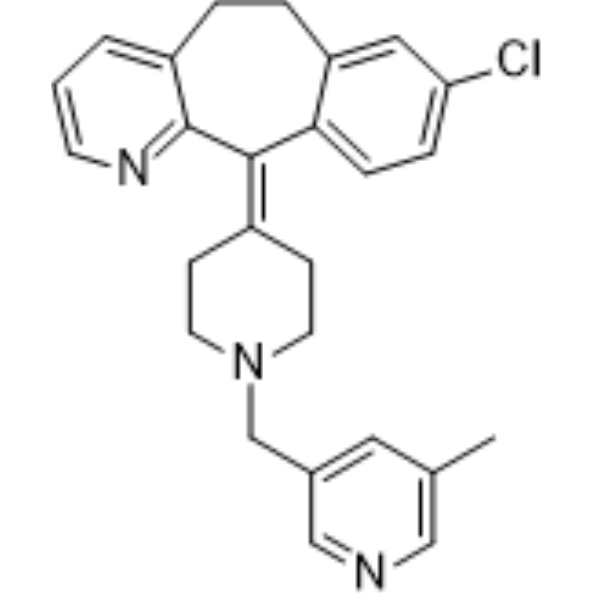
    Rupatadine
    2 Publications Verification

    UR-12592

    Histamine Receptor Autophagy Inflammation/Immunology
    Rupatadine (UR-12592) is a potent, orally active and long-lasting dual PAF/H1 antagonist, with Kis of 0.55 μM and 0.1 μM, respectively. Rupatadine can be used for the research of allergic rhinitis and urticaria .
    Rupatadine
  • HY-B0944
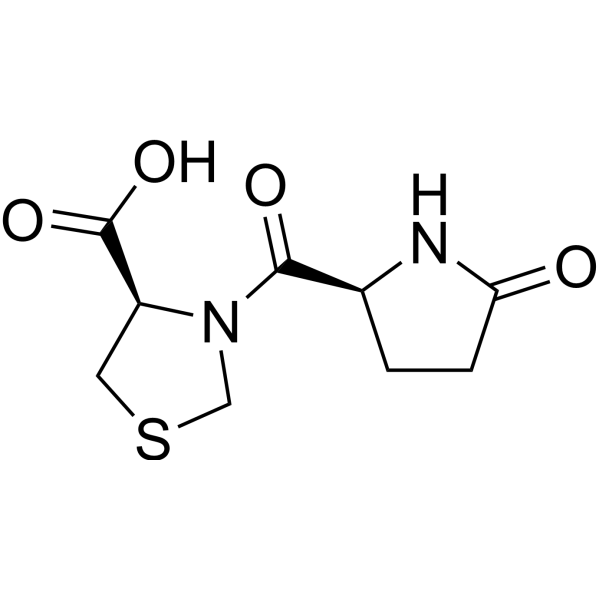
    Pidotimod
    2 Publications Verification

    Bacterial Inflammation/Immunology
    Pidotimod is an orally active dipeptide immunostimulant with immunomodulatory properties on the adaptive and the innate immune responses. Pidotimod increases macrophage activity and humoral immune functions. Pidotimod can be used for the research of chronic bronchitis, chronic obstructive pulmonary disease (COPD), bronchiectasis, and chronic idiopathic urticaria,et al .
    Pidotimod
  • HY-B0814
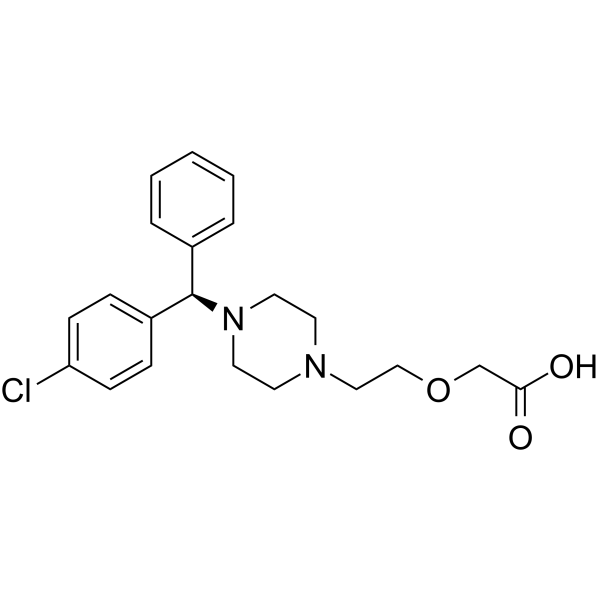
    Levocetirizine
    2 Publications Verification

    (R)-Cetirizine

    Histamine Receptor Inflammation/Immunology Endocrinology Cancer
    Levocetirizine ((R)-Cetirizine) is a third-generation peripheral H1-receptor antagonist. Levocetirizine is an antihistaminic agent which is the R-enantiomer of Cetirizine. Levocetirizine has a higher affinity for the histamine H1-receptor than (S)-Cetirizine and can effectively treat allergic rhinitis and chronic idiopathic urticaria .
    Levocetirizine
  • HY-P99300
    Ligelizumab
    1 Publications Verification

    QGE 031; Anti-IGHE Recombinant Antibody

    Fc Receptor (FcR) Inflammation/Immunology
    Ligelizumab (QGE 031) is a humanized high-affinity anti-immunoglobulin IgE monoclonal antibody. Ligelizumab selectively inhibits the binding of IgE to the high-affinity receptor FcεRI, while the inhibitory effect on the low-affinity receptor CD23 is weak. Ligelizumab can inhibit the activation of effector cells such as mast cells and Basophil, while reducing the production of IgE by B cells, and restoring the IFN-α production and regulatory T cell (Treg) induction function of plasmacytoid dendritic cells (pDC). Ligelizumab can be used in the study of allergic diseases (such as chronic spontaneous urticaria, allergic asthma) .
    Ligelizumab
  • HY-A0015
    Bepotastine besilate
    1 Publications Verification

    Histamine Receptor Inflammation/Immunology Endocrinology
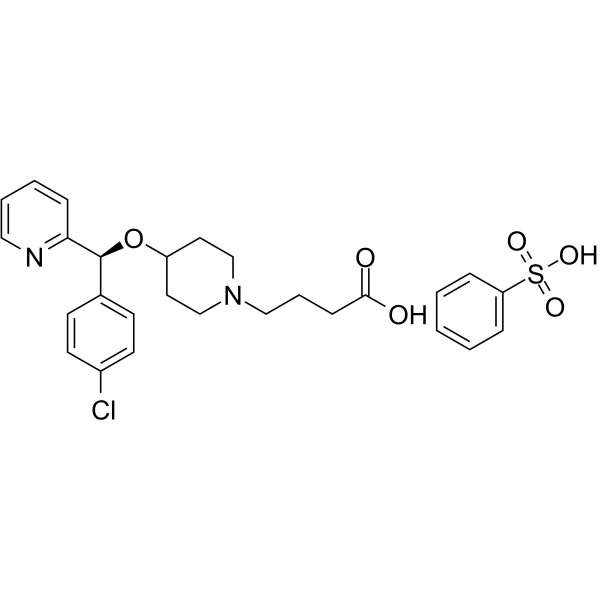
    Bepotastine besilate is a selective and orally active second-generation histamine H1 receptor antagonist, can suppress the expression of nerve growth factor (NGF). Bepotastine besilate has the potential for allergic rhinitis, allergic conjunctivitis and urticaria/pruritus research .
    Bepotastine besilate
  • HY-P991636

    Transmembrane Glycoprotein Inflammation/Immunology
    AK006 is a humanized IgG1 monoclonal antibody agonist targeting Sialic acid-binding immunoglobulin-like lectin6 (Siglec-6). AK006 potently inhibits IgE-mediated human mast cell activation. AK006 can be used for inflammatory diseases like chronic urticaria (CU) and asthma research .
    AK006
  • HY-B1589A
    Carbinoxamine maleate salt
    1 Publications Verification

    Histamine Receptor Influenza Virus Infection Inflammation/Immunology
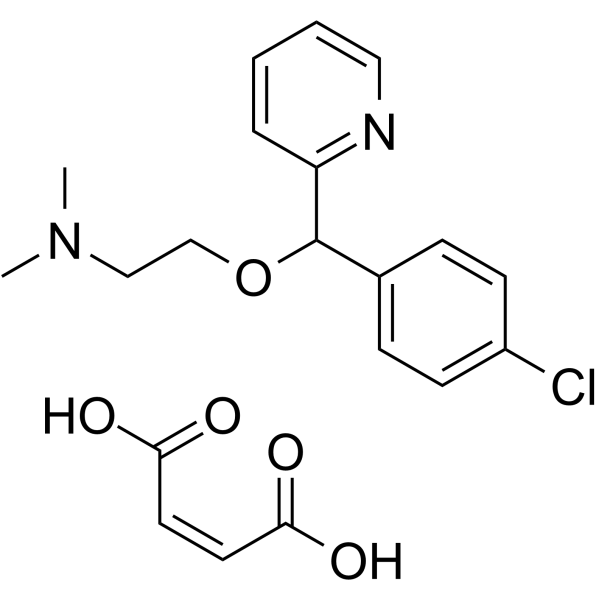
    Carbinoxamine maleate salt is a blood-brain barrier-permeable histamine H1 receptor antagonist. Carbinoxamine maleate salt blocks the action of histamine on H1 receptors, reducing symptoms such as sneezing, rhinitis, rhinorrhea, erythema, pruritus and urticaria. Carbinoxamine maleate salt inhibits influenza virus entry into cells via endocytosis, targets the early stage of the viral life cycle, and simultaneously reduces viral replication levels in the lungs, alleviating pathological damage and inflammatory responses in lung tissues. Carbinoxamine maleate salt can be used in research on allergic rhinitis, influenza, etc.
    Carbinoxamine maleate salt
  • HY-13568

    LRCL 3794

    Cytochrome P450 COX Lipoxygenase PGE synthase Inflammation/Immunology
    Benoxaprofen (LRCL 3794) is a nonsteroidal anti-inflammatory agent that blocks the biosynthesis of inflammatory mediators such as leukotrienes and prostaglandins by inhibiting 5-LOX, PGH2 synthase and cytochrome P-450. Benoxaprofen exhibits significant toxicity: it not only alters cellular redox status, uncouples oxidative phosphorylation and disrupts calcium ion homeostasis, but also causes liver injury through the formation of covalent adducts between its active metabolites and hepatic proteins. Benoxaprofen shows strong phototoxicity under ultraviolet irradiation, and induces erythrocyte lysis, mast cell degranulation and histamine release. Benoxaprofen is widely used in studies of urticaria and related phototoxic mechanisms .
    Benoxaprofen
  • HY-W010056
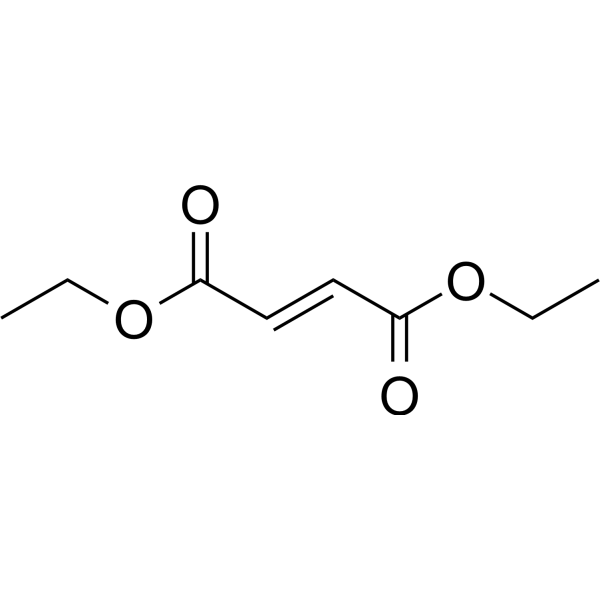
    Diethyl fumarate
    1 Publications Verification

    NOD-like Receptor (NLR) Neurological Disease Inflammation/Immunology
    Diethyl fumarate is a decomposition product of Malathion 9 (a pesticide) and reactant in the Diels-Alder reaction. Diethyl fumarate is a reputed skin irritant. Diethyl fumarate can causes non-immunologic contact urticaria on skin. Diethyl fumarate and Curcumin (HY-N0005) hybridize to exert neuroprotective effects .
    Diethyl fumarate
  • HY-B0426A

    ALO4943A; KW4679

    Histamine Receptor CXCR Infection Neurological Disease Metabolic Disease Inflammation/Immunology
    Olopatadine hydrochloride (ALO4943A; KW4679) is an orally active histamine H1 receptor antagonist and mast cell stabilizer. Olopatadine hydrochloride exerts antiallergic effects by blocking histamine H1 receptor-mediated activities. Olopatadine hydrochloride inhibits exocytosis, chemokine release, F-actin polymerization, CXCL10-induced calcium influx, and T cell chemotactic activity. Olopatadine hydrochloride also reduces the expression levels of CXCR3 on the surface of CD4 + and CD8 + T cells. Olopatadine hydrochloride inhibits scratching behavior, improves dermatitis scores, and suppresses intraepidermal neurite outgrowth. Olopatadine hydrochloride simultaneously decreases the levels of inflammatory markers, growth factors, histamine, and specific IgE, while increasing the expression of ErbB3A/HER3A. Olopatadine hydrochloride can be used in research related to seasonal pollinosis, chronic rhinitis, urticaria, allergic conjunctivitis, alopecia areata, and atopic dermatitis .
    Olopatadine hydrochloride
  • HY-I0021
    Bepotastine
    1 Publications Verification

    Histamine Receptor Inflammation/Immunology Endocrinology
    Bepotastine is a selective and orally active second-generation histamine H1 receptor antagonist, can suppress the expression of nerve growth factor (NGF). Bepotastine has the potential for allergic rhinitis, allergic conjunctivitis and urticaria/pruritus research .
    Bepotastine
  • HY-17428

    Histamine Receptor Neurological Disease Inflammation/Immunology
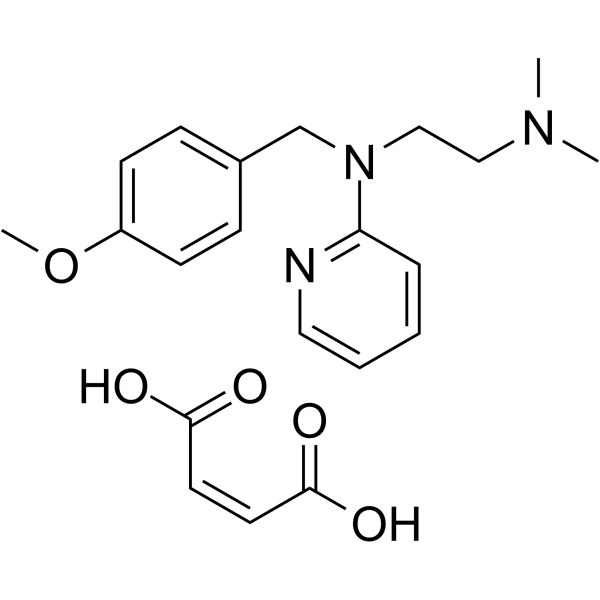
    Tripelennamine hydrochloride is a histamine H1-receptor antagonist. Tripelennamine hydrochloride effectively reverses histamine-induced bronchoconstriction, increased transpulmonary pressure, elevated pulmonary vascular resistance and reduced dynamic compliance. Tripelennamine hydrochloride does not significantly affect arterial hypoxemia, hemoglobin desaturation and hypercapnia in horses undergoing short-term high-intensity exercise. Tripelennamine hydrochloride exhibits local and central analgesic activity. Tripelennamine hydrochloride can be used in studies related to emphysema, urticaria and acute laminitis .
    Tripelennamine hydrochloride
  • HY-15950
    AZD1981
    2 Publications Verification

    Prostaglandin Receptor Inflammation/Immunology
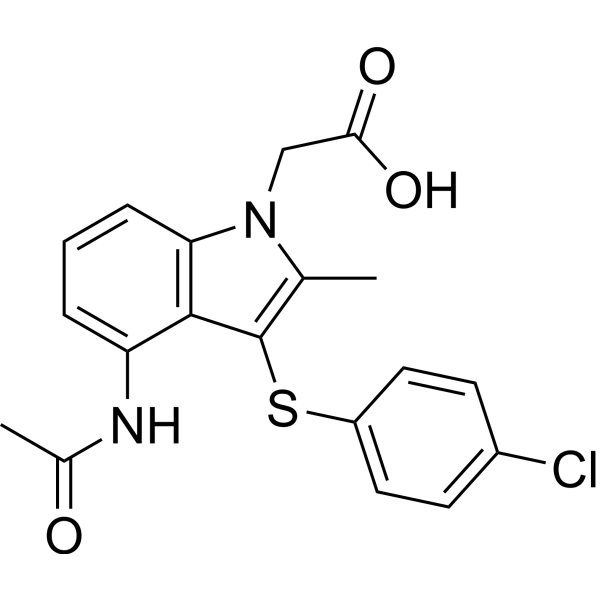
    AZD1981 is the antagonist for GPR44 (also known also PTGDR2, DP2 or CRTh). AZD1981 blocks the binding of PGD2 to CRTH2. AZD1981 exhibits immunomodulatory effects and can be used in research of chronic spontaneous urticaria .
    AZD1981
  • HY-B1607
    Chlorphenoxamine
    1 Publications Verification

    Histamine Receptor SARS-CoV Filovirus Parasite Infection Neurological Disease Inflammation/Immunology
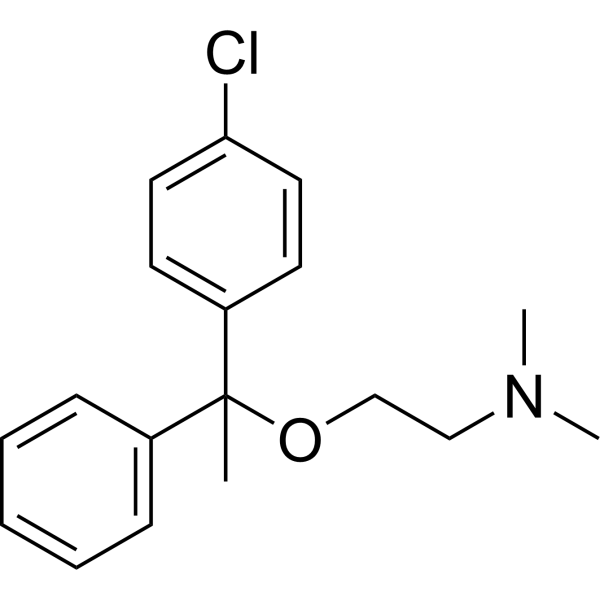
    Chlorphenoxamine, an antihistamine and anticholinergic agent is a GPCR antagonist. Chlorphenoxamine inhibits multiple lethal viral diseases, such as SARS-CoV, MERS-CoV, EBOV and malaria. Chlorphenoxamine shows anti-filovirus activity against both EBOV and Marburg virus (MARV) with IC50s of 1.1 μM and 6.2 μM, respectively. Chlorphenoxamine is used for allergic conditions, urticaria, viral diseases and Parkinson’s disease .
    Chlorphenoxamine
  • HY-176446

    Mas-related G-protein-coupled Receptor (MRGPR) Inflammation/Immunology
    Mrgx2 antagonist-3 (Compound B-40) is a highly selective antagonist of MrgX2 receptor with an IC50 value of 0.042-2.5 nM. Mrgx2 antagonist-3 blocks downstream G protein signaling and β-Arrestin recruitment, thereby inhibiting MrgX2 receptor-mediated calcium influx and cellular degranulation. Mrgx2 antagonist-3 is promising for research of inflammation-related diseases and pruritus, such as chronic urticaria, allergic asthma .
    Mrgx2 antagonist-3
  • HY-W062109

    Histamine Receptor CXCR Inflammation/Immunology
    Olopatadine (ALO4943A; KW4679) is an orally active histamine H1 receptor antagonist and mast cell stabilizer. Olopatadine exerts antiallergic effects by blocking histamine H1 receptor-mediated activities. Olopatadine inhibits exocytosis, chemokine release, F-actin polymerization, CXCL10-induced calcium influx, and T cell chemotactic activity. Olopatadine also reduces the expression levels of CXCR3 on the surface of CD4 + and CD8 + T cells. Olopatadine inhibits scratching behavior, improves dermatitis scores, and suppresses intraepidermal neurite outgrowth. Olopatadine simultaneously decreases the levels of inflammatory markers, growth factors, histamine, and specific IgE, while increasing the expression of ErbB3A/HER3A. Olopatadine can be used in research related to seasonal pollinosis, chronic rhinitis, urticaria, allergic conjunctivitis, alopecia areata, and atopic dermatitis .
    Olopatadine
  • HY-A0075
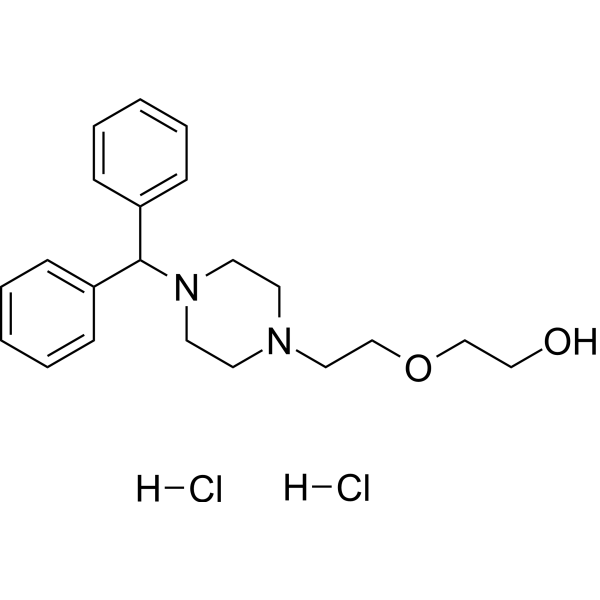
    Decloxizine dihydrochloride
    1 Publications Verification

    UCB 1402 dihydrochloride; NSC289116 dihydrochloride

    Histamine Receptor 5-HT Receptor Inflammation/Immunology
    Decloxizine (UCB-1402; NSC289116) dihydrochloride is an orally active bronchodilator that can penetrate the blood-brain barrier. Decloxizine dihydrochloride is a piperazine-type H1 histamine receptor antagonist. Decloxizine dihydrochloride selectively blocks H1 histamine receptors, inhibiting histamine-induced capillary dilation, edema, and itching. Decloxizine dihydrochloride has some 5-HT2 receptor antagonistic activity. Decloxizine dihydrochloride can be used in studies of urticaria, allergic rhinitis, and bronchial asthma .
    Decloxizine dihydrochloride
  • HY-13511AR

    UR-12592 Fumarate (Standard)

    Reference Standards Histamine Receptor Autophagy Inflammation/Immunology
    Rupatadine (Fumarate) (Standard) is the analytical standard of Rupatadine (Fumarate). This product is intended for research and analytical applications. Rupatadine (UR-12592) Fumarate is a potent, orally active and long-lasting dual PAF/H1 antagonist, with Kis of 0.55 μM and 0.1 μM, respectively. Rupatadine Fumarate can be used for the research of allergic rhinitis and urticaria .
    Rupatadine Fumarate (Standard)
  • HY-W010841R

    (R)-Cetirizine dihydrochloride (Standard)

    Reference Standards Histamine Receptor Inflammation/Immunology Endocrinology
    Levocetirizine (dihydrochloride) (Standard) is the analytical standard of Levocetirizine (dihydrochloride). This product is intended for research and analytical applications. Levocetirizine dihydrochloride ((R)-Cetirizine dihydrochloride) is a third-generation peripheral H1-receptor antagonist. Levocetirizine dihydrochloride is an antihistaminic agent which is the R-enantiomer of Cetirizine. Levocetirizine dihydrochloride has a higher affinity for the histamine H1-receptor than (S)-Cetirizine and can effectively treat allergic rhinitis and chronic idiopathic urticaria .
    Levocetirizine dihydrochloride (Standard)
  • HY-B0814R

    (R)-Cetirizine (Standard)

    Histamine Receptor Reference Standards Inflammation/Immunology Endocrinology Cancer
    Levocetirizine (Standard) is the analytical standard of Levocetirizine. This product is intended for research and analytical applications. Levocetirizine ((R)-Cetirizine) is a third-generation peripheral H1-receptor antagonist. Levocetirizine is an antihistaminic agent which is the R-enantiomer of Cetirizine. Levocetirizine has a higher affinity for the histamine H1-receptor than (S)-Cetirizine and can effectively treat allergic rhinitis and chronic idiopathic urticaria .
    Levocetirizine (Standard)
  • HY-B0814S1

    (R)-Cetirizine-d4

    Isotope-Labeled Compounds Inflammation/Immunology
    Levocetirizine-d4 ((R)-Cetirizine-d4) is the deuterium-labeled Levocetirizine (HY-B0814) . Levocetirizine ((R)-Cetirizine) is a third-generation peripheral H1-receptor antagonist. Levocetirizine is an antihistaminic agent which is the R-enantiomer of Cetirizine. Levocetirizine has a higher affinity for the histamine H1-receptor than (S)-Cetirizine and can effectively treat allergic rhinitis and chronic idiopathic urticaria .
    Levocetirizine-d4
  • HY-W062109S

    Isotope-Labeled Compounds Histamine Receptor CXCR Inflammation/Immunology
    Olopatadine-d6 is the deuterium labeled Olopatadine. Olopatadine hydrochloride (ALO4943A; KW4679) is an orally active histamine H1 receptor antagonist and mast cell stabilizer. Olopatadine hydrochloride exerts antiallergic effects by blocking histamine H1 receptor-mediated activities. Olopatadine hydrochloride inhibits exocytosis, chemokine release, F-actin polymerization, CXCL10-induced calcium influx, and T cell chemotactic activity. Olopatadine hydrochloride also reduces the expression levels of CXCR3 on the surface of CD4 + and CD8 + T cells. Olopatadine hydrochloride inhibits scratching behavior, improves dermatitis scores, and suppresses intraepidermal neurite outgrowth. Olopatadine hydrochloride simultaneously decreases the levels of inflammatory markers, growth factors, histamine, and specific IgE, while increasing the expression of ErbB3A/HER3A. Olopatadine hydrochloride can be used in research related to seasonal pollinosis, chronic rhinitis, urticaria, allergic conjunctivitis, alopecia areata, and atopic dermatitis .
    Olopatadine-d6
  • HY-125137

    Histamine Receptor Inflammation/Immunology
    (R)-(-)-Chlorpheniramine maleate is an enantiomer of Chlorpheniramine maleate (HY-B0286A). Chlorpheniramine maleate is a H1 antihistamines. (R)-(-)-Chlorpheniramine maleate can be used for allergic diseases such as rhinitis and urticaria research .
    (R)-(-)-Chlorpheniramine maleate
  • HY-A0015A

    Histamine Receptor Inflammation/Immunology Endocrinology
    (Rac)-Bepotastine (besilate) is the isomer of Bepotastine (besilate) (HY-A0015), and can be used as an experimental control. Bepotastine besilate is a selective and orally active second-generation histamine H1 receptor antagonist, can suppress the expression of nerve growth factor (NGF). Bepotastine besilate has the potential for allergic rhinitis, allergic conjunctivitis and urticaria/pruritus research .
    (Rac)-Bepotastine besilate
  • HY-B0944R

    Reference Standards Bacterial Inflammation/Immunology
    Pidotimod (Standard) is the analytical standard of Pidotimod. This product is intended for research and analytical applications. Pidotimod is an orally active dipeptide immunostimulant with immunomodulatory properties on the adaptive and the innate immune responses. Pidotimod increases macrophage activity and humoral immune functions. Pidotimod can be used for the research of chronic bronchitis, chronic obstructive pulmonary disease (COPD), bronchiectasis, and chronic idiopathic urticaria,et al .
    Pidotimod (Standard)
  • HY-14447R

    Reference Standards Histamine Receptor Inflammation/Immunology Endocrinology
    Bilastine (Standard) is the analytical standard of Bilastine. This product is intended for research and analytical applications. Bilastine is a histamine H1 receptor antagonist that can be used to treat allergic rhinoconjunctivitis and urticaria.
    Bilastine (Standard)
  • HY-17582
    Decloxizine
    1 Publications Verification

    UCB-1402; NSC289116

    Histamine Receptor 5-HT Receptor Inflammation/Immunology
    Decloxizine (UCB-1402; NSC289116) is an orally active bronchodilator that can penetrate the blood-brain barrier. Decloxizine is a piperazine-type H1 histamine receptor antagonist. Decloxizine selectively blocks H1 histamine receptors, inhibiting histamine-induced capillary dilation, edema, and itching. Decloxizine has some 5-HT2 receptor antagonistic activity. Decloxizine can be used in studies of urticaria, allergic rhinitis, and bronchial asthma .
    Decloxizine
  • HY-B0426AS

    Isotope-Labeled Compounds Histamine Receptor CXCR Inflammation/Immunology Endocrinology
    Olopatadine-d3 hydrochloride (ALO4943A-d3) is the deuterium labeled Olopatadine hydrochloride. Olopatadine hydrochloride (ALO4943A; KW4679) is an orally active histamine H1 receptor antagonist and mast cell stabilizer. Olopatadine hydrochloride exerts antiallergic effects by blocking histamine H1 receptor-mediated activities. Olopatadine hydrochloride inhibits exocytosis, chemokine release, F-actin polymerization, CXCL10-induced calcium influx, and T cell chemotactic activity. Olopatadine hydrochloride also reduces the expression levels of CXCR3 on the surface of CD4 + and CD8 + T cells. Olopatadine hydrochloride inhibits scratching behavior, improves dermatitis scores, and suppresses intraepidermal neurite outgrowth. Olopatadine hydrochloride simultaneously decreases the levels of inflammatory markers, growth factors, histamine, and specific IgE, while increasing the expression of ErbB3A/HER3A. Olopatadine hydrochloride can be used in research related to seasonal pollinosis, chronic rhinitis, urticaria, allergic conjunctivitis, alopecia areata, and atopic dermatitis .
    Olopatadine-d3 hydrochloride
  • HY-B0426AR

    ALO4943A (Standard); KW4679 (Standard)

    Reference Standards Histamine Receptor CXCR Inflammation/Immunology Endocrinology
    Olopatadine (hydrochloride) (Standard) is the analytical standard of Olopatadine (hydrochloride). This product is intended for research and analytical applications. Olopatadine hydrochloride (ALO4943A; KW4679) is an orally active histamine H1 receptor antagonist and mast cell stabilizer. Olopatadine hydrochloride exerts antiallergic effects by blocking histamine H1 receptor-mediated activities. Olopatadine hydrochloride inhibits exocytosis, chemokine release, F-actin polymerization, CXCL10-induced calcium influx, and T cell chemotactic activity. Olopatadine hydrochloride also reduces the expression levels of CXCR3 on the surface of CD4 + and CD8 + T cells. Olopatadine hydrochloride inhibits scratching behavior, improves dermatitis scores, and suppresses intraepidermal neurite outgrowth. Olopatadine hydrochloride simultaneously decreases the levels of inflammatory markers, growth factors, histamine, and specific IgE, while increasing the expression of ErbB3A/HER3A. Olopatadine hydrochloride can be used in research related to seasonal pollinosis, chronic rhinitis, urticaria, allergic conjunctivitis, alopecia areata, and atopic dermatitis .
    Olopatadine hydrochloride (Standard)
  • HY-B0674R

    LAS-W 090 (Standard); RP64305 (Standard)

    Reference Standards Histamine Receptor Inflammation/Immunology Endocrinology
    Ebastine (Standard) is the analytical standard of Ebastine. This product is intended for research and analytical applications. Ebastine (LAS-W 090) is an orally active, second-generation histamine H1 receptor antagonist. Ebastine can be used for the symptoms of allergic rhinitis and chronic idiopathic urticaria research .
    Ebastine (Standard)
  • HY-B0674S1

    LAS-W 090-d6; RP64305-d6

    Histamine Receptor Isotope-Labeled Compounds Inflammation/Immunology Endocrinology
    Ebastine-d6 is deuterated labeled Ebastine (HY-B0674). Ebastine (LAS-W 090) is an orally active, second-generation histamine H1 receptor antagonist. Ebastine can be used for the symptoms of allergic rhinitis and chronic idiopathic urticaria research .
    Ebastine-d6
  • HY-13511R

    UR-12592 (Standard)

    Reference Standards Histamine Receptor Autophagy Inflammation/Immunology
    Rupatadine (Standard) is the analytical standard of Rupatadine. This product is intended for research and analytical applications. Rupatadine (UR-12592) is a potent, orally active and long-lasting dual PAF/H1 antagonist, with Kis of 0.55 μM and 0.1 μM, respectively. Rupatadine can be used for the research of allergic rhinitis and urticaria .
    Rupatadine (Standard)
  • HY-13511S

    UR-12592-d6

    Histamine Receptor Isotope-Labeled Compounds Autophagy Inflammation/Immunology
    Rupatadine-d6 (D-tartrate) is deuterated labeled Rupatadine (HY-13511). Rupatadine (UR-12592) is a potent, orally active and long-lasting dual PAF/H1 antagonist, with Kis of 0.55 μM and 0.1 μM, respectively. Rupatadine can be used for the research of allergic rhinitis and urticaria .
    Rupatadine-d6 D-tartrate
  • HY-I0021A

    Histamine Receptor Inflammation/Immunology Endocrinology
    Bepotastine tosylate is a selective and orally active second-generation histamine H1 receptor antagonist. Bepotastine tosylate can suppress the expression of nerve growth factor (NGF). Bepotastine tosylate can be used in studies of allergic rhinitis, allergic conjunctivitis and urticaria/pruritus .
    Bepotastine tosylate
  • HY-A0015R

    Reference Standards Histamine Receptor Inflammation/Immunology Endocrinology
    Bepotastine (besilate) (Standard) is the analytical standard of Bepotastine (besilate). This product is intended for research and analytical applications. Bepotastine besilate is a selective and orally active second-generation histamine H1 receptor antagonist, can suppress the expression of nerve growth factor (NGF). Bepotastine besilate has the potential for allergic rhinitis, allergic conjunctivitis and urticaria/pruritus research .
    Bepotastine besilate (Standard)
  • HY-B0814S

    (R)-Cetirizine-d4 dihydrochloride

    Isotope-Labeled Compounds Histamine Receptor Inflammation/Immunology Endocrinology
    Levocetirizine-d4 (dihydrochloride) is the deuterium labeled Levocetirizine. Levocetirizine ((R)-Cetirizine) is a third-generation peripheral H1-receptor antagonist. Levocetirizine is an antihistaminic agent which is the R-enantiomer of Cetirizine. Levocetirizine has a higher affinity for the histamine H1-receptor than (S)-Cetirizine and can effectively treat allergic rhinitis and chronic idiopathic urticaria[1].
    Levocetirizine-d4 dihydrochloride
  • HY-14447S

    Isotope-Labeled Compounds Histamine Receptor Inflammation/Immunology Endocrinology
    Bilastine-d6 is the deuterium labeled Bilastine. Bilastine is a selective histamine H1 receptor antagonist used for treatment of allergic rhinoconjunctivitis and urticaria .
    Bilastine-d6
  • HY-B0674S

    Isotope-Labeled Compounds Histamine Receptor Inflammation/Immunology Endocrinology
    Ebastine-d5 is the deuterium labeled Ebastine. Ebastine (LAS-W 090) is an orally active, second-generation histamine H1 receptor antagonist. Ebastine can be used for the symptoms of allergic rhinitis and chronic idiopathic urticaria research .
    Ebastine-d5
  • HY-Z6838

    Drug Intermediate Inflammation/Immunology
    1-[3-(4-tert-Butylbenzoyl)propyl]-4-hydroxypiperidine is an intermediate of Ebastine (HY-B0674). Ebastine is an orally active, second-generation histamine H1 receptor antagonist. Ebastine can be used for the symptoms of allergic rhinitis and chronic idiopathic urticaria research.
    1-[3-(4-tert-Butylbenzoyl)propyl]-4-hydroxypiperidine
  • HY-14447S1

    Isotope-Labeled Compounds Histamine Receptor Inflammation/Immunology Endocrinology
    Bilastine-d4 is deuterium labeled Bilastine. Bilastine is an oral histamine H1-receptor antagonist. Bilastine can be used for allergic rhinitis and urticaria studies, and it also improves diabetic nephropathy in mice, showing safety for the central nervous system .
    Bilastine-d4
  • HY-A0015S

    Isotope-Labeled Compounds Histamine Receptor Inflammation/Immunology Endocrinology
    Bepotastine-d6(besylate) is deuterium labeled Bepotastine (besilate). Bepotastine besilate is a selective and orally active second-generation histamine H1 receptor antagonist, can suppress the expression of nerve growth factor (NGF). Bepotastine besilate has the potential for allergic rhinitis, allergic conjunctivitis and urticaria/pruritus research .
    Bepotastine-d6 besylate
  • HY-15950R

    Prostaglandin Receptor Inflammation/Immunology
    AZD1981 (Standard) is the analytical standard of AZD1981. This product is intended for research and analytical applications. AZD1981 is the antagonist for GPR44 (also known also PTGDR2, DP2 or CRTh). AZD1981 blocks the binding of PGD2 to CRTH2. AZD1981 exhibits immunomodulatory effects and can be used in research of chronic spontaneous urticaria .
    AZD1981 (Standard)
  • HY-17428A

    Histamine Receptor Neurological Disease Inflammation/Immunology
    Tripelennamine is a histamine H1-receptor antagonist. Tripelennamine effectively reverses histamine-induced bronchoconstriction, increased transpulmonary pressure, elevated pulmonary vascular resistance and reduced dynamic compliance. Tripelennamine does not significantly affect arterial hypoxemia, hemoglobin desaturation and hypercapnia in horses undergoing short-term high-intensity exercise. Tripelennamine exhibits local and central analgesic activity. Tripelennamine can be used in studies related to emphysema, urticaria and acute laminitis .
    Tripelennamine

Inquiry Online

Your information is safe with us. * Required Fields.

Salutation


Country or Region *

Applicant Name *


Organization Name *

Department *


Email Address *


Product Name *

Cat. No.


Requested quantity *

Phone Number *


Remarks

Inquiry Online

Inquiry Information

Product Name:
Cat. No.:
Quantity:
MCE Japan Authorized Agent:

