Search Result
Results for "
viral infectivity
" in MedChemExpress (MCE) Product Catalog:
1
Biochemical Assay Reagents
5
Isotope-Labeled Compounds
| Cat. No. |
Product Name |
Target |
Research Areas |
Chemical Structure |
-
- HY-14397
-
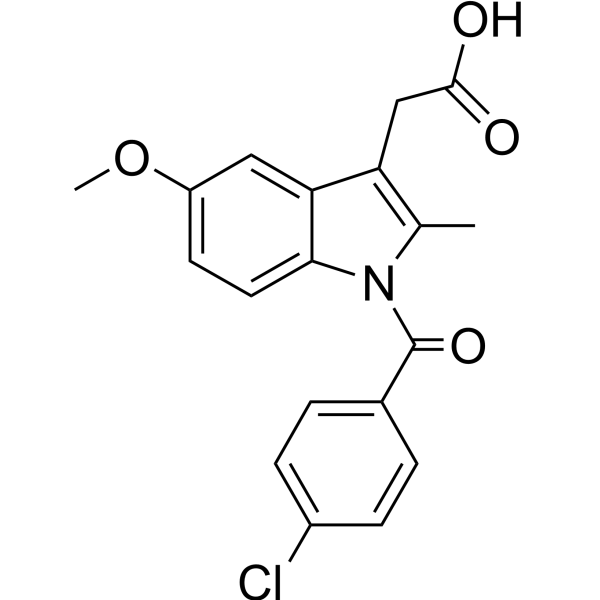
Indomethacin
Maximum Cited Publications
76 Publications Verification
Indometacin
|
COX
Antibiotic
Influenza Virus
Bacterial
|
Inflammation/Immunology
Cancer
|
|
Indomethacin (Indometacin) is a potent, orally active COX1/2 inhibitor with IC50 values of 18 nM and 26 nM for COX-1 and COX-2, respectively. Indomethacin has anticancer activity and anti-infective activity. Indomethacin can be used for cancer, inflammation and viral infection research .
|
-
-
- HY-100442
-
|
ABR-215757; ABR 25757
|
SARS-CoV
|
Metabolic Disease
Inflammation/Immunology
|
|
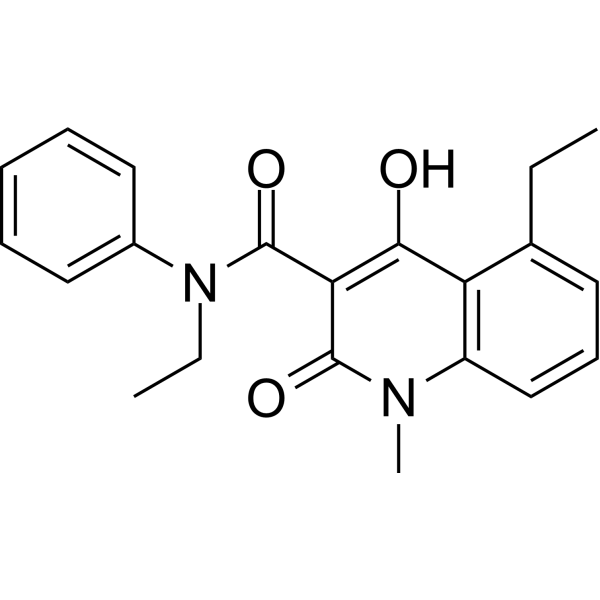
Paquinimod (ABR 215757) is a specific and orally active inhibitor of S100A8/S100A9. Paquinimod rescues the pneumonia with substantial reduction of viral loads in SARS-CoV-2-infected mice .
|
-
-
- HY-112163
-
|
eFT226
|
Eukaryotic Initiation Factor (eIF)
SARS-CoV
Apoptosis
|
Infection
Cancer
|
|
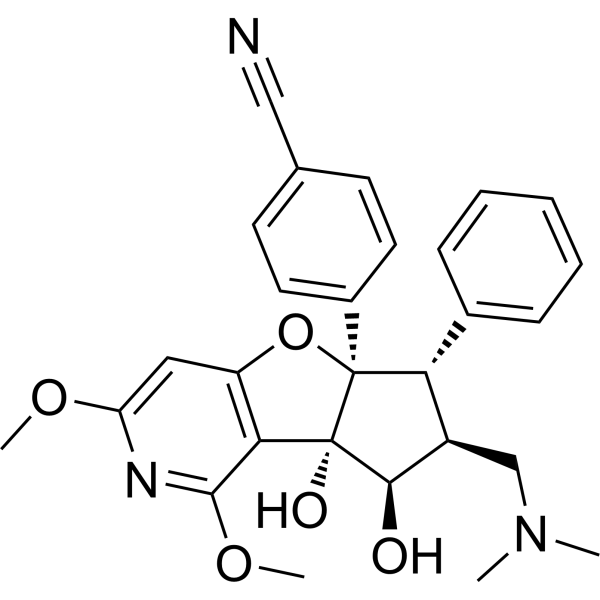
Zotatifin (eFT226) is a potent, selective, and well-tolerated eIF4A inhibitor. Zotatifin promotes eIF4A binding to specific mRNA sequences with recognition motifs in the 5’-UTRs (IC50=2 nM) and interferes with the assembly of the eIF4F initiation complex . Zotatifin shows robust antiviral effects, it effectively reduces viral infectivity by inhibiting SARS-CoV-2 NP protein biogenesis (IC90=37 nM) . Zotatifin induces cell apoptosis .
|
-
-
- HY-145586
-
|
ZSP1273
|
Influenza Virus
DNA/RNA Synthesis
|
Infection
|
|
Onradivir (ZSP1273) is an orally active antiviral agent targeting influenza A virus RNA polymerase PB2 subunit with an IC50 of 0.562 nM. Onradivir inhibits cap binding to influenza A virus RNA polymerase PB2 subunit, suppresses viral replication, reduces viral titres and RNA loads, and inhibits influenza A virus infection. Onradivir maintains high survival rates in influenza A virus-infected mice, and reduces influenza A virus titers in a murine model. Onradivir can be used for the research of influenza A virus infection .
|
-
-
- HY-N7922
-
|
Decarboxyellagic acid
|
Influenza Virus
p38 MAPK
EGFR
Akt
Reactive Oxygen Species (ROS)
Apoptosis
|
Infection
Neurological Disease
|
|
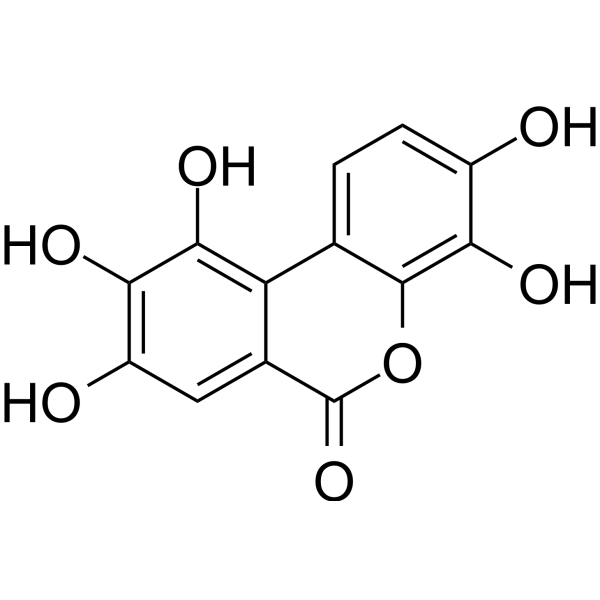
Urolithin M5 (Decarboxyellagic acid) is an orally active influenza virus neuraminidase inhibitor and neuroprotective agent, with IC50 values of 174.8 μM (HK68), 191.5 μM (pdm09), 243.2 μM (WSN) and 257.1 μM (PR8) against four influenza virus neuraminidases, respectively. Urolithin M5 inhibits viral neuraminidase activity, thereby blocking influenza virus replication (including oseltamivir (HY-13317)-resistant strains), protecting infected mammals from death and improving pulmonary edema. Urolithin M5 forms a hydrogen-bond stabilized complex with IGF1R, and binds to MAPK14, AKT1, NFKB1 and EGFR. Urolithin M5 reduces reactive oxygen species production, inhibits neuronal apoptosis, restores mitochondrial transmembrane potential, and promotes neurite outgrowth of damaged neuronal cells. Urolithin M5 can be used in research related to influenza virus infection and Alzheimer's disease .
|
-
-
- HY-W725179
-
|
|
EBV
|
Cancer
|
|
VK-2019 is an orally bioavailable selective inhibitor of EBNA1. By binding to the protein-DNA interface to interfere with the recruitment and anchoring of the viral DNA replication machinery, VK-2019 effectively blocks the replication and proliferation of EBV in latently infected cells. VK-2019 reduces the copy number and gene expression level of Epstein-Barr virus in tumor cells, decreases the number of EBER-positive cells, and exhibits significant antiviral, immunomodulatory and antiproliferative activities. VK-2019 successfully inhibits tumor growth in EBV-dependent xenograft models. VK-2019 has favorable systemic exposure and acceptable safety profiles, and is widely used in research on advanced nasopharyngeal carcinoma and various EBV-associated cancers .
|
-
-
- HY-N0677A
-
|
Potassium dehydroandrographolide succinate
|
Antibiotic
|
Infection
Inflammation/Immunology
|
|
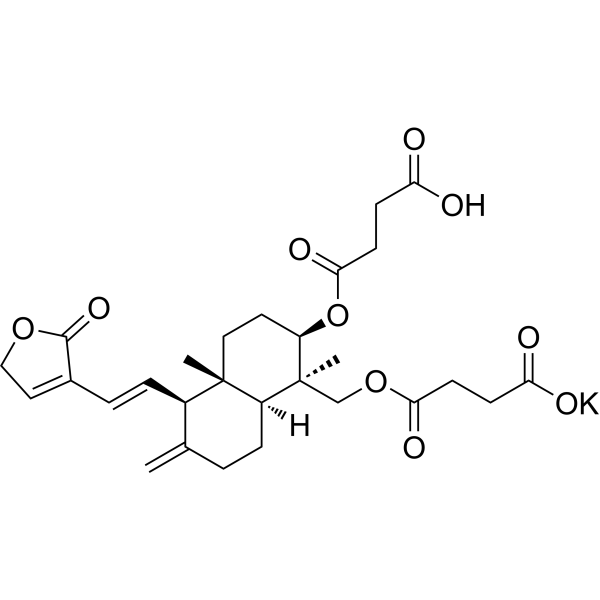
Kalii Dehydrographolidi Succinas (Potassium dehydroandrographolide succinate) is an antibiotic. Kalii Dehydrographolidi Succinas exerts immunostimulatory, anti-infective and anti-inflammatory effects . Kalii Dehydrographolidi Succinas shows potential for research on viral pneumonia and viral upper respiratory tract infections .
|
-
-
- HY-145119
-
|
|
SARS-CoV
|
Infection
|
|
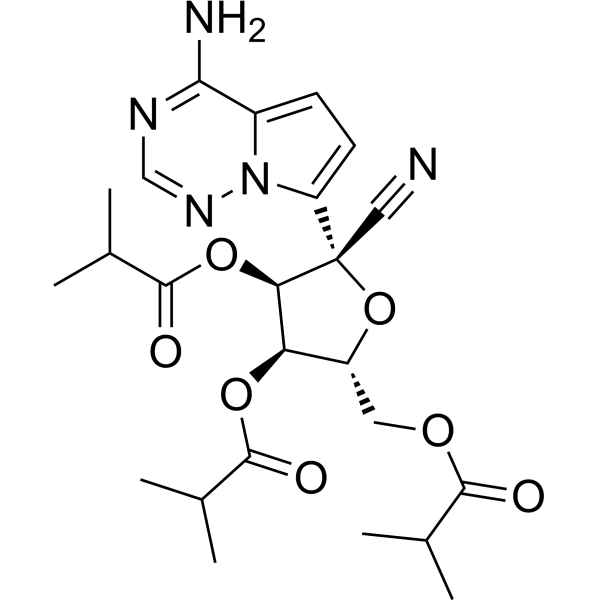
GS-621763 is an orally available precursor to GS-441524 that exhibits anti-SARS-CoV-2 viral activity in mice. GS-621763 reduces viral load to undetectable levels in ferrets infected with SARS-CoV-2 .
|
-
-
- HY-P991446
-
|
|
Influenza Virus
|
Infection
|
|
MEDI-8852 is a human IgG1 monoclonal antibody against influenza A virus hemagglutinin (HA). MEDI-8852 binds to the conserved HA stalk epitope and neutralizes viral infectivity. MEDI-8852 reduces viral titers in mouse lung tissues. MEDI-8852 is applicable to research related to pandemic influenza . Recommended isotype control: Human IgG1 kappa, Isotype Control (HY-P99001).
|
-
-
- HY-14397A
-
|
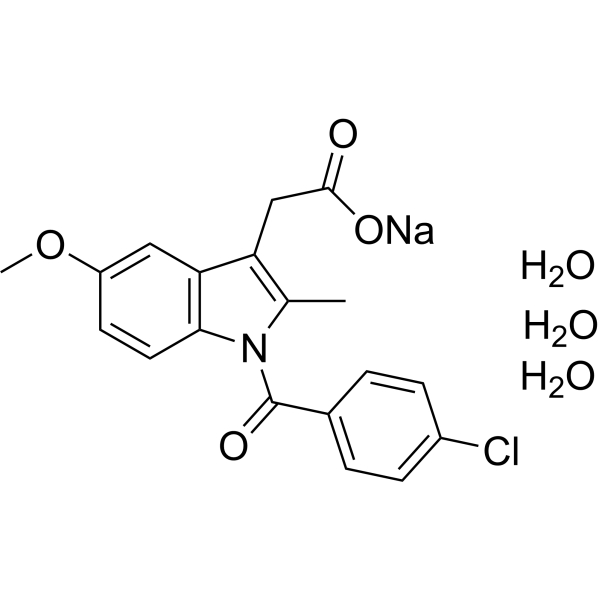
Indometacin sodium hydrate
|
COX
Bacterial
Influenza Virus
Antibiotic
|
Infection
Neurological Disease
Inflammation/Immunology
Cancer
|
|
Indomethacin (Indometacin) sodium hydrateis a orally active and BBB-permeable COX1/2 inhibitor with IC50 values of 18 nM and 26 nM for COX-1 and COX-2, respectively. Indomethacin sodium hydrateis has anticancer activity and anti-infective activity. Indomethacin sodium hydrateis can be used for cancer, inflammation and viral infection research .
|
-
-
- HY-N0677
-
|
|
Influenza Virus
Prostaglandin Receptor
Akt
GSK-3
|
Infection
Inflammation/Immunology
Cancer
|
|
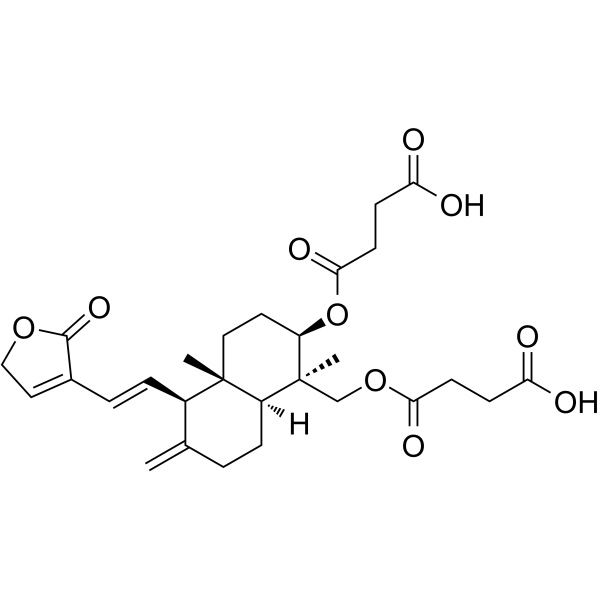
Dehydroandrographolide succinate can be extracted from herbal medicine Andrographis paniculata (Burm f) Nees, is widely used in research for viral pneumonia and viral upper respiratory tract infections because of its immunostimulatory, anti-infective and anti-inflammatory effect. Dehydroandrographolide succinate exerts antithrombotic effect. Dehydroandrographolide succinate significantly inhibits the platelet aggregation rate (ED50 = 386.9 mg/kg) by decreasing TXB2 levels. Dehydroandrographolide succinate mitigates muscle astrophy via the Akt/GSK3β and MuRF-1 pathways .
|
-
-
- HY-172760
-
|
|
SARS-CoV
|
Infection
|
|
CIM-834 is an orally effective inhibitor of SARS-CoV-2 membrane protein. CIM-834 can prevent the assembly of infectious virus particles without inhibiting the synthesis of viral RNA. CIM-834 can reduce the viral titer in the lungs of SCID mice infected nasally with SARS-CoV-2, block the spread of SARS-CoV-2 among Syrian hamsters, and inhibit the replication of SARS-CoV-2 (including variants) and SARS-CoV. CIM-834 can be used in related research on COVID-19 .
|
-
-
- HY-169092
-
|
|
SARS-CoV
Virus Protease
|
Infection
|
|
PF-07957472 (Compound 4) is an orally active and selective SARS-CoV-2 papain-like protease (PLpro) inhibitor, with a Ki of 2 nM against SARS-CoV-2 PLpro. PF-07957472 reduces SARS-CoV-2 viral titers in the lungs of infected mice and inhibits SARS-CoV-2-induced cytopathic effects in cells. PF-07957472 can be used for the research of COVID-19 .
|
-
-
- HY-175469
-
|
|
Influenza Virus
|
Infection
|
|
VNT-101 is an orally active influenza A (IAV) inhibitor. VNT-101 disrupts NP-NP PPI to block NP oligomerization and destabilize the viral ribonucleoprotein (RNP) complex, with potent antiviral activity across multiple influenza A subtypes. VNT-101 exhibits EC50 values of 4-5 nM in cellular cytopathic effect (CPE) assay, 4-8 nM in neuraminidase (NA) assay, and 21-45 nM in RNP assay. VNT-101 demonstrates robust in vivo antiviral efficacy in mice infected with lethal H1N1 virus. VNT-101 can be used for the study of influenza A infection .
|
-
-
- HY-131944
-
|
|
Apoptosis
HSV
|
Infection
Cancer
|
|
S-Acetylglutathione is a derivative of Glutathione (HY-D0187). S-Acetylglutathione is stable in blood, and can be converted to glutathione by intracellular thioesterases. S-Acetylglutathione restores the intracellular glutathione content in glutathione synthetase deficient fibroblasts. S-Acetylglutathione exhibits antiviral efficacy in HSV-1 infected model through inhibition of viral replication. S-Acetylglutathione induces apoptosis in cancer cells MOLT4 and UKF-NB-3 .
|
-
-
- HY-B0402S
-
|
1-Adamantanamine-d15; 1-Aminoadamantane-d15
|
Influenza Virus
Orthopoxvirus
SARS-CoV
Apoptosis
|
Infection
Neurological Disease
Cancer
|
|
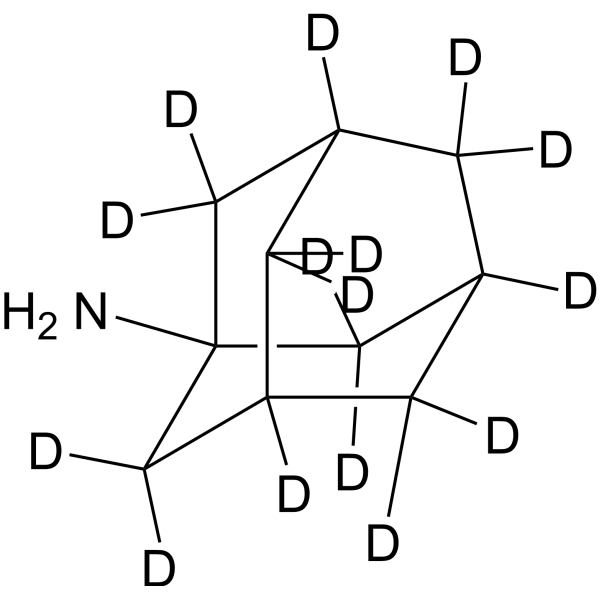
Amantadine-d15 is the deuterium labeled Amantadine. Amantadine (1-Adamantanamine) is an antiviral agent with activity against influenza A viruses. Amantadine blocks the proton flow through the M2 ion channel (M2 proton channel of influenza A) and thus prevents the release of viral RNA into the cytoplasm of the infected cells. Amantadine is an antiparkinsonian agent .
|
-
-
- HY-102014
-
|
|
HIV
|
Infection
|
|
RN-18 is a HIV-1 viral infectivity factor (HIV-1 Vif) inhibitor with an IC50 of 6 μM in nonpermissive H9 cells.
|
-
-
- HY-106055
-
|
|
HIV
|
Inflammation/Immunology
|
|
Murabutide is a safe synthetic immunomodulator. Murabutide can reduce CD4 and CCR5 receptor expression and secrete high levels of beta-chemokines. Murabutide enhances nonspecific resistance against viral infections. Murabutide did not affect virus entry, reverse transcriptase activity or early proviral DNA formation in the cytoplasm of infected cells .
|
-
-
- HY-14397R
-
|
Indometacin (Standard)
|
Reference Standards
COX
Antibiotic
Influenza Virus
Bacterial
|
Inflammation/Immunology
Cancer
|
|
Indomethacin (Standard) is the analytical standard of Indomethacin. This product is intended for research and analytical applications. Indomethacin (Indometacin) is a potent, orally active COX1/2 inhibitor with IC50 values of 18 nM and 26 nM for COX-1 and COX-2, respectively. Indomethacin has anticancer activity and anti-infective activity. Indomethacin can be used for cancer, inflammation and viral infection research .
|
-
-
- HY-161844
-
|
|
SARS-CoV
Dengue Virus
|
Infection
|
|
Virapinib is a macropinocytosis inhibitor with antiviral activity. Virapinib exhibits broad-spectrum antiviral activity against SARS-CoV-2, monkeypox virus, tick-borne encephalitis virus, and Ebola pseudotyped vesicular stomatitis virus, and it enhances Dengue Virus infection. Virapinib blocks viral entry by inhibiting macropinocytosis, reduces syncytium formation in SARS-CoV-2-infected cells, and impairs cellular entry of SARS-CoV-2 variants. Virapinib upregulates the expression of genes related to sterol biosynthesis. Virapinib can be used in studies related to COVID-19, monkeypox, tick-borne encephalitis, and Ebola virus infection .
|
-
-
- HY-12946
-
|
|
Glucocorticoid Receptor
Cytochrome P450
HCV Protease
|
Infection
Inflammation/Immunology
|
|
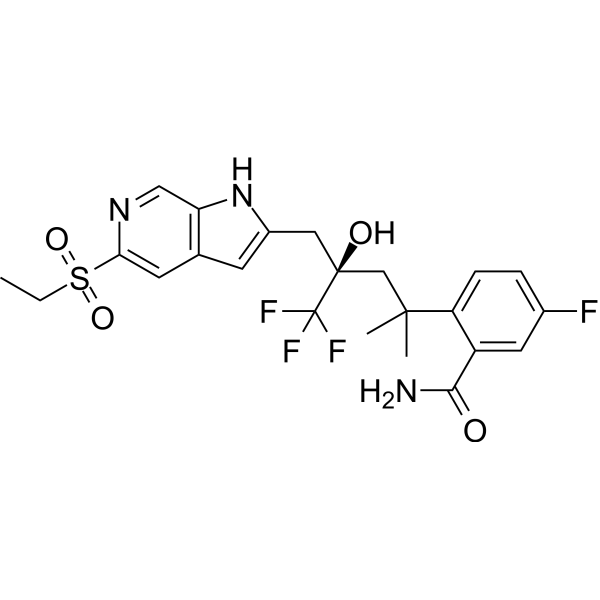
BI 653048, a chemical probe, is a selective and orally active nonsteroidal glucocorticoid (GC) agonist with an IC50 value of 55 nM . BI 653048 inhibits CP1A2, CYP2D6, CYP2C9, CYP2C19 and CYP3A4 isoforms’ activity and reduces affinity for the hERG ion channel (IC50>30 μM) . BI 653048 (Compound 103) is also a HCV NS3 protease inhibitor that can reduce viral loads infected with the hepatitis C virus .
|
-
-
- HY-100442S1
-
-
-
- HY-178137
-
|
|
SARS-CoV
Hepatitis E Virus (HEV)
Filovirus
|
Infection
|
|
SCR007 is a synthetic carbohydrate receptor (SCR) with broad-spectrum antiviral activity. SCR007 inhibits the entry of enveloped viruses across multiple families (Coronaviridae: SARS-CoV-1, SARS-CoV-2, MERS-CoV; Filoviridae: EBOV, MARV; Paramyxoviridae: NiV, HeV) and the glycosylated nonenveloped rotavirus. SCR007 binds viral envelope N-glycans, blocking viral binding to host cells or both binding and membrane fusion. SCR007 exerts prophylactic effects in hACE2 mice infected with SARS-CoV-2. SCR007 can be used for the study and prevention of enveloped virus pandemics .
|
-
-
- HY-178690
-
|
|
MyD88
IFNAR
|
Infection
Inflammation/Immunology
|
|
MyD88-IN-4 is a MyD88 inhibitor. MyD88-IN-4 exerts antiviral effects by up-regulating IFN-β, and anti-inflammatory effects by inhibiting pro-inflammatory cytokine production. MyD88-IN-4 prevents MyD88 homodimer formation and its interaction with IRF3/IRF7. MyD88-IN-4 demonstrates efficacy against encephalitic alphavirus infections by reducing viral replication and improving survival in VEEV TC-83-infected mouse models. MyD88-IN-4 can be used for the study of alphavirus infections, bacterial toxin-related diseases, and sepsis .
|
-
-
- HY-159925
-
|
|
Cyclic GMP-AMP Synthase
|
Infection
Inflammation/Immunology
|
|
QKY-613 is a prodrug that enhances immune surveillance by targeting nucleic acid modification pathways. QKY-613 promotes the selective incorporation of 6mdA (N6-methyldeoxyadenosine) into viral DNA, enhancing the phase separation potential of DNA, thereby increasing the activation of cGAS and strengthening host immune surveillance. In virus-infected mouse models, QKY-613 significantly reduced mortality in aged mice. QKY-613 holds promise for research on nucleic acid modification-based immune surveillance mechanisms .
|
-
-
- HY-111311
-
|
|
Bacterial
Drug Derivative
|
Infection
|
|
NVC-422 is a N-chlorotaurine analog, virucidal agent, antibacterial agent. NVC-422 exhibits virucidal activity against Ad5 by the oxidative inactivation of key viral proteins (fiber and hexon), leading to the loss of viral integrity and infectivity. NVC-422 is shown to be highly effective in killing all microbial strains tested, including antibiotic-resistant S. aureus and E. faecium. NVC-422 can be used in the research of adenoviral conjunctivitis .
|
-
-
- HY-147014
-
|
|
CMV
Orthopoxvirus
|
Infection
|
|
Cyclic HPMPC is a potent antiviral agent. Cyclic HPMPC can increase arterial oxygen saturation levels in lethal vaccinia virus (IHD strain)-infected mice. Cyclic HPMPC improves the outcome of congenital guinea pig cytomegalovirus (GPCMV) infection and decreases viral replication in guinea pig model .
|
-
-
- HY-15034
-
|
INDOMETHACIN SODIUM
|
COX
Antibiotic
Influenza Virus
Bacterial
|
Inflammation/Immunology
Cancer
|
|
Indomethacin (Indometacin) sodium is a potent, orally active COX1/2 inhibitor with IC50 values of 18 nM and 26 nM for COX-1 and COX-2, respectively. Indomethacin sodium has anticancer activity and anti-infective activity. Indomethacin sodium can be used for cancer, inflammation and viral infection research. .
|
-
-
- HY-145586A
-
|
ZSP1273 monohydrate
|
Influenza Virus
DNA/RNA Synthesis
|
Infection
|
|
Onradivir (ZSP1273) monohydrate is an orally active antiviral agent targeting influenza A virus RNA polymerase PB2 subunit with an IC50 of 0.562 nM. Onradivir monohydrate inhibits cap binding to influenza A virus RNA polymerase PB2 subunit, suppresses viral replication, reduces viral titres and RNA loads, and inhibits influenza A virus infection. Onradivir monohydrate maintains high survival rates in influenza A virus-infected mice, and reduces influenza A virus titers in a murine model. Onradivir monohydrate can be used for the research of influenza A virus infection .
|
-
-
- HY-172350
-
|
|
SARS-CoV
Virus Protease
Interleukin Related
|
Infection
|
|
WEHI-P8 is an orally active SARS-CoV-2 papain-like protease (PLpro) inhibitor with an IC50 of 12 nM and a Kd of 9.0 nM. WEHI-P8 reduces viral load, body weight loss, pulmonary inflammation, immune cell infiltration and pro-inflammatory mediator levels in SARS-CoV-2-infected mice. WEHI-P8 prevents pulmonary hemorrhage, immune cell infiltration, fibrotic remodeling and neuroinflammation, and improves cognitive function in a mouse model of post-acute sequelae of SARS-CoV-2 infection (PASC). WEHI-P8 is applicable for the research of COVID-19 and PASC .
|
-
-
- HY-178135
-
|
|
SARS-CoV
Filovirus
Hepatitis E Virus (HEV)
|
Infection
|
|
SCR005 is a synthetic carbohydrate receptor (SCR) with broad-spectrum antiviral activity. SCR005 inhibits the entry of enveloped viruses across multiple families (Coronaviridae: SARS-CoV-1, SARS-CoV-2, MERS-CoV; Filoviridae: EBOV, MARV; Paramyxoviridae: NiV, HeV) and the glycosylated nonenveloped rotavirus. SCR005 binds viral envelope N-glycans, blocking viral binding to host cells or both binding and membrane fusion. SCR005 exerts prophylactic effects in hACE2 mice infected with SARS-CoV-2. SCR005 can be used for the study and prevention of enveloped virus pandemics .
|
-
-
- HY-14397G
-
|
Indometacin
|
Antibiotic
Influenza Virus
Bacterial
COX
|
Inflammation/Immunology
Cancer
|
|
Indomethacin (GMP) is Indomethacin (HY-14397) produced by using GMP guidelines. GMP small molecules work appropriately as an auxiliary reagent for cell therapy manufacture. Indomethacin (Indometacin) is a potent, orally active COX1/2 inhibitor with IC50 values of 18 nM and 26 nM for COX-1 and COX-2, respectively. Indomethacin has anticancer activity and anti-infective activity. Indomethacin can be used for cancer, inflammation and viral infection research .
|
-
-
- HY-175165
-
|
|
Enterovirus
|
Infection
|
|
Jun6504 is an enterovirus 2C inhibitor. Jun6504 shows potent and broad-spectrum antiviral activity against multiple strains of EV-D68 (EC50 = 250 nM), EV-A71 (EC50 = 502.4 nM), and CVB3 (EC50 = 1049 nM). Jun6504 improves paralysis score and weight gain in a neonatal mouse model of EV-D68 infection. Jun6504 reduces viral titers in the spinal cord and the infected quadriceps muscle. Jun6504 can be used for EV-D68 antiviral research .
|
-
-
- HY-12946A
-
|
|
Glucocorticoid Receptor
Cytochrome P450
HCV Protease
|
Infection
Inflammation/Immunology
|
|
BI 653048 phosphate is a selective and orally active nonsteroidal glucocorticoid (GC) agonist with an IC50 value of 55 nM . BI 653048 phosphate inhibits CP1A2, CYP2D6, CYP2C9, CYP2C19 and CYP3A4 isoforms’ activity and reduces affinity for the hERG ion channel (IC50>30 μM) . BI 653048 phosphate is extracted from patent WO2005028501A1 (Compound 103), is also a HCV NS3 protease inhibitor that can reduce viral loads infected with the hepatitis C virus .
|
-
-
- HY-120157
-
|
|
HIV
|
Infection
|
|
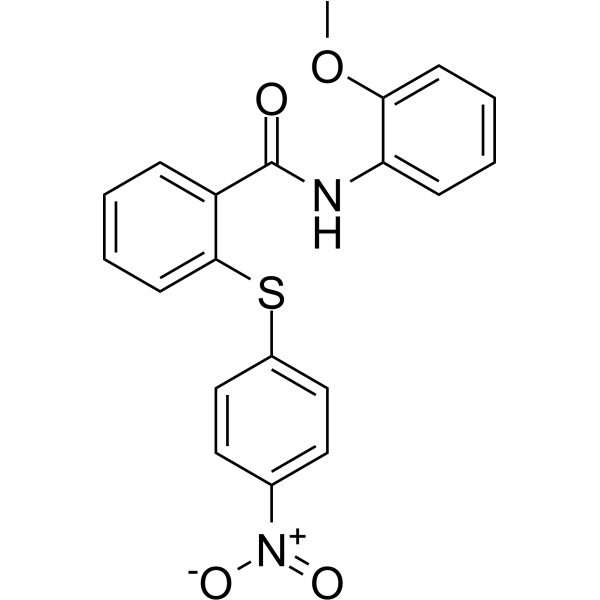
Vif-ElonginC interaction inhibitor 1 (compound VEC-5) is a potent Vif inhibitor. Vif-ElonginC interaction inhibitor 1 can restrict HIV-1 in Vif-nonpermissive cells. Vif-ElonginC interaction inhibitor 1 can protect A3G, APOBEC3C (A3C), and APOBEC3F (A3F) from Vif-mediated degradation and drastically inhibit Vif function through blocking the interaction between Vif and ElonginC. Vif-ElonginC interaction inhibitor 1 enhances A3G incorporation into HIV-1 virions to reduce viral infectivity .
|
-
-
- HY-141841
-
|
|
SARS-CoV
|
Infection
|
|
SARS-CoV-2-IN-7 inhibits viral replication with a nanomolar IC50 value (844 nM) in SARS-CoV-2-infected Vero E6 cells.
|
-
-
- HY-161691
-
|
|
Filovirus
|
Infection
|
|
EBOV-IN-9 (compound 2b) is Diphyllin derivative that blocks Ebola viral entry with an EC50 of 40 nM. EBOV-IN-9 against EBOV-infected monocyte-derived macrophages with an EC50 of 107 nM .
|
-
-
- HY-100442S
-
|
ABR-215757-d5; ABR 25757-d5
|
SARS-CoV
Isotope-Labeled Compounds
|
Metabolic Disease
|
|
Paquinimod-d5 is a deuterated analog of Paquinimod (HY-100442). Paquinimod (ABR 215757) is a specific and orally active inhibitor of S100A8/S100A9. Paquinimod rescues the pneumonia with substantial reduction of viral loads in SARS-CoV-2-infected mice .
|
-
-
- HY-100442R
-
|
ABR-215757 (Standard); ABR 25757 (Standard)
|
Reference Standards
SARS-CoV
|
Metabolic Disease
Inflammation/Immunology
|
|
Paquinimod (Standard) is the analytical standard of Paquinimod. This product is intended for research and analytical applications. Paquinimod (ABR 215757) is a specific and orally active inhibitor of S100A8/S100A9. Paquinimod rescues the pneumonia with substantial reduction of viral loads in SARS-CoV-2-infected mice .
|
-
-
- HY-16740B
-
|
A-5021 sodium
|
DNA/RNA Synthesis
|
Infection
|
|
Eprociclovir sodium is an antiviral drug with nucleoside analogues. The triphosphate form of Eprociclovir sodium is converted into the active form within virus-infected cells by the virus and possible cellular enzymes, including the viral thymidine kinase, thereby inhibiting the activity of the viral DNA polymerase. The primary activity of Eprociclovir sodium is against herpes viruses, including but not limited to cytomegalovirus (CMV) and herpes simplex virus (HSV). Eprociclovir sodium can be used in studies interfered with by sensitive viruses .
|
-
-
- HY-16740
-
|
A-5021
|
DNA/RNA Synthesis
|
Infection
|
|
Eprociclovir is an antiviral drug with nucleoside analogues. The triphosphate form of Eprociclovir is converted into the active form within virus-infected cells by the virus and possible cellular enzymes, including the viral thymidine kinase, thereby inhibiting the activity of the viral DNA polymerase. The primary activity of Eprociclovir is against herpes viruses, including but not limited to cytomegalovirus (CMV) and herpes simplex virus (HSV). Eprociclovir can be used in studies interfered with by sensitive viruses .
|
-
-
- HY-16740A
-
|
A-5021 potassium
|
DNA/RNA Synthesis
|
Infection
|
|
Eprociclovir potassium is an antiviral drug with nucleoside analogues. The triphosphate form of Eprociclovir potassium is converted into the active form within virus-infected cells by the virus and possible cellular enzymes, including the viral thymidine kinase, thereby inhibiting the activity of the viral DNA polymerase. The primary activity of Eprociclovir potassium is against herpes viruses, including but not limited to cytomegalovirus (CMV) and herpes simplex virus (HSV). Eprociclovir potassium can be used in studies interfered with by sensitive viruses .
|
-
-
- HY-174433
-
|
|
Influenza Virus
|
Infection
|
|
PAN endonuclease-IN-4 (Compound 41) is an inhibitor of PAN endonuclease with antiviral properties. PAN endonuclease-IN-4 is the prodrug of 39-(S). PAN endonuclease-IN-4 can significantly suppress viral replication in an A/WSN/33 infected mouse model .
|
-
-
- HY-155527
-
|
|
SARS-CoV
|
Infection
|
|
SARS-CoV-2 Mpro-IN-9 (compound c7) is a nonpeptidic, noncovalent SARS-CoV-2 M pro inhibitor (IC50=0.085 μM), with improved physicochemical and drug metabolism and pharmacokinetics (DMPK) properties. SARS-CoV-2 Mpro-IN-9 inhibits viral replication (EC50=1.10 μM) in SARS-CoV-2-infected Vero E6 cells, while exhibits low cytotoxic effects (CC50>50 μM) .
|
-
-
- HY-173338
-
|
|
DNA/RNA Synthesis
|
Infection
|
|
MSRV-IN-1 (Compound M3) is an inhibitor targeting aquatic rhabdoviruses (such as MSRV, SVCV and IHNV). Its IC50 values for inhibiting MSRV, SVCV and IHNV are 0.92 μM, 2.92 μM and 2.78 μM respectively. MSRV-IN-1 does not act directly on the virions but rather inhibits viral replication by altering the cell cycle arrest state in the S phase induced by the virus and disrupting the viral replication environment. When administered intraperitoneally at a dose of 20 mg/kg, MSRV-IN-1 can significantly increase the survival rate of largemouth bass infected with MSRV by 35.98% and reduce the viral loads in the liver, spleen and kidney. MSRV-IN-1 can be used in the research of diseases related to rhabdoviruses in aquaculture .
|
-
-
- HY-14397S2
-
-
-
- HY-14397S3
-
|
Indometacin-13C6
|
Isotope-Labeled Compounds
COX
Antibiotic
Influenza Virus
Bacterial
|
Inflammation/Immunology
Cancer
|
|
Indomethacin- 13C6 (Indometacin- 13C6) is 13C labeled Indomethacin. Indomethacin (Indometacin) is a potent, orally active COX1/2 inhibitor with IC50 values of 18 nM and 26 nM for COX-1 and COX-2, respectively. Indomethacin has anticancer activity and anti-infective activity. Indomethacin can be used for cancer, inflammation and viral infection research .
|
-
-
- HY-P10653
-
|
|
HCV
HIV
|
Infection
|
|
C5A is a microbicidal peptide, anti-hepatitis C virus (HCV), and anti-HIV agent. C5A disrupts the membrane integrity of the HIV virion as well as the integrity of the conical capsid core that surrounds the viral genome. C5A inhibits in vitro infectivity of a broad range of primary HIV isolates in various primary target cells. C5A protects mice against vaginal and rectal HIV challenges .
|
-
-
- HY-129678
-
|
|
HIV Protease
HIV
|
Infection
|
|
UK-88947 hydrochloride is a protease inhibitor with activity in inhibiting the replication of human immunodeficiency virus HIV-1. UK-88947 hydrochloride can be added to cells before infection to block the early steps of HIV-1 replication. The use of UK-88947 hydrochloride shows its specific inhibitory effect on HIV-1. At the same time, when the virus infects cells, it inhibits the action of viral protease and affects the virus replication process .
|
-
-
- HY-149058
-
|
|
Influenza Virus
|
Infection
|
|
Neuraminidase-IN-13 (Compound 10) is a neuraminidase inhibitor with antiviral activity and low cytotoxicity. Neuraminidase-IN-13 significantly inhibits NDV infection of Vero cells by preventing the release of viral particles from infected cells . Neuraminidase-IN-13 is a click chemistry reagent, it contains an Azide group and can undergo copper-catalyzed azide-alkyne cycloaddition reaction (CuAAc) with molecules containing Alkyne groups. It can also undergo strain-promoted alkyne-azide cycloaddition (SPAAC) reactions with molecules containing DBCO or BCN groups.
|
-
- HY-124870
-
|
|
HIV
|
Infection
|
|
N.41 is an antiviral agent. N.41 protects APOBEC3G (an antiviral factor) from HIV Vif protein-mediated degradation. N.41 inhibits the Vif-A3G interaction and increases cellular A3G levels and incorporation of A3G into virions, thereby attenuating virus infectivity in a Vif-dependent manner. N.41 inhibits HIV-1 viral replication in PBMCs (IC50: 8.4 μM) .
|
-
- HY-175697
-
|
|
Glycosyltransferase
SARS-CoV
Angiotensin-converting Enzyme (ACE)
DNA/RNA Synthesis
|
Infection
|
|
Glycosyltransferase-IN-2 (Compound 20) is a Glycosyltransferase inhibitor. Glycosyltransferase-IN-2 has a broad-spectrum anticoronavirus activity with IC50s of 11.3, 5.5 and ~16.2 μM for MHV, HCoV-NL63 and SARS-CoV-2, respectively. Glycosyltransferase-IN-2 interferes with the coronavirus infectivity, alters viral protein glycosylation with inhibition of interaction with the ACE2 receptor or SC-VLP secretion, and inhibits RNA replication. Glycosyltransferase-IN-2 can be used for coronavirus infections research .
|
-
- HY-174431
-
|
|
Endonuclease
Influenza Virus
|
Infection
|
|
PAN endonuclease-IN-3 is a potent PAN endonuclease inhibitor that against influenza virus polymerase complexes with an IC50 of 17.4 nM. PAN endonuclease-IN-3 demonstrates potent inhibitory activities against PAN endonuclease. PAN endonuclease-IN-3 demonstrates robust antiviral activities against multiple current and different influenza virus strains while showing minimal cytotoxicity in MDCK cells. PAN endonuclease-IN-3 significantly suppresses viral replication in an A/WSN/33 infected mouse model.
|
-
- HY-122204
-
|
|
HIV
|
Infection
|
|
5M038 is an inhibitor of HIV envelope-mediated fusion with potent inhibitory activity against gp41-mediated membrane fusion. 5M038 prevents the formation of the gp41 post-fusion conformation and inhibits envelope-mediated membrane fusion in cell-cell fusion and viral infectivity assays. 5M038 has shown broad fusion inhibition in tests against multiple HIV-1 subtypes, including M and T strains. 5M038 targets a highly conserved hydrophobic pocket and binds to the gp41 trimer, thereby exerting its inhibitory effect .
|
-
- HY-144668
-
|
|
DNA/RNA Synthesis
Influenza Virus
|
Infection
|
|
RdRP-IN-4 (compound 11q), an aryl benzoyl hydrazide analog, is an orally active influenza A virus RNA-dependent RNA polymerase (RdRp) inhibitor by interacting with the PB1 subunit. RdRP-IN-4 exhibits potent inhibitory activity against the avian H5N1 flu strain with an EC50 of 18 nM in MDCK cells. RdRP-IN-4 displays excellent potency against the the H1N1 (A/PR/8/34) Flu A strain and Flu B strain (B/Lee/1940) with EC50 values of 53 nM and 20 nM, respectively. RdRP-IN-4 significantly inhibits the expression level of viral nucleoprotein (NP) in a dose-dependent manner. RdRP-IN-4 exhibits significant antiviral activity in infected mice .
|
-
- HY-181983
-
|
|
SARS-CoV
|
Infection
|
|
VPC285785 is an orally active SARS-CoV-2 main protease inhibitor with an IC50 of 0.8 μM and a Kd of 2.7 μM. VPC285785 functionally inhibits the viral main protease-mediated processing of viral polyprotein precursors required for viral replication. VPC285785 reduces viral loads in the liver, brain and spleen tissues of MHV-infected mice. VPC285785 is applicable to the research of coronavirus infections .
|
-
- HY-182495
-
|
|
Aryl Hydrocarbon Receptor
|
Infection
|
|
Penisimplicissin is a funicone-like compound and antiviral agent. Penisimplicissin reduces the expression of AhR and viral nucleocapsid protein. Penisimplicissin improves the cell viability and morphological characteristics of CCoV-infected cells. Penisimplicissin inhibits CCoV infection. Penisimplicissin can be used in studies related to canine coronavirus infection .
|
-
- HY-183313
-
|
|
Influenza Virus
Apoptosis
NF-κB
Interleukin Related
NO Synthase
Toll-like Receptor (TLR)
|
Infection
|
|
IAV-IN-5 is an orally active inhibitor of influenza A virus (IAV). IAV-IN-5 inhibits viral replication, blocks virus-induced apoptosis, oxidative stress and cytokine storm, and regulates host immune signaling pathways. IAV-IN-5 reduces viral load and inflammatory cytokine levels in lung tissues of IAV-infected mouse models, alleviates body weight loss and pulmonary pathological damage. IAV-IN-5 can be used in studies related to influenza A virus infection .
|
-
- HY-W816575
-
|
|
RAR/RXR
SARS-CoV
|
Infection
|
MDI-403 is a retinoic acid receptor (RAR) agonist with an EC50 value of less than 1 μM. MDI-403 exhibits significant antiviral activity against SARS-CoV-2, and can dose-dependently inhibit the expression of viral nucleoprotein (NP) and reduce the proportion of infected cells. MDI-403 mainly acts during the virus invasion stage. MDI-403 can be used in research on anti-SARS-CoV-2 .
|
-
- HY-P992423
-
|
|
RSV
|
Infection
|
|
NIAID RSVF2-5 is a human monoclonal antibody fragment. NIAID RSVF2-5 binds to conserved, distinct conformational epitopes on RSV fusion glycoprotein, and shows activity against RSV subgroup A and B strains. NIAID RSVF2-5 reduces pulmonary and lung viral titers in RSV-infected rodents. NIAID RSVF2-5 can be used for the research of respiratory syncytial virus infection .
|
-
- HY-182030
-
|
|
RSV
|
Infection
|
|
RSV fusion protein IN-1 is an orally active RSV pre-fusion F protein inhibitor with an IC50 of 0.10 nM against RSV. RSV fusion protein IN-1 forms stable hydrogen bonds and π-π stacking interactions with pre-fusion F protein to block viral fusion and entry. RSV fusion protein IN-1 suppresses RSV F protein expression in epithelial cells. RSV fusion protein IN-1 reduces viral burden in the lungs of RSV-infected murine models.RSV fusion protein IN-1 can be used for the research of respiratory syncytial virus (RSV) infection .
|
-
- HY-180524
-
|
|
HBV
|
Infection
|
|
CAB7-3 is an orally active HBV capsid assembly modulator (CAM). CAB7-3 exhibits an exceptional antiviral efficacy reducing HBV DNA with an EC50 = 70 nM, CC50 = 32.3 μM in HepDES19 cells. CAB7-3 exhibits significant anti-HBV activity in HBV-integrated HepDES19 (EC50 = 70 nM), HepAD38 (EC50 = 1 nM) and HBV-infected HLCZ01 cells (EC50 = 2 nM), respectively. CAB7-3 effectively reduces Hepatic HBV core protein levels and suppresses viral replication in vivo. CAB7-3 demonstrates a favorable drug-like and safety profile. CAB7-3 can be used for Hepatitis B Virus (HBV) research .
|
-
- HY-182971
-
|
|
PROTACs
Enterovirus
|
Infection
|
|
PROTAC EV-A71 Degrader-1 is a PROTAC degrader targeting EV-A71 3D polymerase, with broad-spectrum activity against a variety of enteroviruses. PROTAC EV-A71 Degrader-1 induces the degradation of EV-A71 3D polymerase through the ubiquitin-proteasome and autophagy-lysosome pathways, and blocks viral replication. PROTAC EV-A71 Degrader-1 protects infected mice from death, alleviates tissue damage, and exhibits safety profiles. PROTAC EV-A71 Degrader-1 can be used in the research of enterovirus infections. (Pink: EV-A71 ligand (HY-19339); Blue: E3 ligase ligand (HY-W012479); Black: linker (HY-W105744)) .
|
-
- HY-P992081
-
|
|
Orthopoxvirus
|
Infection
|
|
Anti-H3L Antibody (NAL_A185) is a neutralizing antibody targeting the H3L envelope protein of vaccinia virus (CV) belonging to the genus Orthopoxvirus. By binding to the H3L protein of intracellular mature virions, Anti-H3L Antibody (NAL_A185) blocks the binding of the virus to host cells, thereby neutralizing viral infectivity. Anti-H3L Antibody (NAL_A185) not only protects BALB/c mice from intranasal challenge with the lethal vaccinia virus WR strain, reducing weight loss and mortality, but also exhibits complement-dependent neutralizing activity against monkeypox virus. Among these properties, NAL_A185 is an immune target induced by the smallpox vaccine Dryvax; it elicits a robust recall antibody response and induces high-titer neutralizing antibodies in mice. Anti-H3L Antibody (NAL_A185) can be used for studies related to vaccinia virus infection, monkeypox and monkeypox disease .
|
-
-
-
HY-L002
-
|
|
4,310 compounds
|
|
An infection occurs when another organism enters a person’s body and causes disease. The organisms that cause infections are very diverse and can include things like viruses, bacteria, fungi, and parasites. The immune system is an effective barrier against infectious agents.
MCE provides a unique collection of 4,310 anti-infective compounds with anti-bacterial, anti-viral, anti-fungal and anti-parasite activities that can be used for drug screening and other research in anti-microbial area.
|
-
-
HY-L073
-
|
|
391 compounds
|
|
Hepatitis C virus (HCV) is a hepatotropic enveloped positive- strand RNA virus (family Flaviviridae) that infects the parenchymal cells of the liver. HCV infection is a significant public health burden. Globally, an estimated 71 million people have chronic hepatitis C virus infection. A significant number of those who are chronically infected will develop cirrhosis or liver cancer. To date, there is no vaccine against HCV, and combination pegylated alpha interferon (pIFN-) and ribavirin, the main standard-of-care treatment for HCV, is effective in only a subset of patients and is associated with a wide spectrum of toxic side effects and complications. More recently, new therapeutic approaches that target essential components of the HCV life cycle have been developed, including direct-acting antiviral (DAA) that specifically block a viral enzyme or functional protein and host-targeted agents (HTA) that block interactions between host proteins and viral components that are essential to the viral life cycle. However, the genetic diversity of HCV viruses and the stage of liver disease (i.e., cirrhosis) are revealing themselves as obstacles for effective, pan-genotypic treatments. There still exists a need for the discovery and development of new HCV inhibitors. In particular, since the future of HCV therapy will likely consist of a cocktail approach using multiple inhibitors that target different steps of infection, new antivirals targeting all steps of the viral infection cycle.
MCE offers a unique collection of 391 compounds with identified and potential anti-HCV activity. MCE Anti- Hepatitis C Virus Compound Library is a useful tool for discovery new anti-HCV drugs and other anti-infection research.
|
| Cat. No. |
Product Name |
Type |
-
- HY-14397G
-
|
Indometacin
|
Fluorescent Dyes
|
|
Indomethacin (GMP) is Indomethacin (HY-14397) produced by using GMP guidelines. GMP small molecules work appropriately as an auxiliary reagent for cell therapy manufacture. Indomethacin (Indometacin) is a potent, orally active COX1/2 inhibitor with IC50 values of 18 nM and 26 nM for COX-1 and COX-2, respectively. Indomethacin has anticancer activity and anti-infective activity. Indomethacin can be used for cancer, inflammation and viral infection research .
|
| Cat. No. |
Product Name |
Type |
-
- HY-14397G
-
|
Indometacin
|
Biochemical Assay Reagents
|
|
Indomethacin (GMP) is Indomethacin (HY-14397) produced by using GMP guidelines. GMP small molecules work appropriately as an auxiliary reagent for cell therapy manufacture. Indomethacin (Indometacin) is a potent, orally active COX1/2 inhibitor with IC50 values of 18 nM and 26 nM for COX-1 and COX-2, respectively. Indomethacin has anticancer activity and anti-infective activity. Indomethacin can be used for cancer, inflammation and viral infection research .
|
| Cat. No. |
Product Name |
Target |
Research Area |
-
- HY-P10653
-
|
|
HCV
HIV
|
Infection
|
|
C5A is a microbicidal peptide, anti-hepatitis C virus (HCV), and anti-HIV agent. C5A disrupts the membrane integrity of the HIV virion as well as the integrity of the conical capsid core that surrounds the viral genome. C5A inhibits in vitro infectivity of a broad range of primary HIV isolates in various primary target cells. C5A protects mice against vaginal and rectal HIV challenges .
|
| Cat. No. |
Product Name |
Target |
Research Area |
Image |
-
- HY-P991446
-
|
|
Influenza Virus
|
Infection
|
|
MEDI-8852 is a human IgG1 monoclonal antibody against influenza A virus hemagglutinin (HA). MEDI-8852 binds to the conserved HA stalk epitope and neutralizes viral infectivity. MEDI-8852 reduces viral titers in mouse lung tissues. MEDI-8852 is applicable to research related to pandemic influenza . Recommended isotype control: Human IgG1 kappa, Isotype Control (HY-P99001).
|
-
(5)
-
- HY-P992423
-
|
|
RSV
|
Infection
|
|
NIAID RSVF2-5 is a human monoclonal antibody fragment. NIAID RSVF2-5 binds to conserved, distinct conformational epitopes on RSV fusion glycoprotein, and shows activity against RSV subgroup A and B strains. NIAID RSVF2-5 reduces pulmonary and lung viral titers in RSV-infected rodents. NIAID RSVF2-5 can be used for the research of respiratory syncytial virus infection .
|
-
(5)
-
- HY-P992081
-
|
|
Orthopoxvirus
|
Infection
|
|
Anti-H3L Antibody (NAL_A185) is a neutralizing antibody targeting the H3L envelope protein of vaccinia virus (CV) belonging to the genus Orthopoxvirus. By binding to the H3L protein of intracellular mature virions, Anti-H3L Antibody (NAL_A185) blocks the binding of the virus to host cells, thereby neutralizing viral infectivity. Anti-H3L Antibody (NAL_A185) not only protects BALB/c mice from intranasal challenge with the lethal vaccinia virus WR strain, reducing weight loss and mortality, but also exhibits complement-dependent neutralizing activity against monkeypox virus. Among these properties, NAL_A185 is an immune target induced by the smallpox vaccine Dryvax; it elicits a robust recall antibody response and induces high-titer neutralizing antibodies in mice. Anti-H3L Antibody (NAL_A185) can be used for studies related to vaccinia virus infection, monkeypox and monkeypox disease .
|
-
(5)
| Cat. No. |
Product Name |
Category |
Target |
Chemical Structure |
-
- HY-N7922
-
|
Decarboxyellagic acid
|
Structural Classification
Canarium album (Lour.) Rauesch.
Phenols
Polyphenols
Plants
Burseraceae
Source Classification
|
Influenza Virus
p38 MAPK
EGFR
Akt
Reactive Oxygen Species (ROS)
Apoptosis
|
|
Urolithin M5 (Decarboxyellagic acid) is an orally active influenza virus neuraminidase inhibitor and neuroprotective agent, with IC50 values of 174.8 μM (HK68), 191.5 μM (pdm09), 243.2 μM (WSN) and 257.1 μM (PR8) against four influenza virus neuraminidases, respectively. Urolithin M5 inhibits viral neuraminidase activity, thereby blocking influenza virus replication (including oseltamivir (HY-13317)-resistant strains), protecting infected mammals from death and improving pulmonary edema. Urolithin M5 forms a hydrogen-bond stabilized complex with IGF1R, and binds to MAPK14, AKT1, NFKB1 and EGFR. Urolithin M5 reduces reactive oxygen species production, inhibits neuronal apoptosis, restores mitochondrial transmembrane potential, and promotes neurite outgrowth of damaged neuronal cells. Urolithin M5 can be used in research related to influenza virus infection and Alzheimer's disease .
|
-
-
- HY-N0677A
-
-
-
- HY-N0677
-
-
-
- HY-182495
-
-
| Cat. No. |
Product Name |
Chemical Structure |
-
- HY-B0402S
-
|
|
|
Amantadine-d15 is the deuterium labeled Amantadine. Amantadine (1-Adamantanamine) is an antiviral agent with activity against influenza A viruses. Amantadine blocks the proton flow through the M2 ion channel (M2 proton channel of influenza A) and thus prevents the release of viral RNA into the cytoplasm of the infected cells. Amantadine is an antiparkinsonian agent .
|
-
-
- HY-100442S1
-
|
|
|
Paquinimod-d5-1 is a deuterated analog of Paquinimod (HY-100442). Paquinimod (ABR 215757) is a specific and orally active inhibitor of S100A8/S100A9. Paquinimod rescues the pneumonia with substantial reduction of viral loads in SARS-CoV-2-infected mice .
|
-
-
- HY-100442S
-
|
|
|
Paquinimod-d5 is a deuterated analog of Paquinimod (HY-100442). Paquinimod (ABR 215757) is a specific and orally active inhibitor of S100A8/S100A9. Paquinimod rescues the pneumonia with substantial reduction of viral loads in SARS-CoV-2-infected mice .
|
-
-
- HY-14397S2
-
|
|
|
Indometacin-d7 is deuterated labeled Indomethacin (HY-14397). Indomethacin (Indometacin) is a potent, orally active COX1/2 inhibitor with IC50 values of 18 nM and 26 nM for COX-1 and COX-2, respectively. Indomethacin has anticancer activity and anti-infective activity. Indomethacin can be used for cancer, inflammation and viral infection research .
|
-
-
- HY-14397S3
-
|
|
|
Indomethacin- 13C6 (Indometacin- 13C6) is 13C labeled Indomethacin. Indomethacin (Indometacin) is a potent, orally active COX1/2 inhibitor with IC50 values of 18 nM and 26 nM for COX-1 and COX-2, respectively. Indomethacin has anticancer activity and anti-infective activity. Indomethacin can be used for cancer, inflammation and viral infection research .
|
-
| Cat. No. |
Product Name |
|
Classification |
-
- HY-149058
-
|
|
|
Azide
|
|
Neuraminidase-IN-13 (Compound 10) is a neuraminidase inhibitor with antiviral activity and low cytotoxicity. Neuraminidase-IN-13 significantly inhibits NDV infection of Vero cells by preventing the release of viral particles from infected cells . Neuraminidase-IN-13 is a click chemistry reagent, it contains an Azide group and can undergo copper-catalyzed azide-alkyne cycloaddition reaction (CuAAc) with molecules containing Alkyne groups. It can also undergo strain-promoted alkyne-azide cycloaddition (SPAAC) reactions with molecules containing DBCO or BCN groups.
|
| Cat. No. |
Product Name |
Target |
Research Areas |
Chemical Structure |
-
- HY-14397G
-
|
Indometacin
|
Antibiotic
Influenza Virus
Bacterial
COX
|
Inflammation/Immunology
Cancer
|
|
Indomethacin (GMP) is Indomethacin (HY-14397) produced by using GMP guidelines. GMP small molecules work appropriately as an auxiliary reagent for cell therapy manufacture. Indomethacin (Indometacin) is a potent, orally active COX1/2 inhibitor with IC50 values of 18 nM and 26 nM for COX-1 and COX-2, respectively. Indomethacin has anticancer activity and anti-infective activity. Indomethacin can be used for cancer, inflammation and viral infection research .
|
-
Your information is safe with us. * Required Fields.
Inquiry Information
- Product Name:
- Cat. No.:
- Quantity:
- MCE Japan Authorized Agent:

