26 Results for "

wild-type BTK

" in MedChemExpress (MCE) Product Catalog:
Products (26)

26 Results for "wild-type BTK" in MCE Product Catalog:

  • Targets Recommended:
5
5 Cited Publications
Cat. No.: HY-122562
CAS No.: 2231744-29-7
Purity:  98.35%
Target:  

PROTACs Btk

Research Areas:  

Cancer

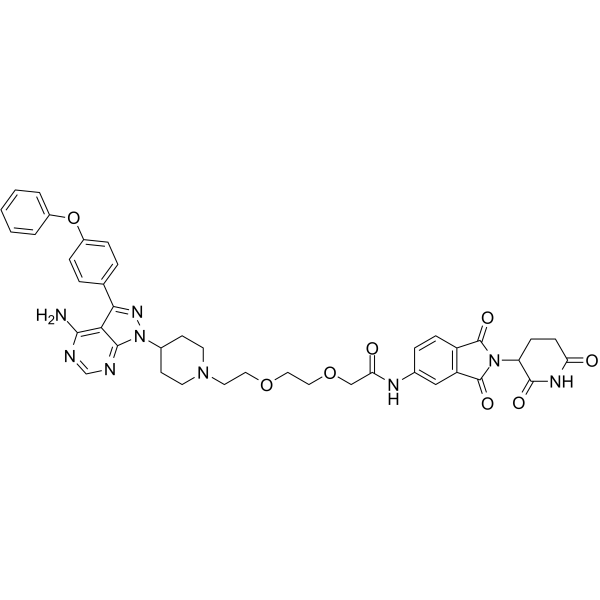
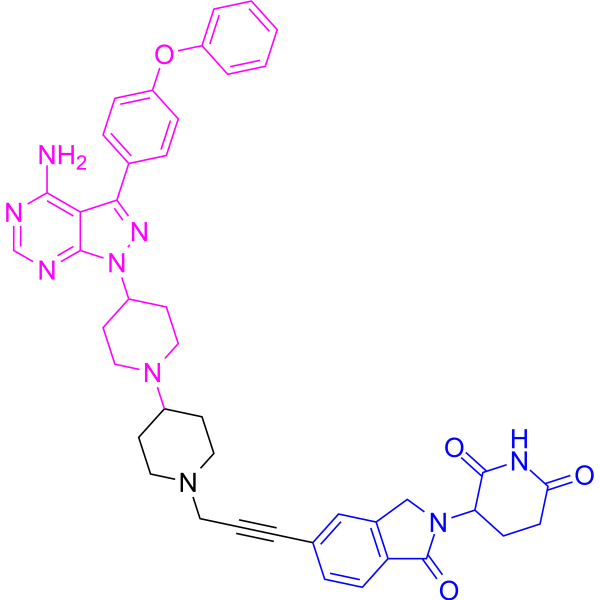
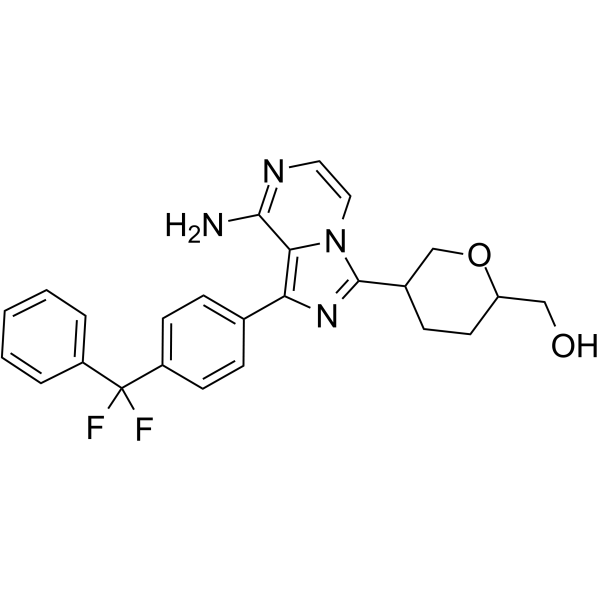
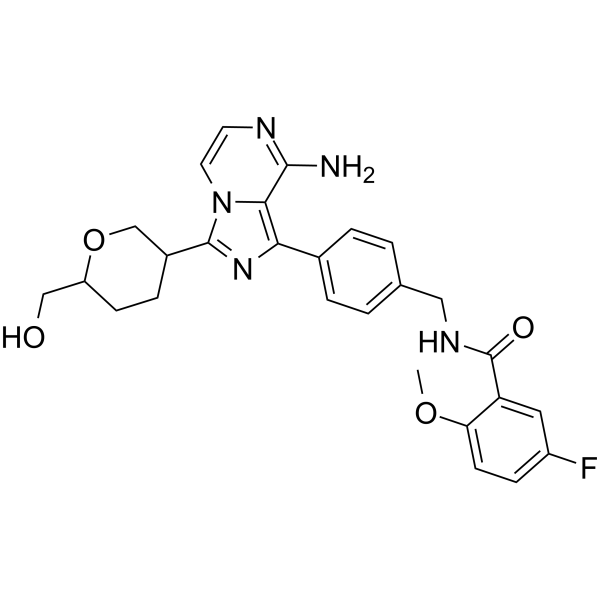
MT-802 is a BTK PROTAC degrader. MT-802 degrades wild-type BTK (DC50 = 14.6 nM) and BTK mutants including E41K, C481S (DC50 = 14.9 nM), C481R, C481Y, C481T, C481F, L528W, and inhibits their Y223 phosphorylation. BI-4732 can be used for the study of Ibrutinib (HY-10997)-resistant chronic lymphocytic leukemia (CLL). (Pink: BTK ligand (HY-150885), Blue: CRBN Ligand (HY-14658), Black: Linker (HY-141371), E3 ligase ligand-linker conjugate (HY-176340)) .
loading...
    loading...
4
4 Cited Publications
Cat. No.: HY-19816
CAS No.: 1557267-42-1
Synonyms: Abivertinib; AC0010
Target:  

EGFR Btk Apoptosis

Research Areas:  

Cancer

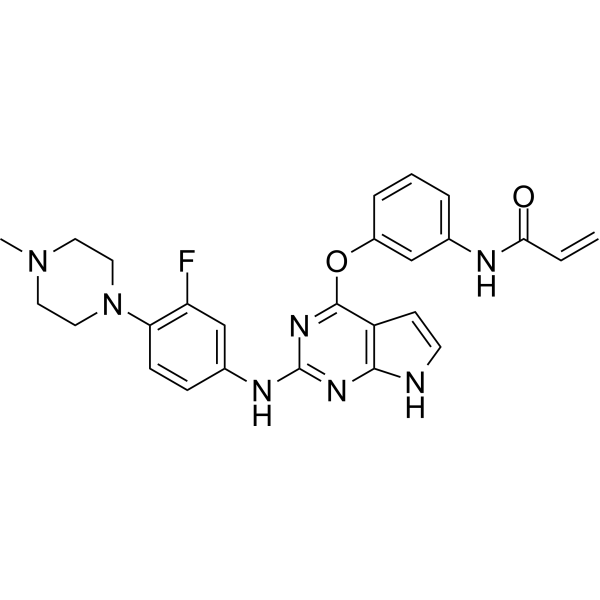
Avitinib (Abivertinib) is a third-generation, irreversible and orally active selective EGFR inhibitor, with IC50 values of 0.18 nM, 0.18 nM, 7.68 nM and against EGFR L858R, EGFR T790M and wild-type EGFR. Avitinib is also a BTK inhibitor that induces apoptosis and inhibits phosphorylation of BTK in mantle cell lymphoma. Avitinib shows anticancer effects .
loading...
    loading...
4
4 Cited Publications
Cat. No.: HY-19816A
CAS No.: 1557268-88-8
Synonyms: Abivertinib maleate; AC0010 maleate
Target:  

EGFR Btk Apoptosis

Research Areas:  

Cancer

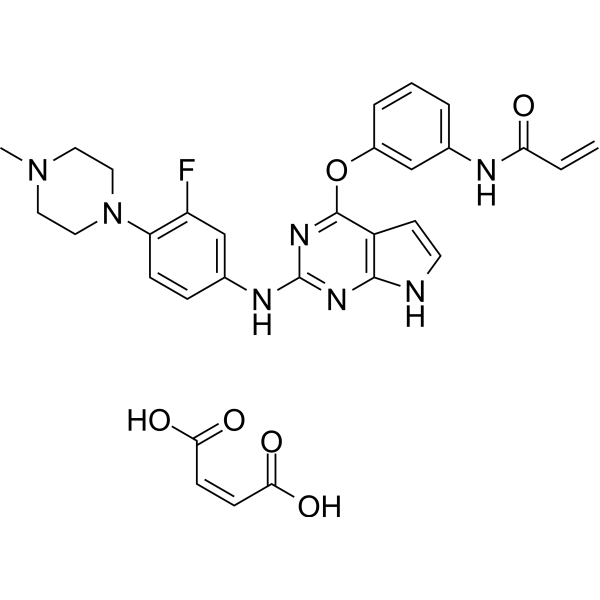
Avitinib (Abivertinib) maleate is a third-generation, irreversible and orally active selective EGFR inhibitor, with IC50 values of 0.18 nM, 0.18 nM, 7.68 nM and against EGFR L858R, EGFR T790M and wild-type EGFR. Avitinib maleate is also a BTK inhibitor that induces apoptosis and inhibits phosphorylation of BTK in mantle cell lymphoma. Avitinib maleate shows anticancer effects .
loading...
    loading...
3
3 Cited Publications
Cat. No.: HY-153321
CAS No.: 2649400-34-8
Purity:  98.67%
Synonyms: NX-5948; BTK-IN-24
Target:  

PROTACs Btk

Research Areas:  

Inflammation/Immunology

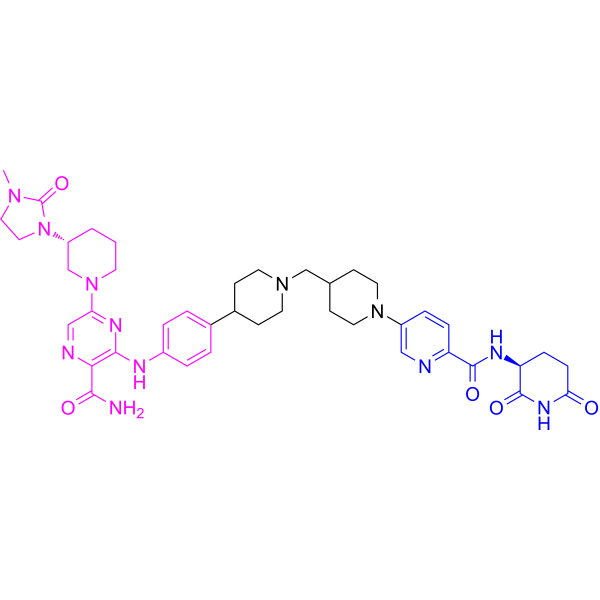
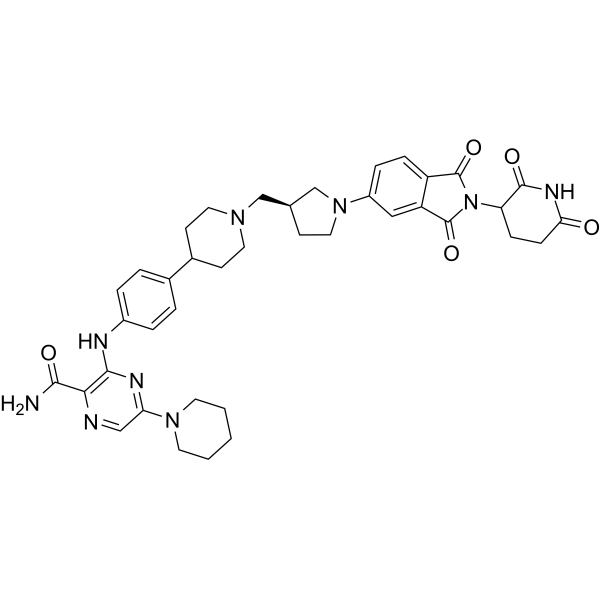
Bexobrutideg (NX-5948) is an orally active chimeric targeting molecule (CTM) that induces specific BTK protein degradation by the cereblon E3 ligase (CRBN) complex without degradation of other cereblon neo-substrates. Bexobrutideg mediates potent anti-inflammatory activity via BTK degradation with resultant inhibition of B cell activation. Bexobrutideg exhibits potent tumor growth inhibition in TMD8 xenograft models that contain either wild-type BTK or BTKi-resistant mutations. Bexobrutideg is efficacious in a mouse collageninduced arthritis (CIA) model. Bexobrutideg can cross the blood brain barrier (BBB). Bexobrutideg is a PROTAC composed of the ligand for target protein, a linker, and a cereblon E3 ligase (CRBN) complex (Red: BTK ligand (HY-170324); Blue: CRBN ligand (HY-171893); Black: linker) .
loading...
    loading...
1
1 Cited Publications
Cat. No.: HY-153220
CAS No.: 2416131-46-7
Purity:  98.67%
Synonyms: NX-2127
Target:  

PROTACs Btk

Research Areas:  

Cancer

Zelebrudomide is an orally active BTK-targeting PROTAC degrader, with DC50 values of 4.5 nM and 31 nM against wild-type BTK and BTK C481S mutant, respectively. Zelebrudomide recruits the cereblon E3 ubiquitin ligase complex to mediate the degradation of BTK. Zelebrudomide also acts as a molecular glue to bind the cereblon E3 ubiquitin ligase complex, mediating the degradation of IKZF1 and IKZF3. Zelebrudomide can be used in the research of B-cell malignancies .
loading...
    loading...
Cat. No.: HY-153357
CAS No.: 2416130-57-7
Purity:  98.16%
Target:  

PROTACs Btk c-Myc NF-κB

Research Areas:  

Inflammation/Immunology Cancer

NRX-0492 is an orally active BTK PROTAC degrader, with a binding IC50 of 1.2 nM for both wild-type BTK and BTK T474I, and 2.7 nM for BTK C481S, and exhibits cellular DC50 values of 0.1 nM and 0.2 nM against wild-type BTK and BTK C481S, respectively. NRX-0492 catalyzes the ubiquitination and proteasomal degradation of wild-type and drug-resistant mutant BTK by recruiting the CRBN E3 ubiquitin ligase complex. NRX-0492 inhibits the BCR signaling pathway and its downstream NF-κB/MYC transcriptional program, achieves rapid and sustained degradation in primary CLL cells, and exhibits extremely low cytotoxicity. NRX-0492 degrades BTK, inhibits tumor cell proliferation and activation, and significantly suppresses tumor growth in xenograft models. NRX-0492 can be used in research related to chronic lymphocytic leukemia and diffuse large B-cell lymphoma .
loading...
    loading...
Cat. No.: HY-156640
CAS No.: 2485861-07-0
Purity:  99.76%
Synonyms: LP-168
Target:  

EGFR

Research Areas:  

Cancer

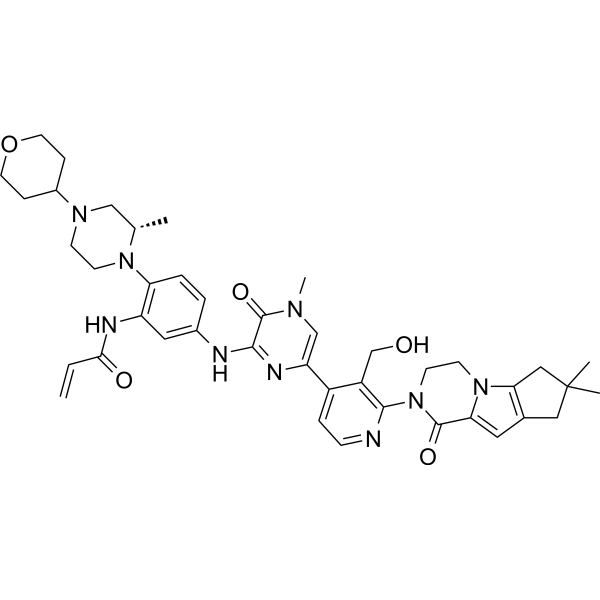
Rocbrutinib is an orally available, highly selective Bruton's tyrosine kinase (BTK) inhibitor, with an IC50 of 0.11 nM against wild-type BTK and an IC50 of 1.0 nM against C481S-mutated BTK. Rocbrutinib reduces the viability of leukemia cells, induces cytotoxicity and inhibits cell migration. Rocbrutinib can be used in research related to chronic lymphocytic leukemia, non-Hodgkin's lymphoma and mantle cell lymphoma .
loading...
    loading...
Cat. No.: HY-160142
CAS No.: 2884554-45-2
Target:  

PROTACs Btk Syk MEK ERK

Research Areas:  

Cancer

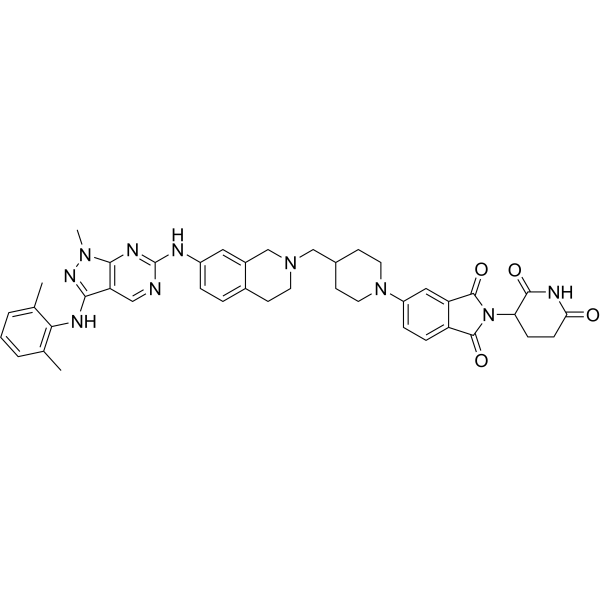
UBX-382 is an orally active BTK PROTAC degrader with a DC50 of 4.56 nM. UBX-382 inhibits B-cell receptor signaling by targeting BTK. UBX-382 shows superior degradation activity for wild-type and mutant BTK proteins. UBX-382 inhibits tumor growth in murine xenograft models harboring wild-type or C481S mutant BTK-expressing TMD-8 cells. UBX-382 can be used for the study of B-cell-related blood cancers .
loading...
    loading...
Cat. No.: HY-147943
CAS No.: 2801715-13-7
Purity:  98.87%
Target:  

PROTACs Btk

Research Areas:  

Cancer

PROTAC BTK Degrader-1 is a selective, orally active BTK PROTAC degrader with a DC50 of 5.8 nM. PROTAC BTK Degrader-1 induces ubiquitination and degradation of wild-type and mutant (C481S, T316) BTK proteins via the CRBN-mediated pathway. PROTAC BTK Degrader-1 exhibits anticancer activity against diffuse large B-cell lymphoma. PROTAC BTK Degrader-1 can be used in lymphoma-related research .
loading...
    loading...
Cat. No.: HY-153803
CAS No.: 2864408-92-2
Purity:  98.99%
Research Areas:  

Cancer

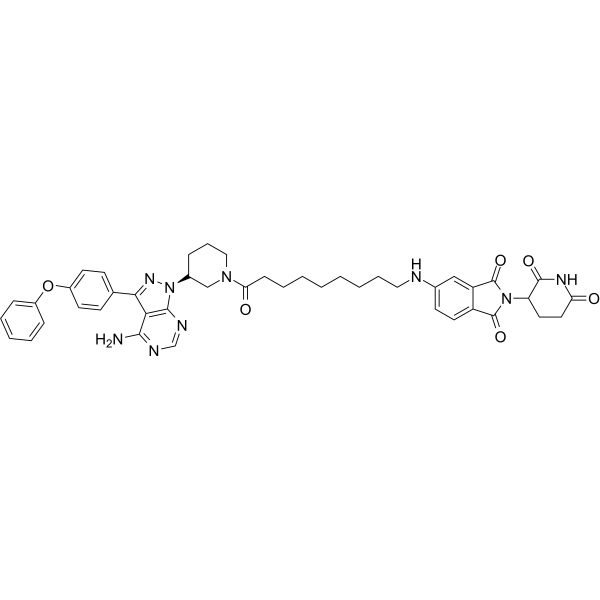
GBD-9 is a degrader based on the E3 ubiquitin ligase CRBN that targets BTK and the G1 to S phase transition protein GSPT1. GBD-9 has both PROTAC and molecular glue properties by inducing ubiquitination and proteasomal degradation of target proteins. GBD-9 can efficiently degrade wild-type and mutant BTK (such as C481S mutation) and GSPT1. GBD-9 significantly inhibits tumor cell proliferation by inducing G1 phase arrest in cancer cells, downregulating anti-apoptotic proteins (BCL-2, MCL-1) and activating Caspase-3 to induce apoptosis. GBD-9 is mainly used in the research of hematological tumors such as diffuse large B-cell lymphoma (DLBCL) and acute myeloid leukemia (AML) .
GBD-9 is composed of E3 ubiquitin ligase ligand (pink part) 5-Aminothalidomide (HY-W023573), target protein ligand (blue part) Btk Inhibitor: IBT6A (HY-13036A), and PROTAC linker (black part) Nonanoic acid (HY-N7057).
loading...
    loading...
Cat. No.: HY-153220A
CAS No.: 3024312-52-2
Synonyms: (R)-NX-2127
(R)-Zelebrudomide ((R)-NX-2127) is an isomer of Zelebrudomide (HY-153220). Zelebrudomide is an orally active BTK-targeting PROTAC degrader, with DC50 values of 4.5 nM and 31 nM against wild-type BTK and BTK C481S mutant, respectively. Zelebrudomide recruits the cereblon E3 ubiquitin ligase complex to mediate the degradation of BTK. Zelebrudomide also acts as a molecular glue to bind the cereblon E3 ubiquitin ligase complex, mediating the degradation of IKZF1 and IKZF3. Zelebrudomide can be used in the research of B-cell malignancies .
loading...
    loading...
Cat. No.: HY-174850
CAS No.: 2941611-57-8
Target:  

Btk

Research Areas:  

Cancer

CFON-026 is a selective, orally active and non-covalent BTK inhibitor with an IC50 of 0.27  nM. CFON-026 has significant antitumor activity against wild-type BTK (TMD8 and REC-1) and all clinically relevant BTK resistance mutations (BTK C481S, T474I, L528W and V416L). CFON-026 induces complete tumor regression in TMD8 xenograft mice model. CFON-026 can be used for research of hematological cancers like chronic lymphocytic leukemia and waldenström macroglobulinemia .
loading...
    loading...
Cat. No.: HY-163962
CAS No.: 2451070-32-7
L18I is a Bruton's tyrosine kinase (BTK) PROTAC degrader that targets wild-type and BTK C481, and recruits the cereblon E3 ligase to mediate proteasomal degradation. L18I regulates the BCR, TLR, FcγR and NLRP3 inflammasome signaling pathways, inhibits the phosphorylation of PLCγ-2, ERK1/2 and p38, and reduces the levels of B cell activation markers CD25, CD69 and CD86. L18I downregulates the NF-κB, TNF and TLR signaling pathways, reduces the production of pro-inflammatory cytokines, and decreases immune cell infiltration and immune complex deposition. L18I inhibits the proliferation of BTK-expressing lymphoma cells, induces tumor regression in xenograft models, and exhibits synergistic activity when combined with inhibitors of SYK, PI3K or Lyn. L18I can be used in research related to lupus, diffuse alveolar hemorrhage and B-cell lymphoma .
loading...
    loading...
Cat. No.: HY-175541
CAS No.: 2926610-43-5
Target:  

PROTACs Btk

Research Areas:  

Cancer

TQ-3959 is an orally active BTK PROTAC degrader, with a DC50 of 14.6 nM. TQ-3959 exerts antiproliferative activity against both wild-type BTK and C481S mutant BTK cell lines. TQ-3959 exhibits tumor growth inhibition in female NOD-SCID mice bearing TMD-8 xenografts. TQ-3959 can be used in the research on B-cell malignancies such as lymphoma .
loading...
    loading...
Cat. No.: HY-153536
CAS No.: 2563861-90-3
Target:  

PROTACs Btk

Research Areas:  

Cancer

PROTAC BTK Degrader-3 is an orally active PROTAC degrader targeting BTK, with a DC50 value of 10.9 nM. PROTAC BTK Degrader-3 has an IC50 of 6.3 nM against wild-type BTK and an IC50 of 8 nM against BTK C481S. PROTAC BTK Degrader-3 can be used in cancer-related research .
loading...
    loading...
Cat. No.: HY-147580
CAS No.: 2758596-07-3
Target:  

Btk

Research Areas:  

Cancer

BTK-IN-10 is a potent BTK inhibitor with IC50s of <5 nM for wild-type BTK or mutated BTK (C481S), respectively (WO2022012509A1; example 111) .
loading...
    loading...
Cat. No.: HY-153321A
CAS No.: 2649400-33-7
Synonyms: (R,R)-NX-5948; (R,R)-BTK-IN-24
Target:  

Drug Isomer PROTACs Btk

Research Areas:  

Inflammation/Immunology Cancer

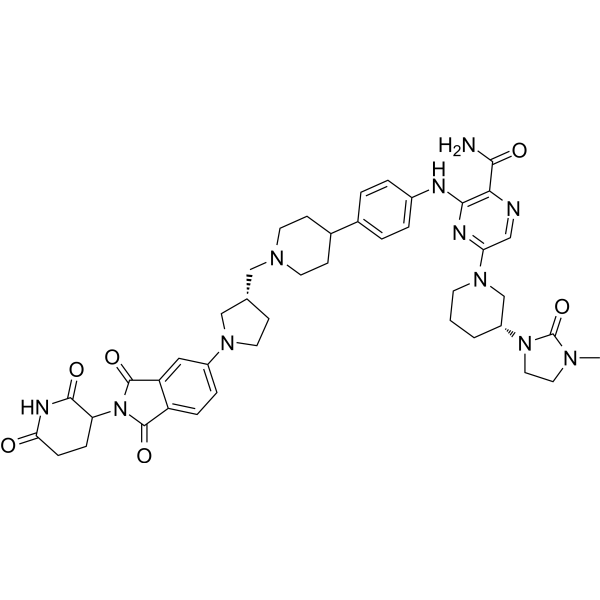
(R,R)-Bexobrutideg is the (R,R)-enantiomer of Bexobrutideg (HY-153321). Bexobrutideg (NX-5948) is an orally active PROTAC that induces specific BTK protein degradation via a cereblon E3 ligase (CRBN) complex without degrading other cereblon neo substrates. Bexobrutideg mediates potent anti-inflammatory activity through BTK degradation, thereby inhibiting B cell activation. Bexobrutideg exhibits potent tumor growth inhibition in TMD8 xenograft models containing wild-type BTK or BTKi resistance mutations. Bexobrutideg is effective in a mouse model of collagen-induced arthritis (CIA). Bexobrutideg can cross the blood-brain barrier. NX-5948 consists of a target protein ligand, a linker, and a VHL E3 ubiquitin ligase (Red: BTK ligand (HY-170324); Blue: CRBN ligand (HY-171893); Black: linker) .
loading...
    loading...
Cat. No.: HY-169228
CAS No.: 2759280-09-4
Target:  

Btk

Research Areas:  

Cancer

WS-11 is a non-covalent reversible BTK inhibitor with IC50s of 3.9 nM and 2.2 nM for wild type, C481S mutation BTK, respectively. WS-11 can form strong π-π interaction with PHE540 and form p-π interaction with LYS430 within the active pocket, besides the strong hydrogen bonds .
loading...
    loading...
Cat. No.: HY-147582
CAS No.: 2762043-53-6
Target:  

Btk

Research Areas:  

Cancer

BTK-IN-12 is a potent BTK inhibitor with IC50s of 1.2 nM and 0.8 nM for wild-type BTK or mutated BTK (C481S), respectively (WO2022037649A1; compound 8) .
loading...
    loading...
Cat. No.: HY-W591307
CAS No.: 2360561-66-4
Target:  

PROTAC Linkers

Research Areas:  

Cancer

P131 is a PROTAC molecule comprised of Pomalidomide-based cereblon ligand and IBT6A, linked by a PEG 3 chain. P131 can degrade both wild-type and C481S mutant BTK with nanomolar potencies.
loading...
    loading...

