Search Result
Results for "
wild-type strains
" in MedChemExpress (MCE) Product Catalog:
1
Biochemical Assay Reagents
| Cat. No. |
Product Name |
Target |
Research Areas |
Chemical Structure |
-
- HY-17040
-
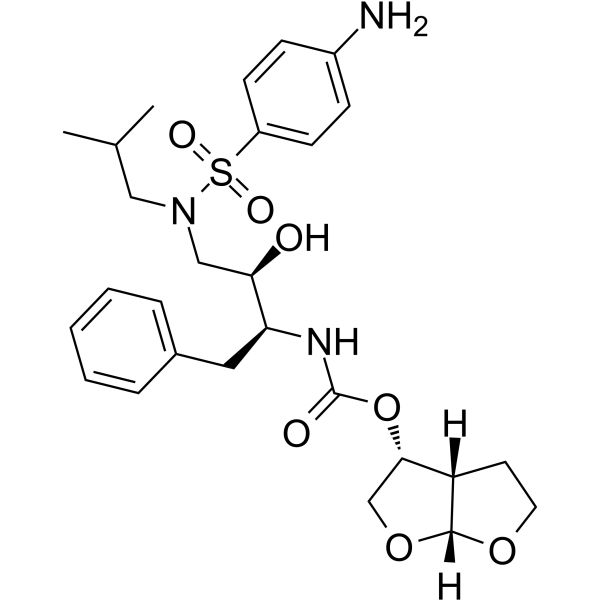
Darunavir
Maximum Cited Publications
17 Publications Verification
TMC114; UIC-94017
|
HIV
HIV Protease
|
Infection
Inflammation/Immunology
|
|
Darunavir (TMC114), an orally active next generation HIV protease inhibitor, has a similar antiviral activity against the mutant and the wild-type viruses. Darunavir (TMC114) is potent against laboratory HIV-1 strains and primary clinical isolates (IC50 = 0.003 μM; IC90 = 0.009 μM) with minimal cytotoxicity .
|
-
-
- HY-B1268
-
|
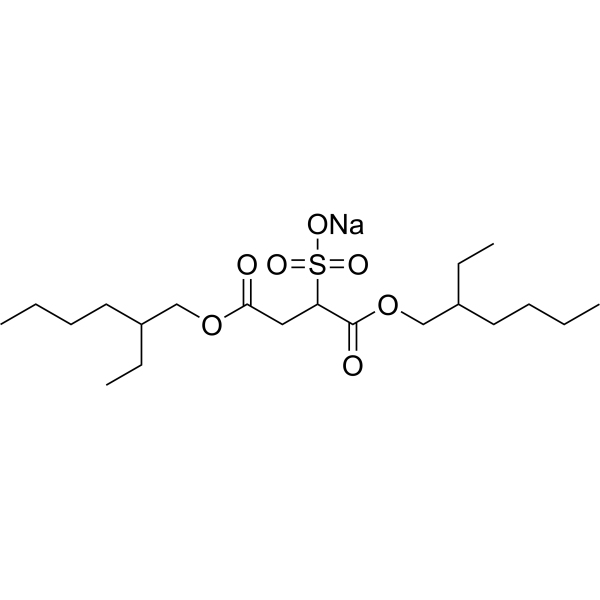
Dioctyl sulfosuccinate sodium salt
|
Environmental Pollutants
HSV
|
Others
|
|
Docusate Sodium (Dioctyl sulfosuccinate sodium salt) is one of the main components in stool softeners. Docusate Sodium is a sulfated surfactant and may inactivate viral pathogens by disrupting viral envelopes and/or denaturing/disassociating proteins. Docusate Sodium is effective in vitro against wild type and drug-resistant strains of HSV type 1 and 2. Docusate Sodium is an obesogen. Docusate Sodium with developmental exposure leads to increased adult adiposity, inflammation, metabolic disorder and dyslipidemia in offspring fed a standard diet in mice .
|
-
-
- HY-B0255
-
|
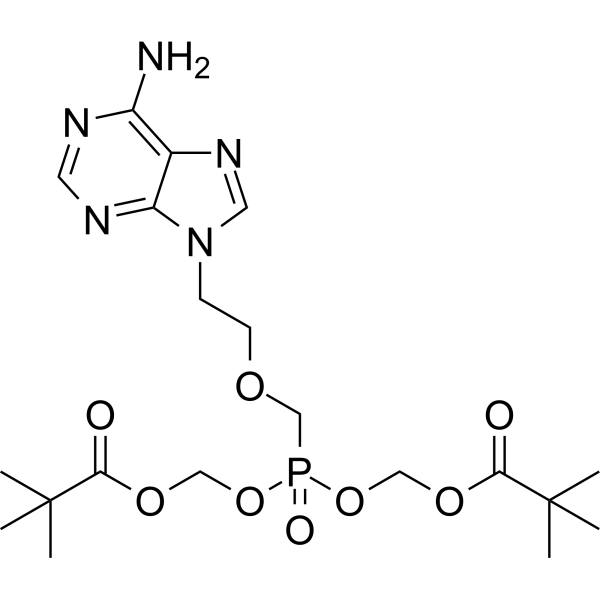
GS 0840
|
HBV
Orthopoxvirus
HSV
DNA/RNA Synthesis
ATM/ATR
CDK
|
Infection
Cancer
|
|
Adefovir dipivoxil is an orally active adenosine analog and Adefovir prodrug. Adefovir dipivoxil inhibits DNA synthesis, activates the ATR signaling pathway, and disrupts the KCTD12-CDK1 interaction. Adefovir dipivoxil has antiviral activity against PRV, HBV, and orthopoxviruses. Adefovir dipivoxil has inhibitory effects on both lamivudine-resistant and wild-type strains. Adefovir dipivoxil has antitumor activity against lung and colon cancer .
|
-
-
- HY-14267
-
|
UK-453061
|
HIV
Reverse Transcriptase
|
Infection
|
|
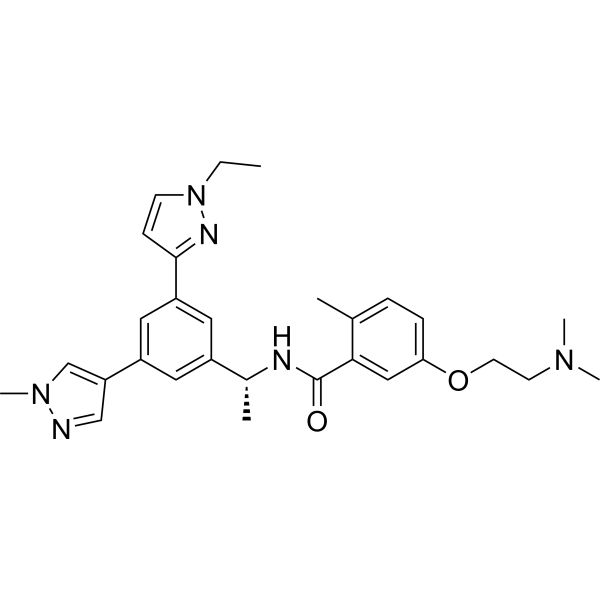
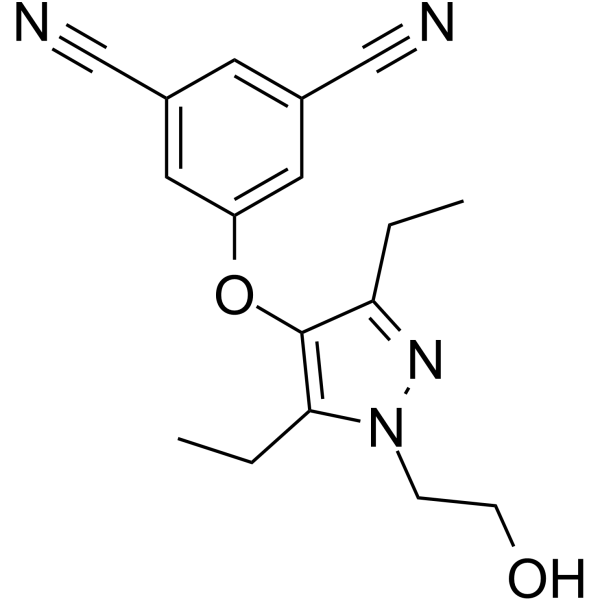
Lersivirine (UK-453061) is potent and selective non-nucleoside reverse transcription inhibitor (NNRTI; IC50=119 nM) with excellent efficacy against NNRTI-resistant viruses. Lersivirine exhibits potent antiretroviral activity against wild-type HIV virus and clinically relevant NNRTI-resistant strains .
|
-
-
- HY-139218
-
|
|
E3 Ligase Ligand-Linker Conjugates
|
Others
|
|
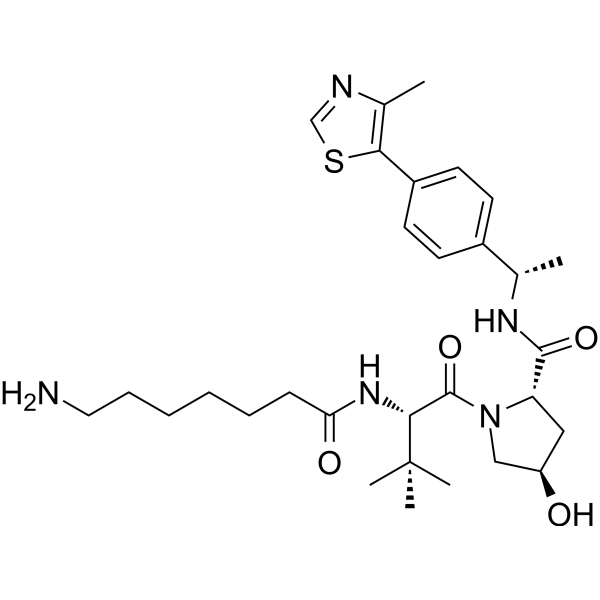
(S,R,S)-AHPC-Me-C6-NH2 is a VHL E3 ubiquitin ligase ligand-linker conjugate structurally modified based on VHL ligand 2 (HY-112078). (S,R,S)-AHPC-Me-C6-NH2 can be used for the synthesis of PROTACs .
|
-
-
- HY-12928
-
|
|
Virus Protease
|
Infection
|
|
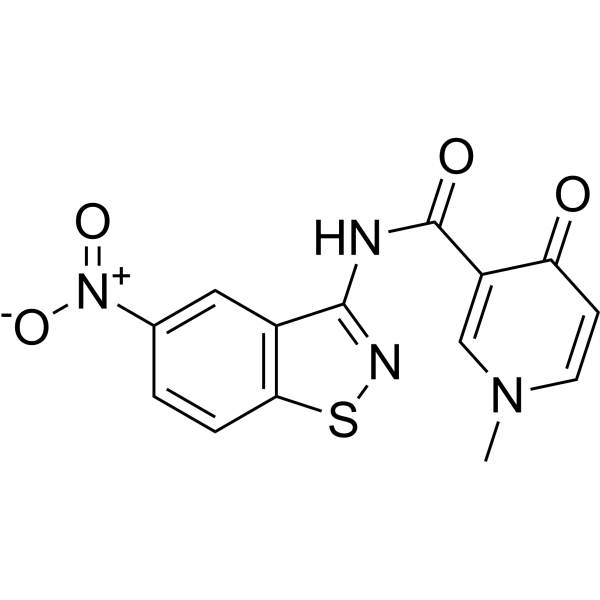
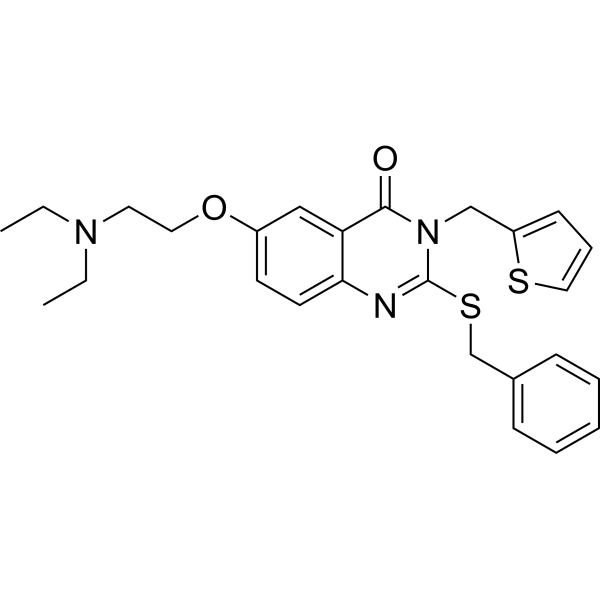
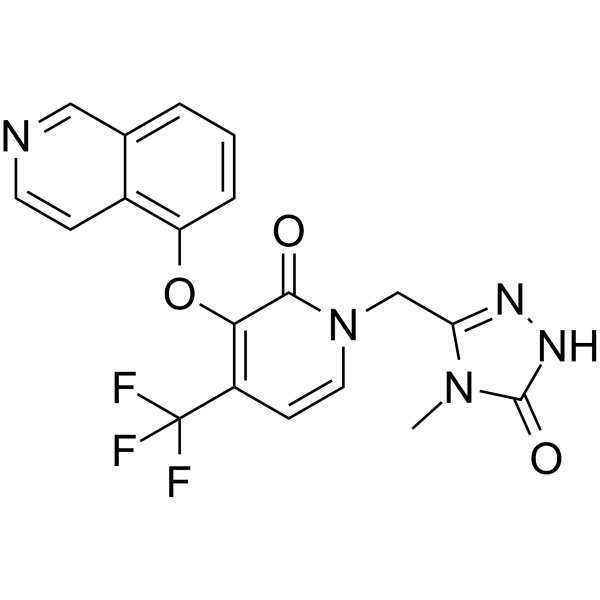
ML336 is quinazolinone-based inhibitor against venezuelan equine encephalitis virus (VEEV), with IC50s of 32, 20, and 42 nM for VEEV TC-83 CPE , VEEV V3526 CPE, VEEV Wild Type CPE, respectively. ML336 potently inhibits a VEEV-induced cytopathic effect in three strains of the virus (TC-83, V3526, and wild type Trinidad donkey) in the low nanomolar range .
|
-
-
- HY-157403
-
|
|
Virus Protease
SARS-CoV
|
Infection
|
|
Jun12682 is an orally active SARS-CoV-2 papain-like protease (PL pro) inhibitor, with a Ki value of 37.7 nM and an EC50 value of 1.1 μM in the FlipGFP PL pro assay. Jun12682 has efficacy in hindering PL pro both deubiquitination and deISGylation, with Ki values of 63.5 and 38.5 nM, respectively. Jun12682 exhibits resistance in multiple PL pro mutant strains, and its enzymatic activity is comparable to that of the wild-type. Jun12682 can be used for the study of the SARS-CoV-2 .
|
-
-
- HY-N5109
-
|
|
Parasite
|
Infection
|
|
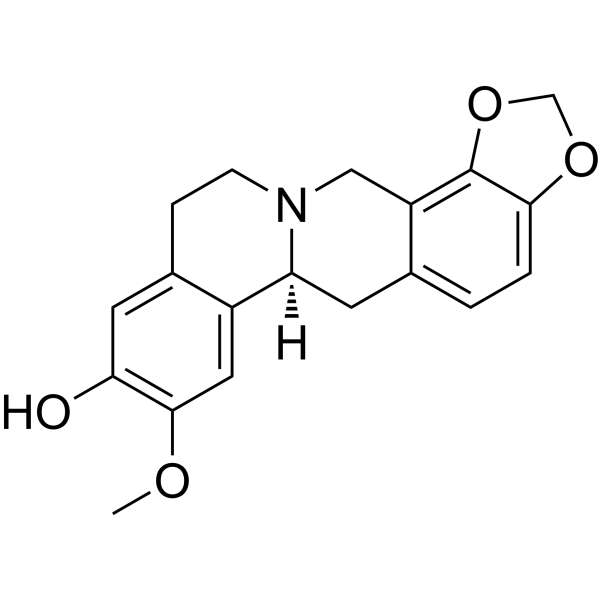
Cheilanthifoline, an alkaloid, is isolated from Corydalis calliantha. Cheilanthifoline exhibits antiplasmodial activities against Plasmodium falciparum, with IC50s of 0.90 μg/mL and 1.22 μg/mL for wild type (TM4) and multidrug resistant (K1) strains, respectively .
|
-
-
- HY-146145
-
|
|
Fungal
Mitochondrial Metabolism
|
Infection
|
|
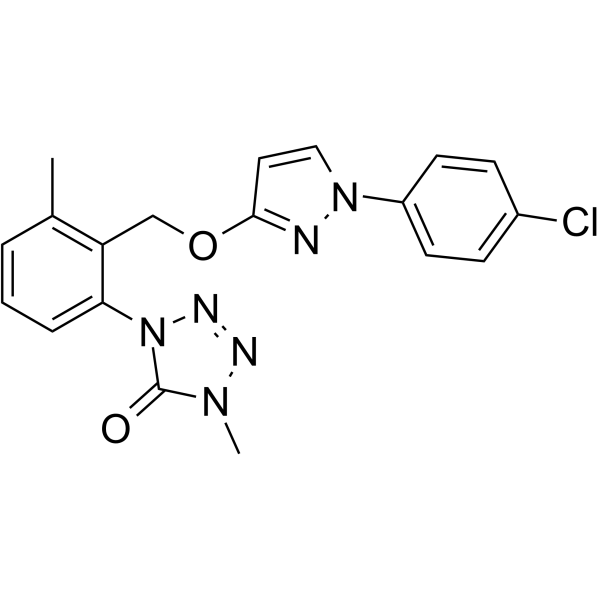
Metyltetraprole is a promising fungicide with EC50 values of both 0.002 ppm against sensitive wild-type and G143A mutant of Zymoseptoria tritici. Metyltetraprole is effective against QoI (quinone outside inhibitor) resistant strains. Metyltetraprole inhibits the respiratory chain via complex III .
|
-
-
- HY-N5005
-
|
Atisinium chloride
|
Parasite
|
Infection
|
|
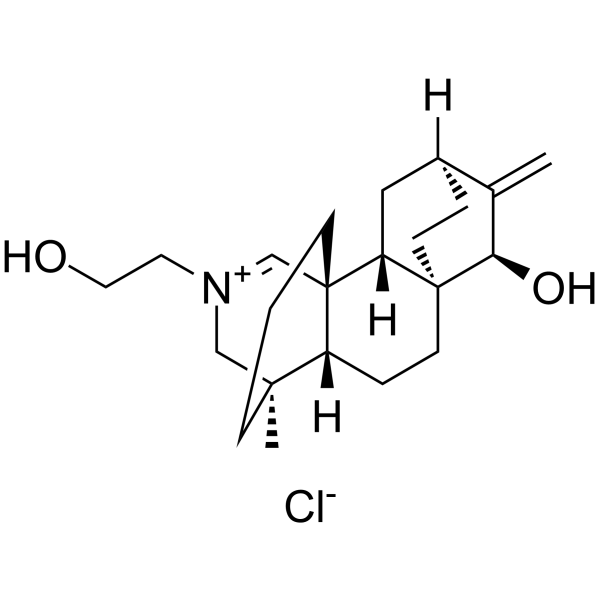
Guanfu base H (Atisinium chloride) is a diterpenoid alkaloid isolated from Aconitum coreanum and has antiplasmodial activity against the malarial Plasmodium falciparum strains TM4/8.2 (wild type) and K1CB1 with IC50 values of 4 μM and 3.6 μM, respectively .
|
-
-
- HY-134851
-
|
|
HIV
|
Infection
|
|
HIV-1 inhibitor-6 (compound 9), a diheteroarylamide-based compound, is a potent HIV-1 pre-mRNA alternative splicing inhibitor. HIV-1 inhibitor-6 blocks HIV replication. HIV-1 inhibitor-6 is active against wild-type HIV-1IIIB (subtype B, X4-tropic) and HIV-1 97USSN54 (subtype A, R5-tropic) with EC50s of 0.6 μM and 0.9 μM, respectively. HIV-1 inhibitor-6 inhibits HIV strains resistant to agents targeting HIV reverse transcriptase, protease, integrase, and coreceptor CCR5 with EC50s ranging from 0.9 to 1.5 μM .
|
-
-
- HY-B1268R
-
|
Dioctyl sulfosuccinate sodium salt (Standard)
|
Reference Standards
HSV
|
Others
|
|
Docusate (Sodium) (Standard) is the analytical standard of Docusate (Sodium). This product is intended for research and analytical applications. Docusate Sodium (Dioctyl sulfosuccinate sodium salt) is one of the main components in stool softeners. Docusate Sodium is a sulfated surfactant and may inactivate viral pathogens by disrupting viral envelopes and/or denaturing/disassociating proteins. Docusate Sodium is effective in vitro against wild type and drug-resistant strains of HSV type 1 and 2. Docusate Sodium is an obesogen. Docusate Sodium with developmental exposure leads to increased adult adiposity, inflammation, metabolic disorder and dyslipidemia in offspring fed a standard diet in mice .
|
-
-
- HY-162590
-
|
|
Bacterial
|
Infection
|
|
ECIN is a copper-responsive inhibitor of wild-type UPEC strains. ECIN inhibits Uropathogenic Escherichia coli (UPEC) with an IC50 value of 336 ng/mL in the absence of copper .
|
-
-
- HY-146394
-
|
|
HBV
DNA/RNA Synthesis
|
Infection
|
|
HBV-IN-22 (Compound LC5f) is an inhibitor of HBV DNA replication with IC50 values of 0.71 μM and 0.84 μM against wild-type and agent resistant HBV strains, respectively .
|
-
-
- HY-109014
-
|
CMX-157
|
HIV
HBV
Nucleoside Antimetabolite/Analog
|
Infection
|
|
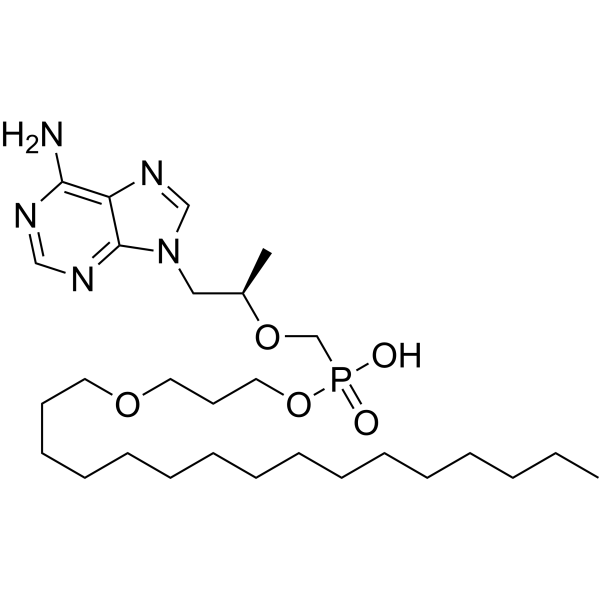
Tenofovir exalidex (CMX157) is a lipid conjugate of the acyclic nucleotide analog Tenofovir with activity against both wild-type and antiretroviral drug-resistant HIV strains, including multidrug nucleoside/nucleotide analog-resistant viruses. Tenofovir exalidex is active against all major subtypes of HIV-1 and HIV-2 in fresh human PBMCs and against all HIV-1 strains evaluated in monocyte-derived macrophages, with EC50s ranging between 0.2 and 7.2 nM. CMX157 is orally available and has no apparent toxicity. Tenofovir exalidex also shows antiviral activity against HBV .
|
-
-
- HY-15352
-
|
DPC 083
|
Reverse Transcriptase
HIV
|
Infection
|
|
BMS 561390 (DPC 083) is an orally available non-nucleoside reverse transcriptase inhibitor (NNRTI) with broad inhibitory effects on wild-type HIV-1 and mutant strains .
|
-
-
- HY-170219
-
|
|
Parasite
Epigenetic Reader Domain
|
Infection
|
|
RMM23 is an inhibitor targeting PfBDP1 with a Kd value of 1.24 μM. RMM23 against the wild-type strains 3D7 and NF54, and the multidrug-resistant K1 strain in vitro blood stage, with EC50 values of 18 μM, 14 μM, 20 μM, respectively .
|
-
-
- HY-W127393
-
|
|
Biochemical Assay Reagents
|
Others
|
|
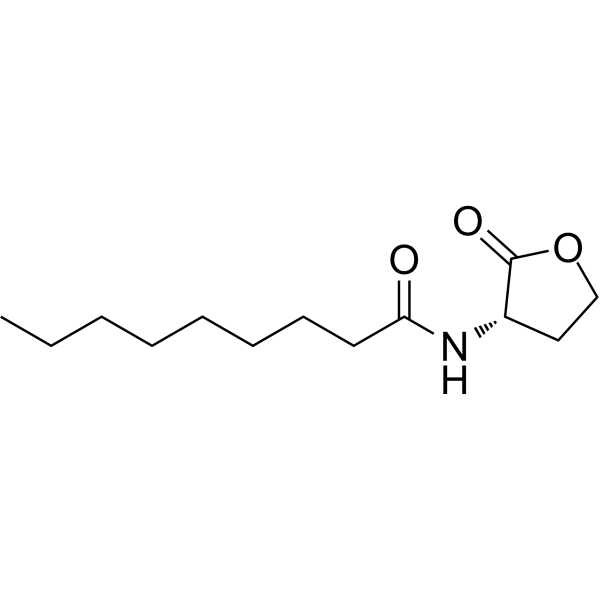
Quorum sensing is a regulatory system used by bacteria to control gene expression in response to increased cell density. This regulatory process manifests itself in a variety of phenotypes, including biofilm formation and virulence factor production. Coordinated gene expression is achieved through the production, release and detection of small diffusible signaling molecules called autoinducers. N-acylated homoserine lactones (AHLs) comprise a class of such autoinducers, each of which generally consists of a fatty acid coupled to a homoserine lactone (HSL). Modulation of bacterial quorum-sensing signaling systems to suppress pathogenesis represents a new approach to antimicrobial research for infectious diseases. AHLs differ in acyl length (C4-C18), C3 substitution (hydrogen, hydroxyl, or oxo group), and the presence or absence of one or more carbon-carbon double bonds in the fatty acid chain. These differences confer signaling specificity through the affinity of the LuxR family of transcriptional regulators. C9-HSL is a rare odd-numbered acyl carbon chain produced by wild-type Erwinia carotovora strain SCC 3193 grown in nutrient-rich Luria-Bertani broth (LB) medium.
|
-
-
- HY-175351
-
|
|
HIV
Reverse Transcriptase
|
Infection
|
|
HIV-1-IN-83 (Compound 18E) is a HIV-1 non-nucleoside reverse transcriptase inhibitor with an IC50 of 0.45 μM for wild-type HIV-1 non-nucleoside reverse transcriptase. HIV-1-IN-83 has potent antiviral activity against both HIV-1 wild-type and mutant strains and improves antidrug resistance for Y188L and RES056 mutant strains. HIV-1-IN-83 has no significant toxicity up to 11.088 μM .
|
-
-
- HY-109028
-
|
TR2-A
|
Cholecystokinin Receptor
Bacterial
|
Infection
Cardiovascular Disease
|
|
Ceclazepide (TR2-A), a CCK2R antagonist, is an orally active Mycobacterium abscessus inhibitor. Ceclazepide inhibits acid secretion in rats. Ceclazepide effectively suppresses the growth of M. abscessus wild-type strain and multiple subspecies. Ceclazepide inhibits M. abscessus growth within macrophages without causing harm .
|
-
-
- HY-163110
-
|
|
HIV
Reverse Transcriptase
|
Infection
|
|
NNRT-IN-2 (compound 7w) is an orally available non-nucleoside reverse transcriptase inhibitor (NNRTI) with broad inhibitory effects on wild-type HIV-1 and mutant strains. NNRT-IN-2 inhibits HIV-1 reverse transcriptase with an EC50 of 22 nM. NNRT-IN-2 is insensitive to CYP and hERG and has good safety and pharmacokinetic characteristics .
|
-
-
- HY-16745A
-
|
KRP-AM1977 hydrochloride
|
Bacterial
|
Infection
|
|
Lascufloxacin (KRP-AM1977) hydrochloride is a potent antibacterial compound candidate with broad-spectrum activity against various clinical isolates. Lascufloxacin hydrochloride shows the most potent activity against Gram-positive bacteria compared to other tested quinolones. Lascufloxacin hydrochloride demonstrates incomplete cross-resistance against existing quinolone-resistant strains. Lascufloxacin hydrochloride has potent inhibitory activity against both wild-type and mutated target enzymes.
|
-
-
- HY-17040R
-
|
TMC114 (Standard); UIC-94017 (Standard)
|
HIV
HIV Protease
Reference Standards
|
Infection
Inflammation/Immunology
|
|
Darunavir (Standard) is the analytical standard of Darunavir. This product is intended for research and analytical applications. Darunavir (TMC114), an orally active next generation HIV protease inhibitor, has a similar antiviral activity against the mutant and the wild-type viruses. Darunavir (TMC114) is potent against laboratory HIV-1 strains and primary clinical isolates (IC50 = 0.003 μM; IC90 = 0.009 μM) with minimal cytotoxicity .
|
-
-
- HY-N16422
-
|
|
HIV
HIV Protease
|
Infection
|
|
Mer-NF5003E is a non-nucleoside reverse transcriptase inhibitor targeting HIV-1 reverse transcriptase (RT) (EC50=50 μM). Mer-NF5003E exhibits inhibitory activity against wild-type HIV-1 and multiple NNRTI-resistant strains (e.g., K103N, Y181C). Mer-NF5003E is promising for research of HIV infections .
|
-
-
- HY-129943
-
|
|
Bacterial
|
Infection
|
|
Benzothiohydrazide is an analogue of anti–tubercular agent Isoniazid. Benzothiohydrazide exhibits anti–tubercular activity, with MICs of 132 μM and 264 μM for M. tuberculosis wild type (H37Rv) and clinical mutant strains (IC1 and IC2) .
|
-
-
- HY-19869
-
|
|
HIV
Reverse Transcriptase
|
Infection
|
|
VRX-480773 is an efficient non-nucleoside reverse transcriptase inhibitor (NNRTI), used for HIV infection. VRX-480773 has high specificity for HIV-1, with an EC50 for wild-type HIV-1 being 0.14 nM. VRX-480773 does not inhibit HIV-2, HBV or HCV, and has no effect on human DNA polymerase α/β. VRX-480773 retains inhibitory activity against Efavirenz (HY-10572) resistant strains, with EC50s mostly < 1 nM. VRX-480773 can be used for research on AIDS .
|
-
-
- HY-B0255R
-
|
GS 0840 (Standard)
|
Reference Standards
HBV
Reverse Transcriptase
Orthopoxvirus
Endogenous Metabolite
|
Infection
Cancer
|
|
Adefovir dipivoxil (Standard) is the analytical standard of Adefovir dipivoxil. This product is intended for research and analytical applications. Adefovir dipivoxil is an orally active adenosine analog and Adefovir prodrug. Adefovir dipivoxil inhibits DNA synthesis, activates the ATR signaling pathway, and disrupts the KCTD12-CDK1 interaction. Adefovir dipivoxil has antiviral activity against PRV, HBV, and orthopoxviruses. Adefovir dipivoxil has inhibitory effects on both lamivudine-resistant and wild-type strains. Adefovir dipivoxil has antitumor activity against lung and colon cancer .
|
-
-
- HY-N2894
-
|
|
Parasite
|
Infection
|
|
Piperolactam A is a natural product that can be isolated from root of Piper betle. Piperolactam A exhibits promising leishmanicidal action against wild type and drug resistant strains of Leishmania donovani .
|
-
-
- HY-139631
-
|
|
HIV
|
Infection
|
|
HIV-1 inhibitor-9 is found to be potent inhibitor against the wild-type (WT) HIV-1 strain or multiple NNRTI-resistant strains at low nanomolar levels.
|
-
-
- HY-144215
-
|
|
HBV
|
Inflammation/Immunology
|
|
TLR8 agonist 4 showed effective inhibition on wild-type and drug-resistant (lamivudine and entecavir) HBV strains. The IC50 values are 0.15 and 0.10 respectively μM.
|
-
-
- HY-162680
-
|
|
Influenza Virus
|
Infection
|
|
OSC-GCDI(P) is a broad-spectrum orally active anti-influenza virus agent that exhibits significant inhibitory effects against both wild-type and Oseltamivir (HY-13317) resistant (H275Y) influenza virus strains in mouse infection models. OSC-GCDI(P) is capable of preventing not only wild-type influenza viruses but also OS-resistant variants with NA(H275Y) .
|
-
-
- HY-151938
-
|
|
HIV
|
Infection
|
|
Reverse transcriptase-IN-3 is a pyrimidine-5-carboxamide derivative, acts as an inhibitor of HIV-1. Reverse transcriptase-IN-3 shows potent activity against the HIV-1 wild-type and mutant strains .
|
-
-
- HY-150697
-
|
|
HIV
|
Others
|
|
HIV-1 inhibitor-44 (compound 11l) is a HIV-1 reverse transcriptase inhibitor. HIV-1 inhibitor-44 shows inhibitory activity against wild-type HIV-1 strain with an EC50 value of 0.209 μM .
|
-
-
- HY-114737
-
|
|
Bacterial
|
Infection
|
|
L-573655 is a reversible inhibitor of UDP-3-O-[R-3-hydroxymyristoyl]-GlcNAc deacetylase with an IC50 value of 8.5 μM. L-573655 possesses antibacterial activity against a wild-type strain of E. coli. with MIC values of 200-400 μg/mL .
|
-
-
- HY-144297
-
|
|
HDAC
Parasite
|
Infection
|
|
HDAC1-IN-3 is a potent Pf HDAC1 inhibitor. HDAC1-IN-3 shows antimalarial activity in wild-type and multidrug-resistant parasite strains. HDAC1-IN-3 shows a significant in vivo killing effect against all life cycles of parasites .
|
-
-
- HY-149928
-
|
|
HIV
|
Infection
|
|
NNRT-IN-1 (compound 8r) is a potent non-nucleoside reverse transcriptase (NNRT) inhibitor featuring significantly anti-resistance efficacy. NNRT-IN-1 inhibits the wild-type HIV-1 and five mutant strains with EC50s in the nanomolar range. NNRT-IN-1 displays favorable pharmacokinetic properties .
|
-
-
- HY-167642
-
|
(Z)-R278474; (Z)-TMC278; (Z)-DB08864
|
Drug Isomer
HIV
Reverse Transcriptase
|
Infection
|
|
(Z)-Rilpivirine ((Z)-R278474) is the (Z)-isomer of Rilpivirine (HY-10574). Rilpivirine is an effective and selective diarylpyrimidine (DAPY) non-nucleoside reverse transcriptase inhibitor (NNRTI). It exhibits potent antiviral activity against both wild-type HIV (EC50 = 0.4 nM) and mutant strains (EC50 = 0.1-2.0 nM) .
|
-
-
- HY-178291
-
|
|
SARS-CoV
|
Infection
|
|
2-Chloro-2′-deoxyadenosine monophosphate is an anticoronavirus agent. It exhibits significant inhibitory effects against wild-type novel coronavirus, novel coronavirus variants (Beta, Delta, and Omicron strains), and other coronaviruses such as human coronavirus 229E, human coronavirus OC43, human coronavirus NL63, and mouse coronavirus MHV .
|
-
-
- HY-19925
-
|
|
HIV
|
Infection
|
|
AIC-292 is a potent and selective inhibitor of HIV-1 nonnucleoside reverse transcriptase. AIC-292 inhibits wild-type HIV-1 laboratory strains at low nanomolar concentrations. AIC-292 displays potent antiviral in vivo efficacy in a mouse xenograft model. AIC-292 has the potential for the research of HIV-1 infection .
|
-
-
- HY-155114
-
|
|
HIV
|
Infection
|
|
HIV-1 inhibitor-59 (Compound I-5b) is a HIV-1 inhibitor, with EC50s of 5.62-171 nM against the wild-type (WT) and mutant HIV-1 strains. HIV-1 inhibitor-59 has moderate RT enzyme inhibitory activity (IC50: 0.094-12.0 μM) .
|
-
-
- HY-112585
-
|
TMC114-d9; UIC-94017-d9
|
HIV
HIV Protease
|
Infection
Inflammation/Immunology
|
|
Darunavir-d9 (TMC114-d9) is the deuterium labeled Darunavir. Darunavir (TMC114), an orally active next generation HIV protease inhibitor, has a similar antiviral activity against the mutant and the wild-type viruses. Darunavir (TMC114) is potent against laboratory HIV-1 strains and primary clinical isolates (IC50 = 0.003 μM; IC90 = 0.009 μM) with minimal cytotoxicity .
|
-
-
- HY-149350
-
|
|
HIV
|
Infection
|
|
HIV-1 inhibitor-57 (Compound 12g) is a HIV inhibitor. HIV-1 inhibitor-57 is active against wild-type and five prevalent NNRTI-resistant HIV-1 strains with EC50 values ranging from 0.024 to 0.0010 μM. HIV-1 inhibitor-57 forms additional interactions with residues around the binding site in HIV-1 RT .
|
-
-
- HY-P11109
-
|
|
Antibiotic
Bacterial
|
Infection
|
|
RL-37 is an alpha-helical antimicrobial peptide. RL-37 can be isolated for rhesus monkey bone marrow. RL-37 rapidly permeabilizes the membranes of Escherichia coli ML-35p and lysed liposomes. RL-37 has effective antibacterial activity against staphylococci, such as wild-type and Methicillin (HY-121544)-resistant S. aureus strains and S. epidermidis ATCC 49741. RL-37 can be used for human skin infections research .
|
-
-
- HY-155059
-
|
|
Bacterial
|
Infection
|
|
Antimycobacterial agent-6 (compound 25) is a potent inhibitor of Mycobacterium tuberculosis (Mtb),targeting to both wild-type and fluoroquinolone-resistant Mtb strains. Antimycobacterial agent-6 inhibits Mtb DprE1-C387S mutant with MIC90s of 0.9 μM (H37Rv),0.9 μM (MoxR),0.5 μM (DprE1-P116S),respectively .
|
-
-
- HY-147988
-
|
|
DNA/RNA Synthesis
Bacterial
|
Infection
|
|
DNA Gyrase-IN-5 (Compound 8I-w) is a potent DNA gyrase inhibitor with an IC50 of 0.10 μM. DNA Gyrase-IN-5 shows antibacterial activities against wild type and drug-resistant strains .
|
-
-
- HY-178031
-
|
|
HIV
Reverse Transcriptase
|
Infection
|
|
HIV-1-IN-87 (Compound 11x) is a dual-site HIV-1 inhibitor targeting the non-nucleoside reverse transcriptase inhibitor binding pocket (NNIBP) and its adjacent site (NNIAS). HIV-1-IN-87 has potent antiviral activities against wild-type and mutant strains (such as L100I, K103N and Y181C) (EC50: 4.1-150 nM). HIV-1-IN-87 can be used for HIV-1 infections like acquired immune deficiency syndrome (AIDS) research .
|
-
-
- HY-175491
-
|
|
HIV
Reverse Transcriptase
|
Infection
|
|
HIV-1-IN-85 is an orally active HIV-1 inhibitor (IC50 = 72 nM). HIV-1-IN-85 exhibits strong inhibitory activity against wild-type (WT) HIV-1 and NNRTI-resistant single mutant strains (L100I, K103N, Y181C, Y188L, E138K) and moderate efficacy against double mutant strains (F227L+V106A, RES056). HIV-1-IN-85 shows good in vivo safety in ICR mice. HIV-1-IN-85 can be used for the study of HIV-1 infection .
|
-
-
- HY-109014R
-
|
CMX-157 (Standard)
|
HIV
HBV
Nucleoside Antimetabolite/Analog
Reference Standards
|
Infection
|
|
Tenofovir exalidex (Standard) is the analytical standard of Tenofovir exalidex. This product is intended for research and analytical applications. Tenofovir exalidex (CMX157) is a lipid conjugate of the acyclic nucleotide analog Tenofovir with activity against both wild-type and antiretroviral drug-resistant HIV strains, including multidrug nucleoside/nucleotide analog-resistant viruses. Tenofovir exalidex is active against all major subtypes of HIV-1 and HIV-2 in fresh human PBMCs and against all HIV-1 strains evaluated in monocyte-derived macrophages, with EC50s ranging between 0.2 and 7.2 nM. CMX157 is orally available and has no apparent toxicity. Tenofovir exalidex also shows antiviral activity against HBV .
|
-
-
- HY-152233
-
|
|
HIV
|
Infection
|
|
Reverse transcriptase-IN-4 (compound F10) is a potent and selective non-nucleoside reverse transcriptase (NNRT) inhibitor with an EC50 value of 0.053 μM for wild-type HIV-1 and an EC50 value of 0.26 μM for HIV-1 mutant E138K . Reverse transcriptase-IN-4 is a click chemistry reagent, it contains an Azide group and can undergo copper-catalyzed azide-alkyne cycloaddition reaction (CuAAc) with molecules containing Alkyne groups. It can also undergo strain-promoted alkyne-azide cycloaddition (SPAAC) reactions with molecules containing DBCO or BCN groups.
|
-
-
- HY-116528
-
|
|
HIV
|
Infection
|
|
GCA-186 is a potent anti-HIV-1 agent. GCA-186 is highly active against both wild type and mutated HIV-1 strains with EC50s of 1, 180, 1, and 40 nM for IIIB, IIIB-R(Y181C), NL4-3 and NL4-3K103N of HIV-1 strains, respectively .
|
-
- HY-173163
-
|
|
Bacterial
|
Infection
|
|
(E)-2,6-Di-tert-butyl-4-(4-(diethylamino)styryl)pyrylium (trifluoromethanesulfonate) (Compound 4a) is a Gram-negative outer membrane permeabilizer with synergistic antibacterial activity through the blockage on LptA/LptC interaction via targeting Met47 in LptA. (E)-2,6-Di-tert-butyl-4-(4-(diethylamino)styryl)pyrylium (trifluoromethanesulfonate) potentiates pol B against both wild-typed and MDR A. baumannii and E. coli strains. (E)-2,6-Di-tert-butyl-4-(4-(diethylamino)styryl)pyrylium (trifluoromethanesulfonate) can be used as antibiotic adjuvants against MDR Gram-negative bacteria .
|
-
- HY-168860
-
|
|
Bacterial
|
Infection
Cancer
|
|
Antituberculosis agent-13 (Compound 11) inhibits Mycobacterium tuberculosis, that inhibits Mtb wildtype and mutated strains with IC50 of 4-62.5 nM. Antituberculosis agent-13 exhibits anti-leukemia activity that inhibits MOLM-13 with IC50 of 3.8 μM .
|
-
- HY-160678
-
|
|
Bacterial
|
Infection
|
|
InhA-IN-7 (Compound 11) is a Triclocan (HY-B1119) derivative with inhibitory activity towards enoyl-acyl carrier protein reductase (InhA) with an IC50 of 96 nM. InhA-IN-7 inhibits proliferations of Mycobacterium tuberculosis wildtype and mutant strains with MICs ranging from 19 to 75 μM .
|
-
- HY-14780
-
|
NXL 101
|
Antibiotic
Topoisomerase
DNA/RNA Synthesis
Bacterial
|
Infection
|
|
Viquidacin (NXL 101) is an antibiotic with inhibitory activity against topoisomerase IV and DNA gyrase. Viquidacin exhibits antibacterial activity against gram positive bacterial by inhibiting the supercoiling, decatenation and relaxation in strains Staphylococcus aureus and Escherichia coli in micromolar levels. Viquidacin inhibits S. aureus wildtype and mutants with MIC of 2-128 mg/L .
|
-
- HY-172408
-
|
|
Reverse Transcriptase
HIV
|
Infection
|
|
NNRT-IN-6 (Compound 13a) is the non-nucleoside reverse transcriptase inhibitor (NNRT) for HIV-1 reverse transcriptase (HIV-1 RT) with IC50 of 0.41 μM. NNRT-IN-6 inhibits HIV-1 wildtype and mutant strains L100I, K103N, Y181C, Y188L, E138K, F227L/V106A and RES056 with EC50 of 6.2-250 nM .
|
-
- HY-162720
-
|
|
HIV
Potassium Channel
Reverse Transcriptase
|
Infection
|
|
NNRT-IN-4 (Compound 10p) is an inhibitor for non-nucleoside reverse transcriptase (NNRT) with an IC50 of 0.713 µM for HIV-1 RT. NNRT-IN-4 exhibits antiviral efficacy, inhibits HIV-1 wildtype and mutant strains with EC50 of 6-63 nM. NNRT-IN-4 exhibits a slight inhibitory activities against hERG (IC50=25.9 µM) and CYP enzymes (IC50>50 µM). NNRT-IN-4 exhibits good tolerability and safety in mice (2 g/kg) .
|
-
- HY-163030
-
|
|
Elastase
NF-κB
p38 MAPK
Bacterial
|
Infection
Inflammation/Immunology
|
|
LasB-IN-1 (compound 5f) is a potent and orally active inhibitor of LasB (IC50 = 8.7 μM). LasB-IN-1 effectively attenuates elastase production and biofilm formation by P. aeruginosa while alleviating the inflammatory response through downregulating MAPK and NF-κB pathways. LasB-IN-1 is potential to be a novel anti-infective candidate against drug-resistant infections .
|
-
- HY-181888
-
|
|
HIV
HIV Protease
|
Infection
|
GRL-142 is a potent HIV-1 protease inhibitor capable of crossing the blood-brain barrier. GRL-142 exhibits extremely high inhibitory activity against both wild-type and multidrug-resistant strains (IC50=0.0094 nM). GRL-142 acts synergistically with the P2/P2' segments via a unique scaffold binding mechanism, utilizes fluorine-mediated stable interactions to maintain its bioactive conformation, adapts to p51 HIV-1 protease mutants, and maintains the flap-closed state by directly acting on the flap tip residues. GRL-142 disrupts the flap-water hydrogen bond network of wild-type protease, thereby effectively blocking viral replication. GRL-142 can be used to study HIV-1 infection and the associated neurocognitive disorder (HAND) .
|
-
- HY-170830
-
|
|
Bacterial
|
Infection
|
|
Mtb against-1 (compound 17af) is an inhibitor of Mycobacterium tuberculosis, with IC90 values of 1.2 μM and 0.9 μM for the wild-type and LepB low-deformation strains, respectively .
|
-
- HY-182924
-
|
|
PROTACs
Enterovirus
|
Infection
|
|
Jun15702 is a PROTAC degrader targeting the capsid protein VP1 of enterovirus D68. Jun15702 recruits the Cereblon (CRBN) E3 ligase and activates the ubiquitin-proteasome pathway. Jun15702 inhibits viral entry and exerts inhibitory effects during the early, middle and late stages of viral replication. Jun15702 exhibits antiviral activity against multiple wild-type enterovirus D68 strains, and also shows submicromolar antiviral activity against the Pleconaril (HY-19952)-resistant enterovirus D68 variant rMO-VP1 F159V. Jun15702 can be used in studies related to enterovirus D68 (EV-D68) infection .
|
-
- HY-181713
-
|
|
Bacterial
G-quadruplex
|
Infection
|
|
Antibiofilm agent-19 is an antibiofilm agent with iron-chelating activity. Antibiofilm agent-19 potently inhibits biofilm formation by wild-type PAO1 and the hyper-biofilm mutant strain PAO1-ΔwspF. Antibiofilm agent-19 promotes the formation of c-di-GMP G-quadruplexes and disrupts iron acquisition systems. It can be used in studies on antibacterial adjuvants .
|
-
- HY-181090
-
|
|
HIV
|
Infection
|
|
HIV-1-IN-92 is a non-nucleoside inhibitor of HIV-1 reverse transcriptase with an IC50 of 0.11 μM against HIV-1 reverse transcriptase. HIV-1-IN-92 exhibits activity against both wild-type HIV-1 IIIB and mutant HIV-1 strains. HIV-1-IN-92 can be used in research related to acquired immunodeficiency syndrome (AIDS) .
|
-
- HY-179437
-
|
|
HIV
|
Infection
|
|
anti-HIV agent 1 (compound 10i) is a potent antiviral agent with anti-HIV activity (IC50 = 10.6 nM). anti-HIV agent 1 exhibits moderate to no inhibitory activity against RT mutant strains, but maintains their activity against wild-type viruses. anti-HIV agent 1 strongly shows dual inhibition of the viral attachment and reverse transcriptase phases of the viral life cycle. anti-HIV agent 1 can be used for HIV infection research .
|
-
- HY-108029
-
|
ACH-2684 sodium; Neceprevir sodium
|
HCV
HCV Protease
|
Infection
|
|
Deldeprevir (ACH-2684; Neceprevir) sodium is a HCV NS3/4A protease inhibitor and resistance inhibitor. Deldeprevir sodium exhibits activity against wild-type genotype 1a and 1b HCV, including mutant strains resistant to other NS3 protease inhibitors. Deldeprevir sodium blocks the emergence of HCV mutant strains resistant to ACH-3422 in vitro, with enhanced efficacy when used in triple combination with ACH-3422 and ACH-3102 (HY-124182). Deldeprevir sodium shows additive antiviral potency when combined with ACH-3422, and exerts antiviral activity against HCV replicons carrying ACH-3102. Deldeprevir sodium is applicable to research related to hepatitis C .
|
-
- HY-180229
-
|
|
SARS-CoV
|
Infection
|
|
GK730 is a potent and selective SARS-CoV-2 main protease inhibitor with an IC50 of 5.75 nM. GK730 does not inhibit cathepsin B, while exhibits weak inhibition of cathepsin L (IC50 = 11 μM). GK730 can simultaneously block the replication of the virus and the entry pathways for variants such as Omicron into cells. GK730 demonstrates an EC50 value of 5.70 μM against a wild-type SARS-CoV-2 strain in Vero E6 cells and CC50 value greater than 100 μM. GK730 can be used for the research of COVID-19 .
|
-
- HY-183080
-
|
|
Bacterial
Penicillin-binding protein (PBP)
|
Infection
|
|
VNRX-14079 is an antibacterial agent and PBP2 inhibitor, with an IC50 value of 1.7 μM against wild-type Neisseria gonorrhoeae PBP2. VNRX-14079 forms a covalent bond with Ser310 of PBP2, interacts with multiple residues of PBP2 to stabilize the complex, and induces an inward conformational change of the β3-β4 loop in chimeric PBP2. VNRX-14079 exhibits antibacterial activity against Ceftriaxone (HY-B0712)-resistant Neisseria gonorrhoeae strains. VNRX-14079 can be used in the research of gonorrhea .
|
-
- HY-181661
-
|
|
SARS-CoV
Virus Protease
|
Infection
|
|
YL1004 is a potent, selective and orally active noncovalent inhibitor of SARS-CoV-2 papain-like protease (PL pro). YL1004 shows an IC50 of 17.5 nM and a Ki of 2.3 nM against PL pro, with an in vitro anti-SARS-CoV-2 EC50 of 0.08 μM-1.37 μM. YL1004 suppresses the proteolytic activity of PL pro and blocks its deubiquitinating and deISGylating effects to restore host innate antiviral immune signaling. YL1004 inhibits the replication of wild-type, Delta, Omicron variants and nirmatrelvir-resistant strains of SARS-CoV-2. YL1004 can be used for the research of COVID-19 (SARS-CoV-2 infection) .
|
-
- HY-181991
-
|
|
Virus Protease
Flavivirus
|
Infection
|
|
IRBM-Z-2 is a non-competitive, orally active Zika virus (ZIKV) NS2B-NS3 protease inhibitor, with IC50 values of 0.04 μM and 3.1 μM against the wild-type and I156T mutant strains, respectively. IRBM-Z-2 exhibits broad-spectrum anti-flavivirus potential, with IC50 values of 2.1 μM and 0.09 μM against the NS2B-NS3 proteases of dengue virus 2 (DENV2) and West Nile virus (WNV), respectively. IRBM-Z-1 inhibits ZIKV replication and alleviates virus-induced cytopathic effects. IRBM-Z-1 can be used in studies related to ZIKV infection .
|
-
| Cat. No. |
Product Name |
Type |
-
- HY-W127393
-
|
|
Biochemical Assay Reagents
|
|
Quorum sensing is a regulatory system used by bacteria to control gene expression in response to increased cell density. This regulatory process manifests itself in a variety of phenotypes, including biofilm formation and virulence factor production. Coordinated gene expression is achieved through the production, release and detection of small diffusible signaling molecules called autoinducers. N-acylated homoserine lactones (AHLs) comprise a class of such autoinducers, each of which generally consists of a fatty acid coupled to a homoserine lactone (HSL). Modulation of bacterial quorum-sensing signaling systems to suppress pathogenesis represents a new approach to antimicrobial research for infectious diseases. AHLs differ in acyl length (C4-C18), C3 substitution (hydrogen, hydroxyl, or oxo group), and the presence or absence of one or more carbon-carbon double bonds in the fatty acid chain. These differences confer signaling specificity through the affinity of the LuxR family of transcriptional regulators. C9-HSL is a rare odd-numbered acyl carbon chain produced by wild-type Erwinia carotovora strain SCC 3193 grown in nutrient-rich Luria-Bertani broth (LB) medium.
|
| Cat. No. |
Product Name |
Target |
Research Area |
-
- HY-P11109
-
|
|
Antibiotic
Bacterial
|
Infection
|
|
RL-37 is an alpha-helical antimicrobial peptide. RL-37 can be isolated for rhesus monkey bone marrow. RL-37 rapidly permeabilizes the membranes of Escherichia coli ML-35p and lysed liposomes. RL-37 has effective antibacterial activity against staphylococci, such as wild-type and Methicillin (HY-121544)-resistant S. aureus strains and S. epidermidis ATCC 49741. RL-37 can be used for human skin infections research .
|
| Cat. No. |
Product Name |
Category |
Target |
Chemical Structure |
| Cat. No. |
Product Name |
|
Classification |
-
- HY-152233
-
|
|
|
Azide
|
|
Reverse transcriptase-IN-4 (compound F10) is a potent and selective non-nucleoside reverse transcriptase (NNRT) inhibitor with an EC50 value of 0.053 μM for wild-type HIV-1 and an EC50 value of 0.26 μM for HIV-1 mutant E138K . Reverse transcriptase-IN-4 is a click chemistry reagent, it contains an Azide group and can undergo copper-catalyzed azide-alkyne cycloaddition reaction (CuAAc) with molecules containing Alkyne groups. It can also undergo strain-promoted alkyne-azide cycloaddition (SPAAC) reactions with molecules containing DBCO or BCN groups.
|
| Cat. No. |
Product Name |
|
Classification |
-
- HY-109014
-
|
CMX-157
|
|
Phospholipids
|
|
Tenofovir exalidex (CMX157) is a lipid conjugate of the acyclic nucleotide analog Tenofovir with activity against both wild-type and antiretroviral drug-resistant HIV strains, including multidrug nucleoside/nucleotide analog-resistant viruses. Tenofovir exalidex is active against all major subtypes of HIV-1 and HIV-2 in fresh human PBMCs and against all HIV-1 strains evaluated in monocyte-derived macrophages, with EC50s ranging between 0.2 and 7.2 nM. CMX157 is orally available and has no apparent toxicity. Tenofovir exalidex also shows antiviral activity against HBV .
|
Your information is safe with us. * Required Fields.
Inquiry Information
- Product Name:
- Cat. No.:
- Quantity:
- MCE Japan Authorized Agent:

