



CRFR Antagonist
-
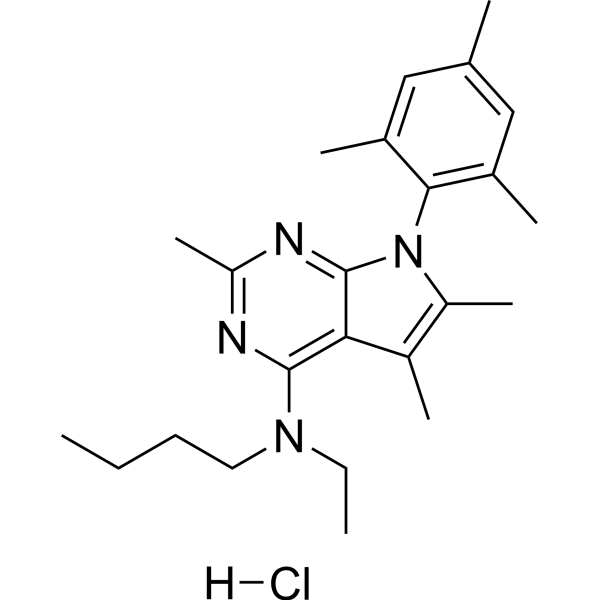
Antalarmin hydrochloride
 0 Images
Antalarmin (hydrochloride) is an oral active non-peptide corticotropin-releasing hormone receptor 1 (CRHR1) antagonist with a Ki of 1 nM. Antalarmin hydrochloride suppresses CRH-induced ACTH secretion and blocks CRH and novelty induced anxiety-like behavior in animal models. Antalarmin hydrochloride produces anti-inflammatory effects in arthritis models, and suppresses stress-induced gastric ulceration related to irritable bowel syndrome.
-
R121919
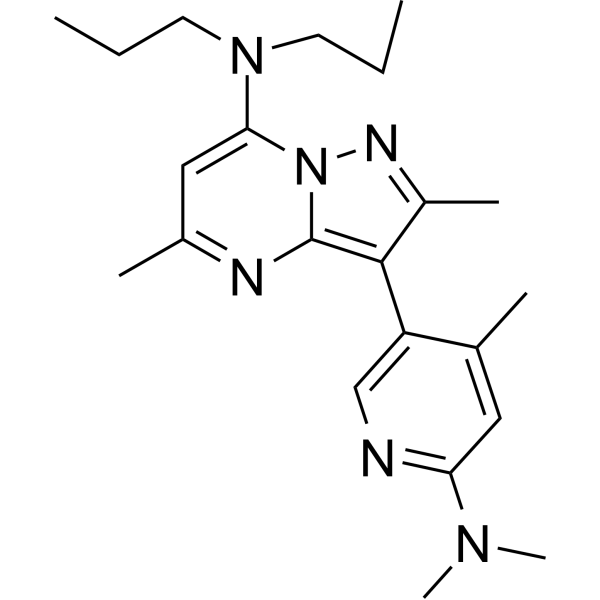 0 ImagesSynonyms: NBI30775
R121919 (NBI30775) is a potent and selective CRF1R antagonist with a Ki of 2 to 5 nM. R121919 has antidepressant and anxiolytic effects. R121919 alleviates defensive withdrawal in rats.
-
Antisauvagine-30
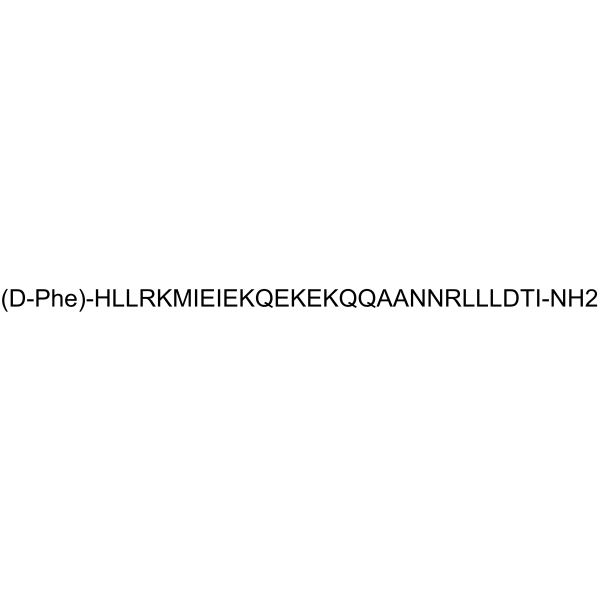 0 ImagesSynonyms: aSvg-30
Antisauvagine-30 (aSvg-30) is a selective peptide antagonist of the CRF2 receptor, with an IC50 of 1.1 nM for mouse CRF2. Antisauvagine-30 modulates cAMP signaling, gastric emptying, food intake, fear conditioning, anxiety-like behavior, stress responses, corticosterone levels, c-Fos expression, and CRF expression. Antisauvagine-30 is used in studies of anxiety-related disorders.
-
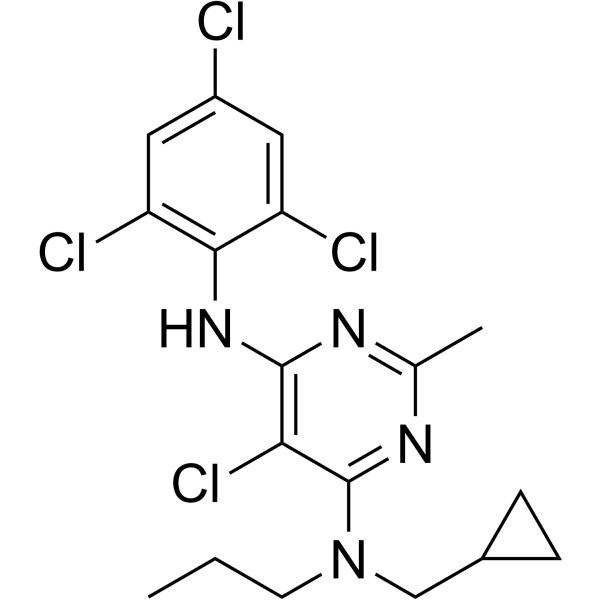
Antisauvagine-30 TFA
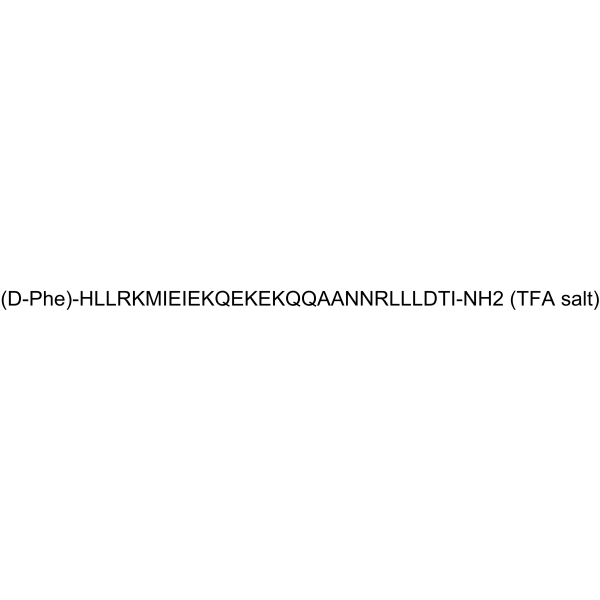 0 ImagesCat. No.: HY-P1107APurity: 99.64%Synonyms: aSvg-30 TFA
Antisauvagine-30 TFA (aSvg-30 TFA) is a selective peptide antagonist of the CRF2 receptor, with an IC50 of 1.1 nM for mouse CRF2. Antisauvagine-30 TFA modulates cAMP signaling, gastric emptying, food intake, fear conditioning, anxiety-like behavior, stress responses, corticosterone levels, c-Fos expression, and CRF expression. Antisauvagine-30 TFA is used in studies of anxiety-related disorders.
-
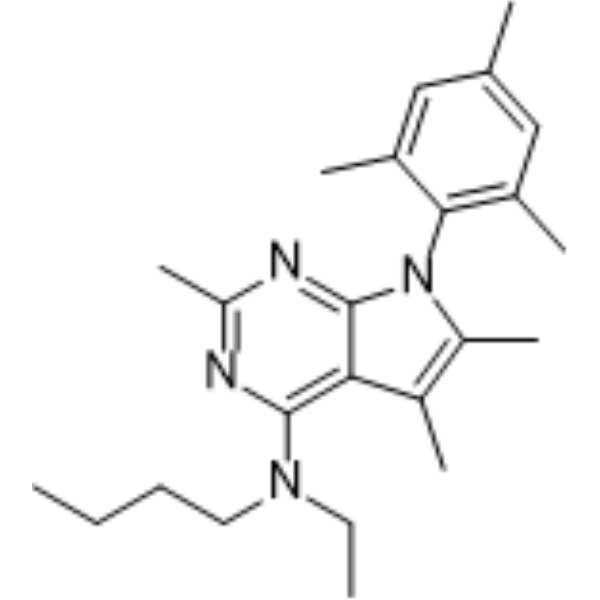
Antalarmin
 0 Images
Antalarmin is a selective nonpeptide corticotropin-releasing factor receptor 1 (CRHR1) antagonist with a Ki of 2.7 nM. Antalarmin can pass through the blood–brain barrier.
-
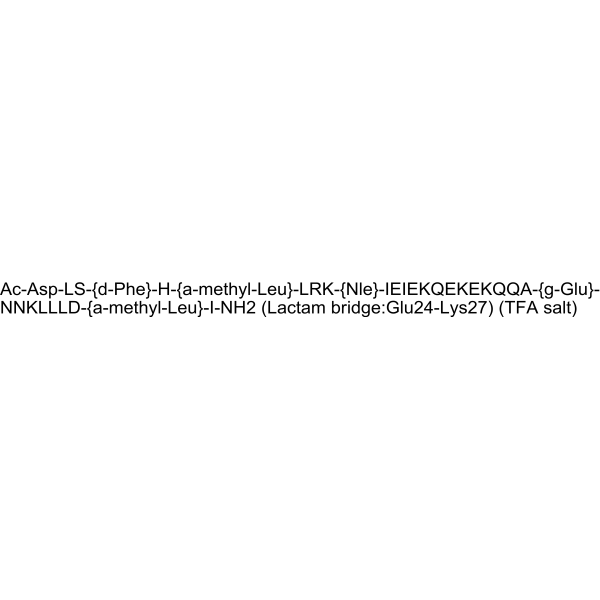
Astressin 2B TFA
 0 ImagesCat. No.: HY-P1108APurity: 99.75%
Astressin 2B TFA is a blood-brain barrier-impermeable, highly selective CRFR2 antagonist (rCRFR2, IC50=0.57 nM). Astressin 2B TFA blocks the protective effects mediated by CRFR2, thereby exacerbating indomethacin (HY-14397)-induced hemorrhagic intestinal injury in rats. Astressin 2B TFA reverses the protective effects of Urocortin 1 against intestinal hypermotility, bacterial invasion and upregulation of inflammatory mediators. Astressin 2B TFA also blocks the anxiogenic effect of Urocortin 2 and attenuates stress-induced anxiety-related behaviors. In the Clostridioides difficile toxin A (C. difficile toxin A)-mediated enteritis model, Astressin 2B TFA mimics the phenotype of CRFR2-deficient mice, significantly exacerbating intestinal epithelial damage, edema, neutrophil migration and the expression of multiple proinflammatory cytokines. Astressin 2B TFA is an important tool molecule for investigating the intestinal protective mechanisms of CRFR2.
-
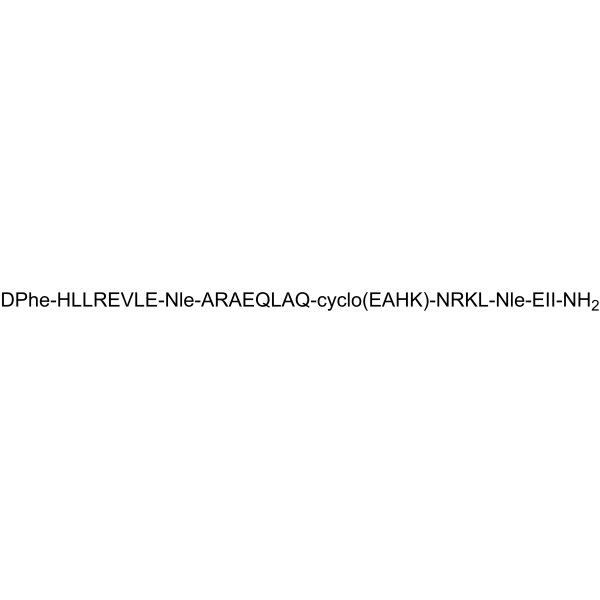
Astressin 2B
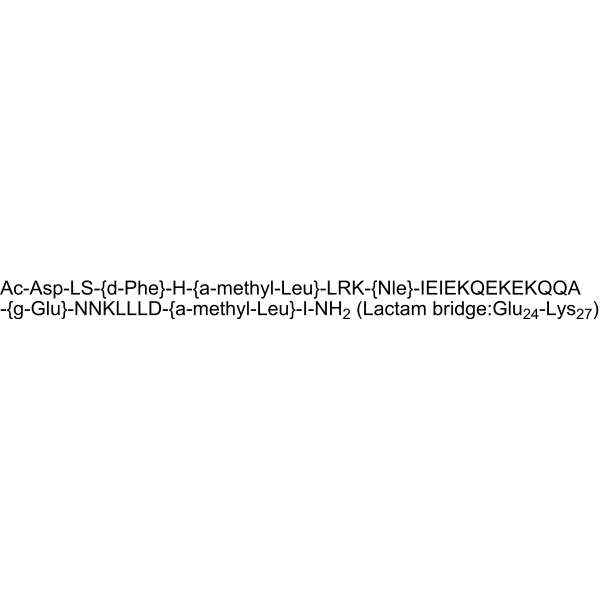 0 ImagesCat. No.: HY-P1108CAS No.: 681260-70-8
Astressin 2B is a blood-brain barrier-impermeable, highly selective CRFR2 antagonist (rCRFR2, IC50=0.57 nM). Astressin 2B blocks the protective effects mediated by CRFR2, thereby exacerbating indomethacin (HY-14397)-induced hemorrhagic intestinal injury in rats. Astressin 2B reverses the protective effects of Urocortin 1 against intestinal hypermotility, bacterial invasion and upregulation of inflammatory mediators. Astressin 2B also blocks the anxiogenic effect of Urocortin 2 and attenuates stress-induced anxiety-related behaviors. In the Clostridioides difficile toxin A (C. difficile toxin A)-mediated enteritis model, Astressin 2B mimics the phenotype of CRFR2-deficient mice, significantly exacerbating intestinal epithelial damage, edema, neutrophil migration and the expression of multiple proinflammatory cytokines. Astressin 2B is an important tool molecule for investigating the intestinal protective mechanisms of CRFR2.
-
Pexacerfont
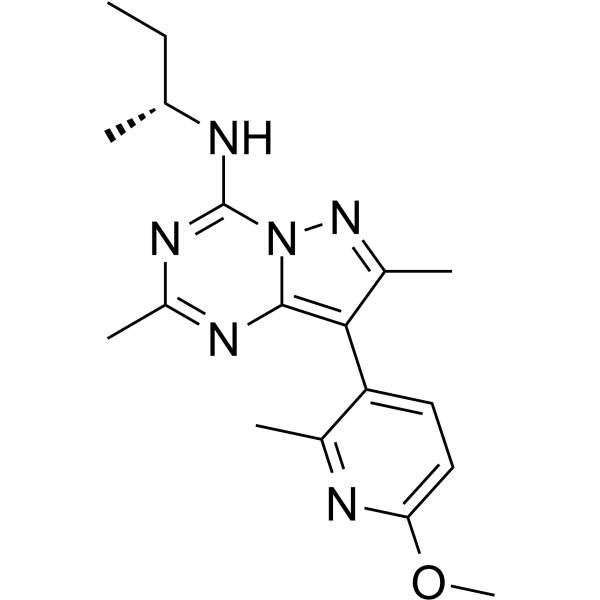 0 ImagesSynonyms: BMS-562086
Pexacerfont is a selective corticotropin-releasing factor (CRF1) receptor antagonist with IC50 of 6.1±0.6 nM for human CRF1 receptor.
-
CP 376395
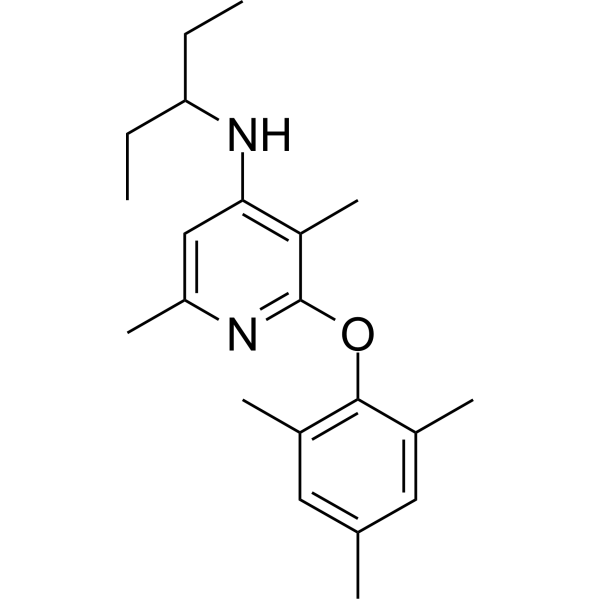 0 Images
CP 376395 is a potent, selective, and brain-penetrable Corticotropin releasing factor 1 (CRF1) receptor antagonist.
-
Verucerfont
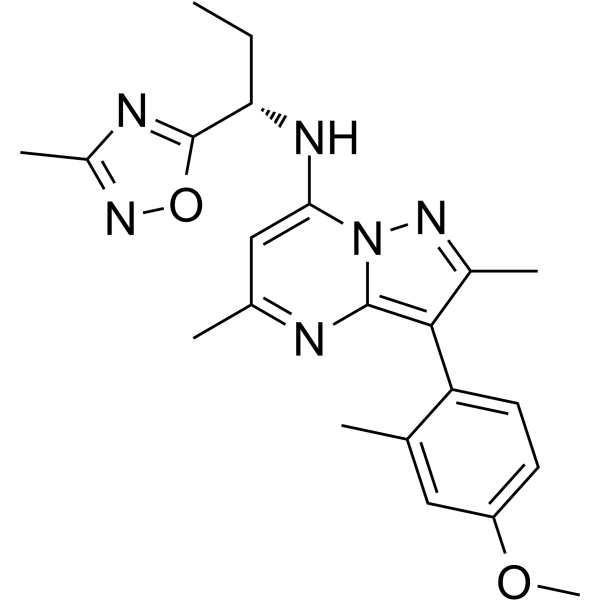 0 ImagesSynonyms: GSK561679
Verucerfont is a corticotropin-releasing factor receptor 1 (CRF1) antagonist with IC50s of ~6.1, >1000 and >1000?nM for CRF1, CRF2, and CRF-BP, respectively.
-
K41498
 0 Images
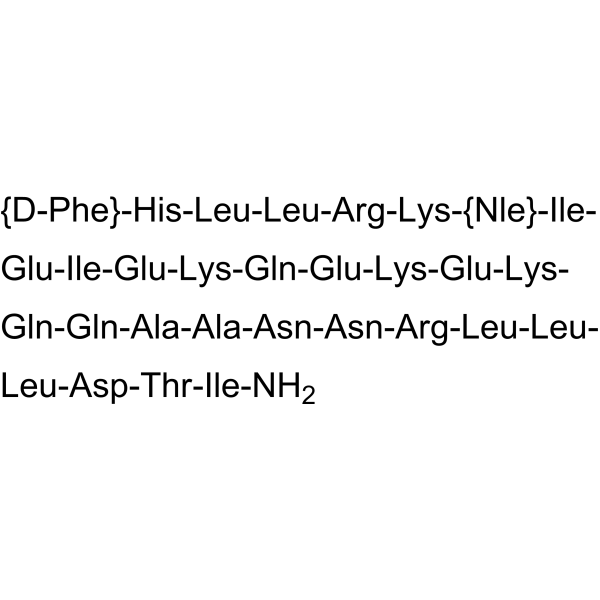
K41498 is a highly selective CRF 2 receptor antagonist, with a Ki of 0.66 nM for human CRF2α receptor and a Ki of 0.62 nM for human CRF2β receptor. K41498 inhibits cAMP accumulation in cells expressing CRF2. K41498 antagonizes the hypotensive response induced by systemic administration of urocortin in conscious rats. K41498 undergoes radioiodination without loss of activity and serves for autoradiographic studies of native CRF2 receptors in rat brain and peripheral tissues.
-
DMP 696
 0 Images
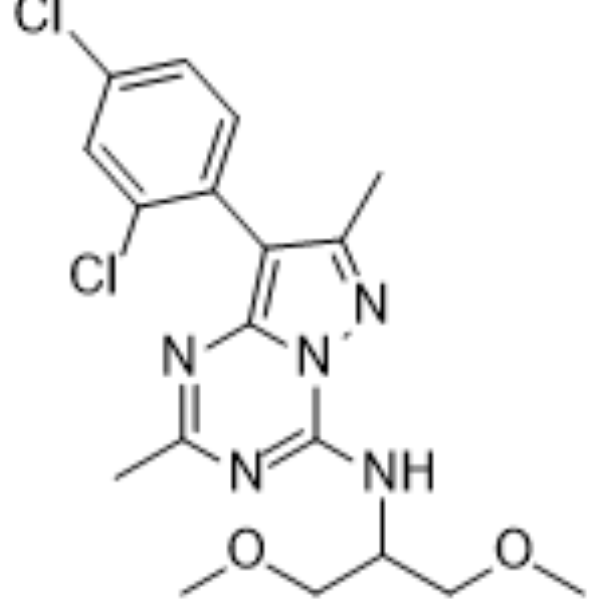
DMP 696 is a selective corticotropin-releasing hormone receptor 1 (CRHR1) antagonist, used for the treatment of anxiety and depression.
-
NBI-27914 hydrochloride
 0 ImagesCat. No.: HY-103376CAS No.: 1215766-76-9
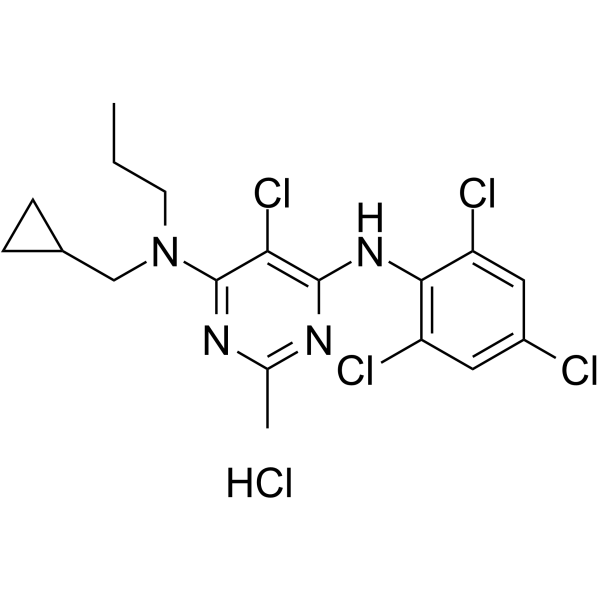
NBI-27914 (hydrochloride) is a selective Corticotropin-Releasing Factor 1 (CRF1) receptor antagonist with a Ki value of 1.7 nM.
-
NBI 35965 methanesulfonate
 0 ImagesCat. No.: HY-103378CAS No.: 603151-83-3
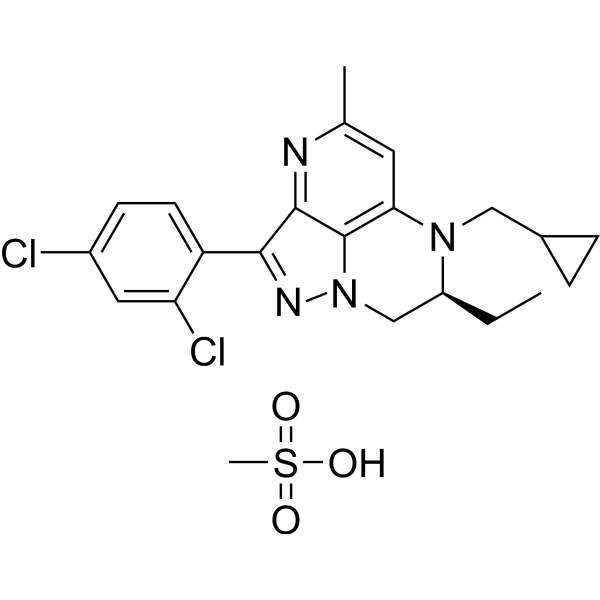
NBI 35965 methanesulfonate is a selective, orally active and brain-penetrant corticotropin-releasing factor receptor 1 (CRF1) antagonist with a Ki value of 4 nM and a pKi value of 8.5. NBI 35965 methanesulfonate does not inhibit CRF2. NBI 35965 methanesulfonate reduces CRF or stress-induced adrenocorticotropic hormone (ACTH) production in vivo with pIC50 values of 7.1 and 6.9, respectively. NBI 35965 methanesulfonate shows anxiolytic effects.
-
Emicerfont
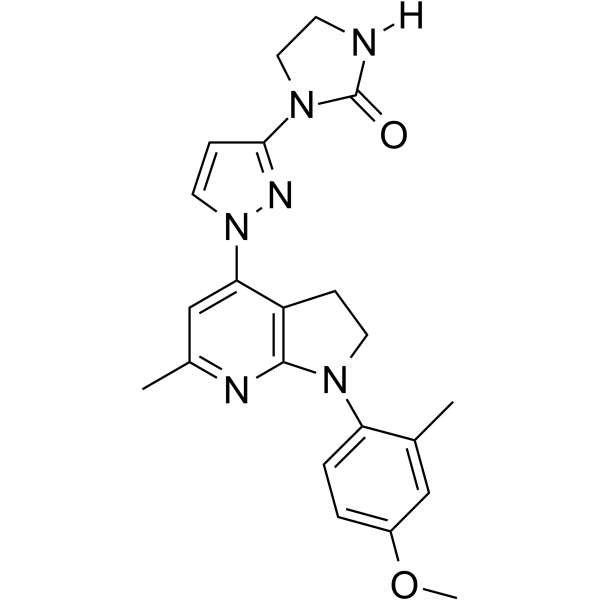 0 ImagesSynonyms: GW876008
Emicerfont is a corticotropin-releasing factor type 1 (CRF1) receptor antagonist with an IC50 of 66 nM.
-
NVS-CRF38
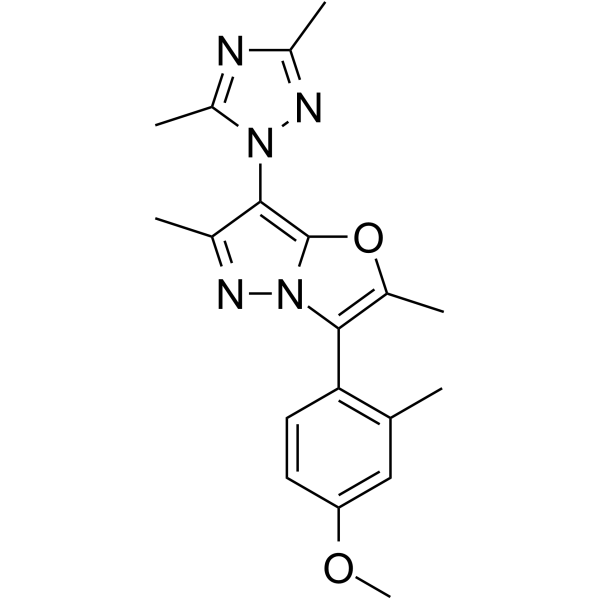 0 ImagesCat. No.: HY-12339CAS No.: 1207258-55-6
NVS-CRF38 is a novel corticotropin-releasing factor receptor 1 (CRF1) antagonist with low water solubility.
-
R121919 hydrochloride
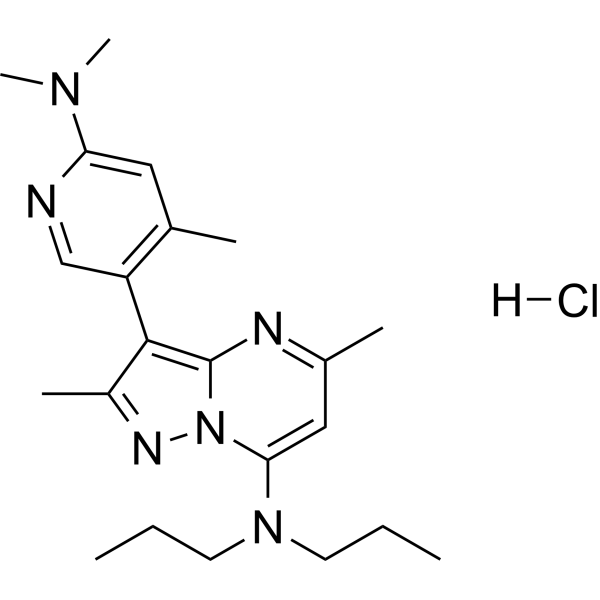 0 ImagesCat. No.: HY-115645CAS No.: 195055-66-4Synonyms: NBI30775 hydrochloride
R121919 (NBI30775) hydrochloride is a potent and selective CRF1R antagonist with a Ki of 2 to 5 nM. R121919 hydrochloride has antidepressant and anxiolytic effects. R121919 hydrochloride alleviates defensive withdrawal in rats.
-
CP 154526
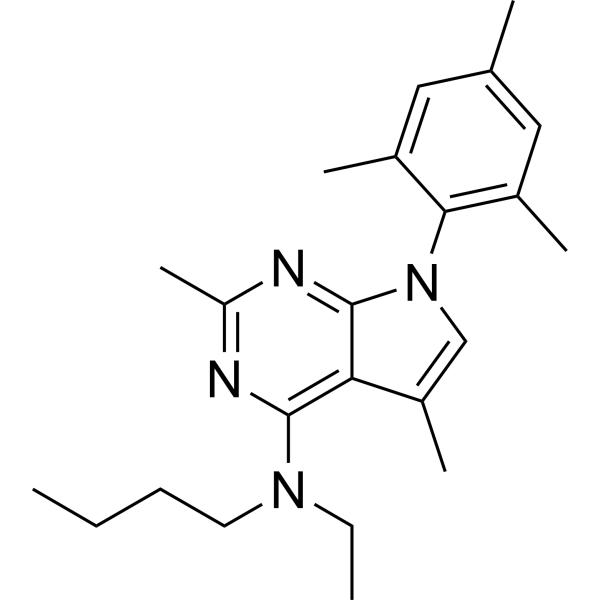 0 ImagesCat. No.: HY-12130CAS No.: 157286-86-7
CP 154526 is a potent, brain-penetrant and selective corticotropin-releasing factor receptor 1 (CRF1) antagonist with a Ki of 2.7 nM. CP 154526 shows selective for CRF1 over CRF2 (Ki = >10 μM). CP 154526 has anxiolytic activities.



