



Cationic Lipids
The molecular architecture of cationic lipids used as nucleic acid carriers is similar to that of natural lipids, with the major difference being their cationic head group, so cationic lipids have the ability to form aggregate complexes with anionic nucleic acids such as DNA or RNA. Advantages of cationic lipid-mediated transfection include high efficiency, ability to transfect a wide range of cell types, reproducibility, and simplicity.
Ionizable cationic lipids (including DOTMA, DODAP, DLin-KC2-DMA, and D-Lin-MC3-DMA) are pH sensitive and highly effective for in vivo transfection. These ionizable cationic lipids are positively charged at low pH (the ability to complex nucleic acids), but mostly uncharged at the pH of blood (pH 7.4) (slow elimination and good tolerability). The ionizable cationic lipids shape and acid-dissociation constant optimization dramatically improved lipid nanoparticles (LNPs) potency, thereby enabling clinical translation.
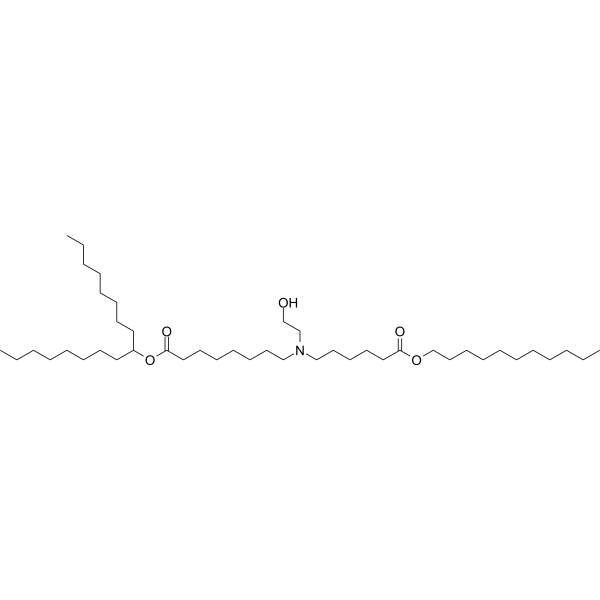
- Formel: C44H87NO5
- Molecular Weight: 710.17
SM-102 is an amino cationic lipid useful in the formation of lipid nanoparticles (LNPs). SM-102 has higher transfection efficiency. SM-102 plays an important role in the effectiveness of lipid nanoparticles (LNPs) in delivering mRNA therapeutics and vaccines.
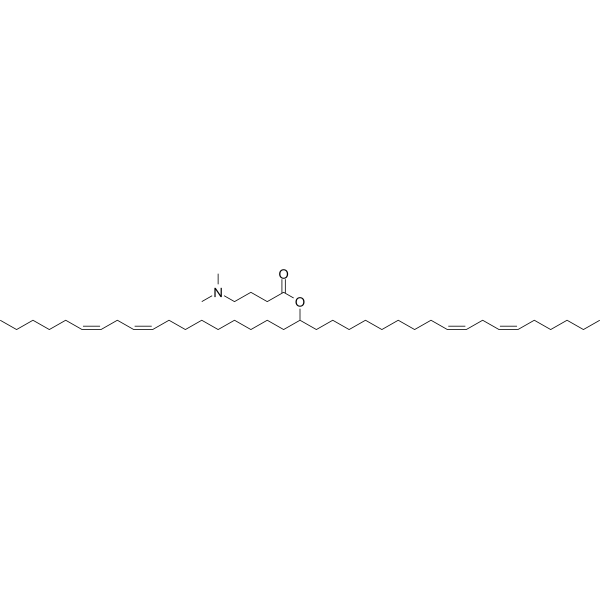
- Formel: C43H79NO2
- Molecular Weight: 642.09
D-Lin-MC3-DMA, an ionizable cationic lipid, is a potent siRNA delivery vehicle.
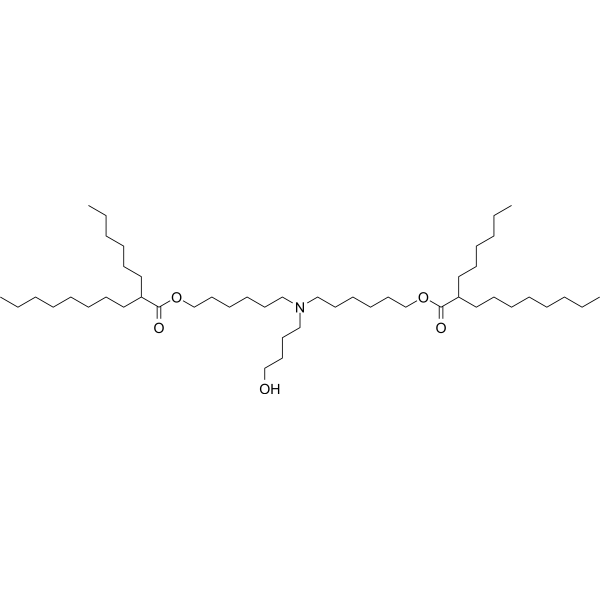
- Formel: C48H95NO5
- Molecular Weight: 766.27
ALC-0315 is an ionisable aminolipid that is responsible for mRNA compaction and aids mRNA cellular delivery and its cytoplasmic release through suspected endosomal destabilization. ALC-0315 can be used to form lipid nanoparticle (LNP) delivery vehicles. Lipid-Nanoparticles have been used in the research of mRNA COVID-19 vaccine.
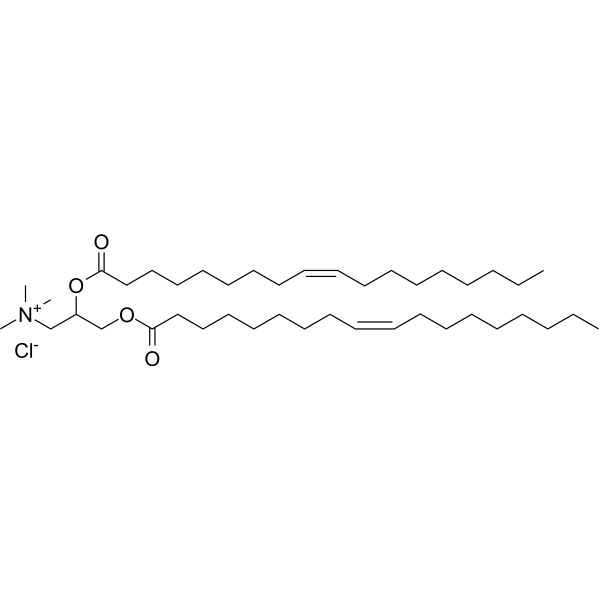
- Formel: C42H80ClNO4
- Molecular Weight: 698.54
DOTAP chloride is a useful and effective cationic lipid for transient and stable transfection DNA (plasmids, bacmids) and modified nucleic acids (antisense oligonucleotides) with out the use of helper lipid.
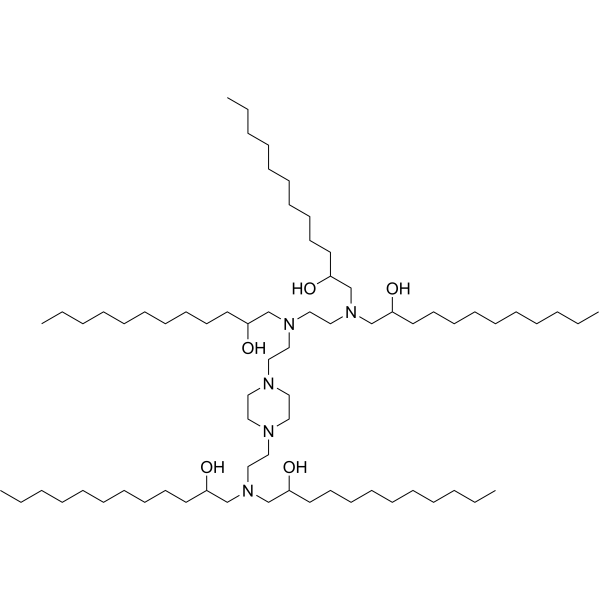
- Formel: C70H145N5O5
- Molecular Weight: 1136.93
C12-200 is a type of ionizable cationic lipid and helper lipid commonly used for mRNA delivery. In the hemophilia B mouse model, mRNA encoding human erythropoietin (EPO) and coagulation factor IX (FIX) can be successfully delivered and expressed using C12-200. C12-200 is utilized in research related to hemophilia B.

- Formel: C41H85NO2
- Molecular Weight: 624.12
DSDMA is an ionizable ether lipid for RNA and vaccine delivery.
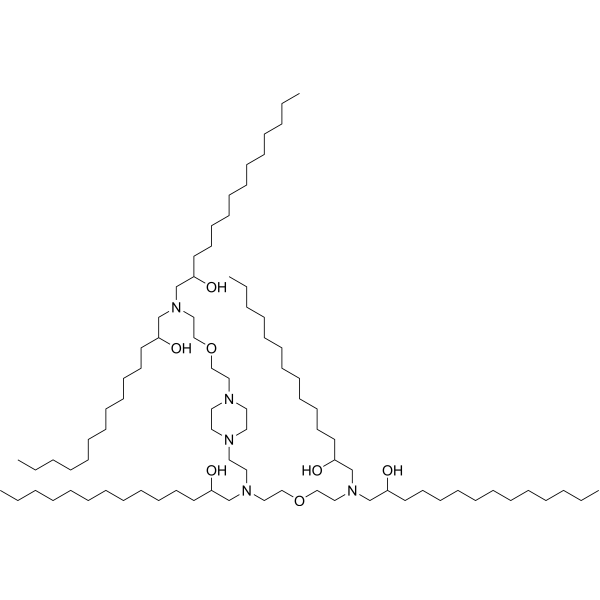
- Formel: C84H173N5O7
- Molecular Weight: 1365.30
C14-4 is an ionizable lipid utilized for the synthesis of lipid nanoparticles (LNPs). C14-4 enhances mRNA delivery, enabling the effective transport of mRNA to primary human T cells, which in turn induces functional protein expression. C14-4 demonstrates high transfection efficiency while maintaining low cytotoxicity.
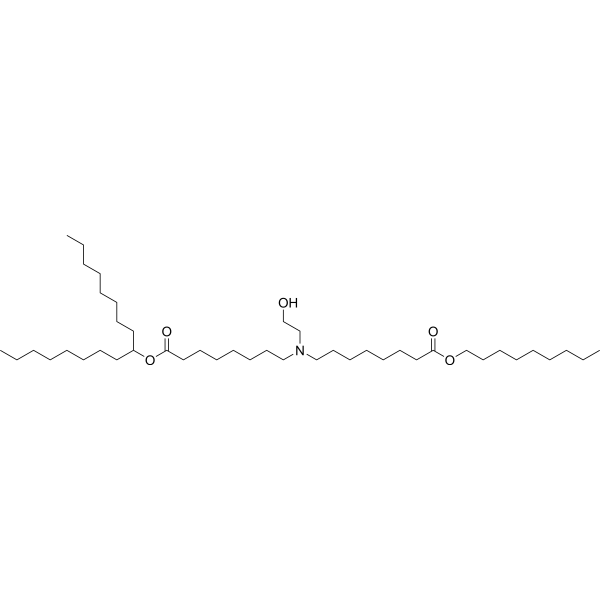
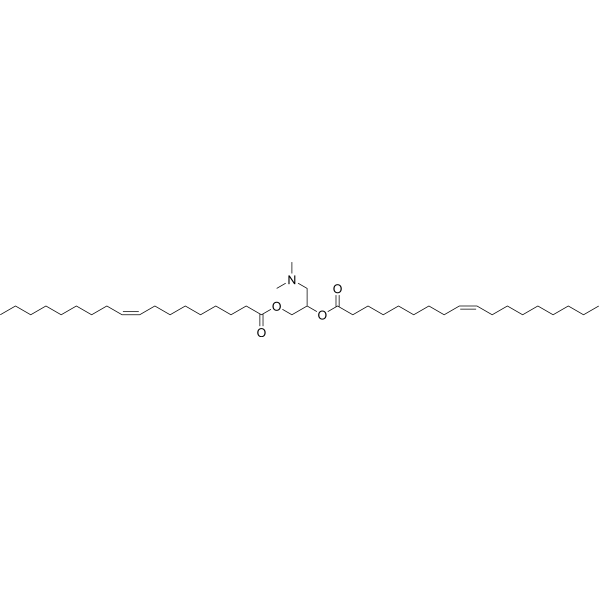
- Formel: C41H77NO4
- Molecular Weight: 648.05
DODAP is a cationic lipid utilized as the lipid component in liposomes (pKa = 5.59 in TNS binding tests). DODAP is employed for encapsulating siRNA and delivering immunostimulated chemotherapeutic agents both in vitro and in vivo. DODAP holds great promise for research in vaccines and inflammation.
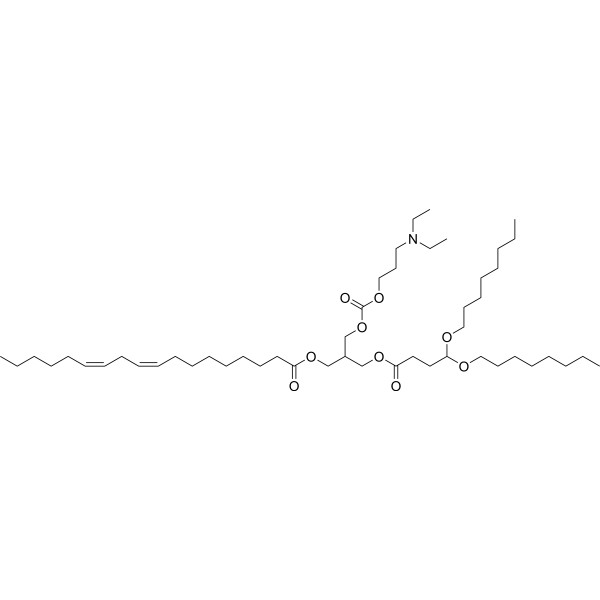
- Formel: C50H93NO9
- Molecular Weight: 852.27
LP01 (Example 13) is a cationic lipid used in the delivery of biologically active agents to cells and tissues.
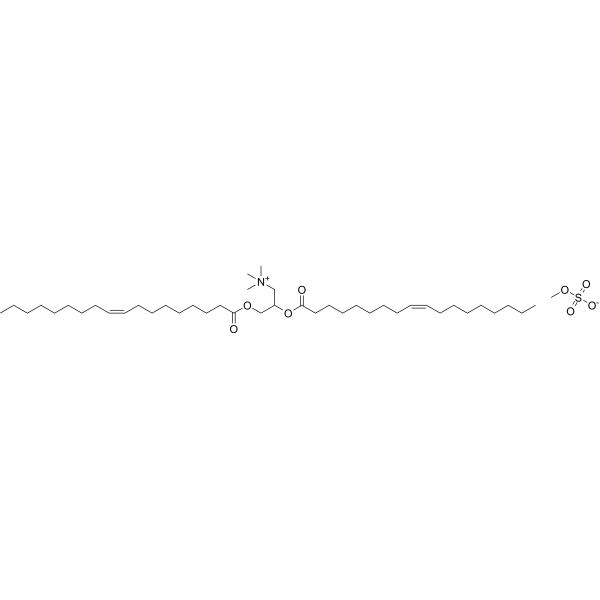
- Formel: C43H83NO8S
- Molecular Weight: 774.19
DOTAP methylsulfat is a cationic lipid reagent, a cationic derivative of trimethylammonium, linked to two 18-carbon fatty acid tails, each with a single olefin group. DOTAP methylsulfat can self-assemble with negatively charged ions (such as DNA) to form complexes, which can be adsorbed to the cell membrane surface and enter the cell by electrostatic interaction and endocytosis, respectively. DOTAP methylsulfat promotes endosomal membrane fusion with its own hydrophobic domain, releases DNA into the cytoplasm, and exerts gene delivery function. DOTAP methylsulfat can be widely used in research fields such as gene therapy, cell transfection, and non-viral vector design
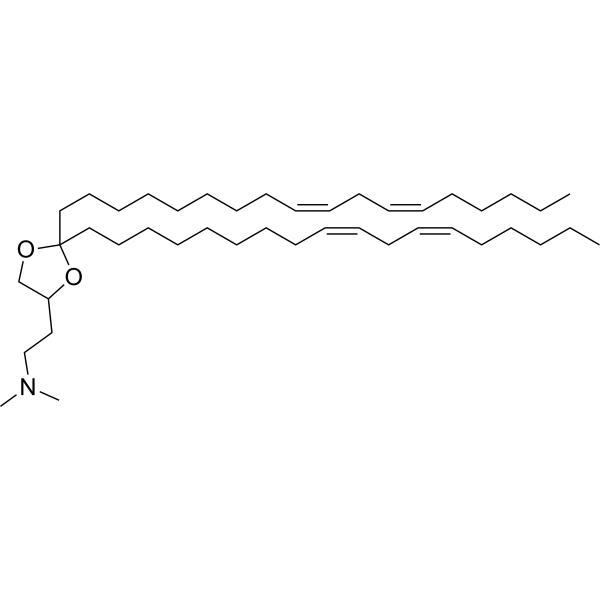
- Formel: C43H79NO2
- Molecular Weight: 642.09
DLin-KC2-DMA is an ionisable cationic lipid (pKa≈6) that is virtually non-toxic to antigen presenting cells (APCs). DLin-KC2-DMA produces significant siRNA-mediated gene silencing of GAPDH, when binds to lipid nanoparticles (LNP). DLin-KC2-DMA can be used in siRNA delivery studies.
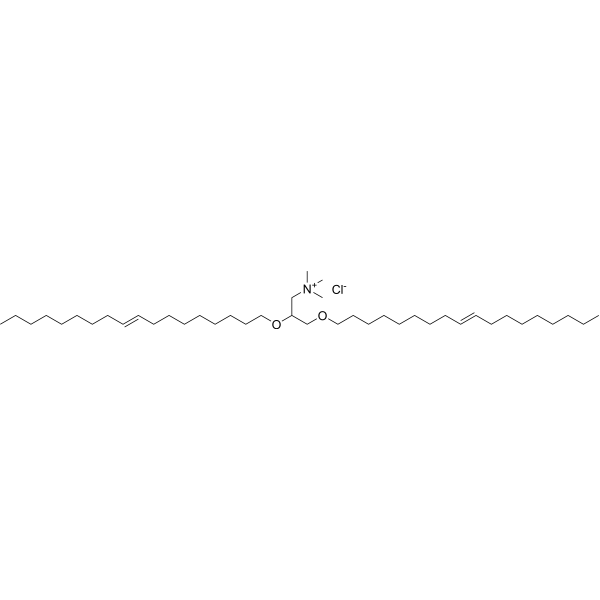
- Formel: C42H84ClNO2
- Molecular Weight: 670.57
DOTMA is a cationic lipid that has been used as a non-viral vector for gene therapy. DOTMA is used as a component of liposomes to encapsulate siRNA, microRNA, and oligonucleotides and for in vitro gene transfection. DOTMA promotes effective interaction between liposomes and cell membranes by inducing positive charge on the liposomes. DOTMA showed good gene transfection effect both in vitro and in vivo.
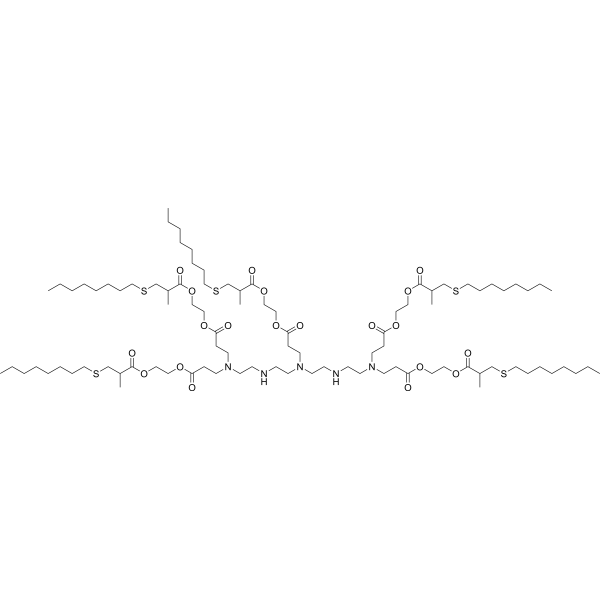
- Formel: C93H173N5O20S5
- Molecular Weight: 1841.72
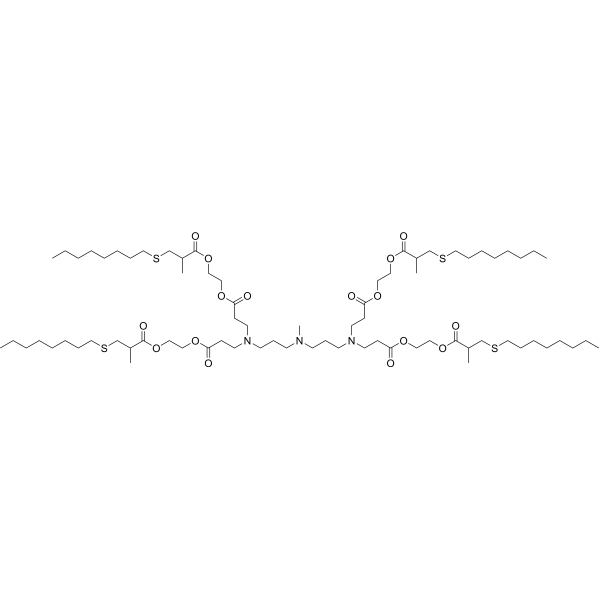
5A2-SC8 is an ionizable amino lipid in lipid nanoparticles (LNPs) that shows high delivery potential and low in vivo toxicity, enabling efficient delivery of small RNAs such as siRNA and miRNA into tumor cells. 5A2-SC8 LNPs can confer a unique delivery fate of RNA within the liver, thereby changing the therapeutic outcomes in cancer models.
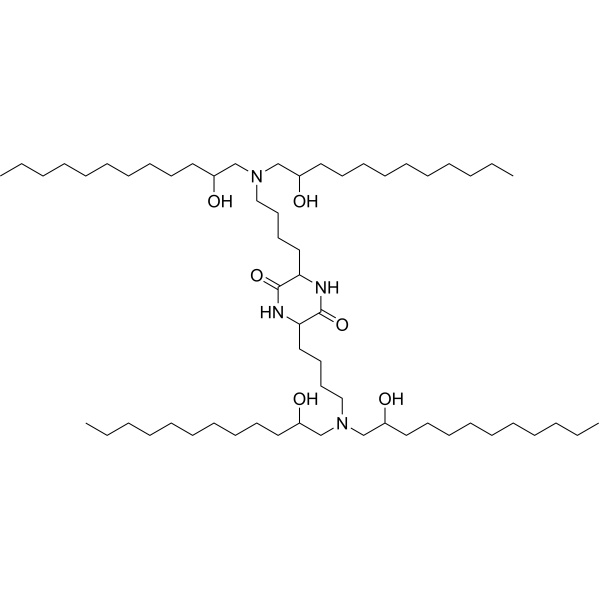
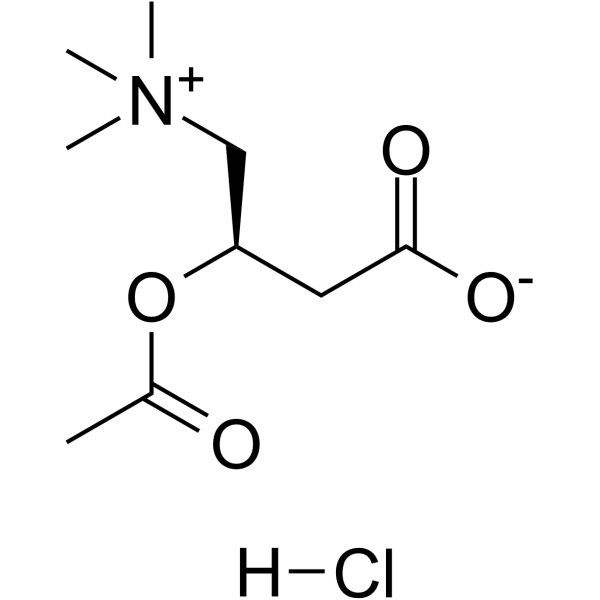
- Formel: C9H18ClNO4
- Molecular Weight: 239.70
Acetyl-L-carnitine (O-Acetyl-L-carnitine; ALCAR) hydrochloride is an orally active mitochondrial energy metabolism regulator and neuroprotectant that can penetrate the blood-brain barrier. Acetyl-L-carnitine hydrochloride selectively enters cells and the brain through the organic cation transporter OCTN2. Acetyl-L-carnitine hydrochloride can participate in fatty acid β-oxidation, promote acetylcholine synthesis, regulate mitochondrial function and inhibit oxidative stress as an acetyl donor. Acetyl-L-carnitine hydrochloride exerts its activity by enhancing energy metabolism, protecting neurons and improving synaptic plasticity. Acetyl-L-carnitine hydrochloride is mainly used in the study of neurodegenerative diseases and metabolic disorder-related diseases such as neonatal hypoxic-ischemic brain damage, Alzheimer's disease, and depression.
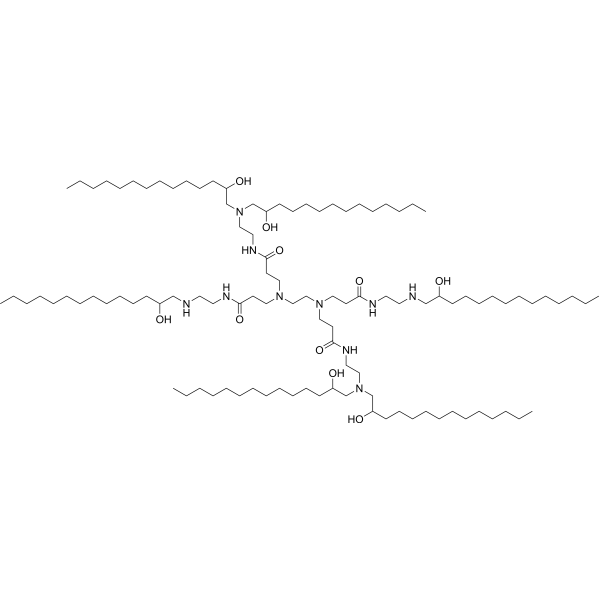
- Formel: C106H216N10O10
- Molecular Weight: 1790.91
G0-C14 is a cationic lipid-like compound alkyl-modified polyamidoamine (PAMAM) dendrimer. G0-C14 involves in the preparation of a series of macrophage-targeted nanoparticles (NPs). NPs can be used for agent and vaccine delivery.

- Formel: C55H100N2O14
- Molecular Weight: 1013.39
Lipid A-11 (Compound A-11) (CICL1) is an ionizable cationic lipid. Lipid A-11 can be used to prepare lipid nanoparticles. Lipid A-11 can be used in research involving T cell-targeted transfection.
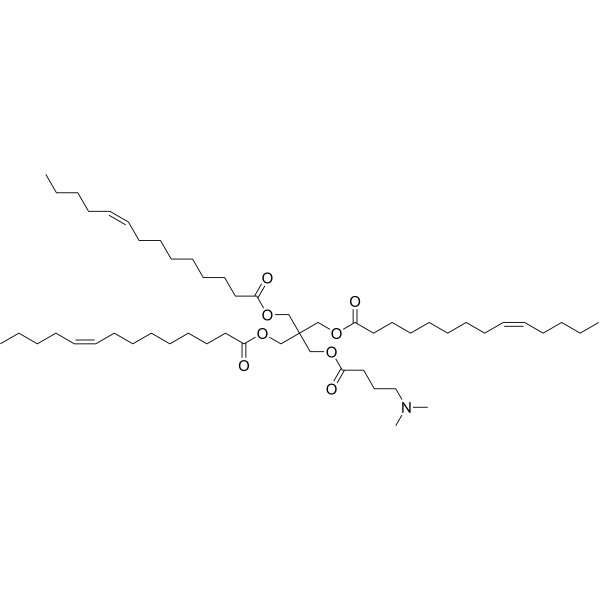
- Formel: C53H95NO8
- Molecular Weight: 874.32
TCL053 is an ionizable lipid carrier and used to introduce active components, in particular nucleic acids, into cells with excellent efriciency. TCL053, together with DPPC (Dipalmitoylphosphatidylcholine), PEG-DMG (Polyethylene glycoldimyristoyl glycerol), and cholesterol, forms lipid nanoparticle (LNP) which is able to deliver Cas9 mRNA and sgRNA into skeletal muscle.



