
116 Results for "

oxidative processes

" in MedChemExpress (MCE) Product Catalog:
Products (116)

116 Results for "oxidative processes" in MCE Product Catalog:

819
819 Publications Verification
Cat. No.: HY-16658B
CAS No.: 161401-82-7
Synonyms: Z-VAD(OH)-FMK
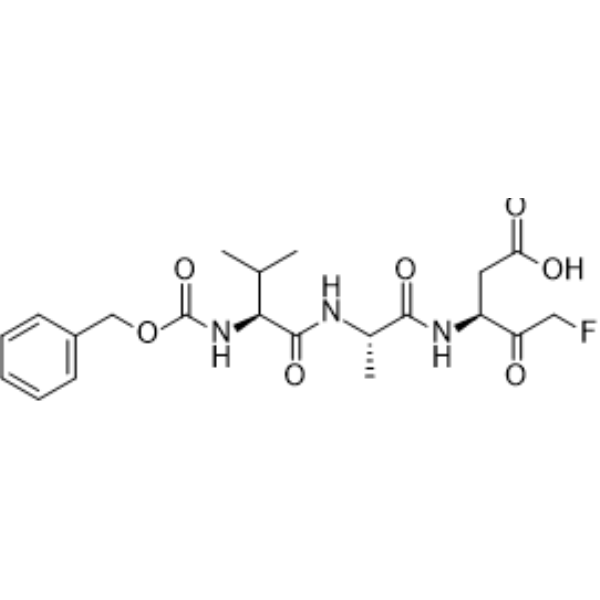
Z-VAD-FMK is a pan-caspase inhibitor and also an ICE-like protease inhibitor, which inhibits apoptosis by preventing the processing of CPP32 to its active form. Z-VAD-FMK sensitivity varies primarily due to differential expression of receptor-interacting protein 1 (RIP1). Z-VAD-FMK limits the cryopreservation-induced apoptosis by reducing caspase-3 activity of in vitro produced bovine embryos. Z-VAD-FMK is immunosuppressive in vitro and inhibits T cell proliferation without blocking the processing of caspase-8 and caspase-3. Z-VAD-FMK leads to a decrease in intracellular glutathione (GSH) with a concomitant increase in reactive oxygen species (ROS) levels in activated T cells. Z-VAD-FMK is due to oxidative stress via the depletion of GSH. Z-VAD-FMK can be used for the study of acute pancreatitis .
loading...
    loading...
30
30 Cited Publications
Cat. No.: HY-N0390
CAS No.: 56-85-9
Synonyms: L-Glutamic acid 5-amide
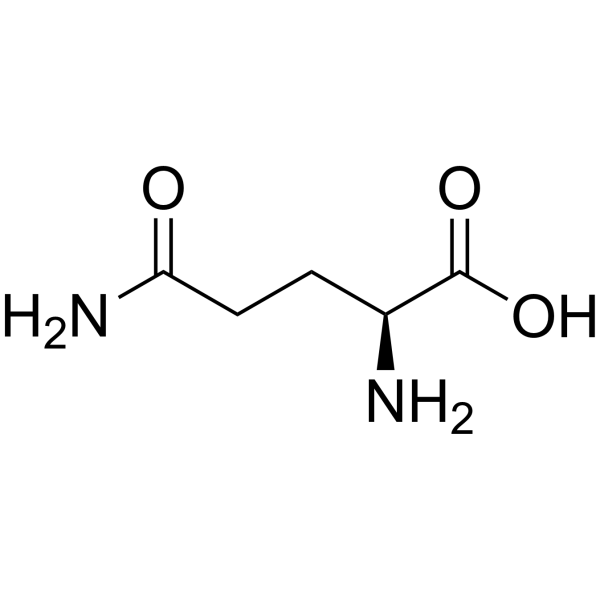
L-Glutamine (L-Glutamic acid 5-amide) is a non-essential amino acid present abundantly throughout the body and involved in many metabolic processes. L-Glutamine provides a source of carbons for oxidation in some cells .
loading...
    loading...
27
27 Cited Publications
Cat. No.: HY-P1363
Synonyms: Amyloid β-peptide (1-42) (human) TFA
Target:  

Amyloid-β

Domaines de recherche:  

Neurological Disease

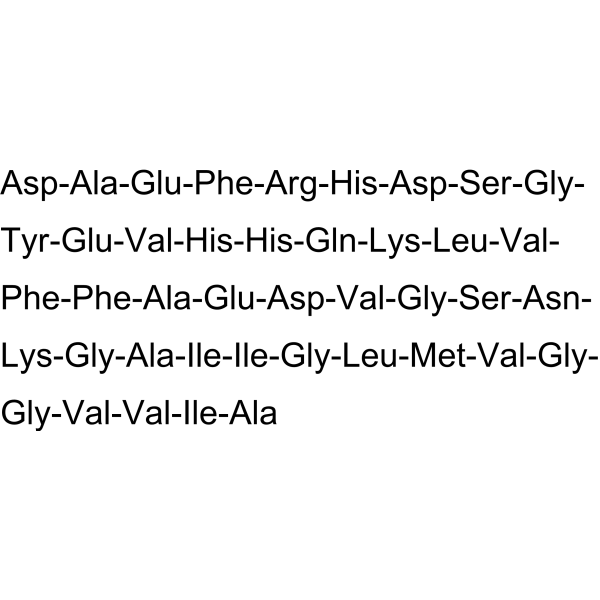
β-Amyloid (1-42) (Amyloid β-peptide (1-42), human TFA, a 42-amino acid peptide that has not been treated with HFIP, is a brain-penetrant amyloid protein fragment, which can be used in research on Alzheimer's disease and Down’s syndrome. β-Amyloid (1-42), human TFA remaining as a monomer exhibits antioxidant and neuroprotective effects. β-Amyloid (1-42), human TFA, after being monomericized by HFIP and dissolved in DMSO to form the stock solution, on the one hand, can form soluble oligomers (AβOs) when incubated at 4 °C, which have synaptic toxicity and neurotoxicity; on the other hand, it can be incubated at 37 °C to form insoluble fibrils, with lower neurotoxicity, and participating in the oxidative damage process. Aβ42 oligomers bind to various neuronal surface receptors (such as PrPc, mGluR5, NMDA receptors, etc.), triggering oxidative stress, calcium homeostasis imbalance, and synaptic toxicity via activating downstream signaling pathways, leading to neuronal dysfunction and death .
loading...
    loading...
27
27 Cited Publications
Cat. No.: HY-P1363A
CAS No.: 107761-42-2
Synonyms: Amyloid β-peptide (1-42) (human)
Target:  

Amyloid-β

Domaines de recherche:  

Neurological Disease

β-Amyloid (1-42) (Amyloid β-peptide (1-42)), human, a 42-amino acid peptide that has not been treated with HFIP, is a brain-penetrant amyloid protein fragment, which can be used in research on Alzheimer's disease and Down’s syndrome. β-Amyloid (1-42), human remaining as a monomer exhibits antioxidant and neuroprotective effects. β-Amyloid (1-42), human, after being monomericized by HFIP and dissolved in DMSO to form the stock solution, on the one hand, can form soluble oligomers (AβOs) when incubated at 4 °C, which have synaptic toxicity and neurotoxicity; on the other hand, it can be incubated at 37 °C to form insoluble fibrils, with lower neurotoxicity, and participating in the oxidative damage process. Aβ42 oligomers bind to various neuronal surface receptors (such as PrPc, mGluR5, NMDA receptors, etc.), triggering oxidative stress, calcium homeostasis imbalance, and synaptic toxicity via activating downstream signaling pathways, leading to neuronal dysfunction and death .
loading...
    loading...
27
27 Cited Publications
Cat. No.: HY-P1363B
CAS No.: 107761-42-2
Target:  

Amyloid-β

Domaines de recherche:  

Neurological Disease

β-Amyloid (1-42), human, HFIP-treated, a 42-amino acid peptide that has been treated with HFIP from β-Amyloid (1-42), human (HY-P1363A), is a brain-penetrant amyloid protein fragment, which can be used in research on Alzheimer's disease and Down’s syndrome. β-Amyloid (1-42), human, HFIP-treated remaining as a monomer exhibits antioxidant and neuroprotective effects. β-Amyloid (1-42), human, HFIP-treated, after being dissolved in DMSO to form the stock solution, on the one hand, can form soluble oligomers (AβOs) when incubated at 4°C, which have synaptic toxicity and neurotoxicity; on the other hand, it can be incubated at 37°C to form insoluble fibrils, with lower neurotoxicity, and participating in the oxidative damage process. Aβ42 oligomers bind to various neuronal surface receptors (such as PrPc, mGluR5, NMDA receptors, etc.), triggering oxidative stress, calcium homeostasis imbalance, and synaptic toxicity via activating downstream signaling pathways, leading to neuronal dysfunction and death .
loading...
    loading...
18
18 Cited Publications
Cat. No.: HY-113466
CAS No.: 75899-68-2
Pureté:  99.35%
Synonyms: 4-HNE
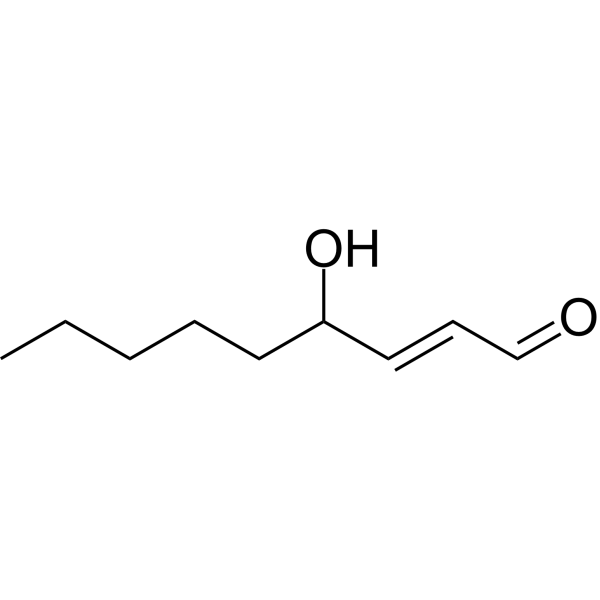
4-Hydroxynonenal (4-HNE) is an α,β unsaturated hydroxyalkenal and an oxidative/nitrosative stress biomarker. 4-Hydroxynonenal is a substrate and an inhibitor of acetaldehyde dehydrogenase 2 (ALDH2). 4-Hydroxynonenal can modulate a number of signaling processes mainly through forming covalent adducts with nucleophilic functional groups in proteins, nucleic acids, and membrane lipids. 4-Hydroxynonenal plays an important role in cancer through mitochondria .
loading...
    loading...
7
7 Cited Publications
Cat. No.: HY-B0725
CAS No.: 1229-29-4
Domaines de recherche:  

Neurological Disease Cancer

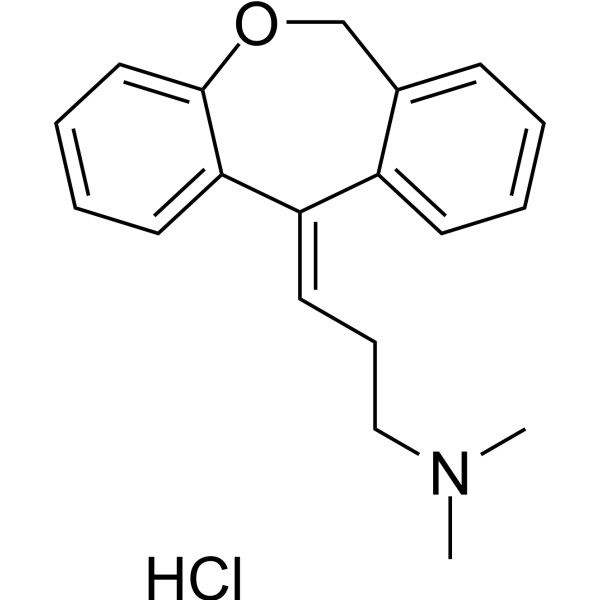
Doxepin hydrochloride is an orally active tricyclic antidepressant agent. Doxepin hydrochloride is a potent and selective histamine receptor H1 antagonist. Doxepin hydrochloride is also a potent CYP450 inhibitor and significantly inhibits CYP450 2C19 and 1A2 . Doxepin inhibits reuptake of serotonin and norepinephrine as a tricyclic antidepressant .
. Doxepin has therapeutic effects in atopic dermatitis,chronic urticarial,can improve cognitive processes, protect central nervous system .
. Doxepin has also been proposed as a protective factor against oxidative stress .
.
loading...
    loading...
7
7 Cited Publications
Cat. No.: HY-B0725A
CAS No.: 1668-19-5
Target:  

mTOR PI3K Akt

Domaines de recherche:  

Neurological Disease Cancer

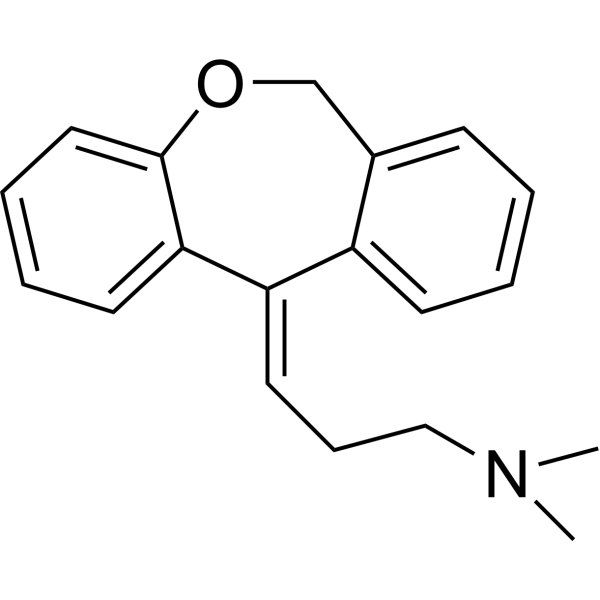
Doxepin inhibits reuptake of serotonin and norepinephrine as a tricyclic antidepressant. Doxepin has therapeutic effects in atopic dermatitis,chronic urticarial,can improve cognitive processes, protect central nervous system. Doxepin has also been proposed as a protective factor against oxidative stress .
loading...
    loading...
2
2 Cited Publications
Cat. No.: HY-B0900
CAS No.: 104-46-1
Synonyms: Anise camphor; p-Propenylanisole; Isoestragole
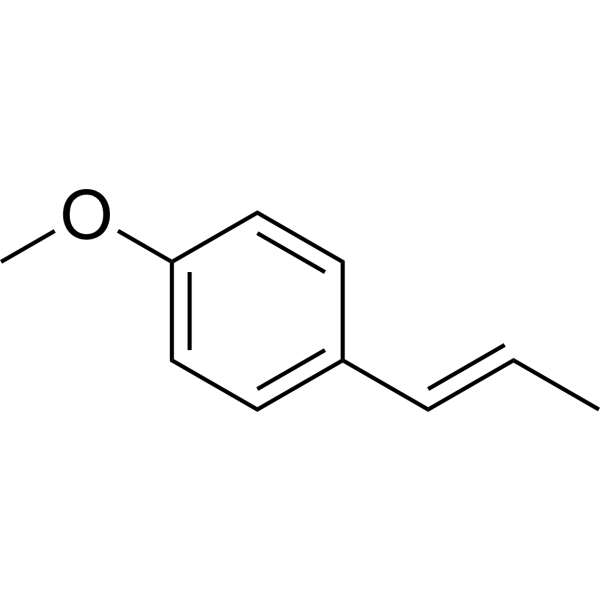
Anethole is a type of orally active aromatic compound that is widely found in nature and used as a flavoring agent. Anethole possesses anticancer, anti-inflammatory, antioxidant, antibacterial, antifungal, anesthetic, estrogenic, central nervous system depressant, hypnotic, insecticidal, and gastroprotective effects. Anethole can be used in the study of oxidative stress-related skin diseases and prostate cancer .
loading...
    loading...
2
2 Cited Publications
Cat. No.: HY-B1186
CAS No.: 502-55-6
Domaines de recherche:  

Others

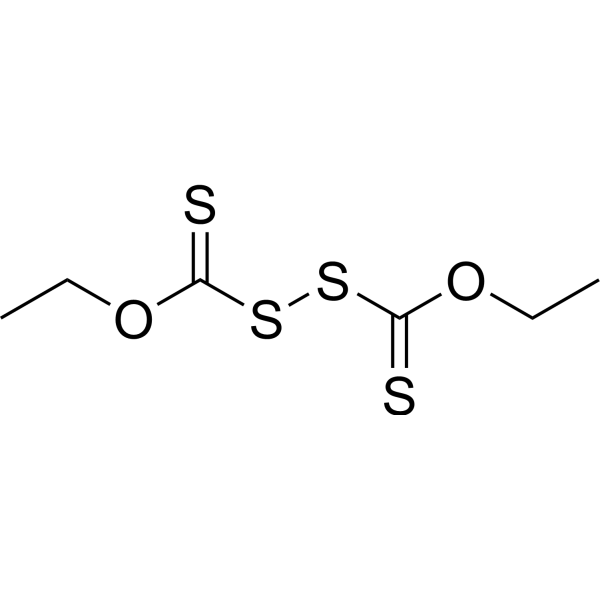
Dixanthogen is a dimer formed by the oxidation of xanthate. Dixanthogen can indirectly reflect the residual level of xanthates in water bodies. Xanthates are commonly used collectors in flotation processes but are highly toxic to the aquatic environment .
loading...
    loading...
1
1 Cited Publications
Cat. No.: HY-N0186
CAS No.: 133-32-4
Synonyms: Indolebutyric acid
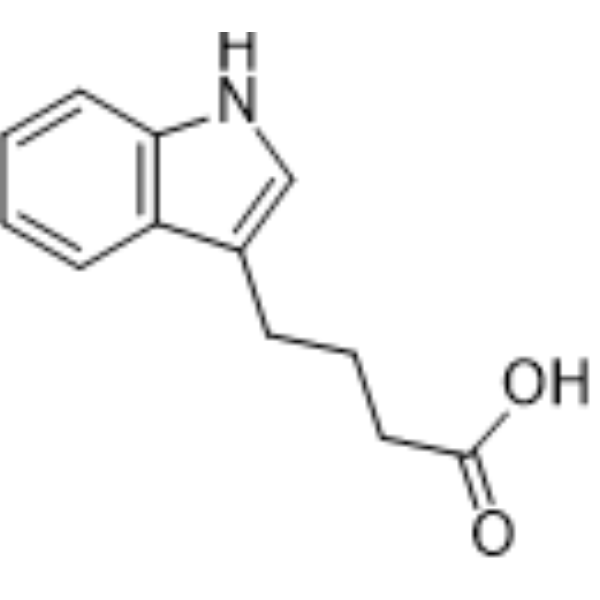
Indole-3-butyric acid (3-indolebutyric acid) is a plant growth auxin and a good rooting agent. It can promote herbs and woody ornamental plant rooting and used for improving fruit rate. Indole 3-butyric acid is an auxin precursor, and is converted to indole 3-acetic acid (IAA) in a peroxisomal β-oxidation process .
loading...
    loading...
1
1 Cited Publications
Cat. No.: HY-B0863
CAS No.: 1071-83-6
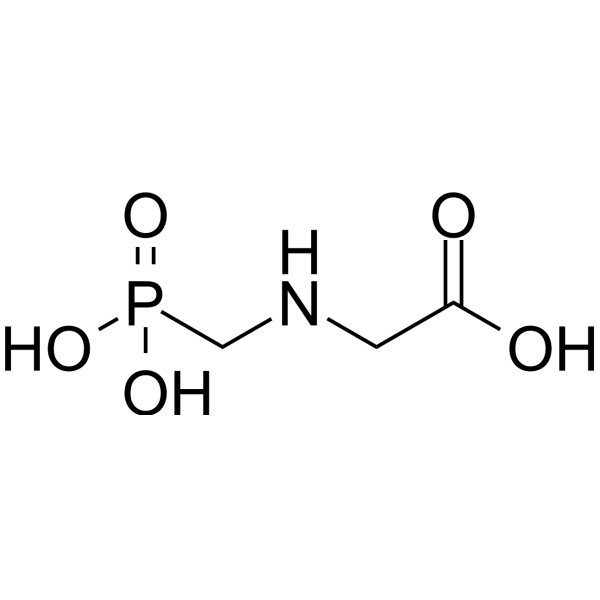
Glyphosate, a non-selective systemic biocide with broad-spectrum activity, is an herbicidal derivative of the amino acid glycine. Glyphosate inhibits the enzymatic activity of the 5-endopyruvylshikimate 3-phosphate synthase (EPSPS) in the shikimic acid pathway, preventing the synthesis of the aromatic amino acids tyrosine, phenylalanine, and tryptophan. Glyphosate induces oxidative stress, neuroinflammation, and mitochondrial dysfunction, processes that lead to neuronal death by autophagia, necrosis, or apoptosis, as well as the appearance of behavioral and motor disorders .
loading...
    loading...
1
1 Cited Publications
Cat. No.: HY-D0889
CAS No.: 556-50-3
Synonyms: Gly-Gly; H-Gly-Gly-OH
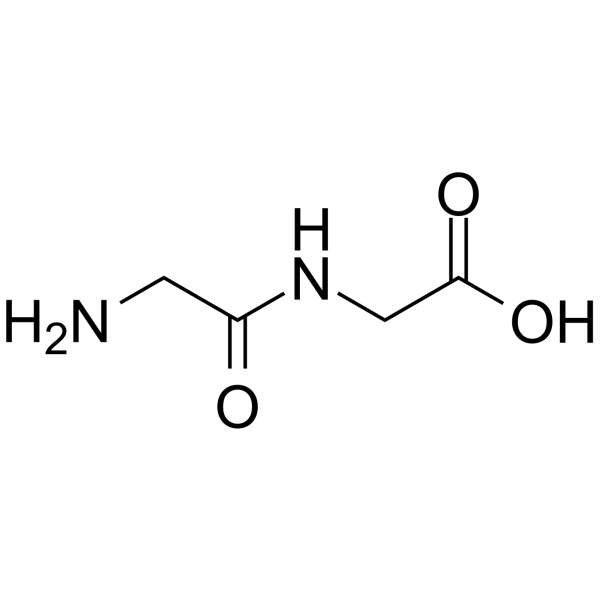
Glycylglycine is a non-selective glycylglycine dipeptidase substrate and iNOS inhibitor. Glycylglycine can cross the cell membrane by passive diffusion and is hydrolyzed to glycine in the cell, participating in energy metabolism and antioxidant processes. Glycylglycine promotes spermatogonial stem cells (SSCs) proliferation, inhibits astrocyte overactivation and reduces nitric oxide (NO) release, while upregulating the expression of neurotrophic factors (such as PDGFA, FGF2, CNTF) to support nerve myelin repair. Glycylglycine can be used to study male reproductive biology (such as SSCs proliferation regulation) and neurodegenerative diseases (such as neuroprotective mechanisms in multiple sclerosis) .
loading...
    loading...
1
1 Cited Publications
Cat. No.: HY-131697
CAS No.: 90384-82-0
Pureté:  99.00%
Target:  

MOFs NO Synthase Apoptosis

Domaines de recherche:  

Inflammation/Immunology

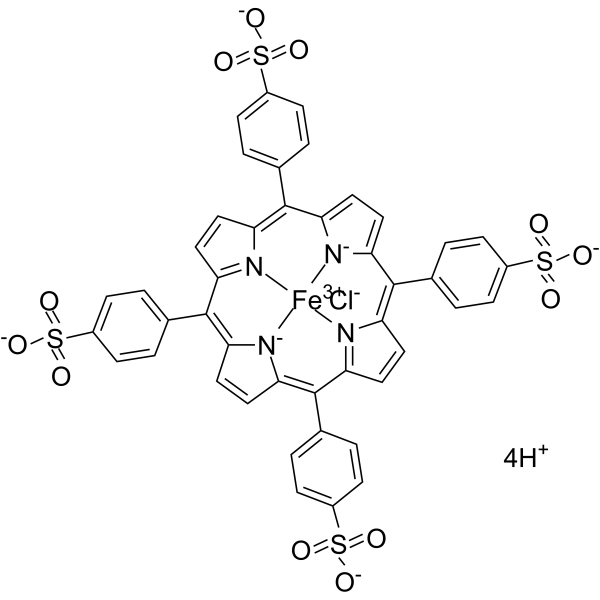
FeTPPS, a 5,10,15,20-tetrakis (4-sulfonatophenyl) porphyrin iron III chloride peroxynitrite decomposition catalyst, possesses evident neuroprotective effects in a experimental model of spinal cord damage . FeTPPS acts as a peroxynitrite scavenger and anti-nitrating agent in vivo. FeTPPS reduces nitric oxide (NO) production and apoptosis process .
loading...
    loading...
1
1 Cited Publications
Cat. No.: HY-N2124
CAS No.: 174972-79-3
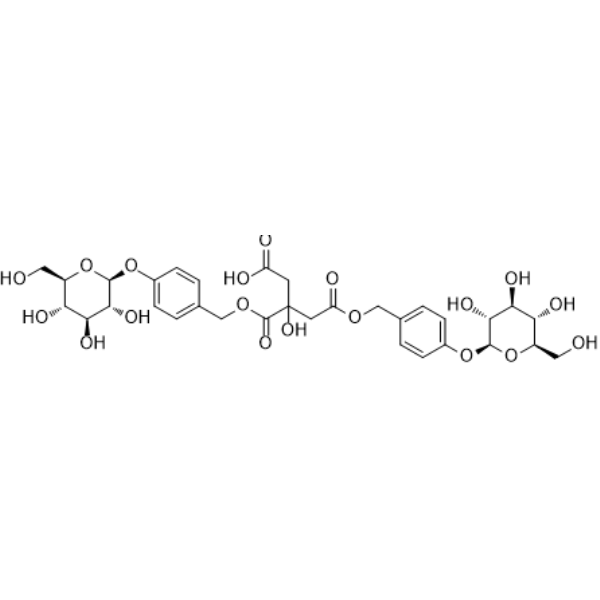
Parishin B is a multi-target biological agent with anti-epileptic, anti-fascioliasis and anti-breast cancer lung metastasis activities . Parishin B regulates the gene/protein activities of ACLY, unc13c, γ-aminobutynergic system, pro-inflammatory system, antioxidant system, monoaminergic system, ferroptosis-related pathways, as well as GST, CatL, Trx and TRIB3 . Parishin B modulates energy-lipid metabolism, synaptic function, neurotransmitter balance, neuroinflammation, oxidative stress, parasite detoxification/invasion processes, as well as apoptosis, cell cycle, proliferation and metastasis of cancer cells [1][2][3]. Parishin B can be used for related research of epilepsy, fascioliasis and breast cancer lung metastasis [3].
loading...
    loading...
1
1 Cited Publications
Cat. No.: HY-W110883
CAS No.: 3618-43-7
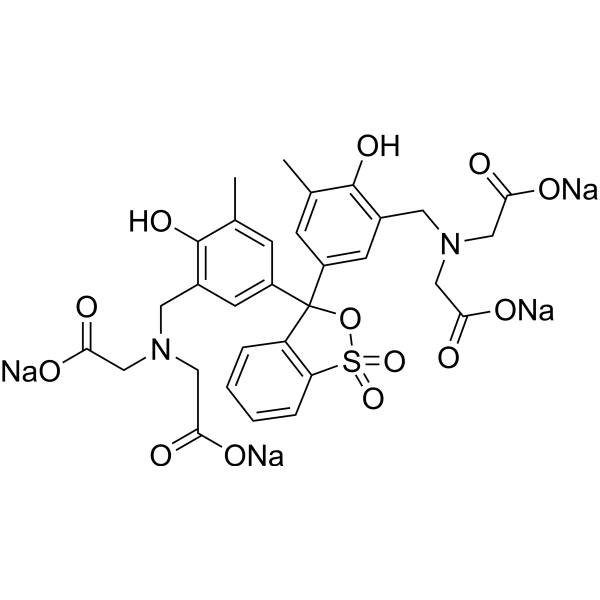
Xylenol orange tetrasodium salt, IND is commonly used as a colorimetric indicator for metal titration and possesses Zn 2+ chelating activity. Xylenol orange tetrasodium salt, IND binds Zn 2+ under physiological pH, and its Zn-XO complex allows visual differentiation between tartrate and malate ions. Xylenol orange tetrasodium salt, IND undergoes decolorization upon oxidation by hydrogen peroxide, undergoes a Co (II)-catalyzed pseudo-second-order reaction in a strong alkaline environment, and regulates the ferrous ion oxidation process mediated by peroxy radicals. Xylenol orange tetrasodium salt, IND forms colored ternary complexes with various anions, cations and iron-alanine, which is suitable for spectrophotometric quantification and can also be used for alanine irradiation dose detection. Xylenol orange tetrasodium salt, IND is applicable to EDTA metal titration analysis under acidic conditions .
loading...
    loading...
1
1 Cited Publications
Cat. No.: HY-N0186A
CAS No.: 60096-23-3
Synonyms: Indolebutyric acid potassium
Target:  

Endogenous Metabolite

Domaines de recherche:  

Others

Indole-3-butyric acid (Indolebutyric acid) potassium is a plant growth auxin and a good rooting agent. It can promote herbs and woody ornamental plant rooting and used for improving fruit rate. Indole 3-butyric acid potassium is an auxin precursor, and is converted to indole 3-acetic acid (IAA) in a peroxisomal β-oxidation process .
loading...
    loading...
Cat. No.: HY-W007801
CAS No.: 114615-82-6
Synonyms: TPAP
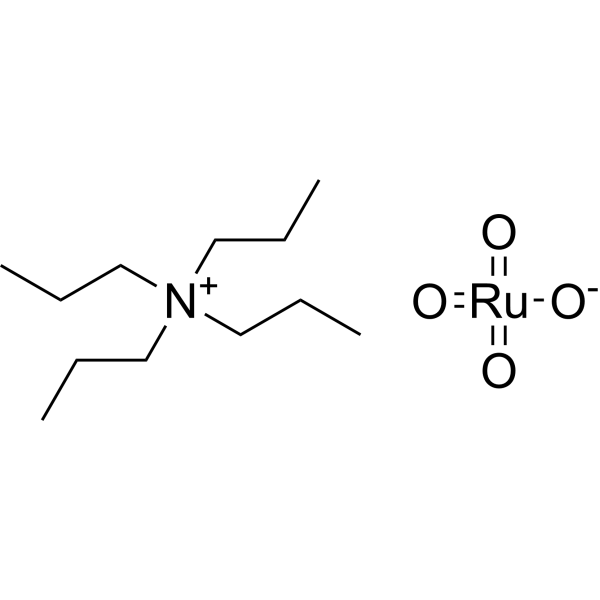
Tetrapropylammonium perruthenate (TPAP) is an organic compound commonly used as a catalyst and oxidizing agent. It can play an oxidation role in some organic synthesis reactions, and can catalyze the oxidation reactions of olefins and aromatic compounds. In addition, the compound is widely used in some industrial production areas, such as in the application of plastics, rubber and textile manufacturing processes.
loading...
    loading...
Cat. No.: HY-W051271
CAS No.: 13463-67-7
Synonyms: Titanium dioxide
Titanium(IV) oxide is a photosensitizer and photocatalyst. Titanium(IV) oxide can be used as a pharmaceutical excipient such as a flow aid, coating agent, sunscreen, colorant, etc. Pharmaceutical excipients or pharmaceutical excipients refer to other chemical substances used in the pharmaceutical process other than the drug ingredients. Pharmaceutical excipients generally refer to inactive ingredients in pharmaceutical preparations that can improve the stability, solubility and processability of pharmaceutical preparations. Pharmaceutical excipients also affect the absorption, distribution, metabolism and elimination (ADME) process of co-administered drugs. Titanium(IV) oxide can use light energy to generate electron-hole pairs to degrade pollutants. Photons excite electrons in TiO2 to generate active oxygen species (such as ·OH and ·O2 -), thereby oxidizing and mineralizing pollutants such as organic compounds and heavy metals. TiO2 can be used in the research of environmental remediation fields such as water treatment, air purification and self-cleaning materials .
loading...
    loading...
Cat. No.: HY-E70009
CAS No.: 61116-22-1
Synonyms: ACO
Domaines de recherche:  

Others

Acyl-CoA oxidase (ACO) is a peroxisomal catalyst. Acyl-CoA oxidase acts as a key rate-limiting enzyme in the process of peroxisomal fatty acid β-oxidation. Acyl-CoA oxidase participates in lipid catabolism and phytohormone biosynthesis pathways .
loading...
    loading...

