



Chlorhexidine
Based on 13 publication(s) in Google Scholar
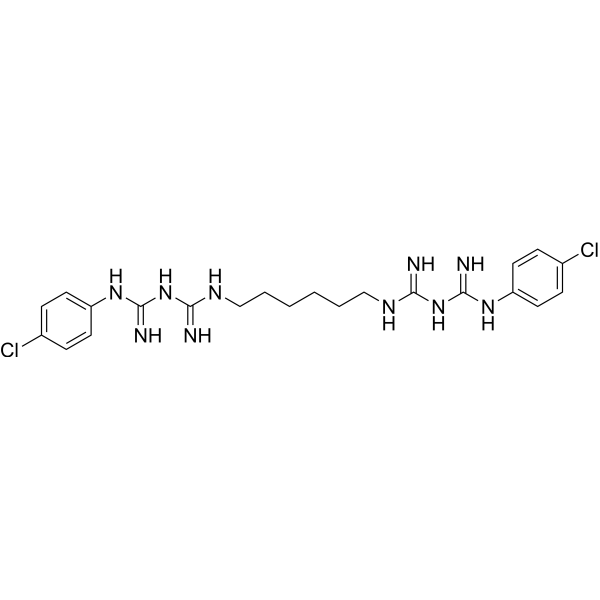
Chlorhexidine is a orally active cationic antimicrobial agent that targets microbial cell membranes. Chlorhexidine binds to cell membrane phospholipids non-specifically, destroys membrane structure and induces leakage of cell contents. Chlorhexidine has broad-spectrum bactericidal activity against both Gram-positive and Gram-negative bacteria. Chlorhexidine can interfere with membrane permeability, cause protein precipitation and energy metabolism disorders, such as rapid inhibition of microbial growth and induction of cell death (necrosis or apoptosis).
Nur für Forschungszwecke. Wir verkaufen nicht an Patienten.
- Reinheit : 99.60%
- CAS. Nr.: 55-56-1
- Formel: C22H30Cl2N10
- Molecular Weight:505.45
-
Speicherung:
4°C, protect from light
* In solvent : -80°C, 6 months; -20°C, 1 month (protect from light)

To place orders, for customer services and technical support, please contact: MedChemExpress USA
Tel: 609-228-6898 E-mail: [email protected] [email protected]


-
 Biologische Aktivität
-
Chemical Information
-
Lösungsmittel & Löslichkeit
- Protokoll
- Reinheit & Dokumentation
- Verweise
-
 Help & FAQs


-
HY-18739
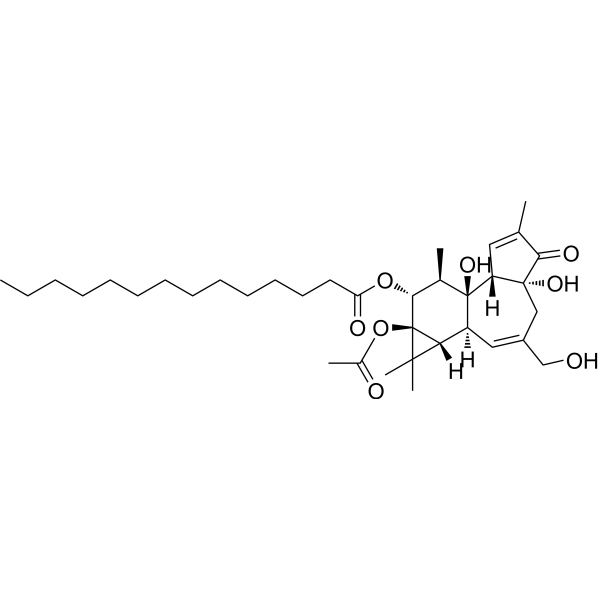
Phorbol 12-myristate 13-acetatePKC Activator -
HY-B0129
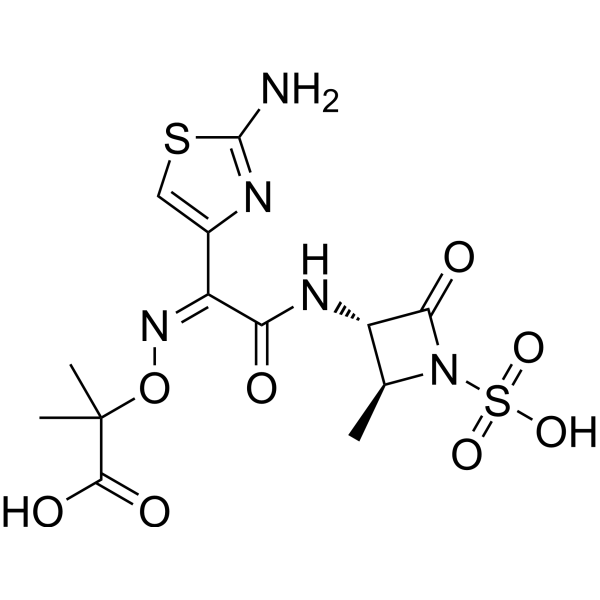
AztreonamBacterial Inhibitor -
HY-10583
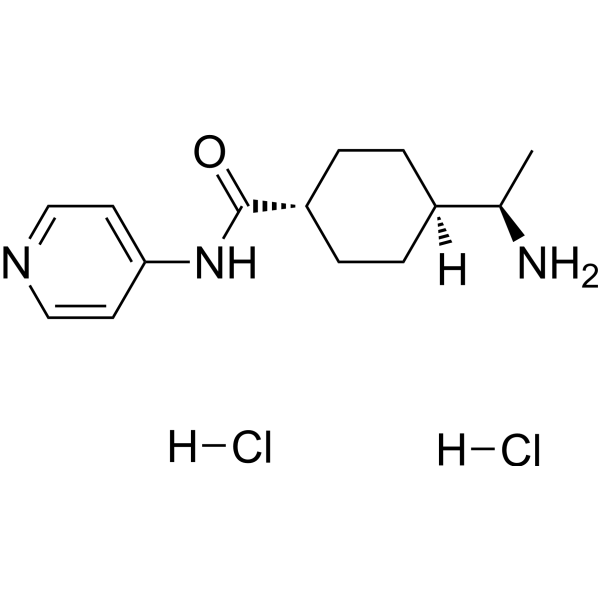
Y-27632 dihydrochlorideROCK Inhibitor -
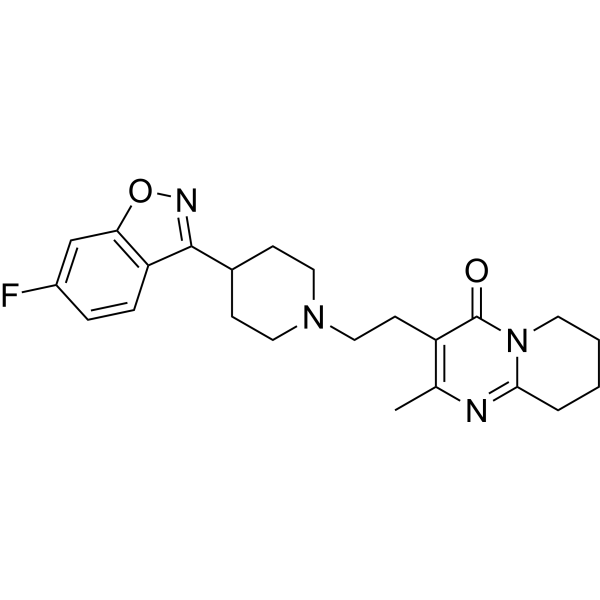
HY-11018
Risperidone5-HT2 Receptor Blocker -
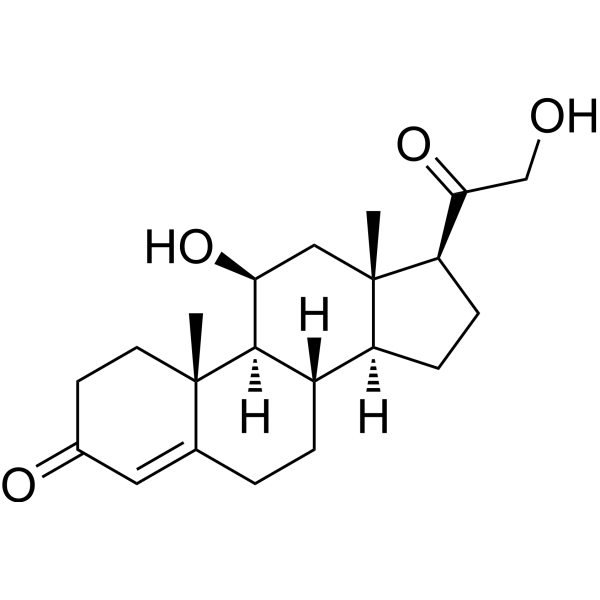
HY-B1618
CorticosteroneEndogenous Glucocorticoids -
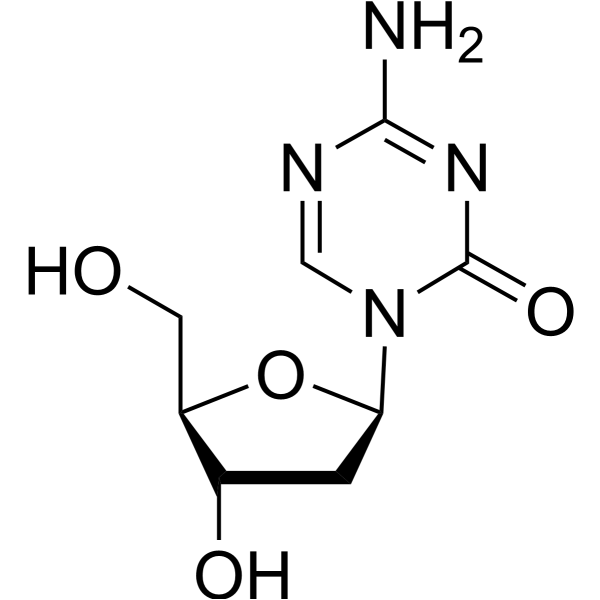
HY-A0004
DecitabineDNMT Inhibitor -
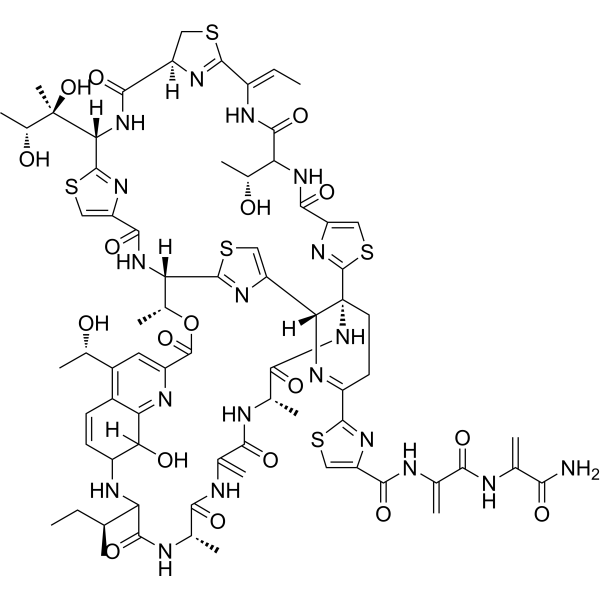
HY-B0990
ThiostreptonFOXM1 Inhibitor -
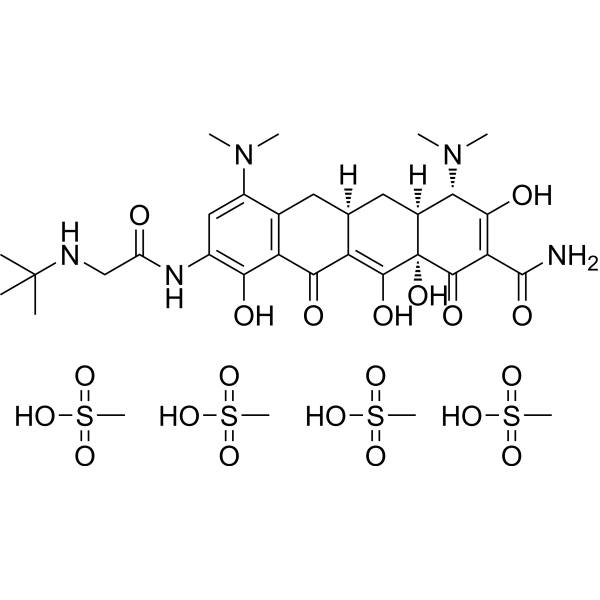
HY-B0117C
Tigecycline tetramesylateBacterial Inhibitor -

HY-B1248R
Chlorhexidine (Standard)Antibacterial Agent -
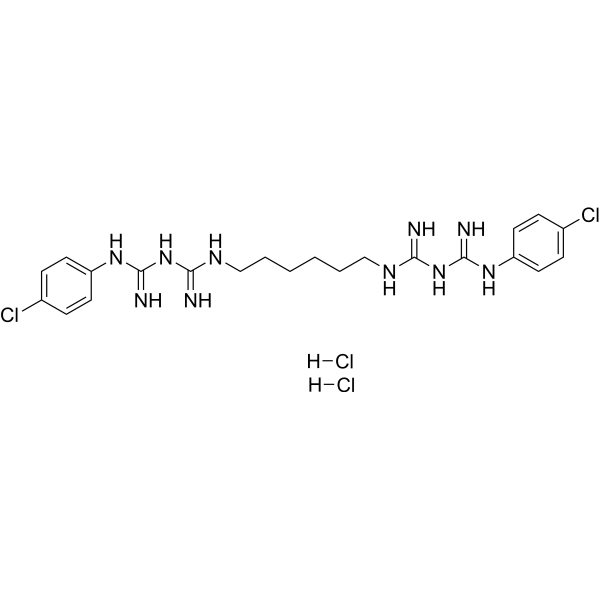
HY-B1145
Chlorhexidine dihydrochlorideAntibacterial Agent -
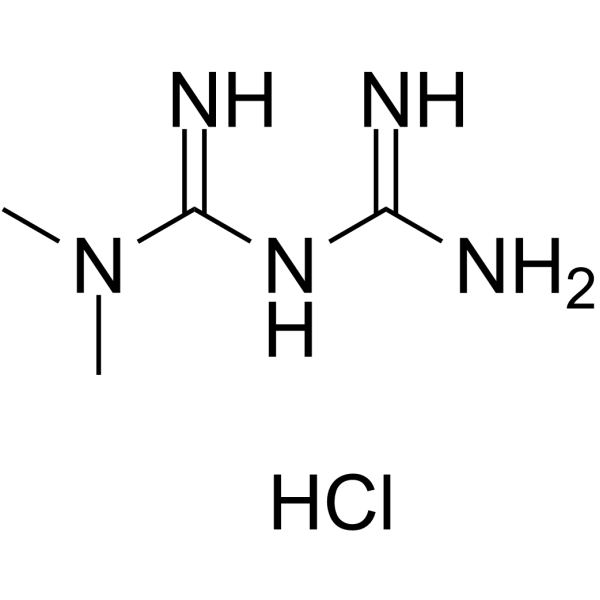
HY-17471A
Metformin hydrochlorideAntihyperglycemic Agent -
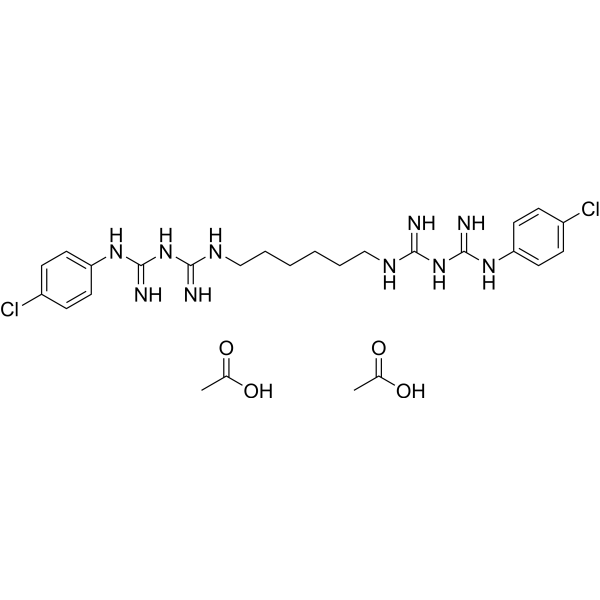
HY-W013699
Chlorhexidine diacetateAntibacterial Agent
Publications Citing Use of MedChemExpress (MCE) Chlorhexidine
More- Nat Commun. 2021 Mar 29;12(1):1940. [Abstract]
- Cell Death Dis. 2022 Apr 22;13(4):396. [Abstract]
- Antioxidants (Basel). 2024 May 29;13(6):667. [Abstract]
- Dent Mater. 2025 Apr 17:S0109-5641(25)00607-4. [Abstract]
- Cell Oncol (Dordr). 2025 Jun;48(3):637-654. [Abstract]
- Front Cell Dev Biol. 2021 Mar 30:9:633259. [Abstract]
- Transl Oncol. 2024 Jul:45:101958. [Abstract]
- Cell Signal. 2021 Jul:83:110002. [Abstract]
- Mol Oncol. 2020 Feb;14(2):373-386. [Abstract]
- J Funct Foods. 2024 Jun.
- Genes (Basel). 2021 Apr 7;12(4):537. [Abstract]
- Biochem Biophys Res Commun. 2026 Jan 18:796:153158. [Abstract]
- bioRxiv. 2024 Nov 06.
 Customer Validation & Images

-
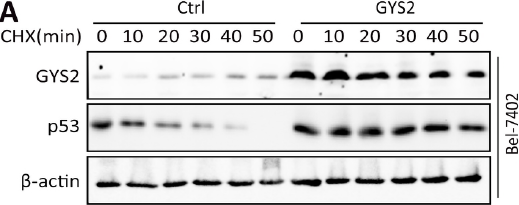
WB
Alle Antibiotic Isoform-spezifische Produkte anzeigen
More

Biologische Aktivität
Beschreibung
Cellular Effect
|
Cell Line

|
Type | Value | Description | References |
|---|---|---|---|---|
| Fibroblast | CC50 |
6.32 μg/mL
Compound: Chlorohexidine
|
Cytotoxicity against human skin fibroblasts assessed as cell viability measured after 72 hrs by MTT assay
Cytotoxicity against human skin fibroblasts assessed as cell viability measured after 72 hrs by MTT assay
|
[PMID: 33385851] |
| HEK293 | CC50 |
7.28 μg/mL
Compound: Chlorohexidine
|
Cytotoxicity against human HEK293 cells assessed as cell viability measured after 72 hrs by MTT assay
Cytotoxicity against human HEK293 cells assessed as cell viability measured after 72 hrs by MTT assay
|
[PMID: 33385851] |
| HEK293 | IC50 |
0.21 μM
Compound: chlorhexidine
|
Inhibition of human OCT1-mediated ASP+ uptake expressed in HEK293 cells after 3 mins by fluorescence assay
Inhibition of human OCT1-mediated ASP+ uptake expressed in HEK293 cells after 3 mins by fluorescence assay
|
[PMID: 23241029] |
| HEK293 | IC50 |
0.4 μM
Compound: chlorhexidine
|
Inhibition of human OCT2-mediated ASP+ uptake expressed in HEK293 cells after 3 mins by fluorescence assay
Inhibition of human OCT2-mediated ASP+ uptake expressed in HEK293 cells after 3 mins by fluorescence assay
|
[PMID: 23241029] |
| HEK293 | IC50 |
0.41 μM
Compound: chlorhexidine
|
Inhibition of human OCT3-mediated ASP+ uptake expressed in HEK293 cells after 3 mins by fluorescence assay
Inhibition of human OCT3-mediated ASP+ uptake expressed in HEK293 cells after 3 mins by fluorescence assay
|
[PMID: 23241029] |
| HEK293 | IC50 |
0.5 μM
Compound: chlorhexidine
|
Inhibition of human MATE2K-mediated ASP+ uptake expressed in HEK293 cells after 1.5 mins by fluorescence assay
Inhibition of human MATE2K-mediated ASP+ uptake expressed in HEK293 cells after 1.5 mins by fluorescence assay
|
[PMID: 23241029] |
| HEK293 | IC50 |
0.7 μM
Compound: chlorhexidine
|
Inhibition of human MATE1-mediated ASP+ uptake expressed in HEK293 cells after 1.5 mins by fluorescence assay
Inhibition of human MATE1-mediated ASP+ uptake expressed in HEK293 cells after 1.5 mins by fluorescence assay
|
[PMID: 23241029] |
| HSF (VGS) | CC50 |
5.48 μg/mL
Compound: Chlorhexidine
|
Cytotoxicity against human HSF cells assessed as reduction in cell viability incubated for 72 hrs by MTT assay
Cytotoxicity against human HSF cells assessed as reduction in cell viability incubated for 72 hrs by MTT assay
|
[PMID: 33310546] |
| HT-22 | IC50 |
5.6 μM
Compound: 34
|
Cytotoxicity against mouse HT-22 cells assessed as reduction in cell viability incubated for 48 hrs by MTS assay
Cytotoxicity against mouse HT-22 cells assessed as reduction in cell viability incubated for 48 hrs by MTS assay
|
[PMID: 36876904] |
In Vitro
1. Cell death assay:
Chlorhexidine (0.000125%-0.016%; 24 h) induces cell death in L929 fibroblasts, inducing a pattern of cell necrosis and/or apoptosis, as well as cell stress. Furthermore, Chlorhexidine induces apoptosis at lower concentrations and necrosis at higher concentrations, and increases the expression of heat shock protein 70 (a marker of cell stress). Chlorhexidine may have an adverse effect on the resolution of apical periodontitis[1].
2. Cell viability experiment:
Chlorhexidine (0.0005%-0.5%; 30 min) causes the death of canine embryonic fibroblasts with concentration of ≥0.013%, while allows the cells to survive with concentration of ≤0.006%[2].
3. Bacterial survival experiment:
Chlorhexidine (0.0005%-0.5%; 30 min) has a concentration-dependent bactericidal effect on Staphylococcus aureus, and kills Staphylococcus aureus with concentration of ≥0.05%, while allows the bacteria to survive with concentration of ≤0.03%[2].
MedChemExpress (MCE) has not independently confirmed the accuracy of these methods. They are for reference only.
-
Cell Line:Canine embryonic fibroblasts
-
Concentration:0.5%, 0.05%, 0.03%, 0.013%, 0.006%, 0.005%, 0.0005%
-
Incubation Time:30 min
-
Result:Fibroblasts showed 0% survival at concentrations ≥0.013%, while concentrations ≤0.006% allowed significant survival (e.g., 74% survival at 0.0005%), indicating a concentration-dependent cytotoxic effect.
In Vivo
Chlorhexidine (0.125%-1.0%; subcutaneous injection; single dose) causes toxic effects in the plantar space of the hind paw of Balb/c mice. Concentrations ≥0.5% induces coagulative necrosis of the epidermis, dermis and subcutaneous tissues and neutrophil-dominated inflammatory responses, while concentrations ≤0.25% induces moderate inflammation and interstitial edema[1].
2. Lung inhalation toxicity test:
Chlorhexidine (0.125%-1%; intratracheal instillation; single dose; 8-week observation) causes collagen fiber deposition and inflammatory cell infiltration in lung tissue in the C57BL/6J mouse model, leading to restrictive ventilation dysfunction. Transcriptome analysis shows that genes related to extracellular matrix deposition and mucus secretion (such as Muc5b and Muc5ac) are upregulated[3].
3. Genetic toxicity test:
Chlorhexidine (0.12% Chlorhexidine dihydrochloride, 0.5 mL; oral, twice a day for 8 days) causes DNA damage in peripheral blood and oral mucosal cells of rats, without causing chromosome breakage or loss in erythrocytes[4].
MedChemExpress (MCE) has not independently confirmed the accuracy of these methods. They are for reference only.
-
Animal Model:Male Balb/c mice (4 weeks old, 20 g), paw subplantar injection model[1]
-
Dosage:0.125%, 0.25%, 0.5%, 1.0% Chlorhexidine in distilled water
-
Administration:Subplantar injection into the right hind paw, single dose, observed at 24 h, 48 h, 7 days, and 14 days
-
Result:At 0.5% and 1.0%, caused extensive coagulative necrosis in the epidermis, dermis, and subcutaneous tissue, associated with marked neutrophilic inflammation and edema at 24-48 h; 0.25% induced focal necrosis in few specimens and moderate inflammation in all; 0.125% caused no necrosis but moderate neutrophilic inflammation and edema.
Epidermal healing was complete by 7-14 days, with residual mononuclear cell infiltration and fibrous tissue thickening in high-dose groups.
-
Animal Model:C57BL/6J mice (6-8 weeks old), intratracheal instillation-induced lung injury model[2]
-
Dosage:0.125% (2.5 mg/kg), 0.25% (5 mg/kg), 0.5% (10 mg/kg), 1% (20 mg/kg) Chlorhexidine gluconate in RO water
-
Administration:Single intratracheal instillation via MicroSprayer Aerosolizer, observed for 8 weeks
-
Result:Led to dose-dependent lung tissue damage, including inflammatory cell infiltration, alveolar protein deposition, and airway epithelial cell exfoliation.
Increased collagen fiber deposition in the alveolar septum and bronchial stroma, with significantly higher lung organ coefficients in high-dose groups.
Decreased respiratory system compliance (Crs) and forced vital capacity (FVC), indicating restrictive ventilatory dysfunction.
Upregulated genes related to extracellular matrix organization (e.g., P4ha3) and mucus secretion (e.g., Muc5b, Muc5ac).
- Research Protocol for Infectious Diseases
- Detection of Apoptosis
- TUNEL staining for apoptotic DNA fragmentation
- Cell Cytotoxicity Assay
- Mammalian live/dead viability and cytotoxicity staining
- Annexin V plus membrane-impermeant dye apoptosis staining
- Transepithelial/transendothelial electrical resistance assay
- Apoptosis Solutions
- Gram Staining of Tissue Sections
- Bacterial live/dead nucleic-acid viability staining


Chemical Information
-
CAS. Nr. 55-56-1
-
Appearance Solid
-
Molecular Weight 505.45
-
Formel C22H30Cl2N10
-
Color White to off-white
-
SMILES
N=C(NC1=CC=C(Cl)C=C1)NC(NCCCCCCNC(NC(NC2=CC=C(Cl)C=C2)=N)=N)=N
-
Versand
Room temperature in continental US; may vary elsewhere.
-
Speicherung
4°C, protect from light
* In solvent : -80°C, 6 months; -20°C, 1 month (protect from light)


Publications (13)
-
Journal Impact Factor
-
Most Recent
-
Nat Commun
The folate cycle enzyme MTHFD2 induces cancer immune evasion through PD-L1 up-regulation. [Abstract]2021 Mar 29;12(1):1940. PMID: 33782411 -
Cell Death Dis
HJURP regulates cell proliferation and chemo-resistance via YAP1/NDRG1 transcriptional axis in triple-negative breast cancer. [Abstract]2022 Apr 22;13(4):396. PMID: 35459269 -
Antioxidants (Basel)
Pitavastatin Calcium Confers Fungicidal Properties to Fluconazole by Inhibiting Ubiquinone Biosynthesis and Generating Reactive Oxygen Species. [Abstract]2024 May 29;13(6):667. PMID: 38929106 -
Dent Mater
Triple-modified PEEK surface via plasma treatment, polydopamine coating and chlorhexidine: Assessment of biocompatibility and antibacterial properties. [Abstract]2025 Apr 17:S0109-5641(25)00607-4. PMID: 40251086 -
Cell Oncol (Dordr)
UBE2Q2 promotes tumor progression and glycolysis of hepatocellular carcinoma through NF-κB/HIF1α signal pathway. [Abstract]2025 Jun;48(3):637-654. PMID: 39833608 -
Front Cell Dev Biol
2021 Mar 30:9:633259. PMID: 33859984 -
Transl Oncol
20-hydroxyecdysone suppresses bladder cancer progression via inhibiting USP21: A mechanism associated with deubiquitination and degradation of p65. [Abstract]2024 Jul:45:101958. PMID: 38663220 -
Cell Signal
2021 Jul:83:110002. PMID: 33823241 -
Mol Oncol
Loss of RDM1 enhances hepatocellular carcinoma progression via p53 and Ras/Raf/ERK pathways. [Abstract]2020 Feb;14(2):373-386. PMID: 31670863 -
-
Genes (Basel)
Autosomal Recessive Retinitis Pigmentosa Associated with Three Novel REEP6 Variants in Chinese Population. [Abstract]2021 Apr 7;12(4):537. PMID: 33917198 -
Biochem Biophys Res Commun
2026 Jan 18:796:153158. PMID: 41418346 -


Lösungsmittel & Löslichkeit
In Vitro:
DMSO : 25 mg/mL (49.46 mM; Need ultrasonic; Hygroscopic DMSO has a significant impact on the solubility of product, please use newly opened DMSO)
Please refer to the solubility information to select the appropriate solvent. Once prepared, please aliquot and store the solution to prevent product inactivation from repeated freeze-thaw cycles.
Storage method and period of stock solution: -80°C, 6 months; -20°C, 1 month (protect from light). When stored at -80°C, please use it within 6 months. When stored at -20°C, please use it within 1 month.
Please refer to the solubility information to select the appropriate solvent. Once prepared, please aliquot and store the solution to prevent product inactivation from repeated freeze-thaw cycles.
Storage method and period of stock solution: -80°C, 6 months; -20°C, 1 month (protect from light). When stored at -80°C, please use it within 6 months. When stored at -20°C, please use it within 1 month.
Konzentration (Stammlösung) × Volumen (Stammlösung) = Konzentration (Ziellösung) × Volumen (Ziellösung)
In Vivo:
Select the appropriate dissolution method based on your experimental animal and administration route.
- For the following dissolution methods, please ensure to first prepare a clear stock solution using an In Vitro approach and then sequentially add co-solvents:
- To ensure reliable experimental results, the clarified stock solution can be appropriately stored based on storage conditions. As for the working solution for In Vivo experiments, it is recommended to prepare freshly and use it on the same day.
- The percentages shown for the solvents indicate their volumetric ratio in the final prepared solution. If precipitation or phase separation occurs during preparation, heat and/or sonication can be used to aid dissolution.
Add each solvent one by one: 10% DMSO 40% PEG300 5% Tween-80 45% Saline
Solubility: ≥ 2.5 mg/mL (4.95 mM); Clear solution
This protocol yields a clear solution of ≥ 2.5 mg/mL (saturation unknown).
Taking 1 mL working solution as an example, add 100 μL DMSO stock solution (25.0 mg/mL) to 400 μL PEG300, and mix evenly; then add 50 μL Tween-80 and mix evenly; then add 450 μL Saline to adjust the volume to 1 mL.
Preparation of Saline: Dissolve 0.9 g sodium chloride in ddH₂O and dilute to 100 mL to obtain a clear Saline solution.
Add each solvent one by one: 10% DMSO 90% (20% SBE-β-CD in Saline)
Solubility: ≥ 2.5 mg/mL (4.95 mM); Clear solution
This protocol yields a clear solution of ≥ 2.5 mg/mL (saturation unknown).
Taking 1 mL working solution as an example, add 100 μL DMSO stock solution (25.0 mg/mL) to 900 μL 20% SBE-β-CD in Saline, and mix evenly.
Preparation of 20% SBE-β-CD in Saline (4°C, storage for one week): 2 g SBE-β-CD powder is dissolved in 10 mL Saline, completely dissolve until clear.
In Vivo Dissolution Calculator
Please enter the basic information of animal experiments:
-
-
-
-
Recommended: Prepare an additional quantity of animals to account for potential losses during experiments.
Please enter your animal formula composition:
-
%DMSO +
Recommended: Keep the proportion of DMSO in working solution below 2% if your animal is weak.
-
%+
-
+%Tween-80 + +
-
%Saline +
The co-solvents required include: DMSO, . All of co-solvents are available by MedChemExpress (MCE). , Tween 80. All of co-solvents are available by MedChemExpress (MCE).
Working solution concentration: 0.22 mg/mL
Method for preparing stock solution: mg drug dissolved in μL DMSO. Stock solution concentration: mg/mL. * In solvent : -80°C, 6 months; -20°C, 1 month (protect from light)
1. Take μL DMSO stock solution;
2. Add μL .
μL , mix evenly;
3. Then add μL Tween 80, mix evenly;
4. Then add μL
Please ensure that the stock solution in the first step is dissolved to a clear state, and add co-solvents in sequence. You can use ultrasonic heating (ultrasonic cleaner, recommended frequency 20-40 kHz), vortexing, etc. to assist dissolution.


Reinheit & Dokumentation
-
Data Sheet (276 KB)
-
SDS (562 KB)
- English - EN (562 KB)
- Français - FR (562 KB)
- Deutsch - DE (562 KB)
- Norwegian - NO (562 KB)
- Español - ES (562 KB)
- Swedish - SV (562 KB)
- Italian - IT (562 KB)
- Korean - KR (562 KB)
- Portuguese - PT (562 KB)
-
Handling Instructions (2659 KB)
Verweise
[1]. Faria G, et al. Evaluation of chlorhexidine toxicity injected in the paw of mice and added to cultured l929 fibroblasts. J Endod. 2007 Jun;33(6):715-22. [Content Brief]
[2]. Zhang J, et al. Pulmonary Toxicity Assessment after a Single Intratracheal Inhalation of Chlorhexidine Aerosol in Mice. Toxics. 2023 Nov 7;11(11):910. [Content Brief]
[3]. Sanchez IR, et al. Chlorhexidine diacetate and povidone-iodine cytotoxicity to canine embryonic fibroblasts and Staphylococcus aureus. Vet Surg. 1988;17(4):182-185. [Content Brief]
[4]. Ribeiro DA, et al. Chlorhexidine induces DNA damage in rat peripheral leukocytes and oral mucosal cells. J Periodontal Res. 2004 Oct;39(5):358-61. [Content Brief]


Complete Stock Solution Preparation Table
Please refer to the solubility information to select the appropriate solvent. Once prepared, please aliquot and store the solution to prevent product inactivation from repeated freeze-thaw cycles.
Storage method and period of stock solution: -80°C, 6 months; -20°C, 1 month (protect from light). When stored at -80°C, please use it within 6 months. When stored at -20°C, please use it within 1 month.
| Optional Solvent | Concentration Solvent Mass | 1 mg | 5 mg | 10 mg | 25 mg |
|---|---|---|---|---|---|
| DMSO | 1 mM | 1.9784 mL | 9.8922 mL | 19.7844 mL | 49.4609 mL |
| 5 mM | 0.3957 mL | 1.9784 mL | 3.9569 mL | 9.8922 mL | |
| 10 mM | 0.1978 mL | 0.9892 mL | 1.9784 mL | 4.9461 mL | |
| 15 mM | 0.1319 mL | 0.6595 mL | 1.3190 mL | 3.2974 mL | |
| 20 mM | 0.0989 mL | 0.4946 mL | 0.9892 mL | 2.4730 mL | |
| 25 mM | 0.0791 mL | 0.3957 mL | 0.7914 mL | 1.9784 mL | |
| 30 mM | 0.0659 mL | 0.3297 mL | 0.6595 mL | 1.6487 mL | |
| 40 mM | 0.0495 mL | 0.2473 mL | 0.4946 mL | 1.2365 mL |


Chlorhexidine Related Classifications
HY-B1248 Related Classifications
 Powered by Bioz