



Ritlecitinib
Based on 9 publication(s) in Google Scholar
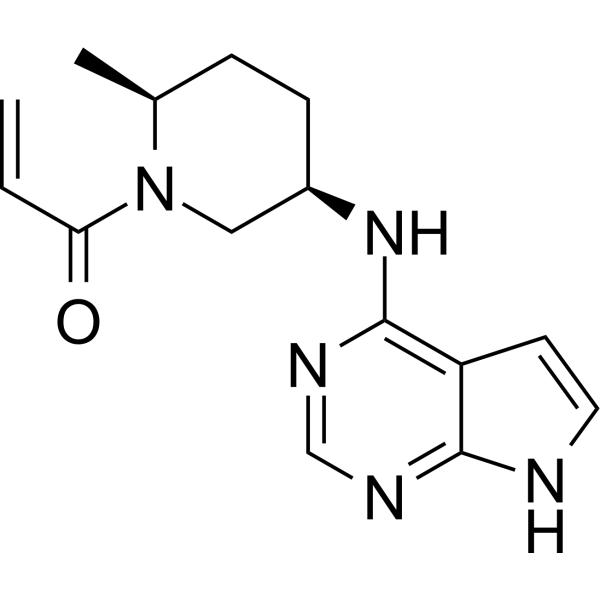
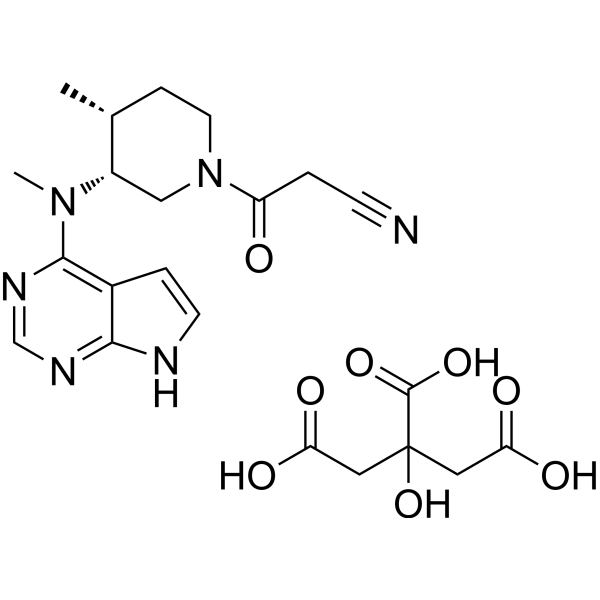
Ritlecitinib (PF-06651600) is a highly selective, orally active, irreversible covalent JAK3 inhibitor (IC50=33 nM) without inhibitory activity towards JAK1, JAK2, and TYK2 (IC50 >10 μ M). Ritlecitinib rapidly inactivates the JAK3 kinase, and blocks signaling and downstream STAT phosphorylation mediated by common gamma chain cytokines such as IL-2 and IL-15. Ritlecitinib can inhibit Th1/Th17 cell differentiation and function, and effectively suppress preclinical animal models such as alopecia areata, adjuvant-induced arthritis (AIA), and experimental autoimmune encephalomyelitis (EAE).
Nur für Forschungszwecke. Wir verkaufen nicht an Patienten.
- Reinheit: 99.63%
- CAS. Nr.: 1792180-81-4
- Formel: C15H19N5O
- Molecular Weight:285.35
-
Speicherung:Powder -20°C, 3 years , 4°C, 2 years ; In solvent -80°C, 2 years , -20°C, 1 year

To place orders, for customer services and technical support, please contact: MedChemExpress USA
Tel: 609-228-6898 E-mail: [email protected] [email protected]


-
 Biologische Aktivität
-
Chemical Information
-
Lösungsmittel & Löslichkeit
- Reinheit & Dokumentation
- Verweise
-
 Help & FAQs


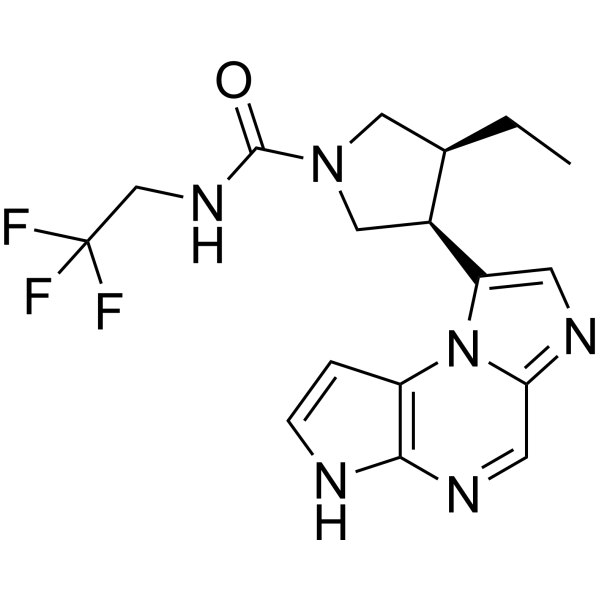
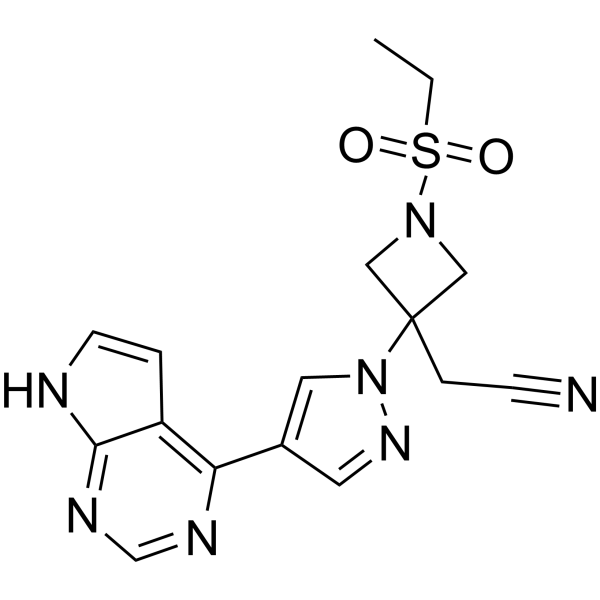
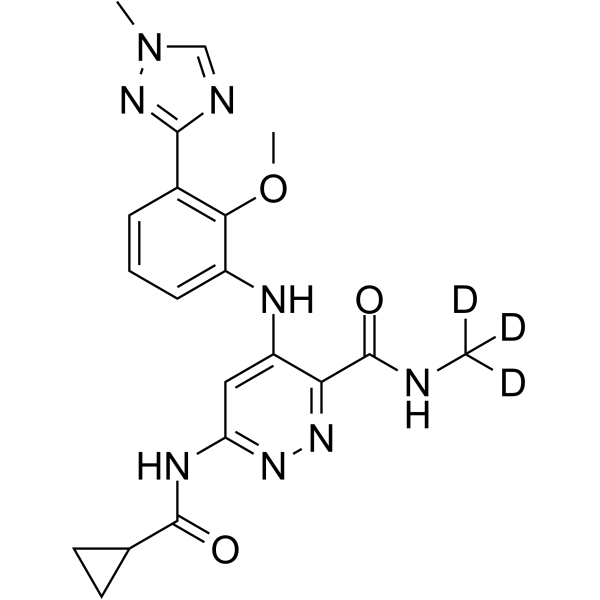
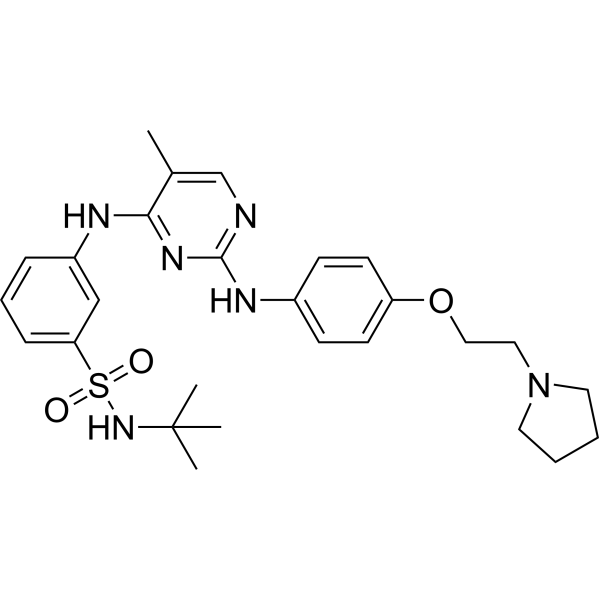
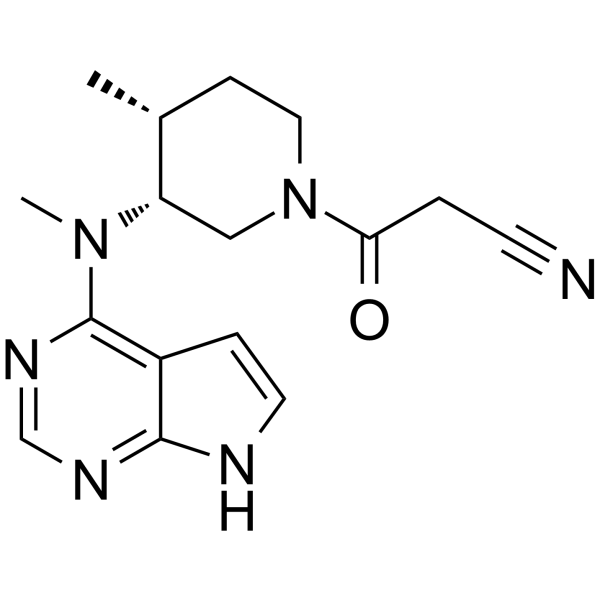
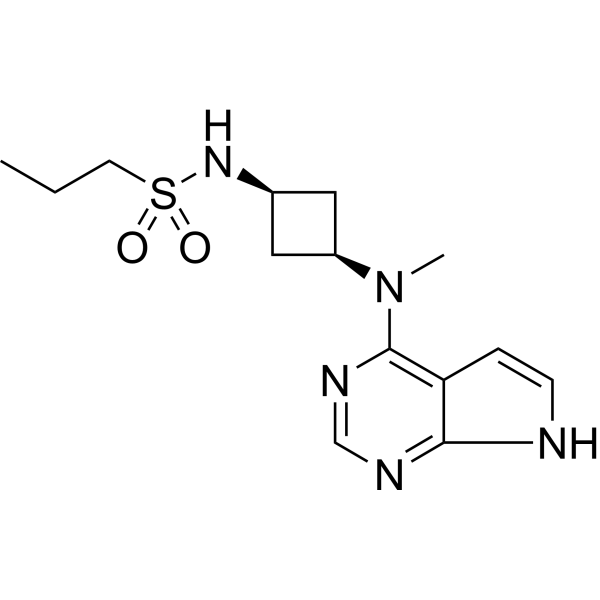
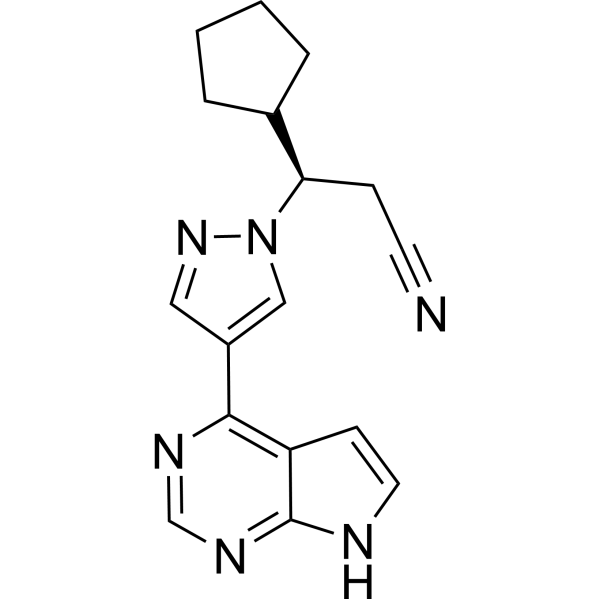
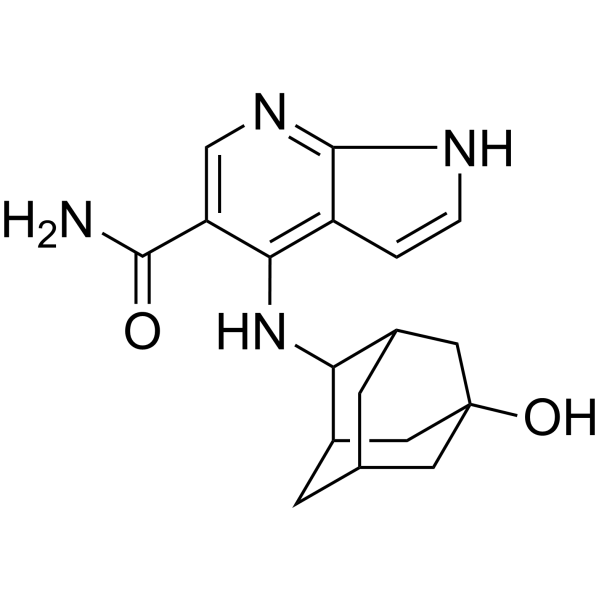
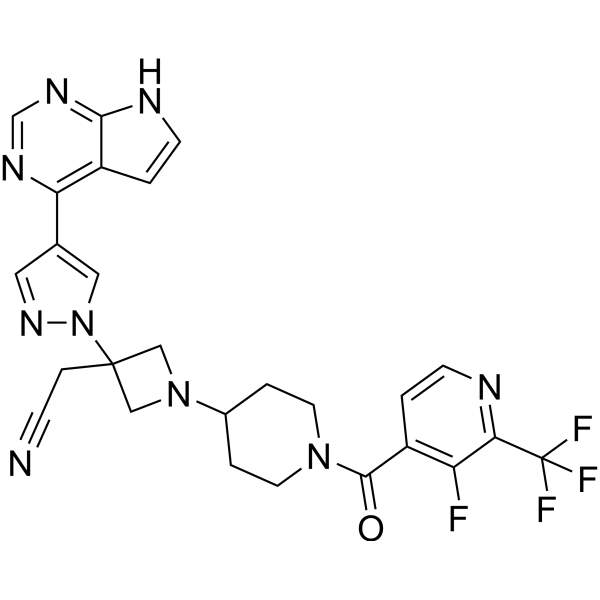
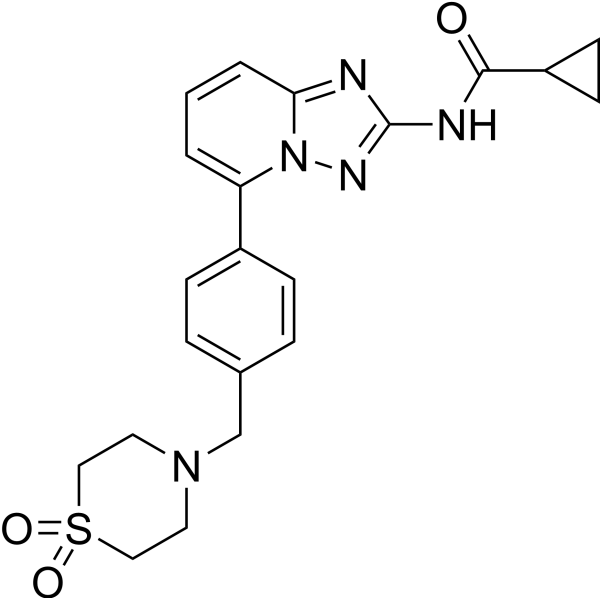
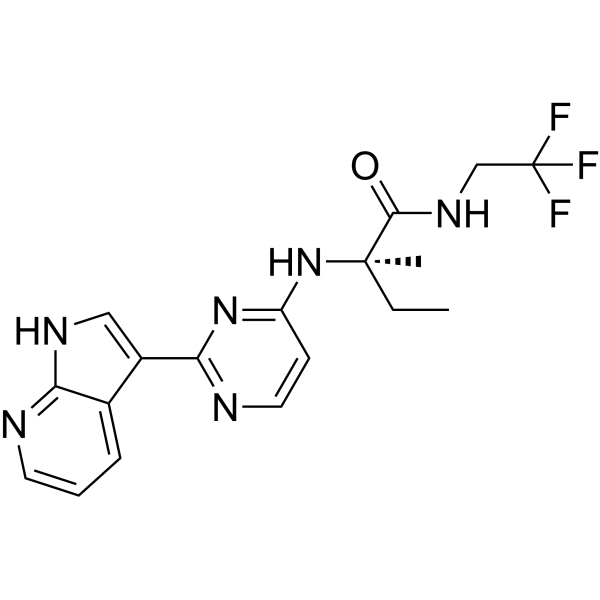
Publications Citing Use of MedChemExpress (MCE) Ritlecitinib
More- Ann Rheum Dis. 2025 Sep 25:S0003-4967(25)04383-3. [Abstract]
- Blood Adv. 2022 Jul 26;6(14):4283-4296. [Abstract]
- Int J Mol Sci. 2024 Dec 15;25(24):13452. [Abstract]
- Int J Mol Sci. 2023 May 25;24(11):9243. [Abstract]
- Expert Opin Investig Drugs. 2021 Dec;30(12):1169-1174. [Abstract]
- Clin Immunol. 2025 Apr:273:110445. [Abstract]
- Res Sq. 2026 Apr 13.
- bioRxiv. 2026 Mar 7.
- bioRxiv. 2023 Aug 17.
 Customer Validation & Images

-
RT-PCR
-
WB


Biologische Aktivität
Beschreibung
IC50 & Target
[1]|
JAK3 33.1 nM (IC50) |
IL-4 |
IL7R |
IL-15 |
STAT3 |
STAT5 |
STAT6 |
Cellular Effect
|
Cell Line

|
Type | Value | Description | References |
|---|---|---|---|---|
| BaF3 | IC50 |
>10000 nM
Compound: 11; PF-06651600
|
Antiproliferative activity against mouse BaF3 cells harboring TEL-JAK2 fusion protein assessed as inhibition of cell growth measured after 72 hrs by CCK-8 assay
Antiproliferative activity against mouse BaF3 cells harboring TEL-JAK2 fusion protein assessed as inhibition of cell growth measured after 72 hrs by CCK-8 assay
|
[PMID: 35860875] |
| BaF3 | IC50 |
>10000 nM
Compound: 11; PF-06651600
|
Antiproliferative activity against mouse BaF3 parent cell measured after 72 hrs by CCK-8 assay
Antiproliferative activity against mouse BaF3 parent cell measured after 72 hrs by CCK-8 assay
|
[PMID: 35860875] |
| BaF3 | IC50 |
28.1 nM
Compound: 11; PF-06651600
|
Antiproliferative activity against mouse BaF3 cells harboring JAK3 M5111 mutant assessed as inhibition of cell growth measured after 72 hrs by CCK-8 assay
Antiproliferative activity against mouse BaF3 cells harboring JAK3 M5111 mutant assessed as inhibition of cell growth measured after 72 hrs by CCK-8 assay
|
[PMID: 35860875] |
| BaF3 | IC50 |
>10000 nM
Compound: 11; PF-06651600
|
Antiproliferative activity against mouse BaF3 cells harboring TEL-JAK1 fusion protein assessed as inhibition of cell growth measured after 72 hrs by CCK-8 assay
Antiproliferative activity against mouse BaF3 cells harboring TEL-JAK1 fusion protein assessed as inhibition of cell growth measured after 72 hrs by CCK-8 assay
|
[PMID: 35860875] |
| CD4+ve Th | IC50 |
48 nM
Compound: PF-06651600
|
Inhibition of Th1 cell differentiation in human peripheral blood CD4+ve Th cells assessed as decrease in IFNgamma production measured after 5 days
Inhibition of Th1 cell differentiation in human peripheral blood CD4+ve Th cells assessed as decrease in IFNgamma production measured after 5 days
|
[PMID: 36561076] |
| U-937 | IC50 |
0.04 μM
Compound: 5; PF-06651600
|
Antiproliferative activity against human U-937 cells harbouring JAK3 M511 mutation assessed as reduction in cell viability incubated for 72 hrs by CCK-8 assay
Antiproliferative activity against human U-937 cells harbouring JAK3 M511 mutation assessed as reduction in cell viability incubated for 72 hrs by CCK-8 assay
|
[PMID: 35306167] |
| U-937 | IC50 |
19.5 nM
Compound: 11; PF-06651600
|
Antiproliferative activity against human U-937 cells harboring JAK3 M511135 mutant assessed as inhibition of cell growth measured after 72 hrs by CCK-8 assay
Antiproliferative activity against human U-937 cells harboring JAK3 M511135 mutant assessed as inhibition of cell growth measured after 72 hrs by CCK-8 assay
|
[PMID: 35860875] |
In Vitro
Ritlecitinib inhibits IL-15 in peripheral blood mononuclear cells (PBMCs) and heparin treated human whole blood (HWB) with IC50 of 51 nM and 197 nM, respectively[1].
Ritlecitinib inhibits the phosphorylation of STAT proteins mediated by IL-2 (STAT5), IL-4 (STAT6), IL-7 (STAT5), IL-15 (STAT5), and IL-21 (STAT3) at concentrations of 244 nM, 340 nM, 407 nM, 266 nM, and 355 nM (IC50), respectively[2].
Ritlecitinib (30 nM, 167 nM; 5 days, 6 days) inhibits cell differentiation in Th1 and Th17 cell differentiation inhibition experiments for 5 days under Th1 conditions and 6 days under Th17 conditions, respectively[2].
MedChemExpress (MCE) has not independently confirmed the accuracy of these methods. They are for reference only.
-
Cell Line:Mouse splenocytes, human whole blood lymphocytes (HWB)
-
Concentration:33.1 nM, 244 nM, 340 nM, 407 nM, 266 nM, 355 nM
-
Incubation Time:1 hour (pre-treatment with Ritlecitinib) + 15-20 minutes (cytokine stimulation)
-
Result:In mouse splenocytes, 33.1 nM inhibited JAK3 kinase activity, while 244 nM, 340 nM, 407 nM, and 266 nM inhibited STAT5 phosphorylation induced by IL-2, IL-4, IL-7, and IL-15 respectively. In human whole blood lymphocytes, 355 nM inhibited IL-21-induced STAT3 phosphorylation.
In Vivo
Ritlecitinib (30, 100 mg/kg (reversal); 20, 60 mg/kg (prevention); oral; once daily) reduces disease severity in the mouse experimental autoimmune encephalomyelitis (EAE) model[2].
Ritlecitinib (30 mg/kg; oral; once daily; 4 weeks) can prevent the occurrence of alopecia areata in the C3H/HeJ mouse skin transplantation alopecia areata prevention model; Ritlecitinib (30 mg/kg; oral; once daily; 12 weeks) can reverse the symptoms of alopecia areata, promote hair regeneration and reduce skin inflammation in the C3H/HeJ mouse alopecia areata model[3].
MedChemExpress (MCE) has not independently confirmed the accuracy of these methods. They are for reference only.
-
Animal Model:C3H/HeJ mice (8-week-old) + alopecia areata model[3]
-
Dosage:30 mg/kg
-
Administration:Oral via ALZET osmotic pump; once daily; 12 weeks
-
Result:Significantly induced hair regrowth, reduced skin-infiltrating CD45+ leukocytes, CD44+CD62L−CD8+ T cells, NKG2D+CD8+ T cells, and IFN-γ+CD8+ T cells, and decreased Alopecia areata (AA)-associated skin inflammation.
Clinical Trial
| NCT Number | Sponsor | Condition | Start Date |
Phase
|
|---|---|---|---|---|
| NCT01329991 | Plexxikon| | 2011-05 | PHASE1 |


Chemical Information
-
CAS. Nr. 1792180-81-4
-
Appearance Solid
-
Molecular Weight 285.35
-
Formel C15H19N5O
-
Color White to yellow
-
SMILES
C=CC(N1[C@@H](C)CC[C@@H](NC2=C3C(NC=C3)=NC=N2)C1)=O
-
Synonyms
PF-06651600
-
Versand
Room temperature in continental US; may vary elsewhere.
-
Speicherung
Powder -20°C 3 years 4°C 2 years In solvent -80°C 2 years -20°C 1 year


Publications (9)
-
Journal Impact Factor
-
Most Recent
-
Ann Rheum Dis
Augmentation of immunothrombosis as a key mechanism underlying JAK inhibition associated hypercoagulability in rheumatoid arthritis. [Abstract]2025 Sep 25:S0003-4967(25)04383-3. PMID: 41006174 -
Blood Adv
Latent membrane proteins from EBV differentially target cellular pathways to accelerate MYC-induced lymphomagenesis. [Abstract]2022 Jul 26;6(14):4283-4296. PMID: 35605249 -
Int J Mol Sci
Epstein-Barr Virus BRRF1 Induces Butyrophilin 2A1 in Nasopharyngeal Carcinoma NPC43 Cells via the IL-22/JAK3-STAT3 Pathway. [Abstract]2024 Dec 15;25(24):13452. PMID: 39769218
Ritlecitinib purchased from MedChemExpress. Usage Cited in: Int J Mol Sci. 2024 Dec 15;25(24):13452. [Abstract]
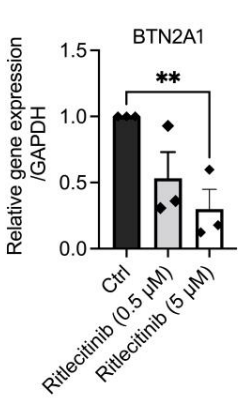
Ritlecitinib (0.5-5 μM) significantly decreased the gene expression level of BTN2A1 in NPC43 cells.
Ritlecitinib purchased from MedChemExpress. Usage Cited in: Int J Mol Sci. 2024 Dec 15;25(24):13452. [Abstract]
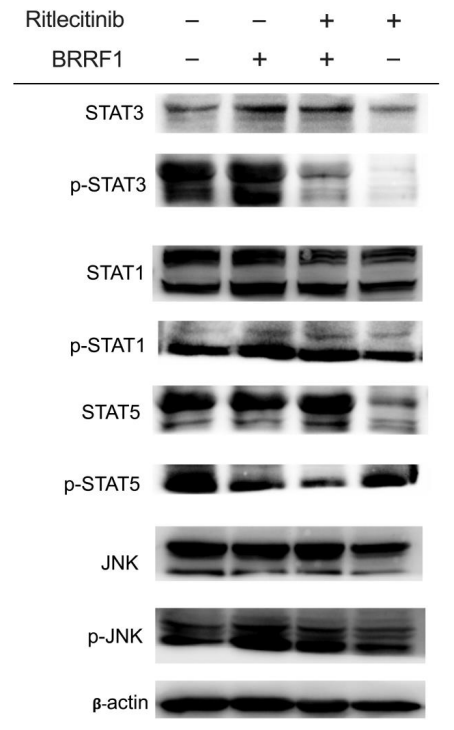
STAT3, p-STAT3, STAT1, p-STAT1, STAT5, p-STAT5, JNK, and p-JNK protein expression of NPC43 cells by BRRF1 overexpression with or without Ritlecitinib (5 μM) treatment. Representative immunoblots are shown.
-
Int J Mol Sci
JAK Signaling Is Critically Important in Cytokine-Induced Viral Susceptibility of Keratinocytes. [Abstract]2023 May 25;24(11):9243. PMID: 37298195 -
Expert Opin Investig Drugs
Ritlecitinib: an investigational drug for the treatment of moderate to severe alopecia areata. [Abstract]2021 Dec;30(12):1169-1174. PMID: 34826225 -
Clin Immunol
Novel janus kinase 3 inhibitor ritlecitinib suppresses T and B cell responses to prevent acute cardiac allograft rejection in mice. [Abstract]2025 Apr:273:110445. PMID: 39954912 -
-
-


Lösungsmittel & Löslichkeit
In Vitro:
DMSO : 100 mg/mL (350.45 mM; Need ultrasonic; Hygroscopic DMSO has a significant impact on the solubility of product, please use newly opened DMSO)
Please refer to the solubility information to select the appropriate solvent. Once prepared, please aliquot and store the solution to prevent product inactivation from repeated freeze-thaw cycles.
Storage method and period of stock solution: -80°C, 2 years; -20°C, 1 year. When stored at -80°C, please use it within 2 years. When stored at -20°C, please use it within 1 year.
Please refer to the solubility information to select the appropriate solvent. Once prepared, please aliquot and store the solution to prevent product inactivation from repeated freeze-thaw cycles.
Storage method and period of stock solution: -80°C, 2 years; -20°C, 1 year. When stored at -80°C, please use it within 2 years. When stored at -20°C, please use it within 1 year.
Konzentration (Stammlösung) × Volumen (Stammlösung) = Konzentration (Ziellösung) × Volumen (Ziellösung)
In Vivo:
Select the appropriate dissolution method based on your experimental animal and administration route.
- For the following dissolution methods, please ensure to first prepare a clear stock solution using an In Vitro approach and then sequentially add co-solvents:
- To ensure reliable experimental results, the clarified stock solution can be appropriately stored based on storage conditions. As for the working solution for In Vivo experiments, it is recommended to prepare freshly and use it on the same day.
- The percentages shown for the solvents indicate their volumetric ratio in the final prepared solution. If precipitation or phase separation occurs during preparation, heat and/or sonication can be used to aid dissolution.
Add each solvent one by one: 10% DMSO 40% PEG300 5% Tween-80 45% Saline
Solubility: ≥ 2.08 mg/mL (7.29 mM); Clear solution
This protocol yields a clear solution of ≥ 2.08 mg/mL (saturation unknown).
Taking 1 mL working solution as an example, add 100 μL DMSO stock solution (20.8 mg/mL) to 400 μL PEG300, and mix evenly; then add 50 μL Tween-80 and mix evenly; then add 450 μL Saline to adjust the volume to 1 mL.
Preparation of Saline: Dissolve 0.9 g sodium chloride in ddH₂O and dilute to 100 mL to obtain a clear Saline solution.
Add each solvent one by one: 10% DMSO 90% (20% SBE-β-CD in Saline)
Solubility: ≥ 2.08 mg/mL (7.29 mM); Clear solution
This protocol yields a clear solution of ≥ 2.08 mg/mL (saturation unknown).
Taking 1 mL working solution as an example, add 100 μL DMSO stock solution (20.8 mg/mL) to 900 μL 20% SBE-β-CD in Saline, and mix evenly.
Preparation of 20% SBE-β-CD in Saline (4°C, storage for one week): 2 g SBE-β-CD powder is dissolved in 10 mL Saline, completely dissolve until clear.
For the following dissolution methods, please prepare the working solution directly:
It is recommended to prepare fresh solutions and use them promptly within a short period of time.
The percentages shown for the solvents indicate their volumetric ratio in the final prepared solution. If precipitation or phase separation occurs during preparation, heat and/or sonication can be used to aid dissolution.
Add each solvent one by one: 0.5% Methyl cellulose/0.5% Tween-80 in Saline water
Solubility: 6.67 mg/mL (23.37 mM); Suspended solution; Need ultrasonic
In Vivo Dissolution Calculator
Please enter the basic information of animal experiments:
-
-
-
-
Recommended: Prepare an additional quantity of animals to account for potential losses during experiments.
Please enter your animal formula composition:
-
%DMSO +
Recommended: Keep the proportion of DMSO in working solution below 2% if your animal is weak.
-
%+
-
+%Tween-80 + +
-
%Saline +
The co-solvents required include: DMSO, . All of co-solvents are available by MedChemExpress (MCE). , Tween 80. All of co-solvents are available by MedChemExpress (MCE).
Working solution concentration: 0.22 mg/mL
Method for preparing stock solution: mg drug dissolved in μL DMSO. Stock solution concentration: mg/mL.
1. Take μL DMSO stock solution;
2. Add μL .
μL , mix evenly;
3. Then add μL Tween 80, mix evenly;
4. Then add μL
Please ensure that the stock solution in the first step is dissolved to a clear state, and add co-solvents in sequence. You can use ultrasonic heating (ultrasonic cleaner, recommended frequency 20-40 kHz), vortexing, etc. to assist dissolution.


Reinheit & Dokumentation
-
Data Sheet (282 KB)
-
SDS (396 KB)
- English - EN (396 KB)
- Français - FR (396 KB)
- Deutsch - DE (396 KB)
- Norwegian - NO (396 KB)
- Español - ES (396 KB)
- Swedish - SV (396 KB)
- Italian - IT (396 KB)
- Korean - KR (396 KB)
- Portuguese - PT (396 KB)
-
Handling Instructions (2659 KB)
Verweise


Complete Stock Solution Preparation Table
Please refer to the solubility information to select the appropriate solvent. Once prepared, please aliquot and store the solution to prevent product inactivation from repeated freeze-thaw cycles.
Storage method and period of stock solution: -80°C, 2 years; -20°C, 1 year. When stored at -80°C, please use it within 2 years. When stored at -20°C, please use it within 1 year.
| Optional Solvent | Concentration Solvent Mass | 1 mg | 5 mg | 10 mg | 25 mg |
|---|---|---|---|---|---|
| DMSO | 1 mM | 3.5045 mL | 17.5223 mL | 35.0447 mL | 87.6117 mL |
| 5 mM | 0.7009 mL | 3.5045 mL | 7.0089 mL | 17.5223 mL | |
| 10 mM | 0.3504 mL | 1.7522 mL | 3.5045 mL | 8.7612 mL | |
| 15 mM | 0.2336 mL | 1.1682 mL | 2.3363 mL | 5.8408 mL | |
| 20 mM | 0.1752 mL | 0.8761 mL | 1.7522 mL | 4.3806 mL | |
| 25 mM | 0.1402 mL | 0.7009 mL | 1.4018 mL | 3.5045 mL | |
| 30 mM | 0.1168 mL | 0.5841 mL | 1.1682 mL | 2.9204 mL | |
| 40 mM | 0.0876 mL | 0.4381 mL | 0.8761 mL | 2.1903 mL | |
| 50 mM | 0.0701 mL | 0.3504 mL | 0.7009 mL | 1.7522 mL | |
| 60 mM | 0.0584 mL | 0.2920 mL | 0.5841 mL | 1.4602 mL | |
| 80 mM | 0.0438 mL | 0.2190 mL | 0.4381 mL | 1.0951 mL | |
| 100 mM | 0.0350 mL | 0.1752 mL | 0.3504 mL | 0.8761 mL |


Ritlecitinib Related Classifications
HY-100754 Related Classifications
 Powered by Bioz