2137 Results for "

Stressor

" in MedChemExpress (MCE) Product Catalog:
Products (2137)

2137 Results for "Stressor" in MCE Product Catalog:

819
819 Publications Verification
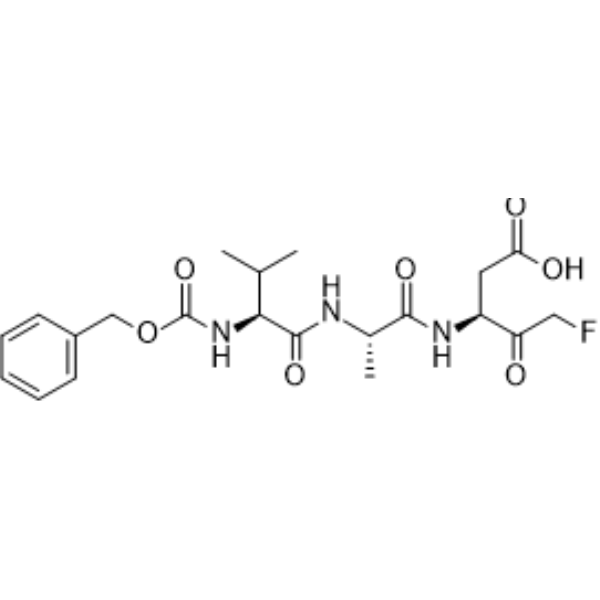
Art. -Nr.: HY-16658B
CAS. Nr.: 161401-82-7
Synonyms: Z-VAD(OH)-FMK
Z-VAD-FMK is a pan-caspase inhibitor and also an ICE-like protease inhibitor, which inhibits apoptosis by preventing the processing of CPP32 to its active form. Z-VAD-FMK sensitivity varies primarily due to differential expression of receptor-interacting protein 1 (RIP1). Z-VAD-FMK limits the cryopreservation-induced apoptosis by reducing caspase-3 activity of in vitro produced bovine embryos. Z-VAD-FMK is immunosuppressive in vitro and inhibits T cell proliferation without blocking the processing of caspase-8 and caspase-3. Z-VAD-FMK leads to a decrease in intracellular glutathione (GSH) with a concomitant increase in reactive oxygen species (ROS) levels in activated T cells. Z-VAD-FMK is due to oxidative stress via the depletion of GSH. Z-VAD-FMK can be used for the study of acute pancreatitis .
loading...
    loading...
259
259 Cited Publications
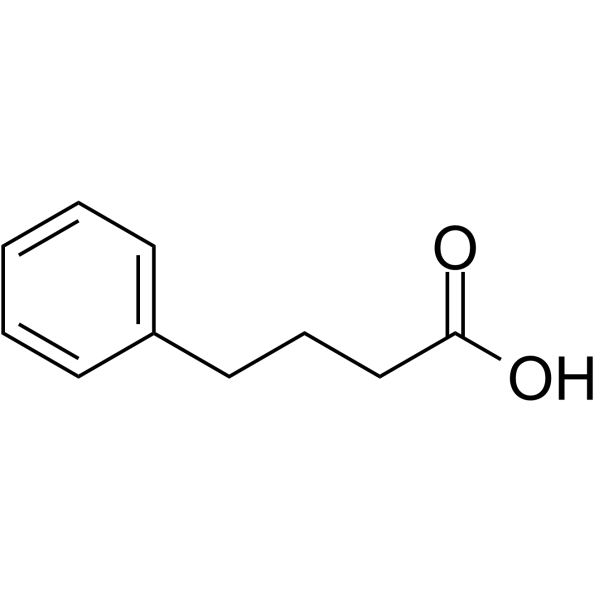
Art. -Nr.: HY-A0281
CAS. Nr.: 1821-12-1
Synonyms: 4-PBA; Benzenebutyric acid
Target:  

HDAC Virus Protease

Forschungsgebiete:  

Infection Cancer

4-Phenylbutyric acid (4-PBA) is an inhibitor of HDAC and endoplasmic reticulum (ER) stress, used in cancer and infection research.
loading...
    loading...
259
259 Cited Publications
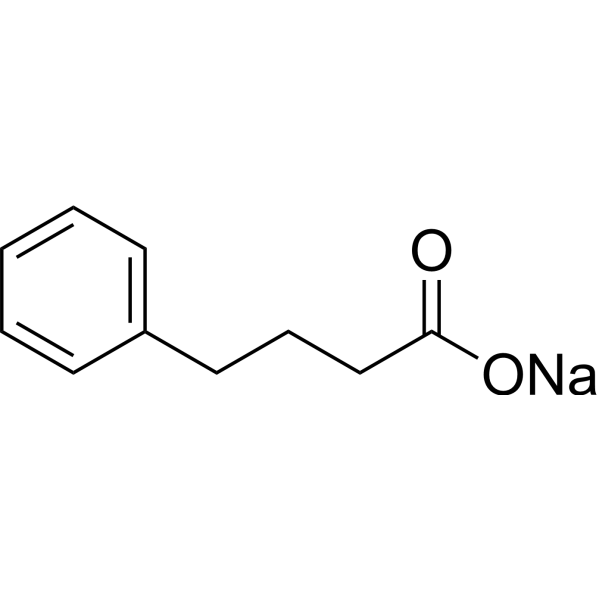
Art. -Nr.: HY-15654
CAS. Nr.: 1716-12-7
Reinheit:  99.86%
Synonyms: 4-PBA sodium; 4-Phenylbutyric acid sodium; Benzenebutyric acid sodium
Target:  

HDAC Autophagy Apoptosis

Forschungsgebiete:  

Cancer

Sodium 4-phenylbutyrate (4-PBA sodium) is an inhibitor of HDAC and endoplasmic reticulum (ER) stress, used in cancer and infection research .
loading...
    loading...
210
210 Cited Publications
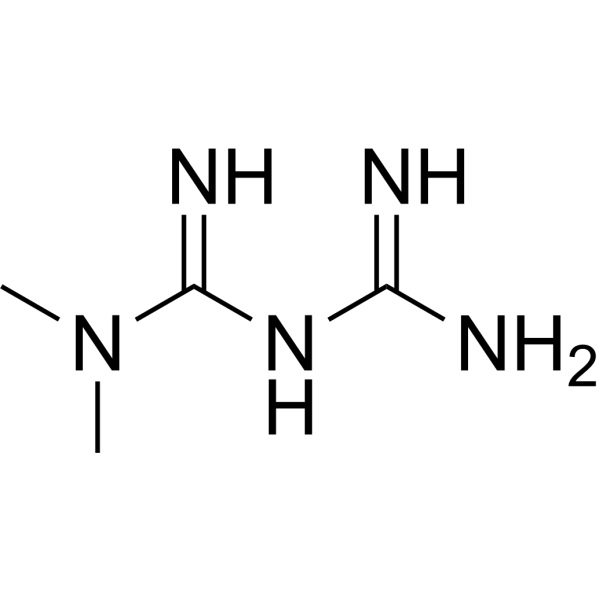
Art. -Nr.: HY-B0627
CAS. Nr.: 657-24-9
Synonyms: 1,1-Dimethylbiguanide
Metformin (1,1-Dimethylbiguanide) inhibits the mitochondrial respiratory chain in the liver, leading to AMPK activation and enhancing insulin sensitivity, and can be used in the study of type 2 diabetes. Metformin exerts central glucose-lowering effects by inhibiting Ras-related protein 1 (Rap1) in SF1 hypothalamic neurons. Metformin also inhibits liver oxidative stress, nitrosative stress, inflammation, and apoptosis caused by liver ischemia/reperfusion injury. In addition, Metformin regulates the expression of autophagy-related proteins by activating AMPK and inhibiting the mTOR signaling pathway, thereby inducing tumor cell autophagy and inhibiting the growth of renal cell carcinoma in vitro and in vivo .
loading...
    loading...
210
210 Cited Publications
Art. -Nr.: HY-17471A
CAS. Nr.: 1115-70-4
Synonyms: 1,1-Dimethylbiguanide hydrochloride
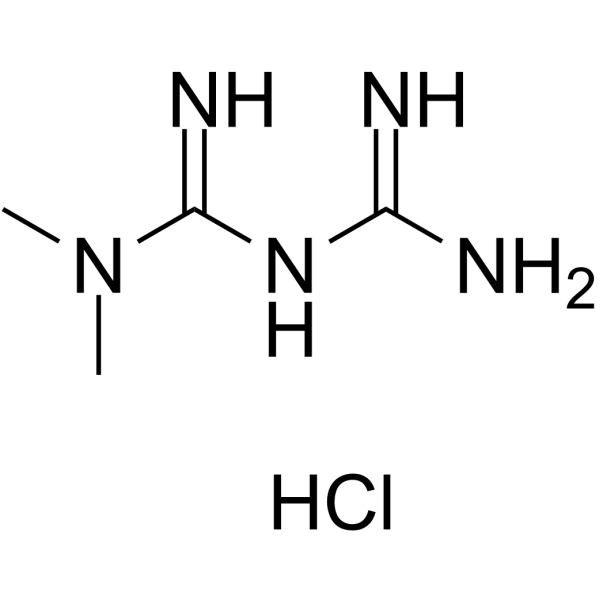
Metformin (1,1-Dimethylbiguanide) hydrochloride inhibits the mitochondrial respiratory chain in the liver, leading to AMPK activation and enhancing insulin sensitivity, and can be used in the study of type 2 diabetes. Metformin hydrochloride exerts central glucose-lowering effects by inhibiting Ras-related protein 1 (Rap1) in SF1 hypothalamic neurons. Metformin hydrochloride also inhibits liver oxidative stress, nitrosative stress, inflammation, and apoptosis caused by liver ischemia/reperfusion injury. In addition, Metformin hydrochloride regulates the expression of autophagy-related proteins by activating AMPK and inhibiting the mTOR signaling pathway, thereby inducing tumor cell autophagy and inhibiting the growth of renal cell carcinoma in vitro and in vivo .
loading...
    loading...
174
174 Cited Publications
Art. -Nr.: HY-A0098
CAS. Nr.: 11089-65-9
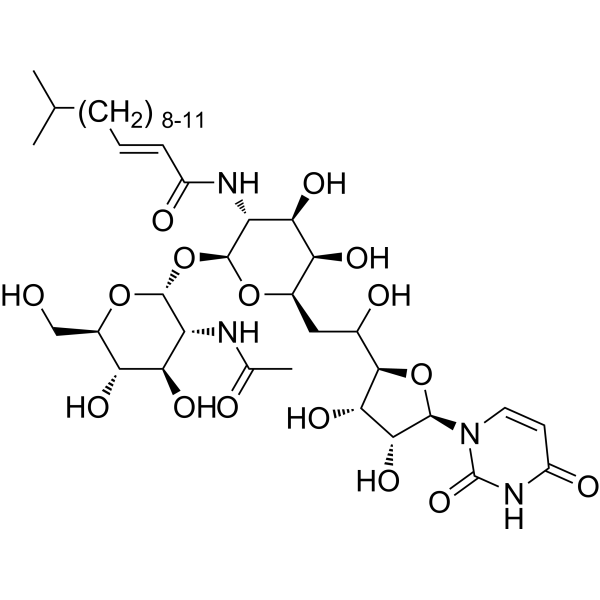
Tunicamycin is a mixture of homologous nucleoside antibiotic that inhibits N-linked glycosylation and blocks GlcNAc phosphotransferase (GPT). Tunicamycin causes accumulation of unfolded proteins in cell endoplasmic reticulum (ER) and induces ER stress, and causes blocking of DNA synthesis and cell cycle arrest in G1 phase. Tunicamycin inhibits gram-positive bacteria, yeasts, fungi, and viruses and has anti-cancer activity .Tunicamycin increases exosome release in cervical cancer cells .
loading...
    loading...
153
153 Cited Publications
Art. -Nr.: HY-13433
CAS. Nr.: 67526-95-8
Reinheit:  99.87%
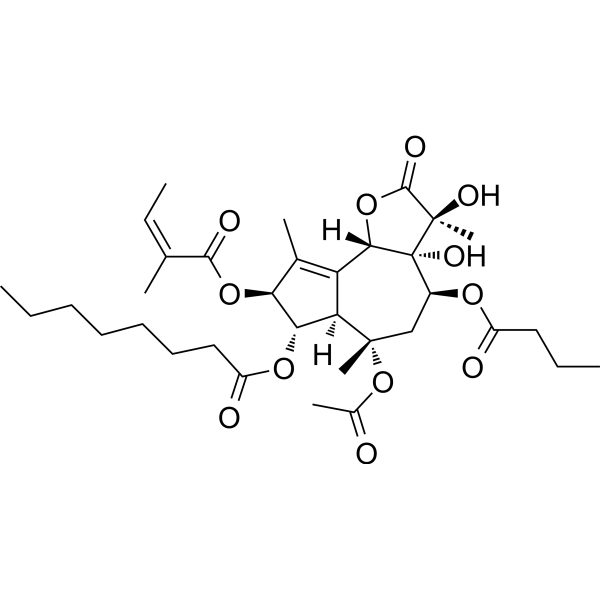
Thapsigargin, an endoplasmic reticulum (ER) stress inducer, is an inhibitor of microsomal Ca 2+-ATPase. Thapsigargin efficiently inhibits coronavirus (HCoV-229E, MERS-CoV, SARS-CoV-2) replication in different cell types .
loading...
    loading...
145
145 Cited Publications
Art. -Nr.: HY-B0075
CAS. Nr.: 73-31-4
Synonyms: N-Acetyl-5-methoxytryptamine
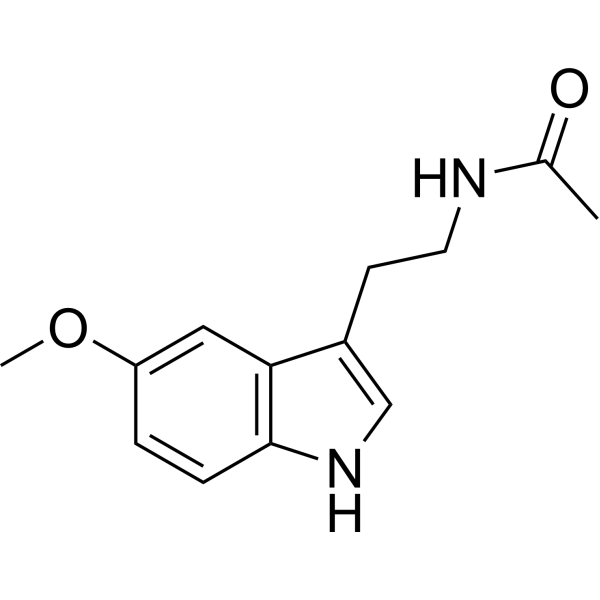
Melatonin is a hormone made by the pineal gland that can activate melatonin receptor and inhibit PANoptosis. Melatonin plays a role in sleep and possesses important antioxidative and anti-inflammatory properties . Melatonin is a novel selective ATF-6 inhibitor and induces human hepatoma cell apoptosis through COX-2 downregulation . Melatonin attenuates palmitic acid-induced (HY-N0830) mouse granulosa cells apoptosis via endoplasmic reticulum stress .
loading...
    loading...
130
130 Cited Publications
Art. -Nr.: HY-12040
CAS. Nr.: 488832-69-5
Reinheit:  99.80%
Synonyms: STA-4783
Forschungsgebiete:  

Cancer

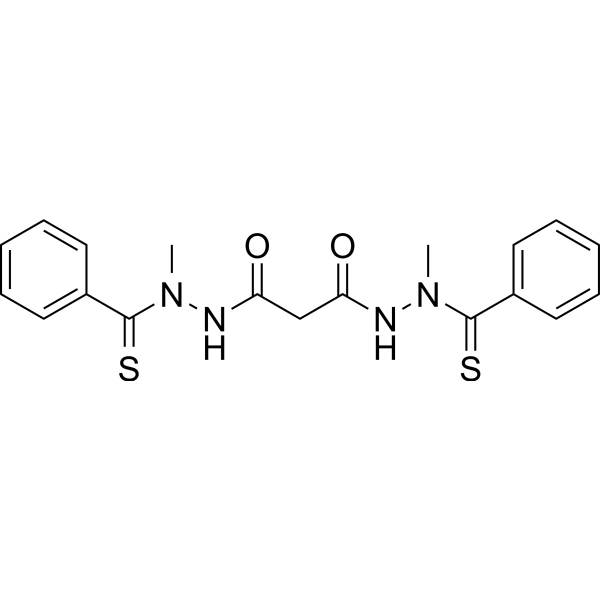
Elesclomol (STA-4783) is a potent copper ionophore and promotes copper-dependent cell death (cuproptosis). Elesclomol specifically binds ferredoxin 1 (FDX1) α2/α3 helices and β5 strand. Elesclomol inhibits FDX1-mediated Fe-S cluster biosynthesis. Elesclomol is an oxidative stress inducer that induces cancer cell apoptosis. Elesclomol is a reactive oxygen species (ROS) inducer. Elesclomol can be used for Menkes and associated disorders of hereditary copper deficiency research .
loading...
    loading...
111
111 Cited Publications
Art. -Nr.: HY-19696
CAS. Nr.: 14605-22-2
Synonyms: Tauroursodeoxycholic acid; TUDCA; UR 906
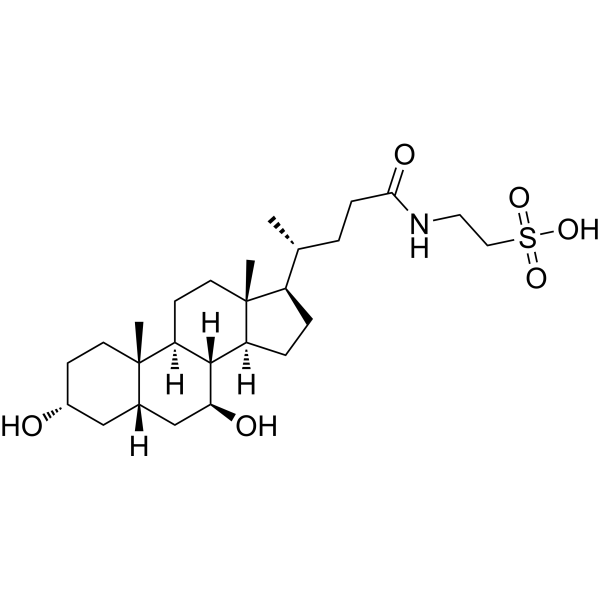
Tauroursodeoxycholate (Tauroursodeoxycholic acid) is an orally active endoplasmic reticulum (ER) stress inhibitor. Tauroursodeoxycholate significantly reduces expression of apoptosis molecules, such as caspase-3 and caspase-12. Tauroursodeoxycholate also inhibits ERK .
loading...
    loading...
111
111 Cited Publications
Art. -Nr.: HY-19696A
CAS. Nr.: 35807-85-3
Synonyms: Tauroursodeoxycholic acid sodium; TUDCA sodium; UR 906 sodium
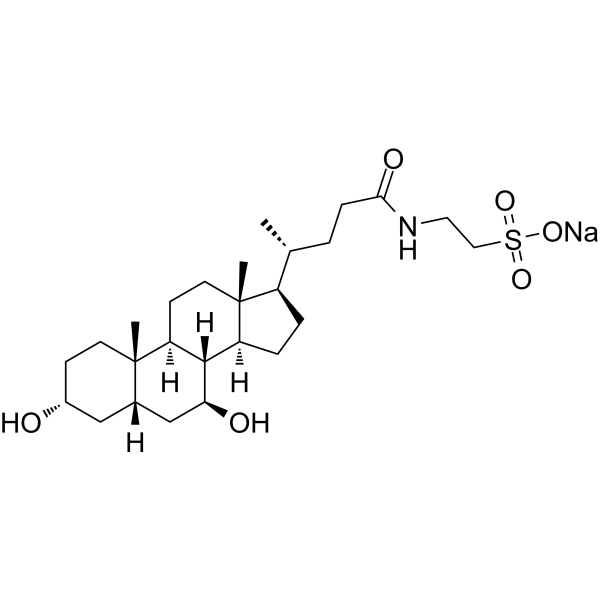
Tauroursodeoxycholate (Tauroursodeoxycholic acid; TUDCA) sodium is an endoplasmic reticulum (ER) stress inhibitor. Tauroursodeoxycholate significantly reduces expression of apoptosis molecules, such as caspase-3 and caspase-12. Tauroursodeoxycholate also inhibits ERK.
loading...
    loading...
89
89 Cited Publications
Art. -Nr.: HY-100487
CAS. Nr.: 1450833-55-2
Reinheit:  98.38%
Synonyms: MLN7243
Forschungsgebiete:  

Cancer

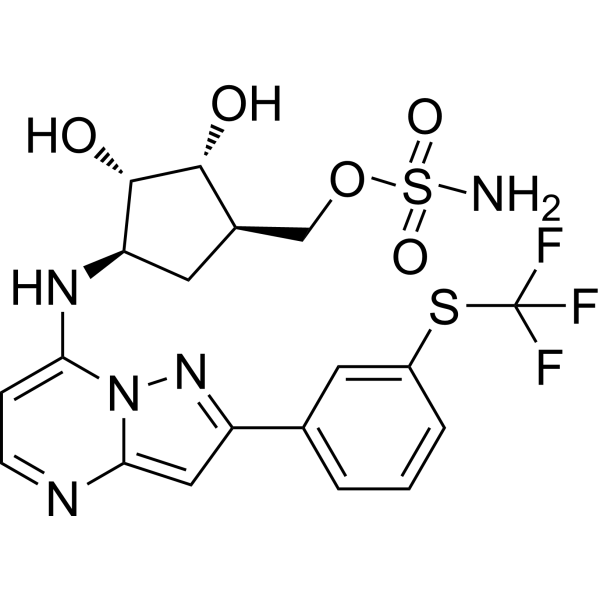
TAK-243 (MLN7243) is a first-in-class, selective ubiquitin activating enzyme, UAE (UBA1) inhibitor (IC50=1 nM), which blocks ubiquitin conjugation, disrupting monoubiquitin signaling as well as global protein ubiquitination. TAK-243 (MLN7243) induces endoplasmic reticulum (ER) stress, abrogates NF-κB pathway activation and promotes apoptosis .
loading...
    loading...
86
86 Cited Publications
Art. -Nr.: HY-114180
CAS. Nr.: 2262452-06-0
Reinheit:  99.95%
Synonyms: RU320521
Forschungsgebiete:  

Metabolic Disease

RU.521 (RU320521) is a potent and selective cyclic GMP-AMP synthase (cGAS) inhibitor and inhibits cGAS-mediated interferon upregulation. RU.521 suppresses dsDNA-activated reporter activity with an IC50 of 0.7 μM. RU.521 reduces constitutive expression of interferon in macrophages from a mouse model of Aicardi-Goutières syndrome (AGS) .
loading...
    loading...
77
77 Cited Publications
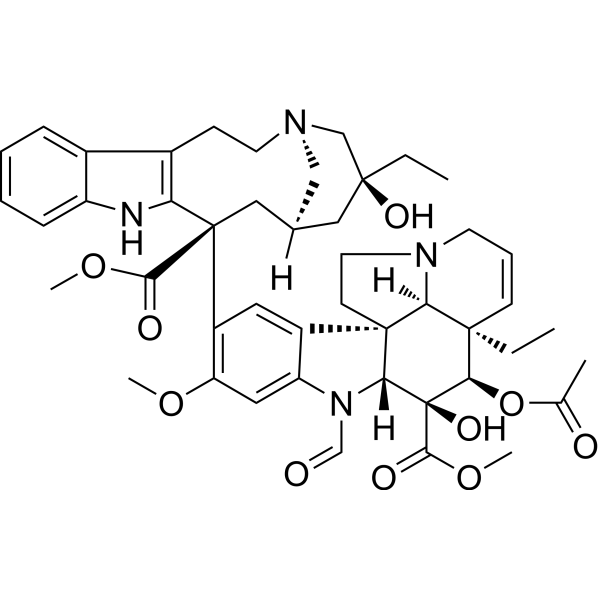
Art. -Nr.: HY-N0488A
CAS. Nr.: 57-22-7
Synonyms: Leurocristine; NSC-67574; 22-Oxovincaleukoblastine
Vincristine (Leurocristine; NSC-67574; 22-Oxovincaleukoblastine) is a microtubule inhibitor that disrupts microtubule polymerization by binding to β-tubulin (with a Ki of 85 nM in bovine), arrests the cell cycle and induces apoptosis. Vincristine inhibits cell replication, tumor blood flow and the proliferation of various cancer cells, while triggering effects such as oxidative stress, inflammation, calcium overload, epithelial-mesenchymal transition and peripheral neuropathic pain. Vincristine upregulates the expression of various transporters and nuclear receptors, and enriches gastric cancer stem-like cells. Vincristine is used in research related to various tumors including acute lymphoblastic leukemia, lymphoma, melanoma, gastric cancer, solid tumors and sarcomas .
loading...
    loading...
77
77 Cited Publications
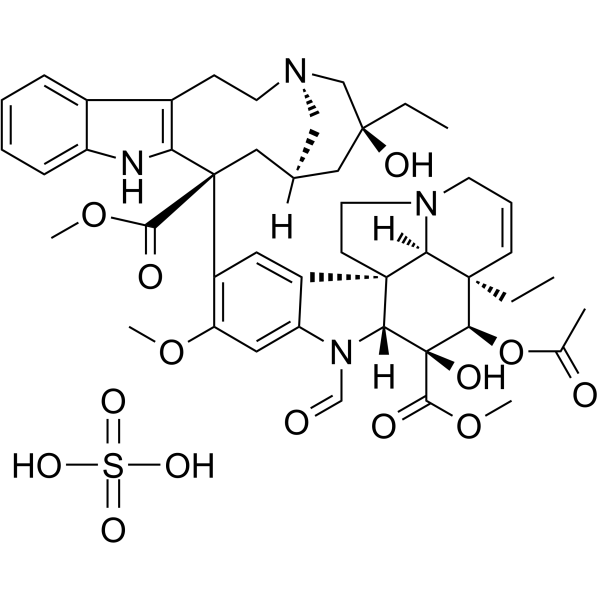
Art. -Nr.: HY-N0488
CAS. Nr.: 2068-78-2
Synonyms: Leurocristine sulfate; NSC-67574 sulfate; 22-Oxovincaleukoblastine sulfate
Vincristine (Leurocristine; NSC-67574; 22-Oxovincaleukoblastine) sulfate is a microtubule inhibitor that disrupts microtubule polymerization by binding to β-tubulin (with a Ki of 85 nM in bovine), arrests the cell cycle and induces apoptosis. Vincristine sulfate inhibits cell replication, tumor blood flow and the proliferation of various cancer cells, while triggering effects such as oxidative stress, inflammation, calcium overload, epithelial-mesenchymal transition and peripheral neuropathic pain. Vincristine sulfate upregulates the expression of various transporters and nuclear receptors, and enriches gastric cancer stem-like cells. Vincristine sulfate is used in research related to various tumors including acute lymphoblastic leukemia, lymphoma, melanoma, gastric cancer, solid tumors and sarcomas .
loading...
    loading...
66
66 Cited Publications
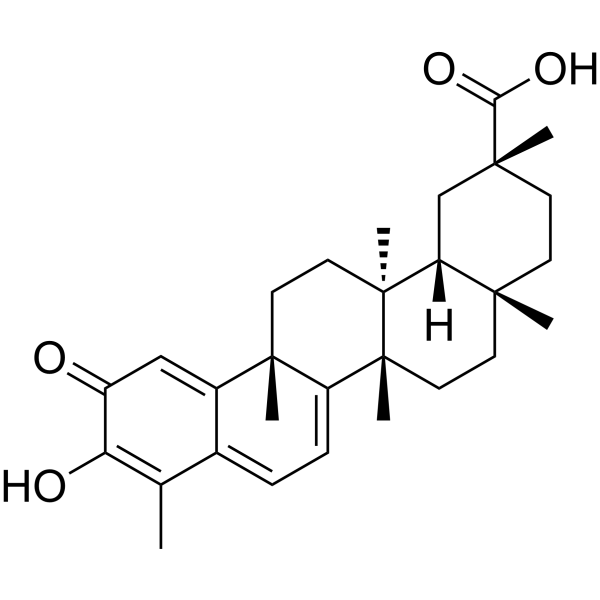
Art. -Nr.: HY-13067
CAS. Nr.: 34157-83-0
Reinheit:  99.64%
Synonyms: Tripterine; Tripterin
Celastrol (Tripterine;Tripterin) is a proteasome inhibitor which potently and preferentially inhibits the chymotrypsin-like activity of a purified 20S proteasome with IC50 of 2.5 μM. In addition, Celastrol is also an antibiotic with potent antimicrobial activity against standard and clinical methicillin-resistant Staphylococcus aureus (MRSA) strains, inducing oxidative stress and inhibiting DNA synthesis by binding to P5CDH .
loading...
    loading...
65
65 Cited Publications
Art. -Nr.: HY-15648B
CAS. Nr.: 1373423-53-0
Reinheit:  99.64%
Forschungsgebiete:  

Cancer

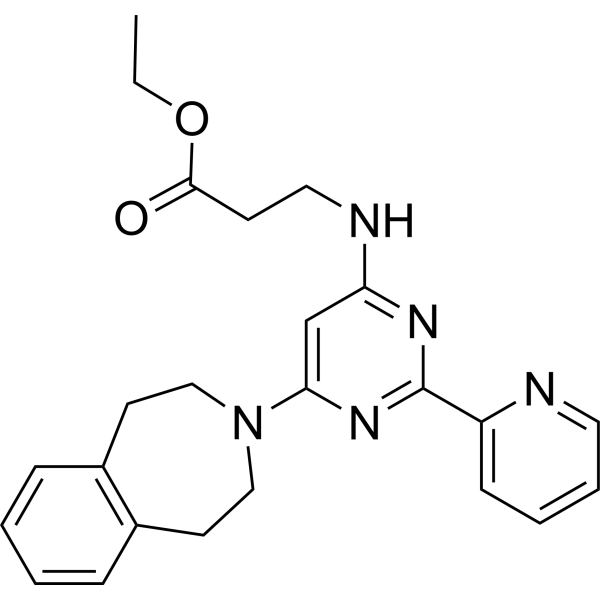
GSK-J4 is a potent dual inhibitor of H3K27me3/me2-demethylases JMJD3/KDM6B and UTX/KDM6A with IC50s of 8.6 and 6.6 μM, respectively. GSK-J4 inhibits LPS-induced TNF-α production in human primary macrophages with an IC50 of 9 μM. GSK J4 is a cell permeable proagent of GSK-J1 . GSK-J4 induces endoplasmic reticulum stress-related apoptosis .
loading...
    loading...
61
61 Cited Publications
Art. -Nr.: HY-B0389
CAS. Nr.: 50-99-7
Synonyms: Glucose; D-(+)-Glucose; Dextrose
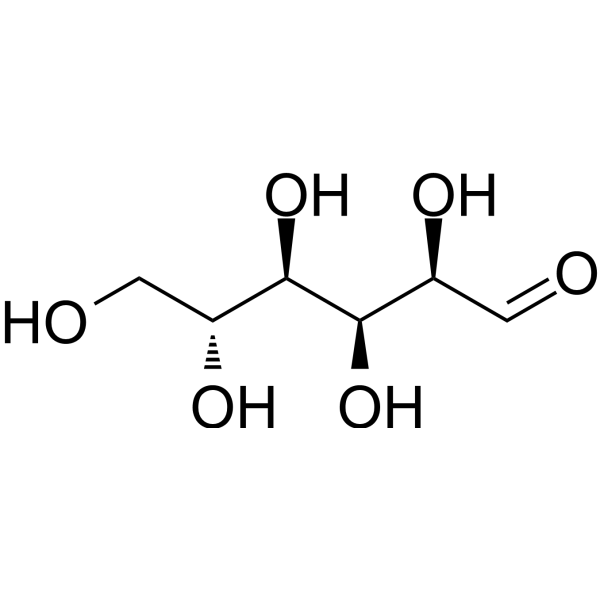
D-Glucose is the naturally occurring form of glucose and the most abundant monosaccharide. D-Glucose is a critical components of the general metabolism, and serve as critical signaling molecules in relation to both cellular metabolic status and biotic or abiotic stress response .
loading...
    loading...
57
57 Cited Publications
Art. -Nr.: HY-B0356B
CAS. Nr.: 86393-32-0
Synonyms: Bay-09867 hydrochloride monohydrate
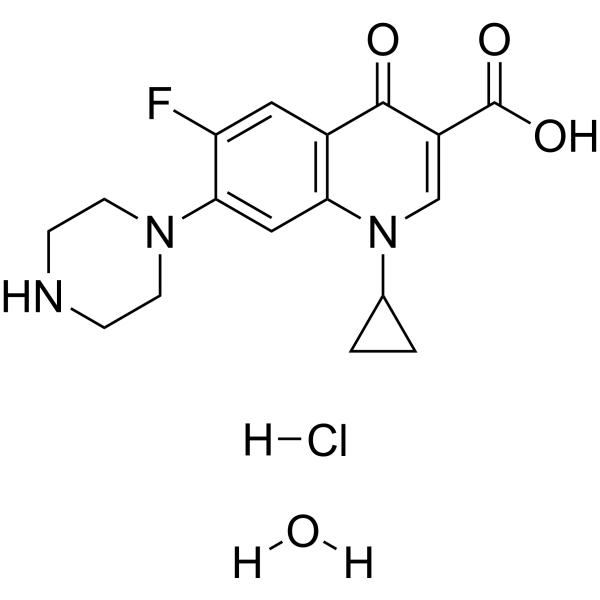
Ciprofloxacin (Bay-09867) hydrochloride monohydrate is an orally active, blood-brain barrier permeable fluoroquinolone antibacterial agent. Ciprofloxacin hydrochloride monohydrate exerts bactericidal effects primarily by inhibiting topoisomerase II and IV. Ciprofloxacin hydrochloride monohydrate inhibits the proliferation of human dental pulp stem cells and chondrocytes from young rats, and also activates the Akt signaling pathway and upregulates markers such as β-catenin and Nanog to maintain the morphological characteristics of stem cells. Ciprofloxacin hydrochloride monohydrate induces significant neurotoxicity and tissue damage, including reducing serotonin and glutathione levels in the brain, inducing oxidative stress and depression-like behaviors, and causing articular cartilage damage. Ciprofloxacin hydrochloride monohydrate can be applied to research related to infections of necrotic young permanent teeth and neurotoxicity .
loading...
    loading...
57
57 Cited Publications
Art. -Nr.: HY-B0356A
CAS. Nr.: 93107-08-5
Synonyms: Bay-09867 monohydrochloride
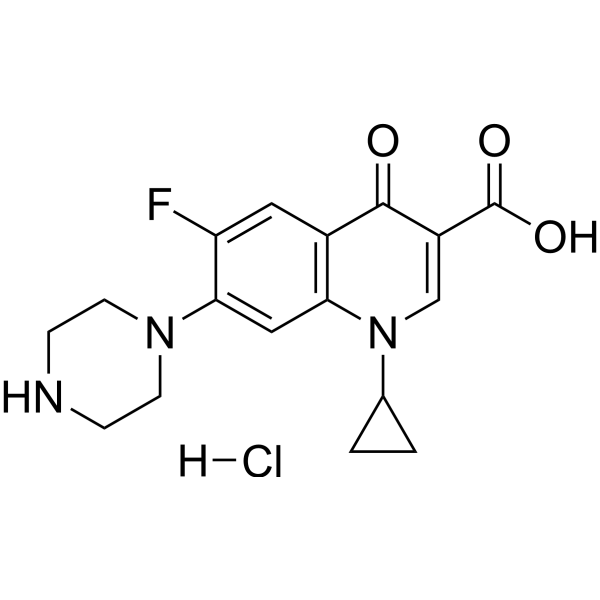
Ciprofloxacin (Bay-09867) monohydrochloride is an orally active, blood-brain barrier permeable fluoroquinolone antibacterial agent. Ciprofloxacin monohydrochloride exerts bactericidal effects primarily by inhibiting topoisomerase II and IV. Ciprofloxacin monohydrochloride inhibits the proliferation of human dental pulp stem cells and chondrocytes from young rats, and also activates the Akt signaling pathway and upregulates markers such as β-catenin and Nanog to maintain the morphological characteristics of stem cells. Ciprofloxacin monohydrochloride induces significant neurotoxicity and tissue damage, including reducing serotonin and glutathione levels in the brain, inducing oxidative stress and depression-like behaviors, and causing articular cartilage damage. Ciprofloxacin monohydrochloride can be applied to research related to infections of necrotic young permanent teeth and neurotoxicity .
loading...
    loading...

