



PKD3
Protein kinase D3 (PKD3, PRKD3) is a serine/threonine kinase of the protein kinase D family that functions downstream of diacylglycerol and protein kinase C signaling, integrating signals from growth factors, hormones, and G-protein-coupled receptor agonists to regulate cellular proliferation, survival, migration, and gene expression[1][2]. Mechanistically, PKD3 participates in oncogenic signaling networks that control cell-cycle progression, metabolic reprogramming, and tumor-associated transcriptional responses, including activation of ERK1/c-MYC and NF-κB-associated pathways[3][4][5]. In disease models, elevated PKD3 expression has been reported in prostate cancer, hepatocellular carcinoma, gastric cancer, and triple-negative breast cancer, where PKD3 promotes tumor growth, survival, invasion, and metastatic potential[4][6][7]. PKD3 also contributes to glycolytic regulation through the p65/PFKFB3 axis, linking kinase signaling to cancer cell metabolic adaptation[5]. Compared with related isoforms, PKD3 displays distinct biological properties, including constitutive localization in both the cytoplasm and nucleus and the absence of the C-terminal PDZ-binding motif present in PKD1 and PKD2, supporting isoform-specific signaling functions[2]. Furthermore, PKD3 lacks the C-terminal autophosphorylation site found in other PKD family members, a feature associated with divergent regulatory behavior and downstream signaling outputs[2]. For experimental applications, pharmacological PKD inhibitors such as CRT0066101 suppress PKD-dependent signaling, reduce proliferation and tumor growth in multiple cancer models, and are widely used to investigate PKD3-mediated mechanisms and therapeutic vulnerabilities[4][8].
Verweise:
- [1]. Ottenheijm CA, et al. Lifting the nebula: novel insights into skeletal muscle contractility. Physiology (Bethesda). 2010 Oct;25(5):304-10. [Content Brief]
- [2]. Liu Y, et al. The oncogenic role of protein kinase D3 in cancer. J Cancer. 2021 Jan 1;12(3):735-739. [Content Brief]
- [3]. Liu Y, et al. Protein Kinase D3 promotes the cell proliferation by activating the ERK1/c-MYC axis in breast cancer. J Cell Mol Med. 2020 Feb;24(3):2135-2144. [Content Brief]
- [4]. Ali SR, et al. Nerve Density and Neuronal Biomarkers in Cancer. Cancers (Basel). 2022 Oct 1;14(19):4817. [Content Brief]
- [5]. Kobolák J, et al. Modelling the neuropathology of lysosomal storage disorders through disease-specific human induced pluripotent stem cells. Exp Cell Res. 2019 Jul 15;380(2):216-233. [Content Brief]
- [6]. Rabezanahary H, et al. Live virus neutralizing antibodies against pre and post Omicron strains in food and retail workers in Québec, Canada. Heliyon. 2024 May 21;10(10):e31026. [Content Brief]
- [7]. Sun Y, et al. A novel function of the Fe65 neuronal adaptor in estrogen receptor action in breast cancer cells. J Biol Chem. 2014 May 2;289(18):12217-31. [Content Brief]
- [8]. Lv D, et al. Small-Molecule Inhibitor Targeting Protein Kinase D: A Potential Therapeutic Strategy. Front Oncol. 2021 Jun 24;11:680221. [Content Brief]
All Product Categories
-
PKD3 Verwandte Produkte (12)
Verwandte Produkte (12)

- 1
-
IKK 16
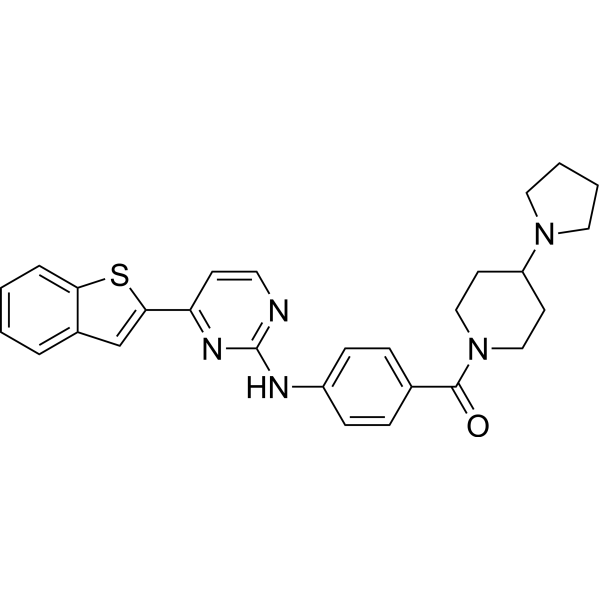 0 ImagesIKK 16 is an orally active IKK inhibitor. IKK 16 shows IC50s of 40 nM, 70 nM, 200 nM, and 50 nM for IKK2, IKK complex, IKK1, and LRRK 2, respectively. IKK 16 is also a pan-PKD inhibitor, inhibiting PKD1, PKD2, and PKD3 with IC50s of 153.9, 115, and 99.7 nM, respectively. IKK 16 is also an ABCB1 inhibitor, interfering with the binding of ABCB1 to its substrates. IKK 16 protects against LPS (HY-D1056)-induced multiple organ dysfunction by reducing the acute inflammatory response induced by endotoxin exposure. IKK 16 can restore renal function and alleviate fibrosis in acute kidney injury. IKK 16 attenuates cardiac dysfunction associated with polymicrobial sepsis in mice with type 2 diabetes mellitus (T2DM) by inhibiting the NF-κB pathway.
-
CRT0066101 dihydrochloride
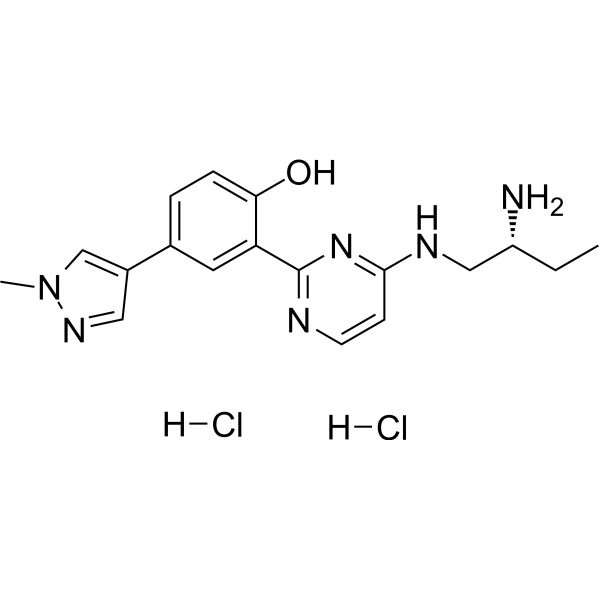 0 ImagesCRT0066101 dihydrochloride is a potent and orally active PKD inhibitor with IC50 values of 1 nM, 2.5 nM and 2 nM for PKD1, PKD2, and PKD3, respectively. CRT0066101 dihydrochloride is also a potent PIM2 inhibitor with an IC50 of ~135.7 nM. CRT0066101 dihydrochloride exhibits anti-inflammatory activity in mice LPS (HY-D1056)-induced lung injury models, and has anticancer effects.
-
1-Naphthyl PP1
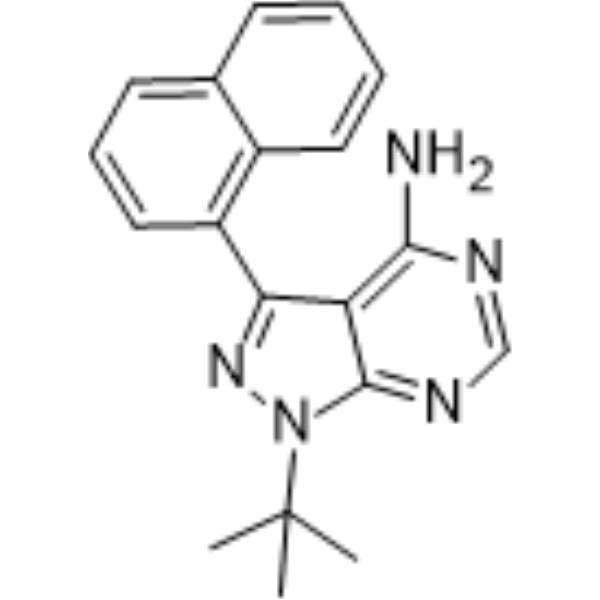 0 ImagesSynonyms: 1-NA-PP 1
-
CRT0066101
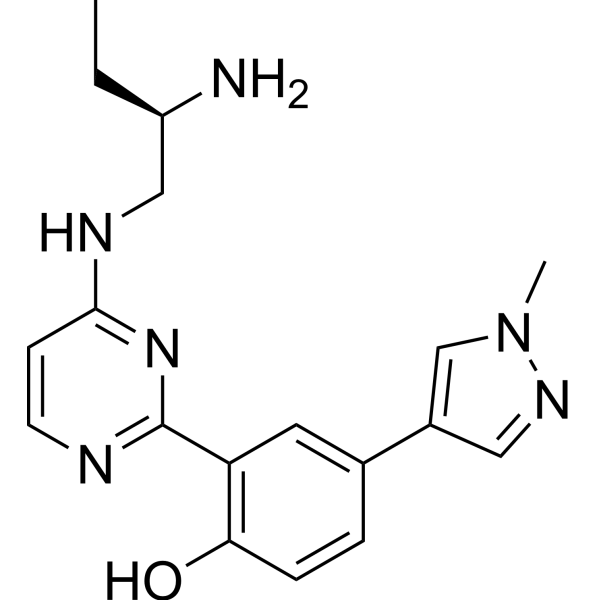 0 ImagesCRT0066101 is a potent and orally active PKD inhibitor with IC50 values of 1 nM, 2.5 nM and 2 nM for PKD1, PKD2, and PKD3, respectively. CRT0066101 is also a potent PIM2 inhibitor with an IC50 of ~135.7 nM. CRT0066101 exhibits anti-inflammatory activity in mice LPS (HY-D1056)-induced lung injury models, and has anticancer effects.
-
IKK 16 hydrochloride
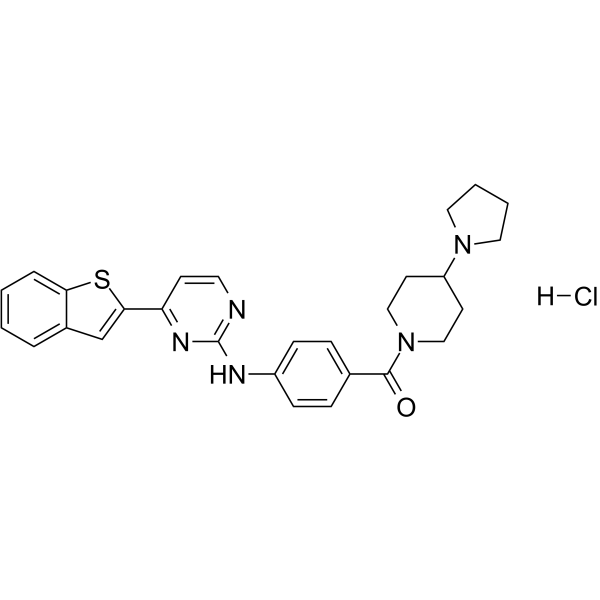 0 ImagesIKK 16 hydrochloride is an orally active IKK inhibitor. IKK 16 hydrochloride shows IC50s of 40 nM, 70 nM, 200 nM, and 50 nM for IKK2, IKK complex, IKK1, and LRRK 2, respectively. IKK 16 hydrochloride is also a pan-PKD inhibitor, inhibiting PKD1, PKD2, and PKD3 with IC50s of 153.9, 115, and 99.7 nM, respectively. IKK 16 hydrochloride is also an ABCB1 inhibitor, interfering with the binding of ABCB1 to its substrates. IKK 16 hydrochloride protects against LPS (HY-D1056)-induced multiple organ dysfunction by reducing the acute inflammatory response induced by endotoxin exposure. IKK 16 hydrochloride can restore renal function and alleviate fibrosis in acute kidney injury. IKK 16 hydrochloride attenuates cardiac dysfunction associated with polymicrobial sepsis in mice with type 2 diabetes mellitus (T2DM) by inhibiting the NF-κB pathway.
-
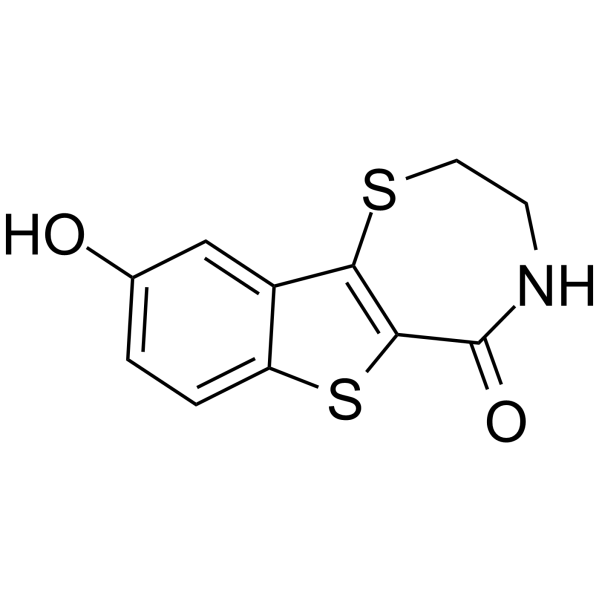
BPKDi
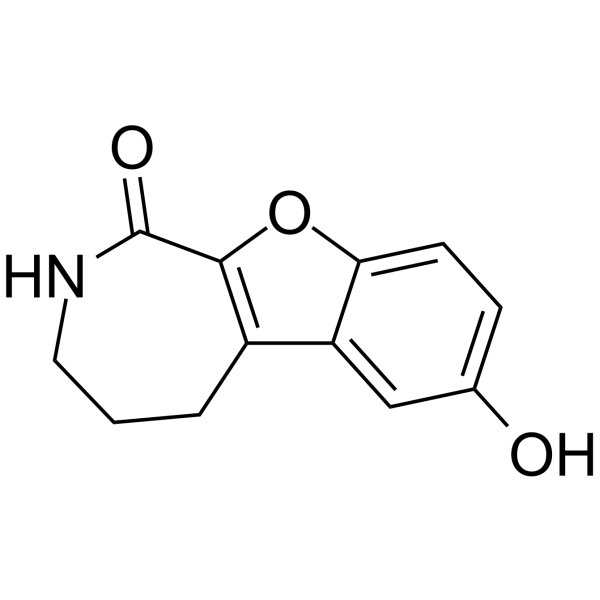
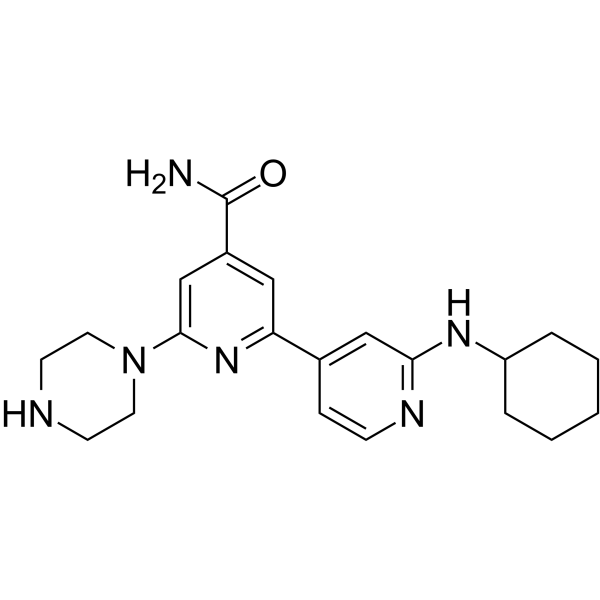 0 ImagesBPKDi is an inhibitor of PKD. BPKDi inhibits three members of the PKD family, PKD1, PKD2, and PKD3, with IC50 values of 1 nM, 9 nM, and 1 nM, respectively. BPKDi blocks signal-dependent phosphorylation and nuclear export of class IIa HDACs in cardiomyocytes and concomitantly suppresses hypertrophy of these cells.
-
3-IN-PP1
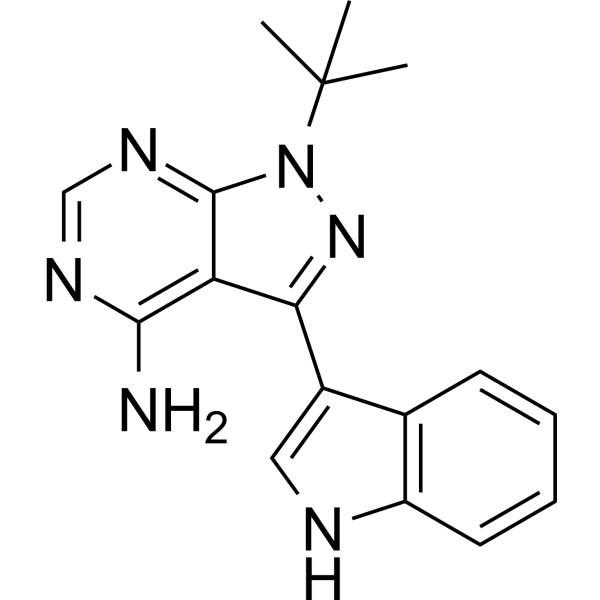 0 Images3-IN-PP1 is a protein kinase D (PKD) inhibitor. 3-IN-PP1 has potent pan-PKD inhibitory activity for PKD1, PKD2 and PKD3 with IC50 values of 108, 94 and 108 nM, respectively. 3-IN-PP1 also is a broad spectrum anticancer agent and has inhibition of several tumor cells growth. 3-IN-PP1 can be used for the research of cancer.
-
CRT0066101 trihydrochloride
 0 ImagesCRT0066101 trihydrochloride is the trihydrochloride salt form of CRT0066101 (HY-15698). CRT0066101 trihydrochloride is an orally active PKD inhibitor with IC50 values of 1 nM, 2.5 nM and 2 nM for PKD1, PKD2, and PKD3, respectively. CRT0066101 trihydrochloride is also an inhibitor for PIM2 with an IC50 of ~135.7 nM. CRT0066101 trihydrochloride exhibits anti-inflammatory activity in mice LPS (HY-D1056)-induced lung injury models, and has anticancer effects.
-
Protein kinase D inhibitor 1
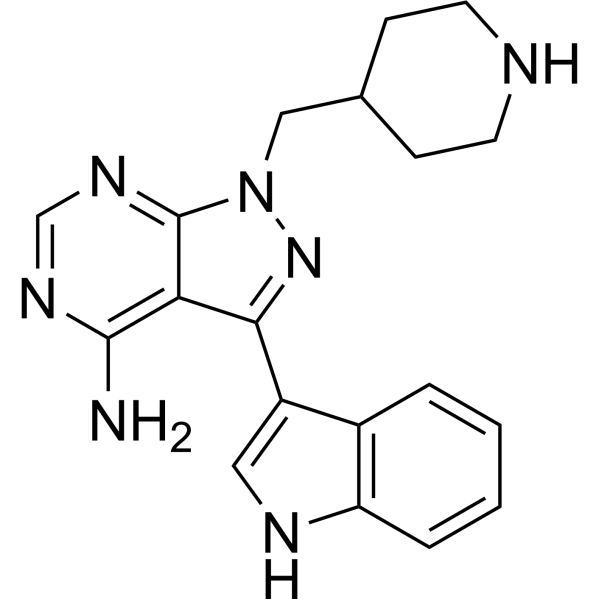 0 ImagesArt. -Nr.: HY-151372CAS. Nr.: 2489320-03-6Protein kinase D inhibitor 1 (compound 17m) is a pan-PKD inhibitor, with IC50 values ranging from 17 to 35 nM. Protein kinase D inhibitor 1 inhibits PKD-dependent cortactin phosphorylation.
- 1



