



Pizotifen malate
Based on 2 publication(s) in Google Scholar
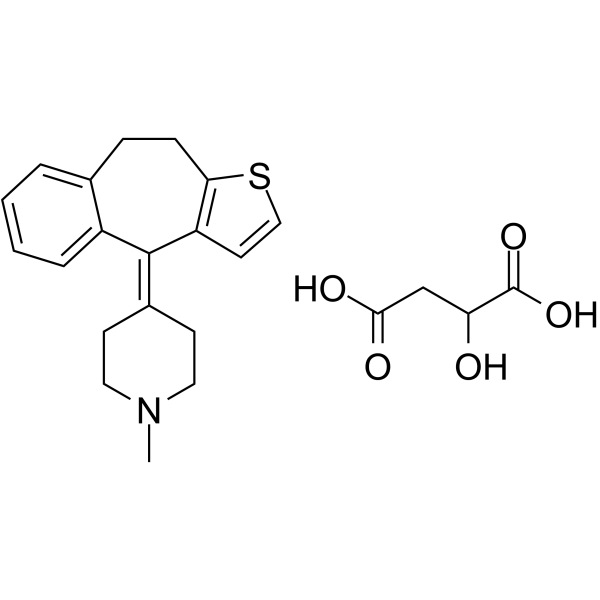
Pizotifen malate (Pizotyline malate) is a 5-HT2 receptor antagonist. Pizotifen malate inhibits the Wnt/β-catenin-EMT signaling pathway and induces mitochondria-mediated Apoptosis. Pizotifen malate causes transient ERK1/2 phosphorylation and restores ATP. Pizotifen malate blocks Serotonin (HY-B1473A)-mediated platelet activation, inhibits Serotonin-enhanced ADP-induced platelet aggregation, and prolongs carotid artery occlusion and tail bleeding time. Pizotifen malate exhibits anticancer activity against gastric cancer and colon cancer. Pizotifen malate exerts neuroprotective effects in the striatum of R6/2 mice. Pizotifen malate can be used for research on gastric cancer, colon cancer, Huntington's disease, metastasis, and thromboembolic diseases.
For research use only. We do not sell to patients.
- Purity : 99.04%
- CAS No.: 5189-11-7
- Formula: C23H27NO5S
- Molecular Weight:429.53
-
Storage:
4°C, sealed storage, away from moisture and light
* In solvent : -80°C, 6 months; -20°C, 1 month (sealed storage, away from moisture and light)

To place orders, for customer services and technical support, please contact: MedChemExpress USA
Tel: 609-228-6898 E-mail: [email protected] [email protected]


-
 Biological Activity
-
Chemical Information
-
Solvent & Solubility
- Protocols
- Purity & Documentation
- References
-
 Help & FAQs


-
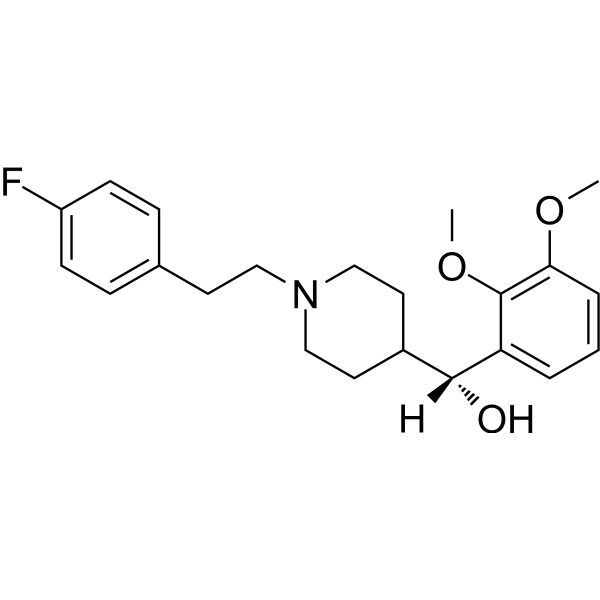
HY-14940
Volinanserin5-HT2 Receptor Antagonist -
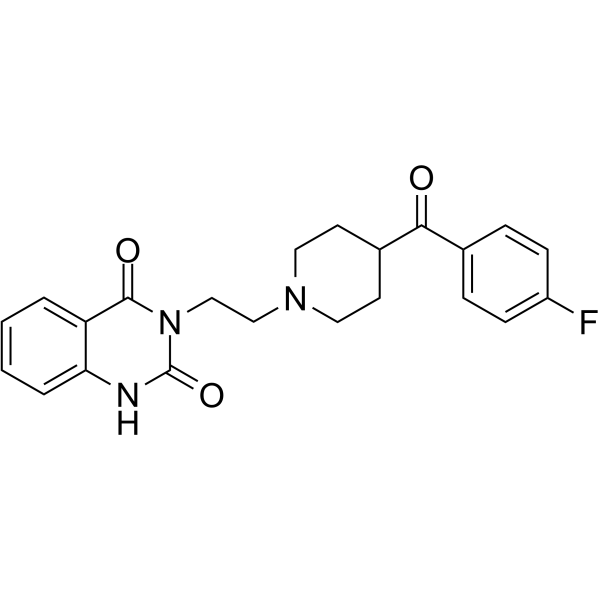
HY-10562
Ketanserin -
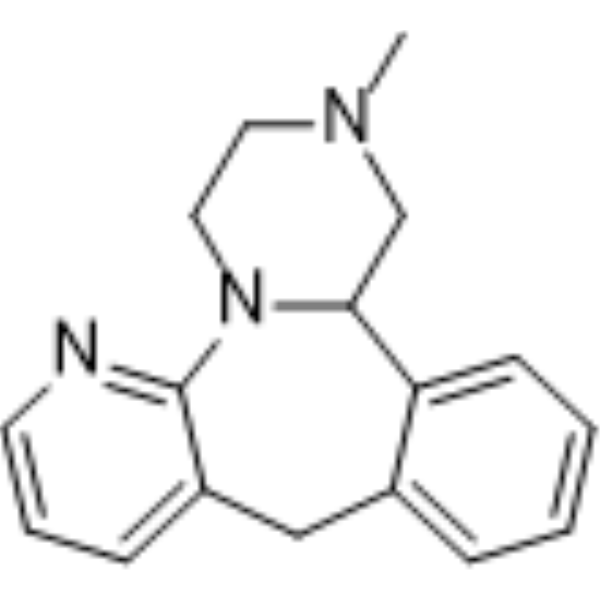
HY-B0352
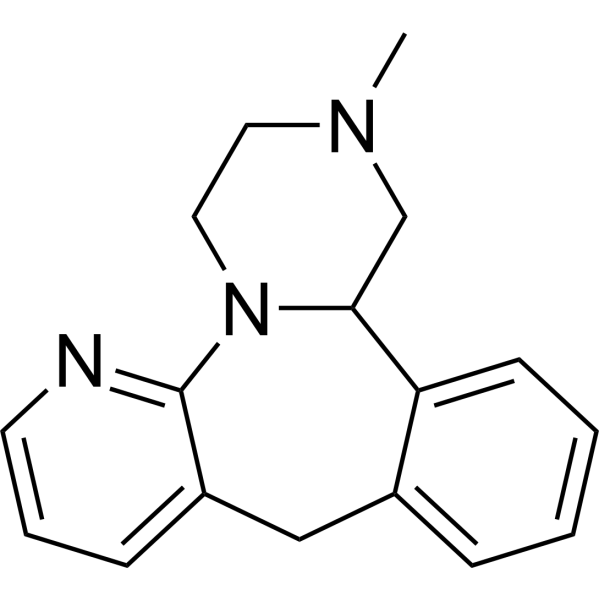
MirtazapineNaSSA Agent -
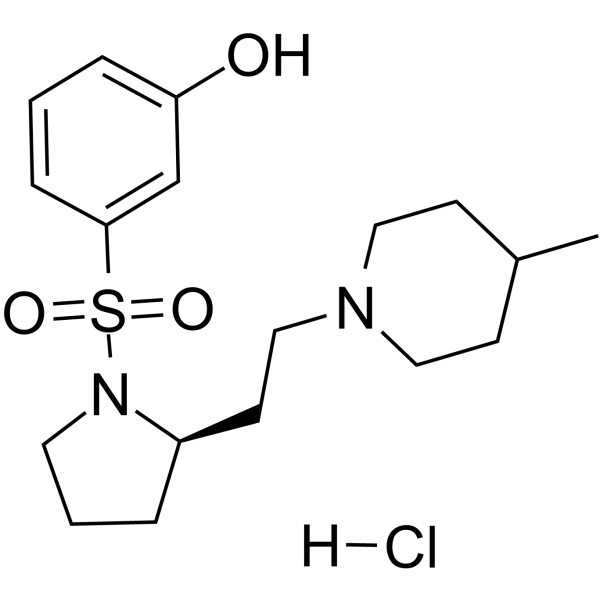
HY-15370A
SB-269970 hydrochloride5-HT7 Receptor Antagonist -
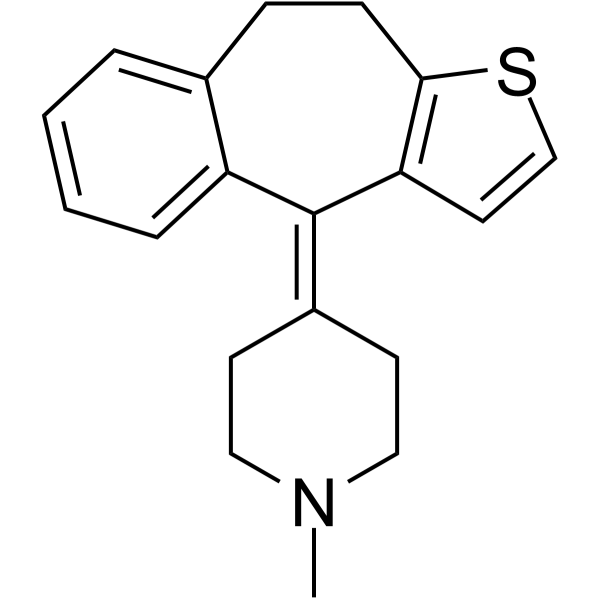
HY-B0115
Pizotifen5-HT2R Antagonist -
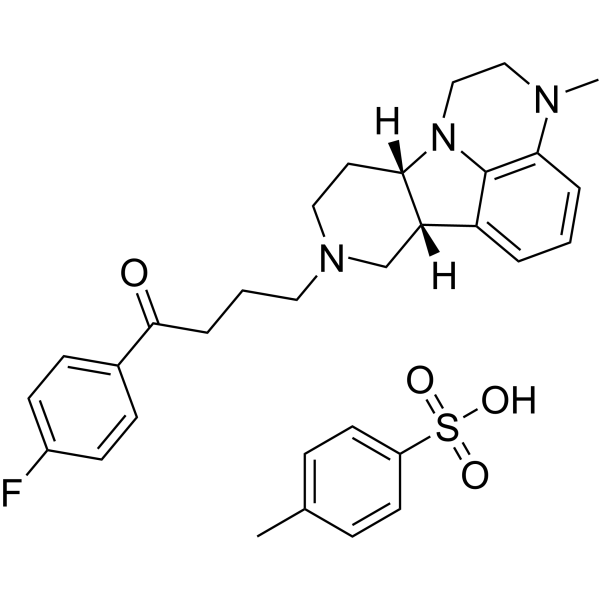
HY-19733
Lumateperone tosylate5-HT2A Receptor Antagonist -
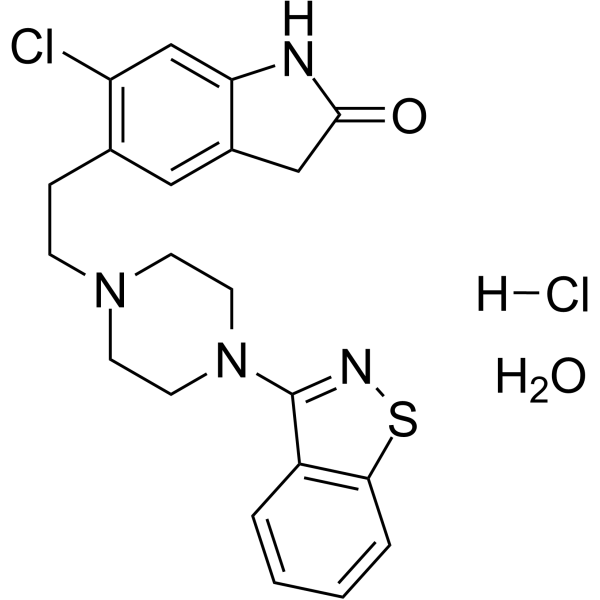
HY-17407
Ziprasidone hydrochloride monohydrate5-HT/DA Receptor Antagonist -
HY-B0352R
Mirtazapine (Standard) -
HY-B0731
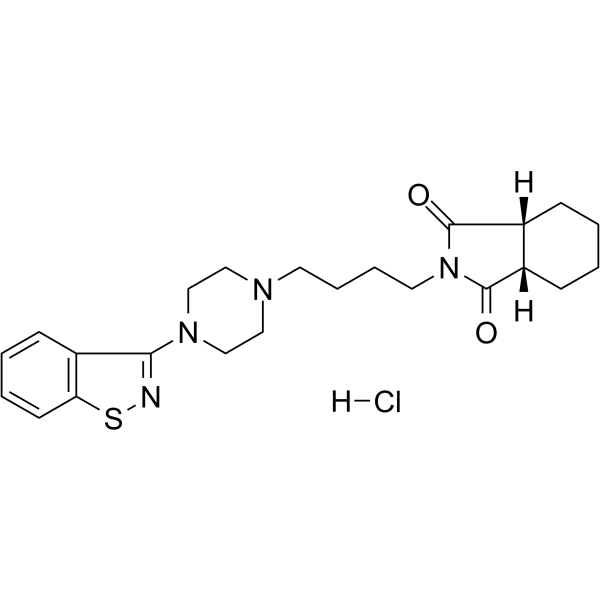
Perospirone hydrochlorideAntipsychotic Agent -

HY-10562R
Ketanserin (Standard)5-HT2A Receptor Antagonist -

HY-B0115R
Pizotifen (Standard)Reference Standard -

HY-17407R
Ziprasidone hydrochloride monohydrate (Standard)5-HT/DA Receptor Antagonist
Publications Citing Use of MedChemExpress (MCE) Pizotifen malate
MoreAll 5-HT Receptor Isoforms
More

Biological Activity
Description
|
ERK1 |
ERK2 |
5-HT2 Receptor |
In Vitro
Pizotifen (10-40 µM; 24-72 h) malate inhibits the viability of MNK45 and AGS gastric cancer cells in a dose-dependent manner[1].
Pizotifen (10-20 µM; 24 h) malate inhibits the migration and invasion of MNK45 and AGS cells in Transwell assays[1].
Pizotifen (20 µM; 24 h) malate induces apoptosis in MNK45 and AGS cells[1].
Pizotifen (20 µM; 48 h) malate decreases Bcl-2 and increases Bax and active caspase-3 in MNK45 and AGS cells[1].
Pizotifen (5-25 μM; 48 h) malate inhibits HCT116 cell proliferation in a dose-dependent manner, with significant effects at 15-25 μM after 48 h and at 20 μM at 48 and 72 h[2].
Pizotifen (20 μM; 24 h) malate inhibits HCT116 cell migration and invasion, reducing migrated cells to 45 and invaded cells to 21[2].
Pizotifen (20 μM; 24 h) malate promotes apoptosis in HCT116 cells, increasing the apoptosis rate to 18.01%[2].
Pizotifen malate blocks serum withdrawal-induced Caspase-3/7 activation in STHdhQ111/Q111 cells[3].
Pizotifen (0.01-30 nM; 1 min) malate dose-dependently inhibits Serotonin (HY-B1473A)-enhanced ADP- and U46619 (HY-108566)-induced platelet aggregation[5].
MedChemExpress (MCE) has not independently confirmed the accuracy of these methods. They are for reference only. Further protocols information, click here.
-
Cell Line:MNK45 and AGS cell lines
-
Concentration:10, 20, 40 µM
-
Incubation Time:24, 48, 72 h (viability measurement); 3 days (culture)
-
Result:Inhibited viability of MNK45 cells in a dose-dependent manner at 48 h or 72 h.
Inhibited viability of AGS cells.
-
Cell Line:MNK45 and AGS cell lines
-
Concentration:10, 20 µM
-
Incubation Time:24 h
-
Result:Decreased migratory abilities of MNK45 cells in a dose-dependent manner at 10 and 20 µM.
Decreased migratory abilities of AGS cells at 10 and 20 µM.
-
Cell Line:MNK45 and AGS cell lines
-
Concentration:20 µM
-
Incubation Time:48 h
-
Result:Reduced Bcl-2 expression in MNK45 and AGS cells at 20 µM for 48 h.
Increased Bax and active caspase-3 expression in MNK45 and AGS cells at 20 µM for 48 h.
-
Cell Line:HCT116 cells
-
Concentration:5, 10, 15, 20, 25 μM (48 h); 20 μM (time-course)
-
Incubation Time:48 h (dose-response); 0, 24, 48, 72 h (time-course)
-
Result:Inhibited HCT116 cell proliferation dose-dependently.
Reduced proliferation significantly at 15, 20, and 25 μM after 48 h.
Decreased OD values significantly at 20 μM after 48 h and 72 h compared with negative control.
-
Cell Line:HCT116 cells
-
Concentration:20 μM
-
Incubation Time:24 h (serum-free)
-
Result:Increased apoptosis rate to 18.01% compared with 7.8% in negative control.
In Vivo
Pizotifen (10 mg/kg; i.p.; once daily; starting on day 2 after inoculation) malate inhibits metastatic progression without affecting primary tumor growth in the 4T1 mouse breast cancer model[4].
Pizotifen (3 mg/kg; i.p.; once daily; 5 days) malate prolongs the time to vascular occlusion in the FeCl3-induced carotid artery thrombosis model in mice[5].
Pizotifen (3 mg/kg; i.p.; once daily; 5 days) malate increases tail bleeding time in mice[5].
MedChemExpress (MCE) has not independently confirmed the accuracy of these methods. They are for reference only.
-
Animal Model:BALB/c (female)[4]
-
Dosage:10 mg/kg
-
Administration:i.p.; once daily; starting on day 2 post inoculation
-
Result:Showed primary tumors equal in size to vehicle group at day 10.
Showed Ki67-positive cells in resected primary tumors same as vehicle group.
Showed less than 1% cleaved caspase 3-positive cells.
Showed no anti-tumor effect on primary tumor.
Detected no light emission in lungs, livers, or lymph nodes by bioluminescence imaging at 70 days.
Formed 0-5 metastatic nodules per lung in all 10 mice.
Detected lung metastatic lesions in only 2 of 10 mice; remaining mice showed metastatic colony formations around the bronchiole.
Showed no liver metastases in 10 mice; half showed metastatic colony formation around the portal tract.
-
Animal Model:C57BL/6 (8-10 weeks old)[5]
-
Dosage:3 mg/kg
-
Administration:i.p.; once daily; 5 days
-
Result:Prolonged time to vessel occlusion to 1199 sec.
-
Animal Model:C57BL/6[5]
-
Dosage:3 mg/kg
-
Administration:i.p.; once daily; 5 days
-
Result:Increased tail bleeding time to 714.4 sec.
Clinical Trial
| NCT Number | Sponsor | Condition | Start Date |
Phase

|
|---|---|---|---|---|
| NCT01329991 | Plexxikon| | 2011-05 | PHASE1 |


Chemical Information
-
CAS No. 5189-11-7
-
Appearance Solid
-
Molecular Weight 429.53
-
Formula C23H27NO5S
-
Color White to off-white
-
SMILES
O=C(O)C(O)CC(O)=O.CN1CC/C(CC1)=C2C3=CC=CC=C3CCC4=C\2C=CS4
-
Synonyms
Pizotyline malate; BC-105 malate
-
Shipping
Room temperature in continental US; may vary elsewhere.
-
Storage
4°C, sealed storage, away from moisture and light
* In solvent : -80°C, 6 months; -20°C, 1 month (sealed storage, away from moisture and light)


Publications (2)
-
Journal Impact Factor
-
Most Recent
-
PLoS Negl Trop Dis
Identification of anti-flaviviral drugs with mosquitocidal and anti-Zika virus activity in Aedes aegypti. [Abstract]2019 Aug 20;13(8):e0007681. PMID: 31430351 -
Exp Ther Med
2020 Feb;19(2):817-824. PMID: 32010241


Solvent & Solubility
In Vitro:
DMSO : 50 mg/mL (116.41 mM; Need ultrasonic; Hygroscopic DMSO has a significant impact on the solubility of product, please use newly opened DMSO)
Please refer to the solubility information to select the appropriate solvent. Once prepared, please aliquot and store the solution to prevent product inactivation from repeated freeze-thaw cycles.
Storage method and period of stock solution: -80°C, 6 months; -20°C, 1 month (sealed storage, away from moisture and light). When stored at -80°C, please use it within 6 months. When stored at -20°C, please use it within 1 month.
Please refer to the solubility information to select the appropriate solvent. Once prepared, please aliquot and store the solution to prevent product inactivation from repeated freeze-thaw cycles.
Storage method and period of stock solution: -80°C, 6 months; -20°C, 1 month (sealed storage, away from moisture and light). When stored at -80°C, please use it within 6 months. When stored at -20°C, please use it within 1 month.
Concentration (start) × Volume (start) = Concentration (final) × Volume (final)
In Vivo:
Select the appropriate dissolution method based on your experimental animal and administration route.
- For the following dissolution methods, please ensure to first prepare a clear stock solution using an In Vitro approach and then sequentially add co-solvents:
- To ensure reliable experimental results, the clarified stock solution can be appropriately stored based on storage conditions. As for the working solution for In Vivo experiments, it is recommended to prepare freshly and use it on the same day.
- The percentages shown for the solvents indicate their volumetric ratio in the final prepared solution. If precipitation or phase separation occurs during preparation, heat and/or sonication can be used to aid dissolution.
Add each solvent one by one: 10% DMSO 40% PEG300 5% Tween-80 45% Saline
Solubility: ≥ 2.5 mg/mL (5.82 mM); Clear solution
This protocol yields a clear solution of ≥ 2.5 mg/mL (saturation unknown).
Taking 1 mL working solution as an example, add 100 μL DMSO stock solution (25.0 mg/mL) to 400 μL PEG300, and mix evenly; then add 50 μL Tween-80 and mix evenly; then add 450 μL Saline to adjust the volume to 1 mL.
Preparation of Saline: Dissolve 0.9 g sodium chloride in ddH₂O and dilute to 100 mL to obtain a clear Saline solution.
In Vivo Dissolution Calculator
Please enter the basic information of animal experiments:
-
-
-
-
Recommended: Prepare an additional quantity of animals to account for potential losses during experiments.
Please enter your animal formula composition:
-
%DMSO +
Recommended: Keep the proportion of DMSO in working solution below 2% if your animal is weak.
-
%+
-
+%Tween-80 + +
-
%Saline +
The co-solvents required include: DMSO, . All of co-solvents are available by MedChemExpress (MCE). , Tween 80. All of co-solvents are available by MedChemExpress (MCE).
Working solution concentration: 0.22 mg/mL
Method for preparing stock solution: mg drug dissolved in μL DMSO. Stock solution concentration: mg/mL. * In solvent : -80°C, 6 months; -20°C, 1 month (sealed storage, away from moisture and light)
1. Take μL DMSO stock solution;
2. Add μL .
μL , mix evenly;
3. Then add μL Tween 80, mix evenly;
4. Then add μL
Please ensure that the stock solution in the first step is dissolved to a clear state, and add co-solvents in sequence. You can use ultrasonic heating (ultrasonic cleaner, recommended frequency 20-40 kHz), vortexing, etc. to assist dissolution.

Protocols
-
Kinase activity and phosphorylation assays
Kinase activity assays measure the ability of kinases to transfer phosphate groups from ATP to specific substrates, while phosphorylation assays detect the presence and levels of phosphorylated proteins. Common methods include radiolabeled ATP incorporation (e. g. ,), ADP release detection via bioluminescence (e. g. ,[3]), enzyme-linked immunosorbent assays (ELISA) for phospho-specific epitopes (e. g. ,[6]), and microtiter-based formats for high-throughput screening (e. g. ,[8]). The ADP-Glo assay quantifies kinase activity by measuring ADP produced during phosphorylation using a luciferase-based system. Radiometric assays involve autoradiography or scintillation counting after incorporation of 32P-labeled ATP into substrate proteins. ELISA-based approaches rely on phospho-specific antibodies to detect activated kinases in cell lysates or purified samples.
-
Western Blot
Western blotting (WB) is a commonly used experimental method in molecular biology, biochemistry, and immunogenetics for identifying and quantifying target proteins. It combines gel electrophoresis with immunoassay, enabling researchers to analyze protein expression, post-translational modifications, and molecular weight.
-
Detection of Apoptosis
Apoptosis, also called programmed cell death, is generally characterized by distinct morphological characteristics.
-
TUNEL staining for apoptotic DNA fragmentation
TUNEL staining detects DNA strand breaks by using terminal deoxynucleotidyl transferase to add labeled nucleotides to exposed 3′-OH DNA termini, generating either microscopic staining in fixed cells or tissue sections, or fluorescence/cytometric signal in cell suspensions. TUNEL positivity reflects DNA fragmentation but should not be interpreted alone as definitive apoptosis, because TUNEL can also label necrotic, autolytic, mechanically damaged, or DNA-repair-associated DNA breaks.
-
Annexin V plus membrane-impermeant dye apoptosis staining
Annexin V-based apoptosis assays rely on the detection of phosphatidylserine (PS) externalization from the inner leaflet of the plasma membrane to the outer leaflet, an early biochemical hallmark of apoptosis. Fluorescently labeled Annexin V binds PS in a calcium-dependent manner, enabling identification of early apoptotic cells by flow cytometry or fluorescence microscopy. When combined with a membrane-impermeant DNA-binding dye (e. g. , propidium iodide), this approach allows discrimination between viable (Annexin V−/dye−), early apoptotic (Annexin V+/dye−), and late apoptotic or necrotic (Annexin V+/dye+) cell populations by assessing membrane integrity and PS exposure.
-
Apoptosis Solutions
Apoptosis is a regulated, generally non-lytic cell-death pathway that removes unwanted, damaged, infected, or abnormal cells through coordinated morphological changes, caspase activation, DNA fragmentation, and membrane remodeling. The intrinsic apoptosis pathway is controlled mainly by mitochondrial outer membrane permeabilization, BCL-2 family proteins, cytochrome c release, apoptosome formation, caspase-9 activation, and downstream executioner caspase-3/7 activation. The extrinsic apoptosis pathway is initiated by death receptors such as Fas, TNFR, and TRAIL receptors, which recruit adaptor proteins and activate caspase-8 before engaging executioner caspases or mitochondrial amplification through BID cleavage. Apoptosis is linked to many phenotypes, including cancer cell killing, tissue homeostasis, immune regulation, neurodegeneration, infection response, and treatment-induced cytotoxicity; unresolved questions include how apoptosis interacts with necroptosis, pyroptosis, ferroptos
-
Protocol for Kinase activity and phosphorylation assays
Kinase activity assays measure transfer of phosphate from ATP to a protein or peptide substrate, generating phosphorylated substrate, ADP, or incorporated radiolabeled phosphate as the readout; phosphorylation assays measure site-specific phosphorylation in cells or tissues as a proxy for kinase-pathway activation, inhibition, or substrate regulation. Phosphorylation can be detected by phospho-specific Western blot, immunoprecipitation kinase assay, phospho-immunofluorescence, phospho-flow cytometry, luminescent ADP detection, radiolabeled ATP incorporation, or reporter-based pathway assays, and these readouts can be applied to cancer cells, primary neurons, mouse tumors, organoids, inflammatory macrophages, ferroptosis studies, and mitophagy studies when the kinase target is biologically relevant.
-
Orthotopic Cell-Line Xenograft
Orthotopic cell-line xenograft models involve implantation of human cancer cell lines into the anatomically corresponding organ of immunodeficient mice to reproduce tumor growth within a native microenvironment, enabling more clinically relevant tumor behavior compared with subcutaneous models. These models are widely used because orthotopic placement better recapitulates tumor progression, including invasion and metastatic spread, which are often underrepresented in heterotopic implantation systems. Compared with conventional xenografts, orthotopic implantation is described as more technically complex but provides improved simulation of tumor-microenvironment interactions and metastatic behavior, making it particularly valuable for translational oncology research. Surgical orthotopic implantation approaches have been emphasized as enabling faithful reproduction of clinical cancer features, including metastasis and disease progression patterns that align with the tumor’s organ of origi


Purity & Documentation
-
Data Sheet (285 KB)
-
SDS (393 KB)
- English - EN (393 KB)
- Français - FR (393 KB)
- Deutsch - DE (393 KB)
- Norwegian - NO (393 KB)
- Español - ES (393 KB)
- Swedish - SV (393 KB)
- Italian - IT (393 KB)
- Korean - KR (393 KB)
- Portuguese - PT (393 KB)
-
Handling Instructions (2659 KB)
References
[1]. Jiang Y, et al. Pizotifen inhibits the proliferation and invasion of gastric cancer cells. Experimental and therapeutic medicine. 2020 Feb;19(2):817-824. [Content Brief]
[5]. Lin OA, et al. The antidepressant 5-HT2A receptor antagonists pizotifen and cyproheptadine inhibit serotonin-enhanced platelet function. PloS one. 2014;9(1):e87026. [Content Brief]


Complete Stock Solution Preparation Table
Please refer to the solubility information to select the appropriate solvent. Once prepared, please aliquot and store the solution to prevent product inactivation from repeated freeze-thaw cycles.
Storage method and period of stock solution: -80°C, 6 months; -20°C, 1 month (sealed storage, away from moisture and light). When stored at -80°C, please use it within 6 months. When stored at -20°C, please use it within 1 month.
| Optional Solvent | Concentration Solvent Mass | 1 mg | 5 mg | 10 mg | 25 mg |
|---|---|---|---|---|---|
| DMSO | 1 mM | 2.3281 mL | 11.6406 mL | 23.2813 mL | 58.2032 mL |
| 5 mM | 0.4656 mL | 2.3281 mL | 4.6563 mL | 11.6406 mL | |
| 10 mM | 0.2328 mL | 1.1641 mL | 2.3281 mL | 5.8203 mL | |
| 15 mM | 0.1552 mL | 0.7760 mL | 1.5521 mL | 3.8802 mL | |
| 20 mM | 0.1164 mL | 0.5820 mL | 1.1641 mL | 2.9102 mL | |
| 25 mM | 0.0931 mL | 0.4656 mL | 0.9313 mL | 2.3281 mL | |
| 30 mM | 0.0776 mL | 0.3880 mL | 0.7760 mL | 1.9401 mL | |
| 40 mM | 0.0582 mL | 0.2910 mL | 0.5820 mL | 1.4551 mL | |
| 50 mM | 0.0466 mL | 0.2328 mL | 0.4656 mL | 1.1641 mL | |
| 60 mM | 0.0388 mL | 0.1940 mL | 0.3880 mL | 0.9701 mL | |
| 80 mM | 0.0291 mL | 0.1455 mL | 0.2910 mL | 0.7275 mL | |
| 100 mM | 0.0233 mL | 0.1164 mL | 0.2328 mL | 0.5820 mL |


Pizotifen malate Related Classifications
HY-B0115A Related Classifications
 Powered by Bioz
Keywords
- Pizotifen
- 5189-11-7
- Pizotyline
- BC-105
- BC105
- BC 105
- 5-HT Receptor
- Wnt
- β-catenin
- Apoptosis
- ERK
- ATP Synthase
- Mitochondrial Metabolism
- ERK1/2 phosphorylation
- Huntington's disease
- Wnt/β-catenin-EMT signaling
- colon cancer
- gastric cancer
- metastasis
- mitochondrial-mediated apoptosis
- platelet activation
- serotonin 5-HT2A/HTR2C receptor
- thromboembolic disorders
- Inhibitor
- inhibitor
- inhibit