



Aminosugar
- 1
- 2
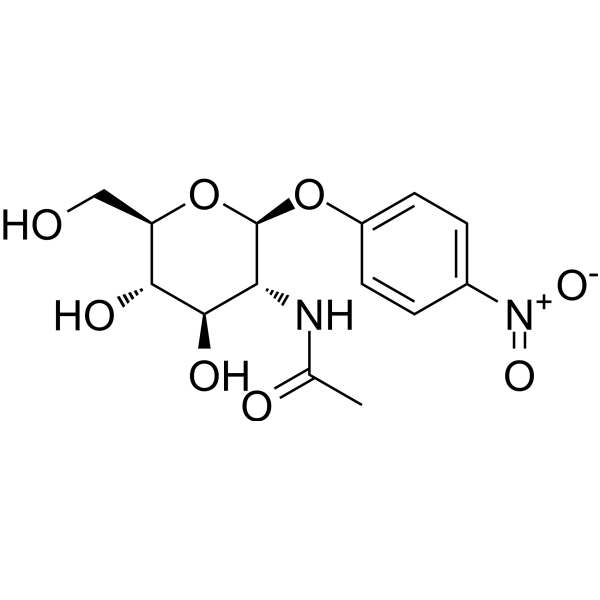
- Formula: C14H18N2O8
- Molecular Weight: 342.30
4-Nitrophenyl-N-acetyl-β-D-glucosaminide, an artificial substrate of N-acetyl-beta-D-hexosaminidase (NAGase), can be used in rapid and accurate rate assay for N-acetyl-beta-D-hexosaminidase. 4-Nitrophenyl-N-acetyl-β-D-glucosaminide is highly soluble and stable. 4-Nitrophenyl-N-acetyl-β-D-glucosaminide can be used for the study of renal tubular injury.
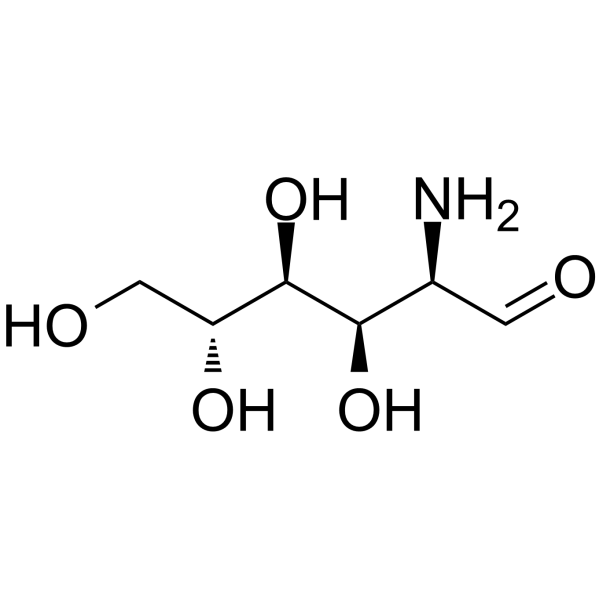
- Formula: C6H13NO5
- Molecular Weight: 179.17
Glucosamine (D-Glucosamine) is an amino sugar and a prominent precursor in the biochemical synthesis of glycosylated proteins and lipids, is used as a dietary supplement. Glucosamine also is a natural constituent of glycosaminoglycans in the cartilage matrix and synovial fluid, which when administered exogenously, exerts pharmacological effects on osteoarthritic cartilage and chondrocytes.
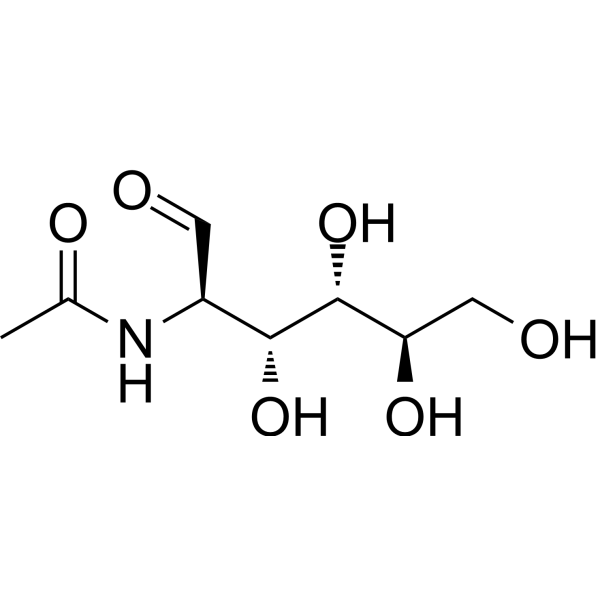
- Formula: C8H15NO6
- Molecular Weight: 221.21
N-Acetyl-D-Glucosamine (N-Acetyl-2-amino-2-deoxy-D-glucose), the D isomer of N-acetylglucosamine, is an orally active monosaccharide derivative of glucose with anti-tumor and anti-inflammation properties. N-Acetyl-D-Glucosamine is also a bacterial metabolite, which is found in Escherichia coli. N-Acetyl-D-Glucosamine can induce yeast-mycelial conversion in Candida albicans. N-Acetyl-D-Glucosamine also enhances healing of cartilaginous injuries in rabbits.

- Formula: C8H15NO6
- Molecular Weight: 221.21
N-Acetyl-D-galactosamine (GalNAc) is a terminal essential amino sugar derived from galactose and forms the antigens of blood group A in humans. N-Acetyl-D-galactosamine (GalNAc) interact with Soya bean agglutinin (SBA), hence decreasing the effects of SBA on cellular membrane permeability and tight junction protein expression in piglets. N-Acetyl-D-galactosamine (GalNAc) inhibits the hemagglutinating activity by the lectin.
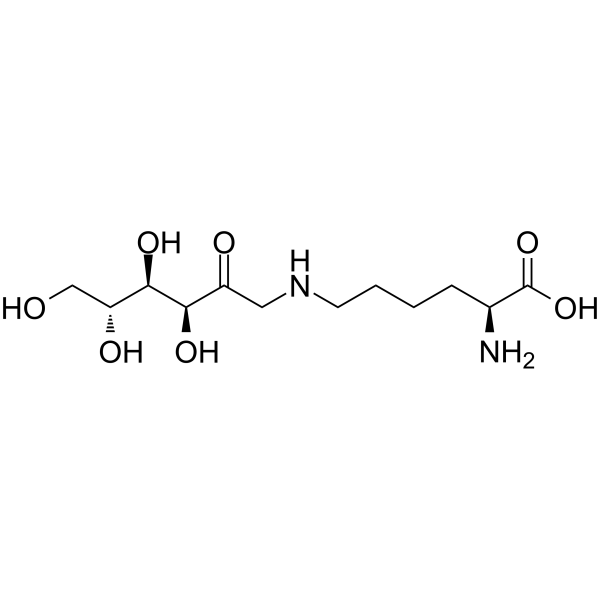
- Formula: C12H24N2O7
- Molecular Weight: 308.33
Fructosyl-lysine (Fructoselysine) is an amadori glycation product from the reaction of glucose and lysine by the Maillard reaction. Fructosyl-lysine is the precursor to glucosepane, a lysine–arginine protein cross-link that can be an indicator in diabetes?detection.
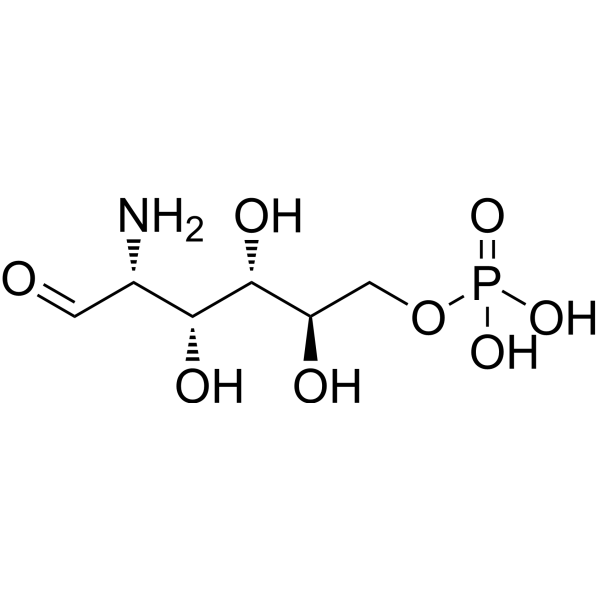
- Formula: C6H14NO8P
- Molecular Weight: 259.15
D-Glucosamine 6-phosphate is an endogenous metabolite that can be synthesized by glutamine fructose-6-phosphate amidotransferase (GFAT). D-Glucosamine 6-phosphate can be used for the research of diabetes mellitus.
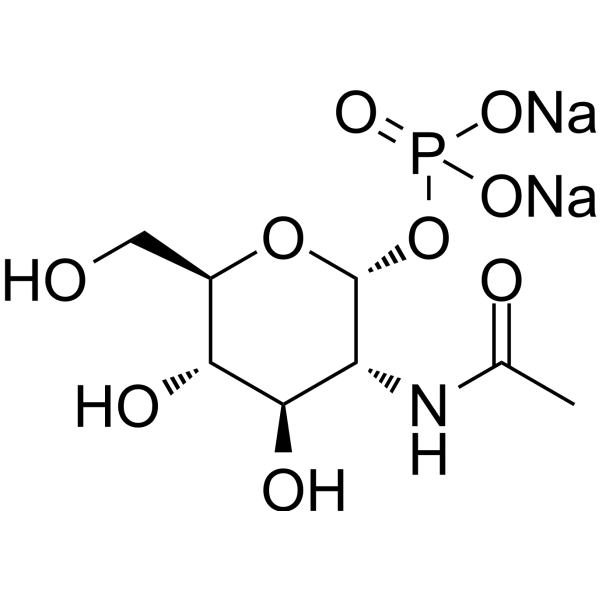
- Formula: C8H14NNa2O9P
- Molecular Weight: 345.15
N-acetyl-α-d-glucosamine 1-phosphate disodium (GlcNAc-1-P) is an ectopic sugar phosphate and a key intermediate in N-glycoprotein biosynthesis. N-acetyl-α-d-glucosamine 1-phosphate disodium serves as a metabolic precursor of teichoic acid and muramic acid, which are components of bacterial cell walls.
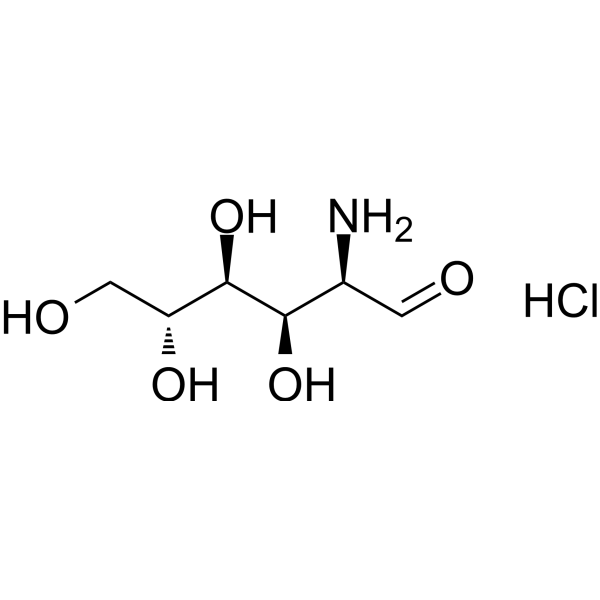
- Formula: C6H14ClNO5
- Molecular Weight: 215.63
Glucosamine hydrochloride (D-Glucosamine hydrochloride) is an amino sugar and a prominent precursor in the biochemical synthesis of glycosylated proteins and lipids, is used as a dietary supplement. Glucosamine hydrochloride also is a natural constituent of glycosaminoglycans in the cartilage matrix and synovial fluid, which when administered exogenously, exerts pharmacological effects on osteoarthritic cartilage and chondrocytes.

- Formula: C6H15NO5
- Molecular Weight: 181.19
D-Glucamine, 98% (1-Amino-1-deoxy-D-glucitol, 98%) is an amino sugar derivative that serves as an excipient in pharmaceutical formulations. D-Glucamine, 98% also acts as a substrate for studies investigating sugar transporter pathways
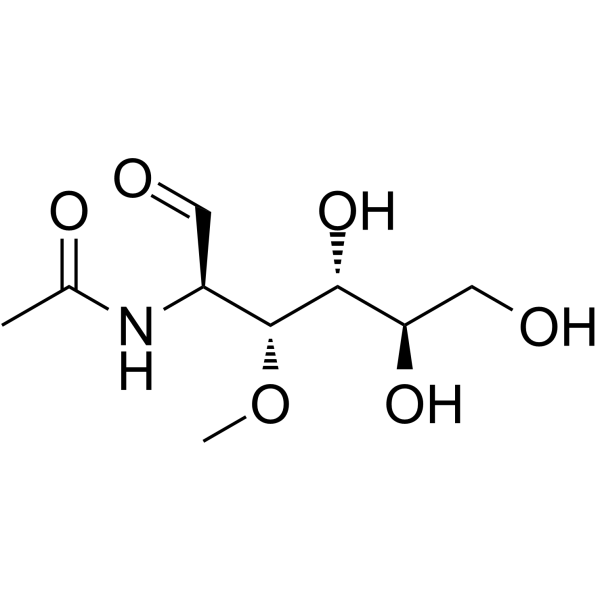
- Formula: C9H17NO6
- Molecular Weight: 235.23
3-O-Methyl-N-acetyl-D-glucosamine is a potent inhibitor of N-acetylglucosamine kinase. 3-O-Methyl-N-acetyl-D-glucosamine potently inhibits glucose phosphorylation by N-acetylglucosamine kinase whereas glucokinase is not at all affected by this hexosamine.

- Formula: C6H13NNaO8P
- Molecular Weight: 281.13
D-Glucosamine 6-phosphate (sodium) (GlcN6P-Na) is a class of biochemical reagents used in glycobiology research. Glycobiology studies the structure, synthesis, biology, and evolution of sugars. It involves carbohydrate chemistry, enzymology of glycan formation and degradation, protein-glycan recognition, and the role of glycans in biological systems. This field is closely related to basic research, biomedicine, and biotechnology.

- Formula: C8H15NO6
- Molecular Weight: 221.21
N-Acetyl-α-D-glucosamine is a biochemical assay reagent.
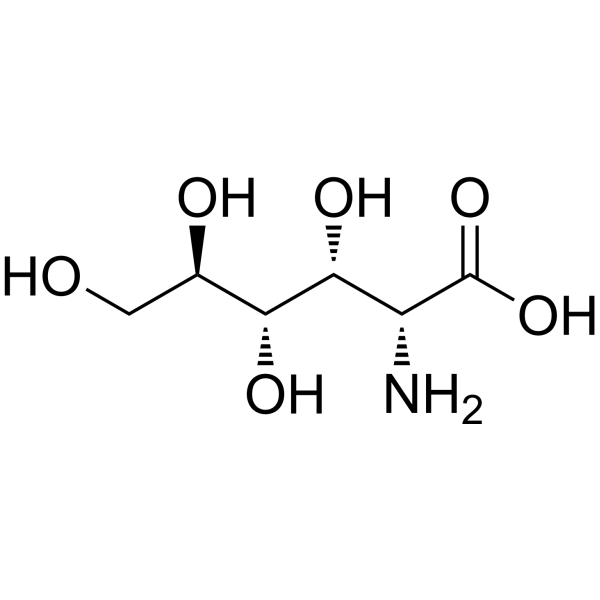
- Formula: C6H13NO6
- Molecular Weight: 195.17
D-Glucosamic acid is an endogenous metabolite.
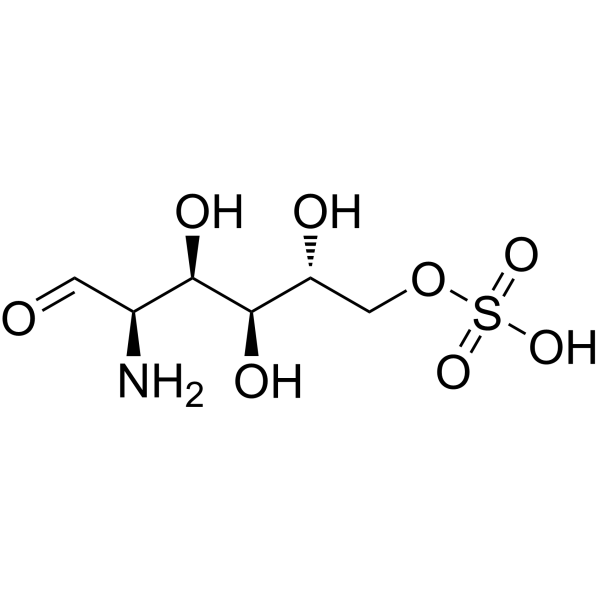
- Formula: C6H13NO8S
- Molecular Weight: 259.23
Glucosamine 6-sulfate (GlcN6P) is an organic cofactor that splits phosphodiester bonds. Glucosamine 6-sulfate plays a variety of catalytic roles in glmS ribozymes.
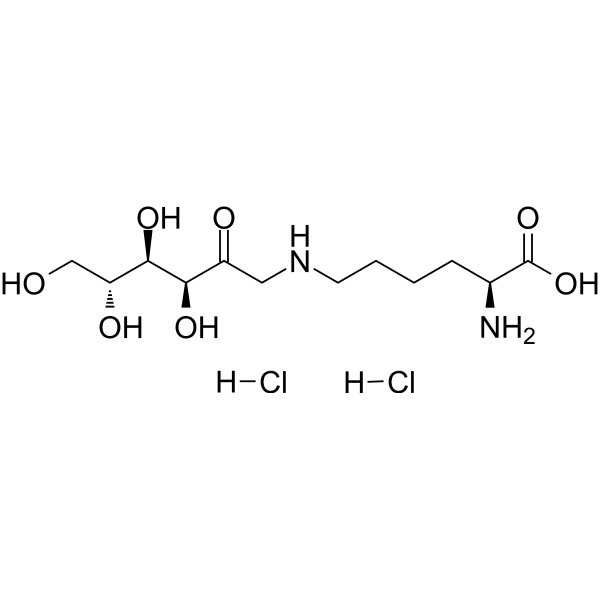
- Formula: C12H26Cl2N2O7
- Molecular Weight: 381.25
Fructosyl-lysine (Fructoselysine) dihydrochloride is an amadori glycation product from the reaction of glucose and lysine by the Maillard reaction. Fructosyl-lysine dihydrochloride is the precursor to glucosepane, a lysine–arginine protein cross-link that can be an indicator in diabetes detection.

- Formula: C6H13NO5.xClK.xH2O4S
Glucosamine sulfate potassium chloride is an amino sugar and a prominent precursor in the biochemical synthesis of glycosylated proteins and lipids, is used as a dietary supplement. Glucosamine sulfate potassium chloride also is a natural constituent of glycosaminoglycans in the cartilage matrix and synovial fluid, which when administered exogenously, exerts pharmacological effects on osteoarthritic cartilage and chondrocytes.

- Formula: C12H24N4O7
- Molecular Weight: 336.34

- Formula: C8H14NNaO9S
- Molecular Weight: 323.25
N-Acetyl-D-glucosamine 6-sulfate (sodium) is a class of biochemical reagents used in glycobiology research. Glycobiology studies the structure, synthesis, biology, and evolution of sugars. It deals with carbohydrate chemistry, glycan formation and degradation enzymology, protein-glycan recognition, and the role of glycans in biological systems. The field is closely related to basic research, biomedicine and biotechnology.


- Formula: C16H23NO9S
- Molecular Weight: 405.42
Ac4-5SGlcNAc is an O-GlcNAc transferase (OGT) inhibitor. Ac4-5SGlcNAc converts intracellularly to UDP-5SGlcNAc, which competes with native UDP-GlcNAc (HY-148596) to block OGT catalytic activity, reduces cellular UDP-GlcNAc pools, and limits global protein O-GlcNAcylation. Ac4-5SGlcNAc reduces OGA levels via feedback, alters lectin signal intensities and glycan-related band masses. Ac4-5SGlcNAc can be used for the research of breast cancer.
- 1
- 2



