
1. Search Result
Search Result
Results for "

LDH

" in MedChemExpress (MCE) Product Catalog:

91

Inhibitors & Agonists

1

Screening Libraries

3

Biochemical Assay Reagents

7

Peptides

1

MCE Kits

16

Natural
Products

7

Recombinant Proteins

7

Isotope-Labeled Compounds

7

Antibodies

1

Click Chemistry

2

Oligonucleotides

Targets Recommended:
Cat. No. Product Name Target Research Areas Chemical Structure
  • HY-W013032A
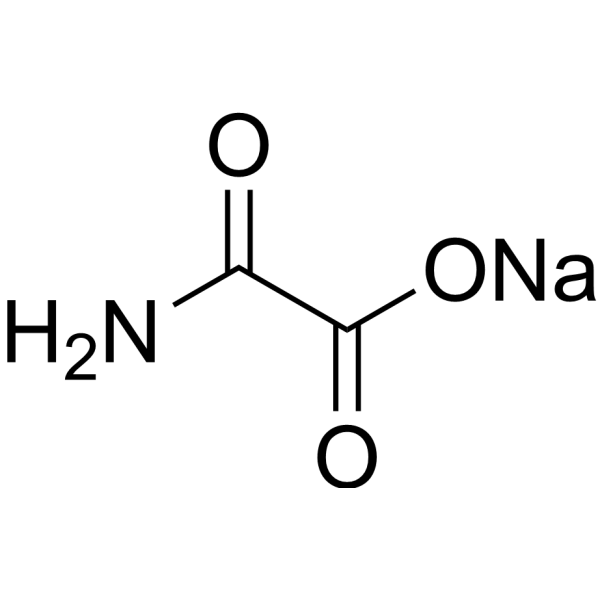
    Oxamic acid sodium
    Maximum Cited Publications
    58 Publications Verification

    Sodium oxamate

    Lactate Dehydrogenase Apoptosis Cancer
    Oxamic acid (oxamate) sodium salt is a lactate dehydrogenase-A (LDH-A) inhibitor. Oxamic acid sodium salt shows anti-tumor activity, and anti-proliferative activity against cancer cells, and can induce apoptosis .
    Oxamic acid sodium
  • HY-W013032
    Oxamic acid
    Maximum Cited Publications
    58 Publications Verification

    Oxamidic acid

    Lactate Dehydrogenase Apoptosis Cancer
    Oxamic acid is a lactate dehydrogenase-A (LDH-A) inhibitor. Oxamic acid shows anti-tumor activity, and anti-proliferative activity against cancer cells, and can induce apoptosis .
    Oxamic acid
  • HY-W040118
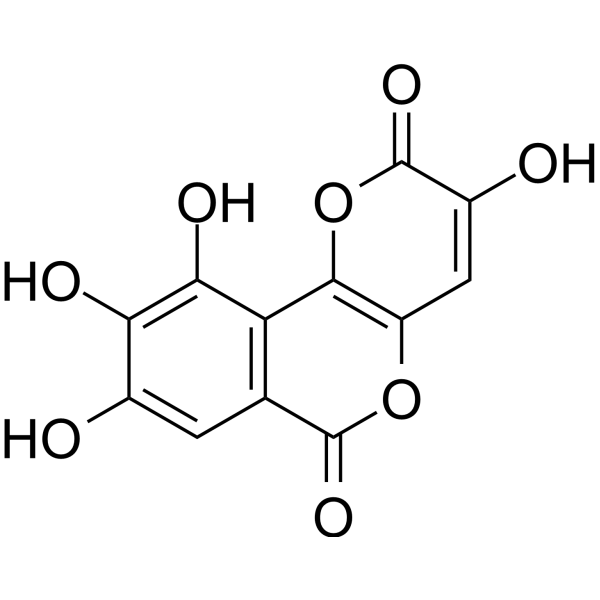
    Galloflavin
    10+ Cited Publications

    Lactate Dehydrogenase Cancer
    Galloflavin is a potent lactate dehydrogenase (LDH) inhibitor. The calculated Kis for pyruvate are 5.46 μM (LDH-A) and 15.06 μM (LDH-B). Galloflavin hinders the proliferation of cancer cells by blocking glycolysis and ATP production .
    Galloflavin
  • HY-113308
    Taurolithocholic acid
    5+ Cited Publications

    Calcium Channel Ferroptosis PI3K Akt HBV Reactive Oxygen Species (ROS) Cardiovascular Disease Infection Inflammation/Immunology
    Taurolithocholic acid is an orally active bile acid and antiviral agent. Taurolithocholic acid upregulates FADS2 by activating the TGR5-PI3K/AKT-SREBP2 signaling axis, inhibits SFTSV-induced ferroptosis (Ferroptosis), viral replication and viral entry of HBV/HDV, while reducing the release of IL-1β, lipid ROS and LDH. While exerting antiviral protective effects, Taurolithocholic acid also stimulates the recycling of hepatocellular membrane transporters, impairs canalicular bile acid secretion function, and induces hepatocyte cholestasis, apoptosis and acute hepatocellular injury. Taurolithocholic acid serves as an experimental model compound for hepatocellular cholestasis. At concentrations ≤200 μM, Taurolithocholic acid shows no cytotoxicity and does not activate the interferon pathway. Taurolithocholic acid not only protects mice from lethal SFTSV infection but also is suitable for studies related to severe fever with thrombocytopenia syndrome and cholestasis .
    Taurolithocholic acid
  • HY-W040073
    Nifurtimox
    1 Publications Verification

    Parasite Lactate Dehydrogenase Infection Cancer
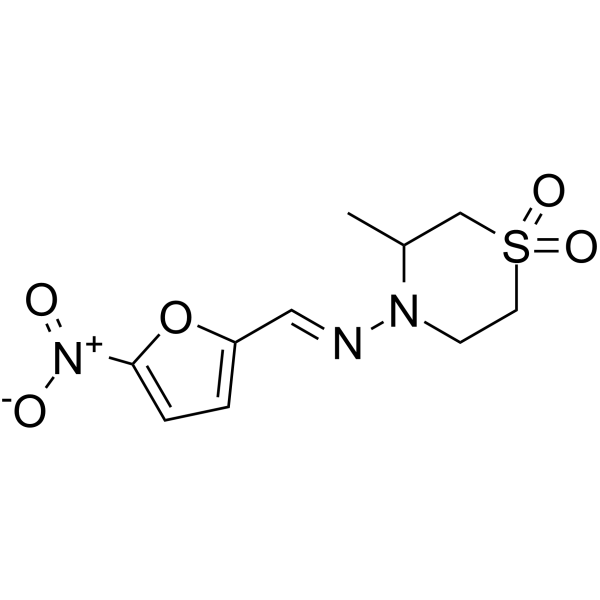
    Nifurtimox, an antiprotozoal agent, which is generally used for the treatment of infections with Trypanosoma cruzi, has been used in the therapy of neuroblastoma. Nifurtimox affects enzyme activity of lactate dehydrogenase (LDH).
    Nifurtimox
  • HY-113308A

    Calcium Channel Ferroptosis PI3K Reactive Oxygen Species (ROS) Akt HBV Metabolic Disease
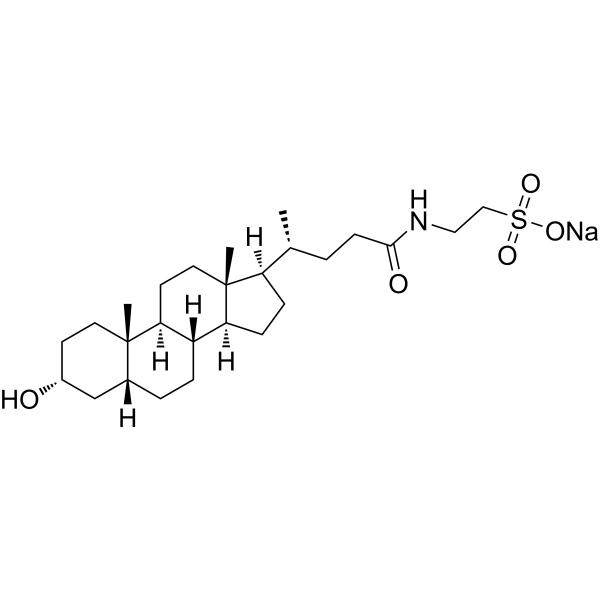
    Taurolithocholic acid sodium salt is an orally active bile acid and antiviral agent. Taurolithocholic acid sodium salt upregulates FADS2 by activating the TGR5-PI3K/AKT-SREBP2 signaling axis, inhibits SFTSV-induced ferroptosis, viral replication and viral entry of HBV/HDV, while reducing the release of IL-1β, lipid ROS and LDH. While exerting antiviral protective effects, Taurolithocholic acid sodium salt also stimulates the recycling of hepatocellular membrane transporters, impairs canalicular bile acid secretion function, and induces hepatocyte cholestasis, apoptosis and acute hepatocellular injury. Taurolithocholic acid sodium salt serves as an experimental model compound for hepatocellular cholestasis. At concentrations ≤200 μM, Taurolithocholic acid sodium salt shows no cytotoxicity and does not activate the interferon pathway. Taurolithocholic acid sodium salt not only protects mice from lethal SFTSV infection but also is suitable for studies related to severe fever with thrombocytopenia syndrome and cholestasis .
    Taurolithocholic acid sodium salt
  • HY-P10408

    EGFR MMP Calcium Channel NOD-like Receptor (NLR) ERK p38 MAPK Infection Inflammation/Immunology
    Candidalysin is a cytolytic peptide toxin secreted by the fungus Candida albicans. Candidalysin drives epithelial immune responses by activating the EGFR-MAPK signaling pathway, inducing MMP expression and calcium influx, and regulating the c-Fos transcription factor and MKP1 via p38 MAPK and ERK1/2 respectively. Candidalysin is essential for mucosal and systemic infections, activating NLRP3 to promote inflammatory responses, neutrophil recruitment, and Th17 immunity. Candidalysin activates LDH causing membrane damage and exhibiting cytotoxicity
    Candidalysin
  • HY-P2807F

    LAD, LD, L-LDH, (S)-Lactate: NAD+ oxidoreductase

    Lactate Dehydrogenase Cardiovascular Disease
    Lactate Dehydrogenase (LDH), Bovine Heart (LAD) is an oxidoreductase that catalyzes the reversible conversion between lactate and pyruvate. Lactate Dehydrogenase (LDH), Bovine Heart is mainly used in life science research, tissue damage diagnosis, and as an enzyme marker .
    Lactate Dehydrogenase (LDH), Bovine Heart
  • HY-111108
    LDH-IN-1
    2 Publications Verification

    Lactate Dehydrogenase Cancer
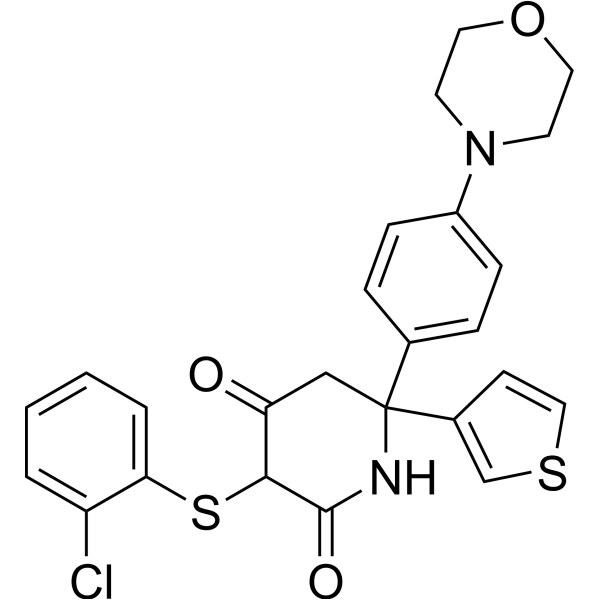
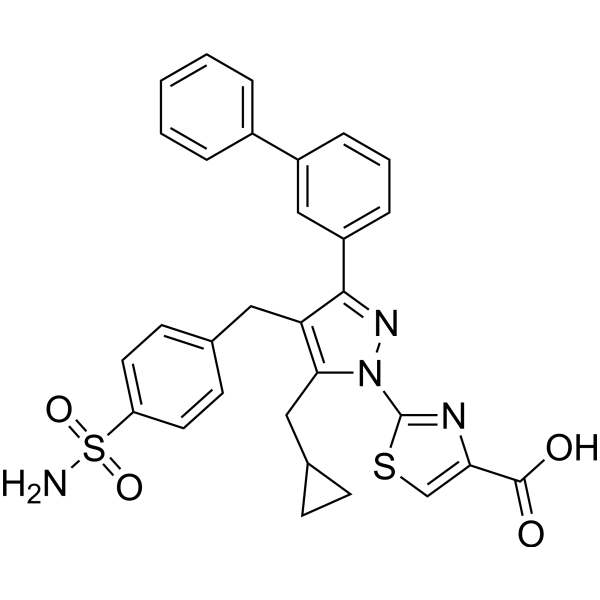
    LDH-IN-1 is a novel pyrazole-based inhibitor of human lactate dehydrogenase (LDH) with IC50s of 32 and 27 nM for LDHA and LDHB, respectively.
    LDH-IN-1
  • HY-113486
    Lathosterol
    2 Publications Verification

    Endogenous Metabolite SOD Lactate Dehydrogenase Metabolic Disease
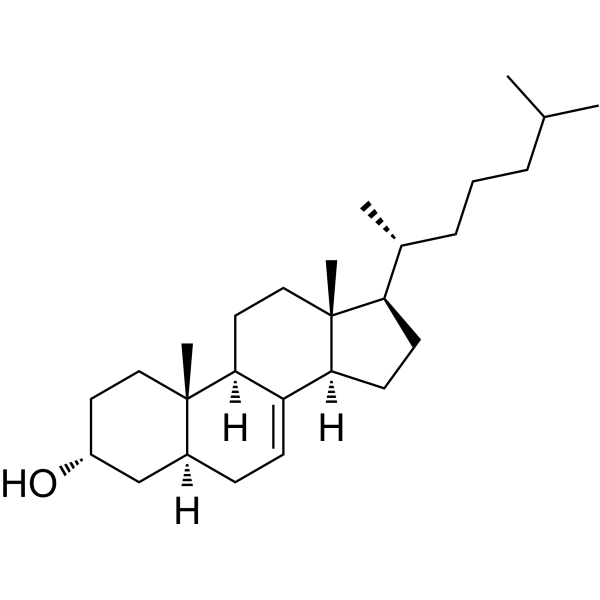
    Lathosterol is a plant sterol and cholesterol-like molecule. Lathosterol increases antioxidant enzymes (such as SOD, CAT, and GSH) and decreases LDH. Lathosterol has a hepatoprotective effect on mice with acetaminophen (HY-66005)-induced liver injury [1] .
    Lathosterol
  • HY-132606A

    DCR-PHXC sodium

    Small Interfering RNA (siRNA) Lactate Dehydrogenase Metabolic Disease
    Nedosiran (DCR-PHXC) sodium is an RNA interference (RNAi) targeting lactate dehydrogenase (LDH). Nedosiran sodium represents an impactful potential therapeutic for primary hyperoxaluria (PH) with end-stage renal disease (ESRD). Nedosiran sodium is a GalNAc-dsRNA conjugate .
    Nedosiran sodium
  • HY-P2897
    D-Lactate dehydrogenase, Microorganism
    1 Publications Verification

    D-LDH

    Lactate Dehydrogenase Others
    D-Lactate dehydrogenase, Microorganism (D-LDH) is an oxidoreductase that uses NAD + or NADP + as an acceptor and acts on the donor CH-OH group, and can catalyze the oxidation of D-lactate to pyruvate. D-Lactate dehydrogenase widely exists in bacteria and fungi, and is often used in biochemical research .
    D-Lactate dehydrogenase, Microorganism
  • HY-152670
    JC2-11
    1 Publications Verification

    NOD-like Receptor (NLR) AIM2 Inflammation/Immunology
    JC2-11 is an inhibitor of inflammatory corpuscles. JC2-11 inhibits domain-containing protein NLRC 4, absent in melanoma 2 (AIM 2) and non-canonical (NC) inflammatory corpuscles. JC2-11 reduces the secretion of caspase-1 (p20), the cleavage of gasdermin D (GSDMD), and the releases of IL-1β and lactate dehydrogenases (LDH) in inflammatory bodies. JC2-11 inhibits the activation of inflammatory bodies by destroying the production of reactive oxygen species and the activity of caspase-1 .
    JC2-11
  • HY-N7393

    Palatinitol

    Environmental Pollutants Lactate Dehydrogenase Metabolic Disease
    Isomalt (Palatinitol), a well-tolerated, non-toxic polyol and a protein-stabilizing excipient, stabilizes lactate dehydrogenase (LDH) moderately during freeze-drying, and performs better during storage. Isomalt is traditionally used as a sweetening agent in the food industry and as a tabletting excipient for pharmaceutical purposes .
    Isomalt
  • HY-P3509

    MDM-2/p53 Cancer
    PNC-28 is a peptide from the mdm-2-binding domain (residues 17–26) of the p53 protein which contains a membrane crossing-penetratin sequence. PNC-28 can be used for pancreatic cancer research .
    PNC-28
  • HY-P2807A

    LDH, Lactic Dehydrogenase

    Biochemical Assay Reagents Cardiovascular Disease
    Lactate Dehydrogenase (LDH), Porcine Heart, is an isoenzyme of lactate dehydrogenase derived from porcine heart. Lactate Dehydrogenase (LDH), Porcine Heart, is primarily used in life science research, tissue damage diagnosis, and as an enzyme marker .
    Lactate Dehydrogenase (LDH), Porcine Heart
  • HY-152261

    PROTACs Cancer
    MS6105 is an LDH protein hydrolysis-targeted chimera (PROTAC) that effectively degrades LDHA and LDHB in a time- and ubiquitin-proteasome system-dependent manner and has anticancer activity . MS6105 is a click chemistry reagent, it contains an Alkyne group and can undergo copper-catalyzed azide-alkyne cycloaddition (CuAAc) with molecules containing Azide groups.
    MS6105
  • HY-124546
    Necrostatin-5
    1 Publications Verification

    Nec-5

    Necroptosis RIP kinase Neurological Disease
    Necrostatin-5 (Nec-5) is a potent necroptosis inhibitor with an EC50 value of 0.24 µM. Necrostatin-5 also is a RIP1 inhibitor. Necrostatin-5 shows cardioprotective effects .
    Necrostatin-5
  • HY-103348

    Boc-Asp(OMe)-FMK

    Caspase Inflammation/Immunology
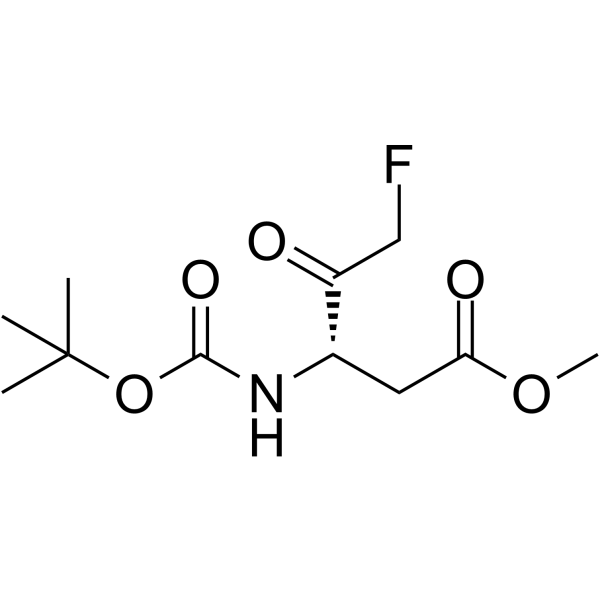
    Boc-Asp(OME)-Fluoromethyl Ketone is a broad range caspase inhibitor that inhibits Fas-mediated phagocytosis and oxidative rupture inhibition, but does not affect the chemotactic activity of IL-8 .
    Boc-Asp(OMe)-fluoromethyl ketone
  • HY-34154

    Lactate Dehydrogenase Others
    4-(Dimethylamino)phenol is a potent cyanide antidote. 4-(Dimethylamino)phenol increases the extracellular lactate dehydrogenase (LDH) without markedly affecting gluconeogenesis. 4-(Dimethylamino)phenol cannot decreases the ATP content until the membrane becomes permeable to LDH. 4-(Dimethylamino)phenol’s toxicity is related to its reaction with glutathione and formation of covalent complexes, leading to impaired cellular function .
    4-(Dimethylamino)phenol
  • HY-120553
    B-355252
    1 Publications Verification

    Apoptosis Neurological Disease
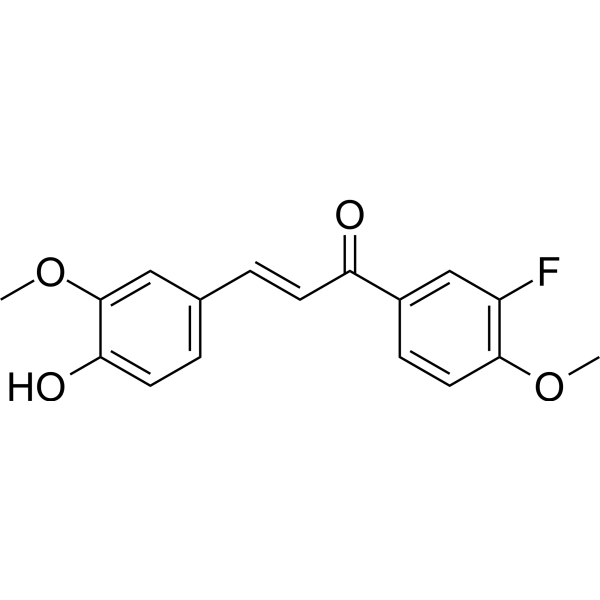
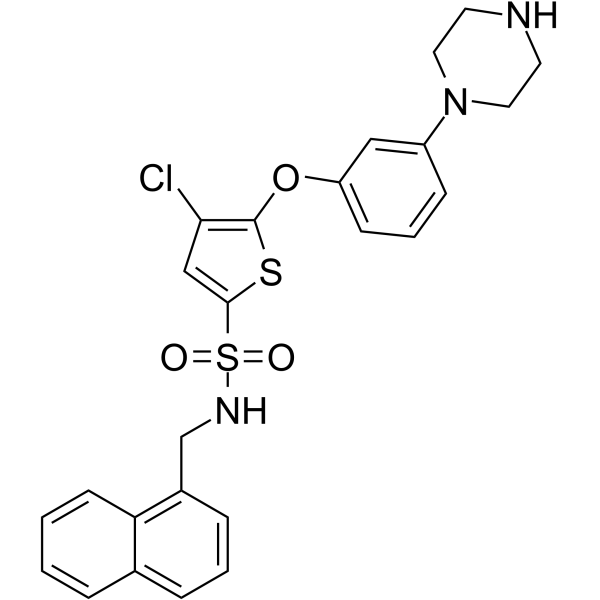
    B355252, a phenoxy thiophene sulfonamide small molecule, is a potent NGF receptor agonist. B355252 potentiates NGF-induced neurite outgrowth. B355252 protects ischemic neurons from neuronal loss by attenuating DNA damage, reducing ROS production and the LDH level, and preventing neuronal apoptosis. B355252 has anti-apoptotic effects in glutamate-induced excitotoxicity, as well as in a murine hippocampal cell line (HT22) model of Parkinson disease (PD) .
    B-355252
  • HY-131485

    3-APAD, 90%; 3-Acetylpyridine NAD, 90%

    Lactate Dehydrogenase Metabolic Disease
    3-Acetylpyridine adenine dinucleotide, 90% is an analog of nicotinamide adenine dinucleotide (NAD). 33-Acetylpyridine adenine dinucleotide, 90% collaboratively inhibits Lactate Dehydrogenase (LDH) with bisulfite .
    3-Acetylpyridine adenine dinucleotide, 90%
  • HY-176798

    Lactate Dehydrogenase Reactive Oxygen Species (ROS) Apoptosis Cancer
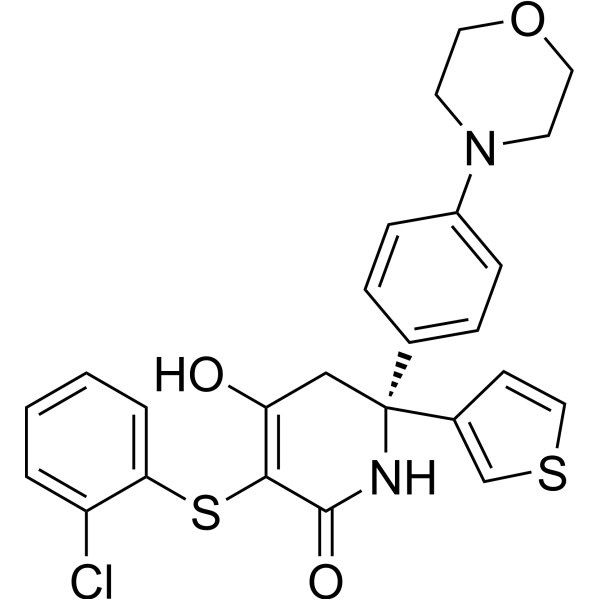
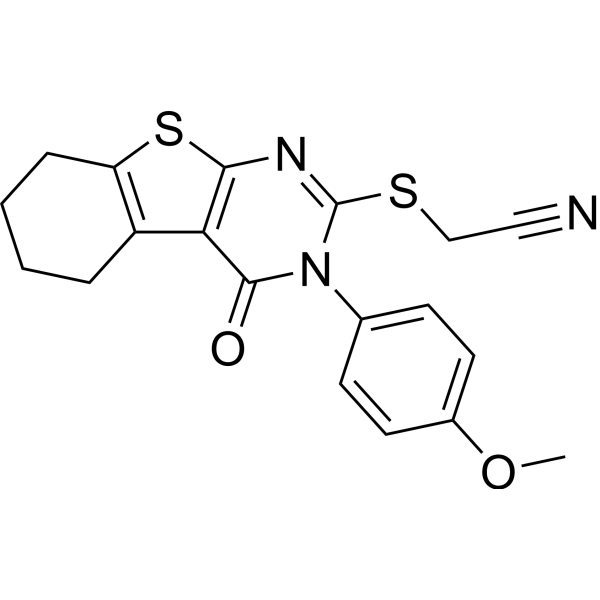
    NCI-006 is an orally active lactate dehydrogenase (LDH) inhibitor (LDHA IC50 = 0.06 μM; LDHB IC50 = 0.03 μM). NCI-006 inhibits intratumoral LDH activity, lactate production, and tumor growth in a mouse pancreatic cancer model. NCI-006 inhibits glycolysis and induces apoptosis in vitro. NCI-006 enhances the radiosensitivity of glycolytic tumor cell lines while sparing non-glycolytic/normal cells (1522, skin fibroblasts) in combination with ionizing radiation (IR). NCI-006 exhibits synergistic antitumor effects in combination with IACS-010759 (HY-112037) against colorectal and gastric cancers. NCI-006 targets glycolysis by inhibiting lactate dehydrogenase impairs tumor growth in an Ewing sarcoma model .
    NCI-006
  • HY-153129

    Prostaglandin Receptor Endocrinology
    EP2 receptor antagonist-2 (CID891729) is an antagonist of EP2 receptor. EP2 receptor antagonist-2 inhibits the EP2 receptor activation induced by PGE2. EP2 receptor antagonist-2 also suppresses lactate dehydrogenase (LDH) release induced by N-methyl-D-aspartate (NMDA) .
    EP2 receptor antagonist-2
  • HY-P3509A

    MDM-2/p53 Cancer
    PNC-28 acetate is a peptide from the mdm-2-binding domain (residues 17–26) of the p53 protein which contains a membrane crossing-penetratin sequence. PNC-28 acetate can be used for pancreatic cancer research .
    PNC-28 acetate
  • HY-P10939A

    Caspase Pyroptosis Inflammation/Immunology Cancer
    Ac-DMLD-CMK TFA is a caspase 3 inhibitor and a GSDME inhibitor. Ac-DMLD-CMK TFA binds directly to the catalytic domain of caspase-3, blocks caspase-3-mediated cleavage of GSDME, inhibits the activation of caspase 3 and Gsdme in the caspase 3-Gsdme signaling pathway, and reduces the levels of pyroptosis and apoptosis as well as the expression of LDH, IL-6, IL-1β and IL-18. Ac-DMLD-CMK TFA alleviates renal function deterioration, renal tubular epithelial cell injury, inflammatory cytokine secretion, pulmonary structural damage, and chemotherapy-induced nephrotoxicity .
    Ac-DMLD-CMK TFA
  • HY-N5073

    4''-O-Glucosylvitexin

    JNK p38 MAPK Interleukin Related TNF Receptor Caspase Lactate Dehydrogenase Apoptosis Cardiovascular Disease Metabolic Disease
    Vitexin-4''-O-glucoside (4''-O-Glucosylvitexin) is an orally active natural flavonoid component with multiple pharmacological effects including antioxidation, anti-inflammation, cytoprotection and anti-apoptosis. Vitexin-4''-O-glucoside regulates the MAPK signaling pathway by downregulating the phosphorylation levels of JNK and p38, thereby blocking endoplasmic reticulum stress responses. Vitexin-4''-O-glucoside alleviates oxidative stress by reducing MDA content and upregulating the activities of SOD and CAT, attenuates inflammation by downregulating the expressions of inflammatory factors TNF-α, IL-1β and IL-6, and also reduces LDH release and inhibits caspase-3 activation. Vitexin-4''-O-glucoside effectively improves drug-induced acute liver injury and exerts significant protective effects against myocardial hypoxia/reoxygenation injury. Vitexin-4''-O-glucoside can be used in studies on acute liver injury, cardiovascular diseases and myocardial hypoxia-reoxygenation injury .
    Vitexin-4''-O-glucoside
  • HY-171944

    Drug Derivative Lactate Dehydrogenase Others
    6-O-Oleoyltrehalose is a derivative of trehalose. 6-O-Oleoyltrehalose has biodegradable and low surface tension reduction ability. 6-O-Oleoyltrehalose preserves Lactate dehydrogenase (LDH) activity during freeze/thaw cycles. 6-O-Oleoyltrehalose can be used for stabilizer research .
    6-O-Oleoyltrehalose
  • HY-P2768

    LDH, EC 1.4.1.9

    Endogenous Metabolite Metabolic Disease
    Leucine dehydrogenase, Microorganism (EC 1.4.1.9) can be purified from Bacillus spheroides. Leucine dehydrogenase catalyzed the oxidative deamination of L-leucine, L-valine, L-isoleucine, L-norvaline, L-alpha-aminobutyrate, and L-norleucine, and the reductive amination of their keto analogues .
    Leucine dehydrogenase, Microorganism
  • HY-132606

    DCR-PHXC

    Small Interfering RNA (siRNA) Lactate Dehydrogenase Metabolic Disease
    Nedosiran (DCR-PHXC) is an RNA interference (RNAi) targeting lactate dehydrogenase (LDH). Nedosiran represents an impactful potential therapeutic for primary hyperoxaluria (PH) with end-stage renal disease (ESRD). Nedosiran is a GalNAc-dsRNA conjugate .
    Nedosiran
  • HY-N2177

    Lactate Dehydrogenase Apoptosis Cancer
    3-​Dehydrotrametenolic acid, isolated from the sclerotium of Poria cocos, is a lactate dehydrogenase (LDH) inhibitor. 3-​Dehydrotrametenolic acid promotes adipocyte differentiation in vitro and acts as an insulin sensitizer in vivo. 3-​Dehydrotrametenolic acid induces apoptosis and has anticancer activity .
    3-Dehydrotrametenolic acid
  • HY-129101

    Eseroline fumarate

    5-HT Receptor Neurological Disease
    (-)-Eseroline fumarate is a metabolic of Physostigmine (HY-N6608), an AChE inhibitor. (-)-Eseroline fumarate elicits a leakage of lactic acid dehydrogenase (LDH) from cancer cells. (-)-Eseroline fumarate also induces the release of adenine nucleotides and 5-hydroxytryptamine (5-HT) from neuronal cells, thus induce cell death. (-)-Eseroline fumarate inhibits the electrically evoked twitches of the mouse vas deferens and of the guinea-pig ileum .
    (-)-Eseroline fumarate
  • HY-130502

    Cholesterol 5β,6β-epoxide; 5β,6β-Epoxycholesterol

    Apoptosis Inflammation/Immunology Cancer
    5β,6β-epoxycholestanol (Cholesterol 5β,6β-epoxide; 5β,6β-Epoxycholesterol) is an oxysterol. 5β,6β-epoxycholestanol induces cytotoxicity in bronchial epithelial cells. 5β,6β-epoxycholestanol induces lactate dehydrogenase (LDH) release and apoptosis in lymphoma cells undergoing macrophage differentiation . 5β,6β-epoxycholestanol is applicable to research related to atherosclerosis .
    5β,6β-Epoxycholestanol
  • HY-P10939

    Caspase Pyroptosis Inflammation/Immunology Cancer
    Ac-DmLD-CMK is a caspase 3 inhibitor and a GSDME inhibitor. Ac-DmLD-CMK binds directly to the catalytic domain of caspase-3, blocks caspase-3-mediated cleavage of GSDME, inhibits the activation of caspase 3 and Gsdme in the caspase 3-Gsdme signaling pathway, and reduces the levels of pyroptosis and apoptosis as well as the expression of LDH, IL-6, IL-1β and IL-18. Ac-DmLD-CMK alleviates renal function deterioration, renal tubular epithelial cell injury, inflammatory cytokine secretion, pulmonary structural damage, and chemotherapy-induced nephrotoxicity .
    Ac-DMLD-CMK
  • HY-N10131

    (+)-Biatractylolide

    Apoptosis Neurological Disease Cancer
    Biatractylolide is a compound isolated from the ethyl acetate extract of Atractylodes macrocephala. Biatractylolide has antitumor and antioxidant activities. Biatractylolide improves cell viability, inhibits the apoptosis of cells induced by glutamate, and reduces the activity of LDH. Biatractylolide has neuroprotective effects .
    Biatractylolide
  • HY-P2807G

    LAD, LD, L-LDH, (S)-Lactate, LDH

    Lactate Dehydrogenase Others
    Lactate Dehydrogenase (LDH), Chicken Heart (LAD, LD, L-LDH, (S)-Lactate, LDH) is a biological material or organic compound that can be used in life science research .
    Lactate Dehydrogenase (LDH), Chicken Heart
  • HY-113308S1

    Isotope-Labeled Compounds Calcium Channel Ferroptosis PI3K Reactive Oxygen Species (ROS) Akt HBV Others
    Taurolithocholic acid-d4 is deuterium labeled Taurolithocholic acid. Taurolithocholic acid is an orally active bile acid and antiviral agent. Taurolithocholic acid upregulates FADS2 by activating the TGR5-PI3K/AKT-SREBP2 signaling axis, inhibits SFTSV-induced ferroptosis, viral replication and viral entry of HBV/HDV, while reducing the release of IL-1β, lipid ROS and LDH. While exerting antiviral protective effects, Taurolithocholic acid also stimulates the recycling of hepatocellular membrane transporters, impairs canalicular bile acid secretion function, and induces hepatocyte cholestasis, apoptosis and acute hepatocellular injury. Taurolithocholic acid serves as an experimental model compound for hepatocellular cholestasis. At concentrations ≤200 μM, Taurolithocholic acid shows no cytotoxicity and does not activate the interferon pathway. Taurolithocholic acid not only protects mice from lethal SFTSV infection but also is suitable for studies related to severe fever with thrombocytopenia syndrome and cholestasis .
    Taurolithocholic acid-d4
  • HY-148610

    Others Metabolic Disease
    LDH-IN-2, a salicylic acid derivative, is an inhibitor of glycolate oxidase (GO). LDH-IN-2 decreases oxalate output in hyperoxaluric hepatocytes. LDH-IN-2 can be used for research of primary hyperoxaluria type 1 (PH1) .
    LDH-IN-2
  • HY-P2807J

    Lactate Dehydrogenase Metabolic Disease
    L-Lactate Dehydrogenase (L-LDH), pig muscle is an L-lactate dehydrogenase found in pig muscle, mainly present in anaerobic tissues (skeletal muscle, red blood cells). L-Lactate Dehydrogenase (L-LDH), pig muscle can interact with acidic liposomes at low pH, causing protein to adsorb onto the liposomes and inhibit enzyme activity. The IC50 values for L-Lactate Dehydrogenase (L-LDH), pig muscle are 0.05 μM for cardiolipin and 1.3 μM for phosphatidylserine liposomes .
    L-Lactate Dehydrogenase (L-LDH), pig muscle
  • HY-N16650

    Lactate Dehydrogenase Cardiovascular Disease
    Bisadinrone A is a sesquiterpene found in Curcuma longa. Bisadinrone A can inhibit LDH release and shows significant anti-myocardial ischemia-reperfusion injury activity. Bisadinrone A can be used for the research of cardiovascular disease, such as ischemic heart disease .
    Bisadinrone A
  • HY-151243

    Lactate Dehydrogenase Cancer
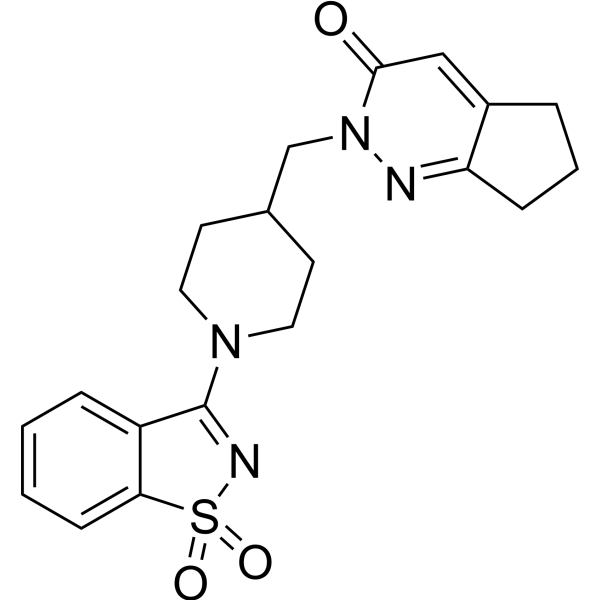
    NCATS-SM1441 (compound 52) is a lactate dehydrogenase (LDH) inhibitor (IC50=40 nM). By inhibiting the activity of LDH, NCATS-SM1441 is able to reduce the production of lactic acid in cancer cells, helping to slow or stop the proliferation of cancer cells. NCATS-SM1441 can be used to study cancer metabolism .
    NCATS-SM1441
  • HY-172529

    Dipeptidyl Peptidase Neurological Disease Metabolic Disease
    DPP9-IN-1 (Compound 42) is a dipeptidyl peptidase 9 (DPP9) inhibitor with IC50 of 3 nM for DPP9 and 0.6 μM for DPP8. DPP9-IN-1 induces concentration-dependent LDH release in THP-1 cells .
    DPP9-IN-1
  • HY-139182

    Endogenous Metabolite Metabolic Disease
    CAY10762 is an inhibitor of monoacylglycerol lipase (MAGL; IC50=34.1 nM). It reduces hydrogen peroxide-induced lactate dehydrogenase (LDH) release from Neuro2a cells when used at a concentration of 1 μM. CAY10762 (10 mg/kg) increases levels of 2-arachidonoyl glycerol in mouse brain.
    MAGL-IN-3
  • HY-131829

    6-AE-NAD+

    Biochemical Assay Reagents Others
    N6-(2-Aminoethyl)-NAD+ (6-AE-NAD+) is a NAD+ derivative commonly used in affinity chromatography. N6-(2-Aminoethyl)-NAD+ can be covalently linked to a PQQ (pyrroloquinoline quinone) (HY-100196) monolayer on an electrode surface for immobilizing NAD+-dependent enzymes such as lactate dehydrogenase (LDH) .
    N6-(2-Aminoethyl)-NAD+
  • HY-N2891

    Aristololactam A II

    Parasite COX Infection
    Aristolactam A II (Aristololactam A II) is a weak COX inhibitor with cytotoxic and anti-plasmodial activities. Aristolactam A II exhibits inhibitory activity against Chloroquine (HY-17589A)-sensitive strains, and exerts its inhibitory effect on Plasmodium falciparum growth by inducing cell membrane damage marked by LDH release. Aristolactam A II can be applied to the research of malaria-related mechanisms .
    Aristolactam A II
  • HY-178943

    Cholinesterase (ChE) Cannabinoid Receptor Aldehyde Dehydrogenase (ALDH) Caspase Apoptosis Neurological Disease
    Neuroprotective agent 15 (Compound 3e) is a neuroprotective agent. Neuroprotective agent 15 is a selective butyrylcholinesterase (BChE) inhibitor, with IC50 values of 2.6 and 114.3 μM for BChE and AChE respectively. Neuroprotective agent 15 has cannabinoid CB2 receptor (CB2 receptor) agonistic activity. Neuroprotective agent 15 can reduce cell death, LDH release and Caspase-3/7 activity, and inhibit apoptosis. Neuroprotective agent 15 can reduce the formation of superoxide free radicals, maintain cell morphology, and significantly lower oxidative stress levels. Neuroprotective agent 15 can be used in the research of neurodegenerative diseases, such as Alzheimer's disease and Parkinson's disease .
    Neuroprotective agent 15
  • HY-175640

    Pyroptosis Reactive Oxygen Species (ROS) Interleukin Related Caspase Cardiovascular Disease
    Troponin-IN-1 is a troponin inhibitor. Troponin-IN-1 protects OGD/R-injured H9c2 cardiomyocytes by reducing LDH leakage, pyroptosis and ROS accumulation. Troponin-IN-1 inhibits NO production and IL-1β/TNF-α/IL-18 release in LPS (HY-D1056)-induced RAW264.7 cells. Troponin-IN-1 acts via caspase-1/GSDMD/IL-18 pathway. Troponin-IN-1 reduces myocardial infarct size in LAD-induced myocardial ischemia/reperfusion (MI/R) male rats. Troponin-IN-1 can be used for the study of myocardial ischemia/reperfusion (MI/R) injury .
    Troponin-IN-1
  • HY-113308AR

    Reference Standards Calcium Channel Ferroptosis PI3K Reactive Oxygen Species (ROS) Akt HBV Metabolic Disease
    Taurolithocholic acid (sodium salt) (Standard) is the analytical standard of Taurolithocholic acid (sodium salt). This product is intended for research and analytical applications. Taurolithocholic acid sodium salt is an orally active bile acid and antiviral agent. Taurolithocholic acid sodium salt upregulates FADS2 by activating the TGR5-PI3K/AKT-SREBP2 signaling axis, inhibits SFTSV-induced ferroptosis, viral replication and viral entry of HBV/HDV, while reducing the release of IL-1β, lipid ROS and LDH. While exerting antiviral protective effects, Taurolithocholic acid sodium salt also stimulates the recycling of hepatocellular membrane transporters, impairs canalicular bile acid secretion function, and induces hepatocyte cholestasis, apoptosis and acute hepatocellular injury. Taurolithocholic acid sodium salt serves as an experimental model compound for hepatocellular cholestasis. At concentrations ≤200 μM, Taurolithocholic acid sodium salt shows no cytotoxicity and does not activate the interferon pathway. Taurolithocholic acid sodium salt not only protects mice from lethal SFTSV infection but also is suitable for studies related to severe fever with thrombocytopenia syndrome and cholestasis .
    Taurolithocholic acid sodium salt (Standard)
  • HY-150753
    RS6212
    1 Publications Verification

    Oxidative Phosphorylation Lactate Dehydrogenase Cancer
    RS6212 is a specific LDH (lactate dehydrogenase) inhibitor with an IC50 value of 12.03 μM . RS6212 inhibits tumor growth and exhibits potent anticancer activity in multiple cancer cell lines .
    RS6212
  • HY-179027

    Lactate Dehydrogenase Apoptosis Reactive Oxygen Species (ROS) SOD Neurological Disease
    LDH-IN-5 is a Lactate Dehydrogenase (LDH) inhibitor with neuroprotective activity. LDH-IN-5 can inhibit cell apoptosis, reduce ROS, MDA production and increases superoxide dismutase (SOD) activity. LDH-IN-5 can be used for the research of neurological disease, such as ischemic stroke .
    LDH-IN-5

Inquiry Online

Your information is safe with us. * Required Fields.

Salutation


Country or Region *

Applicant Name *


Organization Name *

Department *


Email Address *


Product Name *

Cat. No.


Requested quantity *

Phone Number *


Remarks

Inquiry Online

Inquiry Information

Product Name:
Cat. No.:
Quantity:
MCE Japan Authorized Agent:

