

1. Search Result
Search Result
Results for "

168

" in MedChemExpress (MCE) Product Catalog:

113

Inhibitors & Agonists

1

Screening Libraries

2

Fluorescent Dye

9

Peptides

5

Inhibitory Antibodies

10

Natural
Products

4

Recombinant Proteins

7

Isotope-Labeled Compounds

7

Antibodies

9

Oligonucleotides

Cat. No. Product Name Target Research Areas Chemical Structure
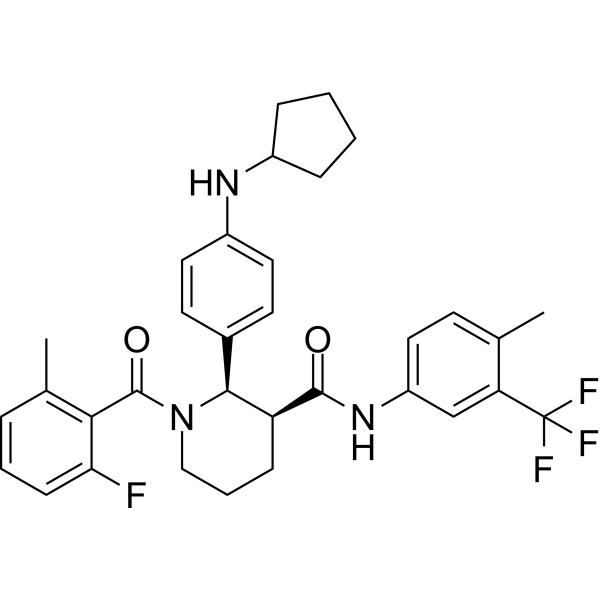
  • HY-17627
    Avacopan
    4 Publications Verification

    CCX168

    Complement System Inflammation/Immunology
    Avacopan (CCX168) is a potent, selective and orally available complement 5a receptor (C5aR) inhibitor with an IC50 of 0.1 nM.
    Avacopan
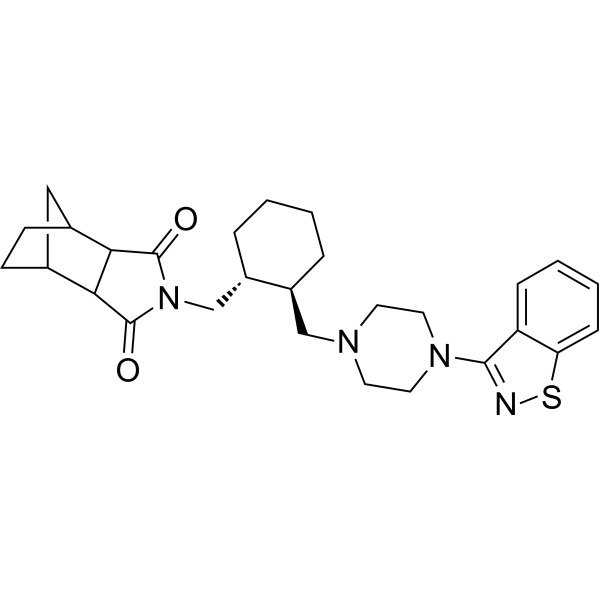
  • HY-B0032A
    Lurasidone
    Maximum Cited Publications
    11 Publications Verification

    SM-13496

    5-HT Receptor Dopamine Receptor Neurological Disease
    Lurasidone (SM-13496) is an antagonist of both dopamine D2 and 5-HT7 with IC50s of 1.68 and 0.495 nM, respectively. Lurasidone (SM-13496) is also a partial agonist of 5-HT1A receptor with an IC50 of 6.75 nM.
    Lurasidone
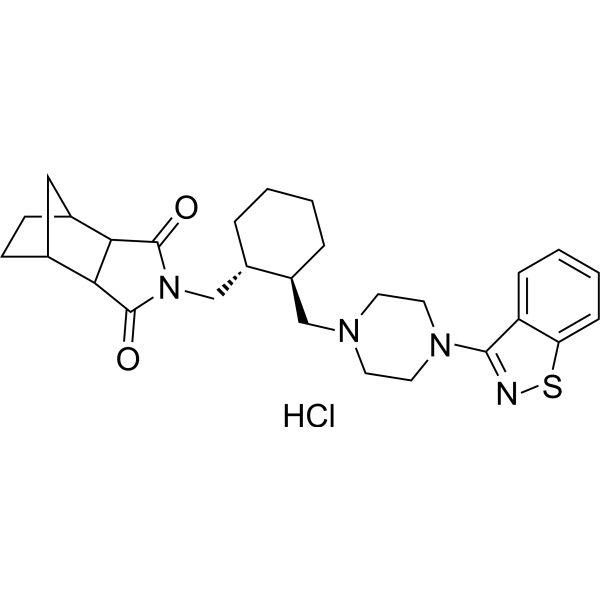
  • HY-B0032
    Lurasidone Hydrochloride
    Maximum Cited Publications
    11 Publications Verification

    SM-13496 Hydrochloride

    5-HT Receptor Dopamine Receptor Neurological Disease
    Lurasidone (Hydrochloride) (SM-13496 (Hydrochloride)) is an antagonist of both dopamine D2 and 5-HT7 with IC50s of 1.68 and 0.495 nM, respectively. Lurasidone (Hydrochloride) (SM-13496 (Hydrochloride)) is also a partial agonist of 5-HT1A receptor with an IC50 of 6.75 nM.
    Lurasidone Hydrochloride
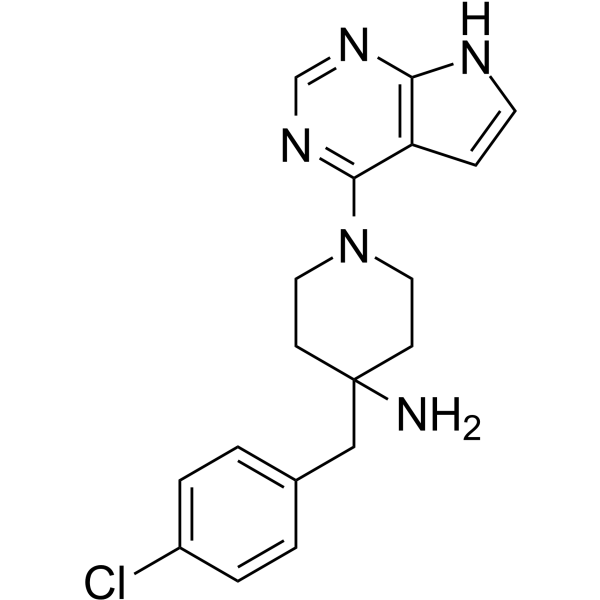
  • HY-13260
    CCT128930
    5+ Cited Publications

    Akt Autophagy Apoptosis Cancer
    CCT128930 is a ATP-competitive and selective inhibitor of AKT (IC50=6 nM for AKT2). CCT128930 has 28-fold selectivity over the closely related PKA kinase (IC50=168 nM) through the targeting of Met282 of AKT (Met173 of PKA-AKT chimera), as well as 20-fold selectivity over p70S6K (IC50=120 nM). Antitumor activity.
    CCT128930
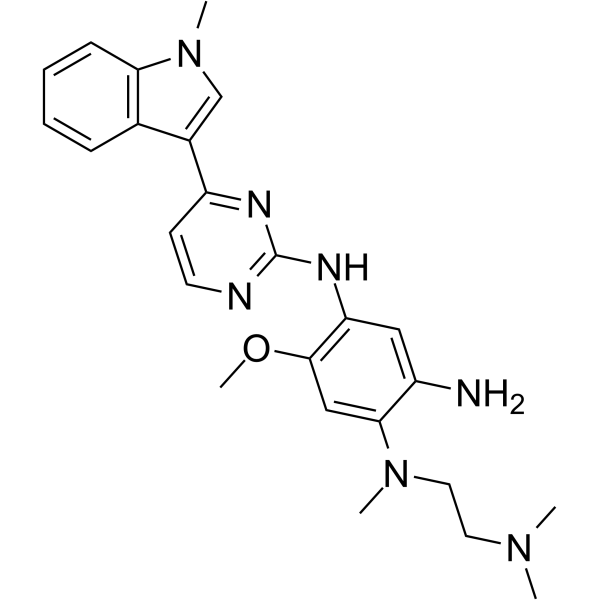
  • HY-78869
    Mutated EGFR-IN-1
    1 Publications Verification

    Osimertinib analog

    Drug Derivative Infection Metabolic Disease Cancer
    Mutated EGFR-IN-1 (Osimertinib analog) (Intermediate 168) is a structural analog of Osimertinib (HY-15772) and can be used as a pharmaceutical intermediate for EGFR inhibitors .
    Mutated EGFR-IN-1
  • HY-B0600

    AFP-168; MK2452

    Prostaglandin Receptor Cardiovascular Disease Others
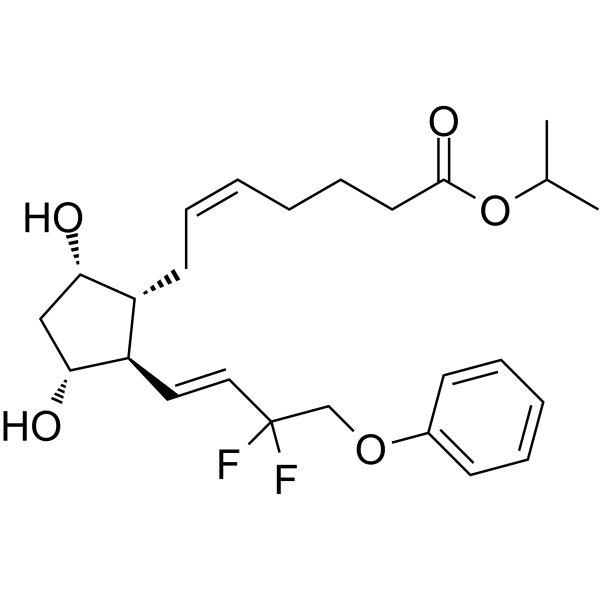
    Tafluprost (AFP-168) is an anti-glaucoma prostaglandin (PG) analog. Tafluprost can inhibit the apoptosis of retinal ganglion cells (RGCs) and rat RGCs cells. Tafluprost promotes axon regeneration by regulating Zn 2+-mTORpathway, inhibits intracellular lipid accumulation in human preorbital adipocytes. Tafluprost can be used in the study of optic nerve injury in glaucoma .
    Tafluprost
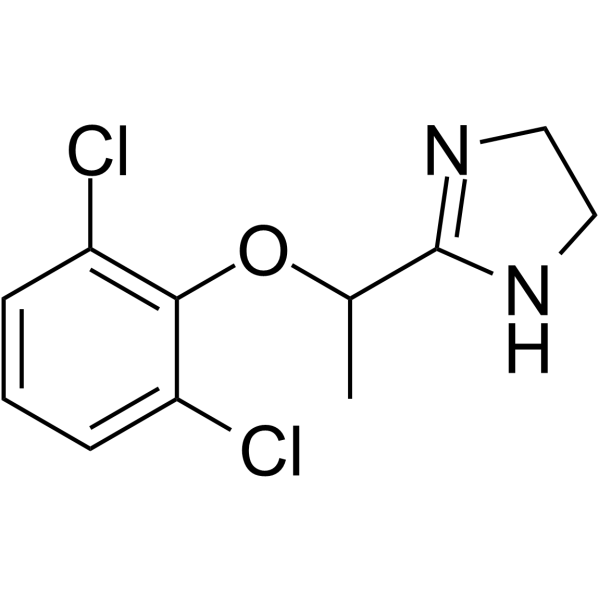
  • HY-B1052

    Baq-168; MDL-14042

    Adrenergic Receptor Imidazoline Receptor Neurological Disease Metabolic Disease
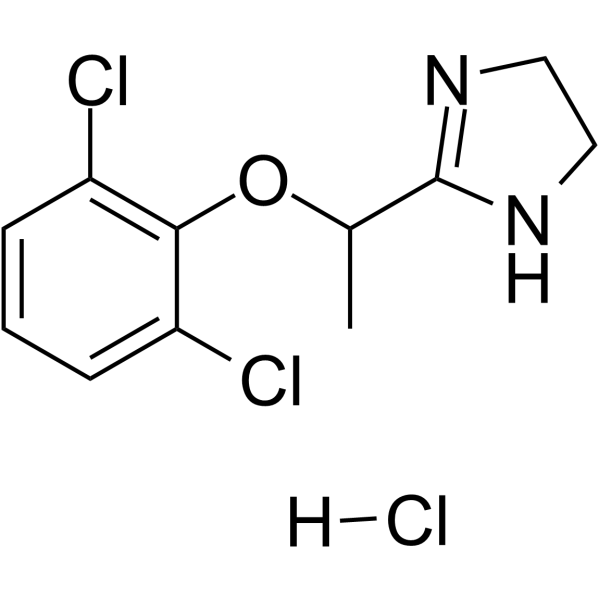
    Lofexidine hydrochloride (Baq-168) is an orally active agonist of the imidazoline I1 receptor (imidazoline I1 receptor) (Ki: 1.9 nM) and α2-adrenergic receptor (α2-adrenergic receptor). Lofexidine hydrochloride binds to the α2A-adrenergic receptor, reduces sympathetic outflow, lowers blood pressure, and exhibits vasoconstrictive effects. Lofexidine hydrochloride regulates the expression of c-fos and alleviates opioid withdrawal symptoms. Lofexidine hydrochloride is applicable to research on opioid addiction and withdrawal .
    Lofexidine hydrochloride
  • HY-P99378

    ALTB-168; Anti-PSGL1/CD162 Reference Antibody (neihulizumab)

    Apoptosis Inflammation/Immunology
    Neihulizumab (ALTB-168) is an immune checkpoint agonistic antibody that binds to human CD162 (PSGL-1), leading to downregulation of activated T-cells. Neihulizumab can be uesd for steroid-refractory acute graft-versus-host-disease (SR-aGVHD), psoriasis, psoriatic arthritis and ulcerative colitis research .
    Neihulizumab
  • HY-156640

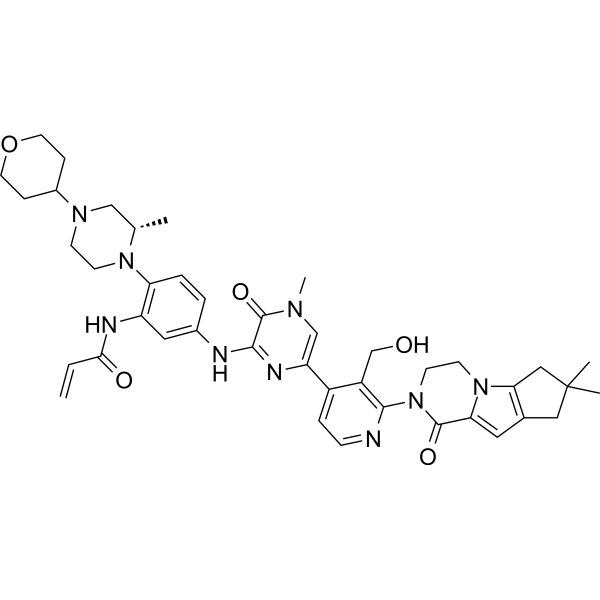
    LP-168

    EGFR Cancer
    Rocbrutinib is an orally available, highly selective Bruton's tyrosine kinase (BTK) inhibitor, with an IC50 of 0.11 nM against wild-type BTK and an IC50 of 1.0 nM against C481S-mutated BTK. Rocbrutinib reduces the viability of leukemia cells, induces cytotoxicity and inhibits cell migration. Rocbrutinib can be used in research related to chronic lymphocytic leukemia, non-Hodgkin's lymphoma and mantle cell lymphoma .
    Rocbrutinib
  • HY-P990914

    GS-1811; JTX-1811

    CCR Inflammation/Immunology Cancer
    Denikitug (GS-1811; JTX-1811) is a humanized monoclonal antibody against CCR8 receptor with a KD of 16.8 pM. Denikitug specifically binds to human CCR8, inhibits CCL1-induced downstream CCR8 signaling. Denikitug selectively depletes cells expressing CCR8 via antibody-dependent cellular cytotoxicity (ADCC). Denikitug promotes anti-tumor immunity and can be used for the research of cancer and immunology .
    Denikitug
  • HY-B1052A

    Baq-168 free base; MDL-14042 free base

    Adrenergic Receptor Neurological Disease Metabolic Disease
    Lofexidine is an orally active agonist of the imidazoline I1 receptor (imidazoline I1 receptor) (Ki: 1.9 nM) and α2-adrenergic receptor (α2-adrenergic receptor). Lofexidine binds to the α2A-adrenergic receptor, reduces sympathetic outflow, lowers blood pressure, and exhibits vasoconstrictive effects. Lofexidine regulates the expression of c-fos and alleviates opioid withdrawal symptoms. Lofexidine is applicable to research on opioid addiction and withdrawal .
    Lofexidine
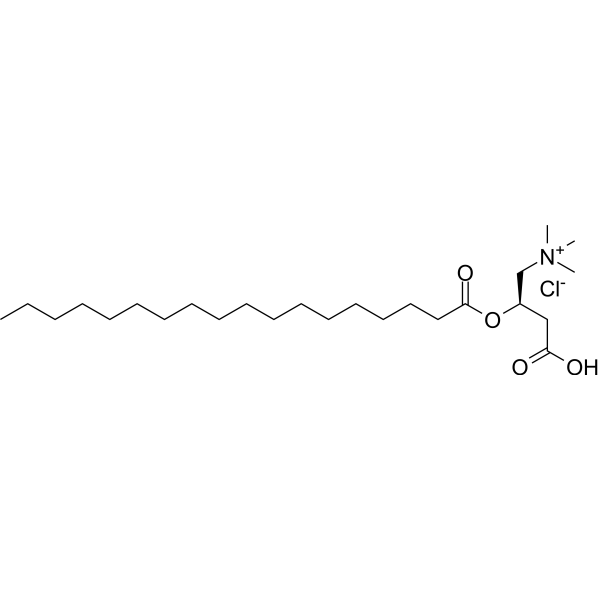
  • HY-130466
    Stearoyl-L-carnitine chloride
    1 Publications Verification

    Endogenous Metabolite GlyT Neurological Disease Metabolic Disease
    Stearoyl-L-carnitine chloride is an endogenous long-chain acylcarnitine. Stearoyl-L-carnitine chloride is a less potent inhibitor of GlyT2. Stearoyl-L-carnitine chloride inhibits glycine responses by 16.8% at concentrations up 3 μM .
    Stearoyl-L-carnitine chloride
  • HY-21200

    1-Perfluoroheptanesulfonic acid; Perfluoroheptanesulphonic acid; PFHpS

    iGluR Infection
    Perfluoroheptanesulfonic acid (1-Perfluoroheptanesulfonic acid; Perfluoroheptanesulphonic acid) is a perfluoroalkyl substance (PFAS). PFHpS can induce malformations in zebrafish larvae (EC50=168.1 μM). It has also been found in landfill leachate, and fetal exposure to PFHpS can lead to reduced birth weight.
    Perfluoroheptanesulfonic acid
  • HY-153016
    HIF-2α agonist 2
    1 Publications Verification

    HIF/HIF Prolyl-Hydroxylase Inflammation/Immunology
    HIF-2α agonist 2 (compound 10) is a HIF-2α agonist with an EC50 value of 1.68 μM at the dose of 20 μM. HIF-2α agonist 2 is non-cytotoxic against 786-O-HRE-Luc cells. HIF-2α agonist 2 can be used for oxygen metabolism research .
    HIF-2α agonist 2
  • HY-155339

    Apoptosis DNA/RNA Synthesis Cancer
    Anticancer agent 168 (compound d16) is a inhibitor of DNA2. Anticancer agent 168 induces apoptosis and cell-cycle arrest mainly at S-phase, and exhibits anticancer activities and overcomes chemotherapy resistance in mutp53-bearing cancers .
    Anticancer agent 168
  • HY-151799

    p62 E1/E2/E3 Enzyme Apoptosis Cancer
    P62-RNF168 agonist-1 (compound 5a) is a low cytotoxicity P62-RNF168 agonist that enhances the interaction between P62 and RNF168. P62-RNF168 agonist-1 induces a reduction in H2A ubiquitination mediated by RNF168 and impairs homologous recombination-mediated DNA repair. P62-RNF168 agonist-1 also inhibits the growth of xenograft tumors in mice in a dose-dependent manner .
    P62-RNF168 agonist-1
  • HY-P990911

    ZB-168

    Interleukin Related Inflammation/Immunology
    HY-P990911 is an IL7R-targeting IgG1λ2 type human antibody, the recommed isotype control is Human IgG1 lambda2, Isotype Control (HY-P990096) .
    Crebankitug
  • HY-130466S

    Endogenous Metabolite GlyT Metabolic Disease
    Stearoyl-L-carnitine-d3 (chloride) is the deuterium labeled Stearoyl-L-carnitine chloride. Stearoyl-L-carnitine chloride is an endogenous long-chain acylcarnitine. Stearoyl-L-carnitine chloride is a less potent inhibitor of GlyT2. Stearoyl-L-carnitine chloride inhibits glycine responses by 16.8% at concentrations up 3 μM .
    Stearoyl-L-carnitine-d3 chloride
  • HY-147419

    PI3K Cancer
    Vulolisib is a potent and orally active phosphatidylinositol 3-kinase (PI3K) inhibitor, with IC50 values of 0.2 nM, 168 nM, 90 nM and 49 nM for PI3Kα, PI3Kβ, PI3Kγ and PI3Kδ, respectively. Antiproliferative and antineoplastic activity .
    Vulolisib
  • HY-P10281

    Bacterial Infection Cardiovascular Disease
    RW3 (MP196) is a small cationic antimicrobial hexapeptide. RW3 targets the bacterial cytoplasmic membrane and inhibits cellular respiration and cell wall synthesis. RW3 exhibits high bioactivity against Gram-positive bacteria such as Bacillus subtilis 168 (MIC of 2 µg/mL). RW3 causes shrinking of murine erythrocytes. RW3 can be used in antimicrobial and antifungal research .
    RW3
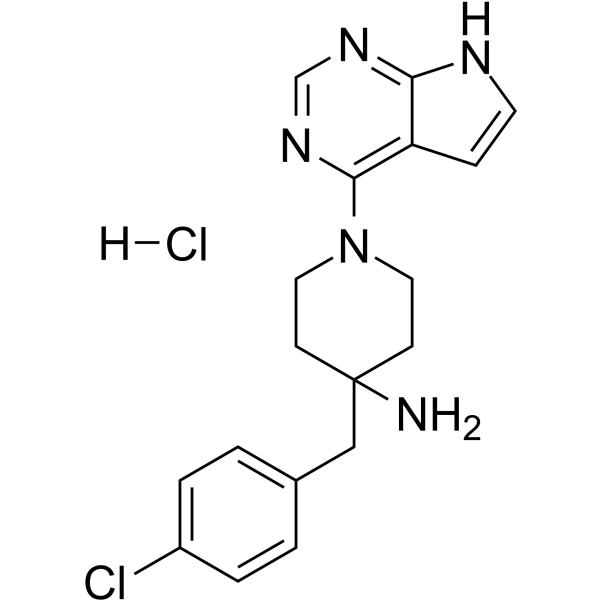
  • HY-13260A
    CCT128930 hydrochloride
    5+ Cited Publications

    Akt Autophagy Apoptosis Cancer
    CCT128930 hydrochloride is a potent and selective inhibitor of AKT (IC50=6 nM). CCT128930 hydrochloride has 28-fold selectivity over the closely related PKA kinase (IC50=168 nM) through the targeting of Met282 of AKT (Met173 of PKA-AKT chimera), as well as 20-fold selectivity over p70S6K (IC50=120 nM). CCT128930 hydrochloride induces cell cycle arrest, DNA damage, and autophagy. Antitumor activity .
    CCT128930 hydrochloride
  • HY-103110
    ST1936
    1 Publications Verification

    5-HT Receptor Adrenergic Receptor Neurological Disease
    ST1936 is a selective, nanomolar affinity 5-HT6 receptor agonist with Ki values of 13 nM, 168 nM and 245 nM for human 5-HT6, 5-HT7 and 5-HT2B receptors, respectively. ST1936 also shows moderate affinity (Ki of 300 nM) for human and rat α2 adrenergic receptor .
    ST1936
  • HY-19501

    CCR Inflammation/Immunology
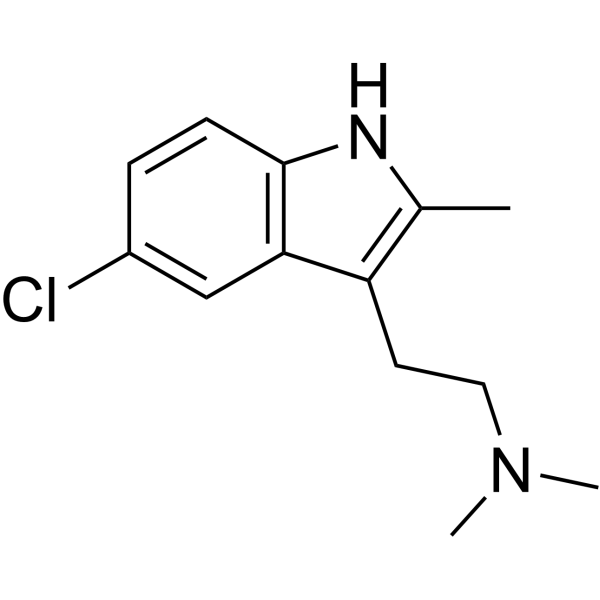
    DPC-168 is an orally effective CCR3 antagonist (IC50 = 41 nM). DPC-168 exhibits a significant ability to inhibit eosinophil chemotaxis and pulmonary inflammation. DPC-168 can be used for research on airway inflammation .
    DPC-168
  • HY-179226

    Molecular Glues Adrenergic Receptor Inflammation/Immunology
    AP-7-168, molecular glues, is a β-arrestin-biased negative allosteric modulator of the β2-adrenergic receptor (β2AR). AP-7-168 can promote β2AR homodimerization and inhibit GRK5-mediated β2AR phosphorylation. AP-7-168 can sustain bronchorelaxation in cell and tissue. AP-7-168 can be used for the researches of inflammation and immunology, such as asthma .
    AP-7-168
  • HY-B1052S

    Baq-168-d4; MDL-14042-d4

    Adrenergic Receptor Neurological Disease Metabolic Disease
    Lofexidine-d4 hydrochloride is the deuterium labeled Lofexidine hydrochloride (HY-B1052). Lofexidine hydrochloride (Baq-168) is an orally active agonist of the imidazoline I1 receptor (imidazoline I1 receptor) (Ki: 1.9 nM) and α2-adrenergic receptor (α2-adrenergic receptor). Lofexidine hydrochloride binds to the α2A-adrenergic receptor, reduces sympathetic outflow, lowers blood pressure, and exhibits vasoconstrictive effects. Lofexidine hydrochloride regulates the expression of c-fos and alleviates opioid withdrawal symptoms. Lofexidine hydrochloride is applicable to research on opioid addiction and withdrawal .
    Lofexidine-d4 hydrochloride
  • HY-P3491

    Polyethylene glycol loxenatide; PEX 168

    GCGR PI3K Akt Reactive Oxygen Species (ROS) Autophagy Interleukin Related Sirtuin AMPK Apoptosis Cardiovascular Disease Metabolic Disease Inflammation/Immunology
    Pegloxenatide (Polyethylene glycol loxenatide) is a long-acting glucagon-like peptide-1 receptor (GLP-1RA) agonist. Pegloxenatide has various activities such as lowering blood glucose, lowering blood lipids, improving body weight, anti-inflammation, promoting wound healing, protecting the liver, and protecting the heart. Pegloxenatide can be used in the research of type 2 diabetes and its multiple complications .
    Pegloxenatide
  • HY-P10230

    Bacterial Infection
    Sublancin is an antimicrobial peptide, which inhibits DNA replication, transcription and translation, without affecting membrane integrity. Sublancin suppresses glucose uptake for the competition of phosphotransferase system (PTS). Sublancin inhibits B. subtilis strain 168 ΔSPβ with MIC of 0.312 μM .
    Sublancin
  • HY-156511

    MNK Cancer
    ETC-168 is a selective and oral active MNK inhibitor with the IC50 values of 23 and 43 nM against MNK1 and MNK2, respectively. ETC-168 shows antiproliferative efficacy in vivo and in vitro .
    ETC-168
  • HY-120281

    MEK PI3K Akt Apoptosis Caspase Cancer
    ST-168 is an orally active MEK/PI3K inhibitor with an IC50 of 182 nM against MEK1 and IC50 values ​​of 69.2, 41.7, 1482 and 2293 nM against PI3Kα, PI3Kδ, PI3Kβ and PI3Kγ respectively. ST-168 completely inhibits the phosphorylation of ERK1/2 and AKT and induces cancer cell death in a 3D tumor sphere model. ST-168 demonstrates significant antitumor effects in the A375 melanoma mouse model. ST-168 improves the ocular toxicity profile of MEK inhibitors, showing lower caspase activation levels, indicating reduced apoptosis induction. ST-168 can be used in melanoma research .
    ST-168
  • HY-D0774

    Fluorescent Dye
    Direct Black 168 is a good dyeing agent for cotton fabrics.
    Direct Black 168
  • HY-172196

    WDR5 Others
    LH168 is a potent and selective chemical probe for WDR5, with a SPR Kd value of 13 nM .
    LH168
  • HY-E70598

    Biochemical Assay Reagents Others
    endo-α-1,5-Arabinanase, Bacillus subtilis 168 (EC.3.2.1.99) is a glycoside hydrolase involved in arabinan decomposition. exo-α-1,5-Arabinanase is capable of cleaving arabinan main chains .
    endo-α-1,5-Arabinanase, Bacillus subtilis 168
  • HY-17627R

    CCX168 (Standard)

    Reference Standards Complement System Inflammation/Immunology
    Avacopan (Standard) is the analytical standard of Avacopan. This product is intended for research and analytical applications. Avacopan (CCX168) is a potent, selective and orally available complement 5a receptor (C5aR) inhibitor with an IC50 of 0.1 nM.
    Avacopan (Standard)
  • HY-P2450

    Antibiotic P168

    Fungal Antibiotic Infection Cancer
    Leucinostatin A (Antibiotic P168) is a nonapeptide exerting a remarkable activity especially against Candida albicans and Cryptococcus neoformans. Leucinostatin A is a hydrophobic nonapeptide antibiotic. Leucinostatin A inhibits prostate cancer growth through reduction of insulin-like growth factor-I expression in prostate stromal cells. Antiprotozoal activies .
    Leucinostatin A
  • HY-N16529

    Glycosidase Metabolic Disease
    1,6,8-Trihydroxy-2,7-dimethoxy-3-methylanthraquinone (Compound 2) is a anthraquinone aglycone found in Cassia obtusefolia. 1,6,8-Trihydroxy-2,7-dimethoxy-3-methylanthraquinone can inhibit α-glucosidase with an IC50 of 120.65 μg/mL. 1,6,8-Trihydroxy-2,7-dimethoxy-3-methylanthraquinone can be used for the research of diabetes .
    1,6,8-Trihydroxy-2,7-dimethoxy-3-methylanthraquinone
  • HY-B0032AS

    SM-13496-d8

    5-HT Receptor Dopamine Receptor Neurological Disease
    Lurasidone-d8 is deuterium labeled Lurasidone. Lurasidone (SM-13496) is an antagonist of both dopamine D2 and 5-HT7 with IC50s of 1.68 and 0.495 nM, respectively. Lurasidone (SM-13496) is also a partial agonist of 5-HT1A receptor with an IC50 of 6.75 nM.
    Lurasidone-d8
  • HY-162106

    Ferroptosis PROTACs Glutathione Peroxidase Cancer
    PROTAC GPX4 degrader-2 (compound 18a) is a proteolysis targeting chimeras (PROTACs) that can degrade glutathione peroxidase 4 (GPX4), with the DC50, 48h value of 1.68 μM. PROTAC GPX4 degrader-2 induces the accumulation of lipid peroxides and mitochondrial depolarization, subsequently triggering ferroptosis. PROTAC GPX4 degrader-2 has anti-proliferative effect .
    PROTAC GPX4 degrader-2
  • HY-144293

    Apoptosis HDAC Cancer
    HDAC-IN-31 is a potent, selective and orally active HDAC inhibitor with IC50s of 84.90, 168.0, 442.7, >10000 nM for HDAC1, HDAC2, HDAC3, HDAC8, respectively. HDAC-IN-31 induces apoptosis and cell cycle arrests at G2/M phase. HDAC-IN-31 shows good antitumor efficacy. HDAC-IN-31 has the potential for the research of diffuse large B-cell lymphoma .
    HDAC-IN-31
  • HY-131905S

    Isotope-Labeled Compounds HCV Protease HCV Infection Inflammation/Immunology Cancer
    BMS-986144 is a third-generation, pan-genotype (GT) NS3/4A protease inhibitor. BMS-986144 inhibits HCV replicon with EC50s of 2.3, 0.7, 1.0, 12, 8.0, and 5.8 nM for GT-1a, GT-1b, GT-2a, GT-3a, 1a R155X, and 1b D168V, respectively. BMS-986144 has the potential for the research of HCV infection .
    BMS-986144
  • HY-175316

    EGFR Cancer
    EGFR-IN-168 (Compound 9a) is a potent EGFR inhibitor with an IC50 of 0.069 μM. EGFR-IN-168 has antitumor activity .
    EGFR-IN-168
  • HY-162695

    Microtubule/Tubulin Cancer
    Antitumor agent-168 (compound 21b) disrupts the microtubule network in tumor cells leading to G2/M cell cycle arrest and apoptosis induction. Antitumor agent-168 inhibits MCF-7 growth with an IC50 value of 1.4 nM .
    Antitumor agent-168
  • HY-112830

    Amyloid-β Neurological Disease
    BF-168, a candidate probe for PET, is found to specifically recognize both neuritic and diffuse plaques, with a Ki of 6.4 nM for Aβ1-42.
    BF-168
  • HY-D0689

    Fluorescent Dye
    Pigment yellow 168 is a disazomethine dye with solid-state fluorescence.a biologically active chemical.
    Pigment yellow 168
  • HY-147671

    Aminoacyl-tRNA Synthetase Infection
    CB 168 is a potent and selective aminoacyl-sulfamoyl aryltetrazole inhibitor targeting isoleucyl-tRNA synthetase (IleRS) .
    CB 168
  • HY-P10429

    CXCR Infection
    RCP168 is a highly selective and affinity CXCR4 receptor antagonist (IC50=5 nM). RCP168 has a stronger ability than natural chemical factors to inhibit the entry of HIV-1 (human immunodeficiency virus type 1) into host cells via CXCR4 receptors. RCP168 inhibits HIV-1 infection by blocking viral binding sites or inducing receptor internalization. RCP168 can be used to analyze the interaction between CXCR4 receptor and other chemical factor receptors .
    RCP168
  • HY-171165

    Microtubule/Tubulin Cancer
    JC168 is a phenyl analog of peloruside and serves as a microtubule inhibitor, demonstrating antiproliferative and anticancer activities. JC168 promotes tubulin polymerization, thereby interfering with microtubule dynamics, and can be utilized in research related to microtubule-associated disorders .
    JC168
  • HY-177635

    Toll-like Receptor (TLR) Cancer
    GNKG168 is a synthetic, 21-mer, unmethylated CpG oligodeoxynucleotide. It acts as a TLR9 agonist with immunostimulatory activity.
    GNKG168
  • HY-177635A

    Toll-like Receptor (TLR) Cancer
    GNKG168 sodium is a synthetic, 21-mer, unmethylated CpG oligodeoxynucleotide. It acts as a TLR9 agonist with immunostimulatory activity.
    GNKG168 sodium
  • HY-RS12062

    Small Interfering RNA (siRNA) Others

    RNF168 Human Pre-designed siRNA Set A contains three designed siRNAs for RNF168 gene (Human), as well as a negative control, a positive control, and a FAM-labeled negative control.

    RNF168 Human Pre-designed siRNA Set A
    RNF168 Human Pre-designed siRNA Set A
  • HY-RS04691

    Small Interfering RNA (siRNA) Others

    FAM168A Human Pre-designed siRNA Set A contains three designed siRNAs for FAM168A gene (Human), as well as a negative control, a positive control, and a FAM-labeled negative control.

    FAM168A Human Pre-designed siRNA Set A
    FAM168A Human Pre-designed siRNA Set A

Inquiry Online

Your information is safe with us. * Required Fields.

Salutation


Country or Region *

Applicant Name *


Organization Name *

Department *


Email Address *


Product Name *

Cat. No.


Requested quantity *

Phone Number *


Remarks

Inquiry Online

Inquiry Information

Product Name:
Cat. No.:
Quantity:
MCE Japan Authorized Agent:

