
Search Result
Results for "
18F
" in MedChemExpress (MCE) Product Catalog:
3
Biochemical Assay Reagents
3
Isotope-Labeled Compounds
| Cat. No. |
Product Name |
Target |
Research Areas |
Chemical Structure |
-
- HY-W087028
-
|
|
Radionuclide-Drug Conjugates (RDCs)
Biochemical Assay Reagents
CXCR
|
Cancer
|
|
NOTA-NHS ester is a chelating agent. NOTA-NHS ester can be coupled with T140 (HY-P4810) to produce NOTA-T140. NOTA-T140 can be radiolabeled with Al[ 18F]. The uptake of Al[ 18F]NOTA-T140 in tumors is correlated with the expression level of CXCR4. Al[ 18F]NOTA-T140 can be used in tumor PET imaging studies. NOTA-NHS ester can be used for fluorescent labeling .
|
-
-
- HY-B1516
-
|
3'-Fluoro-3'-deoxythymidine; 3′-Deoxy-3′-fluorothymidine; FLT
|
DNA/RNA Synthesis
Orthopoxvirus
|
Infection
Cancer
|
|
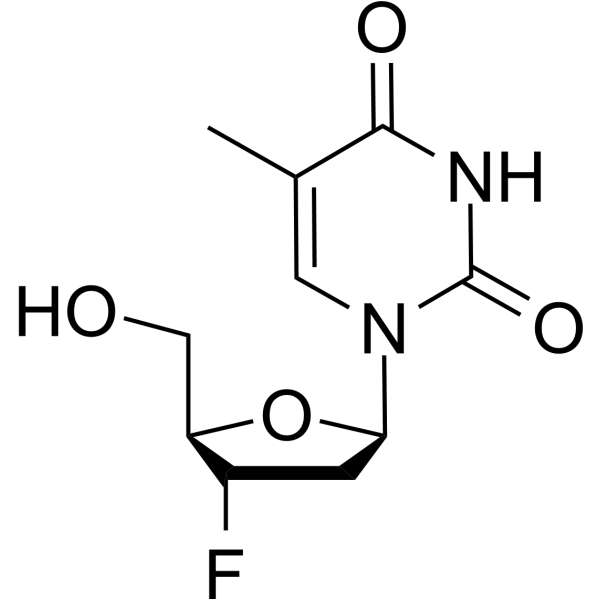
Alovudine (3'-Fluoro-3'-deoxythymidine) is a mtDNA synthesis inhibitor and a marker of DNA synthesis. Alovudine is less susceptible to inflammatory changes than 18F-Fluorodeoxyglucose (FDG) and thus is a better biomarker in pancreatic cancer. Alovudine shows anti-orthopoxvirus and anti-leukemic activity .
|
-
-
- HY-120947
-
|
|
Drug Intermediate
|
Neurological Disease
|
|
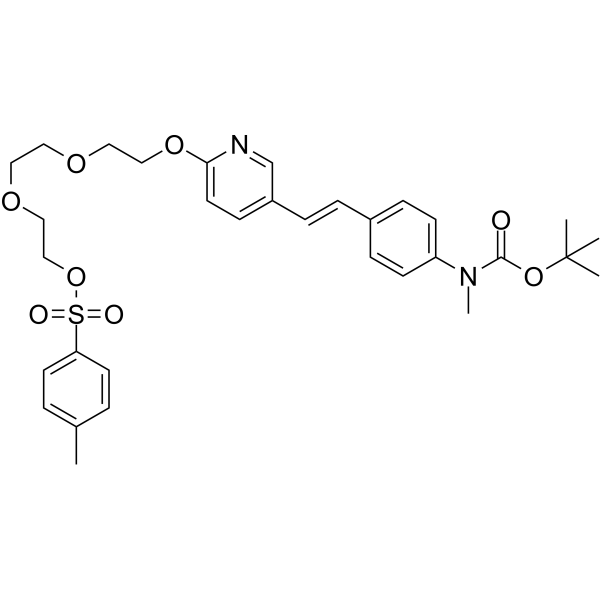
AV-105 is a Florbetapir ( 18F)-radiolabeled slyrylpyridine tosylate precursor extracted from patent WO2010078370A1, example 1.5. AV-105 can synthesize 18F-radiolabeled compounds, which are used for positron emission tomography (PET) imaging of neurodegenerative diseases of the brain .
|
-
-
- HY-141637
-
|
2-Fluoro-2-deoxy-D-glucose; 2-Deoxy-2-fluoro-D-glucopyranose; Fluorodeoxyglucose
|
Biochemical Assay Reagents
|
Cancer
|
|
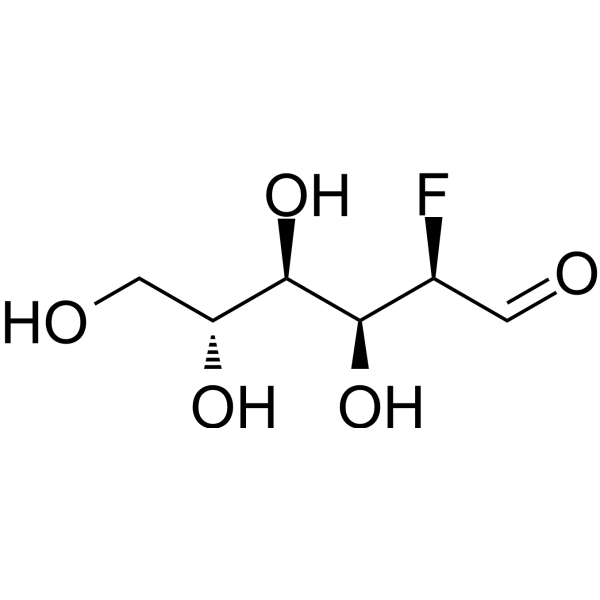
2-Deoxy-2-fluoro-D-glucose (2-Fluoro-2-deoxy-D-glucose) is a glucose analog that can be absorbed by cells. 2-Deoxy-2-fluoro-D-glucose is capable of being labelled with 18F for positron emission tomography (PET) imaging. 18F-2-Deoxy-2-fluoro-D-glucose can be used to detect breast cancer and gastric cancer .
|
-
-
- HY-160116
-
|
|
Radionuclide-Drug Conjugates (RDCs)
Fluorescent Dye
α-synuclein
|
Neurological Disease
|
|
α-Synuclein aggregate binder 1 (Compound C05-05) is a specific binder for α-synuclein aggregates and can inhibit α-synuclein aggregation. α-Synuclein aggregate binder 1 can be used as a fluorescent probe (excitation wavelength 900 nm, detection wavelength 500-550 nm) for optical imaging, and can also inhibit α-synuclein fibril formation by blocking the aggregation process. α-Synuclein aggregate binder 1 can be used for positron emission tomography (PET) imaging after being labeled with 18F. α-Synuclein aggregate binder 1 can be used for visual diagnosis of brain lesions and mechanism research of neurodegenerative diseases such as Parkinson's disease and Lewy body dementia .
|
-
-
- HY-P99364
-
|
Anti-VEGFR1/FLT1 Reference Antibody; IMC-18F1
|
VEGFR
Apoptosis
p38 MAPK
Akt
|
Endocrinology
Cancer
|
|
Icrucumab (Anti-VEGFR1/FLT1 Reference Antibody; IMC-18F1) is an IgG1 antibody inhibitor targeting VEGFR-1/FLT1 with anti-tumor activity. By blocking ligand-dependent phosphorylation and downstream signal transduction, Icrucumab reduces the activities of MAPK and Akt in breast cancer xenograft models, inhibits the proliferation and invasion of VEGFR-1-positive tumor cells, and reverses the conversion of M1 macrophages to the pro-tumor M2-like phenotype. Icrucumab also inhibits tumor cell proliferation, promotes apoptosis, and effectively suppresses tumor growth through direct targeting of tumors and host support mechanisms. In addition, Icrucumab exhibits a synergistic effect when combined with chemotherapeutic agents, and it is used in research related to various cancers including advanced solid malignancies, thyroid cancer, melanoma, and lung cancer .
|
-
-
- HY-19997
-
|
TATM
|
Biochemical Assay Reagents
|
Cancer
|
|
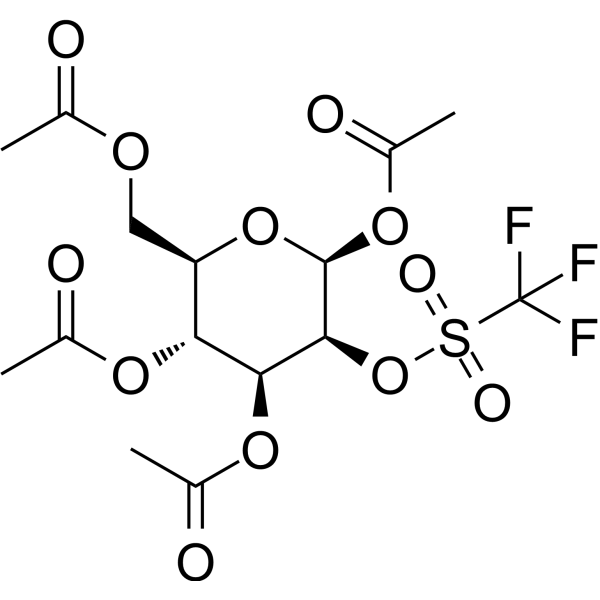
Mannose triflate is a glucose analog. Mannose triflate is a precursor for 18F-FDG synthesis for PET applications. Mannose triflate binds to 18F via SN2 nucleophilic substitution reaction. Mannose triflate can be used for an imaging technique in detection of cancer .
|
-
-
- HY-117756
-
|
DCFPYL
|
PSMA
|
Cancer
|
|
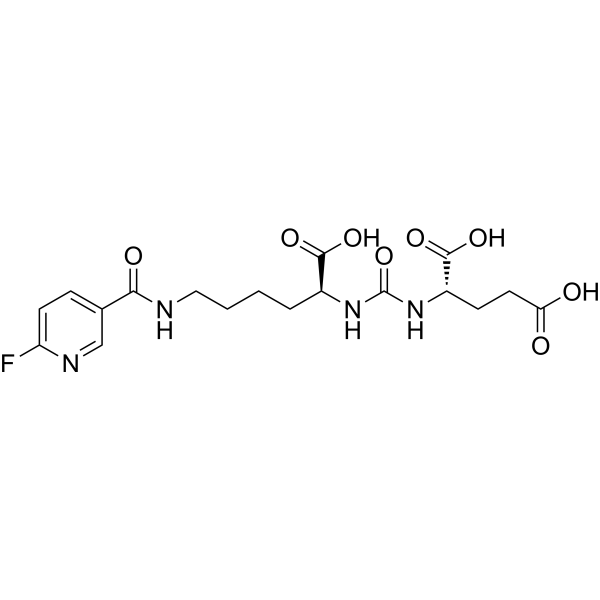
Piflufolastat (DCFPYL) can be used for the preparation of piflufolastat F 18 (DCFPyL F-18). Piflufolastat F-18 (DCFPyL F-18) is an 18F-labeled imaging agent. Piflufolastat F-18 can be used for positron emission tomography (PET) targeting prostate-specific membrane antigen (PSMA). Piflufolastat can be used for imaging of prostate cancer .
|
-
-
- HY-101185
-
|
|
Tau Protein
|
Neurological Disease
|
|
T808 is a selective tau protein-targeting ligand. T808 can be used to synthesize [ 18F]-T808, a highly selective tau protein positron emission tomography (PET) tracer. T808 can also be used to synthesize [ 3H]-T808, a marker for in vitro experiments. T808 can be used for the research of alzheimer’s disease .
|
-
-
- HY-152148
-
|
|
MAGL
|
Neurological Disease
|
|
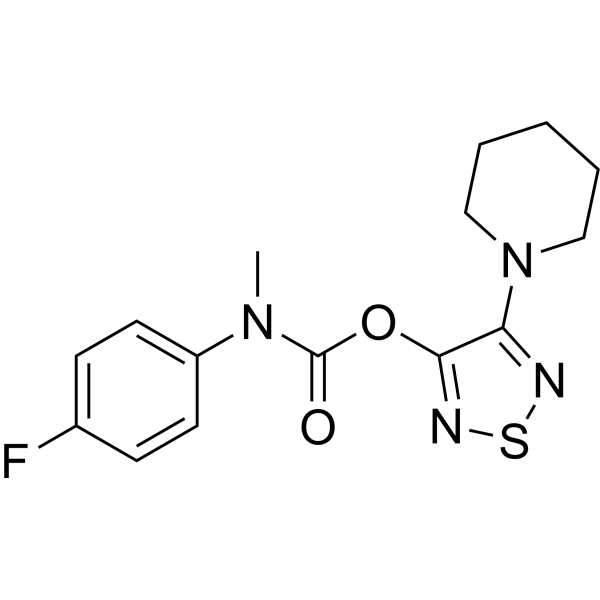
JZP-MA-11 is a brain-penetrant positron emission tomography (PET) ligand targeting the brain endocannabinoid α/β-hydrolase domain 6 (ABHD6) enzyme. JZP-MA-11 selectively inhibits ABHD6 with an IC50 value of 126 nM. [18F]JZP-MA-11 has the potential for preclinical evaluation targeting the brain ABHD6 in mice and nonhuman primate (NHP) .
|
-
-
- HY-135714
-
|
EKZ-001
|
HDAC
Microtubule/Tubulin
|
Neurological Disease
Cancer
|
Bavarostat (EKZ-001) is a blood-brain barrier-permeable, potent HDAC6 inhibitor and PET radiotracer, with an IC50 as low as 17 nM against human HDAC6. Bavarostat can be labeled with 18F and used as a probe to map HDAC6 distribution and measure target occupancy in the brains of non-human primates. Bavarostat also selectively modulates tubulin acetylation, but not histone acetylation. Bavarostat is applicable for research on Alzheimer's disease, other neurodegenerative disorders, and cancers .
|
-
-
- HY-100705
-
|
6-Nitroveratraldehyde
|
Drug Intermediate
|
Neurological Disease
|
|
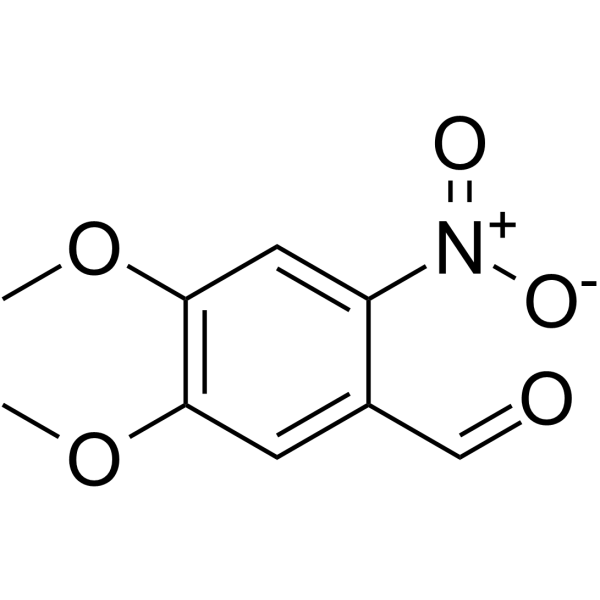
DMNB (6-Nitroveratraldehyde) is a photolabile proton donor that releases acidic substances when excited at a wavelength of 405 nM. DMNB can be used for the synthesis of no-carrier-added 6-[18F]fluoro-L-DOPA (6-FDOPA). DMNB is also applicable to the preparation of o-nitroaryl-bis (5-methylfur-2-yl) methanes and the synthesis of alpha-asarone (HY-N0700). DMNB is an enzyme involved in the non-homologous end joining (NHEJ) pathway responsible for DNA double-strand break (DSB) repair. DMNB can be used in PET studies of the dopaminergic system .
|
-
-
- HY-129650
-
|
AV-45; Flobetapir
|
Biochemical Assay Reagents
|
Others
|
|
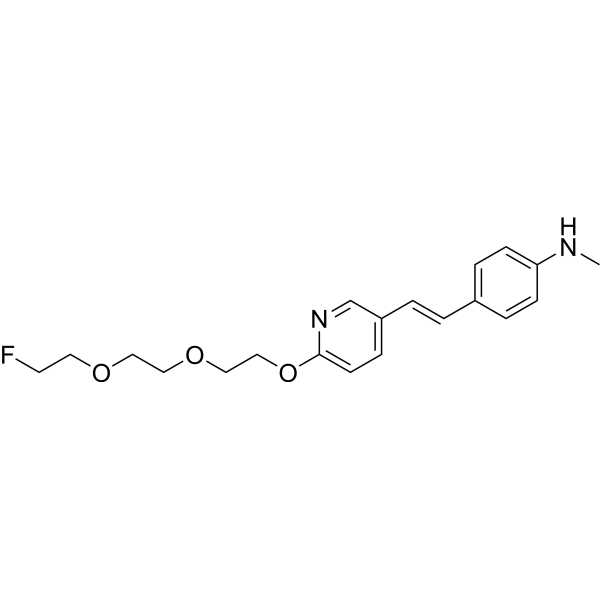
Flobetapir (AV-45) may be a well-tolerated imaging agent. Flobetapir synthesizes Florbetapir (18F) that is a PET scanning radiopharmaceutical compound containing the radionuclide fluorine-18 .
|
-
-
- HY-153550
-
|
|
Radionuclide-Drug Conjugates (RDCs)
PSMA
|
Cancer
|
|
PSMA-1007 is a prostate-specific membrane antigen (PSMA) ligand. 18F-labeled PSMA-1007 can be used as a PET tracer for prostate cancer imaging. PSMA-1007 can be used for the synthesis/research of Radionuclide-Drug Conjugates (RDCs) .
|
-
-
- HY-400882
-
|
|
Drug Derivative
Drug Intermediate
TSPO
|
Neurological Disease
Inflammation/Immunology
|
|
Tosylate-DPA-714 is a GMP-grade precursor for the radiosynthesis of DPA-714 (HY-122607). It crosses the blood-brain barrier and exhibits steroidogenic activity. DPA-714 is a specific ligand for the 18 kDa translocator protein (TSPO) with a Ki of 7.0 nM. Tosylate-DPA-714 is safe and does not bind to central benzodiazepine receptors (benzodiazepine receptor). As a radiolabeling precursor, Tosylate-DPA-714 reacts with 18F via nucleophilic aliphatic substitution to form 18F-DPA-714, enabling specific targeted binding to TSPO. 18F-DPA-714 accurately reflects the level of neuroinflammation mediated by microglial activation, and is used for PET molecular imaging of neurological diseases such as Alzheimer's disease and multiple sclerosis .
|
-
-
- HY-141647
-
-
-
- HY-100275
-
|
|
Amyloid-β
|
Neurological Disease
|
|
MK-3328 is a β-Amyloid ligand, which exhibits high binding potency with an IC50 of 10.5 nM. MK-3328 is capable of being labelled with 18F for positron emission tomography (PET) imaging .
|
-
-
- HY-139048
-
|
|
iGluR
|
Neurological Disease
|
|
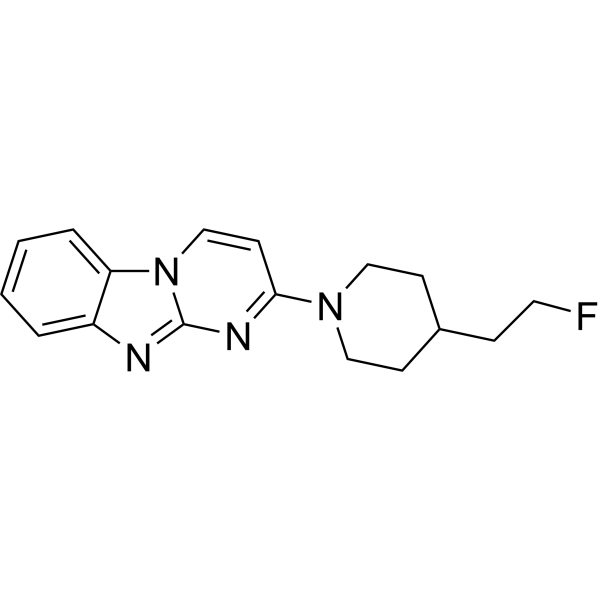
Fluoroethylnormemantine, a derivative of Memantine, is an antagonist of the N-methyl-D-aspartate (NMDA) receptor. [ 18F]-Fluoroethylnormemantine can be used as a positron emission tomography (PET) tracer. Fluoroethylnormemantine exhibits anti-amnesic, neuroprotective, antidepressant-like and fear-attenuating effects .
|
-
-
- HY-179492
-
|
|
hnRNP
|
Neurological Disease
|
|
ACI-19278 is a TDP-43 PET tracer with an average Kd of 25 nM. ACI-19278 only binds to pathological TDP-43 aggregates and does not cross-react with Aβ, Tau, etc. [ 18F]ACI-19278 successfully visualized the TDP-43 pathology in the human brain through positron emission computed tomography. ACI-19278 can be used for in vivo diagnosis of TDP-43 protein lesions .
|
-
-
- HY-135497
-
|
|
Dopamine Receptor
|
Neurological Disease
|
|
Fallypride is a potent antagonist of dopamine D2/D3 receptor. Fallypride, in the form of fallypride ( 18F), can be used as a positron emission tomography (PET) radiotracer .
|
-
-
- HY-159045
-
|
p-Fluoro-SAHA
|
HDAC
|
Cancer
|
|
F-SAHA is a HDAC inhibitor (HDACi) and its 18F labeled derivative can be used in tumor imaging research .
|
-
-
- HY-76573
-
|
|
Apoptosis
|
Cardiovascular Disease
Cancer
|
|
ML-10 is a small molecule apoptosis probe. Due to the presence of fluorine atoms, ML-10 can be radiolabeled with 18F isotopes and can be used for apoptosis positron emission tomography imaging studies. ML-10 is selectively taken up and accumulated in apoptotic cells, while being excluded from live or necrotic cells. In addition, the uptake of ML-10 is associated with apoptotic features such as caspase activation, Annexin-V binding, and disruption of mitochondrial membrane potential .
|
-
-
- HY-164576
-
|
NODA-Bz-SCN
|
Radionuclide-Drug Conjugates (RDCs)
|
Cancer
|
|
NCS-MP-NODA (NODA-Bz-SCN) is a bifunctional chelator that can be used to bind to the labeled peptide DK222 with high specificity for PD-L1. The corresponding fluorinated radioactive is synthesized by the aluminum fluoride method, and NCS-MP-NODA targets DK222 to obtain the radioactive analog [18/19F]DK222. [18F]DK222 can quantify PD-L1 in vivo via PET tracking in xenograft models of multiple cancer types.
|
-
-
- HY-19888
-
|
|
P2X Receptor
Interleukin Related
|
Neurological Disease
Inflammation/Immunology
|
|
GSK-1482160 is an orally active and blood-brain barrier penetrant P2X7 receptor (P2X7R) negative allosteric modulator with pIC50s of 8.5 (human) and 6.5 (rat). GSK-1482160 reduces the efficacy of ATP at the P2X7 receptor without affecting its affinity, thereby inhibiting the release of IL-1β. GSK-1482160 is an effective radioligand and can be labeled with radioactive isotopes like 11C or 18F to image P2X7R. GSK-1482160 can be used for the studies of chronic joint pain and chronic constriction injury (CCI) .
|
-
-
- HY-100723
-
|
|
Amyloid-β
|
Neurological Disease
|
|
THK-523 has demonstrated its high affinity and selectivity for tau pathology both in vitro and in vivo. 18F-THK523 is a potent tau imaging radiotracer. 18F-THK523 is a potent in vivo tau imaging ligand for Alzheimer's disease .
|
-
-
- HY-175229
-
|
|
PSMA
|
Cancer
|
|
PSMA ligand 1 (Compound 1c) is a PSMA ligand with an IC50 of 26.74 nM. The [ 18F]-labeled PSMA ligand 1 can serve as a PSMA PET tracer and is used in research on the diagnosis of prostate cancer .
|
-
-
- HY-102089
-
|
|
Dopamine Receptor
|
Neurological Disease
|
|
Fluoroclebopride binds reversibly to dopamine receptors. 18F labeled fluoroclebopride has been used as a probe for studying D2/D3 receptor availability via PET in various monkey models .
|
-
-
- HY-172205
-
|
|
Cytochrome P450
|
Cancer
|
|
CHL2310 is the inhibitor for CYP46A1 with an IC50 of 0.11 nM, and a Kd of 0.37 nM. CHL2310 can cross blood-brain barrier. CHL2310 can be used as a PET imaging agent, when labeled with radioactive 18F .
|
-
-
- HY-135859
-
|
|
ADC Linker
|
Cancer
|
|
NH2-MPAA-NODA is a nitroveratryl-based photocleavable linker, it has a NODA motif and a methyl phenyl acetic acid (MPAA) backbone . NH2-MPAA-NODA can be used as a radiolabel by labeling with 18F-fluoride.
|
-
-
- HY-135859A
-
|
|
ADC Linker
|
Cancer
|
|
NH2-MPAA-NODA TFA is a nitroveratryl-based photocleavable linker, it has a NODA motif and a methyl phenyl acetic acid (MPAA) backbone . NH2-MPAA-NODA can be used as a radiolabel by labeling with 18F-fluoride.
|
-
-
- HY-175685
-
|
|
FAP
|
Cancer
|
|
FAP-IN-7 (Compound 5b) is a FAP18F enhances tumor retention with high selectivity and favorable pharmacokinetics. FAP-IN-7 can be used as a radiotracer for PET imaging and radionuclide therapy of cancers research .
|
-
-
- HY-146694
-
-
-
- HY-163281
-
|
|
Fluorescent Dye
|
Cancer
|
|
FSY-OSO2F shows an uptake in MCF-7 cells through the regulation of L-Tyr, ASC, and ASC2 transporters. FSY-OSO2F can be used as a PET tracer, when labeled with 18F, and exhibits good uptake and good contrast in MCF-7 and 22Rv1 subcutaneous tumors .
|
-
-
- HY-P10978
-
|
|
PD-1/PD-L1
|
Cancer
|
|
NK224 is a peptide-based radiotracer targeting human PD-L1, with dual-radionuclide ( 68Ga and 18F) labeling compatibility enabled by the NOTA chelator. NK224 exhibits high binding affinity to PD-L1, with an IC50 value of 2.45 nM. NK224 visualizes intrapatient tumor heterogeneity and dynamically monitors PD-L1 target occupancy during immunotherapy. NK224 can be used for the study of non-small cell lung cancer (NSCLC) .
|
-
-
- HY-174977
-
|
|
P2Y Receptor
|
Neurological Disease
|
|
P2Y12R ligand-1 (Compound 41) is a high-affinity P2Y12R ligand with a Ki value of 17.1 nM. P2Y12R ligand-1 labeled with [ 18F] can be used in studies of brain PET imaging .
|
-
-
- HY-154850
-
|
|
STING
|
Cancer
|
|
F-CRI1 is a potent STING agonist with a Kd value of 40.62 nM. F-CRI1 is a radioactive probe with 18F-labeled modification. F-CRI1 can be used to study STING visualization in the tumor microenvironment .
|
-
-
- HY-158326
-
|
|
FAP
|
Cancer
|
|
FAP-IN-4 (Comp 10) is a fibroblast activation protein (FAP) inhibitor and a 18F-labeled PET tracer targeting FAP. FAP-IN-4 can be used for cancer research .
|
-
-
- HY-P5053
-
|
|
Radionuclide-Drug Conjugates (RDCs)
Integrin
|
Cancer
|
|
Galacto-RGD is an RGD analogue that can be coupled with the radioactive isotope 18F and used as an integrin α β selective tracer . Galacto-RGD can be used for the synthesis/research of Radionuclide-Drug Conjugates (RDCs).
|
-
-
- HY-P5025
-
|
Azido-c(RGDyK)
|
Drug Intermediate
|
Others
|
|
Cyclo(Arg-Gly-Asp-D-Tyr-ε-azido-Nle) (Azido-c(RGDyK)) is a polypeptide composed of arginine, glycine, aspartic acid, and tyrosine that can be used for Synthesis of [ 18F]FPyKYNE-c(RGDyK) .
|
-
-
- HY-149869
-
|
|
PSMA
|
Cancer
|
|
PSMA-IN-3 (compound 17) is a novel high-affinity PSMA inhibitor with an IC50 value of 13 nM. PSMA-IN-3 is suitable for developing an 18F-labeled radioligand for PET imaging of PSMA in prostate cancer .
|
-
-
- HY-154802
-
|
|
ADC Linker
Radionuclide-Drug Conjugates (RDCs)
|
Cancer
|
|
TCO-GK-PEG4-NHS ester is an ADC Linker, and can be used for synthesis of [18F]AlF-NOTA-Tz-TCO-GK-2Rs15d. [18F]AlF-NOTA-Tz-TCO-GK-2Rs15d binds with high affinity and immunoreactivity to HER2 . TCO-GK-PEG4-NHS ester is a click chemistry reagent, it contains a TCO group that can undergo an inverse electron demand Diels-Alder reaction (iEDDA) with molecules containing Tetrazine groups.
|
-
-
- HY-174978
-
|
|
Isocitrate Dehydrogenase (IDH)
|
Others
|
|
SK60 is a dimethylated derivative of GSK321 (HY-18948) with low nanomolar potency and high selectivity for IDH1R132H (IC50 = 14.5 nM). SK60 can be used as a tracer for brain imaging with the fluorescent label [ 18F] .
|
-
-
- HY-175330
-
|
|
FAP
|
Cancer
|
|
FAP-IN-6 (Compound 21) is a selectivity FAP inhibitor with an IC50 of 13 pM. FAP-IN-6 has a high metabolic stability. FAP-IN-6 labeled with 18F can be used as a positron emission tomography (PET) tracer. FAP-IN-6 can be used for microenvironment of cancers research .
|
-
-
- HY-157556
-
|
|
GHSR
|
Others
|
|
BPP-2 is a GHSR ligand with an F element. Using 18F isotope labeling BPP-2, a PET probe targeting GHSR can be obtained. The binding affinity Ki of 18F-BPP-2 for GHSR is 274 nM .
|
-
-
- HY-101182
-
|
|
Microtubule/Tubulin
|
Neurological Disease
|
|
THK-5117, an arylquinoline derivative, displays high binding affinity to tau fibrils with a Ki of 10.5 nM. THK-5117 has high binding affinity to tau protein aggregates and tau-rich Alzheimer disease (AD) brain homogenates. 18F-THK-5117 has the potential to act as a tau imaging PET probe .
|
-
-
- HY-164475
-
|
|
PARP
|
Cancer
|
|
PARP1-IN-29 is an orally active PARP-1 inhibitor with an IC50 value of 6.3 nM. PARP1-IN-29, after being labeled with [18F], can be used for positron emission tomography (PET) imaging, specifically targeting PARP-1 in tumors. PARP1-IN-29 is applicable in the fields of oncology and imaging research, particularly for detecting PARP-1 activity in cancer .
|
-
-
- HY-175014
-
|
|
PD-1/PD-L1
Biochemical Assay Reagents
|
Cancer
|
|
LGT-1 is a PD-L1 ligand. LGT-1 labeled with 18F has an excellent specific uptake in B16-F10 tumor cells, and shows a high tumor uptake but a low liver uptake with good stability in B16-F10 tumor-bearing mice model. LGT-1 can be used as a radiotracer for PET imaging of PD-L1 expression in tumors .
|
-
-
- HY-D2343
-
|
|
Biochemical Assay Reagents
|
Neurological Disease
|
|
PB0822 can be used for in vivo PET imaging when labeled with [ 18F]fluoride. [ 18F]PB0822 is a PET radioligand. [ 18F]PB0822 has a cLogP value of 1.54, which is a good predictive index for BBB penetration. [ 18F]PB0822 can be used for Alzheimer’s Disease research .
|
-
-
- HY-121659
-
|
|
PSMA
|
Cancer
|
|
DCFBC is a prostate-specific membrane antigen (PSMA) inhibitor that can be used for small animal positron emission tomography (PET) imaging. DCFBC labeled with F 18 ([18F]DCFBC) can images in severe combined immunodeficient mice. [18F]DCFBC uptake is higher in PIP tumors, but almost absent in FLU tumors. [18F]DCFBC uptake is also high in the kidney and bladder, but the radioactivity washout time is shorter than that in PIP tumors. Indicating that [18F]DCFBC can specifically localize to PSMA+ expressing tumors and is applicable to the study of prostate cancer .
|
-
-
- HY-113719
-
|
|
Carbonic Anhydrase
|
Cancer
|
|
VM4-037 can be used for the synthesis of VM4-037(18F). VM4-037(18F) is a fluorinated PET imaging agent for carbonic anhydrase IX .
|
-
- HY-173138
-
|
|
Monoamine Oxidase
|
Neurological Disease
|
|
FCOB02 is a monoamine oxidase B (MAO-B) ligand. FCOB02 can be labeled as [18F]FCOB02, a 4-methylcoumarin-like targeting probe. [18F]FCOB02 has a high affinity for MAO-B with an IC50 of 10.68 nM. [18F]FCOB02 can be used in specific MAO-B imaging as well as quantitative analysis in vivo .
|
-
- HY-155741
-
|
|
Cannabinoid Receptor
|
Neurological Disease
|
|
CB2 PET Radioligand 1 (compound [18F]9) is a PET Radioligand targeting to hCB2 (Ki=7.7 nM). CB2 PET Radioligand 1 is prepared with Cu-mediated 18F-fluorination. CB2 PET Radioligand 1 shows high brain uptake in a murine model of neuroinflammation .
|
-
- HY-D2310
-
|
|
CXCR
|
Inflammation/Immunology
|
|
CXCR2 Probe 1 (Compound [18F]16b) is a selective ligand for CXCR2 and is a radiotracer for PET imaging of neutrophils in inflammatory diseases .
|
-
- HY-126712
-
-
- HY-156102
-
|
|
Bcr-Abl
|
Neurological Disease
|
|
c-ABL-IN-5 is a selective c-Abl inhibitor with neuroprotective effects. c-ABL-IN-5 has blood-brain barrier penetrability, metabolic stability and good pharmacokinetic properties. When c-ABL-IN-5 is labeled with [18F] (compound [18F]3), it can be used as a tracer to evaluate disease-modifying efficacy by complementary positron emission tomography (PET). c-ABL-IN-5 can be used in the study of neurodegenerative diseases such as Parkinson's disease (PD) .
|
-
- HY-159001
-
|
|
Biochemical Assay Reagents
|
Others
|
|
ZCDD083 can be used as a positron emission tomography (PET) tracer for atherosclerotic plaques imagination, when labeled with 18F isotope .
|
-
- HY-163327
-
-
- HY-136405
-
|
|
Fluorescent Dye
|
Others
|
|
Melanin probe-2 (compound 5) is a non-radioactive bromopicolinamide precursor. Melanin probe-2 can be used for 18F-Labeled Picolinamide PET probe synthesis (HY-136404) .
|
-
- HY-141637S
-
|
|
Isotope-Labeled Compounds
Biochemical Assay Reagents
|
Cancer
|
|
2-Deoxy-2-fluoro-D-glucose- 13C is the 13C labeled 2-Deoxy-2-fluoro-D-glucose (HY-141637). 2-Deoxy-2-fluoro-D-glucose (2-Fluoro-2-deoxy-D-glucose) is a glucose analog that can be absorbed by cells. 2-Deoxy-2-fluoro-D-glucose is capable of being labelled with 18F for positron emission tomography (PET) imaging. 18F-2-Deoxy-2-fluoro-D-glucose can be used to detect breast cancer and gastric cancer .
|
-
- HY-175367
-
|
|
Histamine Receptor
Sigma Receptor
|
Neurological Disease
|
|
H3R antagonist 6 (Compounds 3) (H3-2406) is a Histamine receptor 3 (H3R) antagonist with an IC50 of 5.6 nM. H3R antagonist 6 labeled with 18F has high radiochemical yield, molar activity and moderate brain uptake, but with an off-target binding to the Sigma-1 receptor. H3R antagonist 6 can be used as a PET radioligand for positron emission tomography imaging for central nervous system (CNS) disorders research .
|
-
- HY-129650R
-
|
AV-45 (Standard); Flobetapir (Standard)
|
Biochemical Assay Reagents
Reference Standards
|
Others
|
|
Flobetapir (Standard) (AV-45 (Standard)) is the analytical standard of Flobetapir (HY-129650). This product is intended for research and analytical applications. Flobetapirmay is a well-tolerated imaging agent. Flobetapir synthesizes Florbetapir (18F) that is a PET scanning radiopharmaceutical compound.
|
-
- HY-141637S1
-
|
|
Isotope-Labeled Compounds
Biochemical Assay Reagents
|
Cancer
|
|
2-Deoxy-2-fluoro-D-glucose- 13C6,d7 is the 13C-labeled and deuterium labeled 2-Deoxy-2-fluoro-D-glucose (HY-141637). 2-Deoxy-2-fluoro-D-glucose (2-Fluoro-2-deoxy-D-glucose) is a glucose analog that can be absorbed by cells. 2-Deoxy-2-fluoro-D-glucose is capable of being labelled with 18F for positron emission tomography (PET) imaging. 18F-2-Deoxy-2-fluoro-D-glucose can be used to detect breast cancer and gastric cancer .
|
-
- HY-139048A
-
|
|
iGluR
|
Neurological Disease
|
|
Fluoroethylnormemantine hydrochloride, a derivative of Memantine, is an antagonist of the N-methyl-D-aspartate (NMDA) receptor. [ 18F]-Fluoroethylnormemantine hydrochloride can be used as a positron emission tomography (PET) tracer. Fluoroethylnormemantine hydrochloride exhibits anti-amnesic, neuroprotective, antidepressant-like and fear-attenuating effects .
|
-
- HY-177580
-
|
|
Integrin
|
Cardiovascular Disease
|
|
GP1 precursor has high affinity to GPIIb/IIIa receptors of activated platelets. GP1 precursor can be radiolabeled with [ 18F] and used as a PET Tracer for visualizing active platelet aggregation at the molecular level. GP1 precursor can be used for the detection of Thrombi .
|
-
- HY-137332
-
|
|
Dopamine Receptor
|
Neurological Disease
|
|
N-Methylspiroperidol is a D2 receptor antagonist. N-Methylspiroperidol can be labeled as [18F]N-Methylspiroperidol and used in PET (Positron Emission Tomography) to study how it binds to the 5-HT2C receptor and the competition and effects of neurotransmitters like dopamine on these receptors .
|
-
- HY-136404
-
|
|
Fluorescent Dye
|
Cancer
|
|
Melanin probe-1 is an 18F-picolinamides based PET probe. Melanin probe-1 can be used for PET imaging of malignant melanoma. Melanin probe-1 exhibits high tumor targeting efficiency, excellent tumor imaging contrasts, desirable biodistribution patterns, and good in vivo stability .
|
-
- HY-101181
-
|
|
Microtubule/Tubulin
|
Neurological Disease
|
|
THK-5105, an arylquinoline derivative, displays high binding affinity to tau fibrils. THK-5105 has high binding affinity to tau protein aggregates and tau-rich Alzheimer disease (AD) brain homogenates. 18F-THK-5105 has the potential to act as a tau imaging PET probe .
|
-
- HY-151554
-
|
|
Amyloid-β
|
Others
|
|
SQ-3 is a quinoline analogue, displays moderate selectivity for α-syn aggregates (Ki=39.3 nM) over β-amyloid (Aβ) aggregates (Ki=230 nM). [ 18F]SQ3 has basic properties as a lead compound for the development of a useful α-syn imaging probe .
|
-
- HY-172365
-
|
|
Phosphodiesterase (PDE)
|
Inflammation/Immunology
|
|
P7-2302 inhibits PDE7 and PDE4B with IC50 of 0.18 nM and 77.3 nM. P7-2302 inhibits the efflux of P-gp and BCRP (breast cancer resistance protein), exhibits low uptake in rats brain. P7-2302 can be used as a PET tracer when labeled with 18F .
|
-
- HY-149210
-
|
|
LPL Receptor
|
Others
|
|
S1PR1 ligand 1 (compound 6 h) is a specific S1PR1 ligand with IC50 = 8.7 nM. S1PR1 ligand 1 has good brain uptake. S1PR1 ligand 1 can be labeled with 18F to study the function of S1PR1 in brain diseases .
|
-
- HY-162574
-
|
|
Cytochrome P450
|
Cancer
|
|
CYP11B2-IN-2 (Compound 10k) is an inhibitor for enzyme aldosterone synthase CYP11B2 with an IC50 of 0.3 nM. CYP11B2-IN-2 CYP11B-IN-2 is labeled with 18F and can be used as a positron emission tomography (PET) tracer for the diagnosis of primary aldosteronism .
|
-
- HY-153127
-
|
AV-133
|
Biochemical Assay Reagents
|
Neurological Disease
|
|
Florbenazine (AV-133) is a diagnostic imaging agent targeting the central nervous system monoamine transporter VMAT2, and its F-18 labeled form can be used for PET scanning. The biodistribution of [18F]Florbenazine in mice shows a high striatum/cerebellum ratio (0.48), which can be used for the diagnostic research of neurodegenerative diseases (including dementia with Lewy bodies and Parkinson's disease) .
|
-
- HY-149926
-
|
|
Ser/Thr Protease
|
Others
|
|
Cathepsin Inhibitor 3 (Compound 53k) is a non-radioactive intermediate in compound [ 18F] 2k radioactive synthesis, which has selectivity for cathepsin S. Cathepsin Inhibitor 3 can undergo radioactive fluorination and can be used for fluorine-18 labeling research . Cathepsin Inhibitor 3 is a click chemistry reagent, it contains an Alkyne group and can undergo copper-catalyzed azide-alkyne cycloaddition (CuAAc) with molecules containing Azide groups.
|
-
- HY-W740364
-
|
|
Isotope-Labeled Compounds
DNA/RNA Synthesis
Orthopoxvirus
|
Cancer
|
|
3'-Deoxy-3'-fluorothymidine-d3 is the deuterium labeled Alovudine (HY-B1516). Alovudine (3'-Fluoro-3'-deoxythymidine) is a mtDNA synthesis inhibitor and a marker of DNA synthesis. Alovudine is less susceptible to inflammatory changes than 18F-Fluorodeoxyglucose (FDG) and thus is a better biomarker in pancreatic cancer. Alovudine shows anti-orthopoxvirus and anti-leukemic activity .
|
-
- HY-156124
-
|
|
Sigma Receptor
|
Cancer
|
|
Sigma-2 Radioligand 1 (compound 1) is a Sigma-2 selective ligand. Sigma-2 Radioligand 1 has good biodistribution in mice and good in vivo activity in rats. [18F] Modified Sigma-2 Radioligand 1 for visualization of tumors in micro-PET/CT imaging, exhibiting high tumor uptake and tumor-to-background ratio. Experiments show that Sigma-2 Radioligand 1 binds highly specifically in U87MG glioma xenografts .
|
-
- HY-P10744
-
|
|
Radionuclide-Drug Conjugates (RDCs)
PSMA
|
Cancer
|
|
BQ7859 is a probe targeting PSMA that contains a NOTA chelator and demonstrates excellent imaging performance. BQ7859 can be labeled with various radionuclides, such as 68Ga, 18F, 55Co, and 111In. In a mouse prostate cancer xenograft model, BQ7859 (labeled with 111In) efficiently accumulates in tumor regions in a PSMA-dependent manner and provides high-contrast tumor imaging. BQ7859 shows potential for research in prostate cancer imaging, particularly in positron emission tomography (PET) and single-photon emission computed tomography (SPECT) . BQ7859 can be used for the synthesis/research of Radionuclide-Drug Conjugates (RDCs).
|
-
- HY-180306
-
|
|
Estrogen Receptor/ERR
Radionuclide-Drug Conjugates (RDCs)
|
Cancer
|
Fluoroestradiol is an Estrogen receptor PET imaging tracer precursor. Fluoroestradiol, when radiolabeled with 18F, can be used as an Estrogen receptor PET imaging tracer. 18F-Fluoroestradiol exhibits the highest uptake selectivity and target-to-background ratio among several 18F-labeled estrogens. 18F-Fluoroestradiol has demonstrated Estrogen receptor expression in normal brain tissues and in meningiomas. 18F-Fluoroestradiol can quantify regional Estrogen receptor expression in breast cancer. 18F-Fluoroestradiol has potential applications in assessing and monitoring heterogeneity in ovarian cancer .
|
-
- HY-123382
-
|
|
Drug Isomer
|
Neurological Disease
Inflammation/Immunology
|
|
GSK-1482160 isomer is the isomer of GSK-1482160 (HY-19888). GSK-1482160 is an orally active and blood-brain barrier penetrant P2X7 receptor (P2X7R) negative allosteric modulator with pIC50s of 8.5 (human) and 6.5 (rat). GSK-1482160 reduces the efficacy of ATP at the P2X7 receptor without affecting its affinity, thereby inhibiting the release of IL-1β. GSK-1482160 is an effective radioligand and can be labeled with radioactive isotopes like 11C or 18F to image P2X7R. GSK-1482160 can be used for the studies of chronic joint pain and chronic constriction injury (CCI).
|
-
- HY-P11486
-
-
- HY-180534
-
|
|
Drug Intermediate
|
Metabolic Disease
|
|
AldoView precursor-1 (Compound 7) is the key labeling precursor for the synthetic radioactive PET tracer [ 18F] AldoView. [ 18F] AldoView is a selective aldosterone synthase PET tracer used for imaging in primary hyperaldosteronism .
|
-
- HY-180533
-
-
- HY-100705R
-
|
6-Nitroveratraldehyde (Standard)
|
Drug Intermediate
Reference Standards
|
Neurological Disease
|
|
DMNB (Standard) is the analytical standard of DMNB (HY-100705). This product is intended for research and analytical applications. DMNB (6-Nitroveratraldehyde), a precursor, can be used for the synthesis no-carrier-added 6-[18F]fluoro-L-DOPA (6-FDOPA). No-Carrier-Added (NCA) 6-[18F]fluoro-L-dopa (6-FDOPA) is being produced routinely for PET investigations of dopaminergic systems .
|
-
- HY-149219
-
|
|
Amyloid-β
|
Neurological Disease
|
|
BIBD-124 binds amyloid beta (Aβ) plaque with an IC50 value of 9.51 nM. [18F]BIBD-124 can be used as radiotracer of Aβ plaques .
|
-
- HY-182944
-
|
|
GABA Receptor
|
Neurological Disease
|
|
GATT-44 is a blood-brain barrier-permeable, selective GABA transporter 1 (GAT-1) ligand with an IC50 of 126 nM. GATT-44 shows selectivity for GAT-2, GAT-3 and BGT-1 subtypes, and undergoes copper-mediated 18F-radiofluorination. The radiolabeled GATT-44 ([ 18F]GATT-44) exhibits brain uptake, metabolic stability and high GAT-1 binding specificity in non-human primates. GATT-44 is applicable for research on neurodegenerative and neuropsychiatric diseases .
|
-
- HY-181083
-
|
|
Tau Protein
|
Neurological Disease
|
|
Tau ligand-2 is a tau aggregate ligand with a Ki value of 0.99 nM. Radiolabeled ( 18F) Tau ligand-2 serves as a PET tracer. Tau ligand-2 is applicable to research related to Alzheimer's disease .
|
-
- HY-W724743
-
|
|
Biochemical Assay Reagents
|
Cardiovascular Disease
|
|
Losartan azide is a click chemistry reagent containing an azide group and is a synthetic intermediate for the preparation of angiotensin AT1R-targeted renal PET imaging probe [18 F]fluoropyridine-losartan .
|
-
- HY-181351
-
-
- HY-176895
-
|
|
Others
|
Cardiovascular Disease
|
|
L-Dopa precursor-1 (Compound 5a) is the precursor of 18F-L-Dopa. L-Dopa precursor-1 serves as a core basis for radioactive labeling precursors, allowing the introduction of non-metallic radioactive elements through radiolabeling reactions. L-Dopa precursor-1 can be used for the study of RDN surgery for refractory hypertension, chronic kidney disease .
|
-
- HY-181853
-
|
|
Radionuclide-Drug Conjugates (RDCs)
PSMA
|
Cancer
|
|
NOTA-SP₂A-PSMAL is a ligand targeting prostate-specific membrane antigen (PSMA), which competitively binds to PSMA with high binding affinity and an IC50 value of 0.26 nM. 18F-labeled NOTA-SP2A-PSMAL can be used as a PET tracer for positron emission tomography imaging of prostate cancer. NOTA-SP2A-PSMAL can be used for the synthesis and research of radionuclide conjugates (RDCs) .
|
-
- HY-180832
-
|
|
COX
|
Neurological Disease
|
|
COX-1 ligand 1 (Compound 44) is a selective COX-1 ligand (Kds or Kis: 22 nM for rhesus monkey COX-1; 43 nM for hCOX-1). COX-1 ligand 1 inhibits [ 3H]PS13 binding to human COX-1. COX-1 ligand 1, when radiolabeled with 11C or 18F, can be used in studies of COX-1 imaging and psychiatric disorders .
|
-
- HY-182746
-
|
|
MDM-2/p53
Drug Derivative
|
Cancer
|
|
RG7388-PEG3-Click-F is a fluorinated analog of the MDM2 inhibitor RG7388 (HY-15676), with an IC50 of 16.8 nM against MDM2. [ 18F]RG7388-PEG3-Click-F exhibits high uptake and specificity in MDM2-expressing myeloma cells, and can be used for non-invasive assessment of MDM2 protein expression levels in tumors .
|
-
- HY-D3174
-
|
|
Fluorescent Dye
|
Metabolic Disease
Inflammation/Immunology
|
|
PiF is a fluorescent probe with high specificity for pancreatic β-cells (Ex/Em = 535 nm/565 nm), and its fluorescence signal increases significantly with elevated insulin concentrations in in vitro experiments. PiF enables visualization of rat and human islets transplanted via the portal vein in mouse livers with low liver background signals. The fluorine atom of PiF can be replaced by radioactive 18F to prepare a PET tracer. PiF can be used for research on type 1 diabetes .
|
-
- HY-181816
-
|
|
PD-1/PD-L1
|
Cancer
|
|
PD-1/PD-L1-IN-60 is the counterpart of the small-molecule immuno-probe [ 18F] LG‑8, and the two together enable integrated immuno-diagnosis and therapy. PD-1/PD-L1-IN-60 exhibits potent anti-tumor activity in mouse models of melanoma and lung cancer with high PD‑L1 uptake. PD-1/PD-L1-IN-60 can be used for relevant research on melanoma and lung cancer .
|
-
| Cat. No. |
Product Name |
Type |
-
- HY-D2343
-
|
|
Fluorescent Dye
|
|
PB0822 can be used for in vivo PET imaging when labeled with [ 18F]fluoride. [ 18F]PB0822 is a PET radioligand. [ 18F]PB0822 has a cLogP value of 1.54, which is a good predictive index for BBB penetration. [ 18F]PB0822 can be used for Alzheimer’s Disease research .
|
-
- HY-D2310
-
|
|
Fluorescent Dye
|
|
CXCR2 Probe 1 (Compound [18F]16b) is a selective ligand for CXCR2 and is a radiotracer for PET imaging of neutrophils in inflammatory diseases .
|
-
- HY-D3174
-
|
|
Fluorescent Dye
|
|
PiF is a fluorescent probe with high specificity for pancreatic β-cells (Ex/Em = 535 nm/565 nm), and its fluorescence signal increases significantly with elevated insulin concentrations in in vitro experiments. PiF enables visualization of rat and human islets transplanted via the portal vein in mouse livers with low liver background signals. The fluorine atom of PiF can be replaced by radioactive 18F to prepare a PET tracer. PiF can be used for research on type 1 diabetes .
|
| Cat. No. |
Product Name |
Type |
-
- HY-141637
-
|
2-Fluoro-2-deoxy-D-glucose; 2-Deoxy-2-fluoro-D-glucopyranose; Fluorodeoxyglucose
|
Biochemical Assay Reagents
|
|
2-Deoxy-2-fluoro-D-glucose (2-Fluoro-2-deoxy-D-glucose) is a glucose analog that can be absorbed by cells. 2-Deoxy-2-fluoro-D-glucose is capable of being labelled with 18F for positron emission tomography (PET) imaging. 18F-2-Deoxy-2-fluoro-D-glucose can be used to detect breast cancer and gastric cancer .
|
-
- HY-19997
-
|
TATM
|
Biochemical Assay Reagents
|
|
Mannose triflate is a glucose analog. Mannose triflate is a precursor for 18F-FDG synthesis for PET applications. Mannose triflate binds to 18F via SN2 nucleophilic substitution reaction. Mannose triflate can be used for an imaging technique in detection of cancer .
|
-
- HY-126712
-
|
|
Biochemical Assay Reagents
|
|
ROS tracer precursor is the precursor of [ 18F]ROStrace for the synthesis of ROStrace, which can be used for disease diagnosis .
|
| Cat. No. |
Product Name |
Target |
Research Area |
-
- HY-153550
-
|
|
Radionuclide-Drug Conjugates (RDCs)
PSMA
|
Cancer
|
|
PSMA-1007 is a prostate-specific membrane antigen (PSMA) ligand. 18F-labeled PSMA-1007 can be used as a PET tracer for prostate cancer imaging. PSMA-1007 can be used for the synthesis/research of Radionuclide-Drug Conjugates (RDCs) .
|
-
- HY-P10978
-
|
|
PD-1/PD-L1
|
Cancer
|
|
NK224 is a peptide-based radiotracer targeting human PD-L1, with dual-radionuclide ( 68Ga and 18F) labeling compatibility enabled by the NOTA chelator. NK224 exhibits high binding affinity to PD-L1, with an IC50 value of 2.45 nM. NK224 visualizes intrapatient tumor heterogeneity and dynamically monitors PD-L1 target occupancy during immunotherapy. NK224 can be used for the study of non-small cell lung cancer (NSCLC) .
|
-
- HY-P5053
-
|
|
Radionuclide-Drug Conjugates (RDCs)
Integrin
|
Cancer
|
|
Galacto-RGD is an RGD analogue that can be coupled with the radioactive isotope 18F and used as an integrin α β selective tracer . Galacto-RGD can be used for the synthesis/research of Radionuclide-Drug Conjugates (RDCs).
|
-
- HY-P5025
-
|
Azido-c(RGDyK)
|
Drug Intermediate
|
Others
|
|
Cyclo(Arg-Gly-Asp-D-Tyr-ε-azido-Nle) (Azido-c(RGDyK)) is a polypeptide composed of arginine, glycine, aspartic acid, and tyrosine that can be used for Synthesis of [ 18F]FPyKYNE-c(RGDyK) .
|
-
- HY-P10744
-
|
|
Radionuclide-Drug Conjugates (RDCs)
PSMA
|
Cancer
|
|
BQ7859 is a probe targeting PSMA that contains a NOTA chelator and demonstrates excellent imaging performance. BQ7859 can be labeled with various radionuclides, such as 68Ga, 18F, 55Co, and 111In. In a mouse prostate cancer xenograft model, BQ7859 (labeled with 111In) efficiently accumulates in tumor regions in a PSMA-dependent manner and provides high-contrast tumor imaging. BQ7859 shows potential for research in prostate cancer imaging, particularly in positron emission tomography (PET) and single-photon emission computed tomography (SPECT) . BQ7859 can be used for the synthesis/research of Radionuclide-Drug Conjugates (RDCs).
|
-
- HY-P11486
-
| Cat. No. |
Product Name |
Target |
Research Area |
Image |
-
- HY-P99364
-
|
Anti-VEGFR1/FLT1 Reference Antibody; IMC-18F1
|
VEGFR
Apoptosis
p38 MAPK
Akt
|
Endocrinology
Cancer
|
|
Icrucumab (Anti-VEGFR1/FLT1 Reference Antibody; IMC-18F1) is an IgG1 antibody inhibitor targeting VEGFR-1/FLT1 with anti-tumor activity. By blocking ligand-dependent phosphorylation and downstream signal transduction, Icrucumab reduces the activities of MAPK and Akt in breast cancer xenograft models, inhibits the proliferation and invasion of VEGFR-1-positive tumor cells, and reverses the conversion of M1 macrophages to the pro-tumor M2-like phenotype. Icrucumab also inhibits tumor cell proliferation, promotes apoptosis, and effectively suppresses tumor growth through direct targeting of tumors and host support mechanisms. In addition, Icrucumab exhibits a synergistic effect when combined with chemotherapeutic agents, and it is used in research related to various cancers including advanced solid malignancies, thyroid cancer, melanoma, and lung cancer .
|
-
(5)
| Cat. No. |
Product Name |
Chemical Structure |
-
- HY-141637S
-
|
|
|
2-Deoxy-2-fluoro-D-glucose- 13C is the 13C labeled 2-Deoxy-2-fluoro-D-glucose (HY-141637). 2-Deoxy-2-fluoro-D-glucose (2-Fluoro-2-deoxy-D-glucose) is a glucose analog that can be absorbed by cells. 2-Deoxy-2-fluoro-D-glucose is capable of being labelled with 18F for positron emission tomography (PET) imaging. 18F-2-Deoxy-2-fluoro-D-glucose can be used to detect breast cancer and gastric cancer .
|
-
-
- HY-141637S1
-
|
|
|
2-Deoxy-2-fluoro-D-glucose- 13C6,d7 is the 13C-labeled and deuterium labeled 2-Deoxy-2-fluoro-D-glucose (HY-141637). 2-Deoxy-2-fluoro-D-glucose (2-Fluoro-2-deoxy-D-glucose) is a glucose analog that can be absorbed by cells. 2-Deoxy-2-fluoro-D-glucose is capable of being labelled with 18F for positron emission tomography (PET) imaging. 18F-2-Deoxy-2-fluoro-D-glucose can be used to detect breast cancer and gastric cancer .
|
-
-
- HY-W740364
-
|
|
|
3'-Deoxy-3'-fluorothymidine-d3 is the deuterium labeled Alovudine (HY-B1516). Alovudine (3'-Fluoro-3'-deoxythymidine) is a mtDNA synthesis inhibitor and a marker of DNA synthesis. Alovudine is less susceptible to inflammatory changes than 18F-Fluorodeoxyglucose (FDG) and thus is a better biomarker in pancreatic cancer. Alovudine shows anti-orthopoxvirus and anti-leukemic activity .
|
-
| Cat. No. |
Product Name |
|
Classification |
-
- HY-154802
-
|
|
|
TCO
ADC Synthesis
|
|
TCO-GK-PEG4-NHS ester is an ADC Linker, and can be used for synthesis of [18F]AlF-NOTA-Tz-TCO-GK-2Rs15d. [18F]AlF-NOTA-Tz-TCO-GK-2Rs15d binds with high affinity and immunoreactivity to HER2 . TCO-GK-PEG4-NHS ester is a click chemistry reagent, it contains a TCO group that can undergo an inverse electron demand Diels-Alder reaction (iEDDA) with molecules containing Tetrazine groups.
|
-
- HY-149926
-
|
|
|
Alkynes
|
|
Cathepsin Inhibitor 3 (Compound 53k) is a non-radioactive intermediate in compound [ 18F] 2k radioactive synthesis, which has selectivity for cathepsin S. Cathepsin Inhibitor 3 can undergo radioactive fluorination and can be used for fluorine-18 labeling research . Cathepsin Inhibitor 3 is a click chemistry reagent, it contains an Alkyne group and can undergo copper-catalyzed azide-alkyne cycloaddition (CuAAc) with molecules containing Azide groups.
|
Your information is safe with us. * Required Fields.
Inquiry Information
- Product Name:
- Cat. No.:
- Quantity:
- MCE Japan Authorized Agent:

