
















Search Result
Results for "
ADCC,
" in MedChemExpress (MCE) Product Catalog:
| Cat. No. |
Product Name |
Target |
Research Areas |
Chemical Structure |
-
- HY-P1645
-
|
|
Cathepsin
|
Cardiovascular Disease
Inflammation/Immunology
|
|
Papain is a cysteine protease of the peptidase C1 family. Papain enhances red cell agglutination by anti-D and anti-A, and increases red cell sensitivity to K cell-mediated lysis in ADCC assays. Papain can induce pulmonary emphysema. Papain can be used for the researches of Rh haemolytic disease of the newborn and pulmonary emphysema .
|
-
-
- HY-109061
-
|
YH25448; GNS-1480
|
Apoptosis
Akt
TRP Channel
EGFR
ERK
|
Infection
Neurological Disease
Metabolic Disease
Cancer
|
|
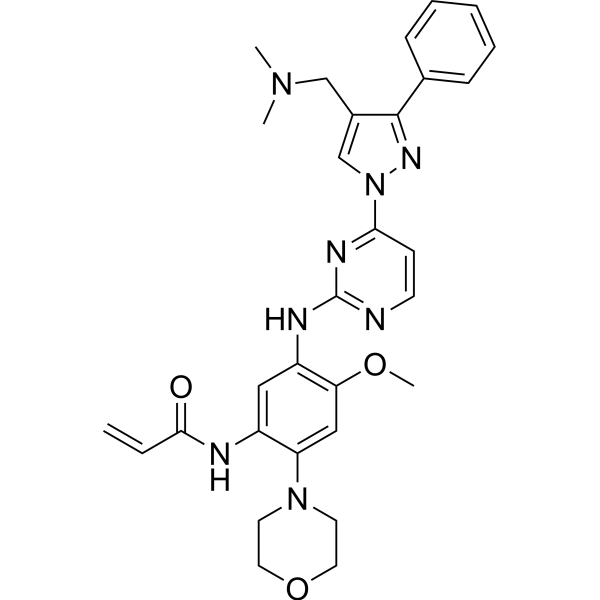
Lazertinib (YH25448; GNS-1480) is an orally active, blood-brain barrier permeable third-generation EGFR tyrosine kinase inhibitor, as well as an ABCB1/ABCG2 inhibitor and a TRPA1 activator. Lazertinib exhibits IC50 values of 0.4 mM and 0.2 mM against human ABCB1 and ABCG2, respectively. By inhibiting mutant EGFR signaling, EGFR phosphorylation and the downstream ERK/AKT pathway, as well as upregulating surface expression of EGFR/MET, Lazertinib induces cell cycle arrest, apoptosis, spontaneous calcium responses, hyperexcitability of dorsal root ganglion (DRG) neurons, and TRPA1-dependent pain-like behaviors. Lazertinib competitively binds to the substrate-binding sites of ABCB1/ABCG2, stimulates their ATPase activity without altering their expression or plasma membrane localization, thereby enhancing ADCC activity, acting as a chemosensitizer, and reversing ABCB1-mediated multidrug resistance. It exerts antitumor activity as a single agent or in combination with other drugs. Lazertinib is applicable to research related to non-small cell lung cancer, multidrug-resistant cancers, and paresthesia .
|
-
-
- HY-108730
-
Avelumab
Maximum Cited Publications
10 Publications Verification
Anti-Human PD-L1, Human Antibody; MSB 0010718C; MSB0010718C
|
PD-1/PD-L1
|
Inflammation/Immunology
Cancer
|
|
Avelumab (Anti-Human PD-L1) a fully human IgG1 anti-PD-L1 monoclonal antibody (mAb) with potential antibody-dependent cell-mediated cytotoxicity (ADCC). Avelumab enhances ADCC on several cancer cell lines expressing PD-L1. Avelumab can be used for the study of chordoma .
|
-
-
- HY-P99634
-
|
PankoMab; DS-3939a antibody
|
Mucin
|
Cancer
|
|
Gatipotuzumab (PankoMab) is a humanized monoclonal antibody which recognizes the tumor-specific epitope of mucin-1 (TA-MUC1). Gatipotuzumab reveals a potent tumor-specific antibody-dependent cell cytotoxicity (ADCC) .
|
-
-
- HY-P99029
-
|
Hu5F9-G4
|
CD47
|
Cancer
|
|
Magrolimab (Hu5F9-G4) is a humanized anti-CD47 antibody. Magrolimab, an IgG4 isotype, lacks ADCC function and exhibits relatively weak ADCP effector function. Magrolimab can be used for the study of malignant bone tumors and breast cancer .
|
-
-
- HY-108730A
-
|
|
PD-1/PD-L1
|
Inflammation/Immunology
Cancer
|
|
Avelumab (anti-PD-L1) a fully human IgG1 anti-PD-L1 monoclonal antibody (mAb) with potential antibody-dependent cell-mediated cytotoxicity (ADCC). Avelumab (anti-PD-L1) enhances ADCC on several cancer cell lines expressing PD-L1. Avelumab (anti-PD-L1) can be used for the study of chordoma .
|
-
-
- HY-P99013
-
|
GC33; RO5137382
|
Glycoprotein VI
|
Cancer
|
|
Codrituzumab (GC33) is a humanized monoclonal antibody targeting human GPC3 (glypican-3), with high affinity (Kd of 0.673 nM). GPC3 is an oncofetal protein expressed on the cell surface of hepatocellular carcinoma (HCC). Codrituzumab induces antibody-dependent cellular cytotoxicity (ADCC) and inhibits tumor growth .
|
-
-
- HY-P9968
-
|
h-R3
|
EGFR
|
Cancer
|
|
Nimotuzumab is a humanized IgG1 monoclonal antibody targeting EGFR with a KD of 0.21 nM. Nimotuzumab is directed against the extracellular domain of the EGFR blocking the binding to its ligands. Nimotuzumab, a strong antitumor agent, is cytolytic on target tumors by its capacity to cause antibody dependent cell mediated cytotoxicity (ADCC) and complement dependent cytotoxicity (CDC) .
|
-
-
- HY-P9948
-
|
Campath-IH
|
Apoptosis
|
Cancer
|
|
Alemtuzumab (Campath-IH) is a humanized monoclonal antibody against CD52. Alemtuzumab does not cross-react with murine CD52. Alemtuzumab selectively targets the CD52 antigen to induce profound lymphocyte depletion, followed by recovery of T and B cells with regulatory phenotypes. Alemtuzumab is capable of complement-dependent cytotoxicity and antibody-dependent cell-mediated cytotoxicity (ADCC), as well as induction of apoptosis. Alemtuzumab has the potential for B-cell chronic lymphocytic leukaemia research .
|
-
-
- HY-P99014
-
|
ARGX-110
|
Fc Receptor (FcR)
NF-κB
|
Inflammation/Immunology
Cancer
|
|
Cusatuzumab (ARGX-110) is a selective competitive blocker targeting CD70 (with an equilibrium dissociation constant of 17 pM for binding to human CD70). Cusatuzumab also possesses enhanced antibody-dependent cell-mediated cytotoxicity (ADCC) activity. It is a humanized IgG1 monoclonal antibody, artificially synthesized through humanization and genetic engineering modifications (CH2 region mutation to enhance effector function). Cusatuzumab has a dual mechanism of action: firstly, it competitively blocks the interaction between CD70 and CD27, inhibiting the CD27-NF-κB signaling pathway, reducing regulatory T cell (Treg) activation and tumor cell proliferation; secondly, by enhancing binding to FcγRIIIa, it mediates ADCC and antibody-dependent cellular phagocytosis (ADCP), directly lysing CD70-positive tumor cells. Cusatuzumab can efficiently eliminate leukemia stem cells (LSCs), induce tumor cell differentiation and apoptosis, restore immune surveillance, and target CD70-positive tumors. Cusatuzumab is used in the study of acute myeloid leukemia (AML) .
|
-
-
- HY-P99361
-
|
PDL192; ABT-361; Anti-TNFRSF12A/TWEAKR/CD266 Reference Antibody (enavatuzumab)
|
TNF Receptor
|
Cancer
|
|
Enavatuzumab (PDL192; ABT-361) is a humanized IgG1 monoclonal antibody targeting the receptor of TNF-like weak inducer of apoptosis (TWEAK). TWEAK (Fn14; TNFRSF12A), the natural ligand of the TWEAK receptor (TweakR), stimulates multiple cellular responses. Enavatuzumab induces tumor growth inhibition through direct TweakR signaling and antibody dependent cell-mediated cytotoxicity (ADCC). Enavatuzumab can actively recruits and activates myeloid effectors to kill tumor cells. Enavatuzumab inhibits the growth of various human TweakR-positive cancer cell lines and xenografts in vitro and in vivo .
|
-
-
- HY-P99117
-
|
AK104
|
PD-1/PD-L1
CTLA-4
|
Inflammation/Immunology
Cancer
|
|
Cadonilimab (AK104) is a humanized tetravalent IgG1 bispecific antibody targeting PD1/CTLA4. Cadonilimab blocks both PD-1 and CTLA-4 pathways, thereby relieving their corresponding immunosuppressive effects and reversing tumor specific T cell exhaustion. Cadonilimab significantly downregulates Fc-mediated effector functions, including antibody-dependent cell-mediated cytotoxicity (ADCC), antibody-dependent cellular phagocytosis (ADCP), complement dependent cytotoxicity (CDC). Cadonilimab can be used for research of metastatic cervical cancer, as well as other malignancies such as gastric cancer, GEJ adenocarcinoma and non-small cell lung cancer (NSCLC) .
|
-
-
- HY-P99653
-
|
VAY-736
|
TNF Receptor
|
Cancer
|
|
Ianalumab (VAY-736) is a human, decarboxylated antibody against BAFF-R. Ianalumab can block the interaction between BAFF and BAFF-R and antagonize the apoptosis protection mediated by BAFF. Ianalumab exerts antibody-dependent cytotoxic (ADCC), depending on effector cell activation mediated by immune receptor tyrosine activation motif (ITAM) .
|
-
-
- HY-P9961
-
|
GSK1841157; OMB-157
|
CD20
|
Cancer
|
|
Ofatumumab is a fully human anti-CD20 monoclonal antibody that induces antibody-dependent cell-mediated cytotoxicity (ADCC) and complement-dependent cytotoxicity (CDC) in CD20-expressing B lymphocytes. Ofatumumab has strong lytic activity against CD20-positive B lymphocytes and eliminates CD20-positive tumor cells through ADCC and CDC. Ofatumumab is particularly effective against drug-resistant cells with low CD20 expression and can be applied to the research of chronic lymphocytic leukemia (CLL) .
|
-
-
- HY-P9964
-
|
11F8; IMC-11F8; LY3012211
|
EGFR
|
Cancer
|
|
Necitumumab (11F8; IMC-11F8; LY3012211) is a human IgG monoclonal antibody directed against EGFR. Necitumumab binds to the EGF binding site of EGFR, blocks ligand binding, neutralizes ligand-induced EGFR phosphorylation and downstream signaling, induces EGFR internalization and degradation, and mediates antibody-dependent cellular cytotoxicity (ADCC) in EGFR-expressing cells. Necitumumab enhances antitumour activity in combination with Gemcitabine (HY-17026) and Cisplatin (HY-17394) in murine non-small-cell lung cancer xenograft models. Necitumumab can be used in research on cancers such as non-small cell lung cancer and colorectal cancer .
|
-
-
- HY-P99113A
-
|
|
CD19
|
Inflammation/Immunology
|
|
Inebilizumab (FUT8-KO) is an anti-CD19 monoclonal antibody expressed by CHO cells with the fucosyltransferase 8 gene (FUT8) knocked out. Fucose deficiency enhances the antibody-dependent cellular cytotoxicity (ADCC) effect of the antibody.Inebilizumab (FUT8-KO) exhibits enhanced ADCC against B cells and can be used for research on multiple sclerosis and neuromyelitis optica .
|
-
-
- HY-P9983
-
|
SGN-33; HuM-195; GLK-33 Antibody
|
Transmembrane Glycoprotein
Radionuclide-Drug Conjugates (RDCs)
|
Inflammation/Immunology
|
|
Lintuzumab (HUM-195) is an anti-CD33 humanized monoclonal antibody. Lintuzumab reduces the production of TNFα-induced pro-inflammatory cytokines and chemokines by AML cells. Lintuzumab promotes tumor cell killing through antibody-dependent cellular cytotoxicity (ADCC) and phagocytosis (ADCP) activities against MDR and MDR+ AML cell lines and primary AML patient samples. Lintuzumab enhances survival and reduces tumor burden in mice .
|
-
-
- HY-P1645A
-
|
|
Cathepsin
|
Cardiovascular Disease
Inflammation/Immunology
|
|
Papain (1.5-10 units/mg) is a cysteine protease of the peptidase C1 family. Papain (1.5-10 units/mg) enhances red cell agglutination by anti-D and anti-A, and increases red cell sensitivity to K cell-mediated lysis in ADCC assays. Papain (1.5-10 units/mg) can induce pulmonary emphysema. Papain (1.5-10 units/mg) can be used for the researches of Rh haemolytic disease of the newborn and pulmonary emphysema .
|
-
-
- HY-P99437
-
|
KN-026
|
EGFR
|
Cancer
|
|
Anbenitamab (KN-026) is a bispecific antibody simultaneously targeting extracellular domains II and IV of human HER2. Anbenitamab blocks both ligand-dependent and ligand-independent HER2 signaling pathways. Anbenitamab mediates antibody-dependent cellular cytotoxicity (ADCC) via FcγIIIa binding. Ambrinitumab can be used in research for lung cancer, HER2-positive metastatic breast cancer (MBC), gastric cancer, and gastroesophageal junction cancer .
|
-
-
- HY-109061B
-
|
YH25448 mesylate; GNS-1480 mesylate
|
TRP Channel
EGFR
Akt
ERK
Apoptosis
|
Cancer
|
|
Lazertinib (YH25448; GNS-1480) mesylate is an orally active, blood-brain barrier permeable third-generation EGFR tyrosine kinase inhibitor, as well as an ABCB1/ABCG2 inhibitor and a TRPA1 activator. Lazertinib mesylate exhibits IC50 values of 0.4 mM and 0.2 mM against human ABCB1 and ABCG2, respectively. By inhibiting mutant EGFR signaling, EGFR phosphorylation and the downstream ERK/AKT pathway, as well as upregulating surface expression of EGFR/MET, Lazertinib mesylate induces cell cycle arrest, apoptosis, spontaneous calcium responses, hyperexcitability of dorsal root ganglion (DRG) neurons, and TRPA1-dependent pain-like behaviors. Lazertinib mesylate competitively binds to the substrate-binding sites of ABCB1/ABCG2, stimulates their ATPase activity without altering their expression or plasma membrane localization, thereby enhancing ADCC activity, acting as a chemosensitizer, and reversing ABCB1-mediated multidrug resistance. It exerts antitumor activity as a single agent or in combination with other drugs. Lazertinib mesylate is applicable to research related to non-small cell lung cancer, multidrug-resistant cancers, and paresthesia .
|
-
-
- HY-P9960
-
|
2H7; PRO70769; RG1594
|
CD20
|
Inflammation/Immunology
|
|
Ocrelizumab (Ocrevus) is a humanized anti-CD20 monoclonal antibody. Ocrelizumab can induce B cell depletion and inhibit multiple sclerosis lesions in mice through antibody dependent cytotoxicity (ADCC) .
|
-
-
- HY-P9969
-
|
EMD 72000
|
EGFR
|
Cancer
|
|
Matuzumab (EMD 72000) is a humanized anti-EGFR monoclonal antibody that blocks EGFR activation and downstream signaling, inhibits tumor growth. Deglycosylation and the possible elimination of ADCC activity can reduce the in vivo anti-tumor activity of Mattuzumab .
|
-
-
- HY-P99167
-
|
HCD122
|
TNF Receptor
|
Cancer
|
|
Lucatumumab (HCD122) is a fully human anti-CD40 antagonist monoclonal antibody, which blocks CD40/CD40L-mediated signaling. Lucatumumab efficiently mediates antibody-dependent cell-mediated cytotoxicity (ADCC) and clearance of tumor cells, can be used for refractory lymphomas, CLL and multiple myeloma research .
|
-
-
- HY-P99010A
-
|
|
Interleukin Related
FGFR
|
Cancer
|
|
Bemarituzumab (FUT8-KO) is an anti-FGFR2b monoclonal antibody expressed by CHO cells with the fucosyltransferase 8 gene (FUT8) knocked out. Fucose deficiency enhances the ADCC effect of the antibody. Bemarituzumab (FUT8-KO) lacks a core fucose in the polysaccharide portion of the Fc domain of the antibody, and results in a high affinity to human FcγRIIIa .
|
-
-
- HY-P991669
-
|
AML-01
|
Caspase
Apoptosis
|
Cancer
|
|
IGN523 is an anti-CD98 antibody (hCD98, KD = 0.55 nM). IGN523 induces antibody-dependent cell-mediated cytotoxicity (ADCC) activity, lysosomal membrane permeabilization, and inhibition of essential amino acid transport, ultimately leading to caspase-3 and caspase-7-mediated apoptosis of tumor cells. IGN523 inhibits tumor growth in multiple tumor xenograft models. IGN523 is useful in the research of non-small cell lung cancer (NSCLC), acute myeloid leukemia (AML), and other cancers. .
|
-
-
- HY-P99304
-
|
Anti-Human ERBB3 Recombinant Antibody
|
EGFR
PI3K
Akt
p38 MAPK
|
Cancer
|
|
Lumretuzumab (Anti-Human ERBB3 Recombinant Antibody) is a humanized anti-HER3 (ERBB3) monoclonal antibody. Lumretuzumab effectively inhibits the activity of key oncogenic signaling pathways such as PI3K/AKT and MAPK. Lumretuzumab has been optimized through glycosyl engineering to enhance antibody-dependent cell-mediated cytotoxicity (ADCC). Lumretuzumab can be used to study HER3-positive, HER2-low-expressing solid tumors, especially breast cancer .
|
-
-
- HY-P99661
-
|
|
Interleukin Related
|
Cancer
|
|
Inbakicept is a dimeric human IL-15 receptor alpha (IL-15 Ra) sushi domain/human IgG1 Fc fusion protein and is an IL-15 superagonist complex. Inbakicept is able to form complex N-803 (Nogapendekin alfa inbakicept) with the IL-15 antibody Nogapendekin alfa in a 1:2 ratio. N-803 mimics the function of IL-15 and amplifies anti-CD20 mAb-mediated NK cell responses and antibody-dependent cellular cytotoxicity (ADCC). N-803 also increases degranulation and IFNγ production in cells .
|
-
-
- HY-P99253
-
|
KW-0761
|
CCR
|
Inflammation/Immunology
Cancer
|
|
Mogamulizumab (KW-0761) is a recombinant anti-CCR4 monoclonal antibody (MAb). Mogamulizumab can eliminate tumor cells by antibody-dependent cellular cytotoxicity (ADCC). Mogamulizumab can be used in the research of cancers, adult T-cell leukemia/lymphoma (ATLL), cutaneous T-cell lymphoma (CTCL) .
|
-
-
- HY-P9977A
-
|
|
EGFR
|
Cancer
|
|
Amivantamab (FUT8-KO) is an anti-EGFR-MET monoclonal antibody expressed by CHO cells with the fucosyltransferase 8 gene (FUT8) knocked out. Fucose deficiency enhances the ADCC effect of the antibody. Amivantamab (FUT8-KO) inhibits ligand binding, promotes endocytosis and degradation of receptor-antibody complexes, and induces Fc-dependent cytokinesis in macrophages and antibody-dependent cytotoxicity in natural killer cells .
|
-
-
- HY-P990914
-
|
GS-1811; JTX-1811
|
CCR
|
Inflammation/Immunology
Cancer
|
|
Denikitug (GS-1811; JTX-1811) is a humanized monoclonal antibody against CCR8 receptor with a KD of 16.8 pM. Denikitug specifically binds to human CCR8, inhibits CCL1-induced downstream CCR8 signaling. Denikitug selectively depletes cells expressing CCR8 via antibody-dependent cellular cytotoxicity (ADCC). Denikitug promotes anti-tumor immunity and can be used for the research of cancer and immunology .
|
-
-
- HY-P99406A
-
|
|
EGFR
|
Cancer
|
|
Petosemtamab (FUT8-KO) is an anti-EGFR and anti-LGR5 monoclonal antibody expressed in CHO cells with the fucosyltransferase 8 gene (FUT8) knocked out. Fucosyl loss enhances the ADCC effect of the antibody. Petosemtamab (FUT8-KO) leads to EGFR signaling blockade and receptor degradation in LGR5+ cancer cells. Petosemtamab (FUT8-KO) can be used for research on solid tumors such as head and neck squamous cell carcinoma (HNSCC) and metastatic colorectal cancer (CRC) .
|
-
-
- HY-P99395
-
|
JNJ 56022473; CSL 362
|
Interleukin Related
|
Cancer
|
|
Talacotuzumab (JNJ 56022473; CSL 362) is an IgG1-type fully humanized, CD123-neutralizing monoclonal antibody containing a modified Fc structure. Talacotuzumab has KDs of 0.43 nM, 188 nM, 46 nM, 16.8 nM for CD123, CD32b/c, CD16-158F, CD16-158V, respectively. Talacotuzumab inhibits IL-3 binding to CD123, antagonizing IL-3 signaling in target cells. Talacotuzumab has mutated the Fc region to increase affinity for CD16 (FcγRIIIa), thereby enhancing antibody-dependent cell-mediated cytotoxicity (ADCC). Talacotuzumab is highly effective in vivo reducing leukemic cell growth in acute myeloid leukemia (AML) xenograft mouse models .
|
-
-
- HY-P99308
-
|
AME 133v; LY 2469298; Humanized Anti-MS4A1 Recombinant Antibody
|
CD20
|
Cancer
|
|
Ocaratuzumab (AME 133v) is an Fc-engineered humanized IgG1 anti-CD20 monoclonal antibody, with a Kd of ~100 pM. Ocaratuzumab exhibits more effective antibody-dependent cell-mediated cytotoxicity (ADCC) .
|
-
-
- HY-P99015
-
|
|
TNF Receptor
|
Cancer
|
|
Dacetuzumab (SGN-40) is a humanized IgG1, anti-CD40 monoclonal antibody with anti-lymphoma activity. Dacetuzumab kills tumor cells via immune effector functions (antibody-dependent cellular cytotoxicity and phagocytosis [ADCC/ADCP]). Dacetuzumab ((SGN-40) can be used for multiple myeloma research .
|
-
-
- HY-P9980A
-
|
|
ADC Antibody
TNF Receptor
|
Cancer
|
|
Belantamab (FUT8-KO) is an anti-BCMA (TNFRSF17) monoclonal antibody expressed by CHO cells with the fucosyltransferase 8 gene (FUT8) knocked out. Fucose deficiency enhances the ADCC effect of the antibody. Belantamab (FUT8-KO) can be used to synthesize antibody-active molecule conjugate (ADC), Belantamab mafodotin .
|
-
-
- HY-P990961
-
|
IMM-2510; SYN-2510
|
VEGFR
PD-1/PD-L1
|
Cardiovascular Disease
Inflammation/Immunology
Cancer
|
|
Palverafusp alfa (IMM-2510; SYN-2510) is a PD-L1/VEGF-targeting IgG1κ type humanized antibody. Palverafusp alfa blocks PD-1/PD-L1 binding, relieves immune suppression, mediates PD-L1-directed antibody-dependent cellular cytotoxicity (ADCC). Palverafusp alfa blocks VEGF/VEGFR binding, inhibits angiogenic signaling, relieves VEGF-induced immune suppression. Palverafusp alfa reduces endothelial cell proliferation, enhances ADCC and antibody-dependent cellular phagocytosis (ADCP), inhibits tumor growth, reverses T cell immune suppression. Palverafusp alfa exhibits immune stimulatory, antiangiogenic, and anti-tumor activity in the tumor microenvironment. Palverafusp alfa can be used for the research of cancer, such as solid tumors, non-small cell lung cancer .
|
-
-
- HY-P99746
-
|
3C23K; GM102
|
TGF-β Receptor
|
Inflammation/Immunology
Cancer
|
|
Murlentamab (3C23K; GM102) is a humanized anti-AMHRII antibody. AMHRII is the anti-Müllerian hormone receptor. Murlentama significantly promotes macrophage-mediated antibody-dependent cell-mediated cytotoxicity (ADCC). Murlentama stimulates pro-inflammatory and anti-tumor internal environment, recruits and activates T cells. Murlentama suppresses tumors growth by inducing naïve macrophage orientation and promoting tumor-associated macrophage (TAM) reprogramming .
|
-
-
- HY-P1645B
-
|
|
Cathepsin
|
Cardiovascular Disease
Inflammation/Immunology
|
|
Papain (lyophilized powder, ≥10 units/mg protein) is a cysteine protease of the peptidase C1 family. Papain (lyophilized powder, ≥10 units/mg protein) enhances red cell agglutination by anti-D and anti-A, and increases red cell sensitivity to K cell-mediated lysis in ADCC assays. Papain (lyophilized powder, ≥10 units/mg protein) can induce pulmonary emphysema. Papain (lyophilized powder, ≥10 units/mg protein) can be used for the researches of Rh haemolytic disease of the newborn and pulmonary emphysema .
|
-
-
- HY-P991570
-
|
AD5-10; oba-01 Antibody
|
TNF Receptor
Apoptosis
Caspase
Atg8/LC3
Akt
Beclin1
JNK
|
Cancer
|
|
Zaptuzumab (AD5-10) is a DR5-specific humanized monoclonal antibody that selectively binds to DR5 with high affinity. Zaptuzumab specifically induces cancer cell death by both caspase-apoptosis and autophagic cell death (ACD). Zaptuzumab activates both ADCC and CDC. Zaptuzumab induces ROS generation and GSH level reduction. Zaptuzumab shows a significant suppression of the tumor growth and good safety in various xenografts mice tumor models .
|
-
-
- HY-P99431
-
|
Alomfilimab; SAR 445256
|
CD28
|
Inflammation/Immunology
Cancer
|
|
KY-1044 (Alomfilimab; SAR 445256) is a fully human IgG1 antibody targeting inducible costimulatory receptor (ICOS). KY-1044 depletes ICOS high cells via antibody-dependent cellular cytotoxicity (ADCC) through the engagement of FcgRIIIa. KY-1044 act as a costimulatory molecule on cells expressing lower ICOS levels, such as CD8 + TEff cells (through FcgR-dependent clustering). KY-1044 exploit the differential expression of ICOS on T-cell subtypes to improve the intratumoral immune contexture and restore an antitumor immune response .
|
-
-
- HY-177578
-
|
|
Antibody-Drug Conjugates (ADCs)
c-Kit
Apoptosis
Microtubule/Tubulin
ERK
Akt
Caspase
|
Cancer
|
|
NN3201 is a c-Kit-targeting antibody-drug conjugate (ADC) with high affinity (KD = 0.19 pM). NN3201 is composed of 4-(3-Tosyl-2-(tosylmethyl)propanoyl)benzoic acid-glu(PEG24-Me)-val-cit-NH-benzyloxyformic acid-MMAE (HY-178219) and an anti-c-Kit human monoclonal antibody NN2101 (HY-P991293). NN3201 rapidly internalizes and inhibits stem cell factor (SCF)-driven signaling, thereby delivering its payload to induce cell cycle arrest and apoptosis. NN3201 exhibits no Fc-mediated effector functions antibody-dependent cell-mediated cytotoxicity (ADCC)/complement-dependent cytotoxicity (CDC) due to reduced FcγR binding. NN3201 exhibits significant c-Kit-dependent anti-tumor efficacies in various tumor models. NN3201 can be used in small cell lung cancer (SCLC) and gastrointestinal stromal tumor (GIST) and acute myeloid leukemia (AML) research [1][2].
|
-
-
- HY-P99381
-
|
|
Transmembrane Glycoprotein
|
Cancer
|
|
XmAb 5592 is a humanized, Fc-engineered anti-HM1.24 antibody with enhanced binding to FcγRIIIa and FcγRIIa receptors, augments HM1.24-specific multiple myeloma (MM) cells lysis in vitro via antibody-dependent cellular cytotoxicity (ADCC) and antibody dependent cellular phagocytosis (ADCP) .
|
-
-
- HY-P99622
-
|
IMC-20D7S
|
Tyrosinase
|
Cancer
|
|
Flanvotumab (IMC-20D7S) is a human monoclonal antibody targeting to tyrosinase-related protein (TYRP1), specifically expressed in melanocytes and melanoma cells. Flanvotumab acts function via natural killing-mediated antibody-dependent cell-mediated cytotoxicity (ADCC). Flanvotumab has potent anti-tumor activity and good tolerance .
|
-
-
- HY-P991517
-
|
|
Transmembrane Glycoprotein
Reactive Oxygen Species (ROS)
|
Cardiovascular Disease
Cancer
|
|
BI-836858 is a fully human anti-CD33 monoclonal antibody. BI-836858 reduces CD33+ cells via antibody-dependent cellular cytotoxicity (ADCC), blocks downstream signaling of S100A9/CD33, decreases the secretion of immunosuppressive cytokines and reactive oxygen species-induced genomic instability, and restores bone marrow hematopoietic function. BI-836858 is applicable to the research of myelodysplastic syndrome (MDS) and AML .
|
-
-
- HY-P10563
-
|
BHV-1100
|
CD38
|
Cancer
|
|
Noraramtide (BHV-1100) is an antibody recruitment molecule. Noraramtide can specifically bind to CD38 molecules to recruit natural killer (NK) cells. Noraramtide enhances the ability of NK cells to kill tumor cells through antibody-dependent cellular cytotoxicity (ADCC). This mechanism allows NK cells to more effectively recognize and eliminate tumor cells while avoiding mutual killing between NK cells. Noraramtide can be used for the study of autologous cancer immunity .
|
-
-
- HY-P991223
-
|
|
Transmembrane Glycoprotein
TNF Receptor
|
Cancer
|
|
NC762 is a humanized IgG1κ monoclonal antibody that targets human B7-H4 (B7 homolog 4). NC762 has enhanced binding to CD16a (FcγRIIIa) after being Fc engineered with three point mutations (S239D/A330L/I332E; DLE) and demonstrate increased antibody-dependent cellular cytotoxicity (ADCC) activity. NC762 inhibits tumor growth in vivo through binding to tumor-expressing B7-H4. NC762 can be studies in research on cancer such as advanced or metastatic solid tumors .
|
-
-
- HY-P990703
-
|
HBM-4003
|
CTLA-4
|
Inflammation/Immunology
|
|
Porustobart (HBM-4003) is a fully human anti-CTLA-4 heavy chain only antibody (HCAb). Porustobart can significantly improve the depletion of regulatory T cells (Treg cells) with high CTLA-4 expression in tumor tissues by enhancing ADCC activity. Porustobart can be used for tumor research .
|
-
-
- HY-P9968A
-
|
|
EGFR
|
Cancer
|
|
Nimotuzumab (powder) is a humanized IgG1 monoclonal antibody targeting EGFR with a KD value of 0.21 nM. Nimotuzumab (powder) is directed against the extracellular domain of the EGFR blocking the binding to its ligands. Nimotuzumab (powder), a strong antitumor agent, is cytolytic on target tumors by its capacity to cause antibody dependent cell mediated cytotoxicity (ADCC) and complement dependent cytotoxicity (CDC) .
|
-
-
- HY-P991229
-
|
AGS-1C4D4; AGS-PSCA
|
Complement System
|
Cancer
|
|
AGS-1C4D4 is a fully human IgG1κ monoclonal antibody targeting PSCA, with a Ka value of 0.2 nM. AGS-1C4D4 mediates antibody-dependent cellular cytotoxicity (ADCC) and complement-dependent cytotoxicity (CDC) against PSCA-expressing cells. AGS-1C4D4 can be used for the research of pancreatic cancer .
|
-
-
- HY-P991660
-
|
|
c-Met/HGFR
|
Cancer
|
|
ARGX-111 is an anti-MET antibody. ARGX-111 blocks HGF-dependent and -independent signaling, downregulating MET expression on the tumor cell surface. ARGX-111 depletes MET-expressing circulating tumor cells through enhanced antibody-dependent cell-mediated cytotoxicity (ADCC), thereby inhibiting tumor metastasis. ARGX-111 depletes circulating tumor cells and inhibits bone and lung metastasis in an orthotopic mouse model of metastatic breast cancer. ARGX-111 is promising for research in breast cancer and other cancers .
|
-
- HY-P991562
-
|
|
Transmembrane Glycoprotein
|
Cancer
|
|
MDX-1411 is a fully human monoclonal antibody targeting CD70. MDX-1411 is capable of inducing antibody-dependent cellular cytotoxicity (ADCC). MDX-1411 can be used in the research of B-cell malignancies .
|
-
- HY-P991514
-
|
|
CD20
|
Cancer
|
|
MIL62 is an anti-CD20 monoclonal antibody. MIL62 shows enhanced affinity for the FcγRⅢa receptors and direct B-cell killing effects. MIL62 has antibody-dependent cell-mediated cytotoxicity (ADCC) activity. MIL62 can be used for the study of non-Hodgkin lymphoma (NHL) .
|
-
- HY-P990719
-
|
XmAb24306
|
Interleukin Related
|
Inflammation/Immunology
Cancer
|
|
Efbalropendekin Alfa (XmAb24306) is an IL-15/IL-15 receptor alpha complex fused to a heterodimeric Fc domain (IL15/IL15Rα-Fc). Efbalropendekin Alfa increases direct and antibody-dependent cellular cytotoxicity (ADCC)-mediated human natural killer (NK) cell cytotoxicity in vitro .
|
-
- HY-P991638
-
|
|
TNF Receptor
|
Cancer
|
|
XmAb-2513 is a humanized monoclonal antibody inhibitor targeting CD30. XmAb-2513 has significant anti-proliferative activity and superior antibody-dependent cell-mediated cytotoxicity (ADCC) as well as antibody-dependent cell-mediated phagocytosis (ADCP). XmAb-2513 can be used for hematologic malignancies like Hodgkin Lymphoma (HL) and Anaplastic Large Cell Lymphoma (ALCL) research .
|
-
- HY-P991092
-
|
|
EGFR
CD276/B7-H3
|
Cancer
|
|
IBI-334 is a bispecific B7-H3 and EGFR antibody. IBI-334 has an EGFR arm for signal blockage and is coupled with a fine-tuned B7-H3 arm with optimal affinity and binding domain. IBI-334 shows antibody-mediated cell cytotoxicity (ADCC) effects. IBI-334 has a wide range of applications in many EGFR-driven solid tumors .
|
-
- HY-P11340
-
|
|
MHC
|
Infection
Inflammation/Immunology
|
|
VMAPRTLFL is a 9-mer peptide derived from the signal peptide of HLA-G and can serve as a peptide ligand for HLA-E. VMAPRTLFL plays a crucial role in regulating the functions of adaptive natural killer (NK) cells. Specifically, VMAPRTLFL enriches FcεRγ - adaptive NK cells, upregulates the expression of CD25, and enhances their proliferative activity, antibody-dependent cellular cytotoxicity (ADCC), and IFN-γ release. VMAPRTLFL can be used in research related to human cytomegalovirus (HCMV) infection, transplant rejection, and pregnancy immunity .
|
-
- HY-P991542
-
|
|
CD19
|
Cancer
|
|
GBR-401 is a humanized anti-CD19 monoclonal antibody with high affinity for FcγRIIIa. GBR-401 exerts a potent in vitro and in vivo cytotoxic activity against various B-cell malignancies. GBR-401 induces cell death by antibody dependent cellular cytotoxicity (ADCC) and direct killing effect. GBR-401 demonstrates potent activity of depleting malignant B cells and prolongs mice survival in multiple xenograft severe combined immunodeficiency (SCID) mice models .
|
-
- HY-P991561
-
|
|
CD47
|
Cancer
|
|
AO-176 is a humanized anti-CD47 IgG2 monoclonal antibody. AO-176 induces tumor phagocytosis through blocking the CD47-SIRPα interaction. AO-176 preferentially binds to tumor versus normal cells and directly kills tumor by a cell autonomous mechanism not ADCC (antibody-dependent cell-mediated cytotoxicity). AO-176 demonstrates dose-dependent antitumor activity in tumor xenograft models. AO-176 can be used for the researches of cancer, such as lymphoma .
|
-
- HY-P991233
-
|
|
EGFR
|
Cancer
|
|
BAT1006 is a monoclonal antibody targeting HER2 extracellular domain II with enhanced antibody-dependent cell-mediated cytotoxicity (ADCC) for the study of HER2-positive locally advanced/metastatic solid tumors. BAT1006 has an approximately 5-fold enhanced ADCC effect compared to pertuzumab (HY-P9912) and exhibits potent anti-tumor activity in the HER2-positive Calu-3 xenograft mouse model .
|
-
- HY-P991387
-
|
AGEN1327
|
Transmembrane Glycoprotein
|
Cancer
|
|
AGEN1307 is a human monoclonal antibody (mAb) targeting TIGIT. AGEN1307 has an active FcγR binding region and enhances antibody-dependent cellular cytotoxicity (ADCC). AGEN1307 can be used in cancer research .
|
-
- HY-P991523
-
|
|
Apoptosis
|
Cancer
|
|
BI-836826 is a IgG1 chimerized and Fc-engineered anti-CD37 monoclonal antibody. BI 836826 displays both antibody-dependent cell-mediated cytotoxicity (ADCC) and direct pro-apoptotic activities. BI-836826 can be used for the study of chronic lymphocytic leukemia .
|
-
- HY-P991639
-
|
|
Apoptosis
|
Cancer
|
|
BIW-8962 is a humanized anti-ganglioside GM2 antibody. BIW-8962 exhibits ADCC/CDC activity against multiple myeloma cells. BIW-8962 demonstrates potent anti-tumor activity in mouse xenograft models. BIW-8962 is indicated for research in myeloma and other cancers .
|
-
- HY-P991507
-
|
|
EGFR
|
Cancer
|
|
SCT200 is a fully humanized IgG1 anti-EGFR monoclonal antibody with a Kd of 0.08 nM. SCT200 can kill tumor cells by complement-dependent cytotoxicity (CDC) and antibody-dependent cellular cytotoxicity (ADCC) through the Fc. SCT200 can be used for the study of refractory RAS and BRAF wild-type metastatic colorectal cancer .
|
-
- HY-P991426
-
|
|
Transmembrane Glycoprotein
IFNAR
TNF Receptor
|
Cancer
|
|
MB-314 is a human IgG1 monoclonal antibody (mAb) targeting Lewis Y. MB-314 induces enhanced antibody-dependent cell-mediated cytotoxicity (ADCC) activity. MB-314 increases the release of IFN-γ, TNF-α, MCP-1, and IL-6. MB-314 can be used in cancer research .
|
-
- HY-P9991A
-
|
|
Gap Junction Protein
|
Cancer
|
|
Osemitamab (FUT8-KO) is an anti-claudin-18.2 monoclonal antibody expressed by CHO cells with the fucosyltransferase 8 gene (FUT8) knocked out. Fucose deficiency enhances the ADCC effect of the antibody. Osemitamab in combination with Capecitabine (HY-B0016) and Oxaliplatin (HY-17371), can be used for G/GEJ cancer study .
|
-
- HY-P991250
-
|
|
Integrin
|
Cancer
|
|
MSH-TP15e is a humanized monoclonal antibody inhibitor targeting intercellular adhesion molecule-1 (ICAM-1). MSH-TP15e recruits natural killer cells and significantly triggers antibody-dependent cell-mediated cytotoxicity (ADCC) to inhibit tumor cell growth. MSH-TP15e is promising for research of multiple myeloma (MM) .
|
-
- HY-P991587
-
|
|
Orphan GPCR
|
Cancer
|
|
SAR-446523 is a humanized IgG1 monoclonal antibody inhibitor targeting GPRC5D. SAR-446523 significantly induces antibody-dependent cell-mediated cytotoxicity (ADCC). SAR-446523 has potent antitumor activity with improvement of mouse survival in NK humanized NOG huIL15 transgenic mice model bearing MM cells. SAR-446523 can be used for multiple myeloma (MM) research .
|
-
- HY-P991555
-
|
|
TNF Receptor
Apoptosis
|
Cancer
|
|
XmAb5485 is an Fc-engineered humanized anti-CD40 monoclonal antibody with high affinity to Fc-γ receptors. XmAb5485 induces potent antibody-dependent cell-mediated cytotoxicity (ADCC) and antibody-dependent cellular phagocytosis (ADCP) against tumor cells. XmAb5485 inhibits proliferation and induces apoptosis of tumor cells. XmAb5485 shows highly cytotoxic against lymphoma, leukemia and multiple myeloma cell lines as well as primary cancer cells .
|
-
- HY-P991425
-
|
|
Transmembrane Glycoprotein
|
Cancer
|
|
AT-1413 is a human monoclonal antibody (mAb) targeting CD43. AT-1413 induces antibody-dependent cell-mediated cytotoxicity (ADCC) in melanoma cell lines and acute myeloid leukemia (AML) cells. AT-1413 has antitumor activity in AML mouse models. AT-1413 can be used in Acute myeloid leukaemia, Breast cancer, Malignant melanoma and Myelodysplastic syndromes research. Recommended isotype control: Human IgG1 kappa, Isotype Control (HY-P99001) .
|
-
- HY-P991942A
-
|
BAY3375968 (FUT8-KO); TPP-23411 (FUT8-KO)
|
CCR
|
Cancer
|
|
Lanerkitug (FUT8-KO) (BAY3375968 (FUT8-KO)) is an anti-CCR8 monoclonal antibody expressed by CHO cells with the fucosyltransferase 8 gene (FUT8) knocked out. Fucose deficiency enhances the ADCC effect of the antibody. Lanerkitug (HY-P991942) selectively depletes human CCR8+Tregs via antibody dependent cellular cytotoxicity (ADCC) and antibody dependent cellular phagocytosis (ADCP). Lanerkitug can be used in the research of solid tumors .
|
-
- HY-P990755A
-
|
|
EGFR
|
Cancer
|
|
Pamvatamig (FUT8-KO) is an anti-EGFR/MET monoclonal antibody expressed by CHO cells with the fucosyltransferase 8 gene (FUT8) knocked out. Fucose deficiency enhances the ADCC effect of the antibody.
|
-
- HY-P991514A
-
|
|
CD20
|
Cancer
|
|
MIL62 (FUT8-KO) is a CD20-targeting antibody that prepared by knocking out the fucosyltransferase 8 gene (FUT8) to remove fucose and thereby enhance the ADCC activity of the antibody .
|
-
- HY-P99014A
-
|
|
Transmembrane Glycoprotein
|
Cancer
|
|
Cusatuzumab (FUT8-KO) is an anti-CD70 monoclonal antibody that prepared by knocking out the fucosyltransferase 8 gene (FUT8) to remove fucose and thereby enhance the ADCC activity of the antibody .
|
-
- HY-P99226A
-
-
- HY-P991914
-
|
|
CD38
Apoptosis
|
Cancer
|
|
FTL004 is an anti-CD38 monoclonal antibody. FTL004 exhibits enhanced Proapoptotic activity and displays stronger ADCC against CD38 + malignant cells. FTL004 can be used for the research of multiple myeloma and non-Hodgkin lymphoma[1].
|
-
- HY-P991942
-
|
BAY3375968; TPP-23411
|
CCR
|
Inflammation/Immunology
Cancer
|
|
Lanerkitug (BAY3375968) is a fully human monoclonal IgG1 anti-human CCR8 antibody. Lanerkitug selectively depletes human CCR8 + Tregs via antibody dependent cellular cytotoxicity (ADCC) and antibody dependent cellular phagocytosis (ADCP). Lanerkitug can be used in the research of solid tumors .
|
-
- HY-P991904
-
|
|
CD20
|
Cancer
|
|
TG20 is an anti-CD20 monoclonal antibody that binds to a specific discontinuous epitope on CD20 with a Kd of 10–20 nM. TG20 exhibits enhanced antibody-dependent cellular cytotoxicity (ADCC). TG20 also enhances complement-dependent cytotoxicity (CDC) activity. TG20 can be used in research on B-cell lymphomas .
|
-
- HY-P991925
-
|
|
CD47
|
Cancer
|
|
SHR-1603 is a humanized anti-CD47 IgG4 antibody. SHR-1603 blocks the interaction of CD47 with SIRPα and enhances phagocytosis. SHR-1603 includes active Fc domains to mediate CDC/ADCC functions. SHR-1603 can be used for the research of cancer [1][2].
|
-
- HY-P992412
-
|
|
Claudin
|
Cancer
|
|
MIL93 is a humanized defucosylated IgG1 monoclonal antibody targeting Claudin18.2 (CLDN18.2) with enhanced antibody-dependent cellular cytotoxicity (ADCC) activity. MIL93 can be used for research on advanced solid tumors and gastric cancer. The recommended isotype control is human IgG1 kappa (HY-P99001) .
|
-
- HY-P991944A
-
|
|
CCR
|
Cancer
|
|
ZL-1218 (FUT8-KO) is an anti-CCR8 monoclonal antibody expressed by CHO cells with the fucosyltransferase 8 gene (FUT8) knocked out. Fucose deficiency enhances the antibody-dependent cellular cytotoxicity (ADCC) effect of the antibody. ZL-1218 (FUT8-KO) can be used for the research of solid tumour .
|
-
- HY-P991481A
-
|
|
CCR
|
Inflammation/Immunology
Cancer
|
|
S-531011 (FUT8-KO) is an anti-CCR8 monoclonal antibody expressed by CHO cells with the fucosyltransferase 8 gene (FUT8) knocked out. Fucose deficiency enhances the antibody-dependent cellular cytotoxicity (ADCC) effect of the antibody. S-531011 (FUT8-KO) can be used for the research of cancer immunity .
|
-
- HY-P991902
-
|
|
CD20
|
Cancer
|
|
NAV006 is an anti-CD20 antibody variant of Rituximab (HY-P9913) with a Kd of 30.5 nM to CD20. NAV006 exhibits reduced interaction with CA125 and demonstrates enhanced antibody-dependent cellular cytotoxicity (ADCC) and complement-dependent cytotoxicity (CDC) activity. NAV006 displays antitumor activity against lymphoma and can be used in research on non-Hodgkin lymphoma .
|
-
- HY-P991135A
-
|
RO-7502175 (FUT8-KO); RG-6411 (FUT8-KO)
|
CCR
|
Cancer
|
|
Enzelkitug (RO-7502175; RG-6411) (FUT8-KO) is an anti-CCR8 monoclonal antibody expressed by CHO cells with the fucosyltransferase 8 gene (FUT8) knocked out. Fucose deficiency enhances the antibody-dependent cellular cytotoxicity (ADCC) effect of the antibody. Enzelkitug (FUT8-KO) can be used for the research of various solid tumors and hematological malignancies .
|
-
- HY-P992435
-
|
|
TNF Receptor
|
Cancer
|
|
OX118 is a fully human, ADCC-enhanced monoclonal antibody targeting OX40L, the recommended isotype control is HY-P99001. OX118 blocks OX40L, suppresses effector T-cell proliferation, expands regulatory T-cell populations, and reduces bystander activation across natural killer cells, B cells, and CD14+ monocytes. OX118 can be used for the research of graft-versus-host disease .
|
-
- HY-E71363
-
|
|
Cathepsin
|
Cardiovascular Disease
Inflammation/Immunology
|
|
Papain (USP) refers to Papain (HY-P1645) that meets the standards of the US Pharmacopoeia. Papain is a cysteine protease of the peptidase C1 family. Papain enhances red cell agglutination by anti-D and anti-A, and increases red cell sensitivity to K cell-mediated lysis in ADCC assays. Papain can induce pulmonary emphysema. Papain can be used for the researches of Rh haemolytic disease of the newborn and pulmonary emphysema .
|
-
- HY-P991922
-
|
|
Fc Receptor (FcR)
Complement System
Radionuclide-Drug Conjugates (RDCs)
|
Cancer
|
|
AKIR001 is a high-affinity human IgG1 antibody targeting CD44v6. AKIR001 carries LALA-silencing mutations in its FcγR-binding domain to reduce FcγR and C1q interactions, minimizing tissue interactions and limiting CDC and ADCC risks. [ 177Lu] radiolabeled AKIR001, namely [ 177Lu]Lu-AKIR001, has anticancer activity against epidermoid carcinoma .
|
-
- HY-P991892A
-
|
|
Transmembrane Glycoprotein
|
Cancer
|
|
IT1208 (FUT8-KO) is a humanized anti-CD4 monoclonal IgG1 antibody that has knocked out the fucosyltransferase 8 gene (FUT8). It exhibits enhanced antibody-mediated cytotoxicity (ADCC) effect. IT1208 (FUT8-KO) can effectively eliminate CD4+ T cells in vivo and shows controllable safety. IT1208 (FUT8-KO) can be used in related research on colon cancer .
|
-
- HY-P992080
-
|
|
Influenza Virus
|
Infection
|
|
Anti-Flu A (H7N9) HA/Hemagglutinin Antibody (m826) is a humanized monoclonal antibody targeting H7N9. Anti-Flu A (H7N9) HA/Hemagglutinin Antibody (m826) induces antibody-dependent cellular cytotoxicity (ADCC) against cells expressing H7N9 HA. Anti-Flu A (H7N9) HA/Hemagglutinin Antibody (m826) is applicable to studies related to H7N9 avian influenza virus infection .
|
-
- HY-P992005A
-
|
|
Transmembrane Glycoprotein
|
Cancer
|
|
DS-1055a (FUT8-KO) is an anti-human GARP antibody that has knocked out the fucosyltransferase 8 gene (FUT8). It exhibits enhanced antibody-mediated cytotoxicity (ADCC) effect. DS-1055a (FUT8-KO) can effectively eliminate GARP-positive regulatory T cells in the tumor microenvironment and activate effector T cells. DS-1055a (FUT8-KO) has anti-tumor activity and can be used in cancer research (such as colon cancer) .
|
-
- HY-P992450
-
|
|
TNF Receptor
|
Cancer
|
|
REGN6569 is a fully human IgG1 monoclonal antibody targeting glucocorticoid-induced tumor necrosis factor receptor-related protein (GITR) with high specificity for GITR. REGN6569 exerts stronger in vitro antibody-dependent cell-mediated cytotoxicity (ADCC) against regulatory T cells expressing GITR. REGN6569 selectively depletes regulatory T cells via antibody-dependent cell-mediated cytotoxicity and increases the proportion of proliferative natural killer (NK) cells in peripheral blood. REGN6569 is applicable for advanced solid malignancies. Isotype control: HY-P99001 .
|
-
- HY-P991898
-
|
RD126
|
CD19
|
Inflammation/Immunology
|
|
IASO-782 (RD126) is a fully human monoclonal antibody targeting human CD19. The Fc segment of IASO-782 is mutated to enhance antibody-dependent cell-mediated cytotoxicity (ADCC) while maintaining the integrity of other Fc segment functions, such as ADCP. IASO-782 effectively eliminates CD19+ B cells, plasmablasts, and some plasma cells, thereby reducing or completely eliminating autoreactive antibodies produced by these cells. IASO-782 can be used for the study of immune thrombocytopenic purpura (ITP), warm autoimmune hemolytic anemia (wAIHA) and systemic lupus erythematosus (SLE).
|
-
- HY-P991092A
-
|
|
EGFR
CD276/B7-H3
|
Cancer
|
|
IBI-334 (FUT8-KO) is a bispecific B7-H3 and EGFR antibody that has knocked out the fucosyltransferase 8 gene (FUT8). IBI-334 (FUT8-KO) has an EGFR arm for signal blocking and is coupled with a fine-tuned B7-H3 arm with the best affinity and binding domain. IBI-334 (FUT8-KO), compared to IBI-334 (HY-P991092), has enhanced antibody-mediated cytotoxicity (ADCC) effect. IBI-334 (FUT8-KO) has wide applications in many EGFR-driven solid tumors .
|
-
- HY-P991944
-
|
|
CCR
|
Cancer
|
|
ZL-1218 is a selective humanized IgG1 antibody, targeting CCR8. ZL-1218 induces antibody-dependent cellular cytotoxicity (ADCC), leading to NK cell-mediated depletion of CCR8-expressing regulatory T cells (Tregs). ZL-1218 blocks the binding of the CCR8 ligand CCL1 to CCR8 and reduces Treg recruitment by inhibiting the chemotaxis of CCR8 + cells. ZL-1218 reduces intratumoral Treg levels in a dose-dependent manner. ZL-1218 exerts enhanced antitumor activity when combined with the anti-PD-1 antibody. ZL-1218 can be used for solid tumour research .
|
-
- HY-P992158
-
|
|
CD47
|
Cancer
|
|
VBI-009 is a CD47 and B7-H3 (CD276) bispecific antibody. VBI-009 blocks CD47-SIRPα 'don't eat me' signals and restricts activity to CD47 +/B7-H3 + cells. VBI-009 induces antibody-dependent cellular phagocytosis (ADCP) and antibody-dependent cellular cytotoxicity (ADCC) in CD47 +/B7-H3 + tumor cells. VBI-009 inhibits tumor growth in CD47+/B7-H3+ lung cancer xenograft models. VBI-009 can be used for the research of lung cancer .
|
-
- HY-P992386
-
|
|
CD22
|
Cancer
|
|
IMM47 is a humanized monoclonal antibody targeting CD24, which acts as a competitive inhibitor of the CD24/Siglec-10 interaction and exhibits potent anti-tumor activity. The EC50 value of IMM47 for CD24 is 0.289 nM, and its Ka is 0.876 nM. IMM47 selectively binds to CD24-positive tumor cells and human granulocytes. By competitively blocking CD24/Siglec-10 binding, IMM47 abrogates the immunosuppressive signals of tumor cells, clears tumor cells through multiple effector pathways including ADCC, ADCP, ADCT and CDC, upregulates the levels of M1 and M2 macrophages in the spleen, promotes macrophage antigen presentation and induces tumor-specific memory immunity. IMM47 can be used in cancer-related research .
|
-
- HY-109061A
-
|
YH25448 mesylate hydrate; GNS-1480 mesylate hydrate
|
Apoptosis
Akt
TRP Channel
EGFR
ERK
|
Cancer
|
|
Lazertinib (YH25448; GNS-1480) mesylate hydrate is an orally active, blood-brain barrier permeable third-generation EGFR tyrosine kinase inhibitor, as well as an ABCB1/ABCG2 inhibitor and a TRPA1 activator. Lazertinib mesylate hydrate exhibits IC50 values of 0.4 mM and 0.2 mM against human ABCB1 and ABCG2, respectively. By inhibiting mutant EGFR signaling, EGFR phosphorylation and the downstream ERK/AKT pathway, as well as upregulating surface expression of EGFR/MET, Lazertinib mesylate hydrate induces cell cycle arrest, apoptosis, spontaneous calcium responses, hyperexcitability of dorsal root ganglion (DRG) neurons, and TRPA1-dependent pain-like behaviors. Lazertinib mesylate hydrate competitively binds to the substrate-binding sites of ABCB1/ABCG2, stimulates their ATPase activity without altering their expression or plasma membrane localization, thereby enhancing ADCC activity, acting as a chemosensitizer, and reversing ABCB1-mediated multidrug resistance. It exerts antitumor activity as a single agent or in combination with other drugs. Lazertinib mesylate hydrate is applicable to research related to non-small cell lung cancer, multidrug-resistant cancers, and paresthesia .
|
-
| Cat. No. |
Product Name |
Target |
Research Area |
-
- HY-P10563
-
|
BHV-1100
|
CD38
|
Cancer
|
|
Noraramtide (BHV-1100) is an antibody recruitment molecule. Noraramtide can specifically bind to CD38 molecules to recruit natural killer (NK) cells. Noraramtide enhances the ability of NK cells to kill tumor cells through antibody-dependent cellular cytotoxicity (ADCC). This mechanism allows NK cells to more effectively recognize and eliminate tumor cells while avoiding mutual killing between NK cells. Noraramtide can be used for the study of autologous cancer immunity .
|
-
- HY-P11340
-
|
|
MHC
|
Infection
Inflammation/Immunology
|
|
VMAPRTLFL is a 9-mer peptide derived from the signal peptide of HLA-G and can serve as a peptide ligand for HLA-E. VMAPRTLFL plays a crucial role in regulating the functions of adaptive natural killer (NK) cells. Specifically, VMAPRTLFL enriches FcεRγ - adaptive NK cells, upregulates the expression of CD25, and enhances their proliferative activity, antibody-dependent cellular cytotoxicity (ADCC), and IFN-γ release. VMAPRTLFL can be used in research related to human cytomegalovirus (HCMV) infection, transplant rejection, and pregnancy immunity .
|
| Cat. No. |
Product Name |
Target |
Research Area |
Image |
-
- HY-108730
-
Avelumab
Maximum Cited Publications
10 Publications Verification
Anti-Human PD-L1, Human Antibody; MSB 0010718C; MSB0010718C
|
PD-1/PD-L1
|
Inflammation/Immunology
Cancer
|
|
Avelumab (Anti-Human PD-L1) a fully human IgG1 anti-PD-L1 monoclonal antibody (mAb) with potential antibody-dependent cell-mediated cytotoxicity (ADCC). Avelumab enhances ADCC on several cancer cell lines expressing PD-L1. Avelumab can be used for the study of chordoma .
|
-
(5)
-
- HY-P99634
-
|
PankoMab; DS-3939a antibody
|
Mucin
|
Cancer
|
|
Gatipotuzumab (PankoMab) is a humanized monoclonal antibody which recognizes the tumor-specific epitope of mucin-1 (TA-MUC1). Gatipotuzumab reveals a potent tumor-specific antibody-dependent cell cytotoxicity (ADCC) .
|
-
(5)
-
- HY-P99029
-
|
Hu5F9-G4
|
CD47
|
Cancer
|
|
Magrolimab (Hu5F9-G4) is a humanized anti-CD47 antibody. Magrolimab, an IgG4 isotype, lacks ADCC function and exhibits relatively weak ADCP effector function. Magrolimab can be used for the study of malignant bone tumors and breast cancer .
|
-
(5)
-
- HY-108730A
-
|
|
PD-1/PD-L1
|
Inflammation/Immunology
Cancer
|
|
Avelumab (anti-PD-L1) a fully human IgG1 anti-PD-L1 monoclonal antibody (mAb) with potential antibody-dependent cell-mediated cytotoxicity (ADCC). Avelumab (anti-PD-L1) enhances ADCC on several cancer cell lines expressing PD-L1. Avelumab (anti-PD-L1) can be used for the study of chordoma .
|
-
(5)
-
- HY-P99013
-
|
GC33; RO5137382
|
Glycoprotein VI
|
Cancer
|
|
Codrituzumab (GC33) is a humanized monoclonal antibody targeting human GPC3 (glypican-3), with high affinity (Kd of 0.673 nM). GPC3 is an oncofetal protein expressed on the cell surface of hepatocellular carcinoma (HCC). Codrituzumab induces antibody-dependent cellular cytotoxicity (ADCC) and inhibits tumor growth .
|
-
(5)
-
- HY-P9968
-
|
h-R3
|
EGFR
|
Cancer
|
|
Nimotuzumab is a humanized IgG1 monoclonal antibody targeting EGFR with a KD of 0.21 nM. Nimotuzumab is directed against the extracellular domain of the EGFR blocking the binding to its ligands. Nimotuzumab, a strong antitumor agent, is cytolytic on target tumors by its capacity to cause antibody dependent cell mediated cytotoxicity (ADCC) and complement dependent cytotoxicity (CDC) .
|
-
(5)
-
- HY-P9948
-
|
Campath-IH
|
Apoptosis
|
Cancer
|
|
Alemtuzumab (Campath-IH) is a humanized monoclonal antibody against CD52. Alemtuzumab does not cross-react with murine CD52. Alemtuzumab selectively targets the CD52 antigen to induce profound lymphocyte depletion, followed by recovery of T and B cells with regulatory phenotypes. Alemtuzumab is capable of complement-dependent cytotoxicity and antibody-dependent cell-mediated cytotoxicity (ADCC), as well as induction of apoptosis. Alemtuzumab has the potential for B-cell chronic lymphocytic leukaemia research .
|
-
(5)
-
- HY-P99014
-
|
ARGX-110
|
Fc Receptor (FcR)
NF-κB
|
Inflammation/Immunology
Cancer
|
|
Cusatuzumab (ARGX-110) is a selective competitive blocker targeting CD70 (with an equilibrium dissociation constant of 17 pM for binding to human CD70). Cusatuzumab also possesses enhanced antibody-dependent cell-mediated cytotoxicity (ADCC) activity. It is a humanized IgG1 monoclonal antibody, artificially synthesized through humanization and genetic engineering modifications (CH2 region mutation to enhance effector function). Cusatuzumab has a dual mechanism of action: firstly, it competitively blocks the interaction between CD70 and CD27, inhibiting the CD27-NF-κB signaling pathway, reducing regulatory T cell (Treg) activation and tumor cell proliferation; secondly, by enhancing binding to FcγRIIIa, it mediates ADCC and antibody-dependent cellular phagocytosis (ADCP), directly lysing CD70-positive tumor cells. Cusatuzumab can efficiently eliminate leukemia stem cells (LSCs), induce tumor cell differentiation and apoptosis, restore immune surveillance, and target CD70-positive tumors. Cusatuzumab is used in the study of acute myeloid leukemia (AML) .
|
-
(5)
-
- HY-P99361
-
|
PDL192; ABT-361; Anti-TNFRSF12A/TWEAKR/CD266 Reference Antibody (enavatuzumab)
|
TNF Receptor
|
Cancer
|
|
Enavatuzumab (PDL192; ABT-361) is a humanized IgG1 monoclonal antibody targeting the receptor of TNF-like weak inducer of apoptosis (TWEAK). TWEAK (Fn14; TNFRSF12A), the natural ligand of the TWEAK receptor (TweakR), stimulates multiple cellular responses. Enavatuzumab induces tumor growth inhibition through direct TweakR signaling and antibody dependent cell-mediated cytotoxicity (ADCC). Enavatuzumab can actively recruits and activates myeloid effectors to kill tumor cells. Enavatuzumab inhibits the growth of various human TweakR-positive cancer cell lines and xenografts in vitro and in vivo .
|
-
(5)
-
- HY-P99117
-
|
AK104
|
PD-1/PD-L1
CTLA-4
|
Inflammation/Immunology
Cancer
|
|
Cadonilimab (AK104) is a humanized tetravalent IgG1 bispecific antibody targeting PD1/CTLA4. Cadonilimab blocks both PD-1 and CTLA-4 pathways, thereby relieving their corresponding immunosuppressive effects and reversing tumor specific T cell exhaustion. Cadonilimab significantly downregulates Fc-mediated effector functions, including antibody-dependent cell-mediated cytotoxicity (ADCC), antibody-dependent cellular phagocytosis (ADCP), complement dependent cytotoxicity (CDC). Cadonilimab can be used for research of metastatic cervical cancer, as well as other malignancies such as gastric cancer, GEJ adenocarcinoma and non-small cell lung cancer (NSCLC) .
|
-
(5)
-
- HY-P99653
-
|
VAY-736
|
TNF Receptor
|
Cancer
|
|
Ianalumab (VAY-736) is a human, decarboxylated antibody against BAFF-R. Ianalumab can block the interaction between BAFF and BAFF-R and antagonize the apoptosis protection mediated by BAFF. Ianalumab exerts antibody-dependent cytotoxic (ADCC), depending on effector cell activation mediated by immune receptor tyrosine activation motif (ITAM) .
|
-
(5)
-
- HY-P9961
-
|
GSK1841157; OMB-157
|
CD20
|
Cancer
|
|
Ofatumumab is a fully human anti-CD20 monoclonal antibody that induces antibody-dependent cell-mediated cytotoxicity (ADCC) and complement-dependent cytotoxicity (CDC) in CD20-expressing B lymphocytes. Ofatumumab has strong lytic activity against CD20-positive B lymphocytes and eliminates CD20-positive tumor cells through ADCC and CDC. Ofatumumab is particularly effective against drug-resistant cells with low CD20 expression and can be applied to the research of chronic lymphocytic leukemia (CLL) .
|
-
(5)
-
- HY-P9964
-
|
11F8; IMC-11F8; LY3012211
|
EGFR
|
Cancer
|
|
Necitumumab (11F8; IMC-11F8; LY3012211) is a human IgG monoclonal antibody directed against EGFR. Necitumumab binds to the EGF binding site of EGFR, blocks ligand binding, neutralizes ligand-induced EGFR phosphorylation and downstream signaling, induces EGFR internalization and degradation, and mediates antibody-dependent cellular cytotoxicity (ADCC) in EGFR-expressing cells. Necitumumab enhances antitumour activity in combination with Gemcitabine (HY-17026) and Cisplatin (HY-17394) in murine non-small-cell lung cancer xenograft models. Necitumumab can be used in research on cancers such as non-small cell lung cancer and colorectal cancer .
|
-
(5)
-
- HY-P99113A
-
|
|
CD19
|
Inflammation/Immunology
|
|
Inebilizumab (FUT8-KO) is an anti-CD19 monoclonal antibody expressed by CHO cells with the fucosyltransferase 8 gene (FUT8) knocked out. Fucose deficiency enhances the antibody-dependent cellular cytotoxicity (ADCC) effect of the antibody.Inebilizumab (FUT8-KO) exhibits enhanced ADCC against B cells and can be used for research on multiple sclerosis and neuromyelitis optica .
|
-
(5)
-
- HY-P9983
-
|
SGN-33; HuM-195; GLK-33 Antibody
|
Transmembrane Glycoprotein
Radionuclide-Drug Conjugates (RDCs)
|
Inflammation/Immunology
|
|
Lintuzumab (HUM-195) is an anti-CD33 humanized monoclonal antibody. Lintuzumab reduces the production of TNFα-induced pro-inflammatory cytokines and chemokines by AML cells. Lintuzumab promotes tumor cell killing through antibody-dependent cellular cytotoxicity (ADCC) and phagocytosis (ADCP) activities against MDR and MDR+ AML cell lines and primary AML patient samples. Lintuzumab enhances survival and reduces tumor burden in mice .
|
-
(5)
-
- HY-P99437
-
|
KN-026
|
EGFR
|
Cancer
|
|
Anbenitamab (KN-026) is a bispecific antibody simultaneously targeting extracellular domains II and IV of human HER2. Anbenitamab blocks both ligand-dependent and ligand-independent HER2 signaling pathways. Anbenitamab mediates antibody-dependent cellular cytotoxicity (ADCC) via FcγIIIa binding. Ambrinitumab can be used in research for lung cancer, HER2-positive metastatic breast cancer (MBC), gastric cancer, and gastroesophageal junction cancer .
|
-
(5)
-
- HY-P9960
-
|
2H7; PRO70769; RG1594
|
CD20
|
Inflammation/Immunology
|
|
Ocrelizumab (Ocrevus) is a humanized anti-CD20 monoclonal antibody. Ocrelizumab can induce B cell depletion and inhibit multiple sclerosis lesions in mice through antibody dependent cytotoxicity (ADCC) .
|
-
(5)
-
- HY-P9969
-
|
EMD 72000
|
EGFR
|
Cancer
|
|
Matuzumab (EMD 72000) is a humanized anti-EGFR monoclonal antibody that blocks EGFR activation and downstream signaling, inhibits tumor growth. Deglycosylation and the possible elimination of ADCC activity can reduce the in vivo anti-tumor activity of Mattuzumab .
|
-
(5)
-
- HY-P99167
-
|
HCD122
|
TNF Receptor
|
Cancer
|
|
Lucatumumab (HCD122) is a fully human anti-CD40 antagonist monoclonal antibody, which blocks CD40/CD40L-mediated signaling. Lucatumumab efficiently mediates antibody-dependent cell-mediated cytotoxicity (ADCC) and clearance of tumor cells, can be used for refractory lymphomas, CLL and multiple myeloma research .
|
-
(5)
-
- HY-P99010A
-
|
|
Interleukin Related
FGFR
|
Cancer
|
|
Bemarituzumab (FUT8-KO) is an anti-FGFR2b monoclonal antibody expressed by CHO cells with the fucosyltransferase 8 gene (FUT8) knocked out. Fucose deficiency enhances the ADCC effect of the antibody. Bemarituzumab (FUT8-KO) lacks a core fucose in the polysaccharide portion of the Fc domain of the antibody, and results in a high affinity to human FcγRIIIa .
|
-
(5)
-
- HY-P991669
-
|
AML-01
|
Caspase
Apoptosis
|
Cancer
|
|
IGN523 is an anti-CD98 antibody (hCD98, KD = 0.55 nM). IGN523 induces antibody-dependent cell-mediated cytotoxicity (ADCC) activity, lysosomal membrane permeabilization, and inhibition of essential amino acid transport, ultimately leading to caspase-3 and caspase-7-mediated apoptosis of tumor cells. IGN523 inhibits tumor growth in multiple tumor xenograft models. IGN523 is useful in the research of non-small cell lung cancer (NSCLC), acute myeloid leukemia (AML), and other cancers. .
|
-
(5)
-
- HY-P99304
-
|
Anti-Human ERBB3 Recombinant Antibody
|
EGFR
PI3K
Akt
p38 MAPK
|
Cancer
|
|
Lumretuzumab (Anti-Human ERBB3 Recombinant Antibody) is a humanized anti-HER3 (ERBB3) monoclonal antibody. Lumretuzumab effectively inhibits the activity of key oncogenic signaling pathways such as PI3K/AKT and MAPK. Lumretuzumab has been optimized through glycosyl engineering to enhance antibody-dependent cell-mediated cytotoxicity (ADCC). Lumretuzumab can be used to study HER3-positive, HER2-low-expressing solid tumors, especially breast cancer .
|
-
(5)
-
- HY-P99661
-
|
|
Interleukin Related
|
Cancer
|
|
Inbakicept is a dimeric human IL-15 receptor alpha (IL-15 Ra) sushi domain/human IgG1 Fc fusion protein and is an IL-15 superagonist complex. Inbakicept is able to form complex N-803 (Nogapendekin alfa inbakicept) with the IL-15 antibody Nogapendekin alfa in a 1:2 ratio. N-803 mimics the function of IL-15 and amplifies anti-CD20 mAb-mediated NK cell responses and antibody-dependent cellular cytotoxicity (ADCC). N-803 also increases degranulation and IFNγ production in cells .
|
-
(5)
-
- HY-P99253
-
|
KW-0761
|
CCR
|
Inflammation/Immunology
Cancer
|
|
Mogamulizumab (KW-0761) is a recombinant anti-CCR4 monoclonal antibody (MAb). Mogamulizumab can eliminate tumor cells by antibody-dependent cellular cytotoxicity (ADCC). Mogamulizumab can be used in the research of cancers, adult T-cell leukemia/lymphoma (ATLL), cutaneous T-cell lymphoma (CTCL) .
|
-
(5)
-
- HY-P9977A
-
|
|
EGFR
|
Cancer
|
|
Amivantamab (FUT8-KO) is an anti-EGFR-MET monoclonal antibody expressed by CHO cells with the fucosyltransferase 8 gene (FUT8) knocked out. Fucose deficiency enhances the ADCC effect of the antibody. Amivantamab (FUT8-KO) inhibits ligand binding, promotes endocytosis and degradation of receptor-antibody complexes, and induces Fc-dependent cytokinesis in macrophages and antibody-dependent cytotoxicity in natural killer cells .
|
-
(5)
-
- HY-P990914
-
|
GS-1811; JTX-1811
|
CCR
|
Inflammation/Immunology
Cancer
|
|
Denikitug (GS-1811; JTX-1811) is a humanized monoclonal antibody against CCR8 receptor with a KD of 16.8 pM. Denikitug specifically binds to human CCR8, inhibits CCL1-induced downstream CCR8 signaling. Denikitug selectively depletes cells expressing CCR8 via antibody-dependent cellular cytotoxicity (ADCC). Denikitug promotes anti-tumor immunity and can be used for the research of cancer and immunology .
|
-
(5)
-
- HY-P99406A
-
|
|
EGFR
|
Cancer
|
|
Petosemtamab (FUT8-KO) is an anti-EGFR and anti-LGR5 monoclonal antibody expressed in CHO cells with the fucosyltransferase 8 gene (FUT8) knocked out. Fucosyl loss enhances the ADCC effect of the antibody. Petosemtamab (FUT8-KO) leads to EGFR signaling blockade and receptor degradation in LGR5+ cancer cells. Petosemtamab (FUT8-KO) can be used for research on solid tumors such as head and neck squamous cell carcinoma (HNSCC) and metastatic colorectal cancer (CRC) .
|
-
(5)
-
- HY-P99395
-
|
JNJ 56022473; CSL 362
|
Interleukin Related
|
Cancer
|
|
Talacotuzumab (JNJ 56022473; CSL 362) is an IgG1-type fully humanized, CD123-neutralizing monoclonal antibody containing a modified Fc structure. Talacotuzumab has KDs of 0.43 nM, 188 nM, 46 nM, 16.8 nM for CD123, CD32b/c, CD16-158F, CD16-158V, respectively. Talacotuzumab inhibits IL-3 binding to CD123, antagonizing IL-3 signaling in target cells. Talacotuzumab has mutated the Fc region to increase affinity for CD16 (FcγRIIIa), thereby enhancing antibody-dependent cell-mediated cytotoxicity (ADCC). Talacotuzumab is highly effective in vivo reducing leukemic cell growth in acute myeloid leukemia (AML) xenograft mouse models .
|
-
(5)
-
- HY-P99308
-
|
AME 133v; LY 2469298; Humanized Anti-MS4A1 Recombinant Antibody
|
CD20
|
Cancer
|
|
Ocaratuzumab (AME 133v) is an Fc-engineered humanized IgG1 anti-CD20 monoclonal antibody, with a Kd of ~100 pM. Ocaratuzumab exhibits more effective antibody-dependent cell-mediated cytotoxicity (ADCC) .
|
-
(5)
-
- HY-P99015
-
|
|
TNF Receptor
|
Cancer
|
|
Dacetuzumab (SGN-40) is a humanized IgG1, anti-CD40 monoclonal antibody with anti-lymphoma activity. Dacetuzumab kills tumor cells via immune effector functions (antibody-dependent cellular cytotoxicity and phagocytosis [ADCC/ADCP]). Dacetuzumab ((SGN-40) can be used for multiple myeloma research .
|
-
(5)
-
- HY-P9980A
-
|
|
ADC Antibody
TNF Receptor
|
Cancer
|
|
Belantamab (FUT8-KO) is an anti-BCMA (TNFRSF17) monoclonal antibody expressed by CHO cells with the fucosyltransferase 8 gene (FUT8) knocked out. Fucose deficiency enhances the ADCC effect of the antibody. Belantamab (FUT8-KO) can be used to synthesize antibody-active molecule conjugate (ADC), Belantamab mafodotin .
|
-
(5)
-
- HY-P990961
-
|
IMM-2510; SYN-2510
|
VEGFR
PD-1/PD-L1
|
Cardiovascular Disease
Inflammation/Immunology
Cancer
|
|
Palverafusp alfa (IMM-2510; SYN-2510) is a PD-L1/VEGF-targeting IgG1κ type humanized antibody. Palverafusp alfa blocks PD-1/PD-L1 binding, relieves immune suppression, mediates PD-L1-directed antibody-dependent cellular cytotoxicity (ADCC). Palverafusp alfa blocks VEGF/VEGFR binding, inhibits angiogenic signaling, relieves VEGF-induced immune suppression. Palverafusp alfa reduces endothelial cell proliferation, enhances ADCC and antibody-dependent cellular phagocytosis (ADCP), inhibits tumor growth, reverses T cell immune suppression. Palverafusp alfa exhibits immune stimulatory, antiangiogenic, and anti-tumor activity in the tumor microenvironment. Palverafusp alfa can be used for the research of cancer, such as solid tumors, non-small cell lung cancer .
|
-
(5)
-
- HY-P99746
-
|
3C23K; GM102
|
TGF-β Receptor
|
Inflammation/Immunology
Cancer
|
|
Murlentamab (3C23K; GM102) is a humanized anti-AMHRII antibody. AMHRII is the anti-Müllerian hormone receptor. Murlentama significantly promotes macrophage-mediated antibody-dependent cell-mediated cytotoxicity (ADCC). Murlentama stimulates pro-inflammatory and anti-tumor internal environment, recruits and activates T cells. Murlentama suppresses tumors growth by inducing naïve macrophage orientation and promoting tumor-associated macrophage (TAM) reprogramming .
|
-
(5)
-
- HY-P991570
-
|
AD5-10; oba-01 Antibody
|
TNF Receptor
Apoptosis
Caspase
Atg8/LC3
Akt
Beclin1
JNK
|
Cancer
|
|
Zaptuzumab (AD5-10) is a DR5-specific humanized monoclonal antibody that selectively binds to DR5 with high affinity. Zaptuzumab specifically induces cancer cell death by both caspase-apoptosis and autophagic cell death (ACD). Zaptuzumab activates both ADCC and CDC. Zaptuzumab induces ROS generation and GSH level reduction. Zaptuzumab shows a significant suppression of the tumor growth and good safety in various xenografts mice tumor models .
|
-
(5)
-
- HY-P99431
-
|
Alomfilimab; SAR 445256
|
CD28
|
Inflammation/Immunology
Cancer
|
|
KY-1044 (Alomfilimab; SAR 445256) is a fully human IgG1 antibody targeting inducible costimulatory receptor (ICOS). KY-1044 depletes ICOS high cells via antibody-dependent cellular cytotoxicity (ADCC) through the engagement of FcgRIIIa. KY-1044 act as a costimulatory molecule on cells expressing lower ICOS levels, such as CD8 + TEff cells (through FcgR-dependent clustering). KY-1044 exploit the differential expression of ICOS on T-cell subtypes to improve the intratumoral immune contexture and restore an antitumor immune response .
|
-
(5)
-
- HY-P99381
-
|
|
Transmembrane Glycoprotein
|
Cancer
|
|
XmAb 5592 is a humanized, Fc-engineered anti-HM1.24 antibody with enhanced binding to FcγRIIIa and FcγRIIa receptors, augments HM1.24-specific multiple myeloma (MM) cells lysis in vitro via antibody-dependent cellular cytotoxicity (ADCC) and antibody dependent cellular phagocytosis (ADCP) .
|
-
(5)
-
- HY-P99622
-
|
IMC-20D7S
|
Tyrosinase
|
Cancer
|
|
Flanvotumab (IMC-20D7S) is a human monoclonal antibody targeting to tyrosinase-related protein (TYRP1), specifically expressed in melanocytes and melanoma cells. Flanvotumab acts function via natural killing-mediated antibody-dependent cell-mediated cytotoxicity (ADCC). Flanvotumab has potent anti-tumor activity and good tolerance .
|
-
(5)
-
- HY-P991040
-
|
Gamsitabart; M3554 Antibody
|
Inhibitory Antibodies
|
Cancer
|
|
hu14.18 (K322A) is a humanized anti-disialoganglioside GD2 monoclonal antibody that contains fully human amino acid sequences for immunoglobulin G1 heavy and kappa light chains. hu14.18 (K322A) has antibody-dependent cellular cytotoxicity (ADCC). hu14.18 (K322A) can be used for the study of high-risk neuroblastoma .
|
-
(5)
-
- HY-P991517
-
|
|
Transmembrane Glycoprotein
Reactive Oxygen Species (ROS)
|
Cardiovascular Disease
Cancer
|
|
BI-836858 is a fully human anti-CD33 monoclonal antibody. BI-836858 reduces CD33+ cells via antibody-dependent cellular cytotoxicity (ADCC), blocks downstream signaling of S100A9/CD33, decreases the secretion of immunosuppressive cytokines and reactive oxygen species-induced genomic instability, and restores bone marrow hematopoietic function. BI-836858 is applicable to the research of myelodysplastic syndrome (MDS) and AML .
|
-
(5)
-
- HY-P991223
-
|
|
Transmembrane Glycoprotein
TNF Receptor
|
Cancer
|
|
NC762 is a humanized IgG1κ monoclonal antibody that targets human B7-H4 (B7 homolog 4). NC762 has enhanced binding to CD16a (FcγRIIIa) after being Fc engineered with three point mutations (S239D/A330L/I332E; DLE) and demonstrate increased antibody-dependent cellular cytotoxicity (ADCC) activity. NC762 inhibits tumor growth in vivo through binding to tumor-expressing B7-H4. NC762 can be studies in research on cancer such as advanced or metastatic solid tumors .
|
-
(5)
-
- HY-P990703
-
|
HBM-4003
|
CTLA-4
|
Inflammation/Immunology
|
|
Porustobart (HBM-4003) is a fully human anti-CTLA-4 heavy chain only antibody (HCAb). Porustobart can significantly improve the depletion of regulatory T cells (Treg cells) with high CTLA-4 expression in tumor tissues by enhancing ADCC activity. Porustobart can be used for tumor research .
|
-
(5)
-
- HY-P9968A
-
|
|
EGFR
|
Cancer
|
|
Nimotuzumab (powder) is a humanized IgG1 monoclonal antibody targeting EGFR with a KD value of 0.21 nM. Nimotuzumab (powder) is directed against the extracellular domain of the EGFR blocking the binding to its ligands. Nimotuzumab (powder), a strong antitumor agent, is cytolytic on target tumors by its capacity to cause antibody dependent cell mediated cytotoxicity (ADCC) and complement dependent cytotoxicity (CDC) .
|
-
(5)
-
- HY-P991229
-
|
AGS-1C4D4; AGS-PSCA
|
Complement System
|
Cancer
|
|
AGS-1C4D4 is a fully human IgG1κ monoclonal antibody targeting PSCA, with a Ka value of 0.2 nM. AGS-1C4D4 mediates antibody-dependent cellular cytotoxicity (ADCC) and complement-dependent cytotoxicity (CDC) against PSCA-expressing cells. AGS-1C4D4 can be used for the research of pancreatic cancer .
|
-
(5)
-
- HY-P991660
-
|
|
c-Met/HGFR
|
Cancer
|
|
ARGX-111 is an anti-MET antibody. ARGX-111 blocks HGF-dependent and -independent signaling, downregulating MET expression on the tumor cell surface. ARGX-111 depletes MET-expressing circulating tumor cells through enhanced antibody-dependent cell-mediated cytotoxicity (ADCC), thereby inhibiting tumor metastasis. ARGX-111 depletes circulating tumor cells and inhibits bone and lung metastasis in an orthotopic mouse model of metastatic breast cancer. ARGX-111 is promising for research in breast cancer and other cancers .
|
-
(5)
-
- HY-P991562
-
|
|
Transmembrane Glycoprotein
|
Cancer
|
|
MDX-1411 is a fully human monoclonal antibody targeting CD70. MDX-1411 is capable of inducing antibody-dependent cellular cytotoxicity (ADCC). MDX-1411 can be used in the research of B-cell malignancies .
|
-
(5)
-
- HY-P991514
-
|
|
CD20
|
Cancer
|
|
MIL62 is an anti-CD20 monoclonal antibody. MIL62 shows enhanced affinity for the FcγRⅢa receptors and direct B-cell killing effects. MIL62 has antibody-dependent cell-mediated cytotoxicity (ADCC) activity. MIL62 can be used for the study of non-Hodgkin lymphoma (NHL) .
|
-
(5)
-
- HY-P990719
-
|
XmAb24306
|
Interleukin Related
|
Inflammation/Immunology
Cancer
|
|
Efbalropendekin Alfa (XmAb24306) is an IL-15/IL-15 receptor alpha complex fused to a heterodimeric Fc domain (IL15/IL15Rα-Fc). Efbalropendekin Alfa increases direct and antibody-dependent cellular cytotoxicity (ADCC)-mediated human natural killer (NK) cell cytotoxicity in vitro .
|
-
(5)
-
- HY-P991638
-
|
|
TNF Receptor
|
Cancer
|
|
XmAb-2513 is a humanized monoclonal antibody inhibitor targeting CD30. XmAb-2513 has significant anti-proliferative activity and superior antibody-dependent cell-mediated cytotoxicity (ADCC) as well as antibody-dependent cell-mediated phagocytosis (ADCP). XmAb-2513 can be used for hematologic malignancies like Hodgkin Lymphoma (HL) and Anaplastic Large Cell Lymphoma (ALCL) research .
|
-
(5)
-
- HY-P991092
-
|
|
EGFR
CD276/B7-H3
|
Cancer
|
|
IBI-334 is a bispecific B7-H3 and EGFR antibody. IBI-334 has an EGFR arm for signal blockage and is coupled with a fine-tuned B7-H3 arm with optimal affinity and binding domain. IBI-334 shows antibody-mediated cell cytotoxicity (ADCC) effects. IBI-334 has a wide range of applications in many EGFR-driven solid tumors .
|
-
(5)
-
- HY-P991542
-
|
|
CD19
|
Cancer
|
|
GBR-401 is a humanized anti-CD19 monoclonal antibody with high affinity for FcγRIIIa. GBR-401 exerts a potent in vitro and in vivo cytotoxic activity against various B-cell malignancies. GBR-401 induces cell death by antibody dependent cellular cytotoxicity (ADCC) and direct killing effect. GBR-401 demonstrates potent activity of depleting malignant B cells and prolongs mice survival in multiple xenograft severe combined immunodeficiency (SCID) mice models .
|
-
(5)
- HY-P991561
-
|
|
CD47
|
Cancer
|
|
AO-176 is a humanized anti-CD47 IgG2 monoclonal antibody. AO-176 induces tumor phagocytosis through blocking the CD47-SIRPα interaction. AO-176 preferentially binds to tumor versus normal cells and directly kills tumor by a cell autonomous mechanism not ADCC (antibody-dependent cell-mediated cytotoxicity). AO-176 demonstrates dose-dependent antitumor activity in tumor xenograft models. AO-176 can be used for the researches of cancer, such as lymphoma .
|
-
(5)
- HY-P991233
-
|
|
EGFR
|
Cancer
|
|
BAT1006 is a monoclonal antibody targeting HER2 extracellular domain II with enhanced antibody-dependent cell-mediated cytotoxicity (ADCC) for the study of HER2-positive locally advanced/metastatic solid tumors. BAT1006 has an approximately 5-fold enhanced ADCC effect compared to pertuzumab (HY-P9912) and exhibits potent anti-tumor activity in the HER2-positive Calu-3 xenograft mouse model .
|
-
(5)
- HY-P991387
-
|
AGEN1327
|
Transmembrane Glycoprotein
|
Cancer
|
|
AGEN1307 is a human monoclonal antibody (mAb) targeting TIGIT. AGEN1307 has an active FcγR binding region and enhances antibody-dependent cellular cytotoxicity (ADCC). AGEN1307 can be used in cancer research .
|
-
(5)
- HY-P991523
-
|
|
Apoptosis
|
Cancer
|
|
BI-836826 is a IgG1 chimerized and Fc-engineered anti-CD37 monoclonal antibody. BI 836826 displays both antibody-dependent cell-mediated cytotoxicity (ADCC) and direct pro-apoptotic activities. BI-836826 can be used for the study of chronic lymphocytic leukemia .
|
-
(5)
- HY-P991639
-
|
|
Apoptosis
|
Cancer
|
|
BIW-8962 is a humanized anti-ganglioside GM2 antibody. BIW-8962 exhibits ADCC/CDC activity against multiple myeloma cells. BIW-8962 demonstrates potent anti-tumor activity in mouse xenograft models. BIW-8962 is indicated for research in myeloma and other cancers .
|
-
(5)
- HY-P991507
-
|
|
EGFR
|
Cancer
|
|
SCT200 is a fully humanized IgG1 anti-EGFR monoclonal antibody with a Kd of 0.08 nM. SCT200 can kill tumor cells by complement-dependent cytotoxicity (CDC) and antibody-dependent cellular cytotoxicity (ADCC) through the Fc. SCT200 can be used for the study of refractory RAS and BRAF wild-type metastatic colorectal cancer .
|
-
(5)
- HY-P991426
-
|
|
Transmembrane Glycoprotein
IFNAR
TNF Receptor
|
Cancer
|
|
MB-314 is a human IgG1 monoclonal antibody (mAb) targeting Lewis Y. MB-314 induces enhanced antibody-dependent cell-mediated cytotoxicity (ADCC) activity. MB-314 increases the release of IFN-γ, TNF-α, MCP-1, and IL-6. MB-314 can be used in cancer research .
|
-
(5)
- HY-P9991A
-
|
|
Gap Junction Protein
|
Cancer
|
|
Osemitamab (FUT8-KO) is an anti-claudin-18.2 monoclonal antibody expressed by CHO cells with the fucosyltransferase 8 gene (FUT8) knocked out. Fucose deficiency enhances the ADCC effect of the antibody. Osemitamab in combination with Capecitabine (HY-B0016) and Oxaliplatin (HY-17371), can be used for G/GEJ cancer study .
|
-
(5)
- HY-P991250
-
|
|
Integrin
|
Cancer
|
|
MSH-TP15e is a humanized monoclonal antibody inhibitor targeting intercellular adhesion molecule-1 (ICAM-1). MSH-TP15e recruits natural killer cells and significantly triggers antibody-dependent cell-mediated cytotoxicity (ADCC) to inhibit tumor cell growth. MSH-TP15e is promising for research of multiple myeloma (MM) .
|
-
(5)
- HY-P991587
-
|
|
Orphan GPCR
|
Cancer
|
|
SAR-446523 is a humanized IgG1 monoclonal antibody inhibitor targeting GPRC5D. SAR-446523 significantly induces antibody-dependent cell-mediated cytotoxicity (ADCC). SAR-446523 has potent antitumor activity with improvement of mouse survival in NK humanized NOG huIL15 transgenic mice model bearing MM cells. SAR-446523 can be used for multiple myeloma (MM) research .
|
-
(5)
- HY-P991555
-
|
|
TNF Receptor
Apoptosis
|
Cancer
|
|
XmAb5485 is an Fc-engineered humanized anti-CD40 monoclonal antibody with high affinity to Fc-γ receptors. XmAb5485 induces potent antibody-dependent cell-mediated cytotoxicity (ADCC) and antibody-dependent cellular phagocytosis (ADCP) against tumor cells. XmAb5485 inhibits proliferation and induces apoptosis of tumor cells. XmAb5485 shows highly cytotoxic against lymphoma, leukemia and multiple myeloma cell lines as well as primary cancer cells .
|
-
(5)
- HY-P991425
-
|
|
Transmembrane Glycoprotein
|
Cancer
|
|
AT-1413 is a human monoclonal antibody (mAb) targeting CD43. AT-1413 induces antibody-dependent cell-mediated cytotoxicity (ADCC) in melanoma cell lines and acute myeloid leukemia (AML) cells. AT-1413 has antitumor activity in AML mouse models. AT-1413 can be used in Acute myeloid leukaemia, Breast cancer, Malignant melanoma and Myelodysplastic syndromes research. Recommended isotype control: Human IgG1 kappa, Isotype Control (HY-P99001) .
|
-
(5)
- HY-P990076
-
|
APN-301; hu14.18-IL2; EMD 273063
|
Inhibitory Antibodies
|
Cancer
|
|
Lorukafusp alfa (14.18 mAb; hu14.18-IL2) is an immunocytokine consisting of the humanized 14.18 anti-GD2 mAb linked to IL210. Lorukafusp alfa has activity mediated by activation of antibody-dependent cellular cytotoxicity (ADCC) and complement-dependent cytotoxicity via the binding of hu14.18-IL2 to GD2 on the tumor cell surface, followed by binding to Fc receptors on effector cells along with activation of NK and T cells via IL2 receptor binding. Lorukafusp alfa has anti-tumor activity .
|
-
(5)
- HY-P991942A
-
|
BAY3375968 (FUT8-KO); TPP-23411 (FUT8-KO)
|
CCR
|
Cancer
|
|
Lanerkitug (FUT8-KO) (BAY3375968 (FUT8-KO)) is an anti-CCR8 monoclonal antibody expressed by CHO cells with the fucosyltransferase 8 gene (FUT8) knocked out. Fucose deficiency enhances the ADCC effect of the antibody. Lanerkitug (HY-P991942) selectively depletes human CCR8+Tregs via antibody dependent cellular cytotoxicity (ADCC) and antibody dependent cellular phagocytosis (ADCP). Lanerkitug can be used in the research of solid tumors .
|
-
(5)
- HY-P990755A
-
|
|
EGFR
|
Cancer
|
|
Pamvatamig (FUT8-KO) is an anti-EGFR/MET monoclonal antibody expressed by CHO cells with the fucosyltransferase 8 gene (FUT8) knocked out. Fucose deficiency enhances the ADCC effect of the antibody.
|
-
(5)
- HY-P991514A
-
|
|
CD20
|
Cancer
|
|
MIL62 (FUT8-KO) is a CD20-targeting antibody that prepared by knocking out the fucosyltransferase 8 gene (FUT8) to remove fucose and thereby enhance the ADCC activity of the antibody .
|
-
(5)
- HY-P99014A
-
|
|
Transmembrane Glycoprotein
|
Cancer
|
|
Cusatuzumab (FUT8-KO) is an anti-CD70 monoclonal antibody that prepared by knocking out the fucosyltransferase 8 gene (FUT8) to remove fucose and thereby enhance the ADCC activity of the antibody .
|
-
(5)
- HY-P99226A
-
-
(5)
- HY-P991914
-
|
|
CD38
Apoptosis
|
Cancer
|
|
FTL004 is an anti-CD38 monoclonal antibody. FTL004 exhibits enhanced Proapoptotic activity and displays stronger ADCC against CD38 + malignant cells. FTL004 can be used for the research of multiple myeloma and non-Hodgkin lymphoma[1].
|
-
(5)
- HY-P991942
-
|
BAY3375968; TPP-23411
|
CCR
|
Inflammation/Immunology
Cancer
|
|
Lanerkitug (BAY3375968) is a fully human monoclonal IgG1 anti-human CCR8 antibody. Lanerkitug selectively depletes human CCR8 + Tregs via antibody dependent cellular cytotoxicity (ADCC) and antibody dependent cellular phagocytosis (ADCP). Lanerkitug can be used in the research of solid tumors .
|
-
(5)
- HY-P991904
-
|
|
CD20
|
Cancer
|
|
TG20 is an anti-CD20 monoclonal antibody that binds to a specific discontinuous epitope on CD20 with a Kd of 10–20 nM. TG20 exhibits enhanced antibody-dependent cellular cytotoxicity (ADCC). TG20 also enhances complement-dependent cytotoxicity (CDC) activity. TG20 can be used in research on B-cell lymphomas .
|
-
(5)
- HY-P991925
-
|
|
CD47
|
Cancer
|
|
SHR-1603 is a humanized anti-CD47 IgG4 antibody. SHR-1603 blocks the interaction of CD47 with SIRPα and enhances phagocytosis. SHR-1603 includes active Fc domains to mediate CDC/ADCC functions. SHR-1603 can be used for the research of cancer [1][2].
|
-
(5)
- HY-P992412
-
|
|
Claudin
|
Cancer
|
|
MIL93 is a humanized defucosylated IgG1 monoclonal antibody targeting Claudin18.2 (CLDN18.2) with enhanced antibody-dependent cellular cytotoxicity (ADCC) activity. MIL93 can be used for research on advanced solid tumors and gastric cancer. The recommended isotype control is human IgG1 kappa (HY-P99001) .
|
-
(5)
- HY-P991944A
-
|
|
CCR
|
Cancer
|
|
ZL-1218 (FUT8-KO) is an anti-CCR8 monoclonal antibody expressed by CHO cells with the fucosyltransferase 8 gene (FUT8) knocked out. Fucose deficiency enhances the antibody-dependent cellular cytotoxicity (ADCC) effect of the antibody. ZL-1218 (FUT8-KO) can be used for the research of solid tumour .
|
-
(5)
- HY-P991481A
-
|
|
CCR
|
Inflammation/Immunology
Cancer
|
|
S-531011 (FUT8-KO) is an anti-CCR8 monoclonal antibody expressed by CHO cells with the fucosyltransferase 8 gene (FUT8) knocked out. Fucose deficiency enhances the antibody-dependent cellular cytotoxicity (ADCC) effect of the antibody. S-531011 (FUT8-KO) can be used for the research of cancer immunity .
|
-
(5)
- HY-P991902
-
|
|
CD20
|
Cancer
|
|
NAV006 is an anti-CD20 antibody variant of Rituximab (HY-P9913) with a Kd of 30.5 nM to CD20. NAV006 exhibits reduced interaction with CA125 and demonstrates enhanced antibody-dependent cellular cytotoxicity (ADCC) and complement-dependent cytotoxicity (CDC) activity. NAV006 displays antitumor activity against lymphoma and can be used in research on non-Hodgkin lymphoma .
|
-
(5)
- HY-P991135A
-
|
RO-7502175 (FUT8-KO); RG-6411 (FUT8-KO)
|
CCR
|
Cancer
|
|
Enzelkitug (RO-7502175; RG-6411) (FUT8-KO) is an anti-CCR8 monoclonal antibody expressed by CHO cells with the fucosyltransferase 8 gene (FUT8) knocked out. Fucose deficiency enhances the antibody-dependent cellular cytotoxicity (ADCC) effect of the antibody. Enzelkitug (FUT8-KO) can be used for the research of various solid tumors and hematological malignancies .
|
-
(5)
- HY-P992435
-
|
|
TNF Receptor
|
Cancer
|
|
OX118 is a fully human, ADCC-enhanced monoclonal antibody targeting OX40L, the recommended isotype control is HY-P99001. OX118 blocks OX40L, suppresses effector T-cell proliferation, expands regulatory T-cell populations, and reduces bystander activation across natural killer cells, B cells, and CD14+ monocytes. OX118 can be used for the research of graft-versus-host disease .
|
-
(5)
- HY-P991922
-
|
|
Fc Receptor (FcR)
Complement System
Radionuclide-Drug Conjugates (RDCs)
|
Cancer
|
|
AKIR001 is a high-affinity human IgG1 antibody targeting CD44v6. AKIR001 carries LALA-silencing mutations in its FcγR-binding domain to reduce FcγR and C1q interactions, minimizing tissue interactions and limiting CDC and ADCC risks. [ 177Lu] radiolabeled AKIR001, namely [ 177Lu]Lu-AKIR001, has anticancer activity against epidermoid carcinoma .
|
-
(5)
- HY-P990902A
-
|
BMS-986012 (FUT8-KO)
|
Inhibitory Antibodies
|
Cancer
|
|
Atigotatug (FUT8-KO) is an anti-fuc-GM1 monoclonal antibody expressed by CHO cells with the fucosyltransferase 8 gene (FUT8) knocked out, and fucose deficiency enhances the ADCC effect of the antibody. Atigotatug (HY-P990902) is a Fucosyl ganglioside GM1 (fuc-GM1)-targeting IgG1κ type humanized antibody. Atigotatug can induce immune-mediated tumor cell death, such as small cell lung cancer .
|
-
(5)
- HY-P991892A
-
|
|
Transmembrane Glycoprotein
|
Cancer
|
|
IT1208 (FUT8-KO) is a humanized anti-CD4 monoclonal IgG1 antibody that has knocked out the fucosyltransferase 8 gene (FUT8). It exhibits enhanced antibody-mediated cytotoxicity (ADCC) effect. IT1208 (FUT8-KO) can effectively eliminate CD4+ T cells in vivo and shows controllable safety. IT1208 (FUT8-KO) can be used in related research on colon cancer .
|
-
(5)
- HY-P992080
-
|
|
Influenza Virus
|
Infection
|
|
Anti-Flu A (H7N9) HA/Hemagglutinin Antibody (m826) is a humanized monoclonal antibody targeting H7N9. Anti-Flu A (H7N9) HA/Hemagglutinin Antibody (m826) induces antibody-dependent cellular cytotoxicity (ADCC) against cells expressing H7N9 HA. Anti-Flu A (H7N9) HA/Hemagglutinin Antibody (m826) is applicable to studies related to H7N9 avian influenza virus infection .
|
-
(5)
- HY-P992005A
-
|
|
Transmembrane Glycoprotein
|
Cancer
|
|
DS-1055a (FUT8-KO) is an anti-human GARP antibody that has knocked out the fucosyltransferase 8 gene (FUT8). It exhibits enhanced antibody-mediated cytotoxicity (ADCC) effect. DS-1055a (FUT8-KO) can effectively eliminate GARP-positive regulatory T cells in the tumor microenvironment and activate effector T cells. DS-1055a (FUT8-KO) has anti-tumor activity and can be used in cancer research (such as colon cancer) .
|
-
(5)
- HY-P992450
-
|
|
TNF Receptor
|
Cancer
|
|
REGN6569 is a fully human IgG1 monoclonal antibody targeting glucocorticoid-induced tumor necrosis factor receptor-related protein (GITR) with high specificity for GITR. REGN6569 exerts stronger in vitro antibody-dependent cell-mediated cytotoxicity (ADCC) against regulatory T cells expressing GITR. REGN6569 selectively depletes regulatory T cells via antibody-dependent cell-mediated cytotoxicity and increases the proportion of proliferative natural killer (NK) cells in peripheral blood. REGN6569 is applicable for advanced solid malignancies. Isotype control: HY-P99001 .
|
-
(5)
- HY-P991898
-
|
RD126
|
CD19
|
Inflammation/Immunology
|
|
IASO-782 (RD126) is a fully human monoclonal antibody targeting human CD19. The Fc segment of IASO-782 is mutated to enhance antibody-dependent cell-mediated cytotoxicity (ADCC) while maintaining the integrity of other Fc segment functions, such as ADCP. IASO-782 effectively eliminates CD19+ B cells, plasmablasts, and some plasma cells, thereby reducing or completely eliminating autoreactive antibodies produced by these cells. IASO-782 can be used for the study of immune thrombocytopenic purpura (ITP), warm autoimmune hemolytic anemia (wAIHA) and systemic lupus erythematosus (SLE).
|
-
(5)
- HY-P991092A
-
|
|
EGFR
CD276/B7-H3
|
Cancer
|
|
IBI-334 (FUT8-KO) is a bispecific B7-H3 and EGFR antibody that has knocked out the fucosyltransferase 8 gene (FUT8). IBI-334 (FUT8-KO) has an EGFR arm for signal blocking and is coupled with a fine-tuned B7-H3 arm with the best affinity and binding domain. IBI-334 (FUT8-KO), compared to IBI-334 (HY-P991092), has enhanced antibody-mediated cytotoxicity (ADCC) effect. IBI-334 (FUT8-KO) has wide applications in many EGFR-driven solid tumors .
|
-
(5)
- HY-P991944
-
|
|
CCR
|
Cancer
|
|
ZL-1218 is a selective humanized IgG1 antibody, targeting CCR8. ZL-1218 induces antibody-dependent cellular cytotoxicity (ADCC), leading to NK cell-mediated depletion of CCR8-expressing regulatory T cells (Tregs). ZL-1218 blocks the binding of the CCR8 ligand CCL1 to CCR8 and reduces Treg recruitment by inhibiting the chemotaxis of CCR8 + cells. ZL-1218 reduces intratumoral Treg levels in a dose-dependent manner. ZL-1218 exerts enhanced antitumor activity when combined with the anti-PD-1 antibody. ZL-1218 can be used for solid tumour research .
|
-
(5)
- HY-P992158
-
|
|
CD47
|
Cancer
|
|
VBI-009 is a CD47 and B7-H3 (CD276) bispecific antibody. VBI-009 blocks CD47-SIRPα 'don't eat me' signals and restricts activity to CD47 +/B7-H3 + cells. VBI-009 induces antibody-dependent cellular phagocytosis (ADCP) and antibody-dependent cellular cytotoxicity (ADCC) in CD47 +/B7-H3 + tumor cells. VBI-009 inhibits tumor growth in CD47+/B7-H3+ lung cancer xenograft models. VBI-009 can be used for the research of lung cancer .
|
-
(5)
- HY-P992386
-
|
|
CD22
|
Cancer
|
|
IMM47 is a humanized monoclonal antibody targeting CD24, which acts as a competitive inhibitor of the CD24/Siglec-10 interaction and exhibits potent anti-tumor activity. The EC50 value of IMM47 for CD24 is 0.289 nM, and its Ka is 0.876 nM. IMM47 selectively binds to CD24-positive tumor cells and human granulocytes. By competitively blocking CD24/Siglec-10 binding, IMM47 abrogates the immunosuppressive signals of tumor cells, clears tumor cells through multiple effector pathways including ADCC, ADCP, ADCT and CDC, upregulates the levels of M1 and M2 macrophages in the spleen, promotes macrophage antigen presentation and induces tumor-specific memory immunity. IMM47 can be used in cancer-related research .
|
-
(5)
| Cat. No. |
Product Name |
Category |
Target |
Chemical Structure |
Your information is safe with us. * Required Fields.
Inquiry Information
- Product Name:
- Cat. No.:
- Quantity:
- MCE Japan Authorized Agent:

