1. Search Result
Search Result
Results for "

ATP synthesis

" in MedChemExpress (MCE) Product Catalog:

110

Inhibitors & Agonists

3

Screening Libraries

1

Fluorescent Dye

4

Biochemical Assay Reagents

1

Peptides

1

Inhibitory Antibodies

30

Natural
Products

17

Isotope-Labeled Compounds

13

Oligonucleotides

Cat. No. Product Name Target Research Areas Chemical Structure
  • HY-B0152
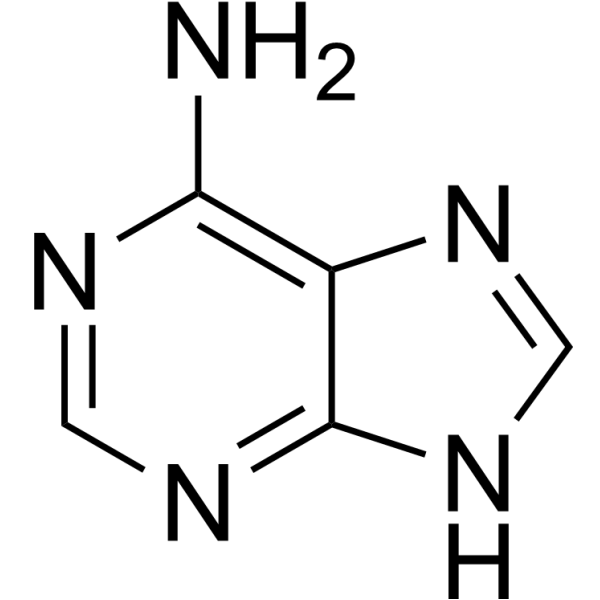
    Adenine
    20+ Cited Publications

    DNA/RNA Synthesis Endogenous Metabolite Infection Cancer
    Adenine (6-Aminopurine), a purine, is one of the four nucleobases in the nucleic acid of DNA. Adenine acts as a chemical component of DNA and RNA. Adenine also plays an important role in biochemistry involved in cellular respiration, the form of both ATP and the cofactors (NAD and FAD), and protein synthesis .
    Adenine
  • HY-15424
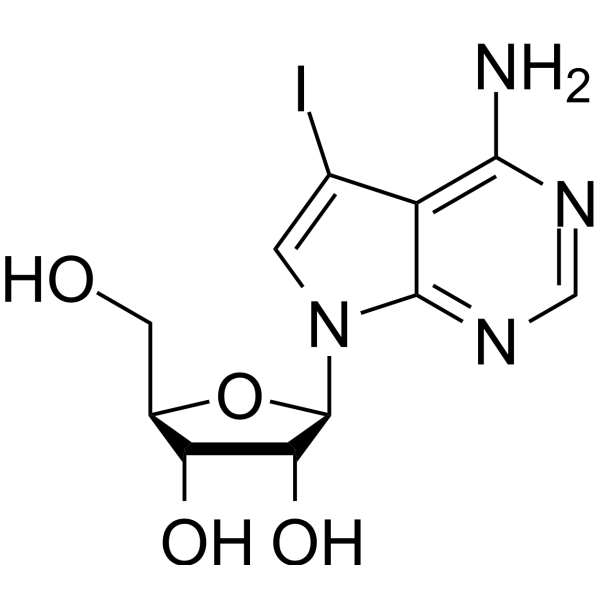
    5-Iodotubercidin
    10+ Cited Publications

    NSC 113939; 5-ITu

    Adenosine Kinase Cancer
    5-Iodotubercidin (NSC 113939), an ATP mimetic, is a potent adenosine kinase inhibitor with an IC50 of 26 nM. 5-Iodotubercidin (NSC 113939) initiates glycogen synthesis in isolated hepatocytes by causing inactivation of phosphorylase and activation of glycogen synthase. 5-Iodotubercidin (NSC 113939) also inhibits CK1, insulin receptor tyrosine kinase, phosphorylase kinase, PKA, CK2, PKC and Haspin .
    5-Iodotubercidin
  • HY-N2306
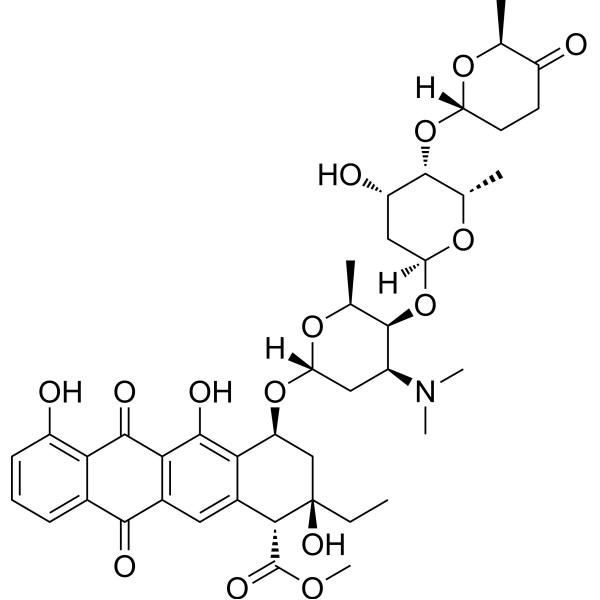
    Aclacinomycin A
    5 Publications Verification

    Aclarubicin

    Topoisomerase DNA/RNA Synthesis Proteasome Antibiotic Cancer
    Aclacinomycin A (Aclarubicin) is an orally active and potent anthracycline antitumor antibiotic. Aclacinomycin A is an inhibitor of topoisomerase I and II. Aclacinomycin A inhibits synthesis of nucleic acid, especially RNA. Aclacinomycin A might inhibit the 26S protease complex as well as the ubiquitin-ATP-dependent proteolysis .
    Aclacinomycin A
  • HY-101981
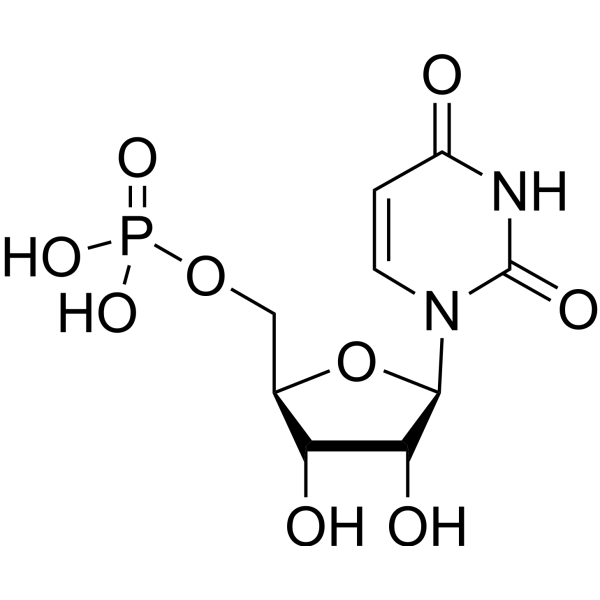
    Uridine 5'-monophosphate
    2 Publications Verification

    5'-​Uridylic acid

    Endogenous Metabolite Cholinesterase (ChE) Potassium Channel Apoptosis Cardiovascular Disease Metabolic Disease
    Uridine 5'-monophosphate (5'-Uridylic acid) is an orally active mitochondrial ATP-dependent potassium channel activator that has a protective effect on the heart. Uridine 5'-monophosphate can promote the synthesis of CDP-choline and induce apoptosis in intestinal epithelial cells, which is beneficial for gut development and reduces diarrhea .
    Uridine 5'-monophosphate
  • HY-B0152B
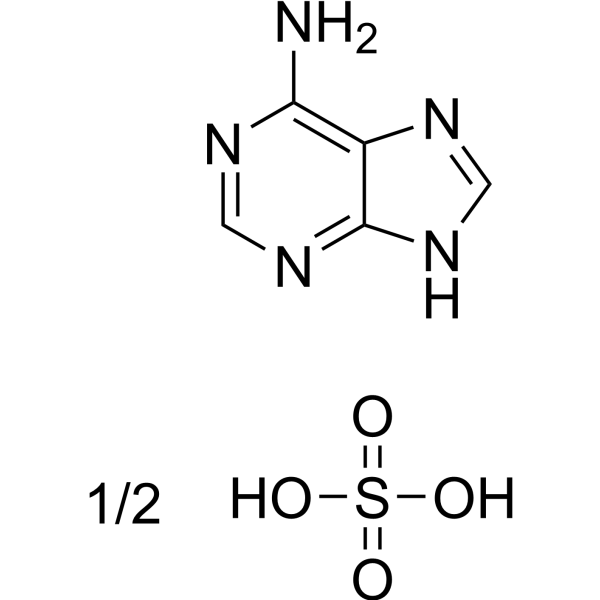
    Adenine hemisulfate
    Maximum Cited Publications
    22 Publications Verification

    6-Aminopurine hemisulfate; Vitamin B4 hemisulfate

    DNA/RNA Synthesis Endogenous Metabolite Cancer
    Adenine hemisulfate (6-Aminopurine hemisulfate), a purine, is one of the four nucleobases in the nucleic acid of DNA. Adenine hemisulfate acts as a chemical component of DNA and RNA. Adenine hemisulfate also plays an important role in biochemistry involved in cellular respiration, the form of both ATP and the cofactors (NAD and FAD), and protein synthesis .
    Adenine hemisulfate
  • HY-B0152S1
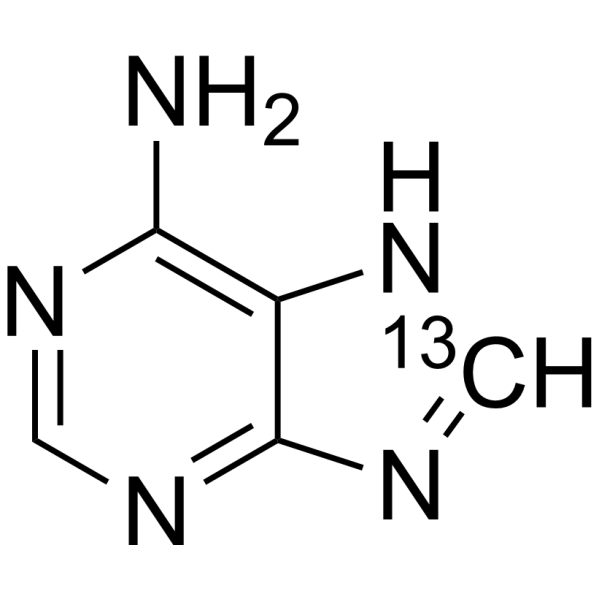
    Adenine-13C
    2 Publications Verification

    Adenine-8-C13; 9H-Purin-6-amine-8-13C

    DNA/RNA Synthesis Endogenous Metabolite Cancer
    Adenine- 13C is the 13C labeled Adenine . Adenine (6-Aminopurine), a purine, is one of the four nucleobases in the nucleic acid of DNA. Adenine acts as a chemical component of DNA and RNA. Adenine also plays an important role in biochemistry involved in cellular respiration, the form of both ATP and the cofactors (NAD and FAD), and protein synthesis .
    Adenine-13C
  • HY-111536
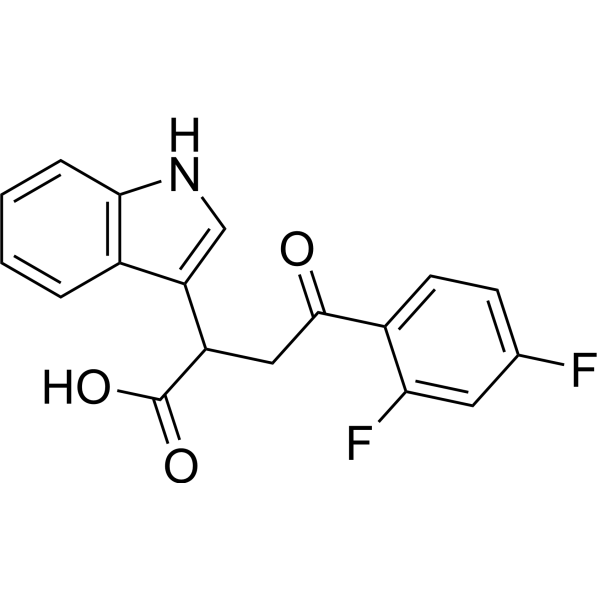
    Mitochonic acid 5
    5 Publications Verification

    MA-5

    Oxidative Phosphorylation Mitochondrial Metabolism Cardiovascular Disease
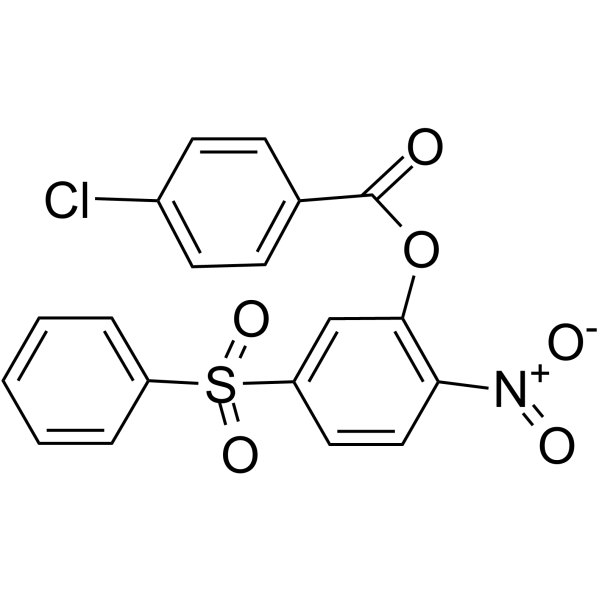
    Mitochonic acid 5 binds mitochondria and ameliorates renal tubular and cardiac myocyte damage. Mitochonic acid 5 modulates mitochondrial ATP synthesis.
    Mitochonic acid 5
  • HY-W013175
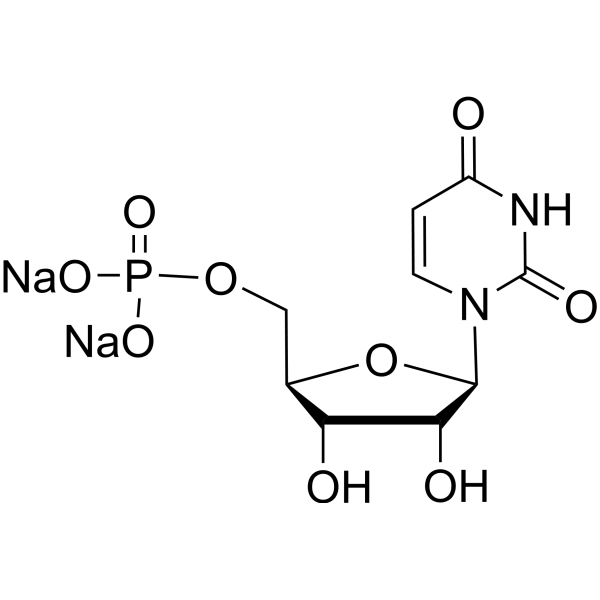
    Uridine 5'-monophosphate disodium salt
    2 Publications Verification

    5'-​Uridylic acid disodium salt

    Endogenous Metabolite Cholinesterase (ChE) Potassium Channel Apoptosis Cardiovascular Disease Metabolic Disease
    Uridine 5'-monophosphate (5'-Uridylic acid) disodium salt is an orally active mitochondrial ATP-dependent potassium channel activator that has a protective effect on the heart. Uridine 5'-monophosphate disodium salt can promote the synthesis of CDP-choline and induce apoptosis in intestinal epithelial cells, which is beneficial for gut development and reduces diarrhea .
    Uridine 5'-monophosphate disodium salt
  • HY-125209

    DNA/RNA Synthesis Cancer
    TH5427 is a promising, targeted inhibitor that can be used to further study NUDT5 activity and ADP-ribose metabolism. TH5427, blocks progestin-dependent, PAR-derived nuclear ATP synthesis and subsequent chromatin remodeling, gene regulation and proliferation in breast cancer cells. NUDT5 is recently identified as a rheostat of hormone-dependent gene regulation and proliferation in breast cancer cells .
    TH5427
  • HY-15877
    BTB06584
    2 Publications Verification

    ATP Synthase Cancer
    BTB06584 is a selective and IF1-dependent mitochondrial F1Fo-ATPase inhibitor without compromising ATP synthesis. BTB06584 can delays ischaemic cell death .
    BTB06584
  • HY-W008915

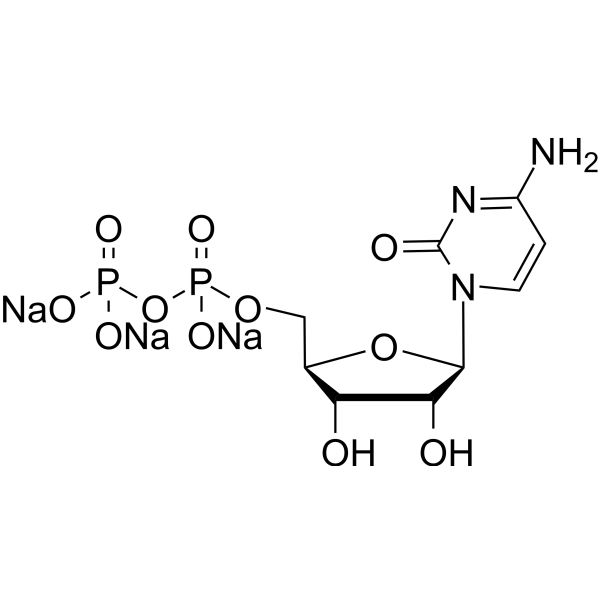
    CDP

    DNA/RNA Synthesis Metabolic Disease
    Cytidine 5'-diphosphate trisodium salt (CDP) is produced by the transfer of phosphoryl group from ATP to cytidine monophosphate (CMP) catalyzed by uridine monophosphate kinase (UMPK). Cytidine 5′-diphosphate can be used to produce Cytidine triphosphate (CTP) for synthesis of DNA and RNA .
    Cytidine 5'-diphosphate trisodium salt
  • HY-B0152A
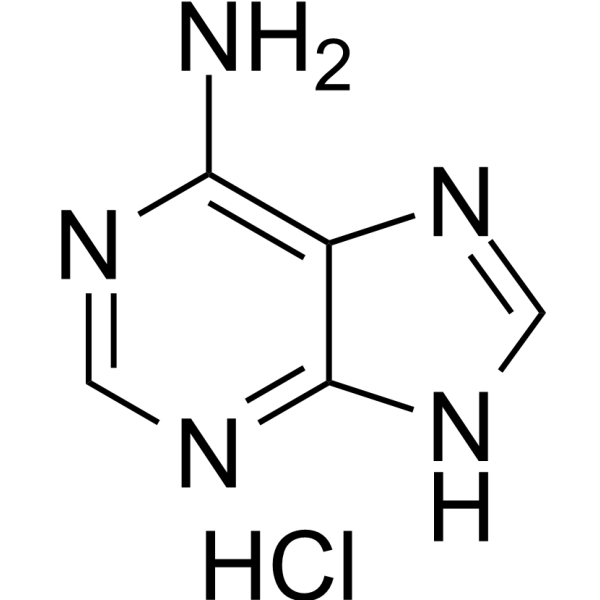
    Adenine hydrochloride
    Maximum Cited Publications
    22 Publications Verification

    6-Aminopurine hydrochloride; Vitamin B4 hydrochloride

    DNA/RNA Synthesis Endogenous Metabolite Cancer
    Adenine hydrochloride (6-Aminopurine hydrochloride), a purine, is one of the four nucleobases in the nucleic acid of DNA. Adenine hydrochloride acts as a chemical component of DNA and RNA. Adenine hydrochloride also plays an important role in biochemistry involved in cellular respiration, the form of both ATP and the cofactors (NAD and FAD), and protein synthesis .
    Adenine hydrochloride
  • HY-P3003

    Potassium Channel Apoptosis Autophagy Reactive Oxygen Species (ROS) Mitochondrial Metabolism Infection Neurological Disease Metabolic Disease Inflammation/Immunology
    Cereulide is an orally active, blood-brain barrier-permeable emetic toxin. Cereulide acts as a potassium ionophore that inserts into membranes, forms complexes with K +, and transports K + from the cytoplasm into the mitochondrial matrix. Cereulide disrupts the electrochemical gradient of the inner mitochondrial membrane, leading to mitochondrial swelling and dysfunction, uncoupling of oxidative phosphorylation, inhibition of ATP synthesis, ROS accumulation, and ultimately triggering apoptosis and autophagy. Cereulide exhibits multi-organ toxicity and can be used for research on emetic food poisoning .
    Cereulide
  • HY-W048491

    DNA/RNA Synthesis Drug Derivative Others
    2′-O-(2-Methoxyethyl)adenosine is an ATP (HY-B2176) derivative. 2′-O-(2-Methoxyethyl)adenosine can be used for oligonucleotide synthesis .
    2′-O-(2-Methoxyethyl)adenosine
  • HY-N2306A

    Aclarubicin hydrochloride

    Topoisomerase DNA/RNA Synthesis Proteasome Antibiotic Cancer
    Aclacinomycin A (Aclarubicin) hydrochloride is an orally active and potent anthracycline antitumor antibiotic. Aclacinomycin A hydrochloride is an inhibitor of topoisomerase I and II. Aclacinomycin A hydrochloride inhibits synthesis of nucleic acid, especially RNA. Aclacinomycin A hydrochloride might inhibit the 26S protease complex as well as the ubiquitin-ATP-dependent proteolysis .
    Aclacinomycin A hydrochloride
  • HY-N7347

    Garcinia lactone

    ATP Citrate Lyase Metabolic Disease
    (-)-Hydroxycitric acid lactone (Garcinia lactone) is an anti-obesity agent and a popular weight loss food supplement. (-)-Hydroxycitric acid lactone is a potent inhibitor of ATP-citrate lyase. (-)-Hydroxycitric acid lactone catalyzes the extramitochondrial cleavage of citrate to oxaloacetate and acetyl-CoA, limits the availability of acetyl-CoA units required for fatty acid synthesis .
    (-)-Hydroxycitric acid lactone
  • HY-131576A

    dTDP sodium

    Endogenous Metabolite Metabolic Disease
    Thymidine 5′-diphosphate (dTDP) sodium is the key product of pyrimidine synthesis in organisms. Thymidine 5′-diphosphate sodium is produced by thymidylate kinase (TMPK) catalyzed phosphorylation of 5′-thymidine monophosphate (dTMP), which requires ATP and Mg 2+. Thymidine 5′-diphosphate sodium is further catalyzed by TMPK to thymidine 5′-triphosphate (dTTP). TMPK activity can be detected by measuring the level of Thymidine 5′-diphosphate .
    Thymidine 5′-diphosphate sodium
  • HY-136394
    Diafenthiuron
    2 Publications Verification

    Environmental Pollutants Mitochondrial Metabolism Oxidative Phosphorylation Parasite Others
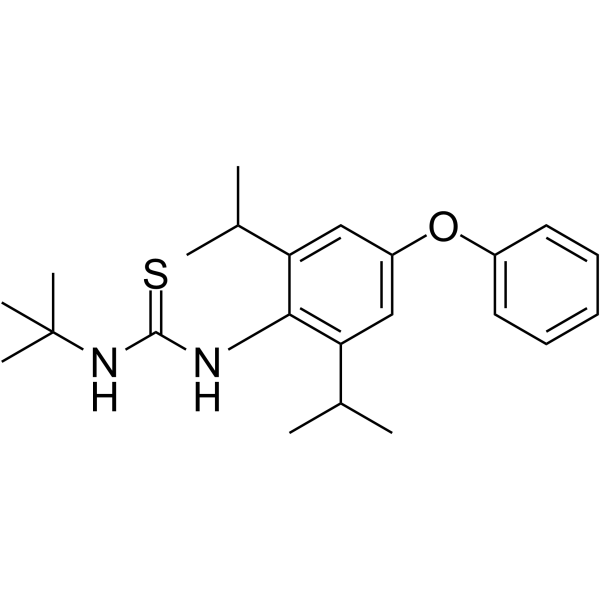
    Diafenthiuron is a thiourea compound commonly used a broad-spectrum insecticide and acaricide. Diafenthiuron disturbs the insect respiratory system by inhibiting the oxidative phosphorylation and mitochondrial ATP synthesis .
    Diafenthiuron
  • HY-136650A
    Fludarabine triphosphate trisodium
    1 Publications Verification

    F-ara-ATP trisodium

    Nucleoside Antimetabolite/Analog Drug Metabolite DNA/RNA Synthesis Apoptosis Cancer
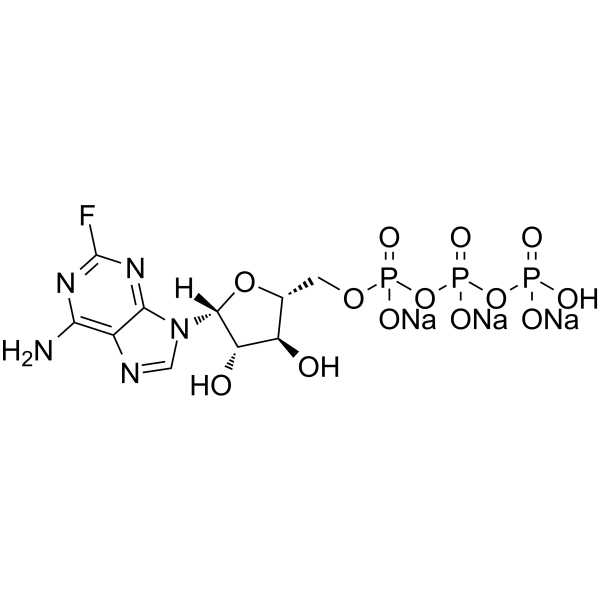
    Fludarabine triphosphate (F-ara-ATP) trisodium, the active metabolite of Fludarabine (HY-B0069), is a potent, noncompetitive and specific inhibitor of DNA primase, with an IC50 of 2.3 μM and a Ki of 6.1 μM. Fludarabine triphosphate trisodium inhibits DNA synthesis by blocking DNA primase and primer RNA formation. Fludarabine triphosphate trisodium inhibits ribonucleotide reductase and DNA polymerase and ultimately leads to cellular apoptosis .
    Fludarabine triphosphate trisodium
  • HY-W012985

    ATP Synthase Apoptosis Metabolic Disease Cancer
    Methyl pyruvate is a methyl ester derivative of pyruvic acid. Methyl pyruvate induces insulin release and membrane depolarization. Methyl pyruvate rescues proteasome damage and nuclear localization of TdP-43 caused by overexpression of σ1RE102Q by enhancing ATP synthesis. Methyl pyruvate selectively protects normal lung fibroblasts from cell death induced by Irinotecan (HY-16562). Methyl pyruvate promotes apoptosis and necrosis in cancer cells and downregulates angiogenesis and cell cycle pathways. Methyl pyruvate is an effective substrate for dihydrodihydrogen dehydrogenase.
    Methyl pyruvate
  • HY-Y0716

    Environmental Pollutants Biochemical Assay Reagents Metabolic Disease
    3-t-Butylphenol is a mitochondrial uncoupler. 3-t-Butylphenol disrupts the proton gradient, inhibits ATP synthesis and induces cytotoxicity .
    3-t-Butylphenol
  • HY-158664

    Biochemical Assay Reagents DNA/RNA Synthesis Others
    2-Amino-ATP sodium solution (100 mM) is a labeled modified deoxyoligonucleotide (dNTP) that can release pyrophosphate to produce fluorescence and has special applications in gene synthesis and sequencing .
    2-Amino-ATP sodium solution (100 mM)
  • HY-B0152S

    6-Aminopurine-d1; Vitamin B4-d1

    DNA/RNA Synthesis Endogenous Metabolite Cancer
    Adenine-d is the deuterium labeled Adenine. Adenine (6-Aminopurine), a purine, is one of the four nucleobases in the nucleic acid of DNA. Adenine acts as a chemical component of DNA and RNA. Adenine also plays an important role in biochemistry involved in cellular respiration, the form of both ATP and the cofactors (NAD and FAD), and protein synthesis .
    Adenine-d1
  • HY-B0152R

    Reference Standards DNA/RNA Synthesis Endogenous Metabolite Cancer
    Adenine (Standard) is the analytical standard of Adenine. This product is intended for research and analytical applications. Adenine (6-Aminopurine), a purine, is one of the four nucleobases in the nucleic acid of DNA. Adenine acts as a chemical component of DNA and RNA. Adenine also plays an important role in biochemistry involved in cellular respiration, the form of both ATP and the cofactors (NAD and FAD), and protein synthesis .
    Adenine (Standard)
  • HY-131576

    dTDP

    Endogenous Metabolite Metabolic Disease
    Thymidine 5′-diphosphate (dTDP) is a key product for pyrimidine synthesis in organisms. Thymidine 5′-diphosphate is generated via the phosphorylation of thymidine 5'-monophosphate (dTMP) catalyzed by thymidylate kinase (TMPK), a process requiring ATP and Mg 2+. Thymidine 5′-diphosphate is further catalyzed by TMPK into thymidine 5'-triphosphate (dTTP). Detection of Thymidine 5′-diphosphate levels enables the assessment of TMPK activity .
    Thymidine 5′-diphosphate
  • HY-101981R

    5'-​Uridylic acid (Standard)

    Reference Standards Endogenous Metabolite Cardiovascular Disease Metabolic Disease
    Uridine 5'-monophosphate (Standard) is the analytical standard of Uridine 5'-monophosphate. This product is intended for research and analytical applications. Uridine 5'-monophosphate (5'-Uridylic acid) is an orally active mitochondrial ATP-dependent potassium channel activator that has a protective effect on the heart. Uridine 5'-monophosphate can promote the synthesis of CDP-choline and induce apoptosis in intestinal epithelial cells, which is beneficial for gut development and reduces diarrhea.
    Uridine 5'-monophosphate (Standard)
  • HY-B0152S4

    6-Aminopurine-15N5; Vitamin B4-15N5

    Isotope-Labeled Compounds DNA/RNA Synthesis Endogenous Metabolite Cancer
    Adenine- 15N5 (6-Aminopurine- 15N5; Vitamin B4- 15N5) is 15N labeled Adenine (HY-B0152). Adenine (6-Aminopurine), a purine, is one of the four nucleobases in the nucleic acid of DNA. Adenine acts as a chemical component of DNA and RNA. Adenine also plays an important role in biochemistry involved in cellular respiration, the form of both ATP and the cofactors (NAD and FAD), and protein synthesis.
    Adenine-15N5
  • HY-P3003S

    Isotope-Labeled Compounds Apoptosis Potassium Channel Mitochondrial Metabolism Autophagy Reactive Oxygen Species (ROS) Infection Neurological Disease Metabolic Disease Inflammation/Immunology
    Cereulide- 13C6 is a deuterated form of Cereulide. Cereulide is an orally active, blood-brain barrier-permeable emetic toxin. Cereulide acts as a potassium ionophore that inserts into membranes, forms complexes with K +, and transports K + from the cytoplasm into the mitochondrial matrix. Cereulide disrupts the electrochemical gradient of the inner mitochondrial membrane, leading to mitochondrial swelling and dysfunction, uncoupling of oxidative phosphorylation, inhibition of ATP synthesis, ROS accumulation, and ultimately triggering apoptosis and autophagy. Cereulide exhibits multi-organ toxicity and can be used for research on emetic food poisoning.
    Cereulide-13C6
  • HY-W013175S2

    5'-​Uridylic acid-13C9,15N2 disodium

    Isotope-Labeled Compounds Endogenous Metabolite Cholinesterase (ChE) Potassium Channel Apoptosis Cardiovascular Disease Metabolic Disease
    Uridine 5'-monophosphate- 13C9, 15N2 disodium is the 13C and 15N labeled Uridine 5'-monophosphate disodium salt (HY-W013175). Uridine 5'-monophosphate (5'-Uridylic acid) disodium salt is an orally active mitochondrial ATP-dependent potassium channel activator that has a protective effect on the heart. Uridine 5'-monophosphate disodium salt can promote the synthesis of CDP-choline and induce apoptosis in intestinal epithelial cells, which is beneficial for gut development and reduces diarrhea .
    Uridine 5'-monophosphate-13C9,15N2 disodium
  • HY-N11913

    Biochemical Assay Reagents Others
    Siderin is a selective Photosystem II (PSII) inhibitor. Siderin inhibits ATP synthesis by blocking electron transport at the donor and acceptor sides of PSII Siderin can be used in the study of plant photosynthesis .
    Siderin
  • HY-125209A

    Apoptosis PARP DNA/RNA Synthesis Cancer
    TH5427 hydrochloride is a NUDT5 inhibitor with a human target IC50 of 29 nM, ~690-fold selectivity over MTH1 in vitro, and selective functional inhibition over other NUDIX hydrolases including NUDT9 .TH5427 hydrochloride binds to the active site of NUDT5, blocking enzymatic activity related to ADP-ribose metabolism and PAR-derived ATP synthesis .TH5427 hydrochloride blocks progestin-dependent nuclear ATP synthesis, impairs progestin-induced chromatin remodeling, inhibits histone H1 displacement, disrupts progestin-dependent gene regulation, and abrogates progestin-dependent proliferation in breast cancer cells .TH5427 hydrochloride functions as a versatile probe to study nuclear ATP dynamics and ADP-ribose-related metabolism in cells .TH5427 hydrochloride engages NUDT5 at physiological temperatures, as demonstrated by Drug Affinity Responsive Target Stability (DARTS) assay .TH5427 hydrochloride stabilizes NUDT5 against thermal denaturation in cell lysates and intact cells, as shown by cellular thermal shift assay (CETSA) .TH5427 hydrochloride functionally inhibits NUDT5 activity, leading to downstream effects on oxidative DNA damage and DNA replication in triple-negative breast cancer (TNBC) cells .TH5427 hydrochloride suppresses proliferation of TNBC cells without inducing cell death or apoptosis, slows DNA replication in TNBC cells, promotes accumulation of oxidative DNA lesions, and triggers DNA damage response in TNBC cells .TH5427 hydrochloride suppresses growth of TNBC cells in vitro, inhibits growth of TNBC xenograft tumors in nude mice in vivo, and shows greater potency against TNBC cell lines compared to ER-positive and normal-like breast cell lines .TH5427 hydrochloride can be used for the research of breast cancer and triple-negative breast cancer .
    TH5427 hydrochloride
  • HY-131800

    ATP Synthase Metabolic Disease
    3'-NH2-ATP, an ATP analogue, is a potent and competitive inhibitor of ATP, with a Ki of 2.3 μM. 3'-NH2-ATP can be used to synthesis of 3′-Amino-3′-deoxy transfer RNA by incorporation into the 3' terminus of tRNA-C-C .
    3'-NH2-ATP
  • HY-E70410

    NAD+ Synthetase; Nicotinamide adenine dinucleotide synthetase

    Endogenous Metabolite Neurological Disease Metabolic Disease Cancer
    NAD synthetase is responsible for the final step in the synthesis of nicotinamide adenine dinucleotide (NAD). The Km values for NAD, ATP, and ammonia of NAD synthetase from Escherichia coli are 200 μM, 11 μM, and 0.65 μM, respectively, while the Km values for NAD, ATP, and ammonia of NAD synthetase from yeast are 170 μM, 190 μM, and 64 μM, respectively. NAD synthetase can be used for enzymatic assays to determine ATP, ammonia, urea, or creatinine, and is also suitable for enzymatic cycling methods. Additionally, NAD synthetase holds potential for research into metabolic diseases, cancer, aging, and neurodegenerative diseases .
    NAD Synthetase
  • HY-W015213
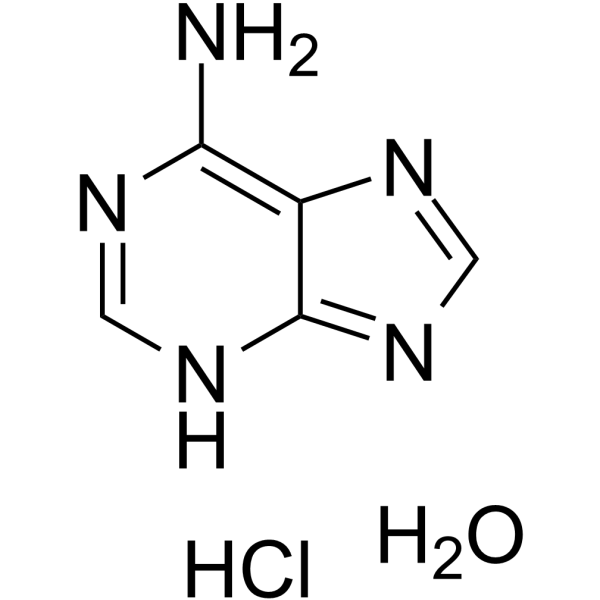
    Adenine monohydrochloride hemihydrate
    Maximum Cited Publications
    22 Publications Verification

    Endogenous Metabolite DNA/RNA Synthesis Metabolic Disease
    Adenine monohydrochloride hemihydrate is a hydrochloride derivative of Adenine. Adenine (6-Aminopurine), a purine, is one of the four nucleobases in the nucleic acid of DNA. Adenine acts as a chemical component of DNA and RNA. Adenine also plays an important role in biochemistry involved in cellular respiration, the form of both ATP and the cofactors (NAD and FAD), and protein synthesis .
    Adenine monohydrochloride hemihydrate
  • HY-N2306R

    Aclarubicin (Standard)

    Reference Standards Topoisomerase DNA/RNA Synthesis Proteasome Antibiotic Cancer
    Aclacinomycin A (Standard) is the analytical standard of Aclacinomycin A. This product is intended for research and analytical applications. Aclacinomycin A (Aclarubicin) is an orally active and potent anthracycline antitumor antibiotic. Aclacinomycin A is an inhibitor of topoisomerase I and II. Aclacinomycin A inhibits synthesis of nucleic acid, especially RNA. Aclacinomycin A might inhibit the 26S protease complex as well as the ubiquitin-ATP-dependent proteolysis .
    Aclacinomycin A (Standard)
  • HY-W008915R

    CDP (Standard)

    Reference Standards DNA/RNA Synthesis Metabolic Disease
    Cytidine 5'-diphosphate (trisodium salt) (Standard) is the analytical standard of Cytidine 5'-diphosphate (trisodium salt). This product is intended for research and analytical applications. Cytidine 5'-diphosphate trisodium salt (CDP) is produced by the transfer of phosphoryl group from ATP to cytidine monophosphate (CMP) catalyzed by uridine monophosphate kinase (UMPK). Cytidine 5′-diphosphate can be used to produce Cytidine triphosphate (CTP) for synthesis of DNA and RNA[1][2].
    Cytidine 5'-diphosphate trisodium salt (Standard)
  • HY-B0152S3

    6-Aminopurine-13C5; Vitamin B4-13C5

    Isotope-Labeled Compounds DNA/RNA Synthesis Endogenous Metabolite Cancer
    Adenine- 13C5 (6-Aminopurine- 13C5; Vitamin B4- 13C5) is 13C-labeled Adenine (HY-B0152). Adenine (6-Aminopurine), a purine, is one of the four nucleobases in the nucleic acid of DNA. Adenine acts as a chemical component of DNA and RNA. Adenine also plays an important role in biochemistry involved in cellular respiration, the form of both ATP and the cofactors (NAD and FAD), and protein synthesis.
    Adenine-13C5
  • HY-170027

    HIF/HIF Prolyl-Hydroxylase AMPK Cancer
    LW1564 is an inhibitor for HIF-1α with an IC50 of 1.2 µM in HepG2. LW1564 inhibits mitochondrial respiration, reduces ATP production, stimulates HIF-1α degradation, and inhibits proliferation of various cancer cells with GI50 of 0.4-4.6 μM. LW1564 activates AMPK signaling pathway and inhibits lipid synthesis. LW1564 exhibits antitumor in HepG2 xenograft mouse model .
    LW1564
  • HY-15424R

    NSC 113939 (Standard); 5-ITu (Standard)

    Adenosine Kinase Reference Standards Cancer
    5-Iodotubercidin (Standard) is the analytical standard of 5-Iodotubercidin. This product is intended for research and analytical applications. 5-Iodotubercidin (NSC 113939), an ATP mimetic, is a potent adenosine kinase inhibitor with an IC50 of 26 nM. 5-Iodotubercidin (NSC 113939) initiates glycogen synthesis in isolated hepatocytes by causing inactivation of phosphorylase and activation of glycogen synthase. 5-Iodotubercidin (NSC 113939) also inhibits CK1, insulin receptor tyrosine kinase, phosphorylase kinase, PKA, CK2, PKC and Haspin .
    5-Iodotubercidin (Standard)
  • HY-131800A

    Nucleoside Antimetabolite/Analog Others
    3'-NH2-ATP tetrasodium is an ATP substitute created by inserting an amino acid at the C3 position of ATP. 3'-NH2-ATP tetrasodium catalyzes RNA synthesis in the presence of RNA polymerase .
    3'-NH2-ATP tetrasodium, 100 mM Solution
  • HY-125927
    8-Aminoadenosine
    1 Publications Verification

    8-NH2-Ado

    DNA/RNA Synthesis Akt mTOR Autophagy Apoptosis Cancer
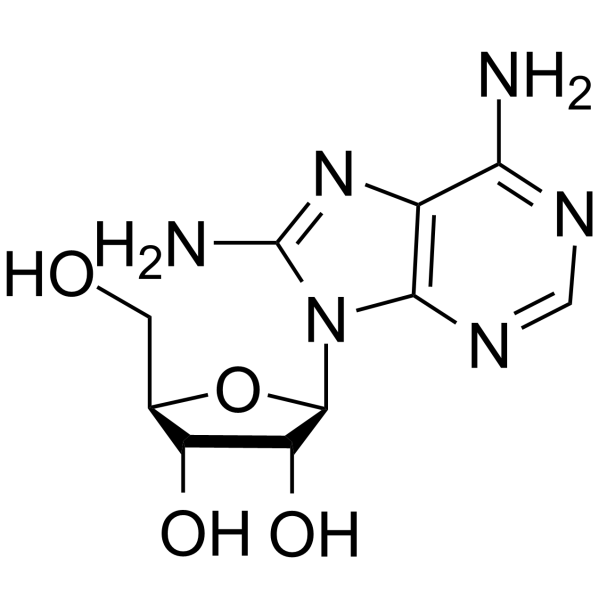
    8-Aminoadenosine (8-NH2-Ado), a RNA-directed nucleoside analogue, reduces cellular ATP levels and inhibits mRNA synthesis. 8-Aminoadenosine blocks Akt/mTOR signaling and induces autophagy and apoptosis in a p53-independent manner. 8-Aminoadenosine has antitumor activity .
    8-Aminoadenosine
  • HY-136650

    F-ara-ATP

    Nucleoside Antimetabolite/Analog Drug Metabolite DNA/RNA Synthesis Apoptosis Cancer
    Fludarabine triphosphate (F-ara-ATP), the active metabolite of Fludarabine (HY-B0069), is a potent, noncompetitive and specific inhibitor of DNA primase, with an IC50 of 2.3 μM and a Ki of 6.1 μM. Fludarabine triphosphate inhibits DNA synthesis by blocking DNA primase and primer RNA formation. Fludarabine triphosphate inhibits ribonucleotide reductase and DNA polymerase and ultimately leads to cellular apoptosis .
    Fludarabine triphosphate
  • HY-B0152S7

    6-Aminopurine-15N5 hydrochloride hydrate; Vitamin B4-15N5 hydrochloride hydrate

    Isotope-Labeled Compounds DNA/RNA Synthesis Cancer
    Adenine- 15N5 (6-Aminopurine- 15N5) hydrochloride hydrate is the 15N-labeled Adenine (HY-B0152). Adenine (6-Aminopurine), a purine, is one of the four nucleobases in the nucleic acid of DNA. Adenine acts as a chemical component of DNA and RNA. Adenine also plays an important role in biochemistry involved in cellular respiration, the form of both ATP and the cofactors (NAD and FAD), and protein synthesis .
    Adenine-15N5 hydrochloride hydrate
  • HY-101981S

    5'-Uridylic acid-15N2

    Endogenous Metabolite Isotope-Labeled Compounds Cholinesterase (ChE) Potassium Channel Apoptosis Cardiovascular Disease Metabolic Disease
    Uridine 5'-monophosphate- 15N2 (5'-​Uridylic acid- 15N2) is the 15N labeled Uridine 5'-monophosphate (HY-101981). Uridine 5'-monophosphate (5'-Uridylic acid) is an orally active mitochondrial ATP-dependent potassium channel activator that has a protective effect on the heart. Uridine 5'-monophosphate can promote the synthesis of CDP-choline and induce apoptosis in intestinal epithelial cells, which is beneficial for gut development and reduces diarrhea .
    Uridine 5'-monophosphate-15N2
  • HY-157045

    ATP Synthase Infection
    ATP Synthesis-IN-1 (Compound 4), quinoline derivative, is a potent inhibitor of PA ATP synthesis activity. ATP Synthesis-IN-1 has PA ATP synthesis inhibition with IC50 value of 11.1μg/mL. ATP Synthesis-IN-1 also has antibacterial activity. ATP Synthesis-IN-1 can be used for the research of drug-resistant PA infection .
    ATP Synthesis-IN-1
  • HY-148973

    ATP Synthase Metabolic Disease
    ZW290 is a compound to activate brown adipose tissue (BAT) thermogenic function. ZW290 increases the expression of uncoupling Protein 1 (UCP1) protein and inhibits ATP synthesis in BAT .
    ZW290
  • HY-157046

    Bacterial ATP Synthase Infection
    ATP Synthesis-IN-2 (Compound 5) is an antibacterial compound. ATP Synthesis-IN-2 is a potent ATP synthesis activity inhibitor with IC50 against Pseudomonas aeruginosa (PA) Value of 0.7 μg/mL .
    ATP Synthesis-IN-2
  • HY-149736

    PKA ATP Synthase Cardiovascular Disease
    ATP Synthesis-IN-3 (compound 31) is an ATP hydrolysis inhibitor with protective effects during myocardial ischemia. ATP Synthesis-IN-3 can increase the ATP content of ischemic cardiomyocytes, increase the phosphorylation of PKA and phospholamban, and inhibit ischemia-induced apoptosis .
    ATP Synthesis-IN-3
  • HY-171532

    Nucleoside Antimetabolite/Analog Others
    LNA-ATP is a nucleotide analog that can be used in the synthesis of oligonucleotides .
    LNA-ATP
  • HY-174981

    PROTACs FGFR ATP Synthase Cancer
    LC-MF-4 is a selective FGFR3 PROTAC degrader with a DC50 of 30.89 nM in KMS-11 cells. LC-MF-4 inhibits the metabolic function of FGFR3-TACC3 fusion positive cancers with reduction of ATP synthesis and inhibition of mitochondrial biogenesis genes. LC-MF-4 has potent antitumor activity in the Ba/F3-FGFR3-TACC3 xenograft mice model. LC-MF-4 can be used for FGFR3-altered cancers like bladder cancer and urothelial carcinoma (UC) research . Pink: FGFR3 ligand (HY-175414); Blue: VHL ligase ligand (HY-125905); Black: linker (HY-Y1224)
    LC-MF-4

Inquiry Online

Your information is safe with us. * Required Fields.

Salutation


Country or Region *

Applicant Name *


Organization Name *

Department *


Email Address *


Product Name *

Cat. No.


Requested quantity *

Phone Number *


Remarks

Inquiry Online

Inquiry Information

Product Name:
Cat. No.:
Quantity:
MCE Japan Authorized Agent:

