
28 Results for "

Amygdala

" in MedChemExpress (MCE) Product Catalog:
Products (28)

28 Results for "Amygdala" in MCE Product Catalog:

69
69 Publications Verification
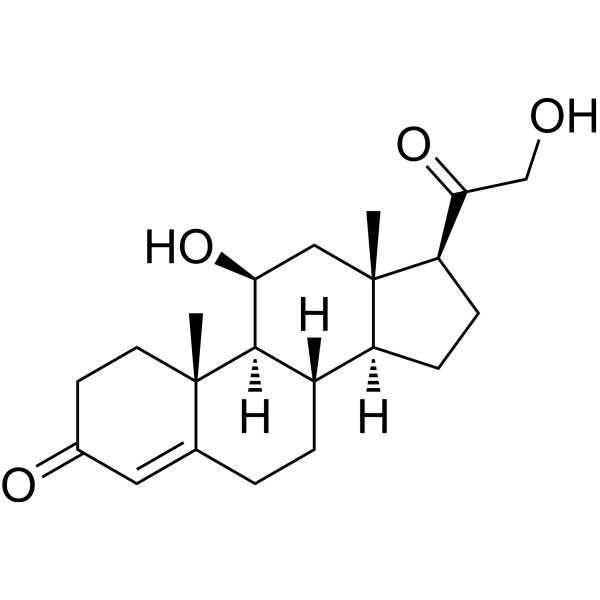
Cat. No.: HY-B1618
CAS No.: 50-22-6
Synonyms: 17-Deoxycortisol; 11β,21-Dihydroxyprogesterone; Kendall's compound B
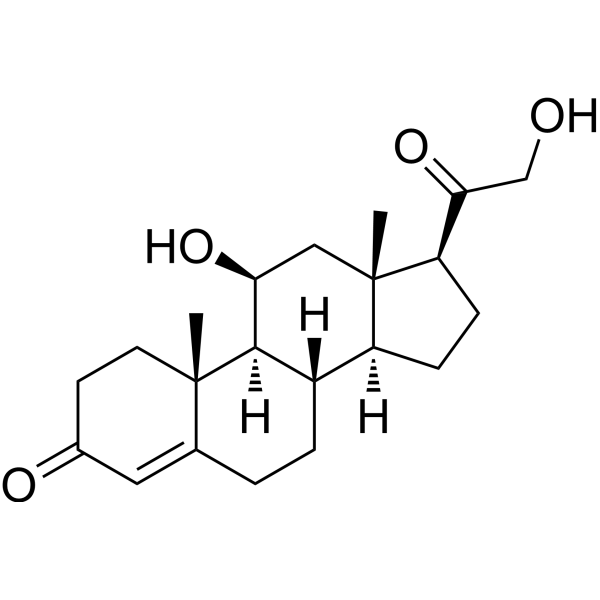
Corticosterone (17-Deoxycortisol) is an orally active and adrenal cortex-produced glucocorticoid, which plays an important role in regulating neuronal functions of the limbic system (including hippocampus, prefrontal cortex, and amygdala). Corticosterone increases the Rab-mediated AMPAR membrane traffic via SGK-induced phosphorylation of GDI. Corticosterone also interferes with the maturation of dendritic cells and shows a good immunosuppressive effect .
loading...
    loading...
22
22 Cited Publications
Cat. No.: HY-W010892
CAS No.: 6533-68-2
Synonyms: Hyoscine hydrobromide trihydrate
Scopolamine (Hyoscine) hydrobromide trihydrate is a high-affinity muscarinic antagonist that can cross the blood-brain barrier. Scopolamine hydrobromide trihydrate competitively antagonizes 5-HT3 receptors with an IC50 of 2.09 μM. Scopolamine hydrobromide trihydrate can induce cognitive and memory deficits in animals. Scopolamine hydrobromide trihydrate can be used in the research of preventing postoperative nausea and vomiting, motion sickness, nervous system diseases, etc .
loading...
    loading...
22
22 Cited Publications
Cat. No.: HY-B2065
CAS No.: 55-16-3
Synonyms: (-)-Scopolamine hydrochloride; Hyoscine hydrochloride
Scopolamine (Hyoscine) hydrochloride is a high-affinity muscarinic antagonist that can cross the blood-brain barrier. Scopolamine hydrochloride competitively antagonizes 5-HT3 receptors with an IC50 of 2.09 μM. Scopolamine hydrochloride can induce cognitive and memory deficits in animals. Scopolamine hydrochloride can be used in the research of preventing postoperative nausea and vomiting, motion sickness, nervous system diseases, etc .
loading...
    loading...
1
1 Cited Publications
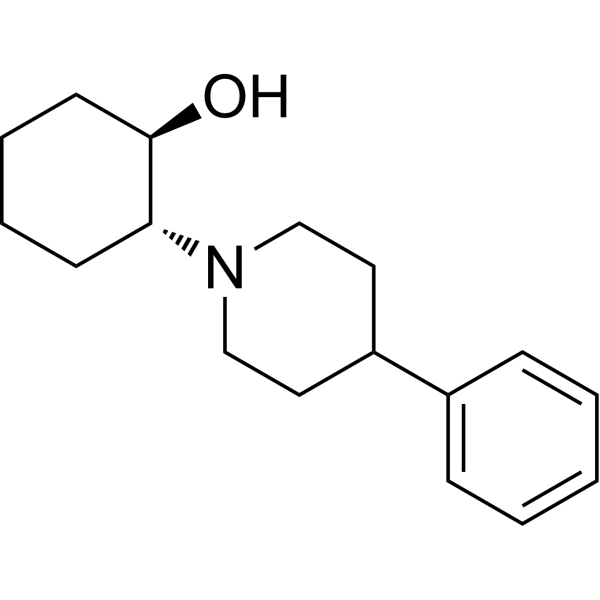
Cat. No.: HY-113995
CAS No.: 112709-59-8
Purity:  99.35%
Synonyms: (-)-AH5183
Target:  

mAChR

Research Areas:  

Neurological Disease

(-)-Vesamicol (AH5183) is a vesicular acetylcholine transporter inhibitor. (-)-Vesamicol reversibly and non-competitively inhibits the transport of acetylcholine into circulating synaptic vesicles and blocks the activity of vesicular acetylcholine transporters in medial amygdala neurons. (-)-Vesamicol is applicable to research related to central precocious puberty .
loading...
    loading...
1
1 Cited Publications
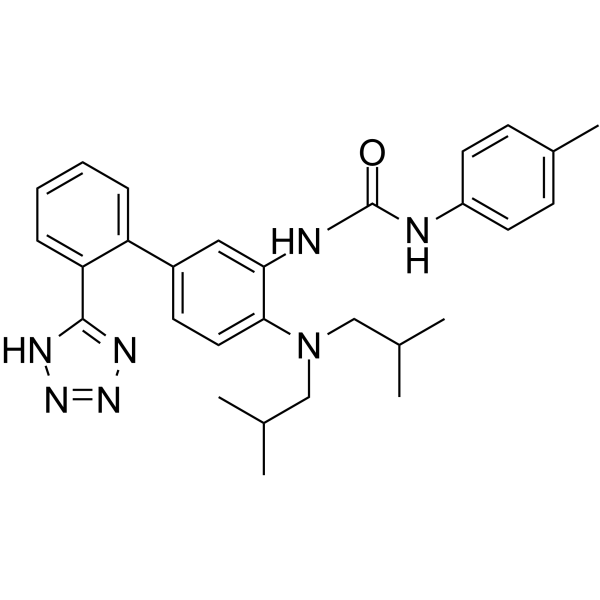
Cat. No.: HY-123789
CAS No.: 956507-49-6
Purity:  98.1%
Research Areas:  

Inflammation/Immunology

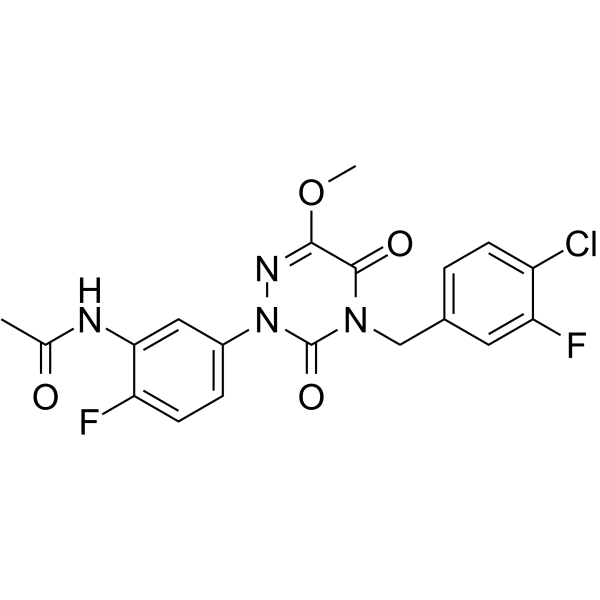
T-5342126 is a toll-like receptor 4 (TLR4) antagonist. It reduces LPS-induced production of nitric oxide (NO) in RAW 264.7 cells (IC50=27.8 μM), as well as decreases LPS-induced IL-8, TNF-α, and IL-6 production in isolated human whole blood (IC50s=110.5, 315.6, and 318.4 μM, respectively). T-5342126 (82 mg/kg) reduces ethanol intake and the abundance of ionized calcium-binding adapter molecule 1 (Iba1), a marker of microglial activation, in the central nucleus of the amygdala in ethanol-dependent mice.
loading...
    loading...
Cat. No.: HY-100771
CAS No.: 1668565-74-9
Purity:  99.08%
PCC0208009 is a potent IDO inhibitor with an IC50 value of 4.52 nM in HeLa cell. PCC0208009 alleviates neuropathic pain and comorbidities by regulating synaptic plasticity of anterior cingulate cortex (ACC) and amygdala .
loading...
    loading...
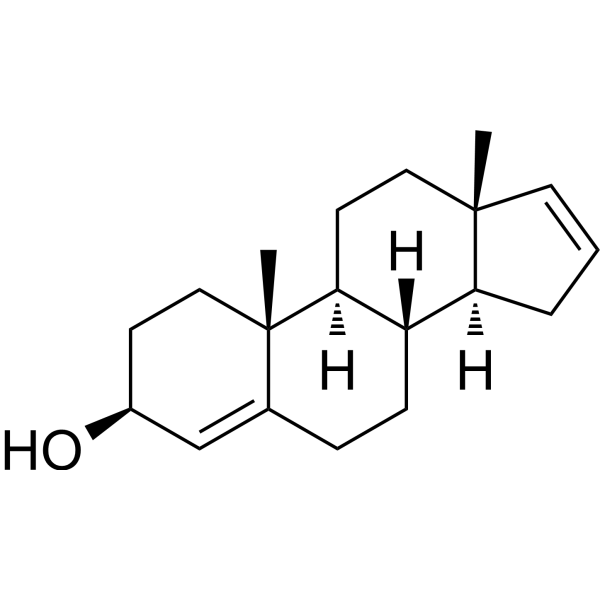
Cat. No.: HY-145567
CAS No.: 23062-06-8
Purity:  99.81%
Synonyms: PH94B
Target:  

Calcium Channel

Research Areas:  

Neurological Disease

Fasedienol (PH94B) is a neurochemical stimulator of the vomeronasal organ (VON). Fasedienol significantly increases Ca ++. Fasedienol modulates the olfactory amygdala circuitry of fear and anxiety to alleviate symptoms of PMS and anxiety .
loading...
    loading...
Cat. No.: HY-B1618R
CAS No.: 50-22-6
Synonyms: 17-Deoxycortisol(Standard); 11β,21-Dihydroxyprogesterone(Standard); Kendall's compound B (Standard)
Corticosterone (Standard) is the analytical standard of Corticosterone. This product is intended for research and analytical applications. Corticosterone (17-Deoxycortisol) is an orally active and adrenal cortex-produced glucocorticoid, which plays an important role in regulating neuronal functions of the limbic system (including hippocampus, prefrontal cortex, and amygdala). Corticosterone increases the Rab-mediated AMPAR membrane traffic via SGK-induced phosphorylation of GDI. Corticosterone also interferes with the maturation of dendritic cells and shows a good immunosuppressive effect .
loading...
    loading...
Cat. No.: HY-P1858A
Urocortin III, mouse TFA is a corticotropin-releasing factor (CRF)-related peptide. Urocortin III preferentially binds and activates CRF-R2 . Urocortin III (Ucn3) is a known component of the behavioral stress response system. Urocortin III and CRF-R2 in the medial amygdala regulate complex social dynamics .
loading...
    loading...
Cat. No.: HY-118301
CAS No.: 1207440-88-7
Research Areas:  

Neurological Disease

ADX71441 is an orally active, blood-brain barrier penetrant positive allosteric modulator of GABAB receptor. ADX71441 potentiates the activity of endogenous GABA at GABAB receptor, with an EC50 of 96 nM. ADX71441 functionally inhibits adenosine transporters and 5-HT2B receptor. ADX71441 produces anxiolytic-like, analgesic, muscle relaxant, hypothermic and overactive bladder inhibitory effects, reduces acute locomotor activity levels, decreases voluntary intake of alcohol and saccharin, attenuates stress-induced neuronal activation, and exhibits anti-hyperalgesic activity .
loading...
    loading...
Cat. No.: HY-P1858
CAS No.: 357952-10-4
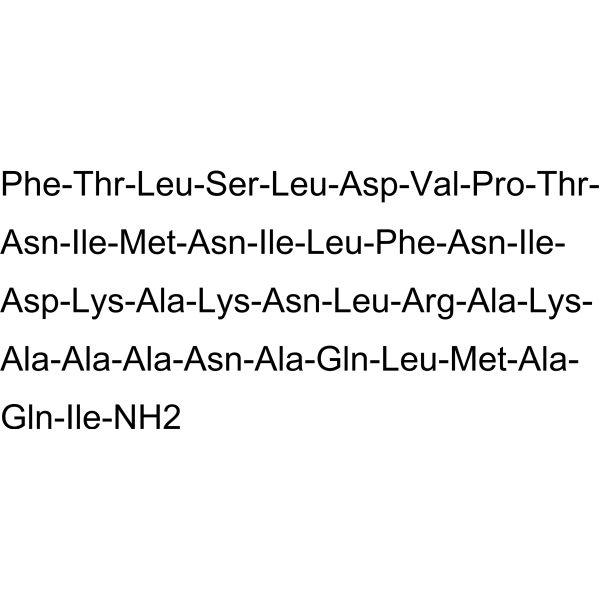
Urocortin III, mouse is a corticotropin-releasing factor (CRF)-related peptide. Urocortin III preferentially binds and activates CRF-R2 . Urocortin III (Ucn3) is a known component of the behavioral stress response system. Urocortin III and CRF-R2 in the medial amygdala regulate complex social dynamics .
loading...
    loading...
Cat. No.: HY-101324A
CAS No.: 61655-58-1
Purity:  99.69%
Synonyms: CPP monohydrochloride
Target:  

5-HT Receptor

Research Areas:  

Neurological Disease

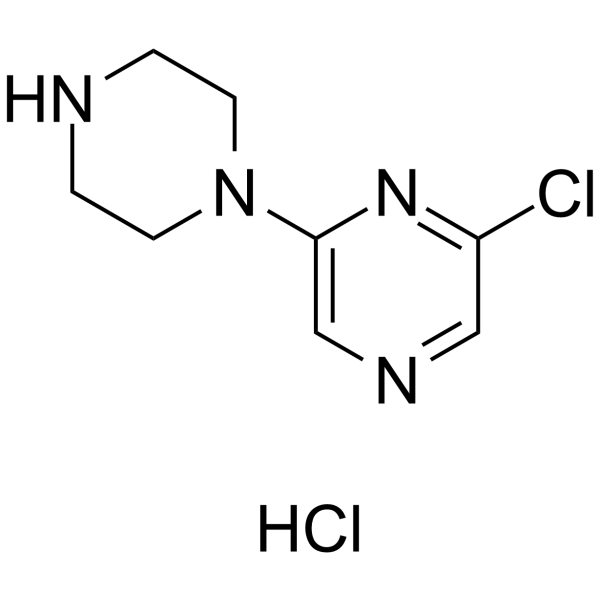
MK-212 monohydrochloride (CPP monohydrochloride) is an orally active, blood-brain barrier permeable agonist of 5-HT1C, 5-HT2 and 5-HT1A receptors. MK-212 monohydrochloride induces hyperthermia, nausea, arousal, irritability and restlessness, inhibits the elevation of plasma cortisol and prolactin, and reduces feelings of calmness and overall positive affect. MK-212 monohydrochloride mediates anxiety-like behaviors and motor inhibition. MK-212 monohydrochloride is applicable to research related to schizophrenia and anxiety disorders .
loading...
    loading...
Cat. No.: HY-D2481
CAS No.: 1369302-21-5
Synonyms: APG-2 TMA
Asante potassium green-2 TMA (APG-2 (TMA)) is a cell-impermeable K + fluorescent indicator that produces a fluorescent response to changes in extracellular potassium ion concentration (Ex/Em = 525/545 nm) .
loading...
    loading...
Cat. No.: HY-P1025A
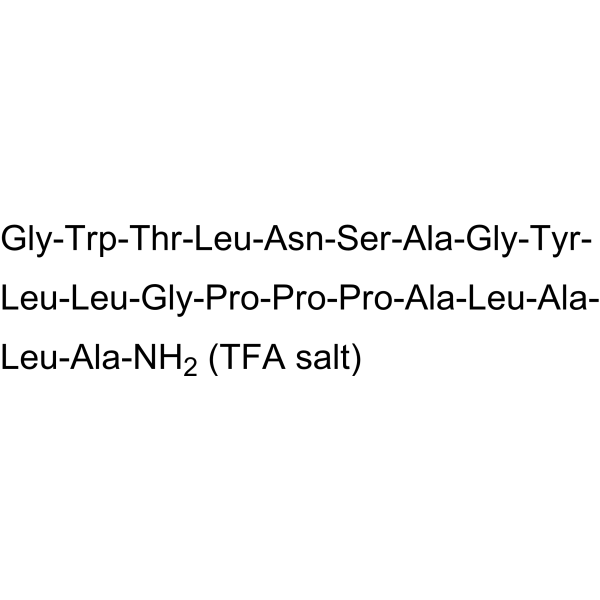
M40 TFA is the TFA salt form of M40. M40 TFA is an antagonist or a weak agonist for galanin receptor depending on different subtypes of galanin receptors in the brain, hypothalamus, hippocampus, amygdala and pancreas .
loading...
    loading...
Cat. No.: HY-P1025
CAS No.: 143896-17-7
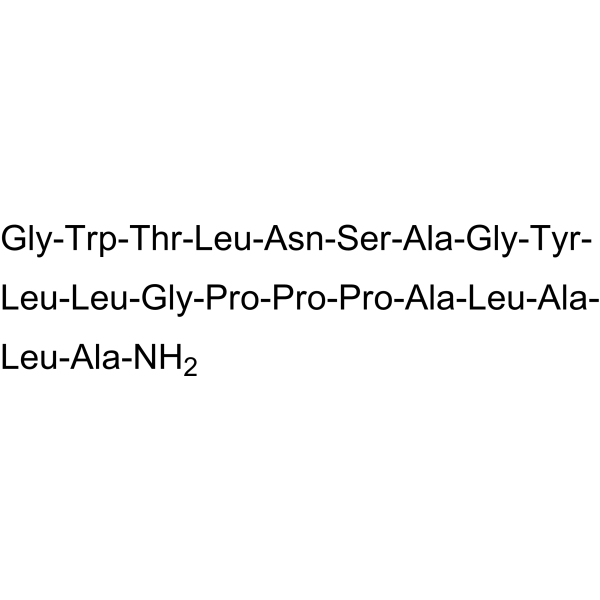
M40 is an antagonist or a weak agonist for galanin receptor depending on different subtypes of galanin receptors in the brain, hypothalamus, hippocampus, amygdala and pancreas .
loading...
    loading...
Cat. No.: HY-P2018
CAS No.: 64854-64-4
Target:  

Opioid Receptor

Research Areas:  

Cardiovascular Disease

FK 33-824, a synthetic analogue of Met-enkephalin, is a selective agonist of the μ-opioid receptor (μ-OR) .
loading...
    loading...
Cat. No.: HY-155238
CAS No.: 1520073-91-9
Target:  

GABA Receptor

Research Areas:  

Neurological Disease

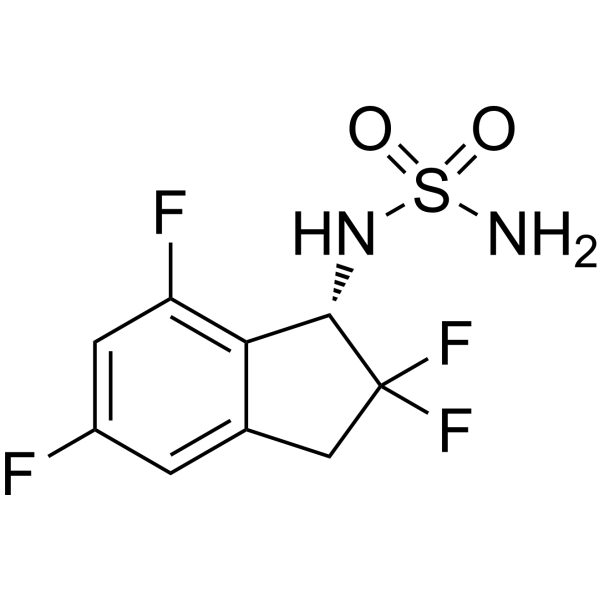
E2730 is a noncompetitive but selective inhibitor of gamma-aminobutyric acid (GABA) transporter 1 (GAT1) with orally available and antiepileptic activity. E2730-mediated GAT1 inhibition is positively correlated with environmental GABA levels and selectively inhibits GAT1-mediated GABA uptake. E2730 (5-50 mg/kg; po) in rat amygdala ignition model, and in mouse cornea ignition (5-50 mg/kg), drug resistance 6Hz-44mA has demonstrated in vivo efficacy in models of psychomotor epilepsy (5-50 mg/kg), fragile X syndrome (2.5-300 mg/kg), and Dravet syndrome (10 mg/kg, 20 mg/kg) .
loading...
    loading...
Cat. No.: HY-W010892R
CAS No.: 6533-68-2
Synonyms: Hyoscine hydrobromide trihydrate (Standard)
Scopolamine hydrobromide trihydrate (Standard) is the analytical standard of Scopolamine hydrobromide trihydrate (HY-W010892). This product is intended for research and analytical applications. Scopolamine (Hyoscine) hydrobromide is a high-affinity muscarinic antagonist that can cross the blood-brain barrier. Scopolamine hydrobromide competitively antagonizes 5-HT3 receptors with an IC50 of 2.09 μM. Scopolamine hydrobromide can induce cognitive and memory deficits in animals. Scopolamine hydrobromide can be used in the research of preventing postoperative nausea and vomiting, motion sickness, nervous system diseases, etc .
loading...
    loading...
Cat. No.: HY-W010892S
CAS No.: 1279037-70-5
Synonyms: Hyoscine-d3 hydrobromide
Scopolamine-d3 hydrobromide is the deuterium labeled Scopolamine hydrobromide (HY-B2065). Scopolamine (Hyoscine) hydrochloride is a high-affinity muscarinic antagonist that can cross the blood-brain barrier. Scopolamine hydrochloride competitively antagonizes 5-HT3 receptors with an IC50 of 2.09 μM. Scopolamine hydrochloride can induce cognitive and memory deficits in animals. Scopolamine hydrochloride can be used in the research of preventing postoperative nausea and vomiting, motion sickness, nervous system diseases, etc .
loading...
    loading...
Cat. No.: HY-101324
CAS No.: 64022-27-1
Synonyms: CPP
Target:  

5-HT Receptor

Research Areas:  

Neurological Disease

MK-212 (CPP) is an orally active, blood-brain barrier permeable agonist of 5-HT1C, 5-HT2 and 5-HT1A receptors. MK-212 induces hyperthermia, nausea, arousal, irritability and restlessness, inhibits the elevation of plasma cortisol and prolactin, and reduces feelings of calmness and overall positive affect. MK-212 mediates anxiety-like behaviors and motor inhibition. MK-212 is applicable to research related to schizophrenia and anxiety disorders .
loading...
    loading...

