

1. Search Result
Search Result
Results for "

Animal tissues

" in MedChemExpress (MCE) Product Catalog:

45

Inhibitors & Agonists

2

Screening Libraries

4

Fluorescent Dyes

6

Biochemical Assay Reagents

4

MCE Kits

11

Natural
Products

2

Isotope-Labeled Compounds

3

Oligonucleotides

Cat. No. Product Name Target Research Areas Chemical Structure
  • HY-115768
    Compound 48/80
    5 Publications Verification

    Poly-p-methoxyphenethylmethylamine

    Phospholipase Neurological Disease Cancer
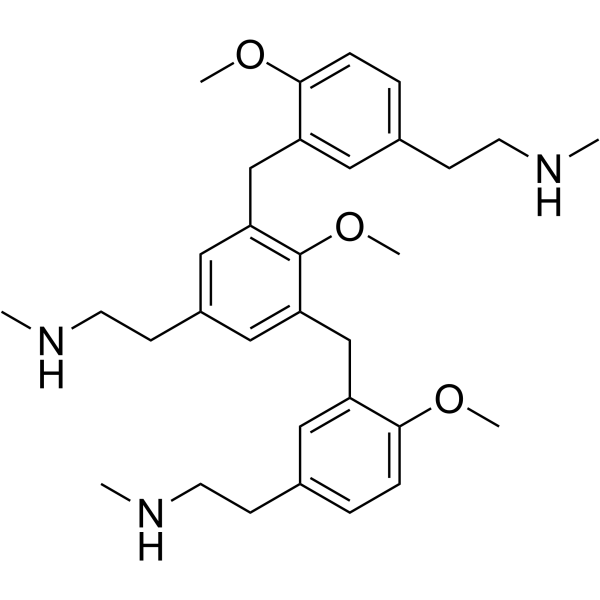
    Compound 48/80 (Poly-p-methoxyphenethylmethylamine) is widely used in animal and tissue models as a "selective" mast cell activator. Compound 48/80 acts at the mast cell membrane to stimulate trimeric G-proteins and induces degranulation via phospholipase C and D pathways .
    Compound 48/80
  • HY-N7032
    Uridine 5′-diphosphoglucose disodium
    Maximum Cited Publications
    8 Publications Verification

    UDP-D-Glucose disodium

    Endogenous Metabolite P2Y Receptor Cardiovascular Disease Metabolic Disease Inflammation/Immunology
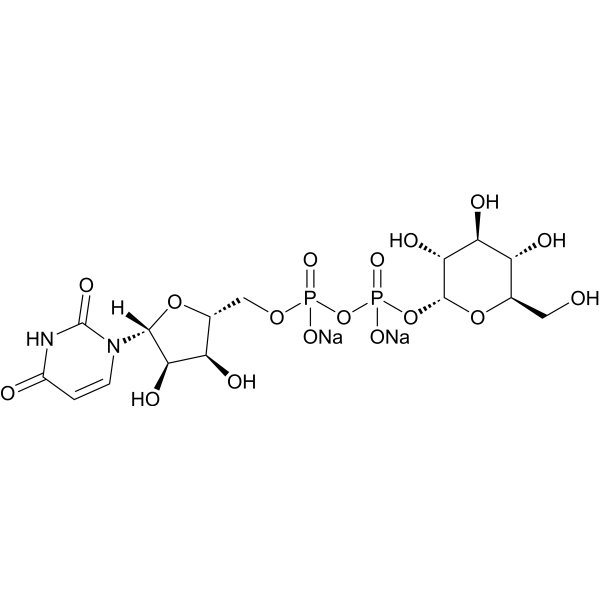
    Uridine 5’-diphosphoglucose (UDP-glucose) disodium, secreted by cardiomyocytes during ischemia and reperfu, is a potent agonist of the proinflammatory P2Y14 receptor. It acts an important role in the regulation of inflammation and neutrophil polarization in neutrophils. Uridine 5’-diphosphoglucose disodium is also the precursor of glucose-containing oligosaccharides, polysaccharides, glycoproteins, and glycolipids in animal tissues and in some microorganisms. Uridine 5’-diphosphoglucose disodium is promising for research in counteracting myocardial infarction/reperfusion (MIR)-induced inflammation in the heart tissue.
    Uridine 5′-diphosphoglucose disodium
  • HY-N5034
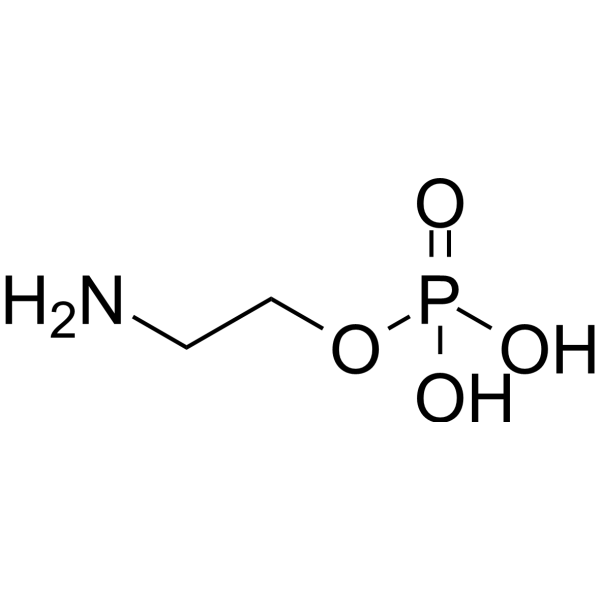
    Phosphorylethanolamine
    4 Publications Verification

    Monoaminoethyl phosphate; NSC 254167; O-Phosphoethanolamine

    Endogenous Metabolite Neurological Disease Metabolic Disease Cancer
    Phosphorylethanolamine (Monoaminoethyl phosphate) is a membrane phospholipid and an important precursor of Phosphatidylcholine (HY-B2233B). It is found in most animal tissues and various human extracranial tumors, playing a critical role in membrane integrity, cell division, mitochondrial respiratory function, and more. Studies have shown that changes in the abundance of Phosphorylethanolamine are associated with Alzheimer's disease and Parkinson's disease. Lowering the ratio of Phosphorylethanolamine to Phosphatidylcholine in the liver can improve insulin signaling. Phosphorylethanolamine holds promise for research in the fields of cancer, neurodegenerative disorders, and metabolic diseases .
    Phosphorylethanolamine
  • HY-136886
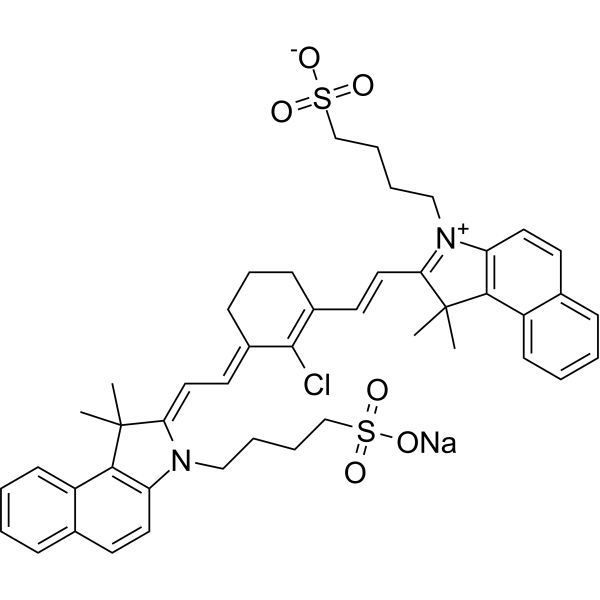
    IR-820
    2 Publications Verification

    New Indocyanine Green

    Fluorescent Dye Cancer
    IR-820 (New Indocyanine Green) is an infrared blood pool contrast agent. IR-820 also is normally used as a laser and near-infrared dye to detect and quantify diseased tissue in live animals .
    IR-820
  • HY-113130
    Eicosadienoic acid
    1 Publications Verification

    Endogenous Metabolite Metabolic Disease
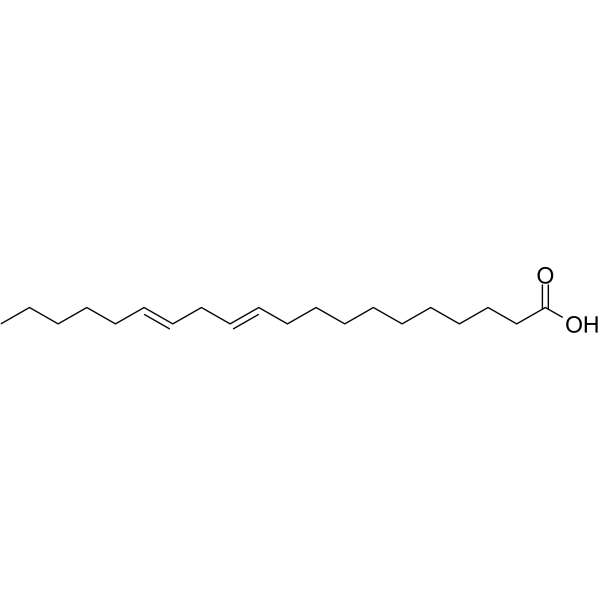
    Eicosadienoic acid is a rare, naturally occurring n-6 polyunsaturated fatty acid found mainly in animal tissues .
    Eicosadienoic acid
  • HY-121965

    Biochemical Assay Reagents Endogenous Metabolite Others
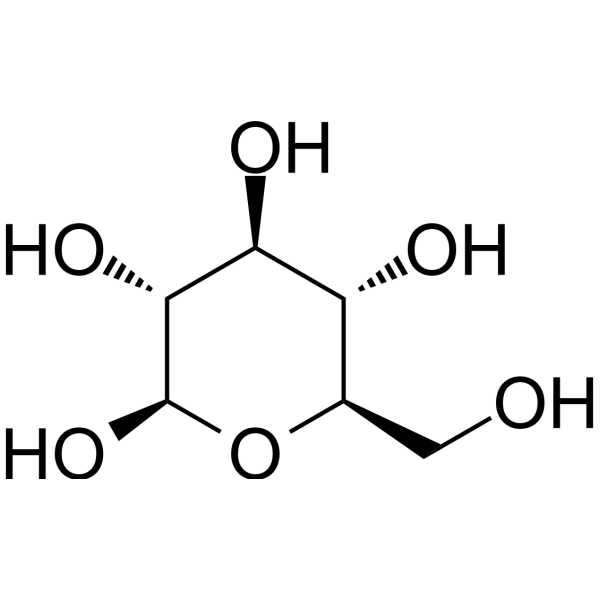
    β-D-Glucose, also known as glucose, is a monosaccharide, the most important carbohydrate in biological systems, the main energy source of cells, and plays a key role in various metabolic processes. β-D-Glucose has unique chemical properties that make it an abundant component in plant and animal tissues and is readily metabolized by organisms to produce cellular energy. It is commonly used to improve hypoglycemia and dehydration, and as a sweetener and preservative in food and beverage production.
    β-D-Glucose
  • HY-174990

    15-PGDH Metabolic Disease Inflammation/Immunology
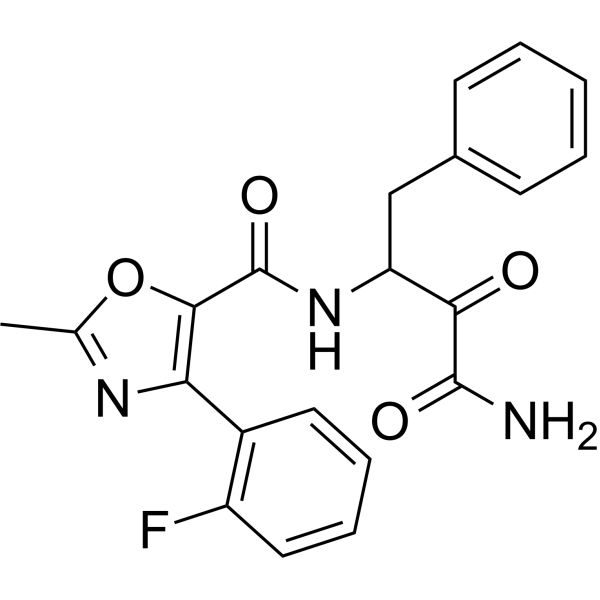
    HW201877 is a potent and orally active 15-prostaglandin dehydrogenase (15-PGDH) inhibitor with an IC50 of 3.6 nM. HW201877 demonstrates robust cellular efficacy in elevating PGE2 levels in A549 cells and exhibits remarkable efficacy in animal models of tissue injury and fibrosis. HW201877 can be used for the study of inflammatory bowel disease (IBD), idiopathic pulmonary fibrosis (IPF) and Crohn’s disease (CD) .
    HW201877
  • HY-129047B

    Biochemical Assay Reagents Others
    Recombinant Trypsin Solution is an animal-free trypsin solution used to digest cells or tissues. Recombinant Trypsin Solution has high stability at room temperature and gentle digestion, and can be used to digest weakly adherent cells or stem cells under low serum or serum-free culture conditions. Compared with traditional trypsin digestion solution, Recombinant Trypsin Solution does not contain any animal-derived ingredients, is gentle and effective, and can replace the application of animal-derived trypsin in cell digestion .
    Recombinant Trypsin Solution
  • HY-123581
    Quinocetone
    1 Publications Verification

    Antibiotic Bacterial ATF6 DAPK Autophagy NF-κB NO Synthase Apoptosis Reactive Oxygen Species (ROS) Keap1-Nrf2 Heme Oxygenase (HO) Infection Inflammation/Immunology
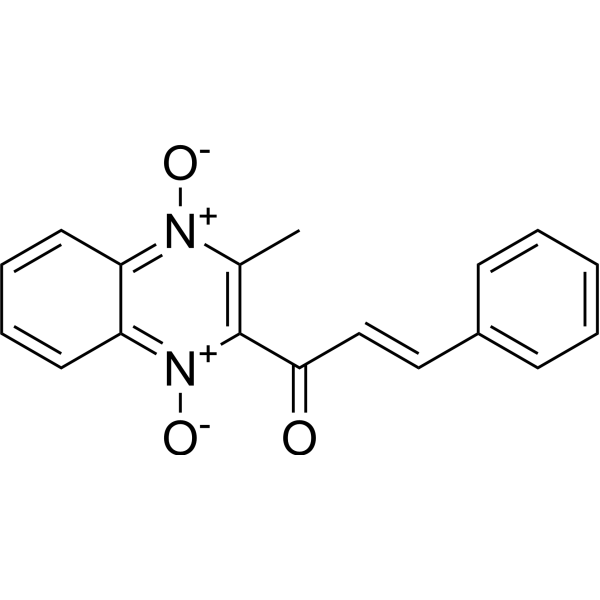
    Quinocetone is an orally active animal feed additive used to increase the meat production of livestock and poultry. Quinocetone exhibits antibacterial activity against a variety of pathogenic microorganisms. Quinocetone exhibits tissue-specific (liver, lymphocyte) toxicity. Quinocetone induces autophagy in cells through the ATF6/DAPK1 pathway. Quinocetone activates the NF-κB and iNOS pathways, leading to cell apoptosis, hepatocyte vacuolar degeneration and fibrosis. Quinocetone can inhibit Nrf2/HO-1 and induce the generation of reactive oxygen species (ROS), leading to oxidative stress and DNA damage .
    Quinocetone
  • HY-D0217
    Sulfobromophthalein disodium salt
    4 Publications Verification

    Bromosulfophthalein disodium salt

    Fluorescent Dye Metabolic Disease
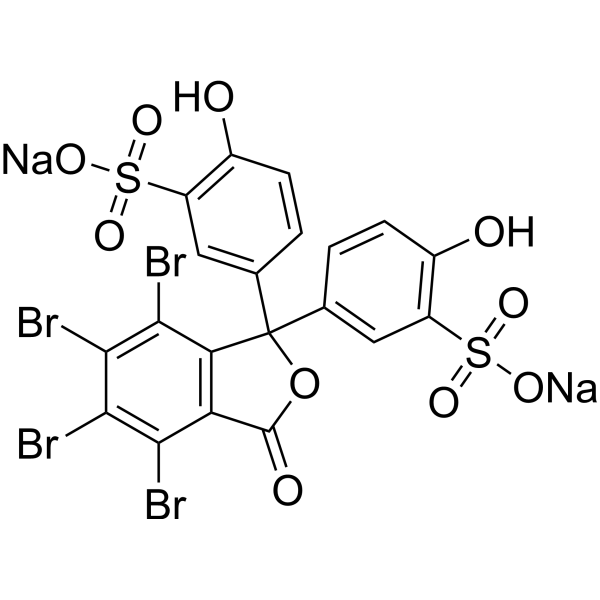
    Sulfobromophthalein (Bromosulfophthalein) disodium salt is an organic anion dye used in the study of a variety of membrane carriers expressed in animal tissues and involved in transport of agents and metabolites .
    Sulfobromophthalein disodium salt
  • HY-P2975

    Mouse laminin (Engelbreth-Holm-Swarm murine sarcoma basement membrane)

    Endogenous Metabolite Biochemical Assay Reagents Neurological Disease
    Laminin (Engelbreth-Holm-Swarm murine sarcoma basement membrane) is a crucial structural element in animal tissues, forming part of the scaffolding that supports tissue architecture. It interacts with type IV collagen through entactin and perlecan, connects to cell membranes via integrin receptors, dystroglycan complexes, and Lutheran blood group glycoproteins, and contains functional domains that facilitate collagen binding, cell adhesion, heparin interaction, and promote neurite outgrowth.
    Laminin (Engelbreth-Holm-Swarm murine sarcoma basement membrane)
  • HY-113044R

    UDP-D-Glucose (Standard)

    Reference Standards Endogenous Metabolite P2Y Receptor Cardiovascular Disease Metabolic Disease Inflammation/Immunology
    Uridine 5′-diphosphoglucose (Standard) (UDP-D-Glucose (Standard)) is the analytical standard of Uridine 5′-diphosphoglucose (HY-113044). This product is intended for research and analytical applications. Uridine 5’-diphosphoglucose (UDP-glucose), secreted by cardiomyocytes during ischemia and reperfu, is a potent agonist of the proinflammatory P2Y14 receptor. It acts an important role in the regulation of inflammation and neutrophil polarization in neutrophils. Uridine 5’-diphosphoglucose is also the precursor of glucose-containing oligosaccharides, polysaccharides, glycoproteins, and glycolipids in animal tissues and in some microorganisms. Uridine 5’-diphosphoglucose is promising for research in counteracting myocardial infarction/reperfusion (MIR)-induced inflammation in the heart tissue.
    Uridine 5′-diphosphoglucose (Standard)
  • HY-B1113
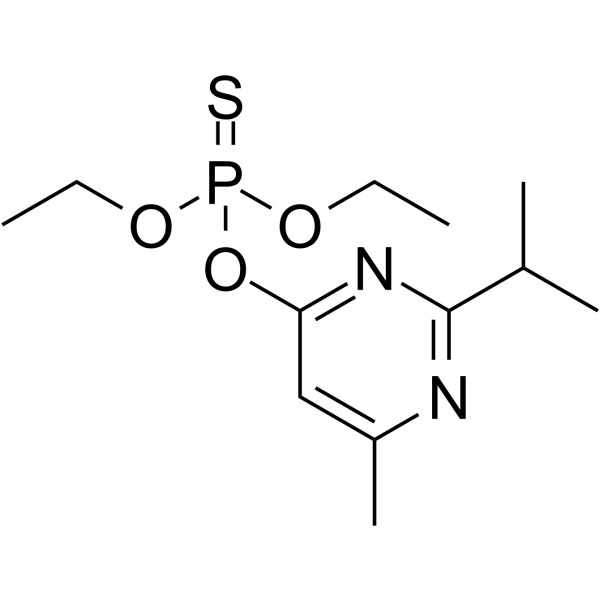
    Diazinon
    2 Publications Verification

    Dimpylate

    Environmental Pollutants Parasite Infection
    Diazinon is an orally active, irreversible AChE inhibitor and insecticide that can be absorbed through the digestive system, skin or respiratory tract. Diazinon inhibits AChE, leading to accumulation of acetylcholine, which in turn overstimulates ACh receptors and affects the nervous system. Diazinon also produces reactive oxygen species (ROS), which induce oxidative stress in various tissues. Diazinon is mainly used in the agricultural field as an insecticide and may have potential effects on human and animal health .
    Diazinon
  • HY-131146
    AMOZ
    1 Publications Verification

    3-Amino-5-morpholinomethyl-2-oxazolidone

    Drug Metabolite Infection
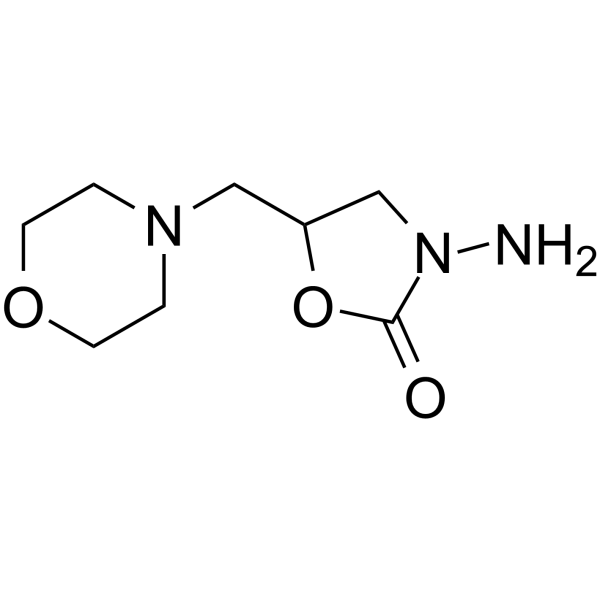
    AMOZ is a carcinogenic metabolite of Furaltadone (HY-B1148A), which forms stable tissue residues by covalently binding to proteins as a hapten. AMOZ can be coupled with carrier proteins (such as BSA/OVA) to induce immune response and is released after acid hydrolysis. AMOZ residues can be detected by competitive ELISA method, and the detection limit in the monoclonal antibody 2E5.1 test is as low as 0.16 μg/kg (shrimp sample). AMOZ can be used as a typical marker to monitor drug residues in animal-derived foods in the field of food safety[1][2].
    AMOZ
  • HY-Y0469
    1-Aminohydantoin hydrochloride
    1 Publications Verification

    Drug Metabolite Others
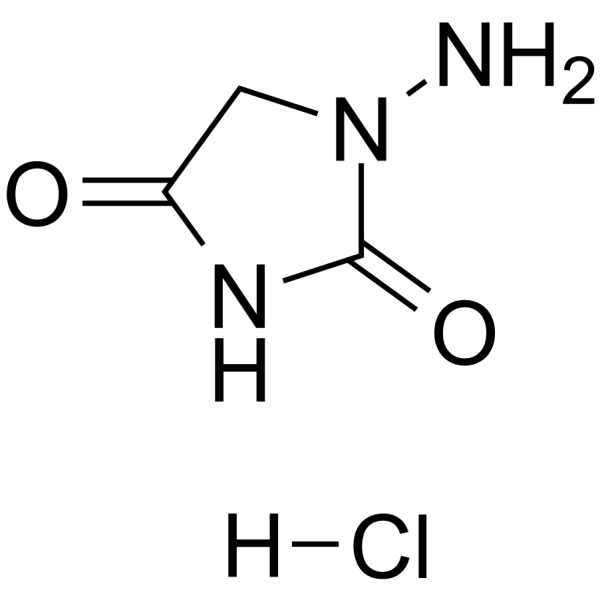
    1-Aminohydantoin hydrochloride is a major metabolite of nitrofurantoin in animal tissues and can be used as a standard for the determination of residues of veterinary agents in meat, milk et.al. 1-Aminohydantoin hydrochloride covalently binds to tissue proteins and is released from the tissues under slightly acidic conditions and derivatized with 2-nitrobenzaldehyde to form nitrophenyl derivatives of AHD before detection .
    1-Aminohydantoin hydrochloride
  • HY-W021265

    Cyclohexane-1,2,3,4,5,6-hexol

    Biochemical Assay Reagents Others
    Cyclohexane-1,2,3,4,5,6-hexaol, also known as inositol or inositol, is a cyclic sugar alcohol consisting of a six-carbon ring with six hydroxyl groups. This compound is important for its biological activity and is widely distributed in nature, especially in plant and animal tissues. It plays a role in various physiological processes such as signal transduction, osmoregulation and lipid metabolism. In addition, Cyclohexane-1,2,3,4,5,6-hexaol has potential investigational effects, including improving conditions related to insulin resistance, polycystic ovary syndrome, and mental health conditions. It can also be used as a supplement in animal feed and human nutritional products.
    Cyclohexane-1,2,3,4,5,6-hexaol
  • HY-132850

    BLD-2660

    Proteasome Interleukin Related Infection Inflammation/Immunology
    Dazcapistat (BLD-2660) is an orally active small-molecule inhibitor of calpain 1, 2, and 9 (calpain 1, 2, 9). Dazcapistat reduces the expression/production level of IL-6 in injured lung tissue and alleviates fibrosis . Dazcapistat exerts anti-fibrotic effects in various animal models of fibrosis in the skin, liver and lung . Dazcapistat can be used in research related to coronavirus disease 2019 (COVID-19) and idiopathic pulmonary fibrosis .
    Dazcapistat
  • HY-119433

    J867

    Progesterone Receptor Endocrinology
    Asoprisnil (J867), a selective progesterone receptor modulator, exhibits mixed progesterone agonist and antagonist effects on various progesterone targeted tissues in animal and human .
    Asoprisnil
  • HY-113044

    UDP-D-Glucose

    Endogenous Metabolite P2Y Receptor Cardiovascular Disease Metabolic Disease Inflammation/Immunology
    Uridine 5’-diphosphoglucose (UDP-glucose), secreted by cardiomyocytes during ischemia and reperfu, is a potent agonist of the proinflammatory P2Y14 receptor. It acts an important role in the regulation of inflammation and neutrophil polarization in neutrophils. Uridine 5’-diphosphoglucose is also the precursor of glucose-containing oligosaccharides, polysaccharides, glycoproteins, and glycolipids in animal tissues and in some microorganisms. Uridine 5’-diphosphoglucose is promising for research in counteracting myocardial infarction/reperfusion (MIR)-induced inflammation in the heart tissue .
    Uridine 5′-diphosphoglucose
  • HY-145310

    Epigenetic Reader Domain Inflammation/Immunology
    ZL0590 is a potent, orally active BRD4 BD1-selective inhibitor with an IC50 of 90 nM for human BRD4 BD1. ZL0590 exhibits significant anti-inflammatory activities. ZL0590 can reduce mucosal inflammation in animal models of inflammatory bowel disease and restores tissue architecture. ZL0590 can be used in research on inflammatory diseases such as inflammatory bowel disease .
    ZL0590
  • HY-N5034R

    Monoaminoethyl phosphate (Standard); NSC 254167 (Standard); O-Phosphoethanolamine (Standard)

    Reference Standards Endogenous Metabolite Metabolic Disease Cancer
    Phosphorylethanolamine (Standard) is the analytical standard of Phosphorylethanolamine. This product is intended for research and analytical applications. Phosphorylethanolamine (Monoaminoethyl phosphate) is present in most animal tissues and is also present in various human extracranial tumors. Phosphorylethanolamine is considered as the intermediate product of phospholipid metabolism. Phosphorylethanolamine is essential for the formation and maintenance of the cell membrane .
    Phosphorylethanolamine (Standard)
  • HY-159067

    DEAE-dextran, MW 500000 hydrochloride, from bacterial (Leuconostoc mesenteroides); Diethylaminoethyl-dextran, MW 500000 hydrochloride

    Biochemical Assay Reagents Cancer
    DEAE-dextran, MW 500000 hydrochloride (DEAE-dextran, MW 500000 hydrochloride, from bacterial (Leuconostoc mesenteroides)) is a high-molecular-weight positively charged polymer that significantly enhances the uptake of viral RNA by tissue culture cells. When employed in the delivery system for "tumor immunity" RNA-splenocyte transfer, DEAE-dextran can markedly extend the lifespan of tumor-bearing animals, comparable to that of actively immunized animals. Furthermore, DEAE-dextran serves as a complexing agent for nucleic acids, forming composite particles with DNA/RNA for extensive applications in gene delivery. Additionally, DEAE-dextran can be utilized as a coating for liposomes .
    DEAE-dextran, MW 500000 hydrochloride
  • HY-130581

    Bacterial Cardiovascular Disease Inflammation/Immunology
    Lipid X is a 2,3-diacylglucosamine-1-phosphate that serves as the monosaccharide precursor of lipid A, possessing both LPS antagonist and weak agonist activities. Lipid X exerts protective effects by inhibiting tumor necrosis factor production, monocyte procoagulant activity, and neutrophil priming. Lipid X may induce transient pulmonary hypertension, neutropenia, and mild pyrogenic effects in laboratory animals. Lipid X has low toxicity and no in vitro antibacterial activity, but it significantly reduces mortality following Gram-negative bacterial infection and endotoxin exposure. Lipid X tends to accumulate in liver tissue, binds to circulating cellular components, and can be converted to lipid Y through transesterification. Lipid X can be used in research on Gram-negative bacterial sepsis, endotoxemia, and associated pulmonary hypertension .
    Lipid X
  • HY-111646

    Nucleoside Antimetabolite/Analog Endogenous Metabolite Inflammation/Immunology
    N6-Etheno 2'-deoxyadenosine is a reactive oxygen species (ROS)/reactive nitrogen species (RNS)-induced DNA oxidation product, used as a biomarker to evaluate chronic inflammation and lipid peroxidation in animal or human tissues .
    N6-Etheno 2'-deoxyadenosine
  • HY-N7032S1

    UDP-D-Glucose-13C6 disodium

    Isotope-Labeled Compounds Endogenous Metabolite P2Y Receptor Cardiovascular Disease Metabolic Disease Inflammation/Immunology
    Uridine 5′-diphosphoglucose- 13C6 (UDP-D-Glucose- 13C6) disodium is the 13C labeled Uridine 5′-diphosphoglucose disodium (HY-N7032) . Uridine 5’-diphosphoglucose (UDP-glucose) disodium, secreted by cardiomyocytes during ischemia and reperfu, is a potent agonist of the proinflammatory P2Y14 receptor. It acts an important role in the regulation of inflammation and neutrophil polarization in neutrophils. Uridine 5’-diphosphoglucose disodium is also the precursor of glucose-containing oligosaccharides, polysaccharides, glycoproteins, and glycolipids in animal tissues and in some microorganisms. Uridine 5’-diphosphoglucose disodium is promising for research in counteracting myocardial infarction/reperfusion (MIR)-induced inflammation in the heart tissue .
    Uridine 5′-diphosphoglucose-13C6 disodium
  • HY-131306B

    Gaidic acid

    Biochemical Assay Reagents Others
    2-Hexadecenoic acid is a natural unsaturated fatty acid. It is ubiquitously present in various animal and plant tissues, especially adipose tissue and certain vegetable oils, such as macadamia nut oil. 2-Hexadecenoic acid has unique chemical properties that make it an important component of cell membranes and storage lipids, and participates in various metabolic processes such as lipid metabolism and inflammation. It's also been linked to potential health benefits, including improved insulin sensitivity and a lower risk of heart disease.
    2-Hexadecenoic acid
  • HY-105318

    Androgen Receptor Metabolic Disease Endocrinology
    LGD-2226 is a selective and orally active androgen receptor modulator with an EC50 of 0.2 nM and a Ki of 1.5 nM for human androgen receptor. LGD-2226 shows tissue selectivity in animal models, with reduced effects on prostate compared to muscle. LGD-2226 can be used for muscle wasting, osteoporosis and sexual dysfunction .
    LGD-2226
  • HY-N7032S

    UDP-D-Glucose-13C disodium

    Isotope-Labeled Compounds Endogenous Metabolite P2Y Receptor Cardiovascular Disease Metabolic Disease Inflammation/Immunology
    Uridine 5′-diphosphoglucose- 13C (UDP-D-Glucose- 13C) disodium is the 13C labeled Uridine 5′-diphosphoglucose disodium (HY-N7032) . Uridine 5’-diphosphoglucose (UDP-glucose) disodium, secreted by cardiomyocytes during ischemia and reperfu, is a potent agonist of the proinflammatory P2Y14 receptor. It acts an important role in the regulation of inflammation and neutrophil polarization in neutrophils. Uridine 5’-diphosphoglucose disodium is also the precursor of glucose-containing oligosaccharides, polysaccharides, glycoproteins, and glycolipids in animal tissues and in some microorganisms. Uridine 5’-diphosphoglucose disodium is promising for research in counteracting myocardial infarction/reperfusion (MIR)-induced inflammation in the heart tissue .
    Uridine 5′-diphosphoglucose-13C disodium
  • HY-N6609

    nAChR Others
    Magnocurarine is a neuromuscular junction blocker that inhibits muscle contraction by functionally blocking signal transmission without directly damaging nerve or muscle tissues. In frog, mouse and rabbit models, Magnocurarine exerts a dose-dependent paralytic effect, which progresses gradually from limb weakness and loss of righting reflex to respiratory depression and even cardiac arrest. Although high doses cause complete cessation of movement, Magnocurarine does not affect the spinal multineuronal reflex in frogs. Magnocurarine exhibits biological activity similar to that of tubocurarine (HY-125901) in various animal models .
    Magnocurarine
  • HY-113130R

    Endogenous Metabolite Reference Standards Metabolic Disease
    Eicosadienoic acid (Standard) is the analytical standard of Eicosadienoic acid. This product is intended for research and analytical applications. Eicosadienoic acid is a rare, naturally occurring n-6 polyunsaturated fatty acid found mainly in animal tissues .
    Eicosadienoic acid (Standard)
  • HY-138118

    Nicotinic acid propyl ester

    Endogenous Metabolite Others
    Propyl nicotinate (Nicotinic acid propyl ester), the propyl ester of niacin, occurs in various animal and plant tissues, where it contributes to the formation of the coenzymes NAD and NADP.
    Propyl nicotinate
  • HY-149765

    Fluorescent Dye Others
    Bone-1064 is a EuK-based PSMA tetramer bone probe for high-contrast visualization of bone in surrounding tissue. Bone-1064 specifically binds hydroxyapatite in bone tissue and can be used for NIR-II fluorescence imaging in animal models .
    Bone-1064
  • HY-115768A

    Poly-p-methoxyphenethylmethylamine (trimer)

    Phospholipase Others
    Compound 48/80 (trimer) is a trimer of Compound 48/80 (HY-115768). Compound 48/80 is widely used in animal and tissue models as a "selective" mast cell activator .
    Compound 48/80 (trimer)
  • HY-Y0469R

    Reference Standards Drug Metabolite Cancer
    1-Aminohydantoin hydrochloride (Standard) is the analytical standard of 1-Aminohydantoin hydrochloride (HY-Y0469). This product is intended for research and analytical applications. 1-Aminohydantoin hydrochloride is a major metabolite of Nitrofurantoin (HY-A0090) in animal tissues and can be used as a standard for the determination of residues of veterinary agents in meat, milk et.al. 1-Aminohydantoin hydrochloride covalently binds to tissue proteins and is released from the tissues under slightly acidic conditions and derivatized with 2-nitrobenzaldehyde to form nitrophenyl derivatives of 1-Aminohydantoin hydrochloride before detection .
    1-Aminohydantoin hydrochloride (Standard)
  • HY-134658

    Biochemical Assay Reagents Others
    Hentriacontanoic acid is a long-chain saturated fatty acid commonly found in various plant and animal tissues, especially in certain waxes and oils, such as beeswax and lanolin. Hentriacontanoic acid has unique chemical properties that make it an important ingredient in many industrial products, including cosmetics, candles and lubricants. It also has potential physiological roles in regulating lipid metabolism and protecting against oxidative stress, although its biological function is not fully understood.
    Hentriacontanoic acid
  • HY-123581R

    Reference Standards Antibiotic Bacterial ATF6 DAPK Autophagy NF-κB NO Synthase Apoptosis Reactive Oxygen Species (ROS) Infection Inflammation/Immunology
    Quinocetone (Standard) is the analytical standard of Quinocetone (HY-123581). This product is used for research and analytical purposes. Quinocetone is an orally active animal feed additive used to increase the meat production of livestock and poultry. Quinocetone exhibits antibacterial activity against a variety of pathogenic microorganisms. Quinocetone exhibits tissue-specific (liver, lymphocyte) toxicity. Quinocetone induces autophagy in cells through the ATF6/DAPK1 pathway. Quinocetone activates the NF-κB and iNOS pathways, leading to cell apoptosis, hepatocyte vacuolar degeneration and fibrosis. Quinocetone can inhibit Nrf2/HO-1 and induce the generation of reactive oxygen species (ROS), leading to oxidative stress and DNA damage.
    Quinocetone (Standard)
  • HY-W331198

    Insecticide Ferroptosis Infection
    Tralopyril is an orally active, blood-brain barrier-penetrating antifouling insecticide and endocrine disruptor. By interfering with the thyroid hormone system and mitochondrial oxidative phosphorylation, Tralopyril downregulates the transcription of genes such as TRHR, Nkx2.1, TRα and induces ferroptosis. Tralopyril disrupts amino acid, energy and lipid metabolism, exhibits significant skeletal and reproductive toxicity, and causes developmental damage. Tralopyril has a long half-life in vivo and wide tissue distribution, posing potential risks to aquatic organisms and human health. Tralopyril shows species specificity in in vitro liver microsomal metabolism, exerts lethal effects on target insects and laboratory animals, and is commonly used in studies of chlorfenapyr poisoning and related toxic mechanisms .
    Tralopyril
  • HY-122010

    VEGFR Others
    NVP-AAD777 is a specific inhibitor of VEGFR-2, demonstrated in vivo by its effective suppression of phospho-VEGFR-2 (Tyr1175) signaling in rat lung tissues. Unlike the nonspecific VEGFR inhibitor SUG-5416, NVP-AAD777 did not induce emphysematous changes in the lungs after three weeks of treatment, even when combined with exposure to cigarette smoke. Additionally, there were no alterations observed in vascular density compared to control animals. This indicates NVP-AAD777's targeted action in inhibiting VEGFR-2 without adverse pulmonary effects, highlighting its potential therapeutic utility in managing conditions associated with aberrant VEGFR-2 signaling .
    NVP-AAD777
  • HY-181167

    Cholinesterase (ChE) SOD Neurological Disease
    AChE/BChE-IN-34 is an acetylcholinesterase (AChE) and butyrylcholinesterase (BChE) inhibitor with IC50s of 5.97 μM and 4.57 μM, respectively. AChE/BChE-IN-34 functions as an antioxidant, oxidative stress inhibitor, reduces MDA levels, and elevates SOD and catalase in hippocampal tissue. AChE/BChE-IN-34 acts as a cognitive function enhancer, improves learning and memory in a Scopolamine (HY-N0296)-induced animal model. AChE/BChE-IN-34 is non-toxic in neuroblastoma cells across a specified concentration range. AChE/BChE-IN-34 can be used for the research of Alzheimer's disease .
    AChE/BChE-IN-34
  • HY-182336

    PROTACs Dipeptidyl Peptidase GLP Receptor Inflammation/Immunology Cancer
    DeDPP4 is a DPP-4 PROTAC degrader. DeDPP4 induces sustained elevation of glucagon-like peptide-1 (GLP-1), enhances glucose tolerance, causes persistent reduction of blood glucose, and achieves long-term blood glucose regulation in animal models of type 2 diabetes. DeDPP4 mediates dose-dependent DPP-4 depletion in cancer cells, and also targets and degrades DPP-4 in the liver and adipose tissues of animal models with type 2 diabetes. DeDPP4 can be used for the research of type 2 diabetes and non-small cell lung cancer .
    DeDPP4
  • HY-105318R

    Reference Standards Androgen Receptor Metabolic Disease Endocrinology
    LGD-2226 (Standard) is the analytical standard of LGD-2226 (HY-105318). This product is intended for research and analytical applications. LGD-2226 is a selective and orally active androgen receptor modulator with an EC50 of 0.2 nM and a Ki of 1.5 nM for human androgen receptor. LGD-2226 shows tissue selectivity in animal models, with reduced effects on prostate compared to muscle. LGD-2226 can be used for muscle wasting, osteoporosis and sexual dysfunction .
    LGD-2226 (Standard)
  • HY-180883

    Orthopoxvirus Infection
    ZW-2038 is a potent and selective antiviral compound against vaccinia virus (VACV), monkeypox virus (MPXV), and cowpox virus (CPXV). ZW-2038 suppresses VACV DNA replication and downstream post-replicative gene expression, albeit without inhibiting MPXV resolvase (Mpr). ZW-2038 demonstrates potent antiviral activity in complex human and animal tissue models. ZW-2038 can be used for orthopoxviruses infection research .
    ZW-2038
  • HY-D3250

    Fluorescent Dye NO Synthase Cardiovascular Disease
    PYSNO is a lysosome-targeted fluorescent probe based on a pyridazinone skeleton (λem=515-565 nm, λex=405 nm) that can be used to track nitric oxide (NO) production in vivo. PYSNO exhibits a rapid, highly sensitive and highly selective "turn-on" response to endogenous and exogenous NO by blocking photoinduced electron transfer and regulating radiative decay rates. PYSNO enables precise in vivo monitoring in a mouse model of myocardial fibrosis and can be applied to the research of related diseases .
    PYSNO
  • HY-N6609B

    nAChR Cardiovascular Disease
    Magnocurarine chloride is a neuromuscular junction blocker that inhibits muscle contraction by functionally blocking signal transmission without directly damaging nerve or muscle tissues. In frog, mouse and rabbit models, Magnocurarine chloride exerts a dose-dependent paralytic effect, which progresses gradually from limb weakness and loss of righting reflex to respiratory depression and even cardiac arrest. Although high doses cause complete cessation of movement, Magnocurarine chloride does not affect the spinal multineuronal reflex in frogs. Magnocurarine chloride exhibits biological activity similar to that of tubocurarine (HY-125901) in various animal models .
    Magnocurarine chloride
  • HY-D3181

    Fluorescent Dye Caspase Cancer
    CyGbPF is a granzyme B-specific near-infrared fluorescent probe. CyGbPF can be cleaved by granzyme B to remove the peptide cage group, restoring near-infrared fluorescence. CyGbPF passively accumulates in mouse tumors, and its activated fluorescence correlates with granzyme B expression, CD8 + cytotoxic T lymphocyte populations, and CD4 + helper T lymphocyte populations in tumor tissues. CyGbPF is efficiently cleared by the kidneys, enabling the assessment of immune activation via optical urine analysis. CyGbPF allows real-time non-invasive evaluation of cancer immunotherapeutic efficacy in living animals. CyGbPF can be used in research on cancers such as breast cancer. Excitation wavelength/emission wavelength: approximately 658 nm/approximately 717 nm .
    CyGbPF

Inquiry Online

Your information is safe with us. * Required Fields.

Salutation


Country or Region *

Applicant Name *


Organization Name *

Department *


Email Address *


Product Name *

Cat. No.


Requested quantity *

Phone Number *


Remarks

Inquiry Online

Inquiry Information

Product Name:
Cat. No.:
Quantity:
MCE Japan Authorized Agent:

