
Search Result
Results for "
Antagonism
" in MedChemExpress (MCE) Product Catalog:
1
Biochemical Assay Reagents
5
Isotope-Labeled Compounds
| Cat. No. |
Product Name |
Target |
Research Areas |
Chemical Structure |
-
- HY-50674
-
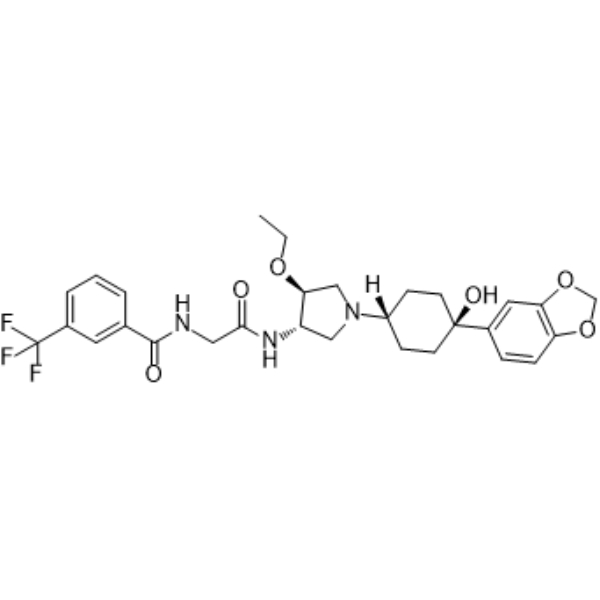
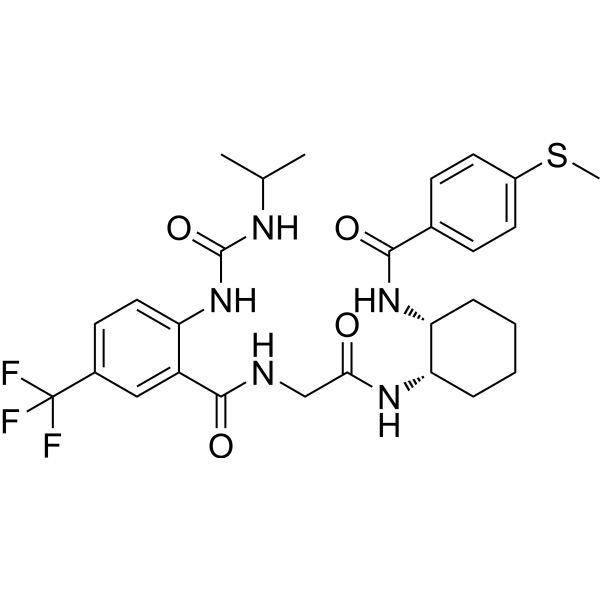
INCB3344
Maximum Cited Publications
30 Publications Verification
|
CCR
|
Inflammation/Immunology
Endocrinology
|
|
INCB3344 is a potent, selective and orally bioavailable CCR2 antagonist with IC50 values of 5.1 nM (hCCR2) and 9.5 nM (mCCR2) in binding antagonism and 3.8 nM (hCCR2) and 7.8 nM (mCCR2) in antagonism of chemotaxis activity.
|
-
-
- HY-164535
-
|
AMG 133
|
Antibody-Drug Conjugates (ADCs)
GLP Receptor
Insulin Receptor
|
Metabolic Disease
|
|
Maridebart cafraglutide (AMG 133) is a long-acting peptide-antibody conjugate that combines GLP-1 receptor agonist with glucose-dependent insulinotropic polypeptide (GIP) receptor antagonism. Maridebart cafraglutide shows antagonist activity against human, cynomolgus monkey and rat GIPR with IC50 values of 46.4 nM, 26.5 nM, 822.3 nM, respectively. Maridebart cafraglutide shows agonist activity against human, cynomolgus monkey, rat and mouse GLP-1R with EC50 values of 24.4 pM, 5.7 pM, 2.4 pM and 123 pM, respectively. Maridebart cafraglutide can be used for the study of obesity and type 2 diabetes .
|
-
-
- HY-13290
-
|
|
CaMK
P2X Receptor
|
Metabolic Disease
Cancer
|
|
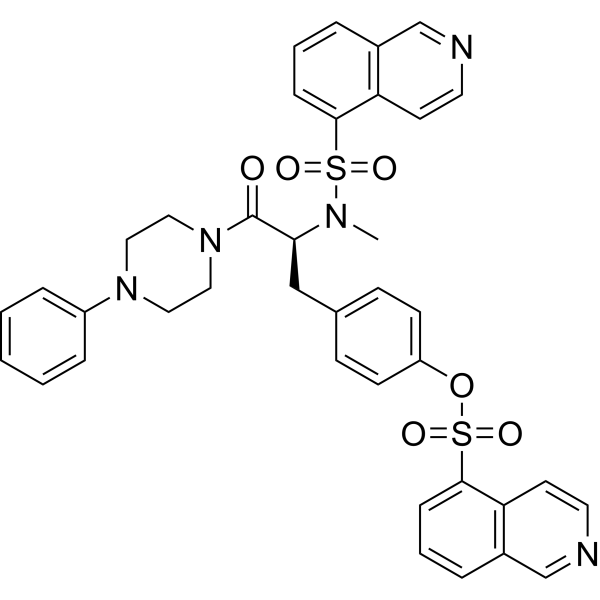
KN-62 is a selective and reversible inhibitor of calmodulin-dependent protein kinase II (CaMK-II) with a Ki of 0.9 μM for rat brain CaMK-II. KN-62 directly binds to the calmodulin binding site of CaMK-II. KN-62 displays noncompetitive antagonism at P2X7 receptors in HEK293 cells, with an IC50 value of approximately 15 nM.
|
-
-
- HY-P99643
-
|
UCB6114
|
Dan family
|
Cancer
|
|
Ginisortamab (UCB6114) is a fully human IgG4P anti Gremlin-1 monoclonal antibody, with mean IC50 values of 8.2 nM and 9 nM against human and mouse gremlin-1, respectivly. Ginisortamab inhibits gremlin-1 antagonism of BMP signaling pathways. Ginisortamab has the potential for the research of gastrointestinal (GI) tumors .
|
-
-
- HY-108469
-
BI-6015
5 Publications Verification
|
Orphan Nuclear Receptor
|
Metabolic Disease
Cancer
|
|
BI-6015 is a hepatocyte nuclear factor 4α (HNF4α) antagonist that can inhibit the expression of known HNF4α target genes. BI6015 represses insulin promoter activity through HNF4α antagonism. BI-6015 can be used for the research of cancer and diabetes .
|
-
-
- HY-16039
-
|
|
LPL Receptor
|
Inflammation/Immunology
|
|
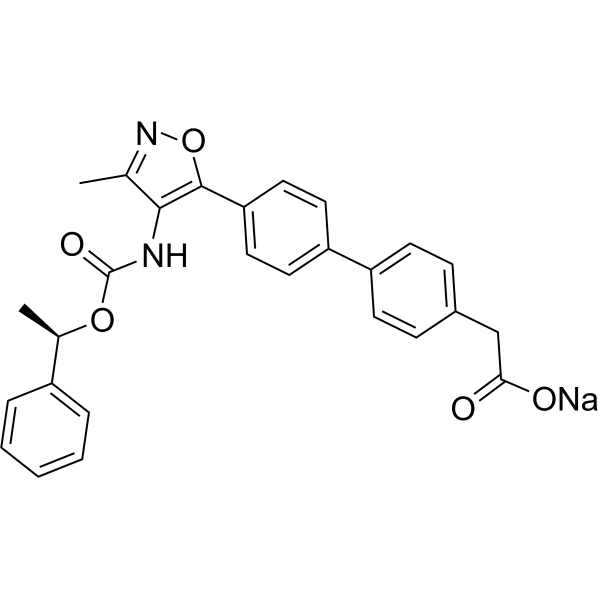
AM095 is a selective LPA1 receptor antagonist. The IC50 for AM095 antagonism of LPA-induced calcium flux of human or mouse LPA1-transfected CHO cells is 0.025 and 0.023 μM, respectively.
|
-
-
- HY-101908
-
|
|
CCR
|
Inflammation/Immunology
Endocrinology
|
|
BMS CCR2 22 is a potent, specific and high affinity CC-type chemokine receptor 2 (CCR2) antagonist with excellent binding affinity (binding IC50 of 5.1 nM) and potent functional antagonism (calcium flux IC50 of 18 nM and chemotaxis IC50 of 1 nM) .
|
-
-
- HY-B1901
-
|
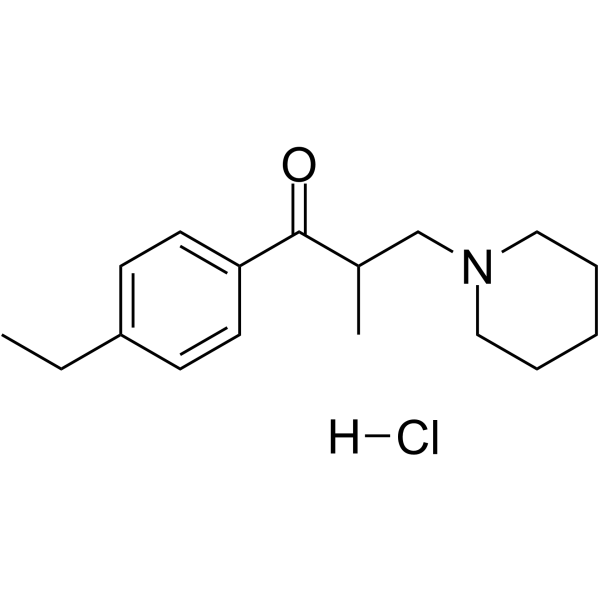
(±)-Eperisone hydrochloride
|
P2X Receptor
|
Neurological Disease
|
|
Eperisone Hydrochloride ((±)-Eperisone hydrochloride) is an orally active antispastic agent with a vasodilator effect, used for the research of muscle stiffness and pain. Eperisone Hydrochloride is a potent and selectively P2X7 receptor antagonist, also shows antagonism for human P2X3. Eperisone Hydrochloride works by relaxing both skeletal muscles and vascularsmooth muscles, demonstrating a variety of effects such as reduction ofmyotonia, improvement of circulationand and suppression of the pain reflex .
|
-
-
- HY-A0081
-
|
|
Dopamine Receptor
SARS-CoV
Sodium Channel
|
Neurological Disease
Cancer
|
|
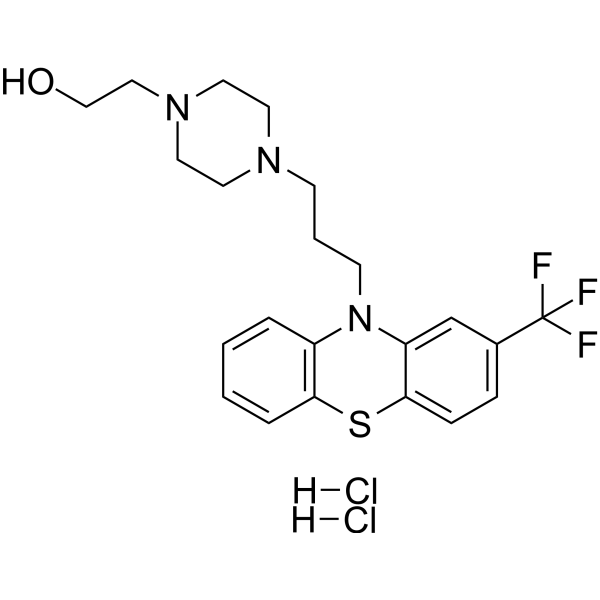
Fluphenazine dihydrochloride is a potent, orally active phenothiazine-based dopamine receptor antagonist. Fluphenazine dihydrochloride blocks neuronal voltage-gated sodium channels. Fluphenazine dihydrochloride acts primarily through antagonism of postsynaptic dopamine-2 receptors in mesolimbic, nigrostriatal, and tuberoinfundibular neural pathways. Fluphenazine dihydrochloride can antagonize Methylphenidate-induced stereotyped gnawing and inhibit climbing behaviour in mice. Fluphenazine dihydrochloride can be used for researching psychosis and painful peripheral neuropathy associated with diabetes and has potential to inhibit SARS-CoV-2 .
|
-
-
- HY-119980
-
|
|
Sodium Channel
Dopamine Receptor
SARS-CoV
|
Infection
Neurological Disease
Cancer
|
|
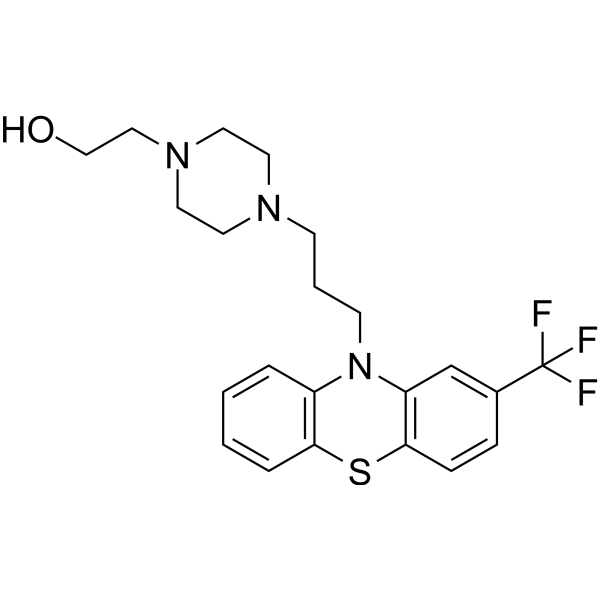
Fluphenazine is a potent, orally active phenothiazine-based dopamine receptor antagonist. Fluphenazine blocks neuronal voltage-gated sodium channels. Fluphenazine acts primarily through antagonism of postsynaptic dopamine-2 receptors in mesolimbic, nigrostriatal, and tuberoinfundibular neural pathways. Fluphenazine can antagonize Methylphenidate-induced stereotyped gnawing and inhibit climbing behaviour in mice. Fluphenazine can be used for researching psychosis and painful peripheral neuropathy associated with diabetes and has potential to inhibit SARS-CoV-2 .
|
-
-
- HY-113906A
-
|
|
GHSR
|
Metabolic Disease
|
|
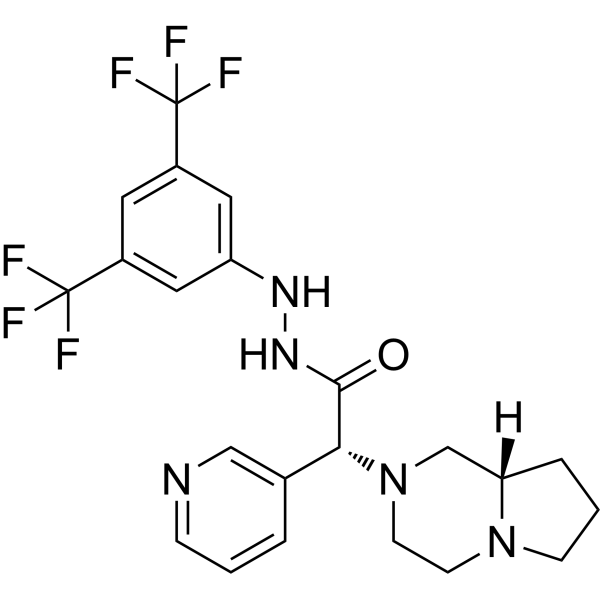
(αR,8aS)-GSK1614343 is the isomer of GSK1614343 (HY-113906). GSK1614343 is the potent antagonist of growth hormone secretagogues type 1a (GHS1a) receptors .
|
-
-
- HY-136299
-
|
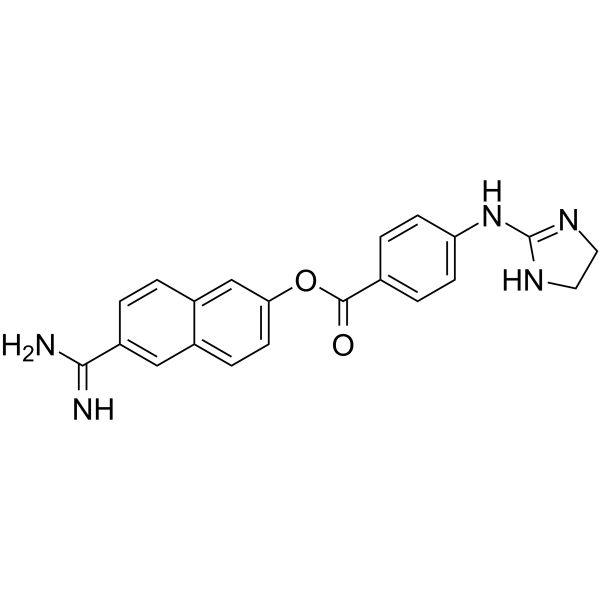
FUT-187 free base
|
iGluR
|
Neurological Disease
|
|
Sepimostat (FUT-187 free base) exhibits neuroprotective activity via NR2B N-methyl-D-aspartate receptor antagonism at the Ifenprodil-binding site of the NR2B subunit. Sepimostat inhibits the Ifenprodil binding with a Ki value of 27.7?μM .
|
-
-
- HY-P1812
-
AUNP-12
3 Publications Verification
NP-12
|
PD-1/PD-L1
|
Cancer
|
|
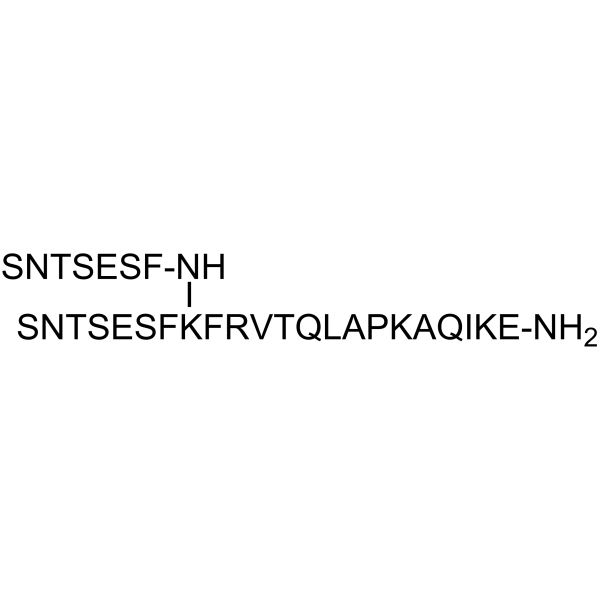
AUNP-12 (NP-12) is a peptide antagonist of the PD-1 signaling pathway, displays equipotent antagonism toward PD-L1 and PD-L2 in rescue of lymphocyte proliferation and effector functions. AUNP-12 exhibits immune activation, excellent antitumor activity, and potential for better management of immune-related adverse events (irAEs) .
|
-
-
- HY-P10571
-
|
|
Melanocortin Receptor
|
Metabolic Disease
|
|
GPS1573 is a noncompetitive antagonist of melanocortin type 2 receptor (MC2R) that dose-dependently antagonizes ACTH-stimulated MC2R activity (IC50=66 nM). GPS1573 can be used in the study of Cushing's disease due to its highly selective antagonism of MC2R .
|
-
-
- HY-U00051
-
|
|
Histamine Receptor
Dopamine Receptor
|
Neurological Disease
|
|
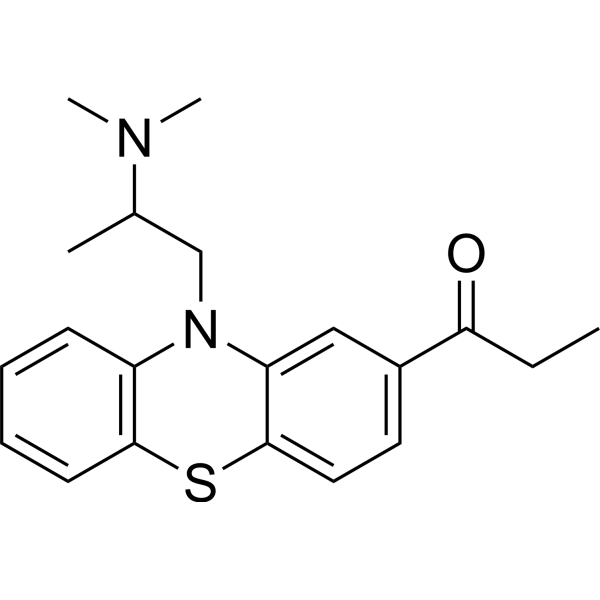
Propiomazine is an orally active antihistamine agent. Propiomazine is a potent prolactin (PRL) release stimulant, whose effect depends on the antagonism of the dopaminergic system and can inhibit the secretion of luteinizing hormone (LH). Propiomazine is mainly used for anesthesia assistance, mental disorders and anxiety-induced sedation, and can also be used in research related to insomnia .
|
-
-
- HY-13499
-
|
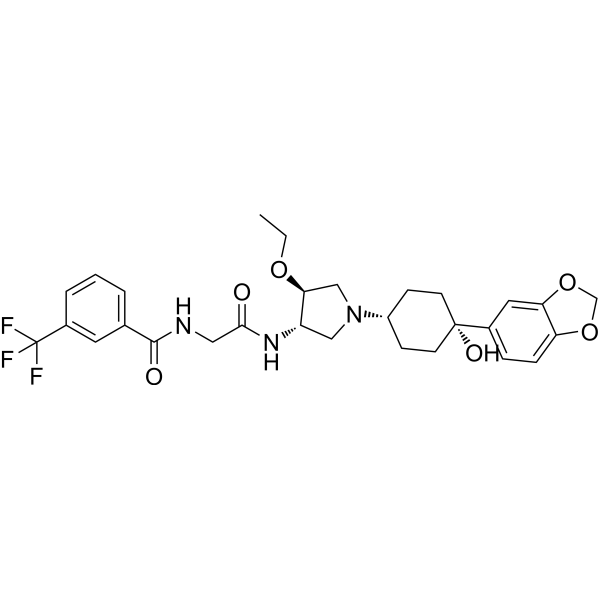
CCR2 antagonist 5
|
CCR
|
Inflammation/Immunology
|
|
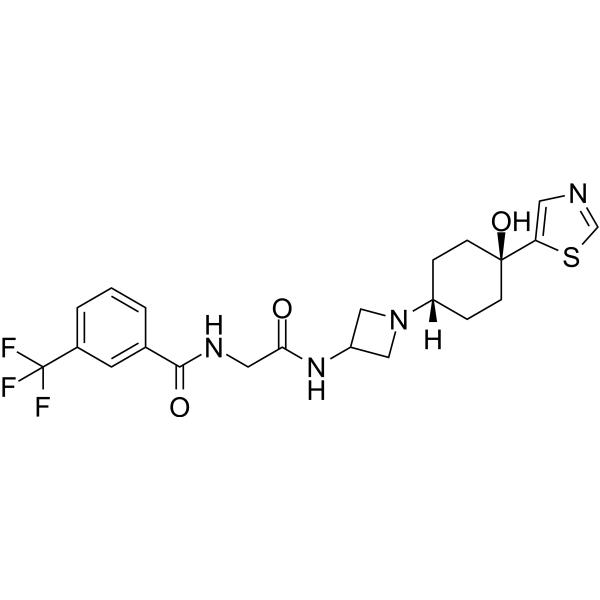
JNJ-41443532 (CCR2 antagonist 5) is a selective, orally active hCCR2 inhibitor with good binding affinity (IC50=37 nM) and potent functional antagonism (chemotaxis IC50=30 nM). JNJ-41443532 displays a Ki of 9.6 µM for mCCR2 binding. JNJ-41443532 can be used in the research of inflammatory disease .
|
-
-
- HY-151481
-
|
|
FXR
|
Metabolic Disease
|
|
FXR antagonist 1 (compound F6) is an orally active and selective intestinal FXR antagonist (IC50=2.1 μM). FXR antagonist 1 selectively inhibits intestinal FXR signalling through antagonism of intestinal FXR and feedback activation of hepatic FXR to improve hepatic steatosis, inflammation and fibrosis in NASH (nonalcoholic steatohepatitis) models. FXR antagonist 1 can be used in NASH studies .
|
-
-
- HY-142066
-
|
|
PKA
ERK
iGluR
|
Neurological Disease
|
|
4′-Demethylnobiletin is a bioactive metabolite that activates the PKA/ERK/CREB signaling pathway, enhances CRE-mediated transcription in hippocampal neurons, and reverses memory impairment associated with NMDA receptor antagonism by stimulating ERK signaling .
|
-
-
- HY-117694
-
|
|
CGRP Receptor
|
Neurological Disease
Inflammation/Immunology
|
|
MK-8825 is an orally active, selective CGRP receptor antagonist with a Ki value of 47 pM for human CGRP receptors and 17 nM for rat CGRP receptors. MK-8825 blocks CGRP-stimulated cAMP responses and exhibits competitive-like antagonism. MK-8825 can be used in the research of migraine and temporomandibular joint disorders .
|
-
-
- HY-101725
-
|
Ro 11-3128; Ro 11-3128/002
|
Parasite
|
Infection
Neurological Disease
|
|
Meclonazepam (Ro 11-3128) is a benzodiazepine compound with anxiolytic effect . Meclonazepam is active against immature S. mansoni. Meclonazepam (30 μM) eliminates 100% of immature parasites. Meclonazepam has a anti-schistosomal effect .
|
-
-
- HY-B1901R
-
|
(±)-Eperisone hydrochloride (Standard)
|
P2X Receptor
Reference Standards
|
Neurological Disease
|
|
Eperisone (hydrochloride) (Standard) is the analytical standard of Eperisone (hydrochloride). This product is intended for research and analytical applications. Eperisone Hydrochloride ((±)-Eperisone hydrochloride) is an orally active antispastic agent with a vasodilator effect, used for the research of muscle stiffness and pain. Eperisone Hydrochloride is a potent and selectively P2X7 receptor antagonist, also shows antagonism for human P2X3. Eperisone Hydrochloride works by relaxing both skeletal muscles and vascularsmooth muscles, demonstrating a variety of effects such as reduction ofmyotonia, improvement of circulationand and suppression of the pain reflex .
|
-
-
- HY-P991673
-
|
LuAG13909
|
Androgen Receptor
|
Inflammation/Immunology
|
|
Asedebart is a CHO-expressed human antibody that targets Adrenocorticotropic hormone (ACTH). Asedebart blocks the binding of ACTH to its receptor through antagonism. Asedebart has huIgG1 heavy chain and huκ light chain, with a predicted molecular weight (MW) of 145 kDa. The isotype control for Asedebart can refer to Human IgG1 kappa, Isotype Control (HY-P99001). Asedebart can be used for inflammatory diseases such as psoriasis and ulcerative colitis research .
|
-
-
- HY-77111
-
|
|
CCR
Drug Isomer
|
Inflammation/Immunology
Endocrinology
|
|
cis-INCB3344 is the isomer of INCB3344 (HY-50674), and can be used as an experimental control. INCB3344 is a potent, selective and orally bioavailable CCR2 antagonist with IC50 values of 5.1 nM (hCCR2) and 9.5 nM (mCCR2) in binding antagonism and 3.8 nM (hCCR2) and 7.8 nM (mCCR2) in antagonism of chemotaxis activity.
|
-
-
- HY-N7740
-
|
|
P2Y Receptor
Endogenous Metabolite
|
Others
|
|
Adenosine 2',5'-diphosphate sodium is a competitive P2Y1 antagonist. Adenosine 2',5'-diphosphate sodium exhibits non-selective antagonism at recombinant and human platelet P2X1 receptors .
|
-
-
- HY-121037
-
|
EGM1
|
Phosphodiesterase (PDE)
|
Cancer
|
|
Eggmanone (EGM1) is a potent and selective phosphodiesterase 4 (PDE4) antagonist with an IC50 of 72 nM for PDE4D3. Eggmanone shows approximately 40- to 50-fold selective for PDE4D3 over other PDEs. Eggmanone exerts its Hh-inhibitory effects through selective antagonism of PDE4, leading to protein kinase A activation and subsequent Hh blockade .
|
-
-
- HY-135439
-
|
|
5-HT Receptor
|
Neurological Disease
|
|
SB-203186 is a highly selective 5-HT4 receptor antagonist. SB-203186 exhibits a potent competitive antagonistic effect, with its pKB value being 8.3 in the isolated right atrium model of piglets. SB-203186 can dose-dependently shift the 5-HT-induced tachycardia curve to the right, and does not inhibit the maximum response. SB-203186 is an efficient 5-HT₄ antagonist in pig and human atria, but has no significant inhibitory effect in rat atria. SB-203186 can be used for the study of diseases such as arrhythmias and abnormal myocardial contraction .
|
-
-
- HY-135447
-
|
|
Prostaglandin Receptor
|
Others
|
|
BM-531 is a dual-acting agent for thromboxane receptor (TXA2) antagonism and thromboxane synthase inhibition. BM-531 exerts anti-aggregatory effects on human citrated platelet-rich plasma (PRP), inhibiting Arachidonic acid (HY-109590A)-induced aggregation with an ED100 of 0.125 μM and U-46619 (HY-108566)-induced aggregation with an ED50 of 0.482 μM. BM-531 inhibits high-K +-induced contraction of porcine uterine smooth muscle .
|
-
-
- HY-119980S
-
|
|
Isotope-Labeled Compounds
Sodium Channel
Dopamine Receptor
SARS-CoV
|
Others
|
|
Fluphenazine-d8 is the deuterium labeled Fluphenazine. Fluphenazine is a potent, orally active phenothiazine-based dopamine receptor antagonist. Fluphenazine blocks neuronal voltage-gated sodium channels. Fluphenazine acts primarily through antagonism of postsynaptic dopamine-2 receptors in mesolimbic, nigrostriatal, and tuberoinfundibular neural pathways. Fluphenazine can antagonize Methylphenidate-induced stereotyped gnawing and inhibit climbing behaviour in mice. Fluphenazine can be used for researching psychosis and painful peripheral neuropathy associated with diabetes and has potential to inhibit SARS-CoV-2 .
|
-
-
- HY-P5175
-
|
|
mAChR
|
Neurological Disease
|
|
Muscarinic toxin 7 is a peptide toxin with selective and noncompetitive antagonism at the muscarinic M1 receptor .
|
-
-
- HY-125839
-
|
|
Glucocorticoid Receptor
|
Inflammation/Immunology
Endocrinology
|
|
OP-3633 is a potent and selective steroidal glucocorticoid receptor (GR) antagonist with an IC50 of 29 nM, with inhibition of GR transcriptional activity. OP-3633 exhibits low progesterone receptor (PR) agonism and androgen receptor (AR) antagonism .
|
-
-
- HY-136299A
-
|
FUT-187
|
iGluR
|
Neurological Disease
|
|
Sepimostat dimethanesulfonate (FUT-187) exhibits neuroprotective activity via NR2B N-methyl-D-aspartate receptor antagonism at the Ifenprodil-binding site of the NR2B subunit. Sepimostat dimethanesulfonate inhibits the Ifenprodil binding with a Ki value of 27.7 µM .
|
-
-
- HY-119971
-
|
|
Nuclear Hormone Receptor 4A/NR4A
|
Metabolic Disease
Cancer
|
|
BIM5078 is a hepatocyte nuclear factor 4α (HNF4α) antagonist that can inhibit the expression of known HNF4α target genes. BIM5078 represses insulin promoter activity through HNF4α antagonism. BIM5078 can be used for the research of cancer and diabetes .
|
-
-
- HY-171012
-
|
NSC 335504
|
STING
|
Inflammation/Immunology
|
|
Clonixeril (NSC 335504) is a non-nucleotide hSTING modulator. Clonixeril has weak agonist activity at micromolar concentrations and results in antagonism of the hSTING WT pathway at low femtomolar (10 -15 M) and in some cases even attomolar (10 -18 M) concentrations. Clonixeril reduces hSTING oligomerization at a concentration of 1 aM-1 pM .
|
-
-
- HY-156734
-
|
|
SARS-CoV
Virus Protease
|
Infection
|
|
D-4-77 is a potent inhibitor of SARS-CoV-2 Mpro with an IC50 value of 0.95 μM. D-4-77 has antiviral active with an EC50 value of 0.49 μM. D-4-77 suppresses SARS-CoV-2 Mpro -induced antagonism of the host NF-κB innate immune response .
|
-
-
- HY-148038
-
|
|
5-HT Receptor
|
Neurological Disease
|
|
5-HT3 antagonist 5 is a quinoxalin-2-carboxamide compound, a 5-HT3 receptor antagonist. 5-HT3 antagonist 5 exerts antagonism on 5-HT3 agonist and 2-methyl-5-HT, and shows anti-depressant effect in mice .
|
-
-
- HY-P1812A
-
|
NP-12 TFA
|
PD-1/PD-L1
|
Cancer
|
|
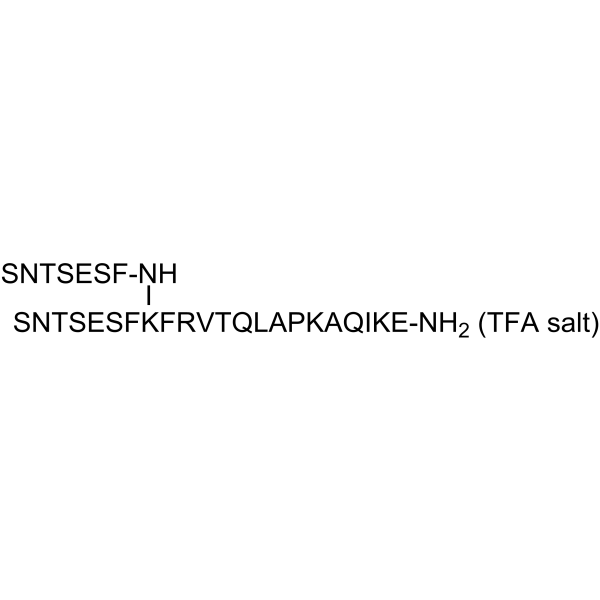
AUNP-12 TFA (NP-12 TFA) is a peptide antagonist of the PD-1 signaling pathway, displays equipotent antagonism toward PD-L1 and PD-L2 in rescue of lymphocyte proliferation and effector functions. AUNP-12 TFA exhibits immune activation, excellent antitumor activity, and potential for better management of immune-related adverse events (irAEs) .
|
-
-
- HY-144286
-
|
|
CXCR
|
Infection
|
|
CXCR4 antagonist 3 (compound 12a) is a potent antagonist of CXCR4 with an IC50 of 11 nM. CXCR4 antagonist 3 is a congener of TIQ15. CXCR4 antagonist 3 demonstrates the best overall properties including CXCR4 antagonism, CYP 2D6 inhibition, metabolic stability, and permeability. CXCR4 antagonist 3 has the potential for the research of human immunodeficiency virus .
|
-
-
- HY-144607
-
|
|
Opioid Receptor
|
Neurological Disease
|
|
Mu opioid receptor antagonist 2 (compound 25) is a potent, selective and blood-brain barrier (BBB) penetrant μ opioid receptor (MOR) antagonist with a Ki of 0.37 nM and an EC50 of 0.44 nM. Mu opioid receptor antagonist 2 has remarkable CNS antagonism against morphine, and precipitated fewer withdrawal symptoms than Naloxone. Mu opioid receptor antagonist 2 can be used for researching opioid use disorders (OUD) .
|
-
-
- HY-144609
-
|
|
Opioid Receptor
|
Neurological Disease
|
|
Mu opioid receptor antagonist 4 (compound 31) is a potent and selective μ opioid receptor (MOR) antagonist with a Ki of 0.38 nM and an EC50 of 1.07 nM. Mu opioid receptor antagonist 4 has remarkable CNS antagonism against morphine, and precipitated fewer withdrawal symptoms than Naloxone. Mu opioid receptor antagonist 4 Mu opioid receptor antagonist 4 can be used for researching opioid use disorders (OUD) .
|
-
-
- HY-101317A
-
|
SB-205607
|
Opioid Receptor
|
Metabolic Disease
|
|
TAN-67 (SB-205607) is a non-peptidic delta-opioid receptor agonist that exhibits significant antinociceptive activity in both diabetic and non-diabetic mice. TAN-67 demonstrates a marked and dose-dependent reduction in acetic acid-induced abdominal constrictions, with a notably stronger effect in diabetic mice compared to their non-diabetic counterparts. TAN-67's antinociceptive properties are primarily mediated through the activation of delta 1-opioid receptors, as indicated by the pronounced antagonism observed upon administration of a selective delta 1-opioid receptor antagonist.
|
-
-
- HY-112740
-
|
|
Leukotriene Receptor
|
Inflammation/Immunology
|
|
SC-53228 is an orally active human leukotriene B4 receptor (LTB4 receptor) antagonist. SC-53228 exerts its anti-inflammatory effect by specifically blocking the LTB4 receptor and inhibiting neutrophil infiltration. SC-53228 has demonstrated significant efficacy and good safety in various inflammatory models. SC-53228 can be used for a variety of inflammatory diseases, such as psoriasis and ulcerative colitis .
|
-
-
- HY-149387
-
|
|
Dopamine Receptor
Opioid Receptor
|
Inflammation/Immunology
|
|
D3R/MOR antagonist 2 (Compound 121) is a D3R/MOR antagonist (Ki: 361 nM and 85.2 nM respectively). D3R/MOR antagonist 2 has the potential to produce analgesic effects through MOR partial agonism, reduce opioid-misuse liability via D3R antagonism .
|
-
-
- HY-149386
-
|
|
Dopamine Receptor
Opioid Receptor
|
Inflammation/Immunology
|
|
D3R/MOR antagonist 1 (Compound 114) is a D3R/MOR antagonist (Ki: 46.5 nM and 691 nM respectively). D3R/MOR antagonist 1 has the potential to produce analgesic effects through MOR partial agonism, reduce opioid-misuse liability via D3R antagonism .
|
-
-
- HY-19012
-
|
|
Adrenergic Receptor
|
Cardiovascular Disease
|
|
N-1518 is an α and β adrenergic receptor blocker that has competitive antagonism against β1 and α1 receptors, but does not show selectivity for β1 receptors, but shows about 20-fold selectivity for α1 receptors. N-1518 has vasodilatory effects and can be used in the research field of hypertension treatment .
|
-
-
- HY-120810
-
|
DDP-225 hydrate hydrochloride
|
5-HT Receptor
|
Neurological Disease
|
|
MCI-225 (DDP-225) hydrate hydrochloride is a selective and orally active noradrenaline (NA) reuptake inhibitor with 5-HT3 receptor antagonism. MCI-225 hydrate hydrochloride has antidepressant-like and anxiolytic-like properties. MCI-225 hydrate hydrochloride can be used for the study of anxiety disorder .
|
-
-
- HY-120301
-
-
-
- HY-50674A
-
|
|
CCR
|
Inflammation/Immunology
|
|
INCB3344 R-isomer is the R-isomer of INCB3344. INCB3344 is a potent, selective and orally bioavailable CCR2 antagonist with IC50 values of 5.1 nM (hCCR2) and 9.5 nM (mCCR2) in binding antagonism and 3.8 nM (hCCR2) and 7.8 nM (mCCR2) in antagonism of chemotaxis activity .
|
-
-
- HY-159080
-
|
|
Parasite
|
Infection
|
|
HgCht2-IN-1 (compound 1516b) is a HgCht2 inhibitor that successfully inhibits the antagonism of cyst nematodes against nitrogen-fixing rhizobia and phosphate-absorbing arbuscular mycorrhizal symbionts. HgCht2-IN-1 can be used in the study of cyst nematode antagonism against microbial symbionts .
|
-
-
- HY-115844
-
-
-
- HY-124910
-
-
- HY-136880
-
|
Sgd 195/78
|
5-HT Receptor
|
Cardiovascular Disease
|
|
Flufylline shows antihypertensive properties in spontaneously hypertensive rats and display antagonism towards 5-HT receptors in various animal models. Flufylline can be used for cardiovascular disease research .
|
-
- HY-W650803
-
|
A-57219 free base; SCH 40054 free base
|
Adrenergic Receptor
|
Cardiovascular Disease
|
|
Nemazoline (A-57219) is selective α-adrenergic agent with α1-agonist/α2-antagonist activity, which is used as a nasal decongestant. Nemazoline produces decongestion by α1-mediated contraction of capacitance vessels, but not compromises blood flow by virtue of α2-antagonism. Nemazoline also blocks endogenous noradrenaline-mediated α 2-constriction of the resistance vessels .
|
-
- HY-163703
-
|
|
Dopamine Receptor
|
Neurological Disease
|
|
D4R antagonist-2 (compound 33) is a D4R antagonist. D4R antagonist-2 has a IC50 value of 210 nM, and a Ki value of 59 nM for D4R. D4R antagonist-2 can be used in the Parkinson's disease research .
|
-
- HY-P0262A
-
|
|
Neuropeptide Y Receptor
|
Neurological Disease
Metabolic Disease
|
|
Galantide TFA is a reversible and non-specific galanin (GAL) receptor antagonist. Galantide TFA dose-dependently shows antagonism to galanin-induced K + conductance with an IC50 value of 4 nM. Galantide TFA can be used for the research of neurological disease and hormone metabolism research .
|
-
- HY-161896
-
|
|
GABA Receptor
|
Neurological Disease
|
|
Transcription factor-IN-1 (Compound 4e) is an inhibitor for transcription factor. Transcription factor-IN-1 exhibits anticonvulsant activity by antagonism with pentylenetetrazole (PTZ) (ED50 =34.5 mg/kg). Transcription factor-IN-1 exhibits antidepressant effects in rat models .
|
-
- HY-117881
-
|
|
Opioid Receptor
|
Neurological Disease
|
|
CJ-15208 is a potent and selective κ-opioid receptor antagonist with significant opioid activity. CJ-15208 exhibited strong analgesic effects in the warm water tail withdrawal test in mice and was mediated through multiple opioid receptors. The stereoisomers of CJ-15208 exhibited different opioid activity characteristics, for example, one stereoisomer exhibited κ-opioid receptor antagonism, while the other exhibited δ-opioid receptor antagonism. All stereoisomers of CJ-15208 had no significant effects on respiration. The stereoisomers of CJ-15208 did not lead to the development of drug tolerance, which makes it potential in the further development of safe opioid analgesics .
|
-
- HY-161273
-
|
|
TRP Channel
|
Neurological Disease
|
|
TRPV1 antagonist 6 (compound 51) is a mode-selective antagonist for transient receptor potential vanilloid member 1 (TRPV1), which shows antagonism with IC50 of 2.85 nM to capsaicin activation and 28.48 % inhibition against proton activation at a 3 µM concentration .
|
-
- HY-W424730
-
|
|
iGluR
|
Others
|
|
HA-966 hydrochloride is a glycine site antagonist of the NMDA receptor, exhibiting non-competitive antagonism on NMDA responses. HA-966 hydrochloride effectively blocks the enhancement of NMDA responses by glycine in a competitive manner. HA-966 hydrochloride plays a significant role in mediating the antagonist action at the glycine modulatory site of the NMDA receptor.
|
-
- HY-U00051A
-
|
|
Histamine Receptor
|
Neurological Disease
|
|
Propiomazine hydrochloride is an orally active antihistamine agent. Propiomazine hydrochloride is a potent prolactin (PRL) release stimulant, whose effect depends on the antagonism of the dopaminergic system and can inhibit the secretion of luteinizing hormone (LH). Propiomazine hydrochloride is mainly used for anesthesia assistance, mental disorders and anxiety-induced sedation, and can also be used in research related to insomnia .
|
-
- HY-155706
-
|
|
Opioid Receptor
Dopamine Receptor
|
Inflammation/Immunology
|
|
MOR agonist-2 (compound 46) is a antagonist of D3R and agonist of MOR (Ki: 7.26 nM and 564 nM, respectively). MOR agonist-2 has the potential to produce analgesic effects through MOR partial agonism. MOR agonist-2 reduces opioid-misuse liability via D3R antagonism .
|
-
- HY-136299R
-
|
FUT-187 free base (Standard)
|
iGluR
Reference Standards
|
Neurological Disease
|
|
Sepimostat (Standard) is the analytical standard of Sepimostat. This product is intended for research and analytical applications. Sepimostat (FUT-187 free base) exhibits neuroprotective activity via NR2B N-methyl-D-aspartate receptor antagonism at the Ifenprodil-binding site of the NR2B subunit. Sepimostat inhibits the Ifenprodil binding with a Ki value of 27.7 μM .
|
-
- HY-174441
-
|
|
Chloride Channel
|
Others
|
|
Molluscicidal agent-2 (Compound 16) is a molluscicide with an LC50 of 0.58 mg/mL against Monacha cartusiana snails. Molluscicidal agent-2 exerts its effect through a dual mode of action: gastrointestinal toxicity and GABAA-GluCl channel antagonism. Molluscicidal agent-2 can be used in research on agricultural pest control .
|
-
- HY-U00051AS1
-
|
|
Isotope-Labeled Compounds
|
Neurological Disease
|
|
(R)-Propiomazine-d6 hydrochloride is deuterium labeled Propiomazine hydrochloride. Propiomazine hydrochloride is an orally active antihistamine agent. Propiomazine hydrochloride is a potent prolactin (PRL) release stimulant, whose effect depends on the antagonism of the dopaminergic system and can inhibit the secretion of luteinizing hormone (LH). Propiomazine hydrochloride is mainly used for anesthesia assistance, mental disorders and anxiety-induced sedation, and can also be used in research related to insomnia.
|
-
- HY-U00051AS
-
|
|
Isotope-Labeled Compounds
Histamine Receptor
|
Neurological Disease
|
|
Propiomazine-d6 hydrochloride is deuterium labeled Propiomazine hydrochloride. Propiomazine hydrochloride is an orally active antihistamine agent. Propiomazine hydrochloride is a potent prolactin (PRL) release stimulant, whose effect depends on the antagonism of the dopaminergic system and can inhibit the secretion of luteinizing hormone (LH). Propiomazine hydrochloride is mainly used for anesthesia assistance, mental disorders and anxiety-induced sedation, and can also be used in research related to insomnia.
|
-
- HY-U00051AS2
-
|
|
Isotope-Labeled Compounds
|
Neurological Disease
|
|
(S)-Propiomazine-d6 hydrochloride is deuterium labeled Propiomazine hydrochloride. Propiomazine hydrochloride is an orally active antihistamine agent. Propiomazine hydrochloride is a potent prolactin (PRL) release stimulant, whose effect depends on the antagonism of the dopaminergic system and can inhibit the secretion of luteinizing hormone (LH). Propiomazine hydrochloride is mainly used for anesthesia assistance, mental disorders and anxiety-induced sedation, and can also be used in research related to insomnia.
|
-
- HY-144608
-
|
|
Opioid Receptor
|
Neurological Disease
|
|
Mu opioid receptor antagonist 3 (compound 26) is a potent and selective μ opioid receptor (MOR) antagonist with a Ki of 0.24 nM and an EC50 of 0.54 nM. Mu opioid receptor antagonist 3 has remarkable CNS antagonism against morphine, and precipitated fewer withdrawal symptoms than Naloxone. Mu opioid receptor antagonist 3 can be used for researching opioid use disorders (OUD) .
|
-
- HY-107564
-
|
VUF 4702 dihydrobromide
|
Histamine Receptor
|
Inflammation/Immunology
|
|
Impentamine dihydrobromide (VUF 4702 dihydrobromide) is a histamine H3 receptor antagonist with potential antihistamine activity. Impentamine dihydrobromide shows the strongest selective H3 antagonism among a series of 4(5)-(ω-aminoalkyl)-1H-imidazole compounds. The pA2 value of impentamine dihydrobromide is 8.4, showing its high efficacy in guinea pig jejunum. Impentamine dihydrobromide has a specific antagonistic binding site with the H3 receptor .
|
-
- HY-119980B
-
|
|
Dopamine Receptor
Sodium Channel
SARS-CoV
|
Neurological Disease
Cancer
|
|
Fluphenazine hydrochloride is a potent, orally active phenothiazine-based dopamine receptor antagonist. Fluphenazine hydrochloride blocks neuronal voltage-gated sodium channels. Fluphenazine hydrochloride acts primarily through antagonism of postsynaptic dopamine-2 receptors in mesolimbic, nigrostriatal, and tuberoinfundibular neural pathways. Fluphenazine hydrochloride can antagonize Methylphenidate-induced stereotyped gnawing and inhibit climbing behaviour in mice. Fluphenazine hydrochloride can be used for researching psychosis and painful peripheral neuropathy associated with diabetes and has potential to inhibit SARS-CoV-2 .
|
-
- HY-119980A
-
|
|
Dopamine Receptor
Sodium Channel
SARS-CoV
|
Infection
Neurological Disease
Cancer
|
|
Fluphenazine dimaleate is a potent, orally active phenothiazine-based dopamine receptor antagonist. Fluphenazine dimaleate blocks neuronal voltage-gated sodium channels. Fluphenazine dimaleate acts primarily through antagonism of postsynaptic dopamine-2 receptors in mesolimbic, nigrostriatal, and tuberoinfundibular neural pathways. Fluphenazine dimaleate can antagonize Methylphenidate-induced stereotyped gnawing and inhibit climbing behaviour in mice. Fluphenazine dimaleate can be used for researching psychosis and painful peripheral neuropathy associated with diabetes and has potential to inhibit SARS-CoV-2 .
|
-
- HY-119980BS
-
|
|
Isotope-Labeled Compounds
Dopamine Receptor
Sodium Channel
SARS-CoV
|
Neurological Disease
Cancer
|
|
Fluphenazine-d6 (hydrochloride) is deuterium labeled Fluphenazine (hydrochloride). Fluphenazine hydrochloride is a potent, orally active phenothiazine-based dopamine receptor antagonist. Fluphenazine hydrochloride blocks neuronal voltage-gated sodium channels. Fluphenazine hydrochloride acts primarily through antagonism of postsynaptic dopamine-2 receptors in mesolimbic, nigrostriatal, and tuberoinfundibular neural pathways. Fluphenazine hydrochloride can antagonize Methylphenidate-induced stereotyped gnawing and inhibit climbing behaviour in mice. Fluphenazine hydrochloride can be used for researching psychosis and painful peripheral neuropathy associated with diabetes and has potential to inhibit SARS-CoV-2 .
|
-
- HY-131337
-
|
|
Bacterial
|
Infection
|
|
RhlR antagonist 1 is a potent RhlR antagonist with an IC50 of 26 μM. RhlR antagonist 1 displays selective RhlR antagonism over LasR and PqsR, strong inhibition of biofilm formation in static and dynamic settings, and reduces production of virulence factors such as rhamnolipid and pyocyanin in P. aeruginosa. RhlR antagonist 1 can be utilized for developing QS-modulating molecules in the control of P. aeruginosa infections . RhlR antagonist 1 is a click chemistry reagent, it contains an Alkyne group and can undergo copper-catalyzed azide-alkyne cycloaddition (CuAAc) with molecules containing Azide groups.
|
-
- HY-A0081R
-
|
|
Reference Standards
Dopamine Receptor
SARS-CoV
Sodium Channel
|
Neurological Disease
Cancer
|
|
Fluphenazine (dihydrochloride) (Standard) is the analytical standard of Fluphenazine (dihydrochloride). This product is intended for research and analytical applications. Fluphenazine dihydrochloride is a potent, orally active phenothiazine-based dopamine receptor antagonist. Fluphenazine dihydrochloride blocks neuronal voltage-gated sodium channels. Fluphenazine dihydrochloride acts primarily through antagonism of postsynaptic dopamine-2 receptors in mesolimbic, nigrostriatal, and tuberoinfundibular neural pathways. Fluphenazine dihydrochloride can antagonize Methylphenidate-induced stereotyped gnawing and inhibit climbing behaviour in mice. Fluphenazine dihydrochloride can be used for researching psychosis and painful peripheral neuropathy associated with diabetes and has potential to inhibit SARS-CoV-2 .
|
-
- HY-118775
-
|
|
5-HT Receptor
|
Others
|
|
LEK 8804 is a compound with 5-HT1A receptor agonist and 5-HT2 receptor antagonist properties, and has the activity of modulating related receptor-mediated behavioral responses. LEK 8804 can induce spontaneous tail-flick response in rats in a dose-dependent manner, showing complete 5-HT1A agonist activity, and can inhibit 5-HTP-induced head twitch response in mice, probably through antagonism of 5-HT2 receptors rather than agonism of 5-HT1A receptors.
|
-
- HY-119800
-
|
|
5-HT Receptor
Dopamine Receptor
|
Neurological Disease
|
|
Setoperone is an orally active and potent 5-HT₂ receptor antagonist and a moderate dopamine D₂ receptor blocker. Setoperone dissociates from the receptors relatively quickly, but it is easily "captured" by serotonin receptors in the body, resulting in persistent receptor inhibition even after elution. Setoperone can be used to study the negative symptoms of type II schizophrenia and associated mood disorders .
|
-
- HY-19633A
-
|
|
Endogenous Metabolite
|
Neurological Disease
|
|
CS-003 is a triple neurokinin receptor antagonist with activity in inhibiting neurokinin-related respiratory diseases. CS-003 exhibits high affinity for human neurokinin 1, 2 and 3 receptors, withKi values of 2.3 nM, 0.54 nM and 0.74 nM respectively. The Ki values of CS-003 on the guinea pig neurokinin receptor are 5.2 nM, 0.47 nM and 0.71 nM respectively, showing superior inhibitory effect. CS-003 significantly inhibits the formation of inositol phosphate involving substance P, neurokinin A and neurokinin B through competitive antagonism. CS-003 significantly inhibits citric acid-induced cough, and its effect is better than other selective neurokinin receptor antagonists .
|
-
- HY-103164A
-
|
CSC
|
Endogenous Metabolite
|
Neurological Disease
|
|
8-(3-Chlorostyryl)caffeine (CSC) is an adenosine antagonist with selective activity at the A2a adenosine receptor. 8-(3-Chlorostyryl)caffeine showed 520-fold selectivity in radioligand binding experiments in rat brain. Antagonism of adenylylase by 8-(3-Chlorostyryl)caffeine shows 22-fold selectivity in rat chromaffin cells When 8-(3-Chlorostyryl)caffeine is co-administered with the A1-selective antagonist CPX, It can also further increase exercise activity. 8-(3-Chlorostyryl)caffeine exhibits good MAO-B inhibitory activity in primate mitochondria. 8-(3-Chlorostyryl)caffeine also has excellent A2A receptor affinity .
|
-
- HY-P11259
-
|
|
Urotensin Receptor
|
Cardiovascular Disease
Metabolic Disease
Inflammation/Immunology
Cancer
|
UPG-111 is a peptide compound that acts as a negative allosteric modulator of the Urotensin II receptor (UTR). UPG-111 exhibits a dual inhibitory effect on the vasoconstriction induced by UTR agonists - it reduces both the maximum response intensity and the sensitivity of the agonist. UPG-111 does not induce calcium release or cause contraction of the endothelium-deprived rat aortic rings. UPG-111 can be used for the study of various diseases related to the angiotensinergic system .
|
-
- HY-182427
-
|
|
Histamine Receptor
|
Inflammation/Immunology
|
|
ORF 17583 is a Ranitidine (HY-B0693) analogue and H2 receptor antagonist. ORF 17583 exhibits typical reversible competitive antagonism in the guinea pig right atria model, causing a dose-dependent rightward shift of the histamine concentration-response curve without reducing the maximum effect, and its action is fully reversible upon washing. ORF 17583 can be used for research on peptic ulcers and hyperacidity .
|
-
- HY-106798
-
|
A-57219; SCH 40054
|
Adrenergic Receptor
|
Cardiovascular Disease
|
|
Nemazoline hydrochloride (A-57219 hydrochloride) is selective α-adrenergic agent with α1-agonist/α2-antagonist activity, which is used as a nasal decongestant. Nemazoline hydrochloride produces decongestion by α1-mediated contraction of capacitance vessels, but not compromises blood flow by virtue of α2-antagonism. Nemazoline hydrochloride also blocks endogenous noradrenaline-mediated α 2-constriction of the resistance vessels .
|
-
- HY-182635
-
|
|
Adrenergic Receptor
Sodium Channel
Potassium Channel
|
Cardiovascular Disease
Neurological Disease
|
|
ICI 147798 is an orally effective β-adrenoceptor antagonist with a pKB of 9.1 (in guinea pig right atrium) and 8.8 (in guinea pig trachea). ICI 147798 acts as a diuretic and intraocular pressure-lowering agent. ICI 147798 blocks β-adrenoceptors, inhibits isoproterenol-induced tachycardia and vasodepressor responses, exhibits slowly dissociating, insurmountable antagonism against β1-adrenoceptors, and shows surmountable competitive antagonism against β2-adrenoceptors. ICI 147798 induces natriuresis and kaliuresis, inhibits sodium transport, and reduces intraocular pressure .
|
-
- HY-136299B
-
|
FUT-187 trifluoroacetate
|
iGluR
|
Neurological Disease
|
|
Sepimostat (FUT-187) trifluoroacetate exhibits neuroprotective activity via NR2B N-methyl-D-aspartate receptor antagonism at the Ifenprodil-binding site of the NR2B subunit. Sepimostat trifluoroacetate inhibits the Ifenprodil binding with a Ki value of 27.7 μM .
|
-
- HY-179282
-
|
|
Opioid Receptor
|
Neurological Disease
|
|
Mu opioid receptor antagonist 9 is potent, selective and CNS-pentrant mu-opioid receptor (MOR) antagonist with a Ki of 77.3 nM. Mu opioid receptor antagonist 9 exhibits selectivity over kappa-opioid receptor (KOR), and delta-opioid receptor (DOR). Mu opioid receptor antagonist 9 effectively blocks the antinociceptive effects of psychoactive substances. Mu opioid receptor antagonist 9 can reverse psychoactive substances-induced respiratory depression in mice. Mu opioid receptor antagonist 9 can be used for the research of Opioid Use Disorder (OUD) .
|
-
- HY-U00051B
-
|
|
Histamine Receptor
Dopamine Receptor
|
Neurological Disease
|
|
Propiomazine maleate is an orally active antihistamine agent. Propiomazine maleate is a potent prolactin (PRL) release stimulant, whose effect depends on the antagonism of the dopaminergic system and can inhibit the secretion of luteinizing hormone (LH). Propiomazine maleate is mainly used for anesthesia assistance, mental disorders and anxiety-induced sedation, and can also be used in research related to insomnia .
|
-
- HY-101725R
-
|
Ro 11-3128 (Standard); Ro 11-3128/002 (Standard)
|
Reference Standards
Parasite
|
Infection
Neurological Disease
|
|
Meclonazepam (Standard) (Ro 11-3128 (Standard)) is the analytical standard of Meclonazepam (HY-101725). This product is intended for research and analytical applications. Meclonazepam (Ro 11-3128) is a benzodiazepine compound with anxiolytic effect . Meclonazepam is active against immature S. mansoni. Meclonazepam (30 μM) eliminates 100% of immature parasites. Meclonazepam has a anti-schistosomal effect .
|
-
- HY-101908R
-
|
|
Reference Standards
CCR
|
Inflammation/Immunology
Endocrinology
|
|
BMS CCR2 22 (Standard) is the analytical standard of BMS CCR2 22 (HY-101908). This product is intended for research and analytical applications. BMS CCR2 22 is a potent, specific and high affinity CC-type chemokine receptor 2 (CCR2) antagonist with excellent binding affinity (binding IC50 of 5.1 nM) and potent functional antagonism (calcium flux IC50 of 18 nM and chemotaxis IC50 of 1 nM) .
|
-
- HY-105101
-
|
|
Histamine Receptor
|
Inflammation/Immunology
|
|
Osutidine is a selective histamine H2 receptor antagonist, can effectively inhibit histamine-stimulated gastric acid secretion. Osutidine does not affect [ 14C]aminopyrine accumulation stimulated by carbachol or dibutyryl-cAMP. Osutidine is insurmountable and includes non-competitive inhibition. Osutidine can be used for the study of gastric mucosal injury .
|
-
- HY-108469R
-
|
|
Reference Standards
Orphan Nuclear Receptor
|
Metabolic Disease
Cancer
|
|
BI-6015 (Standard) is the analytical standard of BI-6015 (HY-108469). This product is intended for research and analytical applications. BI-6015 is a hepatocyte nuclear factor 4α (HNF4α) antagonist that can inhibit the expression of known HNF4α target genes. BI6015 represses insulin promoter activity through HNF4α antagonism. BI-6015 can be used for the research of cancer and diabetes .
|
-
- HY-P1650
-
|
B 9870
|
Bradykinin Receptor
ERK
|
Cancer
|
|
Breceptin (B 9870) is an antagonist of the bradykinin B1/B2 receptor (B1/B2R). Breceptin exhibits an irreversible antagonist effect on B2R, inhibiting the vasodilation induced by Bradykinin (HY-P0206) in the rabbit carotid vein contraction experiment. B-9870 shows partial agonist properties in HEK 293 cells with high expression of B2R, and can activate ERK1/2 phosphorylation, calcium ion mobilization, arachidonic acid release, and receptor internalization. Breceptin can be used in research to inhibit breast cancer and non-small cell lung cancer .
|
-
- HY-179606
-
|
|
Transmembrane Glycoprotein
Arrestin
ERK
Epigenetic Reader Domain
|
Neurological Disease
|
|
RWT9996 is a balanced GPR17 antagonist. RWT9996 has an inhibitory effect on G protein activation and β-arrestin-2 recruitment induced by MDL-29951. RWT9996 inhibits the phosphorylation of ERK/CREB and the accumulation of inositol phosphate (b IP1) induced by MDL-29951. RWT9996 can be used for the study of neurological diseases .
|
-
| Cat. No. |
Product Name |
Type |
-
- HY-164535
-
|
AMG 133
|
Fluorescent Dyes
|
|
Maridebart cafraglutide (AMG 133) is a long-acting peptide-antibody conjugate that combines GLP-1 receptor agonist with glucose-dependent insulinotropic polypeptide (GIP) receptor antagonism. Maridebart cafraglutide shows antagonist activity against human, cynomolgus monkey and rat GIPR with IC50 values of 46.4 nM, 26.5 nM, 822.3 nM, respectively. Maridebart cafraglutide shows agonist activity against human, cynomolgus monkey, rat and mouse GLP-1R with EC50 values of 24.4 pM, 5.7 pM, 2.4 pM and 123 pM, respectively. Maridebart cafraglutide can be used for the study of obesity and type 2 diabetes .
|
| Cat. No. |
Product Name |
Type |
-
- HY-135447
-
|
|
Biochemical Assay Reagents
|
|
BM-531 is a dual-acting agent for thromboxane receptor (TXA2) antagonism and thromboxane synthase inhibition. BM-531 exerts anti-aggregatory effects on human citrated platelet-rich plasma (PRP), inhibiting Arachidonic acid (HY-109590A)-induced aggregation with an ED100 of 0.125 μM and U-46619 (HY-108566)-induced aggregation with an ED50 of 0.482 μM. BM-531 inhibits high-K +-induced contraction of porcine uterine smooth muscle .
|
| Cat. No. |
Product Name |
Target |
Research Area |
-
- HY-P1812
-
AUNP-12
3 Publications Verification
NP-12
|
PD-1/PD-L1
|
Cancer
|
|
AUNP-12 (NP-12) is a peptide antagonist of the PD-1 signaling pathway, displays equipotent antagonism toward PD-L1 and PD-L2 in rescue of lymphocyte proliferation and effector functions. AUNP-12 exhibits immune activation, excellent antitumor activity, and potential for better management of immune-related adverse events (irAEs) .
|
-
- HY-P10571
-
|
|
Melanocortin Receptor
|
Metabolic Disease
|
|
GPS1573 is a noncompetitive antagonist of melanocortin type 2 receptor (MC2R) that dose-dependently antagonizes ACTH-stimulated MC2R activity (IC50=66 nM). GPS1573 can be used in the study of Cushing's disease due to its highly selective antagonism of MC2R .
|
-
- HY-P5175
-
|
|
mAChR
|
Neurological Disease
|
|
Muscarinic toxin 7 is a peptide toxin with selective and noncompetitive antagonism at the muscarinic M1 receptor .
|
-
- HY-P1812A
-
|
NP-12 TFA
|
PD-1/PD-L1
|
Cancer
|
|
AUNP-12 TFA (NP-12 TFA) is a peptide antagonist of the PD-1 signaling pathway, displays equipotent antagonism toward PD-L1 and PD-L2 in rescue of lymphocyte proliferation and effector functions. AUNP-12 TFA exhibits immune activation, excellent antitumor activity, and potential for better management of immune-related adverse events (irAEs) .
|
-
- HY-120301
-
-
- HY-P0262A
-
|
|
Neuropeptide Y Receptor
|
Neurological Disease
Metabolic Disease
|
|
Galantide TFA is a reversible and non-specific galanin (GAL) receptor antagonist. Galantide TFA dose-dependently shows antagonism to galanin-induced K + conductance with an IC50 value of 4 nM. Galantide TFA can be used for the research of neurological disease and hormone metabolism research .
|
-
- HY-P11259
-
|
|
Urotensin Receptor
|
Cardiovascular Disease
Metabolic Disease
Inflammation/Immunology
Cancer
|
UPG-111 is a peptide compound that acts as a negative allosteric modulator of the Urotensin II receptor (UTR). UPG-111 exhibits a dual inhibitory effect on the vasoconstriction induced by UTR agonists - it reduces both the maximum response intensity and the sensitivity of the agonist. UPG-111 does not induce calcium release or cause contraction of the endothelium-deprived rat aortic rings. UPG-111 can be used for the study of various diseases related to the angiotensinergic system .
|
| Cat. No. |
Product Name |
Target |
Research Area |
Image |
-
- HY-P99643
-
|
UCB6114
|
Dan family
|
Cancer
|
|
Ginisortamab (UCB6114) is a fully human IgG4P anti Gremlin-1 monoclonal antibody, with mean IC50 values of 8.2 nM and 9 nM against human and mouse gremlin-1, respectivly. Ginisortamab inhibits gremlin-1 antagonism of BMP signaling pathways. Ginisortamab has the potential for the research of gastrointestinal (GI) tumors .
|
-
(5)
-
- HY-P991673
-
|
LuAG13909
|
Androgen Receptor
|
Inflammation/Immunology
|
|
Asedebart is a CHO-expressed human antibody that targets Adrenocorticotropic hormone (ACTH). Asedebart blocks the binding of ACTH to its receptor through antagonism. Asedebart has huIgG1 heavy chain and huκ light chain, with a predicted molecular weight (MW) of 145 kDa. The isotype control for Asedebart can refer to Human IgG1 kappa, Isotype Control (HY-P99001). Asedebart can be used for inflammatory diseases such as psoriasis and ulcerative colitis research .
|
-
(5)
| Cat. No. |
Product Name |
Category |
Target |
Chemical Structure |
| Cat. No. |
Product Name |
Chemical Structure |
-
- HY-119980S
-
|
|
|
Fluphenazine-d8 is the deuterium labeled Fluphenazine. Fluphenazine is a potent, orally active phenothiazine-based dopamine receptor antagonist. Fluphenazine blocks neuronal voltage-gated sodium channels. Fluphenazine acts primarily through antagonism of postsynaptic dopamine-2 receptors in mesolimbic, nigrostriatal, and tuberoinfundibular neural pathways. Fluphenazine can antagonize Methylphenidate-induced stereotyped gnawing and inhibit climbing behaviour in mice. Fluphenazine can be used for researching psychosis and painful peripheral neuropathy associated with diabetes and has potential to inhibit SARS-CoV-2 .
|
-
-
- HY-U00051AS1
-
|
|
|
(R)-Propiomazine-d6 hydrochloride is deuterium labeled Propiomazine hydrochloride. Propiomazine hydrochloride is an orally active antihistamine agent. Propiomazine hydrochloride is a potent prolactin (PRL) release stimulant, whose effect depends on the antagonism of the dopaminergic system and can inhibit the secretion of luteinizing hormone (LH). Propiomazine hydrochloride is mainly used for anesthesia assistance, mental disorders and anxiety-induced sedation, and can also be used in research related to insomnia.
|
-
-
- HY-U00051AS
-
|
|
|
Propiomazine-d6 hydrochloride is deuterium labeled Propiomazine hydrochloride. Propiomazine hydrochloride is an orally active antihistamine agent. Propiomazine hydrochloride is a potent prolactin (PRL) release stimulant, whose effect depends on the antagonism of the dopaminergic system and can inhibit the secretion of luteinizing hormone (LH). Propiomazine hydrochloride is mainly used for anesthesia assistance, mental disorders and anxiety-induced sedation, and can also be used in research related to insomnia.
|
-
-
- HY-U00051AS2
-
|
|
|
(S)-Propiomazine-d6 hydrochloride is deuterium labeled Propiomazine hydrochloride. Propiomazine hydrochloride is an orally active antihistamine agent. Propiomazine hydrochloride is a potent prolactin (PRL) release stimulant, whose effect depends on the antagonism of the dopaminergic system and can inhibit the secretion of luteinizing hormone (LH). Propiomazine hydrochloride is mainly used for anesthesia assistance, mental disorders and anxiety-induced sedation, and can also be used in research related to insomnia.
|
-
-
- HY-119980BS
-
|
|
|
Fluphenazine-d6 (hydrochloride) is deuterium labeled Fluphenazine (hydrochloride). Fluphenazine hydrochloride is a potent, orally active phenothiazine-based dopamine receptor antagonist. Fluphenazine hydrochloride blocks neuronal voltage-gated sodium channels. Fluphenazine hydrochloride acts primarily through antagonism of postsynaptic dopamine-2 receptors in mesolimbic, nigrostriatal, and tuberoinfundibular neural pathways. Fluphenazine hydrochloride can antagonize Methylphenidate-induced stereotyped gnawing and inhibit climbing behaviour in mice. Fluphenazine hydrochloride can be used for researching psychosis and painful peripheral neuropathy associated with diabetes and has potential to inhibit SARS-CoV-2 .
|
-
Your information is safe with us. * Required Fields.
Inquiry Information
- Product Name:
- Cat. No.:
- Quantity:
- MCE Japan Authorized Agent:

