1. Search Result
Search Result
Results for "

Atf4 Inhibitors

" in MedChemExpress (MCE) Product Catalog:

21

Inhibitors & Agonists

1

Peptides

2

Natural
Products

Targets Recommended:
Cat. No. Product Name Target Research Areas Chemical Structure
  • HY-100355

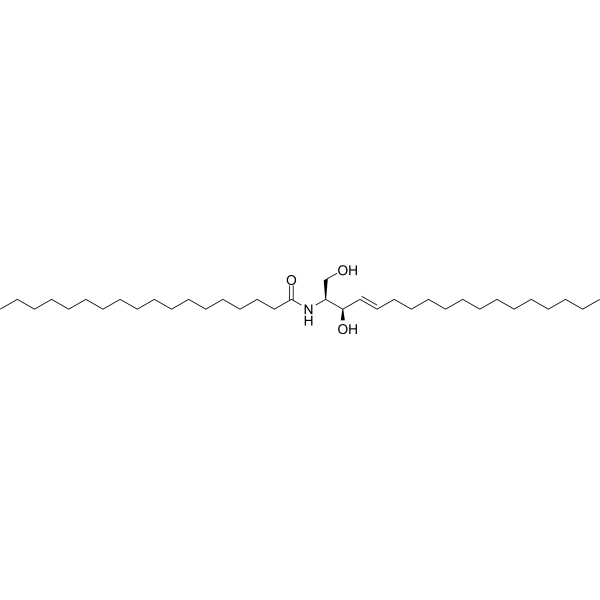
    C18-Ceramide

    Endogenous Metabolite Neurological Disease Cancer
    C18-Ceramide (d18:1/18:0) is a bioactive molecule with multiple functions in cells, not a traditional agonist or inhibitor targeting a single site. It can act on multiple cellular targets, such as proteins related to endoplasmic reticulum stress (e.g., ATF-4, XBP-1, CHOP), proteins in the PI3K/AKT signaling pathway, and SNARE complex proteins. It exerts activities like inducing cell death, promoting autophagy, and regulating exocytosis through mechanisms such as activating endoplasmic reticulum stress, inhibiting the PI3K/AKT signaling pathway, and affecting lipid raft - related functions. It can be used in research on the mechanism of neuronal injury in the field of neuroscience and in the treatment research of cancers such as glioma in the field of oncology .
    C18-Ceramide (d18:1/18:0)
  • HY-158202

    Epigenetic Reader Domain Neurological Disease
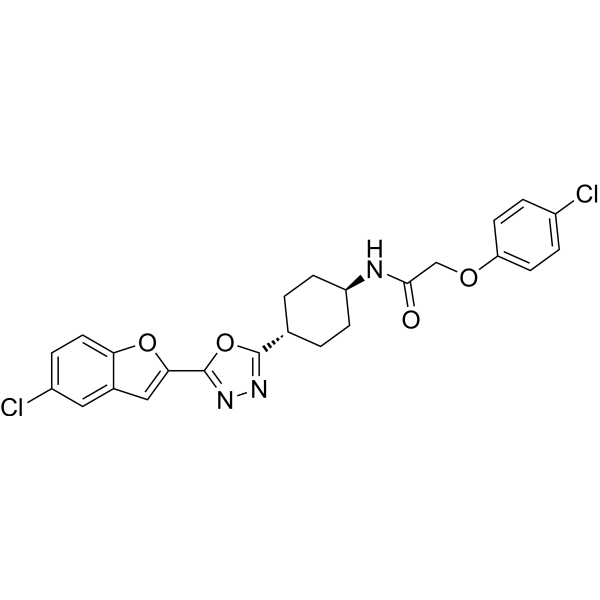
    ATF4-IN-2 (Compound 29) is a ATF4 inhibitor with a IC50 value of 47.71 nM. ATF4-IN-2 can be used in the study of neurodegenerative diseases .
    ATF4-IN-2
  • HY-158201

    Eukaryotic Initiation Factor (eIF) Neurological Disease
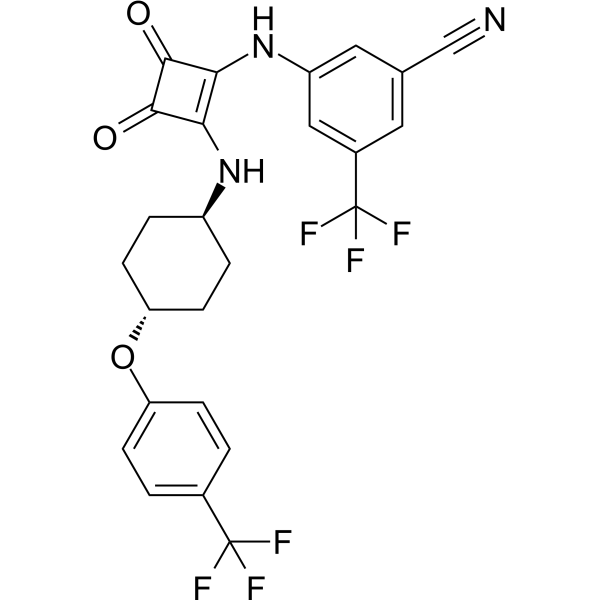
    ATF4-IN-1 (Compound 21) is an ATF4 inhibitor and also an eIF2B activator. ATF4-IN-1 can be used in research on neurodegenerative diseases .
    ATF4-IN-1
  • HY-147831

    Eukaryotic Initiation Factor (eIF) Epigenetic Reader Domain Cancer
    HR-19011 is an eIF2α phosphorylation activator targeting heme-regulated inhibitor HRI (EIF2AK1). HR-19011 exhibits growth inhibitory activity against K562 cells with an IC50 value of 3.91 µM. HR-19011 inhibits the growth of hematologic malignancies by targeting HRI to activate the integrated stress response via the HRI-eIF2α-ATF4 axis. HR-19011 shows good safety in vivo. HR-19011 can be used for research on hematologic malignancies (leukemia) .
    HR-19011
  • HY-112056
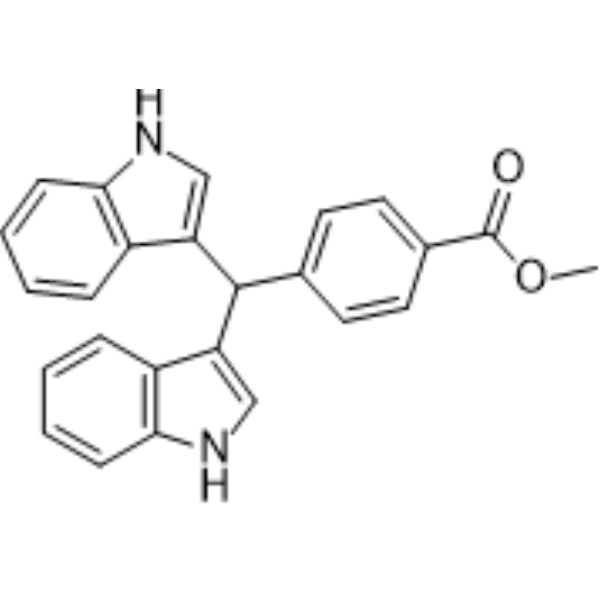
    DIM-C-pPhCO2Me
    1 Publications Verification

    Nuclear Hormone Receptor 4A/NR4A Apoptosis DAPK Isocitrate Dehydrogenase (IDH) PERK Cancer
    DIM-C-pPhCO2Me is a nuclear receptor 4A1 (NR4A1) antagonist. DIM-C-pPhCO2Me induces Apoptosis. DIM-C-pPhCO2Me decreases PAX3-FOXO1A, N-Myc, Rassf4, MyoD1, Grem1, and DAPK1 proteins. DIM-C-pPhCO2Me decreases expression of TXNDC5 and IDH1, induces markers of ER stress (CHOP, ATF4 and p-PERK). DIM-C-pPhCO2Me inhibits renal cell carcinoma, breast cancer. DIM-C-pPhCO2Me can also be used in rhabdomyosarcoma research .
    DIM-C-pPhCO2Me
  • HY-170872

    PROTACs DNA/RNA Synthesis Cancer
    PT-129 is a G3BP1/G3BP2 PROTAC degrader. PT-129 inhibits the formation of stress granules, disassembles pre-existing stress granules, disrupts stress granule-mediated ATF4 trafficking via migratory exocytosis, and suppresses cancer cell proliferation. PT-129 is applicable to the research of lung cancer and melanoma .
    PT-129
  • HY-117938

    Aminoacyl-tRNA Synthetase Cancer
    T-3861174 is an inhibitor of prolyl-tRNA synthetase (PRS, Aminoacyl-tRNA Synthetase) without completely inhibiting its translation process. T-3861174 activates the GCN2-ATF4 pathway and induces death in multiple tumor cell lines, including SK-MEL-2. T-3861174 demonstrated significant antitumor activity in multiple xenograft models without significantly affecting body weight .
    T-3861174
  • HY-158196

    PERK Apoptosis Cancer
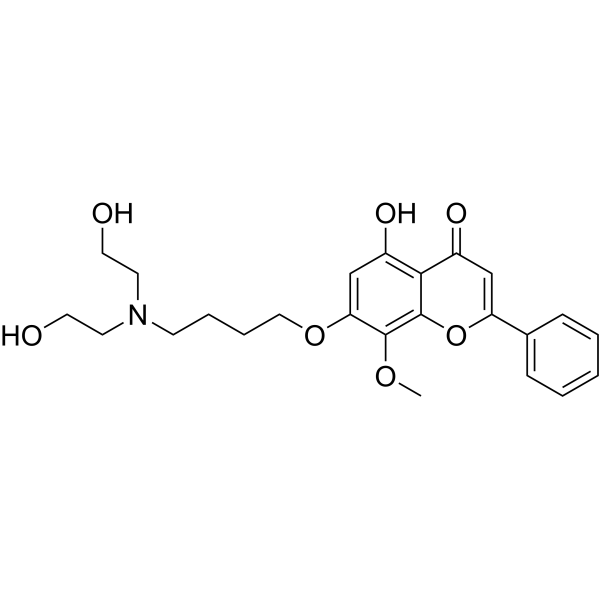
    PERK/eIF2α activator 1 (compound V8) is a flavonoid with an anti-tumor activity. PERK/eIF2α activator 1 induces apoptosis and activates the PERK-eIF2α-ATF4 pathway. PERK/eIF2α activator 1 inhibits HepG2 cell proliferation with an IC50 value of 23 μM .
    PERK/eIF2α activator 1
  • HY-112903A

    Protein Arginine Deiminase MDM-2/p53 PERK mTOR Autophagy Cancer
    YW3-56 (hydrochloride) is a PAD inhibitor. YW3-56 (hydrochloride) activates p53 target genes. YW3-56 (hydrochloride) activates ATF and blocks autophagy flux. YW3-56 induces ER stress through the PERK-eIF2α-ATF4 signaling cascade and inhibits the mTOR signaling. YW3-56 (hydrochloride) inhibits triple-negative breast cancer .
    YW3-56 hydrochloride
  • HY-13559

    Azaspirane ; SKF 106615-12; SKF 106615A12

    STAT Apoptosis Autophagy Reactive Oxygen Species (ROS) Caspase Bcl-2 Family p62 Atg8/LC3 PARP NF-κB PERK JAK Cardiovascular Disease Inflammation/Immunology Cancer
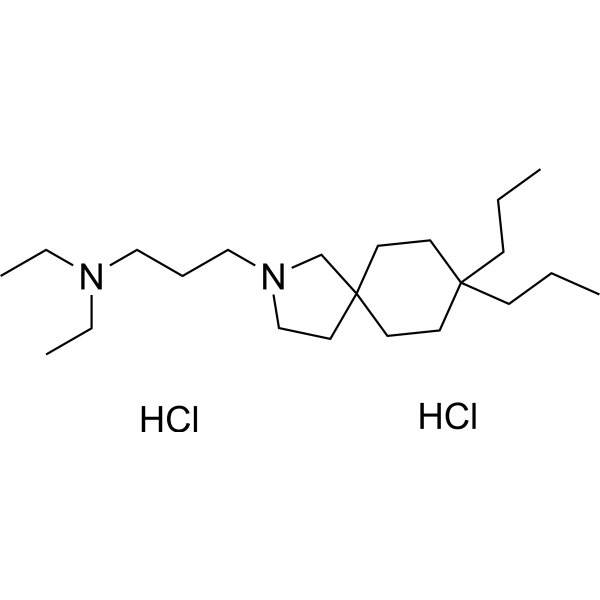
    Atiprimod (Azaspirane) is a STAT3 inhibitor with antitumor, anti-inflammatory, and anti-angiogenic activities. Atiprimod blocks the signaling pathways of IL-6 and VEGF by inhibiting the phosphorylation of signal transducer and activator of STAT3. Atiprimod blocks the JAK-STAT signaling pathway by inhibiting the phosphorylation of JAK2 and JAK3. Atiprimod also inhibits cell proliferation, induces cell cycle arrest, and induces autophagy and apoptosis. Atiprimod triggers persistent ER stress-mediated apoptosis in breast cancer cells by activating the PERK/eIF2α/ATF4/CHOP axis and inhibiting the nuclear translocation of STAT3/NF-κB. Atiprimod shows great anti-tumor activities in tumor xenograft mouse models. Atiprimod can be used for the study of pituitary adenoma, breast cancer, multiple myeloma and acute myeloid leukemia (AML) .
    Atiprimod
  • HY-13559A

    Azaspirane dimaleate; SKF 106615-12 dimaleate; SKF 106615A12 dimaleate

    STAT Apoptosis Caspase Interleukin Related Autophagy Reactive Oxygen Species (ROS) Atg8/LC3 p62 JAK Cardiovascular Disease Inflammation/Immunology Cancer
    Atiprimod (Azaspirane) (dimaleate) is a STAT3 inhibitor with antitumor, anti-inflammatory, and anti-angiogenic activities. Atiprimod blocks the signaling pathways of IL-6 and VEGF by inhibiting the phosphorylation of signal transducer and activator of STAT3. Atiprimod blocks the JAK-STAT signaling pathway by inhibiting the phosphorylation of JAK2 and JAK3. Atiprimod also inhibits cell proliferation, induces cell cycle arrest, and induces autophagy and apoptosis. Atiprimod triggers persistent ER stress-mediated apoptosis in breast cancer cells by activating the PERK/eIF2α/ATF4/CHOP axis and inhibiting the nuclear translocation of STAT3/NF-κB. Atiprimod shows great anti-tumor activities in tumor xenograft mouse models. Atiprimod can be used for the study of pituitary adenoma, breast cancer, multiple myeloma and acute myeloid leukemia (AML) .
    Atiprimod dimaleate
  • HY-110102

    Azaspirane hydrochloride; SKF 106615-12 hydrochloride; SKF 106615

    JAK STAT Apoptosis Autophagy Reactive Oxygen Species (ROS) Caspase Atg8/LC3 p62 Cardiovascular Disease Inflammation/Immunology Cancer
    Atiprimod (Azaspirane) hydrochloride is a STAT3 inhibitor with antitumor, anti-inflammatory, and anti-angiogenic activities. Atiprimod blocks the signaling pathways of IL-6 and VEGF by inhibiting the phosphorylation of signal transducer and activator of STAT3. Atiprimod blocks the JAK-STAT signaling pathway by inhibiting the phosphorylation of JAK2 and JAK3. Atiprimod also inhibits cell proliferation, induces cell cycle arrest, and induces autophagy and apoptosis. Atiprimod triggers persistent ER stress-mediated apoptosis in breast cancer cells by activating the PERK/eIF2α/ATF4/CHOP axis and inhibiting the nuclear translocation of STAT3/NF-κB. Atiprimod shows great anti-tumor activities in tumor xenograft mouse models. Atiprimod can be used for the study of pituitary adenoma, breast cancer, multiple myeloma and acute myeloid leukemia (AML) .
    Atiprimod hydrochloride
  • HY-172784

    PI3K Akt Apoptosis Cancer
    Anticancer agent 273 (Compound 9q) is a potent anticancer agent found in matrine. Anticancer agent 273 inhibits the proliferation of cancer cells (e.g., HeLa cells with an IC50 value of 4.48 μM). Anticancer agent 273 exerts anticancer effects by modulating the expression of PI3K/AKT and activating transcription factor 4 (ATF4), which promotes endoplasmic reticulum stress and induces apoptosis. Anticancer agent 273 is promising for research of cancers, such as cervical cancer .
    Anticancer agent 273
  • HY-138844

    Eukaryotic Initiation Factor (eIF) p38 MAPK JNK Apoptosis Cancer
    3-AP-Me is a dimethyl derivative of the nucleotide reductase inhibitor 3-AP (SML0568). 3-AP-Me can activate the endoplasmic reticulum (ER) stress pathway by promoting the phosphorylation of eIF2α and increasing the gene expression of transcription factors ATF4 and ATF6, leading to cell apoptosis. Additionally, 3-AP-Me can activate the stress kinases c-Jun N-terminal kinase (JNK) and p38 mitogen-activated protein kinases. 3-AP-Me also leads to the upregulation of the spliced mRNA variant XBP1, can be used in cancer research .
    3-AP-Me
  • HY-158205

    4-Hydroperoxy-2-decenoic acid ethyl ester

    Reactive Oxygen Species (ROS) HDAC SOD Inflammation/Immunology Cancer
    HPO-DAEE (4-Hydroperoxy-2-decenoic acid ethyl ester) elicits nuclear accumulation of Nrf2 and activated antioxidant response element (ARE). HPO-DAEE induces antioxidant genes upregulation (eg: HO-1) through Nrf2-ARE signaling. HPO-DAEE induces reactive oxygen species generation. HPO-DAEE also inhibits histone deacetylase and upregulate expression of extracellular superoxide dismutase via histone acetylation. HPO-DAEE protects against 6-hydroxydopamine-induced cell death via activation of Nrf2-ARE and eIF2α-ATF4 pathways .
    HPO-DAEE
  • HY-P5762A

    PNX-14 TFA

    Orphan GPCR Glutathione Peroxidase Ferroptosis ERK Toll-like Receptor (TLR) Sirtuin FOXO Akt PKA MyD88 Reactive Oxygen Species (ROS) Apoptosis NF-κB Cardiovascular Disease Neurological Disease Metabolic Disease Inflammation/Immunology
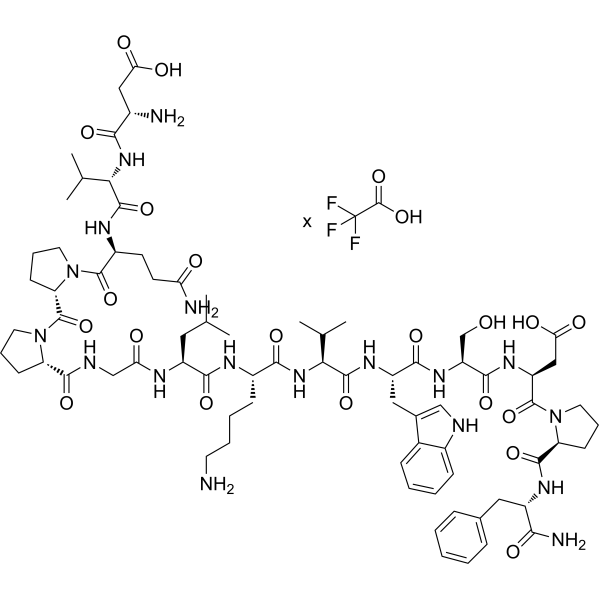
    Phoenixin-14 (PNX-14) TFA is an endogenous neuropeptide with multiple biological activities, and serves as the endogenous ligand of GPR173. Phoenixin-14 TFA reduces ROS production by inhibiting the HMGB1/TLR4/MyD88/NF-κB signaling axis, thereby exerting antioxidant and mitochondrial protective effects. Phoenixin-14 TFA inhibits FOXO3 phosphorylation by upregulating SIRT3 expression, suppresses apoptosis, and improves myocardial systolic/diastolic function. Phoenixin-14 TFA resists ferroptosis by activating the ATF4/SLC7A11/GPX4 axis; it activates ERK1/2 phosphorylation via GPR173. Phoenixin-14 TFA can be used in researches on neuroprotection, diabetes, cardiomyopathy, reproductive protection and so on .
    Phoenixin-14 TFA
  • HY-180490

    HIF/HIF Prolyl-Hydroxylase Epigenetic Reader Domain Cancer
    eIF3e-IN-1 (Compound 209) is an elF3e inhibitor with an EC50 of 18.3 μM. eIF3e-IN-1 significantly reduces the accumulation of HIF1α protein induced by hypoxia and inhibits the acute translation hypoxia response. eIF3e-IN-1 significantly inhibits the expression of ATF4 protein. eIF3e-IN-1 can be used in cancer research, such as in breast cancer studies .
    eIF3e-IN-1
  • HY-182781

    MetAP Cancer
    Anticancer agent 313 is a MetAP2 inhibitor with an IC50 of 4.11 μM. Anticancer agent 313 activates the transcription factor ATF4 via a non-canonical mTORC1-dependent pathway. Anticancer agent 313 inhibits cancer cell proliferation. Anticancer agent 313 is applicable to the research of breast cancer and pancreatic cancer .
    Anticancer agent 313
  • HY-181959

    Eukaryotic Initiation Factor (eIF) Cancer
    APL-4098 is an orally active, selective, ATP-competitive GCN2 inhibitor with a Ki of 4.39 nM and a Kd of 2.9 nM. APL-4098 reduces the phosphorylation level of eIF2α and the expression level of ATF4. APL-4098 impairs mitochondrial function and exerts cytotoxic effects on primary acute myeloid leukemia cells. APL-4098 is applicable to research related to acute myeloid leukemia .
    APL-4098
  • HY-182360

    PERK Eukaryotic Initiation Factor (eIF) Bcl-2 Family Apoptosis Reactive Oxygen Species (ROS) STING DNA/RNA Synthesis PD-1/PD-L1 Cancer
    Cytisine-Platinum(IV) Prodrug-1 is a Pt(IV) prodrug incorporating the natural compound Cytisine (HY-N0175) with antiproliferative activity against tumor cells. Cytisine-Platinum(IV) Prodrug-1 promotes calcium transfer across the IP3R1-GRP75-VDAC1 axis to drive mitochondrial calcium overload. Cytisine-Platinum(IV) Prodrug-1 initiates unfolded protein response via PERK, eIF2α, ATF4, and CHOP to modulate Bcl-2 and Bax, triggering apoptosis. Cytisine-Platinum(IV) Prodrug-1 induces mitochondrial dysfunction, ROS production, reduced ATP synthesis, DNA damage, and S-phase cell cycle arrest. Cytisine-Platinum(IV) Prodrug-1 activates the cGAS-STING pathway, reduces PD-L1 expression, drives immunogenic cell death. Cytisine-Platinum(IV) Prodrug-1 exhibits high physiological stability, efficient cellular accumulation, and enhanced platinum-DNA binding, and inhibits tumor growth in mouse models with reduced systemic toxicity. Cytisine-Platinum(IV) Prodrug-1 can be used for the research of lung cancer .
    Cytisine-platinum(IV) prodrug-1
  • HY-W097625R

    Toll-like Receptor (TLR) MyD88 p38 MAPK NF-κB Heme Oxygenase (HO) Reference Standards PERK Neurological Disease Metabolic Disease Inflammation/Immunology Cancer
    6-Methoxyflavone (Standard) is the analytical standard of 6-Methoxyflavone (HY-W097625). This product is intended for research and analytical applications. 6-Methoxyflavone is an orally active methoxyflavone. 6-Methoxyflavone suppresses neuroinflammation in microglia through the inhibition of TLR4/MyD88/p38 MAPK/NF-κB dependent pathways and the activation of HO-1/NQO-1 signaling. 6-Methoxyflavone induces S-phase arrest through the CCNA2/CDK2/p21CIP1 signaling pathway and activates the PERK/EIF2a/ATF4/CHOP pathway in HeLa cells. 6-Methoxyflavone acts as a Flumazenil (HY-B0009)-insensitive positive allosteric modulator at human recombinant α1β2γ2L and α2β2γ2L GABAα receptors. 6-Methoxyflavone inhibits NFAT Translocation into the nucleus and suppresses T cell activation. 6-Methoxyflavone partially restores chronic ethanol-induced behavioral deficits in mice. 6-Methoxyflavone antagonizes chronic constriction injury and diabetes associated neuropathic nociception expression. 6-Methoxyflavone can be used for the study of cancer, inflammation and neurological diseases .
    6-Methoxyflavone (Standard)

Inquiry Online

Your information is safe with us. * Required Fields.

Salutation


Country or Region *

Applicant Name *


Organization Name *

Department *


Email Address *


Product Name *

Cat. No.


Requested quantity *

Phone Number *


Remarks

Inquiry Online

Inquiry Information

Product Name:
Cat. No.:
Quantity:
MCE Japan Authorized Agent:

