1. Search Result
Search Result
Results for "

CASR

" in MedChemExpress (MCE) Product Catalog:

55

Inhibitors & Agonists

4

Biochemical Assay Reagents

10

Peptides

4

Natural
Products

1

Recombinant Proteins

2

Isotope-Labeled Compounds

1

Antibodies

3

Oligonucleotides

Targets Recommended:
Cat. No. Product Name Target Research Areas Chemical Structure
  • HY-139201A

    PDLHB (MW 70000-150000)

    Biochemical Assay Reagents CaSR Neurological Disease Cancer
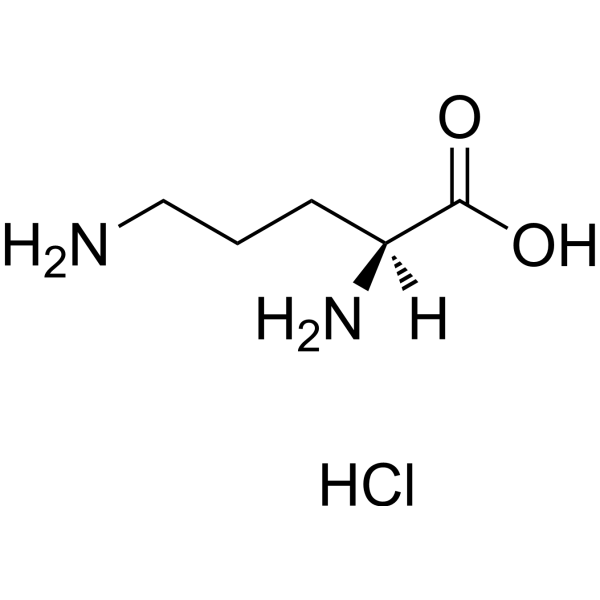
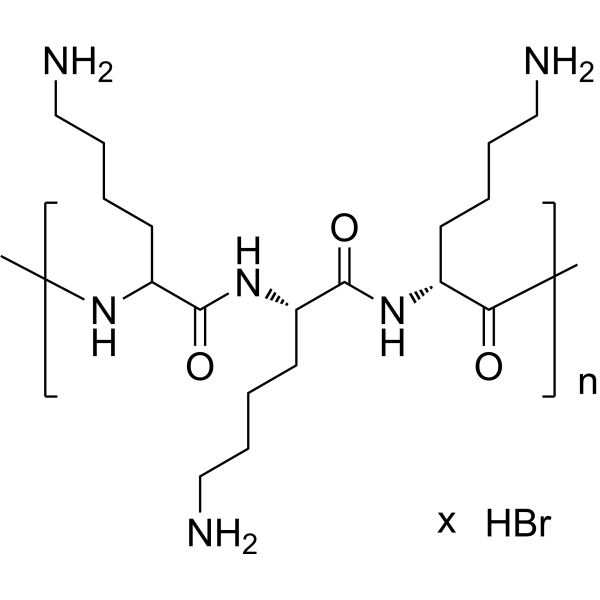
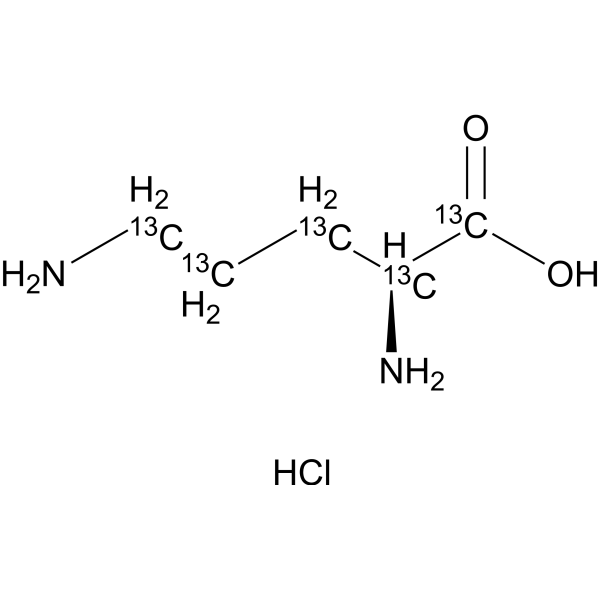
    Poly-D-lysine hydrobromide (MW 70000-150000) is a synthetic polymeric substrate and is one of the most widely used substrate in neural cell culture. Poly-D-lysine hydrobromide is a CaSR agonist peptide .
    Poly-D-lysine hydrobromide (MW 70000-150000)
  • HY-17613
    Evocalcet
    3 Publications Verification

    KHK7580

    CaSR Metabolic Disease
    Evocalcet (KHK7580) is an orally active calcium sensing receptor (CaSR) agonist. Evocalcet inhibits the secretion of parathyroid hormone (PTH) from parathyroid gland cells. Evocalcet can be used for the research of hyperparathyroidism .
    Evocalcet
  • HY-10007
    NPS-2143
    Maximum Cited Publications
    29 Publications Verification

    SB-262470A

    CaSR Metabolic Disease
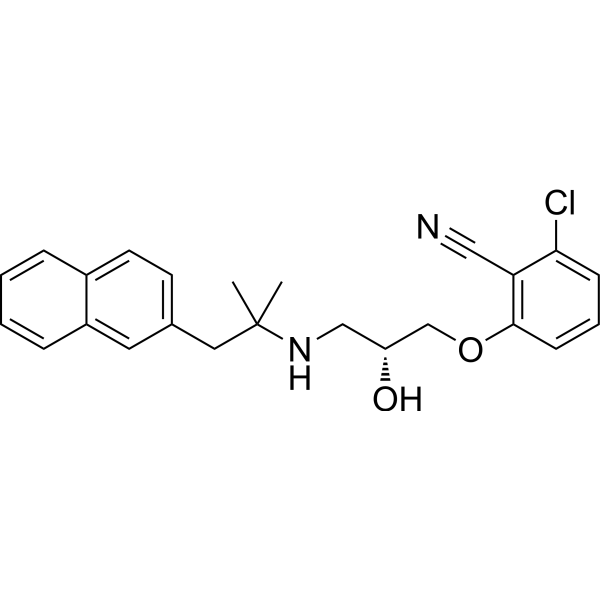
    NPS-2143 (SB-262470A), an orally active calcilytic agent, is a selective and potent calcium ion-sensing receptor (CaSR) antagonist. NPS-2143 (SB-262470A) blocks increases in cytoplasmic Ca 2+ concentrations (IC50=43 nM) elicited by activating the Ca 2+ receptor in HEK 293 cells expressing the human Ca 2+ receptor .
    NPS-2143
  • HY-139201

    PDLHB (MW 30000-70000)

    CaSR Neurological Disease Metabolic Disease Cancer
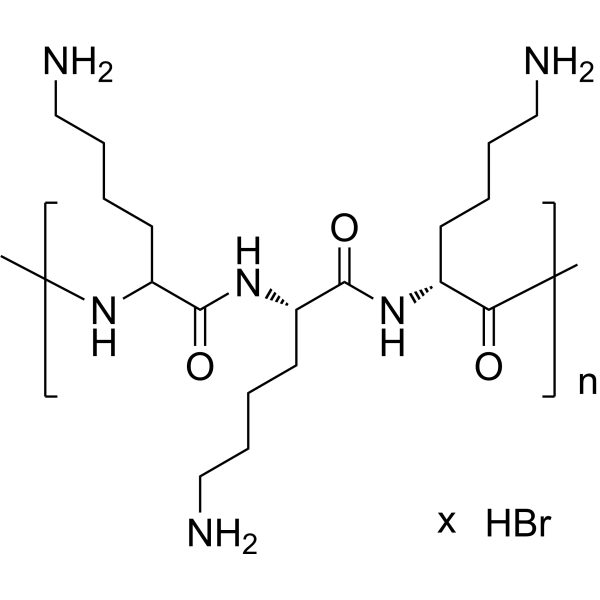
    Poly-D-lysine hydrobromide (MW 30000-70000) is a synthetic polymeric substrate and is one of the most widely used substrate in neural cell culture. Poly-D-lysine hydrobromide is a CaSR agonist peptide .
    Poly-D-lysine hydrobromide (MW 30000-70000)
  • HY-P1955A
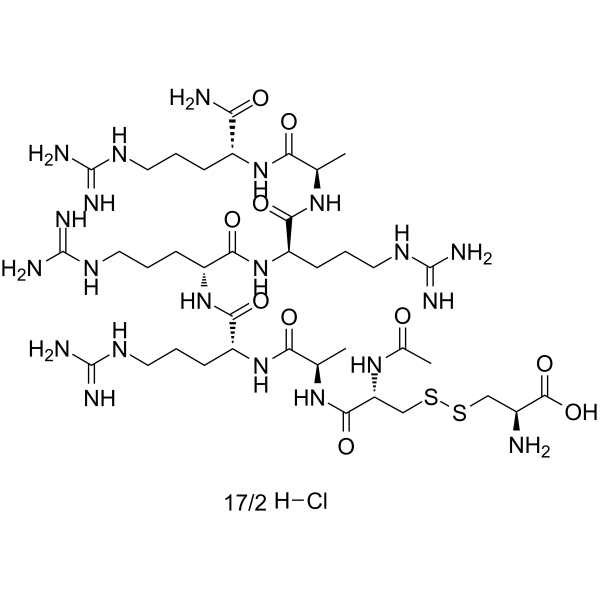
    Etelcalcetide hydrochloride
    2 Publications Verification

    Velcalcetide hydrochloride; AMG 416 hydrochloride; KAI-4169 hydrochloride

    CaSR Endocrinology
    Etelcalcetide hydrochloride (AMG 416 hydrochloride; KAI-4169 hydrochloride) is a synthetic calcimimetic as an activator of the calcium sensing receptor (CaSR). Etelcalcetide hydrochloride is effective in lowering parathyroid hormone (PTH) concentrations in patients receiving dialysis with secondary hyperparathyroidism receiving hemodialysis, which is promising for research in the field of secondary hyperparathyroidism and chronic kidney disease .
    Etelcalcetide hydrochloride
  • HY-14401

    CLTX-305; JTT-305; MK-5442

    CaSR Thyroid Hormone Receptor Metabolic Disease Inflammation/Immunology
    Encaleret (CLTX-305) is an orally active antagonist of the calcium-sensing receptor (CaSR), with an IC50 of 12 nM. Encaleret exerts its effect by inhibiting the excessive activity of functional gain-of-function CaSR variants, and can restore blood calcium levels, promote the secretion of parathyroid hormone, improve magnesium and phosphorus metabolism, and increase urinary calcium excretion. Encaleret can be used in the research of diseases such as osteoporosis and autosomal dominant hypocalcemia type 1 .
    Encaleret
  • HY-10167A
    Tecalcet Hydrochloride
    5+ Cited Publications

    R-568 hydrochloride; NPS R-568

    CaSR Others
    Tecalcet Hydrochloride (R 568 Hydrochloride), an orally active calcimimetic compound, allosterically and positively modulates the calcium-sensing receptor (CaSR). Tecalcet Hydrochloride (R 568 Hydrochloride) increases the sensitivity to activation by extracellular Ca 2+ .
    Tecalcet Hydrochloride
  • HY-10171
    NPS-2143 hydrochloride
    Maximum Cited Publications
    29 Publications Verification

    SB-262470A hydrochloride

    CaSR Metabolic Disease
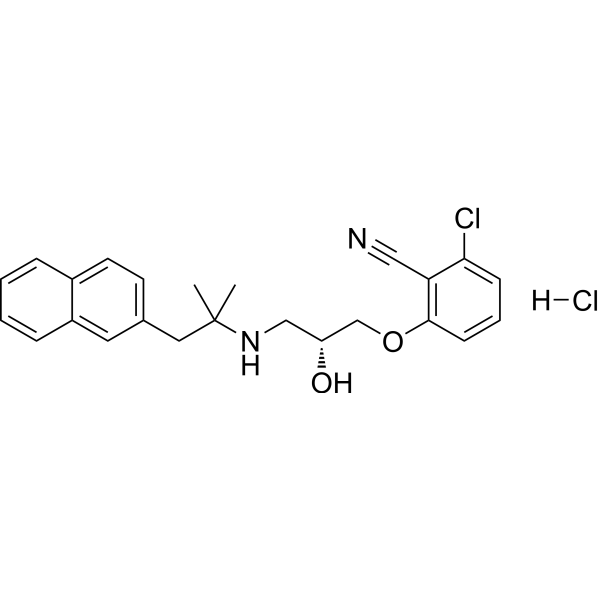
    NPS-2143 hydrochloride (SB-262470A hydrochloride), an orally active calcilytic agent, is a selective and potent calcium ion-sensing receptor (CaSR) antagonist. NPS-2143 hydrochloride (SB-262470A hydrochloride) blocks increases in cytoplasmic Ca 2+ concentrations (IC50=43 nM) elicited by activating the Ca 2+ receptor in HEK 293 cells expressing the human Ca 2+ receptor .
    NPS-2143 hydrochloride
  • HY-N0546
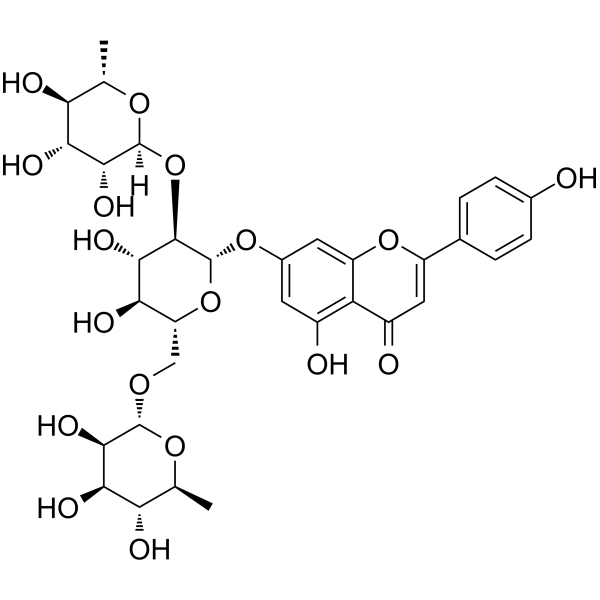
    Ligustroflavone
    2 Publications Verification

    Nuezhenoside

    CaSR RIP kinase Mixed Lineage Kinase TGF-beta/Smad Cardiovascular Disease Neurological Disease Metabolic Disease Endocrinology
    Ligustroflavone is an orally active flavonoid compound. Ligustroflavone can be extracted from Ligustrum lucidum. Ligustroflavone antagonizes the calcium-sensing receptor (CaSR), inhibits the RIPK1/RIPK3/MLKL pathway, and downregulates TGF-β/Smad signaling. Ligustroflavone regulates calcium metabolism, protects bone tissue, reduces cerebral ischemic injury, and inhibits liver fibrosis. Ligustroflavone can be used in the study of diabetic osteoporosis, ischemic stroke, and liver fibrosis .
    Ligustroflavone
  • HY-139201B

    PDLHB (MW 84000)

    CaSR Neurological Disease Cancer
    Poly-D-lysine hydrobromide (MW 84000) is a synthetic polymeric substrate and is one of the most widely used substrate in neural cell culture. Poly-D-lysine hydrobromide is a CaSR agonist peptide .
    Poly-D-lysine hydrobromide (MW 84000)
  • HY-17397
    Strontium Ranelate
    2 Publications Verification

    Distrontium renelate; S12911

    CaSR Metabolic Disease
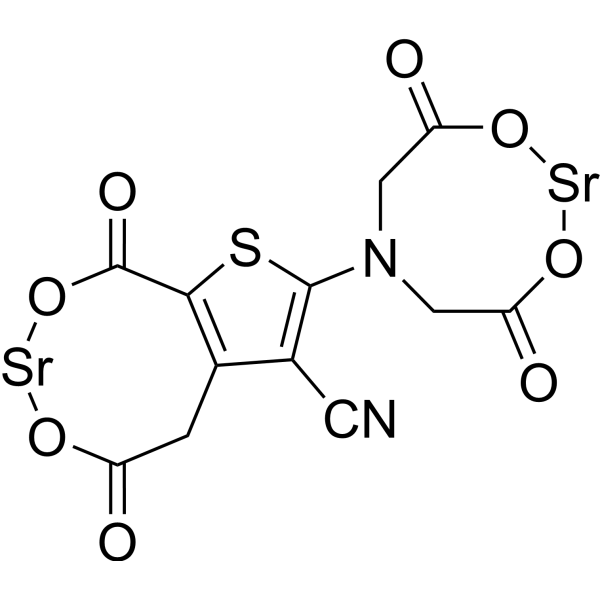
    Strontium Ranelate (S12911) is an antiosteoporotic agent that acts by reducing bone resorption and promoting bone formation, thereby inducing a positive bone balance. Strontium Ranelate can also activate the calcium-sensing receptor (CaSR) in non skeletal cells, resulting in the activation of inositol 1, 4, 5-triphosphate production and mitogen-activated protein kinase signaling .
    Strontium Ranelate
  • HY-139201D

    PDLHB (MW 4000-15000)

    CaSR Others
    Poly-D-lysine hydrobromide (MW 4000-15000) (PDLHB (MW 4000-15000)) is an artificially synthesized polymer matrix widely used in neuronal cell culture. Poly-D-lysine hydrobromide is also known as a calcium-sensing receptor (CaSR) agonist peptide .
    Poly-D-lysine hydrobromide (MW 4000-15000)
  • HY-P4376A

    CaSR Neurological Disease
    Gamma-Glu-Abu TFA is the TFA salt form of Gamma-Glu-Abu (HY-P4376). Gamma-Glu-Abu TFA is an agonist for calcium sensing receptor (CaSR), that activates the CaSR with an EC50 of 0.21 μM in HEK-293 cell .
    Gamma-Glu-Abu TFA
  • HY-12557

    γ-Glu-Val

    Endogenous Metabolite CaSR Wnt TNF Receptor Interleukin Related PPAR β-catenin Inflammation/Immunology
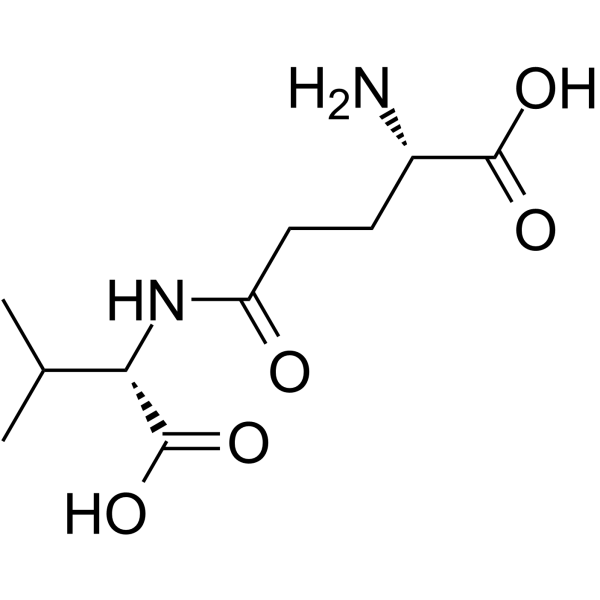
    γ‑Glutamylvaline (γ-Glu-Val) is a calcium‑sensing receptor (CaSR) agonist. γ‑Glutamylvaline activates CaSR and facilitates its binding to β‑arrestin 2 to modulate inflammatory and metabolic homeostasis signaling. γ‑Glutamylvaline inhibits TNF‑α‑induced IL‑6/MCP‑1 and enhances adiponectin/PPARγ in adipocytes. γ‑Glutamylvaline upregulates Wnt5a, restores β‑catenin phosphorylation, and reduces serine‑phosphorylated IRS‑1 in adipocytes. γ-Glutamylvaline can be used for the research of low-grade chronic inflammation .
    γ-Glutamylvaline
  • HY-103320A
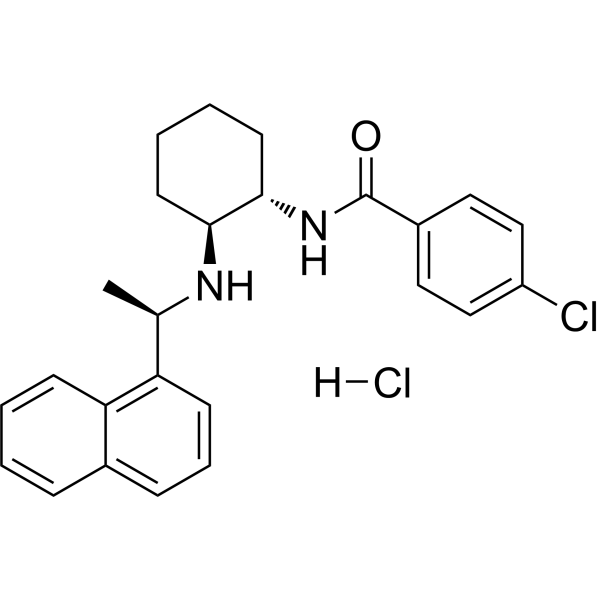
    Calhex 231 hydrochloride
    5+ Cited Publications

    CaSR Metabolic Disease
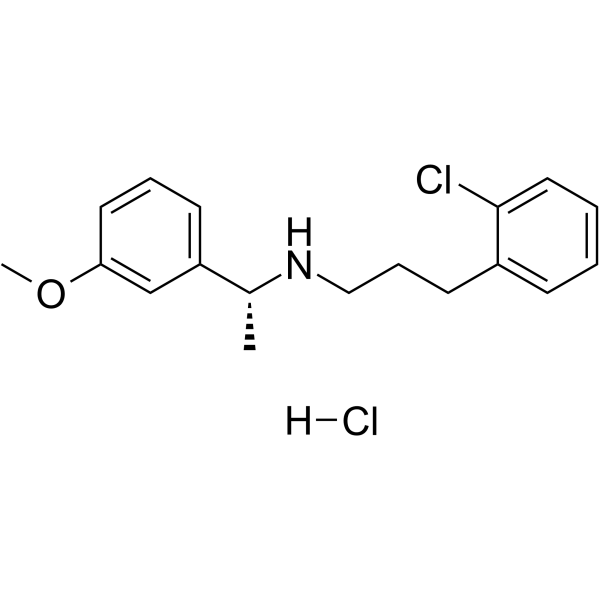
    Calhex 231 hydrochloride is a potent negative allosteric modulator that blocks (IC50 = 0.39 μM) increases in [ 3H]inositol phosphates elicited by activating the human wild-type CaSR transiently Ca 2+-sensing receptor. Calhex 231 hydrochloride can be used in the study of traumatic hemorrhagic shock (THS) and diabetic cardiomyopathy (DCM) .
    Calhex 231 hydrochloride
  • HY-109106A

    SK-1403; AJT240; PLS240

    CaSR Endocrinology
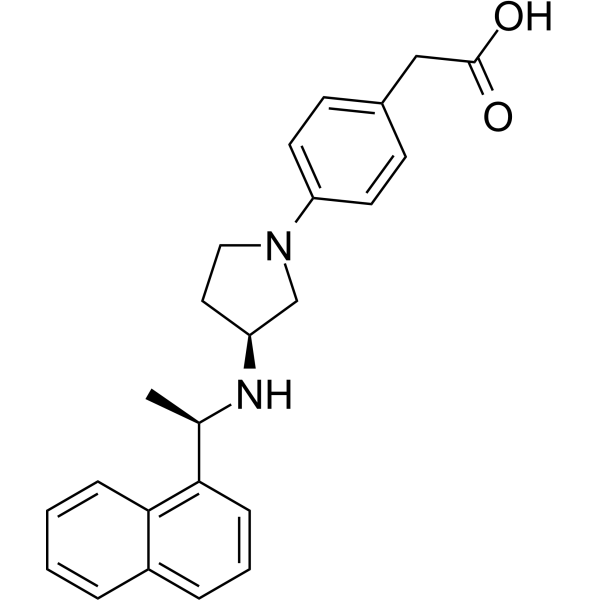
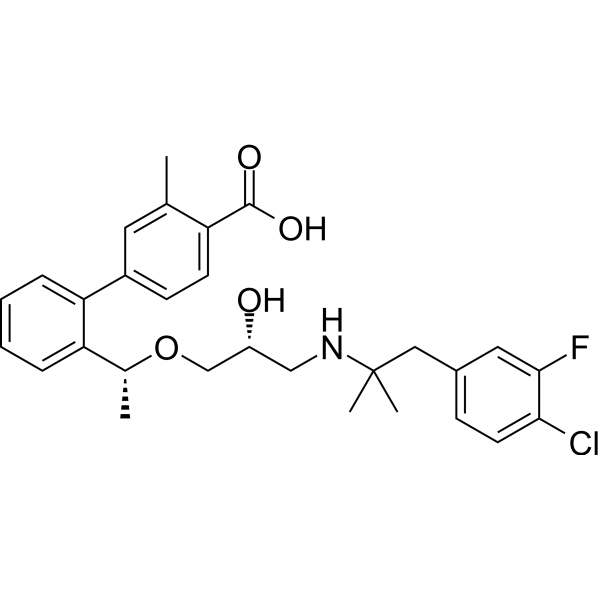
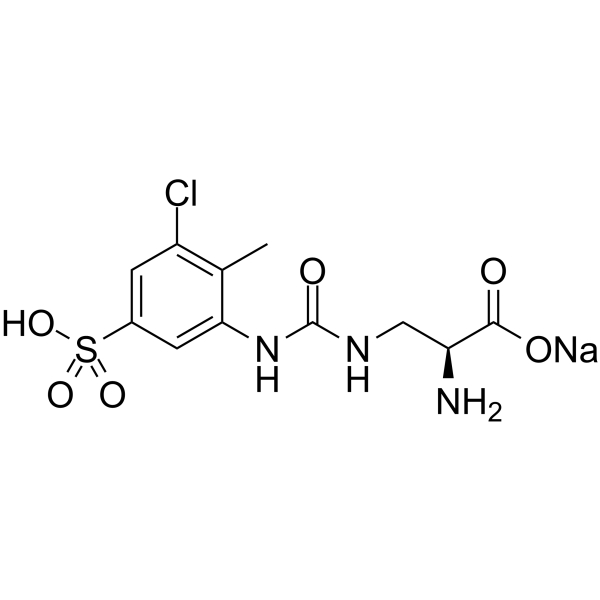
    Upacicalcet sodium is a non-peptide calcimimetic that acts as a CaSR agonist (EC50 = 10.8 nM). Upacicalcet sodium reduces serum intact parathyroid hormone (iPTH) and serum Ca 2+ levels, reducing hypocalcemia and gastrointestinal complications. Upacicalcet sodium sodium improves vascular calcification and bone disorders in the Adenine (HY-B0152)-induced secondary hyperparathyroidism (SHPT) rat model. Upacicalcet sodium sodium inhibits cortical pore formation and reduces bone fibrosis in rats with chronic kidney disease (CKD). Upacicalcet sodium is useful for studying SHPT .
    Upacicalcet sodium
  • HY-11095

    mGluR CaSR PI3K Akt mTOR Autophagy Apoptosis Bcl-2 Family Caspase Cardiovascular Disease Neurological Disease
    NPS 2390 is an allosteric antagonist of calcium-sensing receptor (CaSR) and mGluR1/5. NPS 2390 inhibits the PI3K/Akt/mTOR signaling pathway, reduces hypoxia-induced intracellular calcium elevation, decreases the expression of autophagy (autophagy) proteins, regulates the expression of phenotypic marker proteins, and inhibits the proliferation of pulmonary artery smooth muscle cells. NPS 2390 attenuates the endogenous apoptosis (apoptosis) pathway, increases the expression level of Bcl-2, downregulates the expression levels of Bax, cytochrome c and caspase-3, alleviates cerebral edema and improves neurological function in rat models. NPS 2390 can be used in studies related to hypoxic pulmonary hypertension, traumatic brain injury, stroke and pain .
    NPS 2390
  • HY-P11200

    γ-Glutamylasparagine

    Calcium Channel Neurological Disease
    γ-Glu-Asn (γ-Glutamylasparagine) is a calcium sensing receptor (CaSR) agonist. γ-Glu-Asn is a dipeptide composed of glutamic acid and asparagine .
    γ-Glu-Asn
  • HY-121584
    Lycoperodine-1
    1 Publications Verification

    Cyclomethyltryptophan

    CaSR Metabolic Disease
    Lycoperodine-1 (Cyclomethyltryptophan) is an active product that can be isolated from tomato fruits (Lycopersicon sculentum). Lycoperodine-1 act as an agonist of Ca 2+ sensing receptors (CaSR) .
    Lycoperodine-1
  • HY-W843885

    L-α-Glutamyl-L-threonine; Glu-Thr

    CaSR Others
    H-Glu-Thr-OH (L-α-Glutamyl-L-threonine) is a dipeptide made up of two amino acids—glutamic acid (Glu) and threonine (Thr)—connected by a peptide bond, and it acts as an agonist for the extracellular calcium-sensing receptor (CaSR) .
    H-Glu-Thr-OH
  • HY-139201H

    PDLHB (MW ≥300000)

    CaSR Others
    Poly-D-lysine hydrobromide (MW ≥300000) (PDLHB (MW ≥300000)) is a cationic polymer and cell adhesion promoter. Poly-D-lysine hydrobromide (MW ≥300000) serves as a substrate coating to support the adhesion and proliferation of rat dorsal root ganglion satellite glial cells in vitro. Poly-D-lysine hydrobromide (MW ≥300000) promotes the adhesion and immobilization of cells on plastic culture dishes. Poly-D-lysine hydrobromide is also known as a calcium-sensing receptor (CaSR) agonist peptide .
    Poly-D-lysine hydrobromide (MW ≥300000)
  • HY-122819

    CaSR Cardiovascular Disease
    Calindol hydrochloride is a positive allosteric modulator (PAM) of calcimimetic calcium-sensing receptor (CaSR) with an EC50 of 132 nM .
    Calindol hydrochloride
  • HY-177303

    CaSR SARS-CoV Infection Metabolic Disease Endocrinology
    AXT-914 is a Calcium-sensing receptor (CaSR) inhibitor. AXT-914 has antiviral activity against the coronavirus HCoV 229E and SARS-CoV2. AXT914 reduces cytosolic calcium signalling activity of CaSR mutations. AXT-914 can be used for Bartter syndrome type 5 and autosomal dominant hypocalcemia (ADH) and coronavirus infections research .
    AXT-914
  • HY-139201C

    PDLHB (MW 1000-5000)

    CaSR Others
    Poly-D-lysine hydrobromide (MW 1000-5000) (PDLHB (MW 1000-5000)) is a synthetic cationic polypeptide polymer commonly used as a cell adhesion promoter and surface coating molecule. Poly-D-lysine hydrobromide is also known as a calcium-sensing receptor (CaSR) agonist peptide .
    Poly-D-lysine hydrobromide (MW 1000-5000)
  • HY-139201E

    PDLHB (MW 150000-300000)

    CaSR 5-HT Receptor Metabolic Disease
    Poly-D-lysine hydrobromide (MW 150000-300000) is a synthetic polymer composed of D-lysine residues and is one of the most widely used matrices in neural cell culture applications. Poly-D-lysine hydrobromide (MW 150000-300000) can be used as a non-specific cell adhesion enhancer. Poly-D-lysine hydrobromide (MW 30000-70000) is an orally active CaSR agonist peptide that indirectly activates the 5-HT₃ receptor signaling pathway, delaying gastric emptying and thereby slowing the rate at which glucose enters the small intestine and is absorbed .
    Poly-D-lysine hydrobromide (MW 150000-300000)
  • HY-17613R

    KHK7580 (Standard)

    Reference Standards CaSR Metabolic Disease
    Evocalcet (Standard) is the analytical standard of Evocalcet. This product is intended for research and analytical applications. Evocalcet (KHK7580) is an orally active calcium sensing receptor (CaSR) agonist. Evocalcet inhibits the secretion of parathyroid hormone (PTH) from parathyroid gland cells. Evocalcet can be used for the research of hyperparathyroidism .
    Evocalcet (Standard)
  • HY-P1955

    Velcalcetide; AMG 416; KAI-4169

    CaSR Metabolic Disease
    Etelcalcetide (AMG 416; KAI-4169) is a synthetic calcimimetic as an activator of the calcium sensing receptor (CaSR). Etelcalcetide is effective in lowering parathyroid hormone (PTH) concentrations in patients receiving dialysis with secondary hyperparathyroidism receiving hemodialysis, which is promising for research in the field of secondary hyperparathyroidism and chronic kidney disease .
    Etelcalcetide
  • HY-103320B

    CaSR Metabolic Disease
    (1R,2R)-Calhex 231 hydrochloride is the isomer of Calhex 231 hydrochloride (HY-103320A), and can be used as an experimental control. Calhex 231 hydrochloride is a CaSR inhibitor via negative allosteric modulation. Calhex 231 hydrochloride blocks Ca 2+-induced accumulation of [ 3H]inositol phosphate with an IC50 of 0.39 μM in HEK293 cells. Calhex 231 hydrochloride has the potential for diabetic cardiomyopathy (DCM) treatment .
    (1R,2R)-Calhex 231 hydrochloride
  • HY-117851

    CaSR Metabolic Disease Endocrinology
    AC-265347 is a calcium-sensing receptor (CaSR) agonist and positive allosteric modulator (ago-PAM) with the functional affinity (pKB) of 5.1. AC-265347 can be used for the research of hyperparathyroidism and related diseases .
    AC-265347
  • HY-179475

    CaSR Endocrinology
    KP-2067 is a form of the CaSR agonist peptide. KP-2067 can result in dose-dependent activation of CaSR in HEK293T overexpressing hCaSR cell line, with an EC50 of 18.4 μM. KP-2067 significantly reduces plasma parathyroid hormone in rat model .
    KP-2067
  • HY-10167

    R-568; NPS R-568 free base

    CaSR Others
    Tecalcet (R 568), an orally active calcimimetic compound, allosterically and positively modulates the calcium-sensing receptor (CaSR). Tecalcet (R 568) increases the sensitivity to activation by extracellular Ca 2+ .
    Tecalcet
  • HY-P4376

    CaSR Neurological Disease
    Gamma-Glu-Abu is an agonist for calcium sensing receptor (CaSR), that activates the CaSR with an EC50 of 0.21 μM in HEK-293 cell .
    Gamma-Glu-Abu
  • HY-14752

    SB 751689

    CaSR Metabolic Disease Endocrinology
    Ronacaleret (SB 751689) is an orally active, potent, and selective calcium-sensing receptor (CaSR) antagonist that stimulates endogenous parathyroid hormone release from the parathyroid glands. Ronacaleret (SB 751689) is used for the study of postmenopausal osteoporosis .
    Ronacaleret
  • HY-15104

    SB 751689A

    CaSR Metabolic Disease Endocrinology
    Ronacaleret hydrochloride (SB 751689A) is an orally active, potent, and selective calcium-sensing receptor (CaSR) antagonist that stimulates endogenous parathyroid hormone release from the parathyroid glands. Ronacaleret hydrochloride (SB 751689A) is used for the study of postmenopausal osteoporosis .
    Ronacaleret hydrochloride
  • HY-103320

    CaSR Metabolic Disease
    Calhex 231 is a potent negative allosteric modulator that blocks (IC50 = 0.39 μM) increases in [ 3H]inositol phosphates elicited by activating the human wild-type CaSR transiently Ca 2+-sensing receptor. Calhex 231 can be used in the study of traumatic hemorrhagic shock (THS) and diabetic cardiomyopathy (DCM) .
    Calhex 231
  • HY-109106

    SK-1403 free acid; AJT240 free acid; PLS240 free acid

    CaSR Endocrinology
    Upacicalcet is a non-peptide calcimimetic that acts as a CaSR agonist (EC50 = 10.8 nM). Upacicalcet reduces serum intact parathyroid hormone (iPTH) and serum Ca2+ levels, reducing hypocalcemia and gastrointestinal complications. Upacicalcet improves vascular calcification and bone disorders in the Adenine (HY-B0152)-induced secondary hyperparathyroidism (SHPT) rat model. Upacicalcet inhibits cortical pore formation and reduces bone fibrosis in rats with chronic kidney disease (CKD). Upacicalcet is useful for studying SHPT .
    Upacicalcet
  • HY-153258

    CaSR Metabolic Disease
    CaSR antagonist-1 is a calcium sensing receptor (CaSR) antagonist with an IC50 value of 50 nM. CaSR antagonist-1 can be used for the research of disorders associated with abnormal bone or mineral homeostasis such as osteoporosis .
    CaSR antagonist-1
  • HY-N0546R

    Nuezhenoside (Standard)

    Reference Standards CaSR RIP kinase Mixed Lineage Kinase TGF-beta/Smad Cardiovascular Disease Neurological Disease Metabolic Disease Endocrinology
    Ligustroflavone (Standard) is the analytical standard of Ligustroflavone (HY-N0546). This product is intended for research and analytical applications. Ligustroflavone is an orally active flavonoid compound. Ligustroflavone can be extracted from Ligustrum lucidum. Ligustroflavone antagonizes the calcium-sensing receptor (CaSR), inhibits the RIPK1/RIPK3/MLKL pathway, and downregulates TGF-β/Smad signaling. Ligustroflavone regulates calcium metabolism, protects bone tissue, reduces cerebral ischemic injury, and inhibits liver fibrosis. Ligustroflavone can be used in the study of diabetic osteoporosis, ischemic stroke, and liver fibrosis .
    Ligustroflavone (Standard)
  • HY-RS01975

    Small Interfering RNA (siRNA) Others

    Casr Mouse Pre-designed siRNA Set A contains three designed siRNAs for Casr gene (Mouse), as well as a negative control, a positive control, and a FAM-labeled negative control.

    Casr Mouse Pre-designed siRNA Set A
    Casr Mouse Pre-designed siRNA Set A
  • HY-RS01976

    Small Interfering RNA (siRNA) Others

    Casr Rat Pre-designed siRNA Set A contains three designed siRNAs for Casr gene (Rat), as well as a negative control, a positive control, and a FAM-labeled negative control.

    Casr Rat Pre-designed siRNA Set A
    Casr Rat Pre-designed siRNA Set A
  • HY-RS01974

    Small Interfering RNA (siRNA) Others

    CASR Human Pre-designed siRNA Set A contains three designed siRNAs for CASR gene (Human), as well as a negative control, a positive control, and a FAM-labeled negative control.

    CASR Human Pre-designed siRNA Set A
    CASR Human Pre-designed siRNA Set A
  • HY-P11832

    CaSR Endocrinology
    CaSR agonist peptide-1 is a human calcium-sensing receptor (CaSR) agonist. CaSR agonist peptide-1 activates CaSR by binding to it. CaSR agonist peptide-1 can be used in studies related to secondary hyperparathyroidism .
    CaSR agonist peptide-1
  • HY-107773

    CaSR Metabolic Disease
    GSK3004774 is a potent, nonabsorbable agonist of CaSR, with an pEC50 of 7.3, 6.6 and 6.5 for human, mouse and rat CaSR, respectively. GSK3004774 shows an EC50 of 50 nM for human CaSR .
    GSK3004774
  • HY-161113

    CaSR Metabolic Disease
    Z8554052021 (compound 2021) is a potent CaSR and indeed GPCR positive allosteric modulator (PAM) with an EC50 of 3.3 nM. Z8554052021 has the potential for hyperparathyroidism research .
    Z8554052021
  • HY-W777503

    Isotope-Labeled Compounds CaSR Cardiovascular Disease
    Calindol hydrochloride- 13C,d2 is the deuterium and 13C labeled Calindol hydrochloride (HY-122819). Calindol hydrochloride is a positive allosteric modulator (PAM) of calcimimetic calcium-sensing receptor (CaSR) with an EC50 of 132 nM .
    Calindol hydrochloride-13C,D2
  • HY-121584R

    Cyclomethyltryptophan (Standard)

    CaSR Reference Standards Metabolic Disease
    Lycoperodine-1 (Standard) is the analytical standard of Lycoperodine-1. This product is intended for research and analytical applications. Lycoperodine-1 (Cyclomethyltryptophan) is an active product that can be isolated from tomato fruits (Lycopersicon sculentum). Lycoperodine-1 act as an agonist of Ca2+ sensing receptors (CaSR) .
    Lycoperodine-1 (Standard)
  • HY-17613S

    KHK7580-d4

    Isotope-Labeled Compounds CaSR Metabolic Disease
    Evocalcet-d4 (KHK7580-d4) is deuterium labeled Evocalcet. Evocalcet (KHK7580) is an orally active calcium sensing receptor (CaSR) agonist. Evocalcet inhibits the secretion of parathyroid hormone (PTH) from parathyroid gland cells. Evocalcet can be used for the research of hyperparathyroidism .
    Evocalcet-d4
  • HY-171446

    CaSR Metabolic Disease
    TAK-075 is an orally active CaSR antagonist with an IC50 value of 0.94 nM. TAK-075 can stimulate the transient secretion of parathyroid hormone (PTH) in rats and can effectively prevent a significant reduction in PTH secretion caused by the accumulation of active metabolites, maintaining the normal secretion pattern of PTH. TAK-075 can be used in the research of metabolic diseases and osteoporosis .
    TAK-075
  • HY-17397R

    Distrontium renelate (Standard); S12911 (Standard)

    Reference Standards CaSR Metabolic Disease
    Strontium Ranelate (Standard) is the analytical standard of Strontium Ranelate. This product is intended for research and analytical applications. Strontium Ranelate (S12911) is an antiosteoporotic agent that acts by reducing bone resorption and promoting bone formation, thereby inducing a positive bone balance. Strontium Ranelate can also activate the calcium-sensing receptor (CaSR) in non skeletal cells, resulting in the activation of inositol 1, 4, 5-triphosphate production and mitogen-activated protein kinase signaling .
    Strontium Ranelate (Standard)
  • HY-109106B

    (Rac)-SK-1403 free acid; (Rac)-AJT240 free acid; (Rac)-PLS240 free acid

    CaSR Endocrinology
    (Rac)-Upacicalcet is the racemate of Upacicalcet (HY-109106). Upacicalcet is a non-peptide calcimimetic that acts as a CaSR agonist (EC50 = 10.8 nM). Upacicalcet reduces serum intact parathyroid hormone (iPTH) and serum Ca2+ levels, reducing hypocalcemia and gastrointestinal complications. Upacicalcet improves vascular calcification and bone disorders in the Adenine (HY-B0152)-induced secondary hyperparathyroidism (SHPT) rat model. Upacicalcet inhibits cortical pore formation and reduces bone fibrosis in rats with chronic kidney disease (CKD). Upacicalcet is useful for studying SHPT .
    (Rac)-Upacicalcet

Inquiry Online

Your information is safe with us. * Required Fields.

Salutation


Country or Region *

Applicant Name *


Organization Name *

Department *


Email Address *


Product Name *

Cat. No.


Requested quantity *

Phone Number *


Remarks

Inquiry Online

Inquiry Information

Product Name:
Cat. No.:
Quantity:
MCE Japan Authorized Agent:

