
1. Search Result
Search Result
Results for "

CD-1 mice

" in MedChemExpress (MCE) Product Catalog:

73

Inhibitors & Agonists

4

Peptides

3

Inhibitory Antibodies

4

Natural
Products

1

Isotope-Labeled Compounds

1

Click Chemistry

1

Oligonucleotides

Cat. No. Product Name Target Research Areas Chemical Structure
  • HY-142295
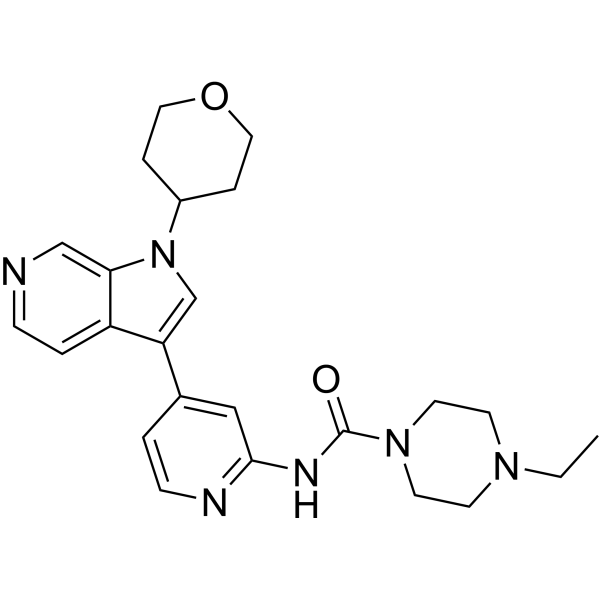
    GNF2133
    1 Publications Verification

    DYRK Metabolic Disease
    GNF2133 is a potent, selective and orally active DYRK1A inhibitor with IC50s of 0.0062, >50 µM for DYRK1A and GSK3β, respectively. GNF2133 shows good proliferation potency and efficacy on rat and human primary β-cell. GNF2133 significantly improves glucose disposal capacity and increases insulin secretion. GNF2133 has the potential for the research of type 1 diabetes .
    GNF2133
  • HY-A0106
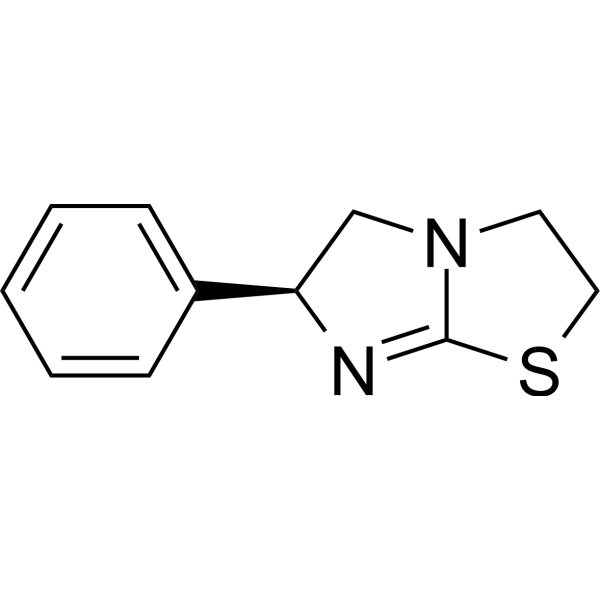
    Levamisole
    Maximum Cited Publications
    14 Publications Verification

    (-)-Tetramisole

    nAChR Parasite Infection Inflammation/Immunology Cancer
    Levamisole ((-)-Levamisole), an anthelmintic agent with immunomodulatory properties. Levamisole acts as a positive allosteric modulator (PAM) for the α3β2 (EC50=300 μM) and α3β4 (EC50=100 μM) subtype of nAChRs. Orally active .
    Levamisole
  • HY-157941

    ATM/ATR Checkpoint Kinase (Chk) DNA/RNA Synthesis Cancer
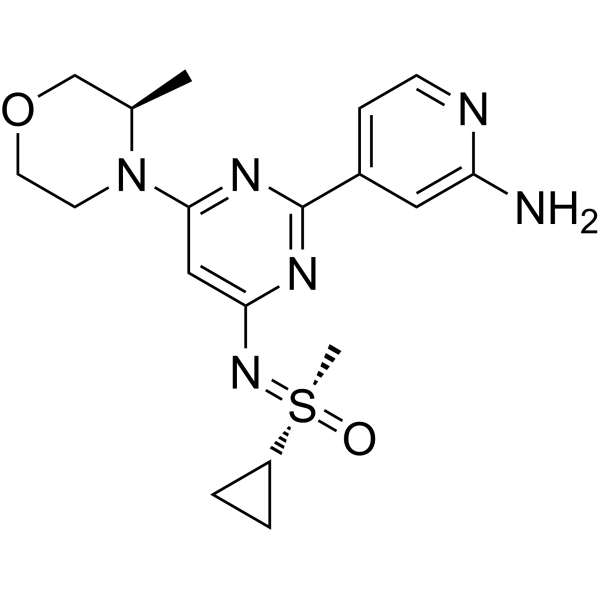
    ART0380 is a potent, selective and orally active ATR kinase inhibitor. ART0380 potently inhibits human ATR-ATRIP complex with an IC50 of 51.7 nM. ART0380 binds the ATP pocket of the ATR-ATRIP complex, blocks ATR-dependent Chk1 serine 345 phosphorylation, and induces cell cycle disorder and DNA damage. ART0380 demonstrates potent and selective antitumor activity in preclinical models with varying types of ataxia-telangiectasia mutated (ATM) gene aberrancy. ART0380 can be used for the research of cancer, such as colorectal cancer and prostate cancer .
    ART0380
  • HY-P991272

    PF-05230900

    Interleukin Related Inflammation/Immunology
    ATR-107 (PF-05230900) is a humanized monoclonal antibody inhibitor that targets the interleukin-21 receptor (IL-21R). The Ka value of ATR-107 is 2-4 nM in cynomolgus monkeys, 16 nM in mice, and 71 nM in rats. ATR-107 can be used in research related to systemic lupus erythematosus and air pouch inflammation .
    ATR-107
  • HY-121360

    DNA/RNA Synthesis Reactive Oxygen Species (ROS) Cancer
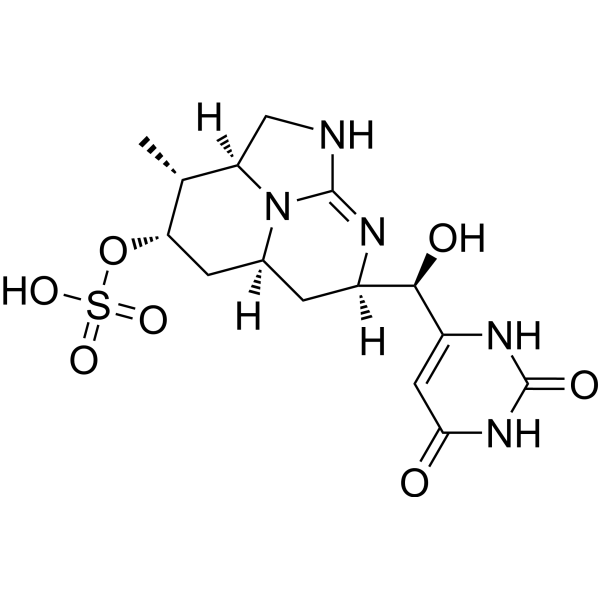
    Cylindrospermopsin, a cyanotoxin, is a polycyclic uracil derivative containing guanidine and sulfate groups, which can inhibit protein synthesis and covalently modify DNA or RNA. Cylindrospermopsin induces hepatocellular hypertrophy, renal cellular hypertrophy, intracellular reactive oxygen species (ROS), DNA strand breaks, mitochondrial hyperpolarisation, ultrastructural damage, and altered gene expression in liver, kidney, and intestinal cells. Cylindrospermopsin can be used in research including hepatocellular carcinoma and water quality testing .
    Cylindrospermopsin
  • HY-B0973

    DBT; Diphenylene sulfide

    Cytochrome P450 Aryl Hydrocarbon Receptor Metabolic Disease
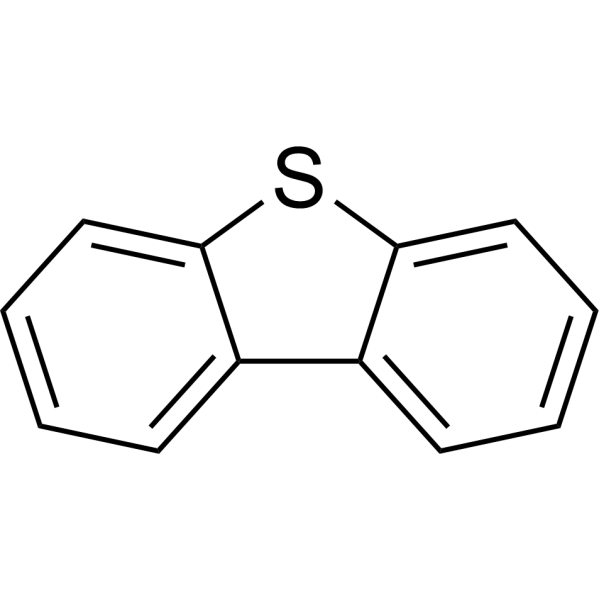
    Dibenzothiophene is an orally active and a noncompetitive CYP1A inhibitor. Dibenzothiophene inhibits CYP1A-mediated EROD activity with a Km of 0.592 μM. Dibenzothiophene interacts with the AHR pathway. Dibenzothiophene enhances the embryotoxicity of β-naphthoflavone (HY-114740). Dibenzothiophene shows acute toxicity in mice. Dibenzothiophene is mainly used for the study of the mechanism of developmental toxicity in organisms .
    Dibenzothiophene
  • HY-112974

    GSK-2998728; ISIS-420915

    Transthyretin (TTR) Cardiovascular Disease Neurological Disease
    Inotersen (GSK-2998728; ISIS-420915) is a 2'-O-methoxyethyl-modified antisense oligonucleotide and transthyretin (TTR) inhibitor with low genotoxicity. Inotersen triggers RNase H1-mediated degradation by binding to TTR mRNA, thereby effectively reducing the production of both mutant and wild-type transthyretin in the liver. Inotersen significantly reduces amyloid fiber deposition, yet specific toxicities such as inflammation or tumors are observed at high doses in some animal models. Inotersen is used in studies of hereditary transthyretin amyloidosis and the associated polyneuropathy and cardiomyopathy .
    Inotersen
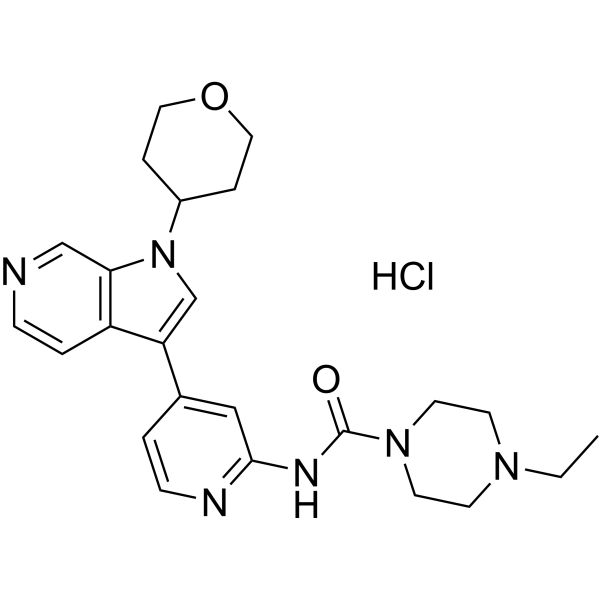
  • HY-142295A
    GNF2133 hydrochloride
    1 Publications Verification

    DYRK Metabolic Disease
    GNF2133 hydrochloride is a potent, selective and orally active DYRK1A inhibitor with IC50s of 0.0062, >50 µM for DYRK1A and GSK3β, respectively. GNF2133 hydrochloride shows good proliferation potency and efficacy on rat and human primary β-cell. GNF2133 hydrochloride significantly improves glucose disposal capacity and increases insulin secretion. GNF2133 hydrochloride has the potential for the research of type 1 diabetes .
    GNF2133 hydrochloride
  • HY-128454

    Environmental Pollutants Biochemical Assay Reagents Infection Neurological Disease
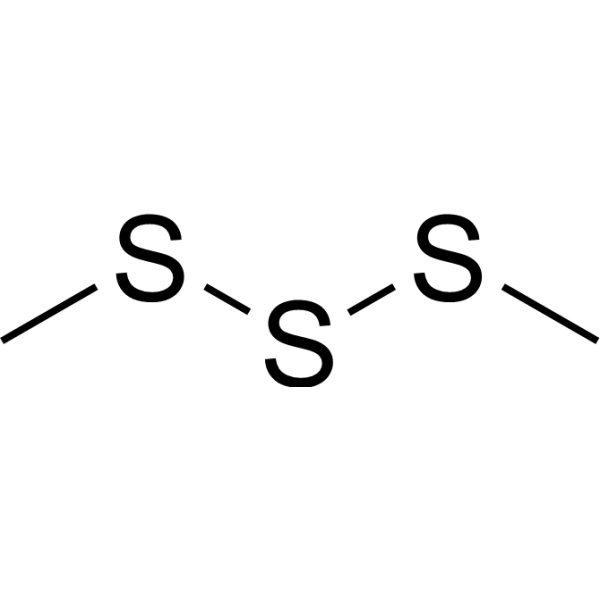
    Dimethyl trisulfide is a cyanide scavenger. Dimethyl trisulfide can be isolated from garlic, onions, broccoli and similar plants. Dimethyl trisulfide converts cyanide into thiocyanate. Dimethyl trisulfide is used by saprophagous insects to locate breeding sites (decaying organic matter), and is also used by deceptive flowers in brood sites to attract such insects. Dimethyl trisulfide induces electrophysiological responses in houseflies .
    Dimethyl trisulfide
  • HY-W002199

    6:2 FTOH; 1H,1H,2H,2H-Perfluoro-1-octanol; 2-(Perfluorohexyl)ethanol

    Bacterial Apoptosis ERK TNF Receptor Infection Neurological Disease
    6:2 Fluorotelomer alcohol (6:2 FTOH) is an orally active, blood-brain barrier-permeable modulator of cyclin D1 and ETS1. 6:2 Fluorotelomer alcohol downregulates cyclin D1 expression, upregulates ETS1 via the TNF-α/ERK 1/2 pathway, impairs mitochondrial membrane potential and respiratory function, increases reactive oxygen species levels, disrupts calcium homeostasis and activates endoplasmic reticulum stress markers, and induces cell proliferation inhibition and endothelial-mesenchymal transition. Furthermore, 6:2 Fluorotelomer alcohol induces morphological abnormalities in zebrafish embryos and liver developmental damage, while disrupting the brain immune microenvironment in mice, causing systemic toxicity and delayed pup maturation in CD-1 mice. 6:2 Fluorotelomer alcohol also induces cortical neuron apoptosis, glial cell activation, synaptic abnormalities, colonic barrier damage, intestinal dysbiosis and autism spectrum disorder-like symptoms in mice. 6:2 Fluorotelomer alcohol shows no mutagenic, clastogenic, primary skin/eye irritation or skin sensitizing effects, exhibits no selective reproductive toxicity in CD-1 mice, and is classified as GHS Category 4 for acute oral toxicity. 6:2 Fluorotelomer alcohol can be used in studies of neurodevelopmental disorders and autism spectrum disorders .
    6:2 Fluorotelomer alcohol
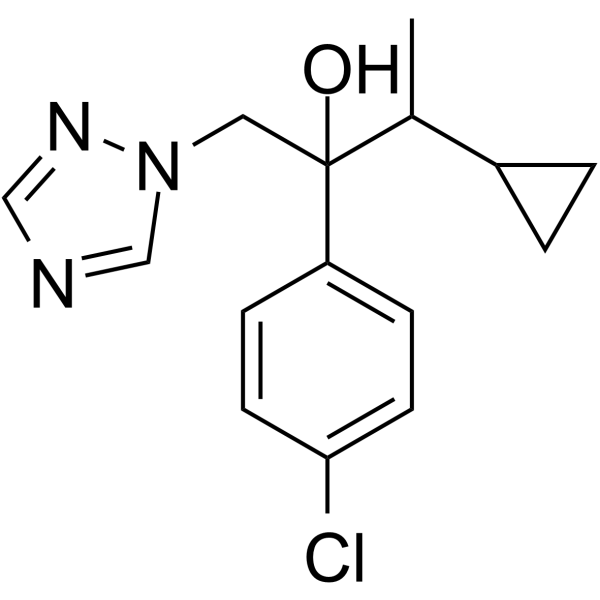
  • HY-A0277

    Environmental Pollutants Fungal Others
    Cyproconazole is a triazole fungicide used to protect crops, fruits and vegetables against a wide range of fungal pathogens. Cyproconazole can cause hepatocellular adenomas and carcinomas in CD-1 mice. Cyproconazole also exhibits low toxicity to zebrafish embryos and affects locomotor activity .
    Cyproconazole
  • HY-122895
    E64FC26
    2 Publications Verification

    Apoptosis PDI Cancer
    E64FC26 is a potent pan-inhibitor of the protein disulfide isomerase (PDI) family, with IC50s of 1.9, 20.9, 25.9, 16.3, and 25.4 μM against PDIA1, PDIA3, PDIA4, TXNDC5, and PDIA6, respectively. E64FC26 shows anti-myeloma activity .
    E64FC26
  • HY-W203683

    PFNA; Heptadecafluorononanoic acid

    PPAR PERK Metabolic Disease
    Perfluorononanoic acid (PFNA) is an orally active PPARα activator. Perfluorononanoic acid activates PPARα-mediated gene expression, including upregulating target genes associated with lipid metabolism and triglyceride storage. Perfluorononanoic acid exhibits certain developmental and reproductive toxicity. Perfluorononanoic acid causes hepatomegaly in pregnant mice, induces high postnatal mortality in neonatal mice, and leads to dose-dependent delays in eye-opening time and puberty onset in mouse offspring .
    Perfluorononanoic acid
  • HY-157536

    Bacterial Infection Inflammation/Immunology
    SMT-738 is a bacterial bactericide. SMT-738 targets the small molecules responsible for lipoprotein transport in Enterobacteriaceae, causing abnormal lipoprotein localization and bacterial cell death. SMT-738 inhibits the growth of E. coli and K. pneumoniae. SMT-738 reduces bacterial loads in mouse models of urinary tract infection, bloodstream infection, and pulmonary infection caused by Enterobacterales. SMT-738 can be used in the research of Enterobacteriaceae infections, urinary tract infections, bloodstream infections, and pneumonia .
    SMT-738
  • HY-143411

    HDAC Apoptosis DNA/RNA Synthesis Cancer
    GEM144 is a potent and orally active DNA polymerase α (POLA1) and HDAC 11 dual inhibitor. GEM144 induces acetylation of p53, activation of p21, G1/S cell cycle arrest, and apoptosis. GEM144 has significant antitumor activity in human orthotopic malignant pleural mesothelioma xenografts .
    GEM144
  • HY-122895A

    Apoptosis PDI Cancer
    (E/Z)-E64FC26 is a mixture complex of E-E64FC26 and Z-E64FC26. E64FC26 (E-E64FC26) is a potent pan-inhibitor of the protein disulfide isomerase (PDI) family, with IC50s of 1.9, 20.9, 25.9, 16.3, and 25.4 μM against PDIA1, PDIA3, PDIA4, TXNDC5, and PDIA6. E64FC26 shows anti-myeloma activity .
    (E/Z)-E64FC26
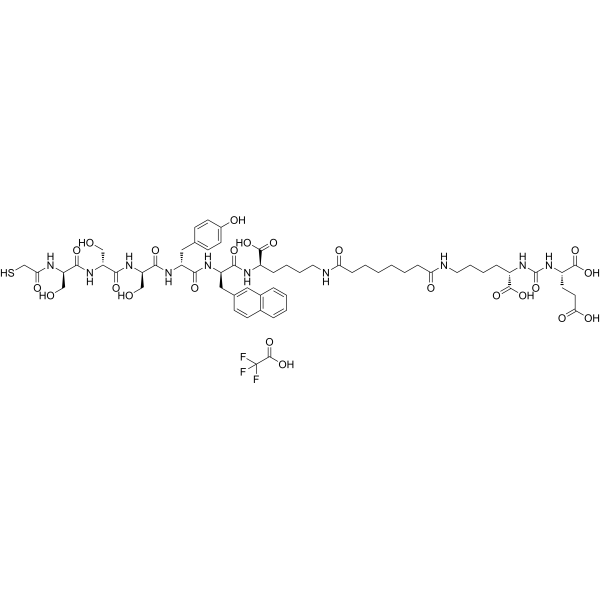
  • HY-148152A

    PSMA Cancer
    PSMA I&S TFA is a PSMA-targeted imaging agent. PSMA I&S TFA undergoes PSMA-mediated internalization into PSMA-expressing cells, with uptake into PSMA-positive tissues competitively inhibited by a potent PSMA inhibitor. PSMA I&S TFA can be used for the research of prostate cancer .
    PSMA I&S TFA
  • HY-175278

    NOD-like Receptor (NLR) Neurological Disease Inflammation/Immunology
    BAL-1516 is an orally active NLRP3 inhibitor with human NLRP3 Kd of 14.2 nM, mouse NLRP3 Kd of 200 nM, and blood-brain barrier penetration.BAL-1516 binds to a surface groove of the NLRP3 nucleotide-binding domain, contacts FISNA and WHD subdomains, forms three hydrogen bonds to the peripheral β-strand of the triple-ATPase, and does not alter NLRP3 ATP-hydrolysis activity.BAL-1516 shows specificity for NLRP3 over other NOD-like receptors, directly binds mouse NLRP3, and inhibits inflammasome formation in monocytes and microglia .
    BAL-1516
  • HY-155478

    Androgen Receptor Cancer
    Androgen receptor-IN-6 (compound 16) is an orally available androgen receptor (Androgen Receptor) potent inhibitor (IC50=0.12 μM in vitro), targeting the disordered N-terminal domain (NTD). Androgen receptor-IN-6 has good Caco2 cell membrane permeability and has an oral activity (F/%) of 16% in male CD-1 mice .
    Androgen receptor-IN-6
  • HY-P1302

    Opioid Receptor Neurological Disease
    Orphanin FQ(1-11), a orphanin FQ or nociceptin (OFQ/N) fragment, is a potent NOP receptor (ORL-1; OP4) agonist, with a Ki of 55 nM. Orphanin FQ(1-11) has no affinity for μ, δ, κ1 and κ3 receptors (Ki>1000 nM). Orphanin FQ(1-11) is analgesic in CD-1 mice .
    Orphanin FQ(1-11)
  • HY-176205

    AB801

    TAM Receptor Cancer
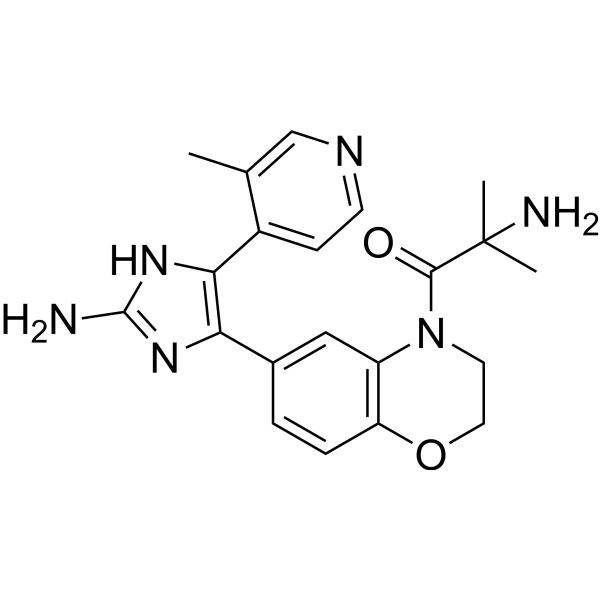
    Ligritinib (AB801) is an orally active AXL receptor tyrosine kinase inhibitor. Ligritinib blocks the downstream signaling pathway by inhibiting the kinase activity of AXL. Ligritinib can be used in cancer research, especially in combination with chemotherapy for non-small cell lung cancer (NSCLC) .
    Ligritinib
  • HY-B0430B

    (±)-Pantothenate; (±)-Vitamin B5

    Endogenous Metabolite Neurological Disease Metabolic Disease
    (±)-Pantothenic acid ((±)-Pantothenate), a B-vitamin, is an essential vitamin required for the biosynthesis of coenzyme A (CoA) in mammalian cells. Pantothenic acid has protective activity against valproic acid (VPA)-induced neural tube defects (NTD) in CD-1 mice .
    (±)-Pantothenic acid
  • HY-163540

    Aminoacyl-tRNA Synthetase Fungal Infection
    NP-BTA is an allosteric inhibitor for glutaminyl-tRNA synthetase (GlnRS). NP-BTA exhibits antifungal efficacy against Candida albicans, with MIC50 of 6.25 μM .
    NP-BTA
  • HY-172661

    Thyroid Hormone Receptor Interleukin Related LDLR Infection Metabolic Disease
    KYLO-0603 is an orally active, selective THR-β agonist (EC50 : 31.07 nM). KYLO-0603 has significant activity in lowering serum cholesterol and low-density lipoprotein cholesterol. KYLO-0603 upregulates the expression of THR-regulated genes (including iodothyronine deiodinase 1 (Dio1), malic enzyme 1 (Me1), and thyroid hormone response (Thrsp) gene) and inhibits the expression of inflammatory and fibrotic genes (low-density lipoprotein receptor (LDL-R) gene) by activating THR-β receptors. KYLO-0603 can be used to treat metabolic dysfunction-associated steatohepatitis (MASH) and liver fibrosis research .
    Kylo-0603
  • HY-124084

    Stearoyl-CoA Desaturase (SCD) Cancer
    SW203668 is an irreversible stearoyl CoA desaturase (SCD) inhibitor with an IC50 of 54 nM. SW203668 covalently binds and inhibits SCD, depletes unsaturated fatty acids, and triggers cell death in sensitive cells. SW203668 requires demethylation by CYP4F11 to form its active SCD-inhibiting form; differential CYP4F11 expression drives selective cytotoxicity. SW203668 exerts cytotoxicity toward CYP4F11-expressing non-small cell lung cancer (NSCLC) cells and spares CYP4F11-lacking NSCLC cells. SW203668 inhibits tumor growth in immunodeficient mice bearing CYP4F11-expressing NSCLC xenografts and spares mouse skin sebocytes. SW203668 can be used for the research of non-small cell lung cancer .
    SW203668
  • HY-177332

    TAM Receptor SARS-CoV Akt Infection Cancer
    SLC-391 is an orally active AXL kinase inhibitor with an IC50 of 9.6 nM against AXL kinase. SLC-391 inhibits Gas6-induced AXL-dependent phosphorylation of Akt. SLC-391 inhibits SARS-CoV-2 infection, entry and replication in cells. SLC-391 suppresses cancer cell proliferation. SLC-391 inhibits tumor growth in mouse solid tumor xenograft models. SLC-391 can be used for the research of COVID-19, influenza virus infection, triple-negative breast cancer, chronic myeloid leukemia and non-small cell lung cancer .
    SLC-391
  • HY-A0277R

    Reference Standards Fungal Others
    Cyproconazole (Standard) is the analytical standard of Cyproconazole. This product is intended for research and analytical applications. Cyproconazole is a triazole fungicide used to protect crops, fruits and vegetables against a wide range of fungal pathogens. Cyproconazole can cause hepatocellular adenomas and carcinomas in CD-1 mice. Cyproconazole also exhibits low toxicity to zebrafish embryos and affects locomotor activity .
    Cyproconazole (Standard)
  • HY-P10027A

    Antibiotic Bacterial Infection
    Clovibactin TFA is the TFA salt form of Clovibactin (HY-P10027). Clovibactin TFA is an antibiotic for drug-resistant bacterial pathogens without detectable resistance. Clovibactin TFA inihibits cell wall synthesis by targeting pyrophosphate of peptidoglycan precursors .
    Clovibactin TFA
  • HY-N1151

    Bacterial Cholinesterase (ChE) MMP TNF Receptor Infection Neurological Disease Inflammation/Immunology
    Thunberginol C is an orally active, selective, and non-competitive inhibitor of AChE and BChE, with IC50 values of 41.96 and 42.36 μM, respectively. Thunberginol C exerts cytoprotective, pro-collagen type I restorative, MMP-1 inhibitory, hyaluronic acid restorative, anti-photoaging effects in skin cells. Thunberginol C exerts neuroprotective, anxiolytic, TNF-α inhibitory, neuroinflammation inhibitory, and oxidative stress inhibitory effects. Thunberginol C can be used for the research of Alzheimer’s disease, UVB-induced skin photoaging, allergic reactions, oral bacterial infections, and stress-induced anxiety .
    Thunberginol C
  • HY-P1302A

    Opioid Receptor Neurological Disease
    Orphanin FQ(1-11) TFA, a orphanin FQ or nociceptin (OFQ/N) fragment, is a potent NOP receptor (ORL-1; OP4) agonist, with a Ki of 55 nM. Orphanin FQ(1-11) TFA has no affinity for μ, δ, κ1 and κ3 receptors (Ki>1000 nM). Orphanin FQ(1-11) TFA is analgesic in CD-1 mice .
    Orphanin FQ(1-11) TFA
  • HY-158701

    Ras Cancer
    KRAS G12D inhibitor 23 (compound 46-3) is a potent inhibitor of KRAS G12D, with the IC50 of 0.007 μM. KRAS G12D inhibitor 23 plays an important role in cancer research .
    KRAS G12D inhibitor 23
  • HY-175244

    SOS1 Ras Potassium Channel Cancer
    SOS1-IN-20 (Compound 12f) is an orally active SOS1 inhibitor with an IC50 of 5.11 nM against KRAS G12C::SOS1. By disrupting the interaction between KRAS and SOS1, SOS1-IN-20 inhibits KRAS activation and downstream signal transduction. SOS1-IN-20 has an IC50 of 253 nM for p-ERK in PC-9 cells and 16.71 μM for hERG channel . SOS1-IN-20 can inhibit the proliferation of tumor cells and has antitumor activity .
    SOS1-IN-20
  • HY-P11232

    Toll-like Receptor (TLR) Bacterial Infection
    NAB815 is a specific inhibitor of the Stx2a (Kd = 0.01 μM)/TLR4 interaction. NAB815 inhibits the neutrophil/Stx2a interaction (IC50 = 0.057 μg/mL). NAB815 inhibits the formation of Stx2-containing extracellular vesicles (EVs) produced by leukocytes and platelets and reduces their toxic effects in cellular (Vero cells) and animal models (CD-1 mice). NAB815 reduces bacterial loads in the kidneys, urine, and bladders of Escherichia coli-infected mice. NAB815 is useful in the study of hemolytic uremic syndrome (HUS) .
    NAB815
  • HY-150080

    BMS-986180

    HIV HIV Integrase Infection
    GSK3739936 (BMS-986180) is a potent HIV-1 allosteric integrase inhibitor with an IC50 value of 11.1 nM and an EC50 value of 1.7 nM. GSK3739936 is also a weak CYP inhibitor (IC50>24.3 μM). GSK3739936 shows favorable pharmacokinetic property in preclinical species with rapid absorption, low to moderate clearance and excellent oral bioavailability .
    GSK3739936
  • HY-165425

    Angiotensin Receptor Cardiovascular Disease
    KR31173 is an AT1 antagonist with an IC50 of 3.27  nM. KR31173 can be used as a positron emission tomography (PET) tracer after being labeled with 11C isotope. KR31173 shows promising biodistribution and pharmacological properties in mice. KR31173 selectively binds to organs known to contain a high density of AT1 angiotensin receptors in CD-1 mice .
    KR31173
  • HY-163797

    DNA/RNA Synthesis Cancer
    WRN inhibitor 10 (Compound P24) is an inhibitor for the Werner helicase WRN with an IC50 of 1.1 nM. WRN inhibitor 10 inhibits the proliferation of cancer cell SW48 with IC50 of 39 nM. WRN inhibitor 10 exhibits good liver microsomal stability and film permeability. WRN inhibitor 10 exhibits good pharmacokinetic characteristics in CD-1 mice .
    WRN inhibitor 10
  • HY-163799

    Histone Methyltransferase Cancer
    PRMT5-MTA-IN-1 (Compound A9a) is an inhibitor for protein arginine methyltransferase PRMT5-MTA. PRMT5-MTA-IN-1 inhibits the proliferation of colorectal cancer cell HCT116 wildtype and MTAP del mutant, with an IC50 of 16 nM and 2.47 μM. PRMT5-MTA-IN-1 exhibits good liver microsomal stability and film permeability. PRMT5-MTA-IN-1 exhibits good pharmacokinetic characteristics in CD-1 mice .
    PRMT5-MTA-IN-1
  • HY-163816

    Cytochrome P450 Cancer
    Antiproliferative agent-53-d3 (Compound C1) is an inhibitor for theta-mediated end joining (TMEJ) in HEK293 cell with an IC50 of 0.14 µM. Antiproliferative agent-53-d3 is the inhibitor for CYP2C19 and CYP2C9 with IC50 of 0.77 and 3.1 µM. Antiproliferative agent-53-d3 inhibits the proliferation of DNA repair-compromised cells, with IC50 of 8.1 µM for BRCA2 -/- DLD-1. Antiproliferative agent-53-d3 exhibits good pharmacokinetic characteristics in CD-1 mice .
    Antiproliferative agent-53-d3
  • HY-158435

    P-glycoprotein Cytochrome P450 Cancer
    P-gp inhibitor 23 (compound 14F) is a potent inhibitor of P-gp and CYP3A4, with the EC50 and IC50 of 28 nM and 223 nM, respectively .
    P-gp inhibitor 23
  • HY-176241

    Others Cardiovascular Disease
    DC-174 is an orally active inhibitor of snake venom metalloproteinases (SVMP) with a broad spectrum of inhibitory activity against a variety of snake venom SVMPs. DC-174 acts directly on the active site of SVMPs via zinc-binding groups, inhibiting their enzymatic activity and procoagulant toxicity. DC-174 can significantly prolong the survival time of mice attacked by snake venom. DC-174 can be used in the study of first aid for snake bites .
    DC-174
  • HY-106817

    LY 217896

    Influenza Virus Infection
    Amitivir (LY 217896), a thiadiazole derivative, possesses broad antiviral activity against orthomyxo- and paramyxoviruses. Amitivir is effective against influenza A and B viruses .
    Amitivir
  • HY-158706

    E1/E2/E3 Enzyme Cancer
    SAE-IN-2 (compound 6) is a potent inhibitor of sumo activating enzume (SAE), with the IC50 of 27.8 nM .
    SAE-IN-2
  • HY-137439

    VYR-006

    Antifolate Infection
    Fanotaprim is a dihydrofolate reductase (DHFR) inhibitor with IC50s of 1.57 and 308 nM for tgDHFR (Toxoplasma gondii DHFR) and hDHFR (human DHFR), respectively. Fanotaprim has the potential for the research of toxoplasmosis .
    Fanotaprim
  • HY-162629

    Lactate Dehydrogenase Cancer
    LDHA-IN-7 (compound 21) is an oral bioactive inhibitor of lactate dehydrogenase-A (LDHA) and LDHB, with the IC50s of 72 nM and 1.2 Μm, respectively .
    LDHA-IN-7
  • HY-A0106R

    (-)-Tetramisole (Standard)

    Reference Standards nAChR Parasite Infection Inflammation/Immunology Cancer
    Levamisole (Standard) is the analytical standard of Levamisole. This product is intended for research and analytical applications. Levamisole ((-)-Levamisole), an anthelmintic agent with immunomodulatory properties. Levamisole acts as a positive allosteric modulator (PAM) for the α3β2 (EC50=300 μM) and α3β4 (EC50=100 μM) subtype of nAChRs. Orally active .
    Levamisole (Standard)
  • HY-174381

    Cholinesterase (ChE) Amyloid-β Tau Protein Neurological Disease
    BChE-IN-41 is a highly selective Butyrylcholinesterase (BChE) inhibitor (IC50 =12 nM, Ki = 6.6 nM). BChE-IN-41 has high brain penetration with a brain-to-plasma ratio of 9.0. BChE-IN-41 has pro-cognitive effects on mice with AD-like symptoms induced by Scopolamine (HY-N0296) and Aβ1-42 .
    BChE-IN-41
  • HY-173302

    Epoxide Hydrolase Neurological Disease
    sEH inhibitor-20 is an orally active and metabolically stable sEH inhibitor (IC50: 0.2 nM). sEH inhibitor-20 has significant analgesic and anti-inflammatory activities and is expected to become a potential candidate compound for the study of neuropathic pain .
    sEH inhibitor-20
  • HY-120382

    Bacterial Infection
    LY 215890 ia an orally active antibacterial agent aganist Escherichia coli EC14 and Klebsiella pneumonia X26 .
    LY 215890
  • HY-162727

    IFNAR Interleukin Related CD1 Inflammation/Immunology Cancer
    GCS-12 is a Th1/2-balanced sulfonamide glycolipid with improved interaction with CD1d. GCS-12 is an agonist for natural killer T (NKT) cell, that induces the secretion of cytokine IFN-γ and IL-4, and exhibits immunomodulatory and anti-tumor activities in mice .
    GCS-12
  • HY-147712

    PKC Inflammation/Immunology
    PKC-IN-4 (compound 7l) is a potent and orally active aPKC inhibitor with an IC50 of 0.52 µM. PKC-IN-4 inhibits TNF-α induced NF-κB activity in vitro. PKC-IN-4 blocks VEGF- and TNFα-induced permeability across the retinal vasculature .
    PKC-IN-4

Inquiry Online

Your information is safe with us. * Required Fields.

Salutation


Country or Region *

Applicant Name *


Organization Name *

Department *


Email Address *


Product Name *

Cat. No.


Requested quantity *

Phone Number *


Remarks

Inquiry Online

Inquiry Information

Product Name:
Cat. No.:
Quantity:
MCE Japan Authorized Agent:

