1. Search Result
Search Result
Pathways Recommended: Stem Cell/Wnt Cell Cycle/DNA Damage
Results for "

CM cells

" in MedChemExpress (MCE) Product Catalog:

25

Inhibitors & Agonists

1

Fluorescent Dyes

4

Peptides

1

Inhibitory Antibodies

1

Natural
Products

1

Oligonucleotides

Cat. No. Nombre del producto Target Áreas de investigación Chemical Structure
  • HY-D1627
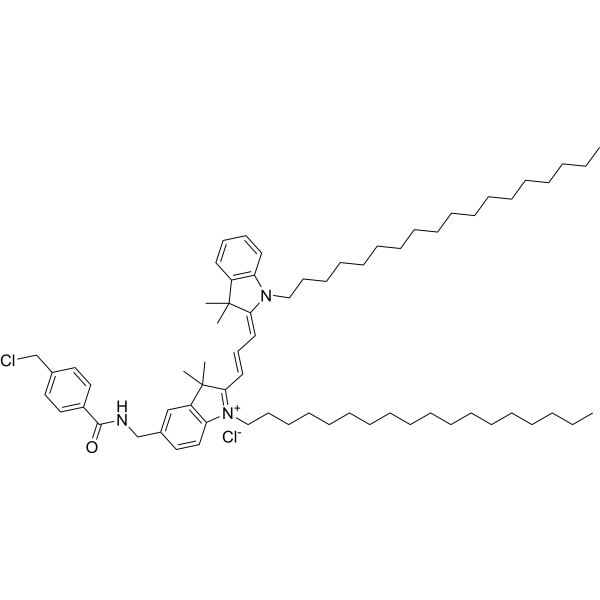
    CellTracker CM-DiI
    3 Publications Verification

    CM-DiI

    Fluorescent Dye Others
    CellTracker CM-DiI (CM-DiI) is a lipophilic fluorochrome that can be used for tracking the migration of lymphocytes. CellTracker CM-DiI is feasible to detect labeled cells in histological sections (excitation 553 nm; emission 570 nm) .
    CellTracker CM-DiI
  • HY-101925
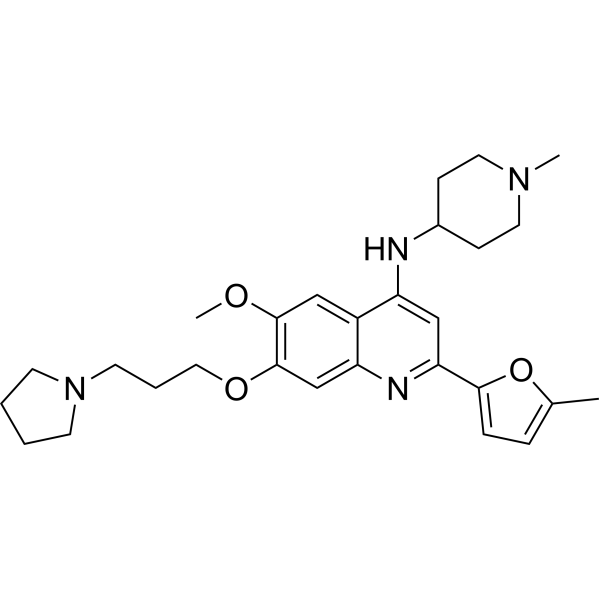
    CM-272
    3 Publications Verification

    Histone Methyltransferase DNA Methyltransferase Apoptosis Cancer
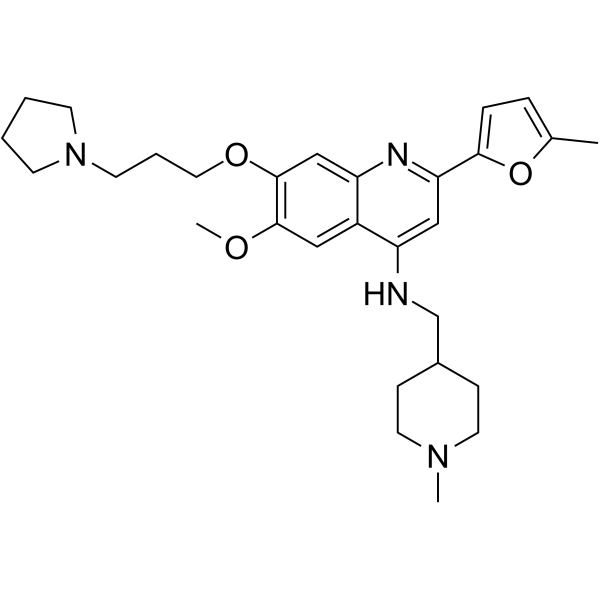
    CM-272 is a first-in-class, potent, selective, substrate-competitive and reversible dual G9a/DNA methyltransferases (DNMTs) inhibitor with antitumor activities. CM-272 inhibits G9a, DNMT1, DNMT3A, DNMT3B and GLP with IC50s of 8 nM, 382 nM, 85 nM, 1200 nM and 2 nM, respectively. CM-272 inhibits cell proliferation and promotes apoptosis, inducing IFN-stimulated genes and immunogenic cell death .
    CM-272
  • HY-P10102
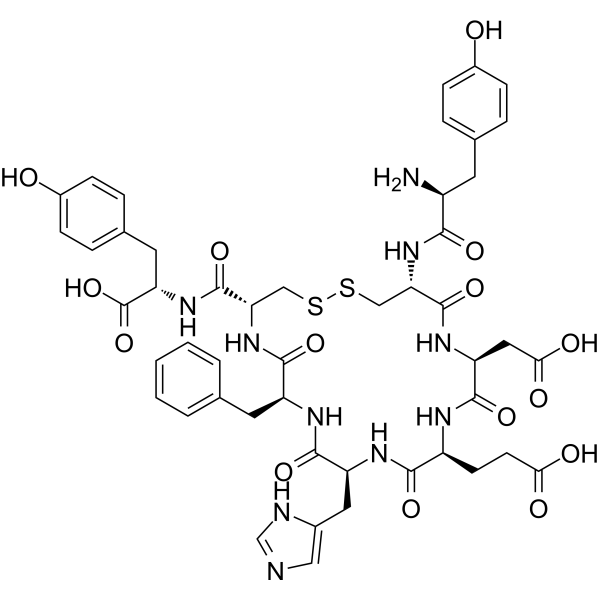
    Kp7-6
    2 Publications Verification

    Apoptosis PERK NF-κB Caspase JNK Inflammation/Immunology Cancer
    Kp7-6 is a Fas mimetic peptide and also a Fas/FasL antagonist. Kp7-6 specifically binds to Fas and FasL, disrupts receptor complexes, and blocks downstream apoptosis signaling pathways. Kp7-6 inhibits the phosphorylation of ERK1-2, induces the phosphorylation of IκBα, and activates NF-κB. Kp7-6 inhibits the activation of caspase-8, caspase-3 and JNK, and suppresses human amylin-induced β-cell apoptosis. Kp7-6 inhibits FasL-induced lymphoid cytotoxicity and apoptosis. Kp7-6 reduces local tumor FasL expression, increases CD8 +Fas + T cell infiltration, and decreases tumor volume in pancreatic neuroendocrine tumor models. Kp7-6 prevents concanavalin A-induced liver injury in mice. Kp7-6 is applicable to research related to type 2 diabetes, concanavalin A-induced hepatitis and pancreatic neuroendocrine tumors .
    Kp7-6
  • HY-110294
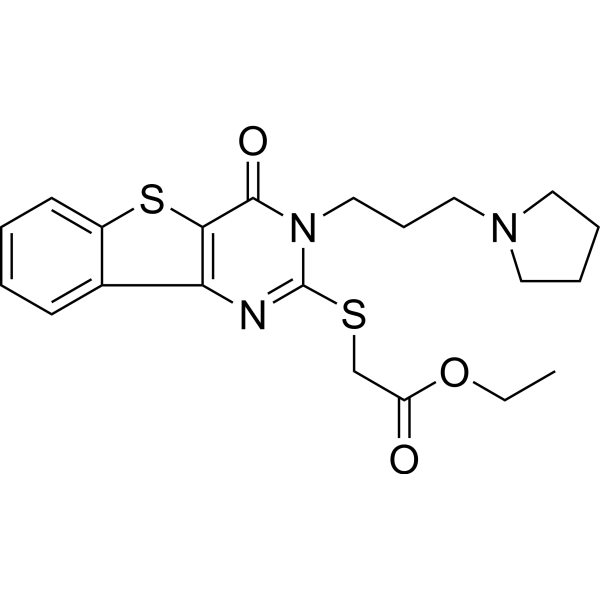
    CM037
    1 Publications Verification

    A37

    Aldehyde Dehydrogenase (ALDH) Cancer
    CM037 is a highly selective and competitive ALDH1A1 inhibitor (IC50=4.6 μM). CM037 blocks the catalytic activity of ALDH1A1, thereby inhibiting the activation of the downstream HIF-1α/VEGF pathway. CM037 is mainly used to study the ALDH1A1-mediated regulation of cancer stem cells (CSCs) and angiogenesis, especially in breast cancer, showing the potential to inhibit tumor angiogenesis and stem cell characteristics .
    CM037
  • HY-121862

    DNA/RNA Synthesis Cancer
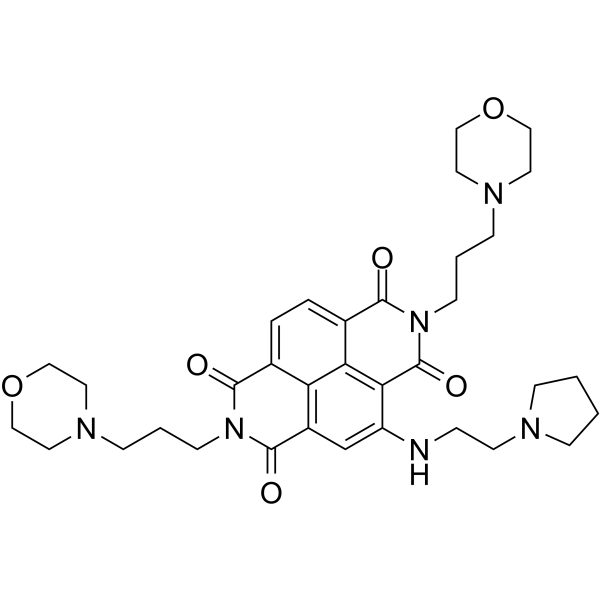
    CM03 is a potent DNA G-quadruplexes (G4s) ligand. CM03 can stabilise G4s, downregulating more G4-containing genes as well as increasing incidence of double-strand break events (DSBs) due to torsional strain on DNA and chromatin structure. CM03 has selective potency for pancreatic cancer cells .
    CM03
  • HY-117421A

    Histone Methyltransferase DNA Methyltransferase Cancer
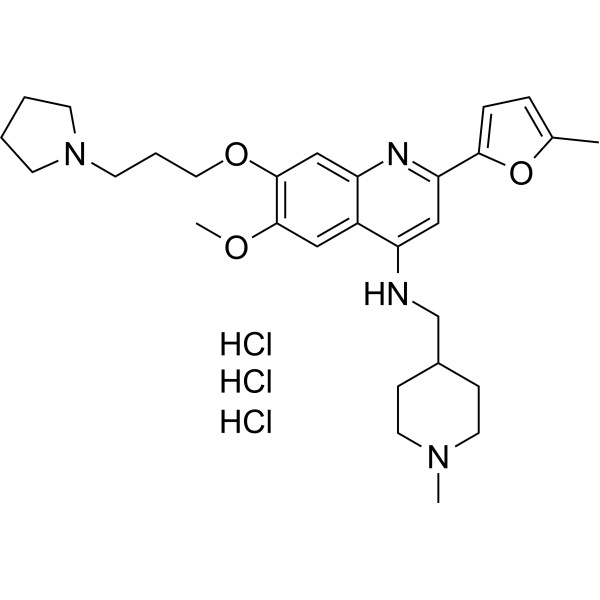
    CM-579 trihydrochloride is a first-in-class reversible, dual inhibitor of G9a and DNMT, with IC50 values of 16 nM, 32 nM for G9a and DNMT, respectively. Has potent in vitro cellular activity in a wide range of cancer cells .
    CM-579 trihydrochloride
  • HY-161149

    HDAC Cancer
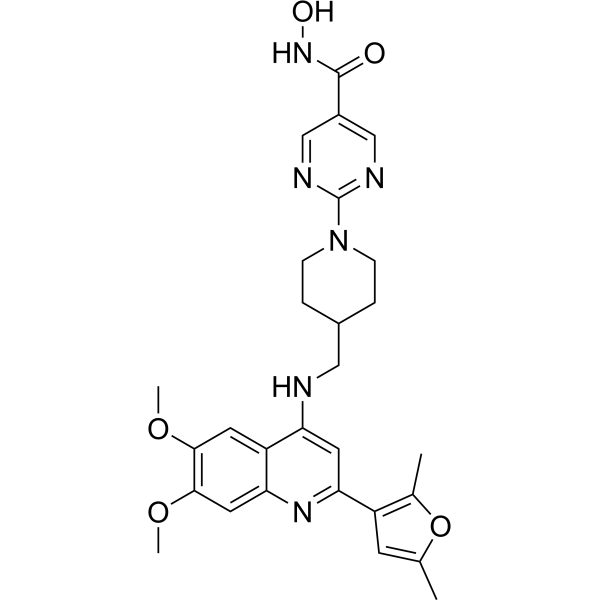
    CM-1758 is a histone deacetylase (HDAC) inhibitor. CM-1758 inhibits tumor growth in vivo. CM-1758 induces acetylation of non-histone proteins in acute myeloid leukemia cells .
    CM-1758
  • HY-150759

    HIV Infection
    HIV-1 inhibitor-45 is a potent HIV-1 RNase H inhibitor with an IC50 value of 0.067 μM. HIV-1 inhibitor-45 shows an antiviral activity. HIV-1 inhibitor-45 shows poor cell permeability (with an apparent permeability coefficient (Papp) lower than 0.48 × 10 −6 cm/s) .
    HIV-1 inhibitor-45
  • HY-172769

    Histone Methyltransferase Cancer
    CM112 is a selective protein arginine methyltransferase 1 (PRMT1) degrader by tethering hydrophobic tag, adamantane, to MS023 with a 5-PEG linker. CM112 induces the degradation of PRMT1 in various solid cancer cell lines. CM112 can also target the nonenzymatic function of PRMT1 by downregulating the stability of the orphan receptor TR3. CM112 is promising for research of cancers .
    CM112
  • HY-117421

    Histone Methyltransferase DNA Methyltransferase Cancer
    CM-579 is a first-in-class reversible, dual inhibitor of G9a and DNMT, with IC50 values of 16 nM, 32 nM for G9a and DNMT, respectively. Has potent in vitro cellular activity in a wide range of cancer cells .
    CM-579
  • HY-P10610A

    MDM-2/p53 Cancer
    Peptide 234CM TFA is a peptide containing isoleucine at position 3, corresponding to the sequence of a point mutation in p53 codon 234. Peptide 234CM TFA induces potent cytotoxic T cell (CTL) and antitumor immune responses against mutant p53 .
    Peptide 234CM TFA
  • HY-177725

    Molecular Glues PI4K Cancer
    MG degrader 2 (Compound CM-2) is a CRBN-dependent molecular glue degrader. MG degrader 2 induces ZFP91, FIZ1 and PI4KB degradation. MG degrader 2 has anti-proliferative activity against MM.1S cells (IC50 = 162 nM). MG degrader 2 can be used for the research of cancer, such as multiple myeloma .
    MG degrader 2
  • HY-163803

    HDAC DNA Methyltransferase Cancer
    CM-444 is inhibitor for HDAC (IC50 is 6 nM-0.6 μM) and DNA methyltransferases (DNMT, IC50 is 1.8-2.3 μM). CM-444 is an inducer for the differentiation of acute myeloid leukemia cells. CM-444 exhibits anti-leukemic activity and improves the survival rate in mouse models .
    CM-444
  • HY-P10610

    MDM-2/p53 Cancer
    Peptide 234CM is a peptide containing isoleucine at position 3, corresponding to the sequence of a point mutation in p53 codon 234. Peptide 234CM induces potent cytotoxic T cell (CTL) and antitumor immune responses against mutant p53 .
    Peptide 234CM
  • HY-177728

    Molecular Glues E1/E2/E3 Enzyme Cancer
    MG degrader 3 (Compound CM-3) is a molecular glucose degrading agent that targets the CRBN protein. MG degrader 3 has certain anti proliferative activity in MM.1S cells (IC50 = 8.7 nM). MG degrader 3 can be used for cancer research .
    MG degrader 3
  • HY-157797

    Topoisomerase Cancer
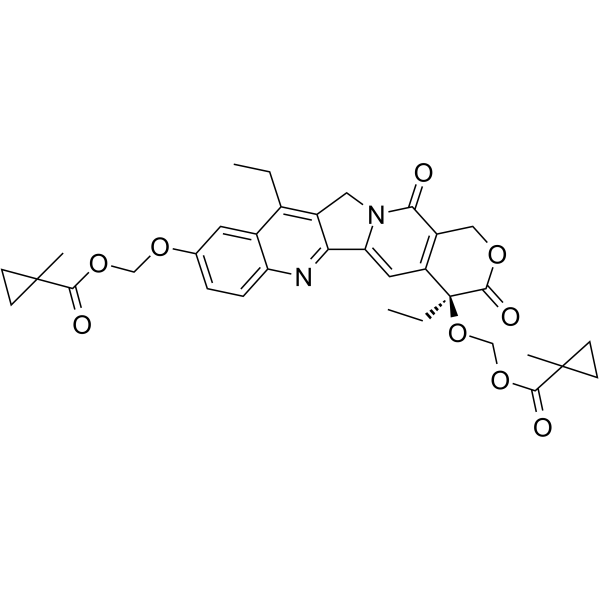
    SN-38-CM2 is a split esterase, and shows >95% conversion to SN-38 within 5 min in vitro. SN-38-CM2 induces protein-protein interactions (PPI)-dependent esterase to mediate cell death in MDA-MB-231 cells .
    SN-38-CM2
  • HY-117603

    Glucokinase Infection
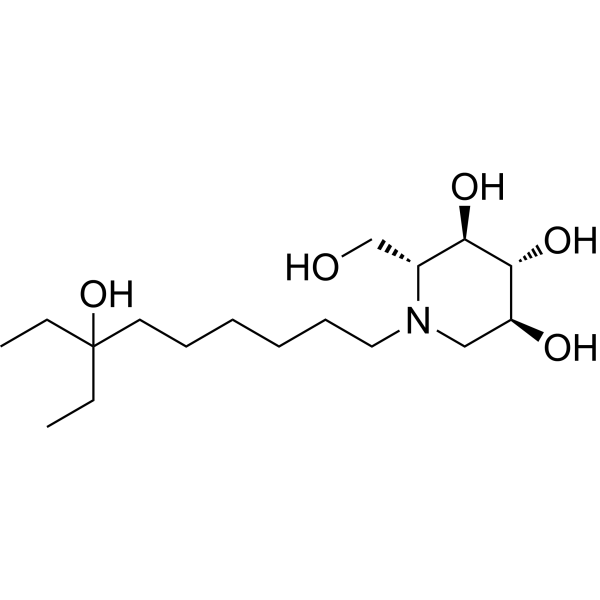
    CM-10-18 is a potent and orally active inhibitor of both α-glucosidases I and II in vitro and in animals. CM-10-18 inhibits DENV infection of cultured human cells and reduces the peak viremia of DENV in mice .
    CM-10-18
  • HY-122112

    Sigma Receptor Cancer
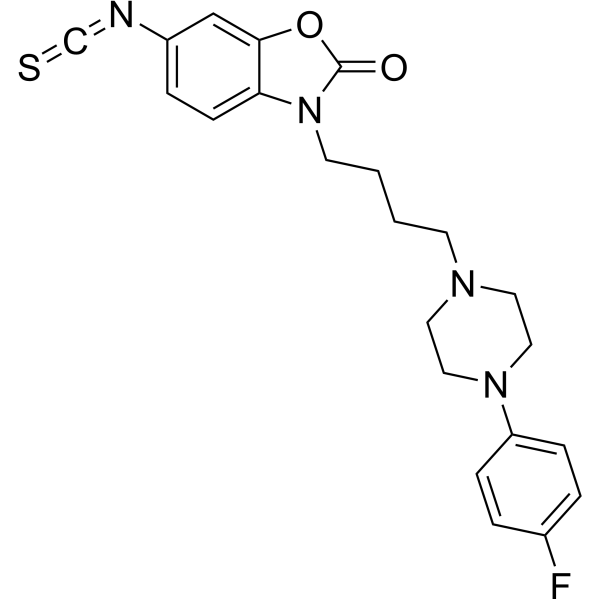
    CM572 is a selective irreversible partial sigma-2 receptor agonist. CM572 has antitumor activity. CM572 induces dose-dependent cell death, with an EC50 of 7.6 μM in SK-N-SH neuroblastoma cells. CM572 can be used for the research of kinds of diseases such as neuroblastoma, breast cancer .
    CM572
  • HY-P11242

    Bacterial NF-κB p38 MAPK JNK ERK TNF Receptor Interleukin Related Infection
    Cm-CATH2 is an antimicrobial peptide discovered from Chelonia mydas. Cm-CATH2 has a potent, broad-spectrum and rapid bactericidal ability by rapidly destroying the integrity of bacterial cell membranes. It shows strong activity against Gram-positive bacteria (such as VREF, Staphylococcus aureus), Gram-negative bacteria (such as Escherichia coli, Klebsiella pneumoniae), and fungi (such as Candida albicans) with MICs ranges from 1.17 to 18.75 μg/mL. Cm-CATH2 is also effective against various aquatic pathogenic bacteria. Cm-CATH2 not only inhibits biofilm formation but can also remove the formed biofilms. Cm-CATH2 has immunomodulatory functions and chemotactic effects on immune cells, and can inhibit the production of pro-inflammatory cytokines by macrophages stimulated by LPS (HY-D1056). Cm-CATH2 prevents the activation of NF-κB by inhibiting the degradation of IκBα, and also inhibits the phosphorylation of MAPK signaling pathways (p38, JNK, ERK). Cm-CATH2 demonstrates strong anti-infective ability in mouse peritonitis models and pneumonia models .
    Cm-CATH2
  • HY-N3231

    CM-c2

    Lipoxygenase COX Cancer
    Murraol (CM-c2), a coumarin, can be isolated from the leaves of Madagascar pine cork (Apiaceae). Murraol has cyclooxygenase (COX) and lipoxygenase inhibitory properties and has an inhibitory effect on the growth of cancer cells .
    Murraol
  • HY-114793

    Prostaglandin Receptor Endocrinology
    AL-12180 is a potent and selective FP-receptor agonist with a Ki of 143 nM. AL-12180 stimulates the mobilization of intracellular Ca 2+ in h-TM and h-CM cells with EC50s of 111 and 11 nM, respectively .
    AL-12180
  • HY-149972

    Apoptosis Cancer
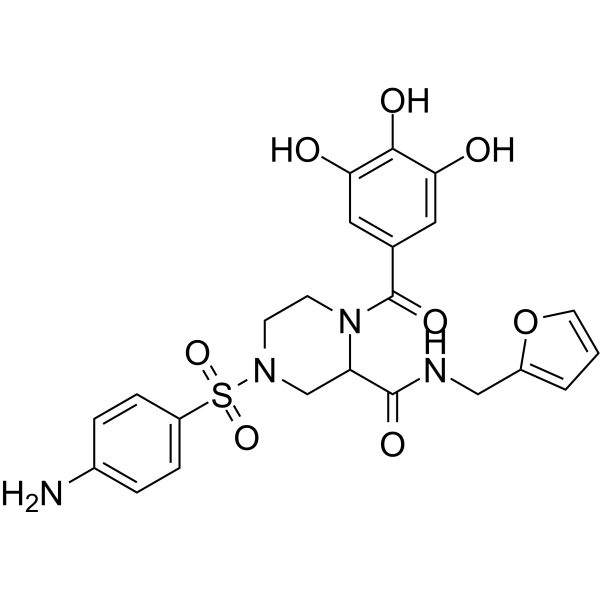
    Antitumor agent-96 (Compound D34) is a potent MRE11 inhibitor. Antitumor agent-96 down-regulates the HR pathway by binding with MRE11 and suppressing its endonuclease functions. Antitumor agent-96 induces CM cells apoptosis .
    Antitumor agent-96
  • HY-144632

    Fungal Infection
    Antifungal agent 22 (compound D16) is a potential and orally active antifungal agent for CM (cryptococcal meningitis), with an IC50 of 0.5 μg/mL. Antifungal agent 22 can penetrate the blood-brain barrier and kill the C. neoformans H99 cells by destroying the integrity of fungal cell membranes. Antifungal agent 22 shows selective anti-Cryptococcus activity with good metabolic stability and low cytotoxicity .
    Antifungal agent 22
  • HY-125641A

    5-HT Receptor Neurological Disease
    AL-34662 (formate) is a 5-HT2 receptor agonist (IC50: 0.8-1.5 nM). AL-34662 (formate) stimulates inositol phosphate turnover and Ca 2+ release in human ciliary muscle cells (h-CM) (E50: 289 nM) and human trabecular meshwork cells (h-TM) (E50: 254 nM). AL-34662 (formate) can be used in studies to lower intraocular pressure (IOP) .
    AL-34662 formate
  • HY-101925R

    Reference Standards Histone Methyltransferase DNA Methyltransferase Apoptosis Cancer
    CM-272 (Standard) is the analytical standard of CM-272 (HY-101925). This product is intended for research and analytical applications. CM-272 is a first-in-class, potent, selective, substrate-competitive and reversible dual G9a/DNA methyltransferases (DNMTs) inhibitor with antitumor activities. CM-272 inhibits G9a, DNMT1, DNMT3A, DNMT3B and GLP with IC50s of 8 nM, 382 nM, 85 nM, 1200 nM and 2 nM, respectively. CM-272 inhibits cell proliferation and promotes apoptosis, inducing IFN-stimulated genes and immunogenic cell death .
    CM-272 (Standard)

Consulta en línea

Your information is safe with us. * Required Fields.

Saludo


Country or Region *

Nombre del solicitante *


Nombre de la Organizaciòn *

Department *


Direcciòn del E-mail *


Nombre del producto *

Cat. No.


Requested quantity *

Número de teléfono *


Observaciones

Consulta en línea

Inquiry Information

Nombre del producto:
Cat. No.:
Cantidad:
MCE Japan Authorized Agent:

