
45 Results for "

Ca2+-dependent

" in MedChemExpress (MCE) Product Catalog:
Products (45)

45 Results for "Ca2+-dependent" in MCE Product Catalog:

26
26 Publications Verification
Cat. No.: HY-N6687
CAS No.: 52665-69-7
Synonyms: A-23187; Antibiotic A-23187
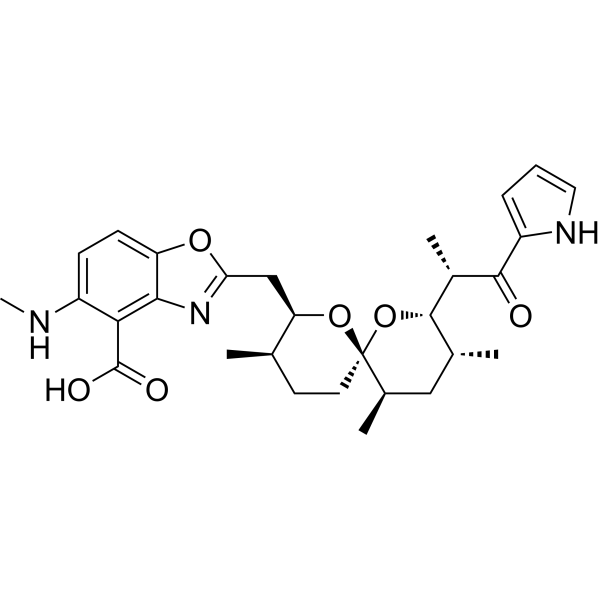
Calcimycin (A-23187) is an antibiotic and a unique divalent cation ionophore (like calcium and magnesium). Calcimycin induces Ca 2+-dependent cell death by increasing intracellular calcium concentration. Calcimycin inhibits the growth of Gram-positive bacteria and some fungi. Calcimycin also inhibits the activity of ATPase and uncouples oxidative phosphorylation (OXPHOS) of mammalian cells. Calcimycin induces apoptosis and autophagy [2] .
loading...
    loading...
12
12 Cited Publications
Cat. No.: HY-118630
CAS No.: 351986-85-1
Purity:  98.93%
Target:  

PIKfyve Autophagy

Research Areas:  

Cancer

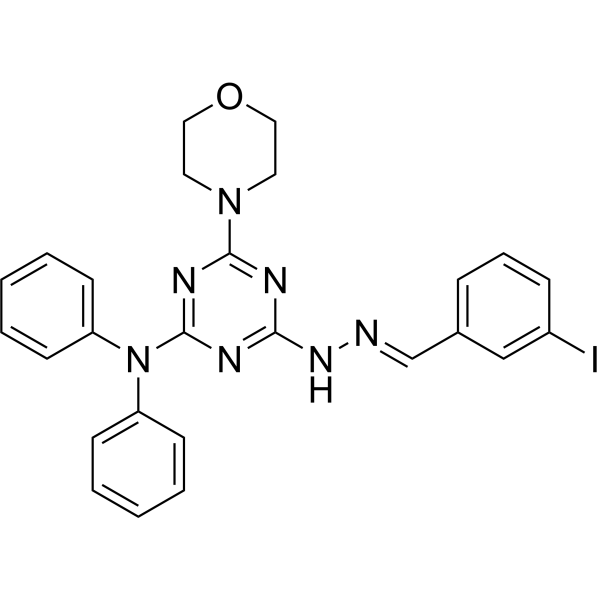
Vacuolin-1 is a potent and cell-permeable lysosomal exocytosis inhibitor. Vacuolin-1 blocks the Ca 2+-dependent exocytosis of lysosomes and prevents the release of lysosomal content without affecting the process of resealing. vacuolin‐1 is a potent and selective PIKfyve inhibitor and inhibits late‐stage autophagy by impairing lysosomal maturation. Vacuolin-1 can induce vacuole formation and increase the percentage of enucleated cells [2] .
loading...
    loading...
4
4 Cited Publications
Cat. No.: HY-100560
CAS No.: 21293-29-8
Purity:  99.64%
Synonyms: (S)​-​(+)​-​Abscisic acid; ABA
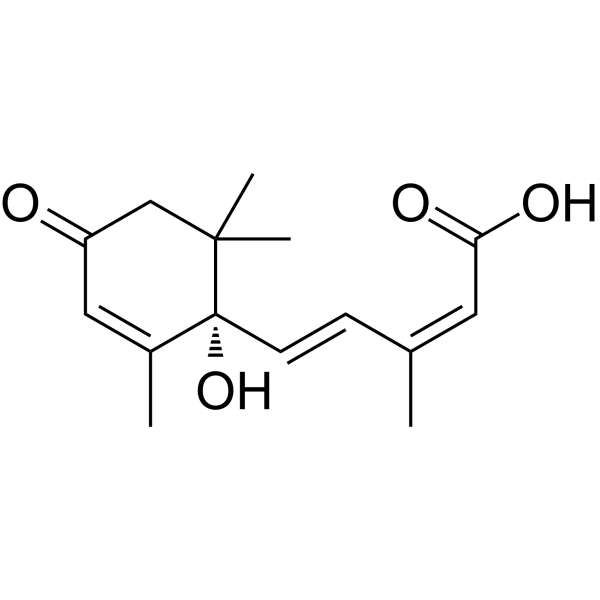
Abscisic acid ((S)-(+)-Abscisic acid), an orally active phytohormone in fruits and vegetables, is an endogenously produced mammalian hormone. Abscisic acid is a growth inhibitor and can regulate many aspects of plant growth and development. Abscisic acid inhibits proton pump (H +-ATPase) and leads to the plasma membrane depolarization in a Ca 2+-dependent manner. Abscisic acid, a LANCL2 natural ligand, is a potent insulin-sensitizing compound and has the potential for pre-diabetes, type 2 diabetes and metabolic syndrome [2].
loading...
    loading...
2
2 Cited Publications
Cat. No.: HY-P0033
CAS No.: 616204-22-9
Synonyms: Acetyl hexapeptide-3; Acetyl hexapeptide-8
Target:  

Calcium Channel

Research Areas:  

Neurological Disease

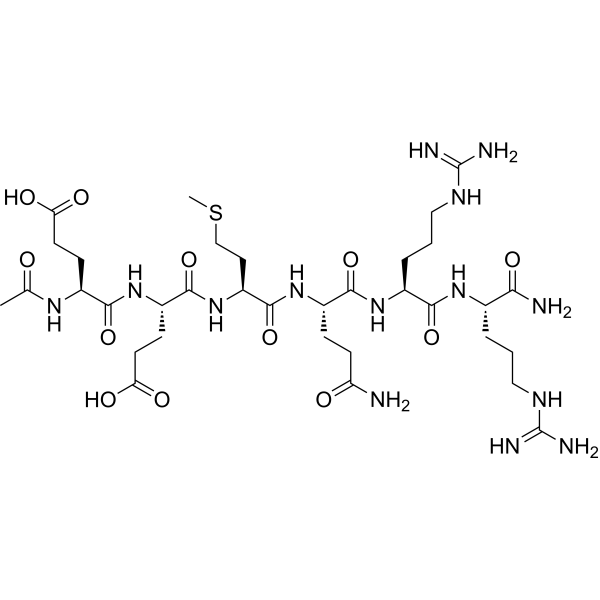
Argireline (Acetyl hexapeptide-3) is a non-toxic, skin-permeable, antiwrinkle peptide. Argireline significantly inhibits Ca 2+ dependent neurotransmitter release (acetylcholine) at the neuromuscular junction. Argireline has antiwrinkle and anti-aging activity [2] .
loading...
    loading...
2
2 Cited Publications
Cat. No.: HY-126750
CAS No.: 1003019-41-7
Purity:  99.86%
Target:  

Phosphatase

Research Areas:  

Inflammation/Immunology

GNF362 is a selective, potent, and orally bioavailable inhibitor of inositol trisphosphate 3’ kinase B (Itpkb) with an IC50 of 9 nM. GNF362 also inhibits Itpka and Itpkc with IC50 values of 20 nM and 19 nM, respectively. Inositol trisphosphate 3’ kinase B (Itpkb) is a Ca 2+-dependent kinase, which phosphorylates the 3’ position of Ins (1,4,5) P3 to generate inositol 1,3,4,5-tetrakisphosphate [Ins (1,3,4,5) P4] .
loading...
    loading...
1
1 Cited Publications
Cat. No.: HY-110105
CAS No.: 875755-24-1
Purity:  99.76%
Target:  

Potassium Channel

Research Areas:  

Neurological Disease

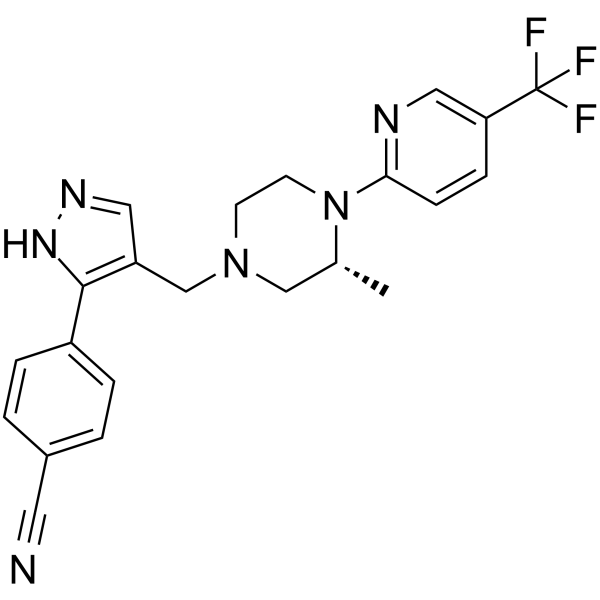
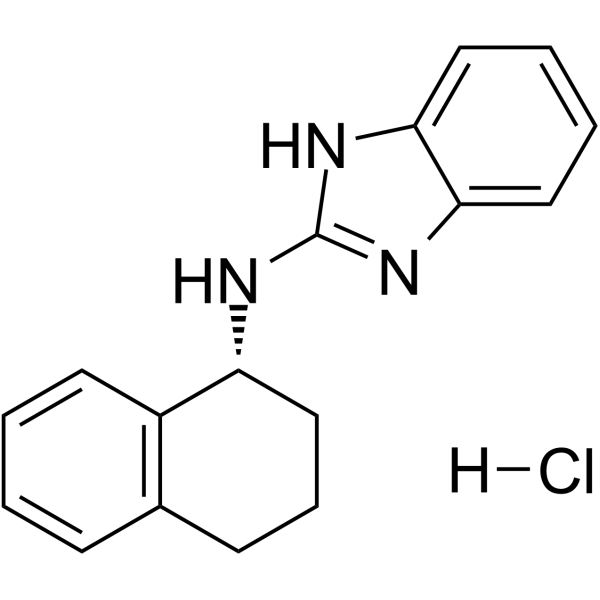
NS8593 hydrochloride is a potent and selective small conductance Ca 2+-activated K + channels (SK channels) inhibitor. NS8593 hydrochloride reversibly inhibits SK3-mediated currents with a Kd value of 77 nM. NS8593 hydrochloride inhibits all the SK1-3 subtypes Ca 2+-dependently (Kds of 0.42, 0.60, and 0.73 μM, respectively, at 0.5 μM Ca 2+), and does not affect the Ca 2+-activated K + channels of intermediate and large conductance (hIK and hBK channels, respectively) [2].
loading...
    loading...
1
1 Cited Publications
Cat. No.: HY-107319
CAS No.: 29608-49-9
Purity:  99.81%
Synonyms: Almitrine bismesylate; Almitrine bismethanesulfonate; Almitrine dimesylate
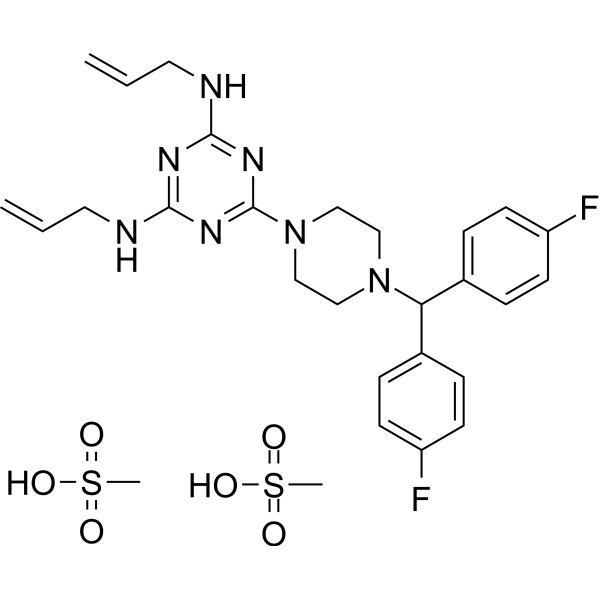
Almitrine mesylate, a peripheral chemoreceptor agonist, inhibits selectively the Ca 2+-dependent K + channel.
loading...
    loading...
Cat. No.: HY-N0663
CAS No.: 20501-56-8
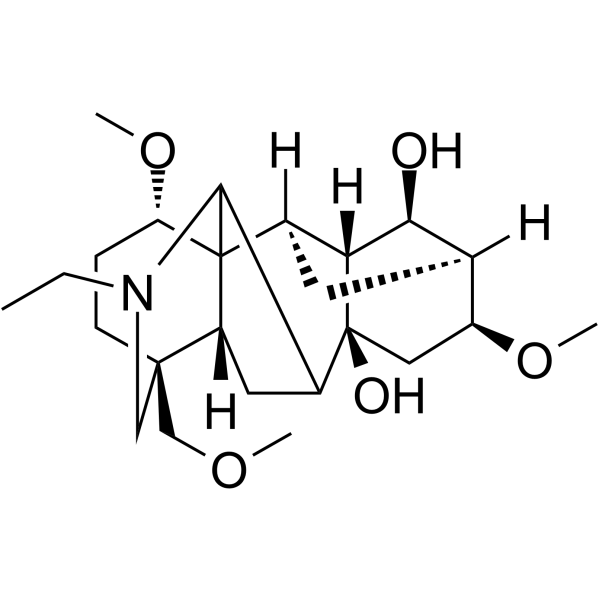
Talatisamine is an orally active cyclophilin D activator isolated from the roots of Aconitum carmichaeli Debx. Talatisamine exerts biological functions by activating cyclophilin D, inhibiting Ca 2+-dependent opening of the mitochondrial permeability transition pore (mPTP) (IC50=78 μM), and blocking delayed rectifier K + channels (IC50=146 μM). Talatisamine possesses both antioxidant and membrane-stabilizing properties, effectively inhibits lipid peroxidation and protects mitochondrial membrane function. Talatisamine exhibits multiple activities including antiarrhythmic, hypotensive, anti-inflammatory, anticancer and neuroprotective effects. Talatisamine finds applications in the research of ischemic diseases, rheumatoid arthritis, inflammation-related diseases and Alzheimer's disease [2] .
loading...
    loading...
Cat. No.: HY-E70200
CAS No.: 99676-46-7
Target:  

Ser/Thr Protease

Research Areas:  

Others

Recombinant Kex2 protease is a membrane-bound, Ca 2+-dependent serine protease. Recombinant Kex2 protease specifically recognize and cleave the carboxyl-terminal peptide bonds of dibasic amino acids .
loading...
    loading...
Cat. No.: HY-15671
CAS No.: 851884-87-2
Purity:  99.57%
Target:  

Glucokinase

Research Areas:  

Metabolic Disease

GKA50 is a potent glucokinase activator (EC50=33 nM at 5 mM glucose). GKA50 stimulates insulin release from mouse islets of Langerhans. GKA50 is a glucose-like activator of beta-cell metabolism in rodent and human islets and a Ca 2+-dependent modulator of insulin secretion. GKA50 shows significant glucose lowering in high fat fed female rats [2] .
loading...
    loading...
Cat. No.: HY-132191
CAS No.: 117704-65-1
Target:  

Fungal SARS-CoV HIV

Research Areas:  

Infection

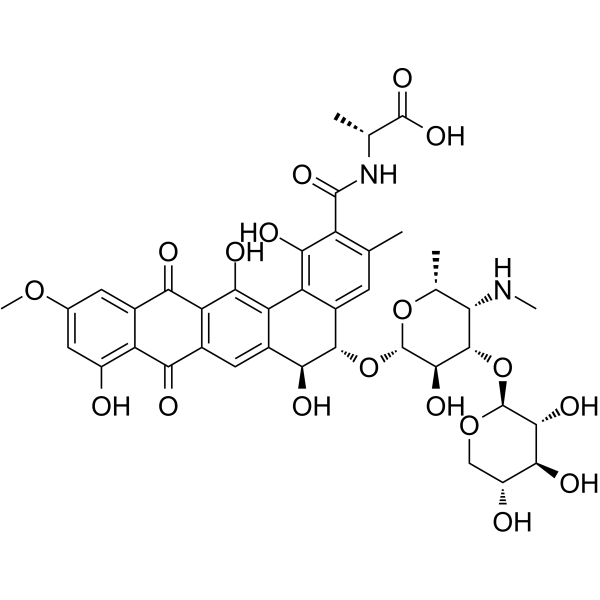
Pradimicin A is a potent antifungal agent with a minimum inhibitory concentration (MIC) of 4 μg/mL against Candida rugosa. Pradimicin A exhibits antiviral activity against SARS-CoV, human immunodeficiency virus (HIV) and other enveloped viruses. Pradimicin A exerts its fungicidal activity through a Ca 2+-dependent mechanism, which induces fungal lysis. Pradimicin A can be used in research related to fungal infections, HIV infections and COVID-19 [2] .
loading...
    loading...
Cat. No.: HY-176710
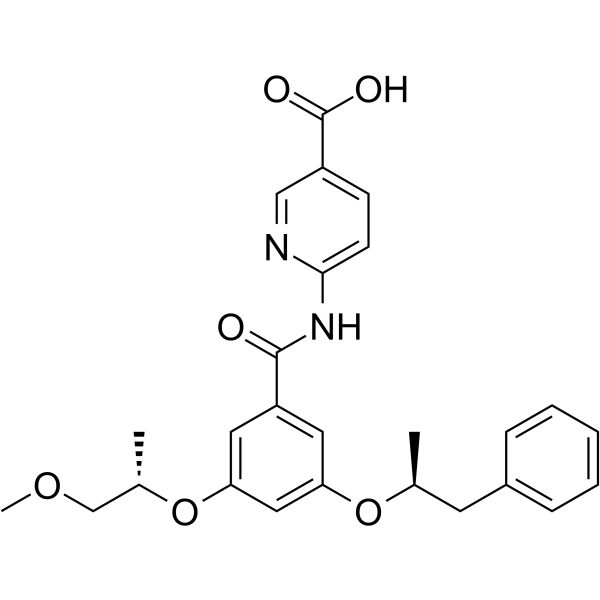
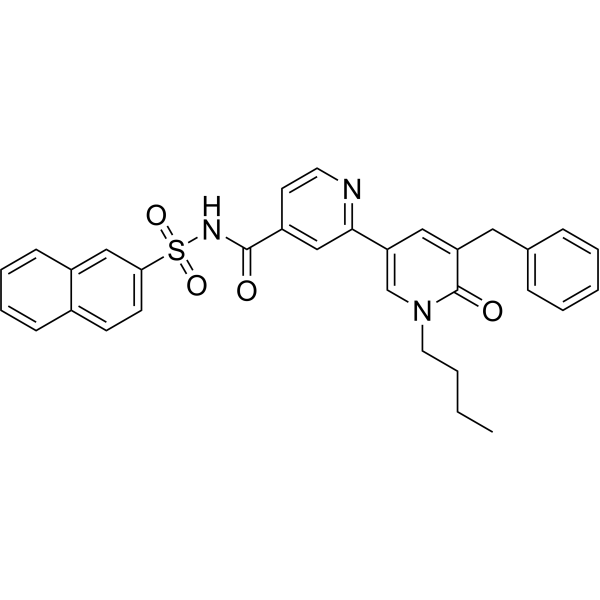
PAD-PF2 is a PAD family inhibitor, as well as a κ-opioid receptor agonist (EC50 = 7.55 μM) and an M1 muscarinic acetylcholine receptor antagonist (IC50 = 12.3 μM). The IC50 values of PAD-PF2 against PAD1, PAD2, PAD3 and PAD4 are 109 nM, 27.9 nM, 106 nM and 20.1 nM, respectively. PAD-PF2 binds to the common allosteric pocket of PAD1-4, and its inhibitory effects on PAD2 and PAD4 are Ca 2+-dependent. PAD-PF2 inhibits protein citrullination in neutrophils. PAD-PF2 is applicable to research related to rheumatoid arthritis, neurodegenerative diseases and cancer .
loading...
    loading...
Cat. No.: HY-15293B
CAS No.: 1435938-25-2
Purity:  98.69%
Synonyms: K201 hemifumarate
Target:  

Calcium Channel

Research Areas:  

Cardiovascular Disease

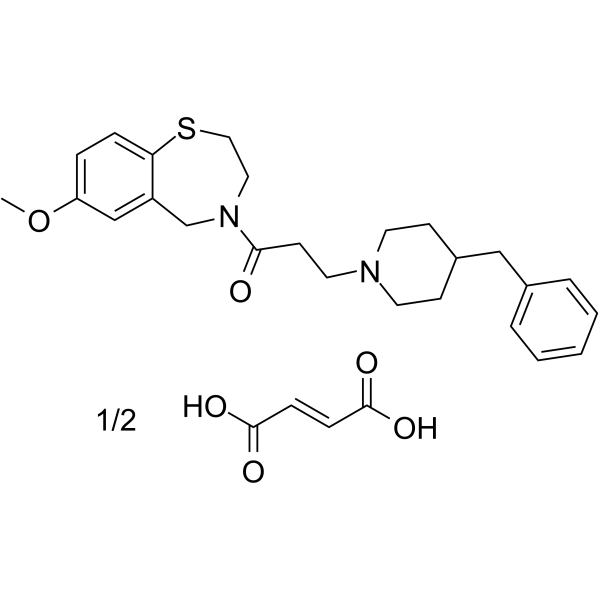
JTV-519 hemifumarate (K201 hemifumarate) is a Ca 2+-dependent blocker of sarcoplasmic reticulum Ca 2+-stimulated ATPase (SERCA) and a partial agonist of ryanodine receptors in striated muscle. Antiarrhythmic and cardioprotective properties [2].
loading...
    loading...
Cat. No.: HY-P3187
CAS No.: 9025-53-0
Target:  

DNA/RNA Synthesis

Research Areas:  

Others

Exo-1,4-β-xylosidase is an exonuclease that specifically acts on the β-1,4 glycosidic bonds at the non-reducing ends of xylan and xylooligosaccharides. Exo-1,4-β-xylosidase is Ca 2+-dependent and reversibly binds to metal ions to catalyze the hydrolysis of β-1,4 glycosidic bonds, thereby degrading xylan to produce xylose. Exo-1,4-β-xylosidase can be used in research fields such as lignocellulose bioconversion, bioethanol production, and optimization of xylan saccharification processes [2].
loading...
    loading...
Cat. No.: HY-100560R
CAS No.: 21293-29-8
Synonyms: (S)​-​(+)​-​Abscisic acid (Standard); ABA (Standard)
Abscisic acid (Standard) is the analytical standard of Abscisic acid. This product is intended for research and analytical applications. Abscisic acid ((S)-(+)-Abscisic acid), an orally active phytohormone in fruits and vegetables, is an endogenously produced mammalian hormone. Abscisic acid is a growth inhibitor and can regulate many aspects of plant growth and development. Abscisic acid inhibits proton pump (H+-ATPase) and leads to the plasma membrane depolarization in a Ca2+-dependent manner. Abscisic acid, a LANCL2 natural ligand, is a potent insulin-sensitizing compound and has the potential for pre-diabetes, type 2 diabetes and metabolic syndrome [2].
loading...
    loading...
Cat. No.: HY-E70234A
Target:  

Bacterial

Research Areas:  

Infection Inflammation/Immunology

Sortase A, S. aureus (non-Ca 2+-dependent), a transpeptidase enzyme is present in many Gram-positive bacteria and helps in the recruitment of the cell surface proteins. Sortase A, S. aureus (non-Ca 2+-dependent) plays an important part in ligation of various molecules on the cell surfaces .
loading...
    loading...
Cat. No.: HY-124873
CAS No.: 2139330-34-8
Purity:  99.71%
Target:  

Calcium Channel

Research Areas:  

Cardiovascular Disease

SERCA2a activator 1 (Compound A) is a sarco/endoplasmic reticulum Ca 2+-dependent ATPase 2a (SERCA2a) activator. SERCA2a activator 1 attenuates phospholamban inhibition and enhances the systolic and diastolic functions of the heart. SERCA2a activator 1 can be used for heart failure .
loading...
    loading...
Cat. No.: HY-137952
CAS No.: 875755-39-8
Research Areas:  

Neurological Disease

NS8593 is an SK channel (small conductance Ca 2+-activated K+ channels) inhibitor. NS8593 reversibly inhibited recombinant SK3-mediated currents (human SK3 and rat SK3). NS8593 inhibits all the SK1-3 subtypes Ca 2+-dependently (Kd = 0.42, 0.60, and 0.73 μM, respectively, at 0.5 μM Ca 2+). NS8593 does not affect the Ca 2+-activated K channels of intermediate and large conductance (hlk and hBK channels, respectively). NS8593 can also inhibit TRPM7 (melastatin-related TRP cation channel 7) (IC50 = 1.6 mM). NS8593 can be used for the study of central nervous system (CNS) related diseases [2].
loading...
    loading...
Cat. No.: HY-P4160
CAS No.: 634586-40-6
Synonyms: THG113.31; ILGHXDYK
Research Areas:  

Endocrinology

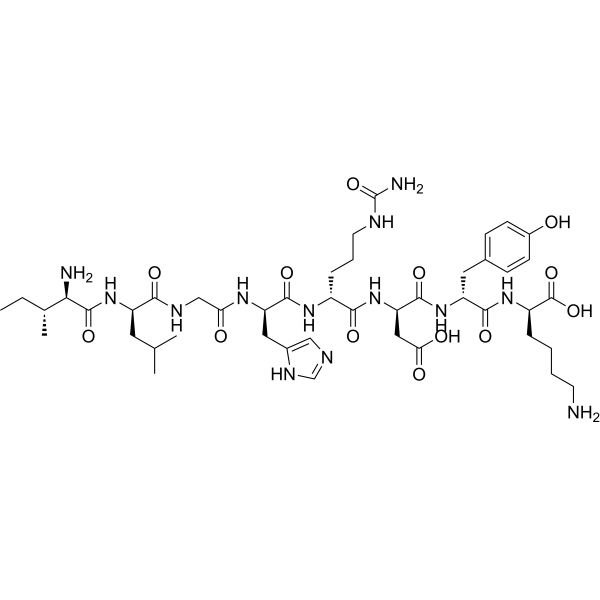
PDC31 (THG113.31; ILGHXDYK) is an allosteric and non-competitive inhibitor of FP Prostaglandin Receptor. PDC31 is the D-amino acid-based oligopeptide, is used for smooth muscle contractile agent. PDC31 decreases the strength and duration of uterine contractions in vivo, which can be used for research of preterm labor and primary dysmenorrhea (PD). PDC31 also enhances Ca 2+-dependent large-conductance K +-channel in human myometrial cells [2].
loading...
    loading...
Cat. No.: HY-145384
CAS No.: 1048660-43-0
Purity:  99.48%
Target:  

Phospholipase

Research Areas:  

Inflammation/Immunology

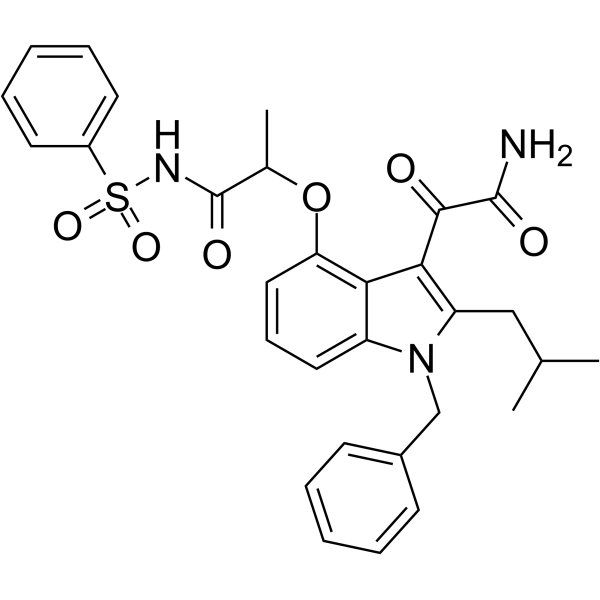
ROC-0929 (compound 13a) is a potent and selective inhibitor of secreted phospholipases A2 (sPLA2s) with an IC50 of 80 nM, specially targeting hGX. ROC-0929 inhibits the phosphorylation of ERK1/2 and p-38. Secreted phospholipases A2 (sPLA2s) are a family of disulfide-rich, Ca 2+-dependent enzymes that hydrolyze the sn-2 position of glycero-phospholipids to release a fatty acid and a lysophospholipid. ROC-0929 has the potential for researching inflammation related diseases .
loading...
    loading...

