1. Search Result
Search Result
Results for "

Ceramidase

" in MedChemExpress (MCE) Product Catalog:

30

Inhibitors & Agonists

3

Fluorescent Dyes

1

Natural
Products

2

Recombinant Proteins

2

Antibodies

1

Click Chemistry

Targets Recommended:
Cat. No. Product Name Target Research Areas Chemical Structure
  • HY-B0182
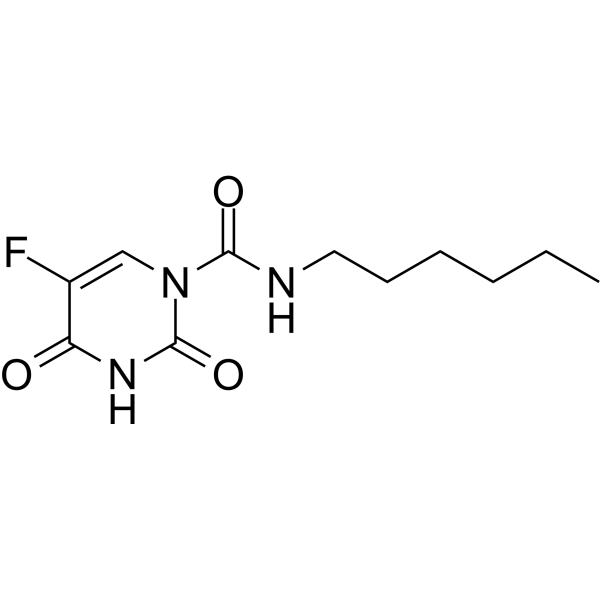
    Carmofur
    Maximum Cited Publications
    6 Publications Verification

    HCFU

    Nucleoside Antimetabolite/Analog SARS-CoV Virus Protease FAAH Ceramidase Glutathione Peroxidase Infection Inflammation/Immunology Cancer
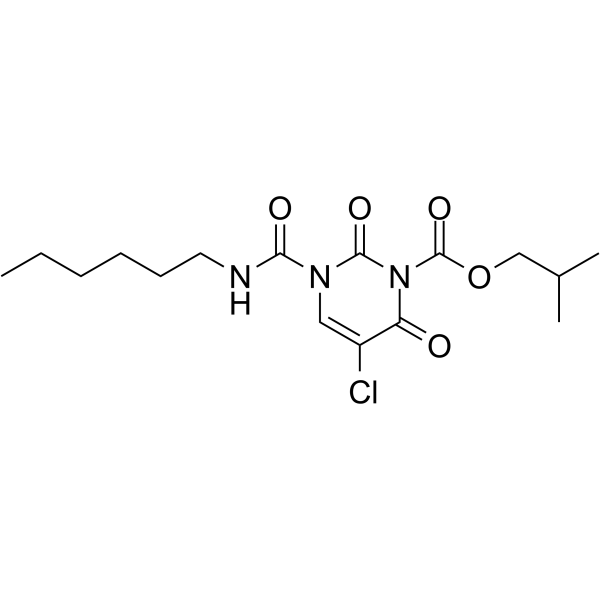
    Carmofur (HCFU) is a rat recombinant acid ceramidase inhibitor with an IC50 of 29 nM. Carmofur is also a protease inhibitor of SARS-CoV-2 main protease (Mpro), fatty acid amide hydrolase (FAAH) and N-acylethanolamine acid amidase (NAAA). Carmofur has anti-cancer, anti-inflammatory and anti-virus activities, and can be used for the study of COVID-19 and acute lung injury (ALI) .
    Carmofur
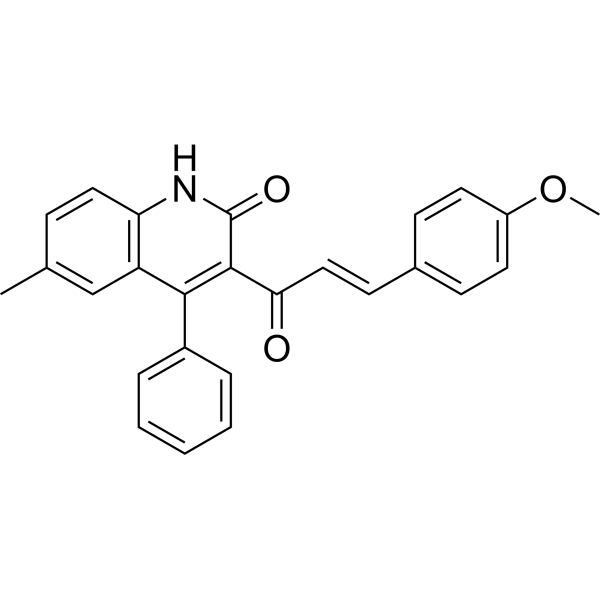
  • HY-116147

    LPL Receptor Apoptosis Cancer
    Ceranib-2 is a potent and nonlipid ceramidase inhibitor that inhibits cellular ceramidase activity with an IC50 of 28 μM in SKOV3 cells. Ceranib-2 induces the accumulation of multiple ceramide species, decreases levels of sphingosine and sphingosine-1-phosphate (S1P), and induces cell apoptosis. Anticancer activity .
    Ceranib-2
  • HY-103593
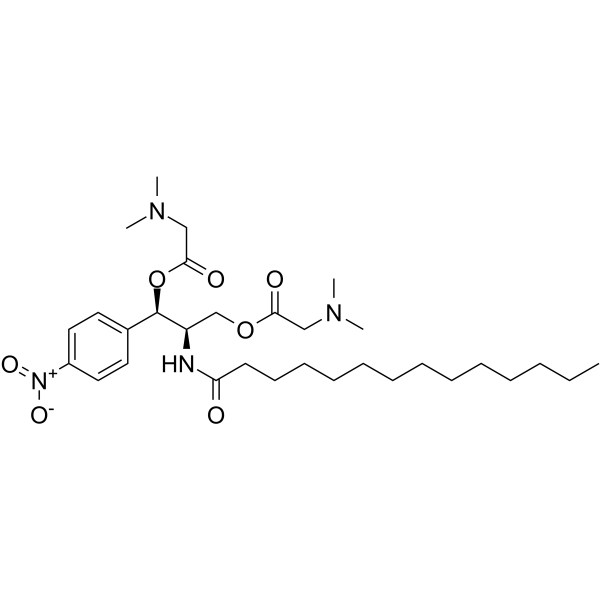
    LCL521
    2 Publications Verification

    Phospholipase Cancer
    LCL521 is an acid ceramidase (ACDase) inhibitor. LCL521 also inhibits the lysosomal acid sphingomyelinase (ASMase) .
    LCL521
  • HY-141866
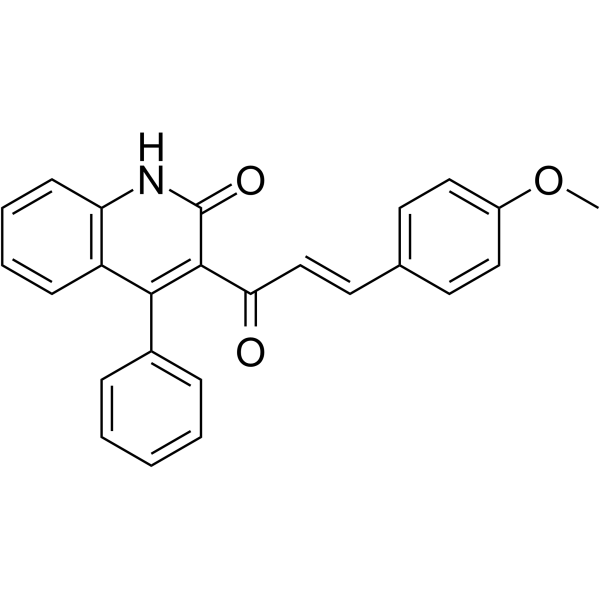
    Acid Ceramidase-IN-1
    1 Publications Verification

    Ceramidase Neurological Disease
    Acid Ceramidase-IN-1 is orally active and blood-brain barrier penetrant acid ceramidase (AC, ASAH-1) inhibitor (hAC IC50=0.166 μM). Acid Ceramidase-IN-1 reduces AC activity, accumulates ceramide species (Cer (d18:0/16:0), Cer (d18:1/16:0)), and decreases sphingosine levels. Acid Ceramidase-IN-1 can be used for the study of severe neurological lysosomal storage diseases (LSDs) such as Gaucher’s disease (GD) and Krabbe’s disease (KD) .
    Acid Ceramidase-IN-1
  • HY-103359

    Ceramidase Cancer
    Ceranib1 is a ceramidase inhibitor. Ceranib1 inhibits ceramidase activity toward an exogenous ceramide analog, induces the accumulation of multiple ceramide species, decreases levels of sphingosine and S1P. Ceranib1 inhibits the proliferation of ovarian cancer cells .
    Ceranib1
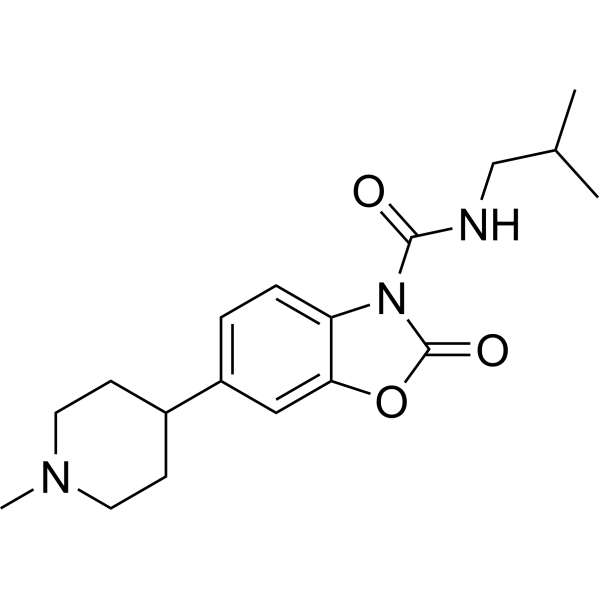
  • HY-103592

    Ceramidase Cancer
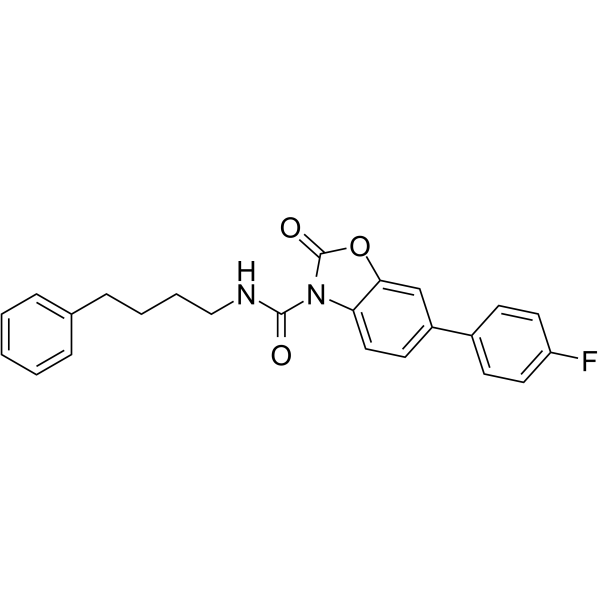
    ARN14974, a benzoxazolone carboxamide, is a potent and systemically active inhibitors of intracellular acid ceramidase (IC50=79 nM) .
    ARN14974
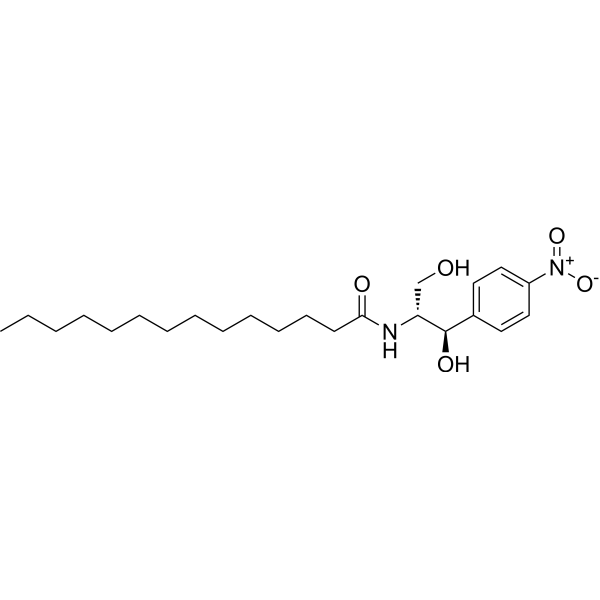
  • HY-124962
    D-NMAPPD
    1 Publications Verification

    (1R,2R)-B13

    iGluR Neurological Disease Cancer
    D-NMAPPD ((1R,2R)-B13) is an acid ceramidase inhibitor. D-NMAPPD regulates NMDA receptor properties by enhancing endogenous production of ceramides. D-NMAPPD has anticancer effecs .
    D-NMAPPD
  • HY-129411

    ACT-519276; OGT2378

    Glucosylceramide Synthase (GCS) Metabolic Disease
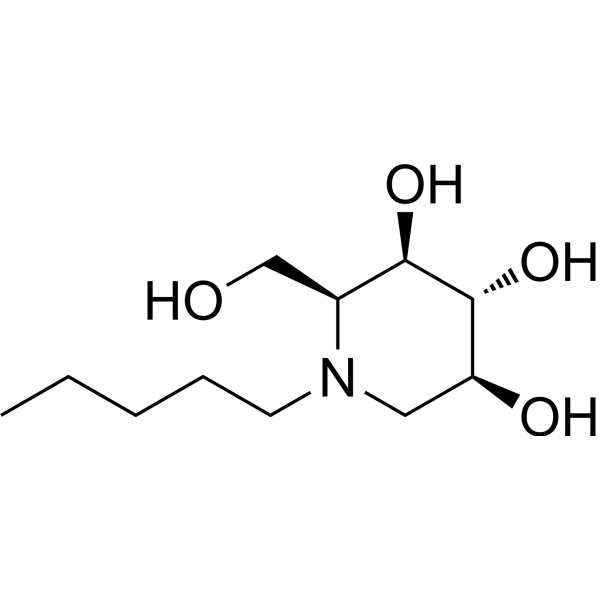
    Sinbaglustat (OGT2378) is a dual inhibitor of glucosylceramide synthase (GCS) and non-lysosomal glucosyl ceramidase (GBA2). Sinbaglustat is an orally available N-alkyl iminosugar that crosses the blood-brain barrier. Sinbaglustat can be used for the research of central neurodegenerative diseases associated with lysosomal dysfunctions .
    Sinbaglustat
  • HY-158783

    Ceramidase Bcl-2 Family LPL Receptor Apoptosis Neurological Disease
    SACLAC, a Ceramide analog, is a potent and covalent acid ceramidase (ASAH1; AC) inhibitor with a Ki of 97.1 nM. SACLAC effectively blocks AC activity and induces a decrease in sphingosine 1-phosphate (S1P) and total ceramide levels. SACLAC reduces the levels of splicing factor SF3B1 and alternative Mcl-1 mRNA splicing, increases pro-apoptotic Mcl-1S levels to induce apoptosis in acute myeloid leukemia (AML) cells. SACLAC reduces the leukemic burden in human AML xenograft mouse models .
    SACLAC
  • HY-175496

    Ceramidase Inflammation/Immunology
    Acid Ceramidase-IN-3 is a acid ceramidase (aCDase) inhibitor. Acid Ceramidase-IN-3 inhibits the enzymatic activity of aCDase with a pIC 50 of 8.5 in enzymatic assays and 6.8 in A375 melanoma cellular assays. Acid Ceramidase-IN-3 promotes HSC inactivation, as measured by a dose-dependent reduction in COL1A1 and ACTA2. Acid Ceramidase-IN-3 inhibits aCDase activity in HSCs, promotes HSC inactivation and suppresses YAP/TAZ nuclear localization. Acid Ceramidase-IN-3 increases Dynein/Kinesin (NDE1, NDEL1. KIF3B, KIF15) while decreases several proteins involved with signaling pathway (SARM1, RGAP1, PDGF-D,PDGFR-B). Acid Ceramidase-IN-3 can be used for the study of fibrotic diseases .
    Acid Ceramidase-IN-3
  • HY-137422
    D-erythro-MAPP
    1 Publications Verification

    D-e-MAPP

    Ceramidase Neurological Disease Cancer
    D-erythro-MAPP (D-e-MAPP) is a ceramidase inhibitor, with an IC50 of 1-5 μM in vitro .
    D-erythro-MAPP
  • HY-124927

    Ceramidase Cancer
    ARN14988 is a potent inhibitor of acid ceramidase (ACDase) (IC50=12.8 nM for the human enzyme) .
    ARN14988
  • HY-141577

    Biochemical Assay Reagents Others
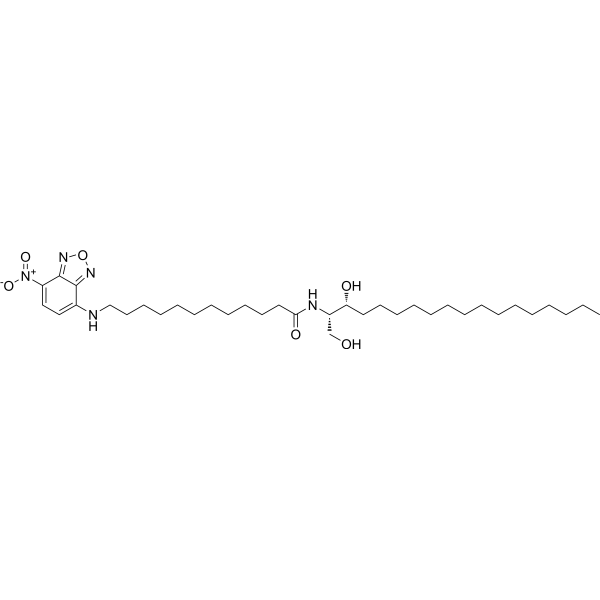
    C12-NBD Sphinganine is a fluorescent ceramidase substrate. C12-NBD Sphinganine can be used for the measurement of alkaline and neutral ceramidase activity from a variety of sources .
    C12-NBD Sphinganine
  • HY-103593A
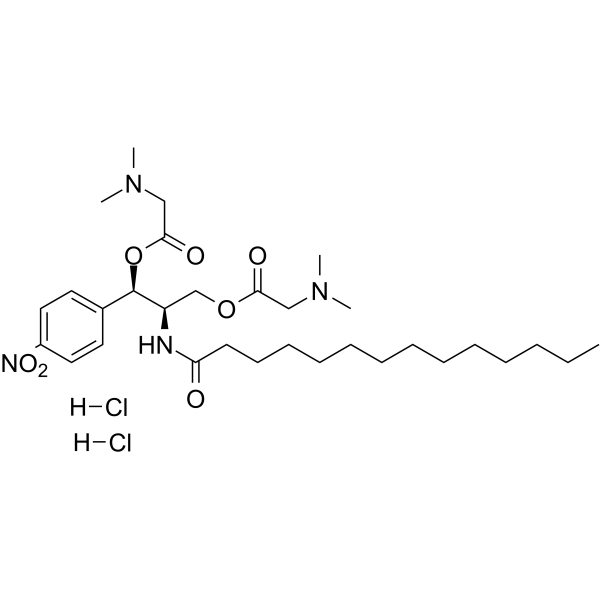
    LCL521 dihydrochloride
    2 Publications Verification

    Phospholipase Cancer
    LCL521 dihydrochloride is an acid ceramidase (ACDase) inhibitor. LCL521 also inhibits the lysosomal acid sphingomyelinase (ASMase) .
    LCL521 dihydrochloride
  • HY-153396

    Ceramidase Cancer
    Acid Ceramidase-IN-2 (compound 1) is an acid ceramidase inhibitor with potentially antiproliferative and cytostatic activities. Moreover, human acid ceramidase is overexpressed in prostate cancer cells, indicating potential anti-tumor effect of Acid Ceramidase-IN-2. And Acid Ceramidase-IN-2 hydrolysis can be inhibited by 3 a-ketoamides GT85, GT98 and GT99 inhibits in vitro .
    Acid Ceramidase-IN-2
  • HY-141575

    Fluorescent Dye Others
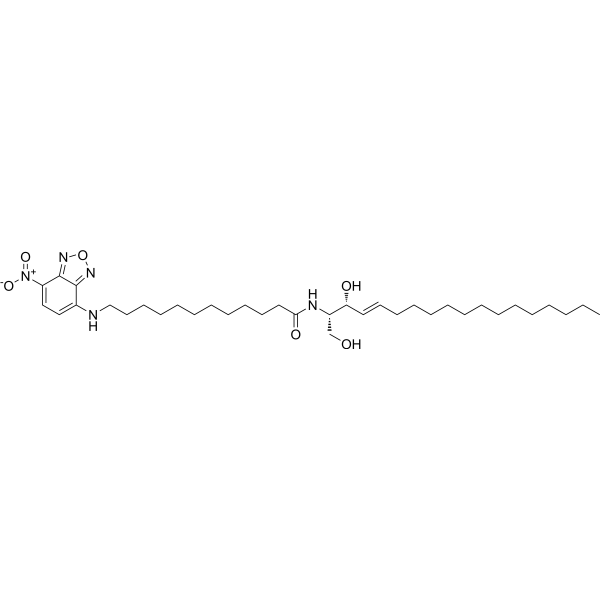
    C12-NBD-ceramide is a fluorescent analogue of ceramide, it can be used as a substrate in ceramidase assays .
    C12-NBD-ceramide
  • HY-N15826

    Fluorescent Dye Ceramidase Cancer
    RBM1-151, a 1-deoxy derivative and vinilog of RBM14-C12 (HY-150163), as a fluorogenic substrate of Amidases (HY-P2736) (Ex/Em). RBM1-151 is hydrolyzed by acid ceramidase (AC) (( appKm = 7.0 μM; appVmax = 99.3 nM/min), N-acylethanolamine-hydrolyzing acid amidase ( appKm = 0.73 μM; appVmax = 0.24 nM/min), and fatty Acid amide hydrolase (FAAH) ( appKm = 3.6 μM; appVmax = 7.6 nM/min) but not by other ceramidases. RBM1-151 is applicable for basic biological studies of lipid amidase function, as well as potential diagnostic/prognostic evaluations of diseases involving dysregulated AC, NAAA, or FAAH (Farber disease, cancer) .
    RBM1-151
  • HY-B0182R

    HCFU (Standard)

    Reference Standards Nucleoside Antimetabolite/Analog SARS-CoV Virus Protease FAAH Ceramidase Glutathione Peroxidase Infection Inflammation/Immunology Cancer
    Carmofur (Standard) is the analytical standard of Carmofur. This product is intended for research and analytical applications. Carmofur (HCFU) is a rat recombinant acid ceramidase inhibitor with an IC50 of 29 nM. Carmofur is also a protease inhibitor of SARS-CoV-2 main protease (Mpro), fatty acid amide hydrolase (FAAH) and N-acylethanolamine acid amidase (NAAA). Carmofur has anti-cancer, anti-inflammatory and anti-virus activities, and can be used for the study of COVID-19 and acute lung injury (ALI) .
    Carmofur (Standard)
  • HY-139062

    C6 Ceramide (d18:1/6:0) Urea; Cer(d18:1/6:0) Urea; D-erythro-Urea-C6-Ceramide

    Apoptosis Ceramidase Autophagy β-catenin Cancer
    C6 Urea Ceramide (Cer(d18:1/6:0) Urea) is an inhibitor of neutral ceramidase. C6 Urea Ceramide increases total ceramide levels in wild-type mouse embryonic fibroblasts (MEFs) and HT-29 colon cancer cells. C6 Urea Ceramide (5-10 μM) inhibits proliferation of HT-29 cells and induces apoptosis and autophagy, but is not toxic to non-cancerous cells. C6 Urea Ceramide decreases total and phosphorylated β-catenin levels in HT-29 and HCT116 cells, and induces colocalization of β-catenin with the 20S proteasome. C6 Urea Ceramide (1.25, 2.5, and 5 mg/kg) reduced tumor growth and increased C16, C18, C20, and C24 ceramide levels in tumor tissues in the HT-29 mouse xenograft model.
    C6 Urea Ceramide
  • HY-165550

    C22-D-erythro-Sphingosine

    Apoptosis Caspase Mitochondrial Metabolism Bcl-2 Family Metabolic Disease
    Sphingosine (C22-D-erythro-Sphingosine) is a metabolite of sphingolipid and a pro-Apoptotic signaling messenger. Sphingosine induces apoptosis via Caspase-dependent, mitochondria-dependent and lysosomal affinity detergent pathways, downregulates Bcl-2 and Bcl-xL, and truncates Bid and Bax. Sphingosine is used for cancer research .
    Sphingosine
  • HY-163106

    Ceramidase Cancer
    W000113414_I13 is an acid ceramidase (AC) inhibitor. W000113414_I13 exhibits dose-dependent inhibition of AC with an IC50 value of 6.6?μM. W000113414_I13 can be used for the research of cancer .
    W000113414_I13
  • HY-171003

    Ceramidase Neurological Disease Cancer
    SOBRAC is an irreversible inhibitor of acid ceramidase (Ceramidase) with a Ki of 29.7 nM, and it's also a derivative of the acid ceramidase inhibitor SABRAC (HY-165070) .
    SOBRAC
  • HY-D1582

    Fluorescent Dye Others
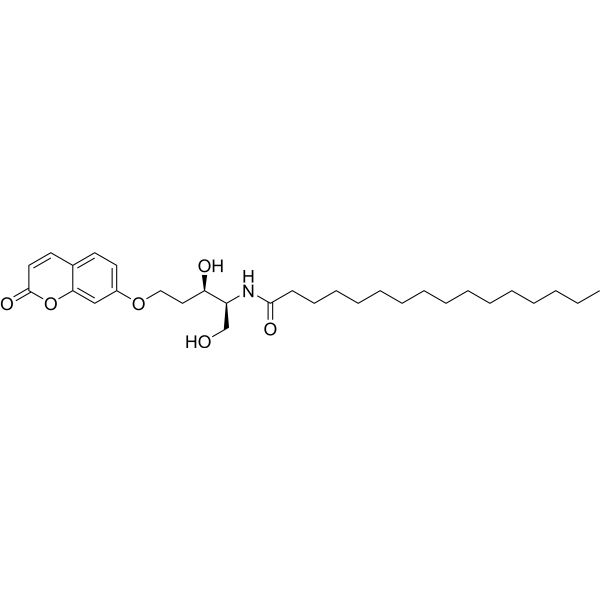
    C12 NBD Phytoceramide, a ceramide analogue, is a fluorescent substrate, can be used to detect ceramidase activity .
    C12 NBD Phytoceramide
  • HY-W414498

    Endogenous Metabolite Neurological Disease
    1-Deoxysphingosine is elevated in lymphoblasts of individuals with hereditary sensory neuropathy type 1 (HSAN1) disorder; it features a (4E) double bond in its structure and is produced through the catabolism of 1-deoxyceramide catalyzed by the ceramidase enzyme, classifying it as an unsaturated deoxy-sphingoid base.
    1-Deoxysphingosine
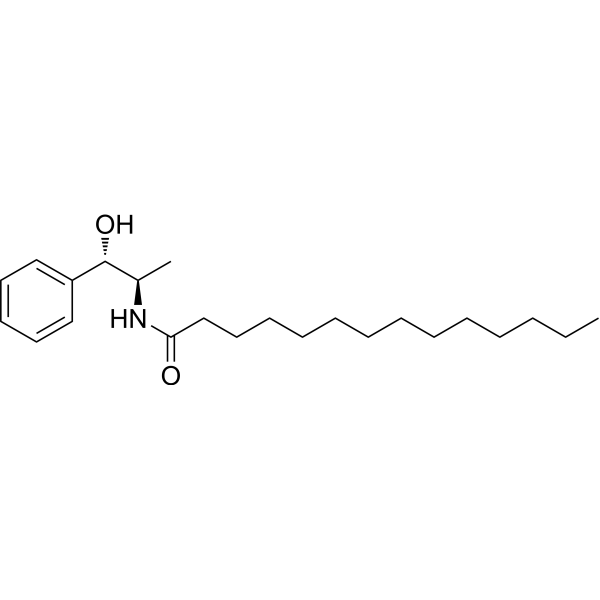
  • HY-124134

    LCL102

    Ceramidase Caspase PARP Cancer
    AD-2646 (LCL102), a ceramide analog, can kill leukemic T cells (EC50: 40 μM). AD-2646 triggers the cleavage of caspase-8, -9 and -3, as well as the caspase substrate PARP. AD-2646 is a ceramidase inhibitor. AD-2646 induces an accumulation of endogenous ceramide owing to perturbed ceramide metabolism .
    AD-2646
  • HY-168066

    Fungal Infection
    Antifungal agent 117 is a bis-pyrazole carboxamide derivative with antifungal activity, exhibiting an EC50 value of 11.58 mg/L against Sclerotinia sclerotiorum. Antifungal agent 117 increases cell membrane permeability, causing an imbalance in osmotic pressure inside and outside the cell, and induces the accumulation of reactive oxygen species (ROS), leading to oxidative damage to the cell membrane, resulting in leakage of cellular contents and eventually cell death. RNA sequencing analysis reveals that Antifungal agent 117 downregulates catalase genes and upregulates neutral ceramidase genes, disrupting cell membrane structure, accelerating sphingolipid metabolism, and promoting cell death. Antifungal agent 117 shows great potential in the fields of plant protection and antifungal infection .
    Antifungal agent 117
  • HY-175055

    C12 NBD phytosphingosine (t18:0/12:0); NBD cer (t18:0/12:0); NBD ceramide (t18:0/12:0)

    Fluorescent Dye Drug Derivative Others
    C12 NBD Phytoceramide (t18:0/12:0) is a ceramide analogue composed of a phytoceramide and green fluorescent C12 NBD. C12 NBD Phytoceramide (t18:0/12:0) is a fluorescent substrate (Ex=485 nM, Em=525 nM) and can be used to detect ceramidase (such as diacylglycerol acyltransfereases Lro1p) activity .
    C12 NBD phytoceramide (t18:0/12:0)
  • HY-179856

    Biochemical Assay Reagents
    N3C14SOBRAC is a SOBRAC with an azide group at the end can be used in click chemical reactions. SOBRAC is an inhibitor of acidic ceramidase.
    N3C14SOBRAC
  • HY-103593AR

    Reference Standards Phospholipase Cancer
    LCL521 dihydrochloride (Standard) is the analytical standard of LCL521 dihydrochloride (HY-103593A). This product is intended for research and analytical applications. LCL521 dihydrochloride is an acid ceramidase (ACDase) inhibitor. LCL521 also inhibits the lysosomal acid sphingomyelinase (ASMase) .
    LCL521 dihydrochloride (Standard)
  • HY-103592R

    Reference Standards Ceramidase Cancer
    ARN14974 (Standard) is the analytical standard of ARN14974 (HY-103592). This product is intended for research and analytical applications. ARN14974, a benzoxazolone carboxamide, is a potent and systemically active inhibitors of intracellular acid ceramidase (IC50=79 nM) .
    ARN14974 (Standard)

Inquiry Online

Your information is safe with us. * Required Fields.

Salutation


Country or Region *

Applicant Name *


Organization Name *

Department *


Email Address *


Product Name *

Cat. No.


Requested quantity *

Phone Number *


Remarks

Inquiry Online

Inquiry Information

Product Name:
Cat. No.:
Quantity:
MCE Japan Authorized Agent:

