1. Search Result
Search Result
Results for "

Cisplatin-resistant

" in MedChemExpress (MCE) Product Catalog:

23

Inhibitors & Agonists

1

Peptides

1

Inhibitory Antibodies

1

Natural
Products

Cat. No. Nombre del producto Target Áreas de investigación Chemical Structure
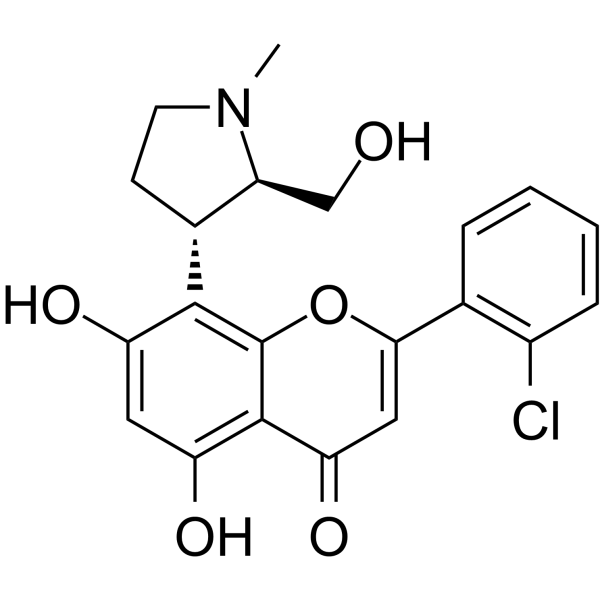
  • HY-16559
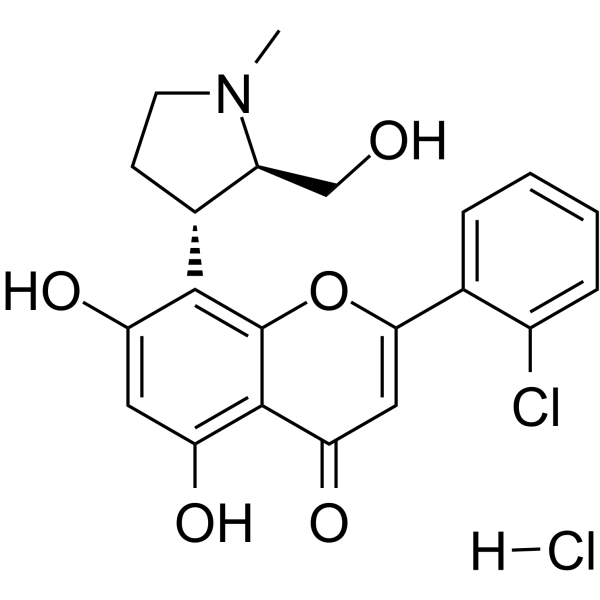
    Riviciclib hydrochloride
    3 Publications Verification

    P276-00

    CDK Apoptosis Cancer
    Riviciclib hydrochloride (P276-00) is a potent cyclin-dependent kinase (CDK) inhibitor, which inhibits CDK9-cyclinT1, CDK4-cyclin D1, and CDK1-cyclinB with IC50s of 20 nM, 63 nM, and 79 nM, respectively . Riviciclib hydrochloride (P276-00) shows antitumor activity on cisplatin-resistant cells .
    Riviciclib hydrochloride
  • HY-116392B

    Glucosylceramide Synthase (GCS) Parasite Infection Endocrinology Cancer
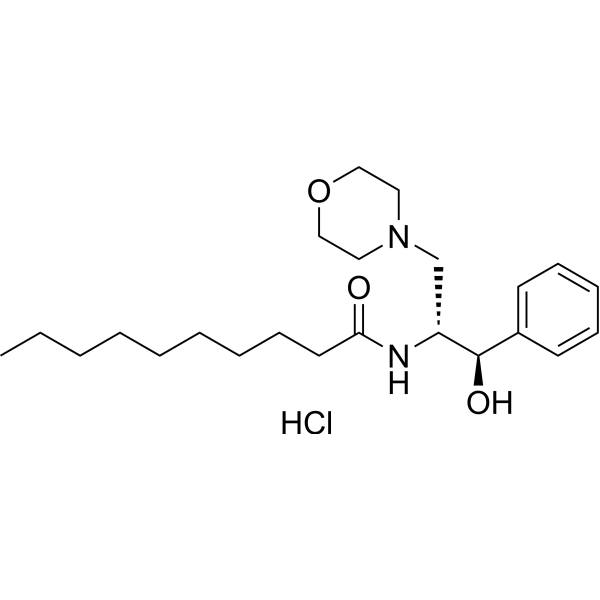
    DL-threo-PDMP hydrochloride is a competitive glucosylceramide synthase (GCS) inhibitor and antimalarial agent. DL-threo-PDMP hydrochloride competitively inhibits the activity of GCS. DL-threo-PDMP hydrochloride restores cisplatin sensitivity in cisplatin-resistant testicular germ cell tumor cells. DL-threo-PDMP hydrochloride blocks the growth of ring-stage Plasmodium falciparum parasites .
    DL-threo-PDMP hydrochloride
  • HY-106588

    SKI 2053R

    DNA Alkylator/Crosslinker Cancer
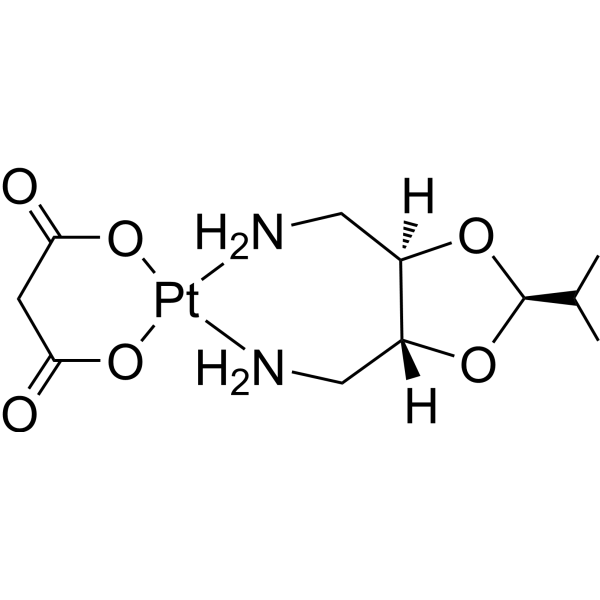
    Heptaplatin (SKI 2053R) is a platinum derivative with anticancer activity against various cancer cell lines, including cisplatin-resistant tumor cell lines. SKI-2053R is active in the research of gastric adenocarcinoma and has favorable toxicity profiles .
    Heptaplatin
  • HY-154978

    Drug Derivative Cancer
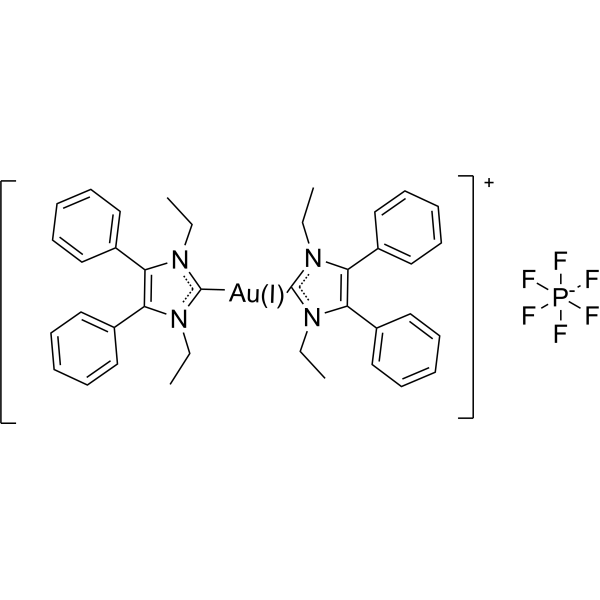
    Cisplatin-resistant cells-IN-1 (Compound 8) has high cytotoxicity against Cisplatin (HY-17394)-resistant cells. Cisplatin-resistant cells-IN-1 reduces the metabolic activity effectively in the low nanomolar range (IC50: 0.14-1.79 μM in A549/A549-R, K562/K562-R, and MCF-7/MCF-7TamR cells) .
    Cisplatin-resistant cells-IN-1
  • HY-148366

    Mixed Lineage Kinase RIP kinase CDK Cancer
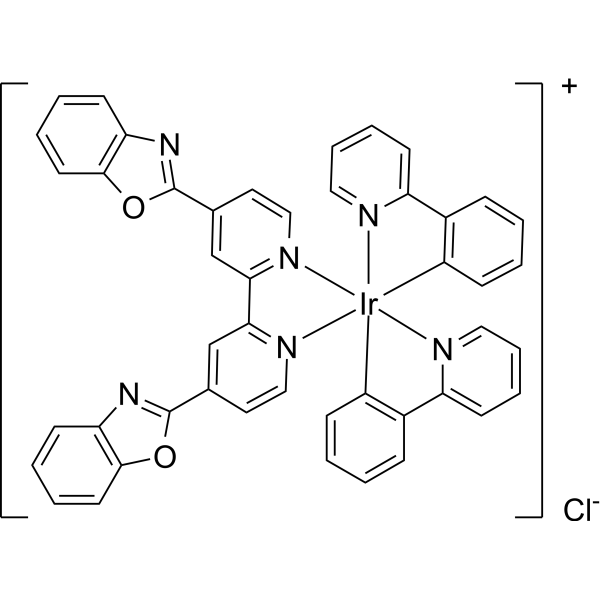
    NecroIr2 is an iridium(III) complex, serves as necroptosis inducers in Cisplatin (HY-17394)-resistant lung cancer cells (A549R). NecroIr2 selectively accumulates in mitochondria, leading to oxidative stress and loss of mitochondrial membrane potential (MMP). NecroIr2 activates receptor-interacting serine-threonine kinase 3 (RIPK3) and mixed lineage kinase domain-like pseudokinase (MLKL), and regulates CDK4 expression .
    NecroIr2
  • HY-148365

    Mixed Lineage Kinase RIP kinase CDK Cancer
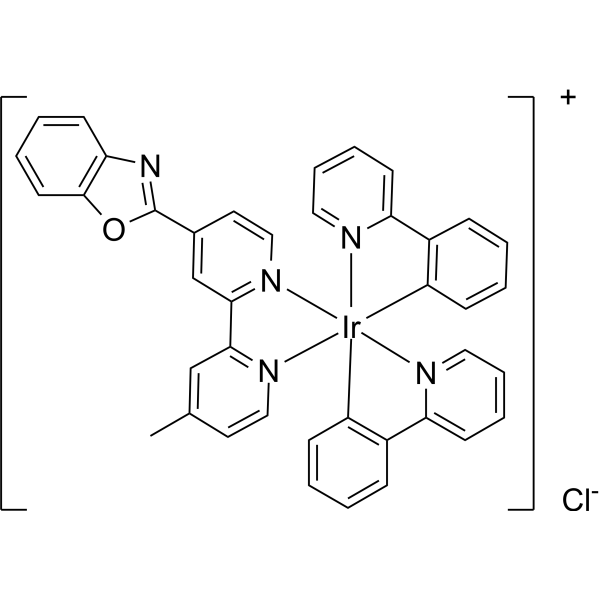
    NecroIr1 is an iridium(III) complex, serves as necroptosis inducers in Cisplatin (HY-17394)-resistant lung cancer cells (A549R). NecroIr1 selectively accumulates in mitochondria, leading to oxidative stress and loss of mitochondrial membrane potential (MMP). NecroIr1 activates receptor-interacting serine-threonine kinase 3 (RIPK3) and Mixed Lineage Kinase (MLKL), and regulates CDK4 expression .
    NecroIr1
  • HY-151883

    Apoptosis MDM-2/p53 Cancer
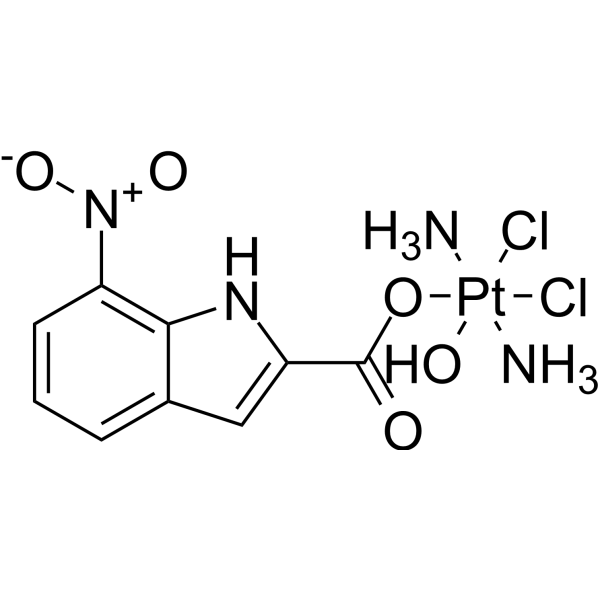
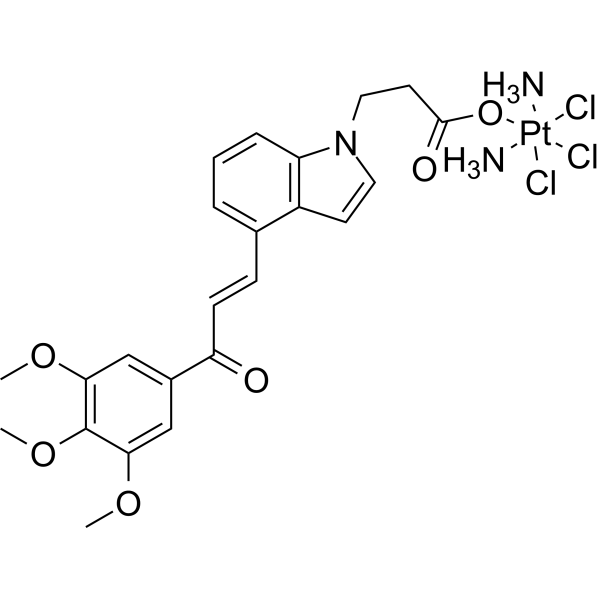
    APE1-IN-2 (compound AP1) is a Pt(IV) proagent, targeting a critical BER protein, apurinic/apyrimidinic endonuclease 1 (APE1). APE1-IN-2 shows anticancer activity. APE1-IN-2 induces intracellular accumulation of platinum and activates DNA damage response and apoptosis signals .
    APE1-IN-2
  • HY-16559A

    P276-00 free base

    CDK Cancer
    Riviciclib (P276-00 free base) is a potent cyclin-dependent kinase (CDK) inhibitor, which inhibits CDK9-cyclinT1, CDK4-cyclin D1, and CDK1-cyclinB with IC50s of 20 nM, 63 nM, and 79 nM, respectively . Riviciclib shows antitumor activity on cisplatin-resistant cells .
    Riviciclib
  • HY-123823

    NCX 4016

    COX Apoptosis Cancer
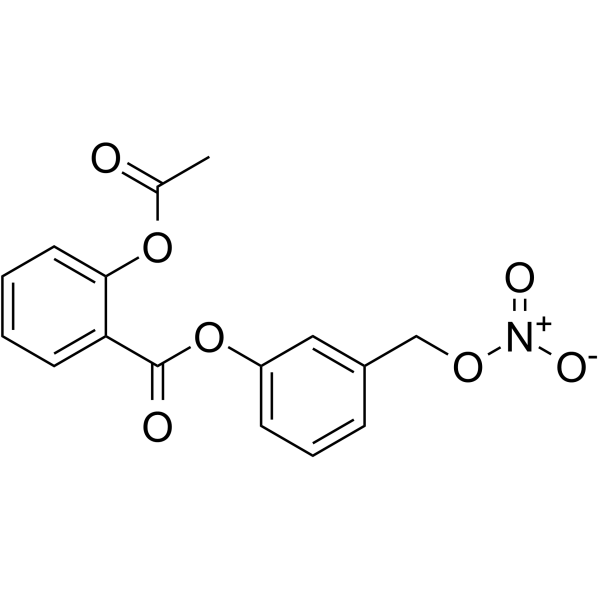
    Nitroaspirin (NCX 4016) is a nitric oxide (NO) donor and a nitro-derivative of Aspirin, which combines with Nitroaspirin to inhibit cyclooxygenase. Nitroaspirin (NCX 4016) has antithrombotic and anti-platelet properties and acts as a direct and irreversible inhibitor of COX-1. Nitroaspirin (NCX 4016) causes significant induction of cell cycle arrest and apoptosis in Cisplatin-resistant human ovarian cancer cells via down-regulation of EGFR/PI3K/STAT3 signaling and modulation of Bcl-2 family proteins .
    Nitroaspirin
  • HY-113636

    Apoptosis Autophagy Akt AMPK Cancer
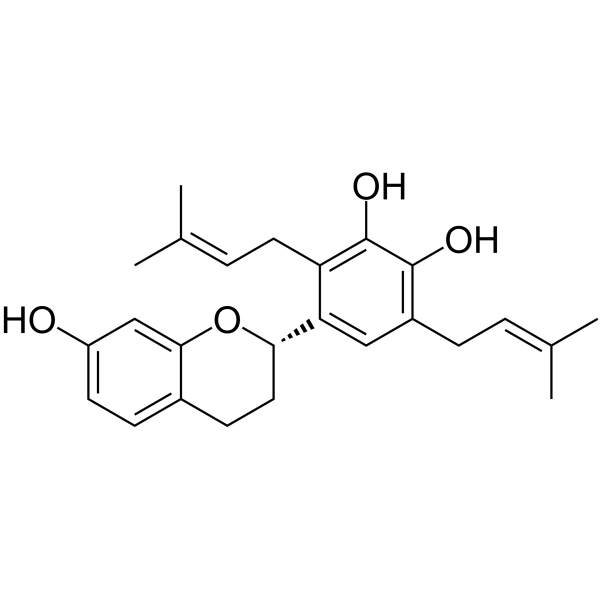
    Kazinol A induces cytotoxic effects in human bladder cancer cells, including the cisplatin-resistant T24R2 .
    Kazinol A
  • HY-W414604

    Biochemical Assay Reagents Cancer
    Dichloro(1,2-diaminocyclohexane)platinum(II) is a platinum (II) analog and the oxaliplatin parent complex. Dichloro(1,2-diaminocyclohexane)platinum(II) is a potent chemotherapeutic with a wide spectrum of anticancer activity, low toxicity, and lack of cross resistance in many cisplatin-resistant cancers .
    Dichloro(1,2-diaminocyclohexane)platinum(II)
  • HY-W556802

    Biochemical Assay Reagents Others
    Dichloro(1,2-diaminocyclohexane)platinum(II) is a platinum (II) analog and the oxaliplatin parent complex. Dichloro(1,2-diaminocyclohexane)platinum(II) is a potent chemotherapeutic with a wide spectrum of anticancer activity, low toxicity, and lack of cross resistance in many cisplatin-resistant cancers .
    5-Oxodecanoic acid
  • HY-149918

    Microtubule/Tubulin Apoptosis Cancer
    Antiproliferative agent-23 is a microtubule-destabilizing agent (MDA) and efficiently disturbes the tubulin-microtubule system. Antiproliferative agent-23 induces apoptosis via a mitochondrion-dependent pathway by downregulating the Bcl-2 protein, upregulating Bax and Cyt c proteins, and activating the caspase cascade. Antiproliferative agent-23 initiates reactive oxygen species (ROS)-mediated endoplasmic reticulum stress in A549/CDDP cells (cisplatin resistant cancer cell line) via the PERK/ATF4/CHOP signaling pathway. Antiproliferative agent-23 has anti-tumor activity .
    Antiproliferative agent-23
  • HY-116562

    Drug Derivative Cancer
    DK-139 is a polyphenol compound bearing a cinnamaldehyde scaffol. DK-139 inhibits clonogenic growth of Cisplatin (HY-17394)-resistant human ovarian cancer. DK-139 can be used for the research of Cisplatin-resistant ovarian cancer .
    DK-139
  • HY-174324

    VEGFR P-glycoprotein Apoptosis Cancer
    VEGFR-2/P-gp-IN-1, a Licochalcone A (HY-N0372) derivative, is an orally active VEGFR-2 (IC50 = 0.885 μM) and P-gp inhibitor. VEGFR-2/P-gp-IN-1 achieves anti-tumor proliferation and overcomes chemotherapy resistance by synchronously inhibiting VEGFR-2 kinase activity and P-gp drug efflux pump function. VEGFR-2/P-gp-IN-1 inhibits phosphorylation of VEGFR-2 and downstream PI3K/AKT signaling pathway proteins, induces apoptosis, blocks cells in the S phase, and inhibits invasive migration. VEGFR-2/P-gp-IN-1 exerts potent in vivo anti-tumor effects in the HeLa/DDP cell xenograft tumor model. VEGFR-2/P-gp-IN-1 is used in cervical cancer research.
    VEGFR-2/P-gp-IN-1
  • HY-183544

    TrxR Glutathione Peroxidase Ferroptosis Reactive Oxygen Species (ROS) Cancer
    Platinum (IV) Prodrug-1 (Compound 6b) is a Pt (IV) prodrug and selective TrxR1 inhibitor. Platinum (IV) Prodrug-1 induces ferroptosis (Ferroptosis) by depleting glutathione, accumulating intracellular lipid peroxides, and inactivating Glutathione peroxidase 4. Platinum (IV) Prodrug-1 triggers endoplasmic reticulum stress and immunogenic cell death via excessive accumulation of intracellular ROS. Platinum (IV) Prodrug-1 exhibits anticancer activity against both Cisplatin (HY-17394)-sensitive and Cisplatin-resistant triple-negative breast cancer cells. Platinum (IV) Prodrug-1 can be used for the research of triple-negative breast cancer .
    Platinum(IV) Prodrug-1
  • HY-183601

    Bcl-2 Family Apoptosis Cancer
    Mcl-1-IN-22 is a selective Mcl-1 inhibitor with a Ki of 0.015 μM. Mcl-1-IN-22 binds selectively to Mcl-1, disrupts the Mcl-1/Bak complex to release free Bak, triggering intrinsic apoptosis. Mcl-1-IN-22 can be used for the research of ovarian cancer .
    Mcl-1-IN-22
  • HY-P992438

    Anti-Notch3 mAb hu28

    Notch Cancer
    PF-06650808 Antibody (Anti-NOTCH3 mAb hu28) is an IgG1-kappa Notch3-targeting antibody. PF-06650808 Antibody is the antibody component of the antibody-drug conjugate (ADC) PF-06650808. PF-06650808 Antibody can be used for the research of advanced breast cancer, advanced solid tumors .
    PF-06650808 Antibidy
  • HY-183601A

    Bcl-2 Family Apoptosis Cancer
    Mcl-1-IN-22 hydrochloride is a tetrahydro-β-carboline-based Mcl-1 inhibitor with a Ki of 0.015 μM. Mcl-1-IN-22 hydrochloride shows antitumor activity, induces apoptosis and produces synergistic antitumor effects in combination with Cisplatin (HY-17394) and Paclitaxel (HY-B0015). Mcl-1-IN-22 hydrochloride can be used for the research of cancer, such as ovarian cancer .
    Mcl-1-IN-22 hydrochloride
  • HY-183488

    RRRRRRRRRCCLGIPEQEY

    Apoptosis PARP Cancer
    R9-caPep (RRRRRRRRRCCLGIPEQEY) is a cell-penetrating peptide derived from proliferating cell nuclear antigen (PCNA). R9-caPep selectively blocks the interactions between PCNA and FEN1, as well as between PCNA and LIGI, while preserving the binding of POLD3 to PCNA. R9-caPep interferes with DNA synthesis and homologous recombination-mediated double-strand DNA break repair, inducing S-phase arrest, DNA damage accumulation, and apoptosis. R9-caPep inhibits the growth of tumor volume and weight of neuroblastoma in nude mice . R9-caPep can be used in research related to neuroblastoma and triple-negative breast cancer .
    R9-caPep
  • HY-153514

    HDAC Microtubule/Tubulin Apoptosis Cancer
    HDAC-IN-54 is a HDAC inhibitor with an IC50 of 25 nM against human HDAC1, 66 nM against HDAC2, 6.5 nM against HDAC3, and 281 nM against HDAC6. HDAC-IN-54 induces acetylation of α-tubulin and histone H3. HDAC-IN-54 acts synergistically with cisplatin to induce cancer cell apoptosis. HDAC-IN-54 can be used in research related to head and neck cancer, ovarian cancer, and tongue squamous cell carcinoma .
    HDAC-IN-54
  • HY-180245

    STAT Ferroptosis Apoptosis Glutathione Peroxidase Bcl-2 Family Reactive Oxygen Species (ROS) Cancer
    STAT3-IN-51 is a STAT3 inhibitor that directly binds to the STAT3 SH2 domain. STAT3-IN-51 induces apoptosis, ferroptosis, and immunogenic cell death (ICD) to potentiate anti-tumor immunity. STAT3-IN-51 inhibits STAT3 activation (phosphorylation, p-STAT3) and its downstream signaling. STAT3-IN-51 induces ROS generation, decreases Bcl-2 expression, disruptes mitochondrial function, suppresses GPX4 activity, and promotes lipid peroxidation. STAT3-IN-51 can be used for the study of colorectal carcinoma, breast adenocarcinoma, non-small cell lung cancer (NSCLC) and Cisplatin (HY-17394)-resistant pulmonary adenocarcinoma .
    STAT3-IN-51
  • HY-164184

    Apoptosis Caspase HSP Early 2 Factor (E2F) DNA/RNA Synthesis Cancer
    Ly101-4B is an apoptosis inducer and multi-target inhibitor with antiproliferative, antitumor and cycytotoxic effects. Ly101-4B reduces HSF1 expression, inhibits microRNA-214 synthesis, downregulates HSP27, HSP70 and HSP90 expression, while suppressing E2F-dependent transcriptional activity and downregulating its target genes. Ly101-4B induces caspase 3/7-mediated apoptosis by reducing DNA synthesis, inhibiting the cell cycle and G1/S phase transition, without affecting RNA synthesis or inducing necrosis. Ly101-4B is selective for pancreatic ductal adenocarcinoma cells with different genotypes and varying degrees of E2F dependence. Ly101-4B can be used in research related to epithelial ovarian cancer and pancreatic ductal adenocarcinoma .
    Ly101-4B

Consulta en línea

Your information is safe with us. * Required Fields.

Saludo


Country or Region *

Nombre del solicitante *


Nombre de la Organizaciòn *

Department *


Direcciòn del E-mail *


Nombre del producto *

Cat. No.


Requested quantity *

Número de teléfono *


Observaciones

Consulta en línea

Inquiry Information

Nombre del producto:
Cat. No.:
Cantidad:
MCE Japan Authorized Agent:

